预约演示
更新于:2026-05-12

New England Biolabs, Inc.
更新于:2026-05-12
概览
标签
内分泌与代谢疾病
肿瘤
合成多肽
寡核苷酸
疾病领域得分
一眼洞穿机构专注的疾病领域

技术平台
公司药物应用最多的技术
靶点
公司最常开发的靶点
关联
靶点 |
作用机制 |
在研机构 |
原研机构 |
在研适应症 |
非在研适应症 |
最高研发阶段 |
首次获批国家/地区 |
首次获批日期 |

靶点 |
作用机制 |
在研机构 |
原研机构 |
在研适应症 |
非在研适应症 |
最高研发阶段 |
首次获批国家/地区 |
首次获批日期 |
CN116848244
专利挖掘靶点 |
作用机制 |
在研机构 |
原研机构 |
在研适应症 |
非在研适应症 |
最高研发阶段 |
首次获批国家/地区 |
首次获批日期 |
100 项与 New England Biolabs, Inc. 相关的临床结果
登录后查看更多信息
登录后查看更多信息
2026-01-01JOURNAL OF BIOLOGICAL CHEMISTRY
Rapid DNA cleavage by the LINE-1 endonuclease proximal to DNA ends and at mismatches
Article
作者: Smail, Benedict A ; Taylor, Martin S ; Cheng, Wen-Chih ; Van Eeuwen, Trevor ; Sedivy, John M ; Guan, Shengxi ; Miller, Bryant D ; Rout, Michael P ; Jogl, Gerwald ; Trachman, Robert J ; Karlow, Jennifer A ; Dai, Nan ; Jiang, Hua ; LaCava, John ; Kodama, Hanna ; Kondo, Kazuma ; Burns, Kathleen H ; O'Brien, Allison
Long interspersed element 1 (LINE-1, L1) is a eukaryotic retrotransposon that propagates through an RNA intermediate. Its mutagenic insertion mechanism, target-primed reverse transcription (TPRT), requires coordinated activities of the encoded ORF2 protein (ORF2p) endonuclease (EN) and reverse transcriptase (RT) domains. EN initiates TPRT by nicking target genomic DNA, creating a 3'-OH that primes ORF2p RT for complementary DNA synthesis using the bound L1 RNA template. L1 insertions occur preferentially at 5'-TTTTT↓AA consensus motifs; this bias could reflect site-specific EN cleavage or sequence requirements in the subsequent RT priming step, in which the cut genomic DNA flap must base pair with the poly(A) RNA template. We find that, in vitro, EN is promiscuous, cutting linear DNA oligonucleotides and plasmids at many non-consensus sites. We discovered a cleavage activity on a mismatched substrate that was nicked ∼40-fold faster than duplex DNA containing the consensus site and identify three features promoting rapid cutting. First, EN cleaves two nucleotides downstream of mismatches, favoring A-G mismatches or T•G/U•G wobble pairs. Second, both mismatch and consensus sequences are cleaved >2-fold faster when proximal to a DNA end. Third, end-proximal EN cutting depends on end composition: 5' overhangs cut fastest, followed by 3' overhangs, followed by blunt ends. Together, these results indicate that EN cleavage is based primarily on DNA structure rather than sequence, that many L1 insertion attempts likely fail after cleavage at the priming step , and that mismatches and possibly other DNA conformational alterations promote EN cleavage, broadening our understanding of the genomic impact of L1.
2025-12-16EcoSal Plus
Biology of host-dependent restriction-modification in prokaryotes
Review
作者: Mruk, Iwona ; Xu, Shuang-yong ; Anton, Brian P. ; Raleigh, Elisabeth A. ; Blumenthal, Robert ; Eaglesham, James B. ; Roberts, Richard J. ; Weigele, Peter R.
ABSTRACT:
Understanding the mechanisms that modulate horizontal genetic exchange in prokaryotes is a key problem in biology. DNA entry is limited by resident host-dependent restriction-modification (RM) systems (HDRM), which are present in most prokaryotic genomes. This review specifically focuses on the biological functions of HDRM, rather than detailed enzyme mechanisms. DNA in each cell carries epigenetic marks imposed by host-modifying enzymes (HDM), most often not only base methylation but also additions to the phosphodiester backbone. The pattern of base and backbone modifications is read by host-restriction enzymes (HDR). Broadly, HDRM systems read the pattern of chemical modifications to DNA at host-determined (HD) sites to regulate the fate of incoming mobile DNA. An inappropriate pattern may be restricted either due to the absence of protective modification or its presence; the latter activity is mediated by modification-dependent restriction enzymes (MDRE). Most often, restriction occurs via nuclease-mediated degradation, but it can also act via other mechanisms that prevent the initiation of replication. Like other genome-defense systems, HDRM systems are highly diverse and somewhat modular. The basic functions required for action
in vivo
and the protein domains responsible for each function are addressed here. Particularly under-studied among the latter are the interaction domains that control the launch of highly toxic activities such as HDR. These have been evolutionarily shuffled to build a variety of classical RM systems as well as more divergent systems.
2025-12-01STAR protocols
Protocol for RNA modification analysis by UHPLC-QqQ MS
Article
作者: Tsai, Yueh-Lin ; Dai, Nan ; Corrêa, Ivan R
Over 170 RNA modifications have been reported across domains of life. Here, we present a protocol for identifying and quantifying modified nucleosides in RNA using ultra-high-performance liquid chromatography coupled with triple-quadrupole mass spectrometry (UHPLC-QqQ MS). We describe steps for preparing nucleoside standards, determining nucleoside retention time and mass transition, and building calibration curves for quantification. We next detail procedures for the digestion of RNA and sample analysis. This protocol was applied to RNA modification analysis in archaeal, bacterial, and eukaryotic cells. For complete details on the use and execution of this protocol, please refer to Tsai et al.1.
100 项与 New England Biolabs, Inc. 相关的药物交易
登录后查看更多信息
100 项与 New England Biolabs, Inc. 相关的转化医学
登录后查看更多信息
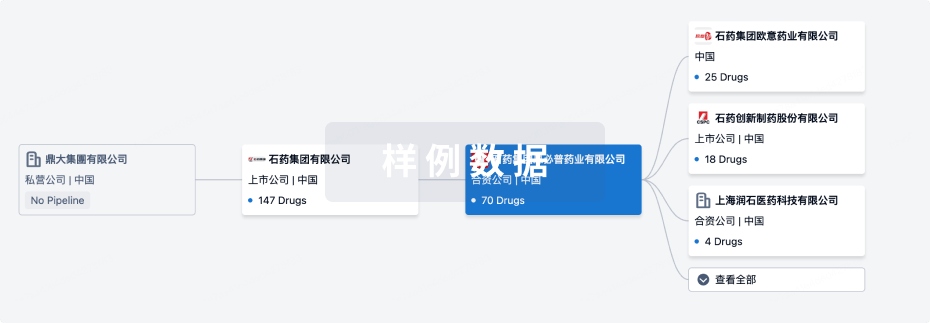
组织架构
使用我们的机构树数据加速您的研究。
登录
或
管线布局
2026年06月06日管线快照
管线布局中药物为当前组织机构及其子机构作为药物机构进行统计,早期临床1期并入临床1期,临床1/2期并入临床2期,临床2/3期并入临床3期
药物发现
1
2
临床前
其他
1
登录后查看更多信息
当前项目
登录后查看更多信息
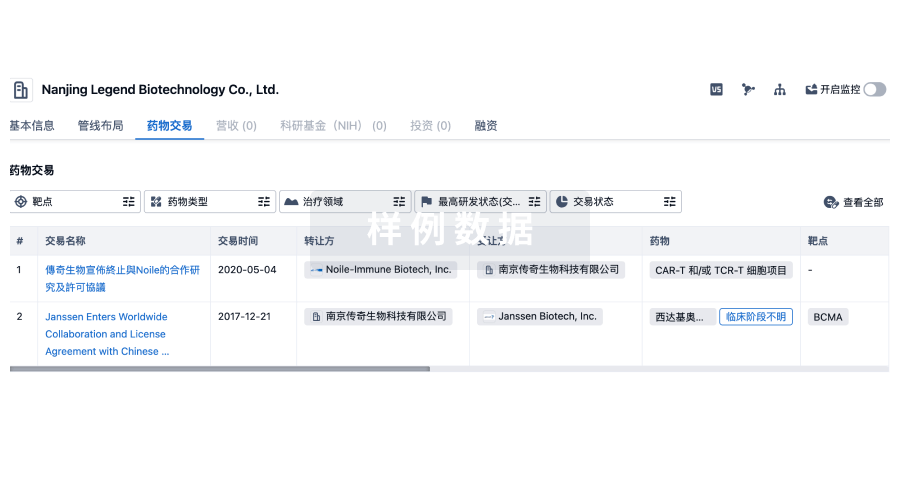
药物交易
使用我们的药物交易数据加速您的研究。
登录
或
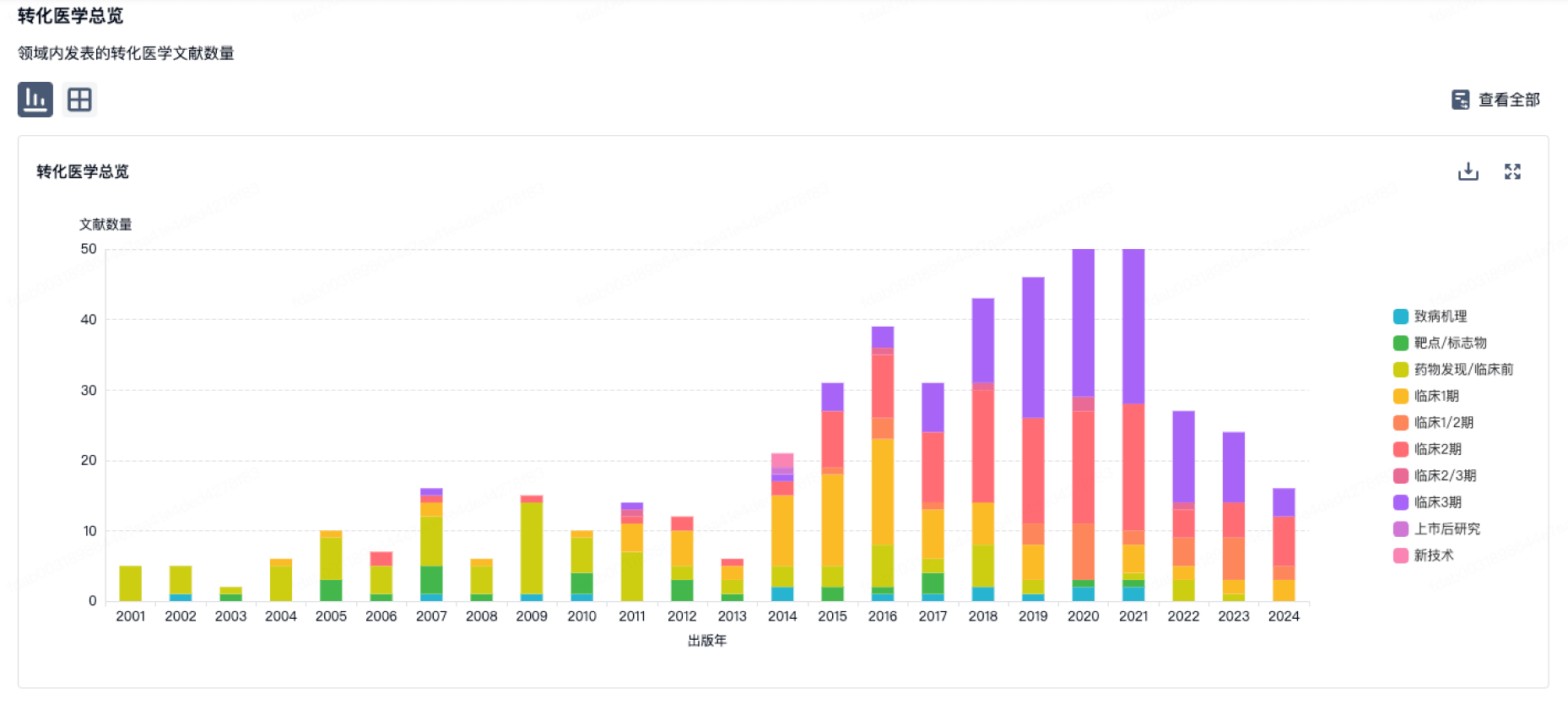
转化医学
使用我们的转化医学数据加速您的研究。
登录
或
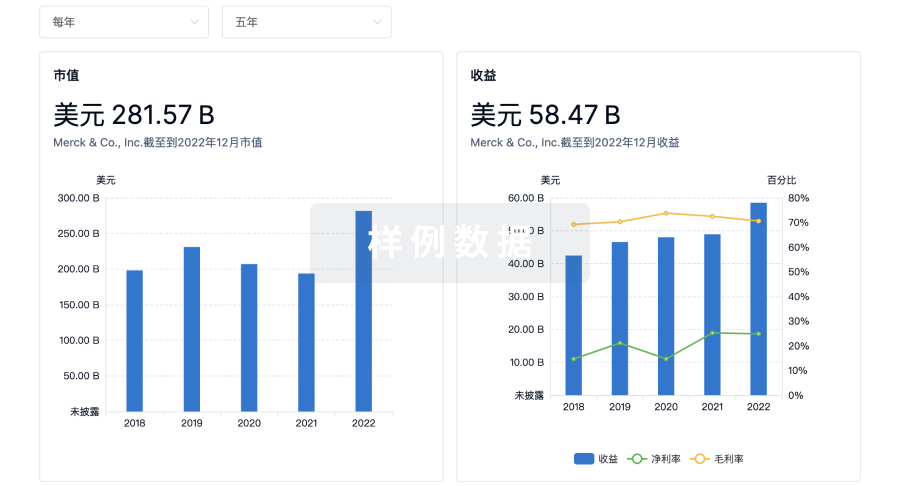
营收
使用 Synapse 探索超过 36 万个组织的财务状况。
登录
或
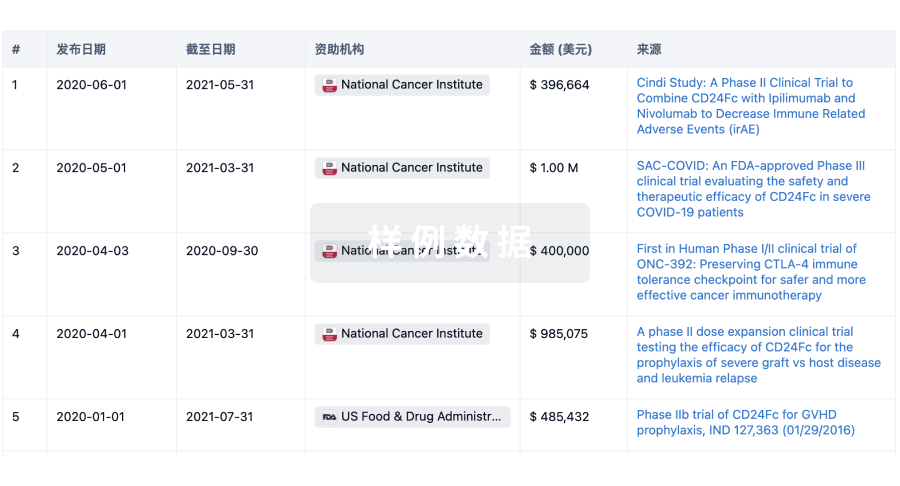
科研基金(NIH)
访问超过 200 万项资助和基金信息,以提升您的研究之旅。
登录
或
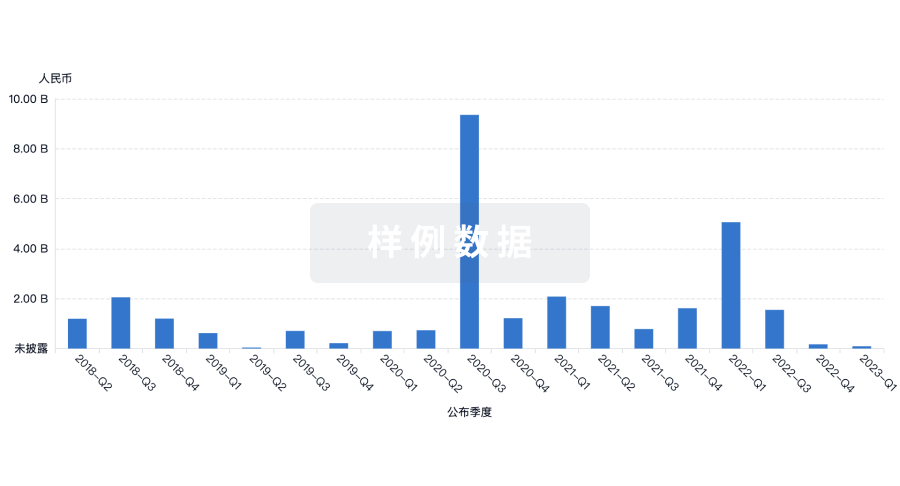
投资
深入了解从初创企业到成熟企业的最新公司投资动态。
登录
或
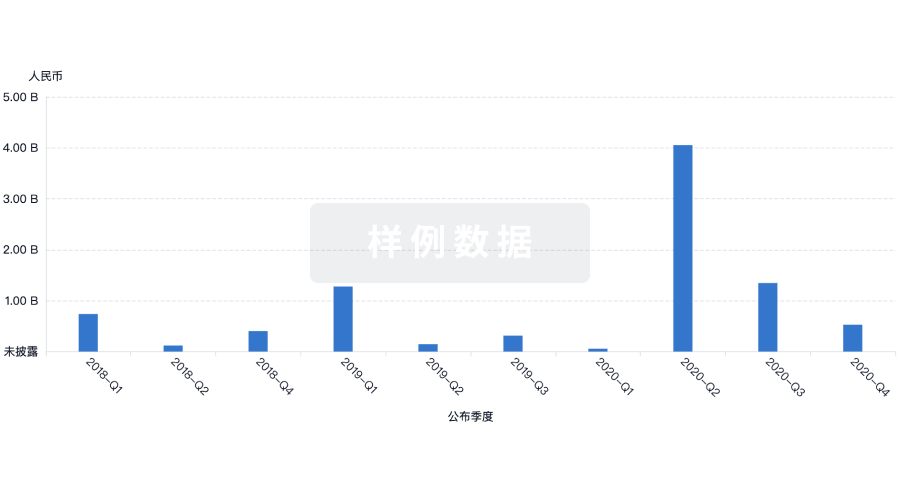
融资
发掘融资趋势以验证和推进您的投资机会。
登录
或
生物医药百科问答
全新生物医药AI Agent 覆盖科研全链路,让突破性发现快人一步
立即开始免费试用!
智慧芽新药情报库是智慧芽专为生命科学人士构建的基于AI的创新药情报平台,助您全方位提升您的研发与决策效率。
立即开始数据试用!
智慧芽新药库数据也通过智慧芽数据服务平台,以API或者数据包形式对外开放,助您更加充分利用智慧芽新药情报信息。
生物序列数据库
生物药研发创新
免费使用
化学结构数据库
小分子化药研发创新
免费使用