预约演示
更新于:2026-07-05

Worg Pharmaceuticals (Zhejiang) Co., Ltd.
更新于:2026-07-05
概览
标签
免疫系统疾病
眼部疾病
其他疾病
变应原提取物
合成多肽
治疗性疫苗
疾病领域得分
一眼洞穿机构专注的疾病领域

暂无数据
技术平台
公司药物应用最多的技术
暂无数据
靶点
公司最常开发的靶点
暂无数据
| 排名前五的药物类型 | 数量 |
|---|---|
| 变应原提取物 | 4 |
| 合成多肽 | 2 |
| 治疗性疫苗 | 2 |
| 化学药 | 1 |
| 联合疫苗 | 1 |
关联
11
项与 百明信康生物技术(浙江)股份有限公司 相关的药物靶点- |
作用机制- |
在研适应症 |
非在研适应症- |
最高研发阶段批准上市 |
首次获批国家/地区- |
首次获批日期- |
靶点- |
作用机制- |
在研适应症 |
非在研适应症- |
最高研发阶段批准上市 |
首次获批国家/地区- |
首次获批日期- |
靶点- |
作用机制 免疫调节剂 |
原研机构 |
在研适应症 |
非在研适应症- |
最高研发阶段临床2期 |
首次获批国家/地区- |
首次获批日期- |

3
项与 百明信康生物技术(浙江)股份有限公司 相关的临床试验NCT06240455
A Double-blind, Placebo-controlled, Phase 2 Dose-range Study to Assess the Efficacy and Safety of WP1302 in Preventing Disease Relapse Following Methimazole Withdrawal in Subjects With Graves' Disease
This is a Phase 2, double-blind, placebo controlled, Methimazole (MMI) withdrawal study in subjects with Graves' disease. The study consists of up to 5 periods: a screening period of up to 2 weeks; a WP1302 or placebo titration with Methimazole period of 12 weeks; a Full dose of WP1302 or placebo with Methimazole tapering period of 26 weeks; a follow-up period of 4 weeks; and an extended follow-up period of 6 months.
After screening, eligible subjects will be randomized to treatment at a ratio (stratified by size of goiter [grade 0 or 1; grade 2], WHO classification) of 1:1:1:1 to either any group of Methimazole with WP1302 at a dose of 400 μg, 800 μg, or 1200 μg, or the group of Methimazole with placebo.
All the subjects will subsequently be enrolled in an extended safety follow-up period for an additional 6 months. Subjects who remain euthyroid will continue to be monitored for efficacy during the long-term follow-up.
After screening, eligible subjects will be randomized to treatment at a ratio (stratified by size of goiter [grade 0 or 1; grade 2], WHO classification) of 1:1:1:1 to either any group of Methimazole with WP1302 at a dose of 400 μg, 800 μg, or 1200 μg, or the group of Methimazole with placebo.
All the subjects will subsequently be enrolled in an extended safety follow-up period for an additional 6 months. Subjects who remain euthyroid will continue to be monitored for efficacy during the long-term follow-up.
开始日期2026-03-31 |
申办/合作机构 |
CTR20260071
一项在初治Graves病患者中评价WP1302安全性、耐受性和有效性的随机双盲、剂量范围探索的IIa期临床试验
主要目的:
评价不同剂量WP1302在Graves病研究参与者中的安全性和耐受性。
次要目的:
1) 描述性评价研究参与者在治疗期间及随访期内,甲状腺功能指标和关键致病抗体(TRAb和TSAb)相较于基线的变化趋势。
2) 探索WP1302在改善甲状腺功能、降低TRAb和TSAb水平方面的潜在剂量依赖关系。
3) 评估在24周治疗期内,因未达到预设疗效标准而需要启动抗甲状腺药物(ATD)补救治疗的研究参与者比例。
4) 评价治疗期内甲状腺功能恢复正常的研究参与者比例,以及在停药后随访期内的复发情况。
5) 评估WP1302多次给药在人体内的免疫原性,检测抗药抗体(ADA)的产生情况。
开始日期- |
申办/合作机构 |
CTR20251868
评价WP1302在健康受试者中单次给药的安全性、耐受性、药代动力学和免疫原性研究——随机、双盲、剂量递增、安慰剂对照的I期临床试验
主要目的
评价健康受试者单次皮下注射给予注射用WP1302的耐受性和安全性。
次要目的
1) 探索注射用WP1302单次皮下给药在健康受试者中的药代动力学特征;
2) 探索注射用WP1302在健康受试者中的药效学及免疫原性。
开始日期- |
申办/合作机构 |
100 项与 百明信康生物技术(浙江)股份有限公司 相关的临床结果
登录后查看更多信息
0 项与 百明信康生物技术(浙江)股份有限公司 相关的专利(医药)
登录后查看更多信息
1
项与 百明信康生物技术(浙江)股份有限公司 相关的文献(医药)2025-06-01·MOLECULAR IMMUNOLOGY
Bro p 3, an nsLTP1: The first major allergen identified in Broussonetia papyrifera pollen
Article
作者: Chen, Zhonglei ; Meng, Juan ; Liu, Shixi ; Jiang, Zihan ; Xu, Aiwu ; Yin, Xiaoling
BACKGROUND:
Broussonetia papyrifera pollen is an important cause of allergy worldwide, yet its key allergenic components remain unclear. This study aims to identify and characterize the major allergen of B.papyrifera pollen.
METHODS:
Patients with allergic rhinitis (AR) symptoms in B.papyrifera pollen season and positive skin prick test (SPT) to B.papyrifera pollen extract were enrolled. Serum sIgE was measured by ImmunoCAP. The pollen crude extract was immunoblotted with patients' sera. The major allergen was purified and subjected to mass spectrometry analysis. The cDNA of the allergen was cloned from a pollen cDNA library. The antigenicity of recombinant allergen was measured by ELISA. Overlapping peptides spanning the allergen were synthesized. Type 2 T cell epitopes were screened using patients' PBMC by IL-4 ELISpot. Cross-reactivity of the allergen was evaluated.
RESULTS:
B. papyrifera-sIgE was confirmed in 194 of 201 patients by ImmunoCAP. Bro p 3 was identified as major allergen by immunoblot. We purified, cloned the cDNA of, and determined the full-protein sequence of Bro p 3, an nsLTP1 with an average mass of 10264 Da. Recombinant Bro p 3 (rBro p 3) exhibited identical antigenicity as natural Bro p 3, with sensitization rates of 74.53 % and 78.89 %, respectively. Peptides Pep 7-21, Pep 10-24 and Pep 13-27 stimulated IL-4 secretion by T cells from 8, 9 and 8 out of 11 patients. Bro p 3-sIgE sensitization was significantly correlated to elevated sIgE of B. papyrifera, Morus alba, Morus. rubra, and Humulus scandens. It was also associated with the concurrence of conjunctivitis and conjunctivitis plus asthma. No IgE binding was found to the other two B.papyrifera nsLTPs. Bro p 3 inhibited the IgE binding to M. alba and H. scandens pollen extracts.
CONCLUSIONS:
We demonstrated that Bro p 3 is the major allergen of B. papyrifera pollen and the first allergen from this species with its full sequence determined. The I7-R27 peptides of Bro p 3 represent its immunodominant type 2 T cell epitopes. Bro p 3 sensitization is relevant to clinical phenotypes and the cross-reactivity between M. alba, H. scandens and B.papyrifera pollen.
101
项与 百明信康生物技术(浙江)股份有限公司 相关的新闻(医药)2026-06-26
点击上方蓝字,关注我们
BIWEEKLY REPORT
2026/06
—— 临床研究亮点(按疾病/技术领域分类) ——
1.肿瘤治疗
复宏汉霖:斯鲁利单抗(汉斯状®)新适应症获 NMPA 批准,联合奥沙利铂、替吉奥用于 PD-L1 CPS≥5 可手术胃癌新辅助+术后单药辅助;为全球唯一获批胃癌围术期 PD-1 单抗,术后免疫单药替代化疗,降低毒副作用、提升患者耐受,注册研究 ASTRUM-006 登顶《柳叶刀》并亮相 ASCO 2026。
原文地址:告别术后化疗!H药 汉斯状®获批新适应症,开启胃癌围术期“去化疗”免疫治疗新时代
齐鲁制药:注射用盐酸美法仑获批上市,属于烷化剂,用于多发性骨髓瘤自体造血干细胞移植预处理、不适合口服患者姑息治疗,是全球骨髓瘤移植标准预处理基石药物。
原文地址:齐鲁制药注射用盐酸美法仑(佑瑞清®)获批上市,多发性骨髓瘤治疗再添用药新选择
诺华:达拉非尼+曲美替尼新增适应症,用于 BRAF V600E 突变、放射性碘难治分化型甲状腺癌成人患者,为该组合国内第四项获批适应症。
原文地址:诺华泰菲乐®联合迈吉宁®新适应症获批,为BRAF V600E突变阳性RAIR-DTC患者带来精准治疗新选择
复宏汉霖:三特异性抗体 HLX3902 获 NMPA 临床批件,用于转移性去势抵抗性前列腺癌及晚期实体瘤;同步在澳大利亚开展临床,评估安全性、耐受性与抗肿瘤疗效。
原文地址:创新加速度 | HLX3902(STEAP1×CD3×CD28三抗TCE)获中国临床批准,潜在首创机制有望突破“冷肿瘤”治疗策略
复宏汉霖: PD-L1 ADC HLX43 联合斯鲁利单抗用于非小细胞肺癌新辅助 II 期研究获澳大利亚 TGA 备案,多区域开展,为早期肺癌免疫联合治疗提供临床依据。
原文地址:探索早期肺癌治疗潜力,复宏汉霖HLX43联合汉斯状®用于NSCLC新辅助治疗II期临床试验获澳大利亚临床批准
齐鲁制药:1 类创新生物药注射用 QLF4113 获 NMPA 临床批件,开展晚期前列腺癌临床试验,拓展实体瘤免疫管线。
原文地址:晚期前列腺癌治疗迎来新选择:齐鲁制药1类创新生物药QLF4113获批临床
诺诚健华:frontMIND 全球 III 期数据 EHA 大会口头发布,坦昔妥单抗+来那度胺 +R-CHOP 对比标准 R-CHOP,显著延长高危弥漫大B细胞淋巴瘤患者无进展生存期,有望成为一线新标准。
原文地址:2026 EHA | 坦昔妥单抗联合疗法治疗初治DLBCL的Ⅲ期研究显示无进展生存期显著延长
上海市肺科医院:2026 年美国临床肿瘤学会(ASCO)年会上,我院再次发出中国肺癌诊疗领域的强劲声音。由放疗科许亚萍教授团队联合胸外科赵德平教授团队开展的Ⅱ期临床研究(Abstract#8046)显示:新辅助空间分割立体定向放疗(SF-SBRT)联合特瑞普利单抗及化疗治疗可切除 ⅡA-ⅢB 期非小细胞肺癌(NSCLC),实现 95% 的主要病理缓解率(MPR)和 55% 的病理完全缓解率(pCR),同时保持良好的安全性和手术可行性,为局部晚期可切除及潜在可切除肺癌围手术期治疗带来了全新思路。
原文地址:“肺”科新闻 | ASCO 2026 中国强音——95%主要病理缓解率!上海市肺科医院创新“爆破式放疗+免疫”方案为局部晚期肺癌治疗带来新突破
上海市胸科医院:我院放疗科主任蔡旭伟教授团队与山东省肿瘤医院朱慧教授团队、天津市肿瘤医院赵路军教授团队合作开展的临床研究取得重要进展。相关成果“一线治疗后仅脑进展的广泛期小细胞肺癌患者中,继续原全身治疗方案或更换全身治疗方案±脑放疗的多中心队列研究在线发表于国际肿瘤学顶刊 Journal of Clinical Oncology(影响因子 43.4)。该研究为广泛期小细胞肺癌(ES-SCLC)的二线治疗带来了新的治疗理念。
原文地址:【新闻速递】破解“脑转移”难题!胸科医院放疗科团队合作研究取得小细胞肺癌二线治疗新突破
信达生物:双免疫联合方案写入 CSCO 结肠癌指南,针对可切除 IIB-III 期 MSI-H/dMMR 肠癌新辅助,获得最高等级I级推荐。
原文地址:CSCO指南重磅更新 | 信迪利单抗联合伊匹木单抗N01新辅助治疗可切除IIB-III期微卫星高度不稳定型或错配修复缺陷结肠癌获I级推荐
石药集团:注射用紫杉醇(白蛋白结合型)(Ⅱ)(100mg)已获得中华人民共和国国家药品监督管理局批准上市,为全球首个速溶白蛋白结合型紫杉醇制剂。其适应症为联合化疗失败的转移性乳腺癌或辅助化疗后6个月内复发的乳腺癌(除非有临床禁忌症,既往化疗中应包括一种蒽环类抗癌药)。
原文地址:石药集团注射用紫杉醇(白蛋白结合型)(Ⅱ)获批上市
麓鹏制药:NMPA 通过优先审评审批程序批准公司自主研发的1类创新药、共价兼非共价第四代布鲁顿酪氨酸激酶(BTK)抑制剂洛布替尼片(商品名:麓可达®,英文通用名:Rocbrutinib,研发代号:LP-168)上市,用于治疗既往接受过至少两种系统性治疗(含 BTK 抑制剂)的复发或难治性套细胞淋巴瘤(R/R MCL)成人患者。
原文地址:https://www.lupengbio.com/NewsCenter/544.html
威凯尔医药:自主研发的 1 类创新药——维迈妥®(通用名:安瑞曲替尼/Eratrectinib,研发代码:VC004)通过优先审评审批,获得国家药品监督管理局(NMPA)上市批准,用于治疗携带 NTRK 融合基因的成人和 12 岁以上青少年实体瘤患者。该药是全球第三款新一代 TRK 抑制剂。
原文地址:https://www.vcarepharmatech.com/news_detail/29.html
2.内分泌与代谢疾病
信达生物:玛仕度肽注射液(胰高血糖素 [GCG] /胰高血糖素样肽-1 [GLP-1] 双受体激动剂,研发代号:IBI362)在中国中重度肥胖人群中开展的 III 期临床研究(GLORY-2)的核心数据在 2026 年美国糖尿病协会(ADA)科学会议上以口头报告(1225-OR)的形式发布。同时,该研究的完整结果于国际顶级期刊 JAMA 全文在线发表。
原文地址:2026 ADA | 玛仕度肽9 mg在中国中重度肥胖人群中的III期临床研究GLORY-2结果在《美国医学会杂志》(JAMA)及ADA科学会议上同步发表
阿斯利康:Elecoglipron 是一种口服小分子胰高糖素样肽-1 受体激动剂(GLP-1 RA)。Elecoglipron 的 VISTA 和 SOLSTICE IIb 期研究取得的阳性结果,为阿斯利康致力于开发改善心血管代谢及肾脏健康、减少与体重相关并发症的疗法开启了新篇章。相关结果已在美国糖尿病协会(ADA)2026 年会上公布,并同步刊登于《柳叶刀》。
原文地址:口服小分子GLP-1受体激动剂(GLP-1 RA)elecoglipron进入III期临床研究,开启阿斯利康心血管代谢及肾脏疾病产品组合新篇章
辉瑞:新一代 cAMP 偏向型 GLP-1 受体激动剂埃诺格鲁肽与司美格鲁肽的头对头研究(SLIMMER-UP-SWITCH)关键数据,在 2026 年美国糖尿病协会(ADA)科学年会上作为“最新突破(Late Breaking)”正式公布。
原文地址:头对头研究证实辉瑞埃诺格鲁肽临床优势,减重降幅显著优于司美格鲁肽35%
3.神经系统疾病
齐鲁制药:甲磺酸沙非胺片 50mg、100mg 规格获批,视同通过一致性评价,用于中晚期帕金森运动波动治疗,国产神经领域创新药补充。
原文地址:齐鲁制药甲磺酸沙非胺片(申可宁®)获批上市,帕金森中晚期患者迎来国产治疗新选择
上海市同济医院:程黎明教授牵头“人源性神经干细胞治疗脊髓损伤安全性与初步有效性评价”,为国务院 818 号令实施后全国首批生物医学新技术备案临床研究,干细胞疗法规范化临床落地。
原文地址:【喜报】我院骨科生物医学新技术临床研究通过国家卫健委首批项目备案
4.呼吸系统疾病
上海市同济医院:英矽智能 AI 发现 first-in-class 药物 Rentosertib 开展 III 期临床,针对特发性肺纤维化;35 家中心参与,计划入组 320 例患者,每日一次给药 52 周评估疗效与安全性,徐作军牵头,钟南山、陈昶联合牵头。
原文地址:“肺”科新闻 | 我院联合牵头的Rentosertib III期临床试验研究者会议顺利举行
5.眼科疾病
复宏汉霖:HLX04-O(抗 VEGF 单抗)治疗湿性年龄相关性黄斑变性国际 III 期达主要终点,国内 NDA 已受理,数据支撑中美海外上市申报。
原文地址:复宏汉霖成功完成贝伐珠单抗HLX04-O眼科适应症III期国际多中心临床研究
6.肾脏疾病
诺华:ALIGN III 期 2.5 年终期数据,盐酸阿曲生坦显著延缓 IgA 肾病患者肾功能衰退,成果发表《柳叶刀》,ERA 大会公布。
原文地址:诺华发布最新 IgAN 数据,盐酸阿曲生坦片在 2.5 年内可实现具有临床意义的肾功能下降速率减缓
荣昌生物:全球首创 BLyS/APRIL 双靶点融合蛋白创新药泰它西普(RC18)治疗干燥综合征(干燥病)、IgA 肾病的两项新适应症获国家药品监督管理局(NMPA)批准上市,至此,泰它西普已有系统性红斑狼疮、类风湿关节炎、全身型重症肌无力、干燥综合征(干燥病)、IgA 肾病等五个适应症在国内获批上市。
原文地址:https://www.remegen.com/index.php?cid=39&id=10177&v=show
7.皮肤病 康方生物:靶向 IL-17 的单克隆抗体奇佑康®(古莫奇单抗,AK111),已获得国家药品监督管理局(NMPA)批准上市,用于中重度斑块状银屑病成人患者的治疗。
原文地址:古莫奇单抗(IL-17)获批上市,治疗中重度银屑病,康方生物自免领域再添重磅新药
8.罕见病
上海泰昶生物:上海天泽云泰生物医药股份有限公司(以下简称“天泽云泰”、“公司”)宣布,其全资子公司上海泰昶生物技术有限公司申报的、用于治疗芳香族L-氨基酸脱羧酶缺乏症(AADCD)的基因治疗产品 VGN-R09b 注射液正式获得国家药品监督管理局药品审评中心(CDE)优先审评审批资格,并已就上市申报数据范围与 CDE 达成一致,标志着这款针对致死性儿科罕见病的基因疗法向商业化落地迈出了关键一步。
原文地址:加快上市进程!VGN-R09b注射液正式纳入优先审评审批程序
9.免疫疾病
国药蓉生:国药集团所属成都蓉生药业有限责任公司自主研发的皮下注射人免疫球蛋白(天坛维安®)获得国家药品监督管理局上市许可批准。该产品为国内首个获批上市的皮下注射人免疫球蛋白,填补了我国在该领域的空白,标志着我国免疫球蛋白治疗迈入高浓度制剂、皮下给药、居家治疗的新阶段。
原文地址:国内首个 | 国药集团皮下注射人免疫球蛋白获批上市
10.中药制剂
樟树制药:仁和药业股份有限公司旗下子公司江西药都樟树制药有限公司申报的古代经典名方中药复方制剂“清肺汤颗粒”正式获得批准上市。这是继 2024 年“二冬汤颗粒”获批之后,仁和药业取得的第二个古代经典名方品种,也是全国首家获得清肺汤颗粒药品注册证书的企业。
原文地址:全国首家!仁和清肺汤颗粒正式获批上市
—— 更多资讯,请滑动下方文字 ——
2026.06.06 – 06.19 CDE 临床试验默示许可(1类/1.1类)
杭州高光制药股份有限公司: HL-400缓释片。适应症: 帕金森病。受理号: CXHL2600286/CXHL2600285
杭州高光制药股份有限公司: TLL-018片。适应症: 用于治疗特应性皮炎。受理号: CXHL2600318/CXHL2600317/CXHL2600316
长春金赛药业有限责任公司: GenSci144片。适应症: 苯丙酮尿症。受理号: CXHL2600476/CXHL2600475
长春金赛药业有限责任公司: GenSci155注射液。适应症: 急性缺血性卒中(AIS)。受理号: CXSL2600462/CXSL2600461
长春金赛药业有限责任公司: GenSci155注射液。适应症: 预防早产儿支气管肺发育不良(BPD)。受理号: CXSL2600460/CXSL2600459
长春金赛药业有限责任公司: 注射用GenSci136。适应症: 眼肌型重症肌无力(oMG)。受理号: CXSL2600371
江苏恒瑞医药股份有限公司: HRS-2329片。适应症: 携带RAS突变或扩增的实体瘤。受理号: CXHB2600075
江苏恒瑞医药股份有限公司: HRS-4508片。适应症: 本品联合曲妥珠单抗±帕妥珠单抗+化疗用于实体瘤的治疗。受理号: CXHL2600335
上海贺维斯特医药科技有限公司: HMBD-001。适应症: 晚期实体瘤,HMBD-001联合西妥昔单抗治疗晚期鳞状细胞癌患者。受理号: CXSL2600427
苏州锐明新药研发有限公司: RA1115-B1滴眼液。适应症: 湿性年龄相关性黄斑变性(wAMD)。受理号: CXHB2600074/CXHB2600073
苏州宜联生物医药有限公司: 注射用YL211。适应症: 注射用YL211联合帕博利珠单抗注射液用于治疗非小细胞肺癌。受理号: CXSL2600332
苏州宜联生物医药有限公司;百欧恩泰(上海)医药有限公司: BNT326。适应症: BNT326单药治疗以及与癌症免疫疗法药物BNT327联合治疗晚期实体瘤。受理号: CXSB2600077
百济神州(苏州)生物科技有限公司: BGB-58067片。适应症: 拟用于治疗晚期实体瘤患者。受理号: CXHB2600077/CXHB2600078
百济神州(苏州)生物科技有限公司: BGB-43395片。适应症: BGB-43395单药治疗或与氟维司群或来曲唑联合治疗晚期或转移性HR+/HER2-乳腺癌及其他实体瘤。受理号: CXHB2600089/CXHB2600088/CXHB2600087
百济神州(苏州)生物科技有限公司: BGB-43395片。适应症: BGB-43395联合来曲唑用于治疗既往未接受过任何针对晚期或转移性疾病全身治疗的 HR+/HER2-晚期或转移性乳腺癌(mBC)成人患者。受理号: CXHL2600454/CXHL2600453/CXHL2600452/CXHL2600451
百济神州(苏州)生物科技有限公司: BGB-16673片。适应症: B细胞恶性肿瘤。受理号: CXHB2600102/CXHB2600101/CXHB2600100/CXHB2600118/CXHB2600117/CXHB2600116
药捷安康(南京)科技股份有限公司: 替恩戈替尼片。适应症: TT-00420片联合达罗他胺片用于经治后进展的转移性去势抵抗性前列腺癌(mCRPC)。受理号: CXHL2600338/CXHL2600337/CXHL2600336
AstraZeneca AB: AZD2936。适应症: 不可切除III期非小细胞肺癌。受理号: JXSL2600080
AstraZeneca AB: AZD2936。适应症: 适用于高危肌层浸润性尿路上皮癌(MIUC)患者。受理号: JXSL2600087
AstraZeneca AB: AZD8965片。适应症: 用于治疗特发性肺纤维化(IPF)。受理号: JXHL2600098/JXHL2600097
AstraZeneca AB: 注射用AZD0292。适应症: 支气管扩张症。受理号: JXSB2600051
Eli Lillly and Company: Brenipatide注射液。适应症: 本品适用于成人抑郁症(MDD)预防复发的辅助治疗。受理号: JXHL2600085/JXHL2600084/JXHL2600083
Eli Lilly and Company: Brenipatide注射液。适应症: 治疗成人酒精使用障碍。受理号: JXHB2600062/JXHB2600061/JXHB2600060
Eli Lilly and Company: Brenipatide注射液。适应症: 治疗成人中重度慢性阻塞性肺疾病。受理号: JXHL2600094/JXHL2600093/JXHL2600092/JXHL2600091
Eli Lilly and Company: LY4005130注射液。适应症: 治疗成人重度斑秃。受理号: JXSL2600076
Eli Lilly and Company: LY4005130注射液。适应症: 治疗成人非节段型白癜风。受理号: JXSL2600069
凌科药业(浙江)股份有限公司: LNK01004软膏。适应症: 慢性手部湿疹。受理号: CXHL2600330/CXHL2600329
深圳市康哲生物科技有限公司: CMS-D001片。适应症: 适用于溃疡性结肠炎的治疗。受理号: CXHL2600325/CXHL2600323
深圳市康哲生物科技有限公司: CMS-D001片。适应症: 适用于克罗恩病的治疗。受理号: CXHL2600322/CXHL2600321
扬子江药业集团江苏龙凤堂中药有限公司;南京海陵中药制药工艺技术研究有限公司: ZGZHR-061颗粒。适应症: 温阳益气,宣肺平喘,止咳化痰。用于支气管哮喘慢性持续期(寒哮证)。受理号: CXZL2600029
扬子江药业集团江苏龙凤堂中药有限公司;南京海陵中药制药工艺技术研究有限公司: ZYY-768颗粒。适应症: 非糜烂性反流病脾虚湿热证。受理号: CXZL2600033
AbbVie Inc.: Telisotuzumab Adizutecan 注射用粉末。适应症: 转移性胰腺导管腺癌。受理号: JXSL2600078/JXSL2600077
AbbVie Inc.: ABBV-438注射用粉末。适应症: 复发或难治性多发性骨髓瘤。受理号: JXSL2600106
浙江杭煜制药有限公司: JMKX000197注射液。适应症: 治疗恶性胸腔积液。受理号: CXHB2600076
海思科医药集团股份有限公司: HSK44459乳膏。适应症: 用于特应性皮炎患者的局部外用治疗。受理号: CXHL2600304/CXHL2600303/CXHL2600302
海思科医药集团股份有限公司: HSK44459乳膏。适应症: 用于银屑病患者的局部外用治疗。受理号: CXHL2600301/CXHL2600300/CXHL2600299
广州绿十字制药股份有限公司: GCF20215。适应症: 本品适用于治疗成人患者下列感染:侵袭性曲霉病、侵袭性毛霉病。受理号: CXHL2600296
依诺医药(广东)有限公司: 硫酸益母草碱片。适应症: 动脉粥样硬化。受理号: CXHL2600293/CXHL2600292
依诺医药(广东)有限公司: 硫酸益母草碱片。适应症: 代谢功能障碍相关脂肪性肝炎。受理号: CXHL2600342/CXHL2600340
Cytokinetics, Incorporated: Omecamtiv Mecarbil缓释片。适应症: Omecamtiv mecarbil 是一种心肌肌球蛋白激活剂,可降低左心室射血分数严重降低(<30%) 的有症状心力衰竭患者的心力衰竭事件和心血管死亡风险。受理号: JXHB2600041/JXHB2600040/JXHB2600039
山东汉方制药股份有限公司: 小儿健脾消食颗粒。适应症: 3岁以上儿童功能性消化不良中医辨证属脾虚食滞证。受理号: CXZL2600026
山西省中医药研究院(山西省中医院): 香术调脾和中颗粒。适应症: 儿童功能性消化不良(脾虚食滞证)。受理号: CXZL2600032
上海华奥泰生物药业股份有限公司;华博生物医药技术(上海)有限公司: HB0056注射液。适应症: 特发性肺纤维化。受理号: CXSL2600344
北京鞍石生物科技股份有限公司: ANS014004片。适应症: 联合含铂化疗治疗携带MET异常的局部晚期或转移性非小细胞肺癌。受理号: CXHL2600358/CXHL2600357
北京鞍石生物科技股份有限公司: ANS02胶囊。适应症: EGFR突变阳性局部晚期或转移性非小细胞肺癌。受理号: CXHL2600414/CXHL2600413
Sanofi-aventis Recherche & Développement: Riliprubart注射液。适应症: 用于治疗慢性炎性脱髓鞘性多发性神经根神经病(CIDP)。受理号: JXSB2600046/JXSB2600045
Sanofi-Aventis Recherche & Développement: SAR445399。适应症: 成人中重度化脓性汗腺炎。受理号: JXSB2600047
慕宝盛科生物医药(广东横琴)有限公司: 注射用MST-168单抗。适应症: HER2驱动的晚期实体瘤。受理号: CXSL2600444
上海先博生物科技有限公司: 靶向CD19的嵌合抗原受体基因修饰的NK细胞注射液。适应症: 既往至少接受2线系统治疗后复发和/或难治性大B细胞淋巴瘤成人患者;既往至少接受2线系统治疗后复发和/或难治性大B细胞淋巴瘤成人患者;中重度难治性系统性红斑狼疮患者。受理号: CXSB2600048/CXSB2600047/CXSB2600046
健达九州(北京)生物科技有限公司: GA002注射液。适应症: 难治性癫痫。受理号: CXSL2600299
赛诺哈勃药业(成都)有限公司: SNH-118110软胶囊。适应症: 拟用于治疗RET异常的晚期实体瘤。受理号: CXHL2600487/CXHL2600486
施维雅(北京)医药研发有限公司;上海合全医药有限公司: S241656片。适应症: 经证实的KRAS、BRAF和其他特定RAS/MAPK突变的恶性肿瘤。受理号: CXHL2600494/CXHL2600493/CXHL2600492
明济生物制药(北京)有限公司: 注射用FG-M131。适应症: 经治的TRBC1阳性的复发/难治外周T细胞淋巴瘤患者。受理号: CXSL2600338
广州百济神州生物制药有限公司: 注射用BGB-B455。适应症: 单药治疗晚期实体瘤。受理号: CXSB2600061
杭州和正医药有限公司: HZ-A-018胶囊。适应症: 联合化疗治疗初治原发中枢神经系统淋巴瘤。受理号: CXHL2600341
神州细胞工程有限公司: SCTB39G注射液。适应症: 晚期恶性实体瘤。受理号: CXSL2600334
神州细胞工程有限公司: SCTB41注射液。适应症: 晚期恶性实体瘤。受理号: CXSL2600333
Janssen Research & Development, LLC: JNJ-79635322。适应症: 本品适用于既往接受过至少1种治疗的复发或难治性多发性骨髓瘤(RRMM)成人患者。受理号: JXSL2600082/JXSL2600081
苏州信诺维医药科技股份有限公司: XNW5004片。适应症: XNW5004联合抗肿瘤治疗拟用于治疗晚期前列腺癌。受理号: CXHL2600363/CXHL2600362
Merck Sharp & Dohme LLC: MK-1084片。适应症: 非小细胞肺癌。受理号: JXHL2600087/JXHL2600086
上海翱路生物医药科技有限公司: OTR-8100片。适应症: 联合抗肿瘤药物用于治疗晚期恶性肿瘤。受理号: CXHL2600344/CXHL2600343
齐鲁制药有限公司: 注射用QLS5133。适应症: 拟用于晚期实体瘤。受理号: CXSL2600335
齐鲁制药有限公司: QLS2311注射液。适应症: 急性缺血性卒中。受理号: CXSL2600353
齐鲁制药有限公司: 注射用QLF4113。适应症: 晚期前列腺癌。受理号: CXSL2600363
迈威(上海)生物科技股份有限公司: 9MW5211注射液。适应症: 炎症性肠病。受理号: CXSL2600352
迈威(上海)生物科技股份有限公司: 注射用6MW5311。适应症: 血液瘤(急性髓系白血病、慢性粒单核细胞白血病以及多发性骨髓瘤)。受理号: CXSL2600410
杭州天玑济世生物科技有限公司: TJ0113胶囊。适应症: 肌萎缩侧索硬化(ALS)。受理号: CXHL2600383
四川科伦博泰生物医药股份有限公司: 注射用SKB571。适应症: 本品联合TKI,或联合化疗±PD-1抑制剂用于晚期非小细胞肺癌的治疗。受理号: CXSL2600350
ABIVAX S.A.: Obefazimod。适应症: 治疗中度至重度溃疡性结肠炎(UC)患者。受理号: JXHB2600045/JXHB2600044/JXHB2600043
上海跃赛生物科技有限公司: UX-DA003注射液。适应症: 帕金森病。受理号: CXSL2600438
沛肽(上海)医药科技有限公司;成都圣诺生物制药有限公司: PP011胶囊。适应症: 类风湿关节炎。受理号: CXHL2600460
Daiichi Sankyo, Inc.: DS-1062a。适应症: 表皮生长因子受体(EGFR)突变阳性的局部晚期或转移性非小细胞肺癌成人患者的一线治疗。受理号: JXSB2600052
ASTRAZENECA AB: DS-1062a。适应症: 适用于与度伐利尤单抗和卡铂联合治疗无驱动基因改变的晚期非小细胞肺癌(NSCLC)患者。受理号: JXSB2600048
杭州新元素药业股份有限公司: ABP-671片。适应症: 与非布司他联合用于治疗慢性肾脏病合并高尿酸血症。受理号: CXHL2600515/CXHL2600514
苏州春海生物医药有限公司: CH3127片。适应症: 超重或肥胖症。受理号: CXHL2600369/CXHL2600368/CXHL2600367
Merck Healthcare KGaA: 注射用precemtabart tocentecan。适应症: 转移性结直肠癌。受理号: JXSL2600085
成都百利多特生物药业有限责任公司;四川百利药业有限责任公司: 注射用BL-M08D1。适应症: 注射用BL-M08D1联合免疫化疗治疗弥漫大B细胞淋巴瘤。受理号: CXSL2600348
成都百利多特生物药业有限责任公司;四川百利药业有限责任公司: 注射用BL-M14D1。适应症: 注射用BL-M14D1与PD-1/PD-L1单抗联合或不联合抗血管生成药物不联合或联合化疗治疗广泛期小细胞肺癌患者。受理号: CXSL2600361
苏州盛迪亚生物医药有限公司;上海恒瑞医药有限公司: SHR-6914注射液。适应症: 拟用于治疗实体瘤患者。受理号: CXSL2600339
苏州盛迪亚生物医药有限公司;上海恒瑞医药有限公司: SHR-3079注射液。适应症: 拟用于类风湿关节炎。受理号: CXSL2600390/CXSL2600389
苏州盛迪亚生物医药有限公司;上海恒瑞医药有限公司: SHR-3079注射液。适应症: 拟用于系统性红斑狼疮。受理号: CXSL2600387/CXSL2600386
上海超阳药业有限公司: HP-002片。适应症: B细胞恶性肿瘤。受理号: CXHL2600356/CXHL2600355/CXHL2600354
江苏康宁杰瑞生物制药有限公司: JSKN016SC注射液。适应症: 晚期恶性实体瘤。受理号: CXSL2600458
信达生物制药(苏州)有限公司: IBI3001。适应症: 实体瘤。受理号: CXSB2600050
信达生物医药科技(杭州)有限公司: IBI354。适应症: 本品联合内分泌治疗±CDK4/6抑制剂用于治疗不可切除的局部晚期或转移性HR阳性、HER2低表达/超低表达乳腺癌。受理号: CXSL2600360
石药集团中奇制药技术(石家庄)有限公司: SYS6063注射液。适应症: 复发难治性系统性红斑狼疮(SLE)。受理号: CXSL2600308
石药集团巨石生物制药有限公司: SYS6041。适应症: SYS6041联合用药用于治疗卵巢癌。受理号: CXSL2600381
杉竹曜(北京)生物医药科技有限公司: BBT001注射液。适应症: 慢性自发性荨麻疹。受理号: CXSL2600364
百明信康生物技术(浙江)股份有限公司: 注射用WP1302。适应症: 甲状腺眼病。受理号: CXHL2600395
深圳若见辉瞳生物科技有限公司: ODV混悬滴眼液。适应症: 拟用于由角膜炎及角膜移植术后诱发的角膜新生血管患者的治疗。受理号: CXHL2600365/CXHL2600366/CXHL2600364
GlaxoSmithKline Research & Development Limited: GSK3862995B注射液。适应症: 本品适用于治疗非囊性纤维化支气管扩张症。受理号: JXSB2600055
杭州多禧生物科技有限公司: 注射用DXC018。适应症: 晚期实体瘤。受理号: CXSL2600375
Astellas Pharma Global Development, Inc.: ASP3082注射液。适应症: ASP3082注射液联合以氟尿嘧啶为基础的化疗方案,用于转移性KRAS G12D突变型胰腺导管腺癌患者的一线治疗。受理号: JXHL2600095
福建盛迪医药有限公司: HRS9531注射液。适应症: 肥胖合并膝骨关节炎。受理号: CXHL2600400/CXHL2600399/CXHL2600398
福建盛迪医药有限公司;江苏恒瑞医药股份有限公司;北京拓界生物医药科技有限公司: HRS-4729注射液。适应症: 肥胖或超重、代谢相关脂肪性肝病/代谢相关脂肪性肝炎。受理号: CXHB2600094/CXHB2600093
科辉智药(深圳)新药研究中心有限公司: ARD-489AD片。适应症: 化疗诱导的周围神经病变。受理号: CXHL2600401/CXHL2600402
Takeda Development Center Americas, Inc.: TAK-360片。适应症: 不伴猝倒的发作性睡病(II型发作性睡病)。受理号: JXHB2600049/JXHB2600047/JXHB2600050/JXHB2600046/JXHB2600048
广东省创新药转化医学研究院有限公司;深圳市原力生命科学有限公司;佛山市原力生物科技有限公司;上海聚原生物科技有限公司: INV-6452片。适应症: 联合内分泌治疗药物治疗激素受体阳性、人表皮生长因子受体2阴性的(HR+/HER2-)晚期/转移性乳腺癌或其他局部晚期/转移性实体瘤。受理号: CXHL2600382/CXHL2600381
广州一品红制药有限公司: APH03571片。适应症: 用于携带FLT3突变的复发性或难治性急性髓系白血病(AML)成人患者的治疗。受理号: CXHL2600374/CXHL2600373
德琪(杭州)生物有限公司: ATG-201注射液。适应症: 系统性红斑狼疮(SLE)。受理号: CXSL2600349
珠海联邦制药股份有限公司;珠海联邦制药股份有限公司中山分公司: TUL321胶囊。适应症: 本品拟用于治疗阵发性睡眠性血红蛋白尿症(PNH)。受理号: CXHL2600376/CXHL2600377/CXHL2600375
北京安信怀德生物技术有限公司: 注射用AX-023(冻干)。适应症:晚期实体瘤。受理号: CXSL2600488
Amgen Inc.: AMG 410。适应症: 携带 KRAS 改变的晚期或转移性实体瘤。受理号: JXHB2600038/JXHB2600037/JXHB2600036
上海德烽药业有限公司: ADRX-0405。适应症: 选定的晚期实体瘤。受理号: CXSL2600358
正大天晴药业集团南京顺欣制药有限公司: TQH3906胶囊。适应症: 中重度斑块状银屑病;炎症性肠病;系统性红斑狼疮;银屑病关节炎。受理号: CXHB2600086/CXHB2600085
上海齐鲁锐格医药研发有限公司: RGT-490片。适应症: 用于治疗携带PIK3CA突变的晚期实体瘤。受理号: CXHL2600387/CXHL2600386
百欧恩泰(上海)医药有限公司: BNT327。适应症: BNT327与BNT326联合治疗晚期实体瘤。受理号: CXSB2600069
北京盛迪医药有限公司: HRS-8829注射用浓溶液。适应症: 联合依达拉奉注射液用于治疗急性缺血性卒中。受理号: CXHL2600423
江苏长泰药业股份有限公司: PC-0120片。适应症: 适用于FLT3突变复发或难治性的急性髓系白血病(AML)。受理号: CXHL2600420
沈阳海思科制药有限公司: HSK46256片。适应症: 晚期实体瘤。受理号: CXHL2600419/CXHL2600418
江苏威凯尔医药科技股份有限公司: VC005凝胶。适应症: 斑块状银屑病。受理号: CXHL2600405
上海先纬医药科技有限公司: 注射用SIM0689。适应症: 局部晚期/转移性实体瘤成人患者。受理号: CXSL2600374
英百瑞(杭州)生物医药有限公司: IBR854细胞注射液。适应症: IBR854 细胞注射液联合多西他赛用于一线标准治疗失败的晚期非小细胞肺癌患者的二线治疗。受理号: CXSL2600346/CXSL2600345
Pfizer Inc.: PF-08634404。适应症: PF-08634404 单药或联合治疗既往未接受治疗的局部晚期或转移性肾细胞癌。受理号: JXSB2600064
Pfizer Inc.: PF-08634404。适应症: PF-08634404单药或联合治疗早期可切除或局部晚期不可切除非小细胞肺癌。受理号: JXSL2600089
上海挚盟医药科技有限公司: CB03-154片。适应症: 抑郁症。受理号: CXHL2600403
山东新时代药业有限公司: LNF2401注射液(皮下注射)。适应症: 急性缺血性脑卒中。受理号: CXSL2600370
山东新时代药业有限公司: LNF2401注射液(静脉滴注)。适应症: 急性缺血性脑卒中。受理号: CXSL2600369
成都恩沐生物科技有限公司: CMG2349注射液。适应症: 类风湿关节炎。受理号: CXSL2600368
上海英脉德医疗科技有限公司: 注射用IMD1828。适应症: 晚期实体瘤(包括但不限于卵巢癌、子宫内膜癌、生殖细胞肿瘤、非小细胞肺癌或其他实体瘤)。受理号: CXSL2600517
深圳信立泰药业股份有限公司: SAL0120片。适应症: 用于治疗慢性肾脏病,IgA肾病,轻、中度原发性高血压。受理号: CXHB2600082/CXHB2600081
上海和誉生物医药科技有限公司: 盐酸匹米替尼胶囊(ABSK021胶囊)。适应症: 腱鞘巨细胞瘤;肉瘤 (非骨肉瘤);胰腺癌;三阴性乳腺癌;肺癌;胶质瘤;骨肉瘤;其他晚期实体瘤。受理号: CXHB2600080
杭州鼎乐新为生物科技有限公司: DNV001注射液。适应症: 本品拟用于血脂异常的治疗,包括以低密度脂蛋白胆固醇(LDL-C)升高为特征的成人原发性高胆固醇血症(杂合子型家族性和非家族性)或混合型血脂异常患者的治疗。受理号: CXHB2600079
Boehringer Ingelheim International GmbH: BI 3034701注射液。适应症: 适用于作为低热量饮食和增加体力活动的辅助治疗,用于成人肥胖患者,或超重且至少合并一种体重相关合并症患者的长期体重管理。受理号: JXHL2600106/JXHL2600105/JXHL2600108/JXHL2600107/JXHL2600109
北京泰德制药股份有限公司: 注射用TRD209。适应症: 晚期实体瘤。受理号: CXHL2600435
上海复宏瑞霖生物技术有限公司;上海复宏汉霖生物医药有限公司: HLX3902注射液。适应症: 转移性去势抵抗性前列腺癌及其他晚期实体瘤。受理号: CXSL2600400
北京舜景生物医药技术有限公司: SGT003注射液。适应症: 晚期实体瘤。受理号: CXSL2600397
礼来苏州制药有限公司: LY4064809片。适应症: 本品联合内分泌治疗(ET)和CDK4/6抑制剂治疗PIK3CA突变的晚期乳腺癌。受理号: CXHL2600429/CXHL2600428/CXHL2600427/CXHL2600426/CXHL2600425
山东新华制药股份有限公司: LXH-2103注射液。适应症: 术后中至重度疼痛。受理号: CXHL2600424
百欧恩泰(上海)医药有限公司;百时美施贵宝(中国)投资有限公司: Pumitamig注射液。适应症: 既往未接受过治疗的晚期或转移性胃、胃食管连接部或食道腺癌。受理号: CXSB2600060
百欧恩泰(上海)医药有限公司;百欧恩泰(珠海)医药研发有限公司: PM1009注射液。适应症: PM8002注射液联合PM1009注射液治疗局部晚期或转移性肝细胞癌。受理号: CXSB2600057
百欧恩泰(上海)医药有限公司;百欧恩泰(珠海)医药研发有限公司: PM8002注射液。适应症: PM8002注射液联合PM1009注射液治疗局部晚期或转移性肝细胞癌。受理号: CXSB2600059
百欧恩泰(珠海)医药研发有限公司: PM8002注射液。适应症: PM8002注射液联合注射用白蛋白结合型紫杉醇一线治疗不可手术的局部晚期/复发转移性三阴性乳腺癌。受理号: CXSB2600058
武汉熙瑞医药科技有限公司: BX-2501片。适应症: 本品拟用于治疗急性疼痛。受理号: CXHL2600422/CXHL2600421
安徽诺宇生物制药有限公司: 68Ga-NYM096注射液制备用药盒。适应症: 用于对性质待定的肾肿块进行定性,以区分其为透明细胞肾细胞癌(ccRCC)还是非透明细胞肾细胞癌(non-ccRCC)的PET检查。受理号: CXHL2600409
江苏柯菲平医药股份有限公司;南京柯创制药有限公司: H029片。适应症: 特发性肺纤维化。受理号: CXHL2600583
上海亲合力生物医药科技股份有限公司: 注射用莱古杉醇。适应症: 联合贝伐珠单抗注射液治疗铂耐药复发卵巢癌。受理号: CXHL2600450/CXHL2600449
上海翰森生物医药科技有限公司;江苏豪森药业集团有限公司: HS-10529胶囊。适应症: KRAS G12D突变的晚期实体瘤(胰腺癌、结直肠癌、非小细胞肺癌等)。受理号: CXHB2600106
北京康抗生物技术有限公司;上海康抗生物技术有限公司: 注射用KGX105。适应症: 局部晚期或转移性实体瘤。受理号: CXSL2600408
北京伟德杰生物科技有限公司;浙江伟德杰生物科技有限公司: 重组人源化抗白介素-6受体单克隆抗体注射液。适应症: 慢性肾脏疾病(chronic kidney disease,CKD)导致的炎症性贫血。受理号: CXSL2600404
杭州中美华东制药有限公司: 注射用HDM2005。适应症: 注射用HDM2005联合PD-1单抗和AD(多柔比星和达卡巴嗪)用于治疗经典型霍奇金淋巴瘤。受理号: CXSL2600401
皮尔法伯(上海)医疗科技有限公司: VERT-002注射液。适应症: 治疗携带MET改变的局部晚期或转移性实体瘤(包括非小细胞肺癌NSCLC)患者。受理号: CXSB2600064
苏州沙砾生物科技有限公司: GT101注射液。适应症: GT101注射液联合特瑞普利单抗注射液用于复发或转移性头颈部鳞状细胞癌的一线治疗。受理号: CXSL2600365
北京沙砾生物医药股份有限公司: GT201注射液。适应症: GT201注射液联合PD-1抑制剂(特瑞普利单抗注射液)用于晚期实体瘤的治疗。受理号: CXSL2600355
Bristol-Myers Squibb Company: Admilparant片。适应症: 特发性肺纤维化。受理号: JXHL2600114/JXHL2600113/JXHL2600112
Novo Nordisk A/S: NNC0487-0111注射液。适应症: 在控制饮食和增加运动基础上,治疗成人超重或肥胖患者的中度至重度阻塞性睡眠呼吸暂停(OSA)。受理号: JXSL2600097/JXSL2600096/JXSL2600095/JXSL2600094/JXSL2600093/JXSL2600092
福贝医药科技(上海)有限公司: FB1003重组人源化单克隆抗体注射液。适应症: 癌痛。受理号: CXSL2600385/CXSL2600384
UCB Biopharma SRL: Galvokimig注射液。适应症: 适用于治疗中重度慢性阻塞性肺疾病(COPD)。受理号: JXSL2600116149.
The Global Alliance for TB Drug Development, Inc.: Sorfequiline片。适应症: 肺结核。受理号: JXHL2600163
下期精彩继续
欢迎关注
信息来源|医院、企业官方网站,以及智慧芽等其他公开网站
编辑|联盟秘书处(上海临床创新转化研究院)
2026-06-25
随着技术的迭代升级和机制研究的不断深入,自免药物迎来新一波浪潮。一方面,新靶点、新疗法的持续探索将推动了自免疾病治疗理念的根本性变革——从“广谱抑制”向“精准靶向”乃至“免疫重塑”的范式转移。另一方面,BD出海事件更是推波助澜——仅在2025年,自免领域就催生了累计超过150亿美元的授权合作与并购交易,全球制药界对自免疾病的关注度呈现爆发式增长。
触界生物将于2026年7月2-3日在上海淳大万丽酒店召开《第二届自免药物创新开发及应用大会》 ,诚邀业内专家出席交流,共同助力自免药物的发展!
抗体药物的进化与超越
7 月 2 日 上午
09:00
To Address Unmet Medical Needs by Developing Specific or Tri-specific Antibody Drugs
朱向阳,华奥泰生物,总经理
09:25
种属交叉的 CD3 纳米抗体 -Fapon TCE 平台及应用
芦迪,菲鹏制药,研发 VP
09:50
VelaVigo: Generating First-In-Class Pipeline to Potently Deplete B-Cells for Autoimmune Diseases
李竞,橙帆医药,创始人 & CEO
10:15
题目待定
百普赛斯
10:40
茶歇&商务交流
11:00
题目待定
郭崇天,脉金生物,非临床研发负责人
11:25
题目待定
陶维红,溪长生物,CEO
11:50
圆桌讨论
不同类型自免药物的优劣对比与联用创新
1. 小分子药物、抗体、细胞治疗不同类型的药物在疗效起效速度、作用机制、安全性(如感染、肿瘤风险)以及给药便利性 / 成本方面各有何显著优势与局限?
2. 不同机制的药物各有优劣,药物联用的理论基础是什么?是否能实现“1+1>2”?其目标是追求“协同增效”还是“互补覆盖”以克服耐药?联用方案是否会导致安全性风险的叠加?如何监测和管理这些风险?
12:30
午餐&休息时刻
细胞与基因疗法的“降维打击”
7 月2 日 下午
14:00
脐带血来源 NK 细胞的技术开发及在自免领域的临床应用
朱亚青,荣谷生物,首席运营官
14:25
B 细胞耗竭疗法治疗自身免疫性疾病的进展与展望
姜丽翠,博生吉生物,通用型细胞药物研发负责人
14:50
题目待定
尹景雯 , 诺纳生物,研发总监
15:15
FOXP3+ 调节性 T 细胞与个体化免疫疗法
李斌,上海市免疫学研究所,科研副所长 & 资深 PI
15:40
茶歇&商务交流
16:00
CAR-Treg 自身免疫性疾病适应症的立项选择以及临床开发
夏珏妤,毕诺济生物,临床开发副总裁
16:25
题目待定
精诚智研
16:50
mRNA 技术治疗自身免疫性疾病进展
刘伟为,阿法纳生物,副总经理
17:15
重塑免疫稳态:全新靶点Treg疗法在自免疾病的突破探索
刘峰,博迪贺康,首席运营官
17:40
圆桌讨论
自免药物的临床转化与应用
1. 在自免领域,如何利用生物标志物、疾病分型模型和先进的临床前模型(如人源化动物模型)来验证新靶点的成药性,并预测其在特定患者亚群中的疗效与安全性?当前转化研究面临的最大瓶颈是什么?
2. 面对自免疾病病程长、异质性大的特点,传统的临床试验设计往往耗时耗力。如何创新试验设计(如适应性设计、篮子 / 伞式试验、主方案设计)以加速药物开发?
18:20
首天会议结束
新型小分子药物——从“广谱抑制”到“精准调控”
7 月 3 日 上午
09:00
Development of Oral PROTAC Drug for Inflammatory Bowel Disease
金建平,优济普世,联合创始人
09:25
免疫代谢与自免疾病新药研发
许柯,默达生物,创始人 & CEO
09:50
针对外周自免症病的高选择性 TYK2/JAK1 假激酶 (JH2) 结构域抑制剂 WD-890
王能辉,文达医药,董事长
10:15
题目待定
寿建勇,轶诺药业,创始人&CSO
10:35
茶歇&商务交流
11:00
NLRP3炎症小体:自免疾病的下一个明星靶点?
嘉宾确认中
11:25
蛋白降解新机制自免药物的研发
杨小宝,标新生物,董事长 & CEO
11:50
下一代自免小分子的靶点选择策略
嘉宾确认中
11:30
午餐&休息时刻
从机制到临床——转化医学与生物标志物
7 月 3 日 下午
14:00
题目待定
吴诸丽,宜明昂科,首席医学官
14:25
PROTACs: From Clinical Advances to Future Directions
郭勇,多域生物,首席医学官 & 资深副总裁
14:50
针对骨关节炎的药物研发及临床进展(拟)
王晓梅,凯复医药,临床开发副总裁
15:15
题目待定
杨彬,和黄医药,临床运营高级副总裁
15:40
题目待定
博锐生物
16:05
会议结束
排名不分先后,更多嘉宾确认中......
自免药物相关公司
ROVI
RoyaltyPharma
R-PHARM
Sandoz
Sanofi
Santa Ana Bio
Santhera Pharmaceuticals
SBI Biotech
Schering-Plough
Schrödinger
Sebela Pharmaceuticals
Servier
Shionogi
Sorriso Pharmaceuticals
Soterios Pharma
SPH Project BiocadLimited
SSP
Stada Arzneimittel AG
SteinCares
Strides Pharma
Sun Pharmaceutical
Sunovion Pharmaceuticals
Surrozen
Switzerland Serono Pharma Schweiz
Taro Pharmaceutical
Telavant
Tetherex Pharmaceuticals
Teva
TG Therapeutics
Theravance
Throne Biotechnologies
TopasTherapeutics GmbH
UCB
Uitra Pharma(UPL)
Union Therapeutics
Upstream Bio
Vanda Pharmaceuticals
Vant
Vedanta Biosciences
Ventus Therapeutics
Ventyx Biosciences
Vera Therapeutics
Verona Pharma
Vertex Pharmaceuticals
Vianex
vTv Therapeutics
Windward Bio
Wyeth
Xencor
Xoma
Zenas BioPharma
ZuraBio
ZylaLife Sciences
艾博生物
艾美斐生物
爱科诺生物
爱思迈生物
爱信智耀
安博泰克
安立玺荣
安源医药
岸迈生物
昂科免疫
奥倍生物
百奥泰生物
百济神州
百暨基因
百明信康
百缮药业
邦耀生物
宝船生物
宝济药业
必贝特医药
毕诺济生物
标新生物
伯汇生物
博安生物
博奥信生物
泰恩康
博迪贺康
博锐生物
博生吉生物
超阳药业
乘典生物
创胜医药
创响生物
丹码生物
德琪医药
迪哲医药
东阳光药业
多域生物
恩沐生物
恩瑞恺诺
范德里希
费米子
复宏汉霖
复星凯瑞
高诚生物
高光制药
国药集团
国药中生生物
海湃泰克
海思科
海正药业
翰森制药
瀚辰星泰
杭煜制药
豪森药业
合一生技
合源生物
和铂医药
和博医药
和黄医药
和美药业
和其瑞医药
和正医药
恒瑞医药
恒翼生物
衡泰生物
弘益药业
宏成医药(倍特旗下)
华奥泰生物
华博生物
华东医药
华健未来
华纳药厂
华夏英泰
华毅乐健
汇伦生物
惠和生物
基石药业
集萃崛创
剂泰医药
济煜医药
嘉和生物
嘉越医药
健艾仕生物
健康元
金华康恩贝
津曼特生物
精准生物
君实生物
开拓药业
凯复医药
凯思凯迪
凯屹医药
凯因科技
康方生物
康乃德生物
康诺亚生物
康朴生物
康缘药业
康源久远
康哲药业
柯菲平
科辉智药
科伦药业
科望医药
科兴制药
科越医药
莱芒生物
徕特康生物
蓝图生物
朗来科技
朗睿生物
礼邦医药
礼来
丽珠医药
励缔医药
联邦生物
联合生物
凌科药业
领诺医药
领泰生物
龙启生物
隆耀生物
麓鹏制药
罗欣药业
洛启生物
迈博药业
迈晋生物
迈诺威医药
迈威生物
迈英诺医药
麦济生物
麦肯锡
美悦生物
美志医药
明慧医药
明济生物
默达生物
诺博特生物
诺诚健华
湃鸿生物
普莱医药
普祺医药
普瑞金生物
普元生物
齐鲁制药
启函生物
启林生物
启愈生物
启元生物
强生创新中心
轻胜谦远
清辉联诺
曲欣生物
荃信生物
泉港药业
荣昌生物
荣谷生物
融捷康生物
瑞博生物
瑞顺生物
睿跃生物
偌妥生物
赛尔欣生物
赛金生物
赛特明强 | 赛特医药
赛途生命
三生国健
森朗生物
上海和博药物
上海交联
上海医药
上药帛康生物
上药信谊
上御生物
尚德药缘
尚健生物
神州细胞
生诺医药
盛禾生物
诗健生物
石药集团
世之源生物
舒泰神
曙方医药
双多医药
双鹭药业
斯迈旭生物
松鹤免疫
苏州沪云
苏州隆博泰
索智生物
拓领博泰
泰德制药
泰尔康生物
天辰生物
天广实生物
天境生物
万邦德制药集团
威凯尔医药
微芯生物
维健医药
维瑾柏鳌
维立志博
伟德杰生物
卫光生物
文达医药
我武生物
武田制药
西比曼生物
先声药业
小路生物
新时代药业
鑫康合生物
信达生物
星尘生物
兴盟生物
驯鹿生物
雅科生物
炎明生物
药捷安康
药明巨诺
烨辉医药
壹瑞医药
宜明凯尔
以慈生物
以岭药业
亿诺药业
亿腾医药
艺妙神州
轶诺药业
羿科医药
益方生物
益科思特
翊石医药
英诺湖医药
英矽智能
映恩生物
永泰生物
优卡迪生物
优锐医药
祐儿医药
祐森健恒
远大九和药业
云顶新耀
再鼎医药
再极医药
泽安生物
泽德曼医药
泽璟制药
长森药业
正大海丰
正大天晴
知易生物
知原药业
智康弘义
智翔金泰
智翔医药
中国抗体制药
中天生技集团
众格生物
上下滑动,查看更多
点击“阅读原文”立即报名参会!
2026-06-25
·触界生物
会议介绍Meeting Introduction
会议名称:第二届自免药物创新开发及应用大会(AIDC 2026)
主办单位:触界生物
大会时间:2026年07月02-03日
大会地点:上海淳大万丽酒店(浦东新区迎春路 719 号)
布展时间:2026年07月01日 17:00以后
签到时间:2026年07月02日 07:30
签到地点:上海淳大万丽酒店(四楼 )
签到方式:请提前打开会前短信提醒中的电子票,现场扫码签到!您也可以通过注册报名的手机号后4位或者姓名完成签到。
交通指南Traffic Guide
1. 距离上海虹桥火车站/虹桥机场约27公里 ,打车约38分钟、地铁约54分钟 ;
2. 距离浦东机场约38公里 ,打车约40分钟、地铁约57分钟 ;
3. 乘坐地铁9号线到杨高中路站7号口出,步行450米可到达酒店 ;
或者乘坐地铁18号线到迎春路站1号口出,步行400米可到达酒店;
或者乘坐地铁2号线到上海科技馆站3号口出,步行1.1公里可到达酒店。
住宿推荐Conference Hotel
会议酒店:
如需预定上海淳大万丽酒店 ,请提交入住信息(包含 :姓名、身份证号/护照号、联系方式)给主办方 ,可享受大会协议价格 :650元(只含单早 )
酒店预定联系人 :李女士 ,电话 :18602156689
其它酒店推荐:
上海证大美爵酒店(豪华型)
距离会议酒店步行840米 ,参考价格860元 ,预订电话 :021-51300000
上海东怡大酒店(高档型)
距离会议酒店1.1公里 ,打车5分钟,参考价格690元 ,预订电话 :021-61621118
如家精选酒店(上海新国际博览中心花木路地铁站店)
距离会议酒店2.6公里 ,打车9分钟,参考价格490元 ,预订电话 :021-68770898
全季酒店(上海陆家嘴民生路店)
距离会议酒店2.3公里,打车9分钟,参考价格470元 ,预订电话 :021-68592666-0
- 滑动查看更多介绍 -
抗体药物的进化与超越
7 月 2 日 上午
09:00
To Address Unmet Medical Needs by Developing Specific or Tri-specific Antibody Drugs
朱向阳,华奥泰生物,总经理
09:25
种属交叉的 CD3 纳米抗体 -Fapon TCE 平台及应用
芦迪,菲鹏制药,研发副总裁
09:50
新型抗体药物的研发及其在自免疾病中的应用(拟)
陆筠月,高诚生物,中国区负责人
10:15
从靶点蛋白到治疗突破——自免疾病靶点蛋白开发的创新策略与整体解决方案
高杰,百普赛斯,产品经理
10:40
茶歇&商务交流
11:00
利用 Harbour Mice 平台及诺纳生物全流程一体化服务解决双多抗开发中的关键问题
尹景雯 , 诺纳生物,研发总监
11:25
炎症自免抗体药物研发的浪潮、差异化与脉金方案
郭崇天,脉金生物,非临床研发负责人
11:50
新型抗体发现平台应用于 LGR5 靶点与 BCMA 靶点药物开发
陶维红,溪长生物,首席执行官
12:15
午餐&休息时刻
细胞与基因疗法的“降维打击”
7 月2 日 下午
14:00
脐带血来源 NK 细胞的技术开发及在自免领域的临床应用
朱亚青,荣谷生物,首席运营官
14:25
B 细胞耗竭疗法治疗自身免疫性疾病的进展与展望
姜丽翠,博生吉生物,通用型细胞药物研发负责人
14:50
重塑免疫稳态:全新靶点 Treg 疗法在自免疾病的突破探索
刘峰,博迪贺康,首席运营官
15:15
FOXP3+ 调节性 T 细胞与个体化免疫疗法
李斌,上海市免疫学研究所,科研副所长 & 资深 PI
15�40
茶歇&商务交流
16:00
CAR-Treg 自身免疫性疾病适应症的立项选择以及临床开发
夏珏妤,毕诺济生物,临床开发副总裁
16:25
自身免疫性疾病的新进展及临床前评价策略
黄春健,精诚智研,高级总监
16:50
核酸递送技术用于在体细胞工程的研发与免疫药物的转化
刘伟为,阿法纳生物,副总经理
17:15
圆桌讨论 1
不同类型自免药物的优劣对比与联用创新
主持人:
李斌,上海市免疫学研究所,科研副所长&资深PI
嘉宾:
汪俊,凌科药业,CSO
刘峰,博迪贺康,首席运营官
李振虎,普应生物,联合创始人&CEO
靳照宇,明济生物,董事长&CEO
17:45
圆桌讨论 2
自免药物的临床转化与应用
主持人:
夏珏妤,毕诺济生物,临床开发副总裁
嘉宾:
郭勇,多域生物,首席医学官 & 资深副总裁
王晓冰,上海交通大学医学院附属仁济医院风湿科主任医师
林旭,创胜集团,转化医学运营部负责人
黄春健,精诚智研,高级总监
18:15
首天会议结束
新型小分子药物——从“广谱抑制”到“精准调控”
7 月 3 日 上午
09:00
Development of Oral PROTAC Drug for Inflammatory Bowel Disease
金建平,优济普世,联合创始人
09:25
免疫代谢与自免疾病新药研发
许柯,默达生物,创始人 & CEO
09:50
针对外周自免症病的高选择性 TYK2/JAK1 假激酶 (JH2) 结构域抑制剂 WD-890
王能辉,文达医药,董事长
10:15
Targeting Neurogenic Inflammation for Inflammatory Skin Diseases
寿建勇,轶诺药业,创始人 &CSO
10:40
茶歇&商务交流
11:00
基于新型靶点开发治疗自身免疫性疾病的小分子创新药(拟)
范国煌,艾美斐生物,董事长 &CEO
11:25
蛋白降解新机制自免药物的研发
杨小宝,标新生物,董事长 & CEO
11:50
下一代自免小分子的靶点选择策略(拟)
张齐,璞诺智药,副总裁,商务拓展 & 运营负责人
12:15
午餐&休息时刻
从机制到临床——转化医学与生物标志物
7 月 3 日 下午
14:00
以临床价值为导向的药物开发策略考量
吴诸丽,宜明昂科,首席医学官
14:25
PROTACs: From Clinical Advances to Future Directions
郭勇,多域生物,首席医学官 & 资深副总裁
14:50
EP4 拮抗剂 KF-0210:重塑骨关节炎治疗格局
王晓梅,凯复医药,临床开发副总裁
15:15
针对自免药物的临床试验设计及运营实战
杨彬,和黄医药,临床运营高级副总裁
15:40
会议结束
赞助/参展/演讲火热招募中!
自免药物相关公司
ROVI
RoyaltyPharma
R-PHARM
Sandoz
Sanofi
Santa Ana Bio
Santhera Pharmaceuticals
SBI Biotech
Schering-Plough
Schrödinger
Sebela Pharmaceuticals
Servier
Shionogi
Sorriso Pharmaceuticals
Soterios Pharma
SPH Project BiocadLimited
SSP
Stada Arzneimittel AG
SteinCares
Strides Pharma
Sun Pharmaceutical
Sunovion Pharmaceuticals
Surrozen
Switzerland Serono Pharma Schweiz
Taro Pharmaceutical
Telavant
Tetherex Pharmaceuticals
Teva
TG Therapeutics
Theravance
Throne Biotechnologies
TopasTherapeutics GmbH
UCB
Uitra Pharma(UPL)
Union Therapeutics
Upstream Bio
Vanda Pharmaceuticals
Vant
Vedanta Biosciences
Ventus Therapeutics
Ventyx Biosciences
Vera Therapeutics
Verona Pharma
Vertex Pharmaceuticals
Vianex
vTv Therapeutics
Windward Bio
Wyeth
Xencor
Xoma
Zenas BioPharma
ZuraBio
ZylaLife Sciences
艾博生物
艾美斐生物
爱科诺生物
爱思迈生物
爱信智耀
安博泰克
安立玺荣
安源医药
岸迈生物
昂科免疫
奥倍生物
百奥泰生物
百济神州
百暨基因
百明信康
百缮药业
邦耀生物
宝船生物
宝济药业
必贝特医药
毕诺济生物
标新生物
伯汇生物
博安生物
博奥信生物
泰恩康
博迪贺康
博锐生物
博生吉生物
超阳药业
乘典生物
创胜医药
创响生物
丹码生物
德琪医药
迪哲医药
东阳光药业
多域生物
恩沐生物
恩瑞恺诺
范德里希
费米子
复宏汉霖
复星凯瑞
高诚生物
高光制药
国药集团
国药中生生物
海湃泰克
海思科
海正药业
翰森制药
瀚辰星泰
杭煜制药
豪森药业
合一生技
合源生物
和铂医药
和博医药
和黄医药
和美药业
和其瑞医药
和正医药
恒瑞医药
恒翼生物
衡泰生物
弘益药业
宏成医药(倍特旗下)
华奥泰生物
华博生物
华东医药
华健未来
华纳药厂
华夏英泰
华毅乐健
汇伦生物
惠和生物
基石药业
集萃崛创
剂泰医药
济煜医药
嘉和生物
嘉越医药
健艾仕生物
健康元
金华康恩贝
津曼特生物
精准生物
君实生物
开拓药业
凯复医药
凯思凯迪
凯屹医药
凯因科技
康方生物
康乃德生物
康诺亚生物
康朴生物
康缘药业
康源久远
康哲药业
柯菲平
科辉智药
科伦药业
科望医药
科兴制药
科越医药
莱芒生物
徕特康生物
蓝图生物
朗来科技
朗睿生物
礼邦医药
礼来
丽珠医药
励缔医药
联邦生物
联合生物
凌科药业
领诺医药
领泰生物
龙启生物
隆耀生物
麓鹏制药
罗欣药业
洛启生物
迈博药业
迈晋生物
迈诺威医药
迈威生物
迈英诺医药
麦济生物
麦肯锡
美悦生物
美志医药
明慧医药
明济生物
默达生物
诺博特生物
诺诚健华
湃鸿生物
普莱医药
普祺医药
普瑞金生物
普元生物
齐鲁制药
启函生物
启林生物
启愈生物
启元生物
强生创新中心
轻胜谦远
清辉联诺
曲欣生物
荃信生物
泉港药业
荣昌生物
荣谷生物
融捷康生物
瑞博生物
瑞顺生物
睿跃生物
偌妥生物
赛尔欣生物
赛金生物
赛特明强 | 赛特医药
赛途生命
三生国健
森朗生物
上海和博药物
上海交联
上海医药
上药帛康生物
上药信谊
上御生物
尚德药缘
尚健生物
神州细胞
生诺医药
盛禾生物
诗健生物
石药集团
世之源生物
舒泰神
曙方医药
双多医药
双鹭药业
斯迈旭生物
松鹤免疫
苏州沪云
苏州隆博泰
索智生物
拓领博泰
泰德制药
泰尔康生物
天辰生物
天广实生物
天境生物
万邦德制药集团
威凯尔医药
微芯生物
维健医药
维瑾柏鳌
维立志博
伟德杰生物
卫光生物
文达医药
我武生物
武田制药
西比曼生物
先声药业
小路生物
新时代药业
鑫康合生物
信达生物
星尘生物
兴盟生物
驯鹿生物
雅科生物
炎明生物
药捷安康
药明巨诺
烨辉医药
壹瑞医药
宜明凯尔
以慈生物
以岭药业
亿诺药业
亿腾医药
艺妙神州
轶诺药业
羿科医药
益方生物
益科思特
翊石医药
英诺湖医药
英矽智能
映恩生物
永泰生物
优卡迪生物
优锐医药
祐儿医药
祐森健恒
远大九和药业
云顶新耀
再鼎医药
再极医药
泽安生物
泽德曼医药
泽璟制药
长森药业
正大海丰
正大天晴
知易生物
知原药业
智康弘义
智翔金泰
智翔医药
中国抗体制药
中天生技集团
众格生物
上下滑动,查看更多
点击“阅读原文”立即报名参会!
100 项与 百明信康生物技术(浙江)股份有限公司 相关的药物交易
登录后查看更多信息
100 项与 百明信康生物技术(浙江)股份有限公司 相关的转化医学
登录后查看更多信息
组织架构
使用我们的机构树数据加速您的研究。
登录
或
管线布局
2026年09月09日管线快照
管线布局中药物为当前组织机构及其子机构作为药物机构进行统计,早期临床1期并入临床1期,临床1/2期并入临床2期,临床2/3期并入临床3期
临床前
4
1
临床1期
临床2期
4
2
批准上市
其他
4
登录后查看更多信息
药物交易
使用我们的药物交易数据加速您的研究。
登录
或
转化医学
使用我们的转化医学数据加速您的研究。
登录
或
营收
使用 Synapse 探索超过 36 万个组织的财务状况。
登录
或
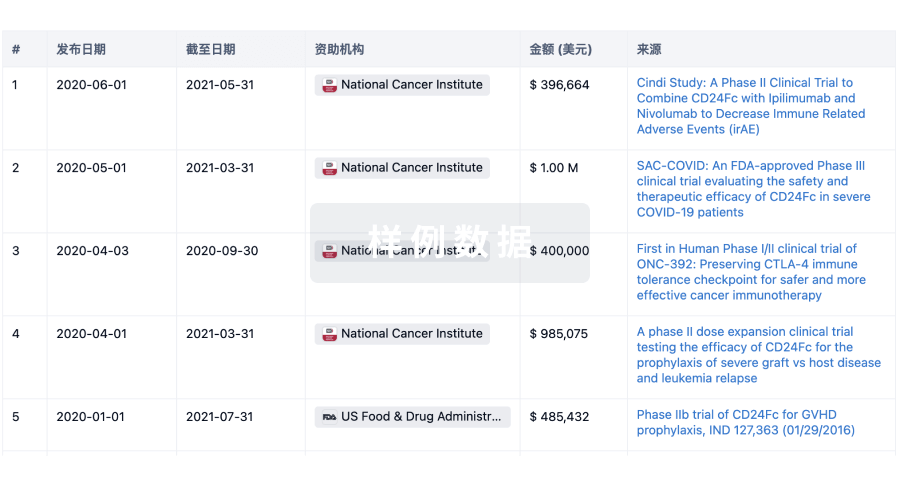
科研基金(NIH)
访问超过 200 万项资助和基金信息,以提升您的研究之旅。
登录
或
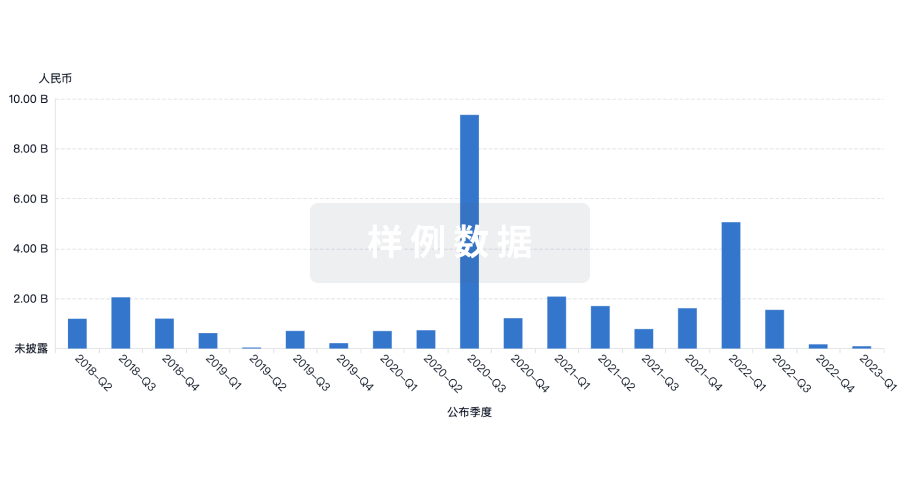
投资
深入了解从初创企业到成熟企业的最新公司投资动态。
登录
或
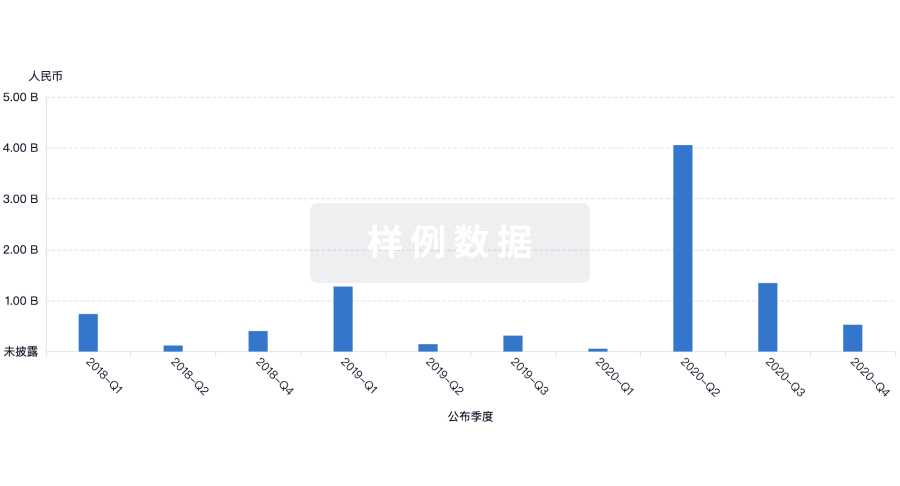
融资
发掘融资趋势以验证和推进您的投资机会。
登录
或
提出任何生物医药研究问题
让每一步生物医药决策都精准制胜
基于十亿级生物数据与全球情报的精准 AI,赋能早期药物发现
立即开始免费试用!
智慧芽新药情报库是智慧芽专为生命科学人士构建的基于AI的创新药情报平台,助您全方位提升您的研发与决策效率。
立即接入生物医药数据包
智慧芽新药库数据也通过智慧芽开放平台,以MCP或API服务形式对外开放。立即使用我们的MCP服务定制您的LLM智能体。
生物序列数据库
生物药研发创新
免费使用
化学结构数据库
小分子化药研发创新
免费使用