预约演示
更新于:2026-06-03

Japanese Foundation for Cancer Research
更新于:2026-06-03
概览
标签
肿瘤
消化系统疾病
皮肤和肌肉骨骼疾病
化学药
小分子化药
生物药
疾病领域得分
一眼洞穿机构专注的疾病领域

技术平台
公司药物应用最多的技术
靶点
公司最常开发的靶点
关联
靶点 |
作用机制 |
在研机构 |
原研机构 |
在研适应症 |
非在研适应症 |
最高研发阶段 |
首次获批国家/地区 |
首次获批日期 |

靶点 |
作用机制 |
在研机构 |
原研机构 |
在研适应症 |
非在研适应症 |
最高研发阶段 |
首次获批国家/地区 |
首次获批日期 |
靶点 |
作用机制 |
在研机构 |
原研机构 |
在研适应症 |
非在研适应症 |
最高研发阶段 |
首次获批国家/地区 |
首次获批日期 |


NCT07292207
Phase 2 Study of Abemaciclib for Molecular Residual Disease Detected by Circulating Tumor DNA in HR+/HER2- Early Breast Cancer

NCT06976944
Randomized Phase II Study of Pembrolizumab + Paclitaxel +/- Bevacizumab in Patients With Recurrent Triple-Negative Breast Cancer Who Received Perioperative Immunotherapy
NCT06853496
Investigator-initiated Phase I Study of a Tankyrase Inhibitor RK-582 for Patients With Unresectable Metastatic Colorectal Cancer
100 项与 Japanese Foundation for Cancer Research 相关的临床结果
登录后查看更多信息
登录后查看更多信息
2026-06-01JOURNAL OF MEDICAL GENETICS
Comprehensive evidence for the pathogenicity of the
BRCA2
c.7847C>T (p.Ser2616Phe) variant specific to the Japanese population
Article
作者: Hinoi, Takao ; Ogawa, Masanobu ; Kosaki, Kenjiro ; Murakami, Fumi ; Iguchi, Chikage ; Niitsu, Hiroaki ; Sugano, Kokichi ; Tsuyuki, Shigeru ; Tanoshima, Miki ; Torii, Masae ; Tanakaya, Kohji ; Inoue, Tazuko ; Watanabe, Noriyuki ; Nakajima, Takeshi ; Makabe, Takeshi ; Minami, Sawako ; Minatogawa, Mari ; Matsui, Akira ; Inoue, Satomi ; Murakami, Haruka ; Akimaru, Noriko ; Ichikawa, Makoto ; Takei, Junko ; Kuga, Asami ; Tamura, Kazuo ; Ueki, Arisa ; Enokido, Katsutoshi ; Taruno, Kanae ; Harada-Shoji, Narumi ; Yamazawa, Kazuki ; Arai, Masami ; Kawano, Junko ; Nakashima, Moeko ; Okawa, Megumi
Background:
The
BRCA2
c.7847C>T (p.Ser2616Phe) variant is specific to the Japanese population and has long remained a variant of uncertain significance. Because
BRCA1/2
genetic testing serves as a companion diagnostic for poly (ADP-ribose) polymerase inhibitor therapy in Japan, unresolved classification has limited access to targeted treatment.
Methods:
We conducted a nationwide study using the national Hereditary Breast and Ovarian Cancer registry. Pathogenicity was assessed through quantitative cosegregation analysis, a systematic review of functional and clinical evidence and evaluation of variant frequency in population databases. Evidence was integrated using the ClinGen ENIGMA
BRCA1/2
Variant Curation Expert Panel framework.
Results:
We identified 44 carriers from 35 distinct Japanese families. Quantitative cosegregation analysis yielded a combined likelihood ratio of approximately 60, satisfying the PP1_Strong criterion. This was supported by robust evidence from multiple functional studies, including Mixed-All-Nominated-in-One-BRCA, homology-directed repair and saturation genome editing assays (PS3) and a reported case of Fanconi anaemia (PM3_Moderate). This variant is rare, with an allele frequency of 6.20×10
–7
in gnomAD and 1.06×10
–4
in ToMMo 61KJPN (PM2_Supporting). Although the BayesDel noAF score met the benign criterion (BP4), other in silico tools indicated deleterious effects. In total, the accumulated evidence reached 10 points, corresponding to an estimated odds of pathogenicity of 895:1, exceeding the ‘Pathogenic’ threshold.
Conclusion:
By integrating newly collected genetic data with functional and clinical evidence, we provide robust support for reclassifying the
BRCA2
c.7847C>T (p.Ser2616Phe) variant as ‘Pathogenic’. This reclassification is crucial for ensuring that eligible Japanese patients gain access to appropriate targeted therapies.
2026-05-01Gastric Cancer
Reflux and stenosis after minimally invasive proximal gastrectomy with double-flap technique: risk factors and impact of robotic surgery
Article
作者: Ri, Motonari ; Hu, Qingjiang ; Hayami, Masaru ; Nunobe, Souya ; Irino, Tomoyuki ; Makuuchi, Rie ; Ishida, Noriyuki ; Sano, Takeshi
2026-04-30JAPANESE JOURNAL OF CLINICAL ONCOLOGY
Adipose tissue and survival among patients with advanced biliary tract cancer.
Article
作者: Suzuki, Tatsunori ; Noguchi, Kensaku ; Endo, Go ; Nakai, Yousuke ; Ishida, Kota ; Saito, Kei ; Fukuda, Rintaro ; Hamada, Tsuyoshi ; Takaoka, Shinya ; Takahara, Naminatsu ; Saito, Tomotaka ; Ishigaki, Kazunaga ; Sato, Tatsuya ; Tateishi, Ryosuke ; Tokito, Yurie ; Nishio, Hiroto ; Oyama, Hiroki ; Fukuda, Koshiro ; Fujishiro, Mitsuhiro
BACKGROUND:
Adiposity may promote the progression of different types of cancer. The prognostic significance of visceral and subcutaneous adipose tissue has not been thoroughly investigated in patients with advanced biliary tract cancer.
METHODS:
Using a single-institutional series of 386 patients with unresectable or recurrent biliary tract cancer, we measured visceral and subcutaneous adipose tissue areas (both normalized by body height) based on abdominal computed tomography images. Using the Cox regression model with adjustment for potential confounders, we calculated hazard ratios (HRs) and 95% confidence intervals (CIs) for progression-free survival (PFS) and overall survival (OS) according to adipose tissue areas.
RESULTS:
Neither visceral nor subcutaneous adipose tissue area was associated with PFS or OS (Ptrend > 0.02 at the α level of 0.005 accounting for multiple comparisons). The multivariable HRs for PFS comparing the highest to lowest quartiles were 1.01 (95% CI, 0.71-1.45) and 0.95 (95% CI, 0.67-1.36) for visceral and subcutaneous adipose tissue, respectively. The corresponding HRs for OS were 0.84 (95% CI, 0.61-1.16) and 0.71 (95% CI, 0.52-0.96), respectively. Null survival associations were also observed for total adipose tissue area and visceral-to-subcutaneous adipose tissue area ratio (Ptrend > 0.06).
CONCLUSIONS:
The adipose tissue area was not significantly associated with survival outcomes of patients with advanced biliary tract cancer. Our data suggest a minimal role of adiposity status in determining tumor progression and patient survival in this population.
100 项与 Japanese Foundation for Cancer Research 相关的药物交易
登录后查看更多信息
100 项与 Japanese Foundation for Cancer Research 相关的转化医学
登录后查看更多信息
组织架构
使用我们的机构树数据加速您的研究。
登录
或
管线布局
2026年10月10日管线快照
管线布局中药物为当前组织机构及其子机构作为药物机构进行统计,早期临床1期并入临床1期,临床1/2期并入临床2期,临床2/3期并入临床3期
药物发现
1
3
临床前
临床1期
1
3
其他
登录后查看更多信息
当前项目
登录后查看更多信息
药物交易
使用我们的药物交易数据加速您的研究。
登录
或
转化医学
使用我们的转化医学数据加速您的研究。
登录
或
营收
使用 Synapse 探索超过 36 万个组织的财务状况。
登录
或
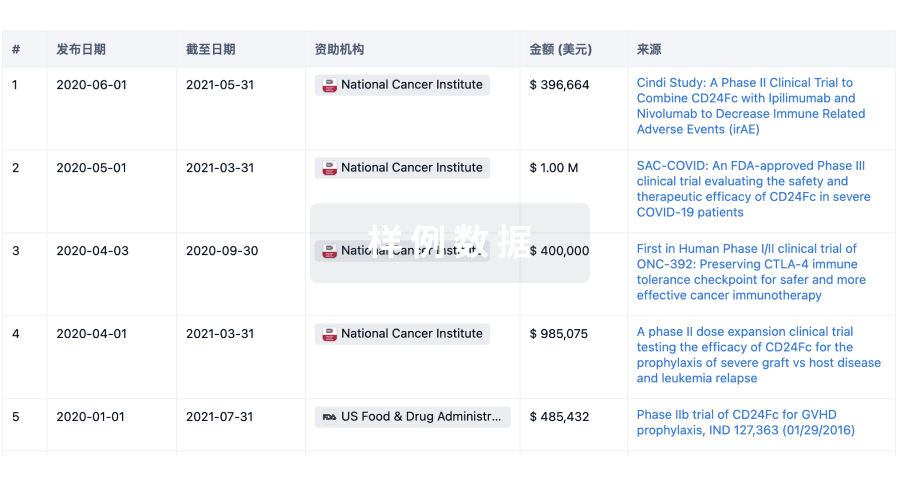
科研基金(NIH)
访问超过 200 万项资助和基金信息,以提升您的研究之旅。
登录
或
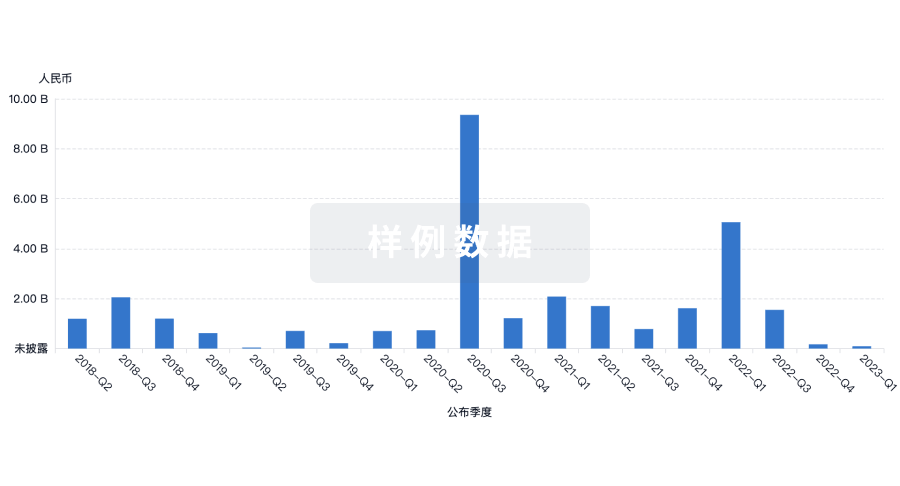
投资
深入了解从初创企业到成熟企业的最新公司投资动态。
登录
或
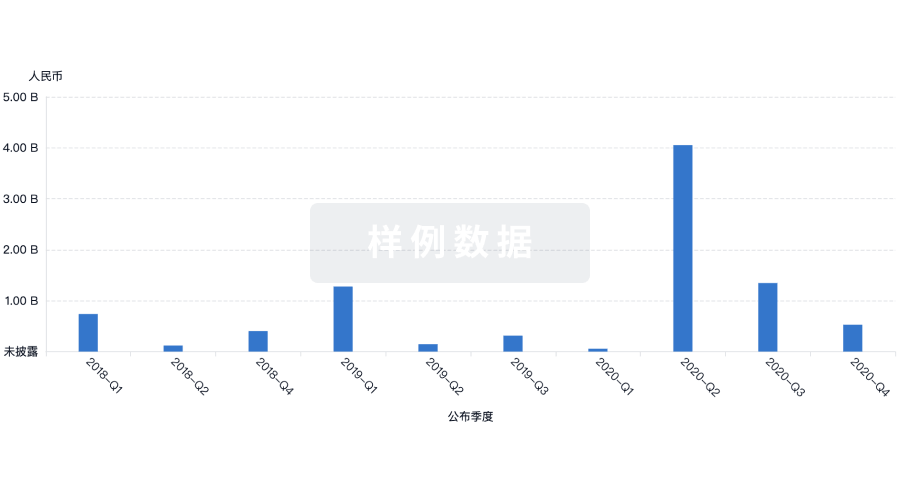
融资
发掘融资趋势以验证和推进您的投资机会。
登录
或
提出任何生物医药研究问题
让每一步生物医药决策都精准制胜
基于十亿级生物数据与全球情报的精准 AI,赋能早期药物发现
立即开始免费试用!
智慧芽新药情报库是智慧芽专为生命科学人士构建的基于AI的创新药情报平台,助您全方位提升您的研发与决策效率。
立即接入生物医药数据包
智慧芽新药库数据也通过智慧芽开放平台,以MCP或API服务形式对外开放。立即使用我们的MCP服务定制您的LLM智能体。
生物序列数据库
生物药研发创新
免费使用
化学结构数据库
小分子化药研发创新
免费使用