预约演示
更新于:2026-10-11

Medtronic Plc
更新于:2026-10-11
概览
标签
心血管疾病
非降解型分子胶
重组多肽
疾病领域得分
一眼洞穿机构专注的疾病领域

技术平台
公司药物应用最多的技术
靶点
公司最常开发的靶点
关联
靶点 |
作用机制 |
在研机构 |
原研机构 |
在研适应症 |
非在研适应症 |
最高研发阶段 |
首次获批国家/地区 |
首次获批日期 |


靶点 |
作用机制 |
在研机构 |
原研机构 |
在研适应症 |
非在研适应症 |
最高研发阶段 |
首次获批国家/地区 |
首次获批日期 |
靶点 |
作用机制 |
在研机构 |
原研机构 |
在研适应症 |
非在研适应症 |
最高研发阶段 |
首次获批国家/地区 |
首次获批日期 |


NCT06606054
WSO - The Brain and hEart globAl iniTiative (BEAT) Stroke

NCT07856238
Long-Term Effectiveness and Safety of Sacral Neuromodulation With InterStim for the Management of Lower Urinary Tract Dysfunction
NCT07769424
Impact of Physiologic Pacemaker Programming on Cognitive Function and Health Status in Patients With Symptomatic Bradycardia

100 项与 Medtronic Plc 相关的临床结果
登录后查看更多信息
登录后查看更多信息
2026-10-01HEART RHYTHM
Safety and performance of a novel defibrillation lead for left bundle branch area placement: Primary results of the LEADR LBBAP clinical trial
Article
作者: Zakaib, John S ; Vijayaraman, Pugazhendhi ; Afzal, Muhammad R ; Schloss, Edward J ; Geelen, Tessa ; Mason, Pamela K ; Denman, Russell ; Whinnett, Zachary I ; Platner, Megan L ; Pokharel, Parash ; Tanner, Jocelyn ; Burrell, James ; Jastrzębski, Marek ; Liu, Xingbin ; Crossley, George H ; Abhayaratna, Walter P ; Philippon, François ; Kron, Jordana ; Butler, Kiah
BACKGROUND:
Right ventricular placement of the OmniaSecure defibrillation lead has demonstrated high defibrillation success and low occurrence of lead-related major complications. With the advent of left bundle branch area pacing (LBBAP) as a physiological pacing option, the use of the OmniaSecure lead may be a viable alternative for LBBAP in the implantable cardioverter-defibrillator population.
OBJECTIVE:
This study aimed to understand the defibrillation efficacy at implant and the safety of the OmniaSecure lead for LBBAP.
METHODS:
The global Lead Evaluation for Defibrillation and Reliability LBBAP trial enrolled patients indicated for de novo implantation of a primary or secondary prevention implantable cardioverter-defibrillator or cardiac resynchronization therapy with a defibrillator. Per study protocol, LBBAP includes electrocardiographic characterization of left bundle branch pacing and deep septal pacing. The primary efficacy objective was defibrillation efficacy at implant exceeding a prespecified threshold of 88% in ≥160 patients. The primary safety endpoint was to demonstrate the OmniaSecure lead-related major complication rate at 3 months after implant.
RESULTS:
A total of 307 patients underwent an LBBAP implant attempt (age 64.9 ± 12.2 years; 28.7% female; body mass index 28.4 ± 6.1 kg/m2). A total of 293 patients were successfully implanted per protocol (95.4%). The primary efficacy objective was met with 100% of patients defibrillated to protocol. The observed freedom from OmniaSecure lead-related major complications at 3 months was 97.9% (95% confidence interval 95.8-100). There were zero study lead fractures, no oversensing adverse events, and stable electrical parameters through 2.6 ± 2.5 months' follow-up.
CONCLUSION:
These results demonstrate that implantation of OmniaSecure lead when intended for LBBAP results in high defibrillation success at implant, stable short-term electrical parameters, and a low rate of OmniaSecure lead-related major complications at 3 months.
2026-10-01INDIAN JOURNAL OF PEDIATRICS
Device Usage Characteristics and Glycaemic Control in Indian Adolescents with Type-1 Diabetes Using the MiniMed™ 780G System
Letter
作者: Mondkar, Shruti ; Khadilkar, Anuradha ; Khadilkar, Vaman ; Srivastava, Niharika ; Bhade, Karishma ; Mukhekar, Vinaykumar
2026-09-22EUROPEAN HEART JOURNAL
Atrial fibrillation density as a biomarker for ischaemic stroke risk prediction
Article
作者: Wang, Kaicheng ; Rosman, Lindsey ; Passman, Rod S ; Sarkar, Shantanu ; Ziegler, Paul D
Abstract:
Background and Aims:
Atrial fibrillation (AF) is frequently classified by episode duration and cumulative burden, yet these methods fail to characterize temporal episode distribution (AF density), which may be more clinically relevant and prognostically important. This study evaluated AF density’s association with ischaemic stroke and whether it improves risk stratification compared with AF burden.
Methods:
Data from two US cohorts with cardiac implantable electronic devices remotely monitored by the Veterans Health Administration and University of North Carolina (January 2010–May 2025) were analysed. AF burden (percentage of time in AF) and density [range: 0 (dispersed episodes) to 1 (consolidated episodes)] were assessed in 30-day intervals and categorized as low (>0–0.3), medium (>0.3–0.6), medium-high (>0.6–0.9), and high (>0.9–1.0). Patients with permanent AF or no episodes ≥6 min were excluded. G-formula modelling estimated 1-year stroke risk ratios (RRs), adjusting for baseline and time-varying covariates. Results were pooled using random-effects meta-analysis.
Results:
Of 41 780 patients, 12 868 met inclusion criteria (mean age 72.0 years; median CHA2DS2-VASc 4.0); 336 experienced ischaemic stroke over a median 4.0-year follow-up (6.3 per 1000 person-years). Atrial fibrillation density demonstrated a dose–response relationship with 1-year stroke risk (RR 1.75; 95% confidence interval 1.25–2.44) and findings were consistent across device types, comorbidities, age, and anticoagulation status. At each level of AF burden, patients with high density exhibited greater stroke risk.
Conclusions:
Atrial fibrillation density demonstrated robust dose–response relationships with ischaemic stroke independent of AF burden and enhanced risk stratification, suggesting that density may enable more precise stroke risk assessment and personalized prevention strategies.
2026-10-10
2026-10-09
·心医讯
100 项与 Medtronic Plc 相关的药物交易
登录后查看更多信息
100 项与 Medtronic Plc 相关的转化医学
登录后查看更多信息
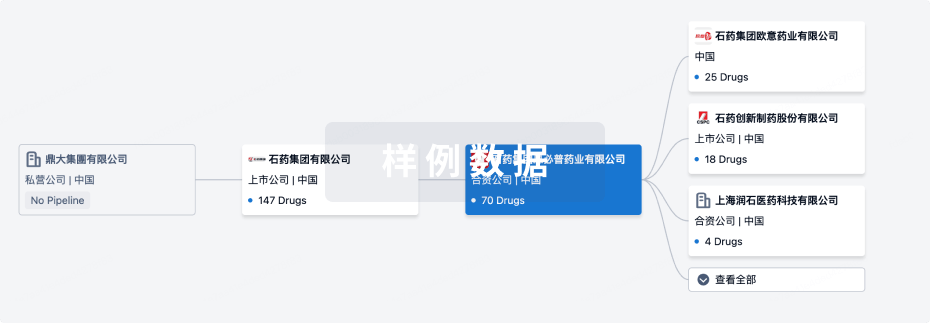
组织架构
使用我们的机构树数据加速您的研究。
登录
或
管线布局
2026年10月20日管线快照
管线布局中药物为当前组织机构及其子机构作为药物机构进行统计,早期临床1期并入临床1期,临床1/2期并入临床2期,临床2/3期并入临床3期
临床2期
1
4
批准上市
其他
10
登录后查看更多信息
当前项目
登录后查看更多信息
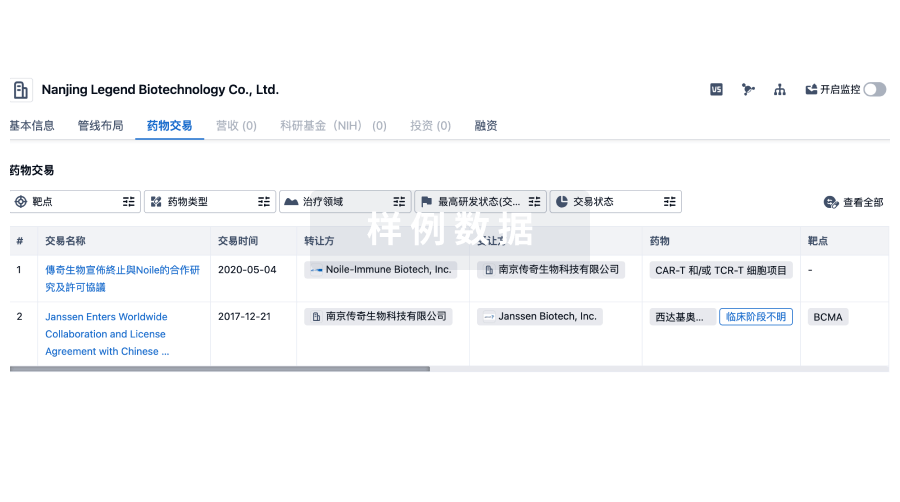
药物交易
使用我们的药物交易数据加速您的研究。
登录
或
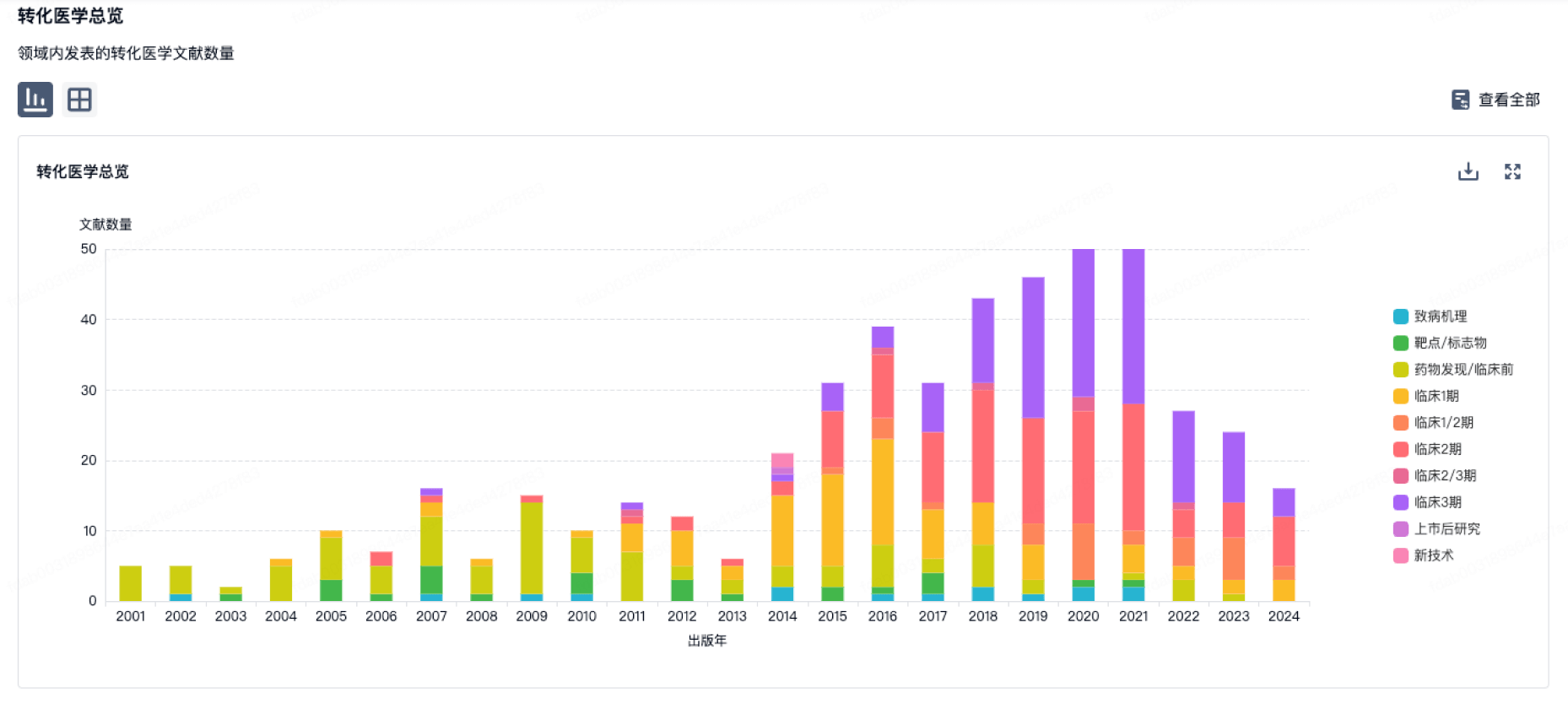
转化医学
使用我们的转化医学数据加速您的研究。
登录
或
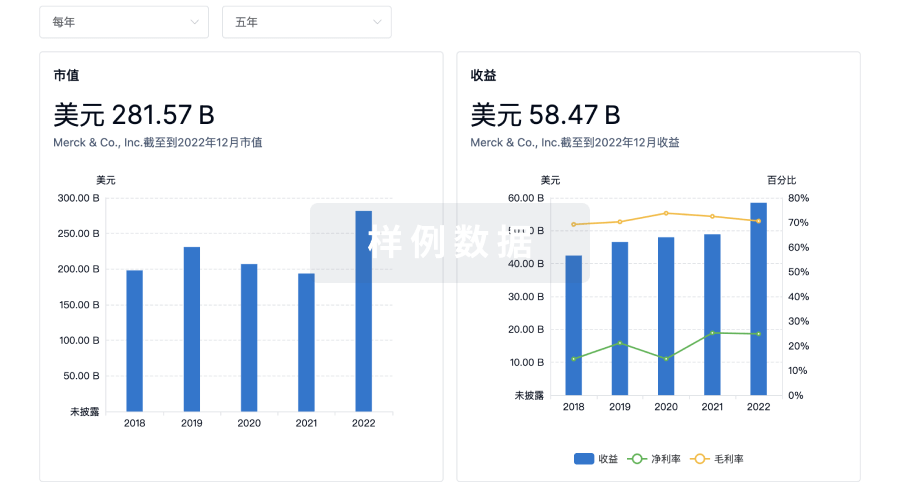
营收
使用 Synapse 探索超过 36 万个组织的财务状况。
登录
或
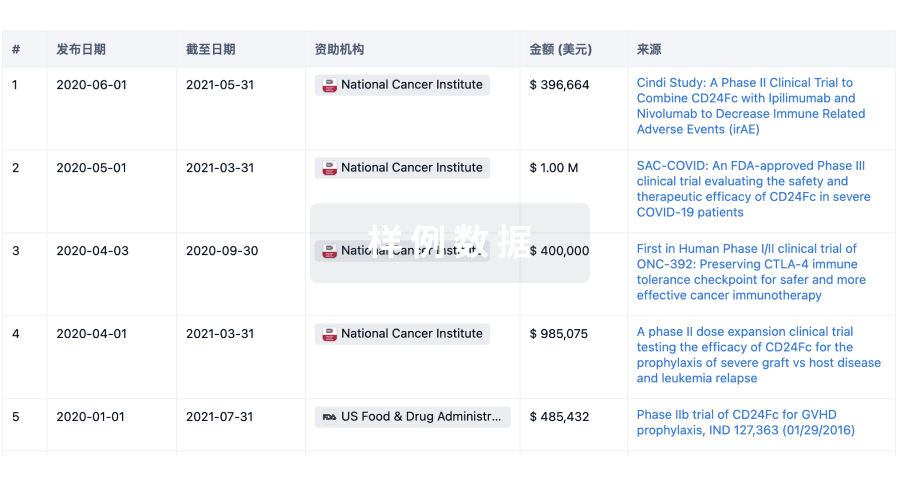
科研基金(NIH)
访问超过 200 万项资助和基金信息,以提升您的研究之旅。
登录
或
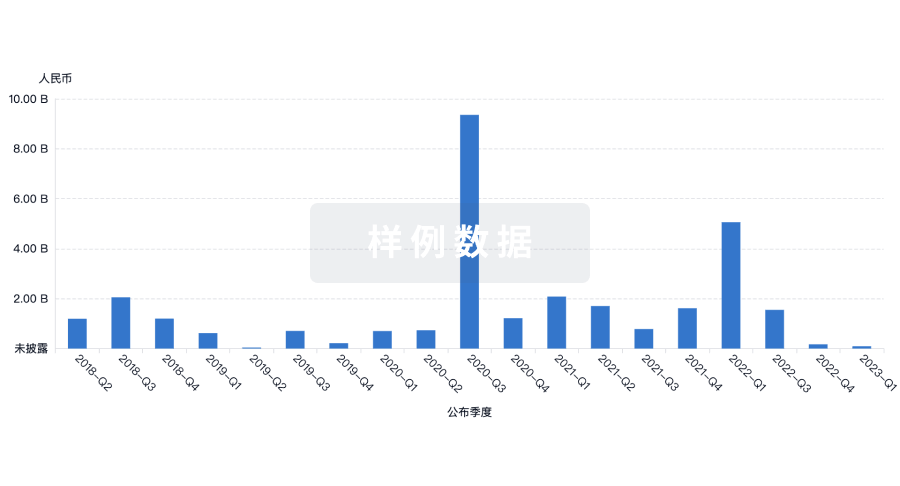
投资
深入了解从初创企业到成熟企业的最新公司投资动态。
登录
或
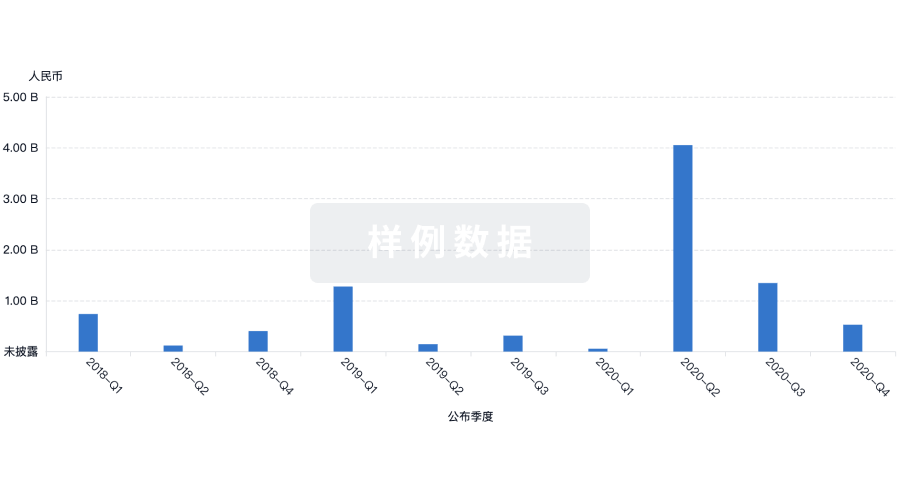
融资
发掘融资趋势以验证和推进您的投资机会。
登录
或
提出任何生物医药研究问题
让每一步生物医药决策都精准制胜
基于十亿级生物数据与全球情报的精准 AI,赋能早期药物发现
立即开始免费试用!
智慧芽新药情报库是智慧芽专为生命科学人士构建的基于AI的创新药情报平台,助您全方位提升您的研发与决策效率。
立即接入生物医药数据包
智慧芽新药库数据也通过智慧芽开放平台,以MCP或API服务形式对外开放。立即使用我们的MCP服务定制您的LLM智能体。
生物序列数据库
生物药研发创新
免费使用
化学结构数据库
小分子化药研发创新
免费使用