预约演示
更新于:2026-05-27

Medtronic Plc
更新于:2026-05-27
概览
标签
心血管疾病
非降解型分子胶
重组多肽
疾病领域得分
一眼洞穿机构专注的疾病领域

技术平台
公司药物应用最多的技术
靶点
公司最常开发的靶点
关联
靶点 |
作用机制 |
在研机构 |
原研机构 |
在研适应症 |
非在研适应症 |
最高研发阶段 |
首次获批国家/地区 |
首次获批日期 |


靶点 |
作用机制 |
在研机构 |
原研机构 |
在研适应症 |
非在研适应症 |
最高研发阶段 |
首次获批国家/地区 |
首次获批日期 |
靶点 |
作用机制 |
在研机构 |
原研机构 |
在研适应症 |
非在研适应症 |
最高研发阶段 |
首次获批国家/地区 |
首次获批日期 |

NCT07401901
Evaluation of the Safety and Effectiveness of the Novel Medtronic Experimental Automated Insulin Delivery System (NMX8) in Adults Living With Type 1 Diabetes

NCT07526896
Advancing Clinical Heart Failure Outcomes Leveraging Defibrillation Lead Implant System for Left Bundle Branch Area Pacing
NCT07545148
REVEAL-OAB. Real-world Experiences and Voices Exploring the Actual Lived Burden of OAB: A Mixed-methods Multi-country PROMs Study on OAB Patients' Quality of Life
100 项与 Medtronic Plc 相关的临床结果
登录后查看更多信息
登录后查看更多信息
2026-06-01AMERICAN HEART JOURNAL
Association between atherosclerosis and atrial fibrillation progression in patients with paroxysmal atrial fibrillation: Data from the RACE V study
Article
作者: Crijns, Harry J G M ; Rienstra, Michiel ; de Melis, Mirko ; Van Gelder, Isabelle C ; Hemels, Martin E W ; Linz, Dominik ; Baron, Dawid K ; Weberndorfer, Vanessa ; Schotten, Ulrich ; Tieleman, Robert G
BACKGROUND:
Atrial fibrillation (AF) may progress from paroxysmal AF (PAF) to more persistent forms, but the underlaying mechanisms are not well understood. The aim of this study was to assess the association between atherosclerosis and AF progression in patients with PAF.
METHODS:
In this substudy of RACE V, 612 patients with PAF underwent extensive phenotyping at baseline and continuous rhythm monitoring. The association between atherosclerosis and AF progression was investigated.
RESULTS:
The median age was 64 (57-70) years, 257 (42%) were women, and the median CHA2DS2-VA score was 2 (1-3). At baseline, 395 (65%) patients had atherosclerosis, defined by carotid/coronary imaging and/or history of vascular disease. Patients with atherosclerosis were older, had higher waist circumference, more hypertension, and lower eGFR than patients with no atherosclerosis. During a median of 3.4 (2.8-3.7) years follow-up, 108 (18%) patients had AF progression. The presence of atherosclerosis was associated with increased progression (21% vs. 12%; p = .004). In univariable analyses, atherosclerosis was a determinant of AF progression (OR: 2.04; 95% CI: 1.28-3.37; p = .004), and the association persisted following adjustment for established risk factors (OR: 2.23; 95% CI: 1.10-4.89; p = .034).
CONCLUSIONS:
In patients with paroxysmal AF, 65% of patients had atherosclerosis. Atherosclerosis was a determinant of AF progression after adjustment for established risk factors and comorbidities, suggesting that vascular disease may contribute directly to atrial remodelling and arrhythmia persistence.
2026-04-01Diabetes Technology & Therapeutics
Mitigation Strategies for a Missed Meal Bolus in People with Type 1 Diabetes Using the Minimed
™
780G System
Article
作者: Onetto, María Teresa ; Tapia, Nicole ; Grassi, Bruno A. ; Vigersky, Robert ; Passi, Álvaro ; Castro, Matías ; Cohen, Ohad ; Kurtz, Natalie ; Mora, Germán ; Jofré, Paulina
Background::
Postprandial glucose control remains a challenge in people with type 1 diabetes (T1D), even when using advanced hybrid closed-loop systems (AHCL) such as the MiniMed™ 780G (MM780G) system. Missed mealtime boluses are common and can significantly impair glycemic outcomes. This study aimed to evaluate a corrective postprandial bolus strategy for missed meal boluses using the MM780G system.
Methods::
In a prospective, open-label, real-world study, 32 adults with T1D using the MM780G system completed three meal scenarios with standardized meals (∼60 g carbohydrates). The strategies were: (E1) premeal bolus (control), (E2) no bolus (relying on system automation), and (E3) delayed bolus (bolus covering 50% of carbohydrate content, 60 min postmeal). Each participant completed all strategies under remote supervision. Primary outcome was 4-h postprandial time in range (TIR, 70–180 mg/dL); secondary outcomes included time in tight range (TITR, 70–140 mg/dL), time above/below range, and adverse events.
Results::
Premeal bolus (E1) achieved the highest TIR (85.5% ± 18.8%), significantly outperforming both E2 (52.3% ± 25.3%) and E3 (63.5% ± 24.0%,
P
< 0.001). E3 also showed significant improvement over E2 (
P
< 0.001). TITR followed a similar pattern. Time between 54 and 70 mg/dL was slightly higher for E1 but remained within consensus goals. No significant differences in hypoglycemia (<54 mg/dL) were observed across strategies. Delayed bolus (E3) lowered time above 250 mg/dL compared with E2. No severe hypoglycemia or ketoacidosis occurred.
Conclusion::
Premeal bolusing yields optimal postprandial glycemic control with the MM780G. However, when a meal bolus is missed, administering a corrective bolus of 50% carbohydrate content 1 h postmeal significantly improves TIR and TITR without increasing hypoglycemia risk. If correction is not performed, the MM780G system can provide a reasonable partial compensation via autobasal and auto-correction.
2026-02-01HEART RHYTHM
Impact of atrial fibrillation burden on quality of life and prediction of health care utilization: Primary results from the DEFINE AFib study
Article
作者: Peacock, James ; Passman, Rod S ; Neisen, Karah B ; Lakkireddy, Dhanunjaya R ; Hong, Mauricio F ; Stanelle, Evan J ; Kloosterman, Esteban M ; Lande, Jeffrey D ; McCearley, Sandra S ; Crocker, Leah ; Richmond, Dalia ; Piccini, Jonathan P ; Rosen, Sophia ; Russo, Andrea M ; Mittal, Suneet ; Frankel, David S ; Kanwar, Rahul ; Hylek, Elaine M ; Hills, Mellanie True
BACKGROUND:
Atrial fibrillation (AF) can lead to significant cardiovascular events and health care utilization. Continuous monitoring via insertable cardiac monitors (ICMs) and data analytics have the potential to improve care delivery.
OBJECTIVE:
The DEFINE Atrial Fibrillation (DEFINE AFib) study was designed to develop and evaluate novel algorithms using ICM data to predict AF-associated clinical actions (AFCAs) and guide AF management.
METHODS:
DEFINE AFib enrolled patients with an ICM (Reveal LINQ/LINQ II; Medtronic) and a history of AF. An Apple iPhone application collected AF-related quality of life (AFEQT) and EQ-5D data. ICM daily AF burden and Apple Watch (AW) irregular rhythm notification (IRN) data were also collected. AFCA was defined as an AF-related procedure or initiation of rate/rhythm control medication. Mutivariable logistic regression was used to identify ICM features in the last 30 days associated with first occurrence of AFCA in the next 30 days in a train and test approach (70%/30%).
RESULTS:
Among 864 patients (mean 69 ± 10 years; 56% male) meeting inclusion criteria, there were 8963 30-day evaluation windows that included 151 AFCAs. Area under the receiver operating characteristic curve (AUC) was 76% (train) and 70% (test). The model placed participants into high- vs low-risk AFCA groups. At the patient-level, 21% of participants crossing the high-risk threshold for their first time experienced an AFCA at a mean time of 195 ± 164 days compared with 5% in the low-risk group (AUC 65%). Increasing daily mean AF burden was associated with lower quality of life: <6 minutes (reference), 6 minutes to 5.5 hours (AFEQT -7.69; P < .001), and 5.5-12 hours (AFETQ -13.97, P < .001; ≥5.5 hours EQ-5D -0.03, P = .007). In a subanalysis of individuals with smart watch data (n = 53), the ICM model signaled high risk before AFCAs 85% of the time (AUC 57%) compared with 23% for AW IRN (P = .005; AUC 55%).
CONCLUSION:
DEFINE AFib transformed ICM diagnostic data to predict risk of AFCA with good discrimination, particularly compared with wearable data. These results highlight the potential advantages of ICM-based continuous monitoring for AF management and the utility of ICM prediction models that could help inform pre-emptive therapeutic strategies.
100 项与 Medtronic Plc 相关的药物交易
登录后查看更多信息
100 项与 Medtronic Plc 相关的转化医学
登录后查看更多信息
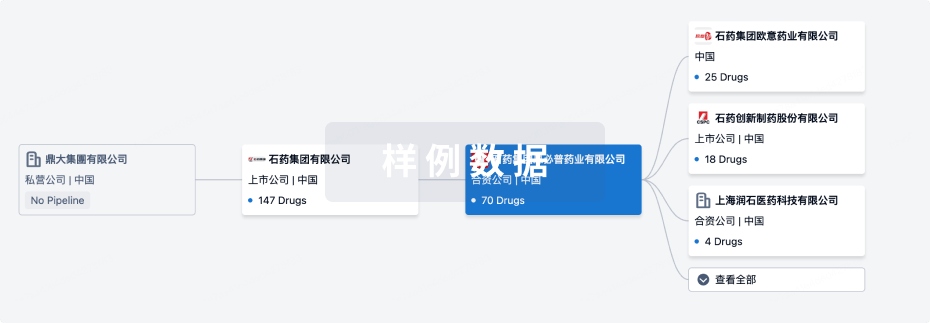
组织架构
使用我们的机构树数据加速您的研究。
登录
或
管线布局
2026年05月28日管线快照
管线布局中药物为当前组织机构及其子机构作为药物机构进行统计,早期临床1期并入临床1期,临床1/2期并入临床2期,临床2/3期并入临床3期
临床2期
1
4
批准上市
其他
10
登录后查看更多信息
当前项目
登录后查看更多信息
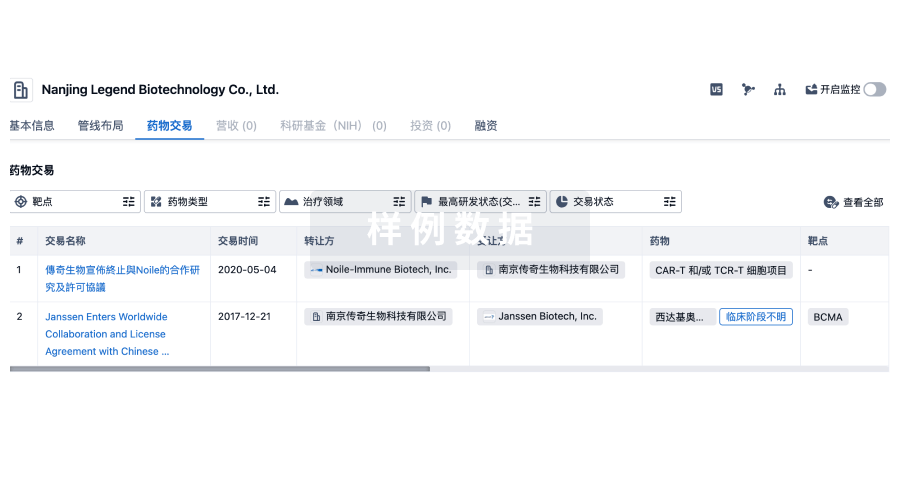
药物交易
使用我们的药物交易数据加速您的研究。
登录
或
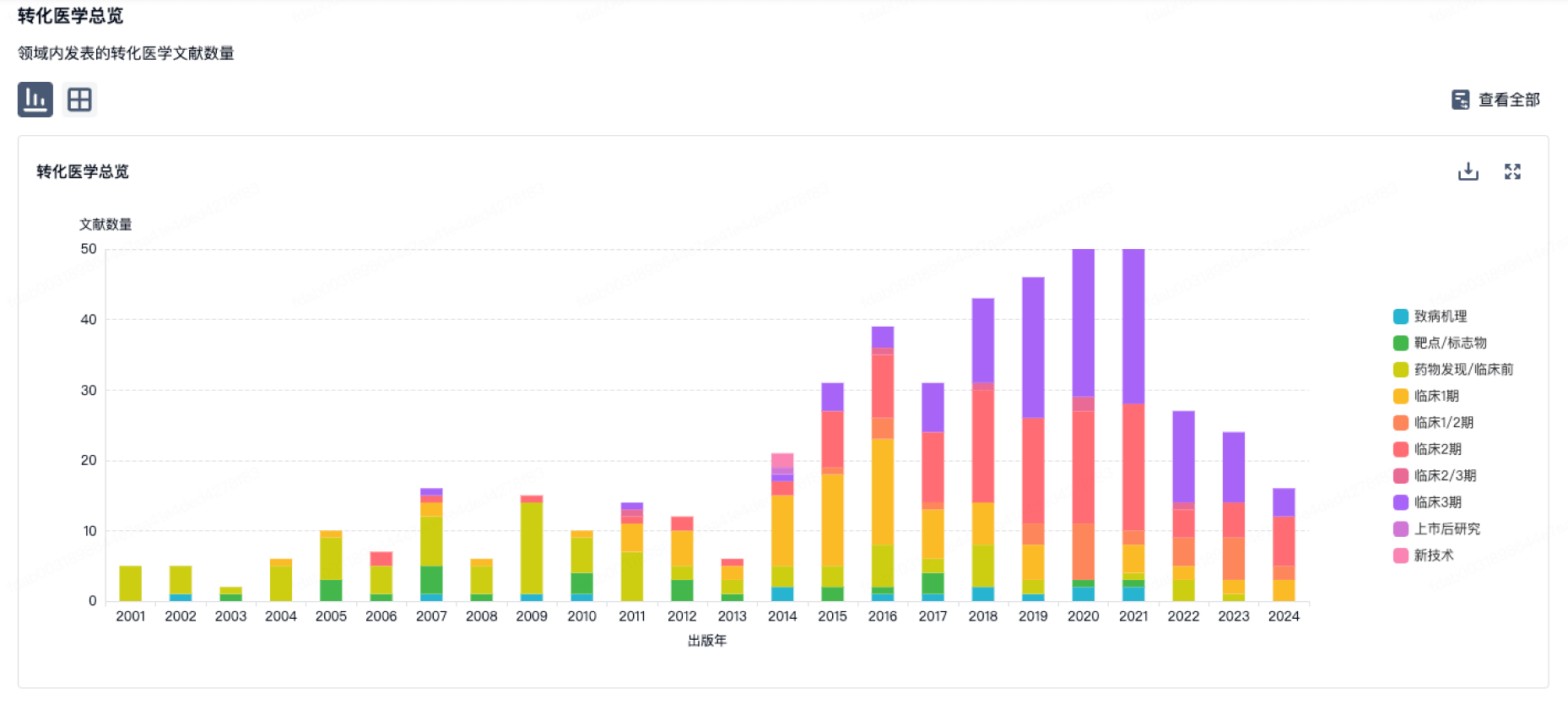
转化医学
使用我们的转化医学数据加速您的研究。
登录
或
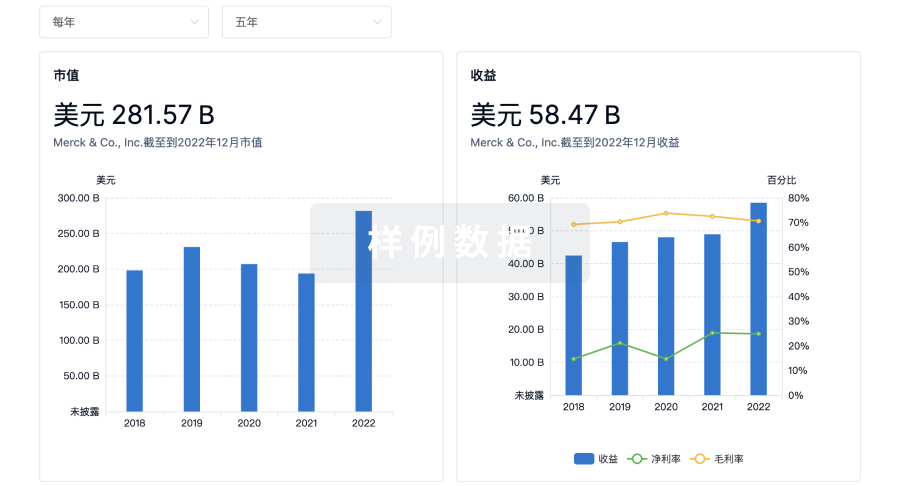
营收
使用 Synapse 探索超过 36 万个组织的财务状况。
登录
或
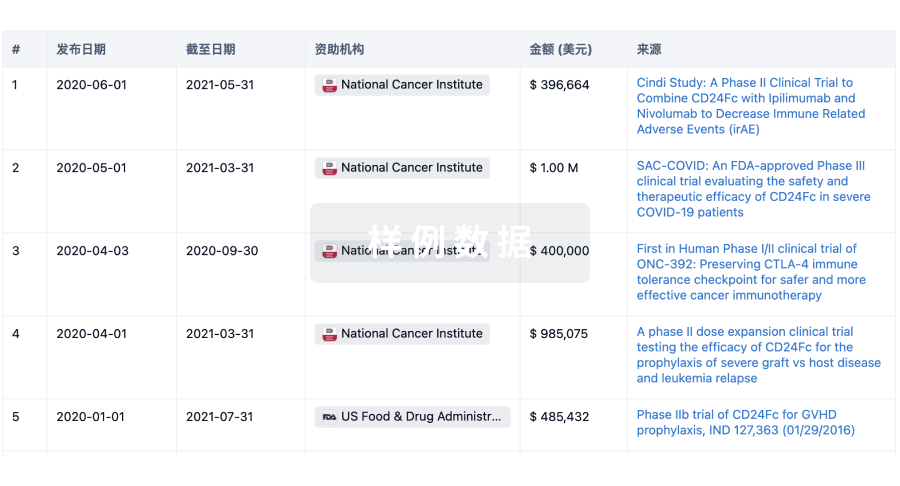
科研基金(NIH)
访问超过 200 万项资助和基金信息,以提升您的研究之旅。
登录
或
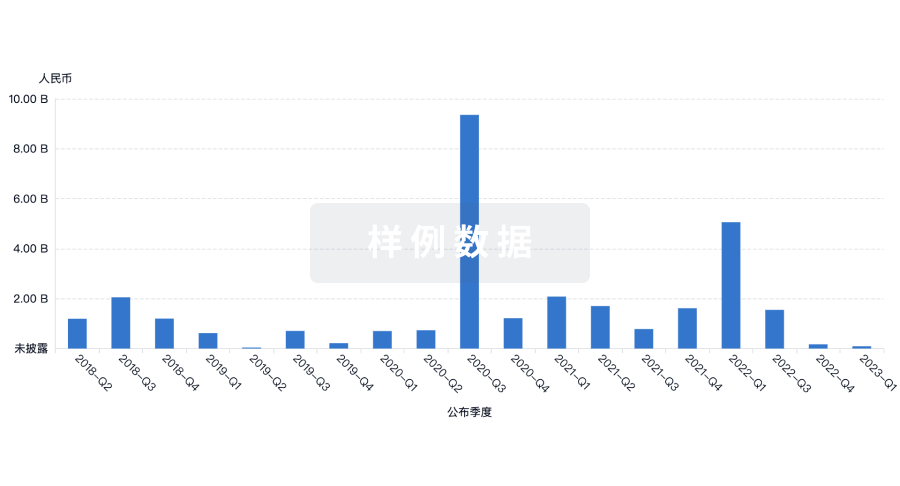
投资
深入了解从初创企业到成熟企业的最新公司投资动态。
登录
或
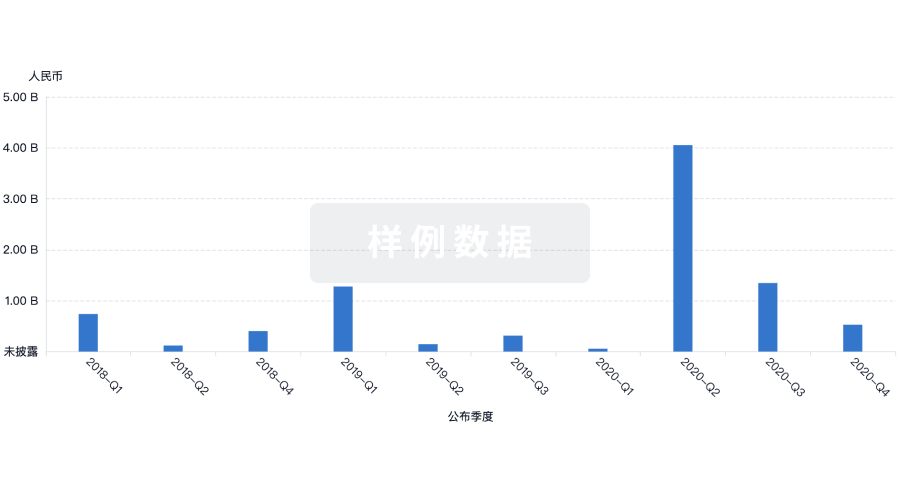
融资
发掘融资趋势以验证和推进您的投资机会。
登录
或
生物医药百科问答
全新生物医药AI Agent 覆盖科研全链路,让突破性发现快人一步
立即开始免费试用!
智慧芽新药情报库是智慧芽专为生命科学人士构建的基于AI的创新药情报平台,助您全方位提升您的研发与决策效率。
立即开始数据试用!
智慧芽新药库数据也通过智慧芽数据服务平台,以API或者数据包形式对外开放,助您更加充分利用智慧芽新药情报信息。
生物序列数据库
生物药研发创新
免费使用
化学结构数据库
小分子化药研发创新
免费使用