预约演示
更新于:2026-11-17

Medtronic, Inc.
更新于:2026-11-17
概览
关联
JPRN-jRCT1032260629
Micra Acute Performance Jugular Access Japan Study
NCT07401901
Evaluation of the Safety and Effectiveness of the Novel Medtronic Experimental Automated Insulin Delivery System (NMX8) in Adults Living With Type 1 Diabetes

JPRN-jRCT1032260393
An Observational Study on Clinical Differences Associated with Anesthesia Methods During Implantation of an EV-ICD (Extra-Vascular Implantable Cardioverter Defibrillator)
100 项与 Medtronic, Inc. 相关的临床结果
登录后查看更多信息
登录后查看更多信息
2026-12-01JOURNAL OF VASCULAR AND INTERVENTIONAL RADIOLOGY
Real-World Safety and Performance of Nylon and PGLA Fibered Detachable Coils in Peripheral Embolization: A Prospective Multicenter Registry
Article
作者: Makary, Mina S ; Elsaadany, Amr ; Tarter, Wyatt ; Wu, Vincent ; Shrestha, Prashant
PURPOSE:
To evaluate the safety and effectiveness of the Concerto nylon and PGLA fibered detachable coil system (Concerto, Medtronic, Minneapolis, MN) for peripheral embolization in the Product Surveillance Registry (NCT01524276).
MATERIALS AND METHODS:
A prospective, multicenter, global observational registry enrolled patients undergoing arterial or venous embolization with the fibered detachable coil system. Patients were grouped by disease state and followed for up to 12 months. Primary safety and performance outcomes included technical and clinical success at index procedure, nontarget tissue ischemia or nontarget embolization, secondary embolization of target lesion, coil compaction, device fracture, and target lesion occlusion at follow up. Secondary objectives were a subanalysis of pain scores based on the visual analog scale (VAS) and Patient Global Impression of Change (PGI-C) among patients with pelvic venous disorder (PeVD).
RESULTS:
130 patients were enrolled across 13 sites. Technical success was achieved for 97.8% of coils (613/627; 95% CI, 96.3-98.8), and clinical success was achieved for 97.0% of target lesions (161/166; 95% CI, 93.1-99.0). No nontarget tissue ischemia, nontarget embolization, secondary embolization, or device fracture occurred. Coil compaction occurred in 0.3% of coils (2/627). Target lesion occlusion rate was 100% at 12 months. A subanalysis of the PeVD cohort demonstrated a reduction in VAS pain scores. PGI-C was improved overall from the 30-day follow-up to the 12-month follow-up.
CONCLUSIONS:
The fibered detachable coil system demonstrated safe and effective performance across multiple peripheral vascular embolization disease states in real-world clinical practice.
2026-11-10CIRCULATION
Real-World Experience With the Extravascular Implantable Cardioverter Defibrillator Through 1 Year: The Enlighten Post Approval Registry Study
Article
作者: Lande, Jeff D ; Amin, Anish ; Takata, Theodore ; Crozier, Ian ; Mason, Pamela K ; Casares, Jaime ; Monfredi, Oliver ; Engel, Gregory ; Lee, Jennifer ; Epstein, Laurence M ; Nishii, Nobuhiro ; Gwechenberger, Marianne ; Wiggenhorn, Christopher ; Saleh, Karim ; Johansen, Jens Brock ; Breitenstein, Alexander ; Sterliński, Maciej ; van Opstal, Jurren M ; Friedman, Paul ; Thompson, Amy E ; Boersma, Lucas V A ; Holmes, Thomas R ; Duncker, David ; Clémenty, Nicolas ; Murgatroyd, Francis
BACKGROUND::
The extravascular implantable cardioverter defibrillator (EV-ICD) was developed to provide defibrillation and antitachycardia pacing therapy without the need for intravascular lead placement. Premarket clinical trials reported EV-ICD safety and efficacy through 3 years, but a real-world assessment of the Aurora EV-ICD system, which includes a novel sensing discriminator, is needed. The objective of this analysis was to assess real-world therapy efficacy and safety of the EV-ICD through 1 year.
METHODS::
Enlighten: The EV-ICD Post Approval Registry is a prospective, global, real-world registry that included patients who underwent an EV-ICD implantation attempt. The main safety analysis was freedom from all system- or procedure-related major complications through 1 year. Event rates at 1 year were calculated using the Kaplan-Meier method.
RESULTS::
EV-ICD system implantation was attempted by 168 implanters in 787 patients (49.1±15.2 years old; 28.7% women; 34.1% secondary prevention). Tunneling and lead placement in the substernal space were achieved in 781 of 787 patients (99.2%), with 758 patients (96.3%) remaining implanted following defibrillation and electrical testing. One-year freedom from major system- or procedure-related complications was 89.1% (95% CI, 86.3%–91.3%). The 1-year rate of first appropriate therapy (shock, antitachycardia pacing, or both) was 7.3% (95% CI, 5.5–9.6). Shock success for discrete spontaneous episodes was 100% (61 of 61), and the generalized estimating equations antitachycardia pacing success rate, to account for multiple episodes per patient, was 74.2% for monomorphic ventricular tachycardia. The 1-year rate of first inappropriate shock was 7.1% (95% CI, 5.4–9.4), with noncardiac oversensing as the main cause (40.5% of inappropriately shocked episodes).
CONCLUSIONS::
In the largest prospective worldwide cohort of patients with an EV-ICD to date, both antitachycardia pacing and shock therapy were effective, while the rate of major complications agreed with the premarket experience through 1 year. These data demonstrate that positive outcomes of the EV-ICD are retained in everyday clinical practice in a large, global cohort with an expanded number of implanters.
REGISTRATION::
URL:
https://www.clinicaltrials.gov
; Unique identifier: NCT06048731.
2026-11-03Journal of the American Heart Association
Evaluation of Acute Electrical and Hemodynamic Improvement During Left Bundle‐Branch Area Pacing Modalities for Resynchronization Therapy
Article
作者: Liang, Yixiu ; Yu, Ziqing ; Su, Yanling ; Li, Minghui ; Su, Yangang ; Whinnett, Zachary I. ; Xiao, Zilong ; Li, Xiao ; Pan, Lei ; Lu, Hongyang ; Arnold, Ahran D. ; Chen, Juecheng
Background:
While cardiac resynchronization therapy is effective in dyssynchronous heart failure, suboptimal response remains frequent. The acute hemodynamic profile of different left bundle‐branch (LBB) area pacing modalities is poorly defined. Moreover, atrioventricular optimization guided by QRS duration (QRSd) may not yield the greatest hemodynamic benefit.
Methods:
Twenty‐four patients with heart failure, reduced ejection fraction, and LBB block underwent sequential testing of right ventricular septal pacing, left ventricular septal pacing, nonselective LBB pacing, and selective LBB pacing during cardiac resynchronization therapy implantation in a prospective, within‐subject physiological study. At each modality, electrical end points were QRSd and vectorcardiographic QRS area; hemodynamics were assessed with beat‐to‐beat systolic blood pressure (SBP). The atrioventricular interval producing maximal SBP improvement was compared with that producing the narrowest QRSd.
Results:
LBB area pacing
modalities significantly reduced
QRSd
, compared with right ventricular septal pacing (nonselective
LBB pacing,
114.0±16.8 milliseconds; selective
LBB pacing
, 118.4±14.1 milliseconds; left ventricular septal pacing, 124.6±16.0 milliseconds; right ventricular septal pacing, 144.4±27.6 milliseconds; all
P
<0.01). At the
atrioventricular
interval that produced maximized
SBP
improvement,
QRSd
remained narrower with
LBB area pacing
than right ventricular septal pacing, and selective
LBB pacing
provided the greatest hemodynamic improvement (
ΔSBP
16.3±5.2
mm Hg
), exceeding left ventricular septal pacing (13.5±6.2
mm Hg
) and nonselective
LBB pacing
(12.8±6.3
mm Hg
; all
P
<0.05). Across modalities, the
atrioventricular
interval that maximized
ΔSBP
was consistently shorter than that minimizing
QRSd
(mean difference, 18–29 milliseconds).
Conclusions:
Selective LBB pacing yields the greatest acute hemodynamic benefit, and the hemodynamic‐optimal atrioventricular interval is shorter than the electrical‐optimal atrioventricular interval, suggesting that modest atrioventricular interval shortening after electrical optimization may better maximize hemodynamics.
Registration:
URL:
https://www.clinicaltrials.gov
; Unique Identifier: NCT07032064.
2026-11-12
2026-11-02
·中国药闻
上市批准
100 项与 Medtronic, Inc. 相关的药物交易
登录后查看更多信息
100 项与 Medtronic, Inc. 相关的转化医学
登录后查看更多信息
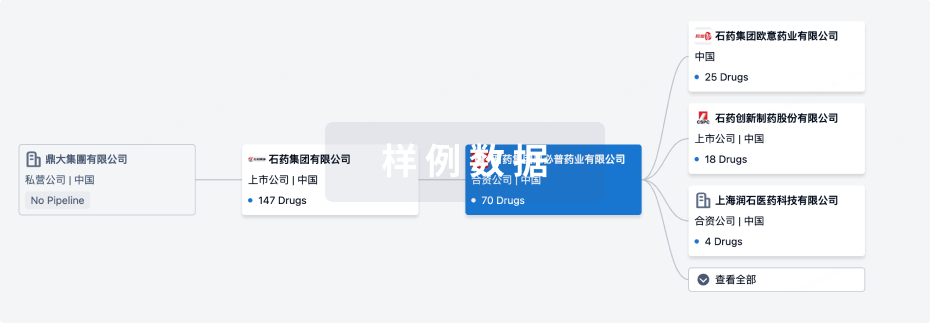
组织架构
使用我们的机构树数据加速您的研究。
登录
或
管线布局
2026年11月20日管线快照
管线布局中药物为当前组织机构及其子机构作为药物机构进行统计,早期临床1期并入临床1期,临床1/2期并入临床2期,临床2/3期并入临床3期
其他
4
登录后查看更多信息
当前项目
登录后查看更多信息
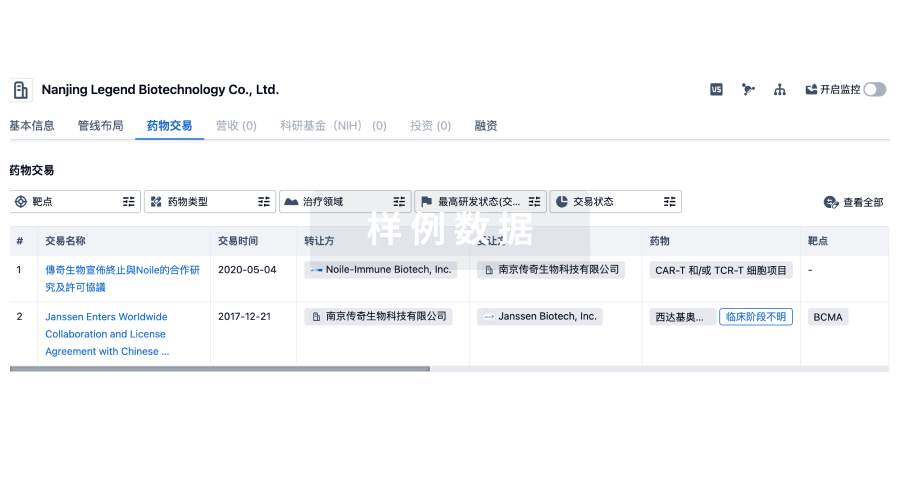
药物交易
使用我们的药物交易数据加速您的研究。
登录
或
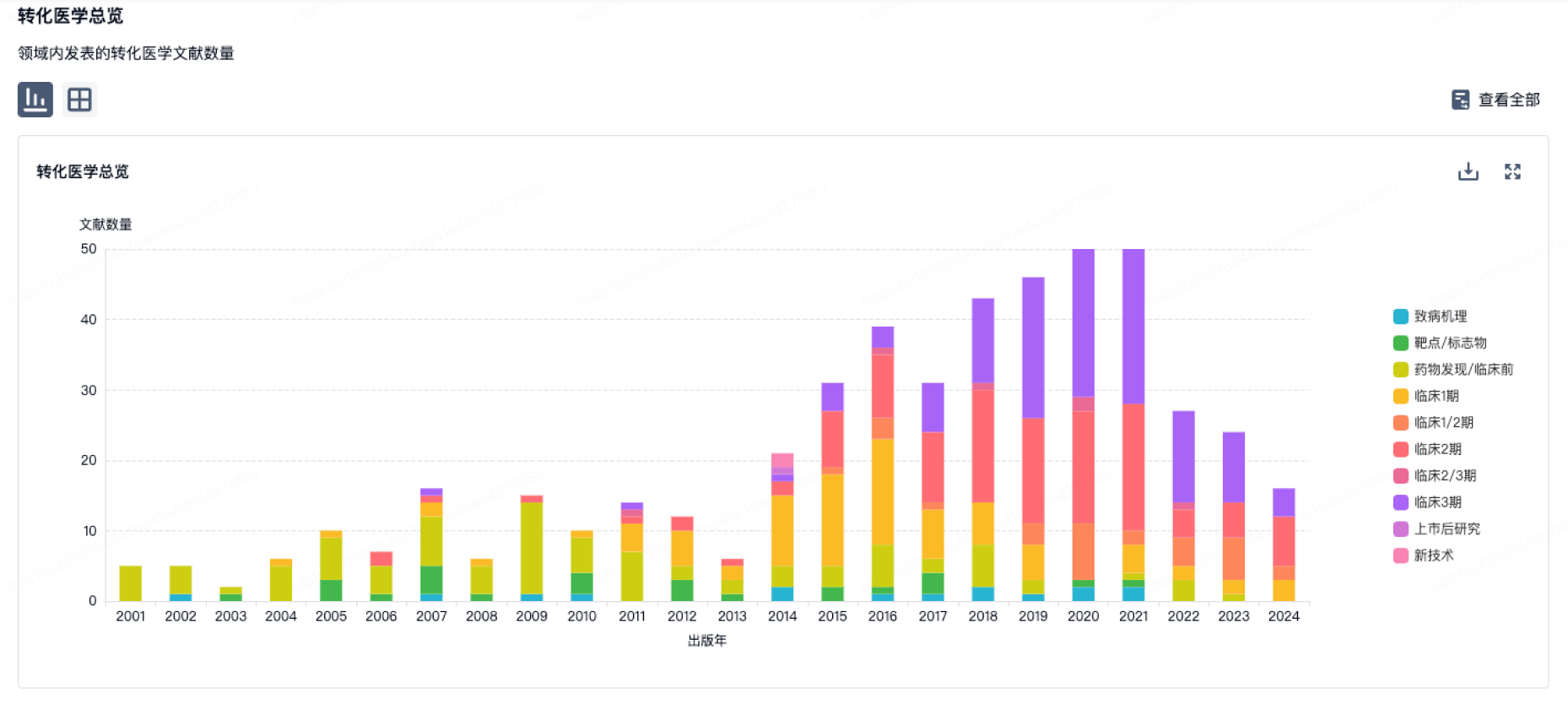
转化医学
使用我们的转化医学数据加速您的研究。
登录
或
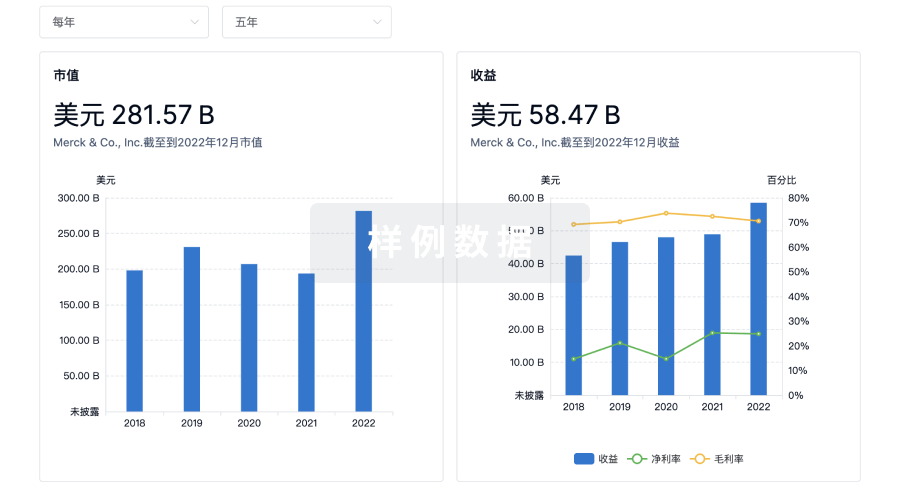
营收
使用 Synapse 探索超过 36 万个组织的财务状况。
登录
或
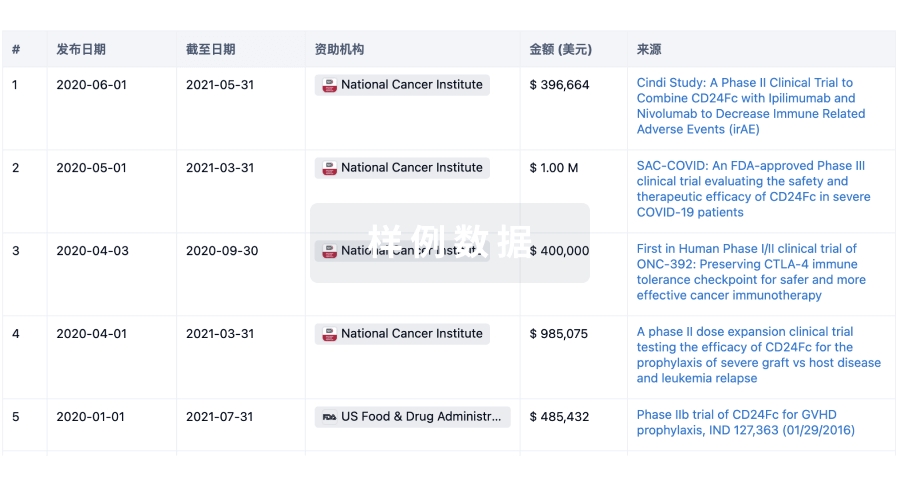
科研基金(NIH)
访问超过 200 万项资助和基金信息,以提升您的研究之旅。
登录
或
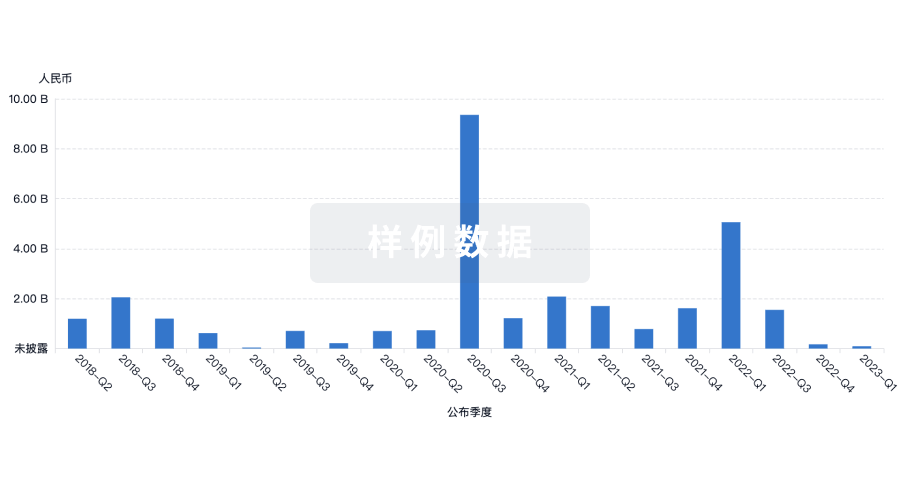
投资
深入了解从初创企业到成熟企业的最新公司投资动态。
登录
或
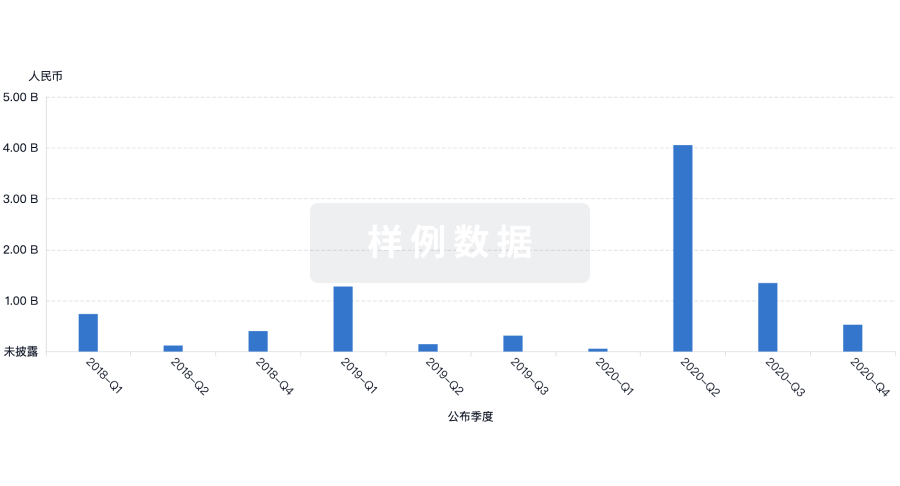
融资
发掘融资趋势以验证和推进您的投资机会。
登录
或
提出任何生物医药研究问题
让每一步生物医药决策都精准制胜
基于十亿级生物数据与全球情报的精准 AI,赋能早期药物发现
立即开始免费试用!
智慧芽新药情报库是智慧芽专为生命科学人士构建的基于AI的创新药情报平台,助您全方位提升您的研发与决策效率。
立即接入生物医药数据包
智慧芽新药库数据也通过智慧芽开放平台,以MCP或API服务形式对外开放。立即使用我们的MCP服务定制您的LLM智能体。
生物序列数据库
生物药研发创新
免费使用
化学结构数据库
小分子化药研发创新
免费使用