预约演示
更新于:2026-06-03
Peoples' Friendship University of Russia
更新于:2026-06-03
概览
标签
免疫系统疾病
呼吸系统疾病
神经系统疾病
小分子化药
外泌体药物
酶
疾病领域得分
一眼洞穿机构专注的疾病领域

技术平台
公司药物应用最多的技术
靶点
公司最常开发的靶点
关联
靶点 |
作用机制 |
在研机构 |
原研机构 |
在研适应症 |
非在研适应症 |
最高研发阶段 |
首次获批国家/地区 |
首次获批日期 |
靶点 |
作用机制 |
在研机构 |
原研机构 |
在研适应症 |
非在研适应症 |
最高研发阶段 |
首次获批国家/地区 |
首次获批日期 |
靶点 |
作用机制 |
在研机构 |
原研机构 |
在研适应症 |
非在研适应症 |
最高研发阶段 |
首次获批国家/地区 |
首次获批日期 |

TCTR20250504001
Evaluation of the effectiveness of mouth rinse Art-Dentale Expert in the treatment chronic generalized periodontitis
ISRCTN47534508
Analgesic and recovery effect of transcutaneous electrical nerve stimulation in treatment of central and peripheral neurological disorders
ISRCTN10646347
Reflexogenic analgesic and recovery effect of trigger point injections in the treatment of low back pain and degenerative spinal disorders
100 项与 Peoples' Friendship University of Russia 相关的临床结果
登录后查看更多信息
登录后查看更多信息
2026-08-01VETERINARY RESEARCH COMMUNICATIONS
Phytogenic and natural immunostimulants in the prevention of Lactococcus garvieae infection: an eco-friendly approach
Review
作者: Sheikhzadeh, Najmeh ; Yilmaz, Sevdan ; Rajalingam, Sureshkumar ; Yousefi, Morteza ; Ahmadifar, Ehsan ; Chandran, Deepak ; Naiel, Mohammed A E ; Dargahi, Narges
Aquaculture is developing in many countries to meet the rising protein demand associated with a rapidly growing human population. However, intensification of production brings with it challenges such as deteriorating water quality and increasing disease outbreaks. These conditions lead to an increased risk of infectious diseases and led to higher mortality rates, which causes economic losses. Lactococcosis, particularly that caused by the Gram-positive bacterium Lactococcus garvieae, is one of the most common of these problems and can cause significant losses in various fish species. The intensive use of antibiotics for control purposes creates additional risks in terms of antimicrobial resistance, environmental pollution, and food safety. Therefore, natural feed additives have gained importance in recent years. Certain additives that support immune responses and increase disease resistance in fish have become prominent. Among these, phytobiotics, probiotics, prebiotics, and synbiotics are the most well-known and effective. Their widespread availability, lower cost, and environmental safety make these additives considered an alternative approach to aquaculture. Studies show that these additives strengthen both innate and adaptive immune responses, reduce infection severity, and reduce mortality associated with L. garvieae infections. However, there are still gaps in knowledge regarding how these substances regulate mechanisms such as the immune system, inflammatory processes, antioxidant defenses, and interactions with pathogens. This review aims to clarify these mechanisms by bringing together scientific data obtained in recent years. It also discusses how the information obtained can contribute to the development of safer feed additive strategies and the development of new vaccine approaches. This aims to support the establishment of a more sustainable production structure in the aquaculture sector.
2026-07-01CHEMICO-BIOLOGICAL INTERACTIONS
The protective effects of selenium on mitochondrial quality under exogenous and endogenous stressors
Review
作者: Korobeinikova, Tatiana V ; Aschner, Michael ; Skalny, Anatoly V ; Tinkov, Alexey A ; Rocha, Joao B T ; Zhang, Feng ; Santamaria, Abel ; Barbosa, Fernando ; Guo, Xiong
Selenium (Se) and selenoproteins play a significant role in preventing mitochondrial damage. Se regulates mitochondrial dynamics, biogenesis, and mitophagy, but the mechanisms by which it controls mitochondrial quality remain to be fully characterized. Thus, the objective of this review is to address the underlying mechanisms of Se in regulation of mitochondrial quality control upon exposure to endogenous and exogenous stressors. Contemporary data show that Se deficiency is associated with a shift from mitochondrial fusion to fission, inhibition of mitochondrial biogenesis via down-regulation of sirtuin 1 (SIRT1)/peroxisome proliferator-activated receptor gamma coactivator 1-alpha (PGC-1α)/nuclear respiratory factor 1 and 2 (NRF1/2)/mitochondrial transcription factor A (TFAM) signaling, and alterations in PTEN-induced kinase 1 (PINK1)/Parkin-mediated mitophagy in vitro and in vivo. The role of Se in regulating mitochondrial quality control is mediated by specific selenoproteins, as evidenced from experimental selenoprotein knockout and overexpression models. Correspondingly, treatment with various forms of Se attenuates inhibitory effect of endogenous stressors (oxidative stress, ischemia, etc.), as well as exogenous agents like heavy metals, ammonia, fluoride, mycotoxins, and paraquat, on mitochondrial fusion/fission balance and biogenesis. Administration of Se mitigates the adverse effects of these stressors on mitophagy by recovering impaired mitophagy or by inhibiting mitophagy overactivation. Therefore, Se treatment might be considered a therapeutic approach to mitigate the adverse effects of various stressors on mitochondrial quality control and functioning, leading to prevention of liver, kidney, brain, and intestinal damage. However, the specific mechanisms, as well as dose-response and species-specific effects have yet to be investigated.
2026-05-14Zhurnal nevrologii i psikhiatrii imeni S.S. Korsakova
Consensus of the International Interdisciplinary Expert Council on the treatment of comorbidities in pediatric ADHD
Article
作者: Goryunova, A.V. ; Zykov, V.P. ; Zyryanov, S.K. ; Bykova, O.V. ; Ermolenko, N.A. ; Zakharova, I.N. ; Lapochkin, O.L. ; Barkhatov, M.V. ; Sulimov, A.V. ; Lepesova, M.M. ; Chutko, L.S. ; Kalyuzhin, O.V. ; Yurlova, O.V. ; Khachatryan, L.G. ; Shamansurov, Sh.Sh. ; Skoromets, A.P. ; Geppe, N.A. ; Goryunov, A.V. ; Morozova, E.A. ; Kasanave, E.V.
On March 19, 2026, in Moscow, an international interdisciplinary Expert Council convened during the III National Congress of Pediatric Neurologists to address the treatment of comorbid conditions associated with ADHD in children. It was observed that comorbid disorders, such as anxiety, sleep disturbances, and heightened nervous excitability, affect at least 70% of patients, exacerbating clinical symptoms of ADHD and diminishing treatment efficacy. The experts evaluated the evidence supporting the use of multicomponent low-dose formulations derived from plant extracts and minerals, specifically Nervoheel (for children aged 3 years and older) and Neurexan (for those aged 12 years and older). These formulations are approved in the Russian Federation as medical products and have demonstrated effectiveness in alleviating neurotic manifestations, anxiety, and sleep disorders, as well as improving focus and compliance. Following the Expert Council’s statement, these medications received a favorable evaluation regarding their effectiveness in managing anxiety, sleep disorders, and nervous. They were recommended for inclusion in the Ministry of Health of the Russian Federation’s clinical guidelines, with a strength of recommendation of C and a quality of evidence rating of 3.
100 项与 Peoples' Friendship University of Russia 相关的药物交易
登录后查看更多信息
100 项与 Peoples' Friendship University of Russia 相关的转化医学
登录后查看更多信息
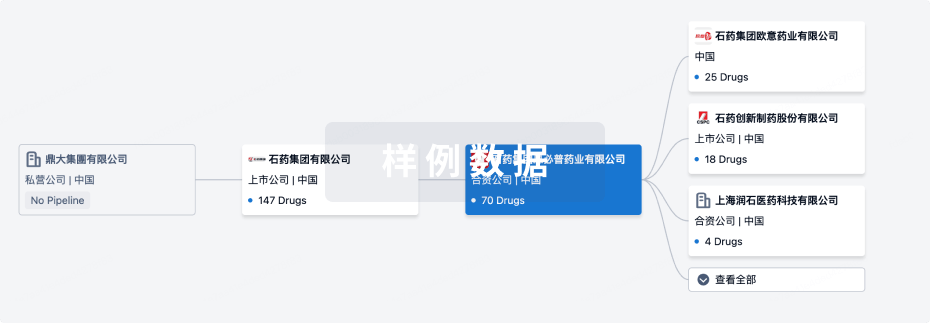
组织架构
使用我们的机构树数据加速您的研究。
登录
或
管线布局
2026年10月10日管线快照
管线布局中药物为当前组织机构及其子机构作为药物机构进行统计,早期临床1期并入临床1期,临床1/2期并入临床2期,临床2/3期并入临床3期
临床前
3
登录后查看更多信息
当前项目
登录后查看更多信息
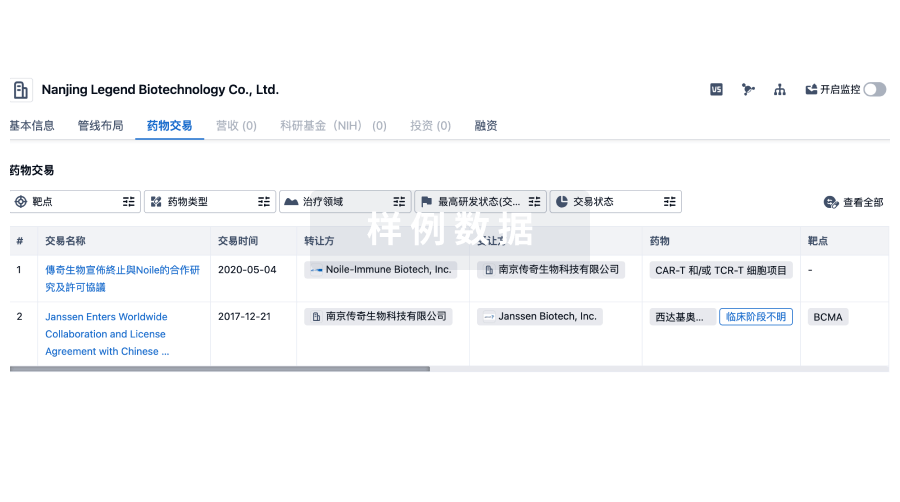
药物交易
使用我们的药物交易数据加速您的研究。
登录
或
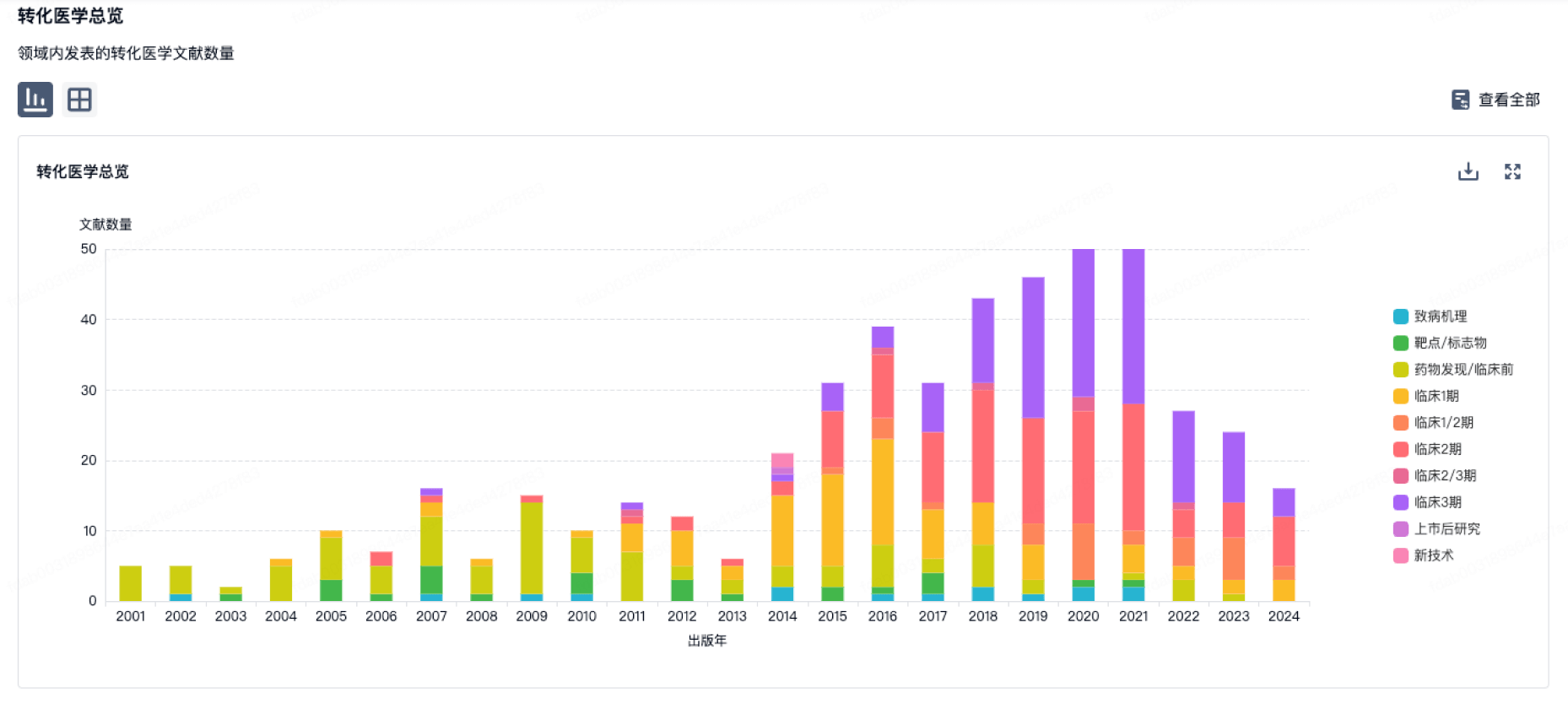
转化医学
使用我们的转化医学数据加速您的研究。
登录
或
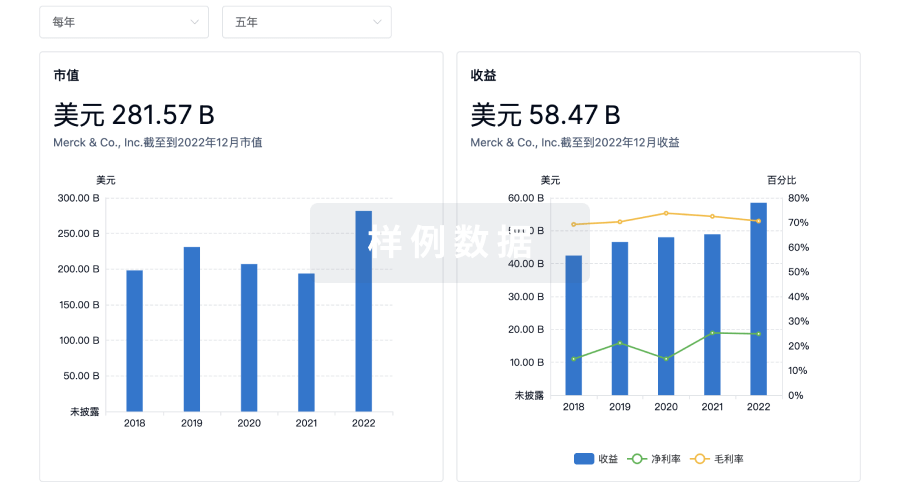
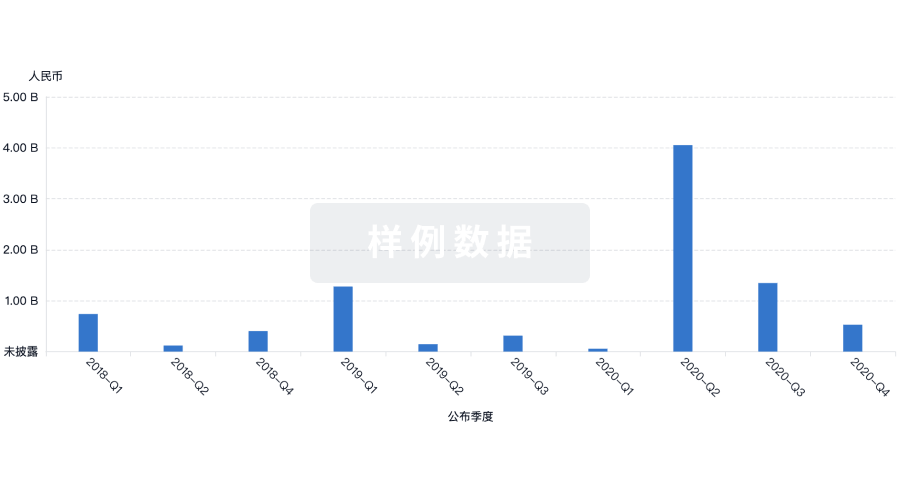
营收
使用 Synapse 探索超过 36 万个组织的财务状况。
登录
或
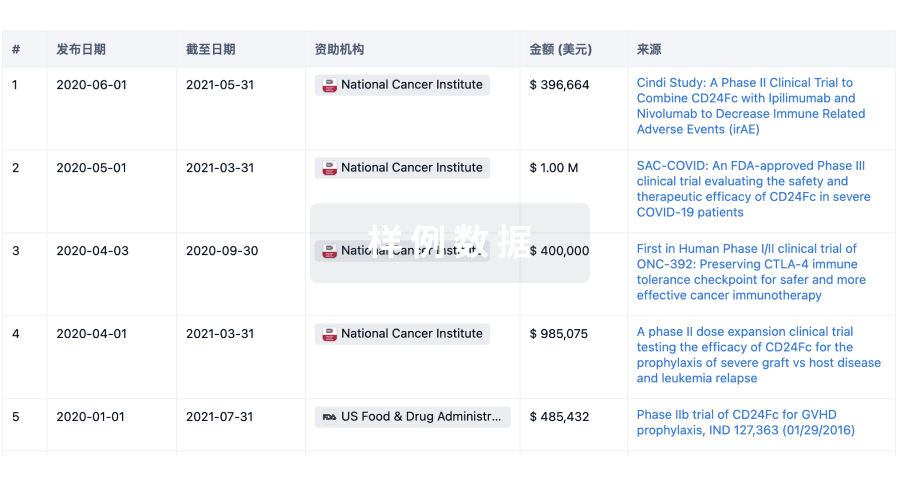
科研基金(NIH)
访问超过 200 万项资助和基金信息,以提升您的研究之旅。
登录
或
投资
深入了解从初创企业到成熟企业的最新公司投资动态。
登录
或
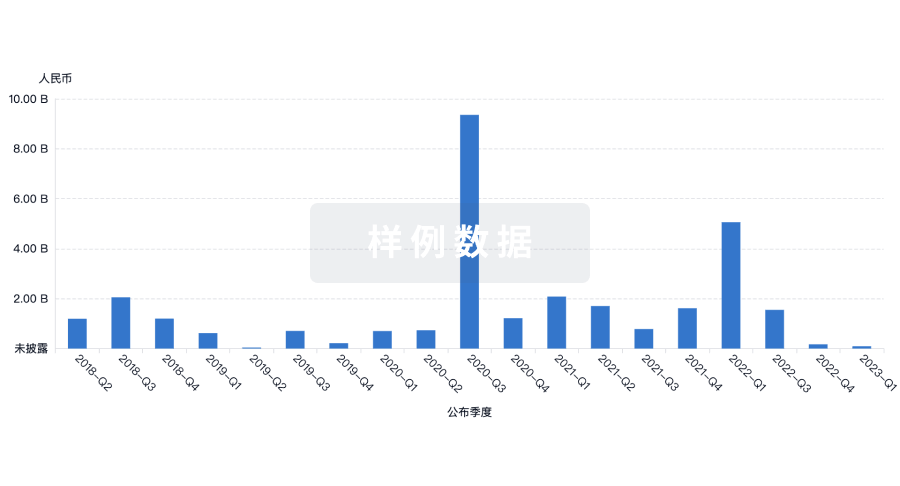
融资
发掘融资趋势以验证和推进您的投资机会。
登录
或
提出任何生物医药研究问题
让每一步生物医药决策都精准制胜
基于十亿级生物数据与全球情报的精准 AI,赋能早期药物发现
立即开始免费试用!
智慧芽新药情报库是智慧芽专为生命科学人士构建的基于AI的创新药情报平台,助您全方位提升您的研发与决策效率。
立即接入生物医药数据包
智慧芽新药库数据也通过智慧芽开放平台,以MCP或API服务形式对外开放。立即使用我们的MCP服务定制您的LLM智能体。
生物序列数据库
生物药研发创新
免费使用
化学结构数据库
小分子化药研发创新
免费使用