预约演示
更新于:2026-09-05
ASC-61
更新于:2026-09-05
概要
基本信息
原研机构 |
非在研机构- |
权益机构- |
最高研发阶段临床1期 |
首次获批日期- |
最高研发阶段(中国)临床申请批准 |
特殊审评- |


登录后查看时间轴
关联
1
项与 ASC-61 相关的临床试验NCT05287399
An Open-Label, Multicenter, Single-Arm Phase 1 Clinical Trial to Investigate the Safety, Tolerability, Pharmacokinetics and Pharmacodynamics of ASC61 in Subjects With Advanced Solid Tumors
100 项与 ASC-61 相关的临床结果
登录后查看更多信息
100 项与 ASC-61 相关的转化医学
登录后查看更多信息
100 项与 ASC-61 相关的专利(医药)
登录后查看更多信息
1
项与 ASC-61 相关的文献(医药)2026-01-01ChemMedChem
Small‐Molecule Inhibitors Targeting PD‐1/PD‐L1 in Colorectal Cancer: Mechanisms, Challenges, and Clinical Prospects
Review
作者: Qian, Liang ; Wang, Jianwei ; Wu, Yanling ; Zhang, Wen ; Yu, Shenwei ; Awadasseid, Annoor
Colorectal cancer (CRC) is a major global health burden, driven by complex genetic and epigenetic alterations and an immunosuppressive tumor microenvironment (TME). The PD‐1/PD‐L1 immune checkpoint plays a central role in CRC immune evasion, making it a critical therapeutic target. Immune checkpoint inhibitors (ICIs) have achieved notable efficacy in microsatellite instability‐high (MSI‐H) or mismatch repair‐deficient (dMMR) CRC, attributed to their high neoantigen burden. However, most CRC cases are microsatellite stable (MSS) and exhibit limited responsiveness to PD‐1/PD‐L1 blockade due to immune escape mechanisms, including
β
2‐microglobulin and JAK/STAT mutations, HLA loss, and infiltration of regulatory T cells and myeloid‐derived suppressor cells. Small‐molecule inhibitors targeting PD‐1/PD‐L1 are emerging as promising alternatives to monoclonal antibodies, offering advantages such as oral administration, improved tissue penetration, and modulation of upstream and downstream signaling pathways. Compounds such as MPT0G612, Panaxadiol, Butyrate, Licochalcone A, and Demethylzeylasteral exhibit antitumor effects by suppressing PD‐L1 expression, promoting its degradation, or enhancing T cell infiltration in the TME. Early clinical trials of CA‐170, INCB086550, and ASC61 indicate encouraging activity in solid tumors, including CRC. This review summarizes the role of the PD‐1/PD‐L1 axis in CRC and discusses the therapeutic potential and future prospects of small‐molecule inhibitors as next‐generation immunotherapies for CRC.
100 项与 ASC-61 相关的药物交易
登录后查看更多信息
研发状态
10 条进展最快的记录, 后查看更多信息
登录
| 适应症 | 最高研发状态 | 国家/地区 | 公司 | 日期 |
|---|---|---|---|---|
| 晚期恶性实体瘤 | 临床1期 | 美国 | 2022-08-02 | |
| 实体瘤 | 临床1期 | 美国 | 2022-02-07 |
登录后查看更多信息
临床结果
临床结果
适应症
分期
评价
查看全部结果
登录后查看更多信息
转化医学
使用我们的转化医学数据加速您的研究。
登录
或
药物交易
使用我们的药物交易数据加速您的研究。
登录
或
核心专利
使用我们的核心专利数据促进您的研究。
登录
或
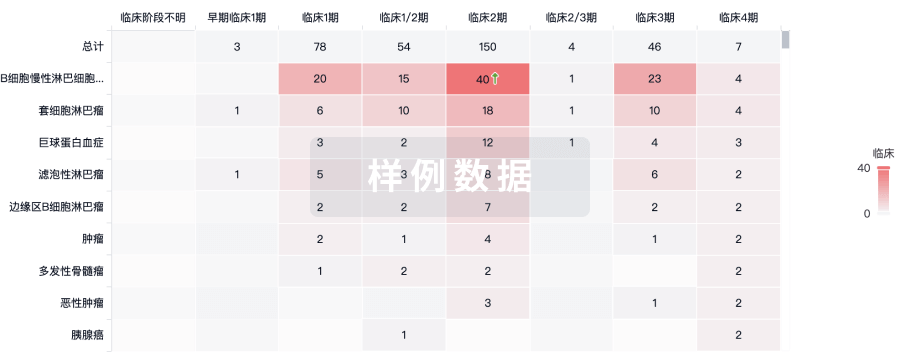
临床分析
紧跟全球注册中心的最新临床试验。
登录
或
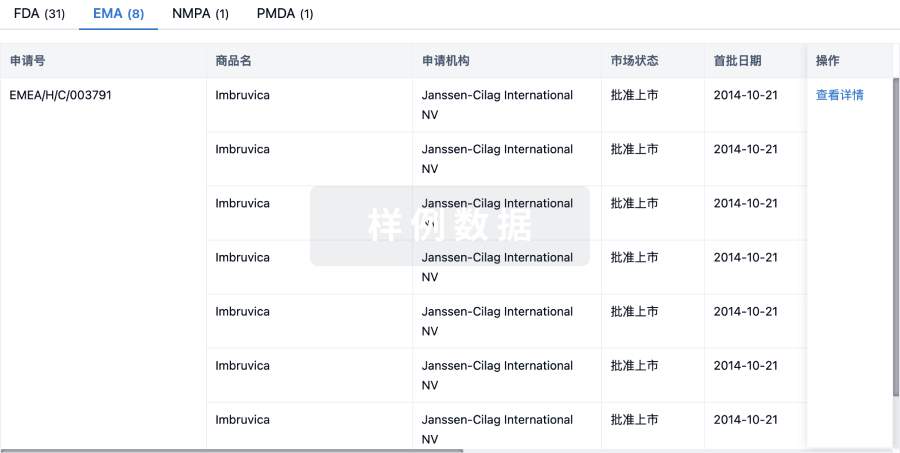
批准
利用最新的监管批准信息加速您的研究。
登录
或
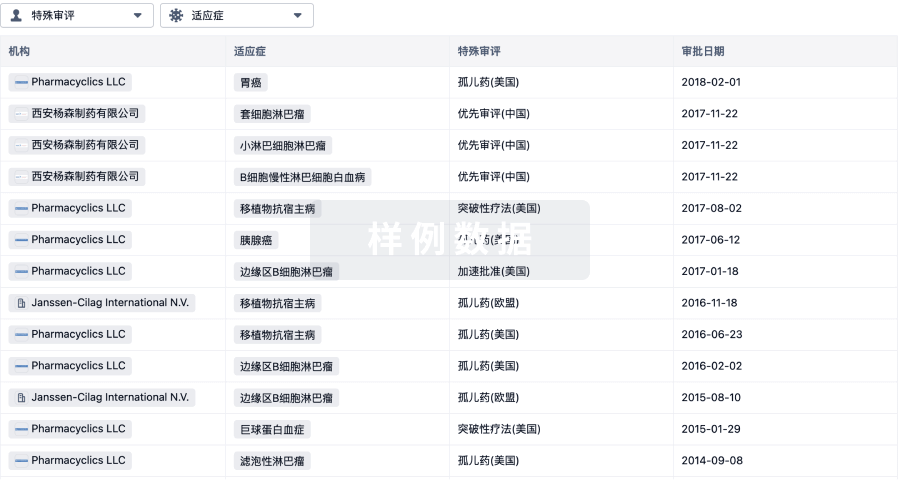
特殊审评
只需点击几下即可了解关键药物信息。
登录
或
提出任何生物医药研究问题
让每一步生物医药决策都精准制胜
基于十亿级生物数据与全球情报的精准 AI,赋能早期药物发现
立即开始免费试用!
智慧芽新药情报库是智慧芽专为生命科学人士构建的基于AI的创新药情报平台,助您全方位提升您的研发与决策效率。
立即接入生物医药数据包
智慧芽新药库数据也通过智慧芽开放平台,以MCP或API服务形式对外开放。立即使用我们的MCP服务定制您的LLM智能体。
生物序列数据库
生物药研发创新
免费使用
化学结构数据库
小分子化药研发创新
免费使用