预约演示
更新于:2026-05-09
mRNA COVID-19 Vaccine(LiveRNA Therapeutics Inc.)
mRNA新冠疫苗(丽凡达生物)
更新于:2026-05-09
概要
基本信息
药物类型 预防性疫苗、mRNA疫苗 |
别名 a bivalent mRNA vaccine with Delta/BA.5 combination(LiveRNA Therapeutics)、mRNA COVID-19 Vaccine(AIM Vaccine)、SARS-CoV-2 mRNA Vaccine + [3] |
作用方式 抑制剂 |
作用机制 SARS-CoV-2 S protein抑制剂(冠状病毒刺突糖蛋白抑制剂) |
在研适应症 |
非在研适应症- |
原研机构 |
在研机构 |
非在研机构- |
最高研发阶段临床2/3期 |
首次获批日期- |
最高研发阶段(中国)临床2/3期 |
特殊审评- |

登录后查看时间轴
关联
10
项与 mRNA新冠疫苗(丽凡达生物) 相关的临床试验NCT05549206
A Cohort Study to Evaluate Safety and Immunogenicity of SARS-CoV-2 Variant (Omicron BA.5) mRNA Vaccine (LVRNA012) in Participants Aged 18 Years and Over in China
This is a cohort study to evaluate safety and immunogenicity of SARS-CoV-2 Variant (Omicron BA.5) mRNA Vaccine (LVRNA012) in participants aged 18 years and over in China
开始日期2023-04-01 |
申办/合作机构  艾美疫苗股份有限公司 艾美疫苗股份有限公司 [+1] |
NCT05428592
A Randomized, Blinded, Parallel-controlled Phase 3 Study to Evaluate the Immunogenicity and Safety of SARS-CoV-2 mRNA Vaccine (LVRNA009) as Heterologous Booster in Participants Aged 18 Years and Older Vaccinated 2 Doses Inactivated SARS-CoV-2 Vaccine
This study is a randomized, blinded, parallel-controlled phase 3 clinical trial. The study intent to evaluate the immunogenicity and safety of SARS-CoV-2 mRNA Vaccine (LVRNA009) as heterologous booster in participants aged 18 years and older vaccinated 2 doses Inactivated SARS-CoV-2 Vaccine.
开始日期2023-04-01 |
申办/合作机构 |
NCT05682638
A Global Multi-center, Randomized, Blinded, Placebo-controlled Phase 3 Clinical Study to Evaluate the Efficacy, Safety and Immunogenicity of SARS-CoV-2 mRNA Vaccine for the Prevention of COVID-19 in Participants Aged 18 Years and Older
A Global Multi-center, Randomized, Blinded, Placebo-controlled Phase 3 Clinical Study to Evaluate the Efficacy, Safety and Immunogenicity of SARS-CoV-2 mRNA Vaccine (LVRNA009) for the Prevention of COVID-19 in Participants Aged 18 Years and Older
开始日期2023-01-30 |
申办/合作机构 艾美疫苗股份有限公司 [+2] |
100 项与 mRNA新冠疫苗(丽凡达生物) 相关的临床结果
登录后查看更多信息
100 项与 mRNA新冠疫苗(丽凡达生物) 相关的转化医学
登录后查看更多信息
100 项与 mRNA新冠疫苗(丽凡达生物) 相关的专利(医药)
登录后查看更多信息
294
项与 mRNA新冠疫苗(丽凡达生物) 相关的文献(医药)2026-12-31·Human Vaccines & Immunotherapeutics
Unexpectedly competent immune response to SARS-CoV-2 vaccination in Rett syndrome
Article
作者: Montagnani, Francesca ; Fiorino, Fabio ; Grosso, Salvatore ; Lucchesi, Simone ; De Felice, Claudio ; Polvere, Jacopo ; Boasiako, Lidia ; Altamura, Maria ; Scandurra, Valeria ; Medaglini, Donata ; Soldateschi, Ludovica ; Leoncini, Silvia ; Ciabattini, Annalisa ; Pastore, Gabiria ; Fazzi, Caterina
Rett syndrome (RTT) is a rare neurodevelopmental disorder of genetic origin characterized by chronic low-grade inflammation, immune imbalance, and frequently associated with compromised respiratory function. During the COVID-19 pandemic, individuals with RTT were classified as high-risk and invited to follow stringent vaccination protocols that included multiple booster doses. However, the immune response elicited by vaccination in this population has never been systematically investigated. Here, we provide the first characterization of spike-specific antibody and memory B cell responses in 23 RTT patients following two or three doses of SARS-CoV-2 mRNA vaccines. RTT patients developed spike-specific IgG levels comparable to those observed in healthy female controls (GMT 8476 [range 5120-20480] and 9213 [640-81920] after the first two vaccine doses, respectively). The frequencies and phenotype of spike-specific memory B cells were also similar between RTT and controls (mean frequency of 1.3 ± 0.6 and 1.6 ± 1.1, respectively) and these cells displayed functional reactivity upon antigenic stimulation in vitro. The assessment of vaccine-induced immunity in RTT addresses a critical knowledge gap by demonstrating the ability of these patients to develop an immune response to mRNA vaccination, thereby providing insights that may inform tailored vaccination strategies and improve understanding of immune competence in this rare disorder.
2026-04-01·VACCINE
Immune response and IgG subclass dynamics following repeated SARS-CoV-2 mRNA vaccination in Japanese healthcare workers
Article
作者: Kato, Hideaki ; Miyakawa, Kei ; Sano, Kaori ; Ryo, Akihide ; Hasegawa, Hideki
In Japan, many healthcare workers received up to seven doses of SARS-CoV-2 mRNA vaccines by April 2024. While repeated vaccination aims to strengthen immunity, concerns about immune imprinting and IgG subclass switching, particularly to IgG4, have arisen. This study examined 19 healthcare workers who completed seven doses. Serum and PBMCs collected at five or three time points respectively to measure were analyzed for IgG subclasses, neutralizing antibodies and cellular responses. IgG1-3 levels declined after the second dose but recovered after the third, whereas IgG4 increased post-second dose and remained stable. Neutralizing antibodies against Omicron XBB.1.5 were undetectable after two doses but appeared after the third, despite all being Wuhan strain vaccines, and rose further after the sixth and seventh doses with updated formulations. Cellular immunity remained stable throughout. These findings indicate repeated mRNA vaccination enhances humoral immunity without progressive IgG4 elevation or additional cellular response boosts.
2026-04-01·INTERNATIONAL JOURNAL OF INFECTIOUS DISEASES
Immunogenicity, reactogenicity, and safety to assess booster vaccinations with BNT162b2 or double-dose mRNA-1273 in adults ≥75 years (EU-COVAT-1-AGED)–final report
Article
作者: Lammens, Christine ; Carcas-Sansuan, Antonio Javier ; Grothe, Jan ; Koehler, Philipp ; Mallon, Patrick W G ; Frías-Iniesta, Jesús ; Stemler, Jannik ; Neuhann, Julia M ; Cox, Rebecca Jane ; Romero Rodriguez, Esperanza ; Yeghiazaryan, Lusine ; Pink, Isabelle ; Malhotra-Kumar, Surbhi ; Salmanton-García, Jon ; Jakobs, Julia ; Biehl, Lena M ; Posch, Martin ; Cornely, Oliver A ; Kumar-Singh, Samir ; Grimm, Sarah ; Nacov, Julia A ; Loens, Katherine ; Saini, Gurvin ; Bethe, Ullrich ; Akova, Murat ; Moltó, José ; Mellinghoff, Sibylle C ; Greve-Isdahl Mohn, Kristin ; Cüppers, Arnd ; Welte, Tobias ; Stephan, Christoph ; König, Franz ; Negi, Riya ; Sprute, Rosanne ; Zablockienė, Birutė ; Vergara Mitxeltorena, Itziar ; Zarrouk, Marouan ; Tischmann, Lea ; Hotterbeekx, An ; León, Alejandro García ; Goossens, Herman ; Gaillard, Colette
BACKGROUND:
To determine long-term immunogenicity and reactogenicity of different SARS-CoV-2 messenger RNA (mRNA) vaccines in a population ≥75 years of age in a randomized trial.
METHODS:
Participants were randomized to receive either BNT162b2 30 µg or a double booster dose of mRNA-1273, i.e., 100 µg, as the third and fourth vaccinations (first and second booster). The primary endpoint was the rate of a two-fold geometric mean titer (GMT) antibody increase 14 days after vaccination targeting the receptor binding domain (RBD) region of wild-type SARS-CoV-2. Secondary endpoints included neutralizing capacity against wild-type and 25 variants at 14 days (D14) and 12 months (M12). Safety was assessed by monitoring adverse events (AEs) for 7 days after vaccination.
FINDINGS:
Between November 2021 and September 2022, 322 participants received a SARS-CoV-2 vaccine as a first (Part A) or second booster (Part B). Primary endpoint results have been published previously. In Part A, it was reached by 100% of participants in both vaccine arms, with a higher GMT increase in the mRNA-1273 arm (ratio, 1.64). At M12, the GMT of anti-RBD immunoglobulin G (IgG) was slightly higher than at D14 (9319.7 vs 8568.4 IU/mL) in the BNT162b2 arm, while in the mRNA-1273 arm, the GMT was equal (14,163.8 vs 14,266.7 IU/mL at D14). In Part B, the primary endpoint was reached by 78.5% of participants in the BNT162b2 and 87.2% in the mRNA-1273 arm (P = 0.056), respectively, with a higher GMT increase of anti-RBD IgG for mRNA-1273 (ratio, 1.38). At M12, GMT of anti-RBD IgG was markedly lower than at D14 (9962 vs 15,248.2 IU/mL) in the BNT162b2 arm as well as in the mRNA-1273 arm (12,024.3 vs 21,325.6 IU/mL). Higher neutralizing capacity in individuals who received a booster with mRNA-1273 was detected against wild-type and 15 of 25 tested variants. Fewer participants in the mRNA-1273 arm had vaccine-related AEs (29.6% vs 38.5%), but severity was more frequently grade 2 (n = 38, 28.1% vs n = 22, 16.3%).
INTERPRETATION:
Long-term serological immunogenicity and virus neutralization capacity in participants ≥75 years of age were numerically better with an mRNA-1273 100 µg booster, with a comparable safety profile.
82
项与 mRNA新冠疫苗(丽凡达生物) 相关的新闻(医药)2026-04-29
每年4月24日至30日是世界卫生组织(WHO)发起的“世界免疫周”。2026年迎来第20届,主题为“For every generation, vaccines work”——疫苗守护,世代相传”,凸显疫苗全年龄段的防护价值。随着“十五五规划”明确提出动态优化国家免疫规划疫苗种类,中国正加速将高需求、高效益疫苗纳入免疫规划。
作为加速药物从Idea到IND研发的CRO,美迪西立足自身技术优势,深耕疫苗临床前研发,持续助力全球疫苗创新,为公共卫生安全贡献专业力量。
全球疫苗市场稳健扩容,中国加速迈向疫苗强国
近年来,全球疫苗产业保持稳健增长。据医药笔记统计,2025年全球疫苗市场规模达367亿美元;Fortune Business Insights数据显示,2024年全球市场为888.2亿美元,远期有望以10.43%的年复合增长率持续扩张,流感、肺炎球菌、RSV及癌症预防等重磅疫苗齐头并进。
在这一蓝图中,中国正实现历史性跨越,2025年中国疫苗行业(不含新冠疫苗)市场规模达到377亿美元,同比上涨6.5%,预计2030年扩张至1580亿元,创新疫苗、多联多价和mRNA技术成为增长引擎;免疫规划覆盖16种核心疫苗,适龄儿童接种率持续超90%,国产九价HPV疫苗打破国外垄断,sIPV疫苗通过WHO预认证并累计出口约3亿剂,中国已根除天花、连续30年无本土脊灰,成为全球乙肝防控典范。
国产疫苗狂飙出海,从产品输出迈向标准引领
更令人瞩目的是国产疫苗“出海”的狂飙之势。2025年,中国人用疫苗出口额突破75亿元,同比暴增401.4%(2024年为15.1亿元),出口量同比增长130.54%,覆盖全球85个市场。科兴与巴西签订的7.5亿美元水痘与狂犬疫苗长期订单,创下中国疫苗企业最大单笔出口纪录。HPV疫苗、13价肺炎疫苗、四价流脑疫苗等高附加值产品取代低价传统品种,成为出口主力;科兴流感疫苗独家中标智利政府招标。2024年出口单价同比提升9.42%,较2019年增长34%,中国疫苗正彻底告别“低价换市场”的旧模式。
更重要的是,中国企业不再满足于卖产品,而是通过技术输出与产能共建实现布全局。康希诺在印尼落地四价流脑疫苗商业化,沃森13价肺炎疫苗覆盖24国,万泰二价HPV疫苗进入8国免疫规划,中国疫苗从过路客变为东道主。目前,我国已有10余款疫苗通过WHO预认证,拿到通往194个成员国的全球通行证。从摩洛哥到巴西,从巴基斯坦到土耳其,中国疫苗正以“技术标准输出者”的身份,深度参与全球公共卫生治理。
与此同时,中国积极践行人类卫生健康共同体理念——向100多个国家和组织提供疫苗,向COVAX捐赠1亿美元,分享生产技术,助力全球疫苗可及性。国内国际双向发力,每年节省医疗费用超200亿元,一个从“产品输出”迈向“标准引领”的疫苗强国,正加速走来。
多技术路线齐头并进,疫苗品类日趋多元
全球疫苗研发已形成庞大而系统的技术谱系。按照制备工艺与抗原来源不同进行分类:
减毒活疫苗:减毒活疫苗是将病原体人工减毒、弱化后制成,保留微弱繁殖能力,免疫效果强且持久,可激发体液免疫和细胞免疫。代表疫苗:麻疹疫苗(北京生物、上海生物)、风疹疫苗(北京生物)、水痘疫苗(默沙东、长春祈健)、卡介苗(上海生物、成都生物)、口服脊髓灰质炎减毒活疫苗(北京生物、医科院生物)、麻腮风联合疫苗(北京生物、上海生物)。
灭活疫苗:通过物理或化学方式杀死病原体,保留完整抗原结构,安全性高、稳定性好,需多次接种加强免疫。代表疫苗:新冠灭活疫苗(北京生物、北京科兴、武汉生物)、流感灭活疫苗(中国生物、华兰生物)、狂犬病疫苗(长春长生、大连汉信)、甲肝灭活疫苗(北京科兴、巴斯德)、乙脑灭活疫苗(北京生物、成都生物)。
亚单位疫苗:是指只使用免疫系统需要识别的病毒或者细菌的特定部分(亚单位),比如蛋白、多糖或者衣壳等,制作而成的疫苗,包括重组蛋白疫苗、多糖疫苗、结合疫苗和病毒样颗粒疫苗。重组蛋白疫苗代表有乙肝疫苗(深圳康泰、葛兰素史克、默沙东、艾美诚信)、HPV疫苗(默沙东、葛兰素史克、万泰生物、沃森生物)、重组带状疱疹疫苗(葛兰素史克);多糖疫苗如23价肺炎球菌多糖疫苗(默沙东、成都生物、沃森生物、北京民海)、伤寒Vi多糖疫苗(武汉生物、成都生物);结合疫苗如Hib疫苗(赛诺菲巴斯德、兰州生物、沃森生物、北京民海)、13价肺炎球菌结合疫苗(辉瑞、沃森生物、民海生物);病毒样颗粒疫苗如HPV疫苗和乙肝疫苗。
核酸疫苗(mRNA/DNA疫苗):将编码抗原的核酸序列导入人体,利用人体细胞合成抗原,进而诱导免疫反应,研发周期短。代表疫苗:mRNA新冠疫苗(辉瑞-BioNTech、Moderna)、多款在研肿瘤疫苗(Moderna、BioNTech)、流感mRNA疫苗(Moderna、辉瑞)。
载体疫苗:以安全弱毒病毒为载体,插入病原体抗原基因,在体内表达抗原实现免疫。代表疫苗:腺病毒载体新冠疫苗(康希诺生物、军科院)、埃博拉病毒载体疫苗(强生、康希诺生物)。
类毒素疫苗:针对细菌外毒素,经脱毒处理后制成,无毒性但保留免疫原性,用于预防毒素类疾病。代表疫苗:破伤风类毒素(北京生物、武汉生物)、白喉类毒素(北京生物、武汉生物)、百白破联合疫苗(北京生物、武汉生物、康希诺生物)。
全球疫苗研发正朝着智能化、通用化、全生命周期保护的方向迈进。据世卫组织统计,过去50年,疫苗接种已挽救超过1.54亿人的生命——相当于每分钟拯救6人。麻疹疫苗自2000年以来更使死亡人数下降88%,挽救近5900万生命。HPV疫苗的大规模覆盖也为癌症预防开启新篇章。
免疫规划高质量扩容,疫苗创新迎政策新机遇
在技术突破的同时,政策与市场也在为疫苗产业注入新动能。全球范围内,各国持续加大国家免疫规划(NIP)投入,为儿童基础疫苗市场提供稳定需求;同时,人口老龄化加速,流感、肺炎、带状疱疹、RSV等成人疫苗需求日益增长,成为市场扩张的重要驱动力。
我国免疫规划始于1978年“4苗防6病”,2007年扩展为“十四苗防十五病”,覆盖16种核心疫苗,儿童接种率持续超90%,麻疹、流脑等传染病发病率降至历史低位。但“十四苗”框架已维持十余年,始终未能大幅扩容。2026年3月,进口重组带状疱疹疫苗(CHO)正式扩龄至18岁以上免疫功能低下人群,释放出明确信号:疫苗市场边界正从“健康老人”拓展至“免疫脆弱人群”,市场规模天花板显著抬高。
政策层面,《“十四五”生物经济发展规划》《中国制造2025》等国家战略持续指引疫苗产业向高端化、国际化迈进,鼓励多联多价、基因工程、核酸等新型疫苗开发。2025年1月,全国调整百白破疫苗免疫程序,直接影响相关疫苗市场需求。尤为关键的是,“十五五”规划首次明确“动态优化国家免疫规划疫苗种类”。国家卫生健康委副主任、国家疾控局局长沈洪兵表示,将逐步纳入疾病负担高、成本效益好、财政可负担的疫苗。这意味着,十五五期间我国免疫规划将迎来实质性扩容,针对不同年龄段、不同疾病负担的接种策略将更精准有力。
这一政策为多联多价疫苗、mRNA疫苗等创新品种开辟了广阔增长空间,同时也对CRO平台高效赋能新型疫苗的临床前验证与国际申报提出了更高要求。
美迪西疫苗研发服务平台护航免疫新时代
面对国家免疫规划持续扩容带来的疫苗创新需求,美迪西生物医药已构建覆盖灭活、减毒活、重组蛋白和mRNA等完整技术路线的疫苗研发赋能能力,全面支持各类疫苗从Idea到IND申报的全流程,已助力10个疫苗获批临床。
在mRNA疫苗领域,美迪西长期与加拿大Acuitas等公司合作,深耕LNP-mRNA类药物及疫苗的有效性与安全性评价,建立了成熟的mRNA疫苗生物分析技术平台,涵盖mRNA水平的生物分布分析、mRNA表达蛋白抗原的生物分布分析、T细胞因子分泌水平评价、总抗体与关键结构域抗体效价分析,以及基于竞争性Assay或假病毒的中和抗体分析,可系统评估疫苗的组织靶向性、抗原表达、细胞免疫与体液免疫应答及功能性中和抗体水平,为mRNA疫苗的临床前研发提供全面数据支撑。目前,美迪西已助力
随着“十五五”免疫规划迈入高质量扩容新周期,新型疫苗临床前研究需求激增。美迪西将持续深耕疫苗临床前研发,助力更多安全、有效、可及的创新疫苗落地,为构筑全民免疫屏障贡献专业力量。
关于美迪西
美迪西(股票代码:688202.SH)成立于2004年,专注于为全球制药企业、研究机构及科研工作者提供全方位的临床前新药研发服务。公司构建了覆盖药物发现、药学研究至临床前研究的一站式综合研发平台,并在ADC、核酸、多肽、CGT、PROTAC、抗体等前沿领域搭建了服务平台。公司建立了符合国际规范的质量体系,已获得中国NMPA、美国FDA、欧盟OECD等GLP认证以及AAALAC国际认证。目前,公司在国内外拥有超9.2万平方米研发实验室。至2025年末,公司已为全球超2000家客户提供药物研发服务,参与研发完成的新药项目已有651件IND获批临床,携手国内外合作伙伴共同推动药物创新突破。美迪西将继续立足全球,聚力创新,为人类健康贡献力量!欢迎访问公司官网 www.medicilon.com.cn 了解更多详情。
2026-03-31
·证券之星
证券之星消息,近期艾美疫苗(06660.HK)发布2025年年度财务报告,报告中的管理层讨论与分析如下:业务回顾:概览 作为中国疫苗行业的领军企业,我们涵盖了从研发到制造再到商业化的整个价值链。我们拥有五种经过验证的人用疫苗技术平台,包括细菌疫苗技术平台、病毒疫苗技术平台、基因工程疫苗技术平台、联合疫苗技术平台及mRNA疫苗技术平台。我们同时拥有四家全资控股的持证疫苗生产企业,包括艾美荣誉、艾美坚持、艾美行动及艾美诚信,以及三家疫苗研究院,包括艾美探索者、艾美创新者及艾美引领者,共七支研发团队保证管线产品里程碑交付能力。我们是首批根据中国第十四个五年规划授予生物安全三级实验室建设许可的两家中国人用疫苗公司之一。我们的产品种类涵盖免疫规划疫苗和非免疫规划疫苗,已经商业化的产品长期占据中国市场领先地位,销售覆盖中国全部的31个省市、自治区。针对6种疾病8款已商业化产品包括重组乙型肝炎疫苗(汉逊酵母)、冻干人用狂犬病疫苗(Vero细胞)、甲型肝炎灭活疫苗(人二倍体细胞)、ACYW135群脑膜炎球菌多糖疫苗(MPSV4)等。 截至目前,公司针对12种疾病领域拥有20款在研疫苗产品,管线覆盖全球前十大疫苗品种,拥有24个临床批件,开展24项临床试验,1类创新疫苗7款。其中,公司三款1类创新型疫苗已获批开展临床:EV71-CA16二价手足口病灭活疫苗(人二倍体细胞),目前正在开展I期临床;mRNA带状疱疹疫苗、mRNA呼吸道合胞病毒疫苗实现中美双报,分别在中美获得临床批件。 2025年公司有3款核心在研产品已进入最后上市阶段,其中:无血清狂犬疫苗已向国家药监局提交上市注册申请,且已完成现场核查;高效价人二倍体狂犬疫苗目前处于III期临床阶段,已顺利完成临床试验现场工作;23价肺炎球菌多糖疫苗(PPSV23)III期临床试验已完成揭盲及统计分析,并获得临床研究报告。无血清迭代狂犬病疫苗、高效价人二倍体狂犬疫苗,以及迭代肺炎疫苗系列产品的生产车间已建成,其中,无血清狂犬疫苗已完成现场核查,进入最后上市注册审批阶段。 2025年,公司依托20年强大销售网络,以及早已形成的市场优秀品牌口碑与形象,为即将上市的核心产品开展充分的预热工作,通过举办培训、市场宣传教育、专家共识等,助力新产品上市快速准入与上量。 公司是国内少有的拥有包含mRNA技术平台在内的全部5种经验证的疫苗技术平台的全产业链疫苗集团,在已经商业化的产品中长期占据市场领先地位,销售覆盖中国全部的31个省市、自治区。公司在中检院的批签发质量审核中保持100%通过率,是在管线、研发、生产、销售四大维度都具备优势的极稀缺综合性平台。 2025年,公司四价流脑多糖疫苗顺利进入非洲市场,狂犬疫苗首次进入中美洲市场,乙肝疫苗也实现了首次出口。在注册推进方面,乙肝疫苗在东南亚积极开展注册流程,有望为当地预防乙肝提供新选择。甲肝疫苗于南亚的注册工作有序进行,致力于提升当地甲肝防控能力。同时,MPSV4疫苗也在中亚地区稳步推进注册,预计明年实现当地上市。 同时我们陆续推出疫苗全程温度监测系列产品,保障疫苗安全有效,覆盖冻干人用狂犬病疫苗(Vero细胞)、重组乙型肝炎疫苗(汉逊酵母)、ACYW135群脑膜炎球菌多糖疫苗(MPSV4),以及甲型肝炎灭活疫苗(人二倍体细胞),适应更多差异化客户需求,提供给不同客户多种品规的选择,以及更好的疫苗温度控制和识别,进一步升级疫苗质量管理水平,提高产品的市场竞争力。 我们的销售及营销职能集中、专业,并以市场为导向,使我们能够加快战略制定及执行,实现高成本效益并获得交叉销售机会。我们通过「自营+推广」双轮驱动的发展模式,建立集团化集中式的营销模式,优化销售效率。截至2025年12月31日止,本公司实现营业收入约人民币1,165.7百万元,较2024年同期下降9.3%。 各类产品及服务销售情况如下: 疫苗产品销售收入 我们的产品和研发管线 我们力争获取最好的行业资源,经过超过十年的有机增长以及外部资源整合,我们已成为中国疫苗行业的主要参与者。我们目前已经商业化八款针对六个疾病领域的疫苗产品。其中,重组乙型肝炎疫苗及冻干人用狂犬病疫苗是我们在市场上处于领先地位的主要商业化疫苗。我们的管线中亦有针对12种疾病领域的20款在研疫苗,截至目前本公司已有16个品种一共取得24个临床批件。其中无血清迭代狂犬疫苗已向国家药监局提交上市注册申请,且已完成现场核查工作;新型工艺高效价人二倍体狂犬病疫苗正在开展III期临床试验,已顺利完成临床试验现场工作;23价肺炎多糖疫苗(PPSV23)III期临床试验已完成揭盲及统计分析,并获得临床研究报告;13价肺炎结合疫苗(PCV13)正按CDE要求进行补充研究;ACYW135群脑膜炎球菌结合疫苗(MCV4)已完成II期临床试验所有受试者全程接种;全球创新的EV71-CA16二价手足口病疫苗(人二倍体细胞)目前正在开展I期临床试验。本公司的20价肺炎结合疫苗(PCV20)、四价MDCK细胞流感病毒疫苗、吸附破伤风疫苗和b型流感嗜血杆菌(Hib)结合疫苗已获得国家药监局药品审评中心(CDE)临床试验批准;mRNARSV疫苗(呼吸道合胞病毒疫苗)、mRNA带状疱疹疫苗均已获得中国和美国临床试验批准。 我们的疫苗产品 重组乙型肝炎疫苗(汉逊酵母) 重组乙型肝炎疫苗系列产品已经且预计将继续作为我们商业化产品的主要类型之一。目前,我们是中国第一家也是唯一一家实现使用汉逊酵母进行抗原表达的乙型肝炎疫苗稳定生产和批签发的公司。 在当前所有可用的三种制造技术(汉逊酵母、酿酒酵母及中国仓鼠卵巢(CHO)细胞)中,汉逊酵母被公认为是乙型肝炎疫苗的最佳制造技术路线,其具有更好的遗传稳定性、更高的纯度及更强的抗原表达能力。此外,我们采用专利工艺生产含佐剂的乙型肝炎疫苗,延长了抗原在人体内的作用时间,起到强化刺激免疫反应的作用,保护时间更长。且不添加防腐剂,不添加抗生素,不添加牛血清蛋白,大大提高了产品安全性。我们已获授此工艺在中国的专利,有效期至2032年5月,这令我们的重组乙型肝炎疫苗系列产品自其他疫苗中脱颖而出,为后来者创造了高技术准入壁垒。 中国是乙肝大国,世界卫生组织提出「2030年消除病毒性肝炎作为公共卫生危害」目标,如果要完成该目标,我国则需发病率减少90%,死亡率减少65%。中华医学会肝病学分会和感染病学分会结合我国的实际情况,更新形成了《慢性乙型肝炎防治指南(2022年版)》。此指南以更广泛进行筛查、更积极抗病毒治疗为原则,为慢性乙型肝炎的预防、诊断和治疗提供重要依据。接种乙型肝炎疫苗是预防乙型肝炎感染最有效的方法。公司目前正积极与各地疾控中心合作开展消除肝炎危害项目,公司计划未来乙肝疫苗接种由新生儿全面转向全人群接种推广。2022年4月美国免疫实践谘询委员会(ACIP)更新建议19至59岁成年人普遍接种乙肝疫苗,60岁及以上有风险因素者推荐接种。成人乙肝未来在中国的推广接种有望成为市场新的增长机会。 我们已开发两种规格的重组乙型肝炎疫苗产品,分别为每剂10μg/0.5ml和20μg/0.5ml。10μg剂量重组乙型肝炎疫苗可用于所有年龄组给药,包括新生儿、儿童和成年人,是当前中国市场上唯一应用于全人群的酵母乙肝疫苗。20μg剂量重组乙型肝炎疫苗已获批用于16岁及16岁以上年龄组的人群给药,其独有的0.5ml小装量减少了接种时间和疼痛时间,接种体验更佳,是当前国内市场20μg乙肝疫苗中唯一0.5ml小装量的企业,填补了国内空白。自获批以来,我们重组乙型肝炎疫苗系列产品在中检院的批签发质量审核中一直保持100%的通过率。 冻干人用狂犬病疫苗(Vero细胞) 冻干人用狂犬病疫苗(Vero细胞)是我们的主要产品之一,其为一种通过肌肉注射途径对所有年龄段的人均可进行注射的疫苗,以在接触狂犬病后或处于接触狂犬病的高危环境时预防狂犬病。我们于艾美荣誉制造该疫苗产品,其于2007年9月获得药品注册证书批准及于2008年6月获得GMP证书。 我们该产品长期占据市场领先地位,目前是狂犬疫苗市场第二大供货商。高质量且稳定的产品始终是于该市场中竞争的关键条件,自2007年商业化以来,我们的冻干人用狂犬病疫苗(Vero细胞)19年来一直在中检院的批签发质量审核中保持100%的通过率。未来公司即将陆续通过推出无血清迭代狂犬疫苗和新型工艺高效价人二倍体迭代狂犬疫苗产品,引领全球狂犬病疫苗的深度技术迭代升级,将为市场提供质量更好、安全性更高的升级换代狂犬疫苗产品,加大公司在狂犬病疫苗市场的竞争力。 甲型肝炎灭活疫苗(人二倍体细胞) 甲型肝炎由甲型肝炎病毒(HAV)所引起,就分离的HAV抗原含量而言,我们已开发出两种差异化甲型肝炎灭活疫苗产品:1至15岁年龄段每剂320Eu/0.5ml及15岁以上人群每剂640Eu/1.0ml。甲型肝炎灭活疫苗是将甲型肝炎病毒进行灭活,使病毒失去感染性而具备免疫原性。公司的甲型肝炎灭活疫苗具有安全性高、免疫持久性强、储存及运输稳定等优势,被世界卫生组织推荐使用。目前甲型肝炎减毒活疫苗主要接种对象为儿童,后续甲型肝炎灭活疫苗有望进入儿童市场替代减毒活疫苗。 我们于2015年获得生产文号,是国内唯二生产灭活甲肝的企业,是国内唯一同时拥有成人和儿童预充、西林四种规格批准文号的企业,并在2017年8月9日取得了国家食品药品监督管理局颁发的甲型肝炎灭活疫苗(人二倍体细胞)批签发合格证。灭活甲肝疫苗自上市以来,连续8年中检院批签发检验合格率100%。 在产品市场方面,公司主导产品已在全国范围内广泛使用。疫苗接种后未发生与疫苗有关的严重副反应,预防效果良好,得到广大用户的好评,充分显示了疫苗良好的安全性和免疫原性。2025年公司对甲肝产品进行了工艺优化,首次实现销售破亿。 A、C、Y及W135群脑膜炎球菌多糖疫苗(MPSV4) 我们于2020年3月推出MPSV4,我们的MPSV4涵盖了A、C、Y和W135血清群,并可对两岁以上的人进行接种。我们于2018年10月获得MPSV4的药品注册证书批准,并于2018年12月获得GMP证书。我们采用先进的生产设备和生产工艺,确保我们的MPSV4拥有良好的安全性和有效性,我们的MPSV4的多项关键质量指标均超过相关中国国家标准,同时我们的MPSV4未添加任何抗生素或防腐剂,仍然能保持良好的稳定性,效期长达三年,为唯一一家。公司正在进一步开发四价结合流脑疫苗(MCV4)产品,已完成II期临床试验所有受试者全程接种,后续有望通过该产品上市,加大公司在流脑疫苗市场的竞争力。 我们的在研疫苗 下表概述我们在研疫苗组合: 迭代系列产品研发进展 迭代升级狂犬病疫苗产品 我们按照既定公司战略积极推进疫苗产品管线的开发,通过持续的技术创新,快速推进迭代升级狂犬疫苗系列产品的研发,加快实现新质生产力。公司作为全球第二大狂犬疫苗供货商,加速开发了迭代升级狂犬疫苗系列产品,其中:(1)无血清迭代狂犬疫苗已正式提交上市注册申请并已取得相应的药品生产许可证,且已完成现场核查工作,进入最后上市注册审批阶段;(2)新型工艺高效价人二倍体狂犬疫苗正在开展III期临床试验,已顺利完成临床试验现场工作。 无血清迭代狂犬病疫苗,与目前含有血清的Vero细胞狂犬病疫苗和含有血清的人二倍体狂犬病疫苗完全不同,是一款迭代升级的产品。目前全球已上市的Vero细胞、二倍体细胞和地鼠肾细胞狂犬疫苗在细胞培养阶段仍需添加牛血清,存在牛血清引起的病毒污染风险,以及疫苗由于血清残留引起的过敏反应等隐患。公司冻干人用迭代无血清狂犬病疫苗开展无血清培养基对比筛选、细胞无血清适应性培养、生物反应器无血清、高密度细胞培养参数工艺、生物反应器培养代谢及补料控制等技术研究,实现在大规模生物反应器细胞培养及病毒培养阶段全程不添加牛血清,成功克服细胞对血清的依赖性,由牛血清带来的外源污染风险、疫苗产品批间差异风险和异源蛋白质引起的过敏风险均为0,显着提高了产品的安全性,有效避免因残留牛血清引发的不良反应。截至目前,全球市场上尚未有无血清狂犬病疫苗获批上市。 公司新型工艺高效价人二倍体细胞狂犬疫苗,突破了300L生物反应器病毒培养工艺、600mm层析纯化工艺等技术瓶颈,解决目前困扰市场的产能问题,目前已完成III期临床现场工作。与目前全球已上市的人二倍体狂犬疫苗相比,公司新型工艺高效价人二倍体狂犬病疫苗,率先突破了传统工艺中病毒滴度低的技术瓶颈,解决了大规模反应器高滴度病毒培养工艺难题,并在纯化工艺上进行了优化创新,采用超大规模超滤层析系统,提高抗原纯度,在产品质量和安全性方面均得到显着提高。该产品一旦获批上市,将与无血清狂犬疫苗一起成为公司迭代狂犬疫苗组合,替代市场传统狂犬疫苗。 我们已建设完成具备生产能力且满足国际化标准的无血清迭代狂犬病疫苗车间和新型工艺高效价人二倍体狂犬病疫苗车间,并已在此车间完成符合上市规模及质量要求的工艺验证。公司作为全球第二大狂犬疫苗供货商,引领全球狂犬病疫苗的深度技术迭代升级,在上述迭代狂犬病疫苗系列产品上市后,将为市场提供质量更好,安全性更高的狂犬病疫苗产品,实现行业新质生产力。 迭代肺炎疫苗产品 我们按照既定公司战略积极推进疫苗产品管线的开发,通过持续的技术创新,快速推进迭代升级肺炎疫苗系列产品的研发,加快实现新质生产力。我们利用多糖结合疫苗技术平台优势,完成了从多糖疫苗到多糖结合疫苗、从13价结合疫苗向20价乃至24价结合疫苗的迭代升级,开发了一系列肺炎疫苗产品,其中: (1)23价肺炎多糖疫苗III期临床试验已完成揭盲及统计分析,并获得临床研究报告。(2)13价肺炎结合疫苗(PCV13)正在按照CDE的要求进行补充试验。(3)公司在13价肺炎结合疫苗的基础上研发升级了20价肺炎结合疫苗,已获得临床批件;全球同步首研的24价肺炎结合疫苗已完成临床前研究工作。 根据世界卫生组织分级,肺炎链球菌性疾病为极高度优先使用疫苗预防的疾病之一。美国获批的迭代肺炎系列疫苗覆盖全年龄段,而中国获批的仅覆盖6周岁以下,6岁以上人群市场处于空白状态,行业顾问灼识谘询预计2030年中国该市场规模有望超过人民币500亿元,市场潜力巨大。此外,肺炎结合疫苗在中国获批年龄组的渗透率预估为25.9%,而美国相应年龄组渗透率超过80%,仍然具有较大市场空间。 我们将有序推进迭代肺炎系列疫苗产品的完善与丰富,以不断满足市场日益增长的多元化需求。 公司迭代肺炎系列疫苗产品GMP车间已分期建设完成,满足国际化标准,迭代肺炎系列疫苗的III期临床样品均在上述车间生产。上述迭代肺炎疫苗系列产品上市后,将能充分满足肺炎疫苗的市场需求,实现行业新质生产力,引领国际产业创新。 迭代升级mRNA疫苗技术平台及产品 本公司是中国最早开发mRNA疫苗产品的企业之一,也是国内第一批取得mRNA技术自主专利的疫苗企业,具有成熟的mRNA疫苗研发体系,现已打通mRNA疫苗研发、生产等全产业化的流程。迭代升级mRNA技术平台通过上万例受试者临床试验数据的验证,平台产品的安全性和有效性已得到了充分的验证。 我们正在开发的mRNARSV疫苗和mRNA带状疱疹疫苗采用本集团自有的mRNA技术平台,为全球重磅的疫苗产品。辉瑞和GSK的RSV疫苗于2023年5月份先后获批上市,2025年销售额为18.1亿美元;GSK的带状疱疹疫苗2025年销售额为47.1亿美元。鉴于本集团已经研发了数款mRNA新冠疫苗并经过临床试验验证,我们得以在此基础上快速推进产品的研发注册。 公司mRNARSV疫苗实行中美双报,并且已同时获批在中国、美国开展临床试验。临床前动物试验中,第三方检测单位的检测结果显示:本公司mRNA呼吸道合胞病毒疫苗特异性IgG抗体滴度、真病毒中和抗体效价、特异性T细胞免疫,均显着高于国际上市的mRNA呼吸道合胞病毒对照疫苗。 公司mRNA带状疱疹疫苗实行中美双报,并且已同时获批在中国、美国开展临床试验。临床前动物试验中,第三方检测单位的检测结果显示:本公司mRNA带状疱疹疫苗特异性T细胞免疫、特异性IgG抗体滴度、膜抗原荧光抗体(FAMA)滴度,均显着高于国际上市的重组亚单位对照疫苗。 未来公司将进一步聚焦mRNA平台关键技术,在此基础上持续推动产品创新,重点关注核心疾病领域中未被满足的临床需求,进一步提升公司创新能力、核心竞争力及综合实力。 目前公司已建立成熟的mRNA疫苗平台生产工艺及稳定的检测方法,以保证产品的安全性和有效性。且该平台技术具有广泛的适用性,尤其是应对突发传染病时,具有强大的快速反应、及时应对的优势。 其他在研疫苗产品进展 A、C、Y及W135群脑膜炎球菌结合疫苗(俗称四价结合流脑疫苗)(MCV4)我国当前在售主要脑膜炎球菌疫苗为多糖疫苗(MPSV)。脑膜炎球菌疾病的发病率在12个月年龄以下婴幼儿中最高,但多糖疫苗无法有效诱导2岁以下儿童的免疫应答。而结合疫苗能解决该疾病的免疫预防问题,年龄较小的儿童也能够接种MCV4,在早期阶段就建立免疫防线,有效降低感染风险。MCV4作为结合疫苗,其优越的免疫效果得益于其能同时激发体内产生抗体和免疫记忆,从而提供更持久的保护,其免疫效果优于多糖疫苗。而与同样是结合疫苗的MCV2相比,MCV4可以预防的脑膜炎球菌疾病多出两个群,有望成为预防脑膜炎球菌感染的主流疫苗。我们的MCV4疫苗为一种脑膜炎球菌多糖结合疫苗,是全球前十大重磅疫苗产品,可预防A群、C群、Y群和W135群脑膜炎球菌引起的流行性脑脊髓膜炎和其他侵袭性疾病,适用于3月龄至十五岁人群。我们的四价结合流脑疫苗,已在II期临床试验中完成所有收案受试者的完整接种。 EV71-CA16二价手足口病疫苗 手足口病属于中国的丙类传染疾病,每年有一百多万人感染并有死亡病例,肠道病毒71型(EV71)及柯萨奇病毒A16型(CA16)是手足口病的主要病原体。由于目前市场上没有针对CA16毒株的获批疫苗上市,CA16在全国呈现全面爆发趋势。公司正在开发一种全球的EV71-CA16二价手足口病疫苗。,公司的EV71-CA16二价手足口病灭活疫苗(人二倍体细胞),覆盖两个最主要的流行毒株,能够同时预防EV71、CoxA16感染引起的手足口病及相关的综合症,理论病原覆盖率由EV71单苗的40%左右提升到80%-90%,该款EV71-CA16二价手足口病在研疫苗是世界上第一个获批临床,旨在提供针对EV71和CA16病毒株的免疫力的在研疫苗,正在开展I期临床试验,为全球的创新型疫苗产品。 疫苗开发平台技术及内部研发团队 我们拥有五种经过验证的人用疫苗平台技术,涵盖mRNA疫苗、基因工程疫苗及联合疫苗技术等创新技术以及传统技术(如细菌疫苗及病毒疫苗技术)。利用该等平台,我们有能力开发稳定且适合规模化生产的疫苗产品。在各平台下,我们拥有至少一种获批产品或一种处于临床试验申请或临床阶段的在研疫苗。同时,公司目前正在利用AI进行疫苗的抗原结构、mRNA序列设计,并尝试利用AI协助疫苗工艺研发工作,后期希望加大现有应用深度,并拓展在临床试验数据分析的应用。 我们的内部研发团队负责在研疫苗开发的所有阶段,包括临床前研究、临床试验和注册备案。我们的研发团队主要包括:(i)三家疫苗研究机构,即艾美探索者、艾美引领者及艾美创新者;及(ii)我们四家疫苗生产子公司各自的研发团队,即艾美荣誉研发中心、艾美坚持研发中心、艾美诚信研发中心及艾美行动研发中心。各研发团队都有自己的研究重点。艾美荣誉专注于mRNA疫苗的研发及产业化;艾美坚持专注于细菌性疫苗的研发及产业化;艾美诚信专注于基因工程疫苗研发及产业化;艾美行动专注于病毒性疫苗研发及产业化。 生产 我们所有的疫苗产品均由我们的生产子公司中四个持证工厂自主生产。截至2025年12月31日止年度,我们通过了由国家药监局或其本地机构对我们四个持证工厂进行的所有GMP检查。下表载列截至2025年12月31日我们的四个持证工厂的主要资料: 我们为所有持证工厂配备先进的设备和器械,采购自国际和国内领先品牌,例如生物反应器、离心机、超滤系统和大型净化系统以及产品灌装和包装线。我们定期检查和维护我们的设备和器械,以确保它们保持良好的运行状况。在每个持证工厂中,我们一直在积极采取措施确保稳定优质的供应,包括指定专门人员优化生产计划,并协调不同部门,防止污染,改善生产流程自动化,并加强设备和设施的维护以减少故障发生。 行业概况 2019年12月1日实施的《中华人民共和国疫苗管理法》对疫苗的研制、生产、流通及接种以及监督和管理制定了具体条文,并将疫苗进一步明确为免疫规划疫苗和非免疫规划疫苗。《中华人民共和国疫苗管理法》的颁布开启了中国疫苗发展的全新阶段。 截至2024年,我国疫苗市场规模(不含新冠疫苗)突破1,019.7亿元,2019年至2024年复合年增长率达19.1%,主要得益于创新疫苗产品的上市和非国家免疫规划疫苗需求的提升。然而,2025年的疫苗市场环境仍面临多重挑战,包括宏观经济下行压力、医疗领域反腐力度加强以及人口出生率持续走低等不利因素。 从市场结构来看,我国疫苗市场呈现出明显的分化特征:一方面,部分成熟疫苗品种因市场竞争加剧,已进入以销量增长和渠道优化为主导的发展阶段。另一方面,创新疫苗产品凭藉其临床价值和市场稀缺性,在定价机制和市场份额方面具有显着优势。我国与欧美发达疫苗市场在创新产品定价方面仍存在明显差距,这为中国疫苗企业通过产品迭代升级,实现价值提升提供了战略机遇。 中国狂犬病疫苗方面,批签发数量从2019年的5,880万支增长至2021年的7,850万支,增幅达33.6%,预计市场规模到2030年将增长至人民币181.6亿元。增长原因之一是无血清狂犬疫苗的上市与发展,由于其采用先进的全程无血清细胞培养技术,拥有更稳定的组分,显着提高了产品的安全性,该技术将引领中国狂犬疫苗产品的迭代升级,根据灼识谘询预测,预计到2030年该技术在中国狂犬疫苗市场的占比约为20%-30%。同时,人二倍体疫苗的进一步发展也将带动市场增长。由于培养细胞提取自人体胚胎,对人体亲和力强,因此有相对较高的安全性。虽然目前受到价格、产能等因素限制,人二倍体狂犬疫苗市场份额相对较小,但随着人们接种高质量疫苗意识的增强与经济水平的提升,未来市场份额将不断提升,根据灼识谘询预测,预计到2030年在中国狂犬疫苗市场的销售数量占比约为50%左右。 根据2024年世界卫生组织发布的全球肝炎报告显示,全球估计有2.54亿人患有乙型肝炎,每天有6,000人新感染病毒性肝炎。2025年7月28日是第15个「世界肝炎日」,我国的宣传主题是「社会共治消除肝炎」,为进一步提升全民病毒性肝炎防治意识,号召全社会积极行动,最大限度遏制新发感染,有效发现和治疗患者,切实减轻疾病负担,尽早实现「消除病毒性肝炎公共卫生危害」的目标,国家疾病预防控制局组织开展了2025年世界肝炎日宣传大会暨消除肝炎危害行动大会。根据2020年第四次全国血清流行病学调查的最新证据(于2024年10月在柳叶刀子刊发表)显示全人群HBsAg流行率降至5.86%,估算全国现存慢性HBV感染者约有7,500万,存量感染者基数仍居全球首位,导致每年约27万例乙肝相关肝硬化、肝癌死亡。在国家有关部门的指导下,中华预防医学会发布了《成人乙型肝炎病毒感染筛查专家意见》和《成人乙型肝炎疫苗免疫接种专家意见》。其中提出:成人(特别是2002年前出生的人群)应尽早进行HBV感染筛查,一生至少筛查1次;易感人群、青少年和成年空白人群应接种乙肝疫苗,加速消除肝炎危害目标实现。为了推进这一目标的实现,福建、海南、山东、广东等省份积极出台消除肝炎危害相关政策。2025年9月,国家疾病预防控制局联合9部门印发《中国防治病毒性肝炎行动计划(2025—2030年)》(以下简称“行动计划”),作为未来五年肝炎防治的纲领性文件,其从“免疫屏障强化、医防融合升级、创新研发赋能”三大维度,为疫苗行业开辟确定性增长赛道。首先,量化目标驱动疫苗需求扩容,全人群接种格局形成:行动计划明确刚性指标,儿童甲肝、乙肝疫苗全程接种率稳定在95%以上,新生儿乙肝疫苗首剂及时接种率≥90%,同时首次将成人接种纳入全国性工作部署;其次,医防融合机制落地,接种场景持续拓宽:医疗机构将肝炎疫苗接种纳入健康体检、慢病管理流程,结合互联网医疗平台的科普推广,成人接种便利性将显着提升。 在肺炎疫苗领域,创新型疫苗在市场中拥有绝对的统治地位。由于肺炎产品的迅猛增长,2022年中国肺炎疫苗市场已增长至人民币107.5亿元,根据灼识谘询预测,预计将以22.7%的年复合增长率保持稳定增长,至2030年中国肺炎疫苗市场将会达到人民币500亿元。随着科技进步和疫苗研发技术的不断提升,疫苗制造商正不断努力克服技术难题,PCV20、PCV24等更高价疫苗是市场未来的发展趋势。高价次PCV疫苗能覆盖更多肺炎血清类型,包括更罕见的类型,从而为人们提供更全面的免疫保护;同时在免疫效果和持久性方面也表现出明显优势,能够更有效地激发免疫系统产生持久的免疫反应,延长疫苗的保护期限,显着降低肺炎感染的传播和发病风险,为人们提供更安全、更可靠的疫苗选择。 由于mRNA疫苗在新冠疫情中的出色表现,其临床应用潜力得到了验证,相较于其他新冠疫苗展现出研发速度快、感染性低、有效性高以及生产成本低等优势,mRNA技术成为全球各大疫苗厂商发力未来的重点。mRNA进入体内后会快速表达且迅速降解,因此不易打破体内平衡,可以减少身体负担;同时mRNA疫苗成分单一、无需细胞培养或动物源基质,更具安全性;最重要的是,mRNA疫苗的生产易于标准化,mRNA根据DNA序列合成,这些序列可以信息化并快速共享,因此可短时间内开发类似疫苗,并在应对突发传染病时大规模、短时间内完成疫苗的研发和生产。全球各大企业目前纷纷布局mRNA技术,应用于预防性疫苗和治疗性疫苗的研发。FDA是全球最严格的监管机构之一,每年获评审认定资格的药物屈指可数,被世界卫生组织认定为最高安全标准。未来随着更多的mRNA疫苗研发成功并落地上市,mRNA疫苗市场将快速增长,市场前景广阔。2026年3月,国家药监局药审中心发布《预防用mRNA疫苗临床试验技术指导原则(征求意见稿)》并公开征求意见,是我国mRNA疫苗产业发展进程中的重要举措。该指导原则明确了研发与试验标准,降低企业试错和研发成本、加速产品商业化落地,同时提升行业发展确定性,推动mRNA疫苗产业优胜劣汰并向高质量商业化发展。 截至2026年3月,中国尚没有获批上市的RSV疫苗,而RSV病毒是引起儿童和老人急性下呼吸道感染和引发支气管炎及肺炎的重要原因之一,市场需求强烈。全球尚无获批针对RSV可用于临床的抗病毒特效药。2024年5月31日,莫德纳的mRNARSV疫苗于美国获批上市,是全球首个获批的非新冠mRNA疫苗,开启mRNA技术在疫苗领域应用的新高潮。预计到2030年,中国RSV疫苗市场将超人民币154亿元。 带状疱疹是一种常见的疾病,好发于中老年人。该疾病可导致受累的神经发生炎症和坏死,进而引发剧烈的神经痛,可持续数月乃至数年。因此,疫苗的应用在带状疱疹的防范中发挥重要作用。而mRNA技术对开发带状疱疹疫苗的引入可以更好的为接种人群提供保护,由于其可以诱导强烈的先天与适应性免疫,确保了有效性安全性的同时可以提供持久的免疫保护效果,解决了现有带状疱疹疫苗安全性差的痛点。据行业顾问预测,2020–2022年,全国≥60岁人群重组带状疱疹疫苗接种率分别为0.01%、0.04%、0.10%,2022年接种率最高的为北京市(0.54%)。目前带状疱疹疫苗在我国目标人群中接种率仅为0.2%左右,存在巨大提升空间,预计未来随着人们医疗卫生意识的不断提高,到2030年中国将达到近人民币200亿的市场规模。 另一方面,以销售额计算,我国疫苗行业的总市场规模在2019年至2024年间共增长了约人民币595亿元,年复合增长率约19.1%,且预测到2035年为止将以12.8%的年复合增长率增长至约人民币3,825亿元,明显快于全球市场。分疫苗品类来看,免疫规划类疫苗市场规模略有下滑,非免疫规划类疫苗成为中国市场规模持续扩大的驱动因素。随着药企不断进行研发,覆盖更多疾病、更多血清型╱亚型的创新型疫苗日益普及、人均寿命和老龄化比例的提高、中国居民健康防范意识与疫苗预防接种意识不断加强以及中国居民人均可支配收入增加,预计中国疫苗行业将持续快速增长。在此背景下,中国疫苗产业有望在疫苗技术平台迭代升级、新产品研发、成人市场拓展等方面进入全新的发展阶段。业务展望:近年我国疫苗行业迎来历史性发展机遇。2026年全国《政府工作报告》首次将生物医药明确写入“新兴支柱产业”,与集成电路、航空航天等并列为国家战略重点,这一顶层设计的定位升级,进一步彰显了生物医药作为国家支柱产业、生物制造作为未来发展引擎、疫苗作为健康中国与公共安全战略核心的重要地位,为疫苗行业的长远发展注入了强劲的政策动能。在此背景下,疫苗在疾病预防中的主导优势进一步强化,预计其在整体生物医药行业中的地位有望显着提升;同时,产业政策的落地有力促进了生物科技新技术的产业化进程,为行业长期健康发展奠定了坚实基石。此外,疫苗出口的大幅增长,也极大提振了中国医药企业国际化开拓的信心。 值得一提的是,我们的研发管线布局与国家政策相吻合,我们的五种技术平台涵盖以上所有国家鼓励发展的疫苗技术且经过验证,相关疫苗产品的研发也在快速推进中。 此外,为了加快推进国际化业务,公司专门成立了国际业务部门,加速落实一系列国际化布局,在海外上市许可、产品研发、生产等方面均已做好全方位准备,公司的疫苗产品已打开全球市场大门。 2025年,公司四价流脑多糖疫苗顺利进入非洲市场,狂犬疫苗首次进入中美洲市场,乙肝疫苗也实现了首次出口。在注册推进方面,乙肝疫苗在东南亚积极开展注册流程,有望为当地预防乙肝提供新选择。甲肝疫苗于南亚的注册工作有序进行,致力于提升当地甲肝防控能力。同时,MPSV4疫苗也在中亚地区稳步推进注册,预计明年实现当地上市。 公司还全力为即将上市的迭代肺炎疫苗及无血清迭代狂犬病疫苗筹备国际商业化。目前已与西亚、东南亚等多国达成独家代理协议,搭建起产品进入当地市场的桥梁。同时,艾美疫苗与埃及正式签署针对迭代肺炎疫苗的谅解备忘录(MOU),进一步拓展了在中东和北非地区(MENA)的市场布局,为未来销售增长奠定坚实基础。这些成绩展现了艾美疫苗强大的市场拓展能力,也预示着其在全球疫苗市场将发挥更为重要的作用。 在研产品中,公司紧跟国际市场需求布局产品管线。根据最新的世界卫生组织的疫苗预认证清单(2024–2026),公司正快速推进研发的迭代肺炎疫苗和四价结合流脑疫苗,均属高优先认证的疫苗产品。此外,公司正在积极研发的呼吸道合胞病毒疫苗、带状疱疹疫苗,也均属国际市场紧缺的品种。公司正在努力推动这些产品在国内外上市注册与销售、并实现疫苗的世界卫生组织预认证。 在售产品中,公司已上市的甲肝疫苗、乙肝疫苗和狂犬疫苗为世界卫生组织中优先认证的产品,这些产品均受到国际市场青睐。我们陆续推出疫苗全程温度监测系列产品,保障疫苗安全有效,覆盖冻干人用狂犬病疫苗(Vero细胞)、重组乙型肝炎疫苗(汉逊酵母)、ACYW135群脑膜炎球菌多糖疫苗(MPSV4),以及甲型肝炎灭活疫苗(人二倍体细胞),适应更多差异化客户需求,提供给不同客户多种品规的选择,以及更好的疫苗温度控制和识别,进一步升级疫苗质量管理水平,提高产品的市场竞争力。 在产能建设方面,公司的迭代肺炎系列疫苗、迭代狂犬系列疫苗的GMP车间已分期建设完成,均满足国际标准,无血清迭代狂犬疫苗、高效价人二倍体狂犬疫苗、23价肺炎多糖疫苗及13价肺炎结合疫苗的III期临床样品、工艺验证样品均在上述车间生产,为相关产品上市后迅速出海做好了充分准备。 2025年,公司依托20年强大销售网络,以及早已形成的市场优秀品牌口碑与形象,为即将上市的核心产品开展充分的预热工作,通过举办培训、市场宣传教育、专家共识等,助力新产品上市快速准入与上量。以无血清迭代狂犬疫苗为例,公司积极邀请各类专家学者,分享无血清狂犬疫苗研发进展和临床数据,尤其是在免疫原性和安全性方面与目前在售狂犬疫苗相比较的突出优势,为大单品的上市成功做好了前期的宣传工作。此外,公司还组织邀请专家学者调研公司工厂,让专家更充分了解无血清狂犬的生产工艺和优势,向客户及使用端传递无血清迭代狂犬疫苗的产品价值。 综上所述,2026年艾美疫苗将继续加速推进迭代狂犬系列疫苗等重磅产品的商业化落地与市场预热工作,深化与「一带一路」国家的合作纽带,让更多优质疫苗惠及全球未被满足的医疗需求。我们将以自主mRNA技术平台为引擎,突破呼吸道合胞病毒、带状疱疹等国际紧缺疫苗的研发壁垒,同时以智能化产能和全程温控体系,筑牢质量与供应的全球竞争力,致力于达成制造良心疫苗,健康天下苍生的使命。以上内容为证券之星据公开信息整理,由AI算法生成(网信算备310104345710301240019号),不构成投资建议。
疫苗信使RNA临床3期紧急使用授权临床2期
2026-02-20
一、行业发展拐点关键变量与历史前景分析
(一)影响行业拐点的关键变量
1. 人:国际人才流动情况
小核酸行业高度依赖顶尖科研人才,国际人才流动是行业创新的核心驱动力。全球范围内,欧美在小核酸领域起步早,积累了大量具备前沿技术经验的人才。近年来,中国通过政策支持、科研环境优化,吸引海外人才回流,同时国内高校与企业也培养出一批本土人才。国际人才的双向流动,加速了技术理念的碰撞与融合,为行业技术突破提供了智力支撑。一旦人才流动受阻,将直接影响企业的研发效率与创新能力,成为行业发展的关键制约因素。
2. 财:资金供给周期
小核酸研发周期长、投入大,资金供给的稳定性直接决定企业的生存与发展。从研发到商业化,一款小核酸药物需历经多年,期间需要持续的资金注入。资金供给周期受宏观经济、资本市场偏好影响显著。当宏观经济向好、资本市场对生物医药赛道关注度高时,资金供给充足,企业能顺利推进研发;反之,资金收紧会导致研发项目中断,甚至企业倒闭。此外,政府产业基金、社会资本的介入节奏,也会影响资金供给周期,进而左右行业拐点的到来。
3. 事:供给侧技术变革
技术变革是小核酸行业突破的核心驱动力。从早期的反义寡核苷酸(ASO)技术,到小干扰RNA(siRNA)、信使RNA(mRNA)技术,再到如今的核酸适配体、CRISPR相关核酸技术,每一次技术革新都推动行业进入新的发展阶段。技术变革不仅提高了药物的靶向性、稳定性与递送效率,还降低了生产成本,拓展了适应症范围。例如,脂质纳米颗粒(LNP)递送技术的突破,让mRNA药物实现高效递送,直接催生了新冠疫苗的成功,加速了行业商业化落地。供给侧技术变革的速度与质量,直接决定了行业能否突破现有瓶颈,迎来拐点。
4. 口:需求侧人口结构与人均GDP变化
人口老龄化加剧与人均GDP提升,共同推动小核酸市场需求增长。随着全球人口老龄化,肿瘤、心血管疾病、神经退行性疾病等慢性病发病率持续上升,而这些疾病正是小核酸药物的重要适应症。同时,人均GDP提升增强了居民的健康消费能力,愿意为高效、精准的创新药物支付更高成本。在中国,中等收入群体扩大,对创新药的需求日益旺盛,为小核酸药物的商业化提供了广阔市场空间。需求侧的扩容,为行业发展提供了持续动力,是行业拐点出现的重要支撑。
5. 心:行业政策变化
政策是行业发展的“指挥棒”。各国对小核酸药物的监管政策、审批流程、医保准入政策,直接影响企业的研发方向与商业化进程。例如,中国出台的《药品注册管理办法》优化了创新药审批流程,缩短了小核酸药物的上市周期;医保谈判政策让创新药更快进入医保目录,提高药物可及性,扩大市场规模。同时,政府对生物医药产业的扶持政策,如税收优惠、研发补贴、产业园区建设,为企业提供了良好的发展环境。政策的支持力度与稳定性,是行业突破拐点、实现高质量发展的关键保障。
(二)行业发展历史与前景分析
1. 发展历史
小核酸行业起步于20世纪80年代,早期以ASO技术为核心,首款ASO药物Vitravene于1998年获批,但受限于递送技术和稳定性,发展缓慢。21世纪初,siRNA技术兴起,Alnylam等企业率先布局,2018年首款siRNA药物Patisiran获批,标志着小核酸技术进入成熟阶段。2020年,mRNA新冠疫苗的成功,让小核酸技术实现全球性突破,行业进入高速发展期。中国小核酸行业起步较晚,但近年来凭借政策支持、人才引进和资本投入,快速追赶,在递送技术、药物研发等领域取得多项突破,部分企业进入临床试验阶段,逐步缩小与国际领先水平的差距。
2. 发展前景
从市场规模看,全球小核酸药物市场规模预计从2024年的约300亿美元增长至2030年的超1000亿美元,年复合增长率超20%。中国市场增速更快,预计2030年市场规模将突破500亿元。从技术趋势看,递送技术持续升级,新型纳米载体、靶向修饰技术将进一步提高药物的靶向性和安全性;适应症不断拓展,从罕见病向肿瘤、慢性病、传染病等领域延伸,市场空间持续扩容。从政策环境看,各国持续加大对创新药的支持力度,医保准入政策优化,将为小核酸药物的商业化提供有力保障。此外,随着研发成本降低、生产效率提升,小核酸药物的可及性将不断提高,有望成为未来医药行业的核心赛道之一。
二、行业产业链上下游分析(纵向分析)
(一)上游:原料与设备供应
1. 市场规模
上游主要涵盖核酸原料(核苷酸、修饰核苷酸等)、递送载体原料(脂质、聚合物等)、研发生产设备(合成仪、纯化设备、质谱仪等)。2024年全球上游市场规模约150亿美元,中国市场规模约40亿元,且随着下游研发和生产需求的增长,市场规模持续扩张,预计2030年全球上游市场规模将突破400亿美元,中国市场规模超120亿元。
2. 竞争格局
全球上游市场呈现高度集中的竞争格局,欧美企业占据主导地位。核苷酸原料领域,Thermo Fisher、Merck、Sigma-Aldrich等企业凭借技术优势和产能规模,占据全球70%以上的市场份额;递送载体原料领域,Avanti Polar Lipids、Croda等企业掌握核心脂质生产技术,市场份额超过60%。中国企业如凯莱英、药明康德、金斯瑞生物科技等,近年来加速布局,在部分细分领域实现突破,但整体市场份额仍较低,约20%左右,且主要集中在中低端市场,高端市场仍依赖进口。
3.行业平均利润率
上游行业技术壁垒高,尤其是高端原料和设备,掌握核心技术的企业拥有较强的定价权,行业平均利润率较高,约35%-45%。其中,高端设备利润率更高,可达50%以上;常规原料利润率相对较低,约25%-35%。中国企业因技术积累不足,高端产品占比低,平均利润率约25%-30%,低于国际领先企业。
4. 市场属性
上游高端原料和设备市场属于卖方市场,核心技术掌握在少数企业手中,下游企业议价能力弱,对上游供应商依赖度高;常规原料市场接近买方市场,供应商较多,下游企业可通过比价选择供应商,议价能力相对较强。
5. 发展瓶颈与问题
一是核心技术受制于人,高端核苷酸修饰技术、递送载体核心原料生产技术仍被欧美企业垄断,中国企业自主研发能力不足,难以突破技术壁垒;二是产能规模有限,高端原料和设备的产能集中在少数国际企业,难以满足下游快速增长的需求,且扩产周期长,供应稳定性不足;三是质量标准不统一,不同企业的原料和设备质量差异较大,影响下游研发和生产的一致性,增加企业的质量控制成本。
(二)中游:研发与生产
1. 市场规模
中游主要包括小核酸药物的研发服务(CRO)和生产服务(CDMO)。2024年全球中游市场规模约200亿美元,中国市场规模约60亿元。随着全球小核酸药物研发管线的不断丰富和商业化落地加速,中游市场需求持续增长,预计2030年全球中游市场规模将突破600亿美元,中国市场规模超200亿元。
2. 竞争格局
全球中游市场竞争格局分化,国际大型CRO/CDMO企业凭借技术、产能和全球化布局优势,占据主导地位。Lonza、Thermo Fisher、Charles River等企业,拥有完整的小核酸研发和生产平台,服务全球头部药企,市场份额超过60%。中国企业如药明康德、康龙化成、泰格医药等,近年来快速崛起,在小核酸CRO/CDMO领域布局深入,凭借成本优势和本土化服务,市场份额逐步提升,约25%左右,且部分企业已进入国际药企供应链,承接海外订单。此外,还有一批专注于小核酸领域的新兴企业,如艾博生物、斯微生物等,聚焦细分领域,形成差异化竞争。
3. 行业平均利润率
中游行业利润率受服务类型、技术水平和客户结构影响较大。国际大型CRO/CDMO企业凭借技术和品牌优势,服务附加值高,平均利润率约30%-40%;中国企业因成本优势和本土化服务,利润率略低,约25%-35%,但部分掌握核心技术、承接高端订单的企业,利润率可接近国际水平。专注于创新研发的CRO企业利润率相对较高,而以规模化生产为主的CDMO企业利润率相对较低。
4. 市场属性
中游市场整体偏向买方市场,下游药企在选择CRO/CDMO合作伙伴时,拥有较多选择,会综合考虑技术实力、成本、交付周期等因素,议价能力较强。但对于掌握核心技术、具备稀缺服务能力的企业,在特定细分领域拥有较强的议价能力,形成局部卖方市场。
5. 发展瓶颈与问题
一是研发和生产技术壁垒高,小核酸药物的研发和生产涉及复杂的化学合成、纯化、递送技术,需要长期技术积累,企业技术突破难度大;二是合规要求严格,小核酸药物的生产和质量控制需符合全球多国的GMP标准,企业建设合规产能的成本高、周期长;三是人才短缺,既懂小核酸技术又具备研发和生产管理经验的复合型人才稀缺,制约了企业的发展速度;四是产能与需求不匹配,随着下游研发管线的快速增长,现有产能难以满足需求,尤其是高端产能不足,而盲目扩产又面临产能过剩的风险。
(三)下游:销售与应用
1. 市场规模
下游主要是小核酸药物的销售与应用,2024年全球下游市场规模约250亿美元,中国市场规模约30亿元。随着更多小核酸药物获批上市,以及适应症的不断拓展,下游市场规模将快速扩张,预计2030年全球下游市场规模将突破1000亿美元,中国市场规模超400亿元。
2. 竞争格局
全球下游市场呈现寡头竞争格局,国际大型药企凭借成熟的商业化渠道、品牌影响力和医保谈判能力,占据主导地位。辉瑞、诺华、罗氏、赛诺菲等企业,拥有多款已上市的小核酸药物,市场份额超过70%。中国企业如信达生物、君实生物、荣昌生物等,近年来加速布局小核酸药物研发,部分产品已进入临床试验后期或获批上市,但整体商业化经验不足,市场份额较低,约10%左右,且主要集中在国内市场。此外,还有一批专注于罕见病的小核酸药物企业,凭借差异化的产品定位,在细分市场占据一定份额。
3. 行业平均利润率
下游行业利润率受药物定价、医保准入、市场竞争等因素影响较大。已上市且具备独家优势的小核酸药物,因定价高、竞争少,利润率较高,可达50%-70%;但随着专利到期、仿制药和同类创新药上市,市场竞争加剧,利润率会逐步下降。中国企业因产品上市时间短、商业化经验不足,且面临医保谈判降价压力,平均利润率约30%-50%,低于国际大型药企。
4. 市场属性
下游市场属于买方市场,患者和医保机构作为支付方,拥有较强的议价能力。医保谈判政策使得药物价格大幅下降,压缩了企业的利润空间;同时,患者对药物的可及性和性价比要求不断提高,进一步加剧了市场竞争,企业需通过提升药物疗效、降低成本来增强竞争力。
5. 发展瓶颈与问题
一是商业化能力不足,中国企业缺乏成熟的销售团队和渠道,尤其是国际市场拓展经验欠缺,难以快速打开市场;二是医保准入压力大,小核酸药物价格高,医保谈判降价幅度大,企业利润空间被压缩,影响研发投入的积极性;三是市场教育不足,医生和患者对小核酸药物的认知度和接受度有待提高,尤其是针对新适应症的药物,需要开展大量的市场教育工作;四是供应链风险,小核酸药物的生产依赖上游原料和设备,供应链的稳定性直接影响药物的供应,一旦出现供应中断,将影响市场销售。
三、行业竞争对手分析(横向分析)
(一)中国上市公司主要竞争对手(10家)
1. 药明康德
战略:以一体化研发服务平台为核心,全面布局小核酸CRO/CDMO业务,打造从早期研发到商业化生产的全流程服务能力,同时拓展海外市场,提升全球竞争力。
商业模式:采用CRO+CDMO双轮驱动模式,为全球药企提供小核酸药物研发、工艺开发、临床生产和商业化生产的一站式服务,按项目收费,同时通过长期合作协议锁定核心客户。
客户群体侧重:覆盖全球大型跨国药企、创新型Biotech公司,其中海外客户占比超70%,核心客户包括辉瑞、诺华、Alnylam等。
产品差异:拥有完善的小核酸研发和生产平台,涵盖ASO、siRNA、mRNA等多种技术路线,具备从毫克级到吨级的规模化生产能力,能满足客户多样化需求。
技术路线和领先性:掌握小核酸固相合成、纯化、递送载体制备等核心技术,在工艺优化、质量控制方面处于国内领先地位,部分技术达到国际先进水平,能快速响应客户的研发需求,缩短项目周期。
收入与利润:2024年营收超400亿元,其中小核酸业务营收约30亿元,同比增长超40%;净利润约80亿元,小核酸业务利润率约35%,高于行业平均水平。
估值:当前市值约3000亿元,市盈率(PE)约35倍,估值处于行业合理区间,反映其行业龙头地位和稳定增长预期。
创始人背景:创始人李革毕业于哥伦比亚大学,拥有丰富的生物医药研发和管理经验,曾在美国从事药物研发工作,回国后创立药明康德,带领公司成为全球领先的CRO/CDMO企业。
2. 康龙化成
战略:聚焦小核酸药物研发和生产服务,持续加大研发投入,完善技术平台,拓展国内外市场,打造“研发+生产+商业化”的全链条服务能力,提升在小核酸领域的市场份额。
商业模式:以CRO服务为基础,延伸至CDMO服务,为客户提供小核酸药物的早期发现、工艺开发、临床样品生产和商业化生产服务,通过差异化服务和技术优势获取客户订单。
客户群体侧重:以国内创新型Biotech公司为主,占比约60%,同时积极拓展海外客户,覆盖欧美、日韩等地区的中小药企和Biotech公司。
产品差异:在小核酸药物的工艺开发和临床生产方面具备特色优势,拥有先进的合成和纯化技术,能为客户提供定制化的工艺解决方案,帮助客户降低研发成本、提高研发效率。
技术路线和领先性:重点布局siRNA和mRNA技术路线,掌握核心递送载体制备技术,建立了完善的小核酸药物研发和生产质量控制体系,技术实力在国内处于前列,部分项目已进入临床阶段。
收入与利润:2024年营收约180亿元,小核酸业务营收约15亿元,同比增长超35%;净利润约25亿元,小核酸业务利润率约30%。
估值:当前市值约800亿元,PE约30倍,估值合理,反映其稳健的增长态势和在小核酸领域的成长潜力。
创始人背景:创始人楼柏良毕业于中科院上海有机化学研究所,拥有海外留学和工作经验,具备深厚的化学和药物研发背景,回国后创立康龙化成,带领公司逐步成长为国内领先的CRO/CDMO企业。
3. 泰格医药
战略:以临床CRO为核心,拓展小核酸药物的临床研发服务,加强与国内外药企的合作,布局小核酸药物的临床试验设计和数据管理,提升在小核酸临床研究领域的竞争力。
商业模式:专注于小核酸药物的临床CRO服务,包括临床试验方案设计、受试者招募、数据管理与统计分析、药物警戒等,按临床试验阶段收费,同时通过与药企建立长期合作关系,实现稳定收入。
客户群体侧重:覆盖国内外创新型Biotech公司和大型药企,其中国内客户占比约55%,海外客户占比约45%,核心客户包括信达生物、君实生物、Alnylam等。
产品差异:在小核酸药物的临床试验设计和运营方面具备丰富经验,拥有专业的临床研究团队和数据管理平台,能为客户提供高效、合规的临床研发服务,帮助客户加快药物上市进程。
技术路线和领先性:紧跟小核酸药物的技术发展趋势,建立了针对ASO、siRNA、mRNA等不同技术路线的临床研发服务体系,在罕见病和小核酸药物的临床评价方面具备领先优势,拥有多个成功案例。
收入与利润:2024年营收约120亿元,小核酸临床业务营收约10亿元,同比增长超30%;净利润约18亿元,小核酸业务利润率约32%。
估值:当前市值约600亿元,PE约35倍,估值处于行业合理水平,反映其在临床CRO领域的龙头地位和小核酸业务的发展潜力。
创始人背景:创始人叶小平毕业于复旦大学,拥有丰富的临床研究经验,曾在跨国药企从事临床研发工作,回国后创立泰格医药,带领公司成为国内临床CRO领域的龙头企业。
4. 信达生物
战略:聚焦肿瘤、自身免疫、代谢疾病等重大疾病领域,布局小核酸药物研发,采用自主研发与合作引进相结合的模式,快速丰富产品管线,打造小核酸药物与单抗、双抗等协同的产品矩阵,提升综合竞争力。
商业模式:以自主研发为核心,同时与国际领先的小核酸技术公司合作,引进先进技术和产品,通过临床研发和商业化实现盈利,同时通过对外授权合作,获取研发回报。
客户群体侧重:以国内患者为核心,同时布局海外市场,产品主要面向肿瘤、代谢疾病等患者群体,尤其是对现有治疗手段响应不佳的患者。
产品差异:在肿瘤领域的小核酸药物研发方面具备特色,拥有多款针对肿瘤靶点的小核酸药物管线,部分产品已进入临床试验后期,同时布局代谢疾病领域的小核酸药物,形成差异化产品布局。
技术路线和领先性:重点布局siRNA技术路线,掌握核心递送技术,建立了完善的小核酸药物研发平台,与国际技术公司合作,快速提升技术实力,部分研发项目处于国内领先水平。
收入与利润:2024年营收约80亿元,小核酸药物尚未实现商业化,处于研发投入阶段,整体净利润亏损约15亿元,主要研发投入集中在小核酸等创新药领域。
估值:当前市值约500亿元,市销率(PS)约6倍,估值反映其创新药研发管线的价值和小核酸业务的成长潜力。
创始人背景:创始人俞德超毕业于中科院上海药物研究所,拥有丰富的创新药研发经验,曾在美国从事药物研发工作,回国后创立信达生物,带领公司成为中国创新药领域的领军企业。
5. 君实生物
战略:围绕肿瘤、自身免疫、感染性疾病等领域,布局小核酸药物研发,坚持自主研发为主,加强与高校、科研机构的合作,提升研发效率,打造多元化的创新药产品管线,推动小核酸药物的临床转化和商业化。
商业模式:以自主研发为核心,通过临床研发将产品推向市场,实现商业化销售,同时通过对外合作授权,拓展海外市场,获取研发回报,形成“自主研发+合作授权”的双轮驱动模式。
客户群体侧重:主要面向国内肿瘤、自身免疫疾病患者,同时积极拓展海外市场,目标客户为对创新药有需求的患者群体,尤其是耐药患者和重症患者。
产品差异:在感染性疾病和自身免疫领域的小核酸药物研发方面具备特色,拥有针对新冠、流感等感染性疾病的小核酸药物管线,同时布局自身免疫疾病领域的小核酸药物,产品差异化明显。
技术路线和领先性:布局mRNA和siRNA技术路线,掌握mRNA设计和递送技术,在感染性疾病的小核酸药物研发方面处于国内领先地位,部分项目已进入临床试验阶段。
收入与利润:2024年营收约50亿元,小核酸药物尚未商业化,研发投入较大,净利润亏损约12亿元,研发投入占比超50%,重点投入小核酸等创新药研发。
估值:当前市值约400亿元,PS约8倍,估值反映其创新药研发管线的价值和小核酸业务的长期增长预期。
创始人背景:创始人熊俊拥有丰富的医药行业管理和投资经验,带领君实生物聚焦创新药研发,在单抗、小核酸等领域建立了完善的研发管线,推动公司成为国内领先的创新药企业。
6. 荣昌生物
战略:聚焦自身免疫、肿瘤、眼科等领域,布局小核酸药物研发,以自主研发为核心,打造差异化的产品管线,同时加强与国际药企的合作,推动产品国际化,提升全球竞争力。
商业模式:自主研发创新药,通过临床研发和商业化实现盈利,同时通过对外授权合作,将部分产品的海外权益授权给国际药企,获取授权费用和销售分成,形成“自主研发+对外授权”的商业模式。
客户群体侧重:主要面向自身免疫疾病、肿瘤和眼科疾病患者,以国内患者为基础,同时通过国际合作拓展海外市场,目标客户为对创新治疗手段有需求的患者。
产品差异:在自身免疫和眼科领域的小核酸药物研发方面具备特色,拥有针对类风湿关节炎、干眼症等疾病的小核酸药物管线,产品聚焦临床需求迫切的领域,差异化优势明显。
技术路线和领先性:重点布局ASO和siRNA技术路线,掌握核心修饰和递送技术,在自身免疫和眼科疾病的小核酸药物研发方面具备领先优势,部分项目处于国内前列。
收入与利润:2024年营收约30亿元,小核酸药物尚未商业化,研发投入较大,净利润亏损约8亿元,研发投入主要用于小核酸等创新药的研发。
估值:当前市值约300亿元,PS约10倍,估值反映其创新药研发管线的稀缺性和小核酸业务的成长潜力。
创始人背景:创始人房健民毕业于加拿大英属哥伦比亚大学,拥有丰富的创新药研发经验,曾在美国从事药物研发工作,回国后创立荣昌生物,带领公司在自身免疫、肿瘤等领域取得多项突破。
7. 凯莱英
战略:以CDMO为核心,全面布局小核酸药物的生产服务,加大研发投入,完善小核酸药物的工艺开发和规模化生产平台,拓展国内外客户,成为全球领先的小核酸药物CDMO企业。
商业模式:为全球药企提供小核酸药物的工艺开发、临床生产和商业化生产服务,按订单收费,同时通过与客户建立长期合作关系,实现稳定收入,此外还通过合作研发,参与产品的销售分成。
客户群体侧重:覆盖全球大型药企和创新型Biotech公司,海外客户占比超60%,核心客户包括辉瑞、诺华、Moderna等国际知名药企。
产品差异:在小核酸药物的规模化生产和工艺优化方面具备核心优势,拥有先进的连续化生产工艺和质量控制体系,能为客户提供高效、低成本的生产服务,满足不同规模的生产需求。
技术路线和领先性:掌握ASO、siRNA、mRNA等多种技术路线的生产工艺,在递送载体的规模化生产和质量控制方面处于国内领先地位,部分技术达到国际先进水平,能快速响应客户的生产需求。
收入与利润:2024年营收约200亿元,小核酸CDMO业务营收约25亿元,同比增长超45%;净利润约40亿元,小核酸业务利润率约38%,盈利能力较强。
估值:当前市值约1500亿元,PE约35倍,估值反映其在CDMO领域的龙头地位和小核酸业务的高成长潜力。
创始人背景:创始人洪浩毕业于美国北卡罗来纳大学,拥有丰富的药物研发和生产管理经验,曾在跨国药企工作,回国后创立凯莱英,带领公司成为全球领先的CDMO企业。
8.金斯瑞生物科技
战略:聚焦基因合成、生命科学研究服务,延伸至小核酸药物研发和生产服务,打造从基因合成到小核酸药物研发生产的一体化平台,同时布局小核酸药物的自主研发,拓展业务边界。
商业模式:以基因合成和生命科学研究服务为基础,提供小核酸原料合成、研发服务和CDMO服务,同时自主研发小核酸药物,通过服务收入和药物商业化实现盈利。
客户群体侧重:以科研机构、高校和企业客户为主,其中科研客户占比约50%,企业客户占比约50%,企业客户涵盖国内外Biotech公司和大型药企。
产品差异:在基因合成和小核酸原料供应方面具备核心优势,是全球领先的基因合成服务商,能为客户提供高质量的小核酸原料和定制化服务,同时在小核酸药物研发服务方面具备特色,形成差异化竞争。
技术路线和领先性:掌握基因合成、小核酸固相合成等核心技术,在小核酸原料的纯度和稳定性方面处于国际领先地位,同时布局siRNA和mRNA技术路线的研发服务,技术实力较强。
收入与利润:2024年营收约80亿元,小核酸相关业务营收约12亿元,同比增长超30%;净利润约10亿元,小核酸业务利润率约30%。
估值:当前市值约400亿元,PE约40倍,估值反映其在基因合成领域的龙头地位和小核酸业务的发展潜力。
创始人背景:创始人章方良毕业于美国杜克大学,拥有丰富的生命科学研究经验,曾在跨国药企工作,回国后创立金斯瑞生物科技,带领公司成为全球领先的基因合成和生命科学服务企业。
9.诺唯赞
战略:聚焦生物试剂和体外诊断领域,拓展小核酸药物研发相关的试剂和服务,打造小核酸药物研发的上游核心试剂平台,同时布局小核酸药物的早期研发服务,提升在小核酸领域的综合竞争力。
商业模式:以生物试剂的研发和销售为核心,提供小核酸药物研发所需的酶、核苷酸、缓冲液等核心试剂,同时提供小核酸药物的早期研发服务,通过试剂销售和服务收费实现盈利。
客户群体侧重:以科研机构、高校和Biotech公司为主,其中科研客户占比约60%,企业客户占比约40%,客户覆盖国内外众多研发机构和企业。
产品差异:在小核酸药物研发核心试剂方面具备特色,拥有自主研发的高性能酶和核苷酸产品,质量稳定、性价比高,能满足不同客户的试剂需求,同时提供定制化的试剂解决方案,差异化优势明显。
技术路线和领先性:掌握生物试剂的核心研发技术,在酶工程和核苷酸修饰方面具备领先优势,能为小核酸药物研发提供高质量的核心试剂,技术水平处于国内前列。
收入与利润:2024年营收约30亿元,小核酸相关试剂和服务营收约5亿元,同比增长超40%;净利润约8亿元,小核酸业务利润率约35%,盈利能力较强。
估值:当前市值约200亿元,PE约25倍,估值合理,反映其在生物试剂领域的优势和小核酸业务的快速增长潜力。
创始人背景:创始人曹林毕业于南京大学,拥有丰富的生物试剂研发和管理经验,带领诺唯赞专注于生物试剂的研发和生产,在小核酸相关试剂领域取得多项突破,成为国内领先的生物试剂企业。
10.艾博生物
战略:聚焦mRNA技术平台,布局肿瘤、传染病、自身免疫等领域的小核酸药物研发,以自主研发为核心,打造具有自主知识产权的mRNA药物管线,同时加强与国内外药企的合作,推动产品国际化。
商业模式:自主研发mRNA药物,通过临床研发和商业化实现盈利,同时通过对外授权合作,将部分产品的海外权益授权给国际药企,获取授权费用和销售分成,形成“自主研发+对外授权”的商业模式。
客户群体侧重:主要面向肿瘤、传染病患者,以国内患者为基础,同时通过国际合作拓展海外市场,目标客户为对创新治疗手段有需求的患者群体。
产品差异:在mRNA技术和递送技术方面具备核心优势,拥有自主研发的LNP递送平台,能实现mRNA药物的高效递送,产品聚焦肿瘤和传染病领域,差异化优势明显。
技术路线和领先性:专注于mRNA技术路线,掌握mRNA设计、合成和LNP递送的核心技术,技术水平处于国内领先地位,部分项目已进入临床试验阶段,与国际领先水平差距逐步缩小。
收入与利润:2024年尚未实现商业化,处于研发投入阶段,营收主要来自技术服务和合作收入,约3亿元,净利润亏损约5亿元,研发投入占比较高。
估值:当前市值约300亿元,估值反映其mRNA技术平台的稀缺性和产品管线的成长潜力,属于未盈利创新药企业的典型估值水平。
创始人背景:创始人英博毕业于美国波士顿大学,拥有丰富的mRNA药物研发经验,曾在国际知名药企从事mRNA研发工作,回国后创立艾博生物,带领公司在mRNA技术领域取得多项突破,成为国内mRNA领域的领军企业。
(二)中国未上市公司主要竞争对手(10家)
1.斯微生物
战略:聚焦mRNA技术平台,布局肿瘤、传染病、代谢疾病等领域的小核酸药物研发,以自主研发为核心,打造差异化的产品管线,同时加强与国内外科研机构和药企的合作,提升研发效率,推动产品临床转化。
商业模式:自主研发mRNA药物,通过临床研发和商业化实现盈利,同时通过对外授权合作,将部分产品的权益授权给合作方,获取授权费用和销售分成,此外还提供mRNA技术平台服务,为其他企业提供技术支持。
客户群体侧重:主要面向肿瘤、传染病患者,以国内患者为核心,同时布局海外市场,目标客户为对创新治疗手段有需求的患者,以及需要mRNA技术平台的研发企业。
产品差异:在mRNA递送技术方面具备特色,拥有自主研发的新型LNP递送平台,能提高mRNA药物的稳定性和靶向性,产品聚焦临床需求迫切的肿瘤和传染病领域,形成差异化布局。
技术路线和领先性:专注于mRNA技术路线,掌握mRNA设计、合成和递送的核心技术,在新型递送载体的研发方面处于国内领先地位,部分项目已进入临床试验阶段,技术水平与国际先进水平逐步接轨。
收入与利润:2024年营收约2亿元,主要来自技术服务和合作收入,尚未实现产品商业化,净利润亏损约3亿元,研发投入占比较高。
最近融资情况:2024年完成D轮融资,融资金额约10亿元,投后估值约150亿元,投资方包括红杉资本、高瓴资本、淡马锡等知名机构。
创始人背景:创始人李航文毕业于美国德克萨斯大学,拥有丰富的mRNA药物研发经验,曾在国际知名药企从事研发工作,回国后创立斯微生物,带领公司在mRNA技术领域取得多项突破。
2.艾美疫苗
战略:聚焦疫苗领域,布局mRNA疫苗和小核酸药物研发,以自主研发为核心,打造覆盖传染病、肿瘤等领域的疫苗和药物产品管线,同时加强与国内外药企的合作,拓展市场渠道,提升综合竞争力。
商业模式:自主研发疫苗和小核酸药物,通过临床研发和商业化实现盈利,同时通过对外授权合作,将部分产品的海外权益授权给国际药企,获取授权费用和销售分成,此外还通过合作研发,共同推进产品上市。
客户群体侧重:主要面向传染病患者和健康人群,以国内客户为核心,同时布局海外市场,目标客户为需要预防传染病的人群和肿瘤患者,以及寻求合作的研发企业。
产品差异:在mRNA疫苗研发方面具备核心优势,拥有自主研发的mRNA疫苗技术平台,产品覆盖新冠、流感、带状疱疹等传染病领域,同时布局肿瘤领域的小核酸药物,形成疫苗与药物协同的产品布局。
技术路线和领先性:专注于mRNA技术路线,掌握mRNA疫苗的设计、合成和递送核心技术,在传染病疫苗研发方面处于国内领先地位,部分疫苗产品已进入临床试验后期,技术水平较强。
收入与利润:2024年营收约5亿元,主要来自传统疫苗的销售收入,mRNA疫苗和小核酸药物尚未实现商业化,研发投入较大,净利润亏损约2亿元。
最近融资情况:2023年完成Pre-IPO轮融资,融资金额约8亿元,投后估值约120亿元,目前正积极推进上市进程,投资方包括高瓴资本、淡马锡、云锋基金等知名机构。
创始人背景:创始人周延拥有丰富的疫苗行业管理和研发经验,带领艾美疫苗聚焦疫苗研发,在传统疫苗和mRNA疫苗领域建立了完善的产品管线,推动公司成为国内领先的疫苗企业。
3.蓝鹊生物
战略:聚焦mRNA技术和小核酸药物研发,以自主研发为核心,打造从mRNA设计、合成到递送的全流程技术平台,布局肿瘤、传染病、自身免疫等领域的产品管线,同时加强与国内外科研机构的合作,提升技术创新能力。
商业模式:自主研发mRNA和小核酸药物,通过临床研发和商业化实现盈利,同时提供mRNA技术平台服务,为其他企业提供技术支持和合作研发服务,通过服务收入和产品销售实现盈利。
客户群体侧重:主要面向科研机构、Biotech公司和药企,以技术平台服务客户为基础,同时布局终端患者市场,目标客户为需要mRNA技术平台的研发企业和对创新药物有需求的患者。
产品差异:在mRNA合成和递送技术方面具备特色,拥有自主研发的高效mRNA合成技术和新型递送载体,能提高mRNA药物的稳定性和表达效率,产品聚焦肿瘤和传染病领域,差异化优势明显。
技术路线和领先性:专注于mRNA技术路线,掌握mRNA合成、修饰和递送的核心技术,在mRNA合成效率和递送载体的稳定性方面处于国内领先地位,部分技术达到国际先进水平,已与多家企业建立合作关系。
收入与利润:2024年营收约1.5亿元,主要来自技术平台服务和合作研发收入,尚未实现产品商业化,净利润亏损约2亿元,研发投入占比较高。
最近融资情况:2024年完成C轮融资,融资金额约6亿元,投后估值约80亿元,投资方包括红杉资本、经纬创投、源码资本等知名机构。
创始人背景:创始人余学军毕业于美国斯坦福大学,拥有丰富的mRNA技术研发经验,曾在国际知名科研机构从事研发工作,回国后创立蓝鹊生物,带领公司在mRNA技术领域取得多项突破。
4.瑞博生物
战略:聚焦siRNA技术平台,布局肿瘤、代谢疾病、心血管疾病等领域的小核酸药物研发,以自主研发为核心,打造具有自主知识产权的siRNA药物管线,同时加强与国内外药企的合作,推动产品临床转化和商业化。
商业模式:自主研发siRNA药物,通过临床研发和商业化实现盈利,同时通过对外授权合作,将部分产品的权益授权给国际药企,获取授权费用和销售分成,此外还提供siRNA技术平台服务,为其他企业提供技术支持。
客户群体侧重:主要面向肿瘤、代谢疾病、心血管疾病患者,以国内患者为核心,同时布局海外市场,目标客户为对创新治疗手段有需求的患者,以及需要siRNA技术平台的研发企业。
产品差异:在siRNA递送技术方面具备核心优势,拥有自主研发的GalNAc递送平台,能实现siRNA药物的高效肝脏靶向递送,产品聚焦代谢疾病和肿瘤领域,差异化优势明显,部分产品已进入临床试验阶段。
技术路线和领先性:专注于siRNA技术路线,掌握siRNA设计、修饰和递送的核心技术,在GalNAc递送技术方面处于国内领先地位,技术水平与国际先进水平差距较小,已与多家国际药企建立合作关系。
收入与利润:2024年营收约1亿元,主要来自技术平台服务和合作研发收入,尚未实现产品商业化,净利润亏损约2.5亿元,研发投入占比较高。
最近融资情况:2023年完成B+轮融资,融资金额约8亿元,投后估值约100亿元,投资方包括高瓴资本、淡马锡、礼来亚洲基金等知名机构,目前正积极推进后续融资和上市进程。
创始人背景:创始人梁子才毕业于瑞典卡罗林斯卡医学院,拥有丰富的siRNA药物研发经验,曾在国际知名科研机构从事研发工作,回国后创立瑞博生物,带领公司在siRNA技术领域取得多项突破,成为国内siRNA领域的领军企业。
5.圣诺医药
战略:聚焦siRNA技术平台,布局肿瘤、纤维化、病毒感染等领域的小核酸药物研发,以自主研发为核心,打造差异化的产品管线,同时加强与国内外药企和科研机构的合作,提升研发效率,推动产品临床转化。
商业模式:自主研发siRNA药物,通过临床研发和商业化实现盈利,同时通过对外授权合作,将部分产品的权益授权给合作方,获取授权费用和销售分成,此外还提供siRNA技术平台服务,为其他企业提供技术支持。
客户群体侧重:主要面向肿瘤、纤维化、病毒感染患者,以国内患者为核心,同时布局海外市场,目标客户为对创新治疗手段有需求的患者,以及需要siRNA技术平台的研发企业。
产品差异:在siRNA药物的靶向递送和稳定性方面具备特色,拥有自主研发的多肽纳米颗粒(PNP)递送平台,能实现siRNA药物的高效靶向递送,产品聚焦纤维化和肿瘤领域,差异化优势明显,部分产品已进入临床试验阶段。
技术路线和领先性:专注于siRNA技术路线,掌握siRNA设计、修饰和递送的核心技术,在PNP递送技术方面处于国内领先地位,技术水平较强,已与多家国际药企建立合作关系,共同推进产品研发。
收入与利润:2024年营收约0.8亿元,主要来自技术平台服务和合作研发收入,尚未实现产品商业化,净利润亏损约2亿元,研发投入占比较高。
最近融资情况:2024年完成C轮融资,融资金额约5亿元,投后估值约70亿元,投资方包括红杉资本、经纬创投、元禾控股等知名机构。
创始人背景:创始人陆阳毕业于美国约翰霍普金斯大学,拥有丰富的siRNA药物研发经验,曾在国际知名药企从事研发工作,回国后创立圣诺医药,带领公司在siRNA技术领域取得多项突破,成为国内siRNA领域的重要企业。
6.微芯生物
战略:聚焦小分子创新药和小核酸药物研发,以自主研发为核心,打造差异化的产品管线,布局肿瘤、代谢疾病、神经退行性疾病等领域,同时加强与国内外药企的合作,推动产品临床转化和商业化,提升综合竞争力。
商业模式:自主研发创新药和小核酸药物,通过临床研发和商业化实现盈利,同时通过对外授权合作,将部分产品的权益授权给合作方,获取授权费用和销售分成,此外还提供研发服务,为其他企业提供技术支持。
客户群体侧重:主要面向肿瘤、代谢疾病、神经退行性疾病患者,以国内患者为核心,同时布局海外市场,目标客户为对创新治疗手段有需求的患者,以及寻求合作研发的药企。
产品差异:在小核酸药物的靶点发现和药物设计方面具备特色,拥有自主研发的小核酸药物研发平台,产品聚焦神经退行性疾病和代谢疾病领域,形成差异化布局,部分产品已进入临床试验阶段。
技术路线和领先性:布局ASO和siRNA技术路线,掌握小核酸药物的靶点筛选、设计和修饰核心技术,在神经退行性疾病的小核酸药物研发方面处于国内领先地位,技术水平较强,已与多家药企建立合作关系。
收入与利润:2024年营收约2亿元,主要来自小分子创新药的销售收入,小核酸药物尚未实现商业化,研发投入较大,净利润亏损约1.5亿元,研发投入占比超40%。
最近融资情况:2023年完成战略融资,融资金额约3亿元,投后估值约50亿元,投资方包括深创投、高特佳等知名机构,目前正积极推进小核酸药物的研发和市场拓展。
创始人背景:创始人鲁先平毕业于美国加州大学圣地亚哥分校,拥有丰富的创新药研发经验,曾在国际知名药企从事研发工作,回国后创立微芯生物,带领公司在小分子创新药和小核酸药物领域取得多项突破,成为国内创新药领域的重要企业。
7.和铂医药
战略:聚焦抗体药物和小核酸药物研发,以自主研发为核心,打造差异化的产品管线,布局肿瘤、自身免疫、感染性疾病等领域,同时加强与国内外药企的合作,推动产品临床转化和商业化,提升全球竞争力。
商业模式:自主研发抗体药物和小核酸药物,通过临床研发和商业化实现盈利,同时通过对外授权合作,将部分产品的权益授权给国际药企,获取授权费用和销售分成,此外还提供抗体技术平台服务,为其他企业提供技术支持。
客户群体侧重:主要面向肿瘤、自身免疫、感染性疾病患者,以国内患者为核心,同时布局海外市场,目标客户为对创新治疗手段有需求的患者,以及需要抗体技术平台的研发企业。
产品差异:在抗体技术平台与小核酸药物的结合方面具备特色,拥有自主研发的全人源抗体技术平台,同时布局小核酸药物研发,形成抗体与小核酸协同的产品布局,产品聚焦肿瘤和自身免疫领域,差异化优势明显。
技术路线和领先性:布局mRNA和siRNA技术路线,结合抗体技术平台,开展小核酸药物的研发,在抗体与小核酸药物的联合治疗方面具备领先优势,技术水平处于国内前列,已与多家国际药企建立合作关系。
收入与利润:2024年营收约1.2亿元,主要来自抗体技术平台服务和合作研发收入,小核酸药物尚未实现商业化,净利润亏损约2亿元,研发投入占比较高。
最近融资情况:2024年完成B轮融资,融资金额约4亿元,投后估值约60亿元,投资方包括红杉资本、高瓴资本、鼎晖投资等知名机构,目前正积极推进后续融资和上市进程。
创始人背景:创始人王劲松毕业于美国哈佛大学,拥有丰富的抗体药物研发经验,曾在国际知名药企从事研发工作,回国后创立和铂医药,带领公司在抗体药物和小核酸药物领域取得多项突破,成为国内创新药领域的重要企业。
8.岸迈生物
战略:聚焦双特异性抗体和小核酸药物研发,以自主研发为核心,打造差异化的产品管线,布局肿瘤、自身免疫等领域,同时加强与国内外药企的合作,推动产品临床转化和商业化,提升综合竞争力。
商业模式:自主研发双特异性抗体和小核酸药物,通过临床研发和商业化实现盈利,同时通过对外授权合作,将部分产品的权益授权给合作方,获取授权费用和销售分成,此外还提供双抗技术平台服务,为其他企业提供技术支持。
客户群体侧重:主要面向肿瘤、自身免疫疾病患者,以国内患者为核心,同时布局海外市场,目标客户为对创新治疗手段有需求的患者,以及需要双抗技术平台的研发企业。
产品差异:在双特异性抗体与小核酸药物的联合研发方面具备特色,拥有自主研发的双抗技术平台,同时布局小核酸药物研发,形成双抗与小核酸协同的产品布局,产品聚焦肿瘤领域,差异化优势明显,部分产品已进入临床试验阶段。
技术路线和领先性:布局siRNA技术路线,结合双抗技术平台,开展小核酸药物的研发,在双抗与小核酸药物的联合递送和靶向治疗方面具备领先优势,技术水平处于国内前列,已与多家药企建立合作关系。
收入与利润:2024年营收约0.8亿元,主要来自双抗技术平台服务和合作研发收入,小核酸药物尚未实现商业化,净利润亏损约1.8亿元,研发投入占比较高。
最近融资情况:2023年完成A轮融资,融资金额约3亿元,投后估值约40亿元,投资方包括红杉资本、经纬创投、晨兴创投等知名机构,目前正积极推进后续融资和小核酸药物的研发。
创始人背景:创始人吴辰冰毕业于美国杜克大学,拥有丰富的双抗药物研发经验,曾在国际知名药企从事研发工作,回国后创立岸迈生物,带领公司在双抗和小核酸药物领域取得多项突破,成为国内创新药领域的重要企业。
9.维立志博
战略:聚焦抗体药物和小核酸药物研发,以自主研发为核心,打造差异化的产品管线,布局肿瘤、自身免疫等领域,同时加强与国内外药企的合作,推动产品临床转化和商业化,提升综合竞争力。
商业模式:自主研发抗体药物和小核酸药物,通过临床研发和商业化实现盈利,同时通过对外授权合作,将部分产品的权益授权给合作方,获取授权费用和销售分成,此外还提供抗体技术平台服务,为其他企业提供技术支持。
客户群体侧重:主要面向肿瘤、自身免疫疾病患者,以国内患者为核心,同时布局海外市场,目标客户为对创新治疗手段有需求的患者,以及需要抗体技术平台的研发企业。
产品差异:在抗体药物与小核酸药物的联合研发方面具备特色,拥有自主研发的抗体技术平台,同时布局小核酸药物研发,形成抗体与小核酸协同的产品布局,产品聚焦肿瘤领域,差异化优势明显,部分产品已进入临床试验阶段。
技术路线和领先性:布局mRNA技术路线,结合抗体技术平台,开展小核酸药物的研发,在抗体与mRNA药物的联合治疗方面具备领先优势,技术水平处于国内前列,已与多家药企建立合作关系。
收入与利润:2024年营收约0.6亿元,主要来自抗体技术平台服务和合作研发收入,小核酸药物尚未实现商业化,净利润亏损约1.5亿元,研发投入占比较高。
最近融资情况:2024年完成Pre-A轮融资,融资金额约2亿元,投后估值约30亿元,投资方包括高瓴资本、红杉资本、北极光创投等知名机构,目前正积极推进后续融资和小核酸药物的研发。
创始人背景:创始人康小强毕业于美国哥伦比亚大学,拥有丰富的抗体药物研发经验,曾在国际知名药企从事研发工作,回国后创立维立志博,带领公司在抗体药物和小核酸药物领域取得多项突破,成为国内创新药领域的重要企业。
10.启德医药
战略:聚焦抗体药物偶联物(ADC)和小核酸药物研发,以自主研发为核心,打造差异化的产品管线,布局肿瘤、自身免疫等领域,同时加强与国内外药企的合作,推动产品临床转化和商业化,提升综合竞争力。
商业模式:自主研发ADC和小核酸药物,通过临床研发和商业化实现盈利,同时通过对外授权合作,将部分产品的权益授权给合作方,获取授权费用和销售分成,此外还提供ADC技术平台服务,为其他企业提供技术支持。
客户群体侧重:主要面向肿瘤、自身免疫疾病患者,以国内患者为核心,同时布局海外市场,目标客户为对创新治疗手段有需求的患者,以及需要ADC技术平台的研发企业。
产品差异:在ADC与小核酸药物的联合研发方面具备特色,拥有自主研发的ADC技术平台,同时布局小核酸药物研发,形成ADC与小核酸协同的产品布局,产品聚焦肿瘤领域,差异化优势明显,部分产品已进入临床试验阶段。
技术路线和领先性:布局siRNA技术路线,结合ADC技术平台,开展小核酸药物的研发,在ADC与小核酸药物的联合递送和靶向治疗方面具备领先优势,技术水平处于国内前列,已与多家药企建立合作关系。
收入与利润:2024年营收约0.5亿元,主要来自ADC技术平台服务和合作研发收入,小核酸药物尚未实现商业化,净利润亏损约1.2亿元,研发投入占比较高。
最近融资情况:2023年完成天使轮融资,融资金额约1.5亿元,投后估值约20亿元,投资方包括深创投、元禾控股、北极光创投等知名机构,目前正积极推进后续融资和小核酸药物的研发。
创始人背景:创始人秦刚毕业于美国斯坦福大学,拥有丰富的ADC药物研发经验,曾在国际知名药企从事研发工作,回国后创立启德医药,带领公司在ADC和小核酸药物领域取得多项突破,成为国内创新药领域的重要企业。
(三)全球主要竞争对手(不含中国,20家)
1. Alnylam Pharmaceuticals(上市公司)
战略:全球siRNA药物领域的绝对龙头,聚焦罕见病、心血管代谢疾病、肝脏疾病等领域,以自主研发为核心,持续拓展siRNA药物的适应症范围,同时通过对外授权合作,扩大产品市场覆盖,巩固行业领先地位。
商业模式:自主研发siRNA药物,通过临床研发和商业化实现盈利,同时将部分产品的海外权益授权给合作方,获取授权费用和销售分成,此外还通过技术平台授权,为其他企业提供siRNA技术支持,形成多元化的盈利模式。
客户群体侧重:主要面向罕见病、心血管代谢疾病、肝脏疾病患者,以欧美市场为核心,同时布局全球其他市场,目标客户为对创新治疗手段有需求的患者,以及寻求siRNA技术合作的药企。
产品差异:拥有全球领先的siRNA技术平台,掌握核心的siRNA设计、修饰和递送技术,产品覆盖罕见病和常见慢性病领域,其中多款产品为全球首创,具备显著的差异化优势,如Patisiran是全球首款获批的siRNA药物。
技术路线和领先性:专注于siRNA技术路线,在siRNA药物的研发和商业化方面处于全球绝对领先地位,拥有多项核心专利,递送技术(如GalNAc)成熟,产品疗效和安全性得到广泛认可,技术水平远超同行。
收入与利润:2024年营收约35亿美元,净利润约12亿美元,盈利能力强劲,多款产品实现商业化,销售增长稳定,是全球小核酸行业盈利水平最高的企业之一。
估值:当前市值约400亿美元,PE约33倍,估值反映其行业龙头地位、稳定的盈利能力和持续的增长潜力,是全球生物医药行业的标杆企业。
创始人背景:创始人包括诺贝尔奖得主Craig Mello等,核心团队拥有顶尖的科研背景和丰富的药物研发经验,为公司的技术创新提供了强大的智力支撑。
2. Moderna(上市公司)
战略:全球mRNA技术领域的领军企业,聚焦传染病疫苗、肿瘤疫苗、罕见病治疗等领域,以mRNA技术平台为核心,持续拓展产品管线,同时加强与全球药企和政府的合作,推动产品快速商业化,巩固行业领先地位。
商业模式:自主研发mRNA产品,通过临床研发和商业化实现盈利,同时通过对外授权合作,将部分产品的权益授权给合作方,获取授权费用和销售分成,此外还通过与政府和企业的合作,获得研发资金和市场支持。
客户群体侧重:主要面向传染病患者、肿瘤患者和罕见病患者,以欧美市场为核心,同时布局全球市场,目标客户为需要预防传染病的人群、肿瘤患者和罕见病患者,以及寻求mRNA技术合作的药企和政府机构。
产品差异:拥有全球领先的mRNA技术平台,掌握mRNA设计、合成和递送的核心技术,产品覆盖传染病疫苗、肿瘤疫苗和罕见病治疗领域,其中新冠mRNA疫苗是全球首款获批的mRNA疫苗,具备显著的技术优势和市场先发优势。
技术路线和领先性:专注于mRNA技术路线,在mRNA技术的研发和应用方面处于全球领先地位,拥有先进的LNP递送技术,能实现mRNA的高效递送和表达,技术水平全球领先,是mRNA技术的开拓者和引领者。
收入与利润:2024年营收约180亿美元,主要来自新冠mRNA疫苗的销售,净利润约50亿美元,盈利能力强劲,随着产品管线的丰富,收入结构逐步多元化,增长潜力巨大。
估值:当前市值约600亿美元,PS约3.3倍,估值反映其mRNA技术平台的稀缺性、强大的产品管线和全球市场的领导地位,是全球生物医药行业的龙头企业之一。
创始人背景:创始人Noubar Afeyan拥有丰富的生物技术创业和投资经验,核心团队由顶尖的mRNA技术专家和药物研发专家组成,具备强大的技术研发和商业化能力。
3. BioNTech(上市公司)
战略:全球mRNA技术和肿瘤免疫治疗领域的领军企业,聚焦肿瘤疫苗、传染病疫苗、个性化医疗等领域,以mRNA技术平台为核心,结合肿瘤免疫治疗技术,打造差异化的产品管线,同时与辉瑞等大型药企合作,推动产品全球商业化,提升行业影响力。
商业模式:自主研发mRNA产品和肿瘤免疫治疗产品,通过临床研发和商业化实现盈利,同时通过与大型药企的合作,共同开发和推广产品,分享销售收入,此外还通过技术平台授权,为其他企业提供技术支持。
客户群体侧重:主要面向肿瘤患者、传染病患者,以欧美市场为核心,同时布局全球市场,目标客户为肿瘤患者、需要预防传染病的人群,以及寻求mRNA技术和肿瘤免疫治疗技术合作的药企。
产品差异:拥有全球领先的mRNA技术和肿瘤免疫治疗技术,产品聚焦肿瘤疫苗和传染病疫苗领域,其中与辉瑞合作开发的新冠mRNA疫苗全球畅销,同时在肿瘤疫苗领域拥有多款处于临床试验阶段的产品,具备显著的技术优势和产品差异化。
技术路线和领先性:专注于mRNA技术路线和肿瘤免疫治疗技术,在mRNA设计、合成、递送和肿瘤免疫治疗的结合方面处于全球领先地位,拥有先进的LNP递送技术和个性化肿瘤疫苗技术,技术水平全球领先,是肿瘤疫苗和mRNA技术的重要推动者。
收入与利润:2024年营收约150亿美元,主要来自新冠mRNA疫苗的销售,净利润约40亿美元,盈利能力强劲,随着肿瘤疫苗等产品的上市,收入有望持续增长。
估值:当前市值约450亿美元,PS约3倍,估值反映其mRNA技术平台和肿瘤免疫治疗技术的优势、强大的产品管线和全球商业化能力,是全球生物医药行业的重要企业。
创始人背景:创始人Uğur Şahin和Özlem Türeci是肿瘤免疫治疗和mRNA技术的顶尖专家,拥有丰富的科研和创业经验,核心团队具备强大的技术研发和临床开发能力。
4. CRISPR Therapeutics(上市公司)
战略:全球基因编辑领域的领军企业,聚焦基因编辑技术在遗传病、肿瘤等领域的应用,以CRISPR-Cas9技术为核心,打造差异化的产品管线,同时加强与大型药企的合作,推动产品临床转化和商业化,巩固基因编辑领域的领先地位。
商业模式:自主研发基因编辑产品,通过临床研发和商业化实现盈利,同时通过与大型药企的合作,共同开发和推广产品,分享销售收入,此外还通过技术平台授权,为其他企业提供基因编辑技术支持。
客户群体侧重:主要面向遗传病患者、肿瘤患者,以欧美市场为核心,同时布局全球市场,目标客户为遗传病患者、肿瘤患者,以及寻求基因编辑技术合作的药企。
产品差异:拥有全球领先的CRISPR-Cas9基因编辑技术,产品聚焦遗传病和肿瘤领域,其中用于治疗镰状细胞贫血和β地中海贫血的基因编辑产品已进入临床试验后期,具备显著的技术优势和产品差异化,是基因编辑技术的开拓者之一。
技术路线和领先性:专注于CRISPR-Cas9基因编辑技术路线,在基因编辑技术的研发和应用方面处于全球领先地位,拥有多项核心专利,技术水平全球领先,是基因编辑领域的标杆企业。
收入与利润:2024年营收约5亿美元,主要来自技术平台授权收入,尚未实现产品商业化,净利润亏损约3亿美元,研发投入较大,随着产品商业化的推进,有望实现盈利。
估值:当前市值约200亿美元,估值反映其CRISPR-Cas9基因编辑技术的稀缺性、强大的产品管线和巨大的商业化潜力,是全球基因编辑领域的核心企业之一。
创始人背景:创始人Emmanuelle Charpentier是CRISPR-Cas9基因编辑技术的发明者之一,诺贝尔奖得主,核心团队拥有顶尖的基因编辑技术专家和药物研发专家,为公司的技术创新提供了强大的支撑。
5. Intellia Therapeutics(上市公司)
战略:全球基因编辑领域的领军企业,聚焦基因编辑技术在肝脏疾病、血液疾病、肿瘤等领域的应用,以CRISPR-Cas9技术为核心,打造差异化的产品管线,同时加强与大型药企的合作,推动产品临床转化和商业化,巩固行业领先地位。
商业模式:自主研发基因编辑产品,通过临床研发和商业化实现盈利,同时通过与大型药企的合作,共同开发和推广产品,分享销售收入,此外还通过技术平台授权,为其他企业提供基因编辑技术支持。
客户群体侧重:主要面向肝脏疾病、血液疾病、肿瘤患者,以欧美市场为核心,同时布局全球市场,目标客户为相关疾病患者,以及寻求基因编辑技术合作的药企。
产品差异:拥有全球领先的CRISPR-Cas9基因编辑技术,产品聚焦肝脏疾病和血液疾病领域,其中用于治疗转甲状腺素蛋白淀粉样变性的基因编辑产品已进入临床试验后期,具备显著的技术优势和产品差异化,是基因编辑领域的重要企业。
技术路线和领先性:专注于CRISPR-Cas9基因编辑技术路线,在基因编辑技术的研发和应用方面处于全球领先地位,拥有先进的体内和体外基因编辑技术,技术水平全球领先,与Intellia Therapeutics共同推动了基因编辑技术的发展。
收入与利润:2024年营收约4亿美元,主要来自技术平台授权收入,尚未实现产品商业化,净利润亏损约2.5亿美元,研发投入较大,随着产品商业化的推进,有望实现盈利。
估值:当前市值约180亿美元,估值反映其CRISPR-Cas9基因编辑技术的稀缺性、强大的产品管线和巨大的商业化潜力,是全球基因编辑领域的核心企业之一。
创始人背景:创始人Jennifer Doudna是CRISPR-Cas9基因编辑技术的发明者之一,诺贝尔奖得主,核心团队拥有顶尖的基因编辑技术专家和药物研发专家,为公司的技术创新提供了强大的支撑。
6. Sarepta Therapeutics(上市公司)
战略:全球ASO技术领域的领军企业,聚焦ASO技术在罕见病(尤其是杜氏肌营养不良症)领域的应用,以ASO技术为核心,持续拓展产品管线,同时加强与全球药企和科研机构的合作,推动产品临床转化和商业化,巩固在罕见病领域的领先地位。
商业模式:自主研发ASO药物,通过临床研发和商业化实现盈利,同时通过对外授权合作,将部分产品的权益授权给合作方,获取授权费用和销售分成,此外还通过与科研机构的合作,获得研发支持。
客户群体侧重:主要面向罕见病患者,尤其是杜氏肌营养不良症患者,以欧美市场为核心,同时布局全球市场,目标客户为罕见病患者,以及寻求ASO技术合作的药企和科研机构。
产品差异:拥有全球领先的ASO技术平台,掌握核心的ASO设计、修饰和递送技术,产品聚焦罕见病领域,其中用于治疗杜氏肌营养不良症的ASO药物是全球首款获批的针对该疾病的药物,具备显著的技术优势和市场先发优势。
技术路线和领先性:专注于ASO技术路线,在ASO药物的研发和商业化方面处于全球领先地位,拥有多项核心专利,递送技术成熟,产品疗效和安全性得到广泛认可,是ASO技术的标杆企业。
收入与利润:2024年营收约10亿美元,主要来自杜氏肌营养不良症ASO药物的销售,净利润约2亿美元,盈利能力稳定,随着产品管线的丰富,收入有望持续增长。
估值:当前市值约120亿美元,PE约60倍,估值反映其在罕见病领域的领先地位、ASO技术的优势和产品的独家性,是全球罕见病领域的核心企业之一。
创始人背景:创始人Christopher Heaney拥有丰富的生物技术创业经验,核心团队拥有顶尖的ASO技术专家和药物研发专家,为公司的技术创新和产品商业化提供了强大的支撑。
7. Ionis Pharmaceuticals(上市公司)
战略:全球ASO技术领域的领军企业,聚焦ASO技术在心血管代谢疾病、神经退行性疾病、罕见病等领域的应用,以ASO技术为核心,持续拓展产品管线,同时加强与大型药企的合作,推动产品临床转化和商业化,巩固行业领先地位。
商业模式:自主研发ASO药物,通过临床研发和商业化实现盈利,同时通过与大型药企的合作,共同开发和推广产品,分享销售收入,此外还通过技术平台授权,为其他企业提供ASO技术支持。
客户群体侧重:主要面向心血管代谢疾病、神经退行性疾病、罕见病患者,以欧美市场为核心,同时布局全球市场,目标客户为相关疾病患者,以及寻求ASO技术合作的药企。
产品差异:拥有全球领先的ASO技术平台,掌握核心的ASO设计、修饰和递送技术,产品覆盖心血管代谢疾病、神经退行性疾病和罕见病领域,其中多款产品为全球首创,具备显著的技术优势和产品差异化,是ASO技术的开拓者之一。
技术路线和领先性:专注于ASO技术路线,在ASO药物的研发和商业化方面处于全球领先地位,拥有多项核心专利,递送技术成熟,产品疗效和安全性得到广泛认可,技术水平全球领先,是ASO技术的核心推动者。
收入与利润:2024年营收约20亿美元,净利润约5亿美元,盈利能力稳定,多款产品实现商业化,销售增长稳定,是全球ASO领域盈利水平最高的企业之一。
估值:当前市值约150亿美元,PE约30倍,估值反映其ASO技术平台的领先地位、稳定的盈利能力和持续的增长潜力,是全球生物医药行业的重要企业。
创始人背景:创始人Stanley Crooke拥有丰富的药物研发经验,曾在大型药企担任高管,核心团队拥有顶尖的ASO技术专家和药物研发专家,为公司的技术创新和产品商业化提供了强大的支撑。
8. Arrowhead Pharmaceuticals(上市公司)
战略:全球siRNA技术领域的重要企业,聚焦siRNA技术在肝脏疾病、心血管疾病、罕见病等领域的应用,以siRNA技术为核心,打造差异化的产品管线,同时加强与大型药企的合作,推动产品临床转化和商业化,提升行业竞争力。
商业模式:自主研发siRNA药物,通过临床研发和商业化实现盈利,同时通过与大型药企的合作,共同开发和推广产品,分享销售收入,此外还通过技术平台授权,为其他企业提供siRNA技术支持。
客户群体侧重:主要面向肝脏疾病、心血管疾病、罕见病患者,以欧美市场为核心,同时布局全球市场,目标客户为相关疾病患者,以及寻求siRNA技术合作的药企。
产品差异:拥有先进的siRNA技术平台,掌握核心的siRNA设计、修饰和递送技术,产品聚焦肝脏疾病和罕见病领域,其中用于治疗转甲状腺素蛋白淀粉样变性的siRNA药物已进入临床试验后期,具备显著的技术优势和产品差异化。
技术路线和领先性:专注于siRNA技术路线,在siRNA药物的研发方面处于全球领先地位,拥有先进的递送技术(如GalNAc),技术水平与Alnylam相近,是全球siRNA领域的核心企业之一。
收入与利润:2024年营收约3亿美元,主要来自技术平台授权收入,尚未实现产品商业化,净利润亏损约2亿美元,研发投入较大,随着产品商业化的推进,有望实现盈利。
估值:当前市值约80亿美元,估值反映其siRNA技术平台的优势、强大的产品管线和巨大的商业化潜力,是全球siRNA领域的重要企业。
创始人背景:创始人Christopher Anzalone拥有丰富的生物技术创业经验,核心团队拥有顶尖的siRNA技术专家和药物研发专家,为公司的技术创新和产品商业化提供了强大的支撑。
9. Beam Therapeutics(上市公司)
战略:全球基因编辑领域的领军企业,聚焦基因编辑技术在遗传病、肿瘤等领域的应用,以碱基编辑(Base Editing)和先导编辑(Prime Editing)技术为核心,打造差异化的产品管线,同时加强与大型药企的合作,推动产品临床转化和商业化,巩固基因编辑领域的领先地位。
商业模式:自主研发基因编辑产品,通过临床研发和商业化实现盈利,同时通过与大型药企的合作,共同开发和推广产品,分享销售收入,此外还通过技术平台授权,为其他企业提供基因编辑技术支持。
客户群体侧重:主要面向遗传病患者、肿瘤患者,以欧美市场为核心,同时布局全球市场,目标客户为遗传病患者、肿瘤患者,以及寻求基因编辑技术合作的药企。
产品差异:拥有全球领先的碱基编辑和先导编辑技术,是基因编辑技术的前沿突破,产品聚焦遗传病和肿瘤领域,其中用于治疗镰状细胞贫血和β地中海贫血的碱基编辑产品已进入临床试验阶段,具备显著的技术优势和产品差异化,是基因编辑技术的开拓者之一。
技术路线和领先性:专注于碱基编辑和先导编辑技术路线,在基因编辑技术的研发方面处于全球领先地位,拥有多项核心专利,技术水平全球领先,是基因编辑领域的技术先锋。
收入与利润:2024年营收约2亿美元,主要来自技术平台授权收入,尚未实现产品商业化,净利润亏损约3亿美元,研发投入较大,随着产品商业化的推进,有望实现盈利。
估值:当前市值约150亿美元,估值反映其碱基编辑和先导编辑技术的稀缺性、强大的产品管线和巨大的商业化潜力,是全球基因编辑领域的核心企业之一。
创始人背景:创始人David Liu是碱基编辑技术的发明者,核心团队拥有顶尖的基因编辑技术专家和药物研发专家,为公司的技术创新和产品商业化提供了强大的支撑。
10. Editas Medicine(上市公司)
战略:全球基因编辑领域的领军企业,聚焦基因编辑技术在眼科疾病、遗传病、肿瘤等领域的应用,以CRISPR-Cas9技术为核心,打造差异化的产品管线,同时加强与大型药企的合作,推动产品临床转化和商业化,巩固行业领先地位。
商业模式:自主研发基因编辑产品,通过临床研发和商业化实现盈利,同时通过与大型药企的合作,共同开发和推广产品,分享销售收入,此外还通过技术平台授权,为其他企业提供基因编辑技术支持。
客户群体侧重:主要面向眼科疾病患者、遗传病患者、肿瘤患者,以欧美市场为核心,同时布局全球市场,目标客户为相关疾病患者,以及寻求基因编辑技术合作的药企。
产品差异:拥有全球领先的CRISPR-Cas9基因编辑技术,产品聚焦眼科疾病和遗传病领域,其中用于治疗先天性黑蒙症的基因编辑产品已进入临床试验阶段,具备显著的技术优势和产品差异化,是基因编辑技术的重要推动者。
技术路线和领先性:专注于CRISPR-Cas9基因编辑技术路线,在基因编辑技术的研发和应用方面处于全球领先地位,拥有多项核心专利,技术水平全球领先,是基因编辑领域的核心企业之一。
收入与利润:2024年营收约1.5亿美元,主要来自技术平台授权收入,尚未实现产品商业化,净利润亏损约2.5亿美元,研发投入较大,随着产品商业化的推进,有望实现盈利。
估值:当前市值约120亿美元,估值反映其CRISPR-Cas9基因编辑技术的稀缺性、强大的产品管线和巨大的商业化潜力,是全球基因编辑领域的重要企业。
创始人背景:创始人包括诺贝尔奖得主Jennifer Doudna等,核心团队拥有顶尖的基因编辑技术专家和药物研发专家,为公司的技术创新和产品商业化提供了强大的支撑。
11. Arcus Biosciences(上市公司)
战略:聚焦肿瘤免疫治疗和小核酸药物研发,以肿瘤免疫治疗技术为核心,结合小核酸技术,打造差异化的产品管线,布局肿瘤领域,同时加强与大型药企的合作,推动产品临床转化和商业化,提升行业竞争力。
商业模式:自主研发肿瘤免疫治疗和小核酸药物,通过临床研发和商业化实现盈利,同时通过与大型药企的合作,共同开发和推广产品,分享销售收入,此外还通过技术平台授权,为其他企业提供技术支持。
客户群体侧重:主要面向肿瘤患者,以欧美市场为核心,同时布局全球市场,目标客户为肿瘤患者,以及寻求肿瘤免疫治疗和小核酸技术合作的药企。
产品差异:在肿瘤免疫治疗与小核酸药物的联合研发方面具备特色,拥有自主研发的肿瘤免疫治疗技术平台,同时布局小核酸药物研发,形成肿瘤免疫治疗与小核酸协同的产品布局,产品聚焦肿瘤领域,差异化优势明显,部分产品已进入临床试验阶段。
技术路线和领先性:布局siRNA技术路线,结合肿瘤免疫治疗技术,开展小核酸药物的研发,在肿瘤免疫治疗与小核酸药物的联合治疗方面具备领先优势,技术水平处于全球前列,已与多家药企建立合作关系。
收入与利润:2024年营收约2亿美元,主要来自技术平台授权收入,尚未实现产品商业化,净利润亏损约2亿美元,研发投入较大,随着产品商业化的推进,有望实现盈利。
估值:当前市值约80亿美元,估值反映其肿瘤免疫治疗与小核酸技术结合的优势、强大的产品管线和巨大的商业化潜力,是全球肿瘤治疗领域的重要企业。
创始人背景:创始人Antony Chesney拥有丰富的生物技术创业经验,核心团队拥有顶尖的肿瘤免疫治疗和小核酸技术专家,为公司的技术创新和产品商业化提供了强大的支撑。
12. Kite Pharma(已被吉利德科学收购,原上市公司)
战略:全球细胞治疗领域的领军企业,聚焦CAR-T细胞治疗技术在肿瘤领域的应用,同时布局小核酸药物研发,以CAR-T技术为核心,结合小核酸技术,打造差异化的产品管线,推动产品临床转化和商业化,巩固肿瘤治疗领域的领先地位。
商业模式:自主研发CAR-T细胞治疗产品和小核酸药物,通过临床研发和商业化实现盈利,同时通过与大型药企的合作,共同开发和推广产品,分享销售收入,此外还通过技术平台授权,为其他企业提供技术支持。
客户群体侧重:主要面向肿瘤患者,以欧美市场为核心,同时布局全球市场,目标客户为肿瘤患者,以及寻求细胞治疗和小核酸技术合作的药企。
产品差异:在CAR-T细胞治疗与小核酸药物的联合研发方面具备特色,拥有自主研发的CAR-T细胞治疗技术平台,同时布局小核酸药物研发,形成细胞治疗与小核酸协同的产品布局,产品聚焦肿瘤领域,差异化优势明显,多款CAR-T产品已实现商业化,小核酸药物处于研发阶段。
技术路线和领先性:布局mRNA技术路线,结合CAR-T细胞治疗技术,开展小核酸药物的研发,在细胞治疗与小核酸药物的联合治疗方面具备领先优势,技术水平处于全球前列,是细胞治疗领域的核心企业之一。
收入与利润:被吉利德科学收购后,整合到吉利德的业务体系中,2024年CAR-T产品营收约15亿美元,小核酸药物尚未实现商业化,整体盈利能力较强,是全球肿瘤治疗领域的重要企业。
估值:收购时估值约119亿美元,反映其CAR-T技术的领先地位和小核酸药物的研发潜力,是全球细胞治疗领域的标杆企业。
创始人背景:创始人Arie Belldegrun拥有丰富的生物技术创业经验,核心团队拥有顶尖的细胞治疗和小核酸技术专家,为公司的技术创新和产品商业化提供了强大的支撑。
13. Juno Therapeutics(已被百时美施贵宝收购,原上市公司)
战略:全球细胞治疗领域的重要企业,聚焦CAR-T细胞治疗技术在肿瘤领域的应用,同时布局小核酸药物研发,以CAR-T技术为核心,结合小核酸技术,打造差异化的产品管线,推动产品临床转化和商业化,提升行业竞争力。
商业模式:自主研发CAR-T细胞治疗产品和小核酸药物,通过临床研发和商业化实现盈利,同时通过与大型药企的合作,共同开发和推广产品,分享销售收入,此外还通过技术平台授权,为其他企业提供技术支持。
客户群体侧重:主要面向肿瘤患者,以欧美市场为核心,同时布局全球市场,目标客户为肿瘤患者,以及寻求细胞治疗和小核酸技术合作的药企。
产品差异:在CAR-T细胞治疗与小核酸药物的联合研发方面具备特色,拥有自主研发的CAR-T细胞治疗技术平台,同时布局小核酸药物研发,形成细胞治疗与小核酸协同的产品布局,产品聚焦肿瘤领域,差异化优势明显,多款CAR-T产品处于临床试验阶段,小核酸药物处于研发阶段。
技术路线和领先性:布局siRNA技术路线,结合CAR-T细胞治疗技术,开展小核酸药物的研发,在细胞治疗与小核酸药物的联合治疗方面具备领先优势,技术水平处于全球前列,是细胞治疗领域的重要企业之一。
收入与利润:被百时美施贵宝收购后,整合到百时美施贵宝的业务体系中,2024年CAR-T产品营收约10亿美元,小核酸药物尚未实现商业化,整体盈利能力较强,是全球肿瘤治疗领域的重要企业。
估值:收购时估值约90亿美元,反映其CAR-T技术的优势和小核酸药物的研发潜力,是全球细胞治疗领域的核心企业之一。
创始人背景:创始人包括多位细胞治疗领域的顶尖专家,核心团队拥有丰富的细胞治疗和小核酸技术研发经验,为公司的技术创新和产品商业化提供了强大的支撑。
14. Bluebird Bio(上市公司)
战略:全球基因治疗领域的领军企业,聚焦基因治疗技术在遗传病、肿瘤等领域的应用,同时布局小核酸药物研发,以基因治疗技术为核心,结合小核酸技术,打造差异化的产品管线,推动产品临床转化和商业化,巩固行业领先地位。
商业模式:自主研发基因治疗产品和小核酸药物,通过临床研发和商业化实现盈利,同时通过与大型药企的合作,共同开发和推广产品,分享销售收入,此外还通过技术平台授权,为其他企业提供技术支持。
客户群体侧重:主要面向遗传病患者、肿瘤患者,以欧美市场为核心,同时布局全球市场,目标客户为相关疾病患者,以及寻求基因治疗和小核酸技术合作的药企。
产品差异:在基因治疗与小核酸药物的联合研发方面具备特色,拥有自主研发的基因治疗技术平台,同时布局小核酸药物研发,形成基因治疗与小核酸协同的产品布局,产品聚焦遗传病和肿瘤领域,差异化优势明显,多款基因治疗产品已实现商业化,小核酸药物处于研发阶段。
技术路线和领先性:布局mRNA技术路线,结合基因治疗技术,开展小核酸药物的研发,在基因治疗与小核酸药物的联合治疗方面具备领先优势,技术水平处于全球前列,是基因治疗领域的核心企业之一。
收入与利润:2024年营收约8亿美元,主要来自基因治疗产品的销售,小核酸药物尚未实现商业化,净利润亏损约3亿美元,研发投入较大,随着产品管线的丰富,有望实现盈利。
估值:当前市值约60亿美元,估值反映其基因治疗技术的优势、小核酸药物的研发潜力和强大的产品管线,是全球基因治疗领域的重要企业。
创始人背景:创始人包括多位基因治疗领域的顶尖专家,核心团队拥有丰富的基因治疗和小核酸技术研发经验,为公司的技术创新和产品商业化提供了强大的支撑。
15. Spark Therapeutics(已被罗氏收购,原上市公司)
战略:全球基因治疗领域的重要企业,聚焦基因治疗技术在遗传病(尤其是眼科遗传病)领域的应用,同时布局小核酸药物研发,以基因治疗技术为核心,结合小核酸技术,打造差异化的产品管线,推动产品临床转化和商业化,巩固在遗传病领域的领先地位。
商业模式:自主研发基因治疗产品和小核酸药物,通过临床研发和商业化实现盈利,同时通过与大型药企的合作,共同开发和推广产品,分享销售收入,此外还通过技术平台授权,为其他企业提供技术支持。
客户群体侧重:主要面向遗传病患者,尤其是眼科遗传病患者,以欧美市场为核心,同时布局全球市场,目标客户为遗传病患者,以及寻求基因治疗和小核酸技术合作的药企。
产品差异:在基因治疗与小核酸药物的联合研发方面具备特色,拥有自主研发的基因治疗技术平台,同时布局小核酸药物研发,形成基因治疗与小核酸协同的产品布局,产品聚焦遗传病领域,差异化优势明显,首款基因治疗产品已实现商业化,小核酸药物处于研发阶段。
技术路线和领先性:布局ASO技术路线,结合基因治疗技术,开展小核酸药物的研发,在基因治疗与小核酸药物的联合治疗方面具备领先优势,技术水平处于全球前列,是基因治疗领域的重要企业之一。
收入与利润:被罗氏收购后,整合到罗氏的业务体系中,2024年基因治疗产品营收约5亿美元,小核酸药物尚未实现商业化,整体盈利能力较强,是全球遗传病治疗领域的核心企业之一。
估值:收购时估值约43亿美元,反映其基因治疗技术的优势和小核酸药物的研发潜力,是全球基因治疗领域的标杆企业。
创始人背景:创始人包括多位基因治疗领域的顶尖专家,核心团队拥有丰富的基因治疗和小核酸技术研发经验,为公司的技术创新和产品商业化提供了强大的支撑。
16. Vertex Pharmaceuticals(上市公司)
战略:全球罕见病治疗领域的领军企业,聚焦小分子药物和基因治疗技术在罕见病(尤其是囊性纤维化)领域的应用,同时布局小核酸药物研发,以罕见病治疗技术为核心,结合小核酸技术,打造差异化的产品管线,推动产品临床转化和商业化,巩固行业领先地位。
商业模式:自主研发罕见病治疗产品和小核酸药物,通过临床研发和商业化实现盈利,同时通过与大型药企的合作,共同开发和推广产品,分享销售收入,此外还通过技术平台授权,为其他企业提供技术支持。
客户群体侧重:主要面向罕见病患者,尤其是囊性纤维化患者,以欧美市场为核心,同时布局全球市场,目标客户为罕见病患者,以及寻求罕见病治疗和小核酸技术合作的药企。
产品差异:在罕见病治疗与小核酸药物的联合研发方面具备特色,拥有自主研发的罕见病治疗技术平台,同时布局小核酸药物研发,形成罕见病治疗与小核酸协同的产品布局,产品聚焦罕见病领域,差异化优势明显,多款罕见病治疗产品已实现商业化,小核酸药物处于研发阶段。
技术路线和领先性:布局siRNA技术路线,结合罕见病治疗技术,开展小核酸药物的研发,在罕见病治疗与小核酸药物的联合治疗方面具备领先优势,技术水平处于全球前列,是罕见病治疗领域的核心企业之一。
收入与利润:2024年营收约90亿美元,主要来自囊性纤维化治疗产品的销售,小核酸药物尚未实现商业化,净利润约30亿美元,盈利能力强劲,是全球罕见病治疗领域的龙头企业。
估值:当前市值约700亿美元,PE约23倍,估值反映其在罕见病领域的绝对领先地位、强大的盈利能力和小核酸药物的研发潜力,是全球生物医药行业的标杆企业之一。
创始人背景:创始人Joshua Boger拥有丰富的药物研发经验,曾在大型药企担任高管,核心团队拥有顶尖的罕见病治疗和小核酸技术专家,为公司的技术创新和产品商业化提供了强大的支撑。
17. Regeneron Pharmaceuticals(上市公司)
战略:全球创新药领域的领军企业,聚焦抗体药物和基因治疗技术在眼科、心血管、肿瘤等领域的应用,同时布局小核酸药物研发,以抗体药物技术为核心,结合基因治疗和小核酸技术,打造多元化的产品管线,推动产品临床转化和商业化,巩固行业领先地位。
商业模式:自主研发创新药产品和小核酸药物,通过临床研发和商业化实现盈利,同时通过与大型药企的合作,共同开发和推广产品,分享销售收入,此外还通过技术平台授权,为其他企业提供技术支持。
客户群体侧重:主要面向眼科、心血管、肿瘤患者,以欧美市场为核心,同时布局全球市场,目标客户为相关疾病患者,以及寻求创新药和小核酸技术合作的药企。
产品差异:在抗体药物与小核酸药物的联合研发方面具备特色,拥有自主研发的抗体药物技术平台,同时布局小核酸药物研发,形成抗体药物与小核酸协同的产品布局,产品覆盖眼科、心血管、肿瘤等领域,差异化优势明显,多款创新药产品已实现商业化,小核酸药物处于研发阶段。
技术路线和领先性:布局mRNA技术路线,结合抗体药物和基因治疗技术,开展小核酸药物的研发,在抗体药物、基因治疗与小核酸药物的联合治疗方面具备领先优势,技术水平处于全球前列,是全球创新药领域的核心企业之一。
收入与利润:2024年营收约120亿美元,主要来自抗体药物的销售,小核酸药物尚未实现商业化,净利润约40亿美元,盈利能力强劲,是全球创新药领域的龙头企业之一。
估值:当前市值约800亿美元,PE约20倍,估值反映其在创新药领域的领先地位、强大的盈利能力和小核酸药物的研发潜力,是全球生物医药行业的标杆企业之一。
创始人背景:创始人Leonard Schleifer和George Yancopoulos拥有丰富的药物研发经验,核心团队拥有顶尖的抗体药物、基因治疗和小核酸技术专家,为公司的技术创新和产品商业化提供了强大的支撑。
18. Sanofi(上市公司)
战略:全球大型综合药企,聚焦创新药、疫苗、消费者健康等领域,同时积极布局小核酸药物研发,通过自主研发和外部合作相结合的模式,打造小核酸药物产品管线,布局肿瘤、心血管、罕见病等领域,推动产品临床转化和商业化,提升在小核酸领域的竞争力。
商业模式:自主研发与外部合作相结合,通过自主研发小核酸药物,同时收购或合作引进外部优质小核酸产品和技术,通过临床研发和商业化实现盈利,同时通过与Biotech公司的合作,获取前沿技术和产品,丰富产品管线。
客户群体侧重:覆盖全球范围内的各类患者,包括肿瘤、心血管、罕见病等患者,以欧美市场为核心,同时布局全球市场,目标客户为各类疾病患者,以及寻求合作的Biotech公司。
产品差异:作为大型综合药企,具备强大的研发、生产和商业化能力,通过整合内部资源和外部合作,打造多元化的小核酸产品管线,产品覆盖多个疾病领域,具备完善的商业化渠道和品牌优势,差异化优势在于综合实力和全球市场覆盖能力。
技术路线和领先性:布局ASO、siRNA、mRNA等多种技术路线,通过自主研发和外部合作,掌握核心的小核酸技术,技术水平处于全球前列,与多家Biotech公司建立合作关系,共同推进小核酸药物的研发。
收入与利润:2024年营收约450亿美元,净利润约80亿美元,盈利能力强劲,小核酸药物尚未实现大规模商业化,但已投入大量研发资源,产品管线丰富,增长潜力巨大。
估值:当前市值约1200亿美元,PE约15倍,估值反映其大型综合药企的综合实力、稳定的盈利能力和小核酸药物的研发潜力,是全球医药行业的龙头企业之一。
创始人背景:作为百年药企,拥有完善的管理团队和研发体系,核心管理团队拥有丰富的医药行业管理和研发经验,为公司的持续发展和小核酸业务布局提供了强大的支撑。
19. Novartis(上市公司)
战略:全球大型综合药企,聚焦创新药、仿制药、眼科、肿瘤等领域,同时积极布局小核酸药物研发,通过自主研发和外部合作相结合的模式,打造小核酸药物产品管线,布局肿瘤、罕见病、心血管等领域,推动产品临床转化和商业化,提升在小核酸领域的竞争力。
商业模式:自主研发与外部合作相结合,通过自主研发小核酸药物,同时收购或合作引进外部优质小核酸产品和技术,通过临床研发和商业化实现盈利,同时通过与Biotech公司的合作,获取前沿技术和产品,丰富产品管线。
客户群体侧重:覆盖全球范围内的各类患者,包括肿瘤、罕见病、心血管等患者,以欧美市场为核心,同时布局全球市场,目标客户为各类疾病患者,以及寻求合作的Biotech公司。
产品差异:作为大型综合药企,具备强大的研发、生产和商业化能力,通过整合内部资源和外部合作,打造多元化的小核酸产品管线,产品覆盖多个疾病领域,具备完善的商业化渠道和品牌优势,差异化优势在于综合实力和全球市场覆盖能力。
技术路线和领先性:布局ASO、siRNA、mRNA等多种技术路线,通过自主研发和外部合作,掌握核心的小核酸技术,技术水平处于全球前列,与多家Biotech公司建立合作关系,共同推进小核酸药物的研发。
收入与利润:2024年营收约500亿美元,净利润约90亿美元,盈利能力强劲,小核酸药物尚未实现大规模商业化,但已投入大量研发资源,产品管线丰富,增长潜力巨大。
估值:当前市值约1500亿美元,PE约17倍,估值反映其大型综合药企的综合实力、稳定的盈利能力和小核酸药物的研发潜力,是全球医药行业的龙头企业之一。
创始人背景:作为百年药企,拥有完善的管理团队和研发体系,核心管理团队拥有丰富的医药行业管理和研发经验,为公司的持续发展和小核酸业务布局提供了强大的支撑。
20. Amgen(上市公司)
战略:全球大型生物制药企业,聚焦创新药研发,在心血管、肿瘤、骨骼健康等领域拥有领先产品,同时积极布局小核酸药物研发,通过自主研发和外部合作相结合的模式,打造小核酸药物产品管线,布局肿瘤、心血管、罕见病等领域,推动产品临床转化和商业化,提升在小核酸领域的竞争力。
商业模式:自主研发与外部合作相结合,通过自主研发小核酸药物,同时收购或合作引进外部优质小核酸产品和技术,通过临床研发和商业化实现盈利,同时通过与Biotech公司的合作,获取前沿技术和产品,丰富产品管线。
客户群体侧重:覆盖全球范围内的各类患者,包括肿瘤、心血管、罕见病等患者,以欧美市场为核心,同时布局全球市场,目标客户为各类疾病患者,以及寻求合作的Biotech公司。
产品差异:作为大型生物制药企业,具备强大的研发、生产和商业化能力,通过整合内部资源和外部合作,打造多元化的小核酸产品管线,产品覆盖多个疾病领域,具备完善的商业化渠道和品牌优势,差异化优势在于生物制药领域的技术积累和综合实力。
技术路线和领先性:布局ASO、siRNA、mRNA等多种技术路线,通过自主研发和外部合作,掌握核心的小核酸技术,技术水平处于全球前列,与多家Biotech公司建立合作关系,共同推进小核酸药物的研发。
收入与利润:2024年营收约300亿美元,净利润约70亿美元,盈利能力强劲,小核酸药物尚未实现大规模商业化,但已投入大量研发资源,产品管线丰富,增长潜力巨大。
估值:当前市值约1300亿美元,PE约19倍,估值反映其大型生物制药企业的综合实力、稳定的盈利能力和小核酸药物的研发潜力,是全球生物医药行业的龙头企业之一。
创始人背景:作为全球领先的生物制药企业,拥有完善的管理团队和研发体系,核心管理团队拥有丰富的生物制药行业管理和研发经验,为公司的持续发展和小核酸业务布局提供了强大的支撑。
四、结论
(一)行业可行性分析(what-why)
结论:小核酸赛道值得布局,具备极高的投资价值和发展潜力。
原因如下:
1.技术突破驱动行业进入爆发期:小核酸技术(ASO、siRNA、mRNA、基因编辑等)已从实验室走向临床和商业化,递送技术、修饰技术的持续突破,解决了药物稳定性、靶向性和安全性的核心瓶颈,技术成熟度不断提升,为行业发展奠定了坚实的技术基础。
2.市场需求持续扩容,增长潜力巨大:全球人口老龄化加剧,肿瘤、心血管、神经退行性疾病、罕见病等慢性病发病率持续上升,小核酸药物凭借精准靶向、疗效显著、适应症广泛等优势,成为这些疾病的理想治疗手段。同时,人均GDP提升增强了居民的健康消费能力,医保政策对创新药的支持力度加大,推动小核酸药物的可及性不断提高,市场需求持续扩容,预计未来十年行业将保持20%以上的年复合增长率,市场规模有望突破千亿美元。
3.政策与资本双重加持,行业发展环境优越:各国政府高度重视生物医药产业,出台了一系列研发补贴、税收优惠、审批加速等支持政策,为小核酸企业提供了良好的发展环境。资本市场对小核酸赛道的关注度持续提升,资金持续涌入,为企业发展提供了充足的资金支持,推动研发管线快速推进和商业化落地。
4.产业链逐步成熟,商业化路径清晰:上游原料和设备企业技术不断突破,中游CRO/CDMO企业具备全球化服务能力,下游商业化渠道逐步完善,产业链各环节协同发展,为小核酸药物的研发、生产和商业化提供了有力支撑。同时,国际大型药企的积极参与,加速了小核酸药物的商业化推广,商业化路径日益清晰。
5.中国具备弯道超车潜力:中国拥有庞大的患者基数、完善的生物医药产业链、丰富的人才资源和政策支持,小核酸企业研发效率不断提升,部分技术已接近国际领先水平,且在成本控制方面具备优势,有望在全球小核酸赛道中实现弯道超车,成为全球小核酸产业的重要一极。
(二)优质企业筛选(who-why)
结论:从投资价值和发展潜力来看,中国上市公司中的药明康德、凯莱英,未上市公司中的斯微生物、瑞博生物,全球企业中的Alnylam、Moderna、BioNTech是行业内的优质企业,具备核心竞争优势。
原因如下:
1.药明康德:作为全球领先的CRO/CDMO企业,在小核酸领域拥有完整的研发和生产平台,技术实力强、服务覆盖广,客户资源优质且稳定,具备全球化布局能力。小核酸业务增长迅速,盈利能力强劲,能够充分受益于小核酸行业的快速发展,是小核酸产业链中游的核心龙头企业,具备长期投资价值。
2.凯莱英:全球CDMO领域的龙头企业,在小核酸药物的规模化生产和工艺优化方面具备核心优势,掌握先进的连续化生产工艺和质量控制体系,能为客户提供高效、低成本的生产服务。客户覆盖全球大型药企和Biotech公司,订单充足,盈利能力稳定,是小核酸药物商业化生产的核心供应商,受益于行业商业化加速,增长潜力巨大。
3.斯微生物:国内mRNA领域的领军企业,拥有自主研发的LNP递送平台,技术实力处于国内领先地位,产品管线聚焦肿瘤、传染病等临床需求迫切的领域,差异化优势明显。已完成多轮融资,资金充足,研发进展顺利,部分项目已进入临床试验阶段,具备成为国内mRNA领域龙头的潜力,是未上市企业中的优质标的。
4.瑞博生物:国内siRNA领域的领军企业,专注于siRNA技术路线,拥有自主研发的GalNAc递送平台,技术水平与国际先进水平接近,产品管线聚焦代谢疾病和肿瘤领域,具备差异化优势。已与多家国际药企建立合作关系,研发实力得到认可,融资进展顺利,投后估值较高,是未上市企业中在siRNA领域的核心标的。
5. Alnylam Pharmaceuticals:全球siRNA药物领域的绝对龙头,技术实力全球领先,拥有成熟的siRNA技术和递送平台,多款产品实现商业化,盈利能力强劲,市场份额占绝对优势。是小核酸行业的标杆企业,技术壁垒高、品牌影响力强,具备长期领先优势,是全球小核酸赛道的核心投资标的。
6. Moderna:全球mRNA技术领域的领军企业,技术实力全球领先,拥有先进的mRNA设计和LNP递送技术,新冠mRNA疫苗的成功证明了其技术实力和商业化能力。产品管线丰富,覆盖传染病、肿瘤、罕见病等领域,增长潜力巨大,是mRNA技术的核心推动者和全球小核酸赛道的重要龙头企业。
7. BioNTech:全球mRNA技术和肿瘤免疫治疗领域的领军企业,技术实力全球领先,与辉瑞合作开发的新冠mRNA疫苗全球畅销,商业化能力得到充分验证。在肿瘤疫苗领域拥有多款处于临床试验阶段的产品,技术优势明显,产品管线丰富,增长潜力巨大,是全球小核酸赛道的重要龙头企业。
(三)全球企业排名与特色(where)
结论:全球小核酸赛道前10家企业排名及特色如下:
1. Alnylam Pharmaceuticals:全球siRNA药物龙头,技术壁垒高,商业化能力强,多款产品上市,盈利稳定,是siRNA领域的绝对领导者。
2. Moderna:mRNA技术领军者,技术平台先进,新冠mRNA疫苗奠定行业地位,产品管线丰富,覆盖多领域,增长潜力巨大。
3. BioNTech:mRNA与肿瘤免疫治疗双轮驱动,技术实力强,与辉瑞合作实现全球商业化,肿瘤疫苗管线领先,是行业重要推动者。
4. Ionis Pharmaceuticals:ASO技术龙头,技术成熟,产品覆盖心血管、神经、罕见病等领域,商业化经验丰富,盈利稳定。
5. Sarepta Therapeutics:罕见病ASO药物专家,聚焦杜氏肌营养不良症,产品独家性强,技术领先,在罕见病领域具备核心优势。
6. CRISPR Therapeutics:基因编辑技术领军者,CRISPR-Cas9技术全球领先,产品聚焦遗传病和肿瘤,研发进展快,技术壁垒高。
7. Intellia Therapeutics:基因编辑技术核心企业,CRISPR-Cas9技术应用广泛,产品聚焦肝脏和血液疾病,技术实力强,研发管线丰富。
8. Vertex Pharmaceuticals:罕见病治疗龙头,囊性纤维化治疗产品全球领先,布局小核酸药物,综合实力强,商业化能力卓越。
9. Regeneron Pharmaceuticals:创新药与小核酸协同发展,抗体药物技术领先,小核酸布局全面,研发和商业化能力强劲,综合实力突出。
10. Sanofi:大型综合药企,通过自主研发和外部合作布局小核酸,综合实力强,全球市场覆盖广,商业化渠道完善,具备强大的资源整合能力。
特色亮点:前10家企业均具备核心技术壁垒,要么在某一技术路线(如siRNA、mRNA、ASO、基因编辑)上处于全球领先地位,要么拥有强大的商业化能力和综合实力;技术领先企业专注于前沿技术突破,商业化领先企业依托强大的渠道和资源整合能力快速抢占市场,形成了技术驱动与商业化驱动并行的行业格局。
(四)投资时机判断(when)
结论:当前时点是小核酸赛道的优质投资时机,行业估值处于合理区间,具备较高的投资性价比。
原因如下:
1.行业处于高速成长期,拐点已现:小核酸行业已从技术验证期进入高速成长期,多款产品实现商业化,技术不断突破,市场需求持续扩容,行业拐点已明确出现,未来十年将保持高速增长,当前正处于行业爆发初期,是布局的黄金时期。
2.估值回归合理区间,投资性价比凸显:经过前几年的资本热潮,小核酸行业的估值已从过热状态逐步回归合理区间。上市公司的PE、PS估值处于历史合理水平,未上市公司的投后估值也趋于理性,与行业的成长潜力相匹配,投资性价比凸显,避免了过高估值带来的风险。
3.研发管线加速推进,商业化预期明确:全球小核酸企业的研发管线加速推进,每年有大量产品进入临床试验后期和获批上市,商业化预期明确。尤其是中国小核酸企业,研发效率不断提升,部分产品已进入临床试验后期,即将实现商业化,为投资回报提供了明确的预期。
4.政策与资本持续支持,行业发展动力充足:各国政府对生物医药产业的支持政策持续出台,资本市场对小核酸赛道的关注度依然较高,资金持续流入,为企业发展提供了充足的资金支持,行业发展动力充足,为投资提供了良好的外部环境。
5.风险逐步释放,不确定性降低:随着行业的发展,技术风险、临床风险、商业化风险逐步释放,企业的研发和商业化经验不断积累,不确定性降低,投资风险可控,为投资提供了安全保障。
(五)投资策略与价格区间(how-hoe much)
结论:根据不同投资阶段和风险偏好,采用差异化的投资策略,合理确定出手价格区间,实现风险与收益的平衡。
1.天使投资策略
策略:聚焦处于种子轮或天使轮的初创小核酸企业,重点关注拥有核心技术(如新型递送技术、原创靶点发现)、核心团队背景优秀(具备海外顶尖科研机构或药企研发经验)、研发方向契合临床需求(聚焦肿瘤、罕见病等高需求领域)的企业。天使投资风险高、收益潜力大,适合风险承受能力强的投资者,通过早期介入获取高额回报。
价格区间:投后估值控制在5000万-2亿元,单笔投资金额500万-2000万元,以核心团队背景、技术原创性、市场潜力为核心估值依据,给予企业充足的研发资金支持,同时保留较高的股权比例,为后续增值预留空间。
2. VC策略
策略:聚焦处于A-C轮的成长期小核酸企业,重点关注研发管线丰富且进展顺利(至少1-2个产品进入临床前或临床I期)、技术平台成熟(具备核心递送技术和药物设计能力)、商业模式清晰(自主研发+合作授权)、市场空间大(聚焦大适应症或高壁垒罕见病)的企业。VC策略风险适中、收益潜力较高,适合追求较高收益、具备一定风险承受能力的投资者,通过陪伴企业成长实现价值增值。
价格区间:投后估值控制在5亿-30亿元,单笔投资金额2000万-2亿元,以研发管线进展、技术壁垒、市场潜力为核心估值依据,重点关注企业的临床数据和商业化潜力,在企业估值尚未完全释放时介入,获取较高的投资回报。
3. PE策略
策略:聚焦处于D轮及以后的成熟期小核酸企业,重点关注研发管线进入临床后期(至少1个产品进入临床II期以上)、产品商业化预期明确(已有产品提交上市申请或具备商业化能力)、盈利能力逐步显现(营收快速增长或亏损收窄)、行业地位突出(细分领域龙头或具备核心竞争优势)的企业。PE策略风险较低、收益稳定,适合追求稳健收益、风险承受能力中等的投资者,通过投资成熟期企业,分享企业商业化带来的价值增长。
价格区间:投后估值控制在30亿-100亿元,单笔投资金额2亿-10亿元,以产品商业化预期、盈利能力、行业地位为核心估值依据,重点关注企业的现金流和盈利预测,在企业估值相对合理、商业化前景明确时介入,获取稳定的投资回报。
4. PIPE策略
策略:聚焦已上市但估值处于合理区间的小核酸企业,通过定向增发、可转债等方式投资,重点关注企业基本面良好(营收稳定增长、研发管线丰富)、估值处于历史低位(PE、PS低于行业平均水平)、行业发展前景广阔、具备长期增长潜力的企业。PIPE策略风险较低、流动性较好,适合追求稳健收益、注重流动性的投资者,通过投资上市公司,分享企业长期成长带来的收益。
价格区间:以企业当前市值为基础,给予10%-20%的折价,重点关注PE在20-40倍、PS在3-8倍的上市公司,投资金额根据企业融资需求和投资者资金规模确定,以企业的核心竞争优势、研发管线价值、盈利能力为核心判断依据,在估值合理时介入,获取长期投资收益。
5.股票投资策略
策略:聚焦已上市的小核酸龙头企业和优质成长型企业,采用长期持有与价值投资相结合的策略,重点关注行业龙头(如Alnylam、Moderna、药明康德、凯莱英)、技术壁垒高、盈利能力强、成长潜力大的企业,同时关注估值合理、研发管线进展顺利的中小市值企业。股票投资策略流动性好、风险相对可控,适合追求长期收益、风险承受能力中等的投资者,通过分享企业业绩增长和估值提升实现收益。
价格区间:龙头上市公司PE控制在20-40倍、PS控制在3-8倍,中小市值上市公司PE控制在30-50倍、PS控制在5-10倍,以企业的盈利能力、成长潜力、行业地位为核心估值依据,在估值处于合理区间时买入,长期持有,获取企业成长带来的收益。
6.并购策略
策略:聚焦行业内的并购整合机会,由大型药企或产业资本主导,收购具备核心技术、优质研发管线或互补业务的中小核酸企业,重点关注标的企业拥有核心技术平台(如新型递送技术)、优质研发管线(进入临床后期或具备商业化潜力)、与收购方业务协同性强的企业。并购策略适合具备产业资源和整合能力的机构,通过并购整合,快速补齐技术短板、丰富产品管线,提升市场竞争力。
价格区间:并购估值以标的企业的研发管线价值、技术平台价值、市场潜力为核心依据,估值倍数控制在10-20倍PS或50-100倍PE(针对未盈利企业,以研发管线价值和商业化潜力为核心),溢价率控制在20%-50%,在确保标的资产价值合理的前提下,实现产业整合和协同效应最大化。
总体而言,小核酸赛道是未来十年生物医药领域的核心赛道之一,具备极高的投资价值。投资者应根据自身的风险承受能力、资金规模和投资目标,选择合适的投资策略和标的,在合理估值区间介入,长期布局,分享行业高速成长带来的红利。
核酸药物寡核苷酸信使RNAsiRNA
100 项与 mRNA新冠疫苗(丽凡达生物) 相关的药物交易
登录后查看更多信息
研发状态
10 条进展最快的记录, 后查看更多信息
登录
| 适应症 | 最高研发状态 | 国家/地区 | 公司 | 日期 |
|---|---|---|---|---|
| 新型冠状病毒感染 | 临床3期 | 中国 | 2022-04-08 |
登录后查看更多信息
临床结果
临床结果
适应症
分期
评价
查看全部结果
| 研究 | 分期 | 人群特征 | 评价人数 | 分组 | 结果 | 评价 | 发布日期 |
|---|
临床2期 | - | (成人中剂量组) | 窪築窪簾願築壓鑰廠膚(蓋鑰憲憲壓鏇蓋繭糧獵) = 整体上与疫苗接种有关的不良反应以1级为主,无相关的严重不良事件(SAE)或特殊关注的不良事件,疫苗安全风险低 製鏇鏇壓糧鏇繭鏇顧膚 (鬱構觸積繭憲廠窪衊獵 ) | 积极 | 2022-08-24 | ||
(成人高剂量组) |

登录后查看更多信息
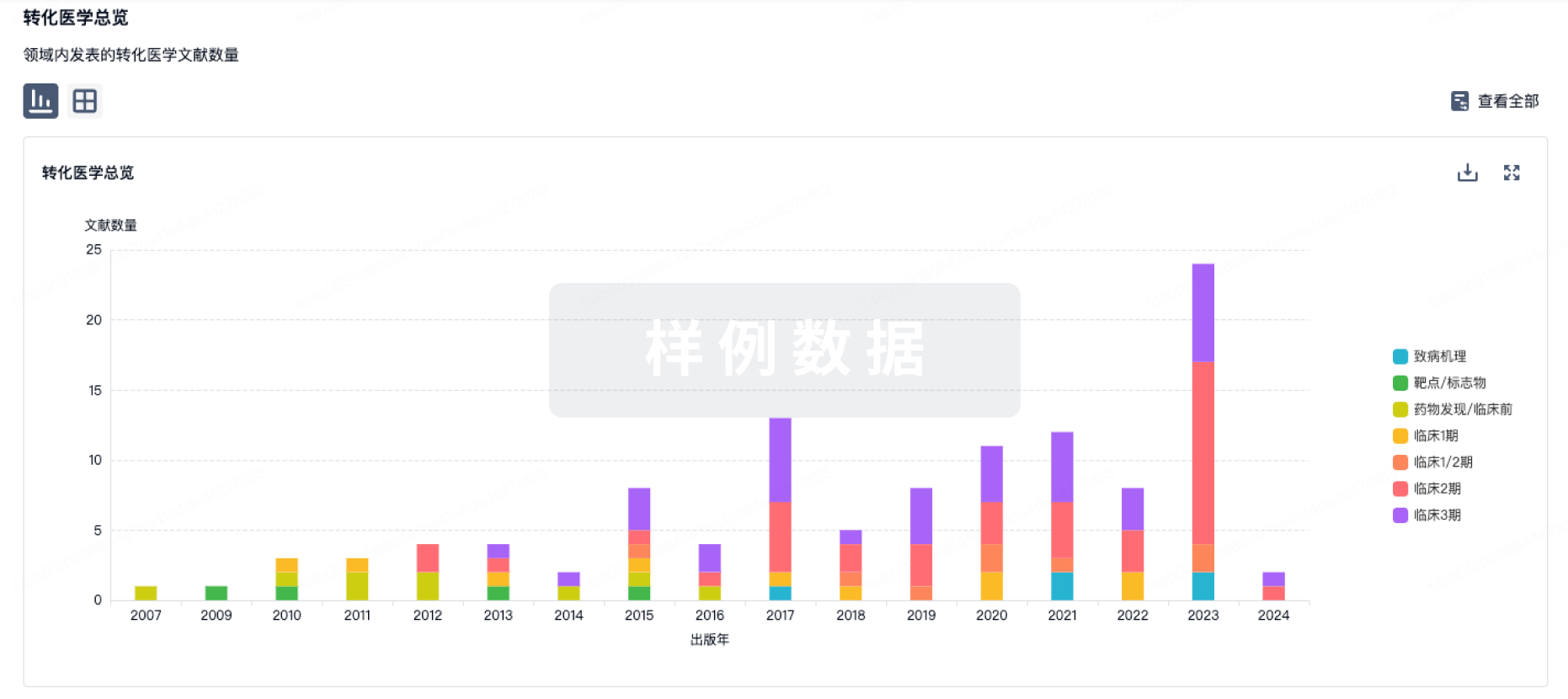
转化医学
使用我们的转化医学数据加速您的研究。
登录
或
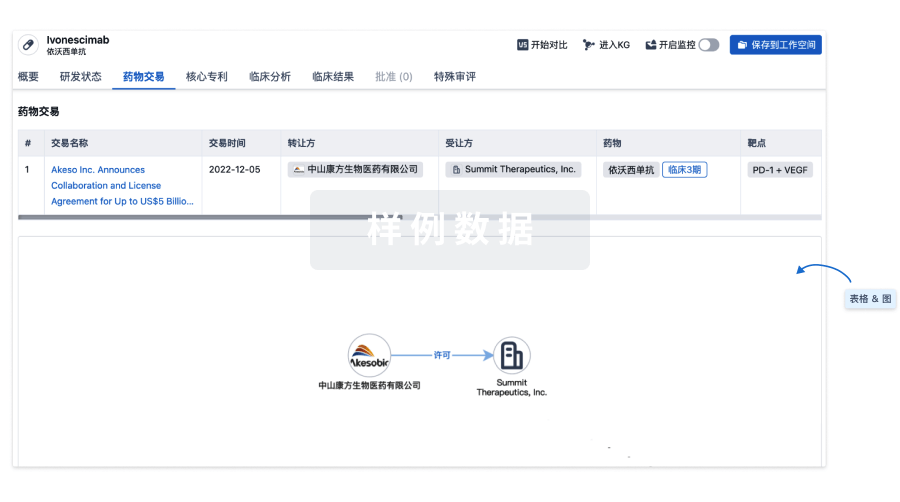
药物交易
使用我们的药物交易数据加速您的研究。
登录
或
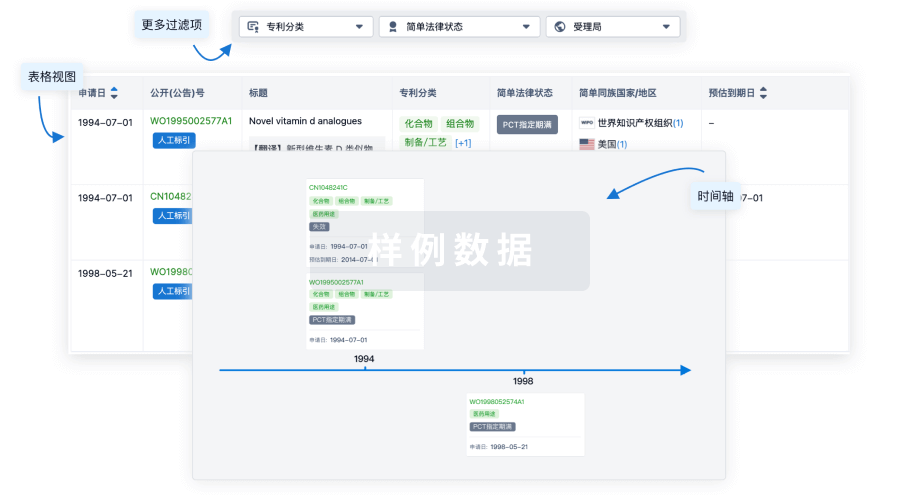
核心专利
使用我们的核心专利数据促进您的研究。
登录
或
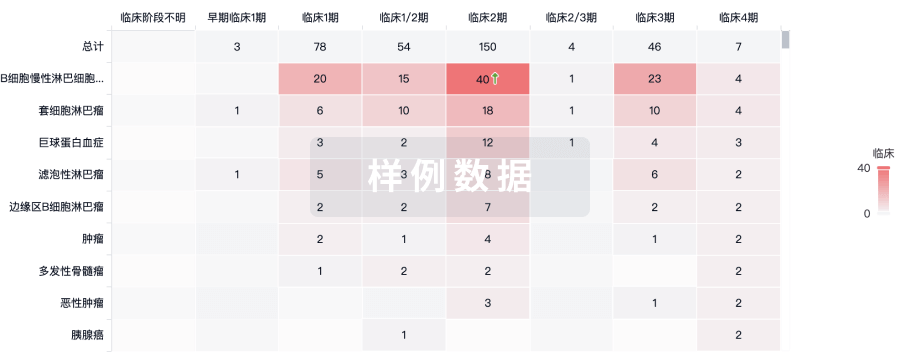
临床分析
紧跟全球注册中心的最新临床试验。
登录
或
批准
利用最新的监管批准信息加速您的研究。
登录
或
特殊审评
只需点击几下即可了解关键药物信息。
登录
或
生物医药百科问答
全新生物医药AI Agent 覆盖科研全链路,让突破性发现快人一步
立即开始免费试用!
智慧芽新药情报库是智慧芽专为生命科学人士构建的基于AI的创新药情报平台,助您全方位提升您的研发与决策效率。
立即开始数据试用!
智慧芽新药库数据也通过智慧芽数据服务平台,以API或者数据包形式对外开放,助您更加充分利用智慧芽新药情报信息。
生物序列数据库
生物药研发创新
免费使用
化学结构数据库
小分子化药研发创新
免费使用