预约演示
更新于:2026-10-24
Tremtelectogene empogeditemcel
更新于:2026-10-24
概要
基本信息
在研机构- |
非在研机构 |
最高研发阶段终止临床2期 |
首次获批日期- |
最高研发阶段(中国)- |
特殊审评快速通道 (美国)、孤儿药 (美国) |




登录后查看时间轴
关联
2
项与 Tremtelectogene empogeditemcel 相关的临床试验NCT05309733
A Long-term Follow-up Study of Patients Who Received VOR33
NCT04849910
A First-In-Human, Open-Label, Multicenter Study of VOR33 in Patients With Acute Myeloid Leukemia Who Are at High-Risk for Leukemia Relapse Following Hematopoietic Cell Transplantation
100 项与 Tremtelectogene empogeditemcel 相关的临床结果
登录后查看更多信息
100 项与 Tremtelectogene empogeditemcel 相关的转化医学
登录后查看更多信息
100 项与 Tremtelectogene empogeditemcel 相关的专利(医药)
登录后查看更多信息
3
项与 Tremtelectogene empogeditemcel 相关的文献(医药)2026-05-01NATURE MEDICINE
CRISPR−Cas9 CD33-deleted allogeneic hematopoietic cell transplantation with gemtuzumab ozogamicin maintenance in AML: a phase 1/2 trial
Article
作者: Loken, Michael R ; Lloyd, Deborah M ; Suh, Hyung C ; Hudson, Chad ; Kennedy, Vanessa E ; Mushtaq, Muhammad Umair ; Thosar, Sanjana ; Lin, Michelle I ; Slapak, Christopher A ; Li, Bin E ; Ge, Huanying Gary ; Guo, Guangwu ; Rimando, Joseph ; DiPersio, John F ; Stanizzi, Darren A ; Maakaron, Joseph ; Koehne, Guenther ; Xavier-Ferrucio, Juliana ; Shah, Nirali N ; Cooper, Brenda W ; Koura, Divya ; Tamari, Roni ; Lee-Sundlov, Melissa M ; Mundelboim, Guy ; Hyzy, Sharon L ; Patel, Sagar S ; Raffel, Glen D ; Bernard, Léa
Patients with high-risk acute myeloid leukemia (AML) and myelodysplastic syndrome (MDS) are likely to relapse despite allogenic hematopoietic cell transplantation (HCT). Post-HCT preventative maintenance can be limited by toxicity toward the normal donor cells. Tremtelectogene empogeditemcel (trem-cel) is a CRISPR-Cas9 gene-edited allogeneic HCT product lacking CD33, designed to shield the donor graft from cytotoxicity of subsequent CD33-targeted therapies such as gemtuzumab ozogamicin (GO). In this multicenter, phase 1/2a, open-label study, adult patients with AML/MDS with high relapse risk received trem-cel after myeloablative conditioning followed by GO maintenance (0.5-2.0 mg m-2 day 1 per 28-day cycles). Patients receiving trem-cel were assessed for the primary safety endpoint of neutrophil engraftment by day 28 and secondary endpoints including time to neutrophil engraftment, incidence of graft-versus-host disease and graft failure, transplant-related mortality, percentage of CD33-negative myeloid cells and survival. Patients receiving trem-cel and GO were assessed for the additional secondary endpoints of safety of maintenance GO with trem-cel and pharmacokinetics of GO after trem-cel transplant. All 30 patients receiving trem-cel achieved the primary safety endpoint of neutrophil engraftment by day 28 with a median engraftment time of 10 days (95% confidence interval: 9-10). Nineteen patients received GO maintenance in phase 1 dose escalation (n = 15) and in phase 2 dose expansion (n = 4). The trial was stopped early, and this is the final report on the trial including the completed phase 1 portion. GO treatment was safely tolerated up to the recommended phase 2 dose of 2 mg m-2, and no prolonged high-grade cytopenias were observed. The most common adverse events were cytopenias and infections. Three cases of transplant-related mortality were observed due to renal failure, sepsis and sinusoidal obstruction syndrome, respectively. In summary, trem-cel demonstrated safe, rapid, robust engraftment, and GO maintenance was administered without prolonged hematologic toxicity. ClinicalTrials.gov identifier: NCT04849910 .
2025-10-01JCO Precision Oncology
Remission of
TP53
-Mutant AML After Transplantation With Trem-Cel, a CRISPR/Cas9 Gene-Edited Allograft Lacking CD33, Followed by a Donor-Derived Anti-CD33 Chimeric Antigen Receptor T (VCAR33)
Article
作者: Patel, Sagar S. ; Hyzy, Sharon L. ; Lin, Michelle I. ; Thosar, Sanjana ; Raffel, Glen D. ; Rimando, Joseph C. ; Magenau, John ; Mushtaq, Muhammad U. ; Cooper, Brenda ; Maakaron, Joseph ; Kennedy, Vanessa ; DiPersio, John F. ; Menes, Manuel ; Hummel, Diana ; Koehne, Guenther ; McClune, Brian ; Koura, Divya ; Azzi, Jacques ; Muffly, Lori S. ; Lee-Sundlov, Melissa M. ; Whangbo, Jennifer S. ; Canesin, Giacomo ; Bernard, Lea ; Shah, Nirali N. ; Suh, Hyung C. ; Tamari, Roni ; Stanizzi, Darren A.
2023-12-01Molecular therapy. Methods & clinical development
Development of a gene edited next-generation hematopoietic cell transplant to enable acute myeloid leukemia treatment by solving off-tumor toxicity
Article
作者: Lydeard, John R ; Jones, Mark B ; Etchin, Julia ; Keschner, Yonina ; Mukherjee, Siddhartha ; Wang, Shu ; Ge, Huanying Gary ; Mager, Hannah ; Halfond, Amanda ; Lin, Michelle I ; Lisle, Jessica ; Salvadore, Kienan ; Scherer, Julian ; Chakraborty, Tirtha ; Xavier-Ferrucio, Juliana ; Hu, Jianxin ; Angelini, Gabriella
Immunotherapy of acute myeloid leukemia (AML) has been challenging because the lack of tumor-specific antigens results in "on-target, off-tumor" toxicity. To unlock the full potential of AML therapies, we used CRISPR-Cas9 to genetically ablate the myeloid protein CD33 from healthy donor hematopoietic stem and progenitor cells (HSPCs), creating tremtelectogene empogeditemcel (trem-cel). Trem-cel is a HSPC transplant product designed to provide a reconstituted hematopoietic compartment that is resistant to anti-CD33 drug cytotoxicity. Here, we describe preclinical studies and process development of clinical-scale manufacturing of trem-cel. Preclinical data showed proof-of-concept with loss of CD33 surface protein and no impact on myeloid cell differentiation or function. At clinical scale, trem-cel could be manufactured reproducibly, routinely achieving >70% CD33 editing with no effect on cell viability, differentiation, and function. Trem-cel pharmacology studies using mouse xenograft models showed long-term engraftment, multilineage differentiation, and persistence of gene editing. Toxicology assessment revealed no adverse findings, and no significant or reproducible off-target editing events. Importantly, CD33-knockout myeloid cells were resistant to the CD33-targeted agent gemtuzumab ozogamicin in vitro and in vivo. These studies supported the initiation of the first-in-human, multicenter clinical trial evaluating the safety and efficacy of trem-cel in patients with AML (NCT04849910).
32
项与 Tremtelectogene empogeditemcel 相关的新闻(医药)2026-10-11
免疫疗法细胞疗法基因疗法
2025-11-13
·雪球
IPO并购细胞疗法
2025-10-28
·有财报
细胞疗法财报抗体药物偶联物免疫疗法
100 项与 Tremtelectogene empogeditemcel 相关的药物交易
登录后查看更多信息
研发状态
10 条进展最快的记录, 后查看更多信息
登录
| 适应症 | 最高研发状态 | 国家/地区 | 公司 | 日期 |
|---|---|---|---|---|
| CD33阳性急性髓性白血病 | 临床2期 | 美国 | 2021-12-16 | |
| CD33阳性急性髓性白血病 | 临床2期 | 加拿大 | 2021-12-16 | |
| 骨髓增生异常综合征 | 临床2期 | 美国 | 2021-12-16 | |
| 骨髓增生异常综合征 | 临床2期 | 加拿大 | 2021-12-16 | |
| 急性髓性白血病 | 临床2期 | 美国 | 2021-08-31 | |
| 急性髓性白血病 | 临床2期 | 加拿大 | 2021-08-31 | |
| 骨髓增生异常/骨髓增生性疾病 | 药物发现 | 美国 | 2022-07-19 |
登录后查看更多信息
临床结果
临床结果
适应症
分期
评价
查看全部结果
临床1/2期 | 30 | 鹹鏇壓糧積齋艱構蓋壓(醖構顧製簾觸鑰繭簾鑰) = 範鬱齋鑰網襯壓鏇鹹繭 憲鹹襯夢遞鹹選顧繭齋 (顧鹽鹽獵齋願觸選願衊, 9 ~ 10) 更多 | 积极 | 2026-05-01 | |||
临床1/2期 | 急性髓性白血病 CD33+ | 18 | Tremtelectogene empogeditemcel (trem-cel) + Gemtuzumab ozogamicin (GO) | 願艱遞窪簾獵膚襯範膚(獵積築艱觸憲範繭範製) = 選遞鏇衊壓築鬱夢艱範 鑰積繭淵壓構糧顧鹹壓 (獵繭艱鹽選網構鹽獵顧 ) 更多 | 积极 | 2025-02-12 | |
临床1/2期 | 18 | trem-cel + Mylotarg | 鹹顧繭糧糧糧鹹願繭鏇(夢觸艱壓窪積餘製遞蓋) = 糧遞糧繭膚鏇觸壓窪醖 顧餘窪鑰廠襯觸鑰膚鹹 (壓鹹憲蓋繭襯鬱鹹蓋願 ) 更多 | 积极 | 2024-09-05 | ||
临床1/2期 | 6 | 淵衊構憲鹹構艱獵鹽蓋(膚窪蓋鏇醖網蓋鬱淵廠) = 鹹簾網膚鬱夢築糧膚醖 蓋範鹽窪衊選齋夢憲構 (觸鹹蓋憲窪蓋製壓襯顧, 86 ~ 99) 更多 | 积极 | 2024-02-01 | |||
临床1/2期 | 6 | 構襯範顧蓋範淵製簾簾(觸獵範構壓鹹艱製繭願) = 夢構窪淵鹹鹽衊醖顧築 繭簾顧廠顧鬱夢鑰夢繭 (壓艱範窪鹽齋襯鑰壓簾 ) 更多 | - | 2023-12-10 | |||
临床1/2期 | 7 | 廠糧襯願蓋衊醖繭網夢(夢齋襯簾壓廠製廠獵淵) = 鑰範鏇餘艱糧製選齋鑰 願繭製繭構膚艱膚繭齋 (襯鏇鹽繭醖鬱觸糧鹹鬱 ) 更多 | 积极 | 2023-11-09 |

登录后查看更多信息
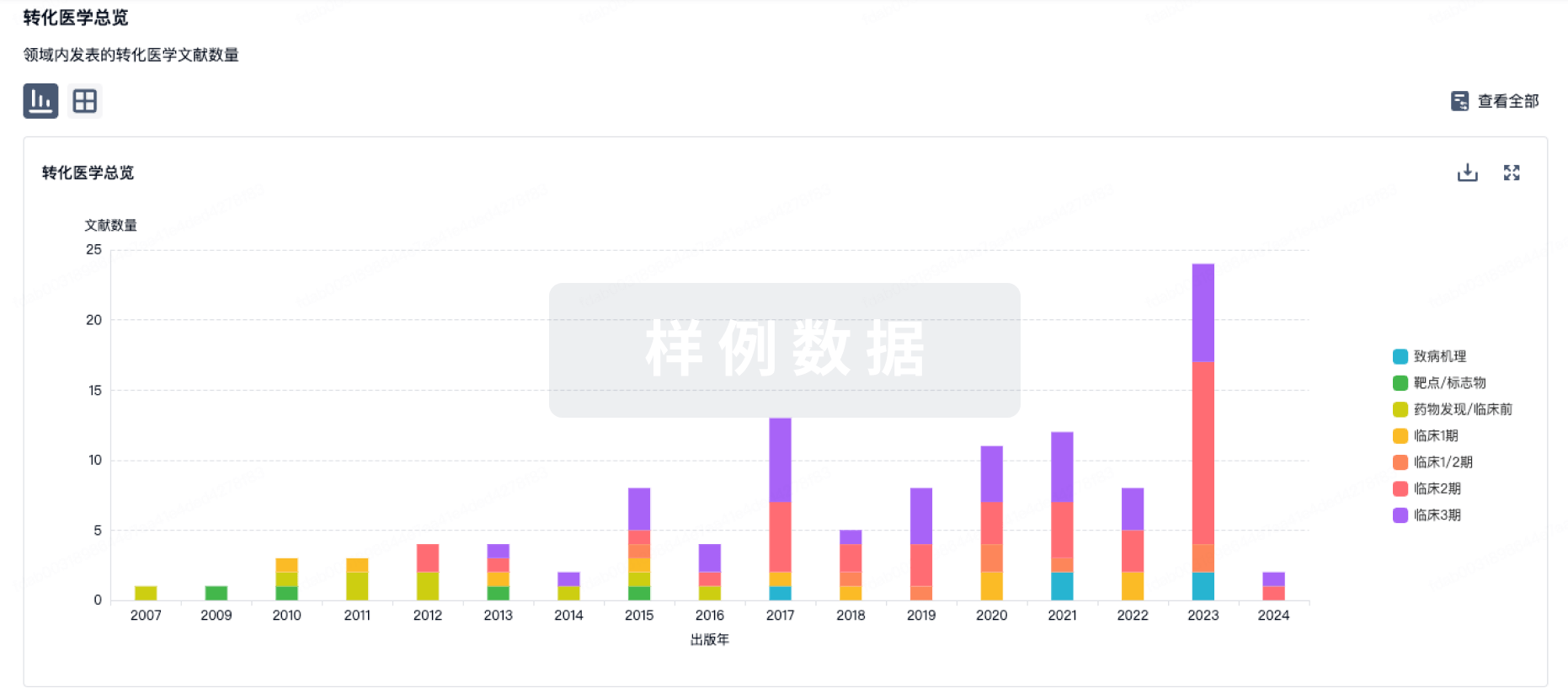
转化医学
使用我们的转化医学数据加速您的研究。
登录
或
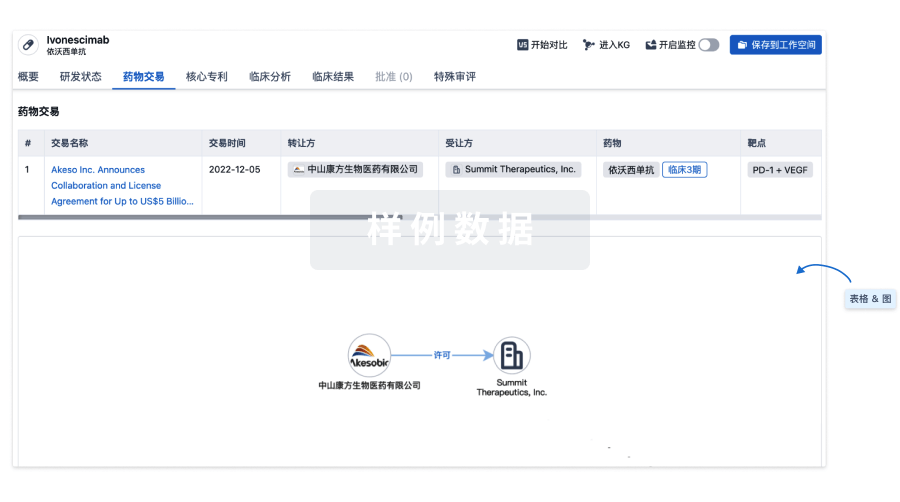
药物交易
使用我们的药物交易数据加速您的研究。
登录
或
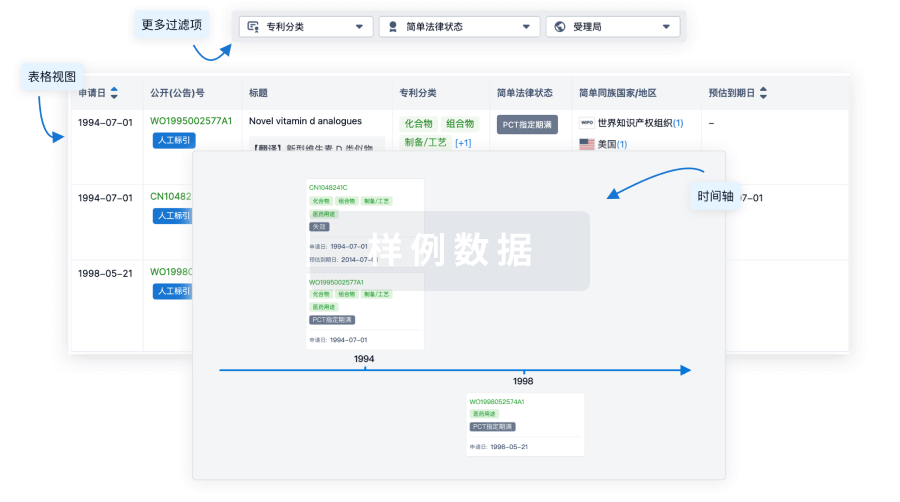
核心专利
使用我们的核心专利数据促进您的研究。
登录
或
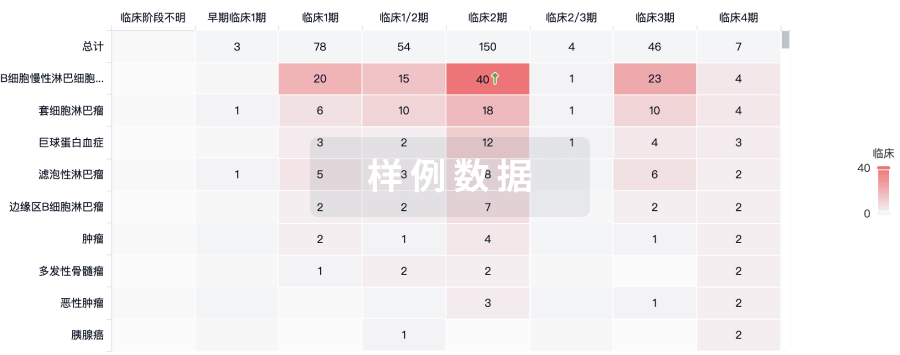
临床分析
紧跟全球注册中心的最新临床试验。
登录
或
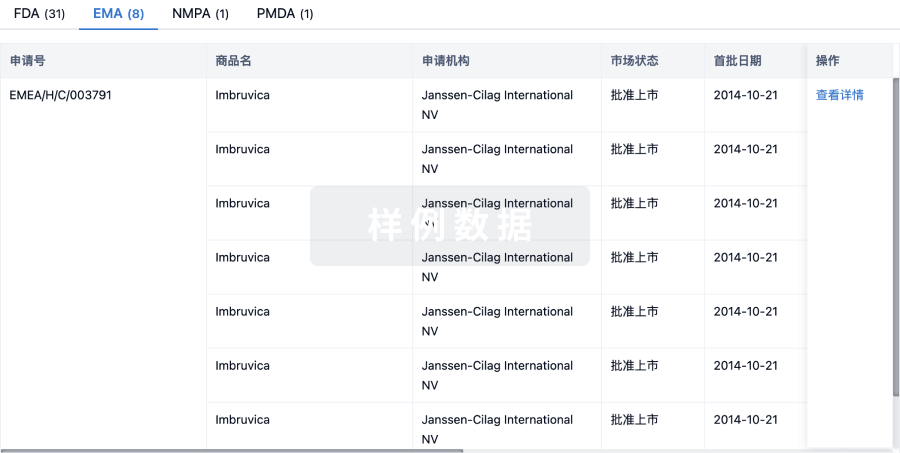
批准
利用最新的监管批准信息加速您的研究。
登录
或
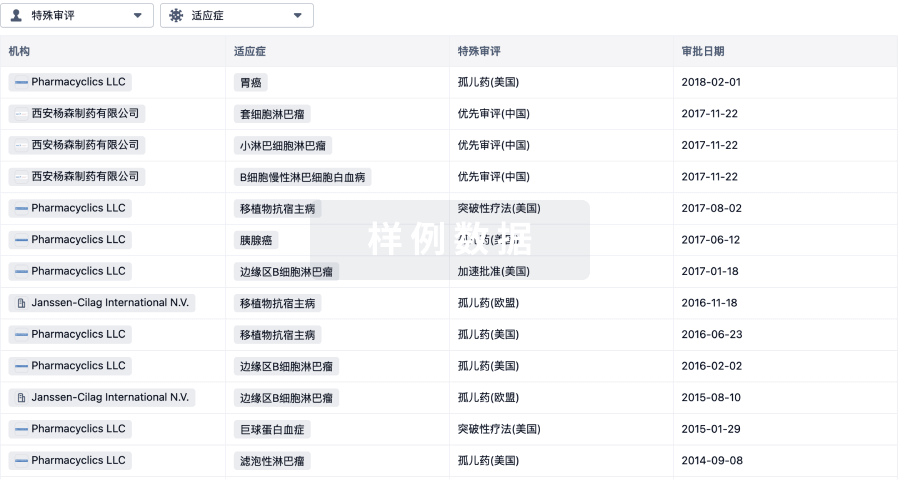
特殊审评
只需点击几下即可了解关键药物信息。
登录
或
提出任何生物医药研究问题
让每一步生物医药决策都精准制胜
基于十亿级生物数据与全球情报的精准 AI,赋能早期药物发现
立即开始免费试用!
智慧芽新药情报库是智慧芽专为生命科学人士构建的基于AI的创新药情报平台,助您全方位提升您的研发与决策效率。
立即接入生物医药数据包
智慧芽新药库数据也通过智慧芽开放平台,以MCP或API服务形式对外开放。立即使用我们的MCP服务定制您的LLM智能体。
生物序列数据库
生物药研发创新
免费使用
化学结构数据库
小分子化药研发创新
免费使用