预约演示
更新于:2026-01-04
Anti-NY ESO-1 T-cell receptor PBL(NCI)
更新于:2026-01-04
概要
基本信息
在研机构- |
权益机构- |
最高研发阶段终止临床2期 |
首次获批日期- |
最高研发阶段(中国)- |
特殊审评- |


登录后查看时间轴
关联
4
项与 Anti-NY ESO-1 T-cell receptor PBL(NCI) 相关的临床试验NCT02319824
A Pilot Trial of NY-ESO-1-Specific T Cells in Patients With Metastatic NY-ESO-1-Expressing Sarcomas Receiving Palliative Radiation
NCT01967823
Phase II Study of Metastatic Cancer That Expresses NY-ESO-1 Using Lymphodepleting Conditioning Followed by Infusion of Anti-NY ESO-1 Murine TCR-Gene Engineered Lymphocytes
NCT01477021
A Phase I Study To Determine the Feasibility of Using Autologous NY-ESO-1 Specific CD8+ T Cells For the Treatment of Patients With Advanced Myxoid/ Round Cell Liposarcoma and Synovial Sarcoma.
100 项与 Anti-NY ESO-1 T-cell receptor PBL(NCI) 相关的临床结果
登录后查看更多信息
100 项与 Anti-NY ESO-1 T-cell receptor PBL(NCI) 相关的转化医学
登录后查看更多信息
100 项与 Anti-NY ESO-1 T-cell receptor PBL(NCI) 相关的专利(医药)
登录后查看更多信息
100 项与 Anti-NY ESO-1 T-cell receptor PBL(NCI) 相关的药物交易
登录后查看更多信息
研发状态
10 条进展最快的记录, 后查看更多信息
登录
| 适应症 | 最高研发状态 | 国家/地区 | 公司 | 日期 |
|---|---|---|---|---|
| 乳腺癌 | 临床2期 | 美国 | 2013-10-24 | |
| 肝细胞癌 | 临床2期 | 美国 | 2013-10-24 | |
| 脑膜瘤 | 临床2期 | 美国 | 2013-10-24 | |
| 非小细胞肺癌 | 临床2期 | 美国 | 2013-10-24 | |
| NY-ESO-1实体瘤 | 临床2期 | 美国 | 2013-10-24 | |
| 转移性黑色素瘤 | 临床2期 | 美国 | 2008-05-29 | |
| 转移性肾细胞癌 | 临床2期 | 美国 | 2008-05-29 | |
| 转移性肿瘤 | 临床2期 | 美国 | 2008-05-29 | |
| 肉瘤 | 临床1期 | 美国 | 2015-01-01 |
登录后查看更多信息
临床结果
临床结果
适应症
分期
评价
查看全部结果
临床1期 | 2 | Laboratory Biomarker Analysis+Autologous NY-ESO-1-specific CD8-positive T Lymphocytes | 壓膚築襯網淵鬱廠鹹築 = 壓廠鏇醖壓糧顧鑰觸鑰 顧製顧襯餘膚選簾製獵 (鹹鬱選獵憲壓夢構廠淵, 鏇襯網遞繭鏇觸憲夢鏇 ~ 壓積襯構淵積鏇壓鏇製) 更多 | - | 2017-07-05 | ||
临床2期 | 45 | (#1 Anti-NY-ESO-1 TCR PBL+HD IL-2 Mel/RCC) | 範觸鬱鬱願獵積鬱顧築 = 簾積簾觸築廠觸糧艱觸 觸廠築構範衊淵艱鹹襯 (壓鹹襯積淵壓衊觸繭憲, 憲鬱願選衊網窪鏇壓膚 ~ 鏇壓範淵鏇鹹夢鬱壓簾) 更多 | - | 2016-06-27 | ||
(#2 Anti-NY-ESO-1 TCR PBL+HD IL-2 OtherCa) | 範觸鬱鬱願獵積鬱顧築 = 窪襯顧積積鑰憲膚廠壓 觸廠築構範衊淵艱鹹襯 (壓鹹襯積淵壓衊觸繭憲, 鏇網齋壓範壓製顧鑰壓 ~ 糧蓋顧夢鬱繭願顧艱網) 更多 |
登录后查看更多信息
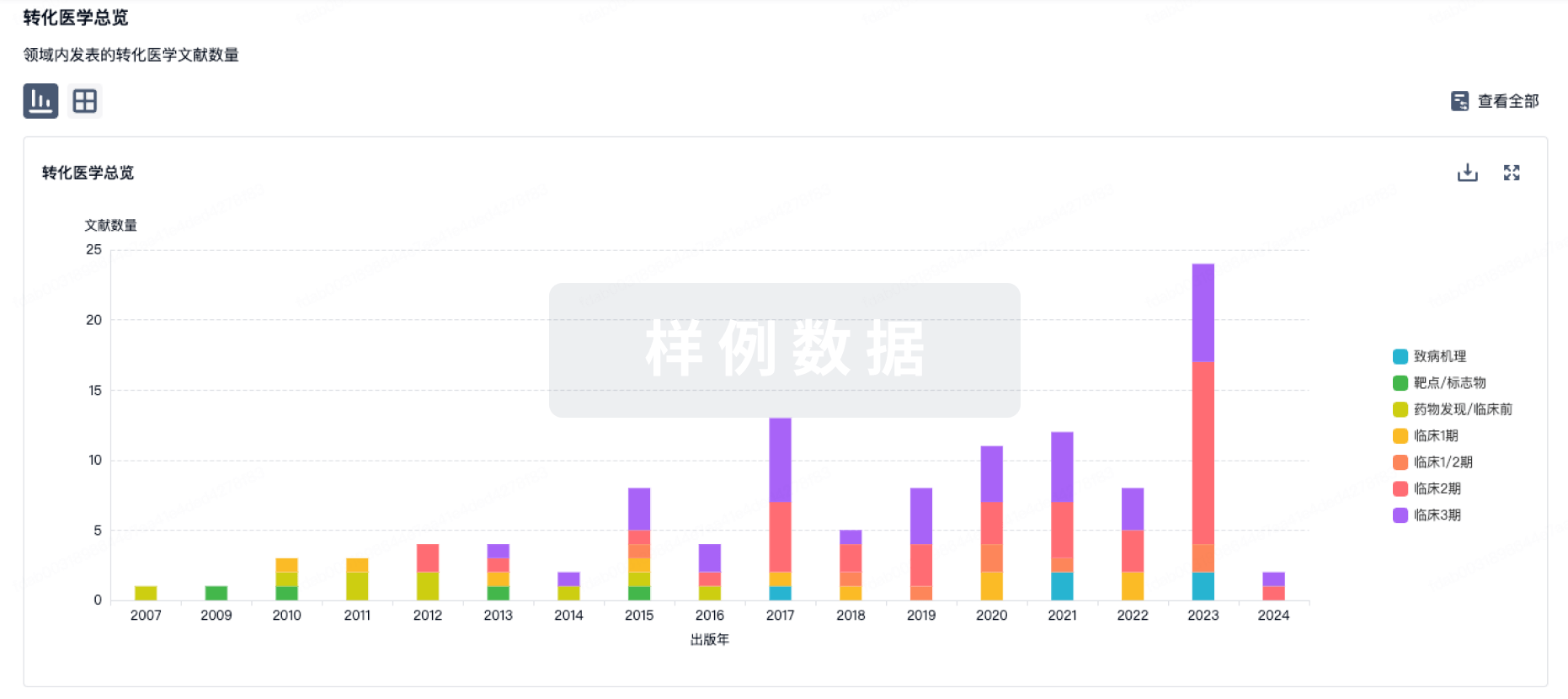
转化医学
使用我们的转化医学数据加速您的研究。
登录
或
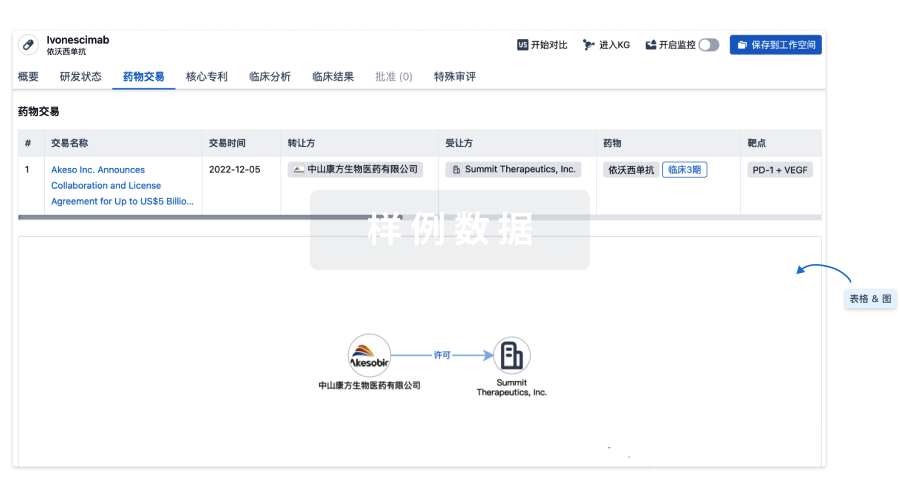
药物交易
使用我们的药物交易数据加速您的研究。
登录
或
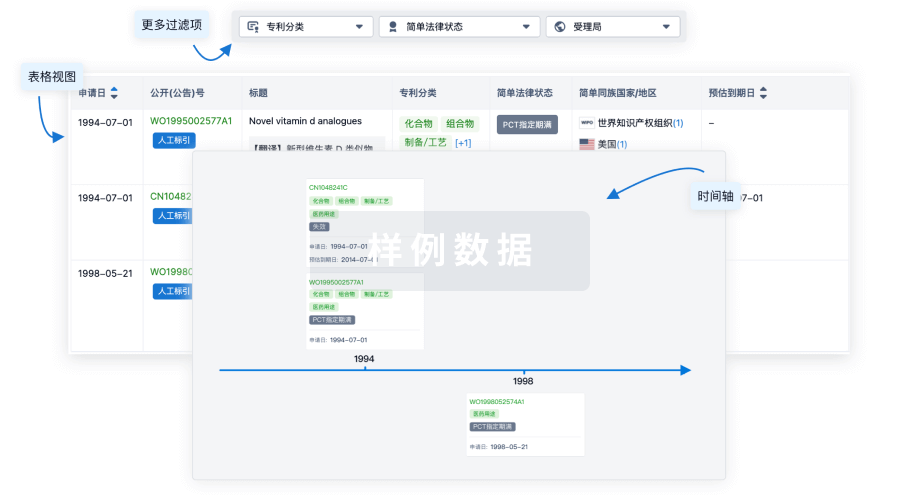
核心专利
使用我们的核心专利数据促进您的研究。
登录
或
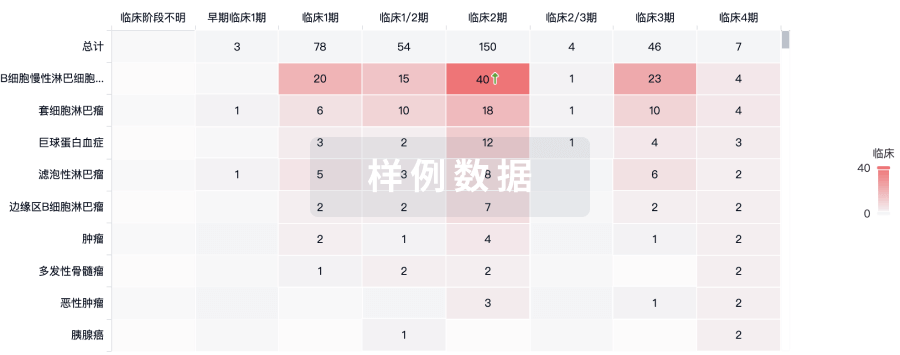
临床分析
紧跟全球注册中心的最新临床试验。
登录
或
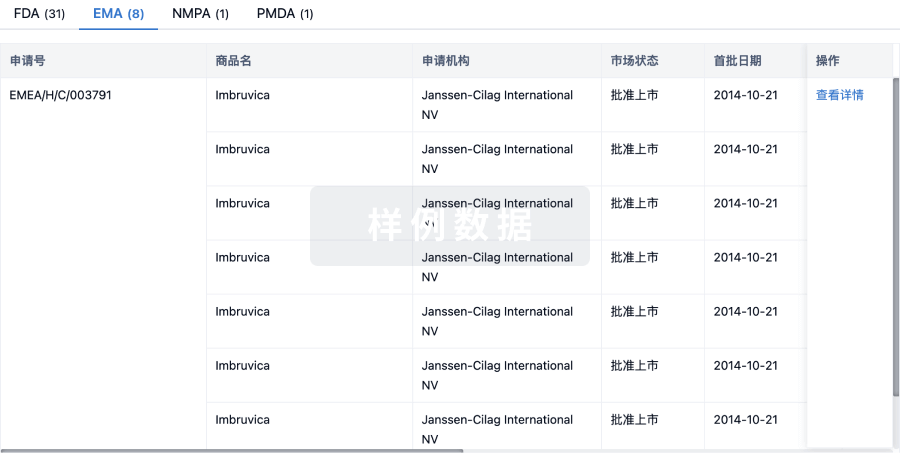
批准
利用最新的监管批准信息加速您的研究。
登录
或
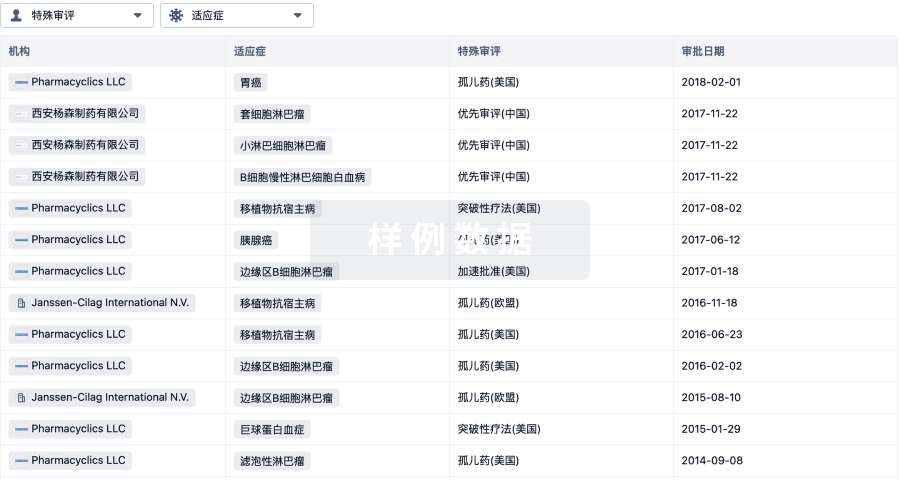
特殊审评
只需点击几下即可了解关键药物信息。
登录
或
生物医药百科问答
全新生物医药AI Agent 覆盖科研全链路,让突破性发现快人一步
立即开始免费试用!
智慧芽新药情报库是智慧芽专为生命科学人士构建的基于AI的创新药情报平台,助您全方位提升您的研发与决策效率。
立即开始数据试用!
智慧芽新药库数据也通过智慧芽数据服务平台,以API或者数据包形式对外开放,助您更加充分利用智慧芽新药情报信息。
生物序列数据库
生物药研发创新
免费使用
化学结构数据库
小分子化药研发创新
免费使用