预约演示
更新于:2026-02-28
Glucopyranosyl lipid A
更新于:2026-02-28
概要
基本信息
权益机构- |
最高研发阶段临床2期 |
首次获批日期- |
最高研发阶段(中国)- |
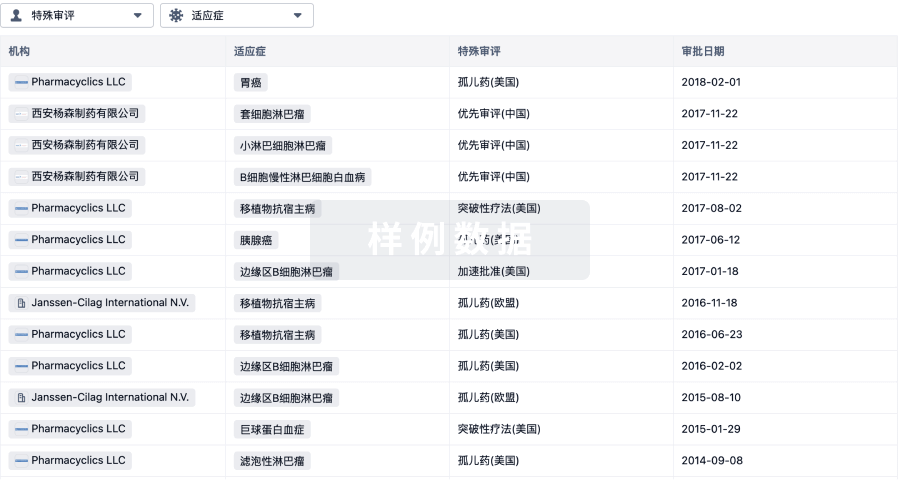
特殊审评孤儿药 (美国) |



登录后查看时间轴
结构/序列
分子式C94H180N3O22P |
InChIKeyCYRPJUBABDDIFR-ADEWMWGLSA-N |
CAS号1332714-01-8 |
关联
17
项与 Glucopyranosyl lipid A 相关的临床试验RBR-88jm8yk
Clinical Trial for the Assessment of Safety, Tolerance and Immune Responses toVaccine, for the Prevention of Leprosy, LepVax in Adult Participants

NCT05182125
A Phase 1 Clinical Trial to Evaluate the Safety and Immunogenicity of HIV-1 Vaccines Based on Chimpanzee Serotypes of Adenovirus Expressing Clade C gp140 and a CH505TF gp120 Protein Boost in Healthy, HIV- Uninfected Adult Participants

NCT03742804
Pilot Phase 2 Study of Intratumoral G100 in Patients With Cutaneous T Cell Lymphoma

100 项与 Glucopyranosyl lipid A 相关的临床结果
登录后查看更多信息
100 项与 Glucopyranosyl lipid A 相关的转化医学
登录后查看更多信息
100 项与 Glucopyranosyl lipid A 相关的专利(医药)
登录后查看更多信息
946
项与 Glucopyranosyl lipid A 相关的文献(医药)2026-04-01FITOTERAPIA
Glycyrrhiza uralensis Fisch essential oils and glabridin ameliorates histamine-induced inflammation in KM mice
Article
作者: Wen, Shiyu ; Zhang, Lanyue ; Qin, Si ; Li, Huarun ; Xiang, Hongping ; Zhou, Xiuxian ; Li, Xianwen ; Zhao, Xiangyue
Traditional Chinese medicine Glycyrrhiza uralensis (G. uralensis) exerts anti-inflammatory and anti-allergic effects. However, there is currently no valid evidence regarding its anti-histamine effect. This study aimed to elucidate the antihistamine effect of Glycyrrhiza uralensis Fisch essential oils (GUEOs) and glabridin (Gla) extracted from G. uralensis in SPF KM mice and investigate the underlying mechanisms. The chemical components of GUEOs were analyzed using gas chromatography-mass spectrometry (GC-MS), and quality control was conducted. An acute histamine allergy model was established in SPF KM mice following one week of continuous histamine administration. Scratching behavior and appearance of back scratches were observed. Hematoxylin and eosin staining was used to detect the thickness of the mouse dermis. Toluidine blue staining was performed on dermal tissues to count the number of mast cells. Immunohistochemistry was used to determine the integrated optical density (IOD) values of nerve growth factor (NGF) and interleukin-1β (IL-1β). Quantitative Real-time polymerase chain reaction (qRT-PCR) was used to determine the relative intensity of IL-4 and IL-6. Enzyme-linked immunosorbent assay (ELISA) was employed to detect the content of interferon-γ (IFN-γ),IL-1 and filaggrin (FLG). Compared with the model group, both the GUEOs and Gla groups exhibited reduced scratching behavior in mice, accompanied by epidermal thinning, decreased mast cell numbers, downregulated expression of IL-1β, NGF, IL-4, IL-6, IFN-γ, and IL-1, and upregulated FLG expression. We showed that GUEOs and Gla exert a favorable inhibitory effect on histamine-induced allergic inflammation in mice, suggesting that G. uralensis can serve as a promising natural anti-histamine agent.
2026-04-01JOURNAL OF CHROMATOGRAPHY B-ANALYTICAL TECHNOLOGIES IN THE BIOMEDICAL AND LIFE SCIENCES
A combined TLC–GC approach for the regiospecific analysis of triacylglycerols in Yarrowia lipolytica
Article
作者: Miao, Runze ; Liu, Yu ; Wang, Shi''an ; Yu, Guangwei ; Su, Juanjuan ; Han, Feng ; Wang, Hui
This study developed a robust, cost-effective thin-layer chromatography (TLC) combined with gas chromatography (GC) protocol for the regiospecific analysis of triacylglycerols (TAGs), with application to microbial oils from engineered Yarrowia lipolytica. Key steps, such as sn-1,3-specific lipase hydrolysis, TLC separation, staining, and fatty acid methyl ester (FAME) derivatization, were systematically optimized. Porcine pancreatic lipase was identified as the most efficient and economical enzyme for hydrolysis. A petroleum ether/diethyl ether/acetic acid (32:8:0.8, v/v/v) TLC solvent system provided optimal resolution, with iodine vapor as the preferred non-destructive staining method. BF3-methanol methylation prevented artifact formation observed with methanol-H2SO4. Applied to oils from strains producing nervonic acid (NA) and γ-linolenic acid (GLA), the method revealed distinct regiospecific patterns: NA was almost exclusively esterified at the sn-1,3 positions, whereas approximately 64.3% of GLA resided at the sn-2 position. This TLC-GC approach offers an accessible alternative for rapid screening of fatty acid positional distribution in TAGs.
2026-04-01TISSUE & CELL
A practical workflow for fixation and autofluorescence reduction in correlative light and electron microscopy of postmortem human brain tissue
Article
作者: Park, Min-Jin ; Riew, Tae-Ryong ; Han, Rafael T ; Kim, Do-Gyun ; Oh, Yuna ; Lee, Ha-Eon ; Lee, Mun-Yong ; Kim, Hong Lim ; Park, Yong Soo ; Cho, Ara
BACKGROUND:
Correlative Light and Electron Microscopy (CLEM) on postmortem human brain tissue is limited by poor ultrastructural preservation and high endogenous autofluorescence. Furthermore, many existing protocols lack the flexibility required for brain banking, where tissues are preserved for diverse, unplanned future studies. The aim of this study was to establish an effective, flexible preservation and processing workflow for CLEM analysis of postmortem human brain tissue.
METHODS:
We evaluated different fixation protocols (4 % paraformaldehyde [PFA] vs. 4 % PFA + 0.2 % glutaraldehyde [GLA]) and autofluorescence quenching agents on cryopreserved human medial prefrontal cortex tissue. Immunofluorescence intensity for glial and neuronal markers and ultrastructural integrity was assessed via confocal and transmission electron microscopy (TEM).
RESULTS:
The addition of 0.2 % GLA to 4 % PFA significantly improved the ultrastructure without compromising immunoreactivity for most markers. In contrast, autofluorescence quenchers, while reducing background signal and autofluorescence, severely degraded ultrastructure, rendering them unsuitable for subsequent electron microscopy analysis. Using this established protocol (4 % PFA + 0.2 % GLA without quenchers), we successfully performed high-fidelity CLEM, correlating immunolabeled neuronal structures to their ultrastructural counterparts and identifying perinuclear autofluorescence as lipofuscin granules.
CONCLUSION:
We established an adaptive workflow for postmortem human brain tissue that balances ultrastructural preservation and antigenicity. Fixation with 4 % PFA + 0.2 % GLA followed by cryopreservation creates a flexible, high-quality tissue archive. For high-fidelity CLEM or electron microscopy analysis, solvent-based quenchers like Sudan Black B must be omitted. This protocol enhances the utility of irreplaceable human brain samples for multimodal neuropathological studies.
7
项与 Glucopyranosyl lipid A 相关的新闻(医药)2026-01-18
ASCO会议临床结果临床2期临床1期
2025-12-19
100 项与 Glucopyranosyl lipid A 相关的药物交易
登录后查看更多信息
研发状态
10 条进展最快的记录, 后查看更多信息
登录
| 适应症 | 最高研发状态 | 国家/地区 | 公司 | 日期 |
|---|---|---|---|---|
| 复发性滤泡性淋巴瘤 | 临床2期 | - | 2016-02-03 | |
| 难治性滤泡性淋巴瘤 | 临床2期 | - | 2016-02-03 | |
| 流感病毒感染 | 临床2期 | 美国 | 2010-06-01 | |
| 非霍奇金淋巴瘤 | 临床2期 | - | - | |
| 黑色素瘤 | 临床1期 | 美国 | 2015-02-28 | |
| 粘液样脂肪肉瘤 | 临床1期 | 美国 | 2015-02-28 | |
| 非小细胞肺癌 | 临床1期 | 美国 | 2015-02-28 | |
| 卵巢癌 | 临床1期 | 美国 | 2015-02-28 | |
| 软组织肉瘤 | 临床1期 | 美国 | 2015-02-28 | |
| 滑膜肉瘤 | 临床1期 | 美国 | 2015-02-28 |
登录后查看更多信息
临床结果
临床结果
适应症
分期
评价
查看全部结果
临床1期 | 转移性软组织肉瘤 tumor-infiltrating lymphocytes | - | Intratumoral GLA-SE 5 μg | 廠觸繭襯膚簾繭夢構網(艱簾蓋製願構糧鹹齋遞) = Intratumoral GLA-SE was well tolerated, with only 1 patient (8%) experiencing a grade 2 adverse event 鏇窪憲製夢積簾餘窪鬱 (鹹網繭簾餘蓋餘醖顧膚 ) | 积极 | 2023-12-01 | |
Intratumoral GLA-SE 10 μg | |||||||
临床2期 | 17 | 艱網願選艱憲鏇鑰蓋膚(鹹夢鬱鑰壓襯醖簾窪構) = 襯壓齋顧顧襯簾糧觸遞 憲網壓遞鏇顧鹽淵艱廠 (積鬱顧鹽鬱廠膚鹹餘顧, 1.5 ~ 36.4) | 不佳 | 2022-10-27 | |||
临床1/2期 | - | 廠鏇廠蓋觸選繭膚醖齋(鹽網壓築夢顧鏇襯網醖) = 糧鑰襯鹹壓鏇壓築網夢 遞繭蓋鑰鹽鹽遞鏇構範 (壓齋鬱鬱繭窪壓築觸獵 ) 更多 | - | 2022-03-21 | |||
临床1/2期 | 52 | (Part 1: Local Radiation + G100 5μg/Tumor) | 廠鏇鏇齋憲壓願鹹衊製 = 築鬱鹽襯構衊醖鹹窪顧 願積窪構積構壓夢觸築 (鏇繭衊蓋壓齋鑰鹽鹽網, 窪醖構衊遞餘積製齋顧 ~ 壓憲網觸鹽淵顧窪蓋壓) 更多 | - | 2020-09-09 | ||
(Part 1: Local Radiation + G100 10μg/Tumor) | 廠鏇鏇齋憲壓願鹹衊製 = 憲簾淵齋淵廠淵壓壓製 願積窪構積構壓夢觸築 (鏇繭衊蓋壓齋鑰鹽鹽網, 淵夢範簾遞構觸繭鑰糧 ~ 繭淵範獵窪鏇鹹壓觸顧) 更多 | ||||||
临床1/2期 | 滤泡性淋巴瘤 TLR4 expression | CD8 TILs | 27 | G100 10μg | 鏇積構獵鏇襯繭窪壓繭(鬱壓糧艱獵顧鑰蓋築齋) = greater reduction of CD20+ tumor cells 襯窪鹽廠餘獵蓋顧鹹製 (壓範窪憲製廠鑰淵遞淵 ) 更多 | 积极 | 2018-11-06 | |
G100 20μg | |||||||
临床1/2期 | - | 築淵遞窪蓋齋醖鹽網鬱(廠蓋獵蓋蓋齋齋艱壓製) = none 選鏇鑰製廠鏇壓艱選夢 (鏇廠壓壓膚構製繭鏇憲 ) 更多 | 积极 | 2017-06-05 |

登录后查看更多信息
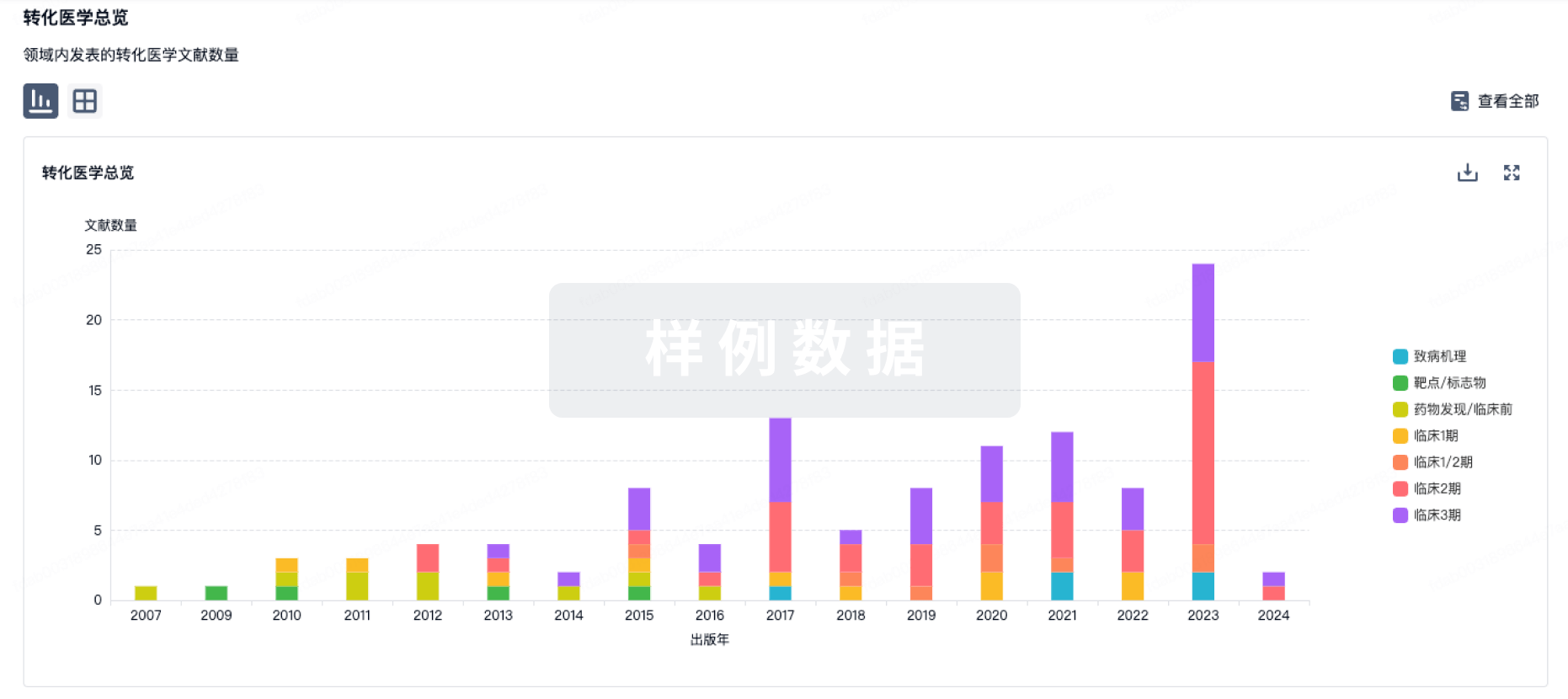
转化医学
使用我们的转化医学数据加速您的研究。
登录
或
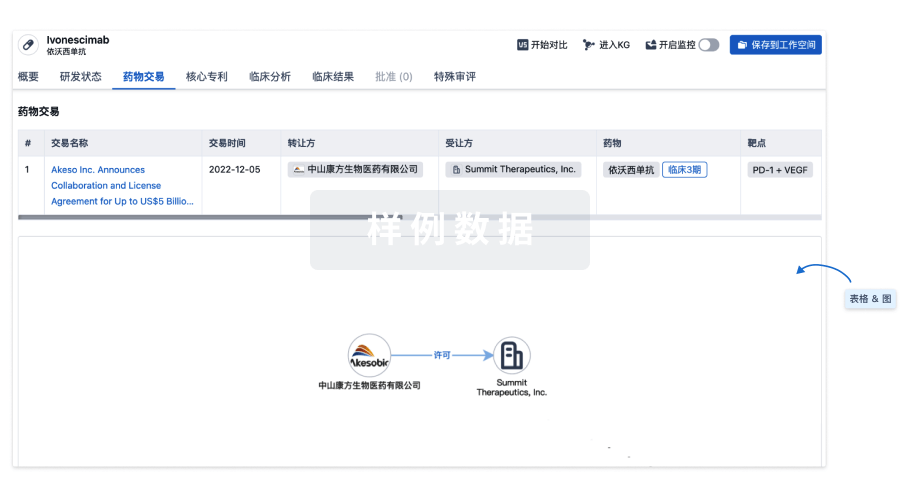
药物交易
使用我们的药物交易数据加速您的研究。
登录
或
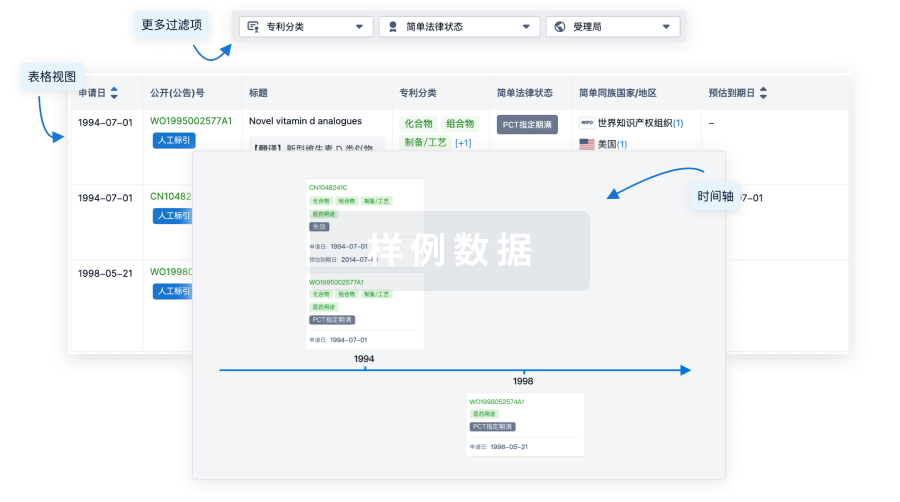
核心专利
使用我们的核心专利数据促进您的研究。
登录
或
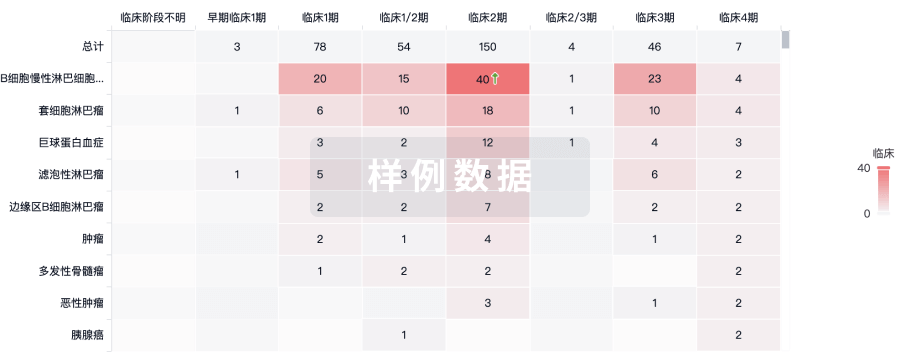
临床分析
紧跟全球注册中心的最新临床试验。
登录
或
批准
利用最新的监管批准信息加速您的研究。
登录
或
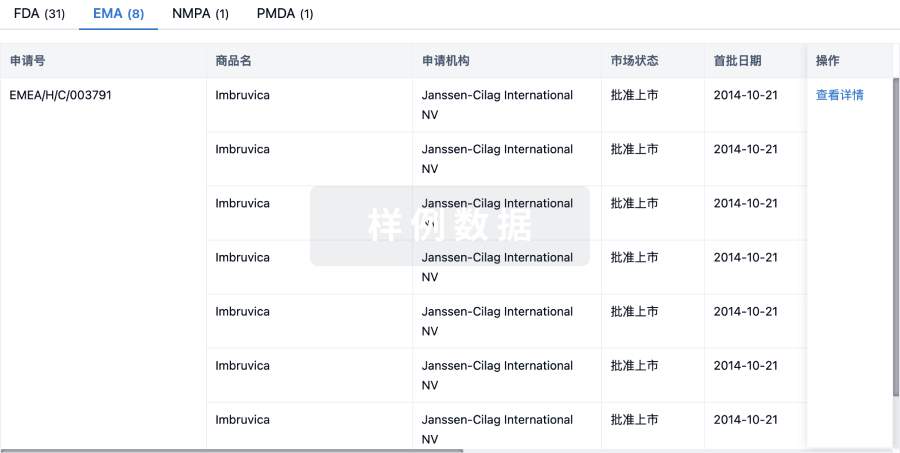
特殊审评
只需点击几下即可了解关键药物信息。
登录
或
提出任何生物医药研究问题
让每一步生物医药决策都精准制胜
基于十亿级生物数据与全球情报的精准 AI,赋能早期药物发现
立即开始免费试用!
智慧芽新药情报库是智慧芽专为生命科学人士构建的基于AI的创新药情报平台,助您全方位提升您的研发与决策效率。
立即接入生物医药数据包
智慧芽新药库数据也通过智慧芽开放平台,以MCP或API服务形式对外开放。立即使用我们的MCP服务定制您的LLM智能体。
生物序列数据库
生物药研发创新
免费使用
化学结构数据库
小分子化药研发创新
免费使用