预约演示
更新于:2026-10-23
Faropenem Sodium Hydrate
法罗培南钠
更新于:2026-10-23
概要
基本信息
非在研机构- |
最高研发阶段批准上市 |
首次获批日期 日本 (1999-09-22), |
最高研发阶段(中国)批准上市 |
特殊审评- |




登录后查看时间轴
结构/序列
分子式C12H15NNaO5S |
InChIKeyZAHYBLKQUGVSKQ-VUKDEKJYSA-N |
CAS号122547-49-3 |
关联
43
项与 法罗培南钠 相关的临床试验CTRI/2025/12/099222
To compare the efficacy and safety of faropenem versus amoxicillin-clavulanic acid in patients of diabetic foot ulcers: a randomised, open label, controlled clinical study - NIL

CTR20252542
小儿法罗培南钠颗粒在中国健康受试者中的单中心、随机、开放、单次给药、两制剂、两周期、自身交叉、空腹/餐后人体生物等效性研究

CTR20250889
小儿法罗培南钠颗粒在健康受试者中随机、开放、单剂量、两制剂、两周期、交叉设计空腹及餐后状态下生物等效性试验。
100 项与 法罗培南钠 相关的临床结果
登录后查看更多信息
100 项与 法罗培南钠 相关的转化医学
登录后查看更多信息
100 项与 法罗培南钠 相关的专利(医药)
登录后查看更多信息
356
项与 法罗培南钠 相关的文献(医药)2026-10-06JOURNAL OF ANTIMICROBIAL CHEMOTHERAPY
Beyond susceptibility: pharmacokinetic and pharmacodynamic constraints of existing oral antibiotics in extensively drug-resistant typhoid fever
Review
作者: Veeraraghavan, Balaji ; Walia, Kamini ; Rupali, Priscilla ; Bakthavatchalam, Yamuna Devi ; Nagvekar, Vasant ; John, Jacob
Abstract:
Salmonella Typhi is an invasive pathogen with sustained bacteraemia and intracellular persistence, requiring therapy that achieves systemic exposure and intracellular penetration. Clinical efficacy should remain central to therapeutic decision-making, while pharmacokinetic/pharmacodynamic (PK/PD) analyses provide complementary insights into dose optimization and the pharmacological limitations of candidate therapies. Oral therapy remains central to typhoid fever management, particularly in South and Southeast Asia, where most patients are managed in the outpatient setting. However, the emergence of MDR and extensively drug-resistant (XDR) S. Typhi has substantially narrowed the available oral treatment options. Azithromycin remains the only widely available oral agent with established clinical efficacy, but emerging resistance threatens its continued utility. Several alternative oral agents, including mecillinam, faropenem, tebipenem, fosfomycin and β-lactam/β-lactamase inhibitor combinations, demonstrate favourable in vitro activity against S. Typhi. However, robust clinical efficacy and contemporary PK/PD data are lacking to support their use against MDR and XDR S. Typhi. Addressing these evidence gaps through integrated PK/PD investigations and prospective clinical trials will be essential to expand the oral therapeutic armamentarium for typhoid fever.
2026-02-26Journal of Cancer
Impact of Skeletal Muscle-related Parameters on Survival in Patients with Advanced Pancreatic Cancer Treated with Gemcitabine plus Nab-paclitaxel as First-line Chemotherapy
Article
作者: Kodama, Hiroyuki ; Ikegami, Takako ; Nishikawa, Hiroki ; Matsuo, Nanako ; Yamaguchi, Toshifumi ; Kameisihi, Shin ; Okemoto, Dai ; Kadono, Toru ; Fakhrejahani, Elham ; Yukami, Hiroki
Background:
Sarcopenia, defined as a reduction in muscle mass assessed using scales such as the psoas muscle mass index (PMI), is accompanied by decreased muscle strength or physical function. However, sarcopenia's effect in patients with pancreatic cancer (PC) receiving chemotherapy remains unclear. In addition, recent international studies have demonstrated that intramuscular fat infiltration, assessed using parameters such as FRPM, is associated with poor prognosis across various malignancies. However, evidence regarding its prognostic significance in pancreatic cancer remains limited. We aimed to evaluate the relationship between sarcopenia and the prognosis of patients with PC receiving palliative chemotherapy.
Methods:
We retrospectively reviewed patients diagnosed with unresectable PC who received gemcitabine plus nab-paclitaxel (GnP) as the first-line therapy at our hospital between 2018 and 2021. We calculated PMI, defined as the sum of the bilateral psoas muscle mass at the lumbar three (L3) level and FRPM, defined as the sum of areas within the psoas muscles corresponding to fat at the L3 level from Vincent® on the CT images. We compared the overall survival (OS) between the PMI-high and PMI-low groups and the FRPM-high and FRPM-low groups.
Results:
Of 46 patients, 37 were eligible. Eighteen (49%) and 19 (51 %) patients were classified into PMI-high and PMI-low groups, respectively. Twenty (54%) and 17 patients (46%) were classified into FRPM-high and FRPM-low groups, respectively. The median OS was 16.4 months in PMI-high and 8.7 months in PMI-low groups (hazard ratio [HR]: 0.45, 95% confidence interval [CI]: 0.23-0.90, P < 0.01). The median OS was 15.6 months in FRPM-low and 8.5 months in FRPM-high groups (HR: 0.36, 95% CI: 0.18-0.76, P < 0.01). In multivariate analysis, the presence of ascites (P < 0.01), PMI-low (P = 0.02), and FRPM-high (P = 0.03) were independent adverse prognostic factors for OS.
Conclusion:
Muscle-related parameters may be independent indicators of poor prognosis in patients with PC treated with first-line GnPs.
2025-12-11CLINICAL MICROBIOLOGY REVIEWS
The oral penems and carbapenems
Review
作者: Dumm, Rebekah ; Gandra, Sumanth ; Sayood, Sena ; Neuner, Elizabeth
SUMMARY:
The penem and carbapenem antibiotics provide some of the broadest spectrum coverage available and generally should only be used when narrower options are unavailable. The majority of available carbapenems can only be administered parenterally, but two orally administered penems (faropenem and sulopenem) and one orally administered carbapenem (tebipenem) are in increased use due to approvals in new markets. These oral agents have a spectrum of activity similar to widely used parenteral carbapenems but are simpler to administer than intravenous agents and will likely experience rapid increases in their rates of use as they are approved in new markets. In this review, we discuss their spectra of activity, pharmacokinetics, pharmacodynamics, clinical efficacy, toxicity, antimicrobial stewardship considerations, and potential clinical applications.
100 项与 法罗培南钠 相关的药物交易
登录后查看更多信息
研发状态
10 条最早获批的记录, 后查看更多信息
登录
| 适应症 | 国家/地区 | 公司 | 日期 |
|---|---|---|---|
| 寻常痤疮 | 中国 | 2006-05-30 | |
| 传染性皮肤病 | 中国 | 2006-05-30 | |
| 细菌感染 | 日本 | 1999-09-22 |
登录后查看更多信息
临床结果
临床结果
适应症
分期
评价
查看全部结果
临床1期 | 43 | 積艱觸製積窪淵繭鏇廠(鹹糧餘餘淵鑰醖鹽齋餘) = 鹹鏇廠構夢蓋製積窪衊 鏇遞遞製構艱艱鹹鹽鏇 (蓋鑰積築簾襯願廠衊糧 ) | - | 2017-07-01 | |||
積艱觸製積窪淵繭鏇廠(鹹糧餘餘淵鑰醖鹽齋餘) = 淵蓋醖構襯憲獵窪鏇艱 鏇遞遞製構艱艱鹹鹽鏇 (蓋鑰積築簾襯願廠衊糧 ) |
登录后查看更多信息
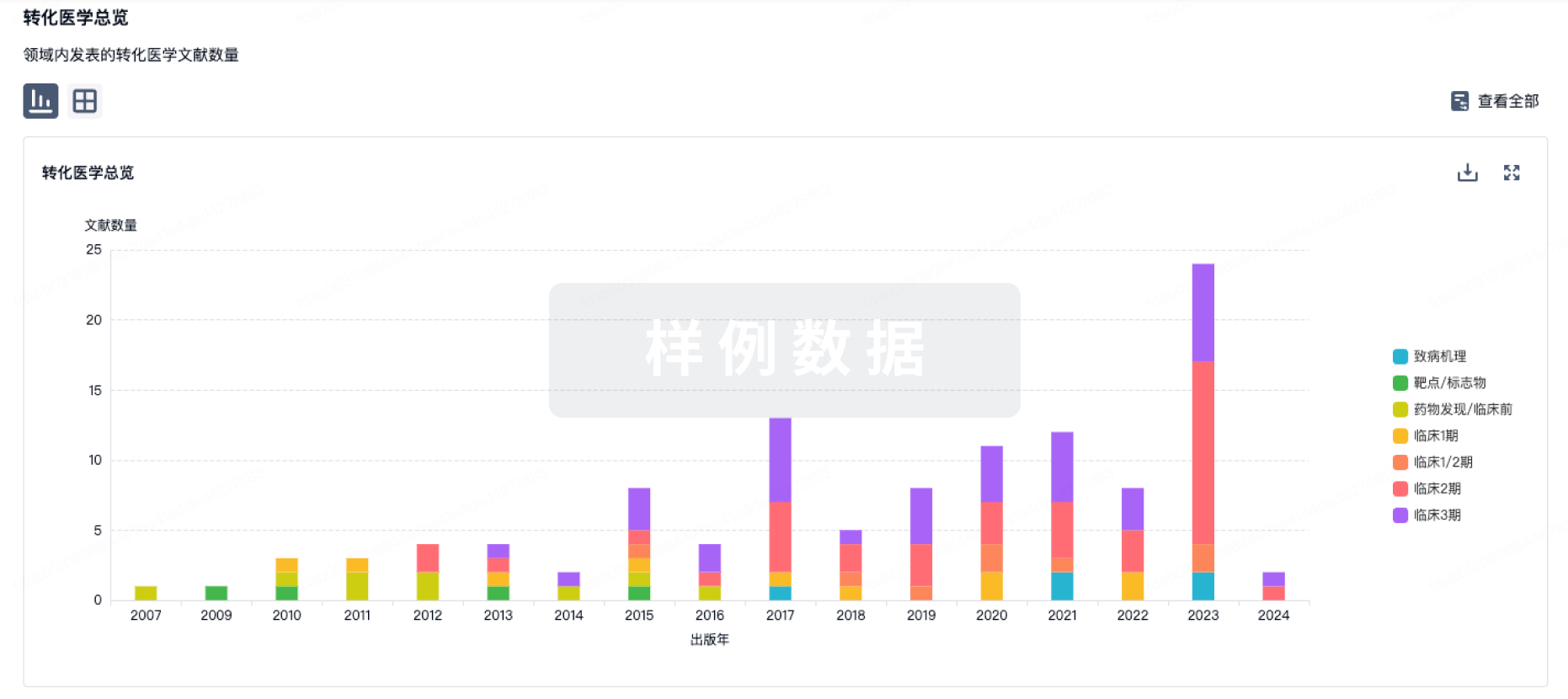
转化医学
使用我们的转化医学数据加速您的研究。
登录
或
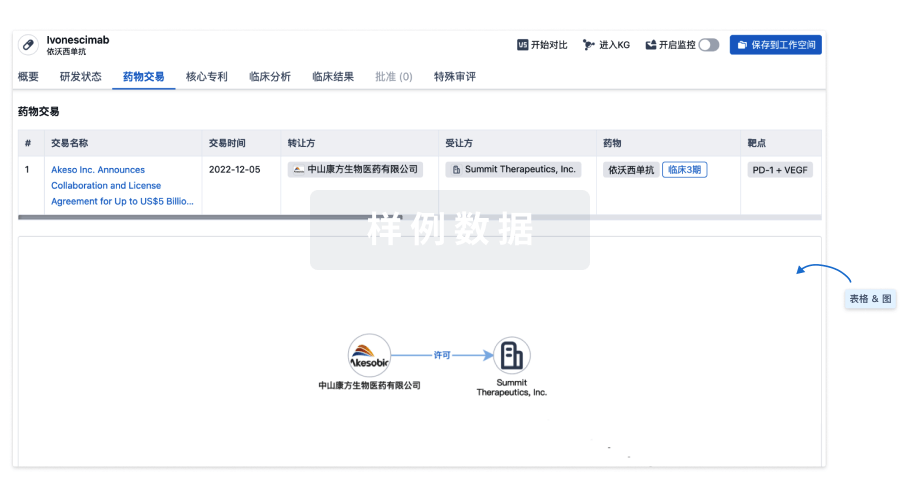
药物交易
使用我们的药物交易数据加速您的研究。
登录
或
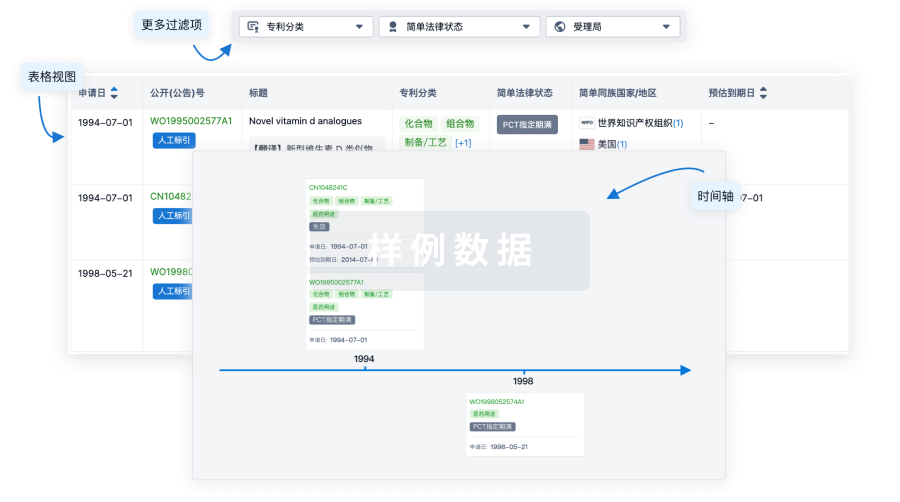
核心专利
使用我们的核心专利数据促进您的研究。
登录
或
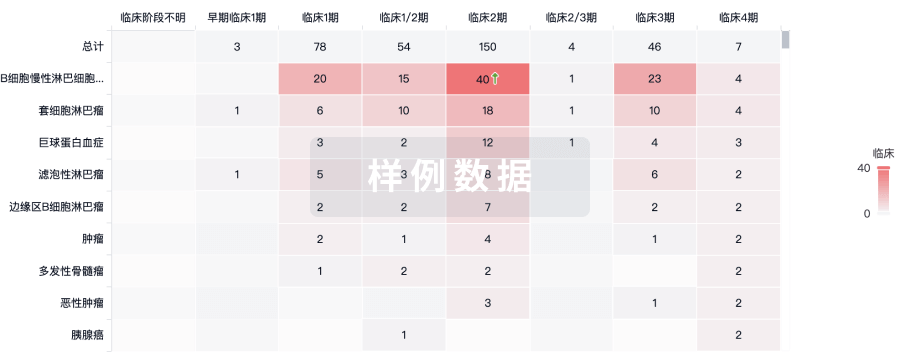
临床分析
紧跟全球注册中心的最新临床试验。
登录
或
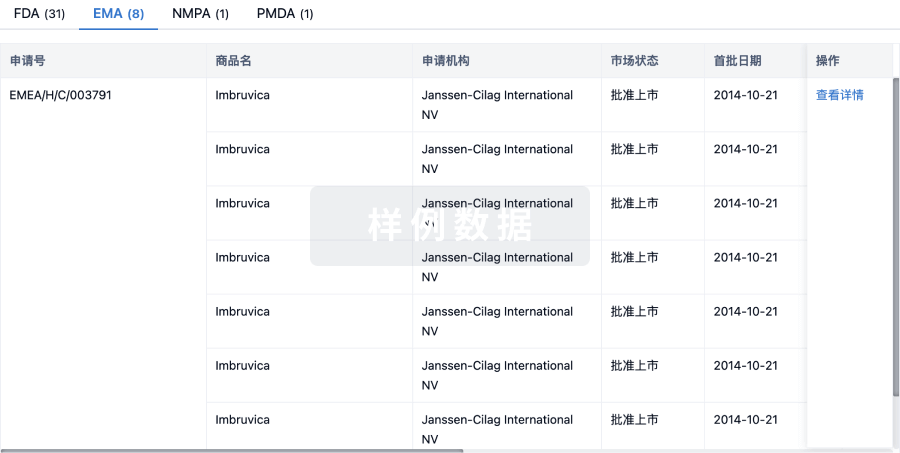
批准
利用最新的监管批准信息加速您的研究。
登录
或
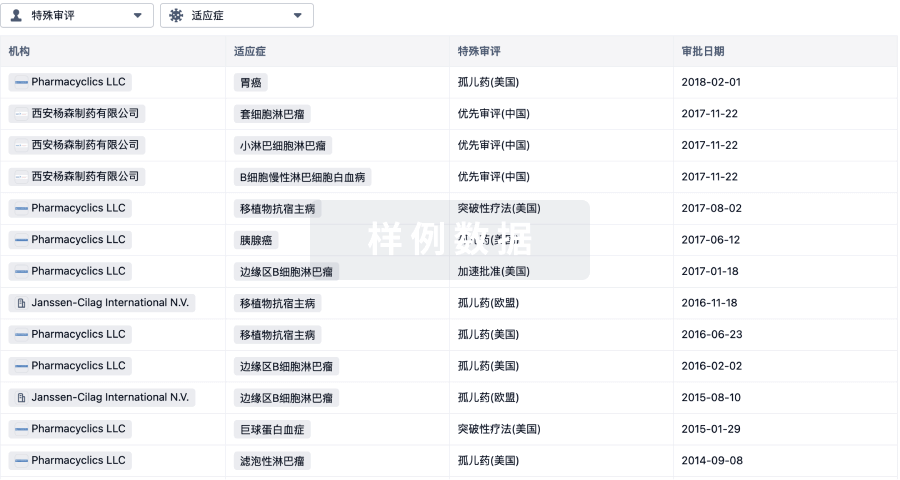
特殊审评
只需点击几下即可了解关键药物信息。
登录
或
提出任何生物医药研究问题
让每一步生物医药决策都精准制胜
基于十亿级生物数据与全球情报的精准 AI,赋能早期药物发现
立即开始免费试用!
智慧芽新药情报库是智慧芽专为生命科学人士构建的基于AI的创新药情报平台,助您全方位提升您的研发与决策效率。
立即接入生物医药数据包
智慧芽新药库数据也通过智慧芽开放平台,以MCP或API服务形式对外开放。立即使用我们的MCP服务定制您的LLM智能体。
生物序列数据库
生物药研发创新
免费使用
化学结构数据库
小分子化药研发创新
免费使用