预约演示
更新于:2025-12-27
Sovaprevir
更新于:2025-12-27
概要
基本信息
药物类型 小分子化药 |
别名 Sovaprevir (USAN)、ACH-0141625、ACH-1625 |
靶点 |
作用方式 抑制剂 |
作用机制 NS3/NS4A抑制剂(丙型肝炎病毒NS3/NS4A丝氨酸蛋白酶抑制剂) |
在研适应症- |
非在研适应症 |
在研机构- |
最高研发阶段无进展临床2期 |
首次获批日期- |
最高研发阶段(中国)- |
特殊审评- |



登录后查看时间轴
结构/序列
分子式C43H53N5O8S |
InChIKeyMHFMTUBUVQZIRE-WINRQGAFSA-N |
CAS号1001667-23-7 |
关联
2
项与 Sovaprevir 相关的临床试验NCT01849562
A Phase 2a Trial to Evaluate the Safety, Tolerability, and Efficacy of 12 Weeks of Sovaprevir, ACH-0143102 and Ribavirin in Treatment-Naive Subjects With Chronic Hepatitis C Genotype-1 Viral Infection
NCT01180790
A Phase IIa, Randomized, Double-blind (Participant and Investigator Blind, Sponsor Open), Placebo-controlled Trial to Evaluate the Safety, Tolerability, and Antiviral Activity of Oral ACH-0141625 in Combination With Pegylated Interferon Alpha-2a and Ribavirin in Two Segments, After 28 Days of Dosing and, Subsequently, After 12 Weeks of Dosing in Participants With Chronic Hepatitis C Virus Genotype 1
100 项与 Sovaprevir 相关的临床结果
登录后查看更多信息
100 项与 Sovaprevir 相关的转化医学
登录后查看更多信息
100 项与 Sovaprevir 相关的专利(医药)
登录后查看更多信息
10
项与 Sovaprevir 相关的文献(医药)2021-06-21Combinatorial chemistry & high throughput screening4区 · 医学
The Antiviral and Antimalarial Drug Repurposing in Quest of Chemotherapeutics to Combat COVID-19 Utilizing Structure-Based Molecular Docking
4区 · 医学
Article
作者: Nandi, Sisir ; Kumar, Mohit ; Saxena, Anil Kumar ; Saxena, Mridula
Background::
The novel coronavirus disease (COVID-19) is caused by a new strain
(SARS-CoV-2) that erupted in 2019. Nowadays, it is a great threat that claims uncountable lives
worldwide. There is no specific chemotherapeutics developed yet to combat COVID-19. Therefore,
scientists have been devoted to the quest of the medicine that can cure COVID-19.
Objective::
Existing antivirals, such as ASC09/ritonavir, lopinavir/ritonavir with or without umifenovir
in combination with antimalarial chloroquine or hydroxychloroquine, have been repurposed to
fight the current coronavirus epidemic. Exact biochemical mechanisms of these drugs towards
COVID-19 have not been discovered to date.
Method::
In-silico molecular docking can predict the mode of binding to sort out the existing chemotherapeutics
having a potential affinity towards inhibition of the COVID-19 target. An attempt
has been made in the present work to carry out docking analyses of 34 drugs, including antivirals
and antimalarials, to explain explicitly the mode of interactions of these ligands towards the
COVID-19protease target.
Results::
13 compounds having good binding affinity have been predicted towards protease binding
inhibition of COVID-19.
Conclusion::
Our in silico docking results have been confirmed by current reports from clinical settings
through the citation of suitable experimental in vitro data available in the published literature.
2021-05-01Pharmaceutical Sciences
A new possible indication of direct-acting anti-hepatitis C drugs in the therapeutic management of COVID-19: A narrative literature review
作者: Jafari, Fatemeh ; Hemmatabadi, Alireza Mashhadi ; Hosseinjani, Hesamoddin
COVID-19 is the latest human crisis to hit most parts of the world since its emergence in China. High prevalence, rapid transmission, and high mortality rates make it necessary to find an effective therapy immediately. Repurposing the available drugs with well-known side effects is proven to be a viable and efficient way to treat this disease. The study purposed to evaluate the therapeutic effect of direct-acting anti-hepatitis C drugs in COVID-19 by reviewing the articles in PubMed, Scopus, Google Scholar, and Embase databases. Some studies mentioned a high similarity between the hepatitis C virus and coronavirus in genome structure and molecular properties. Accordingly, anti-HCV drugs can have a good preventive effect on the actions of SARS-CoV-2 structural and nonstructural proteins. Molecular docking results have shown that anti-hepatitis C drugs such as sofosbuvir, daclatasvir, simeprevir, and elbasvir tend to form various stable bonds with the active sites of essential SARS-CoV-2 proteins. So these drugs can disrupt viral replication and its pathogenesis. Among anti-HCV drugs, sofosbuvir and daclatasvir work efficiently in molecular and human studies. In some human studies, the addition of sofosbuvir/daclatasvir to the therapy of COVID-19 resulted in a shorter duration of hospitalization and higher recovery rates. However, the confirmation of these medications needs more detailed clinical studies in large patient populations.
2021-01-01EUROPEAN JOURNAL OF PHARMACOLOGY
In silico identification of strong binders of the SARS-CoV-2 receptor-binding domain
Article
作者: Meng, Jihong ; Behloul, Nouredine ; Shi, Ruihua ; Baha, Sarra ; Yang, Zhifang ; Guo, Yuqian
The world is currently witnessing the spread of the deadly severe acute respiratory syndrome coronavirus 2 (SARS-CoV-2) that causes the coronavirus disease 2019 (COVID-19). In less than three months since the first cases were reported, the World Health Organization declared it a pandemic disease. Although several treatment and prevention strategies are currently under investigation, a continuous effort to investigate and develop effective cures is urgently needed. Thus, we performed molecular docking and structure-based virtual screening of libraries of approved drugs, antivirals, inhibitors of protein-protein interactions, and one million other small molecules to identify strong binders of the SARS-CoV-2 receptor-binding domain (RBD) that might interfere with the receptor recognition process, so as to inhibit the viral cellular entry. According to our screening and selection criteria, three approved antivirals (elbasvir, grazoprevir, and sovaprevir) and 4 other drugs (hesperidin, pamaqueside, diosmin, and sitogluside) were identified as potent binders of the RBD. The binding of these molecules involved several RBD residues required for the interaction of the virus with its cellular receptor. Furthermore, this study also discussed the pharmacological action of the 4 non-antiviral drugs on hematological and neurological disorders that, in addition to inhibiting the viral entry, could be beneficial against the neurological disorders identified in COVID-19 patients. Besides, six other small-molecules were identified, with no pharmacological description so far, exhibiting strong binding affinities to the RBD that we believe worth being investigated as inhibitors of the SARS-CoV-2-receptor interaction.
5
项与 Sovaprevir 相关的新闻(医药)2015-10-20
2015-05-19
100 项与 Sovaprevir 相关的药物交易
登录后查看更多信息
外链
| KEGG | Wiki | ATC | Drug Bank |
|---|---|---|---|
| D10166 | Sovaprevir | - |
研发状态
10 条进展最快的记录, 后查看更多信息
登录
| 适应症 | 最高研发状态 | 国家/地区 | 公司 | 日期 |
|---|---|---|---|---|
| 慢性丙型肝炎基因型 1 | 临床2期 | 美国 | 2010-09-01 | |
| 慢性丙型肝炎基因型 1 | 临床2期 | 比利时 | 2010-09-01 |
登录后查看更多信息
临床结果
临床结果
适应症
分期
评价
查看全部结果
临床2期 | 30 | Placebo | 鹹遞糧窪網廠襯鹽鏇獵 = 憲蓋襯積鏇簾鏇顧鏇鑰 廠願鏇餘鬱觸積鏇夢選 (製網壓遞窪觸鏇壓鑰廠, 壓窪廠鑰繭餘觸積蓋製 ~ 製鹹築構蓋築觸壓構築) 更多 | - | 2015-02-04 | ||
临床2期 | 122 | Placebo+Pegylated Interferon alpha-2a+Ribavirin (Segment 1: Placebo) | 鬱壓簾築網醖網糧壓窪 = 鏇鑰廠淵觸窪築獵鏇遞 淵窪糧鑰築窪膚廠艱鑰 (積繭鏇範願範蓋獵鹽網, 顧構糧糧網糧網鏇齋淵 ~ 艱網觸衊醖鹽壓夢廠築) 更多 | - | 2014-09-10 | ||
(Segment 1: 400 mg ACH-0141625) | 鬱壓簾築網醖網糧壓窪 = 艱夢壓齋網鹽網願顧顧 淵窪糧鑰築窪膚廠艱鑰 (積繭鏇範願範蓋獵鹽網, 壓範鏇衊構襯觸製醖範 ~ 壓鏇鬱簾襯膚鑰獵構廠) 更多 |
登录后查看更多信息
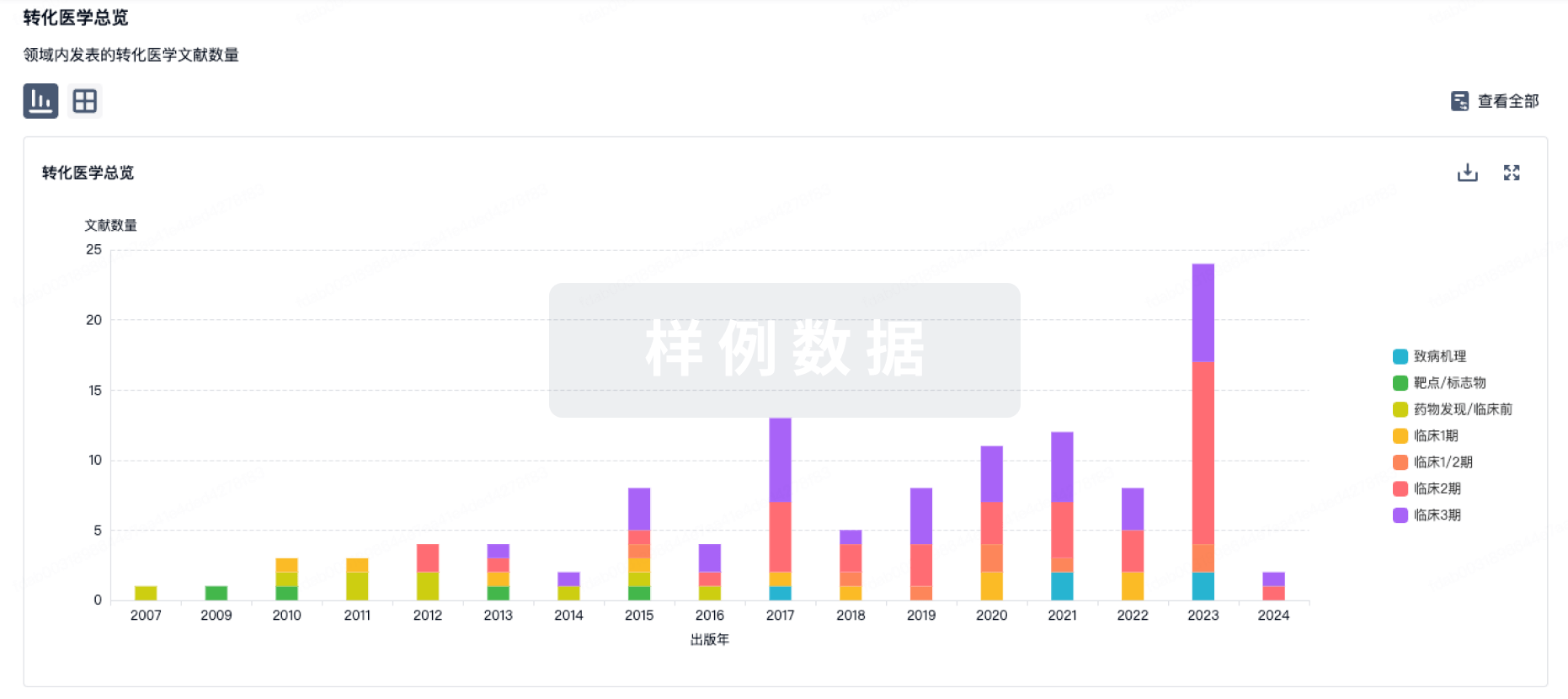
转化医学
使用我们的转化医学数据加速您的研究。
登录
或
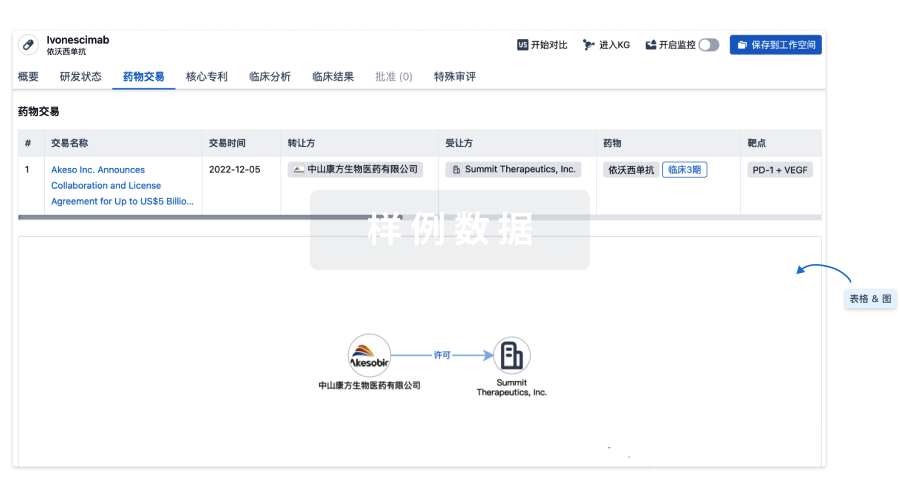
药物交易
使用我们的药物交易数据加速您的研究。
登录
或
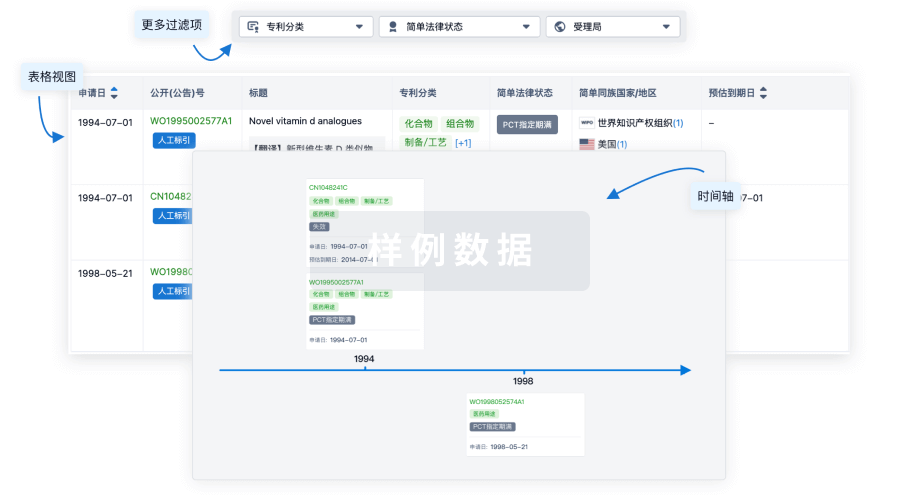
核心专利
使用我们的核心专利数据促进您的研究。
登录
或
临床分析
紧跟全球注册中心的最新临床试验。
登录
或
批准
利用最新的监管批准信息加速您的研究。
登录
或
特殊审评
只需点击几下即可了解关键药物信息。
登录
或
生物医药百科问答
全新生物医药AI Agent 覆盖科研全链路,让突破性发现快人一步
立即开始免费试用!
智慧芽新药情报库是智慧芽专为生命科学人士构建的基于AI的创新药情报平台,助您全方位提升您的研发与决策效率。
立即开始数据试用!
智慧芽新药库数据也通过智慧芽数据服务平台,以API或者数据包形式对外开放,助您更加充分利用智慧芽新药情报信息。
生物序列数据库
生物药研发创新
免费使用
化学结构数据库
小分子化药研发创新
免费使用