预约演示
更新于:2026-10-16
Ornidazole
奥硝唑
更新于:2026-10-16
概要
基本信息
原研机构 |
在研机构 |
非在研机构- |
权益机构- |
最高研发阶段批准上市 |
最高研发阶段(中国)批准上市 |
特殊审评- |

登录后查看时间轴
结构/序列
分子式C7H10ClN3O3 |
InChIKeyIPWKIXLWTCNBKN-UHFFFAOYSA-N |
CAS号16773-42-5 |
关联
35
项与 奥硝唑 相关的临床试验CTRI/2024/09/074346
Evaluation of a novel bilayer film loaded with ornidazole and ofloxacin for the treatment of patients with moderate periodontitis – A randomized controlled trial - NIL
开始日期2024-09-26 |
申办/合作机构- |
NCT06427863
Effect of Antibiotic Pretreatment on the Efficacy of WMT in the Treatment of Chronic Constipation in Adults: a Multi-center, Randomized, Placebo-controlled Clinical Study
This is a randomized controlled trial to explore the efficacy of antibiotic pretreatment on the efficacy of WMT in the treatment of chronic constipation in adults: a multi-center, randomized, placebo-controlled clinical study
开始日期2024-06-01 |
申办/合作机构- |
NCT06437041
Effect of Antibiotic Pretreatment on the Efficacy of WMT in the Treatment of Irritable Bowel Syndrome in Adults: a Multi-center, Randomized, Placebo-controlledClinical Study
This is a randomized controlled trial to explore the efficacy of antibiotic pretreatment on the efficacy of WMT in the treatment of Irritable bowel syndrome in adults: a multi-center, randomized, placebo-controlled clinical study
开始日期2024-06-01 |
申办/合作机构- |
100 项与 奥硝唑 相关的临床结果
登录后查看更多信息
100 项与 奥硝唑 相关的转化医学
登录后查看更多信息
100 项与 奥硝唑 相关的专利(医药)
登录后查看更多信息
1,188
项与 奥硝唑 相关的文献(医药)2027-01-01·WATER RESEARCH
Exploiting dual-halide mediated synergy to enhance the energy efficiency of the UVA/chlorine process for sustainable micropollutant abatement in bromide-containing water
Article
作者: Shang, Chii ; Yang, Xin ; Xue, Qing ; Peng, Jiadong ; Yin, Ran ; Lin, Chuanjing
The transition from mercury-vapor lamps to UV-LEDs in advanced oxidation processes (AOPs) is hindered by a critical energy bottleneck. While UVC-LEDs suffer from low wall-plug efficiency (3-10%), highly efficient UVA-LEDs (> 70%) are limited by the poor molar absorptivity of free chlorine. This study presents a "waste-treats-waste" strategy to bridge this gap by exploiting ambient bromide (Br⁻) in water as a photochemical catalyst for the UVA/chlorine process. We demonstrated that simulated ambient Br⁻ (10 μM, a typical concentration in Br⁻-impacted water) increased pseudo-first-order rate constants for ibuprofen, carbamazepine, and ornidazole by 2.8-3.9-fold through establishment of a UVA/chlorine-bromine system. A comprehensive 205-reaction kinetic model was established, validated, and employed to elucidate the dual-halide mediated synergistic mechanism for the enhancement: (1) rapid conversion of chlorine to bromine by Br⁻; (2) elevated hydroxyl radical (HO•) yields enabled by bromine's higher UVA absorptivity (ε365 = 22 M⁻1 cm⁻1 at pH 7.0) than chlorine (5 M⁻1 cm⁻1 at pH 7.0), despite lower quantum yields; (3) conversion of bromine-derived radicals into reactive chlorine species (RCS) via chloride (Cl⁻), increasing Cl• and Cl2•⁻ concentrations up to 3.6-fold; and (4) direct oxidation of electron-rich compounds by reactive bromine species (RBS). Experiments in authentic surface water confirmed that the synergy remains effective despite the scavenging effects of natural organic matter and alkalinity. This study provides a mechanistic framework for leveraging native halides to unlock the potential of energy-efficient UVA light sources for sustainable water treatment, directly supporting water-energy nexus objectives.
2026-11-01·JOURNAL OF COLLOID AND INTERFACE SCIENCE
Photoelectrochemical interface mediated by S-scheme charge transfer and p-n heterojunction: Ultrasensitive detection of the emerging contaminant ornidazole
Article
作者: Fei, Junjie ; Xie, Yixi ; Deng, Kunxiang ; Huang, Linzi ; Zheng, Yuyu ; Li, Xinyi ; Sun, Xiaoqian ; Zhao, Pengcheng ; Liu, Zhifang
Ornidazole (ONZ) is a widely used nitroimidazole-class antibiotic whose environmental persistence due to misuse intensifies antimicrobial resistance and accelerates pathogen evolution, posing serious risks to human health and ecological safety. To address this issue, we developed a novel photoelectrochemical (PEC) sensor for ultrasensitive ONZ detection based on a p-n heterojunction between pseudobrookite-type oxide MgTi2O5 and the metal-organic framework (MOF) Cu-BTC. Density functional theory (DFT) calculations corroborate the favorable band structure of the heterojunction. The built-in electric field and S-scheme charge transfer at the interface enable efficient separation of photogenerated carriers, yielding an ultralow detection limit of 0.65 pM, a wide linear range from 1 pM - 10 nM (R2 = 0.9992), and excellent anti-interference, selectivity, stability and reproducibility. The sensor achieved 98.43% - 103.62% recovery in real samples including commercial capsules, tablets, and environmental water, demonstrating high practical reliability. This work presents a cost-effective, portable, and high-performance platform for ONZ monitoring and offers new insights into advanced PEC sensor design for antibiotic pollution detection.
2026-11-01·ENVIRONMENTAL RESEARCH
Multi-metal synergistic effect and sulfur-mediated electron transfer in Co-δ-FeOOH@Cu2S activated CaSO3 system for ornidazole degradation
Article
作者: Meng, Xiangmei ; Xiao, Pengfei
The widespread occurrence of nitroimidazole antibiotics such as ornidazole (ONZ) in aquatic environments poses considerable ecological and environmental risks, necessitating the development of efficient advanced oxidation processes (AOPs). In this study, a novel ternary heterogeneous catalyst, Co-δ-FeOOH@Cu2S, was successfully synthesized and employed to activate calcium sulfite (CaSO3) for efficient ONZ degradation. The Co-δ-FeOOH@Cu2S/CaSO3 system could achieve over 98% ONZ removal within 30 min, significantly outperforming individual catalysts and conventional Na2SO3-based systems. Its outstanding catalytic performance originated from trimetallic Co-Fe-Cu redox network enables rapid electron shuttling across Co(Ⅲ)/Co(Ⅱ), Fe(Ⅲ)/Fe(Ⅱ), and Cu(Ⅱ)/Cu(I) couples, overcoming sluggish single-metal kinetics. Surface S2- species serve as an electron-transfer bridge to regenerate low-valent metals, while Co-doping-induced oxygen vacancies accelerate interfacial charge transport, collectively enhancing sulfite activation and reactive oxygen species (ROS) generation. Mechanistic investigations based on radical scavenging experiments and electron paramagnetic resonance analysis demonstrated that both radical SO4·-, ·OH, and non-radical O21 pathways participated in ONZ degradation. Density functional theory (DFT) calculations identified the imidazole ring and nitroso group as preferential reactive sites for ROS, and the adsorption energy of sulfites on the catalyst. Furthermore, the low solubility of CaSO3 enabled sustained sulfite release for continuous ROS production while mitigating self-consumption. Toxicity assessment revealed that the degradation process effectively reduced the ecological risks associated with ONZ and its intermediates. Moreover, the catalyst exhibited excellent structural stability, low metal leaching, strong anti-interference capability, and satisfactory reusability over five consecutive cycles. Overall, this study provides an efficient and sustainable strategy for antibiotic-contaminated wastewater treatment via sulfite-based AOPs.
231
项与 奥硝唑 相关的新闻(医药)2026-10-08
·九典制药
JIUDIAN PHARMACEUTICAL
2026年下半年,九典制药(股票代码:300705)迎来重磅产品“双获批”时刻。7月29日,中药1.1类创新药椒七止痛凝胶贴膏获批上市;同日,化学药品4类洛索洛芬钠贴剂也获得批件,正式成为该品种国内首批落地的仿制药。
一边是深耕存量市场的剂型延伸、稳固基本盘,一边是布局全新赛道的原创创新、打开增长天花板。两款重磅产品接连落地,形成仿创并行的产品“双响炮”。面对集采冲击、行业内卷、竞品围堵的多重行业环境,曾经依靠一款爆款单品站稳行业头部的九典制药,正式开启固本拓新、多维增长的战略升级新篇章。
一
单品红利换挡
九典制药迎来战略演进拐点
(一)一款贴膏成就的30亿级龙头
深耕透皮制剂赛道二十余年,九典制药的崛起堪称中国医药行业“单品冠军”的经典范本。回溯行业脉络,凝胶贴膏这一高端经皮给药剂型的核心技术曾长期被日本企业掌握。2014年,由日本LEAD CHEMICAL(第一三共集团子公司)原研的洛索洛芬钠凝胶贴膏进入中国。2017年,九典制药洛索洛芬钠凝胶贴膏以国内首仿身份获批上市,突破了水凝胶基质交联与经皮渗透的关键技术壁垒,构筑了经皮给药释药体系,实现了该品种的国产化替代。原研产品退出中国市场后,九典制药一度独家包揽该产品销售,在公立医院端实现近100%的市占率。凭借这款独家大单品,九典制药从一家以原料药和口服制剂为主的企业,华丽转身为年营收超30亿元的经皮给药龙头。
数据是最好的见证:据公开数据,2022年洛索洛芬钠凝胶贴膏销售额超10亿元,同比增长超30%;2024年更是突破15亿元,成为国内外用贴膏市场当之无愧的重磅品种。九典制药整体营收从2017年的5.35亿元一路攀升至2025年的31.11亿元,复合增速远超行业平均水平,市值曾超130亿元,被资本市场誉为“化药贴膏龙头”。
(二)主动应对:
以利润换市场,以空间换时间
高度依赖单一产品的业务结构,既是九典制药实现跨越的利器,也要求企业在行业周期切换时主动优化业务布局。2024年洛索洛芬钠凝胶贴膏销售收入突破15亿元,在九典制药整体营业收入中的占比已超过50%。当行业进入集采常态化阶段,九典制药没有固守单品红利,而是主动选择以产品矩阵对冲单品依赖,率先完成战略调整。
审评政策的演变,加速了洛索洛芬钠凝胶贴膏竞争格局的重构。2025年以来,十余家药企的洛索洛芬钠凝胶贴膏仿制药陆续获批,独家市场格局不复存在。同年10月,第十一批全国药品集中采购结果公布,九典制药洛索洛芬钠凝胶贴膏以降价74.25%的幅度中选。这是九典制药主动出击的结果:以有竞争力的价格换取更广阔的市场覆盖,为后续系列化品种的导入铺平道路,这正是“以利润换市场、以空间换时间”的战略定力体现。
从更宏观的视角看,整个外用贴膏市场正在经历深刻变革。米内网数据显示,2025年中国外用贴膏剂市场总规模约达236亿元,其中中成药贴膏为148亿元,化药贴膏剂为88亿元,中成药贴膏占比高达63%,化药贴膏占比仅为37%。随着集采常态化推进和仿制药一致性评价的深入,化药贴膏赛道的竞争烈度还将持续升级,但通过集采的持续放量,化药贴膏的市场规模也将迎来新一轮的增长。九典制药的主动转型,正踩在行业结构升级的节拍之上。
(三)转型期的财务表现与战略定力
九典制药的战略主动选择,反映在转型期的财务数据上。2025年,九典制药实现年营业收入31.11亿元,同比增长6.15%,增速有所放缓;归母净利润4.73亿元,同比下降7.72%;净利率为15.20%,同比下降2.32个百分点。进入2026年,转型效应进一步显现。2026年上半年,九典制药实现营业收入12.87亿元,同比下降14.89%;归母净利润1.60亿元,同比下滑45.21%;扣非净利润1.49亿元,同比下滑47.29%。
九典制药营收变化,主要系主导品种执行集采、产品价格下调所致。这组数据的背后,并非“结构性风险的被动暴露”,而是九典制药主动以短期利润换取长期市场份额的战略选择。值得强调的是,转型期的经营基本面依然稳健。集采后洛索洛芬钠凝胶贴膏在销量端实现了显著增长,上半年院内市场不仅稳住了原有市场份额,还贡献了增量,全年销量预期维持增长态势。收入端受价格降幅较大影响,单品收入短期有所回落,尚难以完全实现以量补价,但这只是调整期的暂时现象。九典制药在稳住存量业务基本盘的同时,已加快产品矩阵布局,培育新的增长引擎。
九典制药有充分的信心认为,利润的调整是阶段性的,选择以短期利润换取长期市场份额,以产品矩阵对冲单品依赖,以创新研发打开增量空间是转型的必然选择,阵痛是暂时的,而战略红利是长期的。
二
守正固本
三大板块筑牢存量基本盘
九典制药的“守正固本”,并非被动的防御,而是一套有清晰结构化思考的战略布局:在核心贴膏赛道丰富产品线、在口服制剂领域拓展管线、在原辅料板块加速进口替代,三个方向同步发力,共筑穿越周期的根基。
外用制剂板块:
一张精心设计的战略地图
外用制剂是九典制药最具竞争优势的核心板块。公司依托“新型凝胶膏剂湖南省工程研究中心”,已建立凝胶贴膏、热熔贴剂、溶剂型贴剂、半固体制剂等多元化经皮给药制剂技术平台,形成多技术协同创新的战略布局。
九典制药在外用贴膏领域的布局并非随机的产品线延伸,而是有清晰的结构化思考:一是覆盖三大非甾体抗炎药成分(洛索洛芬钠、酮洛芬、氟比洛芬),兼顾不同价格带与适应症细分;二是覆盖化药镇痛与中药温痹双赛道,形成冷热体感两类产品的互补;三是覆盖凝胶贴膏与贴剂双剂型,满足不同患者用药偏好;四是覆盖局部起效与全身起效的不同释药体系,拓宽适应症领域。整套布局共同构筑一张精心设计的战略地图,九典制药的“六张牌”立体布局已然成形:
第一张牌是洛索洛芬钠凝胶贴膏,它是九典制药的崛起之本,曾经约占营收的一半,集采后虽然短期收入难以完全填补降价缺口,但市场占有率仍保持第一,稳住了市场基本盘,也为其他产品的导入争取了时间窗口。而同成分的洛索洛芬钠贴剂也已获批上市,此前国内洛索洛芬钠贴剂仅有原研LEAD一家上市,米内网数据显示该品种2025年全市场规模超9亿元,同比增长23.97%,市场仍在加速扩容。九典制药在洛索洛芬钠这个成分上具备较强的商业化优势,凝胶贴膏积累的临床资源与渠道网络,可辐射至贴剂品种,形成剂型矩阵互补,覆盖不同患者的用药偏好。
第二张牌是酮洛芬凝胶贴膏,作为2023年获批的国内首仿品种,它是九典制药外用制剂矩阵中一个低调但稳健的选手。目前已纳入医保。上市以来销量逐年增长,贡献了稳定的现金流。酮洛芬与洛索洛芬钠、氟比洛芬同属非甾体抗炎药家族,但在镇痛强度、适应症偏好和价格带上各有差异。酮洛芬凝胶贴膏暂时不受集采影响,是九典制药手中的“稳牌”。
第三张牌是氟比洛芬凝胶贴膏,2026年5月获批,是九典制药主动进攻的一张牌。这个品种的市场体量和竞争格局决定了它的战略分量。米内网数据显示,氟比洛芬凝胶贴膏2025年全市场销售额突破40亿元,是贴膏剂市场的TOP1产品。长期以来,北京泰德和原研三笠是这个市场的主力。目前已有7家企业持有批文,且多家企业已报产待批。氟比洛芬凝胶贴膏虽未纳入国家集采,但已纳入省际联盟集采。一方面,九典制药可以依托现有品牌影响力和渠道深耕院外市场;另一方面,还能借助省际联盟集采抢占院内市场份额。氟比洛芬凝胶贴膏的获批,标志着九典制药在非甾体抗炎药外用制剂领域完成了洛索洛芬钠、酮洛芬、氟比洛芬三大主流药物成分的全面覆盖,多品种协同效应进一步强化。
第四张牌是代温灸膏,作为走差异化路线的独家品种,纳入医保目录且属于OTC甲类,也是国内唯一“以膏代灸”的特色外用产品,主打温热体感、寒湿痹痛的细分场景。米内网数据显示,2025年代温灸膏市场的销售额达1.29亿元。该规模在九典制药的产品矩阵中不算最大,但战略意义非同寻常,它卡位的是化药贴膏覆盖不到的“温热体感、寒湿痹痛”细分赛道。代温灸膏作为独家的特色品种,在庞大的中药贴膏市场中占据了独特生态位。
第五张牌是椒七止痛凝胶贴膏,作为二十年研发积淀结出的战略级产品,是国内首款按中药1.1类标准获批的骨科凝胶贴膏创新药。该品种将传统中药组方与现代凝胶贴膏剂型相结合,针对膝骨关节炎寒凝血瘀证,填补了骨科外用创新中药的空白。在中成药贴膏占外用贴膏市场六成以上份额的背景下,椒七止痛凝胶贴膏凭借独特的剂型优势,有望开辟全新的增长空间。
第六张牌是“全身起效透皮贴剂”双子星——罗替高汀贴片和格拉司琼透皮贴片,这是九典制药从局部镇痛贴膏向全身起效透皮制剂拓展的重要布局。罗替高汀贴片是全球首个治疗帕金森病的透皮贴剂, 24小时持续稳定释药,尤其适合吞咽障碍的老年患者。格拉司琼透皮贴片用于预防化疗引起的恶心和呕吐,该品种是全球透皮制剂领域的成熟品种。九典制药均已提交化药4类上市申请,有望以先发优势撬动国产化红利、打开全新的增长空间。这两款产品均属“局部给药、全身起效”的系统性透皮制剂,标志着九典制药透皮贴剂治疗领域也从骨科镇痛拓展至中枢神经与肿瘤支持治疗,未来还将向更多临床领域持续延伸。
六张牌各有定位、互为支撑,共同构筑起九典制药在外用贴膏市场的产品矩阵。至此,九典制药已在“局部镇痛+全身起效”两大方向形成全面布局:局部镇痛赛道涵盖“化药镇痛+中药温痹”双赛道,覆盖冷热不同使用体感及贴剂、贴膏两类剂型;全身起效方向则以罗替高汀贴片、格拉司琼透皮贴片为先锋,为透皮贴剂向更多临床领域延伸打开通道,满足不同适应症的治疗需求及患者用药的使用偏好。
此外,九典制药还有消炎解痛凝胶贴膏、利多卡因凝胶贴膏、强腰壮骨膏等重磅贴膏。
从市场空间来看,弗若斯特沙利文行业数据显示,国内透皮制剂市场规模预计2030年突破千亿元,凝胶贴膏细分赛道年复合增速有望超过15%。九典制药作为该领域的龙头企业之一,有望充分受益于行业扩容红利。
口服制剂板块:
多治疗领域协同的增长引擎
九典制药口服制剂板块已形成覆盖消炎镇痛、消化系统、慢病等多个核心治疗领域的丰富产品储备。2025年实现销售收入8.88亿元,同比增长19.01%;2026年上半年实现销售收入4.78亿元,同比增长16.43%。增速显著高于行业平均水平,成为集采压力下拉动九典制药增长的重要引擎和稳定现金流来源。
围绕复杂口服制剂领域,九典制药已搭建完善的技术支撑体系,重点打造难溶性药物技术平台与缓控释技术平台两大核心板块。在难溶性药物领域,九典制药掌握固体分散体、微粉化等关键增溶技术;在缓控释领域,具备延迟释放、多单元缓释、骨架型缓释等多项核心技术。公司多个品种实现首仿或跻身全国前三过评。
消炎镇痛领域有洛索洛芬钠片、洛索洛芬钠口服溶液、右酮洛芬氨丁三醇片、塞来昔布胶囊、布洛芬缓释胶囊、布洛芬缓释混悬液、枸橼酸托法替布片、硫酸氨基葡萄糖胶囊等产品。口服镇痛与外用贴膏剂系列形成“口服+外用”的全剂型布局,共享品牌认知和渠道资源,在肌肉疼痛、骨关节痛、术后镇痛、牙痛等多场景形成协同,可与外用贴膏形成院内与院外的推广组合。
消化系统领域化药板块有泮托拉唑钠肠溶片、雷贝拉唑钠肠溶片、兰索拉唑肠溶胶囊、苹果酸氯波必利片、胶体果胶铋干混悬剂、铝碳酸镁咀嚼片、马来酸曲美布汀片、聚普瑞锌颗粒、西甲硅油乳剂等产品。中药板块有参苓口服液、参苓健体粉、胃疡灵胶囊、水杨梅片等独家品种。参苓口服液专事儿童脾胃调理;参苓健体粉作为甲类OTC,定位于成人及老年人群的脾胃调养与慢病辅助治疗;胃疡灵胶囊具有温中益气、缓急止痛之功,与九典制药化药类产品形成中西医结合的完整治疗方案。
慢病领域有降糖药物达格列净片、恩格列净片、维格列汀片、磷酸西格列汀片等;降压降脂药物有盐酸咪达普利片、非洛地平缓释片、西尼地平胶囊、拉西地平片、盐酸贝尼地平片、瑞舒伐他汀钙片、非诺贝特酸胆碱缓释胶囊、吲哚布芬片等产品。九典制药整个慢病管线梯队完整,覆盖降糖、降压、降脂等多个高发慢病领域,具备长期增长潜力。
泌尿与肾病领域有酒石酸托特罗定缓释胶囊、协日嘎四味汤胶囊、枸橼酸氢钾钠颗粒等。其中枸橼酸氢钾钠颗粒主要用于溶解尿酸结石和预防尿酸性肾结石复发,是泌尿外科临床路径中的常规用药,于第五批国家集采中选,市场需求稳步增长。协日嘎四味汤胶囊是源于蒙药的特色中成药品种,是九典制药特色品种之一,用于急性下尿路感染属膀胱热证者。
呼吸与抗过敏领域有化药富马酸依美斯汀缓释胶囊、依巴斯汀片、盐酸左西替利嗪片、乙酰半胱氨酸颗粒、氨溴特罗口服溶液、盐酸班布特罗胶囊等;中药有复方感冒片、复方岩白菜素片、复方矮地茶片等,是口服制剂板块的一个重要增长点。
值得关注的是,在集采方面,截至第十二批国家组织药品集中带量采购,九典制药及子公司累计已有23个口服制剂中选。2026年上半年公司取得53个口服制剂新产品批文,这些新品不仅完善了九典制药在心血管、呼吸及儿科等关键治疗领域的布局,也为后续业绩增长注入新动能。口服制剂板块的持续扩容,使九典制药产品结构日趋多元,也正在有效分散核心贴膏产品集采带来的经营波动。
原辅料板块:
产业链上游的强增长引擎
除制剂核心业务外,原料药与药用辅料也是技术底蕴深厚、竞争壁垒突出的优质业务板块,由全资子公司湖南九典宏阳制药有限公司承载。九典宏阳专注于原料药、药用辅料的专业化研发、规模化生产及市场化销售,重点布局特色原料药、高端药用辅料两大核心赛道,构建起差异化、高壁垒的产业竞争格局。
近年来,九典宏阳保持稳健增长态势,经营规模与盈利能力同步提升。2022年至2025年,营业收入从4.15亿元增长至6.31亿元,三年复合增长率15.01%,累计增长52%;净利润从3,745万元增长至8,843万元,三年复合增长率33.17%,显著快于收入增速,体现出强劲的盈利弹性和规模效应。2026年,增长动能更为强劲,上半年营业收入3.67亿元,同比增长22.13%;归母净利润0.76亿元,同比增长93.50%;净利率达20.70%,同比提升7.63个百分点,经营质量再上新台阶。九典宏阳始终坚持以研发和创新为驱动力,长期保持高强度研发投入,连续多年研发投入占营收比例稳定在10%以上,远高于行业平均水平,为技术迭代与产品迭代提供坚实支撑。目前,公司已组建超两百人的专业研发团队,搭建起体系化研发平台,研发管线储备充足、结构优质,持续为原辅料业务增长赋能。
技术层面,公司建成十大领先原料药核心技术平台,覆盖药物结晶、连续反应、生物催化、金属催化、手性拆分、密闭工程、工程设计、工艺优化、药物路线设计等关键核心技术。通过持续优化生产工艺参数,公司实现原料药生产收率提升、成本下降、操作简化、安全风险降低、三废减排的多重突破,在完全符合注册工艺合规要求的基础上,大幅提升产品性价比与市场核心竞争力。
产品布局层面,截至2026年6月30日,九典宏阳原料药品种已有94个登记号,其中80个处于A状态,产品矩阵覆盖消化系统及代谢、神经系统、心血管系统、肌肉-骨骼、抗感染、呼吸系统、血液和造血系统、生殖泌尿系统和性激素类药物等多个治疗领域。在特色原料药方面,公司已在磷酸奥司他韦、洛索洛芬钠等品种上形成显著的规模化生产优势;地红霉素、左羟丙哌嗪原料药国内外市场占有率持续领先;奥硝唑、盐酸左西替利嗪等原料药覆盖了国内主要市场。近两年,盐酸贝尼地平、右酮洛芬氨丁三醇、丙胺卡因等多款特色原料药相继获批,管线持续向心血管、镇痛等高成长领域延伸。
在药用辅料领域,九典宏阳聚焦进口替代战略,建立“合成工艺-制剂应用”双轮驱动体系,从源头突破高端辅料技术瓶颈,破解国内高端药用辅料长期依赖进口的行业困境,助力国内医药产业链、供应链自主可控。在技术与品质层面,公司针对高端辅料核心生产工艺进行深度迭代,通过精准优化合成参数、干燥条件等关键环节,全面提升产品纯度、稳定性、均一性等核心指标,多款核心辅料产品品质达到USP/EP国际药典标准,物理特性、制剂适配性能可完全对标国际一线高端辅料,实现国产辅料从“可用”到“好用、高端、可替代进口”的跨越。
在产品布局与市场落地层面,截至2026年6月30日,九典宏阳完成了119个药用辅料的备案登记,其中已转A品种68个,产品体系高度完善,形成生物疫苗用注射级辅料、外用制剂用辅料、口服固体制剂用辅料三大核心系列,全面覆盖主流制剂应用场景。其中,公司磷酸盐系列辅料已成为国内生物疫苗龙头企业的核心供应产品,注射级高端辅料品质达到国内领先水准;麦芽糖、辛酸钠、磷酸氢钙等多款高端辅料已实现规模化进口替代,成功替代进口同类产品,有效填补国内高端药用辅料市场空白,稳固了公司在国内高端药用辅料进口替代领域的领军地位。
一体化产业链平台:
制剂+原料药+药用辅料
九典制药独特的“制剂+原料药+药用辅料”一体化全产业链平台,是其核心竞争壁垒。尤其是在集采常态化、供应链安全被提升至国家战略的今天,一体化平台的优势正在被重新评估。
第一重优势是成本控制力。主导制剂产品大量使用自产原料药和药用辅料,从源头上省去了中间环节的加价。在集采“价低者得”的规则下,这种一体化成本结构让九典制药既能以有竞争力的价格中标,又能保住合理的利润空间。
第二重优势是质量一致性。九典制药实现从原料药合成、辅料制备到制剂生产的全流程可控,可以针对制剂需求反向定制原辅料的关键质量属性,确保每一批次产品的高度均一。这种“从源头到终端”的质量闭环,是单纯向外采购原辅料的制剂企业难以实现的。
第三重优势是供应链安全与保供能力。九典制药凭借原料药、药用辅料的庞大规模,核心品种基本实现自主配套,在集采中标后的大规模放量、疫情或突发事件保供等关键场景中,也展现出较强的经营稳定性。
第四重优势是研发协同效率。在新药和新剂型开发中,原辅料与制剂的联动开发至关重要。九典宏阳的原料药技术平台和高端辅料平台,可与制剂研发同步推进、快速迭代。这种上下游协同的研发模式,大幅缩短了新产品从立项到上市的周期,也让凝胶贴膏、缓控释制剂等复杂制剂的研发成功率显著高于行业平均水平。
由此可见,九典制药“制剂+原料药+药用辅料”一体化的全产业链协同优势,渗透在成本、质量、供应链、研发各个环节。该壁垒是单一制剂企业难以复制的,也是九典制药穿越周期、持续保持竞争力的重要底牌。
三
创新破局
坚守中药创新,开启化药创新时代
守正固本是九典制药稳住基本盘的根基,创新破局则是九典制药打开增长天花板的钥匙。在化药贴膏赛道竞争加剧的背景下,九典制药选择了一条差异化的创新路径——坚守中药创新,以中药1.1类创新药打开全新的增长空间。同时持续发力疼痛、慢病、肿瘤等领域的新靶点和突破疗法研究,开启化药创新时代。
椒七止痛凝胶贴膏
二十年磨一剑的创新典范
2026年7月29日,国家药品监督管理局批准九典制药申报的中药1.1类创新药椒七止痛凝胶贴膏上市。该产品历经二十余年研发积淀,是国内首款按中药1.1类标准获批的骨科凝胶贴膏创新药,不仅填补了骨科外用创新中药的空白,更展示出九典制药从仿制走向全面创新战略转型的深厚实力。
1. 组方精当:遵古而不泥古
椒七止痛凝胶贴膏为局部经皮给药制剂,处方设计秉持“遵古而不泥古”的理念,由四味药材协同组成,共奏温经散寒、活血止痛之效。该产品明确针对膝骨关节炎寒凝血瘀证,对应关节疼痛、局部畏寒、得温痛减、活动不利、僵凝重滞等常见症状。这一临床定位既紧扣膝骨关节炎最常见的中医证型之一,又借助现代临床试验设计验证了其安全性与有效性,实现了中医辨证论治思维与现代循证医学方法的有机融合。
2. 剂型革新:凝胶贴膏的现代化优势
长期以来,中药外用贴膏市场以传统橡胶膏剂为主导,而凝胶贴膏作为新型经皮给药载体,具备多重显著优势:透气性佳,凝胶基质具有良好的透气性能,减少皮肤闷热不适;皮肤刺激性低,相比传统橡胶膏剂,凝胶贴膏过敏率显著降低,更适合长期使用;剥离方便,揭除时无明显疼痛感和皮肤牵拉,使用体验更佳;载药量大,凝胶基质可承载更多药物成分,持续释放,延长作用时间。
椒七止痛凝胶贴膏将传统中药与凝胶贴膏先进剂型成功融合,为中药外用制剂的现代化升级提供了可复制的技术路径,具备重要的行业示范意义。这标志着九典制药从化药仿制到中药原创创新的跨界突破,开辟了一片全新的蓝海市场。
3. 二十年研发历程:经历多轮临床研究
椒七止痛凝胶贴膏的研发历程堪称“二十年磨一剑”。该产品于2006年4月获批临床。九典制药按照不同评价标准开展了多轮临床研究,充分证明了它的安全性和有效性,最终于2026年7月成功获批。二十年的坚持与打磨,见证了九典制药对创新的执着与坚守。在这个一切追求“短平快”的时代,这样的坚持尤为珍贵。
4. 广阔的市场空间与差异化竞争优势
膝骨关节炎是全球致残率居前的慢性关节疾病之一。根据《中国40岁以上人群原发性骨关节炎患病状况调查》,我国40岁以上人群原发性骨关节炎患病率达46.3%,60至69岁群体患病率攀升至62.2%,国内骨关节慢病患者基数十分庞大。叠加人口老龄化进程加快,相关市场需求正迅速扩容。
尽管中成药贴膏占据外用贴膏市场超六成的份额,但当前市场仍以传统橡胶膏剂为主,产品同质化严重、技术相对老旧、缺乏高质量循证医学支撑,兼具剂型创新与循证医学支撑的差异化品种相对稀缺。
椒七止痛凝胶贴膏恰好切入这一结构性升级需求。作为中药1.1类新药,它具备三大核心竞争优势:一是经典组方的有效性,二是现代凝胶贴膏剂型的优越性,三是高质量临床证据的循证支撑。三重优势叠加,有望在存量市场中发挥独特的差异化优势,开辟出广阔的蓝海市场。
化药创新
管线布局多点开花,构筑创新护城河
在化药创新方面,九典制药正稳步推进从“仿创结合”向“创新驱动”的战略转型,持续完善创新药研发布局。
1. 研发投入:持续加码,创新为本
九典制药始终将研发视作企业发展的核心引擎,持续加大创新投入。2025年,公司研发投入达2.37亿元,占营业收入比重7.63%,远高于行业平均水平,保持了高强度的研发态势。
2. 研发团队:近五百人的技术铁军
创新的根基在于人才。九典制药已打造一支以博士、硕士、海外归国人才为核心,规模近五百人的研发技术队伍。2025年末,公司研发人员数量为475人,其中博士12人,硕士134人。研发团队结构持续优化,反映出九典制药持续加大高端研发人才引进力度,团队经验厚度不断增强。
3. 研发管线:创新药管线布局多点开花
九典制药研发管线储备充裕,制剂加原辅料在研项目近100个,重点攻关消炎镇痛、消化系统、心脑血管等高壁垒品种。化药创新药管线多点布局,在多肽药物、小分子镇痛等前沿领域持续突破,逐步构建起具有九典制药自身特色的创新体系。
神经病理性疼痛病因复杂、患者群体庞大、现有治疗手段有限且副作用明显,临床需求远未被满足。九典制药的小分子创新药YJ2301,瞄准神经病理性疼痛这一临床痛点突出的千亿级市场,致力于填补口服创新药的市场空白。若研发成功有望打开巨大的市场空间,也能够与九典制药现有的外用镇痛产品,共同搭建“外用+口服”“化药仿制+创新药”的全链条镇痛产品矩阵。
从外用仿制药到中药创新药,再到化药创新药,九典制药的创新升级路径清晰明确,也正在更广阔的创新药赛道上建立自身的核心竞争力。
四
未来展望
从单品冠军到矩阵引领,实现战略跃迁
(一)前后夹击下的双线突围战略
站在2026年的时点回望,九典制药正处在行业格局重塑的关键节点:化药贴膏赛道参与者众多,集采后价格竞争愈演愈烈;中药贴膏赛道则被传统中药企业主导,品牌壁垒深厚。如何在双重竞争压力下走出属于九典制药的发展道路,是企业必须回答的时代命题。
九典制药的答案是“一守一攻”的双线战略。守,就是通过丰富外用产品矩阵、拓展口服管线、做强原辅料板块,稳住存量基本盘;攻,就是以椒七止痛凝胶贴膏为代表的原创创新,开辟全新增长曲线。一守一攻之间,摆脱单品依赖,完成从“单品冠军”到“矩阵引领”的战略跃迁。
(二)从仿制走向全面创新的战略升级
椒七止痛凝胶贴膏的成功获批,是九典制药创新转型的里程碑成果。这不仅代表着九典制药在中药创新领域的多年积累开始进入收获期,更证明着九典制药已具备从仿制药企业向创新药企业跨越的核心能力。
JIZM01、JIZM02两款中药1.1类创新药已取得临床批件,小分子镇痛创新药YJ2301稳步推进,多肽等前沿布局有序展开。未来,随着更多创新药管线的持续推进,九典制药将逐步实现从“仿制为主”向“仿创结合、创新引领”的战略升级。
(三)三大板块协同,构筑长期增长护城河
经皮给药、口服制剂、原辅料三大业务板块的协同发展,是九典制药穿越行业周期的底气所在。经皮给药是核心优势赛道,口服制剂保持高速增长,原辅料板块则提供了独特的产业链一体化壁垒和进口替代的成长空间。
(四)从产品驱动到产品、品牌双轮驱动
告别单纯依赖“产品驱动”的发展模式,转向产品与品牌双轮协同驱动,九典制药将品牌资产建设摆在企业战略发展的重要位置。2025年,九典制药确立“镇痛贴剂专家”定位,推出超级符号“九典镇痛先生”,以“贴膏药,选九典”的口号将品牌与品类深度绑定。产品端,全系包装焕新升级,线上线下视觉语言统一,家族感与辨识度同步增强。传播端,九典制药围绕小红书、抖音、视频号搭建分层矩阵,以“九典疼痛课堂”等科普IP输出场景化内容;同步围绕慢性关节疼痛、科学贴敷等议题持续输出专业科普内容,形成“内容种草—信任积累—消费转化”的完整闭环。
2026年,九典制药以品牌强度870、品牌价值29.49亿元位列中国品牌价值榜医药健康第20位,实现品牌强度、价值与排名的三重跃升;“九典”入选湖南省重点商标名录,“久悦”品牌获评“湖南十大新锐品牌”。品牌势能的持续积累,正将九典制药的品牌认知从院内专业市场向院外大众消费市场延伸,为产品矩阵放量提供信任背书与流量入口,推动九典制药从“单品冠军”走向“行业龙头”。
结语:穿越周期,向新而行
回顾发展历程,九典制药从一家原料药与口服制剂企业成长为国内经皮给药领域的龙头企业,再到今天迈上创新药发展的新台阶,每一步都离不开对研发的执着坚守和对品质的不懈追求。集采带来的行业变革是产业发展的必然,更是九典制药主动换挡、转型升级的战略契机。正是在主动布局、承压前行的过程中,九典制药的创新底色愈发鲜明。
椒七止痛凝胶贴膏的成功获批,是二十年磨一剑的坚持与回报,更是新征程的起点。站在新的发展节点上,九典制药正以更加坚定的步伐,从仿制走向创新,从单一产品走向产品矩阵。九典制药拥有完整的产业链优势、丰富的产品储备、持续的创新能力和一支专业敬业的团队,完全有能力穿越行业周期,实现高质量发展。
展望未来,九典制药将继续坚持创新驱动发展战略,不断推出更多高质量、高可及性的优质药品,为“健康中国”建设贡献九典力量。
长按识别二维码关注我们
#往期推荐#
# 九典制药盐酸贝尼地平片获批 高血压慢病管线持续扩容
# 九典制药成立党委 深化党建与业务发展的双向融合
# 九典制药连续上榜湖南制造业企业百强 排名持续提升
# 拉西地平片获批上市 九典高血压治疗领域再添重磅品种
上市批准引进/卖出核酸药物申请上市
2026-10-01
·有驾
注意:因业务调整,暂不接受个人委托测试,望谅解(高校、研究所等性质的个人委托除外)。
因篇幅原因,CMA/CNAS/ISO证书以及未列出的项目/样品,请咨询在线工程师。
合成药物肉汤稀释法检测
在现代医学与药学飞速发展的今天,合成药物作为治疗各类细菌感染性疾病的重要武器,其研发、生产及临床应用前的质量控制显得尤为关键。合成药物通常指通过化学合成途径制备的具有抗菌、抗真菌或其他治疗活性的药物。随着全球抗菌药物耐药性问题的日益严峻,准确测定合成药物的体外抗菌活性,不仅能为新药研发提供核心数据支撑,还能指导临床合理用药,延缓耐药菌株的产生。在众多体外药敏试验方法中,肉汤稀释法被公认为测定抗菌药物最低抑菌浓度的“金标准”方法。作为专业的第三方检测机构,我们依托严谨的检测体系和高精尖的仪器设备,为客户提供精准、客观的合成药物肉汤稀释法检测服务。本文将详细解析合成药物肉汤稀释法检测的检测范围、检测项目、检测方法以及所使用的检测仪器。
检测范围
合成药物肉汤稀释法检测的范围十分广泛,涵盖了从早期药物筛选到最终质量控制的全生命周期评价。首先是各类合成抗菌药物的抗细菌活性评价,这包括但不限于喹诺酮类合成药物(如环丙沙星、左氧氟沙星等)、磺胺类及甲氧苄啶类合成药物、噁唑烷酮类合成药物(如利奈唑胺)、硝基咪唑类合成药物(如甲硝唑、奥硝唑)以及合成抗结核药物(如异烟肼、吡嗪酰胺)等。这些药物针对不同种类的病原微生物,其作用机制各异,肉汤稀释法能够精准量化其抑制病原体生长的能力。
其次,检测范围还包括合成抗真菌药物的体外活性评价。随着免疫缺陷患者数量的增加以及广谱抗菌药物的滥用,深部真菌感染率逐年上升。合成抗真菌药物如三唑类(如氟康唑、伏立康唑)、棘白菌素类(如卡泊芬净)以及嘧啶类(如氟胞嘧啶)的药敏检测需求日益增长。肉汤稀释法同样适用于测定这些药物对念珠菌属、隐球菌属以及曲霉属等真菌的最低抑菌浓度,为临床抗真菌治疗提供实验室依据。
除了针对特定药物的活性评价,本检测范围还覆盖了广泛的受试微生物种类。包括需氧革兰氏阳性菌(如金黄色葡萄球菌、表皮葡萄球菌、肺炎链球菌、肠球菌等)、需氧革兰氏阴性菌(如大肠埃希菌、肺炎克雷伯菌、铜绿假单胞菌、鲍曼不动杆菌等)、厌氧菌(如脆弱拟杆菌、艰难梭菌等)以及各类酵母菌和丝状真菌。此外,针对临床分离的耐药菌株,如耐甲氧西林金黄色葡萄球菌(MRSA)、产超广谱β-内酰胺酶(ESBLs)肠杆菌、碳青霉烯类耐药肠杆菌科细菌(CRE)及多重耐药鲍曼不动杆菌(MDR-AB)等,我们亦提供定制化的肉汤稀释法检测,以评估新型合成药物或联合用药方案对高耐药菌株的体外抗菌效力。
此外,在药物研发阶段,合成药物的体外代谢产物或衍生物的抗菌活性筛查也属于本检测范围。通过对一系列合成类似物进行肉汤稀释法批量筛选,可以帮助制药企业快速锁定具有开发潜力的先导化合物,从而加速新药研发进程并降低研发成本。同时,对于制药企业药品出厂前的效价测定及抑菌效力评价,肉汤稀释法同样可作为重要的验证手段。
检测项目
合成药物肉汤稀释法检测的核心项目是最低抑菌浓度(MIC)的测定。MIC是指在体外条件下,能够抑制肉眼可见的微生物生长的最低药物浓度。MIC值是衡量抗菌药物抗菌活性的最重要定量指标,数值越小,表明药物的抗菌活性越强。通过测定合成药物对特定菌株的MIC,可以判断该药物对该菌株的敏感(S)、中介(I)或耐药(R)程度,为临床制定给药方案提供直接的参考依据。
第二个重要检测项目是最低杀菌浓度(MBC)的测定。在完成MIC测定后,将未见微生物生长的各浓度孔中的培养液取出,接种到不含药物的琼脂平板上进行次代培养。能够杀死99.9%以上初始接种菌量的最低药物浓度即为MBC。MBC与MIC的比值(MBC/MIC)可用于判断合成药物的作用机制是抑菌还是杀菌。通常,当MBC/MIC的比值小于或等于4时,认为该药物具有杀菌作用;若比值大于4,则认为主要起抑菌作用。这一指标对于治疗严重感染,特别是免疫力低下患者的感染,具有极其重要的临床指导价值。
联合药敏试验也是一项关键的检测项目。面对多重耐药菌感染的严峻挑战,单一抗菌药物往往难以奏效,临床上常采用联合用药方案。通过棋盘稀释法,在微量肉汤稀释板中交叉设置两种或多种合成药物的不同浓度梯度,可以测定联合用药后的MIC,并计算部分抑菌浓度指数(FIC Index)。根据FIC指数的结果,可以判定两种药物之间的相互作用是协同(FIC指数小于等于0.5)、相加(FIC指数大于0.5且小于等于1)、无关(FIC指数大于1且小于等于2)还是拮抗(FIC指数大于2)。这对于筛选出具有协同增效作用的联合用药方案至关重要。
此外,我们还提供杀菌曲线测定项目。通过在含有不同浓度合成药物(通常选择1倍、2倍、4倍MIC等浓度)的肉汤培养基中接种定量菌液,并在不同时间点(如0、2、4、6、8、12、24小时)取样进行活菌菌落计数,绘制时间-杀菌曲线。该检测项目能够动态、直观地反映合成药物杀菌的速度和持续效力,评估药物是否具有抗生素后效应(PAE),以及浓度依赖性或时间依赖性抗菌特征,为优化临床给药剂量和给药间隔提供深层次的药效学数据。
最后,突变预防浓度(MPC)测定也是前沿的检测项目之一。MPC是指防止耐药突变菌株选择性富集生长所需的最低药物浓度。通过测定合成药物的MPC,并结合药代动力学参数,可以评估药物限制耐药突变选择的能力,这对于指导临床制定既能有效清除敏感菌又能防止耐药菌产生的治疗策略具有极高的科研和临床应用价值。
检测方法
合成药物肉汤稀释法检测主要分为宏量肉汤稀释法和微量肉汤稀释法两种。目前,微量肉汤稀释法因其试剂消耗少、操作易于标准化、适合大批量检测等优势,成为临床和科研中最常用的方法。检测过程严格遵循美国临床和实验室标准协会(CLSI)或欧洲抗菌药物敏感性试验委员会(EUCAST)制定的相关指南标准进行操作,确保结果的准确性和可重复性。
第一步是培养基的准备。对于大多数需氧菌和兼性厌氧菌的检测,通常采用阳离子调节Mueller-Hinton肉汤(CAMHB)。该培养基不含对合成药物活性有拮抗作用的成分,且矿物质离子(钙、镁离子)浓度经过严格调节,能够支持大多数病原菌的稳定生长。对于特定菌属,如链球菌和肠球菌,需在CAMHB中添加裂解马血;而对于厌氧菌,则需使用加入氯化血红素和维生素K1的布氏肉汤或强化梭菌培养基;真菌检测则通常使用RPMI 1640肉汤培养基。培养基的pH值必须严格控制在7.2至7.4之间,因为pH的微小波动都可能显著影响弱酸或弱碱性合成药物的抗菌活性。
第二步是抗菌药物溶液的配制与稀释。首先,需精确称取合成药物标准品,使用合适的溶剂(如水、二甲基亚砜或特定缓冲液)将其溶解,配制成高浓度的母液。随后,采用两倍稀释法对药物母液进行系列稀释。例如,将药物配制成浓度为1024微克每毫升的母液,然后通过倍比稀释得到512、256、128直至0.06微克每毫升的一系列浓度梯度。在微量肉汤稀释法中,将这些不同浓度的药物溶液分别加入到无菌的96孔微量滴定板的对应孔中,每孔通常加入100微升的药液。
第三步是菌悬液的制备。从经过纯化培养18至24小时的琼脂平板上挑取形态典型的菌落,悬浮在无菌生理盐水或肉汤中,使用麦氏比浊管或浊度仪将其浓度调节至0.5麦氏浊度,此时相当于每毫升含有约1至2乘以10的8次方个菌落形成单位。随后,将此菌悬液进行1:100或1:150的稀释,使其最终浓度达到每毫升5乘以10的5次方CFU。对于真菌,如酵母菌,同样调节至0.5麦氏浊度后再进行1:1000稀释,最终接种浓度约为每毫升0.5至2.5乘以10的3次方CFU。
第四步是接种与孵育。将稀释好的菌悬液等量(通常为100微升)加入到含有不同浓度药物梯度的微孔板中,此时孔内药物浓度将被再稀释一倍,达到最终所需的测试浓度范围。同时,必须设置阳性对照孔(仅含菌液和培养基,不含药物,用于观察细菌在无药物条件下的正常生长情况)和阴性对照孔(仅含培养基和药物,不含菌液,用于检查培养基的无菌状态及药物是否有沉淀干扰浊度判读)。接种完成后,将微孔板置于恒温恒湿培养箱中进行孵育。一般需氧菌在35摄氏度空气环境中孵育16至20小时;肺炎链球菌等苛养菌需在35摄氏度、5%二氧化碳环境中孵育20至24小时;厌氧菌则在35摄氏度厌氧环境下孵育24至48小时;酵母菌通常在35摄氏度孵育24至48小时。
第五步是结果判读与报告。孵育结束后,首先观察阳性对照孔,应呈现明显的浑浊生长,阴性对照孔应保持清澈。随后,通过肉眼观察或使用比浊仪、酶标仪读取各孔的浊度。以肉眼观察完全抑制细菌生长(即孔内液体清澈无明显浑浊)的最低药物浓度孔作为MIC值。在读取结果时,需注意区分微量沉淀与细菌生长造成的浑浊。对于MBC的测定,则需从MIC及以上各清澈孔中吸取定量培养液,涂布到无药琼脂平板上,孵育后计数存活菌落数,计算杀菌率。所有检测过程必须同步进行标准质控菌株(如金黄色葡萄球菌ATCC 29213、大肠埃希菌ATCC 25922、铜绿假单胞菌ATCC 27853等)的测试,只有当质控菌株的MIC值落在CLSI规定的可接受范围内时,本次受试药物的检测结果才被视为有效。
检测仪器
为了确保合成药物肉汤稀释法检测的高精度和高效率,本检测机构配备了一系列国际领先的专业检测仪器与辅助设备。这些仪器的协同运作,保障了从药物配制、菌液制备到结果读取的全流程标准化控制。
首先是微量加样器与自动液体处理工作站。在肉汤稀释法中,药物浓度的准确性和加样的一致性直接决定了最终MIC结果的可靠性。我们配备了经过严格校准的高精度多通道微量加样器,用于96孔板中微升级液体的精准转移。对于大批量的检测任务,我们采用全自动液体处理工作站,该仪器能够自动完成母液的梯度稀释、向微孔板中加注药液以及菌悬液的分配,不仅极大地提高了检测通量,还彻底消除了人工操作带来的加样误差和交叉污染风险,确保每一个孔内的药物浓度和接种菌量都达到标准要求的极高精度。
其次是微生物浊度测定仪与麦氏比浊仪。标准化的菌悬液是药敏试验成功的前提。我们使用专业的麦氏比浊仪,利用光散射原理,能够在数秒内精确测定菌悬液的浊度,确保初始菌液浓度精确达到0.5麦氏标准。在结果判读阶段,除了传统的肉眼观察法,我们配备了微孔板分光光度计(酶标仪)。该仪器通过测量各孔在特定波长(如600纳米)下的吸光度(OD值),能够客观、定量地反映细菌的生长浊度。这不仅避免了肉眼判读的主观性,还能捕捉到微量、难以肉眼察觉的细菌生长(拖尾现象),从而显著提高了MIC判读的准确性和可重复性,尤其适用于自动化数据的记录与分析。
第三类是恒温培养设备。高质量的孵育条件是微生物生长和药物发挥作用的必要环境。我们的实验室配备了高精度的恒温培养箱、二氧化碳培养箱以及厌氧培养箱。这些培养箱具备微电脑控温系统,温度波动范围极小(通常在正负0.1摄氏度以内),并能实时监控箱内温度和湿度。对于苛养菌,二氧化碳培养箱能精确控制气体浓度;对于厌氧菌,厌氧培养箱配合产气袋或抽真空换气系统,能够迅速建立并维持严格的厌氧环境,确保不同种类病原菌在最佳条件下与合成药物进行充分作用。
第四类是生物安全柜与菌落计数器。所有涉及病原微生物的操作均在二级生物安全柜(BSC)中进行。生物安全柜通过垂直层流的高效空气过滤系统(HEPA),不仅为检测人员提供了安全屏障,防止气溶胶感染,同时也保护了样本免受环境污染。在进行MBC测定时,我们需要对次代培养的琼脂平板进行活菌计数。我们采用了全自动菌落计数仪,该仪器配备了高分辨率成像系统和智能图像分析软件,能够快速、准确地识别并统计平板上的菌落数,即使是微小或密集的菌落也能被精确区分,大大提高了杀菌曲线和MBC测定的效率和准确度。
最后,对于大型制药企业和高端科研需求,我们引入了自动化微生物鉴定与药敏分析系统。这类系统(如VITEK 2或MicroScan系统)虽然主要采用预制的微量肉汤稀释卡,但其核心原理与本检测方法完全一致。系统通过光电比浊技术和高级算法,能够动态监测细菌生长曲线,自动计算并判读MIC值,同时还能将MIC值转化为临床敏感或耐药的定性结论。这类仪器的使用,使得合成药物肉汤稀释法检测实现了从手工操作向全自动化、信息化的飞跃,极大地缩短了检测周期,为客户的药物研发和质量控制提供了强有力的硬件保障。
综上所述,合成药物肉汤稀释法检测是一项系统性强、技术要求高、标准极其严格的实验室检测工作。作为专业的第三方检测机构,我们严格把控检测范围,深入挖掘包括MIC、MBC、联合药敏及杀菌曲线等在内的全方位检测项目,遵循国际通用的标准化检测方法,并依托高精尖的检测仪器设备,确保每一份检测报告都具有无可挑剔的科学性、准确性和权威性。我们将继续致力于提升检测技术水平,为合成药物的研发创新、质量提升以及人类健康事业贡献专业力量。
检测技术研究院
📝 报告:可出具第三方检测报告(电子版/纸质版)。
⏳ 检测周期:7~15工作日,可加急。
🏅 资质:旗下实验室可出具CMA/CNAS/ISO资质报告。
📏 标准测试:严格按国标/行标/企标/国际标准检测。
🔬 非标测试:支持定制化试验方案。
📞 售后:报告终身可查,工程师1v1服务。
2026-08-31
·药研
摘要:目的 通过对安徽省近三年来药品上市后变更备案申请的受理情况进行梳理与回顾,深入分审查未通过的典型案例,旨在提高审评效率,缩短变更周期。方法 结合现行法律法规及技术指导原则,重点探讨了延长有效期、变更注册标准及变更包装规格等事项中存在的典型问题。结果 药品监管部门的审评质量和效率仍有提升空间,药品上市许可持有人在上市后变更备案中存在主体责任意识尚显薄弱,缺乏与监管部门的主动沟通机制,变更风险评估体系亦未健全等问题。结论 监管部门应总结典型案例及共性问题解答,不断提升审评质效;药品上市许可持有人应强化主体责任意识,积极主动与监管部门保持沟通,完善变更质量控制体系,提升变更管理水平。
药品上市后变更是指新药或仿制药获得上市许可后而发生的变更[1]。在药品全生命周期的体系下,药品上市后变更是极为关键的一环。随着新技术的不断涌现、监管机构的持续要求以及市场需求的倒逼,药品上市许可持有人不得不主动或者被动地对已上市药品进行变更,以提升产品质量和市场竞争力。为确保变更前后药品质量的一致性与稳定性,国家药品监督管理局于2021 年1 月发布了《药品上市后变更管理办法(试行)》,明确规定省级药品监督管理部门应切实履行辖区内药品上市后变更的监管职责,其中中等变更包括变更有效期和贮藏条件、变更注册标准和变更包装规格等十余项由省局负责备案实施[2]。国家药品监督管理局药品审评中心(以下简称CDE)亦于2021 年2 月和4 月分别发布了《已上市化学药品药学变更研究技术指导原则(试行)》和《已上市中药药学变更研究技术指导原则(试行)》,对变更类别以及研究验证工作进行了详细规定 [3-4]。药品注册类变更通常分为重大变更、中等变更和微小变更三类,其中中等变更由省级药品监督管理部门负责技术审查,故本文聚焦于中等变更技术审评过程中不通过的典型案例。
1 上市后药品备案情况分析
2022 年8 月至2025 年7 月期间,我省通过国家药品业务应用系统共受理化学药品中等变更939件,审查不通过52 件,不通过率为5.5%。其中变更有效期和贮藏条件的申请为362 件,变更包装材料和容器的申请为159 件,两者合计占总申请量的近56%,未通过备案的数量分别为8 件和13 件,合计占未通过总量的40% 左右;中药中等变更248件,审查不通过7 件,不通过率为2.8%,其中变更注册标准和变更包装规格的申请量分别为5 件和62 件,未通过备案的数量分别为1 件和5 件。数据显示,上述变更类型不仅申请数量较大,且不通过率相对较高。因此,本文通过对近三年来上述几类变更备案中的典型案例进行分析,以期为申请人开展变更后的研究与验证工作提供参考。
2 案例分析
2.1 变更有效期和贮藏条件
药品有效期是指药品在规定的储存条件下,能够保持质量的期限[5]。换言之,有效期表明在规定的储存条件下,药品在确定的截止期限内仍符合既定的质量标准要求。变更有效期和贮藏条件主要包括有效期的延长或缩短、严格与放宽贮藏条件。为了抢占市场先机,申请人在注册申报过程中通常仅提交6 个月或12 个月的稳定性研究数据,CDE 依据申请人提交的稳定性数据批准药品有效期。在获得药品注册批准后,申请人会根据最新稳定性考察结果向省局申请延长有效期。在变更有效期和贮藏条件备案申请中,延长有效期占比较大。审评过程中,除关注末月样品稳定性数据与0 月相比是否存在显著差异或异常趋势外,还应重点关注有效期末月是否进行全检。
案例1:某奥硝唑注射液(规格:6 mL/1.0 g)于2022 年通过仿制药质量和疗效一致性评价的补充申请,CDE 批准其有效期为12 个月,现申请有效期由12 个月延长至18 个月。在审查资料的过程中发现,申请人未对有效期末月进行全检,包括鉴别、装量和残留溶剂(乙醇、1,2- 丙二醇、二甘醇等)。申请人经评估认为,一方面,鉴别和装量在产品储存过程中不会随着时间发生变化;另一方面,根据研发数据趋势分析,乙醇、1,2- 丙二醇和二甘醇等残留溶剂在产品储存过程中变化很小,故未对上述项目在有效期末月进行检验。
药品自生产以来,其质量通常以检验结果体现,有效期末月全检有助于全面控制药品质量。黄玮等[6] 指出,延长有效期需要提供0 月、拟变更有效期点及准备延长时间点的全检报告。对于该问题,不同省级药品监管部门存在不同要求。天津市药品监督管理局于2022 年9 月发布的《变更已上市药品有效期备案申报资料撰写指导原则》明确指出:若在稳定性考察期内未按质量标准对全部项目进行检验,或未按规定时间节点进行检验,应说明具体原因并对相关情况进行全面评估,同时应明确评估结论[7]。《药品生产质量管理规范(2010 年修订)》中关于持续稳定性考察规定(如检验项目少于成品质量标准所包含的项目),应当说明理由[8]。尽管部分省份规定有效期末月不需要全检,仅进行全面评估即可,但基于产品质量风险以及药品上市许可持有人对药品质量负主体责任的要求,建议申请人仍应将有效期末月全检纳入稳定性考察方案并予以检验。
案例2:某盐酸丙卡特罗口服溶液(规格:60mL/0.3 mg)有效期为18 个月,现申请有效期延长至24 个月。审查资料发现,说明书中标注的有效期为18 个月,且注明“首次开瓶后1 个月内使用,且不得超出有效期”。申请人未按照说明书要求开展开封稳定性研究,因此审查未通过。
药品开封后有效期通常是指药品在原有包装首次开启后仍能被使用的期限,因此药品有效期不能等同于开封后使用的期限。药品开封以后,其所处的环境发生变化,空气中的氧气、水分以及微生物和粉尘颗粒等因素均可能引发药品的降解或变质[9]。例如多剂量包装的滴眼剂、眼膏剂等眼用制剂在开启后最多可以使用4 周[10]。《化学药物(原料药和制剂)稳定性研究技术指导原则》中明确规定,多剂量包装开启后有一定使用期限的制剂,还应根据其具体的临床使用情况,进行开启后使用的稳定性试验,放置条件和研究时间的长短应充分考虑制剂的贮藏、运输和使用的整个过程[11]。综上所述,申请人在延长有效期时,应根据《中国药典》及相关技术指导原则,系统开展开封稳定性研究。若药品说明书中已对开封后使用期限作出特别说明,申请人应严格按照说明书要求开展相关研究工作。
此外,开封后稳定性研究不仅在延长有效期的申请中具有重要意义,在变更包装材料和容器的情形中同样不可忽视。例如,某软胶囊在原包装形式“聚氯乙烯固体药用硬片、药用铝箔”的基础上增加“口服固体药用高密度聚酯瓶(登记状态为A)”,包装规格为90 粒/ 瓶、120 粒/ 瓶和150 粒/ 瓶,由单剂量包装变更为多剂量包装。但申请人未开展开封后稳定性研究,亦未明确剩余药品的放置方式及考察时间等,导致审评未通过。以上案例反映出申请人变更风险评估体系不完善,变更风险识别能力不足。
2.2 变更注册标准
药品注册标准是指经国家药品监督管理局核准的药品质量标准[12]。变更注册标准的基本原则是不得降低药品的质量控制水平,变更后的注册标准不能低于国家药品标准。申请人应提供充分、合理的变更依据,若涉及检验方法的变更,需提供完整的分析方法和验证资料;若涉及限度的调整,应提供多批次检验数据,并进行汇总分析和趋势分析。同时,应按照变更后的标准对样品进行检验,确保其符合修订后的质量标准要求。
案例3:申请人依据某楤芝胶囊药品注册批件审批结论:本品上市后应在质量标准研究中增加具有专属性的含量测定方法,向省局申请变更注册标准。原质量标准中采用以人参皂苷为指标成分的含量测定方法,通过建立标准曲线来测定样品中的成分含量。本次变更基于处方中臣药五味子具有与楤芝胶囊相同的益气、宁心功能及相同主治心悸失眠,因此确定五味子指标成分五味子醇甲的含量测定方法,并采用高效液相色谱法,采用梯度洗脱程序。鉴于含量测定属于关键质量属性,检验方法的改变可能对药品的安全性、质量可控性产生不良影响。依据《已上市中药药学变更研究技术指导原则(试行)》要求属于重大变更,应向CDE 提交补充申请,因此审查未通过。
案例4:某颗粒产品于2023 年4 月取得药品注册批件,在注册审评阶段,申请人向CDE 承诺在获得药品注册证书两年内将处方中的胭脂红去除。申请人在完成去除胭脂红后进行3 批工艺验证,并与变更前样品进行质量对比。对比结果显示,质量标准中除性状由“本品为淡红色混悬颗粒;气芳香,味微甜”变更为“本品为微黄色至黄色混悬颗粒;气芳香,味微甜”外,其他检验项目均符合注册标准要求。申请人认为本品仅为注册标准中文字描述的变更,不涉及检验方法、限度等的变更,应归属为中等变更。审评认为本次变更虽为去除着色剂,属于微小变更,但性状发生实质性变化,同时关联了药品注册标准的变更。
根据《已上市中药药学变更研究技术指导原则(试行)》变更注册标准的描述有两方面需要注意:
一是文字描述的变更,通常指注册标准中仅涉及文字存在错误、歧义或需进一步规范的情况。而案例4 中性状的描述已经发生实质性改变,不属于单纯文字描述的变更。此外,性状作为药品的重要质量属性之一,其变更不能仅依据申请人自检报告的结果进行判定,还需经省级药品检验机构进行复核检验,以确保变更后产品质量的可控性与一致性。尽管注册批件审批结论中未要求相关补充研究,但鉴于申请人向CDE 承诺去除胭脂红,说明原处方工艺仍存在不足,因此应向CDE 进行补充申请。
二是检验方法的变更,如含量测定方法由高效液相色谱法变更为气相色谱法,属于检验方法的重大变更,应归类为重大变更。此外,若检验方法不变,仍采用高效液相色谱法,但洗脱程序、流动相比例发生变化,或样品的鉴别原理不变,仅改变样品前处理的方式,也应视为检验方法的变更。审评认为检验方法不仅包括宏观分析方法的选择,也涵盖具体检验的参数,因此以上均属于检验方法的变更。案例3 和案例4 反映出部分申请人对相关指导原则和技术要求的理解不够深入,对关键技术要求的理解仍停留在表面,未能深入理解其科学内核。
2.3 变更包装规格
药品包装规格是指最小销售包装药品的包装形式和装量[13]。对于多剂量包装的药物而言,无论是中药还是化学药品,在上市后增加包装规格是一种普遍现象。《已上市中药药学变更研究技术指导原则(试行)》中明确指出,针对颗粒剂、煎膏剂和糖浆剂等最小包装药品装量的变更,首先应说明变更的必要性和合理性。然而,目前部分申请人在申请增加包装规格时存在过度申请的问题,变更理由通常仅简单表述为“临床需要”,而未真正开展针对实际患者和临床需求的调研。例如,某乳膏变更多剂量包装制剂的包装装量,新增46 g/ 支、48 g/ 支、52 g/ 支、54 g/ 支、55 g/ 支、56 g/ 支、58 g/ 支等包装规格;又如某中药丸剂在包装规格48 g/ 瓶、60 g/ 瓶、78 g/ 瓶的基础上增加50 g/ 瓶、64 g/ 瓶。通过比较变更前后的产品包装规格可以发现,新增包装规格之间差异较小,临床需求并不明显。事实上,早在2004 年,国家药监局发布的《关于加强药品规格和包装规格管理的通知》明确指出,药品包装规格应当经济、方便。对于有使用疗程的药品,其包装规格一般应当根据该药品使用疗程确定[14]。因此,笔者认为药品包装规格的设定应严格遵循科学、合理、必要的原则,结合药品的使用疗程及不同临床场景的实际需求进行综合评估。在新的《中华人民共和国药品管理法》和《药品注册管理办法》实施背景下,无论是监管部门还是申请人都不能放宽标准,申请人更不应出于市场差异化的目的,忽视临床实际需求而随意增加包装规格。
案例5:某中药丸剂,采用药用PET 瓶包装,在每瓶装400 丸的基础上增加每瓶装288 丸的包装规格。依据《已上市中药药学变更研究技术指导原则(试行)》,该变更属于中等变更。审查资料发现,新增288 丸/ 瓶包装规格与原有400 丸/ 瓶的空间大小及容器材质均一致,均为100 mL 的PET 瓶。申请人未对新增288 丸/ 瓶包装规格进行稳定性研究,仅提供相关说明,故审评未通过。
《中药制剂稳定性研究技术指导原则(试行)》指出,若仅为装量规格变更,且不涉及变更处方工艺、包装材料的,应当进行稳定性分析;如涉及包装容器空间大小等影响药品稳定性的因素,则应当进行稳定性研究[15]。关于“包装容器空间大小”的理解,案例5 中变更前后均为100 mL 的PET 瓶,但笔者认为此处应指瓶子内部实际剩余空间的大小。对于中药变更包装规格,除需评估新增规格的合理性外,包装容器内部剩余空间是否影响药品稳定性亦应重点关注。影响药品稳定性的因素包括温度、湿度、光照以及空气等[16]。不同包装规格下,容器内部剩余空间存在差异,虽然温度和光照不会因空间变化而产生显著影响,但空气中的氧气含量和湿度(水分)会因空间不同而有所变化,可能导致某些易氧化或易吸湿的成分发生变质。例如,槐花丸中槐花所含的芦丁因分子结构中含有邻二酚羟基结构,性质不稳定,在空气中易缓慢氧化,导致颜色变深。又如茯苓、白术、甘草等药材含糖量较高或富含黏液质,易吸湿而发生潮解,影响药效。因此,若申请人未对变更后的包装规格进行稳定性研究,应充分了解药品特性,并评估容器内部剩余空间变化是否可能影响药品稳定性。如评估结果显示存在潜在影响,应提供稳定性考察数据;如无影响且不涉及包装材质等的改变,可不提供稳定性研究资料。该案例表明,当申请人对法规技术要求理解存在误差或不确定性时,应及时与监管部门沟通。
3 讨论与建议
随着科学技术的不断进步以及法律法规的持续完善,药品上市后变更已经成为提升药品质量、推动企业发展的必由之路[17]。本文通过分析延长有效期、变更注册标准和变更包装规格等事项中的典型问题,重点探讨了延长有效期末月全检的必要性以及在开封稳定性研究中的实际应用,变更注册标准中文字描述及检验方法的适用范围,并阐述了变更包装规格理由的合理性及其对药品稳定性的影响,特别是包装容器空间大小等关键因素的作用。
尽管国家已经出台了相关法律法规和技术指导原则,但是由于变更的复杂性以及类型的多样性,为了提升监管部门审评的质量与效率,更好地服务企业并指导持有人完善变更后的研究工作,建议从以下几个方面加以改进:
一是监管部门应总结典型案例并梳理共性问题解答,持续提升审评能力与效率,进一步缩短变更周期。近年来,我省药品上市后变更备案申请数量激增,未通过审查的案例逐年上升,不仅加重了监管部门的审评负担,也延长了企业的变更实施周期。为有效应对这一挑战,监管部门可通过系统梳理审评中常见的共性问题,定期以问答或典型案例形式在省局官网发布相关信息,帮助申请人完善研究资料,提升申报质量,从而提高审评通过率。同时,审评人员能力建设至关重要。安徽省作为长三角区域重要成员,已与上海、江苏、浙江签署区域合作备忘录,四地定期召开药品上市后变更管理联席工作会议,推进人才联合培养与培训资源共享,通过多种形式强化审评检查能力,持续提升审评工作的质量和效率。
二是药品上市许可持有人应强化主体责任意识。自2019 年新修订的《中华人民共和国药品管理法》实施以来,药品上市许可持有人制度已推行6 年有余,但部分持有人仍存在观念滞后、主体责任意识薄弱等问题,对相关法规条款理解不到位,未能及时与监管部门建立长效沟通机制,导致变更申请审评未通过。目前,我省已出台《关于药品上市后变更管理类别沟通交流事宜的通告》(2021 年第2 号),对变更管理过程中的沟通交流方式、适用范围及反馈机制等作出明确规定。药品上市许可持有人应高度重视,积极主动运用该沟通渠道,及时就变更事项与监管部门进行对接,确保变更工作科学、合规、有序实施,切实履行上市后变更管理的主体责任。
三是药品上市许可持有人作为药品安全与质量的首要责任人,应主动运用变更控制委员会(CCB)、电子化变更管理系统(eCMS)及质量风险管理(QRM)等系统化工具以及基于ICH Q9、Q10、Q12 的相关指南,建立覆盖药品全生命周期的变更质量控制体系,以期发现潜在变更风险。该体系应涵盖变更启动至闭环的全流程,明确分类标准、研究验证及报批要求,确保每项变更经充分研究、科学论证和合规落实,以系统防控质量风险,保障产品质量持续稳定与合规。
参考文献
[1] Ahamad A. Post approval changes in generic drug products and marketed drug products according to usfda:a review [J].Statistics,2024,2024:12-25.
[2] 国家药品监督管理局. 国家药监局关于发布《药品上市后变更管理办法(试行)》的公告(2021 年第8 号)[EB/OL].(2021-01-12)[2025-07-06]. https://www. nmpa. gov. cn/yaopin/ypggtg/20210113142301136. html.
[3] 国家药品监督管理局药品审评中心. 国家药监局药审中心关于发布《已上市化学药品药学变更研究技术指导原则(试行)》的通告(2021 年第15 号)[EB/OL].(2021-02-10)[2025-07-06]. https://www. cde. org. cn/zdyz/domesticinfopage?zdyzIdCODE = 6247f3d83e2ecf-95c9b5d6aa6616eddd.
[4] 国家药品监督管理局药品审评中心. 国家药监局药审中心关于发布《已上市中药药学变更研究技术指导原则(试行)》的通告(2021 年第26 号)[EB/OL].(2021-04-02) [2025-07-06]. https://www. cde. org. cn/zdyz/domesticinfopage?zdyzIdCODE = 4a660e62fb19037bc5d-932c3d0315097.
[5] 林卡娜,施芳红,李浩,等. 药品生产批号及有效期标注方式标准化研究[J]. 中国药业,2019,28(1):85-87.
[6] 黄玮,吴承云,吴秀清,等. 已上市中药制剂变更有效期与稳定性考察分析与探讨[J]. 医药前沿,2018,8(13):337-339.
[7] 天津市药品监督管理局. 关于印发《变更已上市药品有效期备案申报资料撰写指导原则》的通知[EB/OL].(2022-09-15) [2025-07-06]. https://scjg. tj. gov. cn/tjsscjdglwyh_52651/tjyj/ZWGK149660/ZFGZ149668/gzwnyjj/202209/t20220920_5991392. html.
[8] 中华人民共和国国家卫生健康委员会. 药品生产质量管理规范 [EB/OL].( 2011-01-17)[2025-07-06]. https://www.nhc. gov. cn/wjw/bmgz/201102/62dcfa1956c347759674547dcaead345.shtml.
[9] 赵娜. 药物使用中稳定性研究的技术要求及方法探讨[J].中国临床药理学杂志,2021,37(15):2108-2112.
[10] 中国药典2020 年版. 四部[M]. 2020:42.
[11] 国家药品监督管理局药品审评中心. 化学药物(原料药和制剂) 稳定性研究技术指导原则[EB/OL].(2015-02-05) [2025-07-06]. https://www. cde. org. cn/zdyz/domesticinfopage?zdyzIdCODE = 6b9ad2450b24b5190bdc-3156c341d3f3.
[12] 卢雪明,刘福龙,李德宝,等. 新法规下化学药品注册标准变更相关要求[J]. 药学研究,2022,41(9):627-630.
[13] 余国珍,郑彩云,王德文. 福建省使用的口服化学药品最小销售单元现状分析[J]. 中国药事,2023,37(11):1236-1243.
[14] 国家药品监督管理局. 关于加强药品规格和包装规格管理的通知 [EB/OL].( 2004-07-26)[2025-07-06]. https://www.nmpa. gov. cn/xxgk/fgwj/gzwj/gzwjyp/20040726120001470.html.
[15] 国家药品监督管理局药品审评中心. 国家药监局药审中心关于发布《中药制剂特征图谱研究技术指导原则(试行)》《中药制剂稳定性研究技术指导原则(试行)》的通告(2024年第 16号)[EB/OL].( 2024-02-20)[2025-07-06].https://www. cde. org. cn/main/news/viewInfoCommon/f50ffd1d68ad44994172d505aa0076e4.
[16] 刘坤,孙怀远. 药品稳定性及其影响因素分析[J]. 机电信息,2017(11):46-49.
[17] Lv XW,Huang Z. Present situation and enlightenment of post-approval change management of drugs in China,USAand EU [J]. Asian J Soc Pharm,2023,18(1):17-23.
(收稿日期:2025-09-02;修回日期:2025-10-31)
------------THE END------------
内容来源:中南药学2026 年 8 月 第24 卷 第 8 期
本文仅供交流学习使用,版权归原作者所有,如有侵权请联系删除!微信:yaoyanluntan
高管变更
100 项与 奥硝唑 相关的药物交易
登录后查看更多信息
研发状态
批准上市
10 条最早获批的记录, 后查看更多信息
登录
| 适应症 | 国家/地区 | 公司 | 日期 |
|---|---|---|---|
| 阿米巴病 | 中国 | 2001-01-01 | |
| 厌氧菌感染 | 中国 | 2001-01-01 | |
| 贾第虫病 | 中国 | 2001-01-01 | |
| 滴虫感染 | 中国 | 2001-01-01 |
未上市
10 条进展最快的记录, 后查看更多信息
登录
| 适应症 | 最高研发状态 | 国家/地区 | 公司 | 日期 |
|---|---|---|---|---|
| 阿米巴痢疾 | 临床1期 | 中国 | - | 2013-10-10 |
| 阿米巴肝脓肿 | 临床1期 | 中国 | - | 2013-10-10 |
| 阴道毛滴虫致泌尿生殖道感染 | 临床1期 | 中国 | - | 2013-10-10 |
登录后查看更多信息
临床结果
临床结果
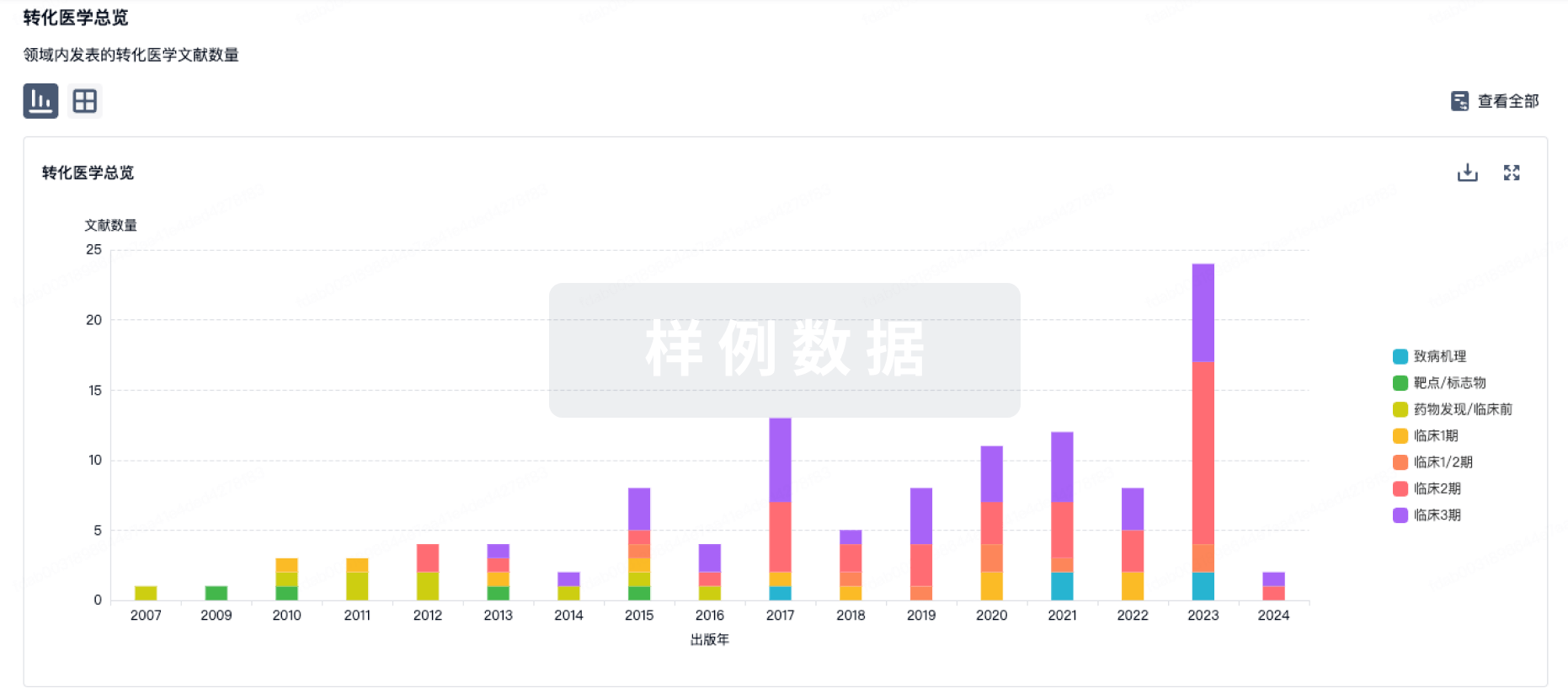
转化医学
使用我们的转化医学数据加速您的研究。
登录
或
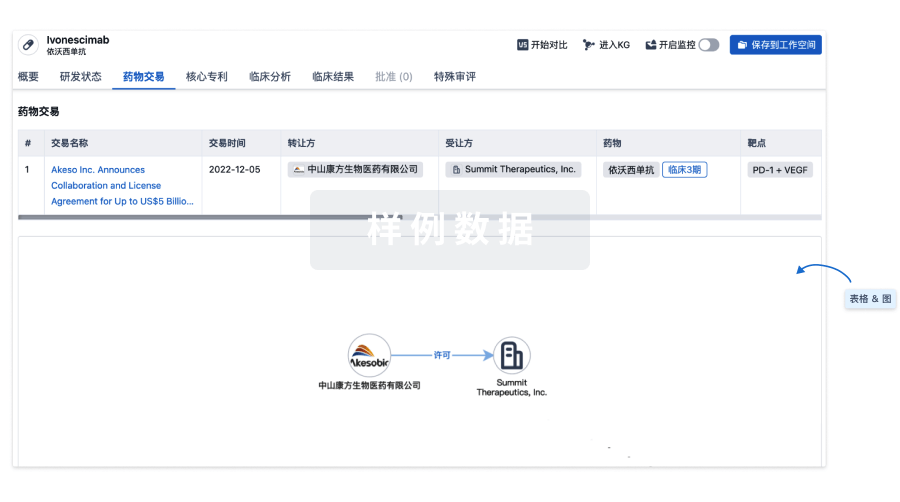
药物交易
使用我们的药物交易数据加速您的研究。
登录
或
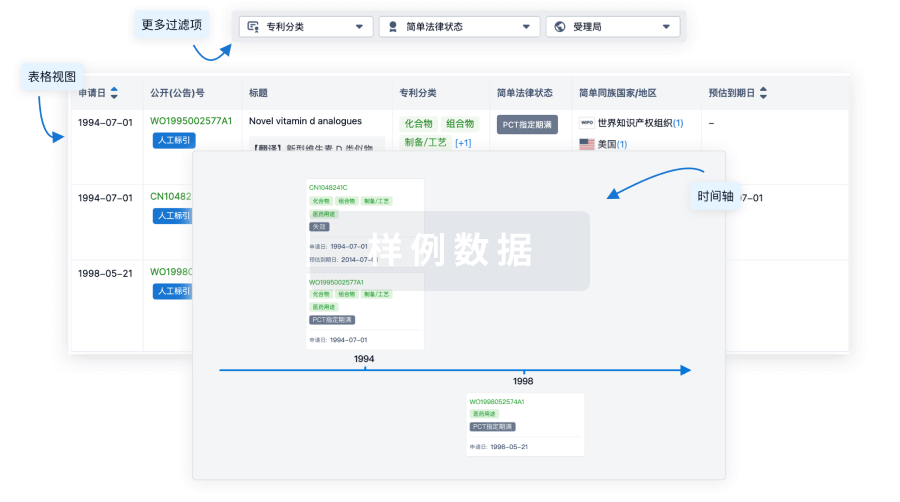
核心专利
使用我们的核心专利数据促进您的研究。
登录
或
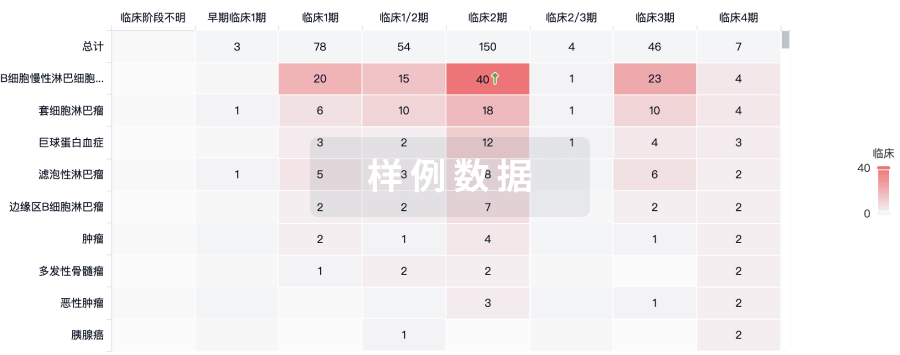
临床分析
紧跟全球注册中心的最新临床试验。
登录
或
批准
利用最新的监管批准信息加速您的研究。
登录
或
特殊审评
只需点击几下即可了解关键药物信息。
登录
或
提出任何生物医药研究问题
让每一步生物医药决策都精准制胜
基于十亿级生物数据与全球情报的精准 AI,赋能早期药物发现
立即开始免费试用!
智慧芽新药情报库是智慧芽专为生命科学人士构建的基于AI的创新药情报平台,助您全方位提升您的研发与决策效率。
立即接入生物医药数据包
智慧芽新药库数据也通过智慧芽开放平台,以MCP或API服务形式对外开放。立即使用我们的MCP服务定制您的LLM智能体。
生物序列数据库
生物药研发创新
免费使用
化学结构数据库
小分子化药研发创新
免费使用