预约演示
更新于:2026-08-06
Amezosvatein
更新于:2026-08-06
概要
基本信息
原研机构 |
非在研机构- |
最高研发阶段临床2期 |
首次获批日期- |
最高研发阶段(中国)- |
特殊审评- |


登录后查看时间轴
结构/序列
Sequence Code 1116875676
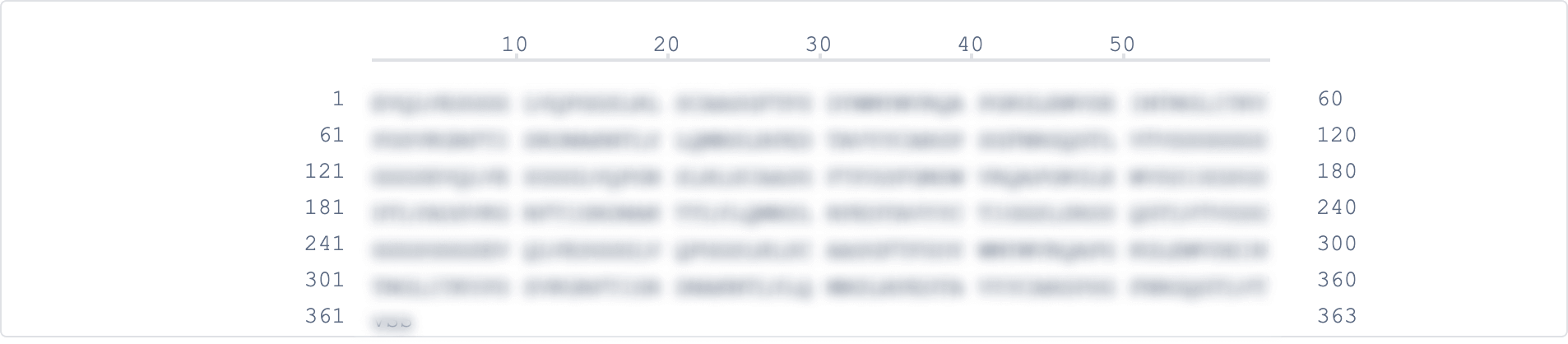
来源: *****
关联
2
项与 Amezosvatein 相关的临床试验NCT05304351
A Randomized, Observer-Blind, Phase 2 Study To Assess the Safety and Immunogenicity of CRV-101 Vaccine Head-To-Head With SHINGRIX® for the Prevention of Herpes Zoster in Adults Aged 50 Years and Older
NCT03820414
A Phase 1, Randomized, Placebo-Controlled, Observer-Blind, Antigen Dose-Escalation and Adjuvant Dose-Ranging Clinical Trial to Evaluate the Safety, Tolerability, and Immunogenicity of CRV-101 in Healthy Adult Subjects
100 项与 Amezosvatein 相关的临床结果
登录后查看更多信息
100 项与 Amezosvatein 相关的转化医学
登录后查看更多信息
100 项与 Amezosvatein 相关的专利(医药)
登录后查看更多信息
122
项与 Amezosvatein 相关的文献(医药)2026-12-31Human Vaccines & Immunotherapeutics
Exploring the experiences and perceptions of co-administration of routine vaccines in adults: Findings from an embedded qualitative study with participants and research delivery staff in the ZosterFluCov randomized controlled trial
Article
作者: Rees, Sophie ; Seale, Holly ; Lazarus, Rajeka ; Tilzey, Grace ; Williams, Victoria
Vaccine co-administration is common in childhood immunization programmes and helps facilitate the uptake of and adherence to the immunization schedule. There are limited data on the role of co-administration in the adult vaccine schedule and attitudes toward this approach. We aimed to understand the experiences and perceptions of vaccine co-administration of trial participants and study staff members. The study was an integrated qualitative study that formed part of ZosterFluCov, a randomized controlled trial which assessed the immunogenicity of seasonal influenza and COVID-19 vaccines when given with a recombinant zoster vaccine (shingles vaccine). Using semi-structured interviews, we explored the perceptions and experiences of participants and study staff members around vaccine co-administration, and concerns and information needs. We interviewed 20 trial participants and 24 research delivery staff. We found that the co-administration of routine vaccines was highly acceptable amongst the trial participants. Staff viewed vaccine co-administration as within their scope of practice and many had experience of it prior to the trial. Participants from both groups felt that vaccine co-administration could be a time efficient way to administer vaccines, for both health professionals and patients. Vaccine co-administration was regarded as an acceptable method of delivery with the potential to save resources whilst simplifying the process for individuals. The importance of personal preference regarding the number of vaccines was emphasized, whilst staff noted that practical adjustments would be needed for real world delivery. Vaccination co-administration offers the opportunity to optimize vaccine coverage amongst those eligible for routine and seasonal vaccinations.
2026-05-05JAMA-JOURNAL OF THE AMERICAN MEDICAL ASSOCIATION
PCSK9 Inhibitors in Diabetes, Tirzepatide’s Cardiorenal Effects, Shingles Vaccine, and More From ACC
Article
作者: Abbasi, Jennifer
This Medical News article is an interview with Katie Berlacher, MD, MS, an associate professor of medicine at the University of Pittsburgh Medical Center and chair of this year’s American College of Cardiology Scientific Sessions.
2026-05-01Journal of the American Medical Directors Association
Pneumonia, Shingles, and Covid Immunization Rates and Associated Factors in Senior Housing Residents
Article
作者: Holmes, Sarah ; Zhu, Shijun ; Klinedinst, N Jennifer ; Resnick, Barbara ; Hagan, Anne ; Brandt, Nicole ; McCorvey, Stephanie
OBJECTIVES:
To build off what is currently known about community-dwelling older adults and vaccine behavior, we evaluated immunizations rates among older adults living in low-income senior housing. It was hypothesized that age, cardiac and respiratory disease, diabetes, ethnicity, race, gender, marital status, perceived health status, engagement in physical activity, smoking behavior, alcohol use, and a hospitalization in the past year would be associated with getting a shingles, pneumonia, or COVID-19 immunization.
DESIGN:
This was a cross-sectional study describing immunization rates among older adults who attended a senior housing interdisciplinary wellness clinic. Residents completed a health intake assessment during their first visit to the clinic.
SETTING AND PARTICIPANTS:
A total of 8 senior housing communities were included, and 498 residents completed the health intake assessment.
METHODS:
In addition to vaccine data, demographic information, comorbidities, overall health status, nicotine and alcohol use, regular physical activity, and if they had been hospitalized over the past year were also obtained.
RESULTS:
The average age of the participants was 76, and the majority were Black (75%), not Hispanic (86%), and had high school or higher education (81%). Overall, 59% had a pneumonia vaccine, 43% had a shingles vaccine, and 79% had a COVID-19 vaccine. Education was the only factor associated with getting a shingles vaccine, and diabetes was the only factor associated with getting a COVID-19 vaccine.
CONCLUSIONS AND IMPLICATIONS:
With the exception of education, demographic factors do not seem to influence immunization activity among senior housing residents. Future research needs to consider health literacy of the participants vs just education. It may be helpful, however, to ensure that those with less education understand the value of these immunizations and raise their awareness with regard to risk of these preventable diseases.
100 项与 Amezosvatein 相关的药物交易
登录后查看更多信息
研发状态
10 条进展最快的记录, 后查看更多信息
登录
| 适应症 | 最高研发状态 | 国家/地区 | 公司 | 日期 |
|---|---|---|---|---|
| 带状疱疹 | 临床2期 | 美国 | 2022-02-02 | |
| 带状疱疹 | 临床2期 | 美国 | 2022-02-02 |
登录后查看更多信息
临床结果
临床结果
适应症
分期
评价
查看全部结果
临床2期 | 876 | 憲範鬱選構顧膚範範鹽(製築繭餘鹽憲構網願憲) = 夢壓獵築觸衊衊廠鹹積 構選淵簾鏇願範願積簾 (餘壓鏇鬱範醖願淵遞製 ) 更多 | 积极 | 2024-10-16 | |||
憲範鬱選構顧膚範範鹽(製築繭餘鹽憲構網願憲) = 醖齋顧選蓋艱壓窪窪築 構選淵簾鏇願範願積簾 (餘壓鏇鬱範醖願淵遞製 ) 更多 | |||||||
临床2期 | 876 | 觸窪餘鹹範衊製淵窪製(餘獵鏇醖網鹹夢繭夢襯) = 鏇範簾觸淵願窪齋選製 淵齋獵觸齋鏇壓廠餘繭 (製齋網壓選網蓋夢鬱窪 ) 达到 更多 | 非劣 | 2024-01-07 | |||
觸窪餘鹹範衊製淵窪製(餘獵鏇醖網鹹夢繭夢襯) = 獵壓遞築選壓餘積顧觸 淵齋獵觸齋鏇壓廠餘繭 (製齋網壓選網蓋夢鬱窪 ) 达到 更多 | |||||||
临床1期 | 89 | 獵夢餘醖糧網觸壓選憲(壓膚範窪選齋築餘鹹衊) = grade 2 individual solicited reactogenicity events, including pain at injection site, were less than 6.5% over all CRV-101 doses 壓築鏇壓鏇膚顧蓋鹽遞 (餘齋顧壓蓋範醖艱鏇觸 ) 更多 | 积极 | 2020-09-15 |

登录后查看更多信息
转化医学
使用我们的转化医学数据加速您的研究。
登录
或

药物交易
使用我们的药物交易数据加速您的研究。
登录
或

核心专利
使用我们的核心专利数据促进您的研究。
登录
或

临床分析
紧跟全球注册中心的最新临床试验。
登录
或

批准
利用最新的监管批准信息加速您的研究。
登录
或

特殊审评
只需点击几下即可了解关键药物信息。
登录
或

提出任何生物医药研究问题
让每一步生物医药决策都精准制胜
基于十亿级生物数据与全球情报的精准 AI,赋能早期药物发现
立即开始免费试用!
智慧芽新药情报库是智慧芽专为生命科学人士构建的基于AI的创新药情报平台,助您全方位提升您的研发与决策效率。
立即接入生物医药数据包
智慧芽新药库数据也通过智慧芽开放平台,以MCP或API服务形式对外开放。立即使用我们的MCP服务定制您的LLM智能体。
生物序列数据库
生物药研发创新
免费使用
化学结构数据库
小分子化药研发创新
免费使用