预约演示
更新于:2025-12-13

Contineum Therapeutics, Inc.
更新于:2025-12-13
概览
标签
其他疾病
神经系统疾病
免疫系统疾病
小分子化药
化学药
疾病领域得分
一眼洞穿机构专注的疾病领域

技术平台
公司药物应用最多的技术
靶点
公司最常开发的靶点
关联
靶点 |
作用机制 |
在研机构 |
原研机构 |
在研适应症 |
非在研适应症 |
最高研发阶段 |
首次获批国家/地区 |
首次获批日期 |
靶点 |
作用机制 |
在研机构 |
原研机构 |
在研适应症 |
非在研适应症 |
最高研发阶段 |
首次获批国家/地区 |
首次获批日期 |

靶点 |
作用机制 |
在研机构 |
原研机构 |
在研适应症 |
非在研适应症 |
最高研发阶段 |
首次获批国家/地区 |
首次获批日期 |
NCT06810245
A Phase 1b, Randomized, Double-Blind, Placebo-Controlled, Crossover Multicenter Study to Explore the Safety and Efficacy of Oral PIPE-791 as Treatment in Subjects With Chronic Osteoarthritis Pain (COAP) or Chronic Low Back Pain (CLBP)
NCT06683612
A Phase 1b, Open-label Study of PIPE-791 to Determine Brain and Lung Lysophosphatidic Acid Receptor 1 (LPA1) Occupancy, by [18F] PIPE-497 PET Imaging in Healthy Volunteers, Volunteers With Progressive Multiple Sclerosis, and Volunteers With Idiopathic Pulmonary Fibrosis
NCT06083753
A Phase 2, Randomized, Double-Blind, Placebo-Controlled, Dose-Ranging Multicenter Study to Evaluate the Safety and Efficacy of Oral PIPE-307 as an Adjunctive Treatment in Subjects With Relapsing-Remitting Multiple Sclerosis
100 项与 Contineum Therapeutics, Inc. 相关的临床结果
登录后查看更多信息
登录后查看更多信息
100 项与 Contineum Therapeutics, Inc. 相关的药物交易
登录后查看更多信息
100 项与 Contineum Therapeutics, Inc. 相关的转化医学
登录后查看更多信息
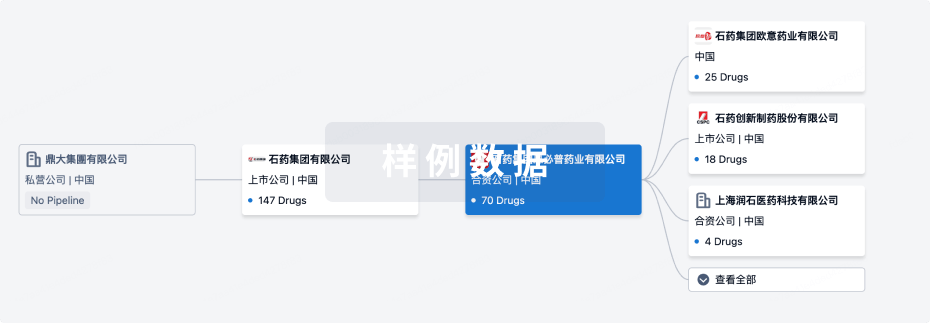
组织架构
使用我们的机构树数据加速您的研究。
登录
或
管线布局
2026年10月10日管线快照
管线布局中药物为当前组织机构及其子机构作为药物机构进行统计,早期临床1期并入临床1期,临床1/2期并入临床2期,临床2/3期并入临床3期
药物发现
1
3
临床前
临床1期
2
2
临床2期
其他
3
登录后查看更多信息
当前项目
登录后查看更多信息
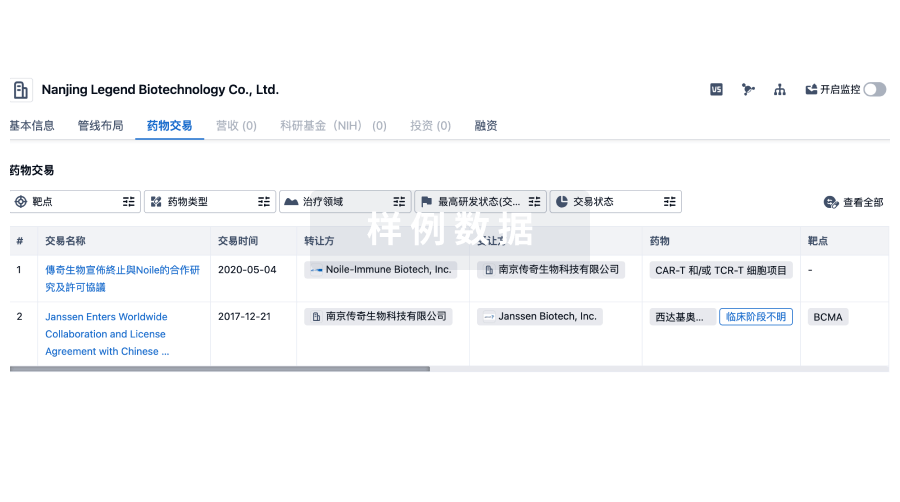
药物交易
使用我们的药物交易数据加速您的研究。
登录
或
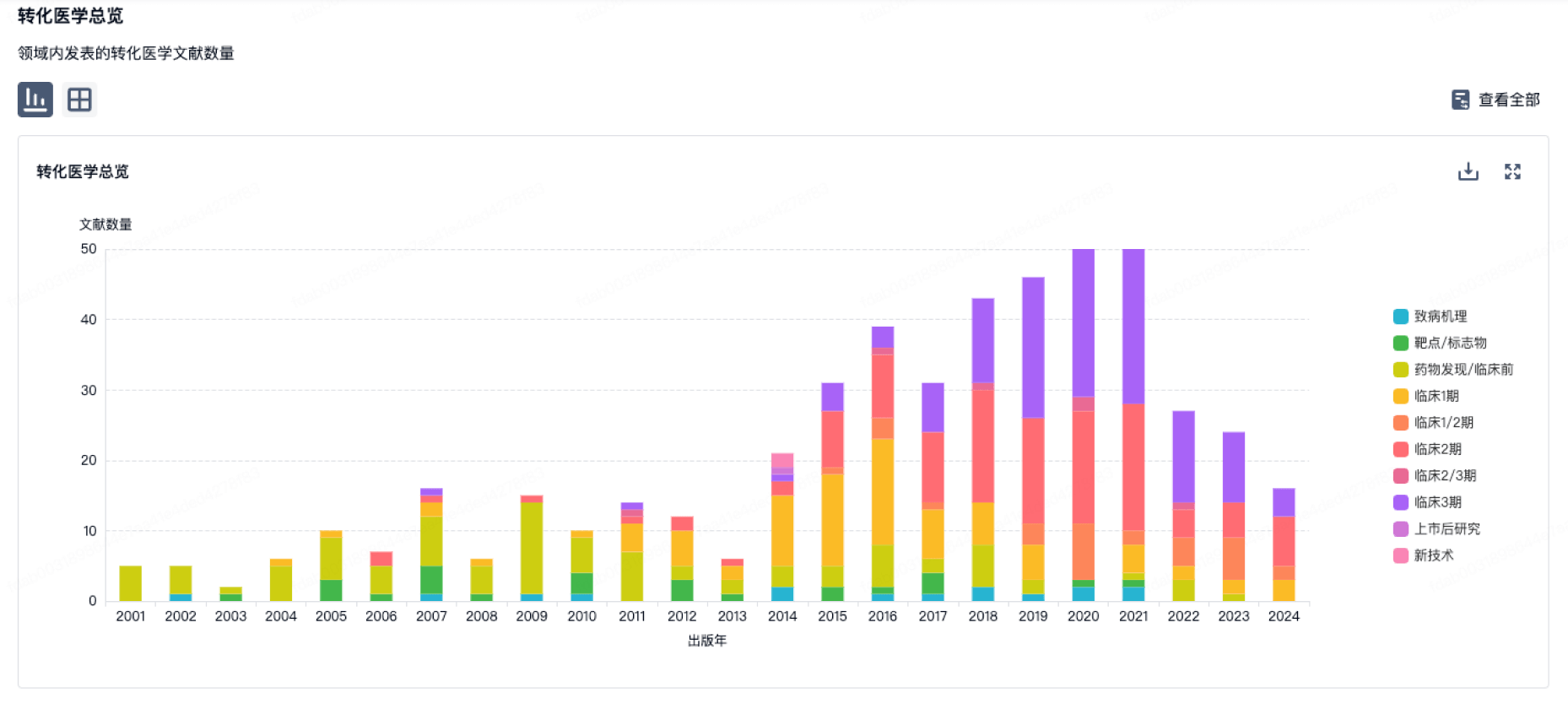
转化医学
使用我们的转化医学数据加速您的研究。
登录
或
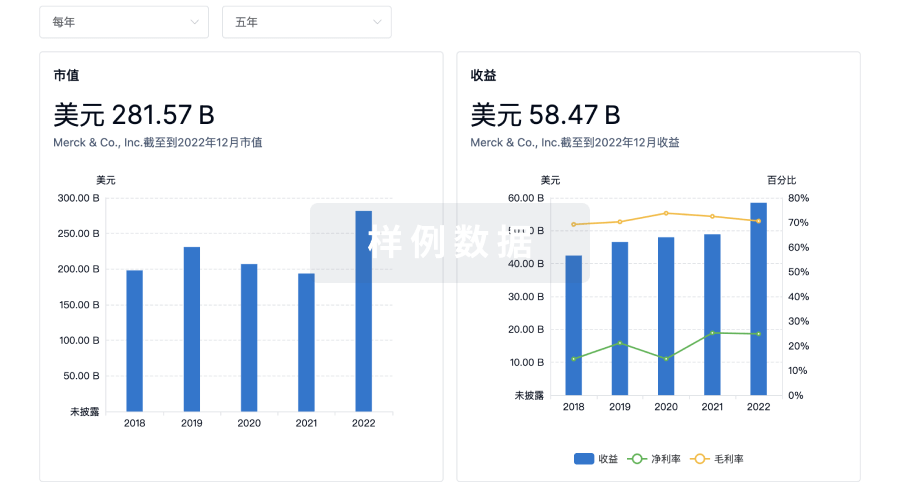
营收
使用 Synapse 探索超过 36 万个组织的财务状况。
登录
或
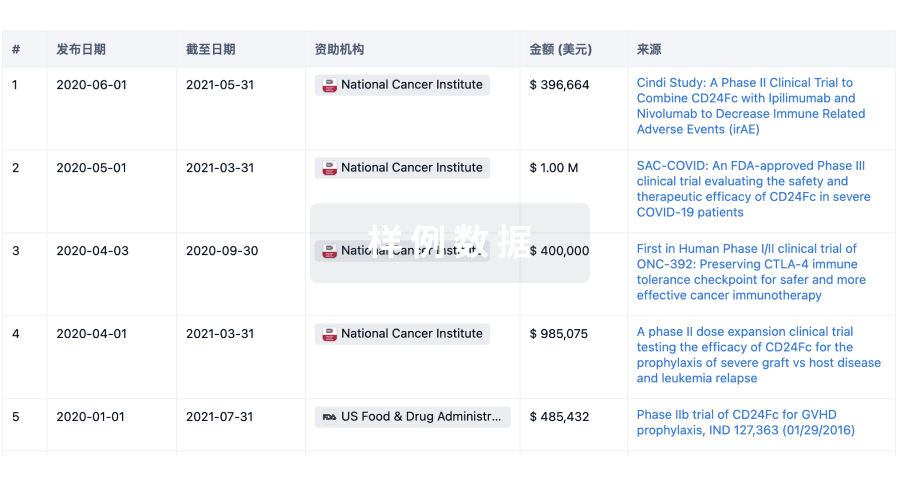
科研基金(NIH)
访问超过 200 万项资助和基金信息,以提升您的研究之旅。
登录
或
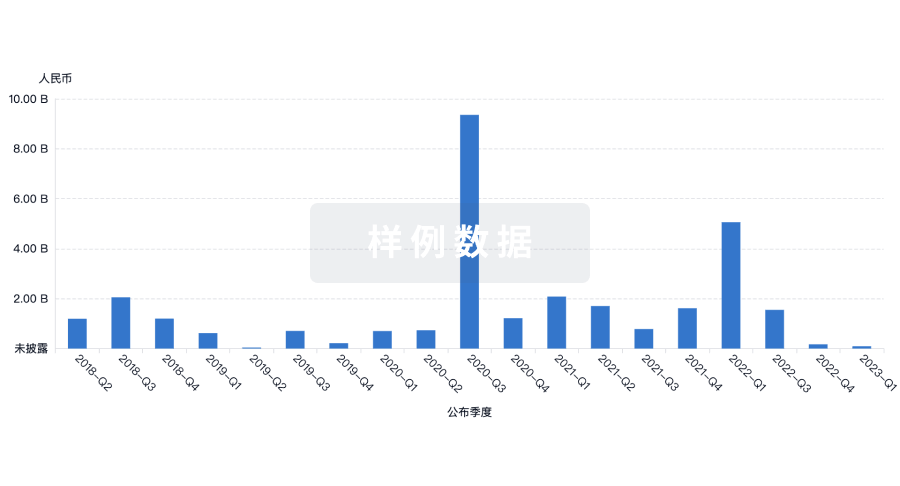
投资
深入了解从初创企业到成熟企业的最新公司投资动态。
登录
或
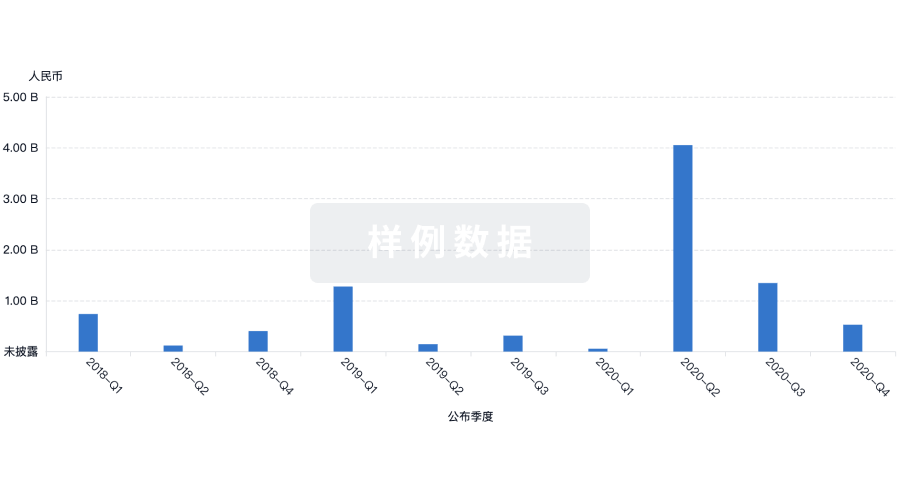
融资
发掘融资趋势以验证和推进您的投资机会。
登录
或
提出任何生物医药研究问题
让每一步生物医药决策都精准制胜
基于十亿级生物数据与全球情报的精准 AI,赋能早期药物发现
立即开始免费试用!
智慧芽新药情报库是智慧芽专为生命科学人士构建的基于AI的创新药情报平台,助您全方位提升您的研发与决策效率。
立即接入生物医药数据包
智慧芽新药库数据也通过智慧芽开放平台,以MCP或API服务形式对外开放。立即使用我们的MCP服务定制您的LLM智能体。
生物序列数据库
生物药研发创新
免费使用
化学结构数据库
小分子化药研发创新
免费使用