预约演示
更新于:2026-11-05

JSR Corp.
更新于:2026-11-05
概览
疾病领域得分
一眼洞穿机构专注的疾病领域

技术平台
公司药物应用最多的技术
靶点
公司最常开发的靶点
关联
靶点 |
作用机制 |
在研机构 |
原研机构 |
在研适应症 |
非在研适应症 |
最高研发阶段 |
首次获批国家/地区 |
首次获批日期 |

靶点 |
作用机制 |
在研机构 |
原研机构 |
在研适应症 |
非在研适应症 |
最高研发阶段 |
首次获批国家/地区 |
首次获批日期 |

靶点 |
作用机制 |
在研机构 |
原研机构 |
在研适应症 |
非在研适应症 |
最高研发阶段 |
首次获批国家/地区 |
首次获批日期 |


JPRN-UMIN000043945
Developmental relationships between the gut microbiome and biopsychological characteristics in human children and their mothers: A cross-sectional study
JPRN-UMIN000041135
Development of Artificial Intelligence (AI) to accelerate Drug Target discovery
JPRN-UMIN000022742
Clinical validation study of RAKSET-B, a multiple detection kit for BRAF and RAS gene mutations in colorectal cancer

100 项与 JSR Corp. 相关的临床结果
登录后查看更多信息
登录后查看更多信息
2026-11-01JOURNAL OF MOLECULAR GRAPHICS & MODELLING
Interaction geometry in hydrogen-bond donor–anion complexes: Acidity-dependent formation, fluctuation, and disruption
Article
作者: Doi, Takashi
The hexafluoroisopropyl alcohol (HFIP) group is a strong hydrogen-bond donor that governs interaction geometry in anion complexes. In this study, three model systems with different hydrogen-bond donor acidities-HFIP-substituted ethylbenzene, ethylphenol, and ethylbenzene-were investigated using density functional theory (DFT). Rather than relying on energy-based ranking, the analysis focuses on geometric formation, anchor-induced constraints, and geometric fluctuation. In the HFIP-substituted ethylbenzene system, a strong O-H···O hydrogen-bond anchor is formed, leading to convergence toward an anchor-dominated interaction geometry. The secondary C-H···O contacts exhibit only limited geometric variability around the anchor-dominated geometry. In the ethylphenol system, the anchor is retained but weaker, allowing reproducible secondary C-H···O interactions and limited structural variability. In contrast, in the ethylbenzene system, no primary anchor is formed, and multiple weak interactions produce dispersed interaction geometries without convergence toward a dominant structural regime. These results demonstrate that donor acidity governs the strength of anchor constraints and geometric tolerance, producing distinct interaction geometry regimes separated by geometric boundary regions.
2026-08-24JCI Insight
The molecular similarity landscape of preclinical cancer models to patient tumors
Article
作者: Liu, Hengyuan ; Guo, Sheng ; Wang, Jingjing ; Qian, Wubin ; Mao, Binchen ; Chen, Xiaobo ; Xue, Jia ; Xie, Zixuan
Selecting appropriate preclinical models is fundamental for translational oncology, yet a large-scale, multi-omic quantitative comparison of their similarity to primary human tumors is lacking. To address this, we integrated transcriptomic, proteomic, and genomic profiles from over 10,000 primary tumors from The Cancer Genome Atlas (TCGA) and the Clinical Proteomic Tumor Analysis Consortium (CPTAC), alongside 4,000 preclinical models. Using a robust computational framework, we revealed a clear hierarchy of transcriptomic and proteomic similarity to patient tumors: with patient-dervied xenografts (PDXs) having greater transcriptomic and proteomic similarity to patient tumors (>) compared with patient-derived organoids (PDOs), which are equal in hierarchy to that of PDX-dervied organoids (PDXOs) > cell lines. We also quantified high molecular conservation (Pearson correlation coefficient = 0.96) across paired in vitro to in vivo platform (organoids to PDX) transitions. Furthermore, genomic analysis demonstrated that whole-exome sequencing (WES) outperforms RNA-seq in detecting DNA variants, and it identified a clonal complexity hierarchy (cell lines > PDXOs > PDXs > PDOs) reflecting the effect of passaging history on intratumor heterogeneity. Ultimately, this study delivers a comprehensive quantitative benchmark, establishing a population-level hierarchy of molecular similarity between preclinical models and primary tumors and providing a data-driven reference for model selection. These findings offer a data-driven framework for selecting models that balance biological representativeness with experimental practicality.
2026-07-14PROCEEDINGS OF THE NATIONAL ACADEMY OF SCIENCES OF THE UNITED STATES OF AMERICA
Localized sample-based quantum diagonalization for strongly correlated chemistry
Article
作者: Wang, Qiaohong ; D’Cunha, Ruhee ; Sung, Kevin J. ; Jones, Gavin O. ; Kawashima, Yukio ; Hermes, Matthew R. ; Motta, Mario ; Gagliardi, Laura ; Ohnishi, Yu-ya ; Gujarati, Tanvi
We develop a hybrid quantum-classical workflow combining sample-based quantum diagonalization (SQD) and the localized active space self-consistent field method (LASSCF) to solve for the ground states of transition-metal complexes, a longstanding challenge for both classical and quantum algorithms. The resulting approach, named LASSQD, integrates quantum sampling with fragment-based multireference theory to reduce the computational cost of solving strongly correlated active spaces. We test LASSQD on multiple iron-based complexes and demonstrate that it agrees with LASSCF within 1 kcal/mol, albeit at a much reduced computational cost. The cost reduction originates from the use of a sparse approximation of the exact and combinatorially large ground-state wavefunction, which also enables LASSQD to treat fragment sizes that are computationally inaccessible to LASSCF, as demonstrated by our computation of the spin gap of iron-porphyrin. These results establish that LASSQD is a scalable strategy for generating reliable multireference wave functions, providing a robust starting point for post-SCF correlation methods that recover dynamic correlation beyond the active space, and a promising pathway toward quantum-enhanced electronic structure calculations.
2026-11-03
抗体药物偶联物疫苗基因疗法信使RNA
2026-11-02
抗体药物偶联物疫苗引进/卖出核酸药物
100 项与 JSR Corp. 相关的药物交易
登录后查看更多信息
100 项与 JSR Corp. 相关的转化医学
登录后查看更多信息
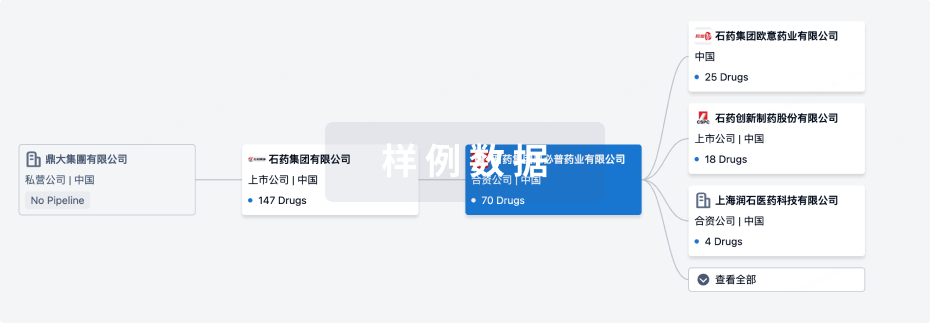
组织架构
使用我们的机构树数据加速您的研究。
登录
或
管线布局
2026年11月25日管线快照
管线布局中药物为当前组织机构及其子机构作为药物机构进行统计,早期临床1期并入临床1期,临床1/2期并入临床2期,临床2/3期并入临床3期
临床前
6
1
批准上市
其他
6
登录后查看更多信息
当前项目
登录后查看更多信息
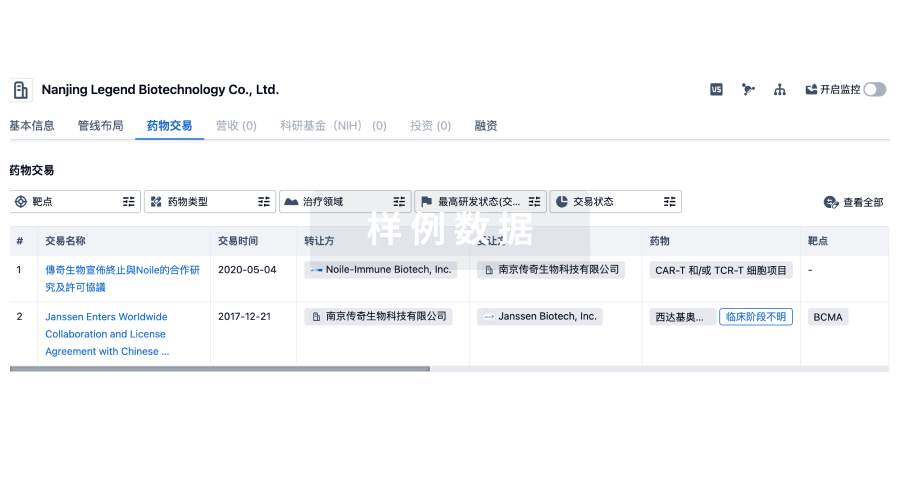
药物交易
使用我们的药物交易数据加速您的研究。
登录
或
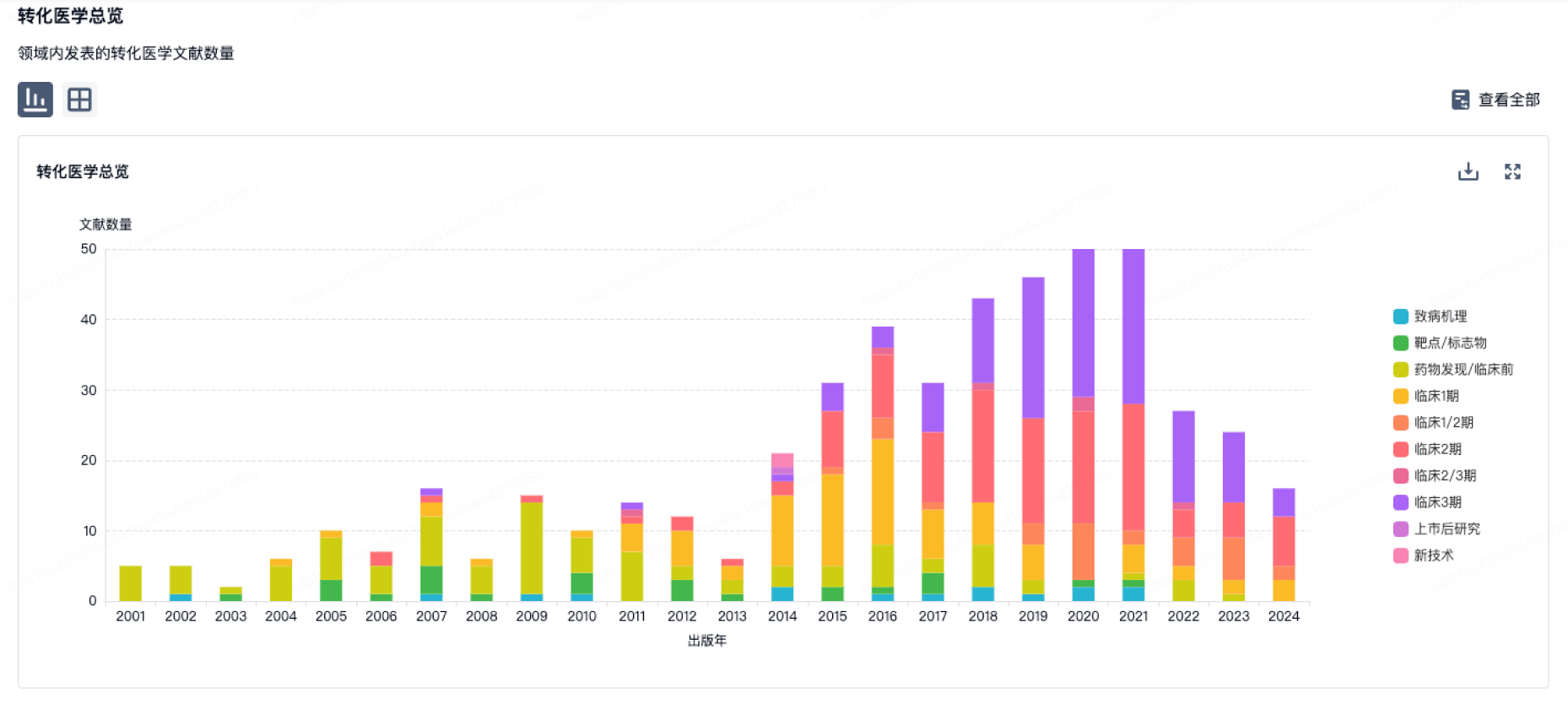
转化医学
使用我们的转化医学数据加速您的研究。
登录
或
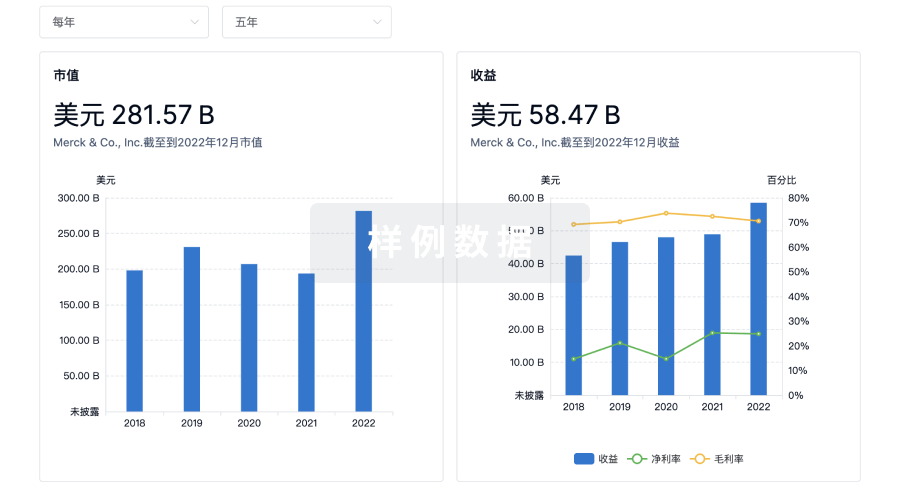
营收
使用 Synapse 探索超过 36 万个组织的财务状况。
登录
或
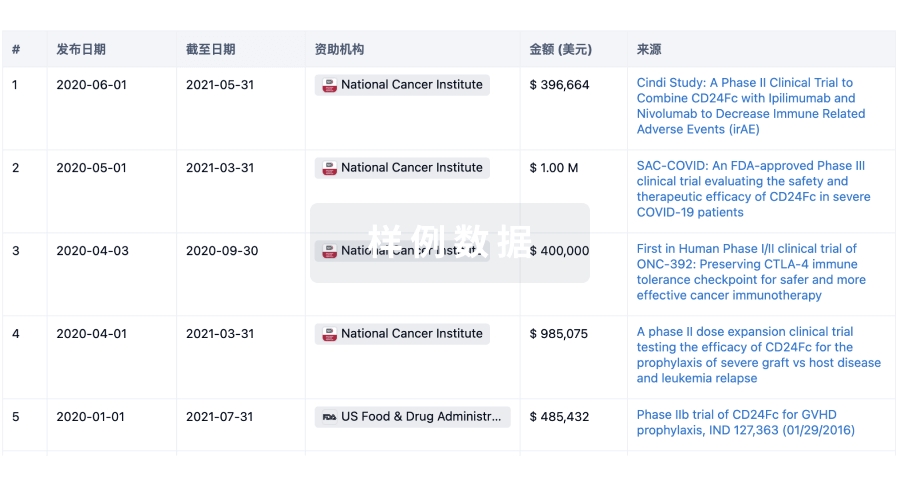
科研基金(NIH)
访问超过 200 万项资助和基金信息,以提升您的研究之旅。
登录
或
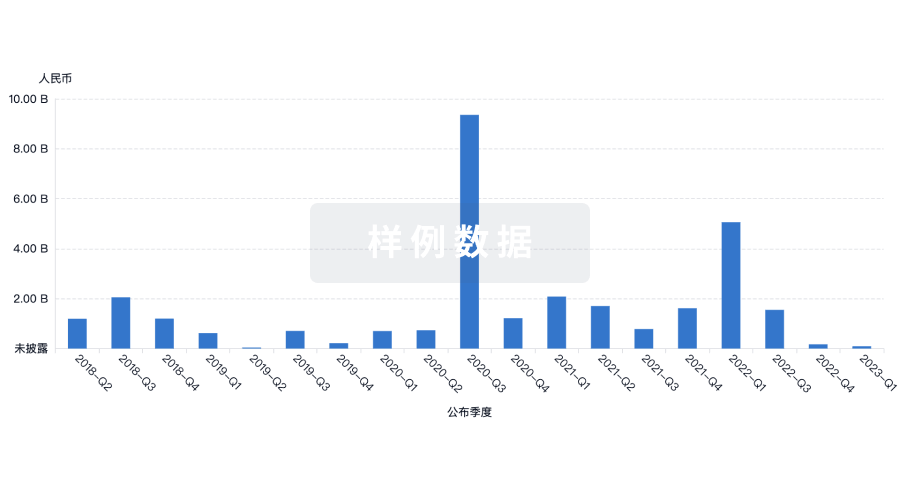
投资
深入了解从初创企业到成熟企业的最新公司投资动态。
登录
或
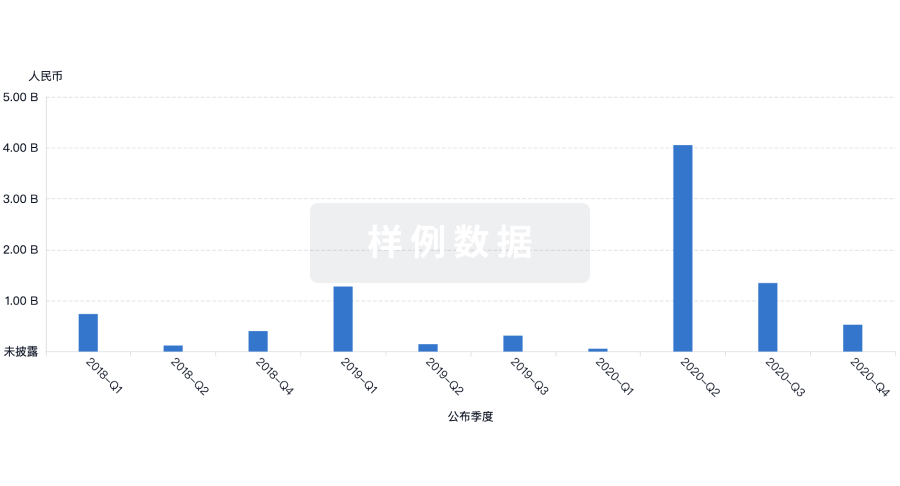
融资
发掘融资趋势以验证和推进您的投资机会。
登录
或
提出任何生物医药研究问题
让每一步生物医药决策都精准制胜
基于十亿级生物数据与全球情报的精准 AI,赋能早期药物发现
立即开始免费试用!
智慧芽新药情报库是智慧芽专为生命科学人士构建的基于AI的创新药情报平台,助您全方位提升您的研发与决策效率。
立即接入生物医药数据包
智慧芽新药库数据也通过智慧芽开放平台,以MCP或API服务形式对外开放。立即使用我们的MCP服务定制您的LLM智能体。
生物序列数据库
生物药研发创新
免费使用
化学结构数据库
小分子化药研发创新
免费使用