预约演示
更新于:2026-06-16

Liaocheng University
更新于:2026-06-16
概览
标签
肿瘤
感染
其他疾病
小分子化药
小分子偶联药物
化学药
疾病领域得分
一眼洞穿机构专注的疾病领域

技术平台
公司药物应用最多的技术
靶点
公司最常开发的靶点
关联
靶点 |
作用机制 |
在研机构 |
原研机构 |
在研适应症 |
非在研适应症 |
最高研发阶段 |
首次获批国家/地区 |
首次获批日期 |
靶点 |
作用机制 |
在研机构 |
原研机构 |
在研适应症 |
非在研适应症 |
最高研发阶段 |
首次获批国家/地区 |
首次获批日期 |
靶点 |
作用机制 |
在研机构 |
原研机构 |
在研适应症 |
非在研适应症 |
最高研发阶段 |
首次获批国家/地区 |
首次获批日期 |
100 项与 聊城大学 相关的临床结果
登录后查看更多信息
登录后查看更多信息
2026-12-01Food Science of Animal Resources
Impact of dietary soybean and linseed oils on the lipid and volatile compound profiles of donkey milk
Article
作者: Du, Xinyi ; Ren, Wei ; Sun, Lingyun ; Wang, Changfa ; Khan, Muhammad Zahoor ; Meng, Lu ; Li, Mengmeng
Dietary oils significantly influence the modification of milk lipid profiles and volatile compounds (VOCs). In this study, donkeys were fed varying ratios of soybean oil to linseed oil, and the milk were analyzed for lipids and VOCs. A total of 1,167 lipid species were detected in donkey milk, belongs to 20 sub-classes. Sixty-four different lipids were screened and were most relevant to glycerophospholipid metabolism and linoleic acid metabolism. The level of C18:3 increased with higher linseed oil supplementation. In addition, 406 VOCs were identified in donkey milk, categorized into 15 sub-classes, mainly 80 hydrocarbons and 56 heterocyclic compounds. Eighty-nine differential VOCs were identified, mainly heterocyclic compounds, hydrocarbons, and alcohols. These VOCs were characterized by fruity, oily, grassy, and sweet aromas. A 2:3 dietary ratio of soybean oil to linseed oil significantly enhances the lipid quality and modulates the profile of VOCs in donkey milk. This study provides comprehensive insights on the impact of soybean and linseed oils blends on the lipid and VOC profiles, improving donkey milk's nutritional quality.
2026-08-01SPECTROCHIMICA ACTA PART A-MOLECULAR AND BIOMOLECULAR SPECTROSCOPY
Investigation of in vitro antibacterial, antiglycation, and antioxidant activities of selamectin/chlorogenic acid system and their interaction with immunoglobulin G
Article
作者: Liu, Min ; Guo, Yu ; Zhang, Qian ; Fang, Hongying ; Xing, Feiyue ; Liu, Jie ; Jiang, Hanlu ; Su, Ziwen
The interaction mechanism between chlorogenic acid (CGA) and/or selamectin (SEI) and immunoglobulin G (IgG) was studied by multispectral techniques and molecular docking, and the effect of the complex formation on the protein's functional properties was then evaluated. The results showed that CGA or SEI binds to the different site on IgG chain through different binding forces, which induces different influence on the protein's secondary structure. The interaction of IgG with CGA is higher than that of IgG with SEI due to the multiple hydroxyl groups, the flexible and compact structure of CGA. When two drugs coexist, the pre-added drug can all decrease the interaction intensity between the subsequently added drug and IgG. The results of the biological activity experiments showed that CGA exhibits excellent antioxidant and antidiabetic activities, while SEI displays excellent antibacterial and antidiabetic performance. These biological activities were affected in varying degrees by the drug combination and the related complex formation with IgG. In addition, the antiviral potential of CGA and SEI was preliminary predicted by molecular docking, and their strong binding to SARS-CoV-2 main protease (Mpro) may indicate the good antiviral activity of the drug combination. It is expected to provide theoretical support for developing more efficient antibacterial and antiviral drugs by the results of this research, and for rational drug co-administration in treating specific diseases.
2026-07-01ANALYTICAL BIOCHEMISTRY
Comparative proteomic analysis of donkey milk extracellular vesicles isolated by ultracentrifugation and ultrafast isolation systems
Article
作者: Li, Shuhuan ; Liu, Yihong ; Khan, Muhammad Zahoor ; Wang, Menghan ; Xiang, Fokun ; Wang, Changfa ; Li, Yan ; Ma, Qingshan ; Zhang, Xinyue ; Liu, Junjie
Milk-derived extracellular vesicles (MEVs) modulate metabolic and immune processes. Donkey milk, given its compositional similarity to human milk and documented bioactivities-including antioxidant, anti-inflammatory, and anti-cancer properties-represents a promising source for therapeutically relevant EVs. However, standardized protocols for efficient donkey milk EVs isolation remain limited. This study compared two isolation methods for donkey milk EVs: conventional ultracentrifugation (UC) and the ultrafast isolation system EXODUS (DUS). We systematically evaluated MEV morphology, particle size distribution, and marker protein expression profiles. Subsequently, we performed comprehensive proteomic characterization using 4D label-free quantitative proteomics. Both isolation methods yielded MEVs with characteristic spherical or elliptical membrane structures. UC-isolated MEVs showed significantly higher particle concentrations compared to DUS-isolated vesicles; however, UC extraction introduced polymer precipitates and protein particle contaminants. Proteomic analysis identified 1220 proteins across both isolation methods. Gene Ontology annotation revealed distinct protein enrichment patterns: DUS-isolated MEVs showed enhanced representation of proteins associated with extracellular regions, extracellular matrix, and extracellular exosomes, while UC-isolated MEVs were enriched in proteins related to GTP binding, GTPase activity, and early endosome functions. These findings suggest that DUS extraction preserves greater MEV structural integrity. KEGG pathway enrichment analysis demonstrated that differentially expressed proteins from each extraction method exhibit distinct biological functionalities. These findings reveal that DUS extraction preserves superior structural integrity and functional capacity, while UC provides higher yield at the cost of increased contamination. This systematic framework enables researchers to align extraction strategy with specific applications, advancing both fundamental investigation of donkey milk bioactivities and industrial-scale production of therapeutically relevant EVs.
100 项与 聊城大学 相关的药物交易
登录后查看更多信息
100 项与 聊城大学 相关的转化医学
登录后查看更多信息
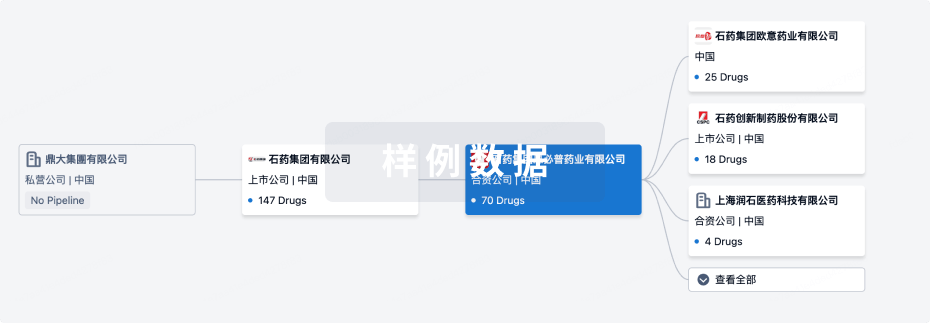
组织架构
使用我们的机构树数据加速您的研究。
登录
或
管线布局
2026年09月12日管线快照
管线布局中药物为当前组织机构及其子机构作为药物机构进行统计,早期临床1期并入临床1期,临床1/2期并入临床2期,临床2/3期并入临床3期
药物发现
9
10
临床前
登录后查看更多信息
当前项目
登录后查看更多信息
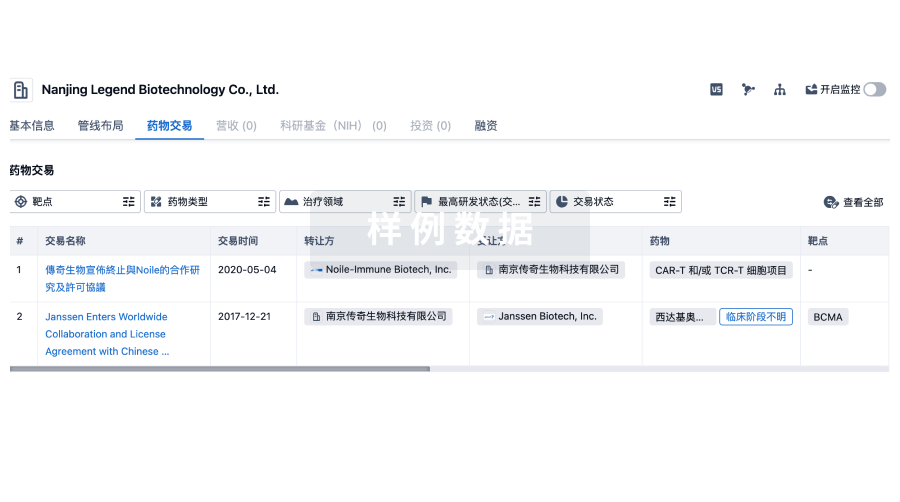
药物交易
使用我们的药物交易数据加速您的研究。
登录
或
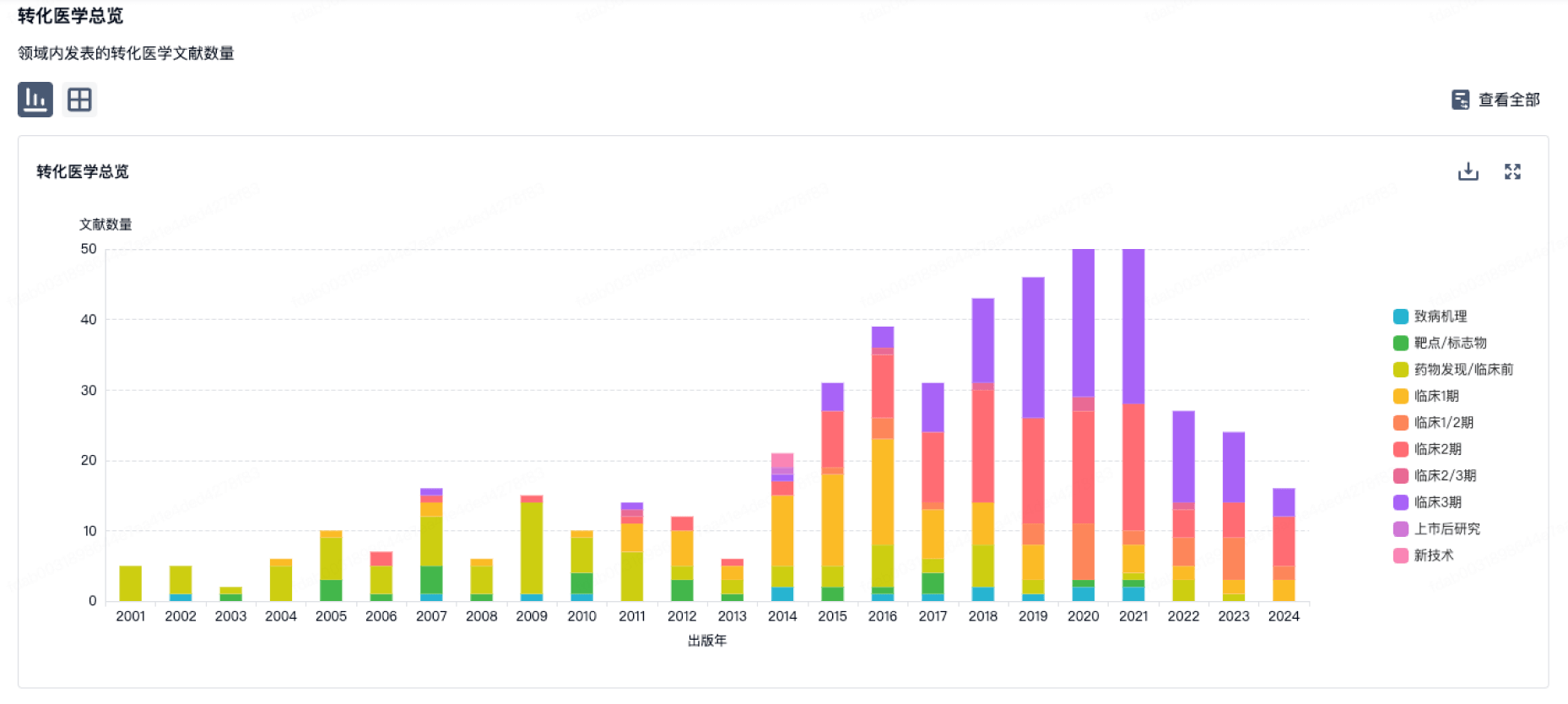
转化医学
使用我们的转化医学数据加速您的研究。
登录
或
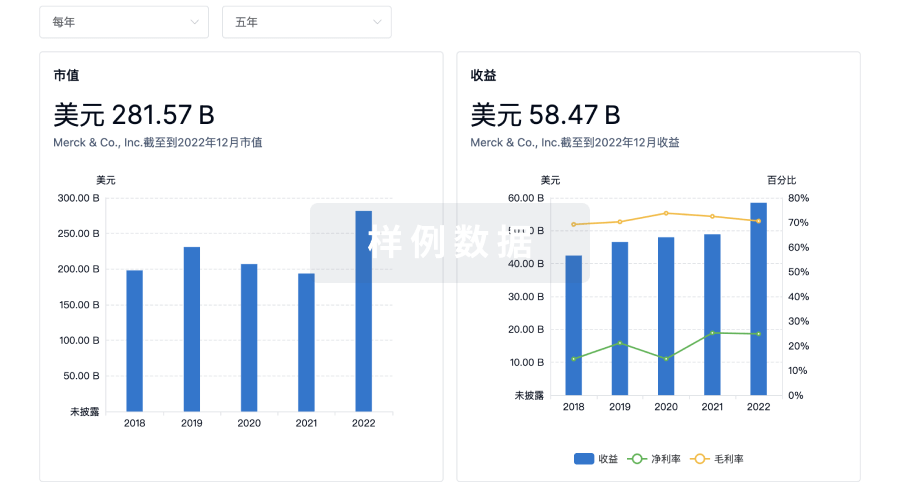
营收
使用 Synapse 探索超过 36 万个组织的财务状况。
登录
或
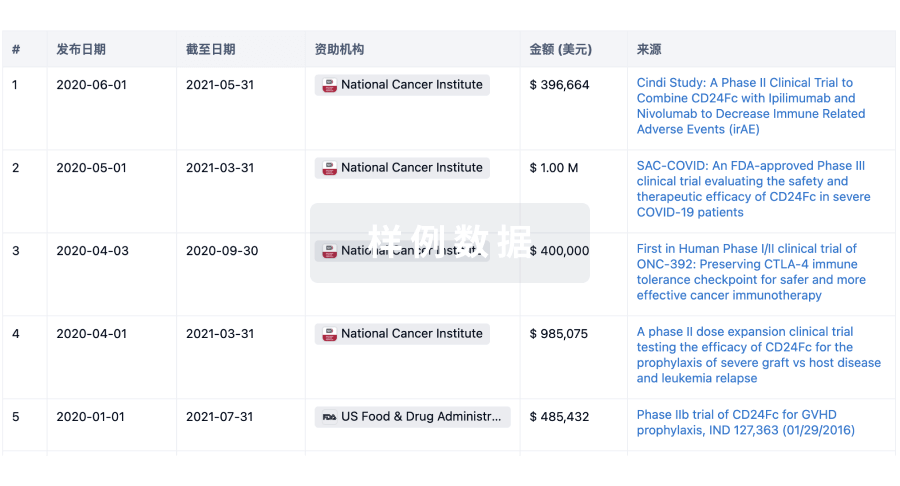
科研基金(NIH)
访问超过 200 万项资助和基金信息,以提升您的研究之旅。
登录
或
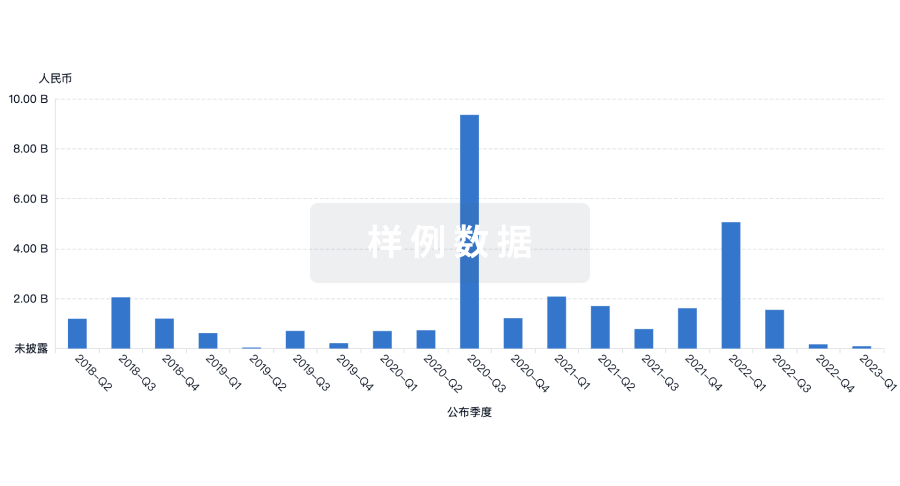
投资
深入了解从初创企业到成熟企业的最新公司投资动态。
登录
或
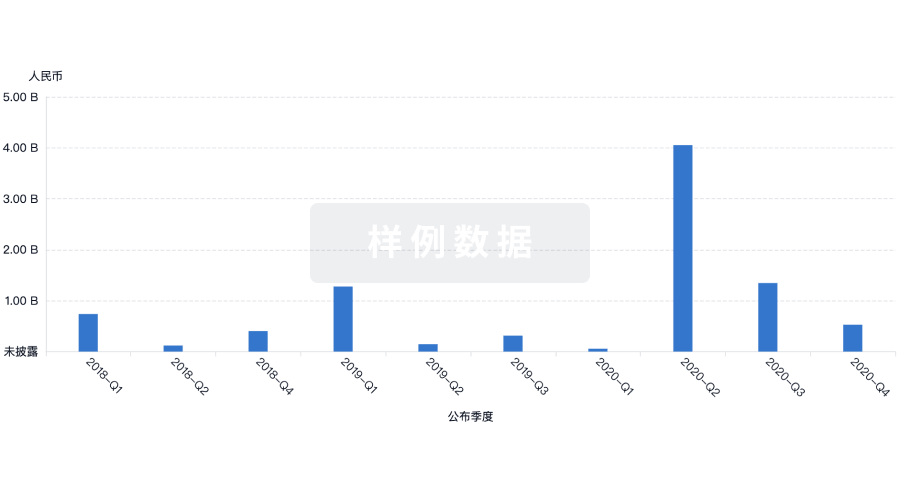
融资
发掘融资趋势以验证和推进您的投资机会。
登录
或
提出任何生物医药研究问题
让每一步生物医药决策都精准制胜
基于十亿级生物数据与全球情报的精准 AI,赋能早期药物发现
立即开始免费试用!
智慧芽新药情报库是智慧芽专为生命科学人士构建的基于AI的创新药情报平台,助您全方位提升您的研发与决策效率。
立即接入生物医药数据包
智慧芽新药库数据也通过智慧芽开放平台,以MCP或API服务形式对外开放。立即使用我们的MCP服务定制您的LLM智能体。
生物序列数据库
生物药研发创新
免费使用
化学结构数据库
小分子化药研发创新
免费使用