预约演示
更新于:2026-10-28

概览
标签
内分泌与代谢疾病
其他疾病
神经系统疾病
小分子化药
疾病领域得分
一眼洞穿机构专注的疾病领域

技术平台
公司药物应用最多的技术
靶点
公司最常开发的靶点
关联
靶点 |
作用机制 |
在研机构 |
原研机构 |
在研适应症 |
非在研适应症 |
最高研发阶段 |
首次获批国家/地区 |
首次获批日期 |


靶点 |
作用机制 |
在研机构 |
原研机构 |
在研适应症 |
非在研适应症 |
最高研发阶段 |
首次获批国家/地区 |
首次获批日期 |
靶点 |
作用机制 |
在研机构 |
原研机构 |
在研适应症 |
非在研适应症 |
最高研发阶段 |
首次获批国家/地区 |
首次获批日期 |
NCT06575855
Comparative Effectiveness of Instrument Assisted Soft Tissue Mobilization IASTM and Muscle Energy Technique MET on Post Operative Elbow Stiffness
NCT05389943
The Effect of Vitamin D3 Therapy in Post Menopausal Women and Assessment of Changes in Bone Mineral Density
NCT04810117
Monitoring the Patterns of IgG/IgM Antibodies in Asymptomatic/Symptomatic COVID-19 Patients
100 项与 University of Sargodha 相关的临床结果
登录后查看更多信息
登录后查看更多信息
2027-01-01SPECTROCHIMICA ACTA PART A-MOLECULAR AND BIOMOLECULAR SPECTROSCOPY
Fluorescent biosensing of glucose and ATP in biological systems: Photophysical mechanisms and AI-assisted probe design
Review
作者: Hussain, Abrar ; Akhter, Shahzaib ; Shahzad, Khurram ; Park, Sang Hyun ; Shahid, Uswa
Glucose and adenosine triphosphate (ATP) are essential metabolic biomarkers involved in cellular energy regulation, physiological homeostasis, and disease progression. Accurate and real-time detection of these molecules is therefore critically important in biological and biomedical research. Although conventional analytical techniques provide excellent sensitivity and accuracy, their dependence on sophisticated instrumentation and extensive sample preparation limits their application in continuous and point-of-care monitoring. Fluorescence spectroscopy has emerged as a powerful analytical approach due to its high sensitivity, rapid response, tunable photophysical properties, and compatibility with biological imaging and real-time monitoring. This review critically examines recent advances in fluorescent probes and optical biosensing platforms for glucose and ATP detection. It places particular emphasis on the relationship between molecular probe design, photophysical behavior, and sensing performance. Major fluorescence transduction mechanisms, including photoinduced electron transfer (PET), intramolecular charge transfer (ICT), Förster resonance energy transfer (FRET), and aggregation-induced emission (AIE), are discussed in terms of their excited-state dynamics and spectroscopic characteristics. Representative sensing platforms are comparatively evaluated based on detection limit, linear dynamic range, selectivity, response time, and performance in complex biological matrices. Current challenges associated with signal interference, probe photostability, biocompatibility, and limited in vivo applicability are highlighted. Furthermore, emerging computational and data-driven approaches, including TD-DFT calculations, HOMO-LUMO analysis, machine learning (ML), and artificial intelligence (AI)-assisted photophysical prediction, are discussed as promising tools for rational probe optimization and mechanistic understanding. Overall, this review provides mechanistic and computational insights into the design of fluorescent probes and biosensing platforms, offering a critical framework for advancing next-generation optical biosensing systems with enhanced sensitivity, selectivity, and in vivo applicability.
2027-01-01JOURNAL OF MOLECULAR GRAPHICS & MODELLING
Analytical First Principles Investigation of rare earth spinel chalcogenides BaGd2X4 (X = S, Se) to explore the varying DFT potentials impacts on mechanical, optoelectronic, thermoelectric and thermodynamic response of the materials
Article
作者: Ahsan, Muhammad ; Ali, Kashif ; Mubashar, Saba ; Yasir, Muhammad Ammar ; Saeed, Usman ; Bourezgui, Aymen
The properties of rare-earth spinel chalcogenides depend strongly on how exchange-correlation and relativistic effects are treated. Here, the stability and the mechanical, electronic, magnetic, optical, thermoelectric and thermodynamic properties of the cubic (Fd-3m) spinels BaGd2X4 (X = S, Se) are investigated using the FP-LAPW method. The electronic and transport responses are compared under five schemes: GGA, GGA + mBJ, GGA + SOC, GGA + U and GGA + SOC + U. Negative formation energies (-2.43 and -2.13 eV/atom), a ferromagnetic ground state below two antiferromagnetic configurations, and elastic constants satisfying the Born criteria confirm stability. Pugh (4.60, 4.67) and Poisson (0.39, 0.40) ratios indicate ductility. Both compounds remain spin-polarised semiconductors under every scheme. The Hubbard term (U_eff = 6.6 eV on Gd-4f) widens the gaps to 1.60 eV (BaGd2S4) and 1.40 eV (BaGd2Se4), whereas SOC narrows them to 1.04 and 0.71 eV, with the Se compound more sensitive to relativistic corrections. The total moment of 28 μB per cell is carried mainly by Gd3+ (≈6.9 μB) and is unchanged by SOC and U, consistent with the half-filled 4f7 shell. The optical spectra (0-8 eV) show an absorption onset near 1 eV, a static refractive index of 2.3-3.7 depending on the scheme, and strongest absorption at 6-7.5 eV. Boltzmann transport gives positive Seebeck coefficients of about 250 μV/K at 300 K, indicating p-type conduction. Slack's model yields lattice thermal conductivities of ≈0.07 and ≈ 0.26 W m-1 K-1 at 300 K. Quasi-harmonic analysis (0-8 GPa, 200-800 K) shows the Debye temperature rising with pressure. These findings identify BaGd2X4 as candidate p-type thermoelectric and ultraviolet optoelectronic materials.
2026-12-01MOLECULAR BIOLOGY REPORTS
Molecular mechanisms of cardioprotection: biomarkers, signaling pathways, and emerging molecular signatures in cardiovascular disease
Review
作者: Khalid, Maryam ; Zaheer, Laveeza ; Nazar, Sumaira ; Hussain, Misbah ; Khursheed, Muhammad Ammad ; Ahmad, Taseer ; Amir, Minahil
Cardiovascular diseases (CVDs) are the leading cause of worldwide mortality, with myocardial infarction (MI) being one of the most significant clinical indicators. Around 85% of the 17.9 million cardiovascular deaths are due to heart attack and stroke. This comprehensive review focuses on cardiac biomarkers and cardioprotection signaling pathways. This review describes key cardioprotective signaling pathways, including PKCε, RISK (Reperfusion Injury Salvage Kinase), MAPK, NO/cGMP/PKG, and SAFE (Survivor Activating Factor Enhancement), which work together to regulate cardiovascular functions, prevent cellular death, and maintain mitochondrial stability. The physiology of heart injury is examined through the complex interactions of inflammatory processes, necrotic transmissions, self-destruction, and oxidative stress, with particular attention to mitochondrial dysfunction, reactive oxygen species (ROS), and NLRP3 inflammasome activation. A thorough review of traditional and innovative cardiac biomarkers is provided, including long non-coding RNAs, microRNAs (e.g., miR-21, miR-486-5p, miR-126), creatine kinase-MB (CK-MB), cardiac troponins (cTnI/cTnT), inflammatory markers (CRP, IL-6, TNF-α), and natriuretic peptides (BNP/NT-pro BNP). A broad discussion of these novel biomarkers covers their applications in prognosis, screening, and medical assessment, emphasizing their roles in risk evaluation, early detection, and personalized therapy plans. This study offers an extensive perspective on cardiac protection, integrating clinical applications with physiological mechanisms to promote precise cardiovascular treatment and improve patient outcomes.
100 项与 University of Sargodha 相关的药物交易
登录后查看更多信息
100 项与 University of Sargodha 相关的转化医学
登录后查看更多信息
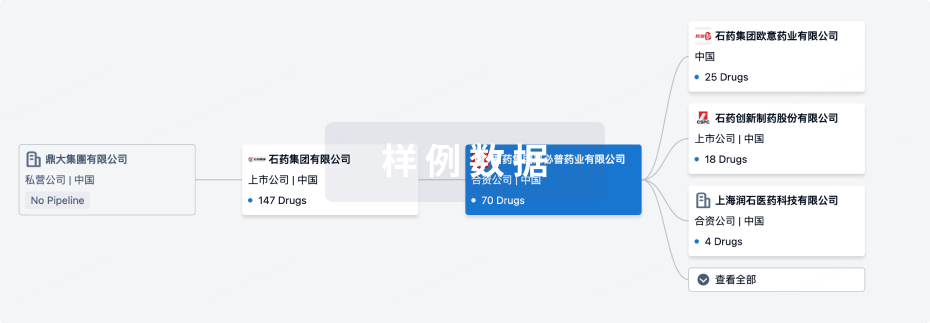
组织架构
使用我们的机构树数据加速您的研究。
登录
或
管线布局
2026年10月30日管线快照
管线布局中药物为当前组织机构及其子机构作为药物机构进行统计,早期临床1期并入临床1期,临床1/2期并入临床2期,临床2/3期并入临床3期
临床前
10
登录后查看更多信息
当前项目
登录后查看更多信息
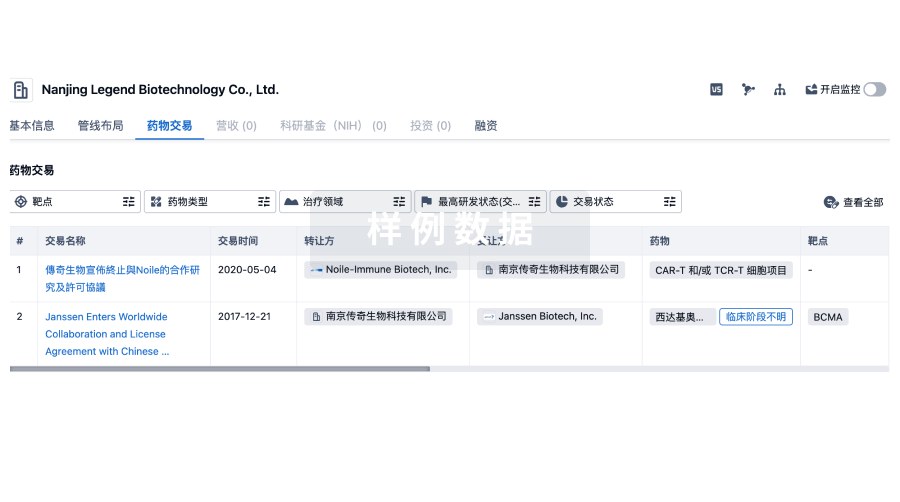
药物交易
使用我们的药物交易数据加速您的研究。
登录
或
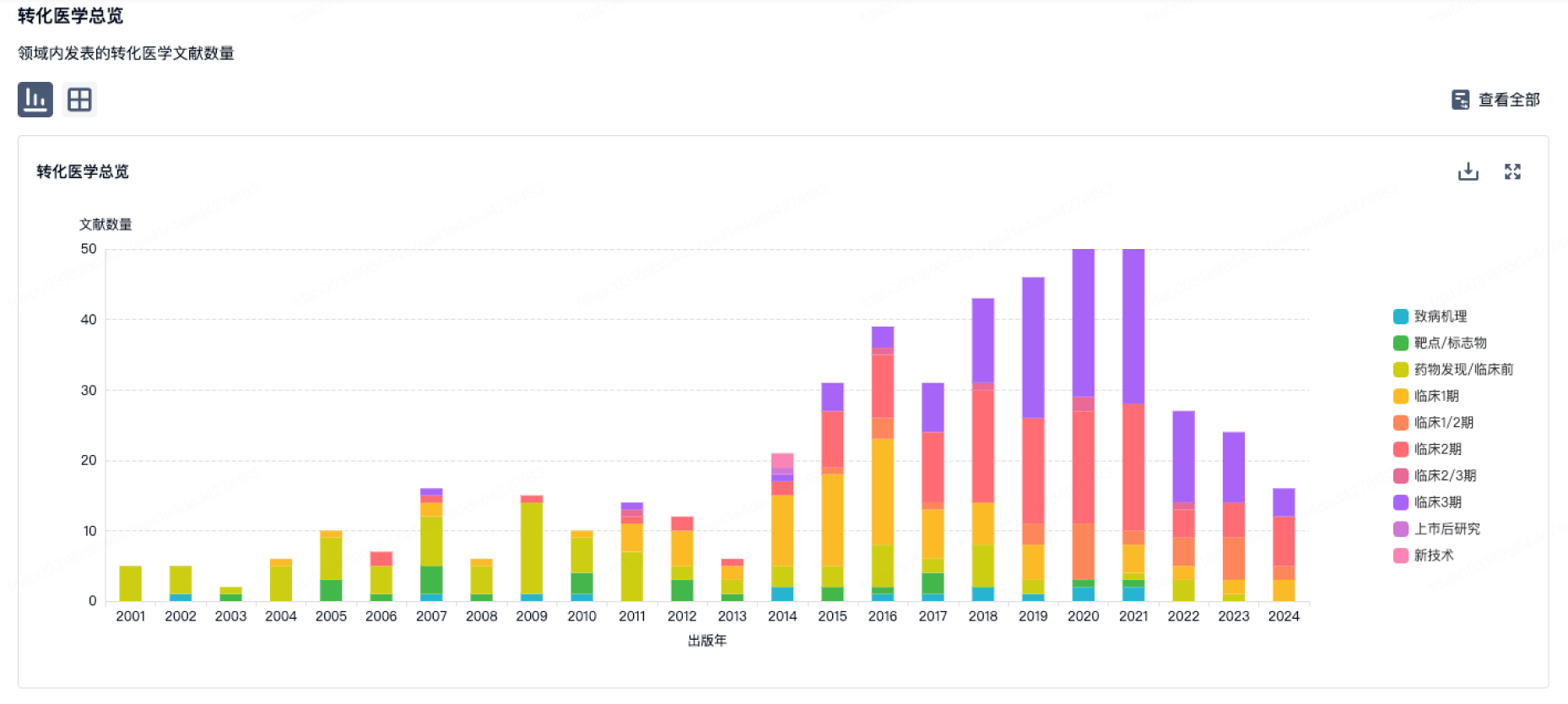
转化医学
使用我们的转化医学数据加速您的研究。
登录
或
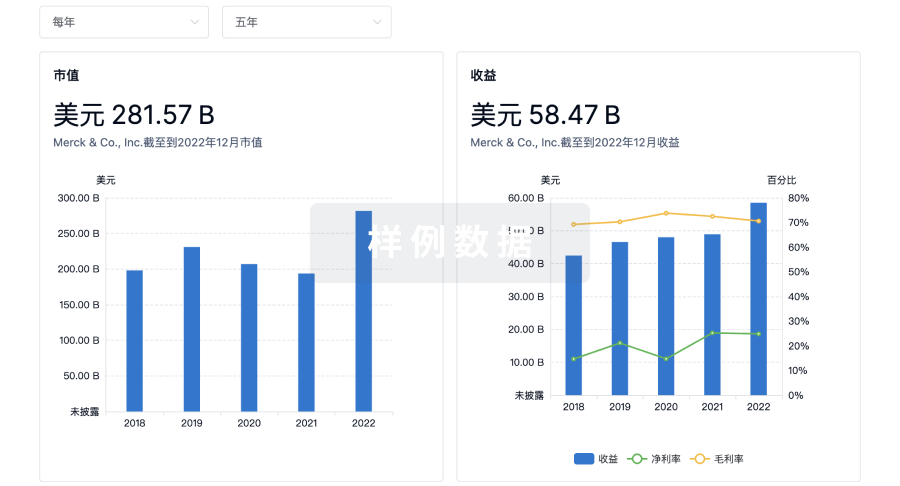
营收
使用 Synapse 探索超过 36 万个组织的财务状况。
登录
或
科研基金(NIH)
访问超过 200 万项资助和基金信息,以提升您的研究之旅。
登录
或
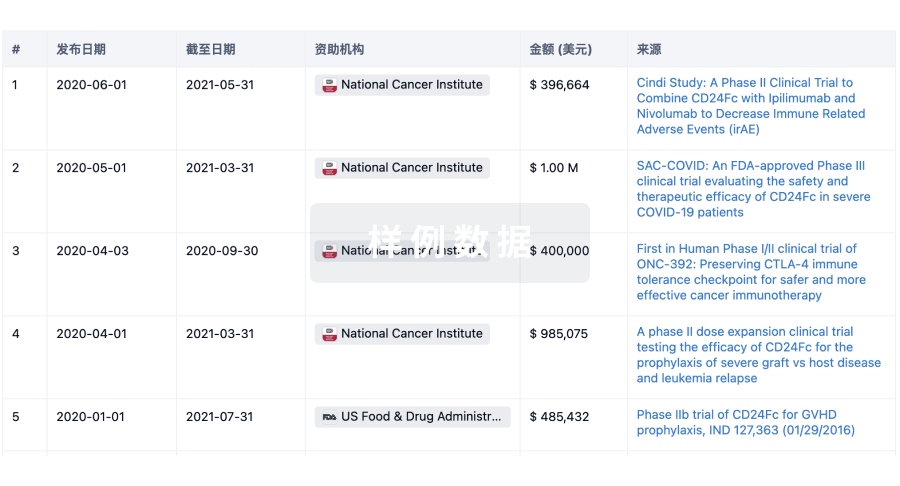
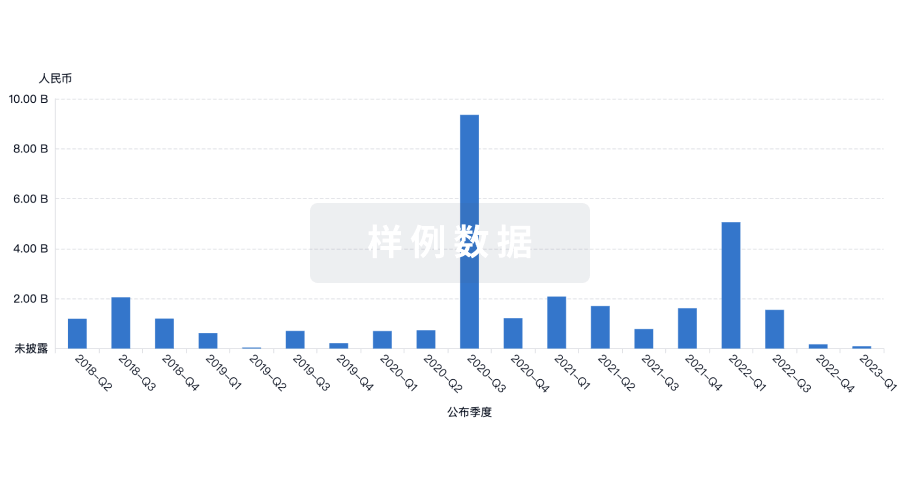
投资
深入了解从初创企业到成熟企业的最新公司投资动态。
登录
或
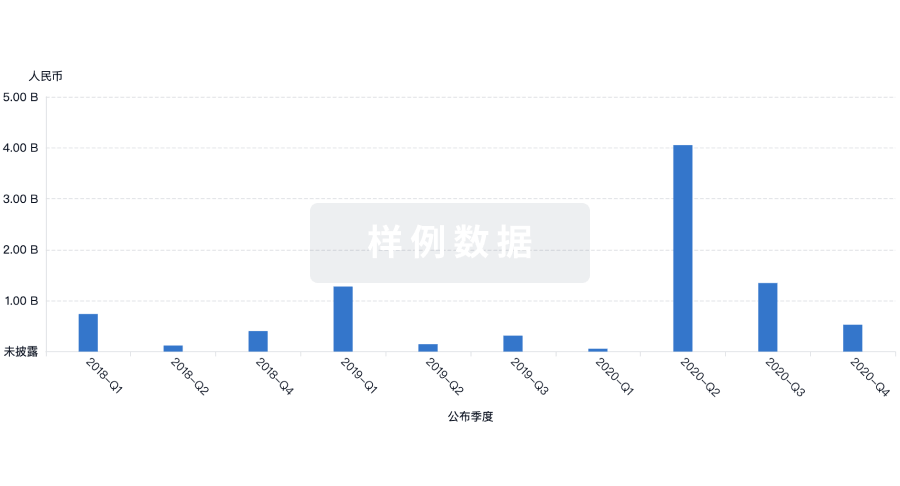
融资
发掘融资趋势以验证和推进您的投资机会。
登录
或
提出任何生物医药研究问题
让每一步生物医药决策都精准制胜
基于十亿级生物数据与全球情报的精准 AI,赋能早期药物发现
立即开始免费试用!
智慧芽新药情报库是智慧芽专为生命科学人士构建的基于AI的创新药情报平台,助您全方位提升您的研发与决策效率。
立即接入生物医药数据包
智慧芽新药库数据也通过智慧芽开放平台,以MCP或API服务形式对外开放。立即使用我们的MCP服务定制您的LLM智能体。
生物序列数据库
生物药研发创新
免费使用
化学结构数据库
小分子化药研发创新
免费使用