预约演示
更新于:2026-03-08

Chiba University
更新于:2026-03-08
概览
标签
肿瘤
其他疾病
感染
小分子化药
NKT细胞疗法
寡核苷酸
疾病领域得分
一眼洞穿机构专注的疾病领域

暂无数据
技术平台
公司药物应用最多的技术
暂无数据
靶点
公司最常开发的靶点
暂无数据
| 排名前五的药物类型 | 数量 |
|---|---|
| 小分子化药 | 2 |
| NKT细胞疗法 | 1 |
| 寡核苷酸 | 1 |
关联
4
项与 Chiba University 相关的药物靶点- |
作用机制 免疫细胞毒性 |
在研机构 |
原研机构 |
在研适应症 |
非在研适应症- |
最高研发阶段临床阶段不明 |
首次获批国家/地区- |
首次获批日期- |
作用机制 ABCG2抑制剂 [+1] |
在研机构 |
原研机构 |
在研适应症 |
非在研适应症- |
最高研发阶段临床前 |
首次获批国家/地区- |
首次获批日期- |
US20240287511
专利挖掘靶点 |
作用机制- |
在研机构 |
原研机构 |
在研适应症 |
非在研适应症- |
最高研发阶段药物发现 |
首次获批国家/地区- |
首次获批日期- |
362
项与 Chiba University 相关的临床试验JPRN-UMIN000058509
MRI studies of neural tracts for higher-order visual information processing - MRI visual research
开始日期2026-04-01 |
申办/合作机构 Chiba University [+1] |
JPRN-UMIN000059974
Misleading Islet Markers in Cases Treated with Immunoglobulin Therapy - MIMIC-Ig
开始日期2026-01-05 |
申办/合作机构 |
JPRN-UMIN000059590
Examination of the Change in Quality of Life through an Environmental Sensor-Based Stress Estimation and Coping Feedback System for Healthy Individuals - Examination of the Change in Quality of Life through an Environmental Sensor-Based Stress Estimation and Coping Feedback System for Healthy Individuals
开始日期2025-12-01 |
100 项与 Chiba University 相关的临床结果
登录后查看更多信息
0 项与 Chiba University 相关的专利(医药)
登录后查看更多信息
24,590
项与 Chiba University 相关的文献(医药)2026-05-01·JOURNAL OF NEUROIMMUNOLOGY
Longitudinal MuSK antibody levels may correlate with disease severity in MuSK myasthenia gravis
Article
作者: Ogaya, Etsuko ; Ozawa, Yukiko ; Kurumada, Kentaro ; Kuwabara, Satoshi ; Takasaka, Kyosuke ; Yasuda, Manato ; Handa, Hideo ; Akamine, Hiroyuki ; Uzawa, Akiyuki
BACKGROUND:
In muscle-specific kinase antibody-positive myasthenia gravis (MuSK-MG), the clinical utility of MuSK antibody levels as a biomarker for disease severity is debated, with conflicting reports on its correlation with clinical status. This study aimed to clarify this association by applying a rigorous statistical model to a longitudinal dataset followed from an immunotherapy-naïve state.
METHODS:
We conducted a retrospective longitudinal study on 6 patients with MuSK-MG tracked from their treatment-naïve baseline. The primary analysis used 103 data points where MuSK antibody levels and MG activities of daily living (MG-ADL) scores were available. A secondary analysis used the subset of 81 data points where total immunoglobulin G (IgG) levels were also concurrently measured. Generalized linear mixed-effects models (GLMM) were used to assess the intrapatient correlation, adjusting for interpatient variability by including a random intercept for each subject.
RESULTS:
First, the GLMM analysis of 103 data points revealed a strong positive intrapatient correlation between MuSK antibody levels and MG-ADL scores (P < 0.001). Second, in the subset analysis (n = 81), MuSK antibody levels remained positively and specifically correlated with MG-ADL scores (P = 0.002), whereas total IgG levels showed no independent correlation (P = 0.61) when included in the same model.
CONCLUSIONS:
MuSK antibody level, unlike total IgG, is a specific and valuable biomarker for monitoring intrapatient disease activity and therapeutic response. These findings strongly support the utility of serial MuSK antibody monitoring within individual patients.
2026-04-01·JOURNAL OF COLLOID AND INTERFACE SCIENCE
Clarifying pair interaction potential between poloxamer 407 micelles solvated into phosphate-buffered saline in sol-gel-sol transition
Article
作者: Sumi, Tomonari ; Imamura, Hiroshi ; Saito, Minami ; Morita, Takeshi ; Takamatsu, Shunsuke ; Higashi, Kenjirou
Poloxamer 407 (P407) is used as an invaluable pharmaceutical nanocarrier due to its stable hydrogel and specific micelle-micelle interaction. To reveal the core mechanisms of the nanocarrier function and the effects of saline on the interactions, the pair interaction potentials between P407 micelles in phosphate-buffered saline (PBS) are clarified in the sol-gel-sol transition states without pre-limiting any types of interaction forces. The clarified pair potentials show that the primary minimum of the micelle-micelle interaction deepens and shifts toward the far position during the sol-to-gel transition. This result experimentally demonstrates the core mechanism of the specific crystallization described by the Alder transition theory as the structural expansion between P407 micelles. The effects of PBS on the interactions are identified as a deeper primary minimum in the pair potential and a stronger attractive interaction between P407 micelles than those in water. In the gel crystallization, the spatial distance between P407 micelles in PBS expands less than in water. This behavior leads to the formation of a more fluctuating crystal at the mesoscopic length scale. It is suggested that the fluctuating crystal structure in PBS results in a lower temperature shift during the de-gelation transition by temperature rise.
2026-04-01·MYCOPATHOLOGIA
Fungaemia Caused by the Rare Yeast Starmerella sorbosivorans: A Case Report with Identification via Molecular Phylogenetic Analysis and MALDI-TOF MS
Article
作者: Sato, Yuhki ; Nagatsuka, Yuka ; Yamamoto, Hiroshi ; Ban, Sayaka ; Iwata, Kentaro ; Ohji, Goh ; Kano, Daiki ; Ikegaki, Shunkichi
Invasive yeast infections are associated with high mortality rates, particularly in immunocompromised patients. While most cases of fungaemia are caused by Candida species, rare yeast infections occasionally occur. Here, we present the first documented case of a Starmerella sorbosivorans (= Candida sorbosivorans, homotypic synonym) bloodstream infection in a 39 year-old man with chronic intestinal pseudo-obstruction requiring parenteral nutrition via a tunnelled central venous catheter. The patient presented with fever and was diagnosed with catheter-related bloodstream infection. Initial biochemical identification suggested S. magnoliae, but MALDI-TOF mass spectrometry (MS) failed to provide a definitive identification. Molecular phylogenetic analysis using multiple loci (18S rDNA, internal transcribed spacer [ITS] region, 26S rDNA-D1/D2, TEF1α, and RPB2), combined with proteomic analysis using MALDI-TOF MS, confirmed the isolate as S. sorbosivorans, despite a low ITS sequence similarity (91.3%) to the type strain. The patient was successfully treated with sequential administration of micafungin and liposomal amphotericin B, along with removal of the catheter. Antifungal susceptibility testing revealed low minimum inhibitory concentrations (MICs) for micafungin, amphotericin B, and voriconazole, but high MICs for fluconazole. Our findings emphasise the importance of multilocus sequence analysis for accurate species identification, especially in rare yeast infections caused by uncommon species such as S. sorbosivorans, for which conventional methods may be insufficient. However, to improve the applicability of MALDI-TOF MS in clinical settings, the reference library should be expanded to include rare and emerging yeast species.
25
项与 Chiba University 相关的新闻(医药)2026-02-25
近年来,中风、阿尔茨海默病、帕金森病等神经系统疾病的全球发病率持续攀升,对公共健康构成严峻挑战,成为现代医学亟待攻克的堡垒。传统治疗方法多集中于症状管理,难以实现神经修复与再生,疗效存在瓶颈。而干细胞疗法的兴起,标志着神经疾病治疗范式正从“对症维持”转向“根源修复”,为无数患者带来了全新的希望。
干细胞:神经系统疾病的再生“钥匙”
干细胞之所以被视为神经修复领域的革命性工具,源于其以下几大核心生物学特性与作用机制:
细胞替代与结构重建帕金森病、脑卒中等疾病的核心病理是特定神经元的不可逆性死亡或损伤。干细胞具有强大的多向分化潜能,在移植后,能够通过体内微环境的引导,定向分化为多巴胺能神经元、谷氨酸能神经元或神经胶质细胞等,直接替代已损失的细胞,重建受损的神经网络结构。
营养支持与内源性修复干细胞不仅是“种子细胞”,更是活跃的“生物药厂”。它们能持续分泌脑源性神经营养因子、胶质细胞源性神经营养因子、神经生长因子等多种活性物质。这些因子如同“肥料”,能滋养残存的神经细胞,促进其存活、轴突生长与突触形成,并激活大脑内休眠的内源性神经干细胞,启动机体自身的修复程序。
免疫调节与抗炎神经炎症是贯穿多数神经系统疾病进程的关键推手。干细胞具有独特的免疫调节功能,能够抑制过度活化的T细胞、小胶质细胞,减少促炎因子释放,同时促进抗炎环境形成。这对于多发性硬化症、阿尔茨海默病等与免疫炎症密切相关的疾病,提供了重要的治疗策略。
促进血管新生与改善微环境神经修复需要良好的血液供应与微环境。干细胞还能分泌血管内皮生长因子等,促进受损区域新生血管形成,改善局部血液循环与营养供给,为神经再生创造有利的“土壤”。
抗凋亡与保护作用通过调节相关信号通路,干细胞能够抑制损伤后神经细胞的程序性死亡,在疾病急性期或进展期起到重要的神经保护作用,为后续修复赢得时间。
从实验室到临床:前沿研究进展盘点
干细胞疗法已在多种难治性神经系统疾病中开展了广泛且深入的临床探索,部分领域取得了鼓舞人心的进展:
帕金森病2025年3月,我国科学家成功完成的首例自体诱导多能干细胞衍生神经细胞移植治疗帕金森病的临床试验,具有里程碑意义。患者运动功能显著恢复,生活质量大幅提升,验证了细胞替代路径的可行性。此外,多项采用间充质干细胞的研究也显示,其通过营养支持和免疫调节,能有效改善患者统一帕金森病评分量表评分和日常生活能力,延缓病程。
阿尔茨海默病2025年发表于《自然·医学》的II期临床试验为阿尔茨海默病的治疗带来了新思路。研究证实,间充质干细胞静脉输注安全性良好,且能在认知量表评分、脑萎缩速率(特别是海马区)等关键指标上观察到积极信号。其作用可能主要通过抗炎、促进清除异常蛋白和改善脑内代谢环境来实现,为这一缺乏有效疾病修饰疗法的领域开辟了新方向。
脊髓损伤对于脊髓损伤这类毁灭性疾病,干细胞治疗旨在重建神经连接。研究显示,脐带间充质干细胞移植能显著促进急性完全性脊髓损伤患者的感觉与运动功能恢复,部分患者美国脊髓损伤协会分级得到提升。其机制涉及减轻继发性损伤、促进轴突再生和髓鞘修复。
脑卒中针对缺血性脑卒中,2024年的荟萃分析证实,干细胞移植(尤其是间充质干细胞)可有效降低患者死亡率并改善神经功能预后(如改良Rankin评分)。静脉输注因其便捷和无创性,成为主流给药方式之一。细胞疗法有助于减轻缺血半暗带损伤、促进神经重塑和血管新生。
肌萎缩侧索硬化症对于进展迅速的渐冻症,干细胞治疗主要着眼于神经保护与延缓病程。临床研究显示,骨髓间充质干细胞移植后,患者ALS功能评分和肺功能在一定时期内能保持稳定,疾病进展斜率有所放缓,且治疗过程展现出良好的安全性,为患者提供了新的希望。
脑梗
干细胞改善脑梗后遗症
脑梗患者发病后,很多会留下各种后遗症,如语言障碍、肢体麻痹、情感失调等,这些后遗症会严重降低患者生活质量,使其脱离原本正常的社会生活,对患者本人和其家庭都是沉重的打击。而对于脑梗后遗症的治疗一直是医学界的一大难题,近年来,应用“干细胞”治疗脑梗后遗症的再生医疗技术受到世人瞩目。在日本已广泛临床应用,且效果显著。
脑梗塞是由于脑部血管发生堵塞,导致血液和营养物质难以及时输送至脑组织,从而影响脑细胞正常功能的一种疾病。根据受影响的部位不同,患者可能会出现肢体麻木、活动不便等功能方面的障碍,对日常生活造成相当大的影响。
在以往,脑细胞受损坏死导致功能障碍的情况被认为是不可逆的。但随着再生医学技术的发展,研究发现干细胞可促进受损脑细胞的修复及再生,并由此改善脑梗后遗症。
作用机制
利用干细胞的修潜能,能够促进受损脑组织修复及再生。在临床应用中,多采用骨髓来源的干细胞以及脐脂肪干细胞等“间充质干细胞”进行治疗。首先从患者自身采集分离干细胞,培养增殖后再回输到患者体内。进入体内的干细胞会根据“细胞归巢效应”汇聚到受损脑组织。
这些干细胞汇聚至受影响的脑部区域后,可在体内环境的作用下,参与神经细胞及血管相关细胞的修复过程,从而对脑组织的修复与功能改善起到有益作用。具体如下:
神经细胞再生:
干细胞被移植至受影响的脑组织区域后,在适当的体内环境下,可参与向神经细胞及其他脑细胞方向的分化过程。通过这一作用,干细胞可促进受影响区域的功能修复,有助于受损脑部功能的改善。
血管修复:
干细胞还可参与向血管内皮细胞方向的分化过程。脑梗后,患者部分脑部区域的血液循环可能受到影响,通过干细胞促进新生血管的形成,可改善相关区域的血液循环。
保护神经:
干细胞还可分泌多种有助于神经环境调节的物质,例如各种“生长因子”和“细胞因子”等。这些物质可在体内发挥有益作用,有助于维护现有神经细胞的良好状态并为受影响脑组织的修复过程提供有利条件。
抑制炎症:
发生脑梗后,脑部可能会出现一定程度的炎症反应。若炎症反应过于活跃,则会对脑组织环境产生不利影响。研究显示,干细胞对炎症反应具有调控作用,有助于维持脑组织的稳定状态。
预期效果
干细胞治疗脑梗后遗症的预期效果:
1)改善运动功能障碍;
2)改善失语状态;
3)有助于患者情感状态稳定;
4)改善视觉障碍;
5)改善麻痹、疼痛症状;
干细胞治疗还有助于预防脑梗复发。众所周知,脑梗一旦复发,症状会比上一次更严重,因此预防复发也很重要。此外还要注意的是“不能单纯依靠治疗”,对于功能恢复而言,康复训练是必要的,因此治疗的同时也要结合康复训练。
干细胞作为细胞治疗的重要组成部分,在器官修复和组织再生中发挥重要作用,具有广阔的应用前景。“澳大利亚、新西兰、美国、日本等多国家已对干细胞治疗技术进行了扩展性试验。这种技术所涉及的适应症,已经达到了130种,也就是说,130种既往药物治疗无效或者效果很小的疾病,有望通过干细胞来进行治疗。”
以下是近年来全球科学家在干细胞应用于疾病治疗研究领域,取得的部分新突破。
糖尿病
美国《时代》周刊将干细胞治疗糖尿病纳入改变未来医疗的12大创新发明列表中。糖尿病的传统治疗方法是使用降糖药来辅助胰岛素降糖的功能,或者是直接注射胰岛素,这些都不能从根本上完全修复胰岛细胞,也很难彻底治愈糖尿病。
干细胞在胰腺组织微环境的诱导下分化增殖为胰岛细胞,替代受损的胰岛β细胞,分泌胰岛素,可大幅减少服用降糖药,在根本上治愈糖尿病。
2017年来自美国纽约的1型糖尿病患儿Ivan接受了干细胞治疗。Ivan2岁时被发现患有1型糖尿病,导致体弱乏力不能运动。经过两个疗程的治疗后,Ivan血糖控制平稳,胰岛素用量较之前减少,胰岛功能也得到一定程度恢复,活动耐力明显增加。Ivan从治疗前仅可运动5至10分钟到治疗后可以坚持行走1天,其免疫力也明显增强。
骨关节炎
骨关节炎是一种影响关节的退行性疾病。随着时间的推移,保护关节、防止骨头相互摩擦的软骨会断裂。软骨无法进行自我更新,人出生时体内只有这么多细胞,这意味着当这些细胞死亡之后,没有新的细胞取代它们。因此,关节和骨骼会退化。
这就是干细胞介入的地方,它可以转化成许多不同类型的特殊细胞,所以有能力变成软骨细胞,更新曾经不可更新的软骨。并且干细胞可分泌多种生物活性分子,具有调节免疫和抗炎作用。这些特点可减轻和缓解骨关节炎的临床症状,从根本上改善了关节炎患者的软骨缺陷,提升疗效的同时也降低了患者治疗过程中的痛苦和副作用。
2019年4月,《干细胞转化医学》刊发了一篇题为《骨髓间充质干细胞治疗骨关节炎,患者的疼痛和症状得到整体改善,并减少滑膜炎症》文章。12名年龄在45岁至65岁的中度至重度膝骨关节炎患者接受骨髓间充质干细胞治疗。患者被分为3组,每组接受不同剂量的间充质干细胞注射。在12个月结束时,所有患者的疼痛程度和生活质量都有了显著改善。而且在所有的测试剂量下,骨髓间充质干细胞注射都是安全的,剂量越高,结果越有效。
脑卒中
最近的研究表明,干细胞治疗脑卒中(中风)患者也很有希望。
斯坦福大学的一项令人震惊的研究几乎完全逆转了中风对Sonia Coontz的毁灭性影响,Sonia Coontz在31岁时就遭受了脑部损伤。在经历坐轮椅和语言障碍的两年后,她决定参加一项临床试验,该试验利用来自供体的成体干细胞直接注射到中风部位附近的大脑区域。
干细胞治疗后的几个小时内,她能够移动手臂和腿。而在此之前,她几乎完全无法动弹。她和她的医生也注意到她的语言表达有了快速的改善。同样,仅仅几个小时。该项研究的其他患者也发生了惊人的改善,唯一的副作用是“短暂头痛”。研究人员表示,这只是一次试验,只是一个很小的试验,但他们感到震惊。
发表在《STEM CELLS》上的一项I期扩展试验结果首次证明了早期使用自体骨髓单个核细胞(MNCs)治疗急性缺血性脑卒中患者的安全性和可行性。
心 衰
根据最新发表的《中国心血管病报告2018》报告,我国冠心病患者有1100万,心力衰竭患者450万,且发病人数和死亡人数逐年上升。
2015年7月,在美国《干细胞转化医学》杂志上发表的一篇研究报告表明,为受损心肌提供干细胞的新方法已经在治疗严重心脏衰竭领域取得了初步成效!在这项初步研究中,他们发现将干细胞用于治疗心脏衰竭病人是安全可行的,且在治疗一年后,患者的心脏泵血功能都获得了良好改善。
该研究招募了60名严重心脏衰竭的病人,并随机分配其中48名接受干细胞治疗;另外12名维持传统的标准治疗,给予降低血压、减轻心脏负荷、强心利尿等。一年后,48名接受干细胞治疗的患者心脏的“射血分数”相对另外12名患者都有明显改善!同时试验也证实了干细胞疗法在治疗心脏衰竭领域是安全可行的,并没有对患者产生不利影响。
性功能障碍
男性的性功能会随着年龄增大而逐渐衰退,通过干细胞调理,可以靶向修复生殖系统的衰老、退化,恢复或增强性功能;年轻体壮性功能障碍的人,通过干细胞调理可恢复良好的性能力。
2017年,在英国伦敦举行的一项医学会议上,有科学家报道,干细胞治疗可恢复经历了前列腺手术的男性在正常的性交过程中的勃起功能。该报道基于一项I期临床试验:15名接受过前列腺手术治疗后勃起功能障碍的男性,在接受一次干细胞治疗的6个月后,有8名男性性功能恢复正常。
卵巢早衰
卵巢早衰被认为是导致不孕的“不治之症”,是指女性40岁之前由于多种病因出现卵巢功能衰竭。根据卫生部门的统计,这种妇科疾病的发病率逐年攀升。当前尚无法从根本上修复受损卵巢功能,无法恢复生育功能,但干细胞技术的发展,成功地让一些卵巢早衰女性实现了生育梦。
科学研究发现,干细胞可能通过分化卵母细胞或通过旁分泌抑制卵泡凋亡来修复受损卵巢。《分子治疗》杂志上报告称,动物试验显示,干细胞疗法有望安全地治疗卵巢早衰。最近人类临床试验的成功案例再次证实,干细胞治疗卵巢早衰具有十分广阔的前景。而且,干细胞调理可刺激体内荷尔蒙分泌雌性激素,提高体内的雌性激素水平,让女性更年期出现的失眠、多梦、脾气暴躁等症状得到改善,并推迟更年期的到来。
脊髓损伤
脊髓损伤或切断是人体最严重的创伤之一。取决于受伤发生的部位,患者可能再也不能走路,甚至不能移动手臂。长期以来,这种创伤是完全无法弥补的。虽然近年来的一些神经外科手术让患者恢复了部分功能,但结果仍然常常令人失望。
干细胞为这部分患者的未来带来了巨大的希望。在这其中,干细胞提供了替代受损神经的能力,而不是试图修复受损神经。通过将干细胞注射到损伤部位,脊柱可以自我修复,获取正常运作所需的所有成分。
一名34岁的高位截瘫患者在接受自体干细胞移植手术后,恢复了颈、胸腹部知觉。这名患者因车祸致颈3-颈4椎体骨折脱位并脊髓不完全损伤,传统康复治疗手段对其无明显效果,最终干细胞移植手术给他带来了奇迹。
系统性红斑狼疮
红斑狼疮是一种典型的自身免疫性结缔组织病,多见于15~40岁女性。而系统性红斑狼疮(SLE)是红斑狼疮中最常见,也是最严重的一种亚型,男女患病比例为1:7~9。亚洲的患病率和发病率比欧洲人群高出2至3倍。临床上除皮肤表现外,还有器官受累,临床上出现肾损伤表现者占45%-85%。
有研究表明,系统性红斑狼疮主要发病机制与T、B淋巴细胞异常活化有关。同时,近年来的研究中表明,间充质干细胞(mesenchymal stem cell,MSC)对于T细胞、B细胞、NK细胞及DC细胞均有免疫调节的作用,通过细胞间的相互作用及产生细胞因子抑制各种淋巴细胞的增殖及其免疫反应,从而发挥免疫重建的功能。
从中文期刊数据库和中华期刊数据库中查找干细胞治疗系统性红斑狼疮的资料,发现共计171例接受干细胞移植治疗。总体自体外周血造血干细胞移植治疗系统性红斑狼疮患者,1年内有效率93.3%,复发率2.2%,有4.4%移植相关死亡,1年后复发率7.3%。自体骨髓干细胞移植和异体骨髓间充质干细胞移植治疗患者的近期临床效果好,随访1年无复发,无移植相关死亡。
干细胞在临床上应用范围非常广泛,包括血液系统疾病、神经系统疾病、消化系统疾病、心血管系统疾病、呼吸系统疾病、骨骼系统疾病、内分泌系统疾病、免疫系统疾病、泌尿生殖系统疾病,以及抗衰老、增强免疫力等方面。
随着全球医疗水平的不断提升,以干细胞为代表的再生医疗产品,逐渐成为欧美日韩等国尖端医疗科技的“必争之地”,故而有越来越多的患者选择跨国就医,以寻求更优质的医疗服务。下面对日本干细胞抗衰治疗前准备、治疗流程及治疗后注意事项等内容进行详细介绍,为准备赴日就医的患者提供一份参考。
干细胞疗法的赴日就诊流程
1.咨询
请告知我们您想要改善的症状,并提供与健康状态相关的资料(1年以内的体检报告、3个月以内的血液报告以及MRI检查报告等)我们根据您的健康状态给出相关治疗建议。(相关检查也可在日本进行根据自身情况合理选择)
2.预约
咨询结束后,我们会为您寻找选择合适的医疗机构并确认日程,请您提供护照首页照片,为您安排预约。
3.预约完毕
会和您确认预约完成。(部分诊所预约可能有预约金)
4.初诊★
请填写院内问诊表,医生会向您说明干细胞治疗的细节,基于您提供的资料和目前的健康状态,做最适合您的治疗提案。
5.支付
根据所选方案支付治疗费用。
支付方式可分为现金、信用卡支付、海外汇款及电子支付等。(部分诊所预约可能有预约金)
6.细胞提取
细胞提取:医院会进行血液检查,并从耳后或腹部提取5毫米左右的细胞组织。所需时间为20分钟。
采取的组织可为您做有限期限内的保存。
7.细胞培养
一般的培养时间为4-6周。
8.干细胞回输日★
在干细胞回输前,医生会向您详细说明血液检查的结果。医生当天会与您确认最终的治疗内容及方法,并向您展示培养好的干细胞。
为了保持干细胞的活性,请务必在指定时间来院。
9.注入
干细胞疗法会通过皮下注射、或是静脉点滴的方式,将干细胞投予到所需部位。回输时将需要30~60分钟。注入的时候,医生会为您检查第一次来院时、采取细胞组织的伤口。
10.治疗结束
离院前,医院工作人员会为您解说治疗后的注意事项。
当天就可以回国。
11.后续治疗
若想再次问诊或再次接受治疗,请于来日的前4周与我们联系,之后将开始您的干细胞培养。
250万日元起/2亿自体干细胞抗衰改变自己从这里开始
根据自己需求去选择
01治疗需求:如果本身有想治疗的疾病,比如糖尿病,关节炎,脊髓损伤,半月板损伤,变形性髋关节,慢性炎症, 慢性疼痛,末梢神经损伤治疗等等。
02抗衰需求:想衰老的慢一些,比如改善睡眠,改善内分泌,延缓衰老等
03免疫需求:提高免疫力,比如NK免疫疗法,树突细胞疗法,各种免疫性疾病。
•静脉输注(适用于免疫调节、抗衰老、全身修复)。
•局部注射(适用于关节炎、皮肤抗衰、心脏病修复等)。
•脊髓腔注射(适用于帕金森病、脊髓损伤等)。
•卵巢注射(适用于卵巢早衰、生育力下降)。
干细胞是怎么回输到身体里的?不同人方式不同
很多人会问:“干细胞是打到哪儿?会不会痛?是打一针还是输液?”
实际上,根据你的身体状况与需求不同,医生会采用不同的回输方式。
✅静脉输注(IV):
提取干细胞经过培养后通过静脉点滴将干细胞重新注入体内,这些干细胞会聚集到身体受伤的部位,抑制炎症并修复受伤组织,从而抑制导致疼痛的慢性炎症,修复末梢神经等受损部位,以改善疼痛等症状。
静脉回输适用情况:
· 慢性炎症 · 慢性疼痛 · 末梢神经损伤治 · 抗衰治疗 ·糖尿病治疗 · ED治疗
✅ 局部注射:
提取干细胞经过培养后注射到需要治疗的局部部位,促进软骨的再生,改善变形性关节炎的症状。
局部包括:关节痛,变形性关节炎治疗,运动损伤(下面会详细介绍),脱发治疗等,脊髓损伤,帕金森,卵巢早衰等等……
运动损伤适用情况:· 半月板损伤· 膝关节 · 韧带损伤 · 高尔夫肘,网球肘 · 手腕韧带损伤· TFCC 损伤 · 足底筋膜炎 · 肩关节损伤 · 膝盖肌腱炎(跳跃者膝)· Osgood-Schlatter 病肌肉拉伤(肌肉断裂)· 跟腱炎踝关节韧带损伤 · 腱鞘炎。
✅局部美容皮下注射:用于改善皮肤老化、肤质弹性等需求,较为轻量,注射区域可定制。
所有回输方式都是门诊操作,过程舒适快捷,一般无需麻醉,几乎无恢复期,不影响当天返程或日常活动。
03干细胞的价格是透明的吗?到底贵不贵?
价格是大家最关心的点之一。现实中,日本干细胞治疗并不像外界传说的那么“天价”,但确实属于高端医学服务范畴。价格根据以下几项因素浮动。
1、技术路径:新型微创采脂,是使用高端培养技术(不影响细胞活性)。
最新干细胞采取技术需要5-10分钟,也不会影响日常生活。
2、培养技术:是否使用高端培养技术(影响细胞活性)
不同的医院培养的技术也不同,所以不同的技术培养出来的干细胞质量也是不同的,不同的培养技术所产生的细胞活性质量也不同,技术越是先进,那么价格也会相对高一些。(但是贵不等于最好,选择适合的培养方式即可)
想了解更多内容
关于该治疗的安全性和副作用的可能性
我们始终重视此治疗的安全性,但在细胞回输治疗中,仍有以下潜在并发症和副作用的可能性:
与脂肪采集相关的副作用
脂肪组织采集后,可能会引发术后感染、肥厚性瘢痕(疤痕凸起)、伤口出血、采集部位内出血、内出血后腹部皮肤色素沉着、创口疼痛及肿胀等并发症。如果出现这些症状,请咨询医院的主治医生。
此外,极少数情况下可能会出现以下严重的并发症和副作用。如果出现这些症状,我们会立即与医院或联动的医疗机构紧急处理。
贫血(由出血引起)・腹肌损伤・腹膜炎・过敏性休克反应(※如因急性过敏反应导致的冷汗、恶心、腹痛、呼吸困难、血压下降和休克等)
与细胞回输相关的副作用
在进行干细胞回输时,可能会出现回输部位的疼痛、肿胀、内出血等意外并发症。如果发生这些情况,主治医生会判断是否中断或停止治疗,并采取适当的应对措施。注入后如果出现这些症状,请与医院的主治医生联系。此外,极少数情况下可能会发生以下严重的并发症和副作用。如果出现这些情况,我们将紧急处理。
过敏性休克反应(※急性过敏反应如冷汗、恶心、腹痛、呼吸困难、血压下降和休克等)
肺血管阻塞(※由回输的细胞引起,严重时会导致呼吸困难,(日本)国内曾有死亡病例报告)
日本再生医疗诊所推荐
東京MOTIF診所
▲Motif GINZA Clinic
抗衰首先医疗法人社团MOTIF Motif GINZA Clinic(Motif银座医院)
01
再生医疗
外崎登一
Motif银座医院的理事长・院长外崎登一是日本再生医疗治疗专家,已累积超3000例以上的再生医疗治疗经验。外崎理事长本人曾因颈椎疾病接受干细胞治疗,切身体会到再生医疗的治疗效果显著性,并因此立志将日本再生医疗普及给更多期待改善生活质量的人士。
深耕再生医疗逾十年,外崎院长基于整形/美容外科与干细胞的密切关联性,主张以整形外科、美容外科和关节外科为基础,开展再生医学的诊断和治疗。未来,医疗法人motif将不仅服务日本人士,希望能走向全球,为全世界提供安全安心的日本再生医疗。
▲院内图片 侵权必究
医疗法人社团MOTIF Motif GINZA Clinic(Motif银座医院)坐立于日本东京银座,由日本再生医疗名医外崎登一于2021年独立开院。作为日本高端综合性医疗机构,医疗法人 MOTIF以「安心」、「安全」、「有效」、「宾至如归」为理念,提供再生医疗、 美容整形、私密整形等健康・美的医疗服务。“Motif”一词源自法语,意为艺术作品中的主题,也是动力(Motivation)的词源。医疗法人社团MOTIF为每一位人士提供定制化医疗服务,通过提供专业的医疗与美容技术,帮助客人找到自己人生作品的主题,赋予对健康与美更高的追求动力。
干细胞具有两个显著的特性:
特性①:自我复制能力,即可以通过分裂生成更多的同类型干细胞。这一能力使得我们能在实验室中大量培养干细胞。
▲院内图片 侵权必究
特性②:分化能力,能够转变成身体所需的其他类型细胞,如软骨细胞、皮肤细胞或神经细胞等。
以上就是对“什么是干细胞?” 这一疑问的解释。那么,将干细胞应用于我们的身体将带来哪些好处呢?
干细胞的两个效果:
效果一:是帮助修复老化的组织或受损的部分。具体作用包括以下:
血管新生
促进细胞增殖
维持衰弱细胞的生存
保护神经细胞
抑制肝细胞的纤维化
减少皮肤等的疤痕形成
指导细胞移动到特定位置(归巢效应)
软骨再生
干细胞及其分泌的各种因子(如细胞因子、生长因子和干细胞外泌体等上清液成分)共同作用,不仅能够促进组织修复、延缓衰老,还能提升组织的活力,助力关节和神经的修复。
▲院内图片 侵权必究
效果二:干细胞能调节免疫系统,阻止免疫细胞的过激反应,通过抗炎作用有效对抗自身免疫性疾病。
这些特性的结合,使得干细胞在各种治疗中展现出独特的优势。此外,利用个人的干细胞进行治疗不会引起排斥或过敏反应,确保了治疗的安全性。
1,138项涉及干细胞的临床试验,覆盖外伤(整形外科)、呼吸系统、神经系统、心血管系统、免疫系统、消化系统、妇科、精神医学、眼科、泌尿系统、癌症等广泛医疗领域
▲院内图片 侵权必究
▲院内图片 侵权必究
MOTIF的再生医疗
医疗社团法人MOTIF目前的再生医疗:从患者自身采集脂肪并提取出脂肪间的间充质干细胞,在院内培养增值到最佳状态和适当数量后,通过静脉点滴或局部注射的方式将干细胞回输入体内的干细胞疗法。
该院的再生医疗面向成年人士,治疗范围包括随年龄增长而出现的肌肤衰老、慢性疼痛、变形性膝关节病。
▲院内图片 侵权必究
通常,每次大约回输约1亿个~2亿个左右干细胞,医生会根据接受治疗的患者状态与症状制定。
MOTIF再生医疗的医疗特点:
院内独立CPC细胞培养室及储存设备,干细胞无需经过冷冻运输,最大程度保障细胞生存率与活性度。
拥有3,000例以上丰富治疗经验的院长亲自问诊并采集,以安全与疗效为首要考量,认真与每一位客人用心沟通。
领先微创脂肪采集技术,采集时间更短、痛感更小,恢复更快,让采集过程更轻松舒适。
领先无血清培养技术,使用安全的无血清培养基,无需每次培养前大量采集血液,减少对身体的负担。
从采取到培养、回输,全程在院内实行再生医疗,严格管理品质与流程,明确安全责任,让异国治疗更加安心。
坐标东京银座一丁目,独立VIP楼层提供 1 组客户就诊,最大程度保障客户私密性。
严格遵照日本再生医疗相关法规提供治疗,加入日本再生医疗学会健康被害补偿相关保险体制,是全方位保障客户权益的专业再生医疗机构。
MOTIF再生医疗的治疗目标:
增强患者的功能能力,促进身心健康。
提升患者的生活质量(Quality of Life;QOL)。
最小化副作用。
尽量减轻疼痛,确保生活的舒适度。
依照日本厚生劳动省颁布并实施的《确保再生医疗等的安全性等相关法律》规定,为确保提供再生医疗等的安全性,该院已向日本厚生劳动省提交再生医疗等提供计划,并取得三项第二类计划编号与细胞培养加工特定机构编号。
【获批项目】
MOTIF已取得的再生医疗成果-第二类再生医疗计划日本可使用自体脂肪干细胞治疗慢性疼痛 备案号:PB3220075日本可使用自体脂肪干细胞治疗肌肤加龄老化 备案号:PB3210163日本可使用自体脂肪干细胞治疗关节损伤 备案号:PB3210164
▲院内图片 侵权必究
MOTIF已取得的再生医疗成果-细胞培养加工设施(CPC)登记
日本特定细胞加工制造机构
编号:FC3210129该院用于干细胞治疗的细胞,完全由医院内部的细胞培养加工设施(CPC)培养制造。该院在医院内进行细胞培养加工,必须向日本厚生劳动省关东信越厚生局申请并通过一系列严格的标准审核。该院达到审核标准,并且可以在不将细胞委托外部机构培养的情况下,实现在院内完成从采集、培养到回输的完整治疗流程。根据国内医疗机构生产的规定,提交并获准了“特定细胞处理产品制造通知(格式第27号)”。
▲院内图片 侵权必究
▲院内图片 侵权必究
治疗方式:手臂静脉点滴治疗适用症状:
类风湿性关节炎引起的疼痛
肌腱和肌肉疼痛
颈部疼痛、腰痛
神经障碍性疼痛
全身性疼痛
治疗频率:
在刚开始干细胞疗法的第一年,为了帮助恢复到原有健康状态,建议每3~4个月进行一次点滴治疗。随后,根据个人体质,一般建议每年进行一次。
治疗时间:
点滴治疗时长约为30分钟至1小时,
您可以在舒适的环境中,放松地坐在躺椅上完成治疗。
针对慢性疼痛的常见传统治疗比较:
▲院内图片 侵权必究
医疗法人社团MOTIF向成年患者提供针对慢性疼痛的干细胞点滴治疗,通过静脉点滴将自体的脂肪来源干细胞输至体内,促进组织修复、抑制炎症,以达到减轻疼痛的目的。
虽然其效果有个体差异,但是在日本国内外均有改善疼痛等效果的研究报告。
▲院内图片 侵权必究
治疗方式:膝关节局部注射治疗
适用症状:
关节不适
关节疼痛
退行性骨关节病
治疗频率:
根据膝关节损伤程度不同,可能需要多次治疗。建议患者持长期视角,逐步接受治疗。
就诊过程中,需要结合X光或MRI影像沟通确认治疗方案。可通过该院合作机构接受MRI检查。
治疗时间:
注射治疗时长约为5~10分钟,您可以在手术室或处置室的放松环境中,完成治疗。
针对膝关节损伤的常见传统治疗比较:
▲院内图片 侵权必究
膝关节炎是许多人的困扰,通常会被诊断为变形性膝关节炎。
▲院内图片 侵权必究
在初期到中期,患者可能会接受止痛药、贴膏或透明质酸注射等治疗,并可能结合物理治疗以期改善症状。
然而,这些治疗并非根本性的解决方案,病情仍可能逐渐恶化。在疾病进展到后期,严重时可能需要接受人工关节置换手术,即用人工关节替换损坏的关节。
▲院内图片 侵权必究
以往,在保守治疗和手术治疗之间并没有有效的桥梁。干细胞治疗被认为能够填补这一空缺。
医疗法人社团MOTIF向成年患者提供针对关节痛、退行性骨关节病的干细胞注射治疗,通过将脂肪来源的干细胞注射至关节内,达到软骨再生和抑制炎症的目的。
接受干细胞治疗的同时配合适度的康复训练,治疗效果更佳。为避免个人康复方式影响干细胞疗效,该院医护人员会在就诊时提供专业的康复训练指导。
虽然其效果有个体差异,但是在日本国内外均有通过软骨再生与抑制炎症可起到改善关节疼痛等效果的研究报告。
想减少疼痛
不希望病情加重
止痛药和玻尿酸注射不起作用
不想住院
不想做手术
在寒冷的冬天和夏天的空调房会因为受凉而疼痛
▲院内图片 侵权必究
用自己脂肪由来的干细胞进行关节治疗
Motif银座医院提供的干细胞治疗,只需从你的体内提取数克脂肪,从中提取干细胞进行增殖和培养,然后移植到膝关节。移植的干细胞可以使软骨再生,同时也能抑制炎症,减少膝部的疼痛。
▲院内图片 侵权必究
·治疗方式:面部注射治疗
·适用症状:
·皮肤增龄性衰老
·面部松弛下垂
·细纹与皱纹
·治疗频率:
·在刚开始干细胞疗法的第一年,建议每3~4个月进行一次注射治疗;之后每年一次。
·治疗时间:
·注射治疗时长约为15~30分钟,您可以在手术室或处置室的放松环境中接受面部的注射治疗。
·针对肌肤加龄老化的常见传统治疗比较:
▲院内图片 侵权必究
注:孩童时期的皮肤因真皮层厚实、胶原蛋白丰富及弹性纤维组织较少而显得水润有弹性。但随着年龄增长,胶原蛋白和弹性蛋白逐渐退化,真皮层也会逐渐变薄并向外扩展,从而使皮肤出现薄化和皱纹。干细胞治疗能够有效地改善这些衰老迹象。
医疗法人社团MOTIF向成年患者提供因年龄增长引起的皱纹和松弛等皮肤抗衰老的干细胞治疗,通过将脂肪来源的干细胞注射进皮肤,达到皮肤再生等目的。
虽然其效果有个体差异,但是在日本国内外均有关于改善和预防皱纹、松弛下垂等相关效果的研究报告。
该院的面部干细胞治疗效果案例如图所示,图中右侧的图表分别代表“皱纹”和“肤质”的改善情况。图中下降(红色)表示皮肤状态较差,而上升(蓝色)则表示皮肤状态良好。
▲院内图片 侵权必究
注:*1 AGE:终末糖化产物(Advanced Glycation End Products)是蛋白质和糖经过加热反应后形成的物质,具有强烈的毒性,并且被认为是加速老化的因素之一。
*2 SOD:超氧化物歧化酶,这是一种在细胞内分解活性氧的酵素。过量的活性氧被认为是导致癌症、生活习惯病和老化等多种疾病的原因。
MOTIF干细胞治疗流程
。
MOTIF干细胞治疗方式:
MOTIF干细胞治疗流程:
▲院内图片 侵权必究
MOTIF再生医疗特点:
▲院内图片 侵权必究
一家朴实无华,很接地气的日本再生医疗诊所
以下是院内独立CPC细胞培养室及细胞储存设备,避免冷冻损伤,保障细胞鲜活度。
▲院内独立CPC细胞培养室
再生医疗の特定细胞加工物製造(細胞培養加工施設)
用于干细胞治疗的细胞是在医院的细胞培养加工设施(CPC) 中制造的。为了在医院的细胞培养加工设施进行细胞培养,需要向厚生劳动省关东信越福利局申请,并清除严格的检查项目。
在我们医院,我们已经通过了这些标准,可以始终如一地管理仅在→医院收集的培养物→而不会将细胞释放到外部。在 Motif Ginza Clinic,我们已提交并接受了在日本医疗机构生产时的“特定细胞加工产品制造通知
施設番号:FC3230138
院内点滴室
院内手术室
▲院内图片 侵权必究
注意事项;
第一:血常规和膝盖核磁两项(核磁需要 dicom 格式)以上两项直接国内做就可以国内便宜
核磁上岸后做一个双膝关节的即可没必要去日本做,流程只需要提前提供资料以上(核磁)
血项让医生判断一下。医生判断后来日采取,然后培养回输(需要 1 个月确定时间)
第二,膝盖部分关节,我们大部分客人都到会回输二次。在第二次回输前后再做核磁确认效
果,(二次回输日本医院推荐半年间隔)所以一下不用考虑三四次回输这种还是有一个周期
性的。同时日本免费储存五年给客人,(提取方式耳后或大腿内侧)
第三,可以正常提取赴日,机票酒店自己可以就可以预订,约好时间直接有协会专业医疗翻译跟服务人员陪同就医就可以了,治疗费用医院收取,只需要付一个医疗翻译费用几万日元
(一边一个亿自体干细胞回输双腿 2 亿干细胞回输)以上价格不包含机票,酒店,医疗翻译三项,无隐形消费无其它开支费用,可代为客人安排行程方案
东京Reborn诊所
东京Reborn诊所银座院位于东京银座,拥有舒适私人空间的,提供再生医疗服务的预约制诊所。
东京Reborn诊所
诊所致力于将再生医疗治疗作为一种安全、合理的治疗方法,并努力使更多的患者将其作为自己疾病治疗的选择之一。在诊所提供的再生医疗(干细胞治疗)是利用自身细胞进行治疗,因此安全性高,同时比传统治疗更具效果,是一种具有划时代意义、承担新医疗时代的医疗方法。
东京Reborn诊所
诊所提供广泛的再生医疗服务,包括美容、AGA治疗、抗衰老、脑血管疾病等,为了推动再生医疗的发展,提供贴近患者的医疗服务。
东京Reborn诊所
再生医疗专科医院
东京Reborn诊所
东京Reborn诊所(東京リボーンクリニック)是日本的厚生劳动省认可的再生医疗专科医院,拥有众多的再生医疗许可。在疾病治疗上有卓越的成绩。
图片源自:东京Reborn诊所提供资料
另外,利用干细胞皮肤技术修复,帮助改善皮肤,去除角质,深层滋养,使肌肤光滑细腻。
东京Reborn诊所
患者负担极小的干细胞提取
东京Reborn诊所
别家诊所一般用的是微创,而东京Reborn用的是“超微创”专利脂肪粒超微创提取技术。
东京Reborn诊所
通过已获得专利的细胞提取技术,我们在采集患者的细胞时不需要使用传统的“脂肪抽吸”方法。我们只需在脂肪组织上切开大约5毫米大小的口子,即可完成采集,手术时间约为10分钟,术后几乎没有出血,对患者的身体负担也最小化。目前在日本许多医疗机构中使用的“脂肪抽吸”采集方法对患者来说恢复时间长,手术风险高。
细胞培养方面的绝对优势
东京Reborn诊所
Reborn Clinic与国内顶级CPC(细胞培养加工设施)合作。患者自身的干细胞在严格管理下进行培养,确保高质量。该细胞由高度专业的技术和丰富的经验支持,提供最优质的再生医疗服务。
东京Reborn诊所
Tokyo Rebron的培养技术
东京Reborn诊所
储存上我们有日本唯二的两台大型智能冷藏储存罐,无需人工添加液氮,为细胞储存提供稳定可靠的环境。
图片源自:东京Reborn诊所提供资料
运输上培养完成无需冷冻,客人回输当天用专业的智能温控的细胞运输设备,搭乘飞机在4摄氏度的立体(温度、酸碱度、气压)保鲜状态下空运至医院。市场上大部分供应商由于成本问题采用冷冻运输的方式。到达医院后,由于无需解冻,且细胞处于最优质的状态,可以直接由医生调配成点滴回输,简化操作流程。
图片源自:东京Reborn诊所提供资料
而其他家冷冻状态的细胞需要温水解冻,解冻过程中细胞会大量死亡(20%-60%)同时有可能使细胞被污染,且医院非实验室环境,没有可以剔除死亡细胞和杂质污染物的条件和技术。这种状态下回输不仅因为细胞质量不够不能达到治疗目的,且会会因为输入大量的死亡细胞和潜在污染物造成巨大风险。
治疗预期效果及常见疑问
东京Reborn诊所
干细胞的「归巢效应」
干细胞在血管和淋巴管中循环,接收受损组织发出的“求救”信号,聚集到受损部位并将其修复或再生的性质。
组织修复方法
a:分化
在血管中巡逻,找到受损部位,分化成为受损部位的新细胞
b:旁分泌效应
干细胞会释放各种生长因子来帮助修复附近的受损部位。
c:内分泌效应
吸附到肺部等部位的干细胞会释放生长因子并作用于远处的受伤部位。
点滴疗法有望作用于直接给药无法到达的区域。事实上,有众多医学论文中提到干细胞对脑梗塞、肺部疾病、自身免疫性疾病如多发性硬化症、糖尿病、肝硬化和缺血性心脏病均有效。这表明静脉滴注的干细胞在身体的各个部位发挥作用,例如大脑、肺、肝脏和血管。
东京Reborn诊所
常见疑问:
图片源自:东京Reborn诊所提供资料
东京Reborn诊所
东京REBORN诊所是一家专注于再生医疗的诊所,主要采用脂肪来源的干细胞进行治疗,涵盖糖尿病、脑血管疾病、骨关节炎、脊髓损伤、慢性疼痛、脱发、医美等多个领域。
东京REBORN诊所不仅在法律规定的范围内提供安全的再生医学治疗,还从多个角度研究和验证其有效性。我们的目标是确保治疗的安全性和有效性,并利用临床结果推动再生医学的发展。通过优质细胞管理,我们保证干细胞治疗的安全性和有效性。我们相信,通过团队合作、准确诊断和测量治疗效果,可以为患者提供更有利的治疗方案。
1
「再生医疗」激活自体细胞
利用自体“细胞”的力量,
贡献有“爱”的医疗与福祉事业。
2
日本厚生劳动大臣认可医疗机关
再生医疗是由厚生劳动省认可的特别认证再生医学委员会在严格审查(“谁”,“哪里”,“什么/什么样的医疗”,“如何”等)的整个治疗方案且获得批准后才能提交给厚生劳动省。之后,由厚生劳动省给出许可号码之后才可以开展治疗。
医生介绍
山口 修司
Yamaguchi Shuji
东京REBORN CLINIC
再生医疗统管医生
- 专业领域 -
再生医療
整形外科
総合診療科
浦橋 斉悟
Seigo Urahashi
东京REBORN CLINIC
再生医疗医生
- 专业领域 -
整形外科
脊椎・脊髄
1
治疗流程
2
治疗效果
- 静脉滴注的方式进行回输 -
干细胞具有“归巢效应”,它们在血管和淋巴管中循环,能主动发现受损部位并进行修复或再生。
组织修复方法:
1. 分化:干细胞在血管中巡逻,找到受损部位后,分化成该部位所需的新细胞。
2. 旁分泌效应:干细胞释放各种生长因子,帮助修复附近的受损部位。
3. 内分泌效应:吸附到肺部等部位的干细胞释放生长因子,并在远处的受伤部位发挥作用。
点滴疗法有望作用于直接给药无法到达的区域。多项医学研究表明,干细胞对脑梗塞、肺部疾病、自身免疫性疾病(如多发性硬化症)、糖尿病、肝硬化和缺血性心脏病等疾病均有效。这表明静脉滴注的干细胞能在身体的各个部位发挥作用,如大脑、肺、肝脏和血管
可实现多个领域的治疗
再生医疗东京REBORN医院的治疗范围包括糖尿病、脑血管疾病、骨关节炎、脊髓损伤、慢性疼痛、脱发、美容等。
PART 01
脱发
在再生医疗东京REBORN医院,可以通过脂肪干细胞、PRP(富含血小板血浆)毛发再生疗法等多种手段治疗脱发,目前已经为众多头发稀疏、脱发的患者提供治疗。
脂肪干细胞直接注入头皮,可激活毛包干细胞,恢复正常的毛发生长周期,促进毛发生长。
东京REBORN诊断
PART 02
美容
再生医疗东京REBORN医院通过使用从患者自身脂肪中培养的脂肪来源干细胞进行面部注射,可有效改善面部老化症状和面部萎缩症状。
由于干细胞来源于自身的脂肪,可以大规模安全地扩增,可有效提高改善面部衰老的有效性和安全性。与传统的激光疗法、透明质酸和肉毒杆菌素注射等相比,可以使整体肌肤整体更加年轻化。
PART 03
慢性疼痛
慢性疼痛是指持续时间超过预期治疗时间的疼痛,或者与进行性非癌症疾病相关的疼痛。慢性疼痛可以分为神经障碍性疼痛、中枢性疼痛以及心因性疼痛等,会导致持续的疲劳、睡眠障碍、食欲不振、味觉减退、便秘、性欲减退、体重减轻等问题,长期的疼痛还会导致精神上的问题,如焦虑、抑郁和行动能力下降等,严重影响患者的生活质量。
干细胞具有分化为多种细胞类型的能力,包括神经细胞和肌肉细胞,能够修复因损伤或疾病而受损的组织。同时,干细胞能够分泌抗炎因子,减少慢性炎症;调节免疫系统的反应,减少由免疫介导的炎症引起的疼痛。
PART 04
糖尿病
再生医疗东京REBORN医院通过培养从患者脂肪组织中提取的脂肪来源干细胞,并通过静脉点滴的方式输注。
脂肪来源干细胞的投与能够通过“归巢效应”聚集到身体受损部位,有助于修复胰岛的胰岛素生成细胞β细胞,改善其功能。此外,还能够修复糖尿病受损的血管,改善胰岛素抵抗性,从而改善糖尿病症状。
PART 05
脑血管疾病
脂肪干细胞(ADSCs)具有多向分化潜能,可以分化为多种细胞类型,包括神经细胞和血管内皮细胞。脂肪干细胞还具有抗炎和促进血管生成的特性,有助于修复受损的脑组织和改善血流。
东京REBORN诊所
PART 06
骨关节炎
再生医疗东京REBORN医院通过使用自体脂肪干细胞进行局部注射疗法治疗肘部、膝盖和关节疼痛。
脂肪干细胞(ADSCs)具有分化为软骨细胞和其他类型细胞的潜能,可以用于修复受损的软骨组织。脂肪干细胞还具有分泌抗炎和促进组织修复的生长因子的能力,可以减轻关节炎症和疼痛,提高关节功能和患者的生活质量。
PART 07
脊髓损伤
脂肪干细胞具有分化为神经细胞和其他细胞类型的潜力,可能有助于修复受损的神经组织。脂肪干细胞能够分泌多种生长因子和细胞因子,这些因子可以促进神经再生,减少脊髓损伤后的炎症反应,提高患者的运动和感觉功能,改善生活质量
信赖之选:源自日本东京的SENSHIN CLINIC
了解以上知识后,选择一家合法、合规、拥有资质的医疗机构就成了干细胞治疗的重中之重。在日本,只有取得 「特定认定再生医疗等委员会」认证的医疗机构,才能提供真正安全、安心的干细胞治疗。
SENSHIN CLINIC之所以会成为患者干细胞治疗的信赖之选,就在于它不仅是一家获得日本「特定认定再生医疗等委员会」认证的专业再生医疗机构,而且在细胞培养技术、治疗方案以及医师团队等方面都在行业内处于领先地位。
为什么选择SENSHIN CLINIC?
01
官方认证,信赖之选
持有日本再生医疗等委员会特定认证,从细胞培养到回输,全程合法合规,让您毫无后顾之忧。此外还拥有一支专业的医师团队,可为您量身定制个性化的抗衰治疗方案。
SENSHIN CLINIC医师团队
值得一提的是,SENSHIN CLINIC总院长Dr.Richard凭借其过硬的专业能力,成功通过美国再生医学学会(AARM)极其严格的考核,斩获“美国再生医学学会专科医生”这一国际权威认证,成为日本再生医疗界极少数获此国际殊荣的医生之一。
Dr.Richard总院长的这一成就,不仅代表其个人的顶尖医学水准,更标志着SENSHIN CLINIC的再生医疗水平已跻身世界前沿,获得全球再生医学领域的最高认可。
Richard H. Kaszynski MA, MD, PhD,
ABRM Board Certified in Regenerative Medicine (Diplomate, American Board of Regenerative Medicine)
02
品质细胞,活力保障
SEHSHIN CLINIC拥有日本首创全自动3D细胞培养中心,通过利用尖端3D干细胞培养技术,从源头上保证细胞的安全和品质,确保回输到您体内的每一份细胞都充满活力,在达到真正“有效治疗”的同时,还可缩短细胞治疗周期。
日本SENSHIN东京未来医疗中心医师团队研发的「全自动3D干细胞培养机器人CPC中心」的问世,将彻底改变细胞培养方式,这不仅开启了细胞培养的重大临床革命,更是推动了再生医疗实现技术飞跃。
「全自动3D干细胞培养机器人CPC中心」是由日本国立东京大学医学部特邀讲师、SENSHIN东京未来医疗中心创始人樱宗佐理事长和千叶俊明医学博士联合推动的前沿研究项目。
全自动3D干细胞培养机器人核心研发团队
樱 宗佐
SENSHIN东京未来医疗中心创始人
千叶 俊明
医学博士
SENSHIN「全自动3D干细胞培养机器人CPC中心」,在全面提升SENSHIN再生医疗的安全性与疗效的同时,也标志着SENSHIN在细胞治疗源头质量管控树立了行业新标杆。
#02突破技术壁垒!
全自动3D干细胞培养改变细胞培养方式
SENSHIN「全自动3D干细胞培养机器人CPC中心」究竟可以解决细胞培养的哪些难题呢?
干细胞是再生医疗的“生命芯片”。传统2D细胞培养是在现有细胞处理中心中进行培养,采用的是与体内环境不同的2D平面培养方法。这种方法培养的细胞容易过度肥大,导致干细胞品质下降。
除此之外,传统2D培养还面临着规模化生产瓶颈(成本高、效率低、一致性差) 等难题。
而SENSHIN的「全自动3D干细胞培养机器人CPC中心」,使用的是全自动机器人来3D培养干细胞,通过采用独有的3D高密度无纺布,让细胞能够在纤维内部自由渗透,实现立体化增殖,由此可在接近生物体内环境的条件下,实现更高品质的细胞培养。
可以说,SENSHIN「全自动3D干细胞培养机器人CPC中心」的诞生,正是破解传统2D培养等困局的钥匙:
“全自动”保障安全: 机器人精准操作,最小化人为干预,杜绝操作污染风险,确保无菌环境贯穿始终。
“3D环境”孕育高品质: 利用独家3D高密度无纺布,模拟体内立体微环境,细胞得以自由渗透、立体增殖。这种接近生理状态的条件,是培养出保持年轻特性、高活性、高分泌能力(如外泌体:包含复杂RNA和蛋白质、直径在40-100nm等生理活性的小囊泡)的“高品质”干细胞的核心。
“一体化”解决上清液: 系统可高效、自主地生成符合严格内部标准的高品质上清液,彻底摆脱对外购产品的依赖与潜在安全顾虑,实现从细胞到培养产物的全程可控。
SENSHIN「全自动3D干细胞培养机器人CPC中心」,不仅提升了细胞产能,更从根本上提升了用于治疗的干细胞及其衍生物的质量基准线,为后续再生医疗的安全性和有效性奠定了不可动摇的基石。
#03品质铸就疗效!
全自动3D干细胞培养中心的核心优势
接下来,我们从细胞形态、细胞品质、细胞传代三个方面,来具体看一下SENSHIN「全自动3D干细胞培养机器人CPC中心」采用的尖端3D培养技术有哪些卓越优势?
优势一:原生形态,更强再生潜力
· 传统2D:相邻细胞间的相互作用和移动受到限制,细胞容易扁平变形,其功能与体内自然状态相去甚远,可能影响植入后的存活、归巢与修复效能。
· 尖端3D:细胞在与体内相似的细胞环境中自由增殖,具有更强的自我更新、分化潜能和归巢能力。这直接转化为移植后更高的存活率、更有效的组织修复与更稳定的治疗效果,为抗衰与疾病治疗提供更强大的“种子细胞”。
优势二:6倍外泌体,靶向修复力倍增
· 传统2D:由于细胞移动、相互作用和营养供应受到限制,导致外泌体分泌不足,信号传递和修复能力受限。
· 尖端3D:细胞可以自由移动和全方位的互动与营养供应,外泌体量是普通产品的6倍。这些富含生物活性因子的“细胞信使”,是介导抗炎、组织再生、血管新生等关键修复过程的核心。更高浓度的优质外泌体,意味着更显著、更快速的抗衰效果(如皮肤年轻化)和组织损伤修复能力,疗效看得见。
优势三:高效扩增减少损伤,保障安全
· 传统2D:细胞培养操作繁琐,多次传代(细胞分裂),才能获得1次回输所需的1亿个干细胞,且传代次数越多,细胞越容易变形劣化,效果也会有所下降。
· 尖端3D:采用全自动细胞培养机器人进行培养,仅1次传代即可获得约10亿个干细胞,2次传代则可获得约100亿个高品质干细胞,极大减少了体外操作次数和细胞所受压力,有效防止细胞在培养过程中的老化、基因异常等风险,保证了最终回输细胞的安全性、纯净度和旺盛的治疗活性。 同时,缩短培养周期也意味着患者能更快获得治疗的效果。
由此可见,SENSHIN医师团队研发的「全自动3D干细胞培养机器人CPC中心」,不仅产出数量,更确保质量。通过赋予干细胞更接近天然的状态、更强大的修复信号(外泌体)和更安全的体外旅程(减少传代损伤),为再生医疗的安全性和卓越疗效提供了强大的细胞学保障。
SENSHIN CLINIC的干细胞已跨越传统的2D培养技术,采用最新的尖端3D培养技术,通过机器人自动化精准操作,极大降低了人为操作带来的污染风险,并赋予干细胞更接近天然的状态、更强大的修复信号和更安全的体外旅程,为抗衰老和各种疾病的细胞治疗提供了更优质的“种子选手”,真正做到从源头提升疗效。
03
贴心服务,专业关怀
SENSHIN CLINIC坐落于东京高端区域,环境优雅且设备先进,融合了日式的细致关怀与顶尖的日本再生医疗技术,为追求生命质量的健康人士您提供私密、尊贵的一站式健康管理体验。
SENSHIN CLINIC以再生医疗为核心,提供包括自体干细胞治疗、真皮纤维芽细胞移植、免疫细胞疗法在内的多种前沿项目,旨在用日本最前沿的医疗技术,助您唤醒身体活力,延缓衰老步伐。
04SHENSHIN抗衰老综合医疗中心!
中国高净值人士抗衰保健的首选
再生医疗在抗衰老领域备受瞩目。日本作为再生医疗的先驱国,因其在抗衰领域的技术创新和安全性保障,吸引了大量中国高净值人群前来寻求治疗。
在众多的日本医疗机构中,聚焦抗衰老再生领域的SENSHIN东京未来医疗中心,秉承「先进 · 洗练 · 进化」的经营理念,积极引入AI、生物技术、数字健康等医疗与健康领域的前沿技术,汇聚各领域顶尖专家和具有丰富临床经验的医师,为每位患者精研个性化治疗方案。
目前,SENSHIN东京未来医疗中心可为患者安全提供再生医疗、美容皮肤科和专科门诊等医疗服务。其中,再生医疗核心项目有:干细胞治疗、真皮纤维芽细胞治疗、免疫治疗(NK细胞)和PRP疗法等。
干细胞治疗:利用生长因子和外泌体修复损伤组织。通过运用SENSHIN全自动3D细胞培养机器人CPC中心,提供的高品质自体3D干细胞,强力修复受损组织,改善机能,对抗衰老。源头细胞的卓越品质,是再生医疗项目安全高效的根基。
真皮纤维芽细胞治疗:通过提取患者自身的真皮纤维芽细胞,在SENSHIN全自动3D干细胞培养机器人CPC中心进行培养,再移植到面部及身体的皮肤问题部位,促进胶原蛋白生成,从而让肌肤恢复年轻。
从细胞源头确保细胞品质。SENSHIN东京未来医疗中心的干细胞已跨越传统的2D培养技术,采用最新的尖端3D培养技术,将自体细胞以接近体内细胞的形态的方式,安全、高质量地培养,为患者提供安全、可靠的再生医疗和抗衰保健等医疗服务。
「全自动3D干细胞培养机器人CPC中心」的研发,正是SENSHIN医师团队对「 先进 · 洗练 · 进化 」这一理念的践行,通过利用最先进的医疗技术和组建顶尖医疗团队,保障再生医疗的先进性与可靠性,推动抗衰效果的不断进化,为人类的健康长寿和抗衰保健贡献力量!
SENSHIN全自动3D干细胞培养中心
重塑健康未来
在SENSHIN东京未来医疗中心,抗衰与再生医学的未来已来。日本首个「全自动3D干细胞培养机器人CPC中心」的研发,绝非简单的技术升级,而是一次对细胞治疗“质”的重新定义。
我们深知,疗效的根基在于细胞本身。这套革命性系统,确保了从培养源头诞生的每一份干细胞都具备卓越的活性、纯净度与修复潜能,并通过全流程自动化最大程度保障了安全性与一致性。 这为我们的干细胞治疗与外泌体疗法筑起了坚实可靠的质量长城。
让尖端科技护航生命活力,让高品质细胞重塑健康未来。 SENSHIN东京未来医疗中心将持续引领再生医疗的智能化、标准化与精准化进程,依托「全自动3D干细胞培养机器人CPC中心」这一核心引擎,为追求健康长寿的您,提供更安全、更安心、更有效的个性化抗衰与疾病干预方案,开启充满活力的生命新篇章!
Richard H. KASZYNSKI博士
先端再生医疗领头人
SENSHIN CLINIC旨在成为一所引入前所未有的新一代技术的疗愈型医疗中心,提供妇科、乳腺外科、女性美容、男性美容、内科和最先进的再生医疗服务。
作为SENSHIN CLINIC的最高顾问和再生医疗科室负责人,Richard H. KASZYNSKI博士在医学与科研的领域走在了行业先端。
从日本顶尖医学院——神户大学医学部毕业之后,Richard H. KASZYNSKI博士先后在美国哈佛大学医学院以及麻省总医院麻醉科和重症监护科任职,并在其后回到东京大学大学院医学系研究科进行研究。
Richard H. KASZYNSKI博士在
斯坦福大学进行发表
走在现代医学与再生医学研究国际先端的Richard H. KASZYNSKI博士在国际上受到高度认可,不仅是斯坦福大学医学院Stanford solutions联合创始人,更是直接担任驻日刚果民主共和国大使馆高级医疗顾问。
Richard H. KASZYNSKI博士接受
泰国国营电视台采访
目前Richard H. KASZYNSKI博士作为SENSHIN医疗最高顾问之外,也是日本饱负盛名的江东Medical Tower总院长。
SENSHIN医疗着目于女性的生理烦恼,基于Femtech(女性科技)理念,致力于解决女性在每个人生阶段的生理烦恼,通过新一代技术从医疗和美容两方面帮助解决健康方面的问题。
Richard H. KASZYNSKI博士在再生医疗领域与抗衰老领域的研究,给予了SENSHIN医疗为女性患者解决健康与美丽难题的强劲动力。
在上海举行的2023中日德再生医学发展趋势研讨会上,Richard H. KASZYNSKI博士在《日本先端再生医疗的动向及展望》主题演讲中表示,人类寿命最大的影响因素就是老化。而人体老化主要是由于细胞更新的速度小于衰老速度,新鲜的细胞补充不足,而细胞更新的来源就是干细胞。
也正是因为日本早于1981年便开始积极探索干细胞疗法,累积了20余年的科研与临床经验,为SENSHIN医疗的再生治疗与抗衰老服务提供了扎实的基础。
包含间充质干细胞、骨髓间充质干细胞等在内的再生医疗在器官修复等方面的卓越效果与潜力,被国际公认为是攻克衰老与其附带疾病,延长人类健康寿命与抗衰老医美的关键所在。
此外,SENSHIN医疗更致力于从女性的视角出发,解决女性在每个人生阶段所特有的身体问题,希望了解和贴近每位女性的差异,提供适合“您”的治疗,竭尽全力支援每一位女性。
2022年10月,SENSHIN医疗赞助Miss Single Mother日本大会。
2022年11月,SENSHIN医疗赞助Mrs. Global. Earth日本大会。
2023年7月,Senshin医疗赞助Mrs. Universe日本大会。
......
Richard H. KASZYNSKI博士出席
Mrs. Universe日本大会现场
SENSHIN医疗更是相信,女性的每一个再些微的需求都应该被倾听,应该被解决,只有用心关注,从每一个小小的“不适”着手,才能够构建品质生活、健康与美丽的人生。
因此,SENSHIN医疗Richard H. KASZYNSKI博士主张,即便只是一个小小咨询,只要有可能帮助到您,SENSHIN医疗就会为各位的健康 "幸福"人生提供支援,寻找解决方案,并与他们一起绽放笑容。
关于SENSHIN CLINIC的具体治疗项目。
基于“衰老可医治”的理念,2022年创立了SENSHIN CLINIC,聚焦抗衰老领域的科研与临床转化,通过健康寿命管理、个体化干预及技术创新,探索提升生命品质的可行路径,让更多的人可以享受先端医学与科研成果。
SENSHIN CLINIC诊疗的内容包括:
自体干细胞治疗-(抗衰/关节/糖尿病等)
真皮纤维芽细胞疗法
免疫细胞疗法
PRP治疗
NMN点滴
干细胞培养上清
超早期发现癌症治疗性疼痛
Natural Harmony诊所
日本的法律规定,包括干细胞治疗在内,提供再生医疗等医疗服务的医疗机构必须申报治疗内容(再生医疗等提供计划)。由厚生劳动省认可的“特定认定再生医疗等委员会”对再生医疗等提供计划进行审查,以确保提供的再生医疗安全可靠。本诊所已向厚生劳动省申报获得批准的再生医疗等计划,是取得了第二类和第三类计划编号的医疗机构。
关于日本自体脂肪间充质干细胞:
骨髓和脂肪组织中存在的间充质干细胞是可以变成种子的细胞,可以增加新细胞。修复并再生人体的干细胞会随着年龄的增长而减少。当干细胞减少时,组织修复不能及时进行,并表现为老化现象。通过补充这种减少的干细胞,可以修复受伤或衰老的部分,并使整个身体恢复活力。
脂肪干细胞具有两个主要特征:“自我更新能力”和“分化能力”。具有相同特征的其他成体干细胞包括脐带血,胎盘和骨髓,但是脂肪干细胞尤其引人注目,因为它们易于收集并且可以大量收集。
自体脂肪来源的间充质干细胞一旦被从体内移出并进行培养,就会在生长因子的分泌中发挥作用。当返回人体时,它会分化为骨细胞,软骨细胞,成纤维细胞,骨骼肌细胞,脂肪细胞等,并且分泌的生长因子对其他细胞的生长具有积极作用。
自体脂肪再生医疗的特长:不论性别,均可接受治疗;用自己的干细胞恢复活力;没有严重的副作用;治疗更年期的各种症状。
医院专家教授:
东京自然和谐医院由多名再生医疗权威专家教授坐诊:吉村浩太郎。日本杏林大学整形外科教授,日本东京医科大学整形外科主任。1985年获东京医科大学整形外科医学博士,1994年获东京医科大学哲学博士,并曾在1994-1995年间赴美作为密西根大学整形外科客座研究员。日本整形外科学会(JSPRS)理事ID:90-0675,美国整形外科协会(ASPS)准会员ID:31317,日本医学会抗衰老协会理事,日本男性健康协会理事。在脂肪干细胞研究中,吉村教授创立CAL技术,把从脂肪抽吸物中提取出的富含脂肪来源干细胞的基质成分, 添加入等待移植的颗粒脂肪组织中,提高了移植脂肪中的脂肪来源干细胞的含量,使脂肪移植实现了更加稳定、自然治疗效果。
日本熊本大学医学院名誉教授、日本崇城大学教授:诺贝尔奖候选 前田浩。1962年毕业于东北大学,1964年毕业于加州大学戴维斯分校(费尼教授) ,1968年在东北大学医学研究科完成博士课程(医学博士/理学博士) ,1968年哈佛癌症研究所首席研究教授(悉尼法伯教授) ,1971年熊本大学医学部微生物学副教授,1981年熊本大学医学部微生物学教授,2004年从熊本大学退休,退休教授,2005年东条大学教授,2011年东条大学DDS研究所特聘教授。
表参道白山医院院长,山王医院内科医长:森田重文。毕业于独协医科大学医学博士,东京医科大学消化内科前助理教授,国立癌症中心医院病理科,前庆应义塾大学医院放射科,日本胃肠内镜学会认证讲师/胃肠病学家。由日本胃肠内窥镜学会认证的胃肠病学家,日本抗衰老医学认证抗衰老医学专家,日本内科学会认证医师,日本医学会认证的工业医师/健康运动医师,日本胎盘临床医学会会员,日本妇女医学会会员,临床分子营养医学学会会员,杏林预防医学研究所的学术高级课程,IAOMT ASIA会员医生,NPO高浓度维生素C输液治疗学会会员,医疗和牙科协作协会会员。
▲图片:NHC(侵权必究)
NATURAL HARMONY CLINIC(NHC)是一所通过再生医学来实现美丽和健康的诊所。
该诊所一直在研究再生医学,即安全和自然的开展医学治疗,为希望 "以更健康和更美丽的自己为目标 "的男女人士服务。
该诊所使用 "再生医学 "技术,为面部、头皮和身体提供 "美容和健康护理"的服务。
与传统的美容医疗不同,它是一种 "根本性治疗",它更安全、更自然,而且效果极佳。
NHC将再生医学和培育的医疗技术相结合命名为 "再生美容",从身体内部和外部支持美和健康。
NHC再生医疗介绍
01 纤维芽细胞疗法
▲图片:NHC(侵权必究)
纤维芽细胞是构成结缔组织的细胞之一,它可以产生皮肤真皮层的成分,如胶原蛋白、弹性蛋白和透明质酸,维持肌肤的弹性和活力!
(1)治疗内容
▲图片:NHC(侵权必究)
该治疗是采集患者自身的 "纤维芽细胞 ",进行增殖和培养,然后移植到因老化而引起问题的部位。
它能从皮肤内部改善由老化引起的深层皱纹、下垂和凹陷的皮肤等。
皮肤内的胶原蛋白和成纤维细胞随着年龄的增长,数量开始减少,机能出现降低,引起皮肤皱纹、下垂等老化现象。
▲图片:NHC(侵权必究)
该疗法通过移植成纤维细胞可以促进皮肤细胞的增殖和分化,并产生胶原蛋白、弹性蛋白和透明质酸。使皮肤恢复活力,变得更有弹性、更透亮、更水润。
(2)治疗部位
治疗包括黑眼圈、眼皮、笑纹、嘴角下、木偶纹、太阳穴、眼角、眉间、额头、脸颊、嘴唇、痤疮疤痕、颈部、手等部位。
▲图片:NHC(侵权必究)
02 身体(体内)的再生医疗
▲图片:NHC(侵权必究)
该诊所使用自体脂肪来源的间充质干细胞治疗身体内部与年龄增长有关的身体疾病。不仅仅是药物和营养品的 "补充",还是一种 "激发出自己力量 "的医疗方法。
自体脂肪由来的间充质干细胞
间充质干细胞存在于骨髓和脂肪组织中,是能够增加新细胞数量的种子细胞。可以进行修复和再生身体的干细胞随着年龄的增长而减少。
当干细胞减少时,组织修复不能及时完成,就开始表现为衰老现象。通过补充自己的干细胞,可以修复身体受损和老化的部分,使整个身体重新焕发青春。
脂肪干细胞有两个主要特点:自我复制能力和分化能力。
脂肪干细胞一旦从体内取出并进行培养,自体脂肪由来的间充质干细胞就会积极分泌生长因子。
此外,一旦回到体内,就会分化为骨细胞、软骨细胞、纤维芽细胞、骨骼肌细胞和脂肪细胞,它们分泌的生长因子对其他细胞的生长也有积极影响。①脂肪干细胞:同样具有干细胞的增殖能力和自我复制能力
▲图片:NHC(侵权必究)
通过反复分裂,干细胞可以创造出与自己形状和能力相似的其他细胞。②脂肪干细胞:分化为其他组织细胞,有分化能力
▲图片:NHC(侵权必究)
脂肪干细胞不仅是脂肪细胞,必要时,还能根据需要转化为人体的各种组织细胞。
03 更年期障碍
(1)治疗内容
从脂肪干细胞中提取的干细胞,具有补充因疾病或受伤而损失细胞的特性。
脂肪干细胞倾向于通过血管和淋巴管迁移,自己寻找受损部位并进行修复和再生,这被称为 "归巢效应"。
▲图片:NHC(侵权必究)
(2)适应疾病
肺部:COPD、间质性肺炎
肝脏:肝炎、肝硬化
肾脏:慢性肾机能障碍
脑・脊髓:脑出血、脑梗塞
糖尿病
心脏、心肌梗塞
血管年轻化
皮肤年轻化
关节年轻化
▲图片:NHC(侵权必究)
04 人自体活化NK细胞疗法
(1)治疗内容
NK细胞是在免疫系统最前沿工作的淋巴细胞。
这些淋巴细胞检查身体的各个部位,发现并攻击癌细胞和病毒感染的细胞,很容易受到年龄老化的影响,以及饮食、睡眠和压力的影响。
“人自体活化NK细胞的癌症免疫细胞疗法”是一种将取自被治疗者细胞的NK细胞培养三周,将细胞数量增加约1000倍,然后通过输液将细胞注入体内的疗法。
这种提高免疫力的治疗方法使用的是人体自身的细胞,对身体的负担较小。
▲图片:NHC(侵权必究)
(2)适应症
适用于年龄老化引起的身体不适,更年期障碍。
05 慢性疼痛
(1)慢性疼痛
慢性疼痛困扰着日本10%以上的人口,主要有三个原因。
疼痛性(痛觉)疼痛,包括类风湿性关节炎、糖尿病和癌症引起的疼痛。
神经痛(神经障碍性),这是由带状疱疹等感染或交通事故造成的外伤引起的神经损伤。
由心理影响引起的疼痛(心理性),当阿片样物质(大脑中抑制过度疼痛)由于压力或其他心理因素而失去功能时,就会出现这种情况。
(2)治疗内容
▲图片:NHC(侵权必究)
干细胞的抗炎和伤口愈合能力能够改善慢性疼痛的症状。通过改善疼痛,目的也是为了缓解与慢性疼痛的症状绩伴随症状,如不安、抗抑郁状态、行动动机降低和失眠等。
06 特应性皮炎
(1)特应性皮炎
▲图片:NHC(侵权必究)
特应性皮炎是自身免疫性疾病中的一种过敏性皮肤病。
发病原因不明,多见于有家族史・既往史的支气管哮喘、过敏性鼻炎・结膜炎、特应性皮炎等患者,大多数是带有与过敏有关的IgE抗体,而且患者人数在逐年增加。
症状包括湿疹瘙痒的恶化和减轻反复发作,还要考虑各种恶化因素,如干燥、出汗和压力也被认为与此有关。
▲图片:NHC(侵权必究)
(2)治疗内容
▲图片:NHC(侵权必究)
当干细胞被注射到患部时,脂肪干细胞通过血管和淋巴管迁移,自行寻找受损部位进行修复和再生,发挥"归巢效应 "。
与此同时,干细胞的抗炎和免疫抑制作用有望改善皮肤状态,使皮肤细胞恢复活力。
此外,为了减弱瘙痒感,缓解特应性皮炎引起的睡眠障碍和减少外用药物的剂量值得期待。由于使用的是自己脂肪来源的间充质干细胞,因此没有免疫排斥,副作用减少。
07 变形性膝关节炎
(1)变形性膝关节炎
▲图片:NHC(侵权必究)
▲图片:NHC(侵权必究)
变形性膝关节炎,是膝关节的软骨因磨损出现减少,受炎症影响引起受损、出现疼痛和炎症的一种疾病。
该疾病的主要原因包括由于年龄增长导致的关节液粘度下降,由于肥胖导致的膝关节负荷过大以及肌肉萎缩。
该疾病也可能与其他疾病或伤害有关,如类风湿性关节炎、痛风,或因运动或意外造成的韧带或半月板损伤。
该病程分为三个阶段:早期、中期和晚期,治疗方法根据病情发展程度而不同。它在女性中更常见,男女比例为1:4,而且患者年龄越大,患病率越高。
(2)治疗内容
这是一种将自己脂肪来源的间充质干细胞进行培养、增殖并注射到膝关节的再生医疗方法。
该治疗通过归巢效应,在血管和淋巴管内寻找并修复受损部位的细胞,产生抗炎和止痛的物质,抑制膝关节内的炎症,进而达到缓解疼痛的目的
利用来自脐带的干细胞培养上清液等治疗失智症、阿尔茨海默病、脑活性
现代医学对于多数已经发病的失智症患者都是无法根治的。据悉,现今7个人当中就有1个人患有失智症。因此各方都非常重视对失智症和同阿尔茨海默病的早期发现和早期治疗的研究工作。该诊所采用检查、诊所内治疗、家中治疗结合的方式 ,实现综合性的预 防与症状改善效果 。
Tokyo ReLife Clinic
Tokyo ReLife Clinic再生医疗诊所已于2025年1月在东京银座盛大开业,成为了全球首个集临床诊所、实验室与研究机构于一体的再生医疗中心。
早在上世纪80年代,日本就提出了《长寿社会对策大纲》,并在2017年成立了“人生百年时代构想促进室”,对应社会老龄化问题和再生医学的研究和转化应用早已得到该国最高级别的政策支持。
Tokyo ReLife Clinic立足于前沿的抗衰老医学理念,致力于从健康与美容两方面提升人们的生活质量和幸福感。它的出现标志着再生医学领域一个新的里程碑——通过尖端科技“重启生命(ReLife)”,让衰老的细胞焕发新生,为追求青春活力的高端客群带来前所未有的希望和体验。
Tokyo ReLife Clinic再生医疗诊所由日本知名的再生医疗团队创立,其品牌名称“ReLife”寓意着“重获新生”和“重启生命”。这一名称不仅体现出诊所专注于细胞再生、青春焕复的医疗定位,也承载着情感层面的期许:帮助客人找回失去的活力与健康,仿佛赋予生命第二次机会。
Tokyo ReLife Clinic背后的医疗法人及管理团队拥有深厚背景——他们早在日本高端抗衰领域深耕多年,曾在东京自由之丘运营顶级抗衰老机构,积累了丰富的临床经验和卓越口碑。正因如此,“ReLife”品牌自诞生之初便自带信赖感,其专业形象和情感价值紧密相连:既有严谨先进的再生医学作支撑,又蕴含着对生命质量提升的不懈追求。
从创立理念上看,Tokyo ReLife Clinic诞生于全球“抗衰老革命”的浪潮中。在哈佛教授大卫·辛克莱尔提出“衰老本质上是一种疾病”的震撼观点之后,世界各地对逆转衰老的研究迅速升温。日本作为再生医学的领航者,在2014年政府主导完善了再生医疗相关立法和资金支持,临床研究成果全球领先。
Tokyo ReLife Clinic正是在这样的背景下应运而生。诊所秉承“老化并非不可抗”的信念,融合了学术界最前沿的科研成果与自身的医疗实践,以期为患者带来突破性的抗衰治疗体验。其名称“ReLife”既是品牌标识,更代表了一种崭新的医疗哲学:通过再生医学手段让生命重焕活力,让岁月流逝变得可干预、可逆转。地理位置优越,银座抗衰新地标
Tokyo ReLife Clinic坐落于东京市中心最负盛名的银座区域(中央区银座7丁目),地理位置可谓得天独厚,周围交通极其便利。步行数分钟即可到达东京地铁银座站,并临近多条地铁和JR线路,国内外宾客前往诊所十分便捷。作为东京的奢华地标,银座不仅交通发达,更汇聚了顶级酒店、精品商铺和米其林餐厅等完善的配套设施。对于前来就诊的高端客户而言,这里提供了一个兼具医疗与生活便利的理想环境——在接受治疗之余,客人及其随行家人可尽享购物、美食与文化体验,丰富旅日就医的行程。
银座的繁华之中,Tokyo ReLife Clinic营造出一方私密宁静的医疗空间。诊所所在的大厦内安保完善,出入私密,电梯直达专属楼层,充分保障尊贵客人的隐私。周边环境高雅安静,远离喧嚣闹市的嘈杂,使患者在东京中心地带依然能够享受从容放松的诊疗体验。银座作为国际化区域,也方便海外客户的停留:周边高档酒店林立,提供中文、英语等多语言服务的商家众多,消除了国外客户在东京就医期间的语言和环境障碍。
总体而言,Tokyo ReLife Clinic选择银座开院,不仅体现了品牌高端定位,更为客户带来了地利之便:无论本地居民还是远道而来的国际访客,都能在东京心脏地带轻松开启一段重焕健康的新旅程。
医疗班底与技术背景
Tokyo ReLife Clinic由一支明星医疗团队坐镇,他们正是源自东京自由之丘知名高端抗衰机构的原班人马。核心成员包括拥有“日本微整形抗衰第一人”美誉的古山登隆博士等资深专家,以及多年从事细胞治疗研究的再生医学权威。他们在抗衰老与美容修复领域积累了数十年的宝贵经验,对于如何让患者既恢复健康机能又焕发外在美态有着独到见解。团队不仅医术精湛,更具备敏锐的审美修复理念——在制定再生医疗方案时充分考虑个体的容貌管理与整体气质提升,追求内在健康与外在美感的和谐统一。这种“医学+美学”兼修的理念,正是Tokyo ReLife Clinic的重要特色之一,确保每位客户在收获健康的同时,也能焕发年轻神采。
除了强大的临床阵容,Tokyo ReLife Clinic的技术背景同样堪称顶尖。诊所与日本东京大学等世界一流研究机构深度合作,共建再生医疗联合研究项目。这使其成为全球少数直接与顶尖学府共同攻关细胞老化机理的医疗机构之一,确保所采用的技术始终站在科学前沿。诊所内部还设有自营的细胞培养实验室(CPC),配备多项尖端设备和严苛的无菌净化环境,用于对患者自体细胞的提取、培养和加工。这一实验室符合日本最高标准,由诊所团队统一管理,所有过程内部自洽完成。
这种“一体化、内部化”的运营模式使Tokyo ReLife Clinic能够将前沿科研成果快速转化为临床应用,大幅缩短新疗法从实验室到患者身上的时间。例如,诊所引入了最先进的“表观遗传时钟”检测技术来评估细胞的生物学年龄和衰老速度,通过DNA甲基化分析精准量化抗衰疗效。借助这些硬核科技实力,Tokyo ReLife Clinic在保证安全性的前提下,为患者提供实证支撑的再生医疗方案,真正实现“数据驱动的抗衰革命”。总体而言,强大的医疗班底和技术背景赋予了诊所卓越的实力,使其有能力向客户承诺行业领先的治疗效果和安全保障。
作为一家专注抗衰与再生医学的高端诊所,Tokyo ReLife Clinic提供一系列再生医疗项目,涵盖细胞层面到组织修复的多种疗法,主要聚焦在皮肤年轻化、免疫功能调节、疲劳恢复和慢性炎症的调理等方向。其代表性核心项目包括但不限于:
▍自体细胞再生治疗
利用客户自体细胞来实现组织修复与再生的疗法。例如,通过提取自体皮肤纤维芽细胞进行体外培养增殖,再回注于面部以淡化皱纹、紧致肌肤;或提取客户自身免疫细胞、干细胞等用于特定器官组织的修复。此类疗法直击衰老本质,从细胞层面逆转退化进程,常用于面部年轻化、关节软骨修复等需要重建组织结构的场景。细胞再生疗法的优势在于安全性高(使用自体细胞避免排异反应)且疗效持久,可令客户在数月后逐渐感受到肌肤与身体机能的年轻化改变。
其中,颇受瞩目的自体干细胞疗法,主要适用于希望从整体上延缓衰老、提升免疫力、改善体力与慢性疲劳症状的客户。脂肪来源的间充质干细胞在调节免疫、分泌生长因子、抗氧化等方面表现活跃,有助于中年以后体能状态的综合提升。ReLife提供不同级别的干细胞治疗套餐,如1.3亿个细胞、2.5亿个细胞等基础单位,并支持多次疗程组合使用,适用于全年抗衰规划和阶段性养护目标。
▍自体干细胞培养保存
为了将客户自体的干细胞资源“锁定在更青春状态”,诊所还为以治疗为目的的客户提供自体干细胞的培养与长期冷冻保存服务。客户可在年轻或健康状态时提取干细胞样本,经过GMP规范培养扩增后低温存储,未来可用于疾病干预、免疫衰退修复、术后加速康复等多个方向。这项服务也为健康预备人群提供了前瞻性的“生物资产”储备思路。
▍干细胞培养上清液点滴疗法
Tokyo ReLife Clinic提供干细胞培养上清液注射疗法,包括脂肪来源和脐带来源两类,治疗形式包括静脉点滴、面部注射、头皮注射等方式。
外泌体(Exosome)及活性因子富集:这些无细胞成分包含大量细胞分泌的修复性活性物质,包括细胞因子、外泌体、信号分子等,可激活体内组织的自我修复能力。
适用场景:全身疲劳恢复、免疫调节、肌肤活力提升、神经调理与术后恢复。脂肪来源上清液疗法以温和修复为特点,适合初次尝试的客户;而脐带来源则因其分泌物丰富,适合对抗衰有较高预期的客户,或作为密集疗程的加强型配套使用。
▍端粒检测
评估细胞寿命与衰老速度的核心检测
端粒(Telomere)是存在于染色体末端的“保护帽”,它的长度直接反映细胞的复制能力与寿命。每一次细胞分裂,端粒都会缩短,当端粒变得过短时,细胞就会进入衰老状态或凋亡。因此,端粒被公认为“衡量人体衰老程度的分子钟”。
Tokyo ReLife Clinic引进高精度的端粒检测技术,通过采集少量外周血样本,对白细胞中端粒长度进行定量分析,从而判断个体当前的细胞老化水平、未来健康风险及是否处于“加速衰老”状态。
▍表观遗传时钟检测
用DNA甲基化模式,测出身体“真正几岁”
表观遗传时钟检测(Epigenetic Clock)是一项代表全球抗衰医学最前沿的生物技术。它不看你身份证上的年龄,而是通过检测DNA上的甲基化修饰模式,来评估你当前细胞的真实衰老状态,即“生物学年龄”。
Tokyo ReLife Clinic采用国际认证实验室技术,对唾液或血液样本中数万个基因位点的甲基化程度进行建模分析,输出一个科学化的“身体真实年龄”评分,并提供与寿命、健康风险相关的参考指标。
▍吲哚检测(肠道环境检测)
吲哚是由肠道菌群(尤其是某些产酶杆菌属)在分解蛋白质代谢产物——色氨酸时产生的副产物。在正常量下,吲哚有一定的生理作用(如维持肠道屏障功能、参与神经调节);但当肠道菌群紊乱或蛋白质摄入过多、肝肾排毒功能下降时,吲哚会被过度生成,并进一步在肝脏转化为吲哚硫酸盐(Indoxyl sulfate)等毒素。这些毒素是慢性炎症、早衰、甚至慢性肾病(CKD)进展的已知危险因素。吲哚检测能看出什么?
菌群代谢类型是否偏向“毒素型”(即是否存在蛋白质发酵过度);
色氨酸代谢路径是否健康(影响情绪、褪黑素、免疫);
是否需要调节蛋白质摄入、提升益生菌水平或改善解毒路径;
提示肠漏、低度慢性炎症、早期代谢紊乱等风险。
上述重点项目覆盖了抗衰老、美容修复、慢性病干预等多个方向:既有作用全身的系统性疗法,也有针对局部问题的精细方案;Tokyo ReLife Clinic通过组合运用这些前沿技术,为每位客户量身定制综合性的抗衰计划,力求从细胞到器官全方位地延缓衰老进程、修复岁月痕迹,实现由内而外的整体焕新。
Tokyo ReLife Clinic非常欢迎并重视国际客人,根据大量成功案例,总结出以下几类特别适合利用诊所先进再生医疗服务的典型场景:
▍中年女性抗衰老
针对30岁后逐渐出现的肌肤松弛、皱纹增多以及更年期前后的激素波动问题,ReLife提供综合抗衰方案。诸如干细胞回输结合荷尔蒙调节,可从根源改善皮肤质地、平衡内分泌,让爱美女性由内而外重返青春状态;再配合自体纤维芽细胞和干细胞上清液等疗程,还能进一步淡化面部岁月痕迹,恢复紧致亮泽的容颜。对于追求“逆龄”效果的东方女性而言,这里是延缓衰老脚步、留住青春容貌的理想选择。
RD Clinic
RD Clinic
医院介绍
RD Clinic于2004年成立,是日本首家皮肤再生医疗专业诊所。至2018年,RD诊所在皮肤再生医疗中已累积了多达10,000个以上的丰富病例和经验。
RD Clinic成立初期是以烧伤治疗为主,利用皮肤再生医疗让烧伤失去的皮肤再生。此后,RD Clinic亦将这种培养皮肤的治疗技术应用于医学美容领域,和其他医学美容疗程相比,如激光、玻尿酸、化学换肤等,RD Clinic提供另外一种近乎天然的皮肤再生医学美容方案。
北條 元治
RD Clinic创始人
医学博士
利用再生医疗、细胞医疗技术来为医疗界做贡献是我一直的梦想。为了实现梦想我创立了RD Clinic。作为该治疗技术在日本的开发者,我希望更多的患者可以有机会接受到并非整形,而是靠自身力量变年轻的,安全性高的治疗。
医院创始人的北條医生是肌肤再生医疗领域的先锋。他是日本首位引入培养皮肤再生医疗技术的人,并于2004年创立了“RD Clinic”。
北條医生的专业领域是“真皮成纤维细胞补充疗法”,这是一种利用患者自身细胞进行培养并用于治疗的技术。他最初并非专门从事美容外科,而是从事烧伤治疗,专注于培养皮肤的研究。他曾在东海大学的整形外科工作,期间积累了显微外科和再建手术的经验,为再生医疗的发展做出了重要贡献。
诊所
环境
干细胞治疗
脂肪干细胞主要用于创伤治疗、分化、免疫调控、新血管生成等,已经在糖尿病、脑梗塞、肝功能障碍、过敏性疾病的治疗中得到了尝试性应用。脂肪干细胞可作为理想的种子细胞用于因衰老和病变而引起的组织器官损伤的修复。
什么是脂肪干细胞疗法?
从患者腹部采集脂肪组织,从中分离取得间充质干细胞,并把这些细胞培养至数千万个,再通过静脉点滴回输至提供脂肪的患者本人体内。
主要功效
恢复组织细胞的修复功能,促进细胞的再生,恢复年轻面容的同时,身体机能也得到充分改善,有效改善亚健康、早衰等疾病,由内而外真正的有效抵抗衰老。
膝关节再生治疗
站起来或开始走路时膝盖疼痛... 上下楼梯时膝盖疼痛难忍……这些症状可能是“膝关节骨关节炎”。
膝关节再生医疗是利用自身的少量脂肪组织,从中提取干细胞,在专用培养机构中进行培养增殖,再注射到膝关节中。自体细胞将替代软骨,缓解疼痛。与传统的“对症治疗”不同,这是“根本治疗”,效果更持久。
脂肪由来干细胞(ASC)点滴
什么是脂肪由来干细胞点滴?
脂肪由来干细胞点滴是从患者自身的脂肪组织中提取干细胞,通过点滴注射,利用干细胞的再生能力进行全身的抗衰老护理和慢性疼痛治疗。
这种治疗方法在全世界范围内研究,是目前最受关注的革新医疗之一。
针对慢性疼痛的治疗
► 重复发作,持续数月以上的慢性疼痛
► 受伤或疾病等原因已治愈,但疼痛依旧未改善
► 无法治愈的伤病或慢性疾病引起的疼痛
对症治疗等标准疗法未能获得满意效果或由于某些原因不希望使用标准疗法药物治疗的患者,推荐脂肪由来干细胞点滴。
纤维芽细胞治疗
什么是真皮纤维芽细胞?
人体是由一个受精卵进行无数次细胞分裂后形成的,也就是说有的细胞会最终分裂为指甲,有的会变成内脏,而理所当然也存在着一种细胞是专门会分裂成皮肤的。但医学用语当中并不存在皮肤细胞这个词,正解应该是真皮纤维芽细胞哦。
为什么需要再生真皮纤维芽细胞?
年轻皮肤状态好时,我们的皮肤中存在着大量的真皮纤维芽细胞,它们负责维持皮肤中所含的胶原蛋白,玻尿酸和透明质酸的平衡,让皮肤饱满光滑有弹性,美美的。
然而不幸的是这些细胞并非永无止境会进行无限分裂哒。大约20岁后这些细胞会开始逐渐减少,到了50岁就只剩下年轻时的三分之一左右。皱纹、皮肤松弛、皮肤暗黄等现象也就随之产生了。通过真皮纤维芽细胞注射可以修复老化受损的皮肤组织,让皮肤更具有活力。可治疗的部位如下:
治疗流程
在RD Clinic进行治疗的流程是怎样的?
STEP1 首先进行问诊。这一阶段大家可以向医生畅所欲言,将自己肌肤方面的烦恼都告知医生,会得到亲切的对应哦。如果问诊结果满意,可决定当天进行采血和皮肤组织采取,也可另择日期再单独进行。
STEP2 血液检查。可以直接在诊所进行血液检查或者去别的医疗机构进行。需检查的项目为:
1. TPHA(梅毒)
2. HBs抗原(B型肝炎)
3. HCV(C型肝炎)
4. HIV(艾滋病毒)
5. HTLV-1(人類嗜T淋巴球病毒一型)
STEP3 血液检查合格1周后进行皮肤采取。(如果携带验血报告来院并确认需要检查的项目指标合格的情况下可当日进行)。
采取少量耳后皮肤进行细胞培养。采取时会使用麻醉,基本感觉不到疼痛。另外,也会一起采取细胞培养时需要用到的血液。
★之所以采取耳后是由于平日皮肤与身体其他部位的皮肤相比,受日常紫外线照射较少,细胞更加有活力,修复力更强。
STEP4 将采取的皮片送往细胞培养中心。在此要提别说明:RD Clinic所委托的是(特定细胞加工物制造事业者)株式会社cellbank(日本厚生省认可设施)。在这里专门的技术人员会从采取的皮肤中抽出所需的细胞,并在这个基础上进行约10000倍的增值培养。
从开始接手管理这一刻起到培养完成所需大约5周,专业人员会负责保管。
★ 除了用于移植的培养细胞,多培养的部分可以进行冻结保管。也就是说数年后再使用几年前年轻的时候的自己的细胞注射不是梦!!!
STEP5 大约5周后进行移植。将经过培养后原本10000的细胞注射到在意的部位,如小皱纹、法令纹、下垂部位等。被移植的细胞会对受损老化组织进行修复。
★ 移植后细胞安定所需的时间因人而异,一般情况下是1个月到半年左右。
STEP6 术后检查。医院建议大家在进行注射后的几个月之后来进行检查,以便更好地了解术后效果。
案例分享
Before
After
Before
After
Before
After
Natural Harmony Clinic(意为自然和谐,以下简称NHC诊所),成立于2016年,主要提供各类再生医疗项目,以及美肤抗衰点滴、仪器治疗等,是一家颜值和内涵都超级厉害的高端医美抗衰诊所。
这家医院以“不仅是外在的美,内在也要透出健康美丽”为理念,集合了美容外科医生、美体师、营养管理师等丰富经验的专业团队,积极采用先端的科学技术,来为每一位客户打造个性化的健康美容方案。
医院的装修非常有格调,是由活跃在时尚界的知名人士Daichi Miura操刀设计,每个房间都被精心装扮,想要带给客人如同在度假村一般怡人、惬意的环境。
除了诊所的颜值高大上外,院内提供的诊疗项目也非常高端,除了各种美肤抗衰点滴,常规的医美皮肤管理仪器外,更拥有针对“面部肌肤、毛发、身体”的顶级再生医疗项目。
众所周知,日本的再生医疗项目走在世界前列,国家对开展该类项目机构的审核流程十分严密。日本的法律规定:包括干细胞治疗在内,提供再生医疗等服务的医疗机构必须申报治疗内容(再生医疗等提供计划)。由厚生劳动省认可的“特定认定再生医疗等委员会”对再生医疗等提供计划进行审查,以确保提供的再生医疗安全可靠。
NHC诊所严格遵守《确保再生医疗等安全性相关法律》,向厚生劳动省申报的再生医疗第二类和再生医疗第三类计划书均已得到受理并获得批准。会针对每个人不同的症状,结合再生医疗的治疗范畴,提供最佳诊疗方案。
而且NHC诊所的细胞再生培养和保管工作,委托给了同样获得厚生劳动省认定的特定细胞加工物制造许可(执照)的Biotherapy Institute of Japan(设施番号:FA315009、FA3160002)和CellBank(设施番号:FA3150017),合规性和安全性得到了全面的保证。
作为很多明星知名人士御用的“冻龄”秘密基地,NHC诊所始终走在再生医疗的最前沿。提供的再生医疗不仅在日本国内,也是海外许多考虑接受治疗的人士的最佳选择。众多名人都曾到院打过卡哦~
国际摄影师 著名电影导演 蜷川実花
日本著名少女组合成员 小嶋陽菜
日本知名演员&模特,ins人气博主 纱荣子
院内专家团队
NHC诊所包含院长及总括院长在内,合计有10多名医生在职,医生团队在抗衰老、形成外科以及再生医疗等领域都有深入研究,这也是NHC诊所在再生医疗和抗衰老方面如此专业的原因之一。医生数量比较多,小宜妈不一一说明,挑选几位医生代表进行简单的介绍~
理事长 大贺勇人
1999年 佐贺医科大学医学部 毕业
1999年 福冈大学医院形成外科医局 在职
2004年 某大牌美容外科 院长
2010年 某大牌美容皮肤科 院长
2012年 创立东京J's Clinic
所属学会:
日本再生医疗学会
日本美容外科学会 会员
日本形成外科学会 会员
热玛吉 认证医生
艾尔建公司・乔雅登VISTA 认证医生
医师 黑木知明
1997年 千叶大学医学部形成外科 助手
2000年 成田红十字医院形成外科 部长
2011年 昭和大学医学部形成外科 讲师・医局长
2016年 昭和大学藤丘医院形成外科 讲师
2017年 昭和大学横滨市北部医院形成外科 讲师
2018年 昭和大学医院形成外科 副教授
医生简介:黑木医生在入职NHC前,曾在千叶大学医学部、成田红十字病院、昭和大学医学部、昭和大学藤之丘病院、昭和大学横滨市北部病院等知名医院的形成外科担任过讲师,亦是昭和大学病院形成外科的准教授。学术涉及再生医疗,形成外科,烧伤,口盖裂,创伤外科,乳房再造等领域,是一位非常全面的医生。
院内特色项目
与其它美容外科诊所不同,NHC是以干细胞再生医疗、纤维芽细胞面部抗衰、毛发再生、抗衰美肤为主打项目的医院,而且施术项目都与再生医疗有着密不可分的联系。
医院介绍
疫情期间经济停滞,再加上日元走弱,使得口罩之后很多医疗机构陷入了经营困难的境地,再生医疗领域也不能幸免,因此疫情前表现很好的一些再生医疗机构现在被迫使用更有性价比的培养方式,或者更加便宜的培养机构,特别是依赖海外患者的机构更为明显。比如疫情前强调自己用无血清培养基的诊所,开始用患者的血清做培养,单次回输干细胞的数量从疫情前的 2 亿调整到 1-1.5 亿之类的。
但是总有一些机构是不依赖外国患者的,因此他们还沿承之前的高品质宗旨。细胞质量好,价格不高。位于关西的一家大型CPF 是这一类细胞培养加工设施的代表。设施规模大,但是干细胞的出货量并不大。一个原因是采用人工培养的方式,效率低,出货量受限制,另外一个原因日本患者基数本身也小。2025 年这家 CPF 在东京银座新设了一家诊所,很值得推荐。
诊所叫GINZA NOA CLINIC。如果说干细胞是奔驰车,那么 NOA 是 AMG 专卖店,如果干细胞是爱马仕包,NOA 是 Birkin 专柜。NOA 做的是更加精细的再生技术。在拥有大规模培养设施的同时,NOA 院内也设有 CPC。拥有日本最顶级的技术团队,最先进的培养设备,最豪的成本投入,每个环节都做到满级投入。
GINZA NOA的干细胞
日本传统的干细胞胜在安全性高。首先日本是干细胞立法最早的国家,有非常严格细致的再生医疗法律监管,所以在日本的安心之处在于盲选一家也不会踩坑,至少都达到国标,有足够的安全性。另外,相比世界范围也在使用的异体干细胞来说,日本的自体干细胞不存在异体缺陷基因注入导致重大疾病等风险。NOA除了日本传统干细胞的安全保证,还有很多新的技术突破,它是一家科研能力很强的大型CPF。
NOA的干细胞优势,在几个核心指标上均有体现:
细胞年轻:NOA有独特技术对种子细胞进行年轻化复苏,再进行增殖培养,相当于回输的是自己年轻时候的干细胞。
细胞数量高:单次最高可回输2.5-3亿个高活性干细胞。日本绝大部分医院单次回输数量仍然在1-2亿个。
细胞质量突出:拥有大型CPF,追求高品质培养,不惜高成本,高人力,高科研投入。显微镜下对比下可见,NOA的干细胞形状更加规则,形态饱满。
细胞新鲜(活性):拥有移动培养技术,同时拥有院内CPC。日本唯一既在大型CPF完成核心培养,又可以实现院内CPC内剥离即回输的机构。
除此之外,NOA在干细胞治疗的诸多痛点问题上都有独家技术方案:
干细胞回输到相对差的人体内环境后,如何持续保持高活性?
干细胞是活细胞,那么如何在标准化/工厂化的培养中,遵循每个个体独特的生长特性更好养育?
干细胞是全能细胞,不具备靶向性,如何能够靶向性地解决紧急问题?
NOA针对以上问题都有相应的专利方案,鸟哥对此进行了详细解读。篇幅较大,有兴趣的朋友可以点击以下链接(专业性强,较枯燥,适合业内人士阅读)。
GINZA NOA技术详细解读
GINZA NOA的免疫细胞
NOA免疫细胞的技术壁垒也较高。
简单的说包含两个方面,其一是细胞数量:日本目前绝大多数培养中心,对NK的培养单次只能做到5-15亿细胞。NOA单次可以做到90-100亿细胞。
不管是癌症治疗/预防,还是结节/囊肿的控制,一个关键点是免疫细胞的杀伤力能不能跑赢坏细胞的增长力,因此“回输的剂量”自然是重中之重。
第二个方面是免疫细胞的攻击力,即相同数量的免疫细胞,它们的集体杀伤力如何。NOA线粒体激活技术,是指在培养过程中对免疫细胞做年轻化处理的同时,激活细胞内的线粒体(免疫细胞的供能中心,电池),以提高免疫细胞杀伤力,目前可以实现单位细胞杀伤力翻倍。与此同时,更为有力的迭代技术已经在开发中。
GINZA NOA的院内实时CPC
有院内CPC并非新鲜事,不过院内CPC 本质上是“小作坊”。干细胞的培养是一项高科技工作,单打独斗的小型培养室不具备科研能力,一两个雇佣培养士,按部就班的用业界已经公开的技术进行细胞复制,所以技术上的落后,管理的不严格是它最大的问题。
然而,院内CPC有它独特的优势,它可以提供新鲜的干细胞。据此,GINZA NOA率先在院内设置了实时CPC。即核心培养环节在自营的大型CPF进行,两地运输采用“移动的培养室”,即干细胞在运输过程中也在生长增殖。给患者回输前,再从培养基中进行剥离和清洗,实现了「0小时」种子细胞处理,「0小时」新鲜培养回输,这在日本是独一的。不仅全程不冷冻,更不会在运输过程中损失活性。
日本权威机构资质
获得厚生省认可的
再生医疗资质
在日本,再生医疗需由日本厚生劳动省认可的「再生医疗特别认证委员会」进行严格的审查。通过后,才允许将治疗计划书提交给厚生劳动省。之后,由厚生劳动省授予“认可号码”后方可以进行治疗。
厚生省审批的资质也分不同的层级,值得一提的是,「GINZA NOA」获得的是其中最优级资质,该资质甚至很多超大型的培养CPC都无法取得。
NOA的脂肪采集
GINZA NOA的脂肪采集选用独特手法,几乎没有痛感且侵袭性低,在不给身体造成负担的情况下采集脂肪,手术只需要15分钟即可完成。
通常来说,出于培养的需要,要满足一定的细胞采集量,吸脂手术的方法需要采集约 100 毫升左右脂肪。而GINZA NOA只需采集约 20 个米粒大小的脂肪颗粒,并且单次采脂获取的优质种子干细胞数量可供培养20 次。
2025-12-19
·动脉网
千葉大学ヒト免疫疾患治療研究・開発センター(センター長:本橋 新一郎、以下「cCHID」)および千葉大学未来粘膜ワクチン研究開発シナジー拠点(拠点長:清野 宏、以下「cSIMVa」)と、日本ベクトン・ディッキンソン株式会社(代表取締役社長:長瀬 信弥、以下「日本BD」) は、ヒト免疫機構の多様性に着目した詳細な解析、病態解明、治療法の開発、創薬の加速を目的に、2025年12月4日付けで基本合意書を締結し、細胞レベルから遺伝子レベルに至るまで最先端の一細胞解析技術を実装する「Science Connect Program(読み:サイエンス コネクト プログラム)」(以下「SCP」)を始動しました。SCPは、日本BDが提供する産学連携促進プログラムです。. 千叶大学人类免疫疾病治疗研究开发中心(中心主任:本桥新一郎,以下简称“cCHID”)以及千叶大学未来黏膜疫苗研究开发协同基地(基地主任:清野宏,以下简称“cSIMVa”)与日本贝克顿·迪金森株式会社(代表董事社长:长濑信弥,以下简称“日本BD”)于2025年12月4日签署基本协议书,正式启动着眼于人类免疫机制多样性的详细分析、病理阐明、治疗方法开发及加速药物研发的项目,并引入从细胞层面到基因层面的最先进单细胞解析技术。该项目被称为“Science Connect Program(读作:赛恩斯·康内克特·普罗格램)”(以下简称“SCP”)。SCP是由日本BD提供的产学合作促进计划。清野cSIMVa拠点長(左)、本橋cCHIDセンター長(中央)、Edmund Wong 日本BD バイオサイエンス事業部長(右) 清野cSIMVa基地长(左)、本桥cCHID中心主任(中)、Edmund Wong日本BD生物科学事业部部长(右)日本BDおよび千葉大代表者一同 日本BD及千叶大学代表一同本プログラムの主な取り組みは以下のとおりです。 本程序的主要举措如下。1.ヒト免疫の多様性を網羅的に解析するためのワークフロー標準化 1. 用于全面分析人类免疫多样性的标准化工作流程2.先端技術を活用したフローサイトメトリーのコアファシリティ構築 2. 构建利用尖端技术的流式细胞术核心设施3.国際水準の技術基盤をもとにした新たな技術イノベーションの共創 3. 基于国际标准技术基础的全新技术创新共创新型コロナウイルス感染症などに対するワクチン開発や、高齢化に伴い増加するがんに対するがん免疫療法の進展など、予防から治療に至る幅広い領域において、免疫の重要性がますます注目されています。生体防御の要となる免疫系の細胞は全身に広く分布しており、脳疾患や心疾患といった多くの疾患において、免疫系の異常や炎症が病態に深く関与することが明らかになっています。しかし、免疫細胞の多様性や機能の全容は未解明の部分が多く残されています。本プログラムでは、最先端の一細胞解析技術を活用した一連のワークフローを確立することで、個々の免疫細胞からより詳細な情報を引き出し、さまざまな病態の理解に向けた新たな糸口を見出すことを目指します。. 新冠病毒感染症等的疫苗开发,以及随着老龄化加剧而增多的癌症的免疫疗法的进步等,在从预防到治疗的广泛领域中,免疫的重要性日益受到关注。作为生物体防御核心的免疫系统细胞遍布全身,并且在脑部疾病和心脏疾病等诸多疾病中,免疫系统的异常和炎症已被证实与病情密切相关。然而,免疫细胞的多样性和功能的全貌仍有许多未解之处。本项目旨在通过建立利用最前沿单细胞分析技术的一系列工作流程,从单个免疫细胞中提取更详细的信息,为理解各种疾病状态提供新的线索。近年、これら一細胞解析技術は著しく進歩し、最新のフローサイトメーターは、これまで両立が難しかった「細胞画像の取得」と「高速な細胞解析・分離」を同時に実現しています。装置の高性能化とともに自動化も進み、操作性も大きく向上しましたが、その性能を最大限に引き出すためには、欧米の先進研究機関と同様に、専門知識を持つスタッフによる「Shared Resource Laboratory(読み:シェアード リソース ラボラトリー、以下SRL)」の整備が不可欠となります。本プログラムでは、これら先端技術を活用しヒト免疫疾患の解明を加速する人材を育成し、研究力強化に繋げる環境の整備を産学連携体制により進めます。. 近年来,这些单细胞分析技术取得了显著进步,最新的流式细胞仪实现了以往难以兼顾的“细胞图像获取”和“高速细胞分析与分离”同时进行。随着设备的高性能化,自动化程度也得到了提升,操作性大幅改善。但是,要充分发挥其性能,必须建立由具备专业知识的工作人员运营的“共享资源实验室(Shared Resource Laboratory,以下简称SRL)”,这与欧美的先进研究机构的做法相同。本项目将通过产学合作机制,利用这些前沿技术,培养加速解析人类免疫疾病的人才,并完善强化研究能力的环境建设。さらに、ヒトの免疫疾患の解明には、系統管理されたマウスモデルとは異なり、個人間においても多様性の考慮が不可欠です。このような免疫の多様性は、ワクチン接種の効果や副反応などの個人差にも関与していると考えられています。本プログラムでは、診療科横断的に共通の指標で免疫パラメーターを解析することで、多様な疾患に関わる免疫系の共通点や、疾患特異的な特徴の抽出が可能になると期待されます。 此外,与系统管理的小鼠模型不同,在解析人类免疫疾病时,必须考虑个体间的多样性。这种免疫的多样性被认为与疫苗接种效果及副作用等个体差异有关。在本项目中,通过跨科室使用共同指标分析免疫参数,有望提取出与多种疾病相关的免疫系统的共性以及疾病特异性的特征。本プログラムの推進により、cCHIDおよびcSIMVaが有するヒト免疫病態研究に関する豊富な知見および検体と、日本BDが提供する最先端の一細胞解析技術を融合し、ヒト免疫機構の網羅的解析と多様性の俯瞰を可能にするビッグデータの取得、さらに、AI技術を活用したデータサイエンスとの連携により、世界トップレベルの研究体制とSRLを構築し、ヒト免疫疾患の解明と治療法の開発に貢献してまいります。 通过本项目的推进,将融合cCHID和cSIMVa在人类免疫病理研究方面的丰富知识和样本,以及日本BD提供的最尖端单细胞解析技术,实现对人类免疫机制的全面解析与多样性的整体观察,获取大数据。此外,通过结合运用AI技术的数据科学,构建世界顶级的研究体系和SRL(共享资源实验室),为人类免疫疾病的研究和治疗方法的开发作出贡献。千葉大学ヒト免疫疾患治療研究・開発センター(cCHID): 千叶大学人类免疫疾病治疗研究开发中心(cCHID):ヒト免疫関連疾患の基礎研究から治験・臨床研究までをシームレスに支援することで研究開発を加速化することを目指し、文部科学省・日本学術振興会「地域中核・特色ある研究大学強化促進事業(J-PEAKS)」の千葉大学における主軸となる取り組みとして令和6年10月に設立されました。 旨在通过无缝支持从人类免疫相关疾病的基础研究到临床试验和临床研究,加速研发进程,作为文部科学省与日本学术振兴会“地区核心·特色研究型大学强化促进事业(J-PEAKS)”千叶大学的主要举措,于令和6年10月成立。千葉大学未来粘膜ワクチン研究開発シナジー拠点(cSIMVa): 千叶大学未来粘膜疫苗研发协同中心(cSIMVa):日本医療研究開発機構先進的研究開発戦略センター(AMED SCARDA)が主導する「ワクチン開発のための世界トップレベル研究開発拠点の形成事業」のシナジー拠点として令和4年10月に設立され、先導的研究を展開する大学と企業の研究者・技術者との連携により持続可能で安全・安心な粘膜ワクチンの実用化を目指しています。 日本医疗研究开发机构先进研究开发战略中心(AMED SCARDA)主导的“形成世界级疫苗研发基地项目”于令和4年10月作为协同基地成立,通过开展先导性研究,与大学和企业的研究人员及技术人员合作,致力于实现可持续、安全可靠的黏膜疫苗的实用化。日本ベクトン・ディッキンソン株式会社: 日本贝克顿·迪金森株式会社:BDは、1973年に初めて一つひとつの細胞の生物学的特徴を、1秒間に数千個以上という高速で解析し、さらに目的の細胞を分離することを可能とした細胞解析装置「フローサイトメーター」を発売して以来、そのパイオニアとして、常に最先端の機器を開発・提供し続け、細胞解析の発展や解析の時間短縮に寄与し、新たなインサイトの発見に貢献しています。詳細は、 BD自1973年首次推出能够以每秒数千个以上的高速分析每个细胞的生物学特性,并进一步分离目标细胞的细胞分析设备“流式细胞仪”以来,作为该领域的先驱者,持续开发并提供最先进的设备,为细胞分析的发展和缩短分析时间做出了贡献,并助力新见解的发现。欲了解更多信息,请参阅:https://www.bd.com/jp/ https://www.bd.com/jp/をご覧ください。 请查看。以上 以上
免疫疗法疫苗引进/卖出
2025-11-04
日本的诊所因其独特的医疗理念、服务模式和环境设计而备受关注,以下是一些具有代表性的特色诊所藤田医科大学东京先端医疗
藤田医科大学东京先端医疗研究中心(Fujita Medical Innovation Center Tokyo,简称“羽田中心”)开院两周年。从2023年10月到今天,羽田中心见证了从无到有、从摸索到稳步前行:在东京这个高密度的医疗环境中,努力塑造一个有温度、有质量、有信赖感的典范。
它从一开始就不是“普通门诊部”,而是把藤田医科大学医院的临床实力、科研转化能力、以及国际服务链路搬到了离羽田机场只有一站的地方——方便国际患者,也更像一扇日本先端医疗面向世界之窗。
羽田中心从B1到F4共五层,占地9000平方米,功能区覆盖高端精密体检、再生医疗、生殖医学、先进康复与产学研合作,与藤田医科大学医院本院保持高效率的协同。
羽田中心的定位:藤田在东京的科研和临床延伸
羽田中心的定位可以概括为四个关键词:前沿、整合、可及、国际化。
1. 前沿:羽田中心不仅提供自由诊疗制度下的先进技术,更是医工结合的精华所在;科研团队与企业研发团队常驻同一栋楼,以“边研发、边落地”的节奏,把新设备、新算法、新流程尽快变成可应用的临床路径。
2. 整合:它与藤田本院保持“MDT(多学科联合会诊)+双向转诊+远程会诊/手术指导”的三重协作链路,把大学医院的“重症/复杂病种处置”能力,拓展成为“前端早筛—中段诊疗—后期随访”的全链条。藤田体系内多院区、多学科的床位与人才,是这条链路的底气。
3. 可及:中心位于羽田创新城A区,直连京急和单轨电车两条线路的天空桥站,与羽田T3国际航站楼仅一站电车的距离,位置绝佳;对海外客户特别友好,从羽田机场出来几分钟即可到院,尽量把诊疗链路压缩在可控时段内。
4. 国际化:羽田中心与本院共同承担“国际患者友好”的职能,秉持“把下一代医疗常识在东京先跑通”的目标,逐步形成面向海外客户的规范化路径。
高端精密体检:设备够硬核,流程更安心
很多人问道:羽田中心的体检,两年内积累了那么多信任它的客户,实力到底在哪?答案就在“设备+算法+专家+流程。”
1. 影像硬件与算法的组合拳
PET-CT(Canon Cartesion Prime 系列):数字TOF探测器、AI重建、低剂量策略,既追求小病灶检出率,也强调辐射暴露控制——厂商文献强调“高画质+准确定量+低剂量”的设计方向,利于早癌/复发监测及疗效评估。
乳腺专用高分辨率PET(dbPET):相较于传统钼靶/超声,dbPET对高密度乳腺与某些早期病灶更敏感,且有“真实低剂量”可行性的研究与共识性文献支撑。对于“影像学灰区”,专用PET能强化代谢维度的信息,提高对可疑病灶的分类价值。
立位/直立CT(320排原型TSX-401R):在站立或坐位下观察脊柱-骨盆-膝关节等“负重位”状态,能更真实地反映力线与结构动力学,适用于脊柱侧弯、半月板/关节退变等的评估;多项研究显示立位CT与卧位CT在参数一致性及临床解读上具有互补意义。
3T-MRI(Vantage Galan 3T):71cm大孔径、短磁体和“Pianissimo/Pianissimo Zen”静音体系,结合AI重建与运动校正,能在舒适度与成像质量之间取得兼顾;对于不耐噪音或需长序列人群(如心肺、神经系统),更友好。
2. MDT多学科会诊读片与个性化随访
影像只是“起点”。羽田中心体检项目的“终点”是解释与决策:以大学医院放射、肿瘤、心血管、代谢、妇科等多学科会诊(MDT)为核心,把检出的“信号”转化为可执行的健康管理和进一步诊疗方案。对海外客户,配套多语种支持与远程复盘,降低“看懂报告”的门槛。
再生医疗:把“修复生理功能”作为治疗
再生医学并非“概念”。在羽田中心的语境里,它是在明确伦理和法规框架内、以循证医学为约束,面向特定适应症的实际方案。当前重点聚焦在肌骨系统、眼科、生殖医学三大方向:
1. 肌骨系统(膝骨关节炎、半月板退变、运动损伤)
以自体间充质干细胞(MSC)与PRP为核心,通过分步评估(影像+功能评分)→取材和制备→注射或关节镜辅助手术→康复的闭环路径,兼顾结构修复与功能恢复。立位CT与3T-MRI可用于负重位力线与软组织的联合评估,优化指征与随访指标。
2. 眼科(角膜/视网膜疾病)
眼科的“再生”近年进展迅速。专病上,专用乳腺/头颅PET与高端MRI可以服务于肿瘤性/炎症性病变的系统评估;在治疗端,大学体系在角膜内皮细胞替代与干细胞修复方面有持续的临床研究积累(含iPS周边方向),羽田作为“临床应用端”与“转化试验端”的结合点,承接前沿方案的临床落地。
3. 抗衰与功能康复
借助机器人步行训练、神经刺激、上肢精细康复设备等组合,配合细胞/生物制剂类干预,形成“结构—功能—代谢”的三维管理模型。3D运动分析与量化评估,把主观“感觉好一些”变成客观可追踪的曲线。(注:设备品牌与机型多样,中心采取“以适应症为导向”的组合应用策略。)
整体上,藤田把再生医学理解为:“尽可能恢复你的自有功能”,而不是一味走向“置换/截除”。既讲科学,也讲边界;既讲技术,也讲预期管理。
生殖医学:常规与再生,给未来宝妈多方案助孕
再生辅助(PRP、MSC等)面向子宫内膜薄、反复种植失败、卵巢功能减退/早衰等难题,谨慎引入PRP或自体MSC作为“环境优化”工具——前者以高浓度生长因子促修复,后者以旁分泌/免疫微环境调节为主。
二者均以分步评估-分阶段干预-客观指标随访为基本原则。国际上关于dbPET、低剂量PET-CT、3T-MRI的影像学进步,也帮助科研端与临床端更精确地理解内分泌-血流灌注-炎症状态等与生殖相关的变量。
羽田中心不会过度承诺“奇迹”,但会诚实地把可行证据、适应症、风险点与时间线讲清楚,把多项技术结合的同时,将“尽力而为”落实到具体、可执行的路径上。
分工明确:与藤田本院的高效率协同
藤田医科大学医院是日本单体床位数领先(1376床)的综合性大型大学医院,学科全、病例广、手术量与科研产出都具备长期积累;其多院区与教学体系构成了羽田中心最扎实的底座。这意味着:当羽田中心遇到复杂/高风险手术或需要长期住院管理的病例时,双向转诊与专家并行是有现实的抓手和解决方案的。
此外,藤田体系持续推进远程医疗/手术指导与医工产学研的结合:比如以手术机器人为抓手的远程指导验证;以产业伙伴为抓手的新设备/新材料/新算法的“院内转化—羽田应用”模式。这些都让“东京前沿—本院纵深”的协同更加顺畅。
开院两年里,羽田中心做了这些像样的事
1. 把高端体检做成“有答案的体检”:从预约、检查到出具MDT多学科建议,形成闭环;对异常结果给出“具体下一步”,而不是让患者“自行就医”。
2. 让再生医疗更“像医学”:把“取材—制备—回输—随访”的链路标准化,更多用客观影像和功能量表说话;适应证前置、风险沟通前置。在生殖端多一条“再生辅助路径”:对于“反复失败/内膜薄/卵巢功能差”的群体,探索PRP/MSC等“环境改善+移植策略优化”的组合,强调数据随访与跨学科评估。
3. 医工协同更紧:与设备/药械企业的工程师同楼办公,算法—硬件—临床形成快速回路,把“好想法”更快变成“好工具”。
4. 国际就医体验更顺:靠近羽田机场、多语种支持、远程复盘,减少跨境就医的“认知与流程成本”。
展望第三年:三件“确定能做得更好”的事
1. 把“低剂量+高检出”的影像组合打磨到更优
数字PET-CT(Cartesion Prime)、dbPET、立位CT、3T-MRI等“多模态”联合,继续在早癌筛查、骨肌退变、心脑血管与盆腔专科上做出差异化。目标是:把“早”做得更早,把“准”做得更准。
2. 把“再生+康复”的功能恢复曲线拉直
通过标准化随访指标(影像、量表、客观生理参数),让“主观好一点”转化为可对比的客观曲线,也让疗效与预期更一致。
3. 把“东京前沿—本院纵深”的协作再压缩时间
继续优化远程会诊/手术辅导等机制,减少“跨城市”的时间成本;让“在羽田做决策,在本院做高难度处置”更加无缝对接。
藤田羽田中心的绝佳位置,让客户几乎感觉不到旅途劳顿。当走进覆盖五层楼的羽田中心,坐在VIP候诊室,透过落地窗便可眺望机场停机坪上的飞机,静谧私密的环境仿佛高级会所,让人在旅途间隙放松身心,对时间宝贵的高净值人士具有无法抗拒的吸引力。
顶尖大学医院强大医疗实力
医疗实力是高端体检的定心丸。羽田中心之所以令人放心,离不开其背后藤田医科大学医院强大的医疗支撑。藤田医科大学医院是日本规模最大的大学附属医院之一。主院区位于爱知县,拥有1376张床位(这一单体医院床位数为日本之最),每年完成上万台各类手术。
庞大的诊疗体量和复杂病例的历练,使医生们经验极为丰富。藤田医科大学医院在医学研究和尖端技术应用方面成果丰硕。有如此雄厚的大学医院背景做后盾,羽田中心的客户自然更加安心。无论是常规指标还是疑难问题,这里的医生都能对检查结果给出专业权威的解读。
如果在体检中发现异常,羽田中心还能迅速借力大学医院的专家团队进行会诊和后续医疗安排,真正让客户没有后顾之忧。
全球先进设备领跑行业
体检要精准,设备是关键。走进羽田中心的影像检查区,仿佛置身于高科技展厅:全世界仅有四台的立位CT(即站着做的CT)其中一台就在这里。这一与佳能公司联合研发的创新设备可让人在站立或坐立状态下接受扫描,比传统卧式CT更能真实反映脊柱、关节等在重力作用下的自然状态。对于某些需要考察负重姿势下身体结构的病例,立位CT提供了全新的影像视角,堪称医学影像领域的突破。
此外,这里还有全球领先的数字PET-CT,采用半导体探测器和AI成像技术,将扫描辐射剂量降低到普通PET-CT的50%以下。每次PET-CT检查的辐射量,大幅低于常规PET-CT的水平。也就是说,在这里做一次检查,辐射暴露还不到自然环境一年的水平,安全无忧。
中心还配备了全日本都鲜有的乳房专用PET,以及高场强3T核磁共振MRI等尖端设备。这些仪器如同为身体装上“显微镜”,能发现肉眼看不到的微小病变,精准还原人体的运行状态。在强大的设备加持下,羽田中心的体检精度之高,几乎让疾病无所遁形。
女性专属全面方案一站式呵护
关爱女性健康,羽田中心做得格外用心。针对女性客户,这里提供覆盖全身又凸显重点的专属精密体检方案。一般体检中容易被忽视的乳腺和妇科检查,在这里都升级到了业界领先水平。
例如,中心配备了乳房PET。检查时女士俯卧在特制床上,将乳房置于PET探测孔中,无需压迫,既舒适又高分辨率。乳房PET能捕捉乳腺组织的代谢变化,特异性更强,可区分肿瘤的良恶性。
尤其对于乳腺组织较致密的女性,或曾做过乳房手术的客户,PET相比传统钼靶X光能够提供更清晰准确的影像,有助于及时发现隐患。除了乳腺检查,女性套餐还包含经阴道超声和宫颈细胞学检查(巴氏涂片)等妇科项目。
这些检查组合覆盖了女性高发的乳腺癌、妇科肿瘤等多种疾病筛查需求。从头部MRI、胸部CT,到乳腺PET、骨密度检测,再到盆腔核磁共振、宫颈涂片,羽田中心为女性客户打造了全方位的一站式无微不至的检查系列。
从发现到治疗的一站式通道
很多人在国内做完体检拿到报告后,常常面临一个困扰:如果发现了异常,还得自己四处求医、挂专家号,可以说非常折腾,耗费大量精力。在羽田中心,这种烦恼被轻松化解。
中心背靠大学医院,天生具备将体检与临床治疗衔接的优势。首先,在检查阶段就引入了智能化的辅助诊断手段。例如内窥镜检查结合了最新的AI影像识别技术,可大幅提高早期胃肠道病变的发现率;MRI、CT等扫描结果也有AI算法协助医生进行分析,更容易找出隐藏的可疑之处。
更重要的是,一旦发现重大异常,中心会立即启动由藤田医科大学医院各科专家组成的MDT(多学科)联合诊疗团队。这些专家包括肿瘤、心血管、神经等各领域的教授,会迅速为客户制定后续诊疗方案。客户不需要再另行奔波转诊,羽田中心直接提供从进一步检查、门诊到住院治疗的一站式通道。这种从筛查到治疗的无缝衔接服务无疑极具吸引力。
低辐射、安静无痛的检查过程
许多人谈到体检,脑海中浮现的往往是繁琐的流程、嘈杂的环境,甚至某些检查带来的不适感。而羽田中心则颠覆了大家的这种印象,致力于让客户的体检过程变成一种舒适的享受。
首先,这里的许多检查都尽量减少身体侵扰:比如胃肠镜检查可在镇静麻醉下进行,整个过程客户几乎不知不觉;MRI等影像检查也在宽敞安静的房间里完成,检查床设计为加宽加长型号,让人躺得更加放松。
其次,各种先进设备的应用让检查快速、无痛、低辐射成为可能。例如前文提到的数字PET-CT,由于注射剂量和扫描技术优化,大幅降低了辐射。换句话说,在这里做全身PET-CT扫描,完全不用有以往提及这项检查时的心理负担。
羽田中心采用了酒店式的静音设计,VIP候诊室和检查区域相互远离,确保现场安静私密。在羽田中心,客户不会再把体检当成一件紧张繁琐的任务,而更像是一场舒适安心的旅行体验。
酒店与体检中心一体化设计
羽田中心从设计之初就贯彻了“酒店体检一体化”的理念,旨在给客户提供宾至如归的舒适体验。Metropolitan大都会酒店,作为日本知名的JR日本铁路东日本集团旗下酒店体的主力品牌,也同样是羽田中心的合作伙伴,和羽田中心同在一座楼栋。
这使得在羽田体检更像一次度假:不论客户是一日套餐还是两日套餐,拎包入住后,体检和晚间休息都可以在同一座楼,体检无需再奔波去外部酒店。
对于平日身心疲惫的客户来说,在这里做精密体检,不仅不会打乱生活节奏,反而可能成为一次放松充电的旅程。因为,从机场到体检中心,从体检中心到酒店,几乎都是“零距离”。
报告权威专业,双语支持
体检的意义在于发现健康隐患并及时应对,因此一份权威且易懂的体检报告至关重要。羽田中心在这方面同样做到了极致。
所有检查结果都会由经验丰富的专科医生分析审核,确保报告解读的专业准确。藤田医科大学医院的专家背景使每份报告都具备权威性,客户大可以放心“照单全收”,不必担心遗漏重要信息。
另外,为了方便海外客户,这里的报告和服务提供双语支持。如果是两日套餐,第二日体检完成后即会有医生当面讲解。羽田中心会在三个工作周的时间内出具正式报告,并提供中文译本以及详细的中文解释。
很多国内客户拿到报告时都惊喜地发现,报告内容一目了然。如有疑问,不用担心,中心国际部会对接代理公司的专业人员对报告进行答疑或问题收集,如需继续就诊,也可以通过代理公司无缝连接医院。
多种可选前沿治疗项目
羽田中心不仅是一家体检机构,更是藤田医科大学在东京展示再生医学实力的窗口。依托藤田医科大学强大的研究体系,中心将“科研成果的临床转化”作为核心特色之一。目前,院内正同时推进多个前沿项目,包括细胞再生医学、分子生物学等。
在体检发现问题后,羽田中心不仅停留于“诊断”,更能进入“干预”阶段。例如,客户可进一步对接自体的间充质干细胞(MSC)疗法等大学医院级的先端治疗项目。这些方案在安全性和有效性上均有严谨的循证依据支撑,适用于亚健康管理、器官功能修复等多个领域。
羽田中心体系内还包含全日本领先的康复中心系统,例如对于骨科方面的病变,还可以在医生的建议下进行再生医疗疗程以及康复中心的训练。
正因为这种“医学研究+临床应用”并行的体系,羽田中心的体检不再只是一次检查,或许是一场以再生医学为核心的健康重建旅程。
集全日本所有辅助生殖技术
于一身的生殖医学中心
医生介绍
浜谷 敏生
( Hamatani Toshio)
· 藤田医科大学
临床再生医学 教授
· 藤田医科大学
东京 先进医疗研究中心
生殖医疗中心主任
| 专业学历 庆应私塾大学 医学部 医学博士
| 专业领域 不孕不育
| 擅长疾病 反复植入失败、不育症、子宫异常、输卵管阻塞、生殖辅助医疗
| 科研方向 发育生物学、妇产科、遗传学遗传基因动态
主要资质
- 日本产科妇人科学会 专业医师
- 日本生殖医学会 生殖医疗专业医师
- 日本人类遗传学会 临床遗传学专业医师
- 日本医师会 母体保护法指定医、产业医
所属学会
- 日本卵子学会 理事
- 日本产科妇科科学会 代议员 指南评价委员会
- 伦理委员会委员 生殖内分泌委员会
- 日本生殖医学会 代议员
主要受奖
• 第57届日本产科妇科科学会总会 优秀演讲课题赏析
• 庆应私塾大学医学部三四会 奖励奖
• 第47届日本溥儒动物卵子学会 学术奖励奖
• 生殖内分泌学研究金-serono基金会获奖者
出版书籍
• ARTラボ必携(柴原浩章編)
• 今日の治療指針64巻(2020年版)
• 最新の治療 2019-2020
• 不妊治療Q&A(編集:久慈直昭,京野廣一)
• 生殖補助医療(ART)-胚培養の理論と実際(編集:日本卵子学会) 等10余本
主要MISC:100余篇
主要论文:130余篇
小川 誠司
( Seiji Ogawa)
· 藤田医科大学
临床再生医学讲座 准教授
· 藤田医科大学
东京 先进医疗研究中心
生殖医疗中心医师
| 学 历 庆应私塾大学 医学部 医学博士
| 专业领域 不孕不育
| 擅长疾病 反复植入失败、不育症、子宫异常、输卵管阻塞、生殖辅助中的再生医疗
| 科研方向 基因组稳定性、间充质干细胞、早期胚胎发育、生殖医学
主要资质
- 日本产科妇人科学会 专业医师、指导医师
- 日本生殖医学会 生殖医疗专业医师
- 日本女性医学会 女性医学专业医师
所属学会
- 日本再生医学会
- 日本抗衰老医学会
- 日本激光生殖学会
- 日本A-PART
- 人类遗传学会
- 日本IVF学会
- 日本卵子学会
- 日本产科妇科遗传诊疗学会
- 日本产科妇科内镜学会
- 日本癌症与生殖医学会
- 日本女性医学会
- 日本受精着床学会
- 日本生殖医学会
- 日本产科妇科学会
主要MISC:15余篇
主要论文:10余篇
藏本 吾郎
医学博士
· 藤田医科大学
临床再生医学讲座
· 辅助生殖中心讲师
主要资质
- 日本产科妇人科学会 专业医师
- 日本再生医学会 再生医疗认证医师
- 日本组织培养学会认证细胞培养士
个人履历
-2006年 东京医科大学医学部毕业
- 2006年 东京医科大学八王子医疗中心 初期研修
- 2008年 东京女子医科大学産妇人科学讲座 医疗練士研修生
- 2009年 东京女子医科大学八千代医疗中心産妇人科
- 2015年 东京女子医科大学産妇人科学讲座/先端生命医科学研究所 (兼任) 助教
- 2017年 University of Utah 细胞シート组织工程中心 (CSTEC) 客员研究员
- 2020年 东京女子医科大学産妇人科学讲座/先端生命医科学研究所 (兼任) 助教
- 2022年 至诚会第二医院産妇人科
- 2022年 东京女子医科大学産妇人科学讲座/先端生命医科学研究所 (兼任) 助教
- 2023年7月起现任职务
项目介绍
不孕不育治疗中的再生医疗
・对于卵巢刺激反应低的患者和高龄患者,生殖辅助技术(ART)难以促成妊娠
・对于卵巢功能不全患者,卵泡发育本身就非常困难
将“再生医学”应用于不孕治疗
35岁后,即使进行体外受精,妊娠率也会下降
不孕不育治疗中应用的再生医学
PRP疗法(多血小板血浆 )
富血小板血浆(Platelet-rich plasma,PRP)
从血液中提取高浓度的血小板以制备PRP。PRP中血小板的浓度是普通血液的3-5倍,含有超过800种的生长因子。
通常,PRP中生长因子的浓度被认为是普通血液的5- 10倍,而本中心提供的PRP则包含更高浓度的生长因子。这些生长因子有助于细胞的增殖和成长,对子宫和卵巢的再生具有显著效果。
子宫内PRP治疗的效果
卵巢内PRP注射已报告有22%到100%的患者月经周期得到了改善。由于女性激素水平增加,卵巢预备能力参数得到了改善,从而使卵巢刺激后能够进行取卵。此治疗可能将自然怀孕率提高至7.4%至10%。
对于早发卵巢功能不全的患者,如果接受此治疗后能够进行取卵,妊娠率有可能提高至22.8%。
本院与乐敦制药合作,实施PRP治疗
不孕不育治疗中应用的再生医学
间充质干细胞治疗
干细胞治疗是再生医学的一种,干细胞具有抑制组织炎症和促进组织再生的能力,所以具备改善卵巢和子宫的功能。
子宫内干细胞治疗的效果
脂肪干细胞因其易于获取和低免疫原性而成为广泛使用的细胞类型。研究表明,脂肪干细胞能够分泌大量的血管新生生长因子等细胞因子。
在动物实验中,向子宫内膜受损的雌性大鼠注射ADSC后,其生育能力、受胎率以及雌激素受体(ERα、ERβ)和孕酮受体(PR)的表达水平得到了改善。
脂肪干细胞在子宫内注射的治疗中,有报告显示子宫内膜厚度改善率为80%,胚胎移植的妊娠率为57.7%,累计出生率为36%。
卵巢内干细胞治疗的效果
在对小鼠和大鼠的实验中,研究发现使用干细胞治疗可以增加血管内皮生长因子 (VEGF)、胰岛素样生长因子-1 (IGF-1) 和肝细胞生长因子 (HGF) 的表达水平,减少颗粒膜细胞的凋亡,并增加性激素水平。研究还发现,卵巢重量、卵泡数量、抗穆勒氏管激素(AMH) 和雌二醇 (E2) 水平均有所增加。
间充质干细胞治疗的适应症
子宫内注入
- 子宫内膜粘连病例(阿什曼综合症)
- 子宫内膜薄病例
- 反复着床失败病例(即使进行了两次或更多次优质胚胎移植也未能怀孕)
卵巢注入
- 早发卵巢功能衰竭
- 卵巢功能低下(如取卵时卵子数量少,或虽然卵子数量正常但无法发育成优质胚胎等)
从采取脂肪到移植的流程
女&男不孕不育患者的治疗流程
女性初诊检查
精液检查
问诊了解病史并进行:
①阴道超声检查
②血液检测:
感染症检查 梅毒、B型肝炎、C型肝炎、HIV检测、风疹、衣原体
卵巢预备能力检查 AMH
备孕检查 维生素D、锌、同型半胱氨酸、铁蛋白、铁、DHEA-S、维生素B12、叶酸、钙
抗精子抗体检查肿瘤标志物 CA125
使用SMAS
进行精密精液检查
精液氧化应激检查
评估“精子质量”
体外受精的步骤
STEP1
诱导排卵
排卵诱发方法
无论采用哪种刺激方法,一旦确认卵泡发育充分,就会注射hCG制剂或使用GnRH激动剂的鼻喷剂以促进卵子的成熟,并在大约35小时后(实际排卵发生前)进行取卵。
另也有从月经第3天开始到排卵前不使用药物,观察卵泡自然发育,当优势卵泡发育到足够大时,注射hCG或GnRH激动剂后进行取卵的方法。在这种情况下,由于没有预防LH激增,可能会在取卵前发生自然排卵。
诱导排卵方案的基本原则
各种诱导排卵方案的优缺点
STEP2
取卵
诱导排卵的方法
取卵周期日程
取卵当日流程
登记
▼
超音波检查卵泡
▼
确保安全地穿刺和吸取卵泡液
▼
安装血压监测器
麻醉
(与医生事先讨论后决定)
▼
在恢复室安静休息约1至2小时
▼
超音波检查
(确认是否有出血等异常)
▼
结 束
(当日需在家休息,只可淋浴)
使用麻醉药物后,禁止自己开车
超音波引导:使用超音波设备逐个检查卵泡,确保安全地穿刺和吸取卵泡液。穿刺后的卵泡液会被放入试管中,迅速送到相邻的培养室,使用显微镜检查卵子的状态。
取卵方式
静脉麻醉
通过静脉注射麻醉药物,使患者在取卵过程中睡眠,安全进行取卵操作。过程中会监测呼吸、血压等,确保安全。(注意:麻醉药物可能在取卵后导致恶心或不适感持续)
局部麻醉
在子宫颈部进行局部麻醉。患者在清醒状态下,可以通过监视器观察取卵过程,并与医生和护士一起确认操作情况。
STEP3
受精
受精方式
体外受精的方法有三种,根据取卵当天的精子状况和以往的治疗经历,选择适合的受精方法。
1. 体外受精(Conventional-IVF)
这种方法是在培养皿中将健康运动的精子撒在卵子上,依靠自然方式受精。它是高度生殖辅助技术中最接近自然受精的方法。Conventional-IVF的受精率约为60%到70%。
· 短时间媒精(Short insemination)
传统IVF方法中,精子与卵子混合后进行一晚的培养。活动性较高的精子可能会产生活性氧(ROS),从而降低卵子的质量。短时间媒精通过将精子与卵子接触的时间缩短到最低限度,减少了对ROS的暴露,从而提高了受精卵的妊娠率。
· 时间延迟观察确保准确受精
在媒精后,卵子会在时间延迟培养器中持续观察,即使胚胎培养师不在场。这可以避免漏掉正常受精的卵子,确保没有错过具有高妊娠潜力的胚胎。
·早期补救 Early Rescue ICSI
对于在Conventional-IVF中未受精的卵子,采卵当天进行显微注射(ICSI),以尽可能获得更多的受精卵。
2. 显微注射(ICSI)
使用细针将一个精子直接注入到卵子内部。这种方法适用于精子数量少、精子异常多、使用睾丸内精子、透明带异常、抗精子抗体阳性或Conventional-IVF受精失败的情况。ICSI的受精率约为70%到80%。
3. 分裂受精(Split insemination)
根据卵子和精子的情况以及过去的体外受精成绩,可以将Conventional-IVF和ICSI方法各使用一半的数量进行受精。
STEP4
受精卵的分裂(培养)
关于胚培养
卵子和精子在模拟体内环境的培养环境中进行培养。受精当天(通常是取卵日)被定为培养第0天,随后在体外培养约一周。如果胚胎顺利发育,约50%的正常受精卵可以发展到胚盘胞阶段。由于每个胚胎的生长情况不同,可能会出现受精异常、胚胎状态差或生长停滞等情况。
我们中心在培养液选择、受精方法、培养、移植、冻融等各个环节中都进行了多方面的改进,以帮助患者尽可能接近怀孕的目标。
最先进技术的培养室
1. 彻底落实样本错配防范措
除了胚胎培养师的双重检查外,还引入了对受精卵无害的最新IC芯片安全/追踪系统RI Witness。悉心培养和管理从患者处收到的卵子。
2. 最新型操作器:鹳
将日本的制造技术推广至全球:我们与公益财团法人实验动物中央研究所、株式会社尼康解决方案和日本精工株式会社等日本顶尖机构合作,致力于研发日本首款半自动化显微操作器,并推进其社会应用。
STEP5
胚移植
胚胎移植的特色
1. 胚胎的冷冻及解冻
我中心使用Kitazato公司最新的含有脂肪酸的解冻液。脂肪酸是细胞增殖的必需成分,但在卵子或受精卵的冷冻解冻处理中可能会丢失,从而导致受精卵的发育能力下降。这种新开发的解冻液经过优化,能够补充脂肪酸,提高良好胚胎的发育率和着床率。
2. GM-CSF培养液
使用含有GM-CSF(粒细胞-巨噬细胞集落刺激因子)这种细胞因子的特殊培养液。研究表明,将GM-CSF培养液用于分割期胚胎培养中,可以减少流产发生率。
3. 助孵化(Assisted Hatching,AHA)
在透明带上开一个小孔,帮助胚泡从透明带中脱出并着床。我们的中心已引进了最新的激光系统(Saturn5)来执行这一技术。
4. 高浓度透明质酸含有培养液
对于有需求的患者,可以在胚胎移植中使用含有高浓度透明质酸的培养液。透明质酸可以帮助受精卵与子宫内膜的附着,期待能够提高出生率并减少流产率。
5. SEET法(子宫内膜刺激胚胎移植法)
在取卵周期内将胚胎和培养液分别冷冻保存,在胚胎移植前几天解冻保存的培养液并注入子宫内。
胚泡培养液中的子宫内膜胚胎接受促进因子可能会调节子宫内环境,使其更容易着床。
6. 子宫内膜刮擦
在胚胎移植前一个周期的黄体期对子宫内膜进行刮擦,以期提高胚胎移植的妊娠率。研究显示,对于原因不明的反复植入失败患者,子宫内膜刮擦能够改善植入率和妊娠结果。
关于移植
移植有新鲜胚移植和冻融胚移植两种选择。可以根据患者的身体状况、时间安排和个人意愿来选择适合的方式。
1. 新鲜胚移植 将体外受精的胚胎在采卵后的几天内移植到子宫内。这种方法使用采卵周期中处于新鲜状态的受精卵进行移植,因而对患者的身体压力较小。
2. 冻融胚胎移植 将分割期胚胎或胚囊冷冻保存,并在下一个周期或以后的周期内将其移植到子宫内。通过分开取卵周期和移植周期,可以在调整好子宫状态后再进行移植。此外,这还可以预防多胎妊娠,并降低卵巢过度刺激综合征的风险。
“藤田医科大学东京先端医疗研究中心”。除再生医学和生育治疗外,该中心还配备癌症筛查等设施,接收来自中国、东南亚、欧洲和美国等海外的患者
通过前沿的康复治疗、医学研究中心开发的全新营养餐饮以及IT辅助生活节奏改善,实现“积极长寿”。我们在热情和舒适的空间里,为愿意投资健康的客户提供理想的解决方案。
与乐敦细胞中心的合作:安全与品质的双重保障
中心与乐敦制药旗下的细胞培养中心建立了战略合作,为再生医疗项目提供了法规、安全与品质的多重保障:
合法合规:乐敦细胞中心为日本厚生劳动省认证机构,符合GMP标准,确保细胞提取与培养全程受国家监管。
质量与安全:采用制药级无菌环境与质检体系,杜绝污染,保障细胞活性与纯度。
经验与数据:乐敦积累了丰富临床案例与研究成果,为疗效提供实证支持。
一站式服务:从采脂、培养到回输,流程无缝衔接,客户省心省力。
权威背书:藤田医科大学与乐敦制药的联合,为疗法可信度加码。
东京地区癌症复合疗法种类最齐全的国际诊所-JTK国际诊所
JTK Clinic,掌握最新医疗技术,为百年健康生活助力
JTK CLINIC位于东京中心地区。该院积极导入最新的医疗技术理念和个性化服务著称的医疗机构,专注于提供高品质的医疗体验。
JTK CLINIC与日本各大医院专科名医保持密切合作,拥有经验丰富的医疗团队,对每一位顾客提供定制化治疗方案和全方位健康管理服务。
血液净化疗法
▲图片:院内图片 侵权必究
血液净化疗法是通过在体外对血液进行“清洁”,将身体不需要的物质或可能引起疾病的物质除去的治疗方法。
通过血液净化疗法可缓解因免疫过度而引起的炎症,现有的部分病状也会得到改善。血液净化疗法可应对各种各样的疾病,且其安全性和有效性可得到保证。
根据除去手段和除去物质不同,血液净化疗法分为两种类型,结合自身情况选择合适的类型可提高治疗效果。
血液净化疗法的原理(LDL单采法示例)
▲图片:院内图片 侵权必究
血液净化的过程
▲图片:院内图片 侵权必究
血液净化疗法使用特殊的血液净化设备进行。用该设备将血液抽出体外后,使血液通过带有吸附珠 (或分化膜)的过滤通道,除去相关物质,然后再将净化后的干净血液回输体内。
血液净化疗法需要2~3小时左右的时间,加上休息时间总共需时约4小时。由于将血液在体外进行循环,血压会有所降低,所以本身有低血压症状者有可能不适合进行该治疗。
※具体需时根据现场情况会略有变动。
血液净化的特点
1.血液净化疗法,广泛适用于各类疾病。
2.该治疗方法已有充分的保障.
3.由于该疗法是通过直接去除血液中的致病因子,所以即使是以内服治疗为主的标准治疗达不到充分效果的疾病也能期待有良好的治疗效果。
血液净化的类型
根据不同健康状态选择不同血液净化疗法可确保安全性和更好的治疗效果。
▲图片:院内图片 侵权必究
LDL单采吸附去除疗法
低密度脂蛋白胆固醇,也被称为“坏胆固醇”,众所周知会导致动脉硬化,是肉类脂肪、黄油、方便面等加工食品中普遍含有的成分。
如果每天食用这类食品,血液中的低密度脂蛋白胆固醇会升高, 动脉硬化更容易进展。随着动脉硬化的进展,血管变窄、血流恶化,将增加患中风、脑梗塞和心肌梗塞等疾病的风险。
LDL单采吸附去除疗法是利用血液净化装置将血液从体内取出,然后通过装满吸附珠的吸附柱去除 LDL胆固醇,将净化后的血液回输到体内的治疗方法。
当它通过一个装有特殊珠子的柱子时,吸附柱只吸附低密度脂蛋白胆固醇,对低密度脂蛋白胆固醇以外的成分几乎没有影响。
其特点之一是低密度脂蛋白胆固醇的去除率高,约为45~55%(高于DFPP疗法)。
LDL单采吸附去除法可降低中风、脑梗塞、心肌梗塞、血管狭窄引起的严重疾病以及动脉硬化等 “生活习惯病(慢性病)”的风险。
双重过滤血浆交换疗法(DFPP)
双重血浆置换疗法 (DFPP) 是一种广泛使用的治疗方法,是使用微分膜的分级去除方法。
该膜有许多非常小的孔,可以去除大于该孔尺寸的物质。不同的孔径通过使用不同的分离膜,可以改变要去除的血浆蛋白的范围和类型。
DFPP可有效去除血浆中有害的中高分子蛋白质(引起炎症反应的蛋白质、低密度脂蛋白胆固醇等)。
然而,当使用DFPP时,也会同时去除部分身体所需的物质,例如白蛋白和免疫蛋白,反而可能会给身体带来负担。
该疗法适用于免疫相关疾病,但不适合单纯降低低密度脂蛋白胆固醇。
▲图片:院内图片 侵权必究
治疗的安全性
血液净化疗法是由经历了20万人次以上透析等血液净化治疗的专业临床工学技师和医疗人员全程负责。
对于可能出现的短暂血压降低(起立时头晕、眩晕、头痛)现象做好了充分准备,保证安全性,可以放心接受治疗。
医院介绍
▲图片:院内图片 侵权必究
JTK Clinic主要进行的治疗包括:
内科
癌的综合疗法
脑神经外科
抗衰
预防医疗
远程医疗
内科
内科基本的诊疗内容包括:
一般内科
过敏相关疾病
生活习惯病
自身免疫性疾病
内分泌疾病
新冠后遗症
癌症的综合疗法
JTK医院能够引进并实施约10种不同的免疫疗法(NK细胞、细胞性杀伤T细胞、抗PD-1抗体、抗CTLA-4抗体等)与三大标准疗法(手术疗法、化学疗法、放射线疗法)一起为患者提供真正的癌症综合治疗。
此外,还与关联医疗机构联合,对头部的转移癌进行伽马刀治疗,躯干部的转移癌进行CyberKnife疗法的线状X线集中照射治疗等。
此外,还有ECCT电场治疗,该疗法是在人体内产生电场,影响癌细胞分裂早期形成纺锤体的微管,从而阻止纺锤体的形成,阻止癌细胞分裂,诱导细胞凋亡的物理疗法。
▲图片:院内图片 侵权必究
脑神经外科
▲图片:院内图片 侵权必究
脑神经外科的疾病治疗是由世界脑神经外科顶尖医生、有着“伽马刀治疗第一人”的林基弘医生进行脑部检查和二诊意见,并根据这些结果与大学医院合作实施最先进的脑部相关治疗,也适用于脑肿瘤和动静脉畸形(AVM)等。
此外,如三叉神经痛、头痛和颈胸部,也应首先进行二次问诊。
不能来院的患者还可以远程问诊。
伽马刀治疗:
这是一种利用伽马射线(放射线)像刀割一样切除病灶的治疗方法。
它是一种极微创的神经外科治疗方法,无需开颅即可治疗和控制颅内、脑内病变或脑功能性疾病。
治疗的主要适应症是神经外科疾病中的脑肿瘤、脑血管畸形和脑功能性疾病。
一般情况下,住院时间为2晚3日,治疗在一天内完成。根据具体情况,也可以进行门诊治疗(仅限当天)。
第二意见:
已经在其他医院接受治疗的患者希望听取其他医院医生的意见和看法。为了满足这类患者的需求,该院从神经外科的角度出发,为头痛、脑痛、颈部或胸部疼痛等患者提供 "第二意见"。
精密脑检查:
林医生充分利用伽马刀检查的图像,进行检查,即使是微小的病变也不会被忽视。
如果您想了解更多关于林医生脑神经外科的治疗内容,请点击以下链接【名医连线|东京女子医科大学病院——林基弘博士谈脑神经外科疾病!】
预防医疗
再生医疗
干细胞上清液
EXO点滴
抗衰老护理
nad+
NMN
高浓度维生素C
各种美肌点滴・注射nad+
疲劳对策
血液净化
各种检查
(超早期癌检查、PET-CT检查、脑检查等)
汉方减肥
远程问诊
远程问诊的流程:
预约→下载视频软件→远程问诊开始
东京Reborn诊所 银座院
东京Reborn诊所银座院位于东京银座,拥有舒适私人空间的,提供再生医疗服务的预约制诊所。
图片源自:东京Reborn诊所官网
诊所致力于将再生医疗治疗作为一种安全、合理的治疗方法,并努力使更多的患者将其作为自己疾病治疗的选择之一。在诊所提供的再生医疗(干细胞治疗)是利用自身细胞进行治疗,因此安全性高,同时比传统治疗更具效果,是一种具有划时代意义、承担新医疗时代的医疗方法。
图片源自:东京Reborn诊所官网
诊所提供广泛的再生医疗服务,包括美容、AGA治疗、抗衰老、脑血管疾病等,为了推动再生医疗的发展,提供贴近患者的医疗服务。
图片源自:东京Reborn诊所提供资料
再生医疗专科医院
图片源自:东京Reborn诊所提供资料
东京Reborn诊所(東京リボーンクリニック)是日本的厚生劳动省认可的再生医疗专科医院,拥有众多的再生医疗许可。在疾病治疗上有卓越的成绩。
图片源自:东京Reborn诊所提供资料
另外,利用干细胞皮肤技术修复,帮助改善皮肤,去除角质,深层滋养,使肌肤光滑细腻。
图片源自:东京Reborn诊所提供资料
患者负担极小的干细胞提取
图片源自:东京Reborn诊所提供资料
别家诊所一般用的是微创,而东京Reborn用的是“超微创”专利脂肪粒超微创提取技术。
图片源自:东京Reborn诊所提供资料
通过已获得专利的细胞提取技术,我们在采集患者的细胞时不需要使用传统的“脂肪抽吸”方法。我们只需在脂肪组织上切开大约5毫米大小的口子,即可完成采集,手术时间约为10分钟,术后几乎没有出血,对患者的身体负担也最小化。目前在日本许多医疗机构中使用的“脂肪抽吸”采集方法对患者来说恢复时间长,手术风险高。
细胞培养方面的绝对优势
图片源自:东京Reborn诊所官网
Reborn Clinic与国内顶级CPC(细胞培养加工设施)合作。患者自身的干细胞在严格管理下进行培养,确保高质量。该细胞由高度专业的技术和丰富的经验支持,提供最优质的再生医疗服务。
图片源自:东京Reborn诊所提供资料
Tokyo Rebron的培养技术
图片源自:东京Reborn诊所提供资料
储存上我们有日本唯二的两台大型智能冷藏储存罐,无需人工添加液氮,为细胞储存提供稳定可靠的环境。
图片源自:东京Reborn诊所提供资料
运输上培养完成无需冷冻,客人回输当天用专业的智能温控的细胞运输设备,搭乘飞机在4摄氏度的立体(温度、酸碱度、气压)保鲜状态下空运至医院。市场上大部分供应商由于成本问题采用冷冻运输的方式。到达医院后,由于无需解冻,且细胞处于最优质的状态,可以直接由医生调配成点滴回输,简化操作流程。
图片源自:东京Reborn诊所提供资料
而其他家冷冻状态的细胞需要温水解冻,解冻过程中细胞会大量死亡(20%-60%)同时有可能使细胞被污染,且医院非实验室环境,没有可以剔除死亡细胞和杂质污染物的条件和技术。这种状态下回输不仅因为细胞质量不够不能达到治疗目的,且会会因为输入大量的死亡细胞和潜在污染物造成巨大风险。
治疗预期效果及常见疑问
图片源自:东京Reborn诊所提供资料
干细胞的「归巢效应」
干细胞在血管和淋巴管中循环,接收受损组织发出的“求救”信号,聚集到受损部位并将其修复或再生的性质。
组织修复方法
a:分化
在血管中巡逻,找到受损部位,分化成为受损部位的新细胞
b:旁分泌效应
干细胞会释放各种生长因子来帮助修复附近的受损部位。
c:内分泌效应
吸附到肺部等部位的干细胞会释放生长因子并作用于远处的受伤部位。
点滴疗法有望作用于直接给药无法到达的区域。事实上,有众多医学论文中提到干细胞对脑梗塞、肺部疾病、自身免疫性疾病如多发性硬化症、糖尿病、肝硬化和缺血性心脏病均有效。这表明静脉滴注的干细胞在身体的各个部位发挥作用,例如大脑、肺、肝脏和血管。
图片源自:东京Reborn诊所提供资料
常见疑问:
图片源自:东京Reborn诊所提供资料
Avenue cell clinic
干细胞治疗
图片源自:Avenue cell clinic官网
Avenue Cell Clinic位于东京的表参道,是一家专注于再生医学和抗衰老治疗的高端诊所。该诊所以提供干细胞治疗、再生医疗和个性化的抗衰老解决方案而闻名。
01
再生医疗
图片源自:Avenue cell clinic官网
Avenue cell clinic在医院内中从提取到到培养骨髓来源的干细胞和脂肪来源的干细胞。由于不进行外部委托,所以可以详细掌握每位患者细胞的状态。
图片源自:Avenue cell clinic官网
02
个性化医疗服务
图片源自:Avenue cell clinic官网
诊所的医疗团队致力于为每位患者提供个性化的治疗方案。根据每个人的独特需求和健康状况,制定出最适合的再生医疗和抗衰老计划。这种个性化的服务吸引了许多寻求优质医疗护理的客户。
03
高端设施与舒适环境
图片源自:Avenue cell clinic官网
Avenue Cell Clinic坐落于时尚的表参道地区,拥有现代化的设施和奢华的环境。诊所的设计注重细节,旨在为患者提供一个舒适、放松的治疗体验。从接待区到治疗室,都体现出高端医疗机构的专业性和舒适感。
图片源自:Avenue cell clinic官网
04
领先的技术和专家团队
诊所汇集了一批经验丰富的专家,他们在再生医学和抗衰老领域具有丰富的经验。
图片源自:Avenue cell clinic官网
Avenue Cell Clinic采用最先进的医疗技术和设备,确保提供的治疗安全、有效,并符合国际标准。
05
综合美容和健康管理
图片源自:Avenue cell clinic官网
除了干细胞治疗,Avenue Cell Clinic还提供其他一系列美容和健康管理服务,如激光治疗、皮肤护理、营养咨询等。这些服务旨在帮助患者实现内外兼修的整体健康和美丽。
▲BiOSTYLE CLINIC
BiOSTYLE CLINIC位于东京银座区,是一家专注于再生医疗的逆龄护理专业诊所。所谓逆龄护理,是指通过恢复人体本身所具备的自我修复力、治愈力和免疫能力等因年龄增长而减弱的功能,从而维持理想的外貌与身体状态。
用最尖端的再生医疗,为您找回最初始的自己。为您带来经日本厚生劳动省批准的基于干细胞的再生医学与免疫疗法。
下面,我们来认识一下BiOSTYLE CLINIC吧~
BiOSTYLE CLINIC的主要治疗内容包括:
自体脂肪干细胞疗法
干细胞培养上清液治疗
血液净化疗法(DFPP)
NK细胞疗法
NMN疗法
PRP(多血小板血浆)治疗
自体脂肪干细胞疗法
▲院内图片 侵权必究
不给身体造成沉重负担的新疗法
人体中储存着一种,为了修复身体所有器官和组织的损伤以及促进新的细胞组织进行再生,生成新的细胞的组织细胞。这些组织细胞被称为间充质干细胞,它们的数量会随着年龄的增长而减少,这使得难以产生新的组织细胞,从而组织和器官的修复功能会降低。
BiOSTYLE CLINIC通过提取储存在皮下脂肪中的干细胞,在细胞培养加工实验室(CPC)中培养,大量培养增殖并将其回输到患者体内,从而为患有慢性疼痛及难治性过敏性皮肤炎患者提供治疗。自体脂肪干细胞疗法是一种可以在《再生医疗法》第二种的指定医疗机构中进行的治疗。
▲院内图片 侵权必究
主要的治疗效果
干细胞具有自主能动的特性,会自主地运输到组织受损的部位并修复组织。通过静脉点滴,可以更有效地将干细胞输送到身体任何受损部位或者发炎部位的周围区域,使干细胞更好地发挥效果。
干细胞静脉点滴用于治疗脑梗塞、肺部疾病、多发性硬化症等自身免疫性疾病、糖尿病、肝硬化、缺血性心脏病等病例的报道也很多。
▲院内图片 侵权必究
从脂肪采集到培养、管理的一站式服务
在BIOSTYLE CLINIC院内完成整个过程,包括以侵入性较小的方式收集自体脂肪,在严格环境标准的CPC中培养,对客户制定最适合的治疗方法,这是最大的吸引力。通过一站式服务能够大大减轻客户的负担。
BiOSTYLE CLINIC 细胞处理设施政策
院内的培养人员全年365天、每天 24小时管理您宝贵的细胞,从而保证安全和质量。培养干细胞所必需的一系列程序,例如制造用于培养干细胞的培养基、优化培养条件、调节细胞分化和增殖、检查和分析细胞以及管理培养的细胞,不使用自动化培养设备。
独特的微创脂肪采集
培养在医院附属的细胞处理设施中进行。使用针状穿刺装置来收集脂肪,而且切口非常小,只有几毫米大小,因此收集脂肪的方式不会留下疤痕,以后无需拆线。这种收集方法是BiOSTYLECLINIC的独特优势。
▲院内图片 侵权必究
干细胞培养上清液治疗
▲院内图片 侵权必究
“全身年轻化”细胞抗衰老护理
干细胞培养上清液治疗,是一种利用干细胞在培养过程中所分离出的“上清液”的再生医疗手段。
该上清液中富含多种生理活性物质,如细胞因子、生长因子等,具有促进细胞修复与再生的作用。通过静脉点滴等方式将上清液注人体内,可帮助受损的组织导细胞恢复功能,激发人体自身的自然修复能力。
此疗法广泛应用于应对因老化引起的身体机能下降、慢性疲劳、皮肤老化护理以及免疫力支持等多种健康需求。
BIOSTYLE CLINIC在严格的品质管理体系下,生产安全且高品质的上清液,并根据每位客戸的个体状况,提供量身定制的治疗方案。
▲院内图片 侵权必究
干细胞内容物上清液处理方法
它是一种注射到皮下组织的方法,类似于疫苗接种,并且比肌肉注射痛苦小。
由于皮下组织血管少,吸收速度慢,作用温和,能长时间维持血药浓度。结果,产品保留在原位,导致暂时肿胀。
▲院内图片 侵权必究
再生医学的可能性
使用干细胞的治疗主要对特应性皮炎有效。世界各地的医疗机构也报告对改善慢性疼痛和自身免疫性疾病如肝病、糖尿病、骨髓损伤、脑梗塞、肝病、心脏病、风湿病等有效。
不仅如此,它还是一种尖端治疗方法,有望对整个身体产生抗衰老和预防疾病的效果。
▲院内图片 侵权必究
干细胞培养上清液的种类
BIOSTYLE CLINIC使用六种干细胞培养上清液进行治疗。该院可以建议适合您需求的上清液解决方案。
▲院内图片 侵权必究
案例照片
▲院内图片 侵权必究
血液净化疗法(DFPP)
▲院内图片 侵权必究
使用特殊装备进行彻底清洁
BIOSTYLE CLINIC的血液净化疗法(双重过滤血浆净化疗法)将从体内抽出的血液自动分离为血细胞成分和血浆成分,将血浆成分进行过滤,过滤后的血浆成分与血细胞成分再次混合后,回输到体内。是一种先进的血液净化疗法。
通过去除血液中的老化因子的终末糖化产物、诱发炎症的蛋白质、胆固醇等有害因子,这些都是衰老的成因物质,从而缓解全身的慢性炎症,起到抗老作用。
▲院内图片 侵权必究
予防血液浄化の対象
◎ 有脑梗塞、心肌梗塞危险的人
◎ 血液检查、血压正常但有动脉硬化改变,不适合用药但想采取积极措施的人。
治療後期待できる効果
◎ 改善胆固醇水平
◎ 改善甘油三酯水平
◎ 改善血液流动及相关症状,如肩膀僵硬
◎ 直接清除导致动脉硬化的脂质和炎症细胞
◎ 改善血管内皮功能
治疗方法
DFPP(双重过滤血浆交换疗法)使用膜血浆分离器将血浆从血液中分离出来,并使其通过二级过滤膜以去除血浆中存在的病原体相关物质。不能通过二级过滤膜的物质被去除,能够通过的物质则返回体内。
▲院内图片 侵权必究
预防血管老化
即使在健康意识很强的人中,尽管进行了彻底的体检、定期体检和药物治疗,但坏胆固醇水平仍无法降低、代谢综合征持续存在、血管老化的情况。
也有很多人认识到这这种治疗不是仅在血管因中风或心肌梗塞而闭塞后才接受治疗,而是在疾病发作前积极的采取预防措施。它是多年来用于治疗各种疾病的一种治疗方法。
该院治疗案例
▲院内图片 侵权必究
使用过滤器之前和之后
在进行血液净化后,院内医护人员会将被滤器拦截的甘油三酯、胆固醇以及病原物质等进行反抽提取。当甘油三酯含量较高时,提取液会呈现白色混浊(如下方右图所示)。净化前后的采血数据将被整理成报告,并在3~4周后向您提供检测结果报告书。
▲院内图片 侵权必究
NK细胞疗法
▲院内图片 侵权必究
重新激活人体原有的抑癌机制的免疫机能
NK细胞疗法是一种使用自然杀伤细胞(NK细胞)的治疗方法。它还具有去除老化细胞和促进新陈代谢的作用。
NK细胞起到攻击和破坏体内的异常细胞的作用。在这种疗法中,从患者身上采集 NK 细胞,培养增殖后,重新回输到体内,从而起到增强免疫应答的作用。(NK细胞疗法是一种可以在《再生医学法》第三种的指定医疗机构中进行的治疗。)
▲院内图片 侵权必究
什么是NK细胞
所谓NK细胞,是人体自出生起便具备的免疫机制(天然免疫)。它们持续在血液中循环巡逻,一旦发现体内存在异物,会立即发起攻击并将其清除。据说,即使是健康人群,每天体内也会有约5000~6000个细胞发生癌变,而大部分都会被NK细胞及时处理。
如果NK细胞活性低下,就意味着体内的免疫防御几乎失效,因免疫力下降而导致的健康问题(如感染或癌症)的风险将大大增加。
NK细胞的数量大约在20岁左右达到高峰,之后逐渐减少。癌症的发生率大约从40岁左右开始急剧上升,这与NK细胞活性下降之间,被推测存在密切关联。
▲院内图片 侵权必究
NMN疗法
▲院内图片 侵权必究
通过激活sirtuin(长寿)基因恢复青春活力
NMN疗法是一种将NMN吸入或直接注射到静脉中以增加细胞内NAD+水平的治疗方法。这种方法有望通过补偿NAD+的减少来改善细胞代谢,改善健康状况并减缓衰老进程。
这是一种新时代的抗衰老疗法,其返老还童功效是通过哈佛医学院的研究发现的。NMN是一种类似维生素的物质,其正式名称为“烟酰胺单核苷酸”。 它是一种最初在人类和其他生物中发现的物质,在体内自然产生,在修复器官和组织方面发挥着重要作用。
▲院内图片 侵权必究
NMN吸入疗法即时变化及一周后的变化
▲院内图片 侵权必究
因年龄导致老化
NMN 是一种在体内自然产生的类似维生素的物质。然而,随着年龄的增长,体内产生的NMN量减少,当体内NMN减少时,衰老就开始了,身体和认知功能的衰老在进展。
当“NMN”被摄入后,它会很快被人体吸收,然后转化为生物物质(NAD),从而激活sirtuin基因。这个sirtuin基因在控制人类衰老和寿命方面发挥着非常重要的作用。换句话说,最近的研究证明,摄入NMN可以激活sirtuin基因,可以有效预防随年龄增长而出现的各种身体机能衰退。
▲院内图片 侵权必究
含有NMN成分,具有保健美容功效的食物
NMN本来就存在于人体之中,也微量存在于母乳、花椰菜(西兰花)、牛油果、毛豆等日常食材中。然而,这些食物中所含的NMN含量极其微小,通过日常饮食摄取足够的NMN几乎不可能。
因此,建议通过静脉点滴或吸入等方式,有效且高效地补充NMN,以获得更理想的效果。
▲院内图片 侵权必究
主要治疗效果
▲院内图片 侵权必究
通过摄入NMN可以期待改善的老化现象
一项將 NMN 给予阿尔茨海默病模型小鼠的研究报告称,记忆和认知功能得到恢复,并且导致阿尔茨海默病的大脑海马细胞死亡受到抑制。
NMN具有维持血管弹性如年轻时的功能,并具有改善与衰老相关的组织器官功能衰退,以及随着衰老而发生的疾病的功效。
▲院内图片 侵权必究
PRP(多血小板血浆)治疗
▲院内图片 侵权必究
促进自然治愈力活性化的新治疗方法
PRP(多血小板血浆),意如其名,是指「富含血小板的血浆」。使用远心分离法从患者血液中分离并将血小板浓缩后得到的液体。
血液中的血小板移动至伤口,使血液凝固并释放成长因子。通过这个方式,促进受伤的组织自我修复,促进新细胞生长来提高自我治愈力。
PRP疗法使用这 个原理来修复受伤的组织和细胞,减轻疼痛。PRP疗法中,有一个步骤是制造「新创伤」。通过 这一步,使慢性患部意识到这是受伤并再次引发炎症。此后高浓度的PRP可以提升修复能力,通过自我治愈力达到快速治疗的效果。
▲院内图片 侵权必究
主要治疗效果
◎高安全性的治疗方法
从患者自身血液提取成分进行治疗,所以基本不会发生过敏反应或者抗体反应。从患者血液提取血小板丰富的等离子,再次回输至患者。因为使用自体由来的成分,身体不会判定为异物,安全性高。
◎可治疗难治性疾病
从血液中提取富含血小板的成分,用于治疗患者的伤口及慢性疼痛。血小板中富含成长因子,起到促进修复受伤组织的作用。因此,PRP可以活性化自然治愈力,达到修复或减轻伤口和慢性疼痛的作用。对难治性疾患及目前很难治疗的症状也有效果,预期对各种状态有不同效果。
◎对肌肤再生作用有效果
从血液中提取富含血小板的成分用于治疗。PRP注射到皮肤,可以促进血小板中的成长因子发挥作用,促进胶原蛋白及细胞活性化。可以提升肌肤紧致和弹力,改善皱纹及下垂。
院内细胞培养加工设施(CPC)
▲院内CPC
完善的院内细胞加工培养室/CPC设备
BiOSTYLE CLINIC拥有完善的院内细胞加工培养室/CPC。是日本国内最高水平细胞处理中心(CPC)。CPC是指培养细胞需要配备相应等级的无菌室。CPC的运营遵守确保再生医疗等安全性的相关法律,是取得日本厚生劳动大臣授予的机构编号的所需条件。
该院的细胞处理设施 (CPC) 已获得日本厚生劳动省(MHLW) 批准,达到 100级洁净标准,相当于ISO5级标准,比日本其他CPC的严格标准更高,更加安全。
▲院内图片 侵权必究
BiOSTYLE CLINIC的细胞培养加工设施(BiOSTYLE CLINIC细胞调整室)严格满足要求,获得日本厚生劳动大臣的特定细胞加工物制造许可。师从在日本国内取得顶级临床试验成就的再生医疗认定医生,拥有专业技术的专门培养士负责培养细胞,直到完成细胞检查。
▲院内图片 侵权必究
细胞加工室内进行细胞处理和培养,需要清洁的 环境。在实验室内,控制内部空气往外流动,维持细胞培养所需要的高度洁净环境。全程作业在安全箱内操作。在安全箱内完成从培养皿到试管的分装作业。
院内环境
▲前台
▲治疗室
▲院内CPC
BiOSTYLE CLINIC的院长
塚田 纪理
BiOSTYLE CLINIC
总院长
综合抗衰老担当医生
| 擅长领域:
再生医疗、美容内科・皮肤科、抗衰老医疗、运动医学
| 所属:
一般社团法人Wellcare代表理事
Five Star Medical Club总院长
一般社团法人次世代吸收研究会理事
信州大学 客座教授
株式会社Health Medical Coaching代表董事兼社长
文理协同学会 会员
临床运动医学会 会员
| 执业资格:
日本外科学会
专门医
抗衰老医学会学会
专门医
▲Motif GINZA Clinic
医疗法人社团MOTIF Motif GINZA Clinic(Motif银座医院)坐立于日本东京银座,由日本再生医疗名医外崎登一于2021年独立开院。作为日本高端综合性医疗机构,医疗法人 MOTIF以「安心」、「安全」、「有效」、「宾至如归」为理念,提供再生医疗、 美容整形、私密整形等健康・美的医疗服务。
“Motif”一词源自法语,意为艺术作品中的主题,也是动力(Motivation)的词源。
医疗法人社团MOTIF为每一位人士提供定制化医疗服务,通过提供专业的医疗与美容技术,帮助客人找到自己人生作品的主题,赋予对健康与美更高的追求动力。
再生医疗
。
1
再生医疗(干细胞)
我们人类体内大约存在37兆至60兆个细胞。干细胞是这些细胞的源头。也就是说,干细胞同样存在于我们的体内。但是干细胞伴随的年龄增长,不断的减少在体内的数量,导致修复能力减弱,各项功能都会逐渐衰退,这也是出现衰老、病痛等问题主要原因之一。
▲院内图片 侵权必究
▲院内图片 侵权必究
干细胞具有两个显著的特性:
特性①:自我复制能力,即可以通过分裂生成更多的同类型干细胞。这一能力使得我们能在实验室中大量培养干细胞。
▲院内图片 侵权必究
特性②:分化能力,能够转变成身体所需的其他类型细胞,如软骨细胞、皮肤细胞或神经细胞等。
以上就是对“什么是干细胞?” 这一疑问的解释。那么,将干细胞应用于我们的身体将带来哪些好处呢?
2
干细胞的作用机制
干细胞的两个效果:
效果一:是帮助修复老化的组织或受损的部分。具体作用包括以下:
血管新生
促进细胞增殖
维持衰弱细胞的生存
保护神经细胞
抑制肝细胞的纤维化
减少皮肤等的疤痕形成
指导细胞移动到特定位置(归巢效应)
软骨再生
干细胞及其分泌的各种因子(如细胞因子、生长因子和干细胞外泌体等上清液成分)共同作用,不仅能够促进组织修复、延缓衰老,还能提升组织的活力,助力关节和神经的修复。
▲院内图片 侵权必究
效果二:干细胞能调节免疫系统,阻止免疫细胞的过激反应,通过抗炎作用有效对抗自身免疫性疾病。
这些特性的结合,使得干细胞在各种治疗中展现出独特的优势。此外,利用个人的干细胞进行治疗不会引起排斥或过敏反应,确保了治疗的安全性。
3
干细胞的适应病症
截至2020年,已注册1,138项涉及干细胞的临床试验,覆盖外伤(整形外科)、呼吸系统、神经系统、 心血管系统、免疫系统、消化系统、妇科、精神医学、眼科、泌尿系统等广泛医疗领域。下面列举一些文献中提到的例子。
▲院内图片 侵权必究
▲院内图片 侵权必究
MOTIF的再生医疗
1
MOTIF的干细胞疗法
医疗社团法人MOTIF目前的再生医疗:从患者自身采集脂肪并提取出脂肪间的间充质干细胞,在院内培养增值到最佳状态和适当数量后,通过静脉点滴或局部注射的方式将干细胞回输入体内的干细胞疗法。
该院的再生医疗面向成年人士,治疗范围包括随年龄增长而出现的肌肤衰老、慢性疼痛、变形性膝关节病。
▲院内图片 侵权必究
通常,每次大约回输约1亿个~2亿个左右干细胞,医生会根据接受治疗的患者状态与症状制定。
MOTIF再生医疗的医疗特点:
院内独立CPC细胞培养室及储存设备,干细胞无需经过冷冻运输,最大程度保障细胞生存率与活性度。
拥有3,000例以上丰富治疗经验的院长亲自问诊并采集,以安全与疗效为首要考量,认真与每一位客人用心沟通。
领先微创脂肪采集技术,采集时间更短、痛感更小,恢复更快,让采集过程更轻松舒适。
领先无血清培养技术,使用安全的无血清培养基,无需每次培养前大量采集血液,减少对身体的负担。
从采取到培养、回输,全程在院内实行再生医疗,严格管理品质与流程,明确安全责任,让异国治疗更加安心。
坐标东京银座一丁目,独立VIP楼层提供 1 组客户就诊,最大程度保障客户私密性。
严格遵照日本再生医疗相关法规提供治疗,加入日本再生医疗学会健康被害补偿相关保险体制,是全方位保障客户权益的专业再生医疗机构。
MOTIF再生医疗的治疗目标:
增强患者的功能能力,促进身心健康。
提升患者的生活质量(Quality of Life;QOL)。
最小化副作用。
尽量减轻疼痛,确保生活的舒适度。
2
MOTIF再生医疗许可
依照日本厚生劳动省颁布并实施的《确保再生医疗等的安全性等相关法律》规定,为确保提供再生医疗等的安全性,该院已向日本厚生劳动省提交再生医疗等提供计划,并取得三项第二类计划编号与细胞培养加工特定机构编号。
MOTIF已取得的再生医疗成果-第二类再生医疗计划
日本可使用自体脂肪干细胞治疗2型糖尿病及糖尿病前期
备案号:PB3240249
日本可使用自体脂肪干细胞治疗更年期障碍及卵巢功能低下所致症状
备案号:PB3240287
日本可使用自体脂肪干细胞治疗动脉硬化症
备案号:PB3240286
日本可使用自体脂肪干细胞治疗慢性疼痛
备案号:PB3240073
日本可使用自体脂肪干细胞治疗皮肤增龄性老化
备案号:PB3240072
日本可使用自体培养真皮成纤维细胞治疗皮肤萎缩、增龄性老化及光老化
备案号:PB3240251
日本可使用自体脂肪干细胞治疗脱发症
备案号:PB3240250
日本可使用自体脂肪干细胞治疗关节疼痛以及损伤
备案号:PB3240074
MOTIF已取得的再生医疗成果-第三类再生医疗计划
日本可使用自体富血小板血浆(PRP)治疗脱发症
备案号:PC3240256
日本可使用自体NK免疫细胞疗法旨在治疗、预防癌症及改善免疫功能
备案号:PC3240217
MOTIF已取得的再生医疗成果-细胞培养加工设施(CPC)登记
日本特定细胞加工制造机构 编号:FC3230138
该院用于干细胞治疗的细胞,完全由医院内部的细胞培养加工设施(CPC)培养制造。
该院在医院内进行细胞培养加工,必须向日本厚生劳动省关东信越厚生局申请并通过一系列严格的标准审核。该院达到审核标准,并且可以在不将细胞委托外部机构培养的情况下,实现在院内完成从采集、培养到回输的完整治疗流程。
根据国内医疗机构生产的规定,提交并获准了“特定细胞处理产品制造通知(格式第27号)”。
▲院内图片 侵权必究
3
2型与临界糖尿病的干细胞疗法
▲院内图片 侵权必究
治疗方式:手臂静脉点滴治疗
适用症状:
空腹血糖 6.1-6.9mmol/L
餐后血糖 7.8-11.0mmol/L
依赖口服降糖药或胰岛素治疗的患者
有糖尿病并发症,如神经病变、血管病变等患者
具有糖尿病家族史或代谢综合征风险者
治疗频率:
建议每3~4个月进行1次干细胞点滴治疗,帮助调节血糖、修复胰岛功能。
之后每年2-4次,根据个体情况,定期监测,调整治疗剂量,从而达到稳定血糖水平,减少糖尿病恶化以及引发并发症的风险的效果。
治疗时间:
点滴治疗时长约为30分钟至1小时,舒适、安全,无需住院,可在放松的环境下完成治疗。
针对2型糖尿病的常见传统治疗比较:
▲院内图片 侵权必究
2型糖尿病的血糖下降通常较为缓慢,但它真正可怕的地方在于严重的并发症。糖尿病的三大主要并发症包括神经病变、糖尿病肾病和糖尿病视网膜病变,这将可能严重影响患者的健康和生活质量。
医疗法人社团MOTIF提供多次干细胞治疗套餐,帮助患者更有效地管理糖尿病,有望从根源上干预糖尿病进展,减少药物依赖,降低并发症风险。
4
慢性疼痛的干细胞疗法
▲院内图片 侵权必究
治疗方式:手臂静脉点滴治疗
适用症状:
类风湿性关节炎引起的疼痛
肌腱和肌肉疼痛
颈部疼痛、腰痛
神经障碍性疼痛
全身性疼痛
针对慢性疼痛的常见传统治疗比较:
▲院内图片 侵权必究
5
动脉硬化的干细胞疗法
▲院内图片 侵权必究
治疗方式:手臂静脉点滴治疗
适用症状:
冠状动脉疾病(CAD)
外周动脉疾病(PAD)
有家族性心血管疾病史者
有心血管疾病风险人群
曾患心梗、脑梗或其他血管疾病的患者
通过传统药物治疗难以改善病情的患者
作用机制:
修复血管内皮:促进受损血管的自我修复,增强血管弹性,减少动脉粥样硬化的发生。
抗炎作用:降低慢性炎症,减少血管壁的损伤,延缓动脉硬化的进展。
改善血液循环:促进新生血管生成,提高组织供氧能力,降低缺血性疾病的发生率。
降低血管堵塞风险:减少斑块沉积,降低心梗、脑梗等急性心脑血管事件的发生概率。
6
变形性膝关节炎的干细胞疗法
▲院内图片 侵权必究
治疗方式:膝关节局部注射治疗
适用症状:
关节不适
关节疼痛
退行性骨关节病
治疗频率:
根据膝关节损伤程度不同,可能需要多次治疗。建议患者持长期视角,逐步接受治疗。
就诊过程中,需要结合X
▲院内图片 侵权必究
在初期到中期,患者可能会接受止痛药、贴膏或透明质酸注射等治疗,并可能结合物理治疗以期改善症状。然而,这些治疗并非根本性的解决方案,病情仍可能逐渐恶化。在疾病进展到后期,严重时可能需要接受人工关节置换手术,即用人工关节替换损坏的关节。
▲院内图片 侵权必究
以往,在保守治疗和手术治疗之间并没有有效的桥梁。干细胞治疗被认为能够填补这一空缺。
医疗法人社团MOTIF向成年患者提供针对关节痛、退行性骨关节病的干细胞注射治疗,通过将脂肪来源的干细胞注射至关节内,达到软骨再生和抑制炎症的目的。
接受干细胞治疗的同时配合适度的康复训练,治疗效果更佳。为避免个人康复方式影响干细胞疗效,该院医护人员会在就诊时提供专业的康复训练指导。
虽然其效果有个体差异,但是在日本国内外均有通过软骨再生与抑制炎症可起到改善关节疼痛等效果的研究报告。
7
肌肤加龄衰老的
干细胞疗法
▲院内图片 侵权必究
治疗方式:面部注射治疗
适用症状:
皮肤增龄性衰老
面部松弛下垂
细纹与皱纹
治疗频率:
在刚开始干细胞疗法的第一年,建议每3~4个月进行一次注射治疗;之后每年
▲院内图片 侵权必究
孩童时期的皮肤因真皮层厚实、胶原蛋白丰富及弹性纤维组织较少而显得水润有弹性。但随着年龄增长,胶原蛋白和弹性蛋白逐渐退化,真皮层也会逐渐变薄并向外扩展,从而使皮肤出现薄化和皱纹。干细胞治疗能够有效地改善这些衰老迹象。
医疗法人社团MOTIF向成年患者提供因年龄增长引起的皱纹和松弛等皮肤抗衰老的干细胞治疗,通过将脂肪来源的干细胞注射进皮肤,达到皮肤再生等目的。
虽然其效果有个体差异,但是在日本国内外均有关于改善和预防皱纹、松弛下垂等相关效果的研究报告。
该院的面部干细胞治疗效果案例如图所示,图中右侧的图表分别代表“皱纹”和“肤质”的改善情况。图中下降(红色)表示皮肤状态较差,而上升(蓝色)则表示皮肤状态良好。
具体的评估项目包括:
皱纹:主要针对特定区域的皱纹深度、长度和广度进行评估。
肤质:根据皮肤表面的凹凸度评估肌肤的细致度和均匀性。
这里仅展示了部分评估结果,治疗后的数据显示皮肤状况普遍有所改善。
▲院内图片 侵权必究
注:*1 AGE:终末糖化产物(Advanced Glycation End Products)是蛋白质和糖经过加热反应后形成的物质,具有强烈的毒性,并且被认为是加速老化的因素之一。
*2 SOD:超氧化物歧化酶,这是一种在细胞内分解活性氧的酵素。过量的活性氧被认为是导致癌症、生活习惯病和老化等多种疾病的原因。
8
更年期症状及卵巢功能低下的干细胞疗法
▲院内图片 侵权必究
治疗方式:手臂静脉点滴治疗
适用症状:
卵巢功能早衰(POI)
有更年期相关症状
卵巢功能低下
出现抑郁、失眠、乏力、注意力下降等症状
▲院内图片 侵权必究
9
脱发综合治疗的干细胞疗法
▲院内图片 侵权必究
头皮局部注射治疗
适用症状:
男性型脱发(AGA)
⼥性型脱发(FAGA)
⽼化导致的脱发
植发术后辅助治疗
希望减少药物依赖的⼈群
干细胞(AD-MSC)机制
促进⽑囊⼲细胞活化,增强⽑发⽣⻓能⼒
修复受损的⽑囊,帮助恢复头发密度
调节炎症反应,减少头⽪刺激性脱发
改善头⽪微循环,增强⽑囊供⾎,提升头发⽣⻓速度
PRP(多⾎⼩板⾎浆)机制
含有⾼浓度⽣⻓因⼦(EGF、PDGF、FGF),直接刺激⽑囊再⽣
增强细胞活性,促进⽑囊新⽣
改善头⽪健康,减少头⽪炎症,提升头⽪供氧能⼒
抑制脱发,延⻓⽑发⽣⻓周期
干细胞(AD-MSC)和PRP(多⾎⼩板⾎浆)两者结合的优势
⼲细胞负责再⽣修复,让⽑囊恢复活性
PRP提供⽣⻓因⼦,促进细胞⽣⻓,加速新发⽣⻓
联合治疗能更快⻅效、效果更持久,适合希望改善脱发的患者
10
提供免疫预防癌症的NK免疫细胞疗法
▲院内图片 侵权必究
NK细胞是⼈体免疫系统中的重要组成部分,属于先天性免疫系统的⼀类淋巴细胞,主要负责在病毒感染初期和肿瘤细胞形成早期进⾏免疫监视和清除。它们能够不依赖抗原识别,直接识别并摧毁异常细胞,是⼈体“第⼀道防线”的关键战⼠。
NK 细胞治疗的优势
天然免疫:⽆需识别特定抗原即可直接清除异常细胞。
安全性⾼:治疗过程中对正常细胞影响较⼩,副作⽤较少。
⼴谱抗癌:可对多种类型的癌细胞产⽣免疫攻击作⽤。
激活其他免疫细胞:增强整体免疫反应,促进T细胞和B细胞的功能。
NK细胞治疗适合⼈群
1.免疫功能低下人群
年龄较⼤,免疫力下降的⽼年⼈
慢性病患者(如糖尿病、慢性肝病、慢性肾病)
经常感冒、⽣病、容易感染病毒和细菌的⼈
2.需要预防癌症或抗衰老的人
有家族癌症病史,希望降低癌症⻛险的⼈
⻓期⾼强度⼯作、压⼒⼤、免疫⼒低下的⼈
11
面部表皮抗衰的成纤维细胞疗法
▲院内图片 侵权必究
成纤维细胞是⼈体结缔组织中最常⻅的细胞类型,主要功能是合成和分泌细胞外基质(ECM)和胶原蛋⽩,这些物质对维持⽪肤的弹性和强度起着⾄关重要的作⽤。
随着年龄的增⻓,成纤维细胞数量会逐渐减少,功能也会衰退,这会导致胶原蛋⽩流失、⽪肤松弛、皱纹形成等衰⽼现象。
成纤维细胞治疗
本疗法是⼀种利⽤⾃体成纤维细胞进⾏组织修复和再⽣的⽣物疗法。通过提取患者⾃⾝⽪肤中的成纤维细胞,经过体外培养和增殖后再局部注射回⽪下,以促进组织再⽣、修复受损⽪肤、延缓衰⽼,达到⾃然抗衰和美容修复的效果。
治疗频率
初次治疗:建议每2〜4周进⾏1次注射,连续注射3次以获得最佳效果。
维持治疗:为延⻓疗效,建议每6个⽉⾄1年进⾏1次追加治疗。
适用症状
⾯部皱纹(如法令纹、⻥尾纹、额头皱纹等)
⽪肤松弛(由于年龄增⻓导致的⽪肤弹性下降)
⽪肤萎缩或凹陷(因衰⽼或紫外线损伤引起的⽪肤凹陷)
疤痕(如痤疮疤痕、外伤性疤痕等)
MOTIF干细胞治疗流程
1
MOTIF干细胞疗法
MOTIF干细胞治疗方式:
MOTIF干细胞治疗流程:
▲院内图片 侵权必究
MOTIF再生医疗特点:
▲院内图片 侵权必究
以下是院内独立CPC细胞培养室及细胞储存设备,避免冷冻损伤,保障细胞鲜活度。
▲院内独立CPC细胞培养室
最后,让我们再来认识一下该院的院长外崎登一院长吧~
Motif银座医院的理事长・院长外崎登一是日本再生医疗治疗专家,已累积超3000例以上的再生医疗治疗经验。外崎理事长本人曾因颈椎疾病接受干细胞治疗,切身体会到再生医疗的治疗效果显著性,并因此立志将日本再生医疗普及给更多期待改善生活质量的人士。
医疗法人MOTIF将不仅服务日本人士,希望能走向全球,为全世界提供安全安心的日本再生医疗。
Sun Field诊所概要
被誉为日本干细胞治疗鼻祖的 Sun Field 治疗中心于 2008 年创立,是日本首家干细胞医疗机构。也是日本最大干细胞培养及研发中心「BMS」的指定细胞回输机构之一,与「BMS」同处一栋大楼内。
其使用的的细胞培养中心Cellprocessingcenter(CPC),是日本最大的干细胞培养中心,拥有日本最先进的干细胞培养技术,根据每位客人的身体情况和体质制定个性化的细胞制剂。CPC 的所有者「乐敦制药」是日本厚生唯一批准做干细胞药品化的制药企业。CPC是达到GMP 制造管理以及品质管理的基准的培养中心,取得了日本厚生省的干细胞治疗许可,也是厚生省唯一认定的干细胞药品化的培养中心。
根据日本再生医疗等安全性确保法,提供再生医疗的设施必须要从厚生劳动省取得计划编号,同时根据提供风险等级,划分为 3 种:第 1 种再生医疗等、第 2 种再生医疗等、第 3 种再生医疗等,Sun Field是日本国内为数不多的取得第 2 种再生医疗等计划号码的再生医疗设施。
使用干细胞提供再生医疗的医疗机构会为要实施的每种再生医疗技术制定再生医疗供应计划,安全性,有效性等将由厚生劳动省批准的特别批准的再生医学委员会进行审查。Sun field诊所已向厚生劳动省提交了一份批准的再生医学计划,这是一家已获得第二种再生医疗提供计划编号的医疗机构。
提供的再生医疗等:用自体脂肪中的间叶组织干细胞来预防动脉硬化症的进展为目的治疗。再生医疗等的分类:第二种再生医疗等提供计划的计划号码:PB3160006。
日本的人均寿命是84岁,但日常生活无障碍、健康寿命的平均年龄则降至75岁。如何控制年龄增长带来的疾患,健康地度过一生是很重要的。随着年龄增长,会引发各种疾患。就如血管年龄一词所表述的那样,血管疾病是年龄增长时最常见的疾病之一。近年研究发现,作为年龄增长的衍生疾患-慢性炎症,会发生在整个人体内。而慢性炎症又会引起动脉硬化这一典型的血管疾患。也就是说,年龄增长、慢性炎症和动脉硬化是密切相关的。此次用于治疗的间叶组织干细胞,是可以从体内脂肪,骨髓和脐带获得的细胞。间叶组织干细胞是当人体受伤时,聚集于伤口处并填充伤口或抑制肿胀(炎症)的细胞。将体内取出的间叶组织干细胞进行培养和增殖后,再返回体内,由此发现干细胞可以抑制各种炎症,现在全世界范围内正在进行研究和临床试验。动脉硬化是由慢性炎症引起的,如使用间充质干细胞抑制炎症,即可改善或预防动脉硬化。
提供的再生医疗等:用自己的脂肪而来的间叶组织干细胞来缓和慢性疼痛为目的治疗。再生医疗等的分类:第二种再生医疗等提供计划的计划号码:PB3170018。
人们会经历各种疼痛(疼痛),如受伤,烧伤和头痛。多数人是患有某种疾病所带来的疼痛、长期的、难以治愈的疼痛被称为慢性疼痛。据说每4-5名日本人中就有1人患有腰背部疼痛(俗称腰痛)等慢性疼痛。然而,当前的治疗方法无法为患者充分缓解疼痛。本次治疗使用的是来自自体脂肪的间叶干细胞。间叶干细胞从骨髓、脂肪、脐带等多种组织中分离和培养,不仅有在病患部分积聚的能力、同时可以起到抗炎和免疫抑制作用,这样的报告被陆续报导。近年来,关于干细胞疗法有效缓解疼痛效果的研究报告也一直在增加。我们已经证明,我们用相同的方式培养脂肪来源的间充质干细胞,也具有抑制炎症和减轻疼痛的作用。通过向患有慢性疼痛的患者施用间充质干细胞,可以减轻疼痛。
根据“再生医学安全保障法”,提供再生医学的设施需取得日本厚生劳动省的计划编号。另外,根据风险,被分类为1型再生医学,2型再生医学和3型再生医学。
SFC,成立于2008年,堪称日本干细胞治疗鼻祖。诊所位于东京都江东区青海2-4-32 TIME 24大厦18层。
是日本乐敦制药完全无血清干细胞培养基AOF唯一的临床研究基地;也是厚生省已批准的11种干细胞药品临床实验机构。
东京SFC干细胞医疗中心
SUNFIELD CLINIC
SFC更是日本第一家获得自体干细胞预防动脉硬化进展的牌照(计划编号PB3160006,2016年5月26日)的医疗机构;
同时拥有治疗和缓解慢性疼痛的牌照(计划编号PB3170018,2017年8月28日),是日本为数不多的同时拥有两个批文的法人机构。
目前已为超过4000多客户、包括一些政要、中日韩及东南亚的明星提供自体干细胞抗衰保健和治疗服务。
什么是干细胞?
所有生物体都是由细胞构成的。人体内约有60 兆个细胞。各个细胞,根据其位置拥有既定的作用。干细胞的特征是它们可以生产变化为其他细胞的细胞。干细胞在产生其他细胞时,会分裂成 2个细胞。一个细胞为干细胞,另一个细胞则可分化成其他细胞。因此,干细胞就是如此生产新的细胞来替换受损或陈旧的细胞。
什么是干细胞治疗?
用干细胞,修复、再生患者受损的细胞及组织的治疗。采集患者体内既有的干细胞,通过细胞培养加工设施(CPC)大量培养。培养后的干细胞输入血液中。
什么是成长因子?
在培养干细胞时,干细胞会分泌含有500多种蛋白质的成分。该液体富含信号转导物质,这些物质是称为细胞因子的细胞活性的关键,并且在体内受损组织和细胞的功能恢复中起重要作用。这是一种预期具有各种美容效果的治疗方法,因为它有助于恢复因衰老而恶化的细胞。
完全无血清培养基?
细胞的安全性=无血清培养基培养。在现存明确标记为无血清培养基的产品中,有一部分实际也含有血清提取物。因此它们与血清培养基具有相同的风险,所以从安全性来说,存在不能适用于临床的可能。我诊所使用的培养液到第2次原材料为止,全部都是由不含任何血清衍生物构成的。
无血清培养基培养的优点。尽可能排除了病原体感染的风险,统一的培养工序,因不依存于血清,可以进行各种细胞调整。此外,从脂肪组织分离到细胞制剂包装的工序中,通常会使用人或动物衍生成分。而我们至少已经实现了到第2次原材料为止,不使用含有动物或人的衍生物的工序。
细胞培养加工设施:
我诊所将细胞培养委托给相邻的细胞培养处理设施(设施编号:FA3150011)。将在诊所收集的脂肪组织带到受托的细胞培养处理设施,进行酶处理后,将干细胞与脂肪分离并进行培养和增殖。细胞培养在严格控制下进行。
另外,为确保高安全性,细胞入库时将进行病毒检测等细胞检查。
此外,为杜绝检体混淆,采取条形码管控,导入了全工序履历管理等严格的品质管理体系,依托于此运营管理体系,进行精确的细胞培养。
符合再生医疗的分类的规定;
关于提供再生医疗的申请等程序及标准;为适宜正确地提供而采取的措施;符合特定细胞加工产品制造许可等的规章制度。
日本百年药企“乐敦制药“成为“BMS”最大股东后,实现技术共享,CPC细胞培养中心全面采用最新第三代(AOF)培养基,为再生医疗机构提供最尖端培养技术
SFC以及SF医院同属医療法人社団みき会,分别位于同一处大楼的1楼和18楼,乐敦制药的CPC细胞培养室(日本最大规模,最先进技术)位于同一处大楼旁。
SF优势:堪称日本干细胞治疗鼻祖的SunField治疗中心,成立于2008年,是日本成立的第一家干细胞医疗机构“SunField干细胞诊所”(简称SFC),也是日本最大干细胞培养及研发中心“BMS”的指定细胞回输机构之一,与"BMS"同处一栋大楼内,SF医院同处大楼内的18楼。
(SF医院入口-休闲区)
(SF医院前台)
(SF医院内部环境)
(SF治疗室)
(SF医院 回输室)
(SF医院 更衣室)
SF优势介绍
根据日本再生医疗等安全性确保法,提供再生医疗的设施必须要从厚生劳动省取得计划编号;
同时根据提供风险等级,划分为3种:第1种再生医疗等、第2种再生医疗等、第3种再生医疗等;
SF是日本国内为数不多的取得第2种再生医疗等计划号码的再生医疗设施。
第2种再生医疗等计划编号:
1)PB3160006
【以预防动脉硬化症进展为目的的自体脂肪来源的间叶系干细胞治疗】
▶ 2016年5月26日取得
自体脂肪间充质干细胞疗法旨在预防动脉硬化的进展
目前,据说平均寿命为80岁【传祺国际健康】,但人们可以毫无问题地健康生活的平均“健康寿命”据说为75岁。如何抑制随着衰老而发生的疾病对于过上健康的生活非常重要。正如血管年龄一词所暗示的那样,血管疾病是与衰老相关的常见疾病之一。
最近已经明确,慢性炎症是一种与衰老相关的疾病,发生在全身。众所周知,动脉硬化是一种典型的血管疾病,是由慢性炎症引发的。换句话说,衰老、慢性炎症和动脉硬化是密切相关的事件。
当身体受伤时,间充质干细胞会聚集在受伤部位以填充伤口并抑制肿胀(炎症)。人们发现,通过培养和增殖从体内取出的间充质干细胞并将其返回体内,可以抑制各种类型的炎症。
动脉硬化也被认为是由慢性炎症引起的,因此通过施用间充质干细胞抑制炎症被认为可以改善或预防动脉硬化。
2)PB3170018
【以缓解慢性疼痛为目的的自体脂肪来源的间叶系干细胞治疗】
▶ 2017年8月28日取得
自体脂肪间充质干细胞疗法缓解慢性疼痛
人们会经历各种类型的疼痛,包括受伤、烧伤和头痛【传祺国际健康】。许多疼痛是由某种疾病引起的,而疼痛持续很长时间的情况称为慢性疼痛。据说四分之一到五分之一的日本人患有腰痛(所谓腰痛)等慢性疼痛。然而,不能说目前的治疗方法足以缓解疼痛。
这种治疗使用称为自体脂肪间充质干细胞的干细胞。间充质干细胞已从骨髓、脂肪、脐带等多种组织中分离培养,据报道具有在病变部位蓄积的能力,并具有抗炎和免疫抑制作用。近年来,显示其能有效缓解疼痛的研究报告开始增多。我们已经证明,使用与本研究中使用的细胞相同的方法培养的脂肪间充质干细胞也具有抑制炎症和缓解疼痛的效果。据信,通过向患有慢性疼痛的患者施用间充质干细胞可以缓解疼痛。
SFC细胞培养中心作为特定的细胞加工物生产实验室,已取得相关许
可并运行设施,用严格的标准管理一系列生产以及质量管理工艺。
优势
·日本国内规模最大的培养和加工设施(二氧化碳恒温箱54台)
·培养室以有人的环境(4名)保证等级10000的洁净度
·以人体和物品的one-way进行动线设计
·实施了主要仪器(恒温箱、冷冻储存器、各操作区域)多点监控
·根据职务和职责设定了进出权限
·设置了可应对大约4万根软管的自动供应型液氮罐
安全性说明:日本百年药企-乐敦制药经顶级细胞培养室出库的自体干细胞【传祺国际健康】,都控制在第二代干细胞,也就是质量最好、最安全的状态;
但脐带血等非自体干细胞由于是他人干细胞,一个是供主的mRNA从长期来说可能会给你带来未知风险,另一个最主要的问题就是他给你回输的到底是第几代干细胞,是否已经是有了变异之后的干细胞,都是不得而知。
往自己身体里回输的东西,想要好上加好的东西,必须选择最安全最放心的,因为有了安全这个大前提,才会有治疗之后的理想疗效保证。
领先行业最新技术培养干细胞的优势:
1)与日本最大干细胞培养及研发中心BMS强强联合,BMS持有细胞最新技术的第三代(AOF)培养基技术;乐敦制药于2020年正式成立间充质干细胞专用AOF无血清培养基(品牌名:R:STEM)并开放全球销售。
2)对各疾病领域制备功能强化细胞的添加因子库
3)上清液含有上百种的成长因子
干细胞上清液,是干细胞的培养液,干细胞培养基,日本叫上清液。SFC的干细胞上清液(最新第三代AOF培养基,不使用对细胞属性有很大影响的血清,通过添加特定成分来刺激MSC,实现血清培养基所不具备的完美细胞转化。)里富含各种营养物质和对干细胞有滋养作用,它可以让干细胞健康的活着和增殖。
日本最大干细胞培养及研发中心“BMS”
干细胞抗衰
元齐百岁俱乐部通过SFC干细胞中心提供抗衰老、干细胞药品化研究、干细胞产品。
一、干细胞五大抗衰
1、体征年轻化与功能年轻化;
2、循环系统;
3、代谢系统;
4、中枢神经系统;
5、干细胞存储。
二、干细胞药品化临床研究
1、干细胞治疗肝硬化逆转;
2、干细胞治疗动脉硬化逆转;
3、膝关节、脊柱干细胞治疗。
三、干细胞产品
1、AOF 植物蛋白培养基;
2、干细胞上清液。
器官注射抗衰
一、男性ED治疗
干细胞通过分化神经细胞和肌肉细胞,以及排列在血管壁内的内皮细胞生长因子,修复中枢神经损伤,促进外周神经修复和缺血组织的血管再生。并且具有无限增殖能力。干细胞的自我修复和分化,可以预防器官和细胞疾病,治疗男性ED,起到器官抗衰老作用。
二、女性私密治疗
再生因子可改善身体的损伤和老化,怀孕、哺乳和衰老会导致女性出现一系列私密部位外观变化和功能性问题。使用干细胞进行女性私密治疗是一种创新方法,可以促进组织再生并产生弹性蛋白和胶原蛋白,从而改善身体对衰老引起的生物损伤的反应,并提供粘膜修复、软化血管和胶原蛋白合成。再生因子可改善身体的损伤和老化,怀孕、哺乳和衰老会导致女性出现一系列私密部位外观变化和功能性问题。使用干细胞进行女性私密治疗是一种创新方法,可以促进组织再生并产生弹性蛋白和胶原蛋白,从而改善身体对衰老引起的生物损伤的反应,并提供粘膜修复、软化血管和胶原蛋白合成。
STAR CLINIC
图片源自:STAR CLINIC官网
STAR CLINIC诊所于2014年成立,作为一家附设CPC(干细胞培养设施)的再生医疗专科诊所。诊所成立时,与再生医疗新法的施行同步,取得了医疗提供计划编号,专注于经过认证的干细胞治疗。
STAR CLINIC追求再生医疗的一切可能性,致力于提供“充满活力的健康与美丽”。作为专注于干细胞治疗的医疗机构,严格遵循与再生医疗相关的法律法规,正式取得了日本厚生劳动省颁发的再生医疗计划编号。
图片源自:STAR CLINIC官网
此外,为了安全培养患者的干细胞,诊所在内部设立了专门用于细胞培养的设施(细胞处理中心:Cell Processing Center,简称CPC)。通过了厚生劳动省批准并取得计划编号的干细胞治疗,其安全性和效果的潜在可能性已在临床研究等领域得到认可。
下面就STAR CLINIC的优势以及服务项目等为大家做介绍。
优势 - 诊所内自家干细胞培养中心
图片源自:STAR CLINIC官网
STAR CLINIC诊所细胞培养中心(CPC)拥有24小时运作的无菌室,其结构与外界完全隔绝,以有效防止外界污染的进入。此外,中心配备了多种先进设备,用于保障培养环境的清洁和安全。
图片源自:STAR CLINIC官网
诊所细胞培养中心由四个独立的房间组成,根据用途和洁净等级可大致分为三个区域,确保各项操作在严格的无菌条件下进行。四个房间的室内压力均经过独立控制,以满足不同操作的环境需求。其中,作为核心的细胞调控室拥有最高的洁净等级,并配备精密的室内压力调节系统,确保在最严格的无菌条件下进行细胞处理操作。
图片源自:STAR CLINIC官网
细胞培养操作人员进入工作空间时需按照严格的无菌流程依次通过多个区域:
首先进入气闸室(第一级洁净区域),开启门后进入初步洁净区域。
接着进入前室(洁净度更高的第二级洁净区域),进一步降低污染风险。
随后进入更衣室(Gowning室),更换无菌工作服。
最后进入细胞调控室,进行实际的细胞操作工作。
整个过程严格执行无菌操作,确保环境的高度清洁和安全。
图片源自:STAR CLINIC官网
干细胞保存服务将患者健康的干细胞储存在零下196℃的时间胶囊中。通过将培养后的干细胞进行冷冻保存,当患者需要时,可以随时解冻并用于干细胞治疗。这一系统为患者提供了方便快捷的治疗选择,同时确保了干细胞的质量和可用性。
优势 - 诊所的再生领域专家
图片源自:STAR CLINIC官网
金田 宗久医学博士/日本外科学会外科认证医/日本外科学会外科专科医/日本脉管学会认证脉管专科医/下肢静脉曲张血管内激光烧灼术实施医师及指导医师/腹部主动脉瘤支架移植手术实施医师/日本静脉学会认证弹性袜指引师
【专长】日本再生医学会 再生医疗认证医师/再生医学/外科/血管外科
图片源自:STAR CLINIC官网
竹岛 昌荣日本整形外科专科医/运动器官康复医师/日本整形外科学会认证脊椎脊髓病医/临床培训指导医师/日本体育协会认证运动医学医师
【专长】日本再生医学会 再生医疗认证医师/再生医学/整形外科/四肢运动重建外科
图片源自:STAR CLINIC官网
吉野 由希子【专长】日本再生医学会 再生医疗认证医师/再生医学/整形外科/重建外科/美容外科
再生医疗的主要服务项目介绍
1. 抗衰老干细胞治疗计划
图片源自:STAR CLINIC官网
诊所致力于追求永葆活力与年轻,专注于通过抗衰老医疗维持年轻状态。作为抗衰老医疗的一部分,干细胞治疗主要针对由衰老引起的生活方式疾病、肝脏障碍、内脏疾病、更年期症状等进行治疗。通过干细胞治疗预防动脉硬化,修复受损的毛细血管,恢复衰退的细胞功能,修复因衰老导致的组织功能下降,从内而外地恢复年轻与活力。
2. 干细胞再生美容治疗
图片源自:STAR CLINIC官网
干细胞治疗通过再生衰老的肌肤,修复色斑、皱纹、光泽和弹性,同时也能治疗皮肤的凹陷性变形。此外,诊所还提供高浓度维生素C治疗、利用干细胞培养上清液进行的生长因子再生美容治疗,以及使用自体培养上清液制作的医学护肤治疗。
这些治疗方法通过细胞再生技术,从内部修复和改善皮肤状况,帮助恢复肌肤的健康与美丽,提升皮肤的弹性、光泽及整体外观,延缓衰老的迹象。
3. 运动与运动员干细胞再生治疗
(膝盖、肘部、肩部、手腕和脚踝、髋关节)
图片源自:STAR CLINIC官网
去除或大幅减轻疼痛,修复软骨
通过注射的干细胞能够作用于关节内的炎症抑制。此外,由于干细胞还促进软骨的修复,关节内部的状态会从根本上得到改善,预计可以去除或大幅减轻疼痛,从而使患者摆脱多年来的痛苦。
治疗成果与临床数据丰富
此外,作为干细胞治疗的一部分,诊所还提供“关节调整”康复程序。关于膝关节和关节症的干细胞治疗,已经在本诊所进行了多次治疗和研究。诊所积累了大量的研究论文和数据,证明了其疗效和机制,具有科学依据和临床实践经验。同时,作为再生医学的一部分,诊所已将“关节调整”纳入干细胞治疗的康复程序中。通过与干细胞治疗相结合,达到了更为有效的再生医疗效果。
为职业运动员提供再生医疗
干细胞治疗和生长因子再生治疗对于肌腱、肌肉、韧带损伤,以及关节和肌肉的修复效果显著,是职业运动员和运动员身体功能治疗中备受关注的疗法。国外一些职业运动队也参与了相关的研究,一流运动员也在使用这些治疗方法。此外,为了应对运动员突发的伤病情况,诊所已经开发了干细胞培养和冷冻储存程序,将干细胞预先培养并保存在本诊所的“STAR CLINIC诊所细胞培养中心”,随时为运动员提供治疗。
再生医疗的治疗流程说明
1. 患者的相关咨询
图片源自:STAR CLINIC官网
干细胞治疗从咨询开始。在咨询室内,医生会根据日本厚生劳动省发布的《人体体细胞干细胞指导原则》向患者详细解释治疗的目的、安全性、风险等相关信息。患者及其家属将获得关于干细胞治疗内容和计划的充分解释和了解,在患者自愿同意治疗和计划方针后,治疗将正式开始。
2. 采血与治疗前诊察
图片源自:Adobe Stock
在患者同意后,进行采血和检查。在采血过程中,会进行多项检查,包括检查是否存在病毒感染等感染性疾病。
3. 脂肪提取
图片源自:STAR CLINIC官网
为了防止感染,脂肪提取将在卫生管理严格的清洁手术室中进行。从腹部的皮下脂肪中提取脂肪。手术过程是通过切开约1厘米的腹部,提取米粒大小的脂肪样本。手术结束后,患者可以立即回家。术后第二天起,可以洗澡和泡澡,基本不影响日常生活。
4. 细胞培养
图片源自:STAR CLINIC官网
提取的脂肪和血液会被送往星光诊所内附设的细胞培养中心,并在严格的质量控制下进行干细胞培养。培养过程大约需要3到4周,最终会培养出数千万到数亿个干细胞。此外,用于生长因子再生治疗的生长因子溶液将在提取干细胞后,通过浓缩和精制培养上清液制作而成。
5. 干细胞回输
图片源自:STAR CLINIC官网
干细胞治疗以及使用干细胞来源的生长因子的再生治疗,都会根据患者的情况调整治疗方案,可能一次性进行治疗,也可能分多次进行。治疗会在完全独立的私密治疗室内进行,患者可以在躺椅上放松地接受治疗。
图片源自:STAR CLINIC官网
治疗的方式会根据治疗计划进行调整,常见的方式包括静脉注射、皮下注射、肌肉注射和关节注射等。针对美容治疗(如治疗色斑、皱纹等)或关节疾病等运动功能治疗,可能会结合局部注射和静脉注射。原则上治疗后无需住院,患者可以当日回家。
位于日本表参道的Natural Harmony Clinic(意为自然和谐,以下简称NHC诊所),成立于2016年,主要提供各类再生医疗项目,以及美肤抗衰点滴、仪器治疗等,是一家颜值和内涵都超级厉害的高端医美抗衰诊所。
这家医院以“不仅是外在的美,内在也要透出健康美丽”为理念,集合了美容外科医生、美体师、营养管理师等丰富经验的专业团队,积极采用先端的科学技术,来为每一位客户打造个性化的健康美容方案。
医院的装修非常有格调,是由活跃在时尚界的知名人士Daichi Miura操刀设计,每个房间都被精心装扮,想要带给客人如同在度假村一般怡人、惬意的环境。
除了诊所的颜值高大上外,院内提供的诊疗项目也非常高端,除了各种美肤抗衰点滴,常规的医美皮肤管理仪器外,更拥有针对“面部肌肤、毛发、身体”的顶级再生医疗项目。
众所周知,日本的再生医疗项目走在世界前列,国家对开展该类项目机构的审核流程十分严密。日本的法律规定:包括干细胞治疗在内,提供再生医疗等服务的医疗机构必须申报治疗内容(再生医疗等提供计划)。由厚生劳动省认可的“特定认定再生医疗等委员会”对再生医疗等提供计划进行审查,以确保提供的再生医疗安全可靠。
NHC诊所严格遵守《确保再生医疗等安全性相关法律》,向厚生劳动省申报的再生医疗第二类和再生医疗第三类计划书均已得到受理并获得批准。会针对每个人不同的症状,结合再生医疗的治疗范畴,提供最佳诊疗方案。
而且NHC诊所的细胞再生培养和保管工作,委托给了同样获得厚生劳动省认定的特定细胞加工物制造许可(执照)的Biotherapy Institute of Japan(设施番号:FA315009、FA3160002)和CellBank(设施番号:FA3150017),合规性和安全性得到了全面的保证。
作为很多明星知名人士御用的“冻龄”秘密基地,NHC诊所始终走在再生医疗的最前沿。提供的再生医疗不仅在日本国内,也是海外许多考虑接受治疗的人士的最佳选择。众多名人都曾到院打过卡哦~
国际摄影师 著名电影导演 蜷川実花
日本著名少女组合成员 小嶋陽菜
日本知名演员&模特,ins人气博主 纱荣子
院内专家团队
NHC诊所包含院长及总括院长在内,合计有10多名医生在职,医生团队在抗衰老、形成外科以及再生医疗等领域都有深入研究,这也是NHC诊所在再生医疗和抗衰老方面如此专业的原因之一。医生数量比较多,小宜妈不一一说明,挑选几位医生代表进行简单的介绍~
理事长 大贺勇人
1999年 佐贺医科大学医学部 毕业
1999年 福冈大学医院形成外科医局 在职
2004年 某大牌美容外科 院长
2010年 某大牌美容皮肤科 院长
2012年 创立东京J's Clinic
所属学会:
日本再生医疗学会
日本美容外科学会 会员
日本形成外科学会 会员
热玛吉 认证医生
艾尔建公司・乔雅登VISTA 认证医生
医师 黑木知明
1997年 千叶大学医学部形成外科 助手
2000年 成田红十字医院形成外科 部长
2011年 昭和大学医学部形成外科 讲师・医局长
2016年 昭和大学藤丘医院形成外科 讲师
2017年 昭和大学横滨市北部医院形成外科 讲师
2018年 昭和大学医院形成外科 副教授
医生简介:黑木医生在入职NHC前,曾在千叶大学医学部、成田红十字病院、昭和大学医学部、昭和大学藤之丘病院、昭和大学横滨市北部病院等知名医院的形成外科担任过讲师,亦是昭和大学病院形成外科的准教授。学术涉及再生医疗,形成外科,烧伤,口盖裂,创伤外科,乳房再造等领域,是一位非常全面的医生。
院内特色项目
与其它美容外科诊所不同,NHC是以干细胞再生医疗、纤维芽细胞面部抗衰、毛发再生、抗衰美肤为主打项目的医院,而且施术项目都与再生医疗有着密不可分的联系。
2/医院档案:
受日本顶级女演员与超模青睐的前沿再生医学抗衰老美容诊所
位于东京南青山这片高雅街区的前沿再生医学抗衰诊所,是众多女演员与顶级模特私享的秘密殿堂。这里引入诺贝尔奖技术——iPS细胞疗法,并融合外泌体等高端再生医疗科技,从细胞层面激活肌肤年轻态,焕发深层之美。在这里,尖端医美技术与极致优雅空间相得益彰,为追求纯粹之美与卓越体验的您,打造专属的奢华再生之旅。
诊所理念
我们专注于塑造超越潮流的本质之美。无论是皮肤护理、医美项目、身材管理,还是外科抗衰,我们都会根据您的体质与需求,量身定制最适合的个性化方案。此外,我们引入iPS细胞疗法与外泌体再生医学,从细胞层面深度抗衰,赋予肌肤由内而外的水润光泽与通透感。在融合巴黎美学的奢华空间中,为您打造独一无二的尊享体验,让每一次驻足,都成为身心焕新的旅程。
经营理念
品质至上—— 我们始终将“品质”置于核心。从服务细节到专业技术,再到诊所环境,力求打造极致的高端医美体验,让每一次造访都成为享受。
再生医学先锋 —— 作为医美领域的引领者,我们不断探索前沿抗衰科技,融合诺贝尔奖iPS细胞疗法与国际领先的再生医学技术,为肌肤年轻态提供科学而高效的解决方案,让抗衰不再是难题。
空间美学 —— 我们深信,优雅精致的环境能提升每一位客户的尊享体验。在东京南青山这片雅致街区,我们精心打造了一处融合低调奢华与宁静疗愈的诊疗空间,为追求极致美丽的您提供尊贵服务。
诊所特色
丰富多样的医美项目 —— 提供美容外科、吸脂塑形、皮肤护理、医学美容、身材管理、美容点滴等多元化高端定制服务,全方位满足个性化美容需求。
国际前沿再生医学 —— 携手国际顶尖细胞培养机构及日本权威学术机构,提供安全、高品质的细胞再生疗法,让肌肤焕发年轻活力。
深受名流青睐的专业实力 —— 备受一线女演员与超模信赖,是明星们维持巅峰状态、塑造完美形体、进行医美保养的私享之地。
诊所环境
我们的诊所由顶级设计师精心打造,以巴黎美学为灵感,营造奢华而优雅的高端医美空间,让每一位顾客在舒适与美感交织的氛围中焕发新生。
二层主楼层 营造出宛如巴黎花园露台般的浪漫氛围,带来静谧与放松的治愈体验。
三层美容空间 复刻巴黎奢华酒店级的精致格调,以极致细节呈现高端美学,让每一次护理都成为非凡享受。
我们关注每一个细节,确保您在至臻优雅的环境中,尽享尊贵疗程。
诊所地址与交通方式
HAAB BEAUTY CLINICYu Kaneko
2-23-8, 201, Minami-Aoyama, Minato-ku,Tokyo 107-0062, Japan
代表理事
梶 千寻(Chihiro Kaji)
梶千寻,作为日本美容业界的先驱者,始终引领着医美领域的创新与发展。她于27岁时创业,被誉为将嫁接睫毛(睫毛延长术)引入日本的第一人,开创了美睫行业的新潮流。
此后,她不断拓展事业版图,在日本国内成功运营多家高端美容沙龙与医美诊所,始终站在美容医疗的前沿。凭借对美学的深刻理解与前瞻性的商业布局,她致力于探索美容医疗的无限可能,持续为行业带来革新与突破。
近年来,梶千寻与诺贝尔奖基金会保持深度交流,并投身于再生医学领域,致力于推动iPS细胞技术在美容与医疗领域的创新应用。
此外,她积极投身于发育障碍支持事业,在医美领域之外拓展社会贡献,以更广阔的视野和责任感,为社会带来积极影响。
不仅如此,诊所的空间设计亦由她亲自操刀,以其独到的美学理念精心打造。她巧妙融合巴黎的优雅美学与现代奢华感,营造出兼具舒适与格调的高端诊疗环境。不仅提升了顾客的尊享体验,更创造出将美容与健康完美结合的全新价值体系。
院长
金子 雄(Yu Kaneko)
金子雄,拥有深厚的专业背景,最初以代谢内分泌医学为研究方向,后转向美容医学领域,逐步成为该行业的杰出专家。他擅长进行脂肪吸脂、脂肪填充等外科手术,并结合代谢医学的知识,提供科学、安全、高效的身材管理方案。
在小脸精雕领域,金子雄尤为注重骨骼结构与脂肪分布的比例分析,致力于打造自然、精致的美学效果。他深知每位顾客的需求与期望,因此通过一对一深度面诊咨询,倾听客户的声音,为每一位求美者量身定制最合适的医美方案,帮助他们实现理想中的美丽。
金子雄坚信:“让每位顾客成为自己最嚮往的模样。”他致力于提供最佳疗程规划,引导顾客迈向理想状态,成就更加完美的自己。
经历
2014年 独协医科大学 医学部毕业
2014年 独协医科大学 越谷医院 任职
2019年 顺天堂大学 内分泌代谢内科 任职
2021年 加入 HAAB 集团
2024年 担任 南青山院院长
在顶级奢华的医美空间中,体验全球前沿的美容医学技术,专为您打造理想中的完美自己。
3/医院档案:
医院名称:AZACLI麻布クリニック(AZACLI麻布诊所)
成立时间:2021年5月
院内特色项目:再生医疗,干细胞外泌体,美容皮皮肤等
营业时间:10:00~19:00(日本时间)
休诊时间:年中午休
医院地址:
〒106-0031 東京都港区西麻布1-9-17
AZACLI诊所成立于2021年5月,是一家实力不凡,以再生医疗,细胞治疗为基础,主要面向客户提供抗衰服务的高端医美诊所。诊所内拥有最新的仪器设备、最前沿的再生疗法、舒适的环境、权威的医生以及优质的服务。
诊所名字“AZACLI”饱含深意:人们从出生到成长再到老去,仿佛是26个英文“A→Z”这样的单行道,但是很多人都暗自幻想过,如果能够再次回到“A“的状态该有多好。
人们对待年纪增长带来的衰老,也会萌发出“A→Z→A”期待,正是想要帮助客户恢复年轻态的想法,促使了AZACLI诊所的诞生。
AZACLI诊所选址讲究,坐落在日本富人云集,街道氛围高雅的麻布,从地铁日比谷线「広尾站」或「六本木站」车站下来步行几分钟就能到院。诊所内装十分有格调,每个房间都被精心装扮,想要带给客人惬意放松的环境。另外诊所采取完全预约制,充分确保每位患者的隐私。
除了诊所的颜值高大上外,院内提供的诊疗项目也非常高端,除了各种美肤抗衰点滴,常规的医美皮肤管理外,更拥有领先全球的顶级再生医疗项目。
众所周知,日本的再生医疗项目走在世界前列,国家对开展该类项目机构的审核流程十分严密。日本的法律规定:包括干细胞治疗在内,提供再生医疗等服务的医疗机构必须申报治疗内容(再生医疗等提供计划)。由厚生劳动省认可的“特定认定再生医疗等委员会”对再生医疗等提供计划进行审查,以确保提供的再生医疗安全可靠。
AZACLI诊所严格遵守《确保再生医疗等安全性相关法律》,向厚生劳动省申报的再生医疗第二类计划书已得到受理并获得批准。会针对每个人不同的症状,结合再生医疗的治疗范畴,提供最佳诊疗方案。
日本厚生劳动省官网
而且AZACLI诊所的细胞再生培养和保管工作,委托给了同样获得厚生劳动省认定的特定细胞加工物制造许可的Cell Source株式会社(施設番号:FA3160006),也是全东京最大,环境最好的细胞培养中心之一。
Cell Source成立于2015年,核心创始人中山雅之医生同时也是AZACLI诊所的主要负责人。目前Cell Source已与日本多家医疗机构达成合作,利用业界领先的细胞加工实绩,致力于各种再生医疗相关的研究。公司成立4年后,于2019年顺利在日本东证上市,合规性和安全性得到了全面的保证。
院内专家团队
AZACLI诊所的医生团队在抗衰老以及再生医疗等领域都有深入研究,这也是诊所在再生医疗和抗衰老方面如此专业的原因之一。医生数量比较多,小宜妈不一一说明,挑选几位医生代表进行简单的介绍~
医学监制 山川 雅之
医师/医学博士 金岛秀人
医师 ソシアス 美緒
院内特色项目
再生医疗近年来属于让人无法不关注的热点,它在人类疾病的改善、衰老的延缓、组织的再生等方面发挥着巨大的潜力。在诸多的干细胞研究进展的报道中,有一个身影常常出现,那就是外泌体。美国抗衰老医学研究会主席Klatz博士称:“外泌体是干细胞技术的下一个发展方向”。
那么,人们面临衰老时,干细胞外泌体正在发挥着怎么样的作用?科学家们又是如何利用干细胞外泌体来对抗衰老?
干细胞外泌体
那什么是外泌体呢?外泌体(Exosome, EXO)是一类直径30-150nm的细微囊泡,具有完整膜结构的细胞外囊泡,主要负责细胞间的物质运输和信息传递。
简单来说,外泌体就像是“通信兵”,广泛参与细胞间的交流,将原细胞发出的各种信息、指令传递到另一细胞,从而实现对另一细胞的调节和改善。
几乎所有细胞都可以分泌外泌体,干细胞外泌体具有免疫调节、抗炎和抗纤维化、抑制氧化应激、增强血管生成等作用,是目前临床应用最多的外泌体。
经研究发现,干细胞外泌体可以再生皮肤和强化皮肤屏障,具有卓越的抗炎与再生效果,且没有其它副作用。干细胞外泌体或将成为治疗特异性皮炎等广泛炎症性皮肤疾病的一种有效且安全可靠的治疗方法。
除此之外,干细胞外泌体已在几种不同类型的疾病中显示出令人鼓舞的治疗效果,包括肾损伤、心脏损伤、脑损伤和肝肺损伤等。还有研究结果显示:干细胞外泌体可直接促进血管生成,改善大脑缺氧后的损伤。因此,干细胞外泌体可用于中风治疗,改善神经预后,增加血管与神经生成。
给大家分享一组投入外泌体进行治疗的案例,可以清楚地看到血管的流动性加强。
左边没有投入外泌体的血管;右边是投入外泌体之后的血管
AZACLI诊所使用非动物性外泌体专用培养基进行加工处理。外泌体的质量监管严格按照细胞管理的规定基准进行(包括无菌检测、病毒检测等)。
诊所用于生产外泌体的培养基做到彻底管理,乳酸和谷氨酸,培养过程中产生的杂质也会完全排除,外泌体的纯度高达99%以上。同时还会对培养好的外泌体进行不纯物,抗体种类,粒子浓度数量等严格检查,完全符合标准的产品才会投入使用。
干细胞外泌体最为常见的治疗方式是以点滴/注射的形式进行,还可以和其他项目一起叠加治疗,达到更好的效果。以下分享一些AZACLI诊所能够提供的治疗形式。
[外泌体点滴治疗]
纯外泌体点滴(用量:1V或2V、使用频率:1V一周一次、2V两周一次) 。将外泌体注入到生理盐水中并直接回输到血管中,也可以将外泌体添加到所需的点滴中。
[外泌体stock(4V/12V)]
进行stock点滴时,基础成分采用signature点滴(生理盐水中包含谷胱甘肽、维生素 B 、维生素 C 以及氢的注入)。
[外泌体导入]
微针和水光注射时,使用外泌体可以改善肤质,外泌体stock可以用于此治疗。
[Brain Booster]
这是一种将外泌体和胆碱的药剂通过鼻粘膜进行给药的鼻喷雾剂。外泌体stock可以用于此治疗。
[埋线提升]
插入具有POD(聚对二甲基羟已酮)素材(医疗用在体内可溶解的材质)的锯齿・由3D网格覆盖的具有特征形状的线的时候,同时注入外泌体进行面部提升的施术项目。
[面部填充]
把外泌体添加到填充物中,一同填充到在意饱满度的部位,可作为面部填充的施术项目。
神宫外苑Woman Life Clinic严格遵守日本的【确保再生医疗等安全性的相关法律(2014年11月25日实施),对于卵巢功能低下的患者提供使用自体经血由来的干细胞治疗(再生医疗资质编号:PB3200082)】
是日本第一家获得厚生劳动省认可的通过使用客户自体经血由来的干细胞来治疗卵巢功能的专业机构。
本院的诊疗方针
•本院基于再生医疗等安全性确保法,院内设有已向厚生劳动省报备的细胞培养加工设施。
•在保持高清洁度的院内设备中处理患者的细胞,无需委托外部机构进行培养,就不会有运输品质劣化的风险。
•因为在院内设有细胞培养加工设施,所以直至回输之前都可以继续培养细胞,因此可以保证在细胞生存率最高的状态下提供治疗。
•在院内提供细胞培养,医生和培养技师可以更好的全面掌控患者的细胞状态。
•为了让患者能够安心的接受治疗,本院会基于知情同意书为患者细致说明治疗计划、治疗效果、治疗风险等相关信息,所有的患者都是由院长进行诊断,所以不会出现更换医生的事情。
•患者在本院接受治疗后,本院会彻底实施跟踪随访。
本院的资质和诊疗内容
•女性内科・女性院长・女性培养师
•细胞培养加工设施的设施编号:FC3200005(受理日期2020年4月6日)
•再生医疗计划编号:PB3200082(受理日期2020年8月24日)
【针对卵巢功能低下,静脉回输自体经血由来干细胞】
•再生医疗计划编号:PB3200087(受理日期2020年9月14日)
【针对身体的增龄性变化(虚弱及亚虚弱),静脉回输自体脂肪由来干细胞】
•再生医疗计划编号:PB3200083(受理日期2020年8月24日)
【对放射线性皮炎,自体脂肪由来干细胞的涂抹治疗】
•再生医疗计划编号:PB3200056(受理日期2020年7月20日)
【针对增龄性皮肤变化,皮下注射自体脂肪由来干细胞】
•再生医疗计划编号:PC3200078(受理日期2020年6月18日)
【利用“自体富血小板血浆(Plaatelet Rich Plasma)对面部及其周边、头部、颈部、躯干区域的软组织的再生医疗】
(院内细胞培养和加工设施)
相较于脂肪源的干细胞,经血干细胞具有以下优势:
无创采集:通过月经杯获取,不需手术
年轻活性:月经血来源于子宫内膜,细胞状态年轻,复制潜力更强
高表达修复因子:富含免疫调节因子与再生信号,对慢性炎症与肌肤老化有良好改善作用
此外,诊所还提供多项综合医疗服务,包括间充质干细胞治疗、妇科诊疗、美容护理、点滴疗法及医疗营养指导等。女性常需的宫颈癌疫苗接种、妇科检查、带状疱疹疫苗、痛经治疗等项目,也都可在院内一站式完成,方便高效。
月经杯
在日本,虽然大多数人使用的是卫生巾和卫生棉条,但是月经杯做为第三种经期用品被越来越多的认识并使用。
月经杯是放置于阴道中收集经血的硅胶器具。
因为月经杯是在体内收集经血,因此经血不会接触到皮肤,并且不太可能发生皮疹和渗漏之类的问题。
为了避免发生TSS(中毒性休克综合征),与其他棉条卫生巾产品一样,请使用保持清洁的新产品,并且要避免长时间使用。
由于有个体差异,所以经血采取所需时间不能一概而论,但通常认为月经的第二天有很多经血,所以月经的第二天适合放置月经杯采集经血。
本院的CPC(细胞培养加工设施)
CPC是可以在控制空气清洁度的同时进行细胞培养的设施。
通常,诊所附属的细胞培养加工设施的清洁度为10,000级,但本院的细胞培养加工设施将清洁度保持在1,000级的标准上,该级别更高一级。
point:
清洁度100级 平流层上层之上
清洁度1,000级 云层之上
清洁度10,000级 富士山山顶附近
此外,在细胞培养加工设施中处理细胞时,是在称为安全柜的机器中进行的,该机器可保持100级清洁度。
本院的安全管理
•本院为了安全地培养细胞,使用无血清培养基以及在院内设有的高清洁度的细胞培养加工设施中培养细胞。
•培养基是细胞生长不可或缺的营养成分。换句话说,培养基就像是细胞的饮食。
•无血清培养基是不含动物源性血清的培养基。
•通常,添加血清可改善细胞生长,但是如果使用的不是自己的血清,则病原体可能会混入血清中,而且也不能保证病原体感染的风险为零。此外,当自己以外的其他物质进入体内时,还会发生免疫反应(排斥反应),通过避免这些反应,可以确保安全性。
•此外,本院检查患者当前是否患病或有传染病的风险,同时也会谨慎注意防止副作用和过敏。
月经血干细胞的回输主要有两种方式:静脉点滴和子宫/卵巢局部注射。
静脉点滴由院长伊泽弘美亲自负责,伊泽院长始终以女性内科诊疗和再生医疗为核心,与患者共同面对衰老和更年期问题。
月经血干细胞的静脉点滴,可实现肢体的全面抗衰,尤其对于提高卵子质量、改善卵巢功能、内分泌失调、更年期症状有着针对性疗效。
子宫/卵巢局部注射由专家医师小川诚司负责,这种注射方式能绕过身体的循环系统,更直接地触达受损部位,完成定向修复。这也是日本唯一能实施干细胞子宫/卵巢注射的医院。
子宫和卵巢的两处注射具有不同功效。子宫注射对于子宫内膜受损或难以增厚、胚胎着床率低等问题具有显著功效。很多做试管婴儿的女性,都会选择在胚胎植入前用这种方式进行调理。
关于子宫内给药,已有报道称,对7例重度子宫手术后粘连患者,给予月经血源干细胞后,所有患者的内膜厚度都有增加;对12例重度子宫手术后粘连患者中,有5例怀孕。另外,最近在用小鼠进行的动物实验中发现,即便使用不孕症患者获得的月经血源干细胞,也具有与健康人的干细胞同等的内膜改善效果。因此,即使是内膜不厚而烦恼的人,也可以使用自己的月经血进行治疗。
而卵巢注射主要在于改善卵巢储备功能,增加取卵数量和获取优质卵子的机会。女性通常在做冻卵前,或者做试管婴儿取卵前,会选择这种改善方式。
干细胞治卵巢早衰:靶向注射vs静脉回输,
哪种更靠谱?
卵巢早衰干细胞治疗两种方式对比:静脉输液温和但见效慢,靶向注射精准高效,选对方案助卵巢恢复。
让抗衰老真实可见Hook Sood Feels Better
卵巢早衰(POF)可不是小麻烦,它让40岁前的女性提前面对卵巢功能衰退,激素乱了套,生育也受影响。
过去靠激素替代疗法,顶多算“头痛医头”,没法让卵巢真正“醒过来”。但现在,干细胞治疗带着“再生”的本事来了,成了不少女性的新希望。
同样是干细胞,有的是像输液一样往血管里送,有的是直接往卵巢上“打”,这两种方式到底哪个更管用?
怎么选才能让卵巢快点“回春”?
1静脉回输:给全身“撒种子”,温和但慢热
把干细胞通过静脉输进身体,就像给全身血管里撒了一把“修复种子”。这种方式最大的好处是省事,不用挨针、不用开刀,跟平时输液没两样。全程几乎没痛感,对怕疼的人特别友好。
它能给身体做“整体调理”。干细胞顺着血液跑遍全身,不光可能帮卵巢改善周围的“小环境”,还能顺带调节免疫、改善代谢,连带着皮肤状态、精神头都可能变好。
但它也有个明显的“小缺点”:干细胞进入血液后,就
像在“迷宫”里乱逛,真正能精准跑到卵巢“干活”的其实没多少,大部分可能被肝脏、脾脏这些器官“截胡”了。这就导致见效会慢一些,往往得输好几次,才能看到月经周期变规律、激素水平慢慢回升的效果。所以,如果你的卵巢只是“轻微疲劳”,比如月经偶尔推迟,但还没停,激素指标只是略高略低,更想慢慢调理身体整体状态,选静脉回输就挺合适。
2靶向注射:精准但讲究技术
另一种方式就直接多了:在超声“导航”下,用细针把干细胞精准打到卵巢里。相当于把“修复小分队”直接送到病灶门口,避免了中途“迷路”或“损耗”,干细胞能在卵巢局部“集中发力”,利用率自然高得多。
临床里不少案例显示,这种方式能让卵巢的“局部环境”改善得更快:有的人打完没多久,月经就慢慢恢复了规律;抽血查激素,雌激素、孕激素也明显往正常范围靠;甚至有人原本闭经半年,治疗后居然重新来月经了。而且因为单次效果强,可能比静脉回输少做好几次治疗。
它也有两个“小门槛”:一是对医生技术要求高,得精准找到卵巢位置,避开血管和其他器官,不然可能白忙活;二是少数人打完后,卵巢部位可能有点轻微胀痛,但一般休息一两天就自己缓解了,不用太担心。
如果你的卵巢已经“明显罢工”,比如月经停了好几个月,激素指标严重偏离正常,或者着急改善生育条件,想快点看到效果,那靶向注射可能更值得优先考虑。
3不管选哪种,核心优势都一样
其实不管是静脉回输还是靶向注射,干细胞治疗卵巢早衰的“硬实力”是相通的,这也是它让人期待的关键:
●·来源放心:用的干细胞都经过层层质检,不含杂质、没污染,不用担心副作用,安全性有保障;
●·自然修复:它不是像激素那样“硬灌”,而是通过分泌各种“营养因子”,帮卵巢自己“搭血管”“修细胞”,激活休眠的卵泡,让卵巢慢慢恢复“自主工作”的能力;
●·长期有效:不像激素停药就反弹,干细胞可能给卵巢留下“长久动力”,有研究发现,部分人治疗后,卵巢功能改善能维持好几年。
4到底怎么选?看卵巢“衰退程度”定方案
无论选哪种方式,主要看你的卵巢“病得有多重”:
● ·卵巢只是“有点累”(轻度衰退):先试试静脉回输,慢慢调理,观察身体反应;
·卵巢“累垮了”(中重度衰退):优先考虑靶向注射,让干细胞直接“救场”,提高修复效率;
● ·最终方案别自己拍板:得结合年龄、月经情况、激素报告、卵巢B超结果,让专业医生团队综合评估后,给你定制个性化方案。
静脉回输像“慢火熬汤”,温和全面;靶向注射像“精准打击”,高效直接。选对了方式,卵巢修复才能少走弯路,让月经规律、激素平稳,甚至重新拥抱生育的希望。
如果你也在为卵巢早衰烦恼,不妨早点找专业团队聊聊,看看哪种方案更适合你,让卵巢“年轻”起来,
临床研究显示,间充质干细胞移植至早衰的卵巢后能够参与调整血液激素水平,使卵泡和卵黄体数量增加。
另外,干细胞再生的卵巢细胞也可以对脑垂体分泌的相关激素做出及时、正确的反应,使体内激素水平处于平衡状态。
作用优势
1、干细胞促进卵巢再生干细胞可以通过上调卵巢干细胞功能蛋白如AKR1C18和Ly6a(Sca-1)、细胞循环控制蛋白CD-KN2B 水平促进卵巢再生。
2、干细胞恢复卵巢功能干细胞通过激活宿主卵子或间接调节卵巢微环境减少颗粒细胞凋亡恢复卵巢功能。
3、恢复卵巢生殖功能干细胞可减少环磷酰胺对卵巢组织损伤,修复环磷酰胺引起成熟卵泡损伤,恢复卵巢内分泌和生殖功能。
利⽤⽉经⾎(⽣理)中含有的⼲细胞治疗不孕症、卵巢早衰、更年期症等的诊所。
在全球再⽣医疗领域中,⽇本以其先进的医疗技术、优秀的医疗成果、⾼效的医疗服务体系、严格的监管制度享有极⾼的盛誉。
从2 0 1 4 年 底 ⾄ 今 , ⽇ 本 开 始 实 施 《 再 ⽣ 医 学 安 全 法 》 、 《 药 品 和 医 疗 器 械 法 》 , 医 疗 机 构 必 须 通 过 严 格 的 专 业 审 查 , 所 以 ⽇ 本 的 免 疫 强 化 治 疗 吸 引 众 多 世 界 各 地 患 者 慕 名 前 往 。
Tokyo ReLife Clinic
Tokyo ReLife Clinic再生医疗诊所已于2025年1月在东京银座盛大开业,成为了全球首个集临床诊所、实验室与研究机构于一体的再生医疗中心。
早在上世纪80年代,日本就提出了《长寿社会对策大纲》,并在2017年成立了“人生百年时代构想促进室”,对应社会老龄化问题和再生医学的研究和转化应用早已得到该国最高级别的政策支持。
Tokyo ReLife Clinic立足于前沿的抗衰老医学理念,致力于从健康与美容两方面提升人们的生活质量和幸福感。它的出现标志着再生医学领域一个新的里程碑——通过尖端科技“重启生命(ReLife)”,让衰老的细胞焕发新生,为追求青春活力的高端客群带来前所未有的希望和体验。
Tokyo ReLife Clinic再生医疗诊所由日本知名的再生医疗团队创立,其品牌名称“ReLife”寓意着“重获新生”和“重启生命”。这一名称不仅体现出诊所专注于细胞再生、青春焕复的医疗定位,也承载着情感层面的期许:帮助客人找回失去的活力与健康,仿佛赋予生命第二次机会。
Tokyo ReLife Clinic背后的医疗法人及管理团队拥有深厚背景——他们早在日本高端抗衰领域深耕多年,曾在东京自由之丘运营顶级抗衰老机构,积累了丰富的临床经验和卓越口碑。正因如此,“ReLife”品牌自诞生之初便自带信赖感,其专业形象和情感价值紧密相连:既有严谨先进的再生医学作支撑,又蕴含着对生命质量提升的不懈追求。
从创立理念上看,Tokyo ReLife Clinic诞生于全球“抗衰老革命”的浪潮中。在哈佛教授大卫·辛克莱尔提出“衰老本质上是一种疾病”的震撼观点之后,世界各地对逆转衰老的研究迅速升温。日本作为再生医学的领航者,在2014年政府主导完善了再生医疗相关立法和资金支持,临床研究成果全球领先。
Tokyo ReLife Clinic正是在这样的背景下应运而生。诊所秉承“老化并非不可抗”的信念,融合了学术界最前沿的科研成果与自身的医疗实践,以期为患者带来突破性的抗衰治疗体验。其名称“ReLife”既是品牌标识,更代表了一种崭新的医疗哲学:通过再生医学手段让生命重焕活力,让岁月流逝变得可干预、可逆转。地理位置优越,银座抗衰新地标
Tokyo ReLife Clinic坐落于东京市中心最负盛名的银座区域(中央区银座7丁目),地理位置可谓得天独厚,周围交通极其便利。步行数分钟即可到达东京地铁银座站,并临近多条地铁和JR线路,国内外宾客前往诊所十分便捷。作为东京的奢华地标,银座不仅交通发达,更汇聚了顶级酒店、精品商铺和米其林餐厅等完善的配套设施。对于前来就诊的高端客户而言,这里提供了一个兼具医疗与生活便利的理想环境——在接受治疗之余,客人及其随行家人可尽享购物、美食与文化体验,丰富旅日就医的行程。
银座的繁华之中,Tokyo ReLife Clinic营造出一方私密宁静的医疗空间。诊所所在的大厦内安保完善,出入私密,电梯直达专属楼层,充分保障尊贵客人的隐私。周边环境高雅安静,远离喧嚣闹市的嘈杂,使患者在东京中心地带依然能够享受从容放松的诊疗体验。银座作为国际化区域,也方便海外客户的停留:周边高档酒店林立,提供中文、英语等多语言服务的商家众多,消除了国外客户在东京就医期间的语言和环境障碍。
总体而言,Tokyo ReLife Clinic选择银座开院,不仅体现了品牌高端定位,更为客户带来了地利之便:无论本地居民还是远道而来的国际访客,都能在东京心脏地带轻松开启一段重焕健康的新旅程。
医疗班底与技术背景
Tokyo ReLife Clinic由一支明星医疗团队坐镇,他们正是源自东京自由之丘知名高端抗衰机构的原班人马。核心成员包括拥有“日本微整形抗衰第一人”美誉的古山登隆博士等资深专家,以及多年从事细胞治疗研究的再生医学权威。他们在抗衰老与美容修复领域积累了数十年的宝贵经验,对于如何让患者既恢复健康机能又焕发外在美态有着独到见解。团队不仅医术精湛,更具备敏锐的审美修复理念——在制定再生医疗方案时充分考虑个体的容貌管理与整体气质提升,追求内在健康与外在美感的和谐统一。这种“医学+美学”兼修的理念,正是Tokyo ReLife Clinic的重要特色之一,确保每位客户在收获健康的同时,也能焕发年轻神采。
除了强大的临床阵容,Tokyo ReLife Clinic的技术背景同样堪称顶尖。诊所与日本东京大学等世界一流研究机构深度合作,共建再生医疗联合研究项目。这使其成为全球少数直接与顶尖学府共同攻关细胞老化机理的医疗机构之一,确保所采用的技术始终站在科学前沿。诊所内部还设有自营的细胞培养实验室(CPC),配备多项尖端设备和严苛的无菌净化环境,用于对患者自体细胞的提取、培养和加工。这一实验室符合日本最高标准,由诊所团队统一管理,所有过程内部自洽完成。
这种“一体化、内部化”的运营模式使Tokyo ReLife Clinic能够将前沿科研成果快速转化为临床应用,大幅缩短新疗法从实验室到患者身上的时间。例如,诊所引入了最先进的“表观遗传时钟”检测技术来评估细胞的生物学年龄和衰老速度,通过DNA甲基化分析精准量化抗衰疗效。借助这些硬核科技实力,Tokyo ReLife Clinic在保证安全性的前提下,为患者提供实证支撑的再生医疗方案,真正实现“数据驱动的抗衰革命”。总体而言,强大的医疗班底和技术背景赋予了诊所卓越的实力,使其有能力向客户承诺行业领先的治疗效果和安全保障。
作为一家专注抗衰与再生医学的高端诊所,Tokyo ReLife Clinic提供一系列再生医疗项目,涵盖细胞层面到组织修复的多种疗法,主要聚焦在皮肤年轻化、免疫功能调节、疲劳恢复和慢性炎症的调理等方向。其代表性核心项目包括但不限于:
▍自体细胞再生治疗
利用客户自体细胞来实现组织修复与再生的疗法。例如,通过提取自体皮肤纤维芽细胞进行体外培养增殖,再回注于面部以淡化皱纹、紧致肌肤;或提取客户自身免疫细胞、干细胞等用于特定器官组织的修复。此类疗法直击衰老本质,从细胞层面逆转退化进程,常用于面部年轻化、关节软骨修复等需要重建组织结构的场景。细胞再生疗法的优势在于安全性高(使用自体细胞避免排异反应)且疗效持久,可令客户在数月后逐渐感受到肌肤与身体机能的年轻化改变。
其中,颇受瞩目的自体干细胞疗法,主要适用于希望从整体上延缓衰老、提升免疫力、改善体力与慢性疲劳症状的客户。脂肪来源的间充质干细胞在调节免疫、分泌生长因子、抗氧化等方面表现活跃,有助于中年以后体能状态的综合提升。ReLife提供不同级别的干细胞治疗套餐,如1.3亿个细胞、2.5亿个细胞等基础单位,并支持多次疗程组合使用,适用于全年抗衰规划和阶段性养护目标。
▍自体干细胞培养保存
为了将客户自体的干细胞资源“锁定在更青春状态”,诊所还为以治疗为目的的客户提供自体干细胞的培养与长期冷冻保存服务。客户可在年轻或健康状态时提取干细胞样本,经过GMP规范培养扩增后低温存储,未来可用于疾病干预、免疫衰退修复、术后加速康复等多个方向。这项服务也为健康预备人群提供了前瞻性的“生物资产”储备思路。
▍干细胞培养上清液点滴疗法
Tokyo ReLife Clinic提供干细胞培养上清液注射疗法,包括脂肪来源和脐带来源两类,治疗形式包括静脉点滴、面部注射、头皮注射等方式。
外泌体(Exosome)及活性因子富集:这些无细胞成分包含大量细胞分泌的修复性活性物质,包括细胞因子、外泌体、信号分子等,可激活体内组织的自我修复能力。
适用场景:全身疲劳恢复、免疫调节、肌肤活力提升、神经调理与术后恢复。脂肪来源上清液疗法以温和修复为特点,适合初次尝试的客户;而脐带来源则因其分泌物丰富,适合对抗衰有较高预期的客户,或作为密集疗程的加强型配套使用。
▍端粒检测
评估细胞寿命与衰老速度的核心检测
端粒(Telomere)是存在于染色体末端的“保护帽”,它的长度直接反映细胞的复制能力与寿命。每一次细胞分裂,端粒都会缩短,当端粒变得过短时,细胞就会进入衰老状态或凋亡。因此,端粒被公认为“衡量人体衰老程度的分子钟”。
Tokyo ReLife Clinic引进高精度的端粒检测技术,通过采集少量外周血样本,对白细胞中端粒长度进行定量分析,从而判断个体当前的细胞老化水平、未来健康风险及是否处于“加速衰老”状态。
▍表观遗传时钟检测
用DNA甲基化模式,测出身体“真正几岁”
表观遗传时钟检测(Epigenetic Clock)是一项代表全球抗衰医学最前沿的生物技术。它不看你身份证上的年龄,而是通过检测DNA上的甲基化修饰模式,来评估你当前细胞的真实衰老状态,即“生物学年龄”。
Tokyo ReLife Clinic采用国际认证实验室技术,对唾液或血液样本中数万个基因位点的甲基化程度进行建模分析,输出一个科学化的“身体真实年龄”评分,并提供与寿命、健康风险相关的参考指标。
▍吲哚检测(肠道环境检测)
吲哚是由肠道菌群(尤其是某些产酶杆菌属)在分解蛋白质代谢产物——色氨酸时产生的副产物。在正常量下,吲哚有一定的生理作用(如维持肠道屏障功能、参与神经调节);但当肠道菌群紊乱或蛋白质摄入过多、肝肾排毒功能下降时,吲哚会被过度生成,并进一步在肝脏转化为吲哚硫酸盐(Indoxyl sulfate)等毒素。这些毒素是慢性炎症、早衰、甚至慢性肾病(CKD)进展的已知危险因素。吲哚检测能看出什么?
菌群代谢类型是否偏向“毒素型”(即是否存在蛋白质发酵过度);
色氨酸代谢路径是否健康(影响情绪、褪黑素、免疫);
是否需要调节蛋白质摄入、提升益生菌水平或改善解毒路径;
提示肠漏、低度慢性炎症、早期代谢紊乱等风险。
上述重点项目覆盖了抗衰老、美容修复、慢性病干预等多个方向:既有作用全身的系统性疗法,也有针对局部问题的精细方案;Tokyo ReLife Clinic通过组合运用这些前沿技术,为每位客户量身定制综合性的抗衰计划,力求从细胞到器官全方位地延缓衰老进程、修复岁月痕迹,实现由内而外的整体焕新。
Tokyo ReLife Clinic非常欢迎并重视国际客人,根据大量成功案例,总结出以下几类特别适合利用诊所先进再生医疗服务的典型场景:
▍中年女性抗衰老
针对30岁后逐渐出现的肌肤松弛、皱纹增多以及更年期前后的激素波动问题,ReLife提供综合抗衰方案。诸如干细胞回输结合荷尔蒙调节,可从根源改善皮肤质地、平衡内分泌,让爱美女性由内而外重返青春状态;再配合自体纤维芽细胞和干细胞上清液等疗程,还能进一步淡化面部岁月痕迹,恢复紧致亮泽的容颜。对于追求“逆龄”效果的东方女性而言,这里是延缓衰老脚步、留住青春容貌的理想选择。
RD Clinic
RD Clinic
医院介绍
RD Clinic于2004年成立,是日本首家皮肤再生医疗专业诊所。至2018年,RD诊所在皮肤再生医疗中已累积了多达10,000个以上的丰富病例和经验。
RD Clinic成立初期是以烧伤治疗为主,利用皮肤再生医疗让烧伤失去的皮肤再生。此后,RD Clinic亦将这种培养皮肤的治疗技术应用于医学美容领域,和其他医学美容疗程相比,如激光、玻尿酸、化学换肤等,RD Clinic提供另外一种近乎天然的皮肤再生医学美容方案。
北條 元治
RD Clinic创始人
医学博士
利用再生医疗、细胞医疗技术来为医疗界做贡献是我一直的梦想。为了实现梦想我创立了RD Clinic。作为该治疗技术在日本的开发者,我希望更多的患者可以有机会接受到并非整形,而是靠自身力量变年轻的,安全性高的治疗。
医院创始人的北條医生是肌肤再生医疗领域的先锋。他是日本首位引入培养皮肤再生医疗技术的人,并于2004年创立了“RD Clinic”。
北條医生的专业领域是“真皮成纤维细胞补充疗法”,这是一种利用患者自身细胞进行培养并用于治疗的技术。他最初并非专门从事美容外科,而是从事烧伤治疗,专注于培养皮肤的研究。他曾在东海大学的整形外科工作,期间积累了显微外科和再建手术的经验,为再生医疗的发展做出了重要贡献。
诊所
环境
干细胞治疗
脂肪干细胞主要用于创伤治疗、分化、免疫调控、新血管生成等,已经在糖尿病、脑梗塞、肝功能障碍、过敏性疾病的治疗中得到了尝试性应用。脂肪干细胞可作为理想的种子细胞用于因衰老和病变而引起的组织器官损伤的修复。
什么是脂肪干细胞疗法?
从患者腹部采集脂肪组织,从中分离取得间充质干细胞,并把这些细胞培养至数千万个,再通过静脉点滴回输至提供脂肪的患者本人体内。
主要功效
恢复组织细胞的修复功能,促进细胞的再生,恢复年轻面容的同时,身体机能也得到充分改善,有效改善亚健康、早衰等疾病,由内而外真正的有效抵抗衰老。
膝关节再生治疗
站起来或开始走路时膝盖疼痛... 上下楼梯时膝盖疼痛难忍……这些症状可能是“膝关节骨关节炎”。
膝关节再生医疗是利用自身的少量脂肪组织,从中提取干细胞,在专用培养机构中进行培养增殖,再注射到膝关节中。自体细胞将替代软骨,缓解疼痛。与传统的“对症治疗”不同,这是“根本治疗”,效果更持久。
脂肪由来干细胞(ASC)点滴
什么是脂肪由来干细胞点滴?
脂肪由来干细胞点滴是从患者自身的脂肪组织中提取干细胞,通过点滴注射,利用干细胞的再生能力进行全身的抗衰老护理和慢性疼痛治疗。
这种治疗方法在全世界范围内研究,是目前最受关注的革新医疗之一。
针对慢性疼痛的治疗
► 重复发作,持续数月以上的慢性疼痛
► 受伤或疾病等原因已治愈,但疼痛依旧未改善
► 无法治愈的伤病或慢性疾病引起的疼痛
对症治疗等标准疗法未能获得满意效果或由于某些原因不希望使用标准疗法药物治疗的患者,推荐脂肪由来干细胞点滴。
纤维芽细胞治疗
什么是真皮纤维芽细胞?
人体是由一个受精卵进行无数次细胞分裂后形成的,也就是说有的细胞会最终分裂为指甲,有的会变成内脏,而理所当然也存在着一种细胞是专门会分裂成皮肤的。但医学用语当中并不存在皮肤细胞这个词,正解应该是真皮纤维芽细胞哦。
为什么需要再生真皮纤维芽细胞?
年轻皮肤状态好时,我们的皮肤中存在着大量的真皮纤维芽细胞,它们负责维持皮肤中所含的胶原蛋白,玻尿酸和透明质酸的平衡,让皮肤饱满光滑有弹性,美美的。
然而不幸的是这些细胞并非永无止境会进行无限分裂哒。大约20岁后这些细胞会开始逐渐减少,到了50岁就只剩下年轻时的三分之一左右。皱纹、皮肤松弛、皮肤暗黄等现象也就随之产生了。通过真皮纤维芽细胞注射可以修复老化受损的皮肤组织,让皮肤更具有活力。可治疗的部位如下:
治疗流程
在RD Clinic进行治疗的流程是怎样的?
STEP1 首先进行问诊。这一阶段大家可以向医生畅所欲言,将自己肌肤方面的烦恼都告知医生,会得到亲切的对应哦。如果问诊结果满意,可决定当天进行采血和皮肤组织采取,也可另择日期再单独进行。
STEP2 血液检查。可以直接在诊所进行血液检查或者去别的医疗机构进行。需检查的项目为:
1. TPHA(梅毒)
2. HBs抗原(B型肝炎)
3. HCV(C型肝炎)
4. HIV(艾滋病毒)
5. HTLV-1(人類嗜T淋巴球病毒一型)
STEP3 血液检查合格1周后进行皮肤采取。(如果携带验血报告来院并确认需要检查的项目指标合格的情况下可当日进行)。
采取少量耳后皮肤进行细胞培养。采取时会使用麻醉,基本感觉不到疼痛。另外,也会一起采取细胞培养时需要用到的血液。
★之所以采取耳后是由于平日皮肤与身体其他部位的皮肤相比,受日常紫外线照射较少,细胞更加有活力,修复力更强。
STEP4 将采取的皮片送往细胞培养中心。在此要提别说明:RD Clinic所委托的是(特定细胞加工物制造事业者)株式会社cellbank(日本厚生省认可设施)。在这里专门的技术人员会从采取的皮肤中抽出所需的细胞,并在这个基础上进行约10000倍的增值培养。
从开始接手管理这一刻起到培养完成所需大约5周,专业人员会负责保管。
★ 除了用于移植的培养细胞,多培养的部分可以进行冻结保管。也就是说数年后再使用几年前年轻的时候的自己的细胞注射不是梦!!!
STEP5 大约5周后进行移植。将经过培养后原本10000的细胞注射到在意的部位,如小皱纹、法令纹、下垂部位等。被移植的细胞会对受损老化组织进行修复。
★ 移植后细胞安定所需的时间因人而异,一般情况下是1个月到半年左右。
STEP6 术后检查。医院建议大家在进行注射后的几个月之后来进行检查,以便更好地了解术后效果。
案例分享
Before
After
Before
After
Before
After
干细胞疗法的赴日就诊流程
1.咨询
请告知我们您想要改善的症状,并提供与健康状态相关的资料(1年以内的体检报告、3个月以内的血液报告以及MRI检查报告等)我们根据您的健康状态给出相关治疗建议。(相关检查也可在日本进行根据自身情况合理选择)
2.预约
咨询结束后,我们会为您寻找选择合适的医疗机构并确认日程,请您提供护照首页照片,为您安排预约。
3.预约完毕
会和您确认预约完成。(部分诊所预约可能有预约金)
4.初诊★
请填写院内问诊表,医生会向您说明干细胞治疗的细节,基于您提供的资料和目前的健康状态,做最适合您的治疗提案。
5.支付
根据所选方案支付治疗费用。
支付方式可分为现金、信用卡支付、海外汇款及电子支付等。(部分诊所预约可能有预约金)
6.细胞提取
细胞提取:医院会进行血液检查,并从耳后或腹部提取5毫米左右的细胞组织。所需时间为20分钟。
采取的组织可为您做有限期限内的保存。
7.细胞培养
一般的培养时间为4-6周。
8.干细胞回输日★
在干细胞回输前,医生会向您详细说明血液检查的结果。医生当天会与您确认最终的治疗内容及方法,并向您展示培养好的干细胞。
为了保持干细胞的活性,请务必在指定时间来院。
9.注入
干细胞疗法会通过皮下注射、或是静脉点滴的方式,将干细胞投予到所需部位。回输时将需要30~60分钟。注入的时候,医生会为您检查第一次来院时、采取细胞组织的伤口。
10.治疗结束
离院前,医院工作人员会为您解说治疗后的注意事项。
当天就可以回国。
11.后续治疗
若想再次问诊或再次接受治疗,请于来日的前4周与我们联系,之后将开始您的干细胞培养。
250万日元起/2亿自体干细胞抗衰改变自己从这里开始
根据自己需求去选择
01治疗需求:如果本身有想治疗的疾病,比如糖尿病,关节炎,脊髓损伤,半月板损伤,变形性髋关节,慢性炎症, 慢性疼痛,末梢神经损伤治疗等等。
02抗衰需求:想衰老的慢一些,比如改善睡眠,改善内分泌,延缓衰老等
03免疫需求:提高免疫力,比如NK免疫疗法,树突细胞疗法,各种免疫性疾病。
•静脉输注(适用于免疫调节、抗衰老、全身修复)。
•局部注射(适用于关节炎、皮肤抗衰、心脏病修复等)。
•脊髓腔注射(适用于帕金森病、脊髓损伤等)。
•卵巢注射(适用于卵巢早衰、生育力下降)。
100 项与 Chiba University 相关的药物交易
登录后查看更多信息
100 项与 Chiba University 相关的转化医学
登录后查看更多信息
组织架构
使用我们的机构树数据加速您的研究。
登录
或
管线布局
2026年10月10日管线快照
管线布局中药物为当前组织机构及其子机构作为药物机构进行统计,早期临床1期并入临床1期,临床1/2期并入临床2期,临床2/3期并入临床3期
药物发现
2
1
临床前
其他
10
登录后查看更多信息
当前项目
| 药物(靶点) | 适应症 | 全球最高研发状态 |
|---|---|---|
NKT cells(Chiba University) | 实体瘤 更多 | 临床阶段不明 |
依克立达 ( ABCG2 x P-gp ) | 肿瘤 更多 | 临床前 |
US20240287511 ( WRN )专利挖掘 | 沃纳综合征 更多 | 药物发现 |
IN202317055401 ( SARS-CoV-2 Mpro )专利挖掘 | 感染 更多 | 药物发现 |
[11C]CHIBA-1001 ( CHRNA7 ) | 阿尔茨海默症 更多 | 终止 |
登录后查看更多信息
药物交易
使用我们的药物交易数据加速您的研究。
登录
或
转化医学
使用我们的转化医学数据加速您的研究。
登录
或
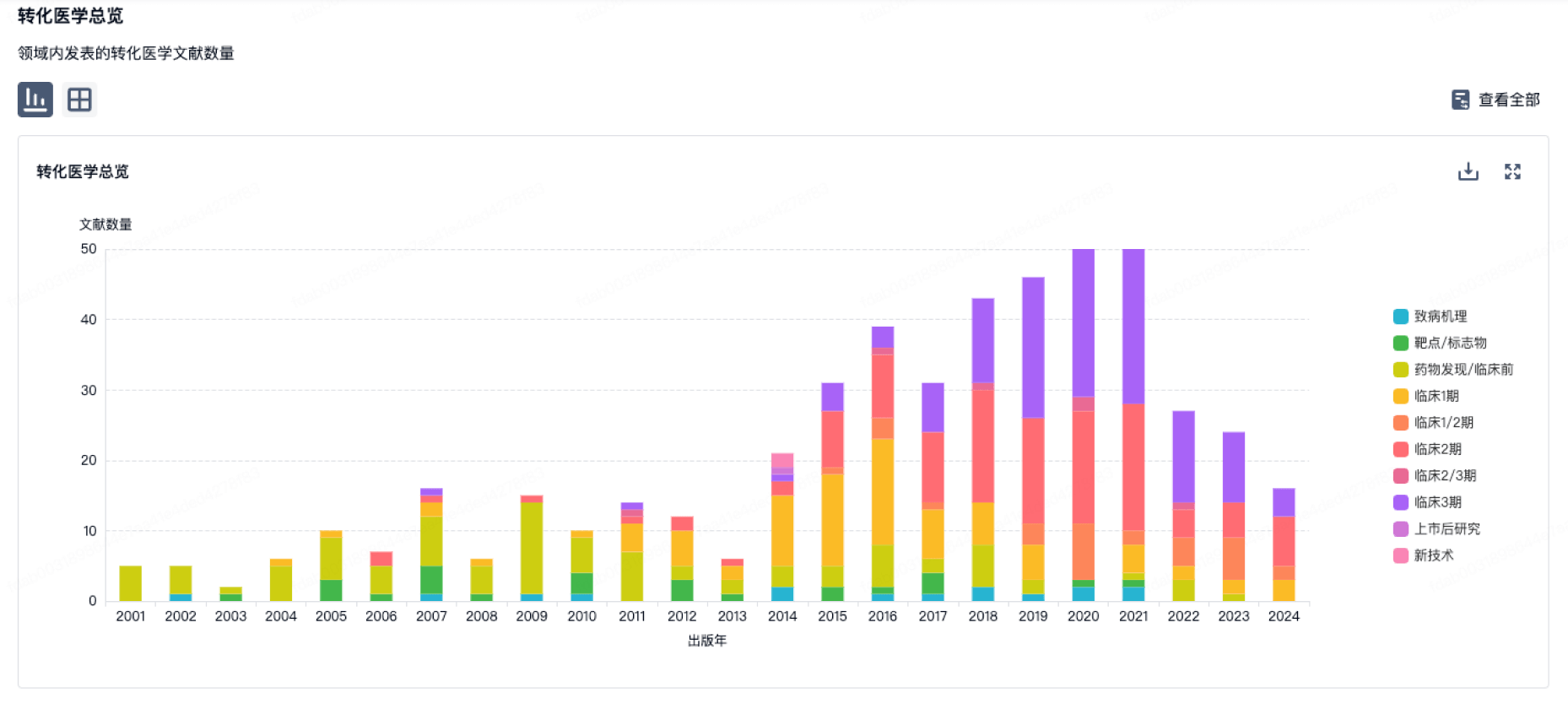
营收
使用 Synapse 探索超过 36 万个组织的财务状况。
登录
或
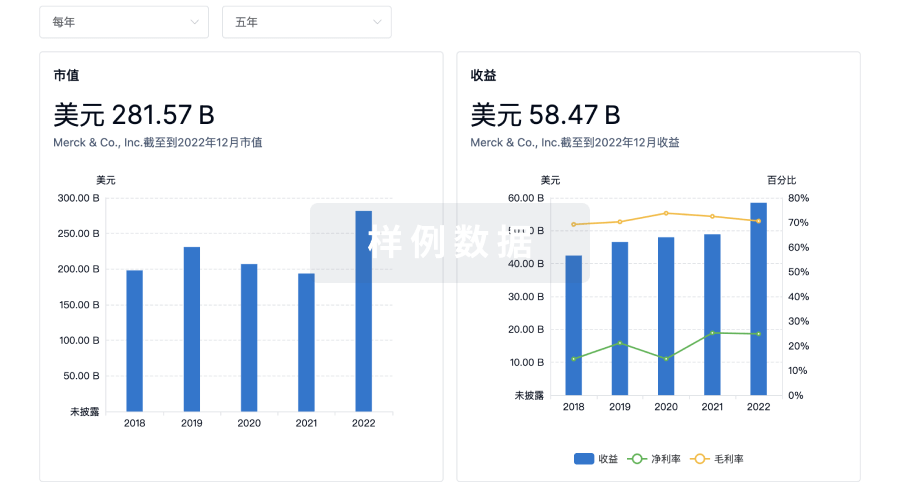
科研基金(NIH)
访问超过 200 万项资助和基金信息,以提升您的研究之旅。
登录
或
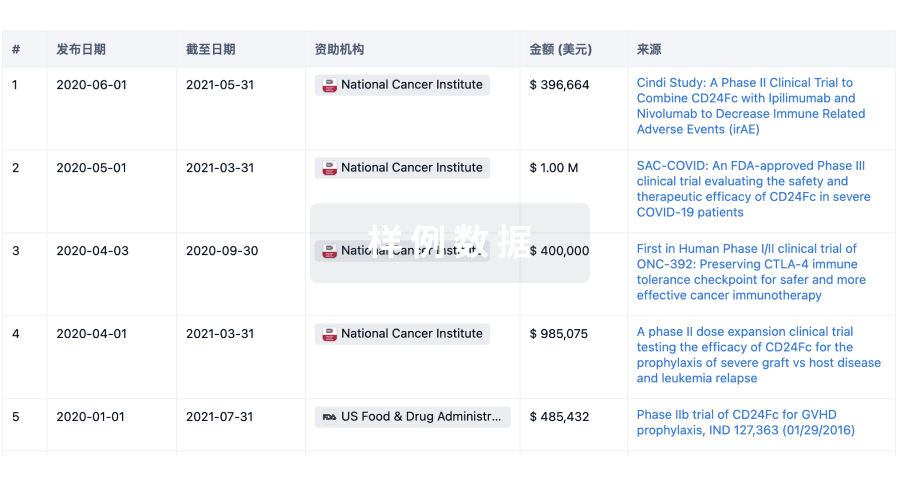
投资
深入了解从初创企业到成熟企业的最新公司投资动态。
登录
或
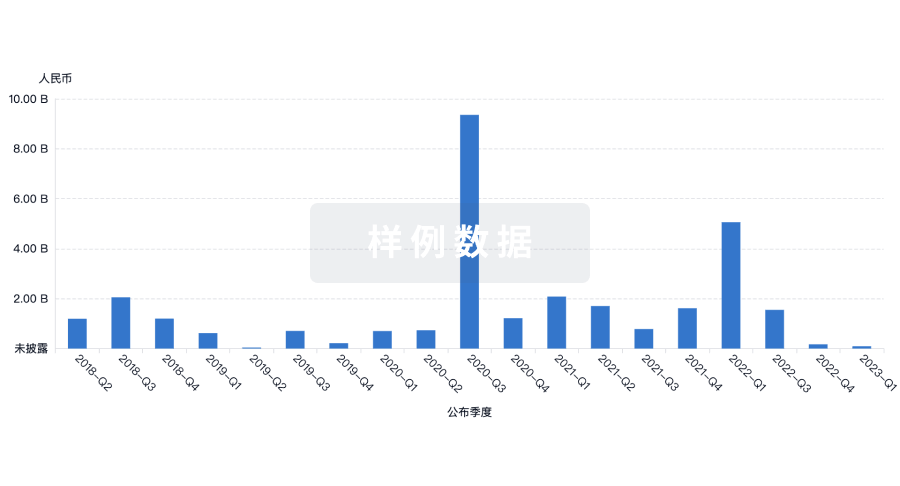
融资
发掘融资趋势以验证和推进您的投资机会。
登录
或
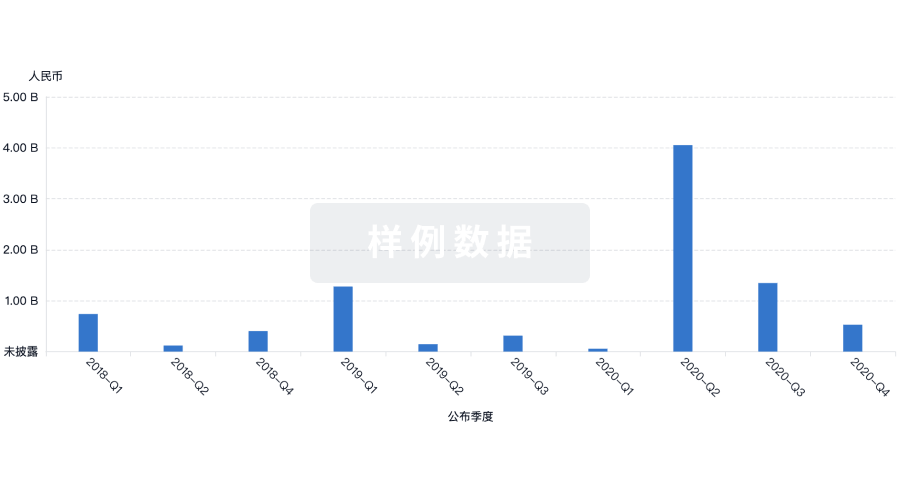
提出任何生物医药研究问题
让每一步生物医药决策都精准制胜
基于十亿级生物数据与全球情报的精准 AI,赋能早期药物发现
立即开始免费试用!
智慧芽新药情报库是智慧芽专为生命科学人士构建的基于AI的创新药情报平台,助您全方位提升您的研发与决策效率。
立即接入生物医药数据包
智慧芽新药库数据也通过智慧芽开放平台,以MCP或API服务形式对外开放。立即使用我们的MCP服务定制您的LLM智能体。
生物序列数据库
生物药研发创新
免费使用
化学结构数据库
小分子化药研发创新
免费使用