预约演示
更新于:2026-01-29

University of Milan
更新于:2026-01-29
概览
标签
感染
神经系统疾病
其他疾病
小分子化药
重组多肽
化学药
疾病领域得分
一眼洞穿机构专注的疾病领域

技术平台
公司药物应用最多的技术
靶点
公司最常开发的靶点
关联
靶点 |
作用机制 |
在研机构 |
原研机构 |
在研适应症 |
非在研适应症 |
最高研发阶段 |
首次获批国家/地区 |
首次获批日期 |
靶点 |
作用机制 |
在研机构 |
原研机构 |
在研适应症 |
非在研适应症 |
最高研发阶段 |
首次获批国家/地区 |
首次获批日期 |
靶点 |
作用机制 |
在研机构 |
原研机构 |
在研适应症 |
非在研适应症 |
最高研发阶段 |
首次获批国家/地区 |
首次获批日期 |
NCT07329946
Erdosteine Effect on Oxidative Stress, Inflammatory Response and Immune Modulation in Patients With COPD. A Single Center, Open Label, Double Arm, Controlled, 4-week, Explorative, ex Vivo Study."
NCT07259902
Mapping the Neuroplasticity of Patients Affected by Chronic Temporomandibular Disorders on fMRI
NCT07273123
Effect of Sugar-Free Chewing Gum Mastication on Fatigue of the Masticatory Muscles in Young Adults With and Without Temporomandibular Joint Disorders
100 项与 University of Milan 相关的临床结果
登录后查看更多信息
登录后查看更多信息
2026-12-31Virulence
The
Pseudomonas aeruginosa sirB2
gene is a fitness determinant of anaerobic growth and its inactivation affects virulence and rugose small colony variants emergence
Article
作者: Raffaelli, Nadia ; Baldelli, Valerio ; Ravishankar, Srikanth ; Paroni, Moira ; Colque, Claudia Antonella ; Mazzola, Francesca ; Rossi, Elio ; Johansen, Helle Krogh ; Carrasco Aliaga, Stacy Julisa ; Landini, Paolo ; Molin, Søren
Pseudomonas aeruginosa is the leading cause of death in cystic fibrosis (CF) patients, yet the genetic mechanisms driving its fitness in the host remain poorly defined. Previously collected transcriptomic data of clinical samples showed that expression of the gene PA14_RS04555 (sirB2) is stimulated in the CF lung environment. In this work, we show that sirB2 is regulated by the global transcriptional regulators Vfr and AmrZ. Loss of sirB2 markedly enhanced P. aeruginosa pathogenicity, increasing virulence in Galleria mellonella, and promoting bacterial translocation and biofilm formation in a differentiated airway epithelial infection model. Deletion of sirB2 triggered the emergence of biofilm-proficient rugose small colony variants (RSCVs), driven by elevated c-di-GMP and increased Pel polysaccharide production when cultures were grown in static conditions. The RSCV phenotype depends on suppressor mutations in the wsp operon, possibly as a response to redox imbalance caused by the lack of sirB2 under oxygen-limited conditions. Indeed, the sirB2 mutant exhibited impaired fitness during anaerobic respiration when nitrate was the sole electron acceptor, in a manner independent of the ubiquinone pool. Our findings show that sirB2 inactivation promotes RSCV emergence and identify sirB2 as a novel genetic determinant of metabolic fitness under host-relevant conditions, thereby underscoring the role of redox balance in chronic CF infections.
2026-05-01BRAIN BEHAVIOR AND IMMUNITY
Insights into mesenchymal stem/stromal cell conditioned media as a long-lasting treatment for pain and psychiatric comorbidities in a murine model of osteoarthritis
Article
作者: Franchi, Silvia ; Ceruti, Stefania ; Amodeo, Giada ; de Girolamo, Laura ; Taiana, Michela ; Piccolo, Simona ; Sacerdote, Paola ; Morte, Elena Della ; Galimberti, Giulia ; Brini, Anna Teresa ; Niada, Stefania
Osteoarthritis (OA) is a prevalent musculoskeletal condition characterized by chronic pain and often accompanied by psychiatric comorbidities, such as anxiety and depression. The mesenchymal/stromal cell (MSC) secretome has emerged as promising therapy due to its immunomodulatory and regenerative properties. This study aimed to compare the therapeutic efficacy of standard (CM) and cytokine-primed conditioned media (CM+) derived from human adipose-derived MSCs in mitigating pain, mood alterations and neuroinflammation in a murine OA model. OA was induced by intra-articular injection of monoiodoacetate in male C57BL/6J mice. On day 7, mice received a single intravenous dose of CM or CM+ at two concentrations. Pain-related behavior was assessed by mechanical and thermal nociceptive tests. Anxiety- and depression-like behaviors were evaluated through open field, light/dark box, and forced swim tests. Pro- and anti-inflammatory cytokines and (neuro)inflammatory markers were analyzed in OA joint, and in the peripheral and central nervous system. Peripheral innervation and substance P were assessed in OA paw skin. Both CM and CM+ reduced painful and affective symptoms in a dose-dependent manner. However, CM (from non-primed MSCs) exhibited faster onset and longer-lasting effects, up to 17 days post-injection, compared to CM+. CM also led to greater improvements in neuroinflammatory profiles, rebalancing cytokine pattern and macrophage polarization across peripheral and central tissues. MSC secretome, especially when generated without inflammatory priming, represents a safe and long-lasting therapeutic option for OA pain and associated mood disorders. These findings highlight its clinical potential as an innovative multi-targeted biological therapy.
2026-04-01Current Opinion in Insect Science
Targeting cell death processes for insect pest control: a promising but still underexploited strategy
Review
作者: Tettamanti, Gianluca ; Bruno, Daniele ; Toprak, Umut ; Casartelli, Morena ; Tian, Ling ; Mohamed, Amr
Cell death-related processes are fundamental to insect physiology, playing essential roles in development, immune response, and metamorphosis, thereby maintaining tissue and organism's homeostasis. Among the various cell death mechanisms, apoptosis is crucial for sculpting tissues, eliminating damaged or infected cells, and limiting pathogen replication. In parallel, autophagy serves as a self-recycling process that facilitates nutrient allocation, stress resilience, and remodeling of larval structures during development but, in specific contexts, can be associated with cell death. Beyond their physiological importance, apoptosis and autophagy have emerged as attractive targets for pest control. To this purpose, two strategies can be envisaged: i) inducing cell death in key tissues using natural or synthetic compounds to compromise insects' physiology and ii) manipulating apoptotic and autophagic signaling pathways through chemical or genetic tools, such as RNA interference (RNAi) or clustered regularly interspaced short palindromic repeats (CRISPR)/Cas9 systems, to impair development and immunity, thus reducing insect survival and fitness. Harnessing these cell death pathways offers promising new avenues for controlling insect pests and vector-borne diseases. However, further research is needed to improve the specificity, efficacy, and environmental safety of these approaches.
100 项与 University of Milan 相关的药物交易
登录后查看更多信息
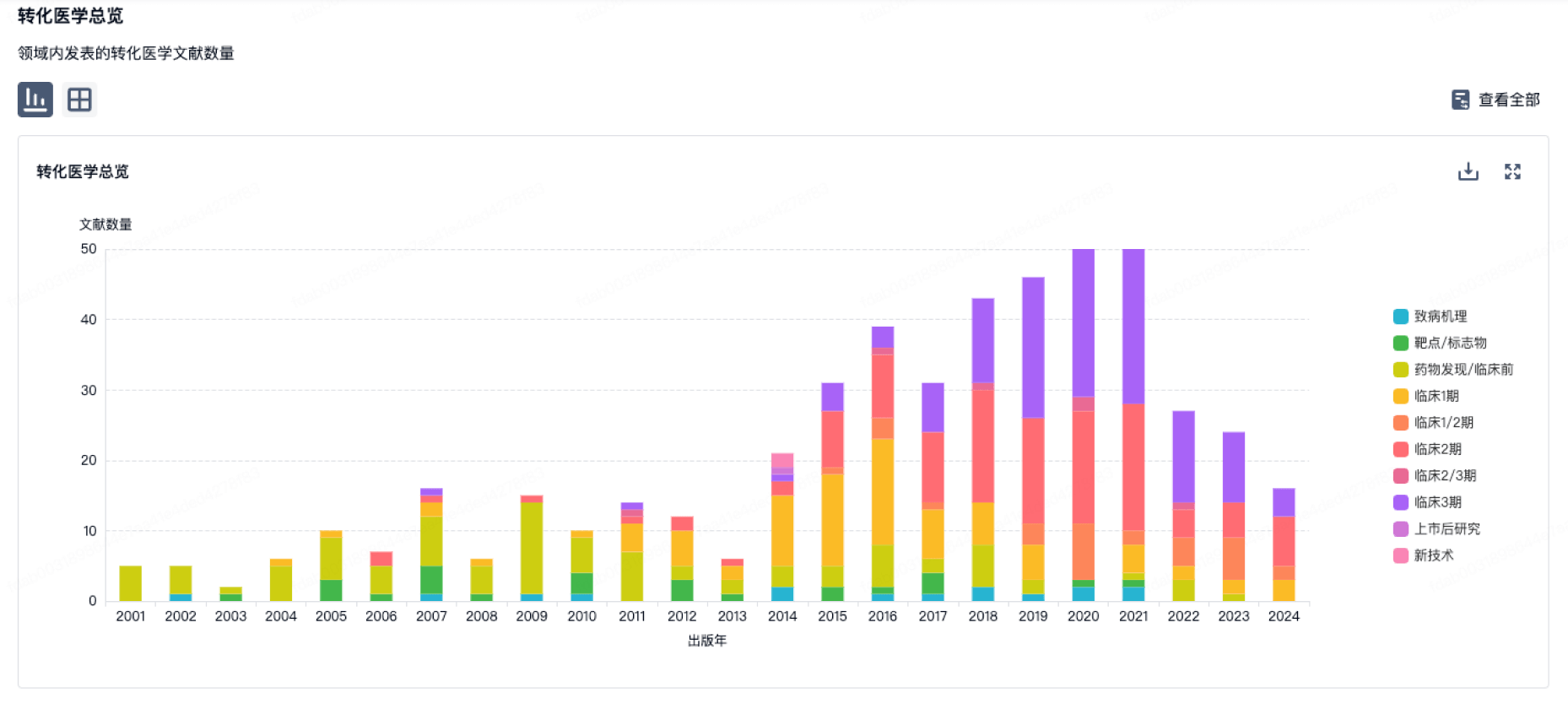
100 项与 University of Milan 相关的转化医学
登录后查看更多信息
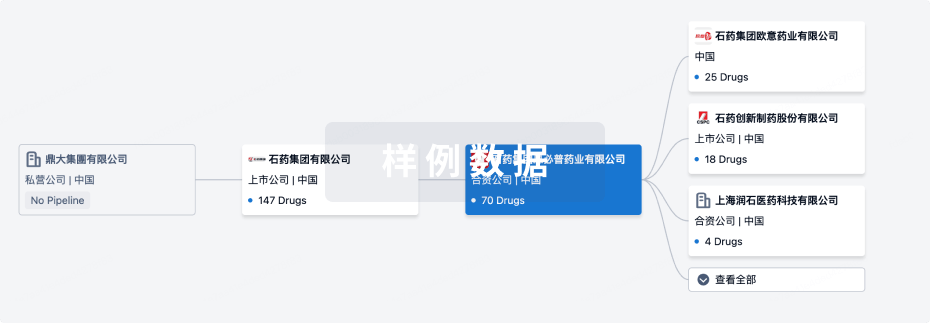
组织架构
使用我们的机构树数据加速您的研究。
登录
或
管线布局
2026年10月10日管线快照
管线布局中药物为当前组织机构及其子机构作为药物机构进行统计,早期临床1期并入临床1期,临床1/2期并入临床2期,临床2/3期并入临床3期
药物发现
5
32
临床前
临床3期
1
6
其他
登录后查看更多信息
当前项目
登录后查看更多信息
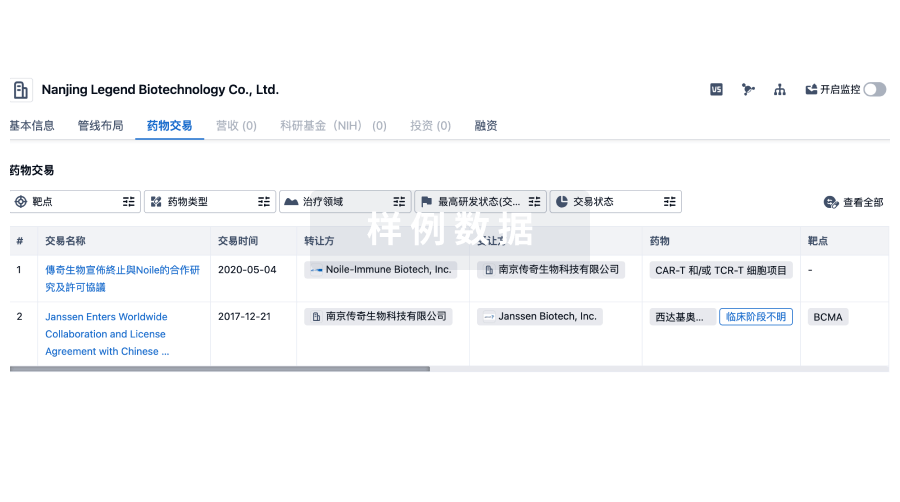
药物交易
使用我们的药物交易数据加速您的研究。
登录
或
转化医学
使用我们的转化医学数据加速您的研究。
登录
或
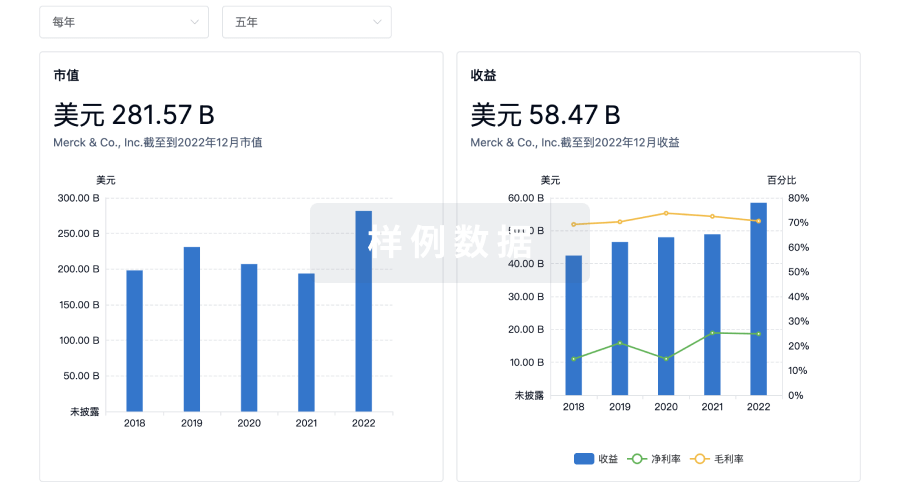
营收
使用 Synapse 探索超过 36 万个组织的财务状况。
登录
或
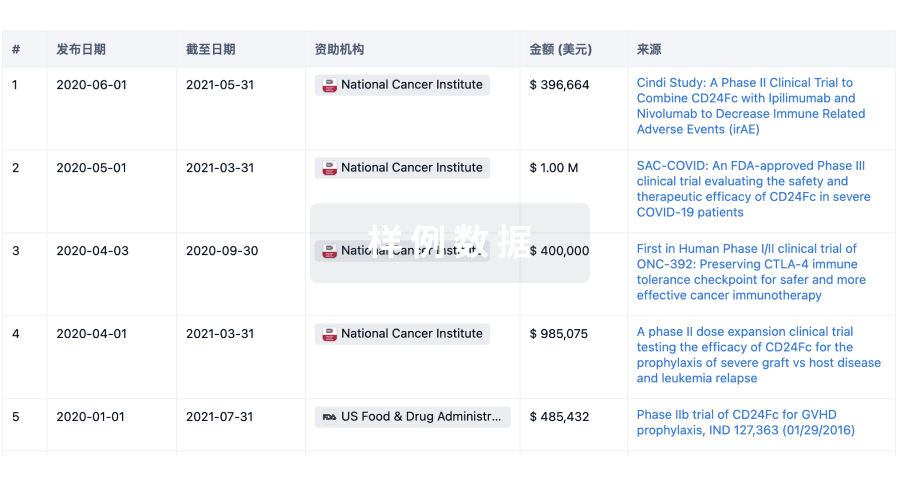
科研基金(NIH)
访问超过 200 万项资助和基金信息,以提升您的研究之旅。
登录
或
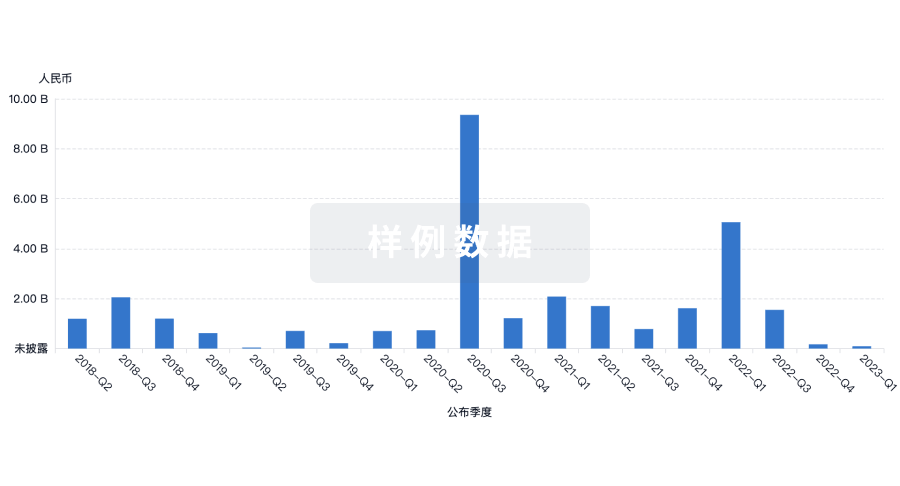
投资
深入了解从初创企业到成熟企业的最新公司投资动态。
登录
或
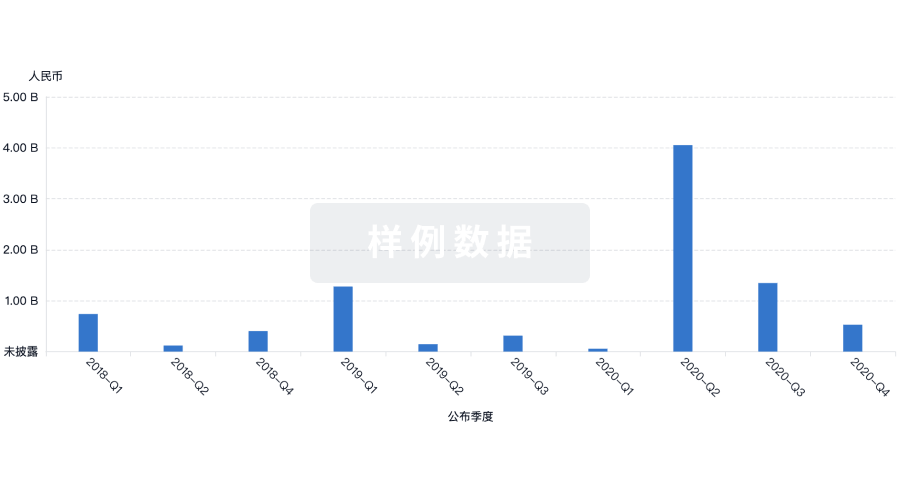
融资
发掘融资趋势以验证和推进您的投资机会。
登录
或
提出任何生物医药研究问题
让每一步生物医药决策都精准制胜
基于十亿级生物数据与全球情报的精准 AI,赋能早期药物发现
立即开始免费试用!
智慧芽新药情报库是智慧芽专为生命科学人士构建的基于AI的创新药情报平台,助您全方位提升您的研发与决策效率。
立即接入生物医药数据包
智慧芽新药库数据也通过智慧芽开放平台,以MCP或API服务形式对外开放。立即使用我们的MCP服务定制您的LLM智能体。
生物序列数据库
生物药研发创新
免费使用
化学结构数据库
小分子化药研发创新
免费使用