预约演示
更新于:2026-02-19

Tenpoint Therapeutics Ltd.
更新于:2026-02-19
概览
标签
遗传病与畸形
眼部疾病
干细胞疗法
疾病领域得分
一眼洞穿机构专注的疾病领域

暂无数据
技术平台
公司药物应用最多的技术
暂无数据
靶点
公司最常开发的靶点
暂无数据
| 排名前五的药物类型 | 数量 |
|---|---|
| 小分子化药 | 4 |
| 化学药 | 1 |
| 干细胞疗法 | 1 |
关联
6
项与 Tenpoint Therapeutics Ltd. 相关的药物作用机制 α-adrenergic receptor激动剂 |
在研适应症 |
非在研适应症- |
最高研发阶段批准上市 |
首次获批国家/地区 美国 |
首次获批日期2026-01-28 |

作用机制 FasL抑制剂 [+1] |
非在研适应症- |
最高研发阶段临床前 |
首次获批国家/地区- |
首次获批日期- |
靶点- |
作用机制- |
在研适应症 |
非在研适应症- |
最高研发阶段临床前 |
首次获批国家/地区- |
首次获批日期- |
3
项与 Tenpoint Therapeutics Ltd. 相关的临床试验NCT05270863
Multicenter, Double-Masked, Randomized, Safety and Efficacy Study of BRIMOCHOL™ PF and Carbachol PF Topical Ophthalmic Solution With Emmetropic Phakic and Pseudophakic Presbyopia
Safety and Efficacy Study of BRIMOCHOL™ PF and Carbachol PF in Subjects With Emmetropic Phakic and Pseudophakic Presbyopia
开始日期2022-03-30 |
申办/合作机构 |
NCT05135286
Multicenter, Double-Masked, Randomized, Safety and Efficacy Study of BRIMOCHOL™ PF and Carbachol PF Topical Ophthalmic Solution With Emmetropic Phakic and Pseudophakic Presbyopia
Safety and Efficacy Study of BRIMOCHOL™ PF and Carbachol PF in Subjects With Emmetropic Phakic and Pseudophakic Presbyopia
开始日期2022-03-15 |
申办/合作机构 |
NCT04774237
A 3-Dose, Multicenter, Randomized, Double-Masked, Crossover Phase 2 Safety and Efficacy Study of BRIMOCHOL™ Topical Ophthalmic Solution vs. BRIMOCHOL™ F Topical Ophthalmic Solution vs. Monotherapy With Carbachol Topical Ophthalmic Solution in Subjects With Emmetropic Phakic and Pseudophakic Presbyopia
Safety and Efficacy Study of BRIMOCHOL™ vs. BRIMOCHOL™ F vs. Carbachol Monotherapy Topical Ophthalmic Solutions in Subjects with Emmetropic Phakic and Pseudophakic Presbyopia
开始日期2021-03-24 |
申办/合作机构 |
100 项与 Tenpoint Therapeutics Ltd. 相关的临床结果
登录后查看更多信息
0 项与 Tenpoint Therapeutics Ltd. 相关的专利(医药)
登录后查看更多信息
1
项与 Tenpoint Therapeutics Ltd. 相关的文献(医药)2021-01-01·AAPS Advances in the Pharmaceutical Sciences Series
Ocular Surface Anatomy and Physiology: Impact on Product Development
作者: Shen, Jie ; Hughes, Patrick M.
Topical administration of drops is by far the most common and convenient way to administer drug to the eye.However, the efficiency of this route of delivery remains poor.Much of the failure of topical drug delivery is caused by poor compliance and difficulties with administration; however very low bioavailability also limits the effectiveness of topical ophthalmic medications.The bioavailability ranges from 1 to 5%.To improve therapeutic efficacy, the ophthalmic formulation scientist must take into consideration the unique anatomy and physiol. of the eye.This chapter will review the ocular surface anatomy and physiol. and discuss their impact on ophthalmic product development.The structure and function of the tear film, eyelids, and nasolacrimal system will be overviewed.Further, the impact that conjunctival and corneal permeability and absorption have on bioavailability will be discussed.The goal of this chapter is to provide an overview of the ocular surface anatomy and physiol. relevant to drug delivery to enable engineering of optimized ophthalmic delivery systems.
117
项与 Tenpoint Therapeutics Ltd. 相关的新闻(医药)2026-02-11
·青白视角
青白视角® 本期更新50条眼科前沿进展
眼科+0 青6 白6 视27 角11
1. 常规眼内注射可恢复低眼压性视力损伤
1月12日,英国莫菲尔德眼科医院研究发表于《英国眼科学杂志》,证实含羟丙基甲基纤维素(HPMC)的常规眼内注射剂可有效治疗低眼压症。低眼压症以眼内压异常降低为特征,破坏眼球结构,导致慢性进展性视力丧失甚至失明,此前无有效长期治疗手段,硅油填充术存在毒性及影响视力等弊端。HPMC为眼科常规透明凝胶,成本低廉,可安全提升患者眼球容积与眼内压,恢复眼球形态,实现临床意义视力改善。研究纳入8名患者,12个月治疗后7人视力、眼压及眼轴长度均改善,为后续大规模临床试验奠定基础。
2. SpyGlass 递交1亿美元IPO申请
1月20日,SpyGlass向美国SEC递交首次公开发行股票申请,计划募资最高1亿美元,拟在纳斯达克上市(股票代码SGP)。该公司成立于2019年,总部位于美国加州,核心研发方向为长效眼用药物递送解决方案,核心候选产品为比马前列素药贴-人工晶状体系统(BIM-IOL System),可在白内障手术中同步植入,持续3年递送比马前列素,降低开角型青光眼或高眼压症患者眼内压。此外,公司还在开发不含人工晶状体的比马前列素环形缓释植入剂,为已接受白内障手术的患者提供长效治疗选择。3. 研究预测2060年英国青光眼患者将破160万1月23日,《英国眼科学杂志》刊发研究显示,英国40岁及以上青光眼患者实际数量远超预估,预计2060年将增至161万(较2025年激增60%),而同期该年龄段人口预计仅增长28%。该研究由伦敦大学学院与穆尔菲尔兹眼科医院牵头,结合人口普查与临床数据,估算目前英国3400万40岁及以上成年人中,约102万人(3%)患青光眼,患病率随年龄增长显著上升(85岁及以上达11%),男性略高于女性。族裔差异明显,非洲裔患病率最高(4%),亚裔最低(<2.5%)。研究指出,青光眼早期无症状、确诊延迟,超40%患者因延误治疗出现视力损伤,呼吁加强早期筛查与健康宣教。4. FDA批准iDose TR青光眼治疗产品新增重复治疗标注
2026年1月28日,Glaukos宣布其iDose TR的NDA补充标注获FDA批准,准许该产品通过重复治疗方案再次给药。此次获批基于累计临床证据,证实iDose TR重复使用的安全性与耐受性,3期与2b期临床试验3年随访显示,未出现具临床意义的角膜内皮细胞丢失,置换试验也证实二次植入安全性良好、耐受性佳。修订后标注允许临床医生对角膜内皮细胞密度健康的患者实施多次给药,为青光眼长期管理提供更灵活方案,惠及更多潜在获益患者。iDose TR为首款长效前房内手术式药物治疗产品,24小时持续递送曲伏前列素,解决滴眼液依从性差、副作用多等问题。
5. Myra Vision完成Calibreye青光眼分流管试验首例入组
1月27日,Myra Vision宣布其Calibreye TGT手术系统治疗青光眼的ADAPT临床试验完成首例患者入组,距2025年8月FDA批准其IDE申请仅数月。ADAPT试验为前瞻性、多中心、非随机、开放标签研究,计划入组至多70名难治性青光眼患者,主要评估该可调式青光眼分流管术后12个月的安全性与有效性。Calibreye系统的核心优势的是,植入后临床医生可在裂隙灯辅助下调节房水流出量,实现长期个性化治疗,解决传统青光眼手术无法适配患者病情变化的弊端,助力优化患者降眼压效果,为难治性青光眼提供新型治疗方案。
6. 研究发现睡眠姿势与青光眼患者眼压升高相关
1月30日,《英国眼科学杂志》在线刊发研究显示,青光眼患者采用高枕头部体位(抬高20°~35°)时,眼压(IOP)显著升高、眼部灌注压(OPP)明显降低,与仰卧体位差异显著(P<0.001)。研究纳入144名青光眼患者,测量两种体位眼压,并通过超声观察20名健康志愿者颈静脉变化探究机制。核心发现:年轻患者与原发性开角型青光眼患者体位性眼压变化更显著;体位性眼压变化越大,中央角膜越厚,更易确诊为原发性开角型青光眼;高枕体位压迫颈静脉、加快血流速度,可能是眼压升高原因。研究建议开展长期研究验证调整睡眠姿势的疗效,临床诊疗中应提供个性化睡眠指导。
此处「青」涵盖:青光眼诊疗相关的药械产品技术
1. Allotex获FDA条件性IDE批准启动老视临床试验
1月12日,Allotex宣布其自研基于组织的老视治疗方案ALLO-1获FDA条件性研究性器械豁免(IDE)批准,准许启动美国临床试验。此次批准标志着公司从欧洲、加拿大等地区的国际化商业运营,正式转向FDA监管体系下的美国临床研究,可同步收集美国临床数据与海外真实世界经验,支撑全球拓展战略。与传统人工合成植入物及角膜切削手术不同,Allotex老视治疗方案以组织添加技术为核心,通过植入人体天然组织实现视力恢复,为老视患者提供新型治疗选择。2. FDA批准首款EDOF技术老视日抛软镜
1月7日,FDA正式批准首款采用专利延焦光学设计(EDOF)技术的老视日抛软性亲水性隐形眼镜,由Cataltheia Group及其美国子公司推出,将在美国商业化销售。该款Deseyne镜片可实现近中远全程连续视觉效果,解决多焦点镜片视觉妥协问题,依托专利高屈光力中心区设计调控光线折射,打造连续焦深。其采用单一球形光学区设计,缩短患者适应时间,焦深效果可媲美获批EDOF人工晶状体,能显著改善近中视力。镜片以聚甲基丙烯酸羟乙酯C水凝胶为基材,添加保湿成分,佩戴舒适,临床研究未报告不良事件,此前已在欧洲以Safilens品牌应用十多年。回顾点击:中国初代隐形眼镜用户开始老花的当下,我们来聊聊FDA首款EDOF隐形眼镜3. Rayner Sophi超声乳化系统获FDA 510(k)批准
1月14日,Rayner宣布其Sophi超声乳化系统获FDA 510(k)上市批准,该系统以瑞士眼科创新为核心,专为门诊手术中心、院外眼科机构及美国医院医疗网络设计,兼具前沿技术与精简操作体验。其核心特性包括三泵流体控制系统(支持蠕动泵与文丘里泵)、直观操作界面及无线供电设计,可提升操作灵活性与移动性,在保障患者安全的前提下,优化临床流程、加快患者周转。此外,该系统兼顾可持续发展,采用一次性日抛盒组件方案,每1000台白内障手术可减少307千克塑料废弃物,符合全球眼科机构环保立场。4. Lenstec与Voptica合作普及ArtIOL人工晶状体
1月19日,Lenstec与Voptica达成战略合作伙伴关系,推动Voptica全系列ArtIOL人工晶状体在英国市场普及,财务条款未披露。此次合作融合Voptica在光学研究、自适应光学及人工晶状体创新的优势,与Lenstec的本土市场布局、临床支持及客户服务能力,为英国眼科医师及患者提供稳定产品供应、高效物流及专业教育支持。ArtIOL系列搭载创新倒新月形光学设计,可帮助患者摆脱框架眼镜依赖,减少光视现象,复刻天然晶状体光学特性,优化周边视觉。Lenstec将负责该系列产品在英国的分销、物流及市场支持。5. Orasis公布Qlosi对老视眼具有瞳孔选择性作用
1月27日,Orasis 公布临床数据,证实0.4%盐酸毛果芸香碱眼用制剂Qlosi对老视眼具有瞳孔选择性,可显著缩小瞳孔直径,且对睫状肌反应无显著影响(P<0.05)。该前瞻性头对头研究由巴斯科姆·帕尔默眼科研究所开展,纳入10名平均年龄51.5岁的受试者,对比Qlosi、2%毛果芸香碱与平衡盐溶液的效果。结果显示,2%毛果芸香碱会引发视近时睫状肌显著活动,而Qlosi组与对照组无此现象。该数据补充了Qlosi 3期临床试验结果,其安全性良好,无严重副作用,上市后10个月真实世界应用中,未报告视网膜脱离等严重不良事件,为老视治疗提供安全有效的选择。
6. FDA批准首款老视双效滴眼液Yuvezzi上市
1月29日,Tenpoint 宣布FDA批准Yuvezzi上市,该药为首款且唯一获FDA批准的老视双效滴眼液,研发代号Brimochol PF,有效成分为2.75%卡巴胆碱与0.1%酒石酸溴莫尼定复方制剂,预计2026年二季度在美国全面商业化。此次批准基于两项3期临床试验阳性结果,BRIO I试验显示其疗效优于单一组分,BRIO II试验(最长周期老视安全性研究)显示,用药后8小时内,受试者双眼未矫正近视力改善≥3行,远视力无明显下降,超7.2万个治疗监测日未报告严重不良事件,常见不良反应为头痛、视力模糊等,眼部充血发生率低于单药卡巴胆碱组。公司同时募集2.35亿美元助力产品商业化。回顾点击:FDA首款老视复方滴眼液获批!瞳孔调节策略升温
此处「白」涵盖:白内障和老视诊疗相关的药械产品技术
1. Privosegtor获FDA突破性疗法认定治视神经炎1月6日,Oculis宣布其在研神经保护疗法Privosegtor获美国FDA突破性疗法认定,适用于视神经炎治疗。该药物为新型类肽小分子,可穿透血脑屏障与视网膜屏障,若获批将成为视神经病变领域首款同类首创神经保护疗法。目前视神经炎等相关疾病尚无获批神经保护药物,此次认定基于2期ACUITY临床试验数据,结果显示其可显著改善患者视功能,3毫克/千克/天剂量联合甲泼尼龙治疗3个月,患者低对比度视力平均提升18个字母(具临床意义),且能保护视网膜及视神经结构,耐受性良好,无严重不良事件。
2. Nanoscope获美国多特征视蛋白平台专利
1月7日,Nanoscope 宣布其自主研发的多特征视蛋白(MCO)技术平台获美国专利商标局专利(专利号:12,459,977),该专利广泛保护MCO平台应用方法,可用于视网膜变性疾病(视网膜色素变性、斯塔加特病、地图样萎缩)光感受器丧失患者的视力恢复,认定MCO为新型合成视蛋白。该平台具有宽光谱敏感性、快速动力学特征,可在环境光下发挥作用,无需外接光放大设备,突破现有技术局限。美国专利保护期至2039年,产品获批后可延长,目前已在澳、日获专利,中、欧申请处于审核阶段,夯实全球知识产权布局。
3. Atsena完成XLRS基因治疗试验B部分给药
1月8日,Atsena宣布其ATSN-201治疗X连锁视网膜劈裂症(XLRS)的1/2/3期LIGHTHOUSE临床试验B部分完成全部给药,预计2026年一季度启动3期C部分入组。B部分纳入12名患者(9名成人、3名儿童),成人分低高剂量组及对照组,儿童均接受低剂量,对照组先观察1年可后续治疗,2025年7月FDA认可该部分为关键临床试验。C部分计划纳入56名患者,随机分治疗组(单眼/双眼视网膜下注射ATSN-201)与对照组,数据将支持2028年初提交BLA。XLRS为罕见遗传性眼病,无获批药物,ATSN-2026安全性良好,已获FDA多项认定。
4. Complement核心基因疗法获FDA快速通道认定
1月8日,Complement宣布其用于治疗年龄相关性黄斑变性继发地图样萎缩(GA)的核心基因疗法CTx001获FDA快速通道认定。此次认定基于CTx001的研究性新药申请已获FDA批准,正式进入临床开发阶段。FDA快速通道认定旨在加速严重疾病、未满足医疗需求药物的研发与审评,企业可与FDA频繁沟通,加速审批进程。CTx001为AAV载体基因疗法,递送迷你补体受体1,长效调控补体激活级联反应,将在1/2期Opti-GAIN临床试验中评估,首例受试者预计2026年一季度在美国给药。
5. Annexon提交GBS首款靶向药欧洲上市申请
1月9日,Annexon向欧洲药品管理局提交tanruprubart的上市许可申请,用于治疗吉兰-巴雷综合征(GBS),这是该公司首次监管申报,也是GBS治疗的重要里程碑。GBS为罕见急性神经炎症性疾病,全球每年累及至少15万人,目前无FDA批准的疾病修正疗法。tanruprubart为首款同类首创单克隆抗体,选择性阻断补体经典途径介导的炎症反应(GBS神经损伤核心机制),单次输注即可起效,优于现有标准治疗。Annexon同时研发沃纳普单抗(3期临床,用于GA合并干性AMD),计划2026年向FDA提交tanruprubart的BLA申请。
6. OLN324头对头试验获糖尿病黄斑水肿阳性结果
1月9日,Ollin Biosciences宣布其OLN324与法瑞西单抗头对头1b期JADE临床试验获阳性结果,该研究纳入160余名糖尿病黄斑水肿(DME)或湿性AMD患者。OLN324为新一代VEGF/Ang-2双特异性抗体,抗Ang-2活性达60倍,分子更小、摩尔剂量更高。结果显示,DME患者中,OLN324视网膜积液消退更优,4毫克剂量组12周CST降幅较法瑞西单抗组高50%,近90%患者实现DME完全消退(对照组57%);湿性AMD患者中,两者疗效相当。两组患者视力均快速持久改善,OLN324组12周视力提升更显著。试验证实其安全性良好,无眼内炎症病例,计划推进至3期临床,详细结果将在后续学术会议公布。
7. 科学家捕捉到夜视细胞微小收缩反应
1月9日,国际研究团队在《Light: Science & Applications》发表成果,首次直接观察到视杆光感受器受光刺激后的毫秒级微小收缩反应,为视网膜疾病早筛及视觉研究开辟新途径。视杆细胞负责暗视觉,占视网膜光感受器95%,是多种致盲眼病最先退变的细胞,目前检测手段灵敏度低。研究借助光视网膜成像技术,在活体啮齿动物和人类眼中捕捉到该反应,啮齿动物受光后10毫秒内收缩幅度超200纳米,人体中发生于强光下缓慢伸长反应前,与光强度正相关。该反应反映视杆细胞早期感受器电位,可作为客观健康指标,早于传统手段发现病变。回顾点击:新型视网膜成像技术可直接测量活体视杆细胞功能
8. Topcon与RemoniHealth合作推动远程眼健康诊疗
1月13日,Topcon与RemoniHealth达成商业合作,推进远程眼健康诊疗战略,契合美国“乡村医疗转型计划”,满足规模化互联眼健康诊疗需求。RemoniHealth拥有业内首款眼科专属企业级远程监测及诊疗延续平台,整合居家诊断监测手段与健康管理服务,实现医师、健康管理师与患者的联动,用于慢性致盲性眼病的长期管理,已提供超12万次监测诊疗服务,可对接美国医保付费体系。此次合作融合Topcon影像、AI分析及互操作平台优势与RemoniHealth远程技术,丰富居家监测布局,推动其技术融入Topcon云基平台。
9. Ocugen公布OCU410治疗地图样萎缩2期阳性数据
1月15日,Ocugen宣布其OCU410治疗干性AMD继发地图样萎缩(GA)的2期ArMaDa临床试验获12个月阳性结果,OCU410为新型修饰基因疗法。中期分析纳入50%受试者,结果显示,中高剂量组GA病灶进展较对照组降低46%,中剂量组降幅达54%(具统计学意义),半数治疗患者病灶缩减超50%,基线病灶较大亚组降幅达57%。1期补充数据显示,治疗眼椭圆体带丢失速度较对侧眼降低60%,保护光感受器与RPE细胞。该疗法单次给药,靶向疾病多条通路,安全性良好,无严重不良事件,计划2028年提交BLA申请。
10. AAVantgarde完成USH1B首款人体基因治疗入组
1月16日,AAVantgarde Bio宣布其AAVB-081治疗1B型乌谢尔综合征(USH1B)相关视网膜色素变性的1/2期LUCE-1临床试验完成全部受试者入组。该试验为多中心、开放标签、剂量递增与扩展试验,纳入15名18-60岁成年受试者,评估单次视网膜下注射AAVB-081的安全性、耐受性及初步疗效。AAVB-081为双AAV基因治疗药物,靶向MYO7A基因突变(USH1B根本病因)。同时,公司正推进CELESTE临床试验(治疗斯塔加特病)的受试者招募,持续丰富临床研发管线,助力罕见遗传性视网膜疾病的治疗突破。
11. 阿柏西普8mg在欧洲获批第三个适应症
1月19日,欧盟委员会授予阿柏西普8mg(Eylea 8mg)欧盟上市许可,用于治疗视网膜静脉阻塞(RVO)继发黄斑水肿所致视力损害,成为其在欧盟获批的第三个适应症(前两为湿性AMD、DME)。RVO常表现为突发性视力下降,多见于工作年龄中老年人,传统抗VEGF注射需每月1次,患者负担重。3期QUASAR试验显示,阿柏西普8mg与2mg疗效非劣效,且大幅减少注射次数,初始3次注射后,64周平均注射次数较2mg组少2-3次,超60%患者给药间隔延长至4个月以上,安全性良好。该药物已在全球超60个市场获批,由拜耳与再生元联合研发。
12. BioAge拓展BGE-102至眼科治疗糖尿病黄斑水肿
1月21日,BioAge Labs宣布将其BGE-102药物研发拓展至眼科领域,计划启动概念验证临床试验,评估其治疗糖尿病黄斑水肿(DME)的疗效与安全性。BGE-102为口服小分子NLRP3炎症小体抑制剂,可在视网膜组织达到有效药物浓度,NLRP3激活是DME核心病理特征,可引发血管渗漏与视网膜损伤。临床前模型中,口服BGE-102可剂量依赖性维持视网膜血管完整性,近乎完全抑制渗漏,保留90%微血管结构。计划2026年年中启动1b/2a期试验,评估单药及与VEGF抑制剂联合治疗效果,顶线结果预计2027年年中公布,未来有望拓展至地图样萎缩等适应症。
13. Nanoscope核心疗法在日本获两项新药认定
1月20日,Nanoscope宣布其核心在研疗法MCO-010获日本厚生劳动省先驱疗法认定与孤儿药认定,用于治疗遗传性视网膜疾病(IRDs)所致严重视力丧失,成为日本首个同时获两项认定的视网膜基因疗法。先驱疗法认定为日本创新疗法最高级别快速审评认定,可缩短审评周期至6个月,获批后获定价支持;孤儿药认定授予罕见病治疗药物。MCO-010在欧盟获5项孤儿药认定,在美国获RP、斯塔加特病相关多项认定,FDA、EMA与PMDA均附条件批准其商品名Mogenry,目前公司正向FDA滚动提交BLA申请。
14.拜耳与BlueRock在研细胞疗法获RP孤儿药认定
1月22日,拜耳及其子公司BlueRock联合宣布,其合作在研细胞疗法OpCT-001获FDA孤儿药认定,适应症为视网膜色素变性(RP)。OpCT-001为诱导多能干细胞(iPSC)来源细胞疗法,目前正在1/2a期CLARICO临床试验中评估,用于治疗原发性光感受器疾病(含RP和锥杆细胞营养不良)。FDA孤儿药认定授予罕见病(美国患病人数<20万)治疗产品,提供监管与资金支持,鼓励罕见病疗法研发。CLARICO试验计划纳入至多54名成年患者,分1期(剂量递增,评估安全性)和2期(评估疗效与安全性),探索该疗法对视功能及视网膜解剖结构的影响。
15. PulseSight完成PST-611 1期临床试验入组
1月22日,PulseSight宣布其PST-611治疗干性AMD及地图样萎缩(GA)的1期临床试验完成全部患者入组,该试验分两个剂量组,共对6名患者完成给药,评估药物安全性与耐受性。研究数据预计将在2026年视觉与眼科研究协会(ARVO)年会上公布(5月3-7日)。PST-611为首创型基因治疗候选药物,通过表达转铁蛋白发挥作用,转铁蛋白是人体铁转运核心蛋白。干性AMD中,铁代谢紊乱导致视网膜游离铁蓄积,引发炎症、氧化应激及细胞铁死亡,临床前研究证实PST-611可保护光感受器与RPE细胞,保留动物模型视功能。
16. 四年延长期研究证实法瑞西单抗可减少注射次数
1月26日,一项针对1400余名糖尿病黄斑水肿(DME)患者的全球延长期研究发表于《眼科学》期刊,显示法瑞西单抗治疗并延长给药间隔方案,可使患者在4年内维持视力及视网膜厚度改善,多数患者给药间隔可延长至12-16周。该研究为RHONE-X试验(YOSEMITE/RHINE核心试验后续),纳入1474名受试者,均接受法瑞西单抗灵活给药方案,无强制每月负荷剂量。结果显示,4年周期内患者平均视力提升9.5-11.4个ETDRS字母,CST平均降低198-205微米,超90%患者实现DME消退;延长期2年中位注射次数7-8次,80%患者给药间隔≥12周,安全性与核心试验一致,无严重不良事件新增报告。
17. Novaliq获FDA许可推进非感染性前葡萄膜炎无激素滴眼液研发
1月26日,Novaliq宣布其在研新药NOV05的临床试验申请获FDA批准,将启动EYETAC 2期临床试验,评估其治疗非感染性前葡萄膜炎(NIAU)的疗效与安全性,试验预计2026年一季度在美国开展。NOV05为他克莫司眼用制剂,基于EyeSol无水药物递送技术,不含激素,可解决当前激素依赖治疗的临床痛点(高眼压、白内障等并发症)。口服他克莫司眼部生物利用度低、有全身毒性,而NOV05局部给药可高效递送药物至葡萄膜。该试验为随机双盲试验,设两种浓度组,评估安全性与剂量依赖性抗炎效果,临床前数据证实其眼部递送效率与疗效,同时为EyeSol技术眼底递送提供概念验证。
18. Opus启动MERTK相关视网膜色素变性基因治疗试验
1月27日,Opus Genetics宣布正式启动并完成资金筹备,开展其OPGx-MERTK治疗MERTK相关视网膜色素变性(RP)的临床试验。MERTK相关RP为罕见遗传性眼病,可导致进行性视力丧失甚至失明,目前无获批治疗方案。OPGx-MERTK为AAV载体基因治疗药物,通过向视网膜细胞递送功能性MERTK基因拷贝发挥作用,该基因突变会损害视网膜光感受器组件循环代谢,引发视网膜变性。该试验将在阿布扎比开展,由Opus与阿布扎比卫生部、克利夫兰诊所阿布扎比分院等机构联合推进,计划2026年全面启动临床开发工作。19. DF-003获FDA快速通道认定治疗ROSAH综合征
1月28日,Drug Farm宣布其在研首创型ALPK1抑制剂DF-003获FDA快速通道认定,适应症为ROSAH综合征。ROSAH综合征为罕见常染色体显性自身炎症性疾病,目前无获批治疗方案。FDA快速通道认定可加速严重疾病、未满足医疗需求药物的研发与审评,企业可与FDA频繁沟通,具备滚动式审评及优先审评申请资格。DF-003为口服小分子抑制剂,高选择性抑制致病性突变型ALPK1蛋白,可穿透血-视网膜屏障与血-脑屏障,临床前研究显示其可抑制炎症细胞因子表达,改善疾病表型。该药物已完成1期临床试验,目前处于1b期阶段,临床数据预计2026年公布。
20. OKYO与FDA沟通为Urcosimod 2b/3期研发提供支持
1月29日,OKYO 宣布其就Urcosimod治疗神经病理性角膜痛(NCP)拟开展的2b/3期临床试验,与FDA召开C类会议并达成全面共识,降低研发与注册风险。核心共识包括:FDA认可试验主要终点(12周VAS疼痛缓解程度),明确VAS评分较基线改善≥2分为具临床价值的效果;认可试验设计、样本量及检验效能假设,同意OPAS量表结果作为生活质量支持证据;在CMC策略及核心临床要素上无实质性异议。Urcosimod为首款获IND批准用于NCP的药物,已获FDA快速通道认定,OKYO预计2026年上半年启动2b/3期多剂量临床试验,计划入组120名患者。
21. 英国视力中心推出40岁以上眼健康全面检查服务
1月28日,英国视力中心(Centre for Sight)为40岁及以上人群推出“眼健康全面检查(Eye Health MOT)”服务,由专科医生主导,旨在眼病症状显现前筛查早期发病迹象,区别于DVLA视力检测。该服务为主动性临床评估,借助先进诊断技术,识别白内障、青光眼、黄斑病变等眼病早期指征,适合关注眼健康、视力有细微变化、有眼病家族史及需建立眼部健康基线的人群。检查包含远中近视力检测、全面验光、视野检测、角膜扫描、OCT、超广角眼底成像、青光眼风险评估等项目,结束后患者将获得详细检查报告,可为后续诊疗提供参考。
22. Belite完成斯塔加特病治疗药物Ⅱ/Ⅲ期试验入组
1月30日,Belite Bio宣布其tinlarebant治疗1型斯塔加特病(STGD1)的Ⅱ/Ⅲ期DRAGON II临床试验完成全部患者入组,该全球多中心研究纳入60名青少年患者(含15名日本受试者),为期24个月,为随机、双盲、安慰剂对照试验,评估药物疗效、安全性及耐受性,受试者按1:1随机分组接受治疗或安慰剂。STGD1为罕见遗传性视网膜疾病,儿童或青少年发病,进行性视力丧失,无病因性获批治疗方案。tinlarebant为口服疗法,通过降低血清RBP4水平,减少维生素A转运及毒性代谢产物蓄积,已获FDA、EMA、PMDA多项监管认定,公司计划2026年上半年向FDA提交新药上市申请。
23. VivaVision葡萄膜炎新药赴美上市迎新进展
1月6日,中国惟眸生物VivaVision Biotech公告,其非感染性前葡萄膜炎候选药VVN461HD申报美国NDA,中国正在开展的Ⅲ期临床试验可作为两项关键试验之一,仅需再在美国开展一项本土Ⅲ期试验。该药物为JAK1/TYK2双靶点免疫调节剂滴眼液,低剂量剂型正处于眼科术后炎症临床试验阶段,美国Ⅲ期试验计划2026年上半年启动。24. Bio Usawa雷珠单抗生物类似药非洲获批
1月13日,非洲Bio Usawa公司宣布,其雷珠单抗生物类似药BioUcenta获加纳上市批准,此前该药物已在卢旺达获批,是首款同时获两国批准的该类药物。2025年7月,Bio Usawa获该药物撒哈拉以南非洲授权,其定价将远低于原研药,预计未来数月将进一步拓展非洲其他市场,长期计划拓展至多治疗领域。
25. Ikarovec获衣壳技术用于AMD基因治疗
1月6日,英国Ikarovec公司签署授权选择权协议,获美国VectorBuilder创新型衣壳技术全球独家授权,用于其中期AMD基因治疗候选药IKAR-003研发。该衣壳技术支持玻璃体腔内注射给药,可提升药物可及性,IKAR-003为一次性注射制剂,旨在阻止AMD疾病进展。该公司另一款候选药IKAR-001预计2026年进入临床试验。
26. FDA批准Life Bio视神经病变细胞年轻化疗法临床试验
1月28日,美国Life Biosciences宣布,其靶向视神经病变的细胞年轻化候选疗法ER-100,IND申请获美国FDA批准,将启动Ⅰ期临床试验。该疗法采用部分表观遗传重编程技术,经玻璃体内注射给药,临床试验将纳入开角型青光眼及NAION患者,预计2026年第一季度启动入组,NAION目前尚无获批治疗方案。27. Alvotech与再生元、拜耳达成协议扫清市场障碍
1月29日,冰岛Alvotech宣布,与Regeneron、Bayer达成和解及许可协议,解决其阿柏西普生物类似药全球专利纠纷。根据协议,该药物将于2026年起分阶段在英、加、欧、日等多地上市,美国市场预计2026年下半年推出。该药物2025年已在欧洲及英国获批上市,目前其在全球不同地区的商业化权益已授权给多家企业。
此处「视」涵盖:眼底所有疾病包括葡萄膜炎等诊疗相关药械产品技术
1. CooperVision将在欧洲推出MyDay MiSight日抛镜1月6日,CooperVision宣布即将在英国及欧洲部分国家推出MyDay MiSight日抛型隐形眼镜。该镜片融合MiSight日抛ActivControl近视控制技术与MyDay系列先进硅水凝胶材料,既实现高效近视控制,又具备良好舒适性、透气性及眼部健康保护优势。其在MiSight日抛镜片基础上升级,后者是首款多市场获批儿童近视控制软性隐形眼镜。新款镜片适配儿童佩戴需求,助力眼部长期健康,将率先登陆英国,后续随监管审批推进,逐步覆盖欧洲更多国家及周边市场,巩固公司近视管理领域领先地位。
2. Staar 遭股东否决与Alcon合并案1月7日,Staar Surgical与Alcon的合并协议因未获股东批准正式终止,此次合并争议历时5个月。Staar Surgical公告显示,1月6日股东特别大会上,合并案未达法定支持票数,双方均无需支付终止费。该合并协议于2025年8月公布,Alcon拟以15亿美元现金收购Staar Surgical,溢价约59%。持有Staar Surgical 30.2%股份的第一大股东Broadwood Partners明确反对,认为报价低估公司价值。合并终止后,Staar Surgical将继续独立上市,股票仍在纳斯达克交易,Alcon表示战略重点不变,最终投票结果将通过8-K表格向SEC披露。回顾点击:终止!STAAR公布股东特别大会初步表决结果公司拟终止与爱尔康的合并协议;否决16亿并购案后STAAR最大股东斥近千万美元锁定30%股权:屈光市场的博弈棋局
3. AptarGroup推出“防眨眼”眼用给药技术
1月13日,AptarGroup发布全新眼健康给药系统“防眨眼(Beat the Blink)”,通过抑制眨眼反射,提升给药精度与患者使用体验,已与博士伦达成独家合作,预计24-36个月后商业化上市。该技术针对滴眼液使用中眨眼反射、头部后仰操作困难等痛点,采用水平式滴药设计,无需后仰头部,减少给药剂量偏差。其核心优势包括水平给药、适配无防腐剂配方的密封技术、符合眼科监管要求,同时具备儿童安全设计、完善微生物防护,兼容各类眼用制剂。该技术助力满足无防腐剂多剂量给药系统的市场需求。
4. Topcon MYAH设备与WAVE镜片设计软件对接
1月15日,WAVE Eye Care宣布Topcon MYAH设备与WAVE镜片设计软件完成系统集成,简化特殊接触镜验配与设计流程。此次对接实现Topcon MYAH设备采集的角膜地形图数据一键导入WAVE软件,省去人工录入环节,提升效率与精准度,可基于患者独特角膜解剖结构设计个性化镜片。WAVE Eye Care拥有全系列定制化特殊接触镜,此次集成打造标准化设计流程,依托精准角膜数据,为角膜塑形镜、巩膜接触镜等高端镜片验配提供技术支撑,助力提升临床诊疗质量。
5. Newton与ABB Labs合作拓展美国镜片市场
1月19日,Newton(前Neurolens)宣布选定ABB Labs作为战略实验室合作伙伴,推动其镜片产品组合在美国全境普及,财务条款未披露。依托ABB Labs美国本土实验室布局及与独立视光行业的长期合作,全美数千家新增独立眼健康机构将引入Newton产品(含Neurolens和Sequel系列),实现更广泛市场覆盖与高效交付。Neurolens系列搭载专利曲面棱镜技术,缓解视位偏斜相关不适;Sequel系列融入集合增强技术,提升电子屏幕使用时的视觉舒适度,已纳入美国视力服务计划,惠及数百万患者。
6. Focus Vitamins推出无防腐剂人工泪液
1月20日,Focus Vitamins宣布推出Focus Tears PF无防腐剂人工泪液,专为缓解眼干、眼刺激症状设计,可快速实现眼部舒缓保湿。随着风沙、日晒、长时间使用电子屏幕等刺激因素增多,眼干症状发生率显著上升,该产品含0.5%羧甲基纤维素(CMC),为经典眼部保湿成分,可维持眼表润滑。无防腐剂配方适合频繁、长期使用,尤其适用于眼表敏感人群,避免传统防腐剂引发的眼部刺激,采用一次性无菌小支包装(每盒30支),兼容隐形眼镜佩戴时使用,为眼干人群提供安全便捷的保湿选择。
7. BioTissue完成外科及伤口护理业务出售
1月22日,BioTissue Holdings完成旗下非眼科业务——外科及伤口护理业务的出售,受让方为专注于胎盘源高端伤口护理产品的BioStem Technologies,财务条款未披露。根据协议,BioStem获得Neox与Clarix两大产品线独家经营权,BioTissue原外科业务销售及核心支持人员加入BioStem,且BioTissue将为其代工生产相关产品。完成资产剥离后,BioTissue将聚焦急慢性眼表疾病介入性治疗领域,其现有眼健康产品组合包括Prokera、CAM360羊膜移植物、AmnioGraft及AmnioGuard,进一步集中资源推进眼健康业务发展。
8. 尼德克在欧洲推出Phantom开放式视野验光系统
1月26日,尼德克(Nidek)宣布在欧洲推出Phantom开放式视野验光系统,该系统为双目开放式设备,摒弃物理镜片,患者检查时眼前无遮挡,打破行业技术限制,可在自然视觉条件下开展验光,兼顾舒适度与高精度。系统采用虚拟镜片技术,数字化模拟真实镜片光学特性,无需更换机械镜片即可精准调节球镜、柱镜度数及轴位,操作简洁直观。依托高测量精度,该系统可在5分钟内完成全部验光流程,减少复核需求,提升患者流转效率,配备直观触摸屏操作界面,指引清晰、易上手,为眼科验光提供新型高效解决方案。
9. FDA批准GenEdit角膜基因编辑药临床试验
1月5日,中国香港GenEdit Bio宣布,其针对TGFBI基因突变所致角膜营养不良的基因编辑候选药GEB-101,IND申请获美国FDA批准,将启动Ⅰ/Ⅱ期临床试验。该药物基于CRISPR-Cas技术研发,以核糖核蛋白形式封装,采用单次角膜基质内注射给药,美国受试者入组预计2026年第二季度启动。
10. Formosa授权Samil在韩推广氯倍他索滴眼液
1月12日,Formosa与韩国Samil达成授权协议,授予后者在韩独家推广0.05%丙酸氯倍他索滴眼液的权利,该药物用于治疗眼科术后炎症与疼痛。协议包含首付款、里程碑付款及特许权使用费,财务细节未披露。该药物美国商品名为Byqlovi,2024年获批上市,Formosa已在全球范围内签署多项相关授权协议。
11. Santen在日本获批上睑下垂滴眼液Upneeq Mini
1月8日,RVL宣布,其合作方Santen已在日本获批盐酸羟甲唑啉滴眼液,商品名定为Upneeq Mini,用于治疗获得性上睑下垂。该药物2020年获美国FDA批准,是全球首款此类处方滴眼液,每日滴用1次,5分钟起效,效果可持续8小时。2020年7月,Santen已获该产品日本及其他国际市场独家授权。
此处「角」涵盖:眼表/角膜/屈光手术/视光/眼眶整形/斜弱视等其他诊疗相关的药械产品技术
系列阅读:月报系列已更新至第43期
IPO临床结果申请上市
2026-02-10
·雪球
看了别人的文章,很好奇,就研究了一下,让数据来说话:1,关停事实陈述美国小微医药创新企业(Biotech)的关停数据需区分权威公开统计与实际行业规模,核心结论:2023-2025年全球知名Biotech关停60+家,其中美国占比约80%;2026年初已新增4+家美国Biotech关停;若计入未公开的早期初创企业,实际关停数量远高于此。典型关停案例(美国)NidoBiosciences(2026.1):获1.09亿美元融资,因核心管线NIDO-361II期临床失败关停,专注神经肌肉疾病。RampartBioscience(2026.1):获1.25亿美元融资,基因治疗公司,因非病毒载体递送技术遇挫关停。MythicTherapeutics(2025.12):专注ADC药物,融资超1亿美元,因临床数据不佳+融资失败终止所有业务。ArenaBioWorks(2025.11):2024年获5亿美元融资(5位亿万富豪投资),AI药物发现公司,运营不足两年即关停。KojinTherapeutics(2025.4):全球首家专注铁死亡药物研发,因无法获得足够资金推进临床关停。的确是关停了,但是说2026年有关停潮,目前还不能这么说,因为目前数据未能远远偏离前三年的数据。2.新企业和新融资2025年美国Biotech融资:全年融资约32.6亿美元(PitchBook数据),较2021年峰值(超1000亿美元)大幅回落,但仍有1,526笔交易;单笔平均融资额提升,资金向优质项目集中。2026年初新动态:1月已有多笔大额融资,如Tenpoint获8500万美元、Cytotheryx获6000万美元、VibrantTherapeutics获6100万美元(辉瑞风投参与);AI+自动化实验室公司Medra完成5200万美元A轮融资,累计6300万美元。新企业成立:2025—2026年仍有新Biotech诞生,多聚焦AI药物发现、基因治疗、罕见病等前沿领域;如2026年1月成立的Breakthru(专注罕见病的AIBiotech)。3.原因分析确实相比2021年大幅回落,但是要知道,2021年是新冠疫情爆发年,那年的数据本来就很夸张,应该说是远远超过过去几十年的总和,这个因素必须考虑,所以看看疫情前后的对比,而且要除去疫情的影响。但是毕竟现在资本容错率低,为什么呢?融资环境恶化:美联储加息导致资金成本飙升,VC对Biotech投资骤减,2025年美国BiotechVC募资规模较2018年峰值下降92%。临床失败率高企:早期Biotech临床I/II期失败率超70%,III期失败率达30%,一旦核心管线失败,资金链极易断裂。IPO退出通道冻结:2025年美股BiotechIPO数量跌至2012年以来最低,VC退出困难,形成“投资-退出”闭环断裂。监管政策不确定性:美国药品定价改革(如《通胀削减法案》)、FDA审批趋严、NIH预算削减等,进一步动摇投资信心。4.对中国CXO企业尤其是龙头企业影响大吗?以药明康德为例:一句话总结:疫情前是健康的“创新资本”生态,2020-2021年是“资本泡沫”狂欢,当前回归“数据价值”本源;药明康德作为CXO龙头,在周期切换中反而巩固了市场份额。5.总结所以概括来说,就是目前正在Biotech在疫情阶段成立的垃圾公司的最后出清阶段,随着这几年热钱的离开,加上整体局势,融资成本的高企,资本已经彻底冷静下来,开始做除法,所以关停潮一说成立,但这是好事,意味着行业即将触及冰点,可能有个别公司的错杀,但是更多的是去伪存真。而中国CXO龙头企业,则在这波去伪存真的浪潮中可以在CDMO的托底之下,等待CRO的新一次放量,融资市场已经瞄准了AI医药研发的新领域,但无论是AI还是人工,都需要药明康德这样的铲子选手来实现。$药明康德(SH603259)$$凯莱英(SZ002821)$$泰格医药(SZ300347)$
2026-02-09
·华益药业
法规公告
工业和信息化部:工业和信息化部等八部门关于印发《中药工业高质量发展实施方案(2026—2030年)》的通知
中医药是中华文明的瑰宝,中药工业是中医药现代化发展的重要支撑,在保障人民健康、推动经济发展和传承传统文化等方面具有重要作用。为深入贯彻习近平总书记关于中医药的重要指示批示精神,落实《国务院办公厅关于提升中药质量促进中医药产业高质量发展的意见》,进一步推动中药工业全产业链协同和高质量发展,更好满足人民群众多元化、多层次的健康需求,制定本方案。
https://www.miit.gov.cn/zwgk/zcwj/wjfb/tz/art/2026/art_5e00cad1c3ba41f085535f505b26c8f3.html
CDE:国家药监局药审中心关于发布《慢性失眠治疗药物临床试验技术指导原则(试行)》的通告(2026年第1号)
按照国家药品监督管理局的部署,药审中心组织制定了《慢性失眠治疗药物临床试验技术指导原则(试行)》(见附件)。根据《国家药监局综合司关于印发药品技术指导原则发布程序的通知》(药监综药管〔2020〕9号)要求,经国家药品监督管理局审查同意,现予发布,自发布之日起施行。
https://www.cde.org.cn/main/news/viewInfoCommon/8ef6c5163e703a6fd4829653678df473
CDE:关于公开征求《化学仿制药参比制剂目录(第一百零三批)》(征求意见稿)意见的通知
根据国家局2019年3月28日发布的《关于发布化学仿制药参比制剂遴选与确定程序的公告》(2019年第25号),我中心组织遴选了第一百零三批参比制剂(见附件),现予以公示征求意见。
https://www.cde.org.cn/main/news/viewInfoCommon/da574bb4bfe3cfc6b45be5721bdf8b49
CDE:国家药监局药审中心关于修订发布《抑郁障碍治疗药物临床试验技术指导原则(试行)》的通告(2026年第11号)
按照国家药品监督管理局的部署,药审中心组织修订了《抗抑郁药的药物临床试验指导原则》(原总局通告2018年第39号),形成《抑郁障碍治疗药物临床试验技术指导原则(试行)》(见附件)。根据《国家药监局综合司关于印发药品技术指导原则发布程序的通知》(药监综药管〔2020〕9号)要求,经国家药品监督管理局审查同意,现予发布,自发布之日起施行。
https://www.cde.org.cn/main/news/viewInfoCommon/993985b7016b2b88b0d5318d3a33086d
企业动态
1、华东医药从 Arcutis Biotherapeutics 引进的罗氟司特乳膏新适应症上市申请获受理。根据该药的临床研究进度,推测本次申报的新适应症可能为用于治疗 2-5 岁特应性皮炎患者。
2、诺华公司的司库奇尤单抗其新适应症获得 NMPA 批准,适用于治疗对非甾体类抗炎药(NSAID)应答不佳的活动性放射学阴性中轴型脊柱关节炎成人患者(其客观征象表现为 C 反应蛋白(CRP)升高和/或磁共振成像(MRI)证据)。
3、艾伯维已向美国 FDA 和欧洲 EMA 提交了乌帕替尼(15 毫克,每日一次)用于治疗成人和青少年非节段型白癜风(NSV)的新适应症申请。若获得批准,乌帕替尼将成为首个可用于治疗白癜风的全身性药物,以期改变白癜风的治疗格局。
4、诺华在国内递交了 1 类新药伊利尤单抗注射液的上市申请,并获得受理。推测本次申报的适应症可能为干燥综合征。试验数据显示,伊利尤单抗针对疾病活动性具有统计学意义的显著改善。而且,伊利尤单抗在干燥综合征中表现出良好的耐受性,并展示了良好的安全性。
5、拜耳宣布中国 NMPA 已批准达罗他胺的新适应症上市,联合雄激素剥夺疗法(ADT)用于治疗转移性激素敏感性前列腺癌(mHSPC)患者。这是该药在中国获批的第3项适应症。2024 年,达罗他胺的全球销售额为 16.41 亿美元,同比增长 77%。
6、扬子江药业申报的3类仿制药琥珀酸地文拉法辛缓释片获批生产并视同过评,该品种属第三代抗抑郁药,通过抑制5-羟色胺和去甲肾上腺素的再摄取,提高二者在突触间隙的浓度,发挥双重抗抑郁作用,临床主要用于成人抑郁症的治疗,是兼具疗效与依从性优势的迭代品种。
7、康方生物其自主研发的双特异性抗体新药依沃西(PD-1/VEGF双抗)联合疗法用于一线治疗晚期胆道恶性肿瘤(BTC)已被中国国家药监局药品审评中心(CDE)纳入突破性治疗品种。
8、广东东阳光药业提交的富马酸伏诺拉生片正式获批上市,并通过一致性评价。该品种在2024年全终端医院销售额近8亿元,目前国内仍由原研企业武田制药独家占据,被广泛用于反流性食管炎、胃溃疡、十二指肠溃疡等酸相关疾病的治疗。
9、云顶新耀的艾曲莫德(VELSIPITY®,曾用名:伊曲莫德)获批上市,用于治疗对传统治疗或生物制剂应答不充分、失应答或不耐受的中度至重度活动性溃疡性结肠炎(UC)成人患者。
10、成都倍特药业提交的3类仿制药盐酸艾司氯胺酮注射液获批上市,并视同通过一致性评价。该产品在2024年全终端医院市场的销售额达2.58亿元,2025年前三季度销售额达1.65亿元,市场潜力可期。
11、齐鲁制药控股子公司齐鲁安替制药按化药注册分类4类申报的头孢托仑匹酯颗粒上市申请已获受理。截至目前,该品种在国内除原研外,国内仅有福安药业获得头孢托仑匹酯颗粒生产批文。
12、科伦博泰自主研发的TROP2 ADC药物——芦康沙妥珠单抗(sac-TMT)正式获批一项新适应症,用于治疗既往接受过内分泌治疗且在晚期或转移性阶段接受过其他系统治疗的不可切除的局部晚期或转移性激素受体阳性(HR+)且人表皮生长因子受体2阴性(HER2-)乳腺癌(BC)成人患者。
13、Tenpoint Therapeutics 的YUVEZZI 滴眼液(曾用名 BRIMOCHOL PF)在美国FDA获批上市,用于治疗老花眼。这是 FDA 批准的首款用于治疗老花眼的复方滴眼液。YUVEZZI每日一滴,可在 30 分钟内起效,持续长达 10 小时。
14、恒瑞医药公司HR091506片的上市许可申请获国家药监局受理,用于痛风患者高尿酸血症的长期治疗。资料显示,HR091506片是一款改良型新药,为非布司他口服缓释片剂。采用胃滞留制剂技术研发,以实现延长有效血药浓度维持时间,提高降尿酸达标率。
15、荣昌生物制药(烟台)股份有限公司按2.1;2.2注册分类申报的泰它西普注射液新适应症临床试验申请获默示许可。本次拟定适应症为:自身免疫性肝炎(AIH)成人患者。
16、陕西盘龙药业已获得氟比洛芬贴剂的临床批件,该品种是骨关节炎、肌肉痛等疾病的经典非甾体抗炎外用药,其原研产品早在1998年便已在日本上市,因其疗效确切、外用便捷而备受青睐,目前此品种在国内尚未有企业获批。
17、福元药业有限公司按化药注册分类4类申报的非那雄胺喷雾剂临床试验申请获默示许可。本次拟定适应症为:本品适用于18至41岁男性轻度至中度男性型秃发(雄激素性秃发)的局部外用治疗,以促进头发生长并防止继续脱发。
18、湖南九典制药股份有限公司按化药注册分类3类申报的酮咯酸氨丁三醇片上市申请获受理。公开资料显示,酮咯酸氨丁三醇片是新一代安全强效的非甾体类抗炎镇痛药,主要适用于需要阿片水平镇痛药的急性较严重疼痛的短期治疗,通常用于手术后镇痛,不适用于轻度或慢性疼痛的治疗。
来源|国家药监局、药审中心、医药魔方、米内网
编辑整理|华益药业
100 项与 Tenpoint Therapeutics Ltd. 相关的药物交易
登录后查看更多信息
100 项与 Tenpoint Therapeutics Ltd. 相关的转化医学
登录后查看更多信息
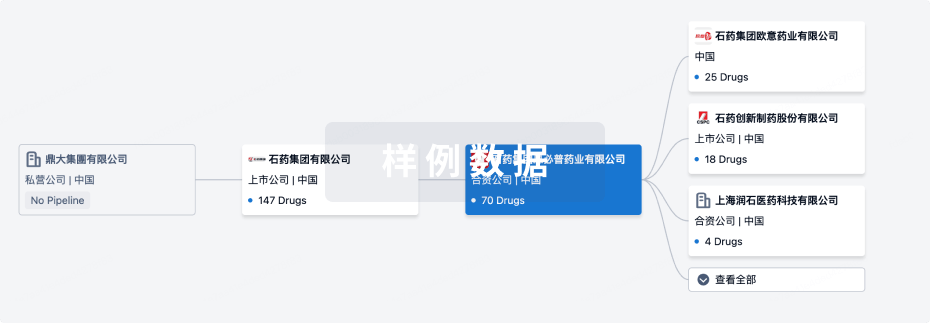
组织架构
使用我们的机构树数据加速您的研究。
登录
或
管线布局
2026年10月08日管线快照
管线布局中药物为当前组织机构及其子机构作为药物机构进行统计,早期临床1期并入临床1期,临床1/2期并入临床2期,临床2/3期并入临床3期
药物发现
1
4
临床前
临床申请批准
1
1
批准上市
其他
2
登录后查看更多信息
当前项目
| 药物(靶点) | 适应症 | 全球最高研发状态 |
|---|---|---|
卡巴胆碱/酒石酸溴莫尼定 ( α-adrenergic receptor ) | 老花眼 更多 | 批准上市 |
卡巴胆碱 ( nAChRα1/β1/δ/γ ) | 老花眼 更多 | 临床申请批准 |
VP1-001 ( CRYAA ) | 老花眼 更多 | 临床前 |
TPT-005 | 地图样萎缩 更多 | 临床前 |
VIS-001052 | 晶状体疾病 更多 | 临床前 |
登录后查看更多信息
药物交易
使用我们的药物交易数据加速您的研究。
登录
或
转化医学
使用我们的转化医学数据加速您的研究。
登录
或
营收
使用 Synapse 探索超过 36 万个组织的财务状况。
登录
或
科研基金(NIH)
访问超过 200 万项资助和基金信息,以提升您的研究之旅。
登录
或
投资
深入了解从初创企业到成熟企业的最新公司投资动态。
登录
或
融资
发掘融资趋势以验证和推进您的投资机会。
登录
或
提出任何生物医药研究问题
让每一步生物医药决策都精准制胜
基于十亿级生物数据与全球情报的精准 AI,赋能早期药物发现
立即开始免费试用!
智慧芽新药情报库是智慧芽专为生命科学人士构建的基于AI的创新药情报平台,助您全方位提升您的研发与决策效率。
立即接入生物医药数据包
智慧芽新药库数据也通过智慧芽开放平台,以MCP或API服务形式对外开放。立即使用我们的MCP服务定制您的LLM智能体。
生物序列数据库
生物药研发创新
免费使用
化学结构数据库
小分子化药研发创新
免费使用