预约演示
更新于:2026-01-25

Jiangxi Science & Technology Normal University
更新于:2026-01-25
概览
标签
肿瘤
其他疾病
感染
小分子化药
化学药
合成多肽
疾病领域得分
一眼洞穿机构专注的疾病领域

技术平台
公司药物应用最多的技术
靶点
公司最常开发的靶点
关联
靶点 |
作用机制 |
在研机构 |
原研机构 |
在研适应症 |
非在研适应症 |
最高研发阶段 |
首次获批国家/地区 |
首次获批日期 |

靶点 |
作用机制 |
在研机构 |
原研机构 |
在研适应症 |
非在研适应症 |
最高研发阶段 |
首次获批国家/地区 |
首次获批日期 |
靶点 |
作用机制 |
在研机构 |
原研机构 |
在研适应症 |
非在研适应症 |
最高研发阶段 |
首次获批国家/地区 |
首次获批日期 |
100 项与 江西科技师范大学 相关的临床结果
登录后查看更多信息
登录后查看更多信息
2026-03-01BIOELECTROCHEMISTRY
A colorimetric/electrochemical dual-mode aptasensor for Golgi protein 73 detection using TMB as a bifunctional probe
Article
作者: Tan, Xiaohong ; Li, Guiyin ; Chen, Min ; Zhou, Zhide ; Hu, Chong ; Liang, Jintao ; Su, Jing ; Fan, Lingling
Golgi protein 73 (GP73) has emerged as a critical biomarker for the diagnosis of hepatocellular carcinoma (HCC), and its detection is essential for the effective treatment of this disease. In this study, we developed a colorimetric/electrochemical dual-mode aptasensor for GP73 detection using a hemin-reduced graphene oxide‑manganese oxide (H-rGO-Mn3O4) nanozyme and the bifunctional probe, 3,3',5,5'-tetramethylbenzidine (TMB). The GP73-specific aptamer (Apt) was conjugated to the H-rGO-Mn3O4 nanozyme, which was then immobilized on the surface of a gold nanoparticle-modified screen-printed electrode (Au NPs/SPE) through hybridization with a complementary DNA strand (cDNA) attached to the electrode. TMB served as a dual-signal probe for both colorimetric and electrochemical detection. In the presence of GP73, Apt binds specifically to the target, forming a H-rGO-Mn3O4-Apt/GP73 complex structure. This binding event causes the nanozymes to detach from the electrode surface, reducing its peroxidase activity while simultaneously restoring the electrochemical signal. Under optimized conditions, the dual-mode aptasensor exhibited excellent linear responses for GP73 concentrations ranging from 0.0001 to 100 ng/mL, with limits of detection (LOD) of 0.1 pg/mL for both the colorimetric and electrochemical modes. The aptasensor was successfully applied to measure GP73 levels in serum samples, yielding highly consistent results. Its performance was further validated by comparison with the standard ELISA method. Compared to single-signal aptasensors, this dual-mode approach not only improves detection sensitivity but also minimizes the risk of false positives or false negatives, making it a more reliable tool for accurate GP73 detection in clinical diagnostics.
2026-02-01ACTA PSYCHOLOGICA
A study on the influencing factors of Chinese vocational high school students' attitudes towards seeking psychological help - an empirical analysis based on mixed research methods
Article
作者: Peng, Yourui ; Fu, Qi ; Yang, Zhen
In China, vocational high school students frequently encounter mental health challenges; however, they often exhibit largely unfavourable attitudes towards seeking psychological help, a situation demanding urgent attention. Our study aimed to comprehensively investigate the key factors influencing these students' psychological help-seeking attitudes and their complex interrelationships. We adopted a mixed-methods approach, commencing with in-depth interviews involving 28 vocational high school students. Drawing on grounded theory principles informed by the interview data and relevant literature, we identified crucial factors and constructed a hypothetical model. Subsequently, questionnaires were administered to 465 vocational high school students across six schools, yielding 417 valid responses. Thematic analysis using grounded theory indicated that self-stigma, public stigma, mental health literacy, and perceived social support emerged as significant variables predicting psychological help-seeking attitudes. Questionnaire results further confirmed that vocational high school students generally hold reserved attitudes towards seeking psychological health support. Structural equation modelling revealed that self-stigma and public stigma had a significant negative impact on help-seeking attitudes, whilst mental health literacy and perceived social support exerted a positive influence. Notably, perceived social support demonstrated the strongest positive effect, and public stigma the most negative. Furthermore, self-stigma was found to play a mediating role between mental health literacy and attitudes towards seeking psychological help. Both self-stigma and public stigma also mediated the relationship between perceived social support and attitudes towards seeking psychological help. To foster more positive psychological help-seeking attitudes among students, it is crucial to enhance the quality of mental health education in vocational high schools and strengthen emotional support from significant others.
2026-01-08JOURNAL OF PHYSICAL CHEMISTRY B
Exposing Hidden Binding Pockets in Cereblon: His378 Conformational Dynamics Inform Novel Ligand Design
Article
作者: Cheng, Jianxin ; Feng, Jin ; Du, Jiangnan ; Li, Yaozong ; Sun, Xianqiang ; Luo, Cunhong ; Kang, Zhengzhong
Cereblon (CRBN), a core component of the CRL4 ubiquitin ligase complex, regulates substrate ubiquitination and degradation, thereby exerting broad control over essential cellular processes. Its pivotal role has been exploited in the development of therapeutic modalities such as proteolysis-targeting chimeras and molecular glues. However, most existing ligands are derived from immunomodulatory drug scaffolds, which present limitations including suboptimal selectivity and intellectual property restrictions. This underscores the need for novel chemotypes capable of engaging CRBN. To address this challenge, we performed extensive molecular dynamics (MD) simulations to explore the conformational dynamics of the CRBN ligand-binding pocket. Based on the MD trajectories, we constructed free energy landscapes and Markov state models to characterize the dynamics of key binding site residues. Our analysis identified multiple (meta)stable states defined primarily by the conformational and tautomeric variability of His378. Importantly, the dominant C1 conformation of His378 is associated with a previously unrecognized cavity adjacent to the canonical ligand-binding site, presenting new opportunities for the design of novel CRBN ligands. These insights provide a structural and dynamic framework for the discovery of next-generation CRBN binders with improved selectivity and therapeutic potential.
100 项与 江西科技师范大学 相关的药物交易
登录后查看更多信息
100 项与 江西科技师范大学 相关的转化医学
登录后查看更多信息
组织架构
使用我们的机构树数据加速您的研究。
登录
或
管线布局
2026年02月08日管线快照
管线布局中药物为当前组织机构及其子机构作为药物机构进行统计,早期临床1期并入临床1期,临床1/2期并入临床2期,临床2/3期并入临床3期
药物发现
4
4
临床前
登录后查看更多信息
当前项目
登录后查看更多信息
药物交易
使用我们的药物交易数据加速您的研究。
登录
或
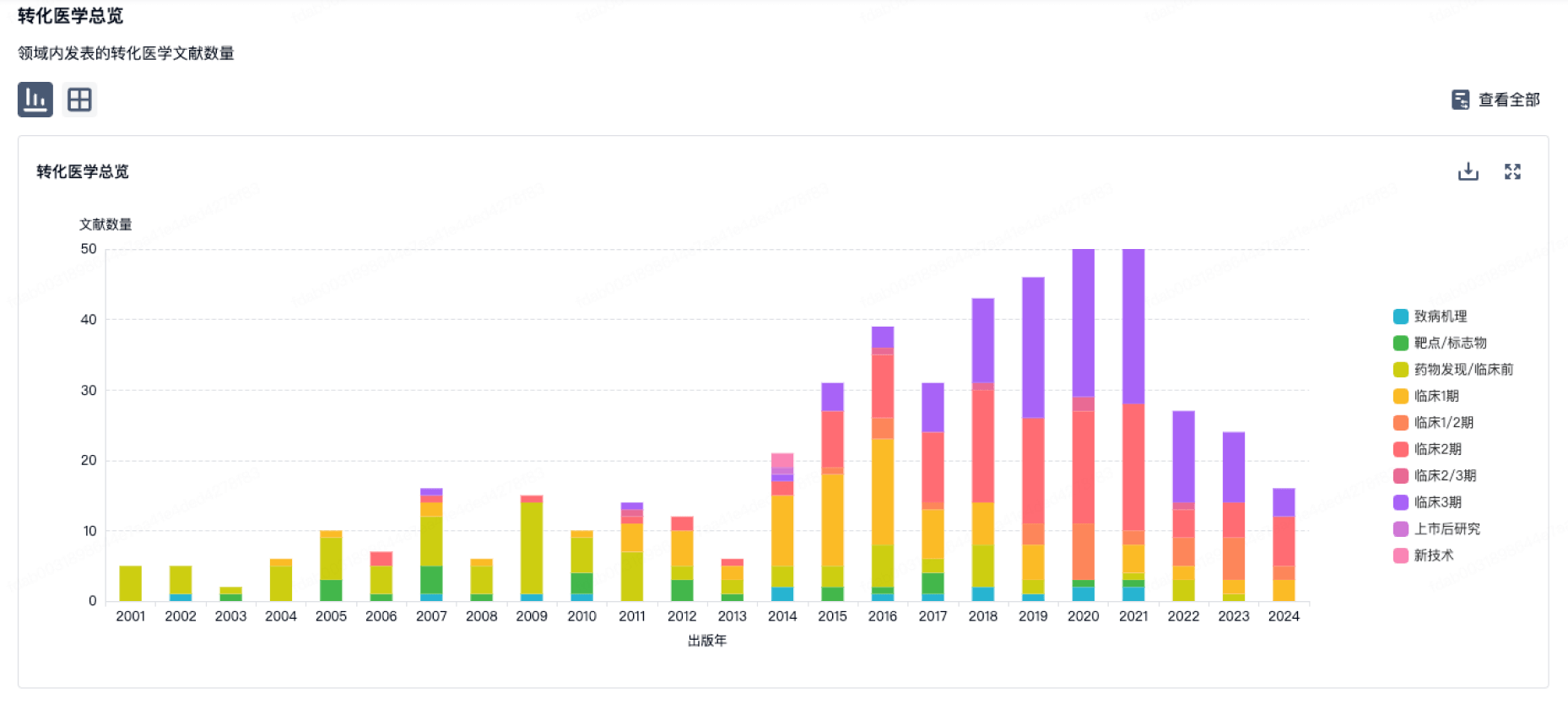
转化医学
使用我们的转化医学数据加速您的研究。
登录
或
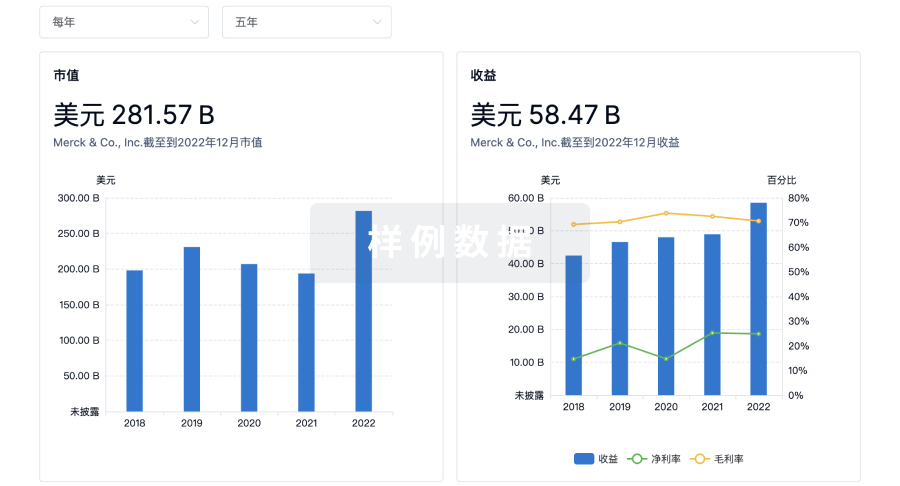
营收
使用 Synapse 探索超过 36 万个组织的财务状况。
登录
或
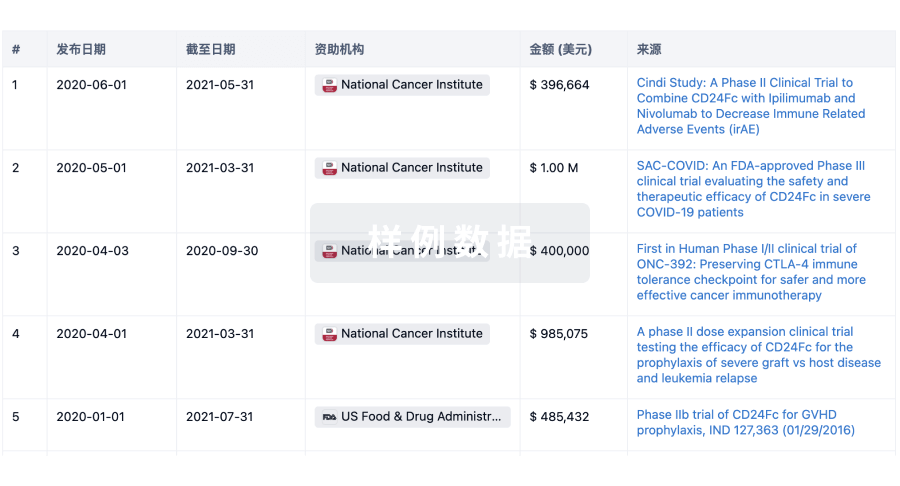
科研基金(NIH)
访问超过 200 万项资助和基金信息,以提升您的研究之旅。
登录
或
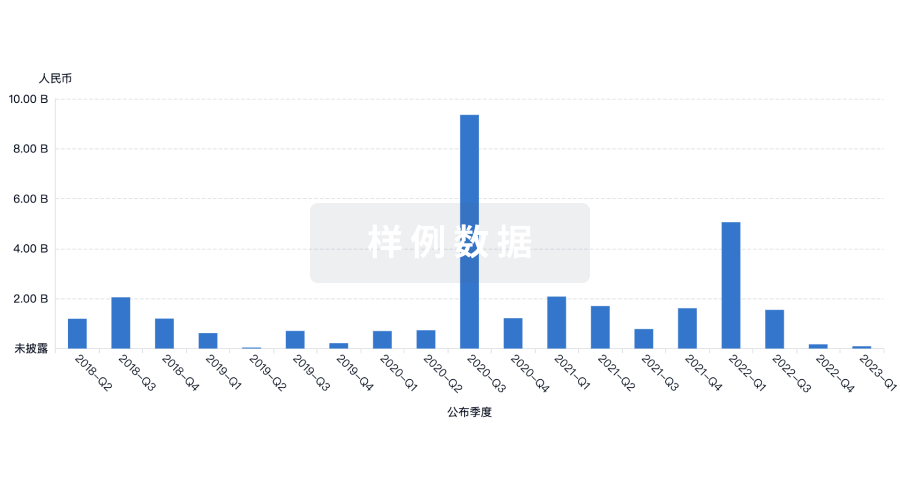
投资
深入了解从初创企业到成熟企业的最新公司投资动态。
登录
或
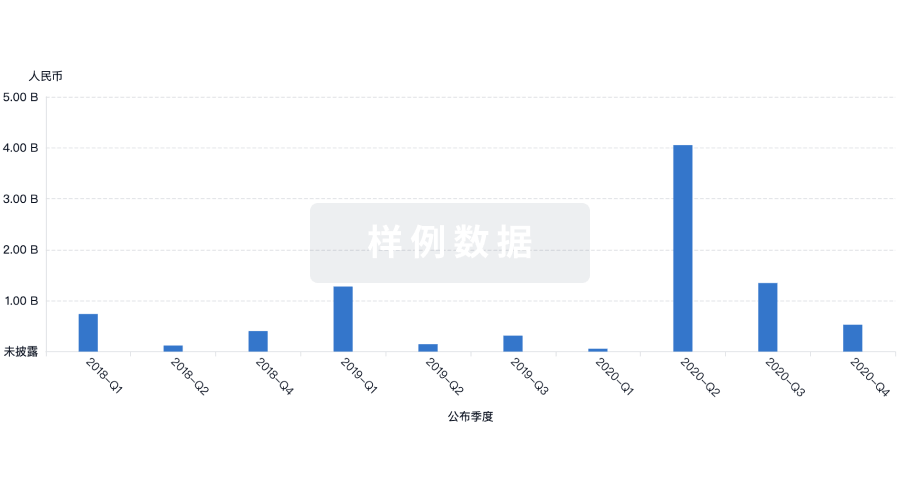
融资
发掘融资趋势以验证和推进您的投资机会。
登录
或
生物医药百科问答
全新生物医药AI Agent 覆盖科研全链路,让突破性发现快人一步
立即开始免费试用!
智慧芽新药情报库是智慧芽专为生命科学人士构建的基于AI的创新药情报平台,助您全方位提升您的研发与决策效率。
立即开始数据试用!
智慧芽新药库数据也通过智慧芽数据服务平台,以API或者数据包形式对外开放,助您更加充分利用智慧芽新药情报信息。
生物序列数据库
生物药研发创新
免费使用
化学结构数据库
小分子化药研发创新
免费使用