预约演示
更新于:2026-10-13

The Salk Institute for Biological Studies
更新于:2026-10-13
概览
标签
神经系统疾病
肿瘤
其他疾病
小分子化药
ASO
CRISPR/Cas9
疾病领域得分
一眼洞穿机构专注的疾病领域

技术平台
公司药物应用最多的技术
靶点
公司最常开发的靶点
关联
靶点 |
作用机制 |
在研机构 |
原研机构 |
在研适应症 |
非在研适应症 |
最高研发阶段 |
首次获批国家/地区 |
首次获批日期 |

靶点 |
作用机制 |
在研机构 |
原研机构 |
在研适应症 |
非在研适应症 |
最高研发阶段 |
首次获批国家/地区 |
首次获批日期 |

靶点 |
作用机制 |
在研机构 |
原研机构 |
在研适应症 |
非在研适应症 |
最高研发阶段 |
首次获批国家/地区 |
首次获批日期 |

NCT06884059
Impact of Time-Restricted Eating (TRE) on Kidney Health (The TREK Study)

NCT07189234
TIMET 2.0 - Long Term Impact of Time-Restricted Eating on Parameters of Cardiometabolic Health
NCT07203196
Circadian Health Regulation and Optimization for Rejuvenation Outcomes: The CHRONO Study
100 项与 The Salk Institute for Biological Studies 相关的临床结果
登录后查看更多信息
登录后查看更多信息
2026-10-05PLANT CELL
Unlocking the full potential of spatial omics in plants: practical challenges, solutions, and a path forward
Review
作者: Moreno-Risueno, Miguel ; Nobori, Tatsuya ; Yao, Jie ; Nolan, Trevor M ; Anderton, Christopher R ; Mukhtar, M Shahid ; Lee, Travis ; Schmitz, Robert J ; Sugimoto, Keiko ; Song, Siyu ; Sozzani, Rosangela ; Dörpholz, Hannah ; Minne, Max ; Jhu, Min-Yao ; Hsu, Che-Wei ; Mathieu, Fern ; Jackson, David ; Libault, Marc ; Nelissen, Hilde ; Luo, Ziliang ; Peirats-Llobet, Marta ; Simon, Rüdiger ; Formosa-Jordan, Pau
Abstract:
Spatial omics technologies provide new opportunities for plant biology by enabling molecular profiling within structurally intact tissues, revealing spatially organized cell states, developmental gradients, and regulatory interactions. While spatial transcriptomics has driven early advances, the field is rapidly expanding toward integrated spatial multi-omics by combining single-cell and spatial transcriptomic, epigenomic, proteomic, and metabolomic data. These approaches offer new opportunities to study development, physiology, and plant biotic and abiotic interactions in spatially preserved cellular contexts. However, despite rapid adoption, the field remains constrained by plant-specific challenges when applying technologies largely developed for animal systems. Compared with animal systems, plant tissues pose additional challenges due to rigid cell walls and diverse chemistries, complicating sample preparation, cell and subcellular segmentation, signal detection, and data integration. As a result, many studies rely on bespoke protocols and analysis pipelines that are often difficult to reproduce or generalize. Here, we provide a practical, solution-oriented synthesis of current bottlenecks across experimental and computational pipelines, highlight emerging strategies to overcome these limitations, and propose a roadmap for community-driven protocol sharing, benchmarking, and integration across spatial and multi-omics modalities. Addressing these challenges will be essential to establish spatial omics as a routine and scalable tool for plant biology.
2026-10-01BEHAVIOURAL PHARMACOLOGY
Behavioral and pharmacological validation of the differential reinforcement of low-rate behavior paradigm in non-human primates
Article
作者: Basile, Jennifer L. ; Wettstein, Joseph G. ; Vanderlip, Casey R. ; Dunn, Shelby R. ; Vivian, Jeffrey A. ; Glavis-Bloom, Courtney
Depression remains a leading cause of disability worldwide, yet the predictive validity of many preclinical behavioral assays for antidepressant efficacy remains limited. The differential reinforcement of low-rate behavior (DRL) task has classically been used in rodents to identify antidepressant-like effects, but its utility in non-human primates (NHPs) has not been established. Here, we adapted the DRL task for use in adult male cynomolgus macaques (
Macaca fascicularis
) and evaluated its pharmacological sensitivity and translational relevance across 19 compounds spanning multiple drug classes. Antidepressants, including selective serotonin reuptake inhibitors, serotonin-norepinephrine reuptake inhibitors, noradrenergic reuptake inhibitors, norepinephrine-dopamine reuptake inhibitors, tricyclic antidepressants, monoamine oxidase inhibitors, and phosphodiesterase-4 (PDE4) inhibitors, generally shifted DRL performance in an antidepressant-like direction, increasing reinforcers earned and inter-response times while decreasing response output. In contrast, benzodiazepine and antipsychotic control compounds did not produce a consistent antidepressant-like profile, whereas stimulant effects were mixed, with nicotine and cocaine also producing overlapping antidepressant-like behavioral effects. Importantly, the primate DRL task identified antidepressant-like effects of PDE4 inhibitors while also capturing emesis, a dose-limiting side effect not observable in rodent models. These findings support the primate DRL task as a translationally relevant platform for screening antidepressant-like efficacy, while also highlighting important design considerations for interpreting pharmacological sensitivity in the NHP setting. By modeling behavioral processes implicated in depression, including response inhibition and temporal regulation, this assay offers a unique opportunity to bridge preclinical and clinical antidepressant development with improved sensitivity to both efficacy and tolerability.
2026-10-01Nature
Asymmetric prefrontal representations for leader–follower dynamics
Article
作者: Chen, Yusi ; Khan, Alvi ; Whiteway, Matthew ; Spangler, Tessa ; Khan, Umais ; Wu, Herbert Zheng ; Cheng, Yuan ; Yang, Nan ; Rungratsameetaweemana, Nuttida ; Kempner, Ross P ; Schaffer, Evan S ; Liu, Runqi ; Singha, Rudramani ; Kwak, Myungji ; Winslow, Jared ; Pereira, Talmo
Across species, cooperative behaviour is often organized by distinct social roles such as leaders and followers1, yet the neural mechanisms that support these emergent role dynamics remain unclear. Here we introduce a mouse paradigm that captures leader-follower dynamics during cooperation. In this paradigm, stable social roles emerge through reciprocal interaction and predict learning speed. Disrupting the activity of the medial prefrontal cortex (mPFC), particularly in followers, impairs cooperation and induces complementary shifts in how animals weigh self- and partner-related cues during decision-making. Calcium imaging reveals that the mPFC represents leader-follower dynamics and computes an egocentric social value map of the partner's position in a role-dependent manner. By integrating these empirical findings with a multi-agent inverse reinforcement learning framework, we identify latent value functions that guide cooperative decisions and are decodable from mPFC activity. These findings identify prefrontal representations of leader-follower dynamics and partner information, revealing how social roles structure asymmetric yet reciprocal influence over joint decisions.
100 项与 The Salk Institute for Biological Studies 相关的药物交易
登录后查看更多信息
100 项与 The Salk Institute for Biological Studies 相关的转化医学
登录后查看更多信息
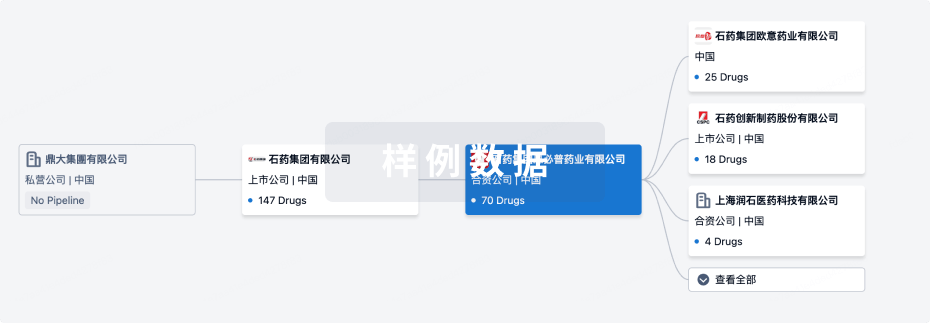
组织架构
使用我们的机构树数据加速您的研究。
登录
或
管线布局
2026年10月18日管线快照
管线布局中药物为当前组织机构及其子机构作为药物机构进行统计,早期临床1期并入临床1期,临床1/2期并入临床2期,临床2/3期并入临床3期
药物发现
3
7
临床前
其他
12
登录后查看更多信息
当前项目
登录后查看更多信息
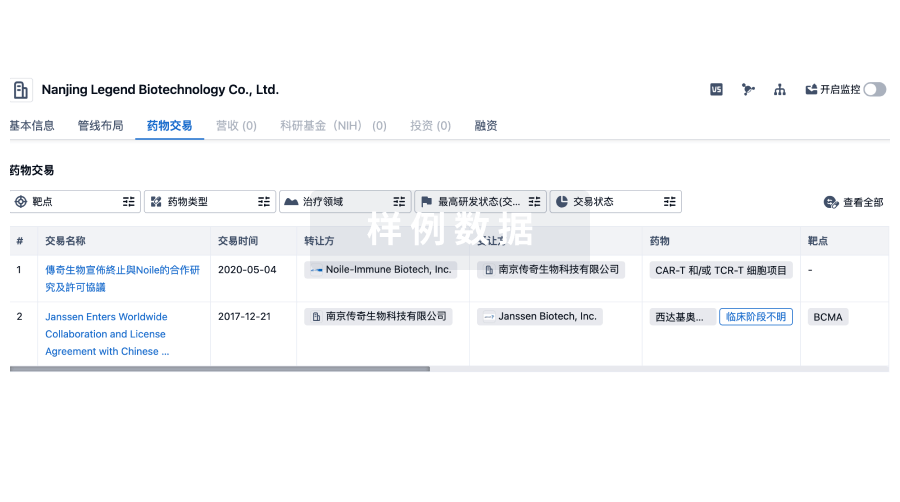
药物交易
使用我们的药物交易数据加速您的研究。
登录
或
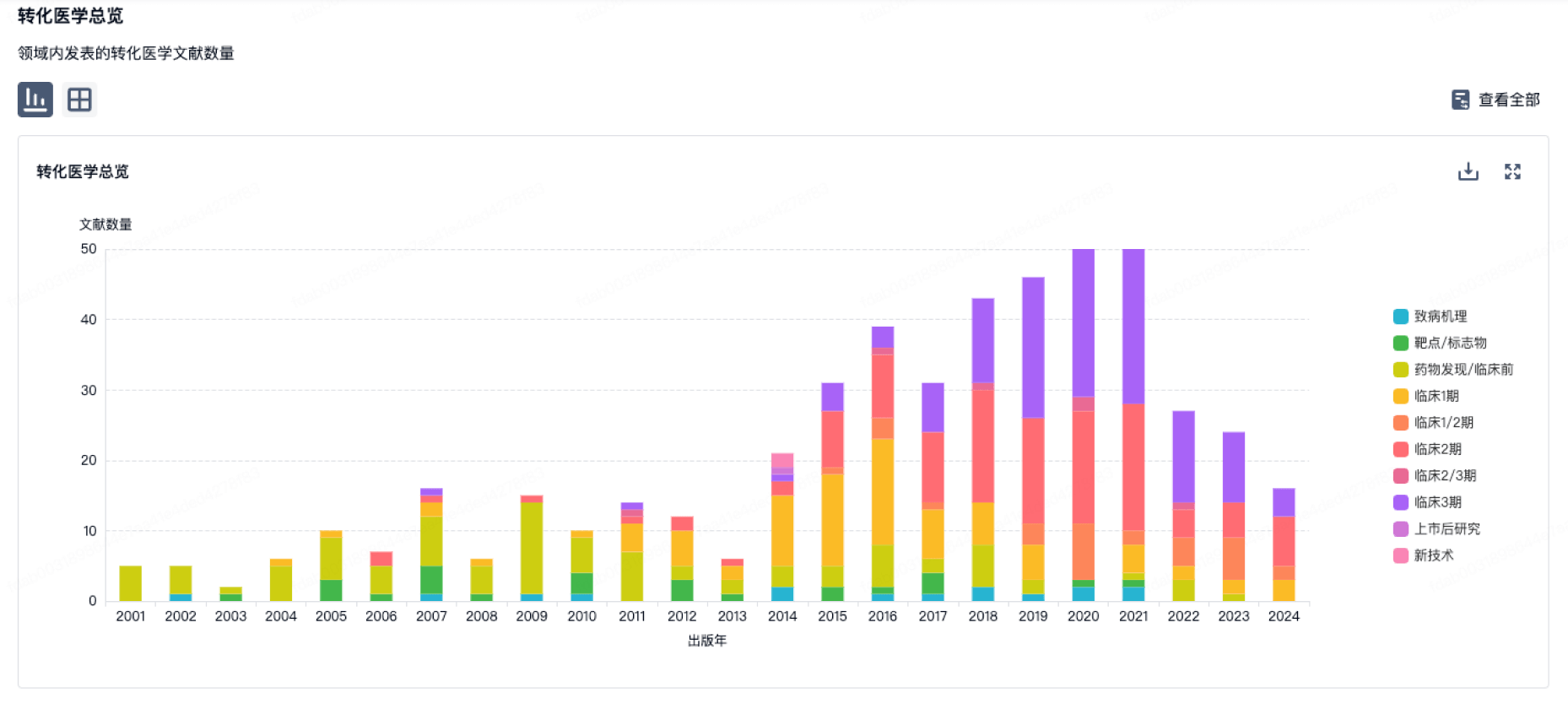
转化医学
使用我们的转化医学数据加速您的研究。
登录
或
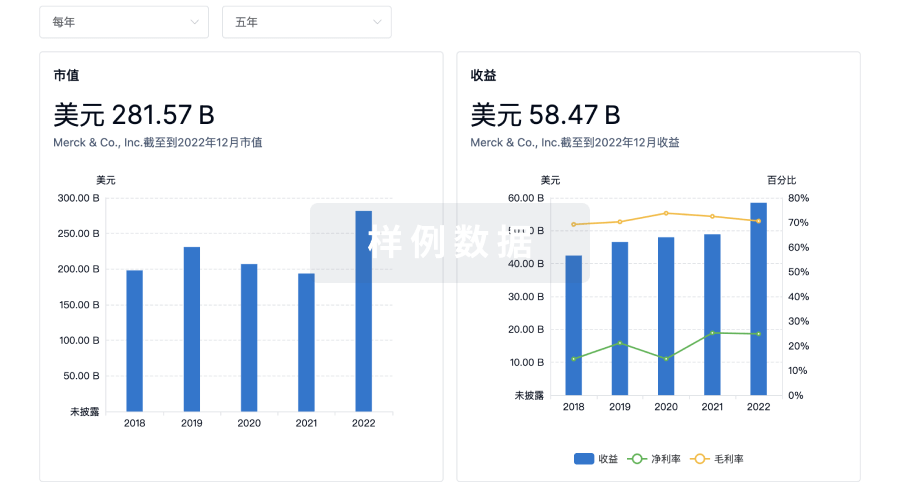
营收
使用 Synapse 探索超过 36 万个组织的财务状况。
登录
或
科研基金(NIH)
访问超过 200 万项资助和基金信息,以提升您的研究之旅。
登录
或
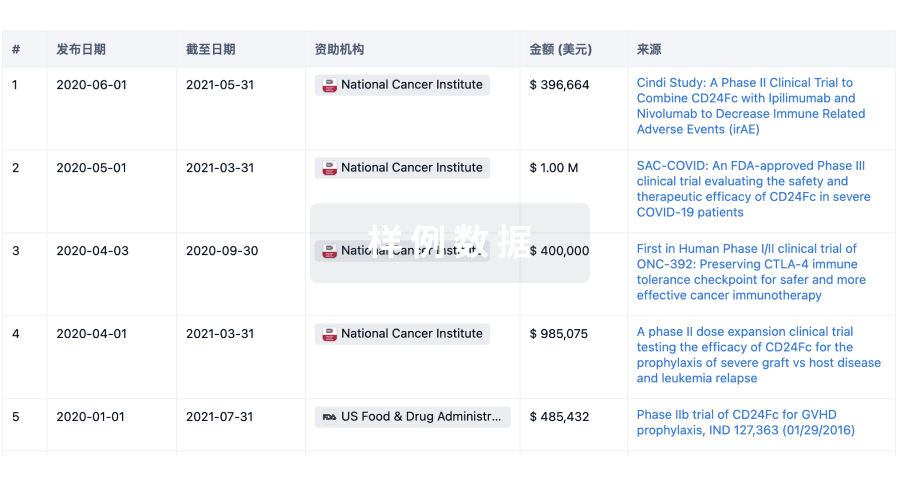
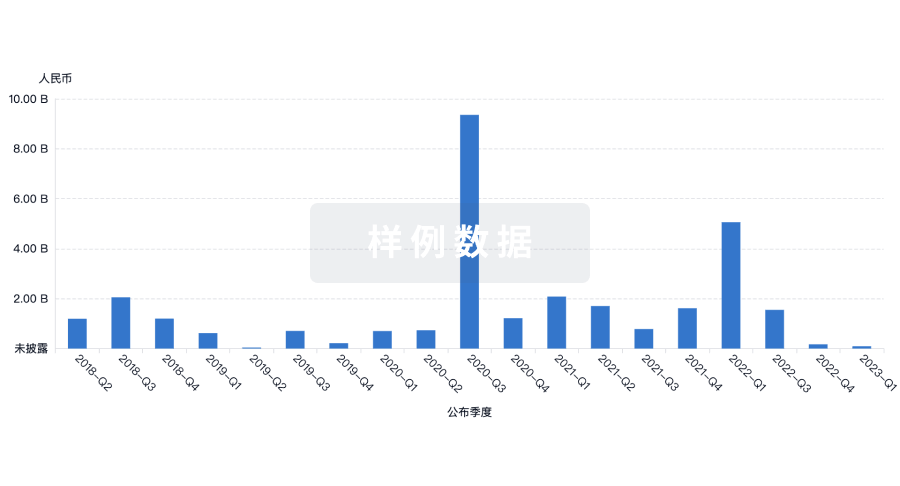
投资
深入了解从初创企业到成熟企业的最新公司投资动态。
登录
或
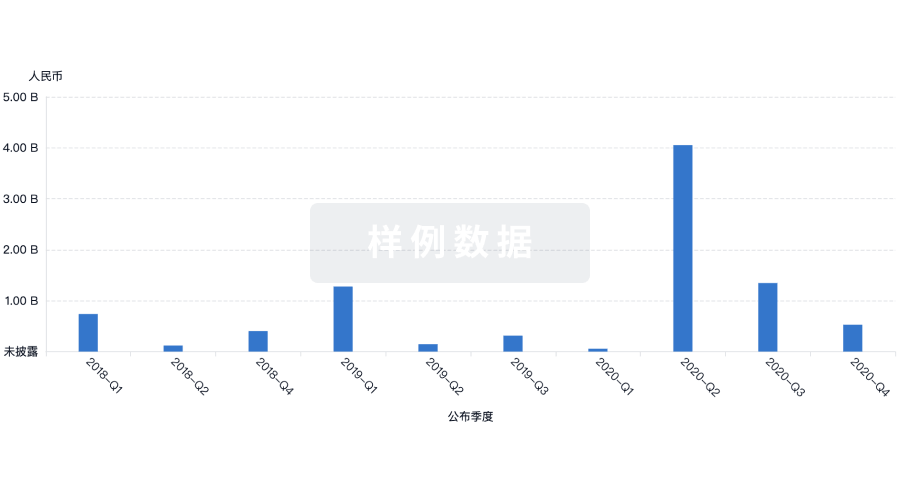
融资
发掘融资趋势以验证和推进您的投资机会。
登录
或
提出任何生物医药研究问题
让每一步生物医药决策都精准制胜
基于十亿级生物数据与全球情报的精准 AI,赋能早期药物发现
立即开始免费试用!
智慧芽新药情报库是智慧芽专为生命科学人士构建的基于AI的创新药情报平台,助您全方位提升您的研发与决策效率。
立即接入生物医药数据包
智慧芽新药库数据也通过智慧芽开放平台,以MCP或API服务形式对外开放。立即使用我们的MCP服务定制您的LLM智能体。
生物序列数据库
生物药研发创新
免费使用
化学结构数据库
小分子化药研发创新
免费使用