预约演示
更新于:2026-01-30

Abbott Laboratories
更新于:2026-01-30
概览
标签
消化系统疾病
其他疾病
感染
小分子化药
预防性疫苗
生物类似药
疾病领域得分
一眼洞穿机构专注的疾病领域

技术平台
公司药物应用最多的技术
靶点
公司最常开发的靶点
关联
靶点 |
作用机制 |
在研机构 |
原研机构 |
在研适应症 |
非在研适应症 |
最高研发阶段 |
首次获批国家/地区 |
首次获批日期 |
靶点 |
作用机制 |
在研机构 |
原研机构 |
在研适应症 |
非在研适应症 |
最高研发阶段 |
首次获批国家/地区 |
首次获批日期 |

靶点 |
作用机制 |
在研机构 |
原研机构 |
在研适应症 |
非在研适应症 |
最高研发阶段 |
首次获批国家/地区 |
首次获批日期 |

NCT07211802
Utilizing Continuous Ketone Monitors to Enable Safe Use of SGLT Inhibitors in Patients With Type 1 Diabetes

NCT07270562
ORbital Atherectomy for Lesion Preparation in Patients With Chronic Limb-threatening ischEmia
NCT07270575
REsorbable SCaffolds With everolimUs-Elution for the Treatment of Infrapopliteal Artery Disease in Patients With Chronic Limb-threatening Ischemia
100 项与 Abbott Laboratories 相关的临床结果
登录后查看更多信息
登录后查看更多信息
2026-01-01Journal of Lower Genital Tract Disease
Clinical Performance of HPV DNA and HPV RNA Assays for the Detection of High-Grade Cervical Lesions
Article
作者: Lucic, Danijela ; Schmidt, Colleen ; Huang, Shihai ; Abravaya, Klara ; Gentil, Luciana Girotto ; Nelson, Kevin ; Cullum, Richard ; Zhang, Yan
Objective:
The aim of this study was to evaluate the clinical performance of 2 DNA-based assays (DNA-xGT, DNA-lGT) and 1 RNA-based assay (mRNA), using specimens from women with cervical carcinoma or high-grade cervical lesions (≥CIN3).
Methods:
Liquid-based cytology samples collected from 154 patients with ≥CIN3 histology results were tested with DNA-xGT, DNA-lGT, and mRNA assays. The clinical sensitivities of the HPV testing for disease detection were evaluated. Genotype-specific agreement was also assessed between the assays.
Results:
The clinical sensitivity of the DNA-xGT, DNA-lGT, and mRNA in detecting ≥CIN3 were 96.8%, 96.1%, and 91.6%, respectively. The overall high-risk HPV positive percent agreement ranged from 92.6% to 99.3% across different assay pairs analyzed. Composite comparator analysis demonstrated no significant difference between the DNA assays; however, a significant difference was observed between the RNA assay and the DNA assays.
Conclusions:
While no statistically significant difference was observed between DNA-xGT and DNA-lGT assays in disease detection rate, the mRNA test showed a significantly lower detection rate when compared to the DNA-xGT assay. Most of the missed infections (8/13) were identified as HPV16 or HPV18.
2025-12-22SEXUALLY TRANSMITTED DISEASES
Evaluation of Alinity m STI Assay for Simultaneous Detection of Chlamydia trachomatis, Neisseria gonorrhoeae, Trichomonas vaginalis, and Mycoplasma genitalium in Male Urine Specimens
Article
作者: Lucic, Danijela ; Cullum, Richard ; Gentil, Luciana Girotto ; Zhang, Yan ; Van Der Pol, Barbara
Abstract:
Background:
This study evaluated the performance of the Alinity m STI assay that can simultaneously detect Chlamydia trachomatis (CT), Neisseria gonorrhoeae (NG), Trichomonas vaginalis (TV) and Mycoplasma genitalium (MG) in comparison with other commonly used FDA-cleared assays and laboratory-developed tests (LDTs) in male urine specimens.
Methods:
Urine specimens were collected from symptomatic and asymptomatic men across the US. The Alinity m STI results were compared to the Composite Comparator Algorithm (CCA) results established for each analyte.
Results:
The prevalence of single infections ranged from 1.8% for NG and TV to 6.1% for CT, with 2.6% of individuals coinfected with at least two STI pathogens. The overall positive agreement was ≥97.5% for all four analytes, with MG showing the lowest agreement. The kappa score ranged from 0.82 to 0.98 across all analytes.
Conclusions:
The Alinity m STI assay showed excellent concordance with the comparator assays demonstrated by the strong kappa scores in male urine specimens.
2025-12-01HeartRhythm case reports
Radiofrequency ablation of a reentrant atrial tachycardia at the superior left atrium via the pulmonary artery
Article
作者: Benslama, Youssef ; Linz, Dominik ; Grau, Marten ; Dinshaw, Leon ; Koltzau, Andreas ; Vernooy, Kevin
100 项与 Abbott Laboratories 相关的药物交易
登录后查看更多信息
100 项与 Abbott Laboratories 相关的转化医学
登录后查看更多信息
组织架构
使用我们的机构树数据加速您的研究。
登录
或
管线布局
2026年10月25日管线快照
管线布局中药物为当前组织机构及其子机构作为药物机构进行统计,早期临床1期并入临床1期,临床1/2期并入临床2期,临床2/3期并入临床3期
药物发现
1
16
临床前
临床1期
2
2
临床2期
临床3期
2
21
批准上市
其他
451
登录后查看更多信息
当前项目
登录后查看更多信息
药物交易
使用我们的药物交易数据加速您的研究。
登录
或
转化医学
使用我们的转化医学数据加速您的研究。
登录
或
营收
使用 Synapse 探索超过 36 万个组织的财务状况。
登录
或
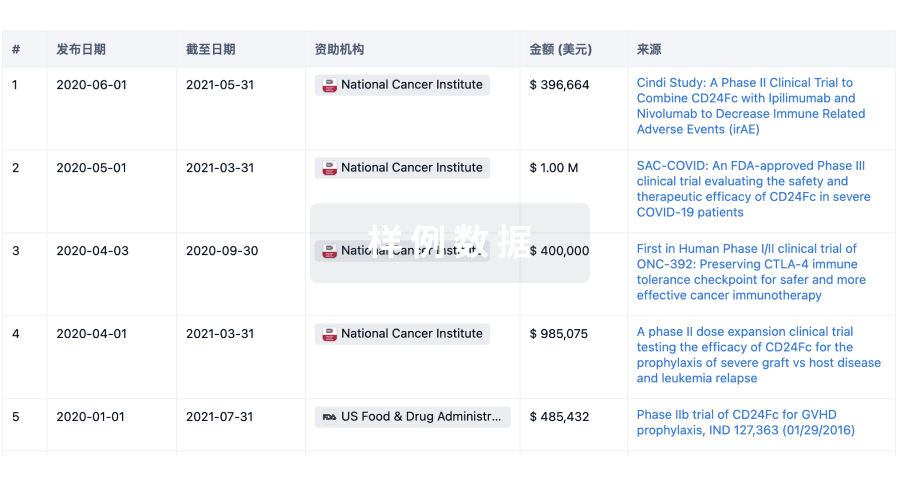
科研基金(NIH)
访问超过 200 万项资助和基金信息,以提升您的研究之旅。
登录
或
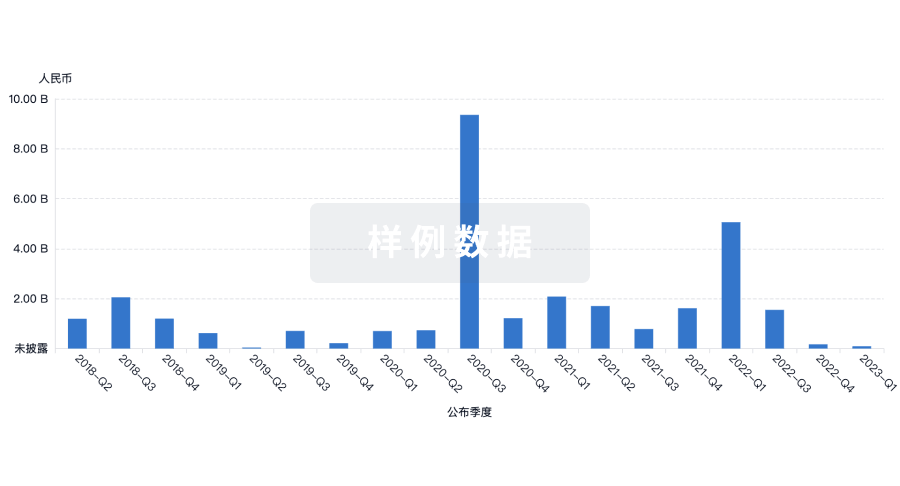
投资
深入了解从初创企业到成熟企业的最新公司投资动态。
登录
或
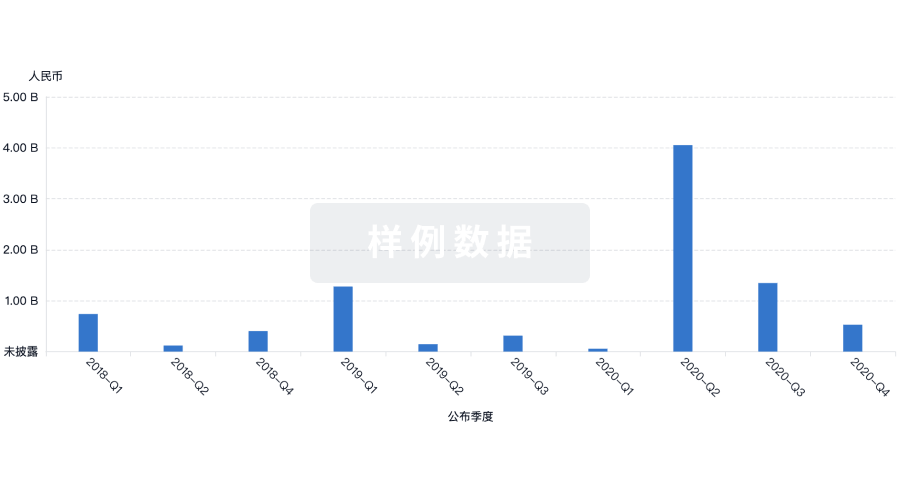
融资
发掘融资趋势以验证和推进您的投资机会。
登录
或
提出任何生物医药研究问题
让每一步生物医药决策都精准制胜
基于十亿级生物数据与全球情报的精准 AI,赋能早期药物发现
立即开始免费试用!
智慧芽新药情报库是智慧芽专为生命科学人士构建的基于AI的创新药情报平台,助您全方位提升您的研发与决策效率。
立即接入生物医药数据包
智慧芽新药库数据也通过智慧芽开放平台,以MCP或API服务形式对外开放。立即使用我们的MCP服务定制您的LLM智能体。
生物序列数据库
生物药研发创新
免费使用
化学结构数据库
小分子化药研发创新
免费使用