预约演示
更新于:2026-06-01

University of Antwerp
更新于:2026-06-01
概览
标签
肿瘤
其他疾病
血液及淋巴系统疾病
小分子化药
合成多肽
诊断用放射药物
疾病领域得分
一眼洞穿机构专注的疾病领域

技术平台
公司药物应用最多的技术
靶点
公司最常开发的靶点
关联
靶点 |
作用机制 |
在研机构 |
原研机构 |
在研适应症 |
非在研适应症 |
最高研发阶段 |
首次获批国家/地区 |
首次获批日期 |
靶点 |
作用机制 |
在研机构 |
原研机构 |
在研适应症 |
非在研适应症 |
最高研发阶段 |
首次获批国家/地区 |
首次获批日期 |
靶点 |
作用机制 |
在研机构 |
原研机构 |
在研适应症 |
非在研适应症 |
最高研发阶段 |
首次获批国家/地区 |
首次获批日期 |
NCT04705246
Effect of Psychoeducation Upon Exposure to Sounds and Hyperacusis Severity
NCT06646185
IMVAHA: Improving Menstrual and VAginal Health for All

NCT07541716
Developing and Testing a Preventive Primary Care Parenting Intervention to Strengthen Parent-Infant Co-Regulation in Families Experiencing Early Regulatory Difficulties
100 项与 University of Antwerp 相关的临床结果
登录后查看更多信息
登录后查看更多信息
2026-12-31Human Vaccines & Immunotherapeutics
A first-in-human Phase 1/1b randomized trial evaluating the safety and immunogenicity of a respiratory syncytial virus (RSV) virus-like particle subunit vaccine (IVX-121) in healthy young and older adults
Article
作者: D’Onofrio, Valentino ; Leroux-Roels, Isabel ; Ciarlet, Max ; Suykens, Leen ; Price, Jennifer ; Rida, Wasima ; De Coster, Ilse ; Leroux-Roels, Geert ; Withanage, Kanchanamala ; Wen, Judy ; Kanesa-thasan, Niranjan ; van Damme, Pierre ; MacDonald, Margaret ; Adams, Elizabeth M.
Respiratory syncytial virus (RSV) is a leading cause of lower respiratory tract disease in all age groups, with substantial burden in older adults. Here, we report the safety and immunogenicity of IVX-121, an investigational virus-like particle vaccine against RSV. This Phase 1/1b trial (EudraCT number: 2020-003633-38) randomized 90 healthy young (18-45 y of age; Phase 1) and 130 older adults (60-75 y of age; Phase 1b) to receive a single intramuscular injection of IVX-121 at low (25 µg), medium (75 µg), or high (250 µg) dose, with/without the adjuvant aluminum hydroxide (Al[OH]3), or placebo. Outcomes were assessed through Day 180. Older adult participants who had received IVX-121 or placebo could continue into an extension study in which safety was assessed for an additional 6 months before receiving IVX-121 (75 µg, unadjuvanted, open-label) on Day 365; safety and immunogenicity were assessed up to Day 546. Adverse reactions were generally mild, and there were no vaccine-related serious adverse events. All IVX-121 dose levels and formulations boosted preexisting RSV neutralizing antibody (nAb) responses. Although not statistically powered to compare treatment groups, there was no clear dose response and the adjuvant Al(OH)3 did not appear to improve immunogenicity. For both age groups, IVX-121 induced nAbs against RSV A and B, which remained above baseline levels for at least 6 months. A second dose of IVX-121 in older adults elicited a modest increase in nAbs against RSV A but not RSV B. Overall, IVX-121 had a favorable safety profile and induced immune responses against RSV in young and older adults.
2026-12-31Gut microbes reports
The gut microbiome in early pregnancy is associated with the severity of nausea and vomiting: a nested case‒control study
Article
作者: Hugerth, Luisa W. ; Tong, Bangzhuo ; Fransson, Emma ; Guðnadóttir, Unnur ; González-Valdivia, Clàudia ; Prast-Nielsen, Stefanie ; Engstrand, Lars ; Wagner, Nicole ; Brusselaers, Nele ; Hjalmarsson, Sanna ; Schuppe-Koistinen, Ina
Approximately 70% of all pregnancies are affected by nausea and vomiting (NVP), yet the mechanisms controlling this phenomenon are not well known. Pregnancy hormones explain a large part of this effect, mostly through human chorionic gonadotropin and fetal production of GDF15, a hormone active in the brain stem. Still, there is a wide variation in the severity of symptoms, ranging from no nausea to severe vomiting requiring hospitalization (hyperemesis gravidarum). Here, we present a nested case‒control study within the large SweMaMi cohort, wherein 337 participants with severe NVP in early pregnancy were matched 1-to-1 with moderate and mild NVP, respectively. Subjects with more severe nausea had lower richness and diversity in their fecal microbiomes. Several taxa were significantly associated with NVP score, where the most extreme are a negative correlation with Lactobacillaceae and positive correlations with Bifidobacterium dentium and Puniceicoccaceae. Finally, higher NVP score was associated with a higher abundance of bacteria encoding for the neuroactive pathways of glutamine degradation, inositol synthesis, and lactate production. In conclusion, the gut microbiota was strongly associated with NVP. Further studies with direct interventions capable of restoring the early-pregnancy gut microbiome could open up new approaches for dealing with the most common symptom of early pregnancy.
2026-12-31Human Vaccines & Immunotherapeutics
Covid-19 and influenza vaccine hesitancy insights from France, Italy and Hungary: A mixed-methods study
Article
作者: Perris, Anna ; Choi, Yongjin ; Karafillakis, Emilie ; Lin, Leesa ; de Figueiredo, Alexandre ; Paterson, Pauline
Since the Covid-19 pandemic entered its endemic phase, France, Italy, and Hungary, as well as many other European countries, have observed a rise in vaccine hesitancy. This study employs a mixed-methods approach to understand the reasons behind this trend by linking statistical observations with in-depth view of vaccine hesitancy. A total of 3,021 adults were surveyed from France, Italy, and Hungary via nationally representative surveys, examining views toward these vaccines. We employed both pooled and un-pooled linear regression analyses. In each country, 20 semi-structured interviews were conducted. Our pooled survey analysis reveals that hesitancy toward Covid-19 and influenza vaccines was higher among respondents reporting mistrust in healthcare providers [95% CI = -0.26,-0.17; P < .001] and lower among those with underlying health conditions. Additionally, older adults were less likely to receive Covid-19 vaccines but more likely to receive an influenza vaccine. Those without a Covid-19 vaccination were 18% points more likely to be unvaccinated against influenza [95% CI = 0.11,0.24; P < .001]. The interviews highlight that these broader patterns reflect a post-pandemic landscape characterised by heightened ambivalence and complexity in vaccine decisions, in which people find it difficult to decide independently and rely more on experts. The interviews also revealed various influences on vaccine hesitancy, including safety concerns, diminished fear of disease, and online misinformation. These indicate that post-pandemic vaccine hesitancy reflects shifting attitudes shaped by shared pandemic experiences across countries, underscoring the need for continued research and monitoring in light of how post-pandemic vaccine hesitancy differs from pre-pandemic forms.
100 项与 University of Antwerp 相关的药物交易
登录后查看更多信息
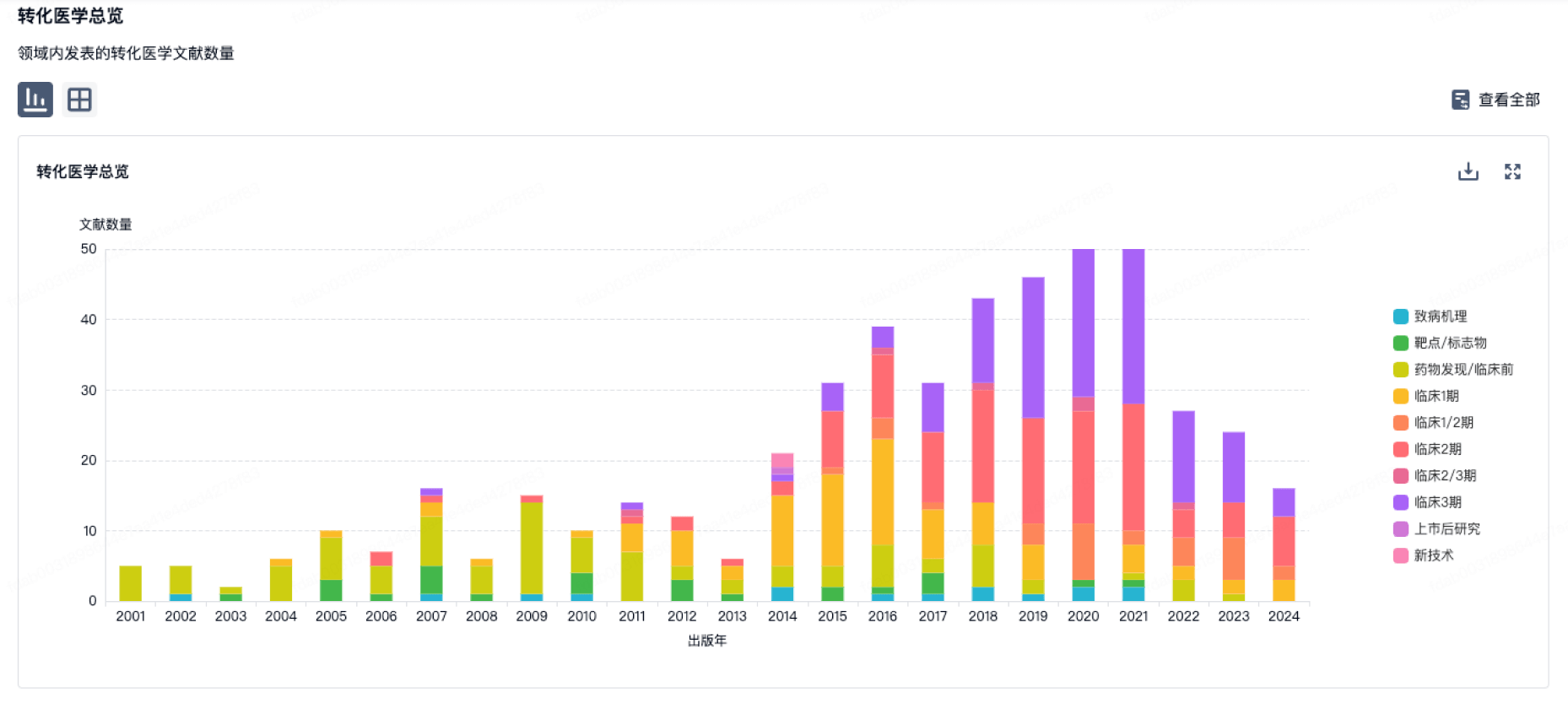
100 项与 University of Antwerp 相关的转化医学
登录后查看更多信息
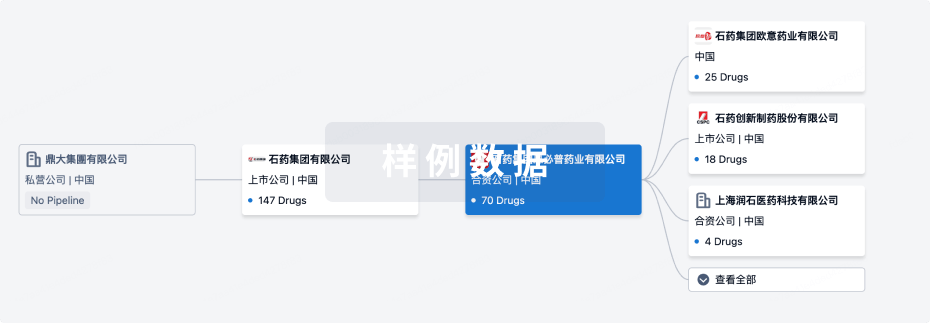
组织架构
使用我们的机构树数据加速您的研究。
登录
或
管线布局
2026年10月10日管线快照
管线布局中药物为当前组织机构及其子机构作为药物机构进行统计,早期临床1期并入临床1期,临床1/2期并入临床2期,临床2/3期并入临床3期
药物发现
1
17
临床前
临床2期
1
6
其他
登录后查看更多信息
当前项目
登录后查看更多信息
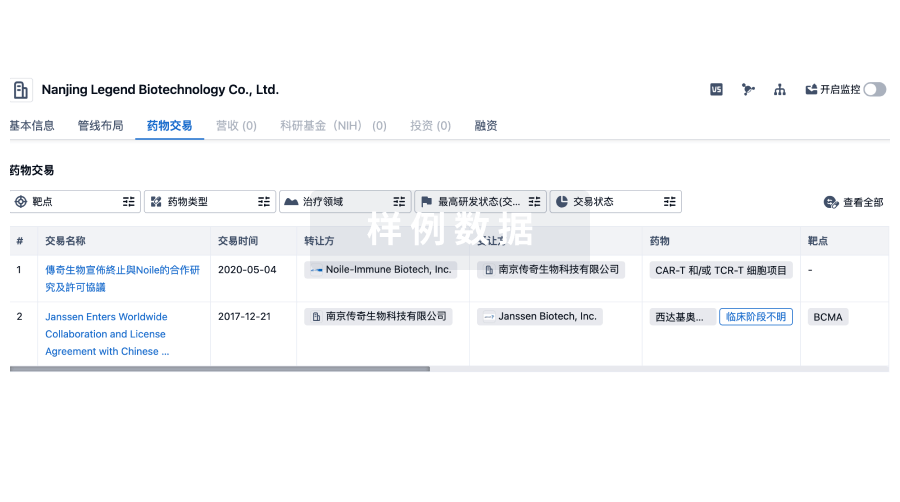
药物交易
使用我们的药物交易数据加速您的研究。
登录
或
转化医学
使用我们的转化医学数据加速您的研究。
登录
或
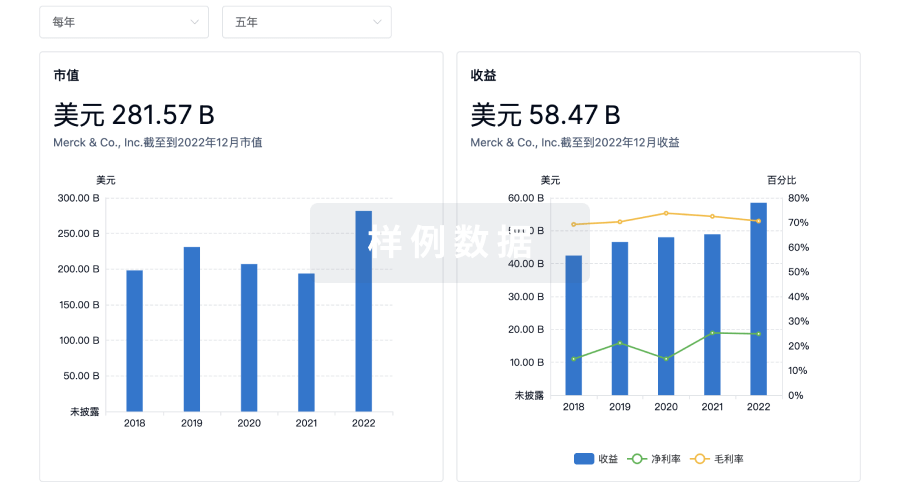
营收
使用 Synapse 探索超过 36 万个组织的财务状况。
登录
或
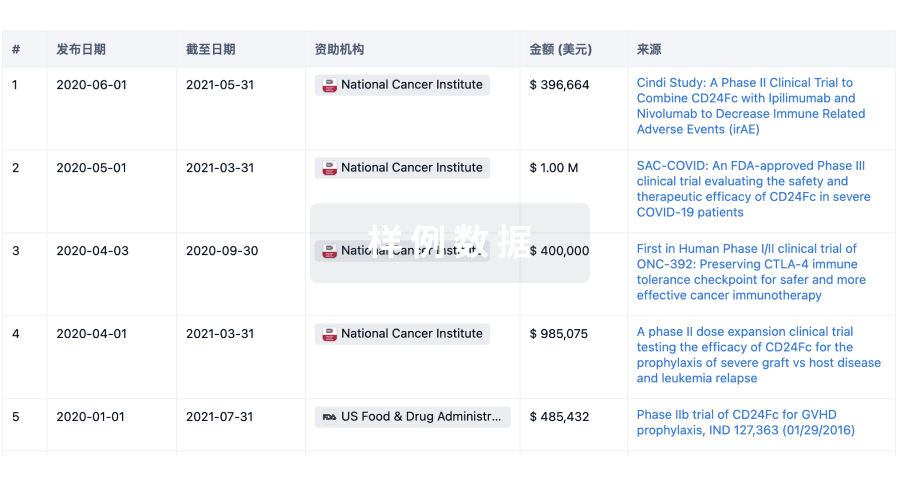
科研基金(NIH)
访问超过 200 万项资助和基金信息,以提升您的研究之旅。
登录
或
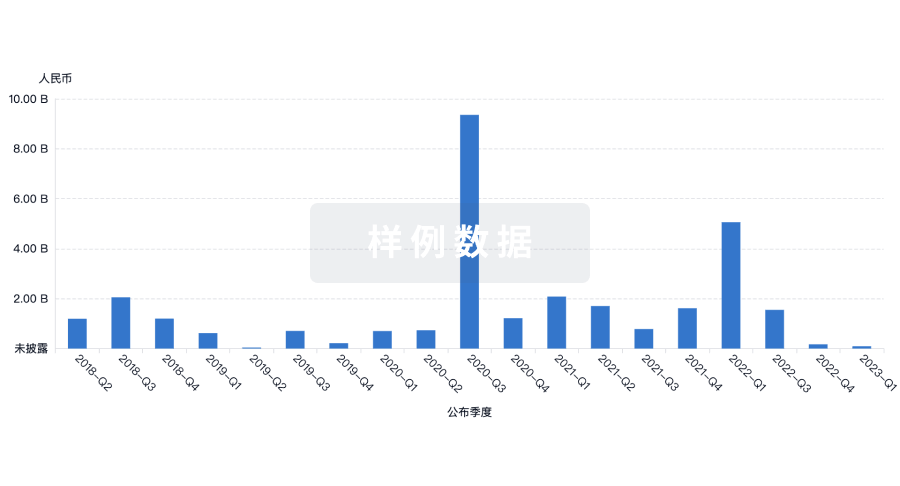
投资
深入了解从初创企业到成熟企业的最新公司投资动态。
登录
或
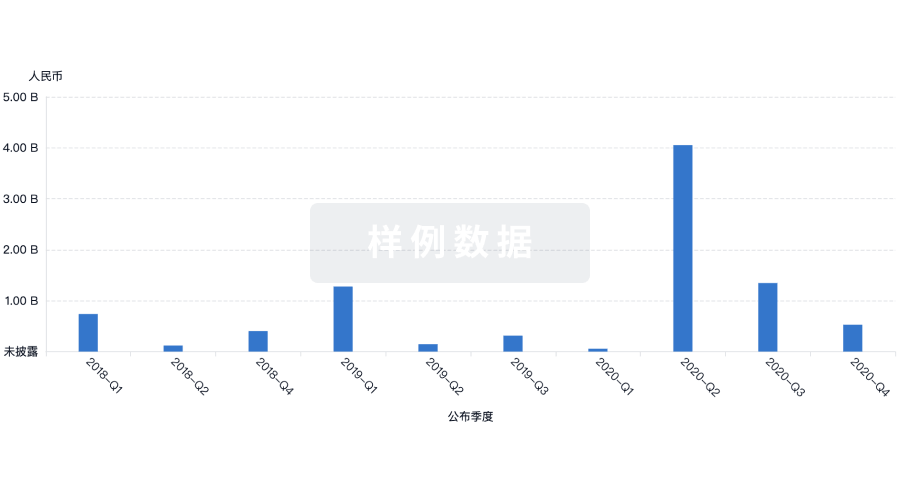
融资
发掘融资趋势以验证和推进您的投资机会。
登录
或
提出任何生物医药研究问题
让每一步生物医药决策都精准制胜
基于十亿级生物数据与全球情报的精准 AI,赋能早期药物发现
立即开始免费试用!
智慧芽新药情报库是智慧芽专为生命科学人士构建的基于AI的创新药情报平台,助您全方位提升您的研发与决策效率。
立即接入生物医药数据包
智慧芽新药库数据也通过智慧芽开放平台,以MCP或API服务形式对外开放。立即使用我们的MCP服务定制您的LLM智能体。
生物序列数据库
生物药研发创新
免费使用
化学结构数据库
小分子化药研发创新
免费使用