预约演示
更新于:2026-08-09

ARIAD Pharmaceuticals, Inc.
更新于:2026-08-09
概览
标签
肿瘤
血液及淋巴系统疾病
呼吸系统疾病
小分子化药
疾病领域得分
一眼洞穿机构专注的疾病领域

技术平台
公司药物应用最多的技术
靶点
公司最常开发的靶点
关联
靶点 |
作用机制 |
在研机构 |
原研机构 |
在研适应症 |
非在研适应症 |
最高研发阶段 |
首次获批国家/地区 |
首次获批日期 |
靶点 |
作用机制 |
在研机构 |
原研机构 |
在研适应症 |
非在研适应症 |
最高研发阶段 |
首次获批国家/地区 |
首次获批日期 |
CTR20182342
在接受克唑替尼治疗后疾病进展的晚期间变性淋巴瘤激酶阳性非小细胞肺癌患者中比较Brigatinib与Alectinib的研究

CTR20182341
研究brigatinib用于经alectinib或ceritinib治疗后出现疾病进展的间变性淋巴瘤激酶阳性(ALK+) 晚期非小细胞肺癌(NSCLC)患者
NCT03535740
Brigatinib in Patients With Anaplastic Lymphoma Kinase-Positive (ALK+), Advanced Non-Small-Cell Lung Cancer (NSCLC) Progressed on Alectinib or Ceritinib
100 项与 ARIAD Pharmaceuticals, Inc. 相关的临床结果
登录后查看更多信息
登录后查看更多信息
2023-01-01Bioorganic & medicinal chemistry letters
Discovery of mobocertinib, a potent, oral inhibitor of EGFR exon 20 insertion mutations in non–small cell lung cancer
Article
作者: Zech, Stephan G ; Taslimi, Paul M ; Zhu, Xiaotian ; Skene, Robert J ; Youngsaye, Willmen ; Li, Feng ; Shakespeare, William C ; Greenfield, Matthew T ; Clackson, Tim ; Das, Biplab ; Huang, Wei-Sheng ; Tugnait, Meera ; Zhang, Yun ; Gould, Alexandra E ; Kohlmann, Anna ; Lane, Weston ; Zhang, Sen ; Zou, Hua ; Jang, Hyun G ; Nadworny, Sara ; Baker, Theresa E ; Dalgarno, David C ; Gonzalvez, Francois ; Gong, Yongjin ; Narasimhan, Narayana I ; Ning, Yaoyu ; Zhou, Tianjun ; Ye, Yihua E ; Hu, Yongbo ; Toms, Angela ; Xu, Yongjin ; Rivera, Victor M ; Wardwell, Scott D
In the treatment of non-small cell lung cancer (NSCLC), patients harboring exon 20 insertion mutations in the epidermal growth factor receptor (EGFR) gene (EGFR) have few effective therapies because this subset of mutants is generally resistant to most currently approved EGFR inhibitors. This report describes the structure-guided design of a novel series of potent, irreversible inhibitors of EGFR exon 20 insertion mutations, including the V769_D770insASV and D770_N771insSVD mutants. Extensive structure-activity relationship (SAR) studies led to the discovery of mobocertinib (compound 21c), which inhibited growth of Ba/F3 cells expressing the ASV insertion with a half-maximal inhibitory concentration of 11 nM and with selectivity over wild-type EGFR. Daily oral administration of mobocertinib induced tumor regression in a Ba/F3 ASV xenograft mouse model at well-tolerated doses. Mobocertinib was approved in September 2021 for the treatment of adult patients with advanced NSCLC with EGFR exon 20 insertion mutations with progression on or after platinum-based chemotherapy.
2022-04-01Clinical cancer research : an official journal of the American Association for Cancer Research1区 · 医学
Phase II Study of Ponatinib in Advanced Gastrointestinal Stromal Tumors: Efficacy, Safety, and Impact of Liquid Biopsy and Other Biomarkers
1区 · 医学
Article
作者: Sun, Jichao ; Hodgson, John Graeme ; Fletcher, Jonathan A. ; Zhang, Sen ; von Mehren, Margaret ; Kerstein, David ; George, Suzanne ; Rivera, Victor M. ; Pritchard, Justin R. ; Haluska, Frank G. ; Heinrich, Michael C.
Abstract:
Purpose::
The purpose of this study is to evaluate ponatinib for advanced gastrointestinal stromal tumors (GIST).
Patients and Methods::
This single-arm phase II trial enrolled patients with metastatic and/or unresectable GIST with failure of prior tyrosine kinase inhibitor (TKI) treatment into two cohorts based on presence or absence of KIT exon 11 (ex11) primary mutations. Patients initially received ponatinib 45 mg once daily. Following a temporary clinical hold in October 2013, dose reductions were implemented to reduce risk of arterial occlusive events (AOE). Primary endpoint was 16-week clinical benefit rate (CBR) in KIT ex11–positive cohort. KIT mutations in circulating tumor DNA (ctDNA) were assessed.
Results::
Forty-five patients enrolled (30 KIT ex11–positive and 15 KIT ex11–negative); median follow-up was 14.7 and 13.6 months, respectively, as of August 1, 2016. Sixteen-week CBR was 36% (KIT ex11–positive; primary endpoint) and 20% (KIT ex11–negative). ctDNA analyses (n = 37) demonstrated strong concordance of primary KIT mutations between plasma and tumor. At least two secondary mutations were detected in 35% of patients overall and 54% of KIT ex11–positive patients. Changes from baseline in mutated ctDNA levels were consistent with clinical activity. Ponatinib was ineffective in patients with KIT exon 9 primary mutations. Resistance was associated with emergence of V654A. AOEs and venous thromboembolic events occurred in three and two patients, respectively. Six patients died; two deaths (pneumonia and pulmonary embolism) were considered possibly ponatinib-related.
Conclusions::
Ponatinib demonstrated activity in advanced GIST, particularly in KIT ex11–positive disease. ctDNA analysis confirmed heterogeneous resistance mutations in TKI-pretreated advanced GIST. Safety was consistent with previous studies.
2021-07-01Cancer discovery1区 · 医学
Mobocertinib (TAK-788): A Targeted Inhibitor ofEGFRExon 20 Insertion Mutants in Non–Small Cell Lung Cancer
1区 · 医学
Article
作者: Gonzalvez, Francois ; Narasimhan, Narayana I. ; Griffin, Robert J. ; Vincent, Sylvie ; Huang, Wei-Sheng ; Baker, Theresa E. ; Fitzgerald, Michael ; Li, Shuai ; Das, Biplab ; Gould, Alexandra E. ; Shakespeare, William C. ; Chouitar, Johara ; Ning, Yaoyu ; Li, Feng ; Zhu, Xiaotian ; Liu, Shengwu ; Dalgarno, David ; Zech, Stephan G. ; Hu, Yongbo ; Clackson, Tim ; Zhang, Sen ; Greenfield, Matthew T. ; Wardwell, Scott D. ; Nadworny, Sara ; Wong, Kwok-kin ; Rivera, Victor M.
Abstract:
Most EGFR exon 20 insertion (EGFRex20ins) driver mutations in non–small cell lung cancer (NSCLC) are insensitive to approved EGFR tyrosine kinase inhibitors (TKI). To address the limitations of existing therapies targeting EGFR-mutated NSCLC, mobocertinib (TAK-788), a novel irreversible EGFR TKI, was specifically designed to potently inhibit oncogenic variants containing activating EGFRex20ins mutations with selectivity over wild-type EGFR. The in vitro and in vivo activity of mobocertinib was evaluated in engineered and patient-derived models harboring diverse EGFRex20ins mutations. Mobocertinib inhibited viability of various EGFRex20ins-driven cell lines more potently than approved EGFR TKIs and demonstrated in vivo antitumor efficacy in patient-derived xenografts and murine orthotopic models. These findings support the ongoing clinical development of mobocertinib for the treatment of EGFRex20ins-mutated NSCLC.
Significance::
No oral EGFR-targeted therapies are approved for EGFR exon 20 insertion (EGFRex20ins) mutation-driven NSCLC. Mobocertinib is a novel small-molecule EGFR inhibitor specifically designed to target EGFRex20ins mutants. Preclinical data reported here support the clinical development of mobocertinib in patients with NSCLC with EGFR exon 20 insertion mutations.See related commentary by Pacheco, p. 1617.This article is highlighted in the In This Issue feature, p. 1601
100 项与 ARIAD Pharmaceuticals, Inc. 相关的药物交易
登录后查看更多信息
100 项与 ARIAD Pharmaceuticals, Inc. 相关的转化医学
登录后查看更多信息
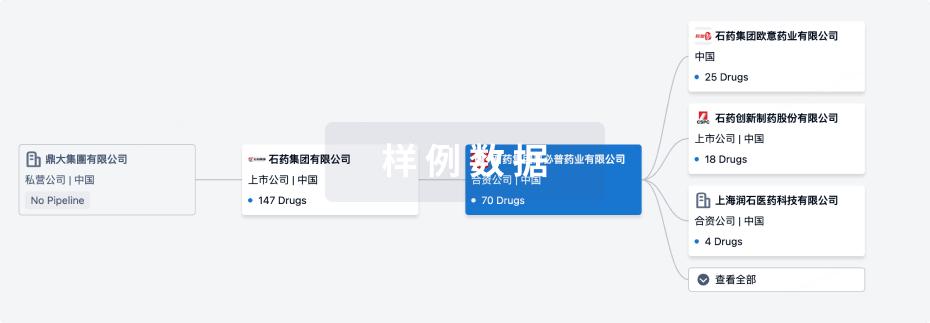
组织架构
使用我们的机构树数据加速您的研究。
登录
或
管线布局
2026年09月08日管线快照
管线布局中药物为当前组织机构及其子机构作为药物机构进行统计,早期临床1期并入临床1期,临床1/2期并入临床2期,临床2/3期并入临床3期
临床前
1
1
临床3期
其他
23
登录后查看更多信息
当前项目
登录后查看更多信息
药物交易
使用我们的药物交易数据加速您的研究。
登录
或

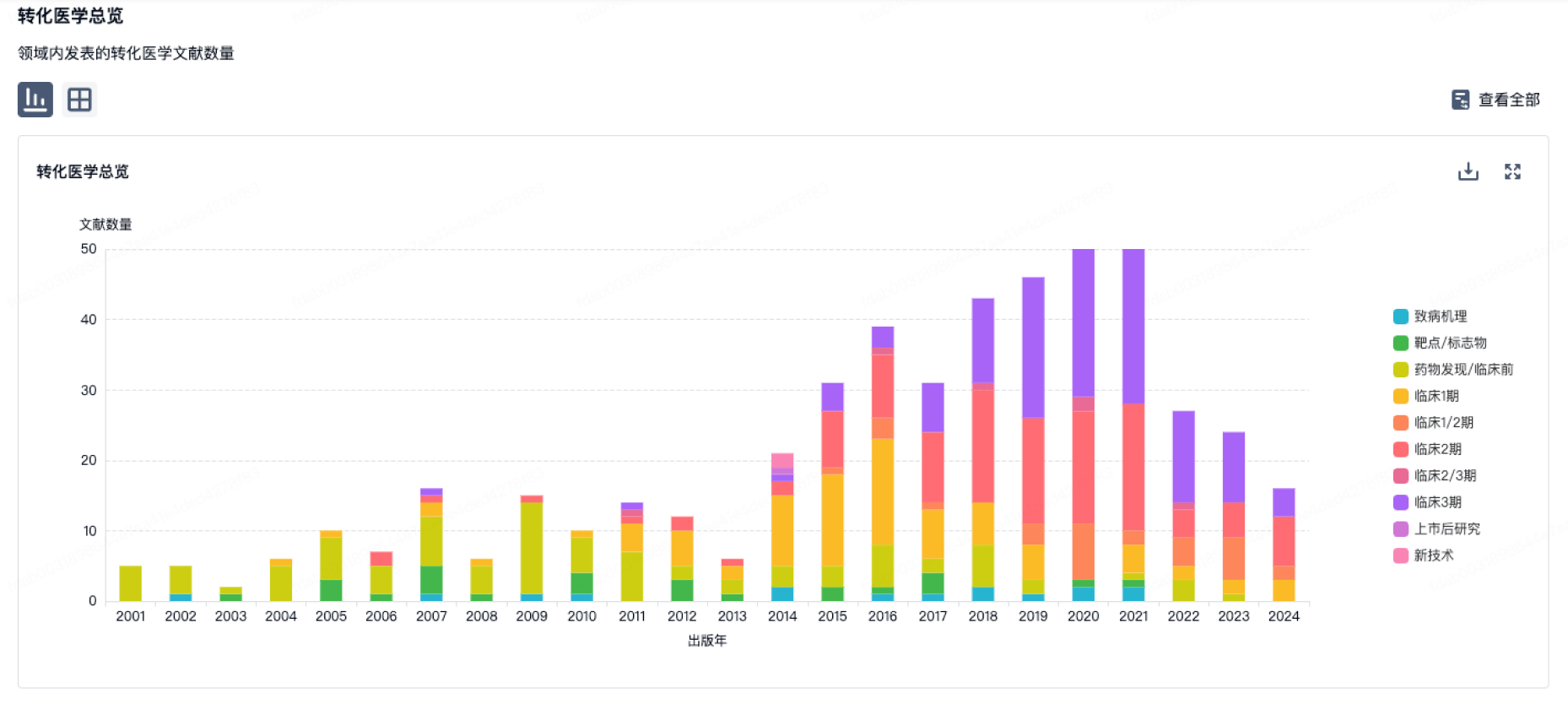
转化医学
使用我们的转化医学数据加速您的研究。
登录
或
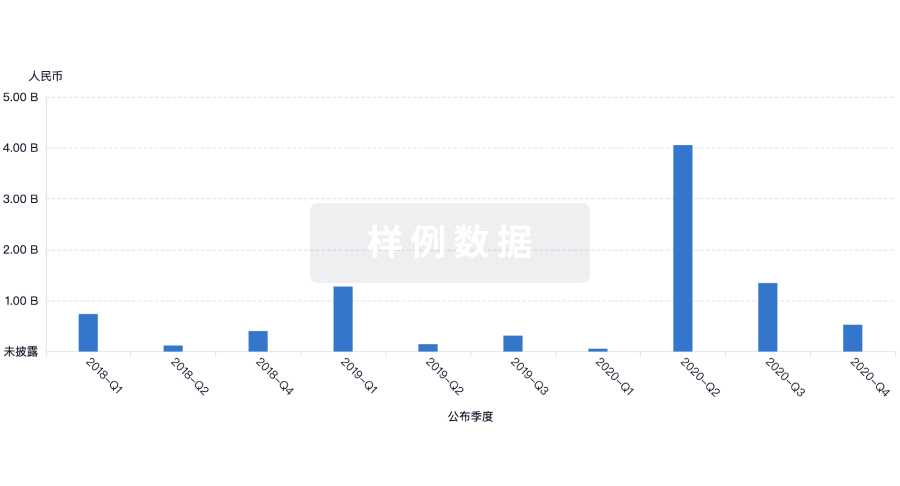
营收
使用 Synapse 探索超过 36 万个组织的财务状况。
登录
或

科研基金(NIH)
访问超过 200 万项资助和基金信息,以提升您的研究之旅。
登录
或
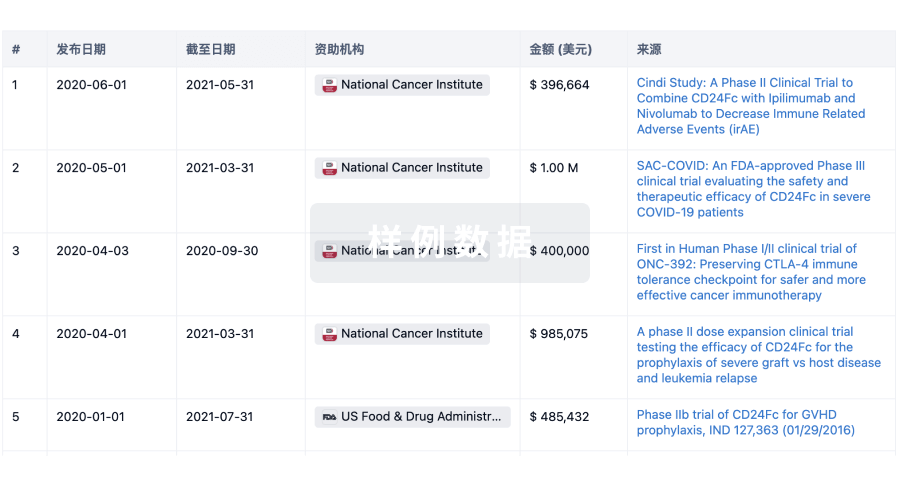
投资
深入了解从初创企业到成熟企业的最新公司投资动态。
登录
或
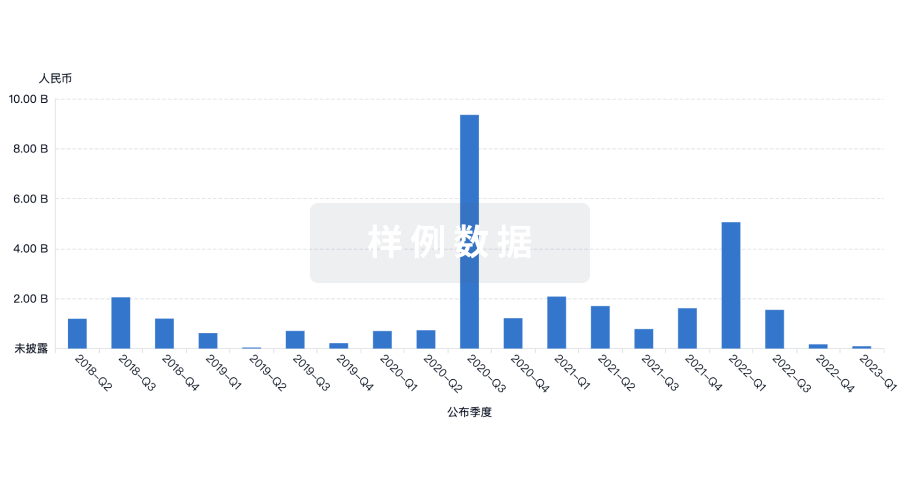
融资
发掘融资趋势以验证和推进您的投资机会。
登录
或
提出任何生物医药研究问题
让每一步生物医药决策都精准制胜
基于十亿级生物数据与全球情报的精准 AI,赋能早期药物发现
立即开始免费试用!
智慧芽新药情报库是智慧芽专为生命科学人士构建的基于AI的创新药情报平台,助您全方位提升您的研发与决策效率。
立即接入生物医药数据包
智慧芽新药库数据也通过智慧芽开放平台,以MCP或API服务形式对外开放。立即使用我们的MCP服务定制您的LLM智能体。
生物序列数据库
生物药研发创新
免费使用
化学结构数据库
小分子化药研发创新
免费使用