预约演示
更新于:2026-10-24

Chinese Academy of Science Institute of Chemistry
更新于:2026-10-24
概览
标签
肿瘤
感染
其他疾病
小分子化药
预防性疫苗
放射与诊断药物
疾病领域得分
一眼洞穿机构专注的疾病领域

暂无数据
技术平台
公司药物应用最多的技术
暂无数据
靶点
公司最常开发的靶点
暂无数据
| 排名前五的药物类型 | 数量 |
|---|---|
| 小分子化药 | 4 |
| 预防性疫苗 | 3 |
| 放射与诊断药物 | 1 |
| 排名前五的靶点 | 数量 |
|---|---|
| E-sel(选择素-E) | 1 |
| STEAP1(前列腺六跨膜上皮抗原1) | 1 |
| FACL4 x mPTP | 1 |
关联
8
项与 中国科学院化学研究所 相关的药物

靶点- |
作用机制 免疫刺激剂 |
在研机构 |
原研机构 |
在研适应症 |
非在研适应症- |
最高研发阶段临床前 |
首次获批国家/地区- |
首次获批日期- |

靶点- |
作用机制 免疫刺激剂 |
在研机构 |
原研机构 |
在研适应症 |
非在研适应症- |
最高研发阶段临床前 |
首次获批国家/地区- |
首次获批日期- |
100 项与 中国科学院化学研究所 相关的临床结果
登录后查看更多信息
0 项与 中国科学院化学研究所 相关的专利(医药)
登录后查看更多信息
64
项与 中国科学院化学研究所 相关的文献(医药)2026-10-06·ACS Omega
Cellulose-Based
Aggregation-Induced Emission Microspheres
for Visual Detection of Nitroaromatic Explosives
Article
作者: Wang, Zonghua ; Chen, Zhangyan ; Wan, Jiqiang ; Tian, Haiying ; Liu, Zongxi ; Ma, Xiaohua ; Jia, Zhenglei ; Li, Guozheng ; Gao, Mingqi ; Hu, Shaodong
Abstract:
The development of sustainable and portable sensors for nitroaromatic explosives detection is essential for environmental monitoring and public safety. In this work, positively charged cellulose-based fluorescent microspheres were fabricated for the visual detection of 2,4,6-trinitrophenol (PA). Cellulose microspheres with controllable diameters were prepared through the coaxial airflow method, followed by grafting the aggregation-induced emission (AIE) fluorogen tetraphenylethylene (TPE) and quaternary ammonium groups (N+-COOH) to yield MCC-TPE-N+ microspheres. These microspheres integrate AIE fluorescence, porous structure, and a positively charged surface, achieving a limit of detection (LOD) of 0.035 μM for PA, which surpasses the performance of pristine TPE-Br probes (0.36 μM). Moreover, the microspheres exhibited adequate recyclability, operational stability in aqueous environments, and visual detection capability. This work highlights the dual role of cellulose as a structural scaffold for analyte enrichment and a versatile template for AIEgen immobilization and charge modification, offering a sustainable and efficient strategy for the development of eco-friendly, high-performance fluorescent sensing platforms based on renewable polymers.
2026-08-01·Science Bulletin
Interphase activators for continuous Li⁺ transport in garnet-polymer composite solid electrolytes at room temperature
Article
作者: Wei, Jun ; Xia, Dingguo ; Wu, Ningning ; Zhao, Liyuan ; Yang, Binbin ; Ye, Yusheng ; Chen, Renjie ; Wu, Feng ; Zhan, Yu ; Chen, Nan
Ta-doped garnet (LLZTO) composite solid electrolytes (CSEs) with poly(vinylidene fluoride) (PVDF) coatings are attractive for solid-state Li-metal batteries (SSLMBs), but are limited by the absence of continuous, low-barrier Li⁺ percolation pathways across ceramic-polymer interfaces. Surface contaminants on LLZTO and sluggish Li⁺ coordination exchange within semicrystalline PVDF collectively disrupt interfacial continuity, resulting in high transport resistance and dendrite growth. Here, we introduce an interphase activator (IA) strategy that reconstructs the LLZTO surface by converting native Li2CO3/LiOH species while simultaneously modulating Li+ transport within PVDF. Using SbF3 as a representative IA, native Li2CO3/LiOH species are transformed into a spatially coupled Sb2O3/LiF interphase. Density functional theory calculations reveal a low Li⁺ migration barrier (0.22 eV) at the Sb2O3(220)/LiF(001) boundary, supporting enhanced interfacial transport kinetics. In the presence of ion-conducting cellulose (ICC), which provides additional oxygen-containing coordination sites, SbF3 further establishes a multicomponent noncovalent interaction environment that suppresses PVDF crystallinity and accelerates Li⁺ coordination exchange. Owing to the dual-function role of SbF3, the resulting CSEs achieve an ionic conductivity of 6.7 × 10⁻⁴ S cm-1, a Li⁺ transfer number of 0.84, and a critical current density of up to 3 mA cm-2. LiFePO4 (LFP)|Li, LiNi0.5Co0.2Mn0.3O2 (NCM523)|Li, and Li1.2Ni0.13Co0.13Mn0.54O2 (LNCMO)|Li cells exhibit stable cycling at 30 ℃. This work provides a foundation for developing IA strategies in garnet-polymer CSEs.
2026-03-11·Journal of the American Chemical Society
Two-Dimensional Electron Transport in N-Type Conducting Polymers by Dication Exchange
Article
作者: Guo, Qiaoyu ; Li, Tongzi ; Xie, Fei ; Huang, Qiuying ; Yuan, Dafei ; Ding, Changhao ; Zou, Ye ; Xu, Mingquan ; Hu, Huawei ; Yang, Yizhou ; Zeng, Fu ; Krishnamoorthy, Aishwarya ; Chen, Keqiu ; Jiao, Xuechen
The limitation of intrachain charge delocalization and the low efficiency of interchain hopping transport are known to greatly impede the electrical conductivity of organic conducting polymers. In comparison with intrachain electron transport, the achievement of efficient interchain transport remains a significant challenge in n-type conducting polymers. Electron delocalization between polymer chains upon introducing conjugated counterions while keeping weak Coulombic interactions is able to form two-dimensional transport ways and greatly increase the electrical conductivity. In this work, we investigated the ion-exchange process in a highly doped n-type conducting polymer, named poly(benzodifurandione) (PBFDO), with cations of varied valence states. Among them, dication exchange of proton (H+) on PBFDO resulted in significantly enhanced electrical conductivity, which was attributed to the increased electron transport and an improved microstructure, by diminished Coulomb interactions and a strong interchain charge transport. Notably, the tight intermolecular stacking and enhanced electron transport led to the redistribution of electron density of states which together contributed to the metallic conduction behavior after the dication exchange. This work highlights the potential of the dication-exchange strategy as a versatile tool for tailoring the electronic properties of n-type conducting polymers, paving the way for next-generation organic electronic devices.
128
项与 中国科学院化学研究所 相关的新闻(医药)2026-10-21
·整理知识
前言
本综述覆盖2005—2026年(时间线起点追溯至2004年)自然科学十个主要学科的概况、现状与进展,由各学科分章研究员分别撰写、总编统稿而成。范围涵盖物理学、天文学与空间科学、化学、材料科学、生命科学、医学与健康科学、地球与环境科学、能源科学、信息科学与AI for Science、数学。方法上,各章按"概况—现状(2024—2026)—进展"三节组织,并附章末关键事实核验清单;总编在此基础上撰写总述、汇总重大突破时间线、完成跨章节事实核对(见附录A)。来源原则:所有事实性陈述与来源URL均来自十个学科章节文件及其所列机构官网、权威媒体与学术资源,本综述不新增未经来源支撑的事实;个别章节已标注"待补充"的条目,如实保留于附录A待补充清单。
第一章概况:近二十年自然科学发展的简要概述
2005—2026年的二十余年,是自然科学史上范式转换最为密集的时期之一。这一时期的主线,可以概括为四句话:基础科学完成了多个"世纪工程"的收官,观测与实验窗口实现了前所未有的全面打开,人工智能从工具升格为科研的第四范式,而中国科学则完成了从跟跑到并跑、若干方向领跑的历史性跨越。
一、跨学科交叉融合成为常态,"单一学科作战"时代基本结束。 本时期最显著的特征,是学科边界的系统性消融。在生命科学与信息科学的交汇处,AlphaFold于2020年在CASP14蛋白质结构预测竞赛中达到接近实验精度的水平,2024年由此荣获诺贝尔化学奖;同一年的物理学奖又首次授予人工神经网络的物理基础——同一年两项诺贝尔奖直接颁给人工智能基础方法,这是AI驱动科研获得最高学术荣誉体系确认的标志性事件。在天文与物理的交汇处,2017年GW170817双中子星并合事件首次实现引力波与伽马射线、千新星电磁对应体的联合观测,多信使天文学由此确立;2023年纳赫兹引力波背景证据的发布,又把这一窗口延伸到低频段。在材料与计算的交汇处,GNoME一次性预测220万种新型晶体结构,微软MatterGen实现无机材料的从头生成,"预测—合成—表征"闭环把材料研发周期由十年量级压缩到月量级。在数学与计算机的交汇处,人工智能系统在国际数学奥林匹克上先后达到银牌与金牌水平,开始参与猜想生成与定理证明。可以说,交叉不再是个别领域的点缀,而是本时期重大突破的默认生产方式。
二、重大突破的学科分布,呈现"基础收官、工具爆发、转化提速"的格局。 物理学完成了标准模型的收官:2012年希格斯玻色子的发现补上了最后一块基本粒子拼图,中微子振荡则给出了超出标准模型最坚实的实验证据;随后物理学的重心从"发现新粒子"转向精度测量、量子操控与多信使观测,量子计算在2019—2020年先后实现"量子优越性"演示,2024—2025年又相继跨过"低于阈值纠错"的工程门槛。天文学经历了从单波段观测到多信使、多波段、多尺度的黄金时代:首张黑洞照片、韦布空间望远镜、宇宙黎明高红移星系接连刷新人类的宇宙图景。生命科学以基因组学成本的指数级下降为底座,完成了CRISPR基因编辑、合成基因组、细胞图谱的工具链建设;医学则把这些工具转化为临床变革——肿瘤免疫治疗、mRNA疫苗、GLP-1类代谢药物、CRISPR基因编辑疗法与阿尔茨海默病疾病修饰治疗相继落地。数学在庞加莱猜想、素数间隔、朗兰兹纲领等主线上完成世纪性推进,2026年菲尔兹奖迎来中国籍数学家的首次获奖。与此同时,地球与气候科学的认知持续转化为全球治理进程,能源科学则展开了人类历史上最大规模的技术系统更替。
三、科学与技术的相互驱动,形成了"工具—发现—工具"的加速循环。 一方面,大科学装置与使能技术持续拓展科学的边界:大型强子对撞机、LIGO、韦布望远镜、FAST、国家点火装置等,都是先有仪器革命、后有科学发现的典型;测序成本从约30亿美元/基因组降至数百美元量级,才使基因组学从大工程变为常规工具;GPU与算力基础设施的扩张,直接支撑了深度学习与AI for Science的全部成果。另一方面,科学发现又迅速外溢为产业变革:钙钛矿光伏效率从约3.8%提升到27%以上,光伏从补贴驱动变为平价主力电源;锂电池材料的持续演进支撑了电动汽车与新型储能的爆发;可控核聚变在2022年12月首次实现净能量增益后,商业聚变投资热潮与工程复现同步推进。科学—技术—产业的链条在本时期空前缩短。
四、中国科学的全面崛起,是这一时期最具结构性意义的变化。 天文与空间科学领域,FAST于2016年落成、2020年正式运行,脉冲星发现数远超同期国际同行总和,嫦娥六号完成人类首次月背采样返回,天问一号着陆火星,中国空间站建成;量子科技领域,"九章"光量子原型机、"祖冲之号"超导计算与"祖冲之3.2号"表面码纠错里程碑相继问世;高能物理领域,大亚湾实验测得中微子θ₁₃;能源与材料领域,中国建成全球最完整的光伏制造产业链,2025年风光新增装机与新型储能规模均居世界首位;数学领域,王虹与合作者证明三维挂谷猜想,2026年邓煜、王虹同获菲尔兹奖,实现中国籍数学家零的突破;化学与生命科学领域,"机器化学家"、AI材料筛选平台等自主基础设施相继投入运行。中国已从科学发现的跟随者,变为多个方向的并行者乃至引领者。
五、总体判断。 站在2026年回望,近二十年自然科学的整体图景是:基础前沿并未因"容易的果实已摘完"而停滞,而是在精度、尺度与交叉中不断开辟新问题;人工智能既是这一时期最重要的科学发现之一,也是改造所有学科方法论的通用工具;科学的社会功能空前凸显——气候科学直接支撑《巴黎协定》与双碳战略,医学科学在新冠疫情与肿瘤慢病管理中检验了转化体系的成色,能源科学的进展则决定了全球转型的速度。展望下一个十年,量子纠错工程化、聚变点火向增益聚变堆迈进、AI for Science从预测走向自主实验、以及脑与生命科学的工程化解析,构成最值得期待的四条主线。本综述以下十章,即按学科分述这一总体图景的各个侧面,并附时间线与跨章节事实核验清单,以备查考。
第二章各学科概况、现状与进展
2.1 物理学
物理学在近二十年经历了"标准模型收官—引力波时代开启—量子技术走向工程化"的三段式发展。粒子物理完成了对最后一个标准模型基本粒子的探测,引力与宇宙学观测开辟了全新的多信使窗口,而量子力学的宏观显现与相干操控则把基础研究直接推向量子计算与精密测量的产业前沿。
一、概况
2005年以来的物理学,大体可分为三个相互交织的阶段。第一阶段(约2005—2015年)以大型科学装置的建成与数据积累为特征:欧洲核子研究中心(CERN)大型强子对撞机(LHC)于2008年启动,人类寻找近半个世纪的希格斯玻色子于2012年被正式宣布发现,粒子物理标准模型在电弱能区的拼图至此完整;同期,大亚湾反应堆中微子实验测得θ₁₃,2015年诺贝尔物理学奖颁给梶田隆章与阿瑟·麦克唐纳,表彰中微子振荡的发现,中微子质量成为超出标准模型最坚实的实验证据之一。第二阶段(约2015—2020年)是引力物理与量子基础的爆发期:LIGO于2015年9月首次直接探测到双黑洞并合引力波(GW150914),2017年8月的GW170817事件同时记录引力波与伽马射线、千新星电磁对应体,多信使天文学由此确立;2016年诺贝尔物理学奖授予拓扑相变与拓扑物态研究,2017年LIGO三人组获诺奖。量子计算方面,谷歌Sycamore于2019年宣布"量子优越性",中国科学技术大学"九章"光量子原型机于2020年跟进,量子计算机从原理验证走向工程爬坡。第三阶段(2020—2026年)的主题是"从演示走向纠错与复现":2022年美国国家点火装置(NIF)首次实现受控核聚变点火净能量增益;2022年、2023年诺奖先后授予贝尔不等式检验与阿秒光脉冲;2024年诺奖出人意料地颁给人工神经网络的物理基础,显示物理学与人工智能的深度交叉;2025年诺奖回到超导量子电路的宏观量子效应,2026年诺奖授予冰立方中微子天文台与天体物理中微子发现。整体而言,物理学正从"发现新粒子"的时代,转向"在精度、相干与多信使观测中寻找标准模型之外信号"的时代。
二、现状(2024—2026)
粒子物理精密测量:费米实验室缪子g-2实验于2025年6月3日发布第三次、也是最后一次测量结果,缪子磁异常的实验精度达到127 ppb,超越140 ppb的设计目标,与此前结果一致,为未来数十年提供了基准值(https://news.fnal.gov/2025/06/muon-g-2-most-precise-measurement-of-muon-magnetic-anomaly/)。W玻色子质量方面,CDF实验2022年测得值曾显著偏离标准模型预言;CMS于2024年9月给出LHC迄今最精确的测量80360.2±9.9 MeV,与标准模型高度一致;ATLAS后续结果(80366.5±15.9 MeV)同样符合标准模型,围绕CDF偏差的争论仍在持续(https://cms.cern/news/cms-delivers-best-precision-measurement-w-boson-mass-lhc;https://cds-cern.dvr.hpc.n-helix.com/record/2946434/files/CR2025_171.pdf)。
量子计算与纠错:2024年12月9日,谷歌量子AI团队发布新一代超导芯片Willow,在距离5与距离7表面码上首次明确实现"低于阈值"的量子纠错,逻辑错误率随码距指数下降,并以实时解码完成数小时运行(https://blog.google/innovation-and-ai/technology/research/google-willow-quantum-chip/)。2025年12月,中国科学技术大学潘建伟团队基于"祖冲之3.2号"超导处理器在码距7表面码上实现同样"低于阈值、越纠越对"的里程碑,成果发表于《物理评论快报》(https://www.quantumcas.ac.cn/2025/1223/c20525a717233/page.htm)。量子计算硬件竞争已进入"纠错路线"的快车道。
引力波与宇宙学观测:2023年6月28—29日,NANOGrav、PPTA、EPTA与中国CPTA(依托FAST)同时宣布纳赫兹引力波背景的关键证据,标志着低频引力波天文学开启(https://www.nasa.gov/galaxies-stars-black-holes/15-years-of-radio-data-reveals-evidence-of-space-time-murmur/);空间引力波探测器LISA等仍处于研制推进阶段,具体立项节点待补充。
暗物质直接探测:LUX-ZEPLIN于2024年8月公布世界领先的WIMP排除上限,灵敏度较此前提升近五倍,并计划运行至2028年累计1000天数据;XENONnT于2025年11月发布3.1吨·年曝光量的搜索结果,仍未发现暗物质信号(https://kipac.stanford.edu/lux-zeplin;https://www.phys.tsinghua.edu.cn/info/1268/6619.htm)。
核聚变点火:NIF在2022年首次点火后持续复现:2024年2月实验估计产额约5.2 MJ;2025年4月7日第八次点火实验创纪录,输出8.6 MJ聚变能、靶增益超过4倍;至2025年10月已完成第十次点火实验(https://lasers.llnl.gov/science/achieving-fusion-ignition)。
诺贝尔奖:2024年10月8日,物理奖授予John J. Hopfield与Geoffrey Hinton,表彰其为人工神经网络机器学习奠定物理基础;2025年10月7日,授予John Clarke、Michel H. Devoret与John M. Martinis,表彰电路中宏观量子隧穿与能量量子化的发现;2026年10月6日,授予Francis Halzen,表彰其对冰立方中微子天文台及天体物理起源高能中微子发现的决定性贡献(https://www.nobelprize.org/prizes/physics/2024/summary/;http://world.people.com.cn/n1/2025/1009/c1002-40578066.html;https://www.news.cn/world/20261006/33e82e86020e40aa8db7a2840856d2ad/c.html)。
三、进展(重要突破与里程碑)
粒子物理与标准模型。2012年7月4日,CERN宣布ATLAS与CMS合作组发现质量约125 GeV的新玻色子,后确认即希格斯玻色子——标准模型预言的最后一个基本粒子;2013年诺贝尔物理学奖授予François Englert与Peter Higgs。2015年诺贝尔物理学奖授予梶田隆章(超级神冈实验)与Arthur B. McDonald(SNO实验),表彰中微子振荡的发现,揭示中微子具有质量。
引力波物理。2015年9月14日,LIGO首次直接探测到双黑洞并合引力波事件GW150914(2016年2月公布);2017年诺贝尔物理学奖授予Rainer Weiss、Kip Thorne与Barry Barish。2017年8月17日,GW170817双中子星并合事件同时被引力波探测器与全球电磁望远镜网络观测到,开启多信使天文学时代(天文学侧详见天文章节)。2023年6月,NANOGrav等脉冲星计时阵宣布纳赫兹随机引力波背景证据(交叉见天文章节)。
量子物理与量子计算硬件。2019年10月,谷歌Sycamore处理器宣布实现"量子优越性",在随机线路采样任务上用时200秒完成超算需万年的计算(信息科学角度的展开归信息章节,此处仅记硬件里程碑)。2020年,中科大团队实现光量子计算原型机"九章";2021年"九章二号"与超导"祖冲之号"相继发布。2024年12月谷歌Willow实现低于表面码阈值的纠错;2025年12月中科大"祖冲之3.2号"复现并巩固该里程碑(详见本文件"现状"节)。2022年诺贝尔物理学奖授予Alain Aspect、John F. Clauser与Anton Zeilinger,表彰贝尔不等式违反实验与纠缠光子研究;2025年诺贝尔物理学奖授予John Clarke、Michel H. Devoret与John M. Martinis,表彰约瑟夫森结电路中宏观量子隧穿与能量量子化的实验发现——该工作为超导量子比特奠定了物理基础。
原子分子光物理与阿秒科学。2023年诺贝尔物理学奖授予Pierre Agostini、Ferenc Krausz与Anne L'Huillier,表彰阿秒光脉冲产生技术,使电子动力学的实时观测成为可能。
凝聚态与拓扑物理。2016年诺贝尔物理学奖授予David J. Thouless、F. Duncan M. Haldane与J. Michael Kosterlitz,表彰拓扑相变与拓扑物态的理论发现,直接催生拓扑绝缘体、拓扑半金属等后续二十年的实验热潮(石墨烯2010年诺奖归材料章节,本章不展开)。
黑洞与相对论检验。2020年诺贝尔物理学奖授予Roger Penrose(黑洞形成的理论证明)、Reinhard Genzel与Andrea Ghez(银河系中心超大质量黑洞观测),与2019年EHT黑洞成像(天文章节详述)相互印证。
可控核聚变点火物理。2022年12月5日,美国NIF利用192束紫外激光实现聚变输出能量(约3.15 MJ)大于输入靶丸激光能量(约2.05 MJ),首次在实验室实现科学意义上的点火净能量增益;2023年起多次重复并提高增益(2024年2月约5.2 MJ;2025年4月8.6 MJ、增益逾4)。能源产业视角详见能源章节。
计算物理交叉。2024年诺贝尔物理学奖授予John J. Hopfield与Geoffrey Hinton,表彰Hopfield网络与玻尔兹曼机等基于物理思想的人工神经网络基础发明——这是物理学奖首次授予人工智能基础方法,标志交叉研究获得最高学术认可。
2.2 天文学与空间科学
近二十年是天文学从"单波段观测"迈向"多信使、多波段、多尺度"的黄金时代:人类首次拍到黑洞剪影、把望远镜送出大气层直视宇宙黎明、并从宇宙中微子与纳赫兹引力波中读出全新信息。中国天文与空间科学在这一时期完成了从跟跑到并跑乃至局部领跑的跨越。
一、概况
2005年以来的天文学主线,是观测窗口的全面打开。宇宙学上,2011年诺贝尔物理学奖授予索尔·珀尔马特、布莱恩·施密特与亚当·里斯,表彰他们通过Ia型超新星发现宇宙加速膨胀——暗能量由此成为二十一世纪最大的物理学悬案之一;欧洲普朗克卫星于2018年发布终版宇宙微波背景(CMB)数据,把宇宙年龄、物质密度等参数的测量精度推向新高度。系外行星方向,开普勒空间望远镜(2009年发射)以凌星法批量发现行星候选体,2014年确认宜居带类地行星开普勒-186f;2019年诺贝尔物理学奖授予詹姆斯·皮布尔斯(宇宙学)与米歇尔·马约尔、迪迪埃·奎洛兹(1995年首颗类太阳恒星系外行星)。黑洞研究迎来历史时刻:事件视界望远镜(EHT)2019年4月发布M87首张黑洞阴影照片,2022年发布银河系中心Sgr A照片;2020年诺贝尔物理学奖授予罗杰·彭罗斯、赖因哈德·根策尔与安德烈娅·盖兹。多信使方面,2017年GW170817把引力波与伽马暴、千新星电磁对应体联测(引力波探测的物理机制见物理章节);2007年发现的快速射电暴(FRB)自2016年首次定位后迅速成为前沿热点。空间科学方面,詹姆斯·韦布空间望远镜(JWST)于2021年12月25日发射,2022年7月发布首批科学图像,成为本世纪最强大的红外天文台。中国力量全面崛起:FAST"中国天眼"2016年落成、2020年正式运行;嫦娥五号2020年采样返回、天问一号2021年着陆火星、天和核心舱2021年入轨、嫦娥六号2024年完成人类首次月背采样返回。总体而言,天文学正处于"数据驱动、仪器制胜、多国协同"的新格局。
二、现状(2024—2026)
JWST持续产出里程碑级成果。2025年6月25日,NASA宣布JWST首次通过直接成像发现系外行星TWA 7b,也是迄今直接成像发现的质量最小系外行星之一(《自然》)(http://www.news.cn/20250626/1562072cd24842738f8bea93fa8f7c88/c.html)。2025年8月,JWST的MIRI仪器给出比邻星系统中半人马座α A周围存在气体巨行星的迄今最强证据,若确认将是宜居带内环绕类太阳恒星的最近行星(https://www.jpl.nasa.gov/news/nasas-webb-finds-new-evidence-for-planet-around-closest-solar-twin/)。2026年1月28日,JWST确认一颗存在于大爆炸后约2.8亿年的高红移亮星系,把可观测宇宙边界继续推向宇宙黎明(https://esawebb.org/news/)。系外行星大气方面,2026年陆续发布熔岩行星HD 3167b存在大气的证据、类地温巨行星TOI-199b大气甲烷、以及HATS-6 b大气中水、甲烷、氨的探测(https://www.ncsti.gov.cn/kjdt/kjrd/202610/t20261014_258237.html;https://www.cas.cn/kj/202605/t20260526_5110905.shtml;http://tech.chinadaily.com.cn/a/202609/30/WS6abc7c40e4b09a165c78d93f.html)。
EHT后续观测。2024年1月18日,EHT发布基于2018年观测的M87新图像,证明黑洞阴影的长期稳定性;2025年9月16日,新一代图像揭示M87附近出人意料的偏振翻转现象,并首次捕捉到喷流底部延展发射的信号;2026年1月进一步给出M87喷流基部的观测线索(https://eventhorizontelescope.org/home;https://eventhorizontelescope.org/new-eht-images-reveal-unexpected-polarization-flips-at-m87)。
FAST与中国多信使观测。截至2025年11月5日,FAST累计发现脉冲星1170颗,远超同期国际同行总和;2025年5月23日《科学》发表FAST发现的罕见掩食毫秒脉冲星;2026年1月16日,紫金山天文台团队宣布FAST捕捉到重复快速射电暴FRB 20220529法拉第旋转量急剧飙升又回落现象,判定其起源于双星系统,为FRB起源提供关键证据;2026年10月,FAST与多波段联合揭示脉冲星J0435+3233为首例尚在演化阶段的原生脉冲星三体系统(http://www.cas.cn/cm/202512/t20251219_5092988.shtml;https://nao.cas.cn/news/gd/202505/t20250523_7790316.html;http://www.cas.cn/cm/202601/t20260119_5096539.shtml)。此外,我国"天关"空间望远镜于2026年初报告疑似首次观测到中等质量黑洞撕裂并吞噬白矮星的完整过程(EP250702a)(http://www.cas.cn/cm/202602/t20260214_5102629.shtml)。
空间探测。嫦娥六号2024年5月3日发射、6月25日返回,采集人类首份月背样品1935.3克,2025年7月中科院发布样品系列研究成果,对月球演化理论提出新认知(https://www.cnsa.gov.cn/n6758823/n6758844/n10518102/n10518147/c10567320/content.html;https://www.cnsa.gov.cn/n6758823/n6758838/c10687580/content.html)。
诺奖:2026年诺贝尔物理学奖于10月6日授予Francis Halzen,表彰冰立方中微子天文台对天体物理起源高能中微子的决定性贡献——这是中微子天文学与空间观测的重要认可(详见物理章节)。
三、进展(重要突破与里程碑)
宇宙学奠基。2011年诺贝尔物理学奖授予珀尔马特(超新星宇宙学项目)、施密特(高红移超新星搜寻团队)与里斯,表彰通过遥远Ia型超新星发现宇宙加速膨胀,暗能量研究由此成为二十余年宇宙学主线。普朗克卫星2009年发射、2018年发布终版CMB数据,给出宇宙年龄约138亿年等精确参数。
系外行星时代。开普勒空间望远镜2009年发射,2014年确认位于宜居带的类地行星开普勒-186f;2019年诺贝尔物理学奖一半授予皮布尔斯(物理宇宙学理论),一半授予马约尔与奎洛兹(1995年发现首颗类太阳恒星周围系外行星飞马座51b)。近五年系外行星发现持续加速:2025年2月欧空局盖亚探测器首次自行发现行星Gaia-4b与褐矮星Gaia-5b(http://www.news.cn/tech/20250205/8a1fe13d03d6424183fdf6f860d733f1/c.html);2025年6月云南天文台团队发现宜居带"超级地球"开普勒-725c(http://www.cas.ac.cn/cm/202506/t20250604_5071672.shtml)。
黑洞成像。2019年4月10日,EHT发布M87首张黑洞阴影照片,是广义相对论黑洞预言的直接成像证据;2022年5月12日发布银河系中心Sgr A照片。2020年诺贝尔物理学奖一半授予彭罗斯(黑洞形成理论),一半授予根策尔与盖兹(数十年红外监测Sgr A*附近恒星轨道,证明超大质量黑洞存在)。
多信使天文学。2017年8月17日GW170817双中子星并合,引力波信号后约1.7秒触发伽马射线暴,全球光学望远镜跟进观测到千新星,首次实现引力波—电磁波联合观测(引力波探测物理机制见物理章节)。2023年6月28—29日,NANOGrav、PPTA、EPTA与中国CPTA(依托FAST监测57颗脉冲星)同步宣布纳赫兹随机引力波背景证据,人类开始"聆听"超大质量黑洞并合产生的宇宙低频脉动(https://www.cas.ac.cn/cm/202312/t20231226_4992716.shtml)。
快速射电暴。2007年Lorimer等发表首例FRB(FRB 010724);2016年首次对FRB 121102进行精确定位并锁定宿主星系,此后FRB研究进入定位与机制探索阶段;FAST近年在FRB监测与起源判定上屡有突破(见本文件"现状"节)。
詹姆斯·韦布空间望远镜。2021年12月25日由阿丽亚娜5号火箭发射;2022年7月12日发布首批科学图像(含SMACS 0728深场);2023年起在高红移星系、系外行星大气、原行星盘等方向持续产出,并对早期星系数量与恒星形成历史提出新问题。
中国空间科学与深空探测。FAST(500米口径球面射电望远镜)2016年9月落成、2020年1月11日正式开放运行;嫦娥五号2020年11月发射、12月17日携带1731克月壤返回;天问一号2020年7月发射、2021年5月15日祝融号火星车着陆巡视;天和核心舱2021年4月29日发射入轨,中国空间站进入建造阶段;嫦娥六号2024年6月25日完成人类首次月球背面采样返回。
2.3 化学
近二十年间,化学从以经验试错为主的实验科学,加速转向以机理认识、计算预测与自动化驱动的理性科学。本章梳理合成化学、催化、化学生物学及其与能源、材料、生命科学交叉领域的主线进展,并对2024—2026年最新动态作专项综述。
一、概况
2005年以来的二十年,化学学科经历了三重深刻转型。其一,合成化学由"能做出来"转向"做得聪明":过渡金属催化、不对称催化、光/电驱动合成与生物催化的成熟,使复杂分子的选择性、步骤经济性与可持续性大幅提升;点击化学与生物正交化学的兴起,则把合成工具直接推入生命体系内部。其二,催化成为连接化学与能源、环境的枢纽:均相催化、多相催化、单原子催化、光催化与电催化在CO₂转化、固氮、制氢、污染物降解等方向全面铺开,催化剂设计从"试错"走向"活性中心—电子结构—反应路径"的理性调控。其三,化学与生命科学、信息科学的边界不断消融:化学生物学、计算化学、机器学习与自动化合成机器人结合,催生了"AI驱动的化学发现"新范式。从2010年石墨烯(诺贝尔物理学奖)到2025年金属有机框架(诺贝尔化学奖),近十五年的诺贝尔奖几乎每隔一至两年就标定一次学科方向:不对称有机催化(2021)、点击与生物正交化学(2022)、量子点(2023)、计算蛋白质设计(2024)、金属有机框架(2025)、手性自催化与非线性效应(2026)。化学不再只是"分子的艺术",更日益成为支撑能源转型、环境修复与生物医药的基础性、平台性学科。
二、现状(2024—2026)
2024—2026年,化学研究呈现"绿色化、智能化、工业化"三股并进的态势。
诺贝尔奖连续标定交叉方向。 2024年诺贝尔化学奖授予戴维·贝克(计算蛋白质设计)与德米斯·哈萨比斯、约翰·江珀(AlphaFold),标志计算化学与人工智能深度融合获得最高认可;2025年10月8日,化学奖授予北川进、理查德·罗布森与奥马尔·亚吉,表彰其在金属有机框架(MOF)开发方面的贡献,多孔框架化学由此成为能源、环境与材料交叉的核心平台(来源:中国科学院,http://www.cas.cn/kj/202510/t20251008_5084620.shtml );2026年10月7日,化学奖授予法国亨利·B·卡甘与日本硖合宪三,表彰其在不对称有机合成中发现非线性效应与自催化现象,为手性放大与生命同手性起源研究奠基(来源:新华网,http://www.xinhuanet.com/liangzi/20261009/76828b819b5c441dbdbf4c16a740351f/c.html )。
CO₂电催化迈向工业级电流密度。 中国科学院化学研究所韩布兴/朱庆宫团队2025年报道的催化剂,在700 mA·cm⁻²工业级电流密度下多碳醇选择性达71.3%,单程碳转化效率44.8%(来源:中国科学院化学研究所,http://www.ic.cas.cn/news/kyjz/202503/t20250321_7563339.html );西湖大学2025年报道的SnNCN催化剂在360 mV低过电位下实现450 mA·cm⁻²电流密度、法拉第效率97.4%(来源:西湖大学,https://science.westlake.edu.cn/newsevents/news/202505/t20250528_55983.shtml );2025年10月,多孔膜电解槽在酸性电解液400 mA·cm⁻²下CO法拉第效率达85%并稳定运行200小时(来源:新华网,http://www.news.cn/tech/20251028/8292200743b943919db553b0990c2329/c.html )。
AI化学发现从概念走向基础设施。 中国科学技术大学"机器化学家"第二代双臂人形机器人"小临"于2025年投入应用,可自主阅读文献、设计实验方案并24小时不间断运行(来源:中国科学技术大学新闻网,https://news.ustc.edu.cn/info/1056/93318.htm );伯克利等多机构团队2025年12月在《Nature Synthesis》发布AIRES平台,以AI迭代与自动化实验加速框架晶体材料的数据驱动发现(来源:加州大学伯克利分校化学学院,https://chemistry.berkeley.edu/news/aires-revolutionizes-reticular-chemistry-rapid-data-driven-crystal-discovery )。
"永久化学品"降解取得多条技术路线突破。 中国科学院大连化学物理研究所2025年9月提出"人造云"微液滴气—液—固三相界面接触电致化学策略,实现全氟辛酸(PFOA)的高效矿化与氟离子固定(来源:大连化物所,http://www.dicp.ac.cn/xwdt/mtcf/202509/t20250929_7982068.html );美国莱斯大学2025年12月报道可同步捕获并降解PFAS的新技术(来源:ScienceDaily,https://sciencedaily.com/releases/2025/12/251224032401.htm );机械力化学"亲氟试剂"球磨、ZnO纳米晶光催化等路线亦在快速演进。
三、进展(重要突破与里程碑)
近二十年化学的里程碑,集中体现在催化与合成工具、能量储存、计算与自动化化学、绿色化四条主线。
催化与合成工具。 不对称有机催化是本时期最具代表性的方法论突破:2000年前后,本亚明·利斯特与戴维·麦克米伦分别开发脯氨酸催化与咪唑啉酮催化,摒弃金属与酶而以纯有机小分子驱动不对称反应,二人因此获2021年诺贝尔化学奖。点击化学由卡尔·巴里·沙普利斯于2001—2002年提出,莫滕·梅尔达尔独立发展出铜催化叠氮—炔环加成反应(CuAAC),卡罗琳·贝尔托齐则将其拓展为可在活体内运行的生物正交化学;三人获2022年诺贝尔化学奖(2022年12月颁奖)。分子机器方面,让—皮埃尔·索瓦日1983年合成索烃、J·弗雷泽·斯托达特发展轮烷、本·费林加1999年造出第一台分子马达,三人因"设计与合成分子机器"获2016年诺贝尔化学奖。2026年卡甘与硖合宪三的获奖则进一步回溯到手性放大的基础问题——硖合宪三(Kenso Soai)1995年报道的不对称自催化反应(Soai反应),为理解生命同手性起源提供了实验范式。
能量储存与材料化学。 锂离子电池化学贯穿本时期:约翰·古迪纳夫1980年提出钴酸锂正极、1997年提出磷酸铁锂正极,M·斯坦利·惠廷厄姆1970年代末提出二硫化钛正极,吉野彰1985年组装出首个可充电锂离子电池原型,三人获2019年诺贝尔化学奖。量子点方面,阿列克谢·叶基莫夫1980年代初在玻璃基质中观测到CdSe量子尺寸效应,路易斯·布吕斯1980年代末独立开展胶体量子点研究,蒙吉·巴文迪1993年发展出单分散胶体量子点合成方法,三人获2023年诺贝尔化学奖。石墨烯虽于2004年由安德烈·海姆与康斯坦丁·诺沃肖洛夫首次机械剥离为单层(获2010年诺贝尔物理学奖),但其化学功能化、氧化石墨烯化学与二维衍生材料深刻影响了本时期材料化学,从化学角度可视作本时期材料合成的重要起点。
计算与自动化化学。 2012年,珍妮弗·杜德纳与埃玛纽埃尔·沙尔庞捷阐明CRISPR-Cas9基因编辑原理(获2020年诺贝尔化学奖,详见生命科学章节);2024年,贝克团队开创的逆向蛋白质设计与哈萨比斯、江珀领导的AlphaFold获诺贝尔化学奖——前者从化学角度证明"可像造机械一样设计蛋白质",AI相关进展详见信息科学章节。自动化合成方面,2019—2024年间国际上陆续出现"AI化学家"与自驱动实验室(self-driving lab),中国科学技术大学2025年投入应用的"小临"与人形智能科研平台、伯克利AIRES(2025)代表该方向的最新基础设施形态。
绿色化学与可持续合成。 从2000年代初倡导的原子经济性、绿色溶剂与无保护基合成,到近十年的电催化CO₂还原、温和固氮、PFAS降解与光驱动合成,化学学科正系统性回应气候变化与环境污染治理的国家需求。
2.4 材料科学
近二十年是材料科学从"发现驱动"走向"设计驱动"的二十年:二维材料打开了物理世界的新维度,能源材料支撑了可再生能源与电动化革命,AI辅助材料设计则把研发周期由十年量级压缩到月量级。本章梳理这一历程中的里程碑与2024—2026年最新进展。
一、概况
2005年以来,材料科学的重心由结构材料逐步转向功能材料与能源材料,并伴随两次方法论跃迁。第一次跃迁是纳米材料与二维材料的兴起:2004年单层石墨烯被分离后,过渡金属二硫族化合物(MoS₂等)、六方氮化硼、MXene(2011年首次合成)等二维家族迅速扩展,催生了从柔性电子到催化的广阔应用。第二次跃迁是能源材料成为主战场:锂离子电池电极材料的持续演进支撑了消费电子与电动汽车革命;钙钛矿太阳能电池自2009年首次报道(初始效率约3.8%)以来,单结认证效率至2025年已突破27%;固态电池、金属—空气电池等下一代储能材料进入产业化前夜。与此同时,材料基因组计划(2011年前后美国率先提出)与2023年Google DeepMind的GNoME、2025年微软MatterGen等生成式AI模型,使"预测—合成—表征"闭环大幅提速。金属—有机框架(MOF)、共价有机框架(COF)、超材料、增材制造材料与高温超导体系的拓展,共同构成了这一时期材料创新的丰富版图。
二、现状(2024—2026)
钙钛矿光伏效率连续刷新。 2025年5月28日,海南大学团队自主研发的单结钙钛矿电池经国家光伏产业计量测试中心(NPVM)认证,稳态光电转换效率达27.32%,超越NREL于2025年2月公布的26.95%纪录(来源:新华网,http://hq.news.cn/20250627/3cd50005fa62484cae249f1188f36a8a/c.html );2025年4月,隆基绿能报道晶硅—钙钛矿叠层电池效率达34.85%,再次刷新叠层世界纪录(来源:新华网,http://www.news.cn/energy/20250417/5a579dc5885e4a448640787bd3a17139/c.html );NREL与CubicPV联合研发的钙钛矿微模块于2025年7月以24.0%认证效率刷新微模块世界纪录(来源:中国科技网,http://www.stdaily.com/web/gjxw/2025-07/14/content_369741.html )。
固态电池进入产业化冲刺期。 2026年被业界定义为半固态电池量产元年,东风汽车2026年9月已建成0.2 GWh固态电池中试线并实现350 Wh/kg电池量产上车(来源:新浪财经,https://cj.sina.com.cn/articles/view/1850649324/6e4eaaec02002kvee );广汽集团全固态电池中试线于2025年11月投产、计划2026年小批量装车,国轩高科2 GWh全固态电池量产线设计工作基本完成(来源:人民日报,http://paper.people.com.cn/zgnyb/pad/content/202604/13/content_30151101.html );2026年9月28日,七部门联合印发《新型电池产业发展"十五五"规划》,明确到2030年全固态电池初步实现规模化应用(来源:新浪财经,https://finance.sina.com.cn/wm/2026-10-06/doc-iniuhcmm5750951.shtml.md )。
室温超导争议基本落幕,新候选仍在独立检验。 LK-99于2023年被多国独立实验证明其"磁悬浮""电阻突变"等信号源于Cu₂S杂质相而非本征超导;罗切斯特大学Dias团队高压氢化物"室温超导"系列论文于2024年被认定学术不端并撤稿,相关闹剧落幕(来源:中国物理学会期刊,http://www.wuli.ac.cn/cn/article/pdf/preview/10.7693/wl20250401.pdf );2025年有研究报道La-Sc-H体系在高压下出现298 K附近的超导信号,但独立复现尚未完成,仍属待证(来源:ORAA Research,https://ordoresearch.ai/blog/room-temperature-superconductor-la-sc-h-2025 )。
AI材料发现进入生成式模型时代。 GNoME于2023年11月发布220万种新型晶体结构预测,并于2024年8月更新数据集阈值、显著扩充可合成候选(来源:Google DeepMind,https://deepmind.google/discover/blog/millions-of-new-materials-discovered-with-deep-learning/ );微软2025年初发布可从零生成无机材料的MatterGen,被视为有望颠覆无机材料设计范式(来源:新华网,http://www.news.cn/tech/20251015/e281c89bd1b14449b89cc80c815af395/c.html );伯克利等团队2025年12月在《Nature Synthesis》发布AIRES框架晶体发现平台(来源:伯克利化学学院,https://chemistry.berkeley.edu/news/aires-revolutionizes-reticular-chemistry-rapid-data-driven-crystal-discovery )。
新型单质与功能材料持续涌现。 燕山大学高压科学中心周向锋团队2026年10月在《自然·化学》报道全新硼单质Imma-B₆₀,打破传统硼材料"硬而脆、导电差"的瓶颈(来源:人民网,http://he.people.com.cn/n2/2026/1017/c192235-41724716.html );美国芝加哥大学与阿贡国家实验室2026年7月在《自然》首次制成氮化镓(GaN)纳米晶体,为电子器件、柔性照明与医疗植入物提供新材料(来源:新华网,http://www.news.cn/liangzi/20260721/ae6950a5f4fb4738b961e00f53af6e31/c.html );中国科学院化学研究所朱道本/狄重安团队2026年3月在《科学》报道不规则多级孔高性能有机热电聚合物(来源:中科院化学所,http://www.iccas.ac.cn/news/ttxw/202603/t20260305_8149488.html )。
三、进展(重要突破与里程碑)
二维材料家族的开拓。 2004年安德烈·海姆与康斯坦丁·诺沃肖洛夫用机械剥离法得到单层石墨烯,2010年获诺贝尔物理学奖;以此为起点,MoS₂、WSe₂、六方氮化硼等层状材料在2010—2020年间被系统制备并展现出独特的能带与光学性质;2011年德雷克塞尔大学Yury Gogotsi与Michel Barsoum团队首次刻蚀合成MXene(Ti₃C₂Tₓ),把二维材料扩展到过渡金属碳化物/氮化物体系。
能源材料的连续突破。 锂离子电池材料方面,古迪纳夫、惠廷厄姆、吉野彰因锂离子电池基础发明获2019年诺贝尔化学奖(与化学章节交叉,本章侧重材料侧),此后正极由钴酸锂→三元材料→磷酸铁锂、负极由石墨→硅基→锂金属持续演进。钙钛矿太阳能电池由日本宫坂力团队于2009年首次报道(初始效率约3.8%),至2025年单结认证效率已达27.32%、晶硅—钙钛矿叠层达34.85%。固态电池则在2020—2026年间由实验室概念走向中试线与小批量装车。
超导研究在曲折中推进。 高温超导可追溯至1986年铜氧化物(Bednorz与Müller)的发现;近二十年,2008年细野秀雄团队发现铁基超导(LaFeAsO体系),掀起新一轮非常规超导研究热潮;2020—2023年间高压氢化物(C-S-H、镥—氢—氮)与LK-99先后被声称实现近室温甚至室温超导,但分别因学术不端撤稿与杂质归因被学界否定,成为材料与凝聚态物理史上著名的"乌龙事件",也凸显了材料可重复性验证的重要性。
框架材料与超材料。 MOF概念由奥马尔·亚吉团队于1995—1999年间奠定(标志性MOF-5于1999年报道),北川进在多孔配位聚合物领域作出先驱贡献——三人因此获2025年诺贝尔化学奖;共价有机框架(COF)由亚吉团队于2005年首次报道。2006年Pendry、Schurig与Smith等提出并在微波频段实验验证"隐身衣"超材料,开辟超材料与超表面方向。
AI辅助材料发现。 2011年前后材料基因组计划在美国启动;2023年11月Google DeepMind发布GNoME,一次性预测220万种新型晶体(其中38万余种被预测稳定),相当于约800年传统发现的存量,并向Materials Project开放;2024年伯克利LBNL团队进一步演示用AI预测驱动自主合成;2025年微软MatterGen实现无机材料的从头生成。材料研发正从"试错"迈向"生成"。
2.5 生命科学
本章综述2005—2026年间生命科学的整体发展脉络。这一时期以基因组学成本的指数级下降为底座,以CRISPR基因编辑、AlphaFold结构预测和合成生物学为三条主线,推动生命科学从"观测描述"走向"读取—编辑—设计"的工程化阶段;神经科学则在光遗传学、全脑连接图谱与脑机接口的支撑下进入精准解析时代。
一、概况
近二十年是生命科学范式深刻转变的二十年。其起点是2003年人类基因组计划(HGP)宣告完成,生命科学第一次获得了自身的"参考手册";随后,第二代测序技术(NGS)与第三代长读长测序把全基因组测序成本从人类基因组计划时期的约30亿美元/基因组压低到2010年代的千美元量级,并继续降至2020年代的数百美元水平,使基因组学从昂贵的大科学工程变为常规实验室工具。围绕这一底座,千人基因组计划(2015年完成)、DNA元件百科全书(ENCODE)、表观基因组图谱以及2023年发布的人类泛基因组参考草图,系统性地扩展了对人类遗传多样性的认识。
在方法学层面,本领域出现了三个具有"通用技术平台"意义的突破:一是CRISPR-Cas9基因编辑系统(2012年奠基),使在活细胞中定点改写基因组成为常规操作;二是单细胞RNA测序(2009年首创,2014年后爆发式发展)与随后兴起的空间转录组学,把分子观测分辨率从组织块推进到单个细胞及其原位位置;三是以AlphaFold为代表的人工智能结构预测(2020年CASP14取得突破),在很大程度上解决了蛋白质结构预测这一五十年难题。合成生物学则从2010年首个人工合成基因组细胞出发,逐步走向真核生物染色体的全合成(Sc2.0计划,2025年完成)。神经科学方面,人类连接组计划、光遗传学工具的成熟、果蝇与斑马鱼全脑活动图谱以及侵入式脑机接口的人体试验(2024年首例植入),共同重塑了对神经环路的理解。与之相伴的是诺奖序列对这些方向的持续确认:2017年生物钟分子机制、2020年丙肝病毒发现与CRISPR化学奖、2022年古DNA、2024年microRNA、2026年光遗传学,均从不同侧面标注了这一学科在基础机制层面的高度活跃。
二、现状(2024—2026)
进入2024—2026年,本学科呈现"AI驱动、图谱化、工程化"三个特征。
结构生物学全面AI化。 2024年5月8日,Google DeepMind与Isomorphic Labs发布AlphaFold 3,预测范围从蛋白质扩展到蛋白质—DNA—RNA—配体等"全部生命分子"复合物的结构与相互作用,论文同期发表于《自然》;随后多个独立验证研究与高性能替代模型涌现。2024年诺贝尔化学奖授予John Jumper、Demis Hassabis(AlphaFold)与David Baker(计算蛋白质设计),标志着AI for Science在生命分子领域的建制化确认(详见化学章节交叉引用)。
细胞图谱从草图走向系统。 2024年11月20日,国际人类细胞图谱(HCA)联盟在《自然》系列期刊集中发表40余篇论文,发布"首版人类细胞图谱草图";2025年6月,桑格研究所团队在《自然》发表首个人类产前胚胎皮肤的单细胞与空间图谱;空间转录组与空间代谢组联合解析胚胎器官发生的工作亦在2026年见刊。单细胞与空间组学正在成为器官发育、疾病微环境与再生研究的标准配置。
合成真核基因组收官。 2025年1月,国际合成酵母基因组计划(Sc2.0)团队宣布完成酿酒酵母最后一条合成染色体,标志着首个真核生物"全合成基因组"计划圆满收官,真核生命的人工设计从假设进入可工程化阶段。
脑机接口进入人体临床。 2024年1月,Neuralink完成首例人体植入(PRIME研究,巴罗神经学研究所);至2025年中已有五名瘫痪患者使用其意念控制系统,临床试验扩展至美国、加拿大、阿联酋三国机构;2026年起又启动言语修复(VOICE)研究。叠加2026年诺贝尔生理学或医学奖授予光遗传学(见下),神经环路操控工具链趋于完整。
基因组学持续降本与扩展。 2024年9月,科学界倡议启动"人类基因组计划二期(HGP2)",目标承诺单基因组重测序成本不超过99美元;2023年发布的人类泛基因组参考草图正在被逐步扩展为覆盖全球人群多样性的图参考。新物种、古基因组与生物多样性监测方面的年度成果(待补充具体清单)亦在持续积累。
三、进展(重要突破与里程碑)
基因组学革命。 2003年人类基因组计划正式完成;此后测序成本指数下降——据NHGRI统计,全基因组测序成本从2018年11月的约1392美元降至2022年5月的约525美元,新技术路线已压至约100美元量级。2015年千人基因组计划完成,首次刻画了人群层面的常见遗传变异;2023年5月10—11日,人类泛基因组参考联盟在《自然》发表首版泛基因组草图,弥补了单一参考基因组的人群代表性偏差。
CRISPR-Cas9基因编辑。 2012年,Doudna与Charpentier等在《科学》发表两篇奠基论文,证明Cas9可在体外定点切割DNA;2013年,张锋与Church等分别将CRISPR-Cas9成功应用于人类与哺乳动物细胞,开启真核基因编辑时代。2020年诺贝尔化学奖授予Charpentier与Doudna(注意:该奖属化学奖,非生理学或医学奖)。首个CRISPR编辑疗法Casgevy于2023年12月获FDA批准(详见医学章节)。
AlphaFold与结构生物学。 2020年11月,AlphaFold2在CASP14竞赛中达到接近实验精度的蛋白质结构预测水平;2021年7月《自然》发表论文并开源数据库;2024年5月发布AlphaFold 3;2024年诺贝尔化学奖授予Baker、Hassabis与Jumper。从结构生物学角度,这一进展使"序列→结构→功能"的推导不再主要依赖X射线晶体学与冷冻电镜的逐一实验。
合成生物学。 2010年,Venter研究所发布首个由化学合成基因组控制的细胞JCVI-syn1.0;2016年推出精简至约473个基因的最小基因组细胞Syn3.0;2025年1月,跨国Sc2.0联盟完成酿酒酵母全部16条染色体的人工设计与合成,成为首个真核生物合成基因组计划。
单细胞与空间组学。 2009年首个单细胞RNA测序方案问世;2014年后随液滴微流控技术爆发;2024年11月HCA首版图谱集中发表;2025—2026年空间多组学图谱向胚胎、器官与疾病组织纵深扩展。
神经科学。 2014年前后人类连接组计划产出首张个体全脑连接图谱;2020年代果蝇、斑马鱼全脑活动成像图谱相继问世;2024年1月Neuralink首例人体植入,2025年扩展至多患者与多国家试验。光遗传学自2005—2010年代建立后,于2026年获得诺贝尔生理学或医学奖(Deisseroth、Hegemann、Nagel,表彰通道视紫红质与光门控离子通道的发现)。
本领域相关的诺贝尔生理学或医学奖序列: 2017年(霍尔、罗斯巴什、扬,生物钟分子机制);2018年(艾利森、本庶佑,肿瘤免疫治疗,详见医学章节);2019年(凯林、拉特克利夫、塞门扎,缺氧感应);2020年(奥尔特、霍顿、赖斯,丙肝病毒发现);2021年(帕塔普蒂安、朱利叶斯,TRP与PIEZO通道);2022年(帕博,古DNA);2023年(卡里科、魏斯曼,核苷修饰与mRNA,详见医学章节);2024年(安布罗斯、鲁夫昆,microRNA);2025年(布伦科、拉姆斯德尔、坂口志文,调节性T细胞与外周免疫耐受);2026年(戴塞罗斯、黑格曼、内格尔,光遗传学)。
2.6 医学与健康科学
本章综述2005—2026年间医学与健康科学的发展脉络。这一时期以精准医学理念为统领,在肿瘤免疫治疗、mRNA疫苗、GLP-1类代谢药物、基因与细胞治疗四条主线上取得了临床转化层面的历史性突破,并在阿尔茨海默病等长期"不可成药"领域首次拿到疾病修饰治疗的关键证据。
一、概况
近二十年是现代医学从"基于人群经验"走向"基于个体分子特征"的二十年。精准医学框架在2011年前后由美国国家科学院正式提出后,与下一代测序、液体活检、免疫组学和AI药物发现合流,逐步重塑了肿瘤学、血液病学与罕见病诊疗。
在治疗范式上,三条路线发生了质变。其一为免疫治疗:自2011年首个免疫检查点抑制剂ipilimumab获批以来,PD-1/PD-L1抑制剂(2014年起)、CAR-T细胞治疗(2017年起)把晚期肿瘤从"姑息化疗"带入"可治愈"区间,2018年诺贝尔生理学或医学奖确认了这一方向。其二为疫苗学:mRNA技术在2020年新冠疫情中完成紧急临床验证(辉瑞/BioNTech与Moderna疫苗2020年12月获紧急使用授权),并在2023年扩展至RSV领域(Arexvy,2023年5月),2023年诺贝尔生理学或医学奖授予Karikó与Weissman;2026年8月,个体化mRNA癌症疫苗在III期研究中首次取得成功,标志着mRNA从传染病向肿瘤慢病的跨界。其三为代谢与慢病药物:GLP-1受体激动剂从2017年的糖尿病二线用药,扩展为2021年减重、2024年心血管结局改善、2025年中国获批心血管适应症的"超级药物",2025年替尔泊肽以约365亿美元年销售额成为新"药王"。
与此同时,基因治疗与基因编辑在罕见病领域落地(Zolgensma 2019年、Casgevy 2023年12月获批);阿尔茨海默病在沉寂近二十年后迎来仑卡奈单抗(2023年7月FDA完全批准)与多奈单抗(2024年7月FDA批准)两种疾病修饰抗体;HIV预防则因长效注射制剂lenacapavir(2025年6月FDA批准)进入"一年两针"时代。诺奖序列(2018—2026年连续九年覆盖医学相关领域)从机制发现层面持续确认了上述方向的价值。
二、现状(2024—2026)
进入2024—2026年,医学转化呈现"疫苗扩展、代谢药物外溢、基因编辑临床铺开、阿尔茨海默进入可治时代"四个态势。
mRNA疫苗跨界肿瘤。 2026年8月19日,Moderna与默沙东宣布个体化新抗原mRNA疫苗intismeran(mRNA-4157)联合帕博利珠单抗,在IIB–IV期黑色素瘤术后辅助治疗的III期INTerpath-001研究中同时达到无复发生存(RFS)与远处转移无生存(DMFS)主要终点,成为首个在III期取得成功的mRNA肿瘤疗法;RSV疫苗Arexvy自2023年5月首发后已在约50国获批,2024年公布覆盖三个流行季的长效效力数据。
GLP-1类药物进入心血管与口服时代。 司美格鲁肽基于SELECT试验(17,604例,MACE风险降低约20%)于2024年9月获欧盟CHMP标签更新意见,2025年12月获中国NMPA批准心血管适应症;替尔泊肽2025年全球销售额约365亿美元,超越司美格鲁肽(约361亿美元)登顶新"药王";口服司美格鲁肽减重片预计2026年下半年全球上市。
基因编辑疗法从血液病向儿科扩展。 Casgevy(exa-cel)于2023年12月获FDA批准、2024年2月获EMA批准;2025年12月6日公布首个5–11岁儿童队列数据,计划2026年上半年启动全球儿科监管申报;体内基因编辑、碱基编辑管线在2024—2025年密集推进(具体管线名单待补充)。
HIV长效预防落地。 2025年6月18日,吉利德lenacapavir(商品名Yeztugo)获FDA批准作为PrEP,成为首个且唯一每年两针(每针保护6个月)的HIV暴露前预防药物;2025年8月获欧盟批准。
阿尔茨海默病进入可治—可早筛阶段。 仑卡奈单抗2023年7月获FDA完全批准(2024年1月中国获批);多奈单抗(Kisunla)2024年7月获FDA批准,2024年12月获中国NMPA批准;血浆p-tau217等血液生物标志物检测在2024—2025年进入临床验证与指南讨论阶段(具体审批节点待补充)。
肿瘤免疫与细胞治疗外溢。 CAR-T在2024年前后被系统性探索用于系统性红斑狼疮等自身免疫病(初步小样本研究显示深度缓解);双特异性抗体与ADC药物在2024—2025年继续密集获批(具体品种清单待补充)。
三、进展(重要突破与里程碑)
mRNA疫苗技术。 2005年Karikó与Weissman发表核苷修饰关键论文(诺奖表彰工作的基础);2020年12月,辉瑞/BioNTech与Moderna的新冠mRNA疫苗先后获FDA紧急使用授权;2023年5月,GSK的RSV疫苗Arexvy成为首个获批的RSV疫苗;2023年诺贝尔生理学或医学奖授予Karikó与Weissman;2026年8月intismeran在黑色素瘤III期成功。
肿瘤免疫治疗。 2011年首个免疫检查点抑制剂ipilimumab(抗CTLA-4)获FDA批准;2014年PD-1抑制剂纳武利尤单抗、帕博利珠单抗先后获批;2018年诺贝尔生理学或医学奖授予艾利森与本庶佑。CAR-T方面,2017年8月tisagenlecleucel(Kymriah)成为首个获批的CAR-T疗法(用于儿童/青年急性B淋巴细胞白血病);2024年前后,CAR-T在系统性红斑狼疮等自身免疫病中取得概念验证。
GLP-1受体激动剂。 司美格鲁肽(Ozempic)2017年获FDA批准用于2型糖尿病;2021年Wegovy获批肥胖适应症;基于SELECT试验(2023年《新英格兰医学杂志》发表)证实降低MACE约20%,欧盟2024年9月更新标签、中国2025年12月批准心血管适应症;替尔泊肽(GIP/GLP-1双激动剂)2023年获批肥胖适应症(Zepbound),2025年以约365亿美元年销售额成为全球销售额最高的药品。
基因治疗与基因编辑疗法。 2019年5月Zolgensma(onasemnogene abeparvovec,AAV9载体)获批用于脊髓性肌萎缩症(SMA);2023年12月Casgevy获FDA批准,成为全球首个获批的CRISPR-Cas9基因编辑疗法(用于镰状细胞病与β地中海贫血);2024年2月获EMA批准;2025年12月公布5–11岁儿童数据,2026年上半年启动全球儿科申报。
阿尔茨海默病疾病修饰治疗。 2023年7月6日仑卡奈单抗(Leqembi)获FDA完全批准,成为二十年来首个获完全批准的AD药物;2024年7月多奈单抗(Kisunla)获FDA批准;2024年12月多奈单抗在中国获批上市。
HIV预防。 2025年6月18日lenacapavir获FDA批准用于PrEP,把HIV预防从每日口服暴露前预防升级为每年两针的长效方案。
本领域相关的诺贝尔生理学或医学奖序列: 2018年(艾利森、本庶佑);2019年(凯林、拉特克利夫、塞门扎,缺氧感应——构成抗贫血与肿瘤血管药物的机制基础);2020年(奥尔特、霍顿、赖斯,丙肝病毒发现——直接促成DAA治愈性疗法);2021年(帕塔普蒂安、朱利叶斯,TRP/PIEZO——疼痛、温度与机械感觉药物靶点基础);2022年(帕博,古DNA);2023年(卡里科、魏斯曼,mRNA);2024年(安布罗斯、鲁夫昆,microRNA——小RNA药物与RNA疗法的机制基础);2025年(布伦科、拉姆斯德尔、坂口志文,调节性T细胞与外周免疫耐受——自身免疫病与肿瘤免疫治疗的机制基石);2026年(戴塞罗斯、黑格曼、内格尔,光遗传学——神经疾病精准调控工具)。
2.7 地球与环境科学
近二十年来,地球与环境科学经历了从"观测描述地球"到"定量诊断、模拟与预测地球系统"的深刻转变。以政府间气候变化专门委员会(IPCC)评估周期为主线,气候变化科学、地球系统模式、极地与海洋观测、深地深空深海探测相互交织,科学认知持续转化为全球环境治理与国家双碳战略的决策依据。
一、概况
2005—2026年是地球与环境科学社会功能空前凸显的二十年。在气候变化科学方向,IPCC完成了第四次(AR4,2007年)、第五次(AR5,2013—2014年)和第六次(AR6,2021—2023年)评估周期,对"人为变暖"的归因结论由"可能"逐步升级为"毋庸置疑""既定事实",并与《巴黎协定》的治理进程深度耦合。地球系统科学方向,耦合大气圈、海洋圈、冰冻圈、陆地生态系统与人类活动的地球系统模式趋于成熟,极地冰盖不稳定性、海洋热含量与碳循环、临界点风险等成为研究焦点。
在观测与探测方向,这二十年间人类对地球表层与深部的观测能力显著提升:卫星遥感、浮标阵列(如Argo)、南极与北极联合科考、深地钻探,以及中国"第二次青藏高原综合科学考察研究"(2017年启动)、"奋斗者号"万米载人深潜(2020年)、"祝融号"火星巡视探测(2021年)等标志性任务,使地球科学的时空分辨率与研究尺度同步扩展。环境科学方向,大气污染防治(如中国空气质量改善)、生物多样性(昆明—蒙特利尔全球生物多样性框架,2022年)、碳循环与碳市场成为与社会经济耦合最紧密的领域。总体而言,本学科在这一时期完成了从单学科描述向多圈层、多要素、人地耦合的系统科学转型。
二、现状(2024—2026)
全球温度观测连续刷新纪录。 2025年1月10日,世界气象组织(WMO)确认2024年为有记录以来最暖年份,全球平均地表温度较1850—1900年平均高出约1.55℃(不确定度±0.13℃),成为首个超过工业化前水平1.5℃的日历年;2026年1月14日,WMO基于八个数据集确认2025年为有记录以来第二或第三暖年份(约1.44℃,±0.13℃),2023—2025年成为有观测记录以来最暖的连续三年,2015—2025年为最暖的连续十一年。
气候治理进程:COP29与COP30相继达成成果。 2024年11月,《联合国气候变化框架公约》第二十九次缔约方会议(COP29)在阿塞拜疆巴库闭幕,达成"巴库气候团结契约",确立到2035年发达国家每年向发展中国家提供至少3000亿美元资金、每年至少1.3万亿美元总体气候融资的新集体量化目标。2025年11月10—22日,COP30在巴西贝伦举行,经"加时"谈判后于22日闭幕,195个缔约方一致通过《贝伦套案》,达成《全球动员 团结协作应对气候变化挑战》政治文件,呼吁将对发展中国家的气候支持增加两倍。
IPCC第七次评估(AR7)周期推进。 第七评估周期于2023年7月在内罗毕正式启动;2024年1月第六十次全会(伊斯坦布尔)确定AR7报告产出安排;2025年2月第六十二次全会(中国杭州)通过三个工作组报告的大纲;2025年10月27—31日第六十三次全会(秘鲁利马)商定2026年三个工作组报告的工作计划,AR7综合报告预计于2029年底发布。
冰冻圈与海洋持续发出警示。 2025年《地球物理研究杂志:地表》论文显示,西南极思韦茨冰架东侧剪切带断裂加剧,预示该冰架可能崩解;世界最大冰山A23a于2025年在南大西洋迅速解体。中国碳市场方面,全国温室气体自愿减排交易市场(CCER)于2024年1月22日重启启动,全国强制碳市场自2025年起由发电行业扩围至钢铁、水泥、铝冶炼行业,2025年生态环境部又发布12项新的自愿减排项目方法学。
三、进展(重要突破与里程碑)
IPCC评估体系的三次跃升。 2007年,IPCC发布第四次评估报告(AR4),以"90%以上可能性"归因人类活动导致变暖为标志性结论;同年IPCC与阿尔·戈尔共同获诺贝尔和平奖。2013—2014年,AR5发布,首次明确2100年温升评估区间与2℃治理目标的科学基础;2018年10月发布《全球升温1.5℃特别报告》(SR15),直接催生了《巴黎协定》1.5℃目标的落实路线。2021年8月9日,AR6第一工作组报告发布,以"毋庸置疑"的措辞确认人类活动导致全球变暖为既定事实,指出2011—2020年地表温度较1850—1900年高出1.09℃;AR6综合报告于2023年3月完成。2023年7月第七评估周期启动,2025年2月杭州全会通过AR7大纲,AR7综合报告预计2029年底发布。
全球气候治理里程碑。 2015年12月12日,《巴黎协定》在巴黎气候变化大会上通过,2016年11月4日正式生效,确立把全球平均气温升幅控制在工业化前水平以上2℃之内、并努力限制在1.5℃之内的目标。2020年9月22日,中国在第七十五届联合国大会一般性辩论上宣布"二氧化碳排放力争于2030年前达到峰值,努力争取2060年前实现碳中和"。2021年7月16日,全国碳排放权交易市场上线交易启动。
变暖观测与归因科学。 2015—2023年连续多年位居有记录以来最热年份序列;2024年1月WMO确认2023年为有记录以来最热年份(较工业化前约高1.45℃);2025年1月确认2024年成为首个超过1.5℃的日历年(1.55℃);2026年1月确认2025年为第二或第三暖年份(约1.44℃)。极端天气事件归因科学在2010年代走向成熟,使单次热浪、洪水与台风事件可在数周内完成"人类活动影响贡献"的定量归因。
极地、海洋与深地深海深空探测。 北极海冰最小面积持续缩减、南极冰盖物质亏损加速,成为冰冻圈研究主线;思韦茨冰川("末日冰川")东侧冰架在2020年代中期进入加速破碎阶段(2025年断裂特征研究发表)。海洋热含量连续多年创纪录,海洋酸化与脱氧过程被系统观测。中国方向:第二次青藏科考2017年启动;"奋斗者号"载人潜水器2020年11月10日坐底马里亚纳海沟(约10909米);"祝融号"火星车2021年5月着陆火星乌托邦平原并开展巡视探测。
2.8 能源科学
近二十年来,能源科学的核心叙事是"从化石能源主导向清洁能源系统转型"的技术与工程展开。光伏与风电由高成本实验性产业走向平价与主力电源,储能、核电复兴与可控核聚变突破相继进入公众视野,能源系统科学与双碳战略形成紧密的双向支撑。
一、概况
2005—2026年,全球能源科学与工程经历了一轮范式级更替。起点是化石能源长期占主导、可再生能源成本高昂的格局;终点则是以风光为代表的清洁能源在规模、成本与系统地位上全面跃升。
转型沿五条主线展开:其一,太阳能发电在2010年代实现成本数量级下降,光伏由"补贴驱动"进入"平价上网",并在中国形成全球最完整的制造与安装产业链;其二,风电(尤其海上风电)在2015—2025年间规模化,单机容量与离岸距离持续刷新;其三,储能从抽水蓄能独大,发展为锂电池储能与各类新型储能爆发式增长,成为高比例可再生能源电力系统的关键支撑;其四,核电在经历福岛后的收缩后于2020年代中期"复兴",三代压水堆(如中国"华龙一号")批量化建造,小型模块化堆(SMR)进入示范阶段;其五,可控核聚变在2022年底实现历史性点火突破,惯性约束与磁约束两条路线并行,商业聚变公司融资热潮与国际热核聚变实验堆(ITER)建设同步推进。电动汽车与动力电池则构成交通能源转型的主线。2020年9月中国"双碳"目标宣布后,能源转型从技术命题上升为国家战略与全球治理命题。
二、现状(2024—2026)
可再生能源装机继续创纪录。 据国际能源署(IEA),2024年全球光伏新增装机约550吉瓦(同比增长近30%),全球光伏累计装机达到约2.2太瓦;风电年新增约120吉瓦,两者合计贡献2024年可再生能源新增容量的95%。国际可再生能源署(IRENA)口径下,2024年全球光伏新增451.9吉瓦(其中中国新增278吉瓦),风电新增113吉瓦。中国方面,2025年全国风电、太阳能发电新增装机超4.3亿千瓦(其中风电1.2亿千瓦、太阳能3.18亿千瓦),再创历史新高;截至2025年底,风光累计并网装机达18.4亿千瓦,占全国发电总装机的47.3%,其中光伏12亿千瓦、风电6.4亿千瓦,风光装机在2025年历史性超过火电;截至2026年7月底,光伏装机(12.86亿千瓦)首次超过煤电,成为中国装机规模最大的电源。
新型储能爆发式增长。 截至2024年底,中国已建成投运新型储能累计装机7376万千瓦/1.68亿千瓦时,较2023年底增长超过130%,约占全球总装机40%以上;2024年当年新增约42.46吉瓦。2025年9月发布的《新型储能规模化建设行动方案(2025—2027年)》提出,2027年底全国新型储能装机达1.8亿千瓦以上。
核聚变进入复现与增益提升阶段。 美国国家点火装置(NIF)继2022年12月首次净能量增益后:2024年2月12日实验产出约5.2兆焦能量(输入2.2兆焦);2024年11月18日实现第六次点火、产额4.1兆焦;2025年4月实验创纪录产出8.6兆焦(激光输入约2.08兆焦),靶丸增益达4.13。ITER方面,2024年6月理事会批准新基线,将装配压缩为两个阶段、计划2034年开始实质性研究运行;2025年4月首件预制扇区模块提前安装到位,2026年7月第九件中的第六件扇区模块吊装就位,托卡马克核心约三分之二安装完成。商业聚变持续火热:Helion与微软、CFS与谷歌相继签署购电协议。
核电核准提速与电动汽车渗透率攀升。 中国2022—2024年分别核准10台、10台、11台核电机组;2025年4月27日国务院常务会议新核准5个项目共10台机组,在运及核准在建装机超过1.2亿千瓦。全球电动汽车销量2024年突破1700万辆(同比增长逾25%),占新车销量逾20%;其中中国2024年销量超1100万辆。2025年中国新能源汽车产销分别完成1662.6万辆和1649万辆;IEA数据显示2025年中国电动汽车销量超1300万辆,占国内新车销量约55%,占全球六成。
三、进展(重要突破与里程碑)
可控核聚变的历史性转折。 2006年,中、欧、美、俄、日、韩、印七方签署《ITER协定》,2007年ITER在法国卡达拉舍开工建设,原为全球最大磁约束聚变实验堆。2022年12月5日,美国国家点火装置(NIF)首次实现聚变净能量增益(约2.05兆焦激光输入、3.15兆焦聚变输出),2023年多次复现并提升增益(2023年7月30日实验产出约3.88兆焦);2024年2月、11月和2025年4月实验产额先后升至5.2兆焦、4.1兆焦和8.6兆焦,靶丸增益4.13。2021—2025年,全球商业聚变公司融资热潮兴起,"订单驱动研发"模式出现。中国"东方超环"(EAST)持续刷新长脉冲高参数运行纪录,中国聚变工程实验堆(CFETR)设计推进(具体最新参数本轮未单独取证,标注待补充)。
光伏:从昂贵实验到主力电源。 2000年代光伏组件价格居高不下、依赖补贴;2010年代度电成本快速下降,2020年代实现平价上网并全面市场化。全球年新增装机2023年约400吉瓦量级,2024年达约550吉瓦(IEA口径)/451.9吉瓦(IRENA口径),累计装机约2.2太瓦。中国2025年光伏新增3.18亿千瓦、累计达12亿千瓦。钙钛矿及叠层电池效率纪录不断刷新(材料细节见材料章节,此处交叉引用)。
风电、储能与核电。 海上风电在2015—2025年间由示范走向规模化,中国2024年风电新增7982万千瓦、累计5.21亿千瓦。储能方面,抽水蓄能长期主导,锂电池与新型储能在2023—2025年爆发(中国2024年底累计新型储能7376万千瓦/1.68亿千瓦时)。核电方面,"华龙一号"首堆(福清五号机组)2021年5月投入商业运行;2022年起中国年核准机组数连续达10台及以上,全球核电复兴与SMR示范同步推进。
电动汽车与交通能源转型。 全球电动汽车年销量2023年约1400万辆量级,2024年突破1700万辆(占新车逾20%),2025年中国单市场销量超1300万辆。氢能在2020年代进入示范应用阶段。中国2020年9月宣布碳达峰碳中和目标后,风光装机、新型储能与特高压输电协同扩张,构成全球最大规模的能源转型实践。
2.9 信息科学与AI for Science
近二十年,信息科学经历了从统计学习到深度学习、再到大模型与智能体的跃迁,人工智能从专用工具演变为科研的"第四范式"。本章以深度学习复兴、大模型革命、AI for Science三条主线,综述2005—2026年的关键进展与最新格局;与物理、化学、生命科学章节交叉的事实,均按信息科学视角处理并注明交叉。
一、概况
近二十年(2005—2026),信息科学最深刻的变化是智能计算范式的确立及其向科学领域的外溢。2006年Hinton等人提出深度信念网络与逐层预训练,为深度神经网络打开工程可行性;2012年AlexNet在ImageNet图像识别竞赛中以压倒性优势夺冠,标志深度学习复兴。此后十年,监督学习、卷积网络与循环神经网络在语音识别、计算机视觉、自然语言处理等领域全面替代传统方法;2018年度图灵奖授予辛顿(Geoffrey Hinton)、本吉奥(Yoshua Bengio)与勒昆(Yann LeCun)三人,标志国际学界对深度学习路线的正式确认。
2017年,《Attention Is All You Need》提出Transformer架构,以自注意力机制统一了序列建模,成为此后所有大模型的技术底座。2020年GPT-3展示了大语言模型的规模效应;2022年11月ChatGPT发布后,生成式AI迅速进入公众视野并成为信息科学的中心议题。2024—2026年,前沿模型竞争转向多模态、长上下文、推理增强与智能体(Agent);开源模型与闭源模型并行发展,中国团队(DeepSeek等)以高效架构与完全开源策略进入全球第一梯队。
与软件模型并行,AI for Science从专用工具发展为新的科研范式:蛋白质结构预测、数值天气预报、材料发现、数学证明、药物筛选等领域相继形成"AI先发现、实验后验证"的工作流。算力侧,GPU集群与专用芯片构成基础设施底座,全球算力投资与中国国产算力替代在2025—2026年同步加速。
二、现状(2024—2026)
大模型能力与生态。 2024年3月Anthropic发布Claude 3系列(Haiku/Sonnet/Opus);2024年5月13日OpenAI发布GPT-4o,实现文本、图像、语音统一处理与实时多模态交互。2024年12月26日,DeepSeek发布671B参数MoE模型V3并开源;2025年1月20日发布推理模型DeepSeek-R1,性能对标OpenAI o1且完全开源,引发全球对"高效训练路线"与算力需求重估的讨论。2025年5月22日Anthropic发布Claude Opus 4与Claude Sonnet 4,强化编程与长程智能体能力;2025年8月7日OpenAI发布GPT-5。2026年下半年迭代进一步加快:OpenAI于2026年9月推出GPT-6 Astra、9月22日发布GPT-6 Sol与Luna、10月7日起面向全球用户推送GPT-6;谷歌于2026年10月13日发布Gemini 4 Argon。智能体(Agent)成为产业与开源生态焦点,2026年世界人工智能大会(WAIC)官方"镇馆之宝"中智能体产品占近半席位,对话式蛋白质设计智能体等科学智能体开始进入展示序列。
AI for Science最新成果。 蛋白质结构方向:2024年5月8日AlphaFold3在《自然》发表,预测范围从蛋白质扩展到DNA、RNA、小分子等几乎所有生物分子复合物,对重要相互作用类别的预测精度较前代提升至少50%。气象方向:继华为盘古气象(2023年《自然》)与DeepMind GraphCast(2023年《科学》)之后,GenCast于2024年12月4日在《自然》发表,作为扩散型集合预报模型,在97%以上测试目标上超越欧洲中期天气预报中心业务集合预报ENS。数学方向:AlphaProof与AlphaGeometry2在2024年国际数学奥林匹克(IMO)取得相当于银牌的成绩(6题解出4题,28/42分),相关成果于2025年11月在《自然》正式发表;2025年7月,Gemini Deep Think在IMO 2025达到金牌标准,并实现端到端自然语言推理,无需人工翻译至Lean等领域专用语言。材料与药物方向:2026年5月国家超级计算天津中心联合清华大学发布GalaxyVS平台,依托天河超算实现近千亿级可合成化合物空间的秒级虚拟筛选;2026年8月,中国人民大学高瓴团队联合阿里达摩院等发布材料智能体ElementsClaw,以28个GPU小时完成约240万候选材料的筛选并发现新超导材料;国际上亦出现利用大模型智能体设计抗蝎毒结合蛋白并送真实实验室验证的公开实验。
算力与芯片。 NVIDIA 2026财年(截至2026年1月)营收达2159亿美元,同比增长65%,数据中心GPU仍是AI基础设施的核心;中国侧,在国产开源大模型牵引下,华为昇腾、寒武纪、平头哥等国产AI芯片加速部署,2026年初平头哥"真武810E"已大量用于训练千问系列大模型并服务国内400多家企业,"国模国芯"生态成形。
三、进展(重要突破与里程碑)
深度学习复兴(2006—2012)。 2006年深度信念网络提出;2012年AlexNet在ImageNet夺冠,top-5错误率较传统方法骤降逾10个百分点,GPU训练与大规模标注数据成为深度学习标配。
智能博弈与架构范式(2016—2017)。 2016年3月,AlphaGo以4:2击败李世石,成为深度学习+强化学习里程碑;2017年,Transformer论文提出自注意力架构,奠定此后全部大模型的结构基础。
大模型主线(2018—2023)。 2018年度图灵奖授予深度学习三巨头;2020年GPT-3(1750亿参数)发布,验证规模定律;2022年11月30日ChatGPT发布,生成式AI破圈;2023年3月GPT-4发布,推理与多模态能力大幅跃升。
大模型密集迭代(2024—2026)。 Claude 3系列(2024年3月)→ GPT-4o(2024年5月13日)→ DeepSeek-V3(2024年12月26日)→ DeepSeek-R1(2025年1月20日)→ Claude Opus 4/Sonnet 4(2025年5月22日)→ GPT-5(2025年8月7日)→ GPT-6系列(2026年9—10月)→ Gemini 4 Argon(2026年10月13日)。
AI for Science里程碑。 蛋白质结构:AlphaFold在2020年CASP14竞赛中将结构预测推进至实验精度水平(2021年《自然》发表),2024年诺贝尔化学奖授予Hassabis与Jumper(同届Baker因蛋白质设计获奖,与化学/生命章节交叉);AlphaFold3于2024年5月8日扩展至全生物分子复合物。气象:盘古气象(2023)、GraphCast(2023年11月)、GenCast(2024年12月4日)相继实现对传统数值预报的系统性超越。材料:GNoME于2023年11月发布220万种新预测晶体(材料体系细节归材料章节)。数学:AlphaProof/AlphaGeometry2获IMO 2024银牌水平(2025年11月《自然》发表),Gemini Deep Think获IMO 2025金牌标准。
诺贝尔奖与"AI诺奖效应"。 2024年诺贝尔物理学奖授予霍普菲尔德(John Hopfield)与辛顿,表彰神经网络的物理基础发现;化学奖授予Hassabis、Jumper、Baker——同一年两奖直接花落AI,标志AI驱动科研获得最高学术荣誉体系确认。2025年诺贝尔物理学奖授予Clarke、Devoret、Martinis,表彰电路中的宏观量子隧穿与能量量子化发现——这是超导量子计算的物理基石(与物理章节交叉)。
量子计算与信息(算力视角简述)。 2019年谷歌Sycamore处理器演示"量子优越性",宣称在约200秒内完成经典超算需万年的采样任务;2020年中科大"九章"光量子计算原型机实现高斯玻色采样的并行突破(量子硬件与物理细节归物理章节,本章仅从量子算力检验经典计算复杂性的角度简述)。
2.10 数学
近二十年,纯数学在庞加莱猜想、素数间隔、朗兰兹纲领等主线完成世纪性推进,菲尔兹奖格局记录了学科重心的迁移;与此同时,数学与计算机、机器学习的交叉开始改变猜想生成与定理证明的方式。本章综述2005—2026年数学的重大突破、奖项格局与新范式。
一、概况
近二十年,数学延续了"问题驱动、方法互渗"的脉络。几何分析方向,佩雷尔曼在2002—2003年张贴的Ricci流与几何化纲领预印本,经数年验证后于2006年被确认解决庞加莱猜想,成为二十一世纪数学的标志性事件。解析数论方向,张益唐2013年在素数间隔上取得"有界间隔"突破,重启孪生素数猜想研究热潮。代数几何与表示论方向,朗兰兹纲领持续推进,吴宝珠因证明基本引理获2010年菲尔兹奖;作为二十世纪数学浩大工程的有限单群分类,其最终补证于2004年宣布完成。
2006—2026年,菲尔兹奖四年一届的节奏记录了学科重心:2006年佩雷尔曼(拒领)与陶哲轩等获奖;2010年吴宝珠获奖;2014年阿维拉、米尔扎哈妮(首位女性得主)等获奖;2018年舒尔茨、比尔卡尔等获奖;2022年许埈珥、梅纳德、维亚佐夫斯卡、迪米尼-科潘获奖;2026年王虹、邓煜等四人获奖,中国籍数学家首次摘得菲尔兹奖。
应用数学与计算数学同步深化;2021年以来,机器学习开始深度介入数学研究——自动定理证明、AI辅助猜想生成、数学数据集建设形成新方向,DeepMind等机构的系统在国际数学奥林匹克上达到金、银牌水平。千禧年问题中,庞加莱猜想已被解决,黎曼假设、Navier-Stokes方程等其余问题仍处于开放状态。
二、现状(2024—2026)
朗兰兹纲领与数论的关键推进。 2024年前后,几何朗兰兹猜想的证明在历时近十年后正式对外公布,被《自然》杂志称为实现了数学家数十年的梦想;Gaitsgory因在该证明中的核心作用获2025年数学突破奖。2025年2月,Boxer、Calegari、Gee、Pilloni四人团队宣布将模性定理从椭圆曲线推广到阿贝尔曲面——这一工作被视为怀尔斯证明费马大定理核心思想的重要扩展。国内进展方面,田一超团队因"志村簇的几何及其对L-函数的算术应用"获2025年度Alexanderson奖(2026年初公布);北京大学丁一文关于GL_n晶体表示的p进Hodge参数的论文于2025年发表于《Publications mathématiques de l'IHÉS》。
调和分析与百年难题。 2025年2月,王虹与Joshua Zahl在arXiv张贴长达127页的论文,宣布证明三维挂谷(Kakeya)猜想——三维空间中任何挂谷集均具有满的Minkowski与Hausdorff维数,解决了这一困扰数学界逾百年的问题;此前她还与合作者在Falconer距离问题上取得重大突破。
ICM 2026与菲尔兹奖。 2026年7月23日,国际数学家大会(ICM 2026)在美国费城开幕,开幕式公布菲尔兹奖四位得主:邓煜(芝加哥大学,偏微分方程,含从硬球动力系统严格推导Boltzmann方程、波湍动方程与非线性Schrödinger方程的概率方法)、王虹(法国高等科学研究所/纽约大学,调和分析与几何测度论,含三维挂谷猜想)、John Pardon(石溪大学,几何与拓扑)、Jacob Tsimerman(多伦多大学,确立o-minimality在算术与复代数几何中的基础方法,并在André–Oort猜想等重大猜想解决中发挥核心作用)。这是中国籍数学家首次获得菲尔兹奖;王虹同时是菲尔兹奖设立90年来第三位女性得主。
AI与数学交叉。 DeepMind的AlphaProof/AlphaGeometry2于2024年IMO取得银牌水平(论文2025年11月在《自然》发表);Gemini Deep Think于IMO 2025达到金牌标准并实现端到端自然语言证明,不再需要人工将题目翻译为Lean等形式语言。大模型辅助形式化证明与猜想提出已成为常规工具。黎曼假设等千禧年问题在本时段内无实质突破(待补充更细的逐项状态核验)。
三、进展(重要突破与里程碑)
•2004年:有限单群分类宣布完成。 Aschbacher等人完成拟薄(quasithin)群情形的补证,宣布历时半个多世纪、由数百篇论文组成的有限单群分类工程收官。
•2002—2006年:庞加莱猜想的解决。 佩雷尔曼于2002年11月—2003年在arXiv张贴三篇预印本,以Ricci流+手术论证几何化猜想;经数学界三年多的消化与验证(曹怀东—朱熹平、Perelman概述等),2006年确认其证明了庞加莱猜想;同年马德里ICM授予其菲尔兹奖,佩雷尔曼拒领;2010年克雷数学研究所千禧年大奖亦被其婉拒。
•2006年菲尔兹奖: 奥昆科夫、佩雷尔曼(拒领)、陶哲轩、Werner。
•2010年菲尔兹奖: Lindenstrauss、吴宝珠(Ngô Bảo Châu,证明基本引理,朗兰兹纲领方向)、Smirnov、Villani。
•2012年:abc猜想争议性发布。 望月新一月在RIMS主页张贴四篇共约600页"宇宙际Teichmüller理论"(IUT)预印本,宣称证明abc猜想;因体系艰深、可验证者寥寥,2018年Scholze与Scholz的考察报告之后,国际主流学界的质疑持续至今。
•2013年:张益唐的有界间隔突破。 2013年4月17日向《数学年刊》投稿《Bounded gaps between primes》,证明存在无穷多对间隔小于7000万的素数,首次为孪生素数方向给出有限界(论文2013年被接受、2014年正式刊出);经Polymath项目后续工作,间隔上界被大幅压缩。
•2014年菲尔兹奖: 阿维拉、Bhargava、Hairer、米尔扎哈妮(首位女性菲尔兹奖得主,2017年逝世)。
•2018年菲尔兹奖: 比尔卡尔、菲加利、舒尔茨、文卡特什。
•2020—2021年:IUT论文的接受与刊出。 2020年4月3日RIMS正式宣布望月新一的四篇IUT论文被PRIMS接受;2021年3月5日正式刊于《Publications of the RIMS》(卷87)。需要说明:本章节写作前未检索到"2024年RIMS另行宣布通过审核"的可靠记录,用户提示中的该说法经检索不成立,论文实际刊出时点为2021年;发表并未消除国际学界对证明有效性的争议。
•2022年菲尔兹奖: 迪米尼-科潘(概率论)、许埈珥(霍奇理论进入组合学)、梅纳德(解析数论)、维亚佐夫斯卡(球堆积)。
•2024—2025年:朗兰兹与几何分析的双推进。 几何朗兰兹猜想证明公布;2025年2月阿贝尔曲面模性定理(Boxer–Calegari–Gee–Pilloni)与三维挂谷猜想(王虹–Zahl)相继完成。
•2026年:ICM费城与菲尔兹奖的中国时刻。 2026年7月23日邓煜、王虹、Pardon、Tsimerman获奖,中国籍数学家首次获奖。
第三章近二十年重大突破时间线
说明:下表从十个学科章节的"进展"部分提取代表性里程碑共38条,按年份排序;同一年份的事件分行列出。类别分为:重大突破、诺奖、重要成果。"来源URL"一律取自各章节文件,未单列来源的条目标注"—"。
年份
事件
学科
类别
来源URL
2004
安德烈·海姆与康斯坦丁·诺沃肖洛夫用机械剥离法首次得到单层石墨烯
材料科学
重要成果
—(任务基准,源文件未单列URL)
2004
Aschbacher等完成补证,历时半个多世纪的有限单群分类工程宣布完成
数学
重要成果
—(通行史实)
2006
佩雷尔曼以Ricci流证明庞加莱猜想获数学界确认,获菲尔兹奖并拒领
数学
重大突破
—(任务基准史实)
2007
IPCC发布第四次评估报告(AR4);IPCC与阿尔·戈尔同获诺贝尔和平奖
地球与环境科学
重要成果
—(源文件未单列URL)
2007
Lorimer等发表首例快速射电暴(FRB 010724)
天文学与空间科学
重要成果
—(源文件标注待补充)
2008
欧洲核子研究中心大型强子对撞机(LHC)启动
物理学
重要成果
—(源文件未单列URL)
2009
开普勒空间望远镜发射;宫坂力团队首次报道钙钛矿太阳能电池(初始效率约3.8%)
天文学与空间科学
重要成果
https://www.nobelprize.org/prizes/physics/2019/press-release/
2011
诺贝尔物理学奖:珀尔马特、施密特、里斯——通过Ia型超新星发现宇宙加速膨胀
天文学与空间科学
诺奖
https://www.nobelprize.org/prizes/physics/2011/summary/
2012
CERN宣布ATLAS与CMS发现质量约125 GeV的新玻色子,即希格斯玻色子
物理学
重大突破
https://www.nobelprize.org/prizes/physics/2013/summary/
2012
AlexNet在ImageNet竞赛中以压倒性优势夺冠,标志深度学习复兴
信息科学与AI for Science
重要成果
—(任务基准史实)
2012
杜德纳与沙尔庞捷阐明CRISPR-Cas9基因编辑原理
生命科学
重大突破
—(教科书共识)
2013
张益唐证明存在无穷多对间隔小于7000万的素数,取得素数有界间隔突破
数学
重要成果
—(任务基准史实)
2015
LIGO于2015年9月14日首次直接探测到双黑洞并合引力波事件GW150914(2016年2月公布)
物理学
重大突破
https://www.nobelprize.org/prizes/physics/2017/summary/
2016
AlphaGo以4:2击败李世石,成为深度学习+强化学习里程碑
信息科学与AI for Science
重要成果
—(任务基准史实)
2017
GW170817双中子星并合:引力波信号后约1.7秒触发伽马暴,全球望远镜观测到千新星,开启多信使天文学
天文学与空间科学
重大突破
https://www.nasa.gov/galaxies-stars-black-holes/15-years-of-radio-data-reveals-evidence-of-space-time-murmur/
2017
诺贝尔物理学奖:雷纳·韦斯、基普·索恩、巴里·巴里什(LIGO引力波探测)
物理学
诺奖
https://www.nobelprize.org/prizes/physics/2017/summary/
2019
事件视界望远镜(EHT)发布M87*首张黑洞阴影照片
天文学与空间科学
重大突破
https://eventhorizontelescope.org/home
2019
谷歌Sycamore处理器宣布实现"量子优越性"(随机线路采样200秒完成超算需万年的任务)
物理学
重大突破
https://blog.google/innovation-and-ai/technology/research/google-willow-quantum-chip/
2019
诺贝尔化学奖:古迪纳夫、惠廷厄姆、吉野彰——锂离子电池基础发明
材料科学
诺奖
—(任务基准)
2020
AlphaFold2在CASP14竞赛中达到接近实验精度的蛋白质结构预测水平(2021年《自然》发表)
信息科学与AI for Science
重大突破
https://deepmind.google/science/alphafold/
2020
中科大团队实现光量子计算原型机"九章",完成高斯玻色采样并行突破
物理学
重要成果
—(源文件标注待补充)
2021
詹姆斯·韦布空间望远镜(JWST)发射(2021-12-25),2022年7月发布首批科学图像
天文学与空间科学
重要成果
https://esawebb.org/news/
2022
EHT发布银河系中心超大质量黑洞Sgr A*照片
天文学与空间科学
重要成果
https://eventhorizontelescope.org/home
2022
美国国家点火装置(NIF)于2022-12-05首次实现聚变净能量增益(约2.05 MJ激光输入、约3.15 MJ聚变输出)
能源科学
重大突破
https://lasers.llnl.gov/science/achieving-fusion-ignition
2022
诺贝尔物理学奖:阿兰·阿斯佩、约翰·克劳泽、安东·蔡林格——贝尔不等式违反实验与纠缠光子研究
物理学
诺奖
https://www.nobelprize.org/prizes/physics/2022/summary/
2023
NANOGrav、PPTA、EPTA与中国CPTA(依托FAST)同步宣布纳赫兹随机引力波背景证据
天文学与空间科学
重大突破
https://www.cas.ac.cn/cm/202312/t20231226_4992716.shtml
2023
诺贝尔物理学奖:皮埃尔·阿戈斯蒂尼、费伦茨·克劳乌斯、安妮·吕利耶——阿秒光脉冲产生技术
物理学
诺奖
https://www.nobelprize.org/prizes/physics/2023/summary/
2024
诺贝尔物理学奖:约翰·霍普菲尔德、杰弗里·辛顿——为人工神经网络机器学习奠定物理基础
物理学
诺奖
https://www.nobelprize.org/prizes/physics/2024/summary/
2024
诺贝尔化学奖:戴维·贝克、德米斯·哈萨比斯、约翰·江珀——计算蛋白质设计与AlphaFold
化学
诺奖
https://deepmind.google/science/alphafold/
2024
谷歌量子AI团队发布Willow芯片,首次在距离5/距离7表面码上明确实现"低于阈值"的量子纠错
物理学
重要成果
https://blog.google/innovation-and-ai/technology/research/google-willow-quantum-chip/
2025
王虹与Joshua Zahl张贴127页论文,宣布证明三维挂谷(Kakeya)猜想
数学
重大突破
https://maths.whu.edu.cn/info/1019/168832.htm
2025
诺贝尔物理学奖:约翰·克拉克、米歇尔·德沃雷、约翰·马蒂尼斯——电路中宏观量子隧穿与能量量子化的发现
物理学
诺奖
http://world.people.com.cn/n1/2025/1009/c1002-40578066.html
2025
诺贝尔化学奖:北川进、理查德·罗布森、奥马尔·亚吉——金属有机框架(MOF)开发
化学
诺奖
http://www.cas.cn/kj/202510/t20251008_5084620.shtml
2025
诺贝尔生理学或医学奖:玛丽·布伦科、弗雷德·拉姆斯德尔、坂口志文——调节性T细胞与外周免疫耐受
医学与健康科学
诺奖
http://www.xinhuanet.com/world/20251006/d8b4f8b9d64e4ee79055851cdcc36a7c/c.html
2026
诺贝尔物理学奖:弗朗西斯·哈尔岑——冰立方中微子天文台与天体物理起源高能中微子发现
物理学
诺奖
https://www.news.cn/world/20261006/33e82e86020e40aa8db7a2840856d2ad/c.html
2026
诺贝尔化学奖:亨利·B·卡甘、硖合宪三(Kenso Soai)——不对称有机合成中的非线性效应与手性自催化
化学
诺奖
http://www.xinhuanet.com/liangzi/20261009/76828b819b5c441dbdbf4c16a740351f/c.html
2026
诺贝尔生理学或医学奖:卡尔·戴塞罗斯、彼得·黑格曼、格奥尔格·内格尔——光遗传学
医学与健康科学
诺奖
http://world.people.com.cn/n1/2026/1005/c1002-40809689.html
2026
ICM 2026费城公布菲尔兹奖:邓煜、王虹、John Pardon、Jacob Tsimerman——中国籍数学家首次获奖
数学
重大突破
https://www.news.cn/politics/20260724/409ac41558d44819806adbbe1c99619f/c.html
附表一:学科分布统计
学科
时间线条数
其中诺奖条数
物理学
12
6
天文学与空间科学
8
1
数学
5
0
化学
3
3
信息科学与AI for Science
3
0
医学与健康科学
2
2
材料科学
2
1
地球与环境科学
1
0
能源科学
1
0
生命科学
1
0
合计
38
13
(说明:跨学科事件按主要承载章节归口统计,如NIF点火归能源科学、锂电池诺奖归材料科学、AlphaFold诺奖归化学。)
附表二:诺奖总表(2005—2026年各章节提及的全部诺贝尔奖)
年份
奖项
获奖者/成果
2007
和平奖
政府间气候变化专门委员会(IPCC)与阿尔·戈尔——就气候变化的认知与传播作出贡献
2010
物理学奖
安德烈·海姆、康斯坦丁·诺沃肖洛夫——二维石墨烯的开创性实验
2011
物理学奖
索尔·珀尔马特、布莱恩·施密特、亚当·里斯——通过遥远Ia型超新星发现宇宙加速膨胀
2013
物理学奖
弗朗索瓦·恩格勒、彼得·希格斯——提出赋予基本粒子质量的理论机制(希格斯玻色子)
2015
物理学奖
梶田隆章、阿瑟·麦克唐纳——发现中微子振荡,证明中微子具有质量
2016
物理学奖
戴维·索利斯、邓肯·霍尔丹、迈克尔·科斯特利茨——拓扑相变与拓扑物态的理论发现
2016
化学奖
让-皮埃尔·索瓦日、J·弗雷泽·斯托达特、本·费林加——设计与合成分子机器
2017
物理学奖
雷纳·韦斯、基普·索恩、巴里·巴里什——LIGO引力波探测
2017
生理学或医学奖
杰弗里·霍尔、迈克尔·罗斯巴什、迈克尔·扬——生物钟分子机制
2018
生理学或医学奖
詹姆斯·艾利森、本庶佑——抑制负向免疫调节的癌症疗法(肿瘤免疫治疗)
2019
物理学奖
詹姆斯·皮布尔斯(物理宇宙学)、米歇尔·马约尔、迪迪埃·奎洛兹(首颗类太阳恒星系外行星飞马座51b)
2019
化学奖
约翰·古迪纳夫、M·斯坦利·惠廷厄姆、吉野彰——锂离子电池的开发
2019
生理学或医学奖
威廉·凯林、彼得·拉特克利夫、格雷格·塞门扎——细胞感知与适应氧气供应(缺氧感应)
2020
物理学奖
罗杰·彭罗斯(黑洞形成理论证明)、赖因哈德·根策尔、安德烈娅·盖兹(银河系中心超大质量黑洞观测)
2020
化学奖
埃玛纽埃尔·沙尔庞捷、珍妮弗·杜德纳——开发CRISPR-Cas9基因编辑方法
2020
生理学或医学奖
哈维·奥尔特、迈克尔·霍顿、查尔斯·赖斯——发现丙型肝炎病毒
2021
化学奖
本亚明·利斯特、戴维·麦克米伦——发展不对称有机催化
2021
生理学或医学奖
戴维·朱利叶斯、阿登·帕塔普蒂安——发现温度与触觉受体(TRP与PIEZO通道)
2022
物理学奖
阿兰·阿斯佩、约翰·克劳泽、安东·蔡林格——贝尔不等式违反实验与纠缠光子研究
2022
化学奖
巴里·沙普利斯、莫滕·梅尔达尔、卡罗琳·贝尔托齐——点击化学与生物正交化学
2022
生理学或医学奖
斯万特·帕博——已灭绝人类基因组与人类进化研究(古DNA)
2023
物理学奖
皮埃尔·阿戈斯蒂尼、费伦茨·克劳乌斯、安妮·吕利耶——阿秒光脉冲产生技术
2023
化学奖
蒙吉·巴文迪、路易斯·布吕斯、阿列克谢·叶基莫夫——量子点的发现与合成
2023
生理学或医学奖
考里科·卡塔林、德鲁·韦斯曼——核苷碱基修饰技术,使mRNA新冠疫苗开发成为可能
2024
物理学奖
约翰·霍普菲尔德、杰弗里·辛顿——为人工神经网络的机器学习奠定物理基础
2024
化学奖
戴维·贝克(计算蛋白质设计)、德米斯·哈萨比斯、约翰·江珀(AlphaFold蛋白质结构预测)
2024
生理学或医学奖
维克托·安布罗斯、加里·鲁夫昆——发现microRNA及其基因调控机制
2025
物理学奖
约翰·克拉克、米歇尔·德沃雷、约翰·马蒂尼斯——约瑟夫森结电路中宏观量子隧穿与能量量子化的发现
2025
化学奖
北川进、理查德·罗布森、奥马尔·亚吉——金属有机框架(MOF)的开发
2025
生理学或医学奖
玛丽·布伦科、弗雷德·拉姆斯德尔、坂口志文——调节性T细胞与外周免疫耐受的发现
2026
物理学奖
弗朗西斯·哈尔岑——对冰立方中微子天文台及天体物理起源高能中微子发现的决定性贡献
2026
化学奖
亨利·B·卡甘、硖合宪三(Kenso Soai)——在不对称有机合成中发现非线性效应与手性自催化现象
2026
生理学或医学奖
卡尔·戴塞罗斯、彼得·黑格曼、格奥尔格·内格尔——光遗传学(通道视紫红质与光门控离子通道)
附录A 关键事实核验清单(跨章节核对)
说明:本清单由总编对十个学科章节文件做交叉核对后汇总。核对范围为跨章节重复出现的同一事实;仅在单章出现的事实,以各章文末原核验表为准,本附录不重复。除特别注明"冲突—处理"者外,master.md正文均按章节原有表述采用。
一、重点核对项逐条结论
1. NIF聚变点火(物理学/能源科学)
•核对结论:一致。
•涉及章节:01_physics.md、08_energy.md。
•依据:两章均记2022年12月5日美国国家点火装置(NIF)首次实现聚变净能量增益,输入靶丸激光约2.05 MJ、聚变输出约3.15 MJ(物理章"三、进展";能源章"三、进展")。后续复现节点亦相容:2024年2月约5.2 MJ(能源章注明2024-02-12、输入2.2 MJ;物理章只记"2024年2月约5.2 MJ");2024年11月18日第六次点火4.1 MJ(仅能源章,来源LLNL);2025年4月第八次点火创纪录8.6 MJ(物理章注4月7日、"靶增益超过4倍";能源章注4月、输入约2.08 MJ、靶丸增益4.13——"超过4倍"与"4.13"相容)。
•附注(非冲突,属待补充):物理章"至2025年10月已完成第十次点火实验"一条,来源为券商研报PDF(pdf.dfcfw.com),原章已标注"建议以LLNL官方复核";能源章未提及第十次点火。两章之间无年份冲突。
2. 锂电池2019年诺贝尔化学奖(化学/材料)
•核对结论:一致。
•涉及章节:03_chemistry.md、04_materials.md。
•依据:两章均记古迪纳夫、M·斯坦利·惠廷厄姆、吉野彰因锂离子电池基础发明获2019年诺贝尔化学奖;材料章并注明"与化学章节交叉,本章侧重材料侧"。
3. 石墨烯2010年诺贝尔物理学奖(化学/材料/物理)
•核对结论:一致。
•涉及章节:03_chemistry.md、04_materials.md、01_physics.md。
•依据:三章口径统一——2004年海姆与诺沃肖洛夫首次机械剥离得到单层石墨烯,获2010年诺贝尔物理学奖;物理章明确标注"石墨烯2010年诺奖归材料章节,本章不展开"。化学章与材料章均记为"诺贝尔物理学奖",无误植为化学奖之处。
4. AlphaFold 2020年突破与2024年诺贝尔化学奖(生命科学/信息科学,兼及化学)
•核对结论:一致。
•涉及章节:05_life.md、09_info_ai4s.md、03_chemistry.md。
•依据:三章均记2020年11月AlphaFold2在CASP14竞赛达到接近实验精度(生命章、信息章一致;信息章注明2021年《自然》发表);2024年诺贝尔化学奖授予戴维·贝克(计算蛋白质设计)与德米斯·哈萨比斯、约翰·江珀(AlphaFold),三章表述一致,且生命章明确该奖属化学奖而非生理学或医学奖。
5. 量子优越性2019/2020(物理学/信息科学)
•核对结论:一致。
•涉及章节:01_physics.md、09_info_ai4s.md。
•依据:两章均记2019年谷歌Sycamore处理器宣布"量子优越性"(随机线路采样约200秒完成超算需万年任务),2020年中科大"九章"光量子计算原型机跟进;物理章侧重硬件里程碑,信息章从算力与经典计算复杂性视角展开,无年份分歧。
6. 2025年诺奖三奖与2026年诺奖三奖的跨章表述
•核对结论:全部一致。
•涉及章节:01_physics、02_astronomy、03_chemistry、04_materials、05_life、06_medicine、09_info_ai4s。
•逐项依据:
○2025年物理学奖(John Clarke、Michel H. Devoret、John M. Martinis,电路宏观量子隧穿与能量量子化):物理章记2025-10-07(人民网),信息章记2025-10-07(nobelprize.org/all-nobel-prizes-2025)——一致。
○2025年化学奖(北川进、理查德·罗布森、奥马尔·亚吉,MOF):化学章记2025-10-08(cas.cn),材料章同源(cas.cn)——一致。
○2025年生理学或医学奖(玛丽·布伦科、弗雷德·拉姆斯德尔、坂口志文,调节性T细胞):生命章与医学章均记2025-10-06(新华网)——一致。
○2026年物理学奖(Francis Halzen,冰立方中微子):物理章与天文章均记2026-10-06(新华网)——一致。
○2026年化学奖(亨利·B·卡甘、硖合宪三,手性自催化/非线性效应):仅化学章详述,记2026-10-07(新华网);无其他章节冲突。
○2026年生理学或医学奖(Deisseroth、Hegemann、Nagel,光遗传学):生命章与医学章均记2026-10-05(人民网)——一致。
7. 2024年全球平均温度与2023/2025年温度(地球与环境科学)
•核对结论:一致。
•涉及章节:07_earth.md(唯一涉及此事实的章节;"现状"节与"进展"节自相对照)。
•依据:2023年为有记录以来最热年份、较工业化前约高1.45℃(2024年1月WMO确认);2024年较1850—1900年平均高约1.55℃(±0.13℃),为首个超过1.5℃的日历年(2025-01-10确认,WMO);2025年为第二或第三暖年份、约1.44℃(±0.13℃)(2026-01-14确认,WMO);2023—2025年为最暖连续三年。两节约束条件下的数值完全一致。
8. 2026年菲尔兹奖(数学章节)
•核对结论:一致。
•涉及章节:10_mathematics.md(唯一涉及此事实的章节)。
•依据:正文"一、概况""二、现状"及核验表三处均记2026年7月23日ICM费城公布四位得主:邓煜(芝加哥大学,偏微分方程)、王虹(IHÉS/NYU,调和分析,三维挂谷猜想)、John Pardon(几何与拓扑)、Jacob Tsimerman(o-minimality与André–Oort猜想),并记王虹为90年来第三位女性得主。任务交办说明中称"信息数学章节",实际承载于数学章节文件,不构成事实冲突。
二、核对中发现并处理的问题(冲突—处理记录)
#
问题
涉及章节/位置
性质
处理方式
1
2025年中国太阳能新增装机:"现状"节记3.18亿千瓦(与风电1.2亿千瓦合计"超4.3亿千瓦",NEA来源);"三、进展"节记"光伏新增3.17亿千瓦"
08_energy.md 内部
章节内口径小差异(差0.01亿千瓦)
master.md采用3.18亿千瓦(与4.3亿千瓦总量口径及NEA官方来源一致),保留原章"现状"节表述
2
获奖者译名不统一:化学章"二、现状"作"硖合宪三","三、进展"作"硖合宪"(漏字)
03_chemistry.md 内部
译名不统一
master.md全篇统一为"硖合宪三(Kenso Soai)",首次出现括注罗马字原名
3
NIF"第十次点火(2025年10月)"来源为券商研报转述
01_physics.md
来源权威性待复核
正文保留事实表述,附录B保留原URL;列入待补充清单,建议以LLNL官网复核
4
数学章已自行勘误:"望月新一月IUT论文2024年宣布通过审核"一说经检索不成立,实际为2020年4月PRIMS接受、2021年3月刊出
10_mathematics.md
章节内已处理的勘误
master.md沿用该章修正后表述(2020年接受、2021年刊出),特此记录备案
三、各章节标注的"待补充/未核实"项汇总
章节
待补充项
物理学(01)
①中科大"九章"2020年原型机的独立来源URL;②NIF第十次点火(2025-10)的LLNL官方复核;③LISA空间引力波探测器立项/发射官方节点
天文学与空间科学(02)
①JWST首批科学图像(2022-07-12)发布稿URL;②开普勒-186f确认(2014)URL;③FRB首次发现(2007)与首次定位(2016)URL;④普朗克卫星终版CMB数据(2018)URL;⑤天问一号着陆(2021)与天和核心舱入轨(2021)URL
化学(03)
①硖合宪一中不对称自催化(Soai反应,1995)原始文献URL
材料科学(04)
①MXene首次合成(2011)、钙钛矿首报(2009)、铁基超导发现(2008)、微波隐身衣验证(2006)、COF首报(2005)的原始文献URL;②La-Sc-H室温超导信号(2025)独立复现进展
生命科学(05)
①单细胞RNA测序首创(2009)、JCVI-syn1.0(2010)、Syn3.0(2016)、千人基因组计划完成(2015)的原始文献URL;②2024—2026年新物种/古基因组/生物多样性监测年度成果清单
医学与健康科学(06)
①CAR-T治疗系统性红斑狼疮临床论文URL;②阿尔茨海默血液生物标志物(p-tau217等)审批节点;③2024—2025年ADC/双抗药物获批品种清单;④体内基因编辑管线临床名单;⑤仑卡奈单抗2023年FDA批准建议以FDA/NIA官方页面复核(现用百科条目)
地球与环境科学(07)
①IPCC AR6第一工作组报告(2021-08-09)单独取证;②《巴黎协定》通过/生效、中国双碳目标宣布、全国碳市场上线等里程碑URL;③2024—2025年重大极端天气事件逐事件清单
能源科学(08)
①NIF首次点火(2022-12-05)LLNL原始公告URL;②"华龙一号"首堆商运(2021)、ITER开工(2007)、2023年全球光伏新增约400 GW的单独取证;③EAST/CFETR最新节点参数;④2025年全球光伏/风电全年统计终值
信息科学与AI for Science(09)
①国产AI芯片中国市场份额(IDC口径)的原始报告(现仅二手转述);②AlexNet、GPT-3、ChatGPT、Transformer等基准史实的正式引用URL(正文事实均为通行史实)
数学(10)
①2006、2010年菲尔兹奖名录URL;②几何朗兰兹猜想证明正式公布的确切时点;③Pardon授奖词全文;④黎曼假设等千禧年问题的逐项状态核验
附录B 参考文献与来源列表
以下来源URL按章节归类、章内去重,全部提取自十个学科章节文件;标注"任务基准/通行史实"而未附URL的条目不在此列。
2.1 物理学
•https://news.fnal.gov/2025/06/muon-g-2-most-precise-measurement-of-muon-magnetic-anomaly/
•https://cms.cern/news/cms-delivers-best-precision-measurement-w-boson-mass-lhc
•https://cds-cern.dvr.hpc.n-helix.com/record/2946434/files/CR2025_171.pdf
•https://blog.google/innovation-and-ai/technology/research/google-willow-quantum-chip/
•https://www.quantumcas.ac.cn/2025/1223/c20525a717233/page.htm
•https://www.nasa.gov/galaxies-stars-black-holes/15-years-of-radio-data-reveals-evidence-of-space-time-murmur/
•https://kipac.stanford.edu/lux-zeplin
•https://www.phys.tsinghua.edu.cn/info/1268/6619.htm
•https://lasers.llnl.gov/science/achieving-fusion-ignition
•https://www.nobelprize.org/prizes/physics/2024/summary/
•http://world.people.com.cn/n1/2025/1009/c1002-40578066.html
•https://www.news.cn/world/20261006/33e82e86020e40aa8db7a2840856d2ad/c.html
•https://www.nobelprize.org/prizes/physics/2013/summary/
•https://www.nobelprize.org/prizes/physics/2017/summary/
•https://www.nobelprize.org/prizes/physics/2015/summary/
•https://www.nobelprize.org/prizes/physics/2016/summary/
•https://www.nobelprize.org/prizes/physics/2022/summary/
•https://www.nobelprize.org/prizes/physics/2023/summary/
•https://pdf.dfcfw.com/pdf/H3_AP202512081796108915_1.pdf
2.2 天文学与空间科学
•http://www.news.cn/20250626/1562072cd24842738f8bea93fa8f7c88/c.html
•https://www.jpl.nasa.gov/news/nasas-webb-finds-new-evidence-for-planet-around-closest-solar-twin/
•https://esawebb.org/news/
•https://www.ncsti.gov.cn/kjdt/kjrd/202610/t20261014_258237.html
•https://www.cas.cn/kj/202605/t20260526_5110905.shtml
•http://tech.chinadaily.com.cn/a/202609/30/WS6abc7c40e4b09a165c78d93f.html
•https://eventhorizontelescope.org/home
•https://eventhorizontelescope.org/new-eht-images-reveal-unexpected-polarization-flips-at-m87
•http://www.cas.cn/cm/202512/t20251219_5092988.shtml
•https://nao.cas.cn/news/gd/202505/t20250523_7790316.html
•http://www.cas.cn/cm/202601/t20260119_5096539.shtml
•http://www.cas.cn/cm/202602/t20260214_5102629.shtml
•https://www.cnsa.gov.cn/n6758823/n6758844/n10518102/n10518147/c10567320/content.html
•https://www.cnsa.gov.cn/n6758823/n6758838/c10687580/content.html
•http://www.news.cn/tech/20250205/8a1fe13d03d6424183fdf6f860d733f1/c.html
•http://www.cas.ac.cn/cm/202506/t20250604_5071672.shtml
•https://www.cas.ac.cn/cm/202312/t20231226_4992716.shtml
•https://www.nobelprize.org/prizes/physics/2011/summary/
•https://www.nobelprize.org/prizes/physics/2019/summary/
•https://www.nobelprize.org/prizes/physics/2019/press-release/
•https://www.nasa.gov/galaxies-stars-black-holes/15-years-of-radio-data-reveals-evidence-of-space-time-murmur/
•https://www.news.cn/world/20261006/33e82e86020e40aa8db7a2840856d2ad/c.html
2.3 化学
•http://www.cas.cn/kj/202510/t20251008_5084620.shtml
•http://www.xinhuanet.com/liangzi/20261009/76828b819b5c441dbdbf4c16a740351f/c.html
•http://www.ic.cas.cn/news/kyjz/202503/t20250321_7563339.html
•https://science.westlake.edu.cn/newsevents/news/202505/t20250528_55983.shtml
•http://www.news.cn/tech/20251028/8292200743b943919db553b0990c2329/c.html
•https://news.ustc.edu.cn/info/1056/93318.htm
•https://chemistry.berkeley.edu/news/aires-revolutionizes-reticular-chemistry-rapid-data-driven-crystal-discovery
•http://www.dicp.ac.cn/xwdt/mtcf/202509/t20250929_7982068.html
•https://sciencedaily.com/releases/2025/12/251224032401.htm
2.4 材料科学
•http://hq.news.cn/20250627/3cd50005fa62484cae249f1188f36a8a/c.html
•http://www.news.cn/energy/20250417/5a579dc5885e4a448640787bd3a17139/c.html
•http://www.stdaily.com/web/gjxw/2025-07/14/content_369741.html
•https://cj.sina.com.cn/articles/view/1850649324/6e4eaaec02002kvee
•http://paper.people.com.cn/zgnyb/pad/content/202604/13/content_30151101.html
•https://finance.sina.com.cn/wm/2026-10-06/doc-iniuhcmm5750951.shtml.md
•http://www.wuli.ac.cn/cn/article/pdf/preview/10.7693/wl20250401.pdf
•https://ordoresearch.ai/blog/room-temperature-superconductor-la-sc-h-2025
•https://deepmind.google/discover/blog/millions-of-new-materials-discovered-with-deep-learning/
•http://www.news.cn/tech/20251015/e281c89bd1b14449b89cc80c815af395/c.html
•https://chemistry.berkeley.edu/news/aires-revolutionizes-reticular-chemistry-rapid-data-driven-crystal-discovery
•http://he.people.com.cn/n2/2026/1017/c192235-41724716.html
•http://www.news.cn/liangzi/20260721/ae6950a5f4fb4738b961e00f53af6e31/c.html
•http://www.iccas.ac.cn/news/ttxw/202603/t20260305_8149488.html
•http://www.cas.cn/kj/202510/t20251008_5084620.shtml
2.5 生命科学
•https://blog.google/technology/ai/google-deepmind-isomorphic-alphafold-3-ai-model/
•https://deepmind.google/science/alphafold/
•https://www.humancellatlas.org/news/human-cell-atlas-achieves-leap-in-understanding-of-the-human-body-2721/
•https://www.cas.cn/kj/202501/t20250126_5046190.shtml
•https://neuralink.com/blog/prime-study-progress-update/
•https://neuralink.com/updates/neuralink-raises-650m-series-e/
•https://www.nih.gov/news-events/news-releases/scientists-release-new-human-pangenome-reference
•https://pmc.ncbi.nlm.nih.gov/articles/PMC12106083/
•http://www.news.cn/politics/20240916/c3c5a1f700c14e9abe8a578026057f4b/c.html
•http://www.cas.cn/kj/202506/t20250611_5072466.shtml
•http://world.people.com.cn/n1/2026/1005/c1002-40809689.html
•http://www.xinhuanet.com/world/20251006/d8b4f8b9d64e4ee79055851cdcc36a7c/c.html
2.6 医学与健康科学
•https://news.modernatx.com/merck-and-moderna-announce-phase-3-interpath-001-trial-of-intismeran-plus-keytruda-met-endpoints-of-rfs-and-dmfs-in-melanoma
•http://www.chinanews.com.cn/jk/2026/02-07/10567803.shtml
•https://www.stcn.com/article/detail/3630519.html
•https://www.novonordisk.com.cn/content/nncorp/cn/zh_cn/news---media/2025122201.html
•https://www.novonordisk.com.cn/content/dam/nncorp/cn/zh_cn/ir-materials/pdfs/2024/2024092001.pdf
•https://genetherapy.akdeniz.edu.tr/assets/files/2025-CRISPR.pdf
•https://news.vrtx.com/news-releases/news-release-details/vertex-presents-new-data-casgevyr-including-first-ever-data
•https://www.gilead.com/news/news-details/2025/yeztugo-lenacapavir-is-now-the-first-and-only-fda-approved-hiv-prevention-option-offering-6-months-of-protection
•https://us.gsk.com/media/zpoeukhd/gsk-us-press-release-arexvy-season-3-efficacy-data.pdf
•https://m.baike.com/wiki/%E4%BB%91%E5%8D%A1%E5%A5%88%E5%8D%95%E6%8A%97/7322010585138364456
•https://www.nia.nih.gov/news/fda-approves-treatment-adults-alzheimers-disease
•https://www.nmpa.gov.cn/directory/web/nmpa/////zhuanti/cxylqx/cxypxx/20241220170912103.html
•http://www.xinhuanet.com/world/20251006/d8b4f8b9d64e4ee79055851cdcc36a7c/c.html
•http://world.people.com.cn/n1/2026/1005/c1002-40809689.html
2.7 地球与环境科学
•https://wmo.int/news/media-centre/wmo-confirms-2024-warmest-year-record-about-155degc-above-pre-industrial-level
•https://public.wmo.int/news/media-centre/wmo-confirms-2025-was-one-of-warmest-years-record
•https://www.un.org/zh/climatechange/cop29
•https://www.un.org/zh/climatechange/cop30
•https://www.ipcc.ch/2025/
•https://www.ipcc.ch/2025/10/31/pr-ipcc63-final/
•https://agupubs.onlinelibrary.wiley.com/doi/10.1029/2025JF008352
•https://big5.mee.gov.cn/gate/big5/www.mee.gov.cn/xxgk2018/xxgk/xxgk13/202412/t20241204_1097997.html
•https://www.mee.gov.cn/ywgz/ydqhbh/wsqtkz/202509/W020250927515316322073.pdf
2.8 能源科学
•https://www.iea.org/reports/global-energy-review-2025/electricity
•https://www.irena.org/News/pressreleases/2025/Mar/Record-Breaking-Annual-Growth-in-Renewable-Power-Capacity-ZH
•https://www.nea.gov.cn/20260212/d9f714e91a7f40d39282d87e384ea94a/c.html
•http://m.toutiao.com/group/7698599495063388672/
•https://www.nea.gov.cn/xwfb/202501zb/index.htm
•https://lasers.llnl.gov/science/achieving-fusion-ignition
•https://annual.llnl.gov/fy-2025/national-ignition-facility-2025
•https://www.iter.org/two-thirds-iter-tokamak-core-now-place
•http://www.ce.cn/xwzx/gnsz/gdxw/202504/28/t20250428_39351293.shtml
•https://www.iea.org/reports/global-ev-outlook-2025/trends-in-electric-car-markets-2/
•https://www.gov.cn/yaowen/liebiao/202601/content_7054738.htm
2.9 信息科学与AI for Science
•https://www.modb.pro/db/1986632852117741568
•https://api-docs.deepseek.com/zh-cn/news/news1226/
•https://www.deepseek.com/en/news/deepseek-r1/
•https://www.anthropic.com/research/claude-4
•https://openai.com/zh-Hans-CN/gpt-5/
•https://openai.com/index/introducing-gpt-6-sol-and-luna/
•https://blog.google/innovation-and-ai/models-and-research/gemini-models/introducing-gemini-4-argon/
•https://blog.google/technology/ai/google-deepmind-isomorphic-alphafold-3-ai-model/
•https://deepmind.google/discover/blog/gencast-predicts-weather-and-the-risks-of-extreme-conditions-with-sota-accuracy/
•https://www.cas.cn/kj/202511/t20251113_5088543.shtml
•https://deepmind.google/discover/blog/advanced-version-of-gemini-with-deep-think-officially-achieves-gold-medal-standard-at-the-international-mathematical-olympiad/
•https://www.nobelprize.org/all-nobel-prizes-2025/
•https://nvidianews.nvidia.com/news/nvidia-announces-financial-results-for-fourth-quarter-and-fiscal-2026
•http://sh.people.com.cn/n2/2026/0130/c138654-41487952.html
•http://ecas.cas.cn/xxkw/kbcd/201115_149827/ml/xxhcxyyyal/202606/t20260604_5111750.html
•http://ai.ruc.edu.cn/science/2026082100.html
2.10 数学
•https://www.kurims.kyoto-u.ac.jp/~motizuki/project-2021-english.html
•https://arxiv.org/html/2210.16488v1
•https://www.claymath.org/news/2014-fields-medals/
•http://world.people.com.cn/n1/2018/0802/c1002-30202837.html
•https://www.news.cn/2022-07/05/c_1128806468.htm
•https://www.math.harvard.edu/dennis-gaitsgory-receives-2025-breakthrough-prize-in-mathematics/
•https://www.quantamagazine.org/the-core-of-fermats-last-theorem-just-got-superpowered-20250602/
•https://maths.whu.edu.cn/info/1019/168832.htm
•https://www.news.cn/politics/20260724/409ac41558d44819806adbbe1c99619f/c.html
•https://euromathsoc.org/news/2026-fields-medallists-and-imu-prize-winners-announced-222
•https://m.thepaper.cn/newsDetail_forward_33655614
•http://www.math.ac.cn/xwdt/202602/t20260206_823324.html
•https://bicmr.pku.edu.cn/cn/content/show/3-344.html
2026-10-20
·大维资本
无人机、盾构机出口管制
商务部、海关总署、装备发展部公告,公布优化调整无人机相关物项出口管制措施的决定。
商务部、海关总署公告,公布对盾构机等物项实施出口管制的决定。
2026年光纤现货报价倍数攀升 数据中心需求短缺或延续至2028年
根据TrendForce集邦咨询最新通信产业研究,随着AI数据中心、跨数据中心互连及高容量骨干网络建设推升光纤需求,预估2026年全球光纤供需缺口将达1.8亿芯公里,供给紧缩将带动光纤成品现货价格年增2.8至5倍以上。为此,电信厂商开始逐步调整采购模式,从短期转向长约布局,以提前锁定光纤资源。该机构表示,由于AI数据中心周边应用创造大幅需求,全球光纤供给自2025年底呈现紧张状态,预计至少将持续至2028
央视财经:高速光模块组件订单排到2027年底 一片玻璃价值提升超60倍
在江西南昌一家光学元器件企业,一片看似不起眼的小玻璃,正随AI算力需求增长进入高速光通信市场。从光纤入户里的2.5G PON类滤光片到1.6T光模块产品,经过11年发展,价值从一毛钱涨到了原来的60倍以上。随着AI大模型与算力中心快速建设,5纳米、10纳米高精度镀膜产品迎来广阔市场,如今,这家企业传统成像与光通信业务比例从8:2优化为5:5。今年上半年通信光学业务营收增长118.25%,几乎提前半年完成去年全年利润,他们的高速光模块组件订单已排到2027年底。
百川盈孚讯,大柴旦和信科技有限公司H酸19日出厂报价参考250000元/吨,实际以商谈为主。大柴旦和信年初报价4万元/吨,9月1日报价150000元/吨,据此测算,H酸年内报价涨幅525%。
吴清:稳步推出北证50ETF
在2026金融街论坛年会开幕式上,证监会主席吴清表示,将稳步推出北证50ETF、北交所新股市值配售、创新性评价标准、优化新三板分层管理等一系列举措。(北证50成分股)行业要闻
1、商务部:1-9月重点平台智能眼镜销售额增长1.1倍。
2、《国家车联网技术标准体系建设指南(2026版)》(征求意见稿)公开征求意见。
3、美伊冲突以来氦气价格已翻三倍。
4、英伟达在于利希超级计算中心完成容错量子计算创纪录模拟。
5、受战事扰乱航运、厄尔尼诺干旱减产等因素叠加影响,全球食品价格攀升至近四年高位。
6、11个门出台《关于金融支持建设北京(京津冀)、上海(长三角)、粤港澳大湾区国际科技创新中心的指导意见》
7、苹果公司确认将于10月28日举行新品发布会,届时计划推出公司首款触屏MacBook。
8、马斯克发文称,Optimus人形机器人与Cybercab自动驾驶汽车,将构成特斯拉价值的绝大部分,重申他将重心放在机器人与AI领域。
9、国内首批18家公募旗下主动ETF获批,本周五即启动发行。
10、证监会再度强调将支持证券业并购重组和后续整合。
11、潘功胜:将推出非银机构大额赎回流动性支持工具。
10月20日:芯片半导体、机器人与物理AI、金融街论坛、车联网、脑机接口等概念股梳理
一、昨夜发酵消息精选。
1、芯片半导体:美股科技股晚间集体反弹,存储、半导体板块涨幅居前,费城半导体指数结束连续八天下跌,闪迪涨超5%,亚马逊涨近5%,SK海力士、迈威尔科技涨超4%,特斯拉、纳微半导体涨超3%,美光科技涨近3%。韩国总统李在明发声,韩国股市被严重低估 将采取必要措施使股市正常化。
2、机器人与物理AI:当地时间10月20日至22日,英伟达GTC柏林大会即将开幕,黄仁勋21日将发表主题演讲,或涉及物理AI、机器人等。OpenAI 将研发人形机器人,奥尔特曼称核心是打造“大脑”。10月22日,宇树将举办2026世界物理AI大会暨宇树合作伙伴生态大会。美光科技副总裁李哲透露,该公司正在研发专为物理AI应用而设计的边缘推理存储器(EIM)。马斯克:特斯拉价值重心转向机器人与自动驾驶。工信部:具身智能正在成为培育新质生产力的重要抓手,我国人形机器人整机产品预计全年将突破10万台。
3、金融街论坛:吴清最新发声,全力维护资本市场安全稳定,同意首批18只主动ETF注册为市场引入更多增量资金,稳步推出北证50ETF等举措。潘功胜最新发声:将推出非银机构大额赎回流动性支持工具。央行等11部门印发《关于金融支持建设北京(京津冀)、上海(长三角)、粤港澳大湾区国际科技创新中心的指导意见》,用好已设立社保科创基金,稳妥有序为科创领域提供资金支持。
4、车联网:为全面推动车联网技术研发和标准制定,工业和信息化部科技司组织编制形成《国家车联网技术标准体系建设指南(2026版)》(征求意见稿),现公开征求社会各界意见。
5、脑机接口:国际标准化组织(ISO/IEC)发布了我国牵头制定的脑机接口参考架构国际标准:《信息技术脑机接口参考架构》。该国际标准由我国专家担任项目负责人,联合意大利、韩国、英国、印度、美国、日本、瑞典、芬兰、澳大利亚、德国等多个国家的专家共同完成制定,是我国在脑机接口国际标准化领域取得的又一
6、短剧:中央广播电视总台官宣新剧,探索真人实拍+Seedance制作模式。央视总台启动“多语种短剧漫剧AI制作发布平台”。
7、无人机:中国优化调整无人机相关物项出口管制措施。
8、电力:发改委向社会公开征求电力现货市场基本规则意见。国家能源局综合司近日公开征求《全国统一电力市场信用评价指引(征求意见稿)》意见。
9、房地产:9月楼市持续修复,一线城市二手房价连涨7个月。
10、光纤:2026年光纤现货报价倍数攀升,数据中心需求短缺或延续至2028年
11、数据要素:北京首单数字人民币结算数据交易落地,构建数据要素流通数币结算新范式。(易华录、太极股份)
12、算力:Nscale与Anthropic洽谈价值450亿美元云计算合作协议。协创数据子公司签署不超过374.9亿元算力云服务协议。(协创数据、亿田智能)
13、高速光模块:央视财经报道,高速光模块组件订单排到2027年底,一片玻璃价值提升超60倍。(东田微、腾景科技)
14、锂电池:中国科学院化学研究所科研团队提出了一种具有枝晶传感功能的复合固态电解质,并应用于智能锂电池。(赣锋锂业、国瓷材料)
15、美股三大指数收盘涨跌不一,截止收盘,道指跌0.07%,纳指涨1.11%,标普500指数涨0.41%。热门科技股普遍上涨,存储、半导体板块涨幅居前,费城半导体指数结束连续八天下跌,闪迪涨超5%,亚马逊涨近5%,SK海力士、迈威尔科技涨超4%,特斯拉、纳微半导体涨超3%,美光科技涨近3%,英特尔涨超2%,英伟达、谷歌、博通涨超1%。房地产、食品饮料、加密货币概念走低,Beyond Meat跌超4%,Coinbase、Robinhood跌超2%,好时跌超2%。
二、个股新增概念精选
1、特斯拉概念(皇冠新材)
2、人形机器人(旷达科技)
3、水泥概念(川发龙蟒)
4、光伏概念(粤芯半导体)
5、共封装光学(星帅尔)
6、短剧游戏(ST豆神)
7、养老概念(汉王科技)
8、减速器(微光股份)
10月20日股市早报:人形机器人/物理AI/飞行汽车/军工/染料/PCB/电力/数据要素/中药/AI漫剧等
一、重要财经信息
①央行:将推出非银机构大额赎回流动性支持工具
②推动贷款利率定价基准改革从比较单一地参考贷款市场报价利率(LPR)定价向更加多元的定价基准转型
③央行等十一部门:用好已设立社保科创基金 稳妥有序为科创领域提供资金支持
④同意首批18只主动ETF注册 为市场引入更多增量资金
⑤高盛:对冲基金以至少十年来最快速度减持科技股。截至10月15日的五个交易日,对冲基金削减科技股仓位的幅度创高盛2016年开始统计以来最大。
⑥美股三大指数收盘涨跌不一,道指跌0.07%,纳指涨1.11%,标普500指数涨0.41%,热门科技股普遍上涨,存储、半导体板块涨幅居前,闪迪涨超5%。
二、今日热点聚焦
三峡新材:拟收购锂电池电解液公司珠海赛纬100%股权 股票复牌。标的公司主营锂离子电池电解液
协创数据:全资子公司协创智算签署不超过374.9亿元算力云服务协议
赛意信息:签订3.15亿元算力组网服务合同,本次《算力组网服务合同》签订后,公司与W公司就上述算力服务事项签署的合同含税总金额由人民币67.2亿元调整为人民币70.35亿元(税率6%)
人形机器人
我国首批六项人形机器人领域国家标准已正式批准发布,将于2027年4月1日起正式实施。此次发布的国家标准包括5项技术要求系列标准,以及《人形机器人仿真测试平台技术规范》。
②OpenAI 将研发人形机器人,奥尔特曼称核心是打造“大
物理AI
①当地时间10月20日至22日,英伟达GTC大会将在德国柏林举行,黄仁勋将在21日发表主题演讲。本届GTC把重心从“卖GPU”进一步推向“卖AI工厂”,据官方介绍,大会将聚焦加速计算、智能体AI、物理AI、机器人、开源模型、AI基础设施等方向。
②10月19日至22日,由江苏省数据集团、南京大数据集团、中国人工智能学会主办的2026物理AI与世界模型大会将在南京国际博览中心举行。
③宇树将于10月22日举办“2026世界物理AI大会暨宇树合作伙伴生态大会”。
飞行汽车
10月16日,特斯拉发布第二代Roadster跑车,预计2028年开启交付。发布会直播中,新车型可借助推进器及大功率风扇等装置,展示了倒置坡道行驶、短暂腾空及空中旋转等动作。
军工
10月19日珠海航展门票正式开售,本次航展首次开放海上展区,包括海上装备、无人机在内的一批新装备、新技术将集中亮相。
染料
10月19日,国内H酸市场重心上涨,市场均价为160000元/吨,较上个工作日上调10000元/吨,涨幅6.67%,创反弹新高。近3个月累计涨幅达162%。
PCB
截至10月15日,A股已有16家PCB概念股发布2026年三季度业绩预告,其中14家预增、2家略增,预喜率达到10
电力
江苏电力交易中心近日正式印发的《2027年江苏电力零售市场交易工作指引》,其中明确取消固定价格电量比例、现货市场价格联动电量比例、比例分成方式等要求,着力推进电能量价格传导批发市场价
数据要素
国家数据集团预计于近日挂牌,作为国家级平台,将统筹全国数据资源归集、流通、价值化落地,标志国内数据要素市场化改革进入实质性落地阶段。
中药
机构:近期,市场风格趋于谨慎,中药高股息标的关注度持续上升。在此背景下,中药板块凭借“低估值+高股息+成本端改善”三重属性,成为具备高确定性的细分投资板块
AI漫剧
①字节旗下短剧应用累计下载量突破1亿,首部上星AI长剧《后西游记》开播,博纳AI院线电影《三星堆:未来往事》定档10月23日。
②火山引擎发起精品AI剧激励计划,面向使用Seedance制作并在红果短剧APP上线的精品AI漫短剧提供激励。据悉,符合条件的AI剧(包括AI漫剧和AI仿真人剧),按作品的红果热度值排名进入月度TOP 50并通过审核后,单部作品最高可获20万元激励。
三、昨日强势板块和个股
人形机器人、低空、PCB、物理AI、军工、染料、电力、数据要素等
金融街论坛,怎么看?
1. 如何理解“择机换锚”?
潘行长原话是:“人民银行将研究择机把央行公开市场主要操作品种的期限切换为隔夜,公开市场隔夜回购利率将相应成为主要政策利率。”
后面一句话从未出现过,央行明确“换锚”,有利于资金成本下移、实现变相降息,从盘面看,被市场理解为利好,但“择机”二字可以回想一下当年的“择机降准降息”,叠加潘行所说的“货币政策框架的转型是一个渐进、持续的过程”,#未来真正“换锚”可能还比较遥远。
另一方面,#实际上当前换锚的利好已经部分兑现了,DR001震荡区间由“1.35~1.45”下行至“1.25~1.35”,体现的就是换锚的影响。
因此,我们维持前期判断,短期内市场的交易重心在于央行敲打,债市可能继续保持震荡思路。
2. 什么是“应对非银机构大额赎回的流动性支持工具”?
第一,主要针对的是债券市场;第二,非常规;第三,针对“听话的孩子”。这不是一项日常给流动性的工具,是为了完善宏观审慎框架的,未来用来应对极端的赎回潮,不能简单理解为利好。
此处贴出6月陆家嘴论坛时潘行长的讲话,供投资者参考:
“在此基础上,我们继续研究政策工具,当债券等市场出现系统性压力,正常流动性渠道受阻,#机构群体性面临流动性危机且可能引发系统性风险时,通过互换方式向非银机构提供紧急流动性。
机制设计将综合权衡维护金融市场稳定运行和防范金融市场道德风险。‘特定情景’意味着该机制不是对非银金融机构的常态化流动性供给;#“防范金融市场道德风险”意味着非银机构与央行操作必须满足宏观审慎要求,还要提供高等级抵押品。
债券市场方面,我们有杠杆水平、期限错配管理和窗口指导等工具。刚刚宣布的特定情景下向非银机构提供流动性的工具,也是完善金融市场宏观审慎管理的一项具体举措。
同时,我们将落实强监管要求,加强监管协同,健全行政监管和自律管理功能互补的管理框架,严厉打击内幕交易、财务造假、利益输送等违法违规行为,对各类非法金融活动保持高压态势,维护金融市场秩序。”
煤炭保供跟踪,目前政策力度还是以控涨稳价为主:
1. 保供政策力度逐步叠加:10月16日国家能源局联合相关部委在山西召开煤炭保供工作推进会,选择在山西开保供会,政策指向明显,说明山西目前产量提升空间最大,也说明其他主产省份提产空间有限,难以补足山西的减量。
2. 山西目前产量恢复如何?我们调研了解,山西近两个月产量恢复主要有4个途径:1)之前停产煤矿逐步验收复产,在666号文之后有所加快,这部分产能大约恢复了1500万吨左右,占同期产量约为0.6%;2)国有企业及安全条件较好的煤矿,9月产量基本已恢复正常,但没有出现前5个月的超产现象,这部分约占同期产量的5~6%;3)前期超产已经达到全年核定产能,目前按照单月核定产能正常生产,这部分按照山西官方统计大约有3100万吨,占同期产量约8~9%;4)产能核增:前期超产严重的煤矿(超产2~3倍),可以按照临时申请的核增产能生产至27年12月底,但核增量有限,大部分都远低于之前超产的规模,估算复产量相当于同期产量的4~5%。因此,我们估算山西矿难之后产量下降或在30%左右,目前保供政策推动下,预计产量降幅收窄到10%左右。
3. 后续是否还有其他增量出现?1)目前内蒙也申报了1亿吨的产能核增,但多数产能是“洗白”产能,实际净增有限,还要看后续审批的情况。2)我们在山西调研,部分煤企也有净新增的产能核增,但规模都不大,也表示要走完审核流程才能增产。
4. 总体而言,目前保供的政策框架还是在666号文的范围内,主要是通过放松产能监管,达到短期增产的目标,但对中小矿井的安全监管并没有放松,产量还很难回到矿难之前的水平。我们预计在保供政策的推动下,山西产量大致恢复到矿难前的85~90%。全国Q4煤炭产量同比降幅或从Q3的7~8%收窄至3%左右;而需求同比虽然偏弱,但预计降幅在供给收缩之内,行业Q4大概率还会维持供需紧平衡的格局,推动均价维持高位。
目前我们依然看好红利风格加持+供给偏紧下的板块行情,可逢低配置红利龙头 # 中国神华、陕西煤业 和Q3业绩表现较好的标的 # 中煤能源、兰花科创、潞安环能、华阳股份。
光洋股份1019:调整到位,正是布局好机会
1️⃣传统主业27Q1暴发(底盘ASP大幅提升+FPC整合),预计27年利润2.5-2.7e
2️⃣# 轴承卡位,T全套轴承订单,交叉滚子唯一国产批量厂商,在手39款轴承订单,ASP约4000元。后期有望达到10000元。
3️⃣减速器:行星总成+谐波核心零部件,ASP约7K
4️⃣整机代工:农用、防爆机器人,订单2W台有望近期落地,ASP 30W,今年交付数百台,27年贡献业绩,# 按5000台交付,15e收入,1.5e利润。
继续重点推荐,# 调整到位,当下就是布局良机,估值短期看185e,中长期看370e+
航天南湖
军工板块当前正处于“低位置+好筹码+强催化”三重共振的最佳配置窗口,这不是普通反弹,而是基本面反转+事件驱动+资金回流的系统性行情。
三大引擎同时点火:珠海航展定档12月7日,恰逢创办30周年,参展规模创历史新高,首次拓展海上装备展示区,历史规律显示航展前后三个月军工板块最大超额收益达14%-17%,当前正处于资金预热最优窗口;“十五五”规划有望年底前落地,内需订单集中兑现,板块从“强预期、弱现实”转向“强预期、强现实”;军贸出海持续兑现,中式装备认可度提升,在手订单覆盖未来2-3年收入,中长期空间巨大。
航天南湖是军贸雷达核心标的,航天科工二院二十三所防空预警雷达唯一上市平台,稀缺性极强。军贸收入占比42%创历史新高,25个招投标中标16个;Q2营收同比增长114%确认业绩拐点;前瞻布局低空反无并获批量订货;10月15日机构龙虎榜净买入1.53亿元。航展+规划+军贸三重催化共振,当前位置坚定看好!
阅文集团AI动画落地:成本下降,分账看“讲好故事”
——————————————
#事件
· 10月16日2026阅文创作大会发布首批4部AI精品动画《赛博英雄传》《不科学御兽》《裁决》《镇妖博物馆》,行业首次以“网文IP+AI技术+动画专业力量”三方协同;同步宣布AI精品视频矩阵覆盖漫剧、动画、“真人+AI”短剧、中长剧。
· 阅文集团上半年短剧及AI漫剧收入4.3亿元、同比+230%,IP版权收入16.1亿元、同比+41.9%。
#成本:同等质量下AI制作成本已到传统动画的十分之一量级
· 据北京动漫游戏产业协会观察,AI将单部动漫制作成本降至传统的10%以下,单分钟成本已到数百元级,制作周期压缩至天级。成本已不是制作方之间的差异化来源,竞争重点落回内容本身。
#内容:故事扎实度与视觉完成度决定分账
· 2026H1抖音端原生新增AI剧及漫剧22.19万部,同期播放破亿1055部、破亿率0.48%,供给放量并未抬高爆款比例,作品差距落在故事扎实度与视觉呈现。
· 平台验证:2026年2月,抖音集团短剧版权中心分成系数政策中,AI仿真人剧系数60,3D、2D漫剧为50、40,动态解说漫仅5。
· 扎实故事叠加专业动画团队更易出爆款:阅文启动《赛博英雄传》AI精品动画开发,其先导片上线后在海内外引发反响;上半年短剧爆款率为市场平均4倍,截至目前660多部漫剧播放破千万、107部破亿。
#未来布局:IP两端开放、形态向中长剧延伸
· 个人端:DramaBuddy升级OPC一站式平台,注册即成供应商,接入IP库、AI制作与10语种一键转绘,直连起点漫剧、ToonScroll及三方渠道,已签约5000多个个人及工作室,前十大年收入破百万。
· 机构端:推出IP委员会模式,首个项目《保卫南山公园》与三体宇宙合作,统一决策、统一风格,打通动画、真人影视与线下衍生全链路。
· 形态端:AI精品视频矩阵已含“真人+AI”短剧与中长剧,外部产能接入后,公司角色向IP运营方延伸,单项目价值不止于一次性分账,可做多形态的长线开发。
【永茂泰605208】Roadster点燃镁合金,机器人第二曲线落子♟️
#Roadster是本轮轻量化最直接的催化、公司有望进入节奏中。10月15日特斯拉第二代Roadster在得州SpaceX基地亮相,全车大范围使用镁、钛、碳纤维实现减重,官网明确2028年启动量产。Roadster把”减重”从成本项变成了性能刚需,镁合金是这条链上弹性最大的材料环节。铝液直供是T链降本最现实的路径,而公司2026H1对拓普集团供应铝合金2.31万吨、同比+300%,这套直供模式具备向T体系复制的现实基础。叠加Roadster对镁合金用量的示范效应,公司”铝液+镁合金”双料平台的价值正在被重估。
#机器人板块共振已现、公司再融资布局落子顺利。今日机器人指数+2.79%、军工+1.52%,资金向机器人、军工切换的迹象明确。 9月21日晚披露2026年度向特定对象发行预案:向不超过35名特定投资者发行不超过9898.2万股,募资不超过9.98亿元,其中机器人抓手清晰
❶镁合金机器人零部件项目落地。 镁合金精密零部件智能制造项目总投资5.98亿元、建设期24个月,达产后年产450万件镁合金汽车零部件+35万套智能机器人轻量化零部件。镁合金密度较铝轻33%、较钢轻75-77%,已导入关节模组、骨架结构件、传动系统及灵巧手四大部件。
❷与小鹏等绑定研发。 智能装备精密零部件研发项目投0.5亿元,新建材料开发/分析检测实验室,主攻机器人躯干及四肢一体化结构件与车规级关节模组;公司已向头部机器人客户交付传动件、结构件、连接件,在与小鹏镁合金汽车零部件正式合作基础上同步对接机器人零部件需求。
❸”内生+外延”双轮驱动。管理层明确机器人零部件业务走“内生发展与外延并购”双轮路径,后续有望通过外部力量补齐机器人核心环节,打开第二成长曲线。
再谈物理AI:机器人是最佳载体,数采是最大卡点
物理AI催化密集,当前板块是最佳布局期:机器人板块大涨,催化上,10月20日英伟达柏林GTC召开,黄仁勋将在21日演讲,重心从”卖GPU”转向”卖AI工厂”,物理AI是核心议题;10月22日宇树办2026世界物理AI大会;特斯拉本周四也将召开Q3业绩会,此外,字节有望在本月底发布自己的世界模型,应重点关注。重磅会议同步举行,物理AI从概念期进入底座与本体同步验证阶段。
核心结论:物理AI最好的载体是机器人,而机器人当下最大的卡点不是算法、不是本体,是数据。数字AI有互联网既有语料,物理世界真实交互数据积累接近于零,必须从头采集。这一轮叙事正从”整机发布”切换到”数据基建”,谁先把有效小时数做上规模、把单小时采集标注成本降下来,谁掌握供给端。
关于物理AI:物理AI学习重力、摩擦、碰撞、形变,通过实体载体完成感知—推理—规划—执行闭环,输出”预测并改变物理世界状态”。四层技术栈为世界模型、VLA、3D感知(Ego数采)、运动执行;链路是LLM拆任务→VLA出策略→世界模型校验→底层执行→真机回流。
数采的三重约束:物理域Gap(仿真与人类动作难迁移到本体动力学);高质量3D交互数据稀缺;端侧算力约束(毫秒级闭环)。结论上看,具身智能的第一阶段不拼模型参数量,拼数据广度、标注密度与跨本体复用效率。
受益方向:数据基建与仿真软件(无本体数采、3D重建、标注、仿真平台)确定性最高;长期看仍是整机,看整机的场景落地、单位成本与数据闭环。
标的:
1、数采:凡拓数创(数据资产)、福莱新材(触觉传感器和数采手套)
3、IMU:敏芯股份等
【润建股份】电话会议要点–稀缺性与弹性兼备,体量与盈利水平全面超预期
1️⃣整体战略:公司 2026 年战略重心全面转向算力和Token业务,目前处于国内行业领先水平。2 亿美金出海大单并非首单,三季度已完成合同签署、交付与资金落地,完成客户验证,标志业务跨过 0-1阶段,进入1-10扩张,实现国产Token出海标志性突破。
2️⃣服务模式与范围:本次订单采用跨境数字服务模式,算力部署于五象云谷Token工厂(具备数据跨境合法流通的政策基础),海外客户通过 API 调用模型,按 Token 实际消耗量结算。依托南宁区位与数据出境政策优势,15条跨境光纤将至新马泰时延压缩至约 20ms,未来通过新加坡节点服务全球。
3️⃣交付节奏:该合同是业务里程碑,也是业务规模化起飞的起点。订单总额2亿美金,交付周期一年,但争取明年Q1完成交付,将五象云谷打造为Token出海总枢纽,并持续推进更多海外项目落地,构建中国-东盟 AI 服务合作高地。此次订单落地后,可以预期未来将有更多海外Token服务订单落地。
4️⃣盈利能力:Token 出海盈利能力优于传统算力租赁与国内 Token 销售,测算毛利率区间为 40%-60%。扣除约 10% 费用率后,净利率水平具备吸引力。国内电力、人力及模型调优带来的效率优势,支撑在海外市场保持较强成本竞争力。
5️⃣算力资源需求:与算力租赁存在明显差异,本次为 MaaS 模型服务,合同按年度签署而非多年兜底长约。150台先进算力服务器即可支撑本次 2 亿美金订单,公司算力储备充足;五象云谷分阶段滚动扩容,远期能评储备可达 400MW。
6️⃣牌照稀缺性:公司拥有南宁官方盖章的Token 出海经营许可(目前据了解是全国唯一),具备强稀缺性。当前正与火山引擎进一步深化合作。
结论:公司预期 Token 出海业务将呈现指数级增长,三季度已产生相关收入,四季度持续放量,后续季度收入有望稳步抬升。Token 业务预计很快成长为公司第一大业务,依托时延、稀缺牌照、调优多重能力持续拓展海外客户。
移远通信Q3业绩速评(20261019晚):端侧AI模组领军alpha,业绩超预期
#超预期。Q3营收85.39亿元(YoY+35%),归母净利6.09亿元(#YoY+132%,#q2高基数下仍QoQ+32%,处于我们前瞻预期较高区间,市场较多预期5e+),扣非净利6.35亿元(YoY+161%),算力模组/车载/解决方案等业务均高增。
#毛利率大幅提升。q3毛利率24.32%(QoQ+4.32pct),主要系产品结构优化,高附加值产品占比提升等。
#现金流高增速,领军话语权强。26Q1-3经营现金流入88.62亿元(YoY+57%),营收YoY+33%。
#已打造1‑2000TOPS算力产品矩阵。
#基于英伟达JetsonThor完成2070 FP4 TFLOPS的AI算力盒子产品研发,可应用于工业智能、通用机器人等高算力场景。
#端侧AI相关占比大。26H1端侧AI相关业务线占比已达47%,数传类通信模组及天线业务仅53%。
#重视底部机会,长期看端侧AI放量。此前存储涨价等影响,目前存储顺价/压力逐步缓解,下游增量明确,Q4有望模型政策产品等多重催化。
#被低估的成长型领军。若按明年20e利润预计则PE仅14x,可比公司27年约35xPE。
【资本市场背景高管加入,值得关注】
#端侧AI+被低估+业绩alpha显现的成长型领军
中国巨石2026三季报点评
中国巨石2026前三季度收入180.78亿元,同比增长30.02%,归母净利润53.46亿元,同比增长108.15%,扣非归母净利润53.13亿元,同比增长103.39%。其中单三季度收入69.19亿元,同环比分别增长44.3%和17.73%,归母净利润24.12亿元,同环比分别增长173.8%和44.79%,扣非归母净利润24.06亿元,同环比分别增长163.98%和47.39%。
我们认为公司增量业绩主要来自电子布板块量价齐升,其中价格快速大幅上行贡献尤为显著,参考卓创资讯,2026三季度7628均价约10.17元/米,较二季度6.78元/米的均价环比增加3.38元/米(增幅49.88%),更高端的2116/1080等薄布价格弹性更为可观(1080和2116薄布Q3均价分别为13.42元/米,12.92元/米,环比涨幅均超51%);其次为量增,随着公司新订织布机的陆续到位,推断Q3出货量环比有所增长。
预计公司2026-2027年归母净利润分别为77亿元、179亿元,对应估值分别为18倍、8倍,除普通电子布高景气带来的可观利润之外,公司特种电子布进展顺利,预计将带来新的成长空间和估值支撑,重点推荐。
看好无人机产业链机会
————————————————————
⭕事件催化:盘后商务部官宣优化无人机出口管制,11月18日正式落地!续航门槛由1小时上调至3小时、喷洒载荷从20升放宽至80升,大量民用、农林工业无人机出口审批简化,无人机产业迎来政策红利。
⭕公司核心看点:反无人机相关产品研发有序推进,特种通信、电磁对抗技术储备扎实,通抗一体装备适配无人机对抗场景;同时布局军规存储芯片、导航器件,面向无人机、军工装备提供配套支撑。
⭕业务结构:主营军事模拟训练装备+特种通信装备,客户以军工院所、部队为主,军工通信、电磁对抗技术可以延伸应用于无人机、反无人机领域。
⭕后续看点:无人机行业景气上行,不管是民用无人机出海,还是反无人机装备需求提升,公司电磁对抗、通信配套技术有望持续
海光信息2026三季报:Q3营收延续高增,持续加大研发支出-20261019
事件:公司发布2026年三季报,前三季度实现营收149.55亿元,同比增长57.58%;实现归母净利润28.47亿元,同比增长45.12%。扣非净利润25.84亿元,同比增长42.25%。
Q3单季营收高增。公司Q3单季实现营收58.56亿元,同比增长45.46%,环比增长15.60%,实现归母净利润10.48亿元,同比增长37.90%,实现扣非净利润9.53亿元,同比增长31.12%。公司前三季度实现归母净利率19.03%,同比下降1.64pcts。扣除股权激励费用后,公司归母净利润35.86亿,同比增长76.90%,扣非净利润33.24亿,同比增长76.57%。
备货力度持续加大。公司2026年前三季度销售毛利率56.59%,同比下降3.51pcts。实现销售期间费用率33.24%,同比提升2.77pcts,实现销售/管理/研发费用率分别为4.52%/0.66%/28.62%,分别同比变动+1.03/-0.49/+1.38pcts,其中研发费用42.80亿元,同比增长65.54%。三季度末预付款58.85亿元,同比增长124.74%,存货89.21亿元,同比增长37.21%,前三季度经营性净现金流-24.43亿元,主因备货采购支出大幅增加。
受益国产算力高景气。公司收入保持高增速,主要受益于国内高端芯片需求攀升,公司加快迭代产品性能,持续优化“CPU+DCU”业务布局,保持市场领先地位。CPU 产品方面,公司在核心数量、主频、内存带宽等性能指标上持续优化,DCU方面公司完成多方面性能提升,以及软件优化设计,同时公司凭借开放的HSL总线,加速打造生态体系。
资料来源:公司公告、Wind。
仅公开资料整理,不涉及研究观点和投资建议。
润本股份:婴童护理实现双位数增长,产品升级推动毛利率改善
#财务表现:
1)26年前三季度实现收入14.1e/+13.6%,归母净利润3.0e/+12.8%,扣非归母净利润2.9e/+15.9%,经营性现金流2.7e/+20.7%。
2)26Q3实现收入3.5e/+2.9%,归母净利润0.75e/-4.5%,扣非归母净利润0.74e/-0.1%。差异主因金融资产相关收益及政府补助等非经常性损益同比减少。
#毛利率持续提升、费用增加影响短期利润释放。驱蚊新品推广与婴童产品升级带动盈利能力优化,前三季度毛利率同增2.4pcts至60.6%,其中Q3毛利率同增2.0pcts至61.0%;费用方面,销售费率同增2.2pcts至31.3%,管理/研发费率分别同增0.2/0.6pct至2.6%/3.1%。驱蚊业务高基数+费率抬升背景下,Q3归母净利率同降1.6pcts至21.3%
#婴童护理贡献核心增量、驱蚊业务高基数下平稳运行。Q3婴童护理收入1.72e/+18.1%,收入占比同增6.3pcts至48.9%,均价同增21.6%至10.35元。驱蚊产品收入1.28e/-3.2%,主因同期高基数+驱蚊赛道竞争加剧,均价同增3.8%至6.37元;精油产品收入0.35e/-18.6%,均价同增3.7%至9.20元。
#专业护理夯实产品基础、全渠道拓展打开成长空间。公司围绕婴童护理与驱蚊两大核心品类持续推新,儿童防晒进一步覆盖日常保湿、户外防水等需求,驱蚊产品通过丰富有效成分选择,完善细分产品矩阵。渠道方面,线上抖音、拼多多保持较快增长,线下深化山姆合作,并拓展美团等即时零售业务,推动产品触达更多消费场景。预计26年归母净利润3.8e,对应PE约21x。
映恩生物-B:ESMO摘要披露多瘤种联用初步数据,持续关注ADC+IO2.0价值拓展
深度报告链接:【浙商医药‖郭双喜】映恩生物-B:稀缺的全球 ADC 小巨人,平台化创新打开长期空间
核心观点:映恩生物具备全球临床开发、持续BD验证及多代ADC平台布局能力,核心资产正逐步进入兑现期。DB-1311以mCRPC全球Ⅲ期构筑价值基础,联合pumitamig在肺癌之外的多种实体瘤中初步展现抗肿瘤活性,持续拓展联用开发空间;DB-1303提供近期商业化支撑。
一、ESMO:多瘤种联用初显活性,关注后续数据成熟
ESMO摘要披露DB-1311联合pumitamig全球Ⅱ期研究首批结果。截至2026年4月8日,共110例患者接受治疗,中位既往治疗线数为2线。67例疗效可评估患者中,中位随访3个月,总体未确认ORR为36%、DCR为90%,中位起效时间为1.3个月。
重点队列中,头颈部鳞癌(N=7)ORR为57%、DCR为86%;宫颈癌(N=8)ORR为50%(1例CR、3例PR)、DCR为100%;肝细胞癌(N=18)ORR为28%、DCR为94%。部分患者既往接受过免疫治疗或贝伐珠单抗,初步结果为联用方案的跨瘤种开发提供支持,后续关注扩大样本及更长随访结果。
安全性方面,110例患者中≥3级TRAE发生率为27%,无5级TRAE;因TRAE停止治疗比例为2%,剂量递增期间未发生DLT,未观察到ILD/肺炎。会议期间将展示更新数据。
二、联用布局:从肺癌向更多实体瘤延伸,持续积累开发依据
此前WCLC披露的DB-1311联合pumitamig全球Ib/Ⅱ期肺癌研究中,71例可评估SCLC患者总体ORR为70.4%、DCR为93.0%,其中一线ORR为92.3%。此次ESMO摘要进一步提供肺癌之外的多瘤种初步证据,持续关注ADC+IO2.0联用的适应症拓展及后续注册开发进展。
三、估值与观点:核心资产构筑基础,联用及平台打开弹性
风险调整DCF测算,DB-1311与DB-1303合计价值约362—433亿元,尚未计入其他管线、里程碑及新增BD价值。HER3、TROP2及新一代ADC平台持续接力,后续临床数据和BD有望贡献价值增量。
风险提示:研发失败风险、市场竞争加剧风险、销售不及预期风险。
【翰森制药】ADC组合总包155亿美元授权罗氏,平台价值持续获得MNC认可【东吴医药朱国广团队】
事件:10月19日,翰森制药公告与罗氏订立战略合作及许可协议,这是双方在ADC领域的第二次合作。合作标的为ADC项目组合,包括2个翰森临床前ADC项目,以及多个由罗氏提议靶点、依托翰森自有ADC平台开发的项目。
首付4亿美元,总包超155亿美元,有权选择2款产品共同开发。(1)付款上,翰森将获4亿美元首付款和1.1亿美元一周年付款,另有超150亿美元的开发、注册及商业化里程碑付款与分级销售提成,交易总额超155亿美元;(2)分工上,翰森主导早期开发,最晚推进至全球Ia期临床完成;罗氏负责大中华区以外的后续全球开发;(3)权益上,翰森保留大中华区全部开发、注册及商业化权益,并有权选择最多2个项目参与海外开发,以换取这2个项目在美国商业化的额外收益。
临床前资产卖出高首付,从授权单个分子走向平台共建。(1)本次4亿美元首付,已超过公司此前三笔ADC授权首付之和(HS-20089 8500万美元、HS-20093 1.85亿美元、HS-20110 8000万美元,合计3.5亿美元);首付加周年款共5.1亿美元,亦超过公司2025年全年研发支出(33.58亿元);(2)2025年10月,罗氏曾以8000万美元首付引进CDH17 ADC HS-20110。仅一年后再度加码,合作范围由单个分子扩展至“自有项目+罗氏指定靶点”的平台共建,说明翰森持续产出优质分子的能力深受MNC认可;(3)翰森既保留大中华区权益,又握有参与美国收益的选择权,短期现金与长期回报弹性兼得。
过往合作持续兑现,MNC信任度高:翰森已累计授权7款创新药出海,合作方包括GSK、默沙东、再生元、罗氏等。核心ADC分子HS-20093的SCLC III期OS为18.5个月 vs 10.3个月(HR=0.46),国内BLA已获优先审评;HS-20089正由GSK推进5项全球III期。公司ADC平台能力、分子质量与商业化能力均已获验证,后续分子储备充足,期待兑现。
风险提示:新药研发失败;交易交割及里程碑兑现不及预期;临床推进及审批不及预期;同类产品竞争加剧。
剂泰科技与礼来达成LNP递送平台合作,in vivo TCE/CAR-T布局热度不减
10月19日,剂泰科技公告与礼来达成战略合作,聚焦新型LNP递送解决方案的研究与发现,探索可支持多种治疗模式的组织特异性递送技术。剂泰将收取逾千万美元首付款,有资格获得最高约11亿美元的开发、监管及商业里程碑付款,另可获得合作产品年度净销售额个位数百分比的分级特许权使用费。
LNP递送平台是in vivo TCE/CAR-T等新兴治疗路径的核心底层技术:
LNP已成为靶向目标组织和细胞,实现治疗性载荷递送的重要技术手段。in vivo TCE/CAR-T两条路径的疗效、安全窗口与表达持久性,都取决于LNP平台递送的靶向性与组织特异性。
1)in vivo TCE:诺华近期与艾博生物达成战略合作,以5.75亿美元首付款及最高约72亿美元潜在里程碑获得in vivo TCE平台独家选择权及核心管线ABO2203。ABO2203通过皮下注射mRNA-LNP,由体内细胞持续表达CD19/CD3 TCE。目前血液瘤+自免约30例样本,均未见CRS/ICANS,安全性极好。
2)in vivo CAR-T:近一年内,BMS、强生、礼来、艾伯维等企业均通过M&A或者管线授权的方式布局in vivo CAR-T(LNP路径),赛道景气度正持续提升。
2026EULAR/ACR等大会上多个in vivo TCE/CAR-T早期临床数据优异
in vivo TCE/CAR-T有望为“免疫重置疗法”带来新的解决方案。以艾博生物的ABO2203、转录本的RXIM002、虹信生物的HN2301等为代表的产品针对SLE已披露早期优异数据,有望给整个B细胞介导自免疾病、血液瘤乃至实体瘤等带来新的治疗范式。
2026EULAR/ACR等大会详细数据欢迎联系获取!详细请参考《2026 EULAR:免疫重置疗法的全面爆发》等系列报告。
水星家纺:26年PE10X、股息率6%+,Q3业绩稳健、Q4有望环比提速下,估值折价(V.S罗莱)有望缩小,仍在底部可配置的红利标的。
【长江纺服】水星家纺调研交流要点_20261019
✨业绩影响:①政府补贴:预计全年较25年差异不大;②原材料:针对化纤和棉布做了充裕储备,鹅绒、蚕丝等涨价对毛利率有影响,但可通过产品结构优化抵消,预计H2毛利率仍有增长。
✨大单品:大单品(睡眠枕、雪糕被)和小型单品(鹅绒被、蚕丝被、闪睡被)共同推进,目标销售占比20%+。单品毛利率高、因费用拖累净利率低于传统品类,但能优化客群结构和提升连带。
✨费用投放:大单品模式近两年开始尝试,费用会在投放过程中根据经营动态调整,H2费用投放偏紧。投放主要集中在线上,今年也会给到线下部分费用和扶持。
✨加盟状况:仍有库存,提货意愿一般。今年预计净开店,后续希望加盟延续开店。
✨行业趋势:过去家纺行业市场规模稳定、格局分散,当前家纺行业处于较优的发展时间窗口,如果床品市场和睡眠市场成功打通,行业有望快速扩容。
✨分红展望:今年Q2分红、Q3不分,年度分红比例预计延续维持在60%+。
裕同科技:Q3经营平稳,年内第二次大手笔回购+新增冷板&VC散热收购(#今晚21:30业绩解读会诚邀参加) #业绩一览
1)26Q3收入48.35亿元(同比-2.6%,下同,追溯调整后口径),归母净利5.82亿元(-9%),扣除股份支付后归母-4.3%;26Q1-3收入130.49亿元(-0.8%),归母11.57亿元(-4.3%),扣除股份支付后归母+3.3%。
2)在今年汇兑不利+3C需求承压背景下,主业展现强经营韧性。
3)26年第二次大手笔回购预案,拟回购2-4亿元(不超过41.13元/股)。
#主业预期Q4向上、重包空间可观
1)3C包装:由于A客户今年新品发布节奏推迟,Q3主业产能利用率不足导致整体毛利率27.3%(-1.3pct),iphone DUO预售火爆、送达日期已订至27年1月,Q4有望看到增量。
2)重型包装:我们预计维持高增,整体解决方案高价值量、边际利润率可观。
#液冷:ZQD方案明确、新收威铂驰热
1)9月以1.84亿元收购威铂驰热60%股权,覆盖冷板、分水器、VC均温板等,与华研业务线形成相互补充,AI散热版图再完善。
2)26年OCP全球峰会上,NV下一代ZQD(断开后残液趋近于零)明确使用,华研(持股比例将从51%提高至85%)作为ZQD零部件MIM工艺优势突出的核心供应商、后续份额预期较高。
裕同当前市值已接近主业安全边际、科技期权价值凸显,ZQD进展明确、台厂代工即将放量,预期27年利润21.9亿、PE仅14X,推荐布局。
风险提示:液冷客户拓展不及预期、汇率不利
【协创数据】炸出重磅公告,全资子公司协创智算签下374.9亿算力云服务大单,底层算力卡全部采用阿里云平头哥PPU!
很多人只盯着协创本身,忽略了上游算力芯片的卖水人——【利扬芯片】688135。
利扬是平头哥AI芯片核心第三方测试服务商,平头哥PPU算力卡大批量上量,每一颗芯片都要经过晶圆+成品测试,直接拉动利扬的算力芯片测试产能。
374亿五年长单,意味着平头哥PPU要持续大规模出货,算力卡放量=测试订单持续兑现。
协创是算力租赁的下游,利扬是平头哥芯片量产环节的上游刚需,国产算力卡爆发,第三方测试最直接受益。
国产算力主线,平头哥生态链,算力芯片测试稀缺标的,这波催化被市场严重低估。
TCL电子26Q3业绩预告点评:利润增长超预期,全球化&中高端化持续兑现,维持重点推荐
业绩速览
#营收 | 公司发布2026年前三季度业绩预告,预计26Q1-3实现收入910-977亿港元,同比增长10%-18%;按预告中值计算,26Q1-3收入约943.5亿港元,同比增长14%。26Q3单季度收入约305.9亿港元,同比+9%,在同期较高基数下仍保持稳健增长。
#利润 | 26Q1-3预计实现经调整归母净利润21.1-22.5亿港元,同比增长45%-55%,按中值计算,前三季度经调归母净利润约21.8亿港元,同比增长约50%;26Q3单季度经调归母净利润约5.4亿港元,同比+38%,延续较快增长。
#盈利质量 | Q3收入端受高基数影响增速较H1有所放缓,但利润仍保持快速增长,反映公司盈利能力改善逻辑继续兑现。公司在预告中明确指出,前三季度利润显著增长主要受“全球化”与“中高端化”双轮战略驱动,其中TV业务持续优化产品结构并巩固全球领先地位,创新业务规模亦保持稳健增长。
#Q4展望 | 展望Q4,国内低基数下经营压力有望边际缓解,海外进入黑五等传统旺季,预计公司经营环比改善。
我们对后续看法:
1⃣#全球化与中高端化持续兑现: 公司海外业务已由单纯“做大规模”逐步转向“收入、均价、利润率”同步提升。预计Q3海外延续较高景气,黑电主业收入维持双位数增长,全球化与中高端化仍是利润增长的核心驱动力。
2⃣#产品结构升级继续释放利润弹性: 公司产品结构改善趋势仍在延续。即使Q3收入增速较H1有所放缓,利润仍保持约40%的较快增长,进一步验证产品升级带来的盈利弹性。
3⃣#索尼整合打开高端市场及利润空间: 索尼家庭娱乐业务预计于2027年4月完成交割,TCL将通过供应链、制造及渠道赋能推动其盈利能力修复,预计净利率分阶段向5%/8%/10%提升。“TCL+索尼”联合体有望在供应链效率和品牌溢价两端对三星形成夹击,打开高端市场及利润空间。
4⃣#全品类平台雏形进一步清晰: 公司拟剥离盈利能力相对较低、周期属性较强的光伏业务,并注入盈利能力及产业协同性更强的空调资产。拟收购的TCL空调业务2025年收入约338亿港元、税后净利润19.1亿港元,交易以股份支付为主,现金压力有限,虽然存在约12.6%的股本摊薄,但预计仍增厚EPS。空调业务可复用公司海外渠道、品牌、物流及售后体系,推动TCL电子由电视龙头升级为“电视+音响+空调”的全球全品类智能家电平台。
5⃣#成本压力边际改善: 行业经营重心进一步从规模扩张转向利润和经营质量,TCL未通过价格竞争换取销量,而是依靠产品结构升级、渠道优化及ASP提升实现“以价补量”。成本端存储价格上涨仍带来一定压力,但龙头通过提价及结构升级实现较好传导;同时,7月以来面板价格转跌,对成本形成一定对冲。
基于上述,公司Q3利润增长超预期,全球化及中高端化持续兑现,索尼整合打开全球高端市场,空调并表进一步增厚EPS,行业经营重心转向利润及经营质量,四重成长逻辑共同支撑公司收入和利润体量跃升。预计26年经调整归母净利润32亿港元,维持重点推荐!
水星家纺调研交流要点_20261019
✨业绩影响:①政府补贴:预计全年较25年差异不大;②原材料:针对化纤和棉布做了充裕储备,鹅绒、蚕丝等涨价对毛利率有影响,但可通过产品结构优化抵消,预计H2毛利率仍有增长。
✨大单品:大单品(睡眠枕、雪糕被)和小型单品(鹅绒被、蚕丝被、闪睡被)共同推进,目标销售占比20%+。单品毛利率高、因费用拖累净利率低于传统品类,但能优化客群结构和提升连带。
✨费用投放:大单品模式近两年开始尝试,费用会在投放过程中根据经营动态调整,H2费用投放偏紧。投放主要集中在线上,今年也会给到线下部分费用和扶持。
✨加盟状况:仍有库存,提货意愿一般。今年预计净开店,后续希望加盟延续开店。
✨行业趋势:过去家纺行业市场规模稳定、格局分散,当前家纺行业处于较优的发展时间窗口,如果床品市场和睡眠市场成功打通,行业有望快速扩容。
✨分红展望:今年Q2分红、Q3不分,年度分红比例预计延续维持在60%+。
科大讯飞26Q3:收入符合预期,研发投入增加影响扣非利润,关注1024星火升级!
#26Q3业绩
单Q3收入65.6亿(+8.0%),归母净利润2.3亿(+31.1%),扣非净利润-1.3亿(去年同期0.3亿)。收入符合预期,归母净利润超预期,超预期系非经常损益净额3.5亿,主要来自政府补助及金融资产相关收益。
26Q1-Q3收入181.9亿(+7.1%),归母净利润0.2亿(去年同期-0.7亿),扣非净利润-7.6亿(去年同期-3.4亿)。
#业务结构持续优化、教育医疗增长20%以上
持续推进强C端、深B端、优选G端策略,智慧城市业务主动收缩,Q3 G端同比-2.4%,智慧教育、智慧医疗业务均实现20%以上增长。
#维持高研发投入、研发费用率提升
Q3研发投入超17亿,同比增加近4亿,研发费用率超25%,搞研发投入为单季度扣非利润同比减少1.5亿的主要原因。
26Q1-Q3销售/管理/研发费用率分别为19.84%/5.27%/21.17%,同比+0.85/-0.09/+2.41pct。前三季度毛利率39.83%,同比-0.45pct。
#销售回款增长、前三季度累计经营现金流转正
26Q1-Q3销售回款196.9亿(+12.9%),经营现金流净额2.6亿(+115.3%)。Q3销售回款77.9亿,同比增加超7亿;在大模型研发及存储芯片备货支出增加的情况下,单季经营现金流保持为正。
#1024星火升级在即、关注云端协同与生态落地
公司将于10月22日发布全新的“云+端”讯飞星火大模型,基于全国产算力底座升级端云一体化解决方案及多模人机交互技术,以“Token+Agent”推动星火生态升级。关注自主可控大模型底座及软硬件一体化应用进展。
#股份回购已启动、仍有较大执行空间
26年7月通过方案计划1-2亿元回购,期限为董事会议通过后12个月,用于股权激励或员工持股计划,截止9月末累计回购75万股,支付3002.16万元,后续执行尚有空间。
【物理AI行业前瞻:AI下一轮产业革命,从数字世界走向物理世界】
事件: 10月20日至22日,英伟达GTC柏林大会召开在即,物理AI、工业AI及机器人将成为重要议题。我们认为,AI产业正迎来从算力基础设施向实体生产力延伸的关键拐点,物理AI有望成为下一阶段科技产业的重要投资主线。
核心观点:物理AI的产业天花板,可能远超当前市场认知。过去两年,#AI编程率先提升软件研发效率,#AI视频、短剧重塑内容生产方式,本质上仍以数字世界的生产效率提升为主。
但物理AI不同。它将人工智能从屏幕带入现实,#赋予机器感知、理解、决策和执行能力,应用场景有望覆盖工业制造、汽车、物流、能源及服务机器人等广阔领域。
如果说生成式AI改变的是脑力劳动,那么物理AI有望重构整个实体经济的生产方式。我们认为,产业竞争正从单纯比拼模型能力,转向“场景数据+物理仿真+实时控制+商业落地”的全栈能力。
#重点关注四大产业链标的:
① 五一视界(6651.HK): 卡位顶层空间场景,依托数字孪生、合成数据及仿真平台,为物理AI提供训练环境。
② 索辰科技(688507): 卡位中层物理规律,依托CAE多物理场仿真及世界物理模型,推动智能体从数据学习走向物理规律理解。
③ 东土科技(300353): 卡位底层实体控制,凭借鸿道Intewell、AUTBUS及MaVIEW构建机器人实时控制底座。随着机器人商业化推进,底层操作系统与确定性通信的价值有望得到重估。
④ 凡拓数创(301313): 布局AI 3D、数字孪生及具身智能仿真训练,探索工业场景商业化落地。
投资判断: 英伟达从GPU走向AI工厂,再向物理AI延伸,意味着AI产业的应用边界仍在扩张。当前市场担忧AI资本开支过高,但不能简单将短期估值调整等同于长期产业终局。
我们认为,物理AI有望开启新一轮产业成长周期,真正决定行情高度的,将是订单、技术壁垒与商业化兑现。
☎️风险提示:产业化不及预期、技术竞争加剧、估值波动及盈利兑现风险。
宁德业绩预期与储能大会交流更新-20261019
按照最新市场预期观点,短期宁德三季度业绩已经被下修到220亿左右,环比基本持平。我们还是维持之前的观点,大家对宁德业绩有点过于苛责,今年15倍的行业还要啥自行车,裕能一直超预期,也没看到涨呀。
上周我们在宁德参加储能大会,我们对于行业明年需求预期十分积极,和市场部门的人交流下来,主要的一些反馈:
动力层面,明年预计纯电占比持续提升,叠加本身车型电量增长,预计明年单车带电量还会有平均15%左右的提升。商用车层面,预计增速40%-50%
储能方面,海外储能明年需求增速有望达到40%-50%,其中欧洲300gwh需求,美国200gwh(含AIDC需求70-80gwh),其他新兴市场需求500gwh,合计1000gwh。国内看后续容量电价等政策落地情况,保守预估20%+增速,但若碳酸锂价格企稳,下游拿货意愿会更加积极
短期就是看锂价,我们认为10万锂价已经具备超级高性价比,为什么年底退税等抢装不明显,很简单,碳酸锂2个月跌了6万,电池成本大概下行10%左右,那么点退税不足挂齿,大家都在等着顺锂价。如果市场有效,我们认为明年一季度在锂价传导10万元左右的时候,会看到下游补库+提货显著加速,等淡季不淡。(锂价20万需求被抑制,10万再往下的预期不会很高,所以下游已经开始蠢蠢欲动)
【长江通信】移远通信2026Q3点评:盈利能力持续修复,算力与端侧AI改善结构
利润增长加速,盈利持续进行。 26前三季度公司收入237.99亿元,同比增长33.13%;归母净利润12.12亿元,同比增长65.21%。其中,Q3收入85.39亿元,同比增长34.89%;归母净利润6.09亿元,同比增长132.34%、环比增长32.21%;扣非归母净利润6.35亿元,同比增长161.00%。
毛利率持续修复,#成本传导与产品结构改善共同释放盈利弹性。 2026Q1、Q2、Q3毛利率分别为17.09%、20.00%、24.32%,Q2、Q3环比分别提升2.91、4.32pct,盈利能力持续改善。年初存储等原材料涨价对成本形成压力,随着下游产品调价逐步落地,售价与采购成本之间的错配得到缓解;叠加算力、车载及方案等高附加值业务拓展,产品结构进一步优化,共同推动毛利率回升。#后续若存储涨价趋缓、下游价格传导继续兑现,成本端扰动有望进一步减轻,#支撑盈利修复延续。
算力与端侧AI:从卖模组向卖整体方案延伸,提高单客价值。 公司围绕终端AI化需求,#将通信连接与计算能力结合,并向多部件、软硬件一体化方案拓展。客户采购范围扩大,有助于提升项目价值,形成传统通信模组之外的收入增量。#算力及端侧方案属于较高毛利的新兴业务,若其收入占比持续提升,有望同时贡献增长与盈利弹性。
企业AI:看好中国企业软件和EDA软件【天风计算机 缪欣君团队】
# 核心标的:
1)企业ai:金蝶国际、深信服、金山办公、汉得信息、鼎捷数智、用友网络、泛微网络、致远互联。
2)AI EDA:华大九天、概伦电子、中望软件、广立微、浩辰软件。
# 投资逻辑
1、模型智能# 够用即可,从Q3始客户的核心诉求或是低成本任务实现
从两组数据来看,这一中期趋势非常显著。根据北美头部模型托管平台Vercel的数据,1)开源模型token量占比从4月的13%提升至8月的56%。2)更智能但是更昂贵的Fable 5网关花费份额从7月的13.2%降低到4.9%。我们认为,不是所有企业AI任务都需要最智能的模型,模型“够用”,低成本企业AI任务实现或是客户核心诉求。
2、# 安全可信 连接企业上下文较为关键,北美SaaS厂商26Q2始已初步受益企业AI
我们认为,安全可控的连接企业上下文数据,是任务实现的前提。过去半年,北美SaaS公司密集发布数据网关产品嵌入到AI套件或者Agent开发平台中,统一收费。根据相关财报,例如Salesforce、ServiceNow、SAP已在# 2026年Q2 开始初步受益于企业AI并体现在ARR/ACV等指标。
3、模型更智能的价值在于高创新的研发类场景,从AI4S到AI EDA
AI4S是Anthropic重点布局方向之一,目标之一在重塑医药研发场景;而工业类软件尤其是EDA是OpenAI当前重点合作布局方向之一,重塑芯片设计场景。以AI EDA为例,# 任务实现同样离不开软件厂商,比如OpenAI和新思科技联合开发模型GPT-Synopsys,对于新思科技而言,其有望受益于Agent放量带来的License增加以及联合模型的Token分成收入。
我们相信AI时代厂商的AI套件或者Agent开发平台(含数据网关)是客户实现# 企业AI任务的关键,这是模型厂商和云厂商相关入口型产品所难以替代的。
同时,我们也看好模型更智能背景下# AI4S和AI_EDA场景的突破。AI EDA方面,参考北美情况,EDA软件厂商在其中同样扮演重要角色。
北证50ETF与新股市值配售可期,关注板块左侧布局机会!
事件:证监会将锚定打造服务创新型中小企业主阵地,稳步推出北证50ETF、北交所新股市值配售、创新性评价标准、优化新三板分层管理等一系列举措,促进北交所新三板一体化高质量发展。
板块基本面稳步发展
北交所补齐多层次资本市场中间层,坚持错位发展,设立五年来,一批专精特新企业集聚成势,上市公司数量,总市值较开市初增长超3倍,实现了从市场新设到制度基本成型再到生态基本完善的重要跨越。
专精特新占比约80%,硬科技制造底色突出;合格投资者破千万,公募、社保、保险等长线资金持续进场,指数工具不断丰富。
北交所成立以来成交额增长近10倍,活跃度显著改善,行情由制度红利+增量资金+低估值重估多重驱动。
观点重申:建议关注北交所左侧布局主线(新质生产力):
▪️AI产业链:蘅东光、并行科技、曙光数创、海达尔、雷神科技、觅睿科技等
▪️半导体周期回暖:中科仪、万源通、天马新材、凯德石英、凯华材料、锦华新材、华岭股份、同惠电子、赛英电子、鸿仕达、锐翔智能、佳先股份等
▪️商业航天:星图测控、天力复合、民士达、富士达、创远信科、星辰科技、连城数控等
▪️人形机器人:奥迪威、鼎智科技、丰光精密、苏轴股份、三协电机、开特股份等
▪️固态电池:纳科诺尔、灵鸽科技、美德乐、利通科技、远航精密等
▪️高端制造出海:万通液压、明阳科技、林泰新材、泰凯英等
—-
风险提示:政策不及预期、流动性分化、企业盈利不及预期
锐捷网络26三季报速评:收入高增、研发投入加大、看好AI网络中长期弹性
#前三季度收入利润高增、单季度收入基本持平、利润下滑。
26Q1-3营收145.96亿(YoY+36.7%),归母净利润10.81亿(YoY+58.9%)。对应Q3营收57.64亿(YoY+43.0%,QoQ-1.2%),归母净利润3.87亿(YoY+69.4%,QoQ-32.3%)。
#毛利率环比回升、费用环比较多增长、研发/奖金等影响较大。
Q3毛利率32.86%(Q2为29.51%),毛利额18.94亿,环比+10.0%。
销管研费用合计15.02亿,环比增加3.42亿,其中研发费用7.22亿(QoQ+24.7%);应付职工薪酬由6月末1.21亿增至9月末5.26亿。
综合影响下,归母净利率由Q2的9.79%回落至6.71%。公司持续加大核心产品研发投入,后续关注收入放量与费用效率改善。
#备货继续增加、现金流改善。
Q3末存货90.97亿,较6月末+62.0%;预付款项10.2亿,较6月末-28.8%;合同负债7.08亿,较6月末+6.8%。公司披露存货增加主要系原材料备货及生产规模扩大。
单季经营现金流净额-3.25亿,较Q2的-15.5亿明显收窄。
#行业整体而言,我们认为市场已关注网络受益超节点,但27-28年的放量斜率及网络侧业绩弹性仍值得重视。总集群扩张、超节点加速渗透、XPU间互联带宽升级,有望共同推动AI网络需求增长。
锐捷网络作为核心标的之一,中长期弹性主要来自:
1)Scale-out高速升级:依托与字节、阿里等核心客户的深度合作,把握800G及更高速率交换机升级需求。
2)Scale-up增量:超节点渗透提升有望增加交换节点需求,多机柜方案进一步打开网络侧价值空间。
3)JDM与系统能力:客户深度共创形成壁垒,LPO/NPO等技术演进有望拓展光电协同、散热及系统集成的价值环节。
持续看好公司27/28年数据中心交换机成长,关注高速产品放量、超节点部署与业绩共振。
TCL电子26Q3业绩预告点评:业绩表现超预期,盈利能力继续增强
🚀TCL电子预计26年前三季度收入910—977亿港元,同比+10%—18%,中枢+14%;经调归母净利润21.1—22.5亿港元,同比+45%—55%,中枢+50%。
🚀据此测算,26Q3收入272.4—339.4亿港元,同比约−2.7%至+21.3%,中枢约+9.3%;经调归母净利润4.75—6.15亿港元,同比约+20.8%—56.4%,中枢约+38.6%。按收入、利润中枢计算,Q3经调归母净利率约1.8%,同比提升约0.4pct。
#收入增长保持韧性,预计产品结构改善带动均价持续提升
按预告中枢测算,26Q3收入同比增长约9.3%,较Q2的17.4%有所放缓,或受到北美体育赛事导致的需求前置影响。公司层面,渠道及产品结构持续优化,中高端化战略稳步推进,预计海外均价保持较快提升,带动海外收入延续双位数增长。
#利润弹性释放、中长期成长路径清晰
按预告中枢测算,26Q3经调归母净利率约1.8%,同比提升约0.4pct,渠道优化带动出货结构提升叠加内部提效的逻辑持续兑现。
后续看,以Mini LED为抓手的产品结构升级,叠加品牌溢价提升,有望进一步打开盈利空间;2027年索尼合资公司运营及2028年惠州工厂扩产规划锚定中长期增长。
#投资建议
全球化拓展与高端化升级持续兑现,产品结构优化、品牌溢价提升及运营提效有望持续释放利润弹性,推动公司盈利中枢稳步上移。索尼合作进一步补强高端品牌与渠道资源,打开成长天花板,预计公司2026年经调归母净利润34.5亿港元,维持重点推荐!
机器人后续演绎的三条思路
🔥Open AI为什么要做机器人本体?核心原因是#大脑要行、真机先行! 大脑成熟的前提是海量真机数据,海量真机数据的前提是海量真机。
🧧三条思路:
#一个是数据采集设备会放量,核心是做物理AI的企业。
#奥普特: 机器视觉能力业内独一档(老本行)+非常稀缺的数据资产(千万级有效数据样本)+已在苹果实现物理AI真实应用(业内唯一)+在Open AI供应商名录里面(已实现收入)
#二个是给别人做本体代工的公司也会放量,#领益制造 给OPA做本体研发。
#三个是机器人自己的本体会持续放量,特斯拉自己会放量、带动T链供应商放量,T链票可以参考我们之前发的内容。国内智元、七腾/胜通、宇树、上纬、优必选。
亿田智能:燧原深度合作超预期,算租小步快跑加速推进
#独家合资公司落地_亿田与燧原合作超市场预期
——根据公开工商信息,近日浙江砺曜科技有限公司成立,注册资本2500万元,亿田智能持股51%、杭州砺创企业管理合伙企业持股29%、燧原科技持股20%。
——亿田与燧原合作基础扎实:1)2024年末,甘肃亿算与燧原共同打造庆阳国产万卡推理集群,依托燧原云端AI芯片及全栈算力解决方案;2)2025年4月,亿田进一步成为燧原S级经销商,同期甘肃亿算、燧原与庆阳市政府签署国产十万卡算力集群战略合作框架,规划建设不低于10万张国产算力卡、2.5万P算力服务能力。
#算租业务理顺、“小步快跑”&快速推进
——服务器采购加速落地,供应链及拿卡能力持续验证。7月以来,公司连续推进服务器资产采购。1)7月8日公司公告拟采购不超过5.5亿元服务器及配套设备;7月10日进一步披露进展,累计采购金额已达5.29亿元、部分设备已交付;2)7月27日公司公告,拟采购不超过20亿元服务器及配套设备,主要用于为客户提供算力服务;8月13日进一步披露进展公告,与X1公司经友好协商签署了《销售合同》,约定公司向X1公司采购服务器及配套设备,合同总金额为人民币1.255亿元。#截至最新公司累计采购的服务器及配套设备总金额为6.65亿元,密集采购及实际交付表明公司算租业务正式进入资产落地阶段。
——大额算力长单同步落地:1)7月29日,公司全资子公司甘肃亿算与客户Y签署《算力资源服务合同》,合同含税金额11.06亿元,服务期限60个月,合同金额依据服务器数量、服务期限及每月服务价格等要素测算,最终按月度实际提供服务据实结算。该合同金额已超过公司最近一个会计年度经审计主营业务收入的100%。2)8月18日,公司全资子公司甘肃亿算(甲方)与Z公司(乙方)签署《亿田算力中心项目建设合同》,本合同标的对应合同总价款为10亿元,甲方委托乙方为算力中心采购所需算力服务器及辅助设备。
风险提示:AI产业发展不及预期、算力业务推进不及预期、行业竞争加剧等。
科森科技重大事项点评及推荐
#定增发行、投入液冷及机器人领域。公司发行定增,募资上限11.02亿元,发行上限1.66亿股。
募投分配主要为布局液冷、机器人及补流:1)收购惠州展固科技53.26%股权:5.00亿元;2)机器人与智能终端精密结构件及模组制造项目(一期):4.02亿元;3)补充流动资金:2.00亿元。
#并购展固科技、切入液冷领域。公司并购展固科技:1)交易方式:股权转让+增资,总对价上限5亿元;2)交易结果:取得53.26%,展固科技变为控股子公司,纳入合并报表;3)标的业务:惠州展固科技,AI服务器液冷精密结构件;主打液冷冷板盖板、 manifold歧管结构件,属于算力液冷金属零部件赛道;4)战略意图:切入AI液冷硬件,和公司既有精密加工能力协同,加强NV产业链布局。
#公司为特斯拉机器人核心结构件供应商、募资为快速放量储备。公司当前为特斯拉机器人身体、关节结构件核心供应商,在北美达拉斯工厂直接供货特斯拉弗里蒙特工厂,且近期获得手部关节新订单。除特斯拉外,公司为OpenAI、1X、Meta等多家机器人公司提供机器人结构件,当前机器人项目募投仅为一期,为未来机器人快速放量提供储备。
#投资建议:公司为特斯拉机器人放量核心供应商、且深度布局液冷、AI终端、固态电池等领域、与特斯拉、Meta、NV、苹果深度绑定、今年公司扭亏为盈、我们前瞻、持续、重点推荐!
新疆众和经营更新
公司现有电解铝产能约18万吨(其中约9万吨用于高纯铝生产,其余产能用于板锭、电工杆及合金板锭)。成本端,公司电解铝含税电价成本约0.35元/度,完全成本约1.7–1.8万元/吨。
7.8万吨高纯铝中约3万吨用于生产电子铝箔。公司今年电极箔毛利率偏低,主要是环保原因导致产能利用率仅百分之十几,叠加高端产品比例不高。公司正在推进部分产能转移至贵州,若顺利投产则年底产能利用率有望恢复至40%左右。
未来提升毛利率的方向主要沿高纯铝深加工延伸,比如扩大高容量电极箔、半导体靶材坯料等市占率。公司约10%的电极箔是供给高容量铝电容,客户以台湾厂商为主,毛利率20–30%;半导体靶材方面,2025年销售200多吨,加上坯料和原料合计约1500吨,均价约10万元/吨,毛利率约30%。内容来自金斧头
公司制定股权激励的业绩基准是剔除投资收益后的2.5亿元归母净利润,实现考核目标的关键在于电解铝价格能否维持在当前水平,以及电极箔和半导体靶材等高端产品市占率能否继续提升。
Optimus量产加速+OpenAI官宣入局 机器人板块催化密集【国联民生汽车 崔琰团队】
——————————————
#特斯拉:Optimus产能加速爬坡、瓶颈集中于灵巧手装配与AI泛化
1、产能情况:Optimus周产量由Q2数十台提升至8月的数百台,年底目标建成周产超1000台的全连续自动化产线,远期规划周产约2万台;
2、硬件瓶颈:单只灵巧手及前臂含100余颗螺钉与小型零件,目前仍以人工装配为主,夹具定位一致性不足导致部分整机需下线返工。触觉传感器存在可靠性问题,公司计划明年推出可更换的”传感手套”予以解决;
3、软件瓶颈:机器人面对未经训练的场景时难以稳定完成任务,学习基础任务仍需数天;公司正搭建基础动作库、以动作组合拓展新任务,训练数据已超50万小时(年底前目标翻倍),FSD数据标注团队大部分转岗至Optimus项目,并在多地设立训练中心。
4、落地进展:当前下线的V3并非最终商用版本,主要用于内部测试与数据采集;对外只租不售,首批客户为产线环境与特斯拉相近的少数企业。
#OpenAI:官宣入局人形机器人研发、以大脑为核心攻关方向
1、路线定位:明确机器人外观等并非现阶段研发重点,智能大脑才是核心要务。
2、节奏预期:有望于2027年推出演示样机,但奥特曼同时表示未来几年内难以看到人形机器人走上街头,距正式商业化仍较远。
3、研发投入:已启动运动控制、执行器控制、整机行为开发等岗位招聘;团队正自研集成电机、传动、传感与热管理的机电一体化执行器,同步布局硬件量产相关的制造与供应链。
4、落地规划:短期打造通用机器人、辅助技术工人开展基础设施建设,长期开发面向个人的多元任务场景机器人产品。
#特斯拉将于北京时间10月22日(周四)5:30召开2026Q3业绩会、有望带来机器人进展更新。我们认为,随着特斯拉首批机型内测与规模化量产临近,加之国产机器人行业利好密集催化,海内外进展形成强共鸣,行业正加速进入1-10的产业化落地阶段。
#相关标的梳理
汽配机器人T链【拓普集团、新泉股份、伯特利、沪光股份、双环传动、隆盛科技】,国产主机厂【宇树科技、小鹏集团】、零部件【浙江荣泰、福赛科技、斯菱智驱】。
风险提示:人形机器人产业发展不及预期
璞泰来2026Q3业绩符合预期,毛利率环比改善明显
璞泰来公告2026前三季度营收158.58亿元(同比+46.43%),归母净利润22.76亿元(同比+33.87%),扣非归母净利润21.19亿元(同比+33.25%)。其中,2026Q3营收57.44亿元(同比+53.48%,环比-0.35%),归母净利润8.24亿元(同比+27.79%,环比+10.14%),扣非归母净利润8.07亿元(同比+34.92%,环比+22.91%)。减值方面,26Q3减值0.82e,环比有所收窄
2026前三季度公司整体毛利率27.43%,同比-5.02pcts。其中,2026Q3公司毛利率为29.39%,同比-3.72pcts,环比5.68pcts,期间费用率为11.48%,同比-1.12pcts,环比1.90pcts。其中:销售费用率为0.84%,同比-0.05pcts,环比0.16pcts;管理费用率为3.58%,同比-1.10pcts,环比0.22pcts;研发费用率为6.25%,同比-0.08pcts,环比1.49pcts;财务费用率为0.81%,同比0.10pcts,环比0.04pcts
华新建材 持续重点推荐
#出海龙头,向全球领先的跨国建材集团迈进。 公司深耕海外十三年,依托收并购、技改与运营管理能力,持续拓展全球水泥版图。对标全球巨头,ROE已处于相近水平,EBITDA率、EBIT率更高,全球化经营能力突出。
#海外扩张持续推进。 尼日利亚供需共振,量价利持续提升;菲律宾HPI周期底部买入,技改释放利润空间;南美是公司全球化布局的重要版图。公司以收并购获取优质资产、以技改提升经营效率。
#三篇深度持续跟踪,坚定看好公司长期发展。 我们25-26年连续发布三篇深度,从海外到国内,从骨料到水泥,认可公司核心竞争力与成长空间。预计2026—2028年归母净利润38.0/59.9/80.0亿元,对应当前A股估值约12/8/6X,持续坚定重点推荐。
周一舆情热度:
①机器人-中国首批六项人形机器人领域国家标准已正式批准发布,将于2027年4月1日起正式实施。(有方科技、丰光精密、拓斯达、东方嘉盛、大业股份、日盈电子、浙江荣泰、兆威机电等)
②PCB-AI服务器需求爆发引发供给结构性重构,PCB产业链各环节均完成顺价传导,三季度业绩表现出色。(澳弘电子、肯特股份、协和电子、沃特股份、四会富仕等)
③芯片-据巴克莱最新报告,10月份DDR5内存现货价格环比上涨8%,三个月内上涨20%。(大普微、有方科技、电科思仪、有研硅、德明利、普冉股份等)
④低空经济-特斯拉发布第二代Roadster跑车,展示了倒置坡道行驶、短暂腾空及空中旋转等动作。(万丰奥威、有方科技、文灿股份、东安动力、保隆股份、吉大正元等)
⑤物理AI-英伟达GTC大会将在德国柏林举行,将聚焦加速计算、智能体AI、物理AI、机器人、开源模型、AI基础设施等方向。(凡拓数创、索辰科技、能科科技,奥比中光、宝通科技等)
【影石创新】无人机出口新政点评:无人机出口管制重磅松绑,影石创新迎来重磅催化
10月19日,商务部宣布优化调整无人机相关物项出口管制措施,11月18日起正式实施。此次政策主要有三大变化:
🌹一是放宽续航限制。 部分无人机出口管制续航门槛由1小时提高至3小时,更多民用无人机有望免于相应出口许可限制。
🌹二是放宽载荷限制。 部分喷洒载荷容量门槛由20升提高至80升,进一步释放农业、工业无人机出口空间。
🌹三是简化出口程序。 部分受控无人机可通过登记填报方式出口,降低符合条件产品的出口许可办理成本。
旗下影翎Antigravity A1已经打入欧美市场,真正具备无人机整机品牌+海外销售渠道+全球化布局。此次政策松绑释放出支持民用无人机出口的积极信号,有利于改善行业出海环境,提升影石未来无人机产品拓展国际市场的预期。
🌹存储涨价压力逐步缓解,利润空间有望重新释放,毛利修复预期尚未被充分定价。底部反转,重申强烈推荐!
风险提示:新品推广不及预期
【具身智能】OpenAI入局人形机器人赛道,重点发力大脑环节,人形机器人量产渐进,持续推荐!
海外:OpenAI入局具身智能赛道,特斯拉Optimus量产加速
1、OpenAI:计划自研制造人形机器人,将大脑作为现阶段研发重点,2027年样机有望落地。
大脑:公司机器人业务负责人阿迪亚·拉梅什:文生图模型DALL·E和视频生成模型Sora的核心开发者、研究副总裁。#或将基于大语言模型开发具身大模型。
硬件:团队正大规模招募机电执行器、传感器、运动控制等工程人才,自研一体化执行器。#物理交互数据瓶颈是大语言模型到具身大模型的核心瓶颈之一,本次OpenAI大规模招聘机器人硬件人才,有望补齐物理交互数据短板。
2、特斯拉:新一轮审厂启动,Optimus量产加速。
特斯拉Optimus产量已在近几个月提高了约十倍,8月机器人周产量达数百台。据观点网,#2026年Optimus有望下线约5万台,应用于特斯拉内部超级工厂。
9月17日,特斯拉团队开启新一轮机器人审厂工作,#有望向供应链企业下达相关订单。
国际巨头特斯拉量产在即,Open AI入局,国内产业、政策、资本共振,人形机器人产业化进展加速。
【具身智能】重视:
1、确定性强的零部件供应商:恒立液压、三花智控、拓普集团、浙江荣泰、汇川技术、双环传动、绿的谐波、五洲新春、金沃股份、奥比中光、中大力德、雷迪克等
2、整机及应用场景:杭叉集团、中力股份、杰克科技、咸亨国际、杭州柯林、新时达、横河精密、中坚科技、优必选、安徽合力等
3、新技术或低估值转型标的:涛涛车业、上海沿浦、华翔股份、峰岹科技、安培龙、柯力传感、汉威科技、福莱新材、日盈电子等
风险提示:AI发展不及预期等
物理AI:此前的跟踪正在被盘面追认
今天物理AI板块大涨,索辰科技20%涨停、奥比中光-W涨11.54%、能科科技10%涨停、中控技术涨4.86%。
板块迎来集中行情催化,是我们持续推荐方向,与我们之前观点一致。
事件一:国标与政策落地。商务部等九部门印发科技兴商意见,推动具身智能在商贸场景落地;首批6项人形机器人国家标准正式发布,2027年实施,行业标准化框架成型,产业化预期抬升。
事件二:英伟达GTC前瞻,物理AI为核心议题。10月20-22日英伟达柏林GTC,黄仁勋演讲聚焦物理AI、世界模型、机器人智能体,市场预期Cosmos世界模型、物理AI仿真工厂方案将进一步披露,叠加同期南京物理AI与世界模型大会。
事件三:产业资本与数据供给持续验证。宇树官宣世界物理AI大会,京东开源EgoLive具身数据集缓解训练数据瓶颈,新芯航途完成战略轮融资。海外Figure、Optimus持续释放作业视频,验证物理AI从实验室走向实体作业。
观点重申:物理AI的核心是打通虚拟仿真与真实物理世界,人形机器人是终端载体,#工业场景是国内产业链最快兑现收入的赛道。
仿真软件、工业控制、机器感知构成落地核心底座,产业链价值向#仿真平台、工业智能体、感知硬件迁移。
建议关注:中控技术、敏芯股份、索辰科技、能科科技、奥比中光、东土科技、海康威视、品茗科技等。
风险提示:GTC大会技术发布不及预期;人形机器人产业化落地进度不及预期;技术路线迭代风险;下游资本开支不及预期。
甬金股份:冷轧不锈钢龙头进军高附加值新材料,钛材、复合金属打开多维成长空间
🌟冷轧不锈钢龙头规模与技术优势领先,拓展新材料领域打造新增长点。公司布局10大不锈钢生产基地,年产能超400万吨,市场份额领先;海外版图持续扩张且盈利能力优越,越南已完成超50万吨产能布局,泰国、土耳其项目推进中。公司在精密不锈钢冷轧加工环节具备强大技术支撑以及成本优势,深度绑定下游头部客户,同时积极向高端新材料领域拓展,打造多维新增长点。
钛材:潜在高端钛合金龙头,卡位3C级高附加值产品利润空间丰厚
👉钛材兼具轻量、高强、耐腐蚀及优良质感,目前主要用于化工、航空航天,3C电子、杯具锅具等日用消费领域渗透率仍具较大提升空间。超薄、折叠产品趋势以及散热、3D打印工艺成熟有望推动钛材应用推广,iPhone Duo采用5级钛机身及3D打印铰链罩,后续其他主力机型亦有望采用钛合金方案,龙头示范效应有望带动行业整体应用浪潮。
👉公司当前规划钛材产能10万吨/年,26H1末已建成3.5万吨,约占2025年全国钛材产量的17.5%。26H1钛材产/销量为1.1/0.8万吨,公司积极导入钛材在3C领域批量应用,高附加值领域有望打开丰厚利润空间。
金属复合材料&预镀镍电池外壳材料:1)公司布局江苏镨赛13万吨金属复合材料,26H1金属复合材料产量达1.4万吨。3C等高端领域产品价格与盈利能力显著高于普通材料,公司抢占产业链高端生态位,VC均热板专用金属复合材料箔材已实现批量生产,伴随终端散热需求增长,相关产品有望持续放量。2)子公司浙江镨赛规划预镀镍电池外壳材料年产能22.5万吨,一期7.5万吨已投运。消费电池材料已实现销售,大圆柱动力电池外壳材料正推进送样验证,后续有望为公司提供新成长动能。
🧧投资建议:伴随公司海外产能扩张及新材料项目步入收获期,预计26-28年归母净利润分别为7/9/12亿元,同比增长28%/28%/31%,当前股价对应PE分别为14/11/8倍。对原有不锈钢与新材料业务进行分部估值测算28年目标市值约173亿(不锈钢6.8e*10X+3C新材料3e*25X+日用消费新材料2e*15X),#较当前具备约80%+提升空间。
【广汇能源】四季度有望全面受益于能源价格上行
第三季度预计实现归母净利润14.2-15.2亿元,同比大幅增长795%-858%,环比增长36%-46%。
公司业绩大幅增长的核心原因在于:1)三季度顺利完成煤化工装置年度大修,产能充分释放,产销量快速修复;2)抢抓行业上行机遇,煤炭、煤化工、天然气三大主营产品销售价格中枢显著抬升,产品吨净利大幅改善。
展望四季度业绩将全面受益于能源价格上行。
煤炭价格中枢持续提升,盈利能力大幅修复。煤炭价格方面,据wind,5500K动力煤秦皇岛港口第三季度均价为882元/吨,同比提升31%;截至10月13日煤价达1013元/吨。考虑到今年国内安全事故较多复产进度缓慢,海外控制出口,冬季需求旺季,预计四季度煤炭价格中枢有望保持高位水平。公司手握白石湖富油气煤产能,资源稀缺性凸显,地销原煤价格、利润同步提升。煤炭产销量方面,据公司月度报告测算,2026第三季度销售量1368万吨。盈利水平方面,公司开采成本相对稳定,按当前煤价测算公司吨煤净利提升至150元。
自产气检修顺利完成,贸易气销量逐月提升。自产气方面,公司7月顺利完成年度检修工作。根据公司月度报告测算,2026年前三季度实现LNG产量4.64亿方,预计四季度有望实现产量2亿方。当前销售价格已达4.5元/方,利润水平大幅提升。贸易气方面,二季度长协货源受中东地缘冲突影响,暂未正常履约;三季度起长协货源逐步恢复正常,四季度海外天然气价格大幅上行,公司长协气贸易盈利贡献突出。
甲醇、乙二醇售价大幅提升,煤化工盈利水平显著增长。受中东战争以及行业低库存影响,甲醇、乙二醇价格大幅提升,公司通过自有煤炭产业链一体化协同发展,原料成本可控,显著提升了公司煤化工板块盈利能力。根据wind及卓创测算,截至2026年10月13日,煤制甲醇价格/价差分别提升至3840/1814元/吨,吨毛利约1014元;乙二醇价格/价差分别为5730/2760元/吨,吨毛利约960元。产销量方面,7月公司顺利完成煤化工装置年度大修,8、9月主要产品产量持续走高,前三季度甲醇产量71.77万吨,乙二醇产量20.30万吨;预计四季度分别有望实现产量31.5万吨/10.8万吨。
【物理AI 空间智能|风语筑603466|建议积极关注】
1、物理AI与空间智能助力业务智能跃升具潜力。人工智能从数字世界走向现实世界,真实环境中的空间数据正在成为智能体理解世界的重要基础,风语筑长期参与城市空间、产业空间、文化空间等领域数字化建设,积累了丰富的空间建模、三维重构和数字孪生能力。
2、公司与字节跳动旗下即梦AI达成合作强化AI3D战略布局,作为数字创业行业领军企业,将发挥积累的空间资产优势、真实世界入口优势及数字空间构建能力,积极探索物理AI时代空间资产向训练数据资源转化的发展路径。
单季度营收波动及减值测试致业绩波动,但公司开启化解存量债务进而资产质量有望持续改善,建议积极关注。
关注机器人中垂类场景落地最快的【杰克科技】
1️⃣机器人要落地,垂类场景一定先行。下周公司缝制机器人产品将正式发布商用,效率较展会版本有大幅提升,开启批量化落地。近期公司台州机器人工厂已开启产能爬坡,年产能规划达1万台。
2️⃣估值低。受战争影响年内全球服装行业景气承压,公司主业α强,上半年收入增长16%,扣汇利润增长20%,国内外均大幅跑赢行业。当前PE仅16x。
3️⃣有信心。7月公司实控人公告拟增持3~6000万元公司股份,目前尚未执行完成,股价已低于实控人增持价。
众生药业-领涨创新药板块
RAY1225减重三期获得顶线数据,疗效优于替尔泊肽,有BIC潜力
事件:公司于10/8发布公告,RAY1225(GLP-1/GIP双靶点双周制剂)注射液减重III期临床试验获得顶线分析数据结果。
疗效:9mg组体重较基线降低22.24%,经安慰剂校正后降低20.46%(P<0.0001),3mg和6mg组经安慰剂校正后分别降低11.23%、17.42%(P<0.0001);
减重达标率方面:RAY1225注射液9mg组体重相对基线降低≥5%和≥15%的比例分别为99.3%、82.1%,均高于替尔泊肽15mg(Q1W,52周)的85.8%和61.4%;≥20%的比例为53.8%。
安全性方面:未发现新增安全性信号。最常见的为胃肠道相关不良反应,严重程度大多较轻微,腹泻、恶心、呕吐和便秘等发生率,在数值上低于或与替尔泊肽SURMOUNT-CN的报道值相当。
实验相关:入组641例,随机接受 3mg、6mg、9mg 或安慰剂治疗,Q2W,52 周。
RAY1225其他适应症:RAY1225两项降糖 III 期均已完成入组,肥胖合并 OSA III 期获 NMPA 批准;2026 年 1 月授权齐鲁制药中国权益,2 亿首付已到账。
ZSP1601(pan-PDE抑制剂,MASH):5月发布IIb期顶线数据积极,潜在全球口服BIC
其他:昂拉地韦片(已上市,已纳入医保),Amylin、三靶、RSV等处于临床前。
【开源商社|珀莱雅】双11预售超预期,大单品迭代放量,高端化逻辑加速兑现
【双11预售开门红,主品牌表现亮眼,量价齐升】
1️⃣ #主品牌销售超预期: 据预售首日数据估算,10月15日截止于24:00珀莱雅主品牌李佳琦直播间GMV约5.1亿元,同比增长20%+,连续第三年蝉联品牌销售额榜首,主品牌增长修复预期强化。
2️⃣ #大单品迭代效果显著: 红宝石面霜4.0付定超40万、预估GMV约2亿元,双抗面膜、源力精华3.0付定分别超20万、10万。核心单品持续放量,验证成熟大单品迭代及用户心智复用逻辑。
3️⃣ #高端化突破持续兑现: 蕴白系列首日付定超8万,成为直播间最快售罄商品之一,高端新品热销有望推动价格带上移、客单价提升;叠加部分核心产品(红宝石面霜、双抗面膜、双抗精华、源力精华与蕴白套组)享受15%国补优惠,进一步促进终端消费。
【多品牌持续贡献增量】
Off&Relax、花知晓预售首日估算GMV分别约4673万/1130万元,#高端洗护与年轻彩妆持续补充增长动能,花知晓6月并表有望增厚全年业绩。
【核心观点】
我们近期发布珀莱雅二次深度《大单品拾阶致高阶,并表花知晓开启多品牌新章》。本次双11预售表现进一步验证了报告中#“大单品复利迭代+高端化拓展价格带”的核心逻辑,主品牌增长修复预期强化。后续随着新品持续放量,叠加花知晓并表、多品牌扩容及渠道提效,#收入增长与盈利改善有望形成双重驱动。
【估值】
预计2026/2027年归母净利润19.20/18.04亿元,对应PE约11.9/12.7倍,当前估值具备一定性价比。
20261019今日段子汇总
1、大普微:业内领先、国内极少数具备企业级SSD“主控芯片+固件算法+模组”全栈自研能力并实现批量出货的半导体存储产品提供商,签订5.15亿美元企业级PCIe SSD的销售订单
2、凡拓数创:公司成功中标“广东省具身智能训练场建设项目一期综合调度中心项目”及“深圳国创具身智能机器人公司仿真平台开发服务项目”,实现了物理AI核心软件产品的独立对外输出
3、沃特股份:1、公司已有PCB用聚四氟乙烯(PTFE)材料、散热用液晶高分子(LCP)和聚醚醚酮(PEEK)材料、数据连接用LCP和高温尼龙(PPA)材料等方案;2、公司的聚芳醚酮产线正在建设中,其中包含PEEK产线
4、亨通光电:公司预计前三季度归母净利润同比增长151.27%至168.10%,受人工智能发展及数据中心资本开支持续加大影响,光通信市场需求增长、价格上涨
5、甘化科工:1、控股子公司沈阳含能拥有军工相关资质,在钨合金预制破片领域具有相对稳定的竞争地位,与多家兵工厂建立了良好的合作关系,是部分常规炮弹及新型火箭弹预制破片的主要供应商;2、公司持有苏州锴威特半导体股份有限公司834.4816万股,占其总股本11.33%
6、长春一东:公司是中兵集团旗下上市企业,东北工业集团唯一上市平台,最终实控人为国务院国资委
7、文灿股份:汽车用铝合金压铸件生产商,已获得某飞行汽车的相关铝合金零部件定点,同时积极关注机器人行业的发展
8、东安动力:1、公司低空经济全速争先,增程发动机已成功配套飞行汽车,转子发动机与近三十家客户达成合作意向;2、兵器装备集团旗下,公司为拥有发动机、新能源增程动力系统、传动系统三大平台,提供新能源动力传动系统一体化解决方案
9、京城股份:1、公司智能制造板块主要产品包括机器人集成应用和冲压连线产品等;2、公司气体储运板块拥有燃料电池用铝内胆碳纤维全缠绕复合气瓶等产品,可提供氢能储运系统解决方案;3、公司拥有亚洲最大的高压储氢气瓶研发生产基地,自主研发的35MPa高压储氢气瓶已广泛应用于氢燃料电池汽车及燃料电池备用电源领域
10、万丰奥威:子公司万丰飞机签署成立合资公司战略合作,双方在eVTOL原型机开发、电池系统、工业设计、航空工程、模具及工装制造、供应链及大规模量产、航空适航认证、品牌力和B2C/B2B销售和售后网络资源等领域深度合作并为合资公司提供支持
11、海洋王:公司是深海特种照明设备供应商,技术延展至水下机器人及探测装备,适配全海深场景
12、保隆科技:1、全球最大的轮胎气门嘴、汽车车轮平衡块OEM和汽车排气管供应商之一;公司的空气弹簧和双目立体视觉摄像头已获得头部新势力车企的飞行汽车项目定点;2、公司已成立智感机器人公司,产品包括关节模组编码器、力传感器及机器人摄像头,机器人摄像头模组已获定点
13、大业股份:1、公司人形机器人灵巧手用钢丝尚处于市场调研和研究开发阶段;2、公司投资联营企业湖北三江航天江北机械工程主要从事航天动力系统、天线罩等航天型号产品及特种压力容器产品、高端机电成套装备、先进激光应用设备等民用产品
14、江苏新能:江苏省人民政府旗下,业务主要包括风能发电、生物质能发电和光伏发电三个板块
15、浙江荣泰:公司上半年已向国内外客户交付机器人零部件,正推进泰国生产基地建设和产能搭建
16、天洋新材:公司电子胶板块光模块透镜固定用胶、底填胶等产品已经进入半导体及汽车电子领域小批量供货
17、天普股份:控股股东等与中昊芯英签署的协议转让股份完成过户登记,中昊芯英为国内掌握TPU架构AI芯片核心研发技术并实现TPU芯片量产核心公司
18、锦鸡股份:我国活性染料产品系列和品种种类较全面的专业染料生产商;子公司英智创新已实现1744P算力组网并签署租赁合同,正推进一期2000P及远期10000P智算网络,形成染料与算力双主业
19、双枪科技:公司主营日用餐厨具产品,目前儿童餐具主要有稻壳餐具系列、学习筷系列等,主要材质有稻壳PP复合材料、PPS、不锈钢等
20、四会富仕:公司专注于印制电路板小、中、大批量板的制造,第三季度净利润同比增长217.22%
21、慕思股份:公司主要从事健康睡眠系统的研产销,主要产品包括中高端床垫、床架、床品和其他产品,其中床垫为公司核心产品
22、金达威:公司针对创新产品麦角硫因的上市,将构建全链路数字化营销矩阵,以小红书、抖音等核心社媒平台为战略支点,实现从科学实证支撑的深度种草到品效销三端协同的转化闭环
23、新坐标:公司为国内冷锻细分领域龙头,已完成多类行星滚柱丝杠开发,产品应用包括机器人线性执行关节,并配合客户进行定制化研发、迭代与送样
24、华瓷股份:公司氧化锆粉体纯度最高可达99.995%,可适配新能源研磨、齿科陶瓷、MLCC等领域,向潮州三环供应的MLCC相关粉体仍处于小量验证阶段
25、协和电子:国内领先的高频通讯板生产商;公司车载毫米波雷达等产品且已批量供货,与合众新能源、上汽时代、万帮数字能源等新能源领域的客户建立了合作
26、索辰科技:公司推出物理AI开发及应用平台全场景解决方案,对标英伟达Omniverse,针对机器人场景目前发布了机器人设计优化软件
27、润建股份:近日,全资子公司五象云谷有限公司与X公司签订《AI词元跨境销售服务合同》,合同金额2亿美元(约合13.38亿元人民币),合同周期为1年(十二个月),期限为2026年10月19日至2027年10月18日。合同约定,服务期内年度实际消耗词元对应的服务费不得低于2亿美元
28、亚邦股份:公司主要从事染料及农药的生产销售
29、福莱新材:1、电子皮肤在人形机器人用途有身体关节的防碰撞、灵巧手等,公司全资子公司浙江欧仁新材料拥有传感器专利,分别是基于柔性压敏元件的拉伸传感器、一种柔性温度传感器及其制备方法等;2、目前公司电子级功能材料主要应用于苹果、华为、三星及国内知名高端品牌手机的无线充电模组及石墨散热模块
30、金龙汽车:公司位于福建厦门市,是国内主要的客车制造企业
31、兆威机电:1、公司产品应用于机器人领域,持续推动微型传动及驱动系统在灵巧手、机器人关节等场景应用,灵巧手产品商业化进程持续推进;2、公司的微型传动系统可以应用于AR/VR领域,如磁感应系统、瞳距调节驱动系统、头部自动松紧装置、智能眼镜隐藏式微型扬声器等”
32、太极股份:国内领先的信息系统集成商;专注党政、国防、公共安全、电力、交通以及智慧城市等重点行业和领域解决方案领域,发展自主可控产业体系以及政务云服务和政务大数据服务体系
33、肯特股份:1、公司PTFE薄膜广泛用于通讯领域PCB高频覆铜板;2、公司专注于高性能工程塑料制品及组配件的研产销,PTFE(聚四氟乙烯)等氟塑料是公司主要使用的高性能材料之一;3、公司研究PEEK各种配方、成型与深加工技术,为不同应用场景的客户提供包含且不限于PEEK材料的制品与应用解决方案”
34、科森科技:1、公司为某品牌家用机器人提供相关结构件;2、公司与清陶能源共同投资设立了合资公司——科森清陶能源科技有限公司,专注于固态电池的集成、组装和系统集成等业务
35、正强股份:近期杭州四足机器人企业具微科技宣布完成近亿元A轮融资,由正强股份领投,壹连科技、见素资本、豪恩汽电、鲁信创投跟投
36、浙江新能:1、浙能集团境内水电、风电及光电开发与投资的唯一平台;2、公司控股子公司浙江浙能航天氢能技术有限公司主营业务为氢能科技研发、涉氢工程设计、储氢设施销售等
37、慈文传媒:公司核心影视业务主要包括影视剧的投资、制作及发行业务,推动《武林外史》《圆月弯刀》《多情剑客无情剑》等五部微短剧开发制作;互动剧方面,公司已与互影科技签署了一手消息,加qq:1490929960战略框架合作协议,双方将利用AI联合研发改编经典IP衍生互动剧
38、澳弘电子:公司拟3.3亿元投建高端PCB定制化生产基地,产品以高性能、高可靠性的多层铝基盲孔板、阶梯槽PCB、热电分离铜基板、microled板、高多层厚铜板、多层特种线圈板、高频雷达板等高端定制化PCB产品为主
39、海正药业:中国最大的抗生素、抗肿瘤药物生产商之一,前三季度净利润同比增长约149.46%
40、达仁堂:公司主营以速效救心丸和通脉养心丸等为代表的心脑血管用药,以清咽滴丸和清肺消炎丸等为代表的呼吸系统用药
41、日盈电子:公司压阻式的电子皮肤样品已研发成功,在人形机器人新领域,公司以布局柔性触觉传感电子皮肤新产品为契机,结合发展战略及市场需求加快布局柔性线束等其他人形机器人产品
42、宁波东力:公司的产品包括行星减速器等,杭州湾电机、减速器部分车间已投入生产;同时拟实施年产52万台电机及减速机项目
43、能科科技:1、公司灵智具身智能AI训推平台面向工业场景,开发四足、轮式、人形、机械臂等七款具身形态场景应用;2、公司凭借工业领域经验基于开源和闭源大模型形成多行业AI Agent,与头部客户合作开展AI+智能制造 ;打造“乐系列”产品与AI融合 ,开展“灵系列”AI 新产品研究;3、商业航天是公司战略重点,已服务航天客户多年,并与卫星企业围绕算力及AI场景深度合作
44、晶科科技:国内领先的光伏电站投资运营商;公司有针对AIDC的绿色能源微电网解决方案,合作有腾讯、阿里云的数据中心项目
带量采购财报申请上市
2026-10-19
·中生药协
2026年10月15-16日,由中国生化制药工业协会主办、中国生化制药工业协会多肽专业委员会承办、西安蓝晓科技新材料股份有限公司和国家安全特需药品全国重点实验室协办的"第五届中国多肽产业大会"在陕西西安顺利召开。
10月15日,大会特别设立了主会场,邀请了众多权威人士,包括院士、药监药审药检专家、企业领导和高校学者等。他们围绕多肽药物的相关团体标准解读、减重药物开发、相关工艺优化、多肽合成策略等关键议题展开深入探讨,为参会者提供了宝贵的见解。
10月16日,研发创新分会场顺利召开。会议设置专家报告环节,旨在为参会者提供一个全面了解多肽药物最新研究进展和行业动态的平台。本分会场邀请了多位多肽药物领域知名的专家学者和企业家,围绕相关指南解读、非临床研究、合成新策略、修饰新方法、制剂创制策略、人工智能等方面呈现19个精彩报告。
主持人:李红梅
北京化工大学教授
中生药协多肽专业委员会委员
主持人:山广志
中国医学科学院医药生物技术研究所分析测试中心主任
中生药协多肽专业委员会委员
罗樱樱
北京大学人民医院内分泌科主任医师
报告题目:《以GLP-1RA为基础的药物合理应用指南》解读
罗樱樱教授的报告指出,GLP-1类药物已从单一降糖拓展至降糖、减重及心肾肝保护,临床需按循证与适应证双轨选药。指南以九篇体系覆盖总论、血糖与体重管理、综合代谢获益、联合应用、特殊人群、药学支持、不良反应及研究进展,强调全面基线评估、明确核心目标、低起始慢滴定、定期再评估和全程患者教育。报告还结合合并症选择、药物转换、减重停药反弹及围手术期管理等场景,为临床规范化、个体化用药提供实用参考。
胡晓敏
原国家药品监督管理局药品审评中心高级审评员
报告题目:多肽类药物非临床研究策略
胡晓敏研究员的报告指出,多肽分子大小、制备方式和监管分类介于小分子与生物大分子之间,国内外尚无专门安全性评价指南,研究设计不能照搬化药或生物制品。应依据ICH CTD模块4开展药理学、药代动力学和毒理学评价,重视相关动物种属选择、免疫原性和GLP-1类药物的生殖毒性、甲状腺C细胞肿瘤等特征。报告结合danicopan、icotrokinra等案例,提出以化药与生物药结合思路、按产品特点case by case设计非临床研究,为多肽药物IND和上市申报提供参考。
沈卫军
昌平国家实验室领衔科学家、转化医学中心主任,五针松医药(深圳)联合创始人
报告题目:用于代谢类疾病的口服和长效治疗多肽
沈卫军教授报告了PEG-FA订书肽长效平台及代谢病多肽研发进展。团队通过α螺旋订书化与PEG-脂肪酸偶联,提高多肽稳定性、 potency和半衰期,已应用于10余个GPCR靶点并获多个临床前候选物。报告重点介绍GIP/GLP-1双激动剂mCMZ371、GLP-1/GIP/GCG三激动剂TPM-003及胰淀素/降钙素双激动剂TPM-004:mCMZ371在动物模型中展现减重降糖及SNAC口服潜力;TPM-003在肥胖和NASH模型中优于对照;TPM-004支持每月给药并显示减重与保肌潜力,为下一代代谢病多肽提供平台化路径。
高 祥
楚天源创生物技术(长沙)有限公司纯化工艺室主任
报告题目:多肽药物高压制备层析产业化应用
高祥主任的报告聚焦单柱、双柱串联/并联及互联工艺选择。报告指出,多肽纯化是物料消耗重要环节,工艺评价需统一纯度、收率、产能和PMI口径。单柱是工艺基准,但清洗再平衡占用周期;双柱串联可增加有效床长、承接穿透物,并联可减少等待,互联可回收边缘馏分。替尔泊肽和GLP-1项目案例显示,双柱工艺可提高收率、生产率和降低溶剂消耗。报告还介绍无液压缸HDAC新型卫生级层析柱,针对传统DAC厂房适配、清洁、驱动、装柱和密封维护痛点提出创新设计。
主持人:胡志远
国家纳米科学中心二级研究员
中生药协多肽专业委员会委员
主持人:容明强
湖南师范大学教授
成都佩德生物董事长
王 淼
阿科玛研发经理
报告题目:十一烯酸自身复分解制备C20二酸—GLP-1类药物长效化设计的原料创新
王淼经理的报告聚焦GLP-1长效化设计的关键原料C20二酸。报告指出,脂肪酸酰化是主流长效化路径,1,20-二十烷二酸因白蛋白结合力强、半衰期长,广泛用于替尔泊肽、胰岛素icodec、cagrilintide等分子。相比生物发酵路线存在的β-氧化降解、C20转化率下降及下游DSP成本高等瓶颈,十一烯酸自身复分解加氢路线步骤少、副产物仅为乙烯、纯度高、下游负担小,技术经济性更优。Oleris®十一烯酸具备高纯度、热稳定、生物基、REACH及双基地供应优势,可为C20二酸及GLP-1产业链提供稳定原料方案。
刘国柱
长沙晨辰医药科技有限公司
董事长&创始人
报告题目:全液相多肽合成LPPS技术平台-2~16肽的片段拼接与规模化生产
刘国柱董事长的报告报告指出,SPPS虽解决长肽合成问题,但存在溶剂用量大、非均相反应效率低、N±1杂质及过程追溯难等弊端;疏水标签LPPS又受沉淀过滤和乳化限制。晨辰医药针对2~5肽采用纯液相合成+结晶纯化,实现无树脂、无柱层析、无TFA、无重金属;6~16肽采用片段结晶纯化、低温液相拼接和高通量纯化。KPV、Epitalon、Selank、SP-8816等案例显示,精肽纯度可达99.5%以上、单杂低,TFA和重金属未检出,并已实现侧链、短肽及活性肽规模化生产。
洪 岸(董吉祥代)
暨南大学副校长,基因工程药物国家工程研究中心主任,生物活性分子与成药性优化全国重点实验室生物药方向负责人
报告题目:垂体腺苷酸环化酶激活多肽(PACAP) 受体激动剂的关键应用
董吉祥博士围绕PACAP及其PAC1、VPAC1、VPAC2受体展开。团队研发的PAC1偏向性激动剂MPAPO稳定性优于天然PACAP27/38,可促进角膜上皮细胞增殖、迁移和角膜损伤修复,并促进三叉神经节细胞轴突再生及泪液分泌。针对VPAC2,团队设计长效激动剂MHDBAY,通过HSA结合七聚肽和缓释接头延长半衰期,单次给药可长效降糖、改善糖耐量并促进胰岛素分泌;纳米硒复合肽SCD进一步实现缓释、抗氧化和降糖减重协同。报告为PACAP类多肽在眼科和代谢病领域的成药性提供依据。
周浩杰
正帆百泰(苏州)科技有限公司溶剂回收部门技术总监
报告题目:多肽生产中有机废液资源化回收的系统工程解决方案
周浩杰总监的报告指出,多肽生产中有机溶剂用量大、废液处置难、新液采购贵,合规闭环管理已成刚需。以年产1吨多肽、乙腈3万元/吨、废液比例1:3测算,新液成本9000万元/年、废液处置成本1350万元/年。公司提供高纯溶剂回收系统,乙腈回收纯度稳定达99.99%、水分≤0.05%,并覆盖DMF回收;可采用客户自建、合同运维或入驻正帆多肽中试园区等模式,配套高纯溶剂循环、化工用地、环评安评及产能越大房租越低等方案,助力企业降本合规。
胡富强
浙江大学医药学部副主任
报告题目:多肽类药物口服递送成药性研究进展
胡富强教授的报告指出,多肽口服面临胃酸和酶降解的化学/免疫学屏障及肠上皮物理屏障,生物利用度低,促渗和酶抑制技术又带来消化道毒性风险。现有成功案例包括司美格鲁肽SNAC促渗、奥曲肽肠溶+促渗、环孢素自乳化等,但普适性有限。团队探索脂质纳米粒仿生吸收和超临界制备技术,司美格鲁肽、利拉鲁肽、特立帕肽、胰岛素等口服纳米粒在动物模型中显示降糖、减重或促骨形成效果;超临界法包封率60%~95%,比格犬胰岛素口服生物利用度可达20%以上,正推进2.2类新药申报。
胡 宽
中国医学科学院药物研究所研究员
报告题目:多肽与核素:未来之思
胡宽研究员的报告指出,RDC(放射性核素偶联药物)已实现“可见即可治、所见即所治”,诺华LUTATHERA、PLUVICTO等上市验证了多肽载体的临床价值;全球在研管线集中于PSMA、SSTR2、FAP-α等靶点。团队围绕新载体发现与多肽修饰展开:DEL筛选ACP3、噬菌体展示CAIX、双展示平台开发HER2多环肽、PD-L1三环肽、FAP氟代修饰、PSMAβ-氨基酸替换及MDM2订书肽核药。多个候选物在动物和IIT临床中显示高靶本比、低非靶摄取,HER2、FAP、PSMA及订书肽核药已实现人体显像,展现诊疗一体化潜力。
主持人:邓金根
好医生药业集团有限公司研发首席科学家
主持人:高 剑
杭州禾泰健宇生物科技有限公司董事长
黄仰青
博瑞生物医药(苏州)股份有限公司研究院院长
报告题目:GLP-1赛道竞争背景下,多肽创新药的差异化研发策略
黄仰青院长的报告指出,肥胖流行持续加剧,全球减重/代谢药物市场2030年有望超1300亿美元,但注射负担、胃肠道不良反应和肌肉流失制约长期治疗价值。博瑞医药以BGM0504(GLP-1R/GIPR双激动剂)为基石,中国Ph3 52周减重达19.2%,滴定期仅4~12周,因AE停药率≤1.74%;并布局口服BGM0504、超长效Amylin月制剂BGM1962、口服BGM1812、靶向MSTN的增肌环肽BGM2618及固定复方BGM2102/BGM2101,形成“强效减重—口服维持—超长效—保肌增肌—组合用药”立体管线。
张灿阳
清华大学深圳国际研究生院副教授,中生药协糖类药物专业委员会委员
报告题目:面向慢病治疗的多肽口服制剂创制与应用
张灿阳教授表示,针对消化道强酸、酶降解及多器官调控难题,团队构建“肠-肝”双器官靶向口服多肽制剂,通过葡萄糖响应释放P1/P2,分别抑制XOD和DPP-IV,实现降糖降尿酸协同;并开发多肽-益生菌复方口服体系,工程化Akk菌靶向肠-肝轴,保护益生菌胃内存活、结肠释放定植,重塑肠道菌群。报告还介绍基于微流控的复方制剂高通量稳定制造工艺,为多肽与益生菌复方口服制剂的规模化生产提供工程化路径。
何牟欣亚
中国药科大学教授
报告题目:约束肽精准构建:从生物催化到计算辅助构象控制
何牟欣亚教授的报告的指出,构象约束肽可固定活性构象、提高亲和力与稳定性,天然约束形式包括骨架环化和二硫键交联。团队围绕PAL天冬酰胺多肽连接酶开展系统工具化研究:发掘42种新PAL序列,将工具箱扩展至47个;解析连接活性决定因子和预组织近攻击构象机制;通过帽结构域重设计将模式酶表达量提升24~40倍,获得催化效率达1.3×10⁶ M⁻¹s⁻¹、Tm达69℃的高性能酶;并建立固定化与流式应用体系。针对富二硫键肽折叠难题,提出计算模拟指导的“1+2”一锅折叠策略,在多种DRP毒素肽中实现高收率天然折叠。
董铭心
青岛大学教授
报告题目:靶向谷氨酸受体及下游信号通路的神经保护多肽研发
董铭心教授的报告指出,NMDAR直接阻断在多项III期临床中因副作用失败,转而将受体与下游死亡信号解偶联成为新范式。团队围绕PSD-95/nNOS界面开发拟肽小分子,获得血浆稳定、可透脑的32-2;并聚焦GluA2内吞这一更宽时间窗靶点,设计BRAG2抑制肽PMS-001,已获临床批件,但线性肽半衰期仅约20分钟。为此开发双环肽CMT-C3Y、订书肽P3LC7LC-P及N-甲基化首尾环化肽c10c-G1V3,显著提高稳定性、透膜和脑内暴露,在tMCAO模型中有效减小梗死体积。
主持人:赵 睿
中国科学院化学研究所研究员
中生药协多肽专业委员会委员
主持人:赵晓宁
北京市计量检测科学研究院副所长
中生药协多肽专业委员会委员
李 炼
四川大学华西药学院副教授
报告题目:多肽口服制剂的研究进展─设计策略与产业化挑战
李炼教授的报告指出,口服多肽需同时应对胃酸酶降解、黏液层和肠上皮屏障,现有策略包括肠溶包衣/酶抑制剂/促渗剂组合(如Rybelsus®、Mycapssa®)、黏膜黏附与黏液穿透、模拟营养物质吸收的递药系统及药械组合。团队重点开发模拟二肽、酚酸/丁酸、胆固醇及转铁蛋白吸收途径的纳米递药系统,使利拉鲁肽、艾塞那肽、特立帕肽、司美格鲁肽等口服生物利用度显著提升;并探索牛奶外泌体、植物外泌体、微藻/酵母/芽孢等生物来源载体。报告还系统梳理了临床转化中安全性、有效性、辅料标准和成药性评价体系等产业化挑战。
罗昭锋
中国科学院杭州医学研究所筛选中心副主任
报告题目:十亿文库,小时级筛选:基于LinX的超高通量多肽芯片筛选技术
罗昭锋主任针对核酸适配体及多肽筛选通量低、成本高、易遗漏最优候选等瓶颈,团队改造高通量测序仪,建立LinX超高通量分子互作分析平台,可在测序芯片上同步完成序列解码、适配体重折叠和蛋白结合检测,单次可测试亿级核酸分子与蛋白互作,芯片密度约2500万spots/cm²,每靶标58分钟,稳定输出有效数据300万。报告提出方案1可扩展至十亿级文库,适合天然氨基酸多肽;方案2面向DEL库,通量1M~20M,需解决库纯度及序列与化合物对应问题。平台已获360余种蛋白适配体,推动AI-SELEX数据飞轮及新冠、猴痘检测产业化。
姚贵阳
粤港澳大湾区精准医学研究院(广州)研究员
报告题目:环肽构象异构体Ansamer:从立体选择性合成到药物发现
姚贵阳研究员的报告指出,双环肽因结构刚性、代谢稳定性和双表位结合成为研发热点,但存在P/M构象异构体互变问题,鹅膏毒肽、Cortinarin等均有Ansamer现象。团队建立P/M命名规则,发现关环位点、单环预组装构象可决定双环化构象选择性,手性影响较弱;N-甲基化可控制Mansa生成但难以离去,进而开发光笼基团DMNB烷基化策略,实现Pansa/Mansa立体选择性合成并具序列耐受性。报告还展示RGD表位嫁接靶向整合素αvβ6的双环肽、冷冻电镜结构和PDC研究,抑瘤效果与BT8009、SGN-B6A可比,显示Ansamer构象空间在药物发现中的潜力。
马伯涵
西安交通大学第一附属医院教授
报告题目:人工智能驱动的双环肽靶向降解:从“不可成药”转录因子到FOXA1精准清除
马伯涵教授的报告针对转录因子等“难以成药”靶点及晚期肿瘤耐药困境,团队构建AI多肽PROTAC设计平台,融合扩散模型、深度学习、AlphaFold过滤和连接序列设计,并开发α螺旋小蛋白、双订书肽、双环肽等修饰递送策略。报告以AR-V7、p300为例展示多肽PROTAC潜力,并聚焦中国前列腺癌高频FOXA1突变,建立端到端双环肽降解药物设计平台:AlphaFold2生成锚定肽、DFT精确计算相互作用、神经网络与贝叶斯优化序列。候选分子FTBPA对FOXA1/p62具高亲和力,可剂量依赖性降解FOXA1、抑制前列腺癌细胞增殖,并在PDX模型中显著抑瘤,体现AI驱动双环肽降解药物的转化前景。
梁国栋
内蒙古医科大学高级工程师,臻相技术有限责任公司总工程师
报告题目:一肽多抗:新型人畜共患病毒融合抑制剂的开发
梁国栋工程师的报告指出,SARS、MERS、新冠及禽流感等人畜共患病毒持续威胁公共卫生,冠状病毒S2亚基HR1/HR2形成的六股螺旋束是膜融合核心,也是融合抑制剂靶标。团队基于I类包膜病毒共通膜融合机制,设计工具肽嵌合候选分子Pep41,使其自组装形成稳定卷曲螺旋三聚体,适配冠状病毒HR2区域。AlphaFold3建模显示Pep41以三螺旋形式与SARS-CoV-2、MERS-CoV、HKU1、OC43、NL63、229E等HR2P结合,具备广谱抗病毒潜力。报告介绍其体外活性、体内动物实验和机制验证,认为Pep41对7种冠状病毒具显著抑制活性,靶向S2通用6-HB区域,为应对新冠变异和未来新发冠状病毒提供候选药物与新技术。
✦
展区花絮
✦
✦
左右滑动,查看更多
✦
最后,感谢西安蓝晓科技新材料股份有限公司及70多家支持单位对本次活动的大力支持!
协会近期活动
2026活动计划
2026 Annual Plan
关于协会:
中国生化制药工业协会(China Biochemical Pharmaceutical Industry Association),是由中华人民共和国原商业部组建(1991),中华人民共和国民政部登记注册。目前拥有单位会员近500余家,由副会长单位、常务理事单位、理事单位和普通会员单位组成。单位会员主要涵盖生化生物药品生产等多种经济类型的骨干企业(集团)及其相关设备、仪器企业。协会成立了由院士、科研院所、大专院校、研究机构及企业技术人才 600多位专家组成的专家库,其中院士专家 40 余位。
党的工作领导机关:中央社会工作部
独立社团法人资格的全国性非营利性行业社团组织,也是国内唯一的生化生物制药工业行业一级协会。
工作联系主要单位:国家药品监督管理局
中英文简称:中生药协 CBPIA
核心分支机构:
◆ 多肽专业委员会(2019年成立)
◆ 糖类药物专业委员会(2020年成立)
◆ 重组药物专业委员会(2023年成立)
◆ 血浆蛋白专业委员会(2025年成立)
◆ 核酸专业委员会(筹备中)
◆ 脂质专业委员会(筹备中)
生化药品概念:
生化药品是指从生物体分离、纯化以及用化学合成、微生物合成或现代技术所得到的用于预防、治疗和诊断疾病的物质。
两个基本特点:
◆ 生物体中的基本生化成分或类似物
◆ 均具有生物活性或生理功能
生化药品主要来源于生物体的四类基本有机物质:
◆ 蛋白质类药物:主要包括蛋白质、酶、多肽、抗体、氨基酸及其衍生物、重组疫苗、血浆蛋白、先进治疗药品(CGT、干细胞、溶瘤病毒、类器官、外泌体)等;
◆ 糖类药物:主要包括多糖、寡糖、单糖等;
◆ 核酸药物:主要包括核苷、核苷酸、腺苷及其衍生物、反义寡核苷酸(ASO)、小干扰RNA(siRNA)、微小RNA(miRNA)、核酸适配体、mRNA等;
◆ 脂质药物:油脂(油、脂肪)和类脂(磷脂、固醇类)总称,主要包括不饱和脂肪酸、多烯酸乙酯、磷脂、胆固醇、胆酸、挥发油、天然色素及辅酶等。
入会咨询:
固定电话:010-67046276
电子邮箱:chinabpiahyb@163.com
临床申请
100 项与 中国科学院化学研究所 相关的药物交易
登录后查看更多信息
100 项与 中国科学院化学研究所 相关的转化医学
登录后查看更多信息
组织架构
使用我们的机构树数据加速您的研究。
登录
或
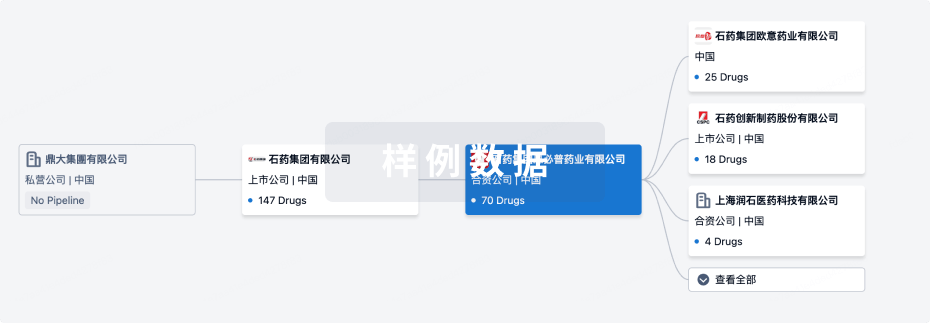
管线布局
2026年10月24日管线快照
管线布局中药物为当前组织机构及其子机构作为药物机构进行统计,早期临床1期并入临床1期,临床1/2期并入临床2期,临床2/3期并入临床3期
药物发现
4
4
临床前
登录后查看更多信息
当前项目
登录后查看更多信息
药物交易
使用我们的药物交易数据加速您的研究。
登录
或
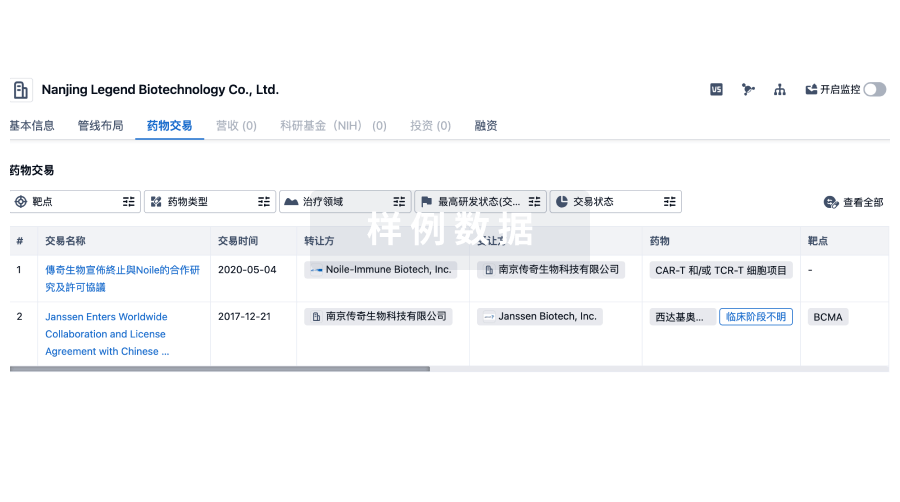
转化医学
使用我们的转化医学数据加速您的研究。
登录
或
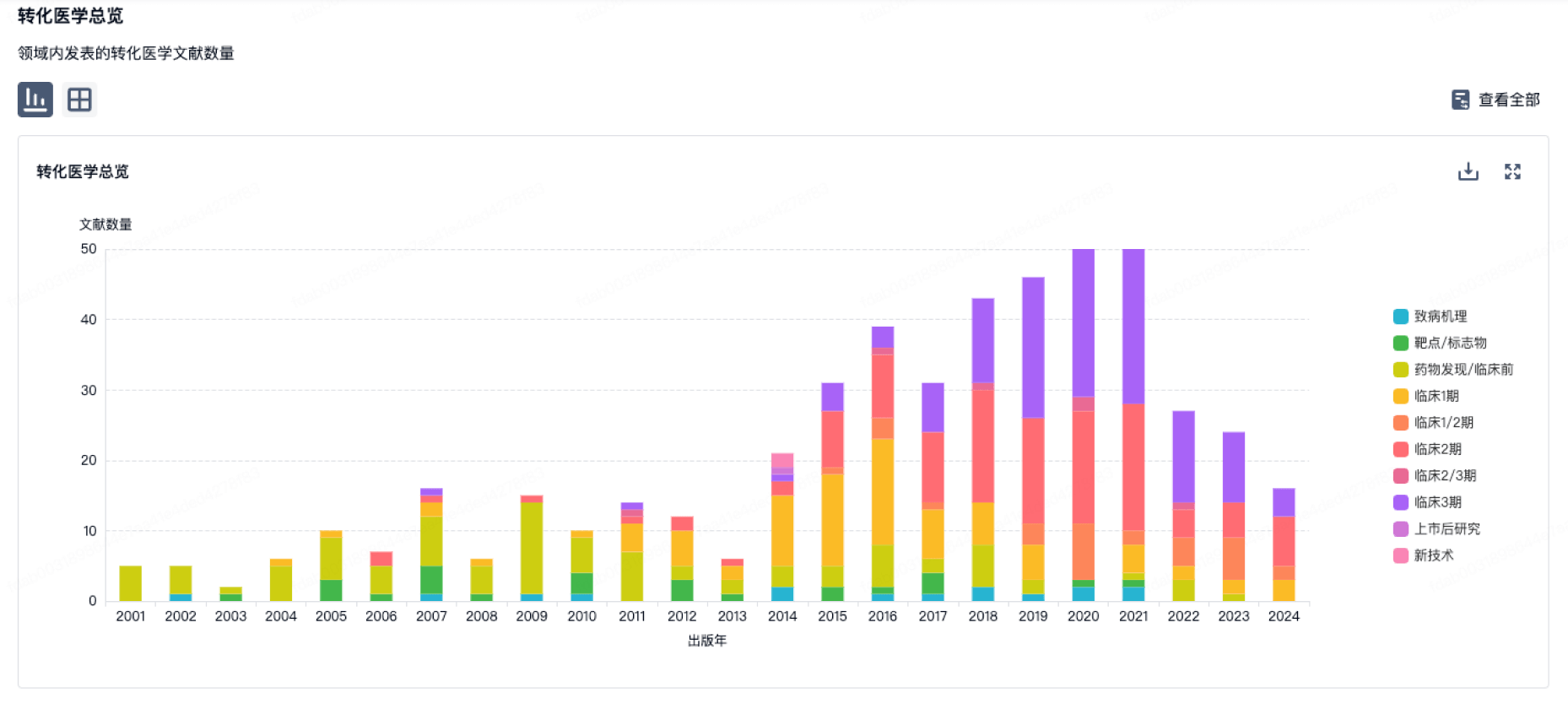
营收
使用 Synapse 探索超过 36 万个组织的财务状况。
登录
或
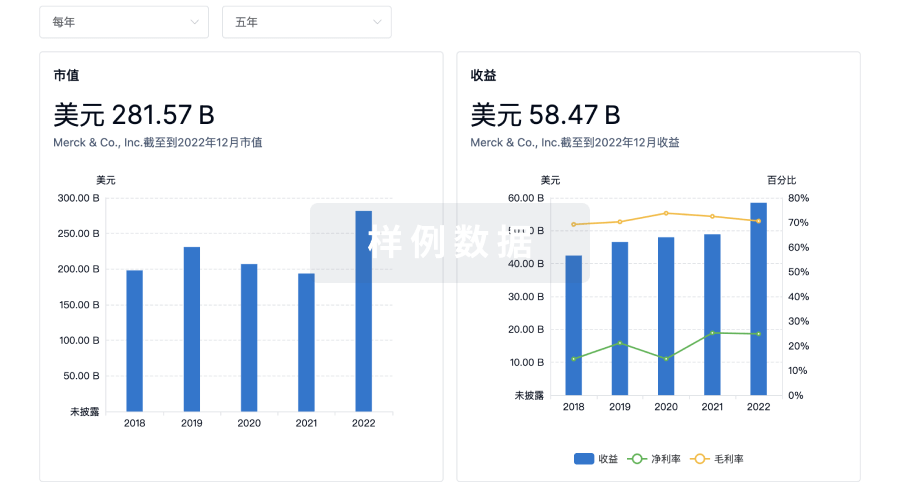
科研基金(NIH)
访问超过 200 万项资助和基金信息,以提升您的研究之旅。
登录
或
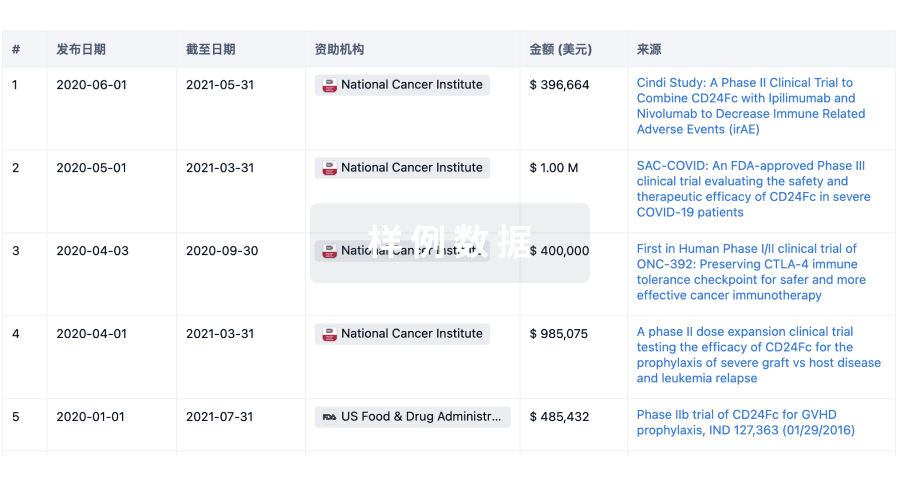
投资
深入了解从初创企业到成熟企业的最新公司投资动态。
登录
或
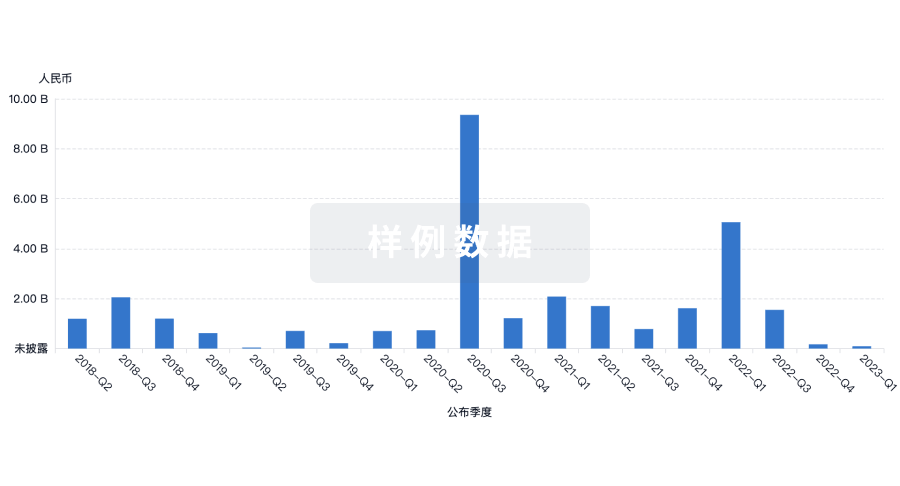
融资
发掘融资趋势以验证和推进您的投资机会。
登录
或
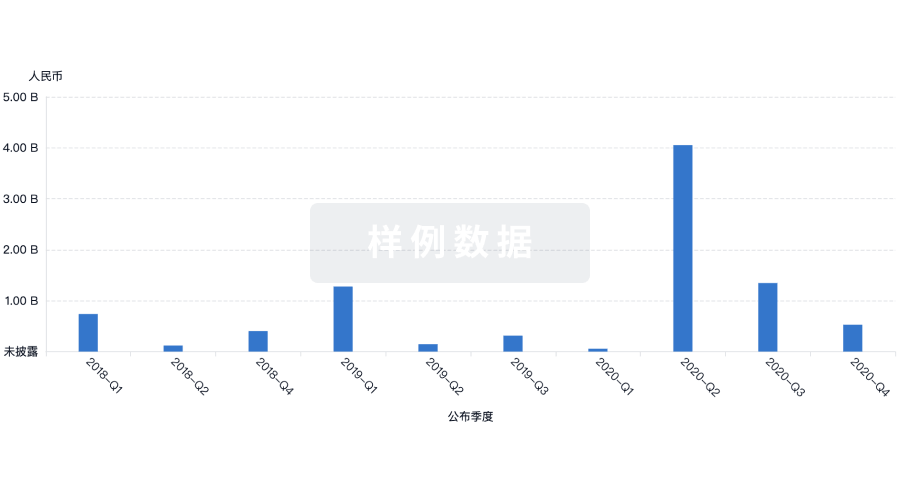
提出任何生物医药研究问题
让每一步生物医药决策都精准制胜
基于十亿级生物数据与全球情报的精准 AI,赋能早期药物发现
立即开始免费试用!
智慧芽新药情报库是智慧芽专为生命科学人士构建的基于AI的创新药情报平台,助您全方位提升您的研发与决策效率。
立即接入生物医药数据包
智慧芽新药库数据也通过智慧芽开放平台,以MCP或API服务形式对外开放。立即使用我们的MCP服务定制您的LLM智能体。
生物序列数据库
生物药研发创新
免费使用
化学结构数据库
小分子化药研发创新
免费使用