预约演示
更新于:2026-03-10
University of Barcelona
更新于:2026-03-10
概览
标签
神经系统疾病
肿瘤
其他疾病
小分子化药
化学药
荧光染料
疾病领域得分
一眼洞穿机构专注的疾病领域

暂无数据
技术平台
公司药物应用最多的技术
暂无数据
靶点
公司最常开发的靶点
暂无数据
| 排名前五的药物类型 | 数量 |
|---|---|
| 小分子化药 | 17 |
| 化学药 | 2 |
| 蛋白水解靶向嵌合体(PROTAC) | 2 |
| 适配体 | 1 |
| 蛋白药物偶联 | 1 |
关联
29
项与 University of Barcelona 相关的药物靶点 |
作用机制 EHMT2抑制剂 [+1] |
在研适应症 |
非在研适应症- |
最高研发阶段临床前 |
首次获批国家/地区- |
首次获批日期- |
靶点- |
作用机制 咪唑啉I2受体激动剂 |
在研适应症 |
非在研适应症- |
最高研发阶段临床前 |
首次获批国家/地区- |
首次获批日期- |
靶点 |
作用机制 SSTR2拮抗剂 |
在研适应症 |
非在研适应症- |
最高研发阶段临床前 |
首次获批国家/地区- |
首次获批日期- |
188
项与 University of Barcelona 相关的临床试验JPRN-UMIN000060075
A pilot randomized controlled trial of a virtual reality program to reduce compassion fatigue among cancer care nurses - A pilot RCT of a VR program to reduce compassion fatigue among cancer care nurses
开始日期2025-12-15 |
申办/合作机构 |

NCT07304752
Effect of Probe Material (Metallic vs. Plastic) on Peri-implant Probing: a Randomized Clinical Trial.
Evaluate whether the type of probe (plastic vs. metallic) modifies the accuracy of peri-implant probing in single-unit implants, by comparing the probing depth recorded with the prosthesis in place versus without the prosthesis (ΔPD, mm). Secondarily, explore the influence of prosthetic design and implant position on probing values and on other clinical and radiographic parameters.
开始日期2025-12-01 |
申办/合作机构 |
NCT06081387
The Effect of Aerobic and Resistance Training in Patients With Type 2 Diabetes on Vitamin D Treatment: the DIAVITEX Project
The purpose of this study protocol is to assess the effect of concurrent aerobic and resistance training in patients with type 2 diabetes on vitamin D treatment
开始日期2025-10-01 |
申办/合作机构 |

100 项与 University of Barcelona 相关的临床结果
登录后查看更多信息
0 项与 University of Barcelona 相关的专利(医药)
登录后查看更多信息
47,376
项与 University of Barcelona 相关的文献(医药)2026-12-31·Nucleus
The responsive nucleus: morphological signatures of cellular state
Review
作者: Garcia-Cajide, Marta ; Pérez-Venteo, Alejandro ; Mauvezin, Caroline ; Bosch-Calvet, Mireia
Nuclear morphology is increasingly recognized as an integrative indicator of cellular state across diverse physiological and pathological conditions. Beyond storing genetic material, the nucleus also acts as a dynamic sensor responding to mechanical, biochemical, and epigenetic cues. These stimuli reshape nuclear size, architecture, chromatin organization, and envelope integrity providing valuable information about cell cycle progression, differentiation, senescence, and stress responses. Such features offer a scalable and non-invasive approach to assess cell fate. In this review, we position the nuclear envelope as a key sensor of nuclear morphology, outline major triggers of nuclear deformation, discuss the molecular and biophysical processes preserving nuclear integrity and highlight the diversity of nuclear phenotypes with diagnostic and prognostic value. This review provides a comprehensive and critical synthesis of the current knowledge on the regulation and functional relevance of nuclear morphology to serve as a resource and reference point for future interdisciplinary studies.
2026-12-01·Journal of Cardiovascular Translational Research
Response to the letter to the Editor: Comment on “A Potential Ratio for Detecting Subclinical Atherosclerosis: Insight into Advanced NMR Lipid Profiles in Severe Obesity”
作者: Pardina, Eva ; Eskubi-Turró, Iratxe ; Carmona-Maurici, Júlia
2026-06-01·Addictive behaviors reports
Consumption patterns and withdrawal symptoms in dual cannabis-tobacco users in Spain: Cross-sectional study
Article
作者: Segura, Lidia ; Fu, Marcela ; Fernández, Esteve ; Ballbè, Montse ; Enríquez, Marta ; Mondón, Silvia ; Andreu, Magalí ; Martínez, Cristina ; Feliu, Ariadna ; Saura, Judith ; Roca, Xavier ; Barrio, Pablo
Background:
Cannabis use has increased worldwide, with over 188 million users annually. In Spain, past-year prevalence among people aged 15-64 is 10.6%. Dual use of cannabis and tobacco is common, increasing health risks and complicating cessation. This study examines consumption patterns and cannabis withdrawal severity among dual users undergoing treatment for cannabis use disorder (CUD).
Method:
A cross-sectional study was conducted in substance use treatment programs in Catalonia, Spain. Participants were cannabis users initiating CUD treatment. A questionnaire collected sociodemographic data, cannabis and tobacco use characteristics (e.g., number of spliffs, tobacco amount), nicotine dependence, motivation to quit, and cannabis withdrawal symptoms. Hierarchical cluster analysis using Gower's distance identified behavioral patterns among participants.
Results:
Data from 94 participants seeking CUD treatment were included. Daily tobacco use was reported by 91.5%, with a mean Fagerström score of 4.2/10. Most participants (88.1%) co-used cannabis with tobacco, and 75.8% experienced cannabis withdrawal symptoms, with women reporting greater severity. Cluster analysis revealed two profiles: Cluster 1 (71.0%) included mostly older males with higher motivation to quit and fewer withdrawal symptoms; Cluster 2 (29.0%) was younger, more sex-balanced, and showed higher nicotine dependence, and more severe withdrawal symptoms.
Conclusions:
Co-use of cannabis and tobacco is highly prevalent among individuals entering CUD treatment. Higher nicotine dependence is associated with more severe withdrawal symptoms. Older males with higher motivation and fewer withdrawal symptoms may have better prognosis, highlighting motivation as cessation predictor. Findings underscore the need to enhance motivation to quit both substances and integrated treatment.Trial registration number. The DuCATA project has been registered at Clinicaltrials.gov under the identifier [NCT05512091].
139
项与 University of Barcelona 相关的新闻(医药)2026-02-17
肺癌
1. Protumor Macrophage Polarization Mediated by BMP2/4-ACVR1 Signaling Orchestrates an Immunosuppressive Microenvironment during Tumor Initiation.
BMP2/4-ACVR1信号介导的巨噬细胞极化驱动肿瘤免疫抑制。了解肿瘤发生初期“冷”微环境的形成机制对于开发免疫治疗策略至关重要。研究发现肺腺癌细胞通过BMP2/4诱导巨噬细胞向促癌表型转变,抑制ACVR1可将“冷”肿瘤转变为“热”肿瘤。ACVR1被鉴定为治疗EGFR突变肺癌的潜在免疫靶点。
肺腺癌 | 巨噬细胞极化, ACVR1信号 | 单细胞RNA测序
Wang Mingchao · … · Lan Xun · · 2026/02/16
该研究由生命科学清华大学兰勋团队完成 Cancer research
原文链接:https://doi.org/10.1158/0008-5472.CAN-24-4392
2. TGFB-inducible VASN (vasorin) promotes lysosomal acidification.
VASN被鉴定为促进溶酶体酸化的新型调节因子。溶酶体酸化对自噬和代谢至关重要,但其受TGFB调节的具体机制尚不明确。研究发现VASN通过干扰STK11IP与MTOR及V-ATPase的结合,增强溶酶体活性,支持红细胞分化及KRAS驱动的肺癌进展。该研究揭示了溶酶体功能调节在发育与癌症中的关键作用。
肺癌进展 | VASN, 溶酶体酸化 | 蛋白质相互作用分析
Yan Jiong · … · Liu Zheng-Gang · · 2026/02/15
该研究由细胞与分子生物学美国国立卫生研究院Zheng-Gang Liu团队完成 Autophagy
原文链接:https://doi.org/10.1080/15548627.2026.2626397
乳腺癌
1. Augmenting cuproptosis and anti-metastatic immunity in breast cancer by copper-based nanoplatform for synergistic immunotherapy via lactate metabolic reprogramming and hypoxia alleviation
铜基纳米平台协同增强乳腺癌免疫治疗。乳腺癌免疫检查点抑制剂疗效受限于低免疫原性和缺氧代谢环境。本研究开发了CPLL纳米颗粒,通过消耗乳酸、缓解缺氧并诱导铜死亡,将“冷”肿瘤转变为“热”肿瘤。该策略为克服肿瘤微环境障碍提供了多功能纳米医学方案。
乳腺癌 | 铜死亡, 代谢重编程 | 纳米平台, 免疫治疗
Wang, Hao · … · Li, Dalin · Journal of Controlled Release · 2026/02/17
原文链接:https://www.sciencedirect.com/science/article/pii/S0168365926001185?dgcid=rss_sd_all
2. Tetraspanin 13 Enhances Immune Evasion in Breast Cancer by Promoting MHC-I Degradation.
TSPAN13通过促进MHC-I降解增强乳腺癌免疫逃逸。乳腺癌常表现为“冷”肿瘤特征,识别限制抗肿瘤免疫的关键机制具有重要意义。研究发现TSPAN13招募STIP1促进MHC-I泛素化及溶酶体降解,抑制其表达可增强CD8+ T细胞活性及抗PD-L1疗效。TSPAN13是改善乳腺癌免疫治疗的潜在新靶点。
乳腺癌 | TSPAN13, MHC-I降解 | 免疫逃逸机制研究
Yin Shiqi · … · Du Ye · · 2026/02/16
该研究由乳腺外科学吉林大学第一医院Du Ye团队完成 Cancer research
原文链接:https://doi.org/10.1158/0008-5472.CAN-25-1223
3. An Extracellular Matrix-Producing Subset of Cancer-Associated Fibroblasts Drives Chemoresistance in Breast Cancer via SRC Activation and G0S2 Upregulation.
特定成纤维细胞亚群通过SRC-G0S2轴驱动乳腺癌耐药。三阴性乳腺癌的化疗耐药是临床难题,需明确驱动耐药的具体基质细胞亚群。研究通过单细胞测序和芯片技术鉴定出ECM-myCAF亚群,其通过激活SRC并上调G0S2促进癌细胞存活。该研究为克服三阴性乳腺癌耐药提供了精准的基质靶向策略。
三阴性乳腺癌 (TNBC) | ECM-myCAF, SRC/G0S2 | 单细胞RNA测序, 肿瘤芯片
Hofer Isabella · … · Parrini Maria Carla · · 2026/02/16
该研究由肿瘤学居里研究所Maria Carla Parrini团队完成 Cancer research
原文链接:https://doi.org/10.1158/0008-5472.CAN-25-0966
4. Immunosuppressive-responsive hydrogel for self-regulated drug release and tumor microenvironment reprogramming.
免疫抑制响应型水凝胶重塑肿瘤微环境。肿瘤免疫抑制微环境导致治疗耐药,全身性阻断TGF-β常伴随副作用。研究开发了一种响应PGE2水平自主释放TGF-β抑制剂的智能水凝胶,能有效抑制三阴性乳腺癌生长与转移。该平台实现了免疫调节剂的精准递送与生物标志物的实时监测,为精准免疫治疗提供了新范式。
三阴性乳腺癌 | TGF-β, 肿瘤免疫抑制微环境 | 智能水凝胶, 响应性释放
Wang Yuxin · … · Han Lingfei · · 2026/02/13
该研究由药剂学中国药科大学韩凌飞团队完成 Journal of controlled release : official journal of the Controlled Release Society
原文链接:https://doi.org/10.1016/j.jconrel.2026.114698
5. Effect of clinically relevant iron oxide nanoparticles on macrophage polarization, tumor growth and tumor microenvironment modulation.
氧化铁纳米颗粒对肿瘤微环境调节作用有限。SPION被认为能通过促进巨噬细胞促炎极化来抑制肿瘤,但其在体内的实际效果仍存争议。研究发现临床相关剂量的SPION虽能增加瘤内铁含量,但未能显著改变巨噬细胞极化或抑制肿瘤生长。该结果建议SPION更适合作为成像示踪剂而非抗肿瘤治疗剂。
肿瘤微环境调节 | 巨噬细胞极化, 铁代谢 | 氧化铁纳米颗粒
Roemhild Karolin · … · Lammers Twan · · 2026/02/13
该研究由实验分子成像亚琛工业大学Twan Lammers团队完成 Journal of controlled release : official journal of the Controlled Release Society
原文链接:https://doi.org/10.1016/j.jconrel.2026.114726
6. Glucose-hijacked nanobots: Enabling deep tumor penetration via a self-enhanced permeability cascade.
葡萄糖驱动纳米机器人增强肿瘤渗透。纳米药物因渗透性差限制了疗效,且传统动力源在肿瘤内分布不均。研究开发了利用内源性葡萄糖作为燃料的纳米机器人,通过“移动-锚定-松动”策略深入肿瘤内部并实现高效消融。该工作为利用内源代谢物驱动纳米材料进行精准癌症治疗提供了范例,实现了热疗与动力疗法的协同。
肿瘤渗透 | 葡萄糖燃料, 级联催化 | 纳米机器人
Wang Dongdong · … · Meng Xianwei · · 2026/02/13
该研究由纳米材料中国科学院理化技术研究所孟宪伟团队完成 Journal of controlled release : official journal of the Controlled Release Society
原文链接:https://doi.org/10.1016/j.jconrel.2026.114725
7. Spermine Oxidase Serves as a Key Functional Node in Microbial Dysbiosis-Induced Breast Carcinogenesis.
精胺氧化酶(SMOX)是微生物失调诱发乳腺癌发生的关键节点。肠道微生物失调被认为是乳腺癌的风险因素,但其背后的分子机制尚待阐明。研究发现致病菌通过IL6/TNFα上调SMOX,诱导DNA损伤反应,促进乳腺肿瘤生长和转移。抑制SMOX可阻断致病菌的促癌作用,为微生物失调型乳腺癌提供了干预策略。
乳腺癌, 微生物失调 | SMOX, DNA损伤反应 | 药理学抑制
Nandi Deeptashree · … · Sharma Dipali · · 2026/02/16
该研究由肿瘤学约翰霍普金斯大学Sharma Dipali团队完成 Cancer research
原文链接:https://doi.org/10.1158/0008-5472.CAN-25-2086
8. Talimogene laherparepvec and atezolizumab in HER2-negative breast cancer following neoadjuvant chemotherapy: a window-of-opportunity phase II trial (SOLTI-1503 PROMETEO)
溶瘤病毒联合免疫疗法治疗HER2阴性乳腺癌。新辅助化疗后的残留病灶限制了乳腺癌患者的预后,亟需探索更有效的术前免疫治疗策略。二期临床试验显示,T-VEC溶瘤病毒联合阿替利珠单抗具有良好的安全性和初步疗效,能诱导肿瘤免疫调节。该研究为管理化疗后残留病灶提供了可行的新型术前免疫治疗方案。
HER2阴性乳腺癌, 残留病灶 | PD-L1, 溶瘤病毒 | 临床试验, 联合免疫治疗
Pascual, Tomás · … · Prat, Aleix · · 2026/02/16
该研究由肿瘤学巴塞罗那大学Prat, Aleix团队完成 Nature Communications
原文链接:http://dx.doi.org/10.1038/s41467-026-69222-5
血液肿瘤
1. FLT3-ITD measurable residual disease from the QuANTUM-First trial.
Quizartinib显著改善FLT3-ITD突变AML患者预后。评估FLT3抑制剂在急性髓系白血病治疗中对微小残留病(MRD)的影响至关重要。QuANTUM-First试验分析显示,Quizartinib能诱导更深的MRD阴性缓解,且MRD水平与复发和生存率密切相关。该研究确立了MRD作为FLT3-ITD突变AML的重要预后指标。
急性髓系白血病 (AML) | FLT3-ITD | 微小残留病 (MRD) 检测, 临床试验
Levis Mark J · … · Perl Alexander E · · 2026/02/10
该研究由血液肿瘤学宾夕法尼亚大学Alexander E Perl团队完成 Blood advances
原文链接:https://doi.org/10.1182/bloodadvances.2025016444
2. Catalytic Inhibition of p300 Preferentially Targets IRF4 Oncogenic Activity and Tumor Growth in Multiple Myeloma.
p300催化抑制精准打击多发性骨髓瘤IRF4致癌活性。致癌转录因子IRF4是多发性骨髓瘤的关键依赖项,但目前尚无直接靶向药物。研究通过多组学鉴定出p300是IRF4的核心伙伴,开发的新型KAT抑制剂能特异性调节其转录网络并抑制肿瘤生长。该发现推动了p300抑制剂在骨髓瘤临床治疗中的应用。
多发性骨髓瘤 | IRF4, p300 KAT抑制 | 转录调控网络映射
Lenoir W Frank · … · Rahl Peter B · · 2026/02/16
该研究由肿瘤学Kronos Bio的Peter B Rahl团队完成 Cancer research
原文链接:https://doi.org/10.1158/0008-5472.CAN-25-3440
3. Discovery of a Potent, Selective, and In Vivo Efficacious Covalent Inhibitor for Lysine Methyltransferase SETD8.
开发出高效选择性SETD8共价抑制剂MS2928。SETD8信号失调与多种肿瘤发生密切相关,但现有抑制剂的细胞效力普遍有限。本研究通过质谱和晶体学证实了MS2928的共价结合机制,并证明其能显著抑制多发性骨髓瘤细胞增殖及体内肿瘤生长。该化合物为探索SETD8生物学功能提供了重要化学工具,并为多发性骨髓瘤的表观遗传治疗奠定了基础。
多发性骨髓瘤 | SETD8, H4K20me1 | 共价抑制剂, X射线晶体学
Chen He · … · Jin Jian · · 2026/02/15
该研究由药物化学西奈山中心Jian Jin团队完成 Journal of medicinal chemistry
原文链接:https://doi.org/10.1021/acs.jmedchem.5c02958
4. Modeling the evolutionary dynamics of clonal hematopoiesis
建模分析克隆性造血的进化动力学。克隆性造血(CH)是多种血液疾病和心血管病的前兆,但其在人体内的长期扩张动态仍缺乏深入理解。本文综述并比较了预测CH进展的数学模型,探讨了化疗等因素对克隆适应度的影响。该研究为CH的临床管理和血液肿瘤的早期预警提供了重要的理论框架。
克隆性造血 (CH), 血液肿瘤风险 | 克隆进化, 突变扩张 | 数学建模, 纵向数据分析
Marzban, Sadegh · … · West, Jeffrey · Nature Genetics · 2026/02/16
⭐ 该研究由数学肿瘤学莫菲特癌症中心West, Jeffrey团队完成
原文链接:http://dx.doi.org/10.1038/s41588-026-02504-2
消化肿瘤
1. The Aging Microenvironment Is a Determinant of Immune Exclusion and Metastatic Fate in Pancreatic Cancer.
衰老微环境决定胰腺癌免疫排除与转移命运。衰老是胰腺癌的关键风险因素,但传统模型难以模拟老年机体的基质复杂性。研究发现衰老肿瘤基质中的成纤维细胞通过分泌组重塑促进免疫抑制和转移,而年轻基质可恢复免疫浸润。该发现揭示了针对基质衰老改善老年患者预后的潜力。
胰腺癌 | 衰老微环境, 癌症相关成纤维细胞 (CAF) | 转录组学, 骨科模型
Gupta Priyanka · … · Commisso Cosimo · · 2026/02/16
该研究由癌症代谢与微环境Sanford Burnham Prebys的Cosimo Commisso团队完成 Cancer research
原文链接:https://doi.org/10.1158/0008-5472.CAN-25-1904
2. CRISPR-Cas9 Screening Identifies Resistance Mechanisms to KRAS Inhibition in Pancreatic Cancer.
CRISPR筛选揭示胰腺癌对KRAS抑制剂的耐药机制。尽管KRAS抑制剂已进入临床,但固有和获得性耐药仍是限制其疗效的主要障碍。通过对多种突变亚型进行全基因组筛选,研究鉴定了EGFR等关键耐药基因,并发现联合EGFR抑制剂可产生协同抗肿瘤效应。该研究为开发KRAS抑制剂联合疗法提供了遗传学依据。
胰腺癌 (PDAC) | KRAS突变, 耐药机制 | CRISPR-Cas9 筛选
Long Szu-Aun · … · Waters Andrew M · · 2026/02/16
该研究由外科学辛辛那提大学Andrew M Waters团队完成 Cancer research
原文链接:https://doi.org/10.1158/0008-5472.CAN-25-1835
3. Cancer-Associated Fibroblasts Promote Imatinib Resistance in Gastrointestinal Stromal Tumors through PGK1-Mediated Metabolic Reprogramming.
成纤维细胞通过PGK1介导的代谢重编程促进GIST耐药。胃肠道间质瘤对伊马替尼的耐药机制多聚焦于遗传因素,忽略了微环境的作用。研究发现CAF分泌的TGFβ1通过CCN2/Rack1轴诱导PGK1磷酸化,引发代谢重编程以支持肿瘤存活。靶向CAF与肿瘤细胞的相互作用为克服GIST耐药提供了新途径。
胃肠道间质瘤 (GIST) | 代谢重编程, PGK1 | 单细胞RNA测序
Li Chao · … · Shen Kuntang · · 2026/02/16
该研究由普通外科学复旦大学附属中山医院沈坤堂团队完成 Cancer research
原文链接:https://doi.org/10.1158/0008-5472.CAN-25-1404
4. PINCH-1-dependent regulation on tumor matrix microenvironment in pancreatic cancer.
PINCH-1调节胰腺癌肿瘤基质微环境。成纤维细胞在胰腺癌进展中起关键作用,但其调控基质重塑的具体机制不明。研究发现PINCH-1通过稳定Notch1促进胶原蛋白产生,并通过AKT通路增强癌细胞增殖。靶向PINCH-1/Notch1/AKT轴为阻断胰腺癌纤维化和生长提供了新策略。
胰腺癌 | PINCH-1, Notch1信号通路 | 肿瘤微环境重塑
Wang Rong · … · Chan Barbara Pui · · 2026/02/10
该研究由组织工程香港大学Barbara Pui Chan团队完成 Biomaterials
原文链接:https://doi.org/10.1016/j.biomaterials.2026.124074
5. Novel bacterium Enterocloster sp. M3 promotes colorectal tumorigenesis via the production of the carcinogen styrene.
新型肠道细菌M3通过产生致癌物苯乙烯促进结直肠癌。细菌标记物m3与结直肠癌相关,但其致病机制及菌株特性此前尚未明确。研究成功分离出M3菌株,证实其能通过新型酶类将苯丙氨酸转化为苯乙烯,并在小鼠模型中显著促进肿瘤生长。该研究揭示了肠道菌群致癌的新机制,为结直肠癌防治提供了新靶点。
结直肠癌, 肠道菌群 | 苯乙烯, 苯丙氨酸代谢 | 代谢组学, 厌氧培养
Zeng Yao · … · Liang Jessie Qiaoyi · · 2026/02/16
该研究由内科学香港中文大学Jessie Qiaoyi Liang团队完成 Gut microbes
原文链接:https://doi.org/10.1080/19490976.2026.2630481
6. Aminopeptidase N: the glucocorticoid gateway linking chronic stress to ferroptosis resistance in liver cancer.
氨肽酶N(ANPEP)作为糖皮质激素网关连接慢性压力与肝癌铁死亡耐药。慢性压力通过失调免疫和代谢促进疾病,但其与肝癌进展的具体代谢桥梁尚不明确。研究发现压力诱导的糖皮质激素促进ANPEP表达,通过稳定Xc-系统增强抗氧化能力,从而抑制铁死亡。ANPEP是干预慢性压力背景下肝癌进展的有价值靶点。
肝癌, 慢性压力 | ANPEP, 铁死亡 | 联合治疗 (索拉非尼)
Luo Maowu · Luo Weibo · · 2026/02/16
该研究由病理学德克萨斯大学西南医学中心Luo Weibo团队完成 The Journal of clinical investigation
原文链接:https://doi.org/10.1172/JCI202410
7. Uncovering a novel treatment strategy: sodium butyrate overcomes cisplatin resistance in the oral squamous cell carcinoma by inducing ferroptosis
丁酸钠通过诱导铁死亡克服口腔鳞癌顺铂耐药。顺铂耐药是晚期口腔鳞癌治疗的主要障碍,其机制仍待阐明。研究发现耐药细胞中铁死亡被显著抑制,而组蛋白脱乙酰酶抑制剂丁酸钠能通过HDAC9/EGR1/POR轴恢复铁死亡敏感性。体内外实验均证实丁酸钠能有效逆转耐药并抑制肿瘤生长,为复发性实体瘤的治疗提供了基于氧化还原生物学的新策略。
口腔鳞状细胞癌, 顺铂耐药 | 铁死亡, HDAC9/EGR1/POR轴 | 组蛋白脱乙酰酶抑制剂
Wang, Bing · … · Tao, Xiaoan · · 2026/02/16
该研究由口腔医学中山大学陶晓安团队完成 Journal of Experimental & Clinical Cancer Research
原文链接:http://dx.doi.org/10.1186/s13046-026-03663-0
8. IKBKE downregulation increases chemosensitivity through pyroptosis mediated by the caspase-3/GSDME pathway in pancreatic cancer
下调IKBKE通过诱导细胞焦亡增强胰腺癌化疗敏感性。胰腺癌对吉西他滨极易产生耐药,寻找能提高化疗敏感性的分子靶点至关重要。研究发现IKBKE通过磷酸化GSDME抑制其剪切,抑制IKBKE可激活caspase-3/GSDME途径诱导焦亡。该发现确定了IKBKE是克服胰腺癌耐药的关键靶点,具有重要临床价值。
胰腺癌, 化疗耐药 | IKBKE, GSDME, 细胞焦亡 | 药理学抑制, 磷酸化质谱
Ren, Ting · … · Shao, Na · · 2026/02/16
该研究由肿瘤学中山大学邵娜团队完成 Journal of Experimental & Clinical Cancer Research
原文链接:http://dx.doi.org/10.1186/s13046-026-03670-1
妇科肿瘤
1. Dynamic and Ongoing De Novo L1 Retrotransposition Contributes to Genome Plasticity and Intrapatient Heterogeneity in Ovarian Cancer.
L1逆转录转座驱动卵巢癌基因组可塑性与异质性。L1转座子在正常细胞中沉默但在癌细胞中活跃,其对肿瘤内异质性的贡献需深入量化。研究发现高L1负荷与肿瘤高增殖相关,且L1插入谱在不同病灶间高度分化,显著增加了基因组不稳定性。L1活性可作为卵巢癌精准医疗的潜在分子漏洞。
高级别浆液性卵巢癌 (HGSC) | L1逆转录转座, 基因组不稳定性 | 基因组测序
Pradhan Barun · … · Kauppi Liisa · · 2026/02/16
该研究由系统肿瘤学赫尔辛基大学Liisa Kauppi团队完成 Cancer research
原文链接:https://doi.org/10.1158/0008-5472.CAN-24-4419
神经肿瘤
1. Tumor-derived S100A14 targeted astrocytes via TLR4 to Recruit myeloid-derived suppressor cells promoting brain metastasis and Curdione reversal effect.
S100A14介导星形胶质细胞重塑促进脑转移。肿瘤脑转移死亡率极高,其免疫抑制微环境的构建机制亟待阐明。研究发现肿瘤分泌的S100A14通过TLR4激活星形胶质细胞,招募髓系抑制细胞构建免疫抑制生态位,而姜黄二酮可有效抑制此过程。该研究为脑转移的早期检测和治疗提供了新靶点。
脑转移 | S100A14, TLR4, 星形胶质细胞 | 蛋白质组学, 动物模型
Feng Qian · … · Zhang Rong-Rong · · 2026/02/11
该研究由中药药理学广州中医药大学张荣蓉团队完成 Phytomedicine : international journal of phytotherapy and phytopharmacology
原文链接:https://doi.org/10.1016/j.phymed.2026.157965
2. Platinum-based therapeutics as emerging multi-modal radiosensitizers in glioblastoma treatment.
铂类药物作为多模态增敏剂助力胶质母细胞瘤治疗。胶质母细胞瘤极具致死性,且标准放疗常因内在耐药性导致疗效受限。本文探讨了铂类药物通过增强DNA损伤及诱导免疫原性死亡来提高放疗敏感性的多重机制。新型给药策略有望克服铂类药物的临床局限,为脑肿瘤治疗开辟新路径。
胶质母细胞瘤 | 放射增敏, DNA双链断裂 | 纳米药物递送, 铂类化疗
Elati Ananya H · … · Kim Anthony J · · 2026/02/13
该研究由生物工程学马里兰大学Kim Anthony J团队完成 Advanced drug delivery reviews
原文链接:https://doi.org/10.1016/j.addr.2026.115811
3. STING-induced blood-brain barrier opening combined with radiotherapy potentiates antitumor response in a high-grade glioma model.
STING诱导的血脑屏障开放联合放疗增强高级别胶质瘤抗肿瘤反应。胶质母细胞瘤的标准治疗效果有限,亟需开发能突破血脑屏障并激活免疫的新策略。研究发现STING激动剂8803能重塑内皮细胞并诱导血脑屏障开放,与放疗联用显著延长了小鼠生存期。该组合疗法具有临床转化潜力,且治疗效果可通过PET成像进行监测。
胶质母细胞瘤 | STING通路, 血脑屏障 | 联合放疗, PET成像
Tripathi Shashwat · … · Heimberger Amy B · · 2026/02/16
该研究由神经外科西北大学Heimberger Amy B团队完成 The Journal of clinical investigation
原文链接:https://doi.org/10.1172/JCI198843
罕见癌种
1. Dissection of Gαs and Hedgehog Signaling Cross-talk Reveals Therapeutic Opportunities to Target Hedgehog-Dependent Tumors.
Gαs/PKA通路失活驱动基底细胞癌发生。基底细胞癌主要由Hedgehog通路激活驱动,探索其替代调节途径对治疗耐药肿瘤至关重要。研究发现Gαs通路失活诱导的肿瘤与典型Hedgehog驱动肿瘤高度相似,激活Gαs偶联受体可显著抑制肿瘤生长。该发现为Hedgehog依赖性肿瘤提供了新的治疗策略。
基底细胞癌 (BCC) | Hedgehog信号通路, Gαs/PKA | 单细胞RNA测序
Krantz Sarah · … · Iglesias-Bartolome Ramiro · · 2026/02/16
该研究由细胞与分子生物学美国国立卫生研究院Ramiro Iglesias-Bartolome团队完成 Cancer research
原文链接:https://doi.org/10.1158/0008-5472.CAN-25-1109
2. Epigenetics and Disease Progression in Neuroendocrine Neoplasms.
表观遗传学研究重塑神经内分泌肿瘤的诊疗前景。神经内分泌肿瘤具有高度异质性,亟需寻找有效的预后和预测生物标志物以优化临床管理。本文综述了DNA甲基化、组蛋白修饰及非编码RNA在多种NENs中的改变,及其在风险分层和治疗耐药中的作用。表观遗传生物标志物和靶向疗法有望转化神经内分泌肿瘤的精准医疗模式。
神经内分泌肿瘤 | DNA甲基化, 组蛋白修饰 | 高通量谱系分析
Lobato Eduardo C · … · Almeida Madson Q · Endocrine reviews · 2026/02/16
⭐ 该研究由内分泌学圣保罗大学Madson Q Almeida团队完成
原文链接:https://doi.org/10.1210/endrev/bnag005
3. HSP90AB1-Mediated Ubiquitin-Proteasome Degradation of ITGBL1 Promotes Osteosarcoma Progression by Inhibiting Endoplasmic Reticulum Stress-Induced Autophagy.
HSP90AB1介导的ITGBL1降解通过抑制内质网应激诱导的自噬促进骨肉瘤进展。骨肉瘤是青少年常见的恶性肿瘤,其进展的分子机制仍不完全清楚。研究发现ITGBL1在骨肉瘤中下调,其通过ROS激活内质网应激触发自噬,而HSP90AB1促进其泛素化降解。该研究揭示了骨肉瘤进展的新机制,并发现伊维菌素是潜在的治疗药物。
骨肉瘤 | ITGBL1, HSP90AB1, 自噬 | 泛素化分析, 虚拟筛选
Wang Zhen · … · Xu Meng · · 2026/02/16
该研究由肿瘤学解放军医学院Xu Meng团队完成 Advanced science (Weinheim, Baden-Wurttemberg, Germany)
原文链接:https://doi.org/10.1002/advs.202515651
4. Functional characterization of SDHB variants: Advancing succinate dehydrogenase biology and variant curation in hereditary paraganglioma.
功能表征研究助力遗传性副神经节瘤SDHB变异的临床解读。SDHB生殖细胞变异显著增加肿瘤风险,但错义变异的功能影响难以判定,阻碍了精准诊断。研究描述了一种新型细胞互补实验,用于评估SDHB变异的生物学功能,从而辅助临床变异分类。该方法有助于优化患者监测并改善遗传性癌症风险人群的预后。
副神经节瘤, 嗜铬细胞瘤 | SDHB | 细胞互补实验, 变异解读
Clifton-Bligh Roderick · · 2026/02/16
该研究由内分泌学悉尼大学Clifton-Bligh Roderick团队完成 The Journal of clinical investigation
原文链接:https://doi.org/10.1172/JCI202727
泛癌种
1. Microbial medicines: Unlocking the therapeutic potential of the microbiome in cancer treatment
微生物疗法在癌症治疗中展现巨大潜力。尽管微生物与人类健康关系密切,但如何利用合成生物学开发精准治疗癌症的工程化微生物仍是挑战。本研究综述了工程化微生物通过检测疾病标志物并精准递送药物,在胰腺癌和乳腺癌等治疗中的应用。该研究为复杂疾病的精准治疗提供了新思路。
肿瘤治疗 | 肿瘤微环境, 免疫增强 | 工程化微生物, 合成生物学
Canowitz, Abram · … · Kotagiri, Nalinikanth · Journal of Controlled Release · 2026/02/17
原文链接:https://www.sciencedirect.com/science/article/pii/S0168365926001227?dgcid=rss_sd_all
2. Response to Immune Checkpoint Blockade Is Enhanced in the Presence of Hematopoietic TET2 Inactivation.
造血系统TET2失活增强免疫检查点阻断疗效。克隆性造血驱动因子TET2如何影响实体瘤的免疫治疗反应尚不完全清楚。研究表明TET2突变通过重塑白细胞状态,增强抗肿瘤记忆并减少耗竭,显著提升黑色素瘤等患者的ICB获益。TET2突变有望成为预测免疫治疗反应的潜在生物标志物。
免疫治疗反应 | TET2突变, 克隆性造血 | 免疫检查点阻断 (ICB)
Rondeau Vincent · … · Vanner Robert J · · 2026/02/16
该研究由肿瘤学玛格丽特公主癌症中心Robert J Vanner团队完成 Cancer research
原文链接:https://doi.org/10.1158/0008-5472.CAN-24-3329
3. EZH2 Suppression Diversifies Prostate Cancer Lineage Variant Evolution and Lacks Efficacy in Inhibiting Disease Progression.
抑制EZH2会增加前列腺癌谱系变异多样性并失效。谱系塑性是前列腺癌产生耐药的关键机制,EZH2抑制剂在其中的作用亟待明确。研究发现抑制EZH2会改变染色质状态并扩展转录程序,反而增加了谱系变异的多样性,且未能阻止疾病进展。这提示EZH2抑制剂在易发生谱系塑性的前列腺癌治疗中需谨慎使用。
前列腺癌 | EZH2, 谱系塑性 | 染色质重塑分析
Jacobi Justine J · … · Goodrich David W · · 2026/02/16
该研究由泌尿外科学Roswell Park癌症中心David W Goodrich团队完成 Cancer research
原文链接:https://doi.org/10.1158/0008-5472.CAN-25-2747
4. Deep-Learning Tool ScVital Enables Species-Agnostic Integration of Cancer Cell States.
深度学习工具scVital实现跨物种癌症细胞状态整合。跨物种单细胞数据比较常受生物批次效应干扰,限制了小鼠模型向临床的转化。scVital利用变分自编码器将数据嵌入物种无关空间,成功识别了胰腺癌和肺癌中跨物种共享的细胞状态。该工具显著增强了小鼠模型在肿瘤转化研究中的应用价值。
细胞状态异质性 | 跨物种生物学保守性 | 深度学习, 单细胞数据整合
Rub Jonathan · … · Betel Doron · · 2026/02/16
该研究由生物信息学威尔康奈尔医学院Doron Betel团队完成 Cancer research
原文链接:https://doi.org/10.1158/0008-5472.CAN-24-4889
5. CanSig Benchmarks Methods for Reproducible Cancer Cell State Discovery from Single-Cell Transcriptomic Data.
CanSig为单细胞转录组发现癌症细胞状态建立基准。缺乏标准化的计算方法阻碍了癌症基因表达特征检测的可重复性。CanSig整合了多种指标评估13种方法,发现Harmony等在识别具有临床相关性的共享转录状态方面表现最优。该框架为发现可靠的癌症临床生物标志物提供了标准化工具。
癌症细胞状态 | 转录特征重复性 | 基准测试, 单细胞转录组学
Barkmann Florian · … · Boeva Valentina · · 2026/02/16
该研究由机器学习苏黎世联邦理工学院Valentina Boeva团队完成 Cancer research
原文链接:https://doi.org/10.1158/0008-5472.CAN-25-0940
6. Mitochondrial Transfer Rescues Respiration to Support De Novo Pyrimidine Biosynthesis and Tumor Progression.
线粒体转移恢复呼吸作用支持肿瘤嘧啶合成与进展。线粒体DNA缺陷的癌细胞如何恢复呼吸以维持生长是研究难点。研究发现癌细胞通过从微环境中的间充质干细胞获取线粒体,恢复DHODH依赖的嘧啶合成,从而推动肿瘤形成。阻断嘧啶合成途径为治疗线粒体功能受损的肿瘤提供了新策略。
肿瘤代谢 | 线粒体转移, 嘧啶从头合成 | 细胞共培养, 小鼠模型
Dubisova Maria · … · Neuzil Jiri · · 2026/02/16
该研究由生物技术捷克科学院Jiri Neuzil团队完成 Cancer research
原文链接:https://doi.org/10.1158/0008-5472.CAN-24-0737
7. The Diverse Roles of Lipid Metabolism Reprogramming in Shaping the Tumor Immune Microenvironment.
脂代谢重编程深刻塑造肿瘤免疫微环境。脂质代谢如何调节肿瘤浸润淋巴细胞及其他免疫细胞的功能是当前免疫治疗的研究热点。本综述探讨了脂质对T细胞活性的双重影响,以及其在调节树突状细胞和巨噬细胞跨通讯中的作用。该研究为开发针对脂代谢的癌症联合免疫疗法奠定了理论基础。
肿瘤免疫微环境 | 脂代谢重编程 | 免疫代谢研究
Lee Jiin · … · Wong Carmen Chak-Lui · · 2026/02/16
该研究由病理学香港大学Carmen Chak-Lui Wong团队完成 Cancer research
原文链接:https://doi.org/10.1158/0008-5472.CAN-25-2568
8. Practical Trade-Offs in 3D Cancer Imaging.
三维癌症成像在捕捉肿瘤复杂架构中展现独特价值。相比传统二维成像,3D成像能更全面地揭示肿瘤的异质性和空间结构。本文讨论了3D成像的技术考量、多组学整合及虚拟染色工作流,并提出了平衡2D与3D的杂交策略。该综述为研究者选择合适的成像手段以深化肿瘤异质性理解提供了指导。
肿瘤异质性 | 空间架构 | 3D成像, 多组学整合
Dequiedt Lucie · Kiemen Ashley L · · 2026/02/16
该研究由化学与生物分子工程约翰霍普金斯大学Ashley L Kiemen团队完成 Cancer research
原文链接:https://doi.org/10.1158/0008-5472.CAN-25-3336
9. Kitasamycin overcomes ferroptosis and immunotherapy resistance by targeting the HUWE1-NCOA4-FTH1 axis.
吉他霉素通过靶向HUWE1-NCOA4轴克服免疫治疗耐药。临床上常因担心抗生素降低免疫治疗疗效而限制使用,寻找能增强疗效的抗生素具有重要意义。研究鉴定出吉他霉素为铁死亡敏感剂,通过激活铁蛋白吞噬重塑T细胞免疫,有效克服黑色素瘤的ICB耐药。该研究为需要抗生素治疗的癌症患者提供了理想的辅助方案。
免疫治疗耐药 | 铁死亡, HUWE1-NCOA4 | 抗生素筛选, 单细胞转录组学
Li Daishi · … · Deng Guangtong · · 2026/02/15
该研究由皮肤病学中南大学湘雅医院邓光童团队完成 Autophagy
原文链接:https://doi.org/10.1080/15548627.2026.2623986
10. eccDNA2Ca: an ensemble deep learning framework for interpretable prediction of cancer-associated extrachromosomal circular DNA.
eccDNA2Ca实现癌症相关染色体外环状DNA的精准预测。eccDNA是驱动癌症异质性和耐药的关键,但缺乏评估其功能和临床意义的计算工具。该框架整合深度学习与集成学习,能从原始序列预测癌症相关eccDNA,并揭示了重复序列和转录因子结合位点的贡献。该工具为eccDNA功能研究和生物标志物发现提供了重要资源。
肿瘤异质性 | 染色体外环状DNA (eccDNA) | 深度学习, 集成学习
Zhou Lina · … · Zou Lingyun · · 2026/02/12
该研究由临床数据研究重庆大学附属中心医院邹凌云团队完成 Journal of advanced research
原文链接:https://doi.org/10.1016/j.jare.2026.02.014
11. Artificial intelligence in biomaterials for oral oncology.
人工智能赋能口腔肿瘤生物材料研究。口腔癌的早期检测与功能修复仍面临挑战,传统生物材料缺乏个性化设计。本文综述了AI在优化生物材料设计、提高诊断准确性及指导支架制造方面的应用。AI与生物材料的结合将为口腔癌管理提供更精准、个性化的方案,具有显著的临床转化潜力。
口腔癌 | 早期诊断, 靶向治疗 | 人工智能, 生物材料
Miao Xiao-Yu · … · Niu Li-Na · · 2026/02/10
该研究由口腔医学空军军医大学牛丽娜团队完成 Biomaterials
原文链接:https://doi.org/10.1016/j.biomaterials.2026.124067
12. Lipid droplet-regulated multipathway-induced type I interferon tempest for ferroptosis-immune synergistic therapy of tumors.
脂滴调节的多通路干扰素风暴助力肿瘤治疗。诱导I型干扰素产生是肿瘤免疫治疗的关键,但需平衡其潜在的炎症副作用。研究开发了iTempest纳米颗粒,通过多通路触发铁死亡与干扰素风暴,并利用脂滴调节机制控制后期炎症。该策略实现了强效的抗肿瘤转移及免疫记忆构建,且具有良好的生物安全性。
肿瘤免疫治疗 | 铁死亡, I型干扰素, STING通路 | 纳米医学
Ren Bin · … · Ning Shipeng · · 2026/02/13
该研究由纳米医学广西医科大学宁世鹏团队完成 Journal of controlled release : official journal of the Controlled Release Society
原文链接:https://doi.org/10.1016/j.jconrel.2026.114724
13. Associations of tumour somatic mutations with cancer-associated venous thromboembolism.
肿瘤体细胞突变影响癌症相关血栓风险。癌症患者易发静脉血栓(VTE),肿瘤生物学与凝血系统的相互作用机制复杂。研究通过分析1.2万余名患者数据,发现CDKN2A、KRAS等基因突变与VTE风险升高显著相关。这些发现有助于深入理解癌症相关血栓的病理并优化临床风险预测,为精准医疗提供依据。
癌症相关血栓 | CDKN2A, KRAS, TP53 | 全基因组测序
Cornish Naomi · … · Haycock Philip C · · 2026/02/13
该研究由流行病学布里斯托大学Philip C Haycock团队完成 Journal of thrombosis and haemostasis : JTH
原文链接:https://doi.org/10.1016/j.jtha.2026.01.019
14. Targeting class I HDACs suppresses oncogenic vulnerabilities and potentiates KRAS/MAPK pathway inhibitors in KRAS-mutant cancers.
靶向I类HDAC抑制剂协同增效KRAS突变癌症治疗。KRAS突变癌症预后差且易产生耐药,亟需开发能克服抑制剂耐药的新策略。研究发现I类HDAC抑制剂通过调节p53和c-Myc乙酰化,与MAPK抑制剂协同抑制肿瘤生长。该表观遗传与致癌通路联合干预策略为治疗KRAS突变癌症提供了临床新方向。
KRAS突变癌症 | HDAC抑制剂, p53乙酰化 | 联合用药, 异种移植模型
Yang Kexin · … · Xie Chengying · · 2026/02/13
该研究由免疫化学临港实验室谢承英团队完成 Journal of advanced research
原文链接:https://doi.org/10.1016/j.jare.2026.02.013
15. From Development to Cancer: Wnt/β-Catenin Signaling in Cell Fusion and Polyploid Giant Cancer Cell Formation.
Wnt/β-catenin信号通路调控多倍体巨型癌细胞形成。多倍体巨型癌细胞(PGCC)与肿瘤耐药及复发密切相关,其形成机制涉及细胞融合。本文探讨了Wnt/β-catenin通路在生理性及病理性细胞融合中的多重作用及其对PGCC的影响。靶向该信号通路有望通过调节PGCC生物学特性来遏制癌症进展。
多倍体巨型癌细胞 | Wnt/β-catenin通路 | 细胞融合
Casalino Francesca · … · Cohen Marie · · 2026/02/13
该研究由妇产科学日内瓦大学Marie Cohen团队完成 Cancer letters
原文链接:https://doi.org/10.1016/j.canlet.2026.218323
16. Unlocking the promise of innate biology through the HLA-G/ILT2/ILT4 pathway.
HLA-G/ILT2/ILT4通路成为癌症免疫治疗新靶点。尽管PD-1抑制剂取得成功,但非经典免疫检查点在肿瘤免疫逃逸中的作用日益凸显。本文综述了HLA-G轴通过调节NK细胞和髓系细胞促进免疫逃逸的独特生物学机制。深入研究该通路有望为克服现有免疫疗法耐药提供新的治疗策略。
肿瘤免疫逃逸 | HLA-G/ILT2/ILT4轴 | 免疫检查点抑制
Beers Courtney · … · Luke Jason J · · 2026/02/15
该研究由肿瘤免疫学匹兹堡大学Jason J Luke团队完成 Journal for immunotherapy of cancer
原文链接:https://doi.org/10.1136/jitc-2025-013313
17. A SERS-based biosensor for optical monitoring of PARP1 trapping dynamics and high-throughput screening of modulators.
SERS生物传感器助力PARP1抑制剂高通量筛选。PARP1捕获是抗癌药效的关键,但缺乏能实时量化该动态过程的高通量筛选策略。研究开发了基于表面增强拉曼散射(SERS)的传感器,成功筛选出新型非模拟类调节剂。该光学策略为发现下一代PARP1靶向药物提供了灵敏且低成本的工具。
PARP1捕获 | 蛋白质-DNA相互作用 | 表面增强拉曼散射(SERS)
Xu Shizhi · … · Liang Chongyang · · 2026/02/15
该研究由前沿医学吉林大学梁重阳团队完成 Journal of nanobiotechnology
原文链接:https://doi.org/10.1186/s12951-026-04143-5
18. When Coconspirators Avert the Crime: Clonal Hematopoiesis Driven by TET2 Loss Improves Response to Cancer Immunotherapy.
TET2缺失驱动的克隆性造血可增强癌症免疫治疗效果。克隆性造血在衰老中常见,但其在肿瘤免疫微环境中的复杂作用此前尚不完全明确。研究发现Tet2失活使T细胞偏向记忆状态并改善骨髓细胞表型,在小鼠模型及结直肠癌和黑色素瘤患者中均显示出更好的免疫检查点阻断疗效。该发现提示TET2-CH可作为免疫治疗反应的潜在生物标志物。
克隆性造血, 肿瘤免疫 | TET2, PD-1 | 免疫检查点阻断
Yuan Qingchen · Guryanova Olga A · · 2026/02/16
该研究由药理学与治疗学佛罗里达大学Olga A Guryanova团队完成 Cancer research
原文链接:https://doi.org/10.1158/0008-5472.CAN-25-4497
19. Reversing-or Rewiring-Lineage Plasticity? Lessons from EZH2 Loss in Prostate Cancer.
EZH2缺失通过重塑转录网络驱动前列腺癌谱系可塑性。EZH2抑制剂被认为能通过逆转谱系可塑性使肿瘤恢复对雄激素受体抑制的敏感性。研究利用基因工程小鼠模型发现,EZH2缺失并未逆转谱系,而是激活KLF家族并重定向雄激素受体结合,从而促进神经内分泌分化。该研究强调了在临床应用EZH2抑制剂时需精准把握其对肿瘤谱系动力学的影响。
前列腺癌, 谱系可塑性 | EZH2, 雄激素受体 (AR) | 基因工程小鼠模型
Thienger Phillip · … · Rubin Mark A · · 2026/02/16
该研究由生物医学研究伯尔尼大学Mark A Rubin团队完成 Cancer research
原文链接:https://doi.org/10.1158/0008-5472.CAN-25-5407
20. Erratum: Mutation of SPINOPHILIN (PPP1R9B) found in human tumors promotes the tumorigenic and stemness properties of cells: Erratum.
勘误:SPINOPHILIN突变促进细胞成瘤性与干性。本文为对先前发表关于PPP1R9B基因突变在人类肿瘤中作用研究的正式更正。原研究探讨了SPINOPHILIN缺失或突变如何增强肿瘤细胞的干细胞特性及生长能力。此勘误旨在确保学术记录的准确性。
肿瘤干性 | SPINOPHILIN (PPP1R9B) | 勘误
Verdugo-Sivianes Eva M · … · Carnero Amancio · · 2026/02/12
该研究由肿瘤学塞维利亚生物医学研究所Amancio Carnero团队完成 Theranostics
原文链接:https://doi.org/10.7150/thno.131824
21. Cotargeting DNA topoisomerase II enhances efficacy of RAS-targeted therapy in KRAS-mutant cancer models.
联合靶向DNA拓扑异构酶II可增强KRAS突变癌症的疗效。KRAS G12C抑制剂虽已获批,但面临响应率低和易产生耐药性的挑战。研究发现KRAS抑制剂诱导Topo IIα降解,而过表达Topo IIα会导致耐药,联合使用Topo II抑制剂可产生协同杀伤效果。该研究为克服RAS靶向治疗耐药提供了强有力的科学依据和联合用药方案。
KRAS突变癌症, 药物耐药 | Topo IIα, KRAS G12C | 联合用药
Xu Rongzhong · … · Sun Shi-Yong · · 2026/02/16
该研究由血液学与肿瘤学埃默里大学Sun Shi-Yong团队完成 The Journal of clinical investigation
原文链接:https://doi.org/10.1172/JCI197192
22. Predicting checkpoint inhibitor-associated autoimmune diabetes: prospects and limitations.
预测指标助力识别免疫检查点抑制剂相关糖尿病。CIADM是癌症免疫治疗中危及生命的并发症,且缺乏预测手段。研究发现胰腺体积减小及特定自身抗体等指标在治疗前即可预测发病风险。这些发现对临床治疗决策、患者监测及未来预防策略具有重要意义。
自身免疫性糖尿病, 免疫治疗副作用 | 免疫检查点抑制剂 | 生物标志物预测, 影像学分析
Herold Kevan C · Perdigoto Ana Luisa · · 2026/02/16
该研究由内科学耶鲁大学Perdigoto Ana Luisa团队完成 The Journal of clinical investigation
原文链接:https://doi.org/10.1172/JCI202477
23. 14-3-3ζ interacts with DNA-binding domain of FOXO3a and competitively dissociates DNA by dual-motif tethering
14-3-3ζ通过双基序系留竞争性抑制FOXO3a与DNA结合。FOXO3a磷酸化后与14-3-3ζ结合会抑制细胞凋亡,但其置换机制不明。研究发现14-3-3ζ能直接结合FOXO3a的DNA结合域,通过双磷酸化位点增强竞争能力。该发现揭示了癌症中FOXO3a失活的新机制,为药物设计提供了靶点。
癌症细胞增殖 | FOXO3a, 14-3-3ζ | 核磁共振, 等温滴定热量法
Enomoto, Shota · … · Osawa, Masanori · · 2026/02/16
该研究由结构生物学庆应义塾大学Osawa Masanori团队完成 Nature Communications
原文链接:http://dx.doi.org/10.1038/s41467-026-69203-8
24. T cells engineered against Dickkopf-1-A2 complex can be used to treat HLA-A2^+ solid and hematologic cancers
针对DKK1-A2复合物的CAR-T细胞展现广谱抗肿瘤潜力。CAR-T疗法在实体瘤治疗中面临靶点选择的挑战。研究开发了特异性识别DKK1-A2复合物的CAR-T细胞,能有效杀伤多种HLA-A2阳性的血液及实体肿瘤。该研究为开发针对广泛表达肿瘤抗原的新型免疫疗法提供了有力证据。
实体瘤与血液肿瘤 | DKK1-A2复合物 | CAR-T细胞疗法
Zhang, Yufei · … · Yi, Qing · · 2026/02/16
该研究由肿瘤免疫学休斯顿卫理公会研究所Yi Qing团队完成 Nature Communications
原文链接:http://dx.doi.org/10.1038/s41467-026-69621-8
25. High-throughput ligand diversification to discover chemical inducers of proximity
高通量配体多样化助力发现分子胶降解剂。分子胶降解剂的发现长期依赖偶然性,缺乏理性的设计策略。研究开发了一种基于硫(VI)氟交换的高通量化学方法,通过系统修饰现有配体成功筛选出新型ENL和BRD4降解剂。该方法实现了对以往难以招募的E3连接酶的化学重连,为邻近药理学和新药研发提供了强有力的工具。
癌症治疗, 蛋白质降解 | ENL, BRD4, 分子胶 | 高通量化学(HTC), 硫(VI)氟交换
Shaum, James B. · … · Erb, Michael A. · Nature Chemical Biology · 2026/02/16
⭐ 该研究由化学生物学斯克里普斯研究所Michael A. Erb团队完成
原文链接:http://dx.doi.org/10.1038/s41589-025-02137-2
26. PARP1-HPF1 structure and dynamics on nicked DNA suggest a mechanism for acute and localized ADP-ribosylation
PARP1-HPF1复合物在DNA损伤处的动态激活机制。PARP1是DNA损伤修复的首要响应蛋白,但其催化激活的完整分子机制尚不明确。研究通过冷冻电镜和单分子动力学分析,揭示了PARP1在结合DNA断裂位点时仍保持高度动态性。这种灵活性允许其催化结构域在损伤位点周围进行局部ADP核糖基化修饰,为理解DNA修复过程及开发PARP抑制剂提供了结构基础。
DNA损伤修复 | PARP1, HPF1, ADP核糖基化 | 冷冻电镜(Cryo-EM), 单分子动力学
Sverzhinsky, Aleksandr · … · Pascal, John M. · · 2026/02/16
该研究由生物化学蒙特利尔大学John M. Pascal团队完成 Nature Communications
原文链接:http://dx.doi.org/10.1038/s41467-026-69375-3
声明:本文使用了AI进行翻译和总结
2026-01-27
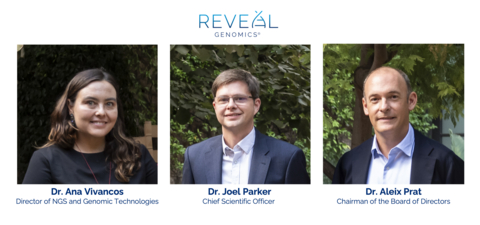
BARCELONA, Spain--(BUSINESS WIRE)--REVEAL GENOMICS, a Barcelona-based biotechnology company that advances precision oncology through biomarker innovation, today announced a strengthened leadership framework with several senior appointments. These appointments underscore the company’s commitment to scientific excellence, technological rigor, and clinical impact, and they seek to support the continued development, validation, and global adoption of the company’s genomic assays.
The strengthened leadership framework supports global scientific progress and clinical adoption of the genomic assays of REVEAL GENOMICS.
The roles are assumed by co-founders of REVEAL GENOMICS and are a reflection of the company’s strong internal leadership, continuity of vision, and long-term commitment to its scientific and clinical mission. By aligning its strategic responsibilities with founders who provide in-depth domain expertise and a proven track record in genomics and oncology, REVEAL GENOMICS ensures tight integration between innovation, execution, and patient impact as the company expands internationally.
Leadership responsibilities aligned with strategic priorities
As part of this leadership alignment, Joel Parker, Ph.D., a co-founder of REVEAL GENOMICS, has been appointed as Chief Scientific Officer (CSO). In this role, Dr. Parker will continue to define the company’s scientific vision, drive innovation across its biomarker programs, and expand collaboration at the intersection where genomics, data science, and translational research meet.
Dr. Parker has led REVEAL’s strategy in science, computational biology, and artificial intelligence since the company’s inception. He is internationally recognized for his contributions to cancer genomics, including the molecular classification of breast cancer and the integration of genomic and multimodal data into clinically actionable frameworks.
Ana Vivancos, Ph.D., a co-founder of REVEAL GENOMICS, has been appointed as Director of NGS and Genomic Technologies, transitioning from her prior role as scientific and technological consultant. In her new position, she will lead the company’s genomic and technological infrastructure to ensure analytical robustness, regulatory compliance (including IVDR), and the scalability of REVEAL’s assays across international markets.
Dr. Vivancos is a leading authority on next-generation sequencing and molecular diagnostics and has played a central role in building and validating REVEAL’s internal genomic testing platform.
Aleix Prat, M.D., Ph.D., a co-founder of REVEAL GENOMICS, has assumed the role of Chairman of the Board of Directors, thereby strengthening the company’s strategic governance, long-term vision, and global partnerships. In this capacity, Dr. Prat will focus on supporting the company’s overall strategy, guiding clinical adoption initiatives, and promoting collaboration across academia, healthcare systems, and industry.
A shared leadership vision for advancing precision oncology
Patricia Villagrasa, a co-founder and the Chief Executive Officer of REVEAL GENOMICS, commented: “This evolution reflects the way we already work. Each co-founder has a clearly defined and complementary role, which lets us translate strong science into clinically meaningful diagnostics, while continuing to grow internationally.”
Aleix Prat added: “Our priority is to ensure that REVEAL’s genomic assays are supported by high-quality clinical evidence and that they are integrated responsibly into routine clinical practice, while maintaining a long-term strategic vision for the company.”
Joel Parker stated: “REVEAL’s strength lies in the integration of genomics, data science, and clinical insight. As CSO, my focus is on continuing to advance that integration in order to deliver innovation with real clinical impact.”
Ana Vivancos noted: “Operational excellence and a robust technological platform are essential for delivering high-quality diagnostics at scale. This role underscores the importance of technology, quality, and execution as REVEAL expands globally.”
REVEAL GENOMICS develops high-value diagnostic tools designed to improve outcomes for patients with cancer by supporting more precise treatment selection. The company’s portfolio includes HER2DX, the first genomic test clinically validated to provide prognostic information and support treatment decision-making in early-stage HER2-positive breast cancer, as well as TNBCDX and DNADX, which extend the company’s precision oncology capabilities to triple-negative breast cancer and circulating tumor DNA analysis, respectively.
About REVEAL GENOMICS®
REVEAL GENOMICS, S.L. is a Barcelona-based biotechnology company that discovers, develops, and markets innovative diagnostic tools for optimizing cancer treatment. By leveraging genomic data, advanced analytics, and clinical research, REVEAL provides actionable insights that help physicians personalize therapy decisions.
REVEAL GENOMICS, S.L. is a spin-off company of Hospital Clínic de Barcelona, IDIBAPS, the University of Barcelona (U.B.), and the Vall d’Hebron Institute of Oncology (VHIO).
Website: www.reveal-genomics.com
高管变更
2026-01-22
1 - 利用机器学习发现决定亨廷顿病发病年龄的因素
2 - 利用人工智能分析免疫系统细胞的行为和抗肿瘤功效
3 - 生物钟影响中风的严重程度和对治疗的反应
4 - 除神经元外,还有一小部分细胞会影响青少年因吸食大麻而导致的记忆丧失
5 - 糖尿病对认知衰退影响机制的研究
6 - 非洲猪瘟:影响全球贸易的动物病毒的历史和挑战
7 - 以 miRNA 和 MSI2 为潜在靶点研究 1 型强直性肌营养不良症
8 - 预制mRNA简化您的发现过程
9 - 人工智能模型能够预测手术后发生脓毒症的风险
10 - 新的组学技术如何揭示叶绿体发育中的关键细胞和表观遗传机制
11 - IBEC 获得竞争性资金,以加强 3 个创新健康项目的验证测试
12 - 一项研究表明,光激活分子具有治疗银屑病且无副作用的潜力
13 - Tetraneuron公司为其对抗阿尔茨海默病的基因疗法筹集了500万欧元
14 - 孕期静脉注射铁剂可降低孕妇发生贫血的风险,并改善新生儿健康。
15 - 已经开发出一种计算器,用于预测青少年患双相情感障碍的风险。
16 - OptimAP,一种用于改善儿童呼吸道感染抗生素使用的新工具
17 - 科学家发现了维持细胞功能的纳米信使
18 - 除西班牙外,欧洲女性肺癌死亡人数趋于稳定。
19 - INCLIVA 研究如何改进艰难梭菌感染的诊断,从而实现更合理地使用抗生素。
20 - 拉莫尔中央大学 (UCLM) 及其衍生公司“Nanolife”的研究人员开发出“智能”纳米材料,作为杀虫剂的替代品。
21 - GREENOLIVE 项目:促进地中海地区的脱碳和能源可持续性
22 - IBiS 的研究人员证实,药物伊布地司特可以保护患有帕金森病的小鼠免受神经元丢失的影响。
23 - Laminar Pharma 与 Teófilo Hernando 基金会和 La Princesa 大学医院合作,获得 616,025.55 欧元的贷款,用于改进 LAM561 的配方。
24 - 如何为制药企业选择 CRM:清单
25 - IBMB-CSIC 通过创建一个专门研究线粒体和代谢的新平台,加强了其科研能力。
26 - 为什么您的公司应该参加2026年圣地亚哥国际生物技术大会的西班牙馆
27 - 3PBIOVIAN 凭借在西班牙和芬兰获得的法国 CIR 认证,进一步巩固了其在研发领域的国际地位
28 - 科学家确定了衰老细胞在乳腺癌临床前模型发展过程中的作用
29 - 细胞模型可减少拉福拉病(一种目前尚无治愈方法的癫痫)研究的时间和成本。
30 - 蛋白酶K粉末:技术概述及其在核酸工作流程中的应用
31 - Clínic-IDIBAPS 的一项研究揭示了抗 NMDAR 脑炎和精神分裂症在分子层面的异同。
32 - 极端寒冷和空气污染会加剧危机
33 - 格雷戈里奥·马拉尼翁公立医院泌尿外科采用微创方法治疗前列腺癌
34 - 一项研究揭示了人们高估了植物对抗全球变暖的能力
35 - 一项新研究揭示了霍乱毒力是如何被激活的
36 - 由 Ysios Capital 支持的 Inbiomotion 公司宣布,MAF 检测已被纳入 SEOM 乳腺癌指南。
37 - 一项国际研究证实,对于晚期胰腺神经内分泌肿瘤患者,两种治疗方案同样有效。
38 - 科学家发现一种呼吸道细菌如何从人体获取必需脂质并靶向富含脂肪的组织
39 - 孕期遵循地中海饮食可改善母亲的肠道菌群
40 - 科学家正在研究如何将废弃物转化为致力于女性福祉的产品。
41 - 一项国际研究揭示了代谢物指导细胞决策的机制
42 - 营养监测可以缓解乳糜泻儿童的症状,但并不能改善他们的生活质量。
43 - 2025年加泰罗尼亚的捐赠和移植:成果 - 挑战和系统认可
44 - Tebubio 与比利时红十字会携手合作,将欧盟来源的 hPL 带给科学界
45 - 一项西班牙研究排除了两种基因与IgA血管炎的关联。
46 - Atlas Molecular Pharma 完成由 Inveready 领投的 300 万欧元融资,用于推进其罕见病临床项目。
47 - 治疗性艾滋病疫苗的效果,由一种能激活免疫系统的药物增强
48 - SIRT1 过表达可保护炎症条件下小鼠皮下脂肪组织的胰岛素和产热反应
1 - 利用机器学习发现决定亨廷顿病发病年龄的因素
巴塞罗那大学医学与健康科学学院和神经科学研究所 (UBneuro) 的一个研究团队运用先进的人工智能技术,深入探究亨廷顿病在不同患者中发病年龄差异巨大的原因。这种遗传性神经退行性疾病会导致运动 - 认知和精神障碍,其病因是编码亨廷顿蛋白的 HTT 基因发生突变。
该基因的突变会产生一系列CAG核苷酸序列重复,从而改变大脑中亨廷顿蛋白的特性和功能。虽然HTT基因中CAG重复序列的长度会影响首发症状的年龄,但这一因素并不能完全解释该疾病发病年龄的巨大差异。如今,这项新研究旨在探索还有哪些遗传因素可能在决定患者何时出现该疾病方面发挥重要作用。
该文章发表于第20届机器学习与计算生物学会议(MLCB,2025)论文集,该会议是机器学习与计算生物学交叉领域最负盛名的国际科学论坛之一。文章由拉蒙·卡哈尔研究所研究员乔迪·阿班特(UB-UBNeuro)的研究团队领导,硕士研究生卡特琳娜·富塞斯为第一作者。
这项研究开创性地将人工智能语言模型应用于基因组信息,用于多模态基因型到表型的预测。该研究概述了一个研究复杂遗传疾病的新框架,并展示了多模态机器学习如何帮助揭示传统方法难以检测到的具有生物学意义的模式。
超越传统统计技术
在这项研究中,专家们使用非线性机器学习模型(例如基于树的模型和图神经网络 (GNN))来识别遗传修饰因子,即根据患者的遗传背景可以延迟或加速疾病发作的基因。
与传统的统计方法不同,这些模型可以识别基因之间的复杂相互作用,并揭示取决于 CAG 三联体扩增长度的影响。
为了进行最高效 - 最易解读的分析,研究团队还开发了一种利用基因特异性神经网络压缩遗传信息的方法,在不牺牲预测能力的前提下降低了计算成本。此外,他们还整合了由最先进的基因组语言模型预测和生成的基因表达变化。这项创新使他们能够将调控性DNA变异与受疾病影响的大脑区域中基因活性的变化联系起来。
作为研究的一部分,专家分析了超过9000名亨廷顿病患者的基因数据。研究团队不仅识别出了已知的与DNA修复相关的修饰因子,还发现了参与转录调控和细胞代谢等过程的新候选基因。值得注意的是,研究结果首次表明,不同的生物学机制会影响CAG重复序列较短和较长患者的疾病发展,从而揭示了这些基因效应的背景依赖性。
“这项研究证实,影响亨廷顿病的遗传因素并非普遍存在,而是很大程度上取决于遗传背景。通过非线性多模态机器学习,我们可以发现传统方法难以发现的相互作用,”该研究的主要负责人 - 巴塞罗那大学医学与健康科学学院教授 - UBneuro成员Jordi Abante说道。
“这种方法也可以应用于其他神经退行性疾病和遗传性疾病,从而为研究开辟新的途径,并在未来实现更加个性化的治疗策略,”阿班特总结道。
2 - 利用人工智能分析免疫系统细胞的行为和抗肿瘤功效
纳瓦拉西玛大学参与了AI-FUSE研究项目,该项目致力于预测免疫系统细胞的行为和抗肿瘤功效。该项目是从向西班牙科学与创新部提交的200多份人工智能(AI)项目申请中遴选出的20个研究联盟之一。
该项目由萨拉戈萨大学协调,并与塞维利亚巴勃罗·德·奥拉维德大学合作开展,旨在创建一个视频库,使研究人员能够验证人工智能算法在解释免疫系统细胞行为方面的有效性,并确定其在免疫疗法中的潜在应用。“我们子项目的目标之一是定义一些指标,以便验证联盟其他成员开发的细胞追踪算法,”Cima成像平台首席研究员卡洛斯·奥尔蒂斯·德·索洛扎诺博士解释道。
免疫系统与肿瘤的相互作用
此外,该项目旨在表征和分类不同实验条件下免疫系统的细胞行为。“得益于Cima在免疫疗法方面的专业知识,由Sandra Hervás博士和Álvaro Teijeira博士领导的研究团队将提供大量关于免疫系统细胞如何与肿瘤相互作用的视觉信息。这将有助于创建一个根据细胞运动分类的图像数据库,该数据库随后将用于训练人工智能算法,”Ortiz de Solórzano博士补充道。
Cima 研究团队将贡献其专业知识和显微镜设备,用于研究免疫系统的作用;而萨拉戈萨大学和塞维利亚巴勃罗·德·奥拉维德大学的研究团队将采用类似的方法,致力于理解机器人应用中常见的环境场景和自然场景。该联盟的最终目标是开发能够解释任何场景内容的人工智能工具,而不受特定领域的限制。
该财团获得 120 万欧元的资金,计划在未来三年内开发该项目。
3 - 生物钟影响中风的严重程度和对治疗的反应
由卡洛斯三世国家心血管研究中心 (CNIC) 的一个团队领导的一项研究表明,中风的严重程度取决于其发生的时间。该研究揭示,中性粒细胞(数量最多的免疫细胞,也是中风后最先做出反应的细胞)受人体生物钟的调控,而生物钟会影响脑灌注 - 组织损伤和患者康复。
缺血性卒中是全球范围内导致死亡和残疾的主要原因之一。尽管急性期治疗取得了进展,但患者的预后仍然存在很大差异,这表明其中存在一些尚未被充分理解的生物学机制。本研究揭示了其中一种机制:免疫反应的昼夜节律调控。
该项目首席研究员 - CNIC 神经血管生理病理实验室主任 María Ángeles Moro 博士解释说,这些变化通过免疫血栓形成过程,直接影响侧支循环 - 脑灌注以及血流中断后的损伤程度。
“我们的研究结果表明,中风在生物学上并非同质事件:中风发生时免疫系统的状态可以决定病情严重程度和恢复情况的重要差异,”莫罗博士说。
该研究利用实验模型和来自500多名患者的临床数据,揭示了中性粒细胞在一天中的某些特定时间会呈现更强的促炎特性,并更强烈地释放中性粒细胞胞外陷阱(NETs)。这些结构虽然是免疫防御的一部分,但却会阻塞脑微循环,导致免疫血栓形成,并加重脑损伤。
“我们观察到,当嗜中性粒细胞释放更多NETs时,小血管中的循环就会受损,脑损伤也会更大,”目前在麻省总医院/哈佛医学院工作的CNIC研究员Sandra Vázquez-Reyes解释说。
相反,在昼夜节律的其他阶段,中性粒细胞的破坏性行为较小,从而改善灌注并限制中风进展。“这有助于解释为什么具有相似临床特征的患者病情发展会截然不同,”马德里康普顿斯大学的研究员艾丽西亚·加西亚-库莱布拉斯补充道。
马德里康普顿斯大学的研究员玛丽亚·伊莎贝尔·夸特罗表示:“这项研究引入了由昼夜节律时钟调节的血管炎症的概念,并开辟了新的治疗机会。”
该研究还证实,这些机制存在于中风患者体内。“血液中的炎症标志物和中性粒细胞活性呈现昼夜节律,并且与中风的严重程度和侧支循环的质量均相关,”马德里康普顿斯大学医学院和12 de Octubre医院健康研究所(i+12)的研究员Ignacio Lizasoain以及该医院神经内科中风病房的神经科医生Patricia Calleja表示。
作者总结认为,考虑时间因素和免疫系统的昼夜节律调节可以提高未来疗法的疗效,为更精准的时间疗法策略铺平道路。此外,使用与免疫血栓形成相关的特定血液生物标志物,可以根据患者特征和中风的生物学时间实现个体化医疗。
这项研究由西班牙科学 - 创新和大学部 (MICIU) 和国家研究署 (AEI) 的项目资助,并由欧洲区域发展基金 (ERDF/EU) 共同资助。此外,它还得到了 Leducq 跨大西洋卓越网络(研究方向为中风昼夜节律效应) - “la Caixa”基金会 (HR17_00527) 以及卡洛斯三世健康研究所 (ISCIII) 的项目(由 ERDF/EU 共同资助)的支持。
本研究还感谢了由 MICIU 在 BioImaC 中支持的 Singular 科学和技术基础设施 (ICTS) 分布式生物医学成像网络 (ReDIB) 的使用。
4 - 除神经元外,还有一小部分细胞会影响青少年因吸食大麻而导致的记忆丧失
由西班牙国家研究委员会卡哈尔神经科学中心的玛尔塔·纳瓦雷特博士领导的一项研究发表在《自然通讯》杂志上,该研究表明,青少年时期使用大麻后出现的记忆和学习问题受到一种名为星形胶质细胞的脑细胞群的调节,这种细胞群传统上被认为支持神经元的功能。研究显示,大麻的主要精神活性成分四氢大麻酚(THC)会过度激活星形胶质细胞,并扰乱参与学习的脑区之间的信息传递。在动物模型中,当这种过度激活被抑制时,小鼠不会出现认知障碍,甚至可能恢复正常功能。尽管这些结果来自动物模型,不应直接应用于人类,但它们确实强调了考虑到青少年大脑对包括大麻素在内的外部因素特别敏感的重要性。
青春期是大脑剧烈重组的时期,在此期间,海马体(与记忆有关)和伏隔核(与愉悦感 - 动机 - 奖励行为的强化和学习相关)等脑区继续发育成熟。与此同时,青春期也是大麻消费量最高的时期,尤其是在西方国家。尽管大量研究描述了四氢大麻酚(THC,大麻的主要精神活性成分)对记忆和学习的影响,但解释这些缺陷的具体细胞机制仍不清楚。
现在,由卡哈尔-CSIC神经科学中心突触可塑性和星形胶质细胞-神经元相互作用实验室主任玛尔塔·纳瓦雷特博士领导的一个国际研究团队发现了一个关键因素:四氢大麻酚引起的认知缺陷取决于一组特定的星形胶质细胞,即星形胶质细胞集合。
大脑功能的关键参与者
星形胶质细胞传统上被认为是支持细胞,但近年来,它们在大脑功能中扮演着至关重要的角色。这些细胞与神经元保持双向通讯,并调节突触传递所必需的过程。它们的复杂性令人惊叹:每个星形胶质细胞在人脑中最多可以建立两百万个连接。
研究人员解释说:“这项研究再次将星形胶质细胞置于研究的核心位置,表明它们对大脑功能至关重要。具体而言,我们证明这些细胞的改变足以导致青少年时期接触四氢大麻酚后出现的认知缺陷。”
这项利用动物模型进行的研究中,研究人员监测了四氢大麻酚 (THC) 如何影响伏隔核(大脑奖赏回路的关键区域,与学习和动机密切相关)中星形胶质细胞的活性。青春期小鼠接触 THC 后,研究人员对其进行空间学习测试。结果显示,接受 THC 处理的小鼠错误更多,表现明显更差,表明它们存在明显的学习障碍。
空间学习受四氢大麻酚的影响,这种影响被认为是海马体(与记忆相关)和伏隔核之间协同活动的结果。“我们团队之前的研究表明,星形胶质细胞会形成专门的功能群。因此,我们希望研究参与这一特定回路的星形胶质细胞群,”他们解释道。
新视角
为了实现这一目标,研究人员使用了AstroLight技术。这项创新技术利用光能将星形胶质细胞的钙离子活性转化为特定蛋白质的表达。该工具能够非常精确地操控这些星形胶质细胞的功能,从而增强或减弱它们的活性。借助AstroLight技术,研究团队识别出了参与空间学习回路的星形胶质细胞群,并且能够在四氢大麻酚(THC)暴露期间或之后调节它们的活性。这证明了它们在观察到的认知缺陷中起着因果作用。
“我们发现,在治疗期间降低这部分特定星形胶质细胞的活性可以预防认知缺陷的发生,而在治疗后激活这部分细胞则可以改善空间学习障碍,”克里斯蒂娜·马丁-蒙特阿古多解释说。“这些结果强调了这组星形胶质细胞在青少年时期大麻这种精神活性物质的影响中所起的关键作用。”
研究人员强调,这些发现为理解大麻在大脑发育早期阶段的影响提供了新的视角,并为未来更有针对性的干预措施铺平了道路。“我们的数据表明,直接操控这些星形胶质细胞会改变青少年时期大脑对大麻的反应。这为我们清晰地描绘出了应该研究哪些细胞,以便了解和减轻这些物质在脆弱年龄段的影响。”
“这项研究提醒我们,大脑发育并非一帆风顺,其中存在一些特别脆弱的时期,”马丁-蒙特阿古多补充道。“从这个意义上讲,这项研究是保护青少年心理和认知健康的重要一步。”尽管仍有许多问题需要探索,但研究结果为未来研究如何预防或抵消四氢大麻酚在关键发育阶段的影响奠定了坚实的基础。
这项工作是与加州大学洛杉矶分校 (UCLA) - 阿丘卡罗巴斯克神经科学中心和波尔多大学马根迪神经中心的团队合作完成的,并强调了神经科学研究中国际合作的重要性。
卡哈尔神经科学中心/CSIC通讯
5 - 糖尿病对认知衰退影响机制的研究
罹患阿尔茨海默病的可能性与多种风险因素相关,其中衰老是最重要的因素之一,但并非唯一因素。基因研究表明,散发性阿尔茨海默病是由遗传和环境因素共同作用导致的。老年人罹患阿尔茨海默病的另一个风险因素是2型糖尿病(T2D)。
IQS材料工程组(GEMAT)的Francesc Guix Ràfols博士与西班牙国家研究委员会(CSIC)塞韦罗·奥乔亚分子生物学中心的Carlos Dotti博士共同领导一项研究项目,旨在探究代谢应激条件下阿尔茨海默病易感性的影响。为了开展这项研究,他们利用hAPP NL/F小鼠家族进行体内实验。这些小鼠携带导致阿尔茨海默病发生的基因突变,但突变表达水平极低,且未表现出任何症状。此前,研究人员曾利用这些小鼠研究2型糖尿病(T2D)患者罹患阿尔茨海默病的风险是否更高,并发现有两个基因与这种易感性相关:一个是与缺氧应激(氧气不足)相关的HIF-3α基因,该基因在T2D小鼠中表达降低;另一个是诱导炎症的Irft7基因,该基因在T2D小鼠中表达升高。
糖尿病诱发阿尔茨海默病
为了进一步开展这项研究,这两位研究人员目前正在领导 DiaAD 项目,以确定 2 型糖尿病对具有该疾病遗传倾向的人群产生认知能力下降的影响机制。
一方面,DiaAD项目旨在证明,喂食高脂饮食(可诱发糖尿病)的hAPP NL/F小鼠更容易患上阿尔茨海默病。hAPP NL/F小鼠易感性增加可能是由于Aβ寡聚体的存在,这些寡聚体会在细胞内形成微孔。这些微孔允许钙离子进入细胞,导致神经元毒性,从而增加认知障碍的发生率。
另一方面,在这个项目中,研究人员想要确定 HIF-3α 基因水平的降低(在缺氧条件下)和 Irft7 水平的升高(导致过度炎症)是如何导致 DM2 引起的认知障碍的。
最后,本项目的最终目标是确定由 DM2 引起的哪些转录组变化可以在受影响小鼠的血液中检测到,并利用 IQS 小组先前开发的工具,将它们确立为疾病进展的生物标志物。
DiaAD 是一个由科学与创新部国家研究署资助的国家联盟(PID2022-138334OB-I0)。
6 - 非洲猪瘟:影响全球贸易的动物病毒的历史和挑战
2025年11月,我们获悉在两头野猪中检测到非洲猪瘟(ASF)病例,随后在塞达尼奥拉德尔瓦列斯(Cerdanyola del Vallès)和科尔塞罗拉自然公园(巴塞罗那)周边地区引发了进一步的感染。尽管西班牙自1957年以来一直反复出现疫情,但加泰罗尼亚地区发现的病例是自1995年以来我国首次出现此类病例。1995年,通过控制 - 扑杀 - 限制流动和加强生物安全措施,西班牙成功根除了非洲猪瘟,并由此开始了长达三十年的无疫期。
尽管我们对非洲猪瘟的了解已超过一个世纪,但它在非洲肆虐数十年后,于20世纪50年代传入欧洲。自那时起,全球贸易的增长迫使我们开展国际协调,以控制这种猪死亡率高 - 因而造成重大经济损失的病毒的传播。除了其影响和挑战之外,必须强调的是,非洲猪瘟不会传染给人类;也就是说,它不会影响人类健康,也不会对消费者构成风险。
什么是非洲猪瘟?
非洲猪瘟是一种大型且高度复杂的DNA病毒,与其他已知影响猪的病毒截然不同,它是非洲猪瘟病毒科(Asfarviridae)的唯一成员,该科病毒分为24个基因型。它通过破坏猪的免疫细胞发挥作用,并具有极强的环境抵抗力,可在粪便 - 干血 - 受污染的表面以及腌制或冷冻肉制品中保持数周的传染性。其稳定性使其能够通过食物残渣 - 香肠 - 车辆 - 衣物和农用设备传播,因此清洁和消毒至关重要。此外,其复杂性和变异性阻碍了安全有效疫苗的研发,这意味着控制该病毒主要依赖于预防。
非洲猪瘟(ASF)仅感染猪(家猪和野猪),不会传染给人类或其他物种。在猪身上,非洲猪瘟可表现为急性,症状包括高烧 - 嗜睡 - 皮肤出血 - 呼吸困难,并迅速死亡。在地方性流行地区,非洲猪瘟也可能表现为慢性,动物虽然存活但持续携带病毒,这使得检测和控制变得更加复杂。野猪作为开放区域的病毒库和传播者,通过直接和间接接触将野生生态系统与家养农场联系起来,这给防控带来了挑战。
直接传播是通过感染猪与健康猪之间的体液接触实现的,导致病毒在高密度养殖场中迅速扩散。间接传播则得益于病毒的环境耐受性,可通过受污染的食物残渣 - 卡车 - 笼子 - 衣物和设备传播。在某些地区,特定的蜱虫会完成一个森林循环,从而确保病毒的持续存在。
病毒的历史和传播
1921年,兽医R.E.蒙哥马利首次描述了从欧洲进口的猪群中出现的非洲猪瘟。他当时或许无法想象,一个世纪后,这种疾病会造成如此巨大的全球性后果,成为全球养猪业和众多国家粮食安全面临的最大威胁之一。蒙哥马利注意到,进口到肯尼亚的欧洲猪大量死亡,而非洲野猪(又称疣猪)则成为了病毒的宿主,自身却并未出现严重症状。这一发现首次揭示了非洲一种新兴传染病可以通过蜱虫 - 野猪和家猪传播。
这种疾病在撒哈拉以南非洲地区持续流行数十年,直到1957年在葡萄牙被发现。此后,在国际动物和猪肉制品贸易的推动下,该疾病传播到欧洲 - 亚洲和美洲的其他地区。2007年,格鲁吉亚爆发的疫情标志着一个转折点,引发了目前在欧洲和亚洲的蔓延。据信,该病毒是通过受污染的猪肉制品传入的,并传播到高加索 - 俄罗斯和东欧的邻国。格鲁吉亚的高致病性毒株导致了高死亡率,并成为实验室研究的参考毒株,使人们能够更好地了解该病毒及其流行病学特征。
目前,非洲猪瘟(ASF)通过其技术先进 - 以出口为导向的养猪业,对欧盟造成了严重影响。每次疫情爆发都会导致扑杀 - 运输限制 - 市场暂时关闭以及清洁消毒等一系列成本,给养殖户和整个价值链造成巨大的经济损失。此外,作为全球最大的猪肉生产国和消费国,中国也发现了该病毒,这加剧了疫情的全球影响,导致大规模扑杀 - 价格飙升以及国际贸易格局的重塑。然而,与此同时,中国的经验也促使其加强生物安全措施,并推动养殖场向更加一体化和技术先进的模式转型,尽管这也带来了社会和地域方面的影响。
针对可根除病毒的措施
最近在野猪中发现的病毒病例迫使人们实施野生动物监测计划 - 开展猎人宣传活动以及采取尸体管理措施,这给防止疫情蔓延带来了巨大的财政和组织负担。事实上,经验表明,只要持续采取严格的措施,非洲猪瘟是可以根除的,就像西班牙那样。但是,贸易全球化 - 人员和货物的国际流动以及野猪数量的增长意味着疫情再次传入的风险始终存在。
当前面临的挑战包括:提升从养殖场到运输和废物管理等整个产业链的生物安全水平,同时加强对野生动物的监测。至关重要的是,要继续研发疫苗以减少病毒传播和生产损失,并开发更灵敏 - 反应更迅速的诊断工具,以便及早发现疫情并立即采取控制措施。这些进展对于改进流行病学监测 - 加强生物安全以及减轻疫情对生猪生产系统的影响至关重要。
简而言之,非洲猪瘟已成为一个全球性问题,需要国际社会协调努力和持续警惕,尤其是在生猪数量庞大且生猪产业在其经济中扮演重要角色的国家,例如西班牙。
María Montoya 是玛格丽塔·萨拉斯生物研究中心 (CIB-CSIC) 的研究员
CIB-CSIC 通信
7 - 以 miRNA 和 MSI2 为潜在靶点研究 1 型强直性肌营养不良症
1型强直性肌营养不良症(DM1)是一种多系统常染色体显性遗传疾病,是成人中最常见的肌营养不良症类型。这是一种罕见病,其特征是进行性肌肉功能障碍,由DMPK基因中CTG三核苷酸重复序列的异常扩增引起,这些重复序列形成能够隔离重要核因子的结构。
鉴于现有治疗策略的局限性,近期提出了一种基于增加内源性MBNL(一类RNA加工调控蛋白)表达以补偿蛋白耗竭的治疗方法。MBNL在CUG重复序列中的滞留会导致强直性肌营养不良症(MD)。因此,抑制miR-23b和miR-218被认为是一种能够提高MBNL1和MBNL2蛋白水平的策略,使其成为小分子药物设计的潜在靶点。基于类似的目的,抑制MSI2蛋白也被认为是一种能够恢复MBNL水平的策略,因为MSI2的过表达已被证实会过度抑制miR-7的成熟,从而导致肌肉萎缩。
在此背景下,丹尼尔·费尔南德斯·雷马查博士在IQS药物化学组(GQF)分子设计实验室完成了他的博士论文。论文中,他建立了一种治疗1型强直性肌营养不良症(DM1)的新方法,即通过开发结构和虚拟筛选模型来识别对目标靶点具有潜在活性的新化合物。该论文题为“研究miRNA和MSI2作为1型强直性肌营养不良症潜在靶点的成药性”,由罗杰·埃斯特拉达·特赫多尔博士指导。
该研究有两个基本目标:首先,开发一种新的计算方法,用于生成miRNA的结构模型,该模型能够描述这些结构固有的构象多样性,并可用于设计具有生物活性的新化合物。其次,设计并评估MSI2的新型抑制剂。MSI2是一种在DM1中过表达的蛋白质,它能阻止miR-7的成熟,且缺乏明确的结合位点。
miRNA的结构模型
因此,费尔南德斯博士的博士论文探索了高度柔性RNA分子的结构动力学及其作为治疗靶点的潜力,尤其关注pri-miR-23b和pri-miR-218。通过应用分子建模技术,例如传统分子动力学(cMD)和高斯加速分子动力学(GaMD),研究了每种miRNA的结构柔性,从而识别出一组代表其柔性的亚稳态构象。对于每种miRNA,都检测到了多个结构各异的潜在结合位点,这些位点在静态结构模型中无法观察到。
新型MSI2抑制剂的设计与评价
关于第二个目标,Fernández 博士利用 RRM1 结构域的计算方法,以抑制剂 Ro 08-2750 为参考,鉴定了识别和相互作用潜在抑制剂所必需的氨基酸。基于这些结构信息,他们应用基于结构的药物设计方法,对潜在的 MSI2 抑制剂进行了虚拟筛选和选择。计算筛选结果在 DM1 细胞模型中得到了实验验证。其中两种筛选出的化合物显著提高了肌源性融合指数,表明转分化的多核肌管细胞表型得以恢复。
总之,本论文提供了一个全面的计算和实验框架,可以针对具有灵活或不明确活性位点的高度灵活的 miRNA 和 RNA 结合蛋白结构设计药物,从而显著促进 RNA 介导疾病的治疗策略的发展。
这项研究是在 IQS GEMAT 小组的 Marta Guerra 博士 - IQS 光化学实验室的 Santi Nonell 博士和 Roger Bresolí 博士以及生物化学和细胞生物学研究所 (IBBC) 的 Germana Falcone 博士的合作下进行的。
相关出版物
Daniel Fernández-Remacha 等人,《从分子动力学推断的替代剪接调节因子 MBNL1 的同源 RNA 结合模式》,国际分子科学杂志,2022 年,23(24),16147。
8 - 预制mRNA简化您的发现过程
高质量mRNA用于稳定且可重复的蛋白质表达
Tebubio 深知,试剂的可重复性 - 速度和可靠性对您的研究至关重要。
因此,他们与 RNA 合成领域的先驱 TriLink BioTechnologies 合作,提供即用型高性能预制 mRNA,旨在加速您的发现计划,从基础研究到高级治疗开发。
了解 CleanCap® 技术如何提升 mRNA 性能
TriLink 的预制 mRNA 采用专有的 CleanScript™ 体外转录 (IVT) 或 CleanCap® M6 共转录加帽技术制造,显著减少了双链 RNA (dsRNA) 污染物,同时最大限度地提高了体内蛋白质表达。
专为信心 - 稳定性和性能而制造
所有预制mRNA均按照严格的质量标准生产,并通过DNase处理 - 透析过滤和oligo-dT捕获进行纯化。该过程可富集全长转录本,同时有效去除杂质和盐分。
每件产品均附带分析证书(CoA),其中包括:
这样可以确保从优化过渡到功能研究时的性能可靠性和安全性。
快速选择指南:mRNA设计方案
TriLink 提供三种优化设计的预制 mRNA:CleanCap® mRNA - CleanCap® mRNA (5moU) 和 CleanCap® M6 mRNA (N1MeΨ)。
所有构造均包含:
Poly(A)尾优化
TriLink 专有的 ModTail™ poly(A) 尾修饰可提高 mRNA 稳定性,改善表达一致性,并延长蛋白质表达时间——这是下一代 RNA 研究的关键优势。
如何选择最佳设计
1. 报告基因mRNA
用于监测转染效率 - 蛋白质表达和检测性能。
2. 基因组编辑/功能性蛋白质mRNA
编码用于基因组操作和靶向细胞功能的蛋白质。
3. 基因替代/治疗靶向mRNA
用于表型研究 - 通路验证和蛋白质表达研究。
4. 抗原/免疫学 mRNA
用于抗原呈递研究 - 免疫学检测和疫苗研究。
5. 自我扩增RNA(saRNA)
用于增强和延长蛋白质表达的自复制RNA构建体。
定制mRNA生产
我们的合作伙伴 TriLink 可以在 2-3 周内,利用其他修饰核苷酸和/或其他加帽技术生产我们目录中的 mRNA。
准备好推进您的研究了吗?
让我们的科研团队帮助您将合适的RNA工具整合到您的工作流程中。
图片:在HEK293T细胞中,使用CleanCap® M6加帽的mRNA编码并转染eGFP mRNA,eGFP mRNA分别用TriLink的ModTail™ poly(A)尾修饰或未修饰。使用Incucyte®监测eGFP蛋白荧光随时间的变化。
9 - 人工智能模型能够预测手术后发生脓毒症的风险
早期发现脓毒症是改善患者预后的关键,尤其是在外科手术环境中。一项由巴利亚多利德大学附属医院生物工程 - 生物材料和纳米医学研究中心 (CIBER-BBN) 以及传染病研究中心 (CIBERINFEC) 的研究人员领导的新研究,应用了一种创新的 - 可解释的人工智能方法,来识别和优先考虑增加术后脓毒症风险的遗传信息。
这项工作涉及呼吸系统疾病生物医学研究中心 (CIBERES) - 罕见病生物医学研究中心 (CIBERER) - 巴利亚多利德大学和英国莱斯特大学等机构的研究人员的参与。
脓毒症是由机体对感染(通常是细菌感染)产生不受控制的免疫反应而引起的严重并发症。它是最严重的感染形式,死亡率在10%到20%之间,在脓毒性休克病例中,死亡率可高达40%。全球每年约有1100万人死于脓毒症,其中约1.7万人发生在西班牙。
在这项研究中,研究团队分析了一项全基因组关联研究(GWAS)的数据,该研究包含了750名术后发生脓毒症的患者和3500名对照人群的遗传信息。研究人员利用可解释的人工智能模型,不仅能够预测发生脓毒症的风险,还能确定对该风险贡献最大的遗传变异的优先级。
得益于此方法,该研究发现了PRIM2 - RBSN和SYNPR基因中具有功能 - 调控和临床意义的遗传变异。此外,还检测到了与基因表达调控 - DNA复制 - 细胞信号传导 - 细胞增殖和心脏功能障碍等关键生物学过程相关的基因。
迈向更安全 - 更个性化的手术
研究团队指出:“预测脓毒症对患者的预后至关重要。”通过术前血液检测识别这些基因变异,有望成为改善外科患者风险分层 - 促进术后脓毒症早期发现以及指导更个性化临床干预的有效工具,最终目标是改善临床疗效和提高患者生存率。
10 - 新的组学技术如何揭示叶绿体发育中的关键细胞和表观遗传机制
由CBGP研究员塔玛拉·埃尔南德斯-韦尔德哈(Tamara Hernández-Verdeja)撰写并发表于《实验植物学杂志》(Journal of Experimental Botany)的一篇综述揭示了叶绿体生物发生的复杂性,并提出了关于时空调控 - 谱系和物种特异性机制以及不同类型质体生物发生的问题。该研究强调,理解这一过程有助于加强植物生物学研究,并开辟新的生物技术应用前景。
叶绿体属于质体家族,是进行光合作用的生物体所特有的细胞器。光合作用是地球上生命所必需的过程,它发生在叶绿体中,叶绿素的积累使植物呈现出特有的绿色。
植物和藻类的这些细胞器由萌发种子和幼苗在光照下发育而来的前质体形成。除了叶绿体,质体还可以分化形成色素体,色素体积累黄色和橙色色素,使果实和花朵呈现颜色。叶绿体和色素体的转变受到高度调控,非常复杂,正如研究人员解释的那样:“我们理所当然地认为植物是绿色的,柠檬是黄色的,西红柿是红色的,但这实际上是一个非常复杂的分子转变的结果,而我们对这个转变仍然知之甚少。”
尽管近年来取得了一些进展,但调控生物发生和分化的分子机制仍然知之甚少。利用新型组学技术在细胞水平上研究叶绿体发育存在差异的植物,并鉴定表观遗传机制,不仅有助于理解这一过程,还有助于开发应对气候变化的工具。
这篇由拉蒙·卡哈尔研究所研究员 - CBGP“植物发育相变分子基础”研究组的塔玛拉·埃尔南德斯-韦尔德哈撰写的综述,阐述了调控叶绿体和色素体生物合成的分子机制,并重点指出了目前信息尚不充分的方面。了解叶绿体和色素体的发育过程将有助于开发应对气候变化的生物技术工具。
关键:区分细胞类型
本文综述了近期发现的叶绿体生物发生和色素体分化的新调控因子。然而,以往对叶绿体发育的研究大多在幼年植物中进行,并未区分细胞类型。
这一点至关重要,因为与大多数植物不同,那些拥有更高效 - 更具适应性的光合作用方式 - 能够抵抗环境变化的植物,其维管束细胞中会发育出叶绿体。迄今为止的研究主要集中在转录调控方面,而表观遗传学在这一过程中的作用直到最近才被揭示。此外,人们对叶绿体的分化机制也知之甚少。
原文发表:Hernández-Verdeja, T.✉ 2025. 叶绿体生物发生和分化的调控。实验植物学杂志 eraf530。DOI:10.1093/jxb/eraf530
11 - IBEC 获得竞争性资金,以加强 3 个创新健康项目的验证测试
加泰罗尼亚生物工程研究所 (IBEC) 在第三轮“健康研究与创新战略计划 (PERIS 2022-2027)”拨款中获得了三个项目的资助。该计划由加泰罗尼亚政府卫生部发起,旨在促进创新健康项目的验证性测试。今年,该计划共发放了20笔拨款,总额近200万欧元,目标是加速新技术进入市场,并促进其在医疗保健系统中的实际应用。
这三个获奖项目分别由 Samuel Ojosnegros Martos - Javier Ramón Azcón 和 Pau Gorostiza Langa 领导,巩固了 IBEC 在生殖健康 - 先进疗法和颠覆性技术创新方面的承诺。
开发用于卵母细胞代谢评估的高光谱技术
由生殖健康生物工程组组长Samuel Ojosnegros Martos领导的该项目(SLT041/25/000019)旨在改进METAPHOR技术,该技术全称为“基于相量高光谱成像和细胞器识别的代谢评估”。这项技术利用高光谱显微镜和人工智能对卵母细胞代谢进行无创分析,并在临床前研究中已展现出筛选可存活胚胎的高精度。这项创新有望显著改善辅助生殖流程,提高成功率并缩短妊娠时间。
利用3D生物打印球体作为细胞疗法治疗I型糖尿病
由生物工程生物传感器研究组负责人哈维尔·拉蒙·阿兹孔(Javier Ramón Azcón)领导的该项目(SLT041/25/000013)探索利用3D生物打印细胞球体作为一种创新策略,用于恢复1型糖尿病患者的胰腺功能。该研究旨在推进新的再生疗法,从而改变这种慢性疾病的治疗方式。
用于恢复视网膜色素变性患者视力的光敏药物(DRUG4SIGHT)
由纳米传感器和纳米突变体研究组负责人Pau Gorostiza Langa领导的这个项目(SLT041/25/000060)将验证光激活药物在恢复视网膜色素变性患者视觉功能方面的有效性。视网膜色素变性是一种会导致进行性视力丧失的退行性视网膜疾病。这种创新方法为靶向和个性化治疗领域开辟了新的可能性。
通过这三个为期24个月 - 总经费约37万欧元的项目,IBEC重申了其致力于转化研究和技术转移以改善人类健康的承诺。这些入选项目充分展现了生物工程在变革未来医学方面的巨大潜力。
12 - 一项研究表明,光激活分子具有治疗银屑病且无副作用的潜力
西班牙国家研究委员会(CSIC)加泰罗尼亚高级化学研究所(IQAC)的研究人员开发了一系列光激活候选药物,有望成为治疗银屑病的潜在疗法。这项研究成果进一步证实了光药理学可用于局部激活全身给药药物的概念。这一进展为银屑病等皮肤疾病的靶向治疗和微创治疗开辟了道路。
这项研究发表在《ACS Central Science》杂志上,是与巴塞罗那大学的贝尔维特格生物医学研究所 (IDIBELL) 和神经科学研究所 (UBneuro) 以及两所美国大学——约翰·霍普金斯大学和普渡大学,以及制药公司礼来公司合作完成的。
新一代药物
光敏分子在给药时本身并无作用,但在特定光照条件下会发生结构改变,从而在光控条件下对靶受体产生影响。这将使人们能够更精确地控制这类新一代药物的治疗效果,减少副作用,并为疼痛 - 癌症 - 帕金森病及其他疾病的高特异性治疗开辟新的途径。
光药理学疗法在治疗研发中的应用有时会受到诸多挑战的阻碍,其中光穿透力有限是最主要的挑战之一。就此而言,人体最易进行光疗的组织是皮肤,但目前仍有许多疾病缺乏有效且经济的治疗方法。
临床需求未得到满足的疾病
在皮肤病中,银屑病是最普遍 - 最令人痛苦的疾病之一,影响着 3% 的人口,其中 30% 的人仍然缺乏充分且经济实惠的治疗方法。
近年来,针对中重度银屑病的新药已获批准,其中许多是靶向细胞因子的生物制剂。细胞因子是细胞间通讯(尤其是在免疫系统中)的关键小蛋白,其功能包括调节炎症和感染反应等。尽管这些新疗法能显著减轻银屑病相关的炎症,且副作用较少,但价格仍然非常昂贵。此外,这些生物制剂不适用于局限性银屑病(轻度银屑病),而部分患者的皮损位于敏感部位。
维生素D受体(VDR)的激活已被证实对银屑病有益。然而,由于VDR在钙代谢中发挥着关键作用,其激活可能导致危及生命的钙代谢紊乱(高钙血症),进而引发骨骼畸形等严重疾病,因此其临床应用受到限制。尽管多家制药公司已开展研发项目,旨在开发靶向VDR且无上述副作用的口服药物,但目前尚无此类药物上市。最常用的制剂为外用制剂,疗效有限,且由于治疗窗较窄,需要进行医疗监测。
“这项研究的目的是设计和合成一系列光控VDR激动剂分子,”西班牙国家研究委员会内部质量保证中心(IQAC-CSIC)的研究员Xavier Rovira博士解释说。“最终,我们研发出了一种优化分子PhotoVDRM,它在黑暗中不具有活性,但可以通过特定波长或颜色的光选择性地激活,包括无光毒性的可见蓝光和目前治疗中使用的UVB光,”Rovira澄清道。
在小鼠模型中进行了体内试验,结果表明,激活维生素D受体可以减轻皮肤炎症,且不会引起常见的副作用。“这种靶向激活产生了显著的治疗效果,且不会引起全身性高钙血症,从而在临床前阶段解决了VDR激动剂临床试验中治疗的一个主要历史障碍,”西班牙国家研究委员会内部质量保证中心(IQAC-CSIC)的Amadeu Llebaría表示。
这种基于光药理学的策略为靶向维生素D受体的更安全疗法铺平了道路。未来,它有望应用于其他维生素D受体介导的疾病,为开发更精准 - 更安全的治疗方法提供通用途径。
13 - Tetraneuron公司为其对抗阿尔茨海默病的基因疗法筹集了500万欧元
成立于 2012 年的生物技术公司 Tetraneuron 于去年 12 月完成了 500 万欧元的融资,旨在推动其针对阿尔茨海默病的创新基因疗法进入临床开发阶段。
此次交易引入了新的机构投资者,包括总部位于德国卡尔斯鲁厄的风险投资基金 GIMIC Ventures 以及几家私人家族办公室。
此次筹集的资金将使这家由企业家安赫尔·卢西奥 (Ángel Lucio) 领导的公司能够采取果断措施,包括向欧洲提交临床试验授权申请。这一进展是该公司治疗方法发展历程中的一个重要里程碑,其治疗方法着重于解决神经退行性疾病的根本原因,而不仅仅是治疗疾病症状。
Tetraneuron公司由卡哈尔研究所和西班牙国家研究委员会(CSIC)联合创立,开发了一种基于E2F4DN的基因治疗平台。E2F4DN是E2F4转录因子的一种显性负性形式。该公司表示,这是一种革命性的方法,因为它在分子水平上通过调节对神经元稳态至关重要的主基因调控因子发挥作用,标志着与目前基于蛋白质的疗法相比,治疗模式发生了根本性的转变。
“这笔资金对Tetraneuron公司以及数百万急需阿尔茨海默病新疗法的患者来说,都是一个具有变革意义的时刻,”公司首席执行官Ángel Lucio Pereira表示。这位企业家补充道,“即将提交的欧洲临床试验申请是多年严谨研究的成果,使我们距离为全球患者提供一种可能具有革命性 - 能够改变疾病进程的疗法又近了一步。”
Lucio 还特别指出,“TET-101 产品在临床前研究中展现出独特的安全性和有效性,避免了通常与调节主基因的疗法相关的毒理学问题。”
14 - 孕期静脉注射铁剂可降低孕妇发生贫血的风险,并改善新生儿健康。
最近发表在《柳叶刀血液学》上的一项多中心临床试验表明,在标准口服预防的基础上增加静脉注射铁剂,可以提高缺铁但无贫血的孕妇在分娩前的血红蛋白浓度,显著降低孕妇随后发生贫血的风险,并改善新生儿的健康状况。
这项研究由格拉纳达大学CIBER(CIBERESP)流行病学和公共卫生领域的研究员Khalid Saeed Khan和Naomi Cano-Ibáñez领导,马德里拉蒙·卡哈尔医院的CIBERESP研究员Javier Zamora和Borja Manuel Fernandez-Felix,以及来自巴基斯坦拉合尔服务医学科学研究所或法蒂玛·真纳医科大学等其他机构的研究人员也参与其中。该研究强调了在妊娠早期解决非贫血性缺铁的重要性,这种疾病经常被漏诊,但可能对母亲和胎儿造成重大影响。
非贫血性缺铁的特征是铁储备低(可通过测量铁蛋白检测),但血红蛋白水平正常,因此在常规产前检查中难以发现,因为产前检查通常只检测血红蛋白。这种缺铁可导致孕妇贫血,并与妊娠期问题(如极度疲劳和胎儿生长受限)以及新生儿问题(如新生儿铁储备减少)相关。
这项名为 FAIR-Trial 的试验纳入了 600 名 18 岁以上 - 在首次随访时被诊断为非贫血性缺铁(血红蛋白 11–13 g/dL,铁蛋白 <30 μg/L)的女性,这些女性来自巴基斯坦拉合尔的三家医院。在妊娠中期,该研究评估了在每日 30 mg 的标准口服铁剂方案基础上,额外静脉注射单次 1000 mg 铁剂是否能改善孕妇分娩前的血红蛋白水平。
参与者被随机分配到两个组中的一个:对照组,只接受口服补充剂;干预组,同时接受静脉注射铁剂。
干预组的结果显示,与对照组相比,血红蛋白平均增加了 0.74 g/dL,而且没有参与者出现严重或危及生命的不良事件。
研究还发现,仅接受口服铁剂治疗的女性中,74%在分娩前出现贫血,而接受静脉注射铁剂治疗的女性中,这一比例降至23%。此外,静脉注射铁剂组的参与者报告疲劳程度较低,这直接提高了她们孕期的生活质量。
新生儿也从中受益。对照组中胎儿生长受限的发生率为11%,而干预组仅为1%。此外,母亲接受静脉铁剂治疗的新生儿出生体重更高(3.2公斤 vs. 2.9公斤),脐带血中的铁含量也更高。
鉴于这些发现,研究作者建议重新考虑目前的筛查策略,并在妊娠早期系统性地测量铁蛋白(即铁储备)。正如该文章的最后一位作者哈立德·赛义德·汗(Khalid Saeed Khan)所言,“仅评估血红蛋白不足以识别高危女性”。研究团队指出,“早期识别将有助于采取安全有效的干预措施,例如静脉注射铁剂”。
15 - 已经开发出一种计算器,用于预测青少年患双相情感障碍的风险。
由IDIBAPS情绪与焦虑障碍影像学(IMARD)研究组负责人Joaquim Raduà,以及伦敦国王学院的Gonzalo Salazar de Pablo - Hospital del Mar医院的Daniel Guinart和柏林夏里特医学院的Christoph Correll共同领导的一项国际研究,开发出一种新工具,能够评估因精神健康问题住院的青少年在出院后几年内罹患双相情感障碍的风险。该研究发表于《分子精神病学》杂志,利用机器学习技术生成风险计算器。据作者称,该计算器有助于早期发现这种疾病,从而优化临床随访。
双相情感障碍是一种严重的精神疾病,其特征是情绪剧烈波动,在抑郁和轻躁狂或躁狂发作之间交替出现。该病通常需要数年才能确诊,这阻碍了早期干预。为了应对这一挑战,研究团队追踪了105名因情绪 - 焦虑或行为障碍住院治疗但未被诊断为双相情感障碍或精神病的青少年,并对他们进行了长达五年的监测。结果显示,他们第一年患上双相情感障碍的累积风险为5%,前两年为22%,前三年为29%,前四年为36%。
基于临床数据的预测工具
基于这种监测,研究人员应用了先进的统计模型来确定最能预测向双相情感障碍转变的因素。
预测这种风险的最主要症状包括轻微但显著的轻躁狂表现,例如:
这些因素使得新的计算器能够估算个人患双相情感障碍的风险,尤其是在住院后的两年内,其准确率在 72% 到 86% 之间(取决于验证类型)。
正如Joaquim Raduà解释的那样,“我们的工具能够帮助我们识别出那些即使没有双相情感障碍,但表现出与较高患病概率相关的临床特征的青少年。及早发现这些病例有助于更好地预防疾病,并能更早 - 更有效地进行治疗。”
迈向更早 - 更个性化的干预
该计算器的临床应用可以帮助心理健康专业人员为高危青少年量身定制后续治疗方案,并提供有针对性的预防干预措施。这些措施包括心理教育项目 - 特定的心理治疗或对症状进展的更密切监测。
正如该研究的合著者冈萨洛·萨拉萨尔·德·巴勃罗所指出的那样,“这个工具不是诊断工具,而是为临床医生提供支持的工具。它使我们能够估计哪些人可能需要更密切的监测,从而改善预防和早期干预的机会。”
该研究还强调了在更大的队列和其他临床环境中进一步验证该模型的重要性,以确保其稳健性并促进其应用。
精准精神病学向前迈进了一步
这项研究代表了精准精神病学领域的一项重大进展,该领域致力于引入预测工具,以便根据每位患者的个体特征量身定制治疗方案。风险计算器,例如IMARD团队共同开发的计算器,有助于在症状显现之前识别临床发展轨迹,从而促进更有效的干预,并有可能预防严重疾病的发生。
借助这一新工具,IDIBAPS 加强了其对转化研究和改善青少年心理健康护理的承诺。
16 - OptimAP,一种用于改善儿童呼吸道感染抗生素使用的新工具
圣保罗研究所 (IR Sant Pau) 已获得卡洛斯三世健康研究所 (ISCIII) 的资助,该研究所通过欧洲基金由欧盟共同资助,用于开发 OptimAP 技术。OptimAP 项目旨在改善在初级保健机构接受治疗的儿童急性呼吸道感染中使用抗生素的情况。
该援助是“卫生战略行动 (AES)”2025 年卫生技术发展项目征集的一部分,其目标是加快研究成果向卫生系统的转化,并促进对临床实践产生真正影响的创新解决方案。
急性呼吸道感染是儿科就诊的主要原因之一,也是抗生素处方(其中很多是不必要的)的常见原因。这种情况加剧了抗菌素耐药性的上升,而抗菌素耐药性是当前公共卫生面临的主要挑战之一。在此背景下,OptimAP 提出了一种创新干预措施,旨在减少不必要的抗生素处方,同时又不影响医疗安全和质量。
该项目由圣保罗医院 (IR Sant Pau) 临床流行病学和卫生服务组负责人巴勃罗·阿隆索·科埃略博士领导,结合了两种互补的策略:一项针对初级保健专业人员的沟通技巧培训计划和一项面向家庭的数字工具,旨在提高人们对呼吸道感染的认识并促进共同决策。
OptimAP 的开发,包括通过在真实临床实践条件下进行的临床试验评估,此前得到了 La Marató de TV3 的资助,结果表明,抗生素的使用量显著减少,而并发症并未增加,家庭满意度也没有下降。
凭借目前147,620欧元的资金,该项目将重点进行最终验证 - 技术优化以及评估该工具的临床 - 组织和经济影响,并分析监管和可行性方面的问题,以促进其在医疗保健系统中的实施和推广。
通过这项举措,IR Sant Pau 加强了其致力于开发创新解决方案的承诺,这些解决方案有助于更合理地使用抗生素,并有助于从儿科初级保健领域对抗抗菌素耐药性。
17 - 科学家发现了维持细胞功能的纳米信使
由庞培法布拉大学领导的一个国际研究小组发现了一种控制组成型胞吐作用的纳米机器:胞吐作用是指将球形分子包裹持续递送至细胞表面的过程。这种活动几乎存在于所有生物体中,对于维持细胞健康以及其他重要功能(例如生长 - 分裂和与环境的通讯)至关重要。领导这项研究的奥里奥尔·加列戈表示:“尽管它是细胞中最大的纳米机器之一,但由于其寿命短暂且动态特性,很难对其进行捕获。” 为了发现这种灵活且转瞬即逝的纳米信使,研究人员结合了多种显微镜和人工智能技术。这使得我们对这一每天在体内发生数十亿次的关键过程有了前所未有的了解。此外,对胞吐作用的理解可能对某些罕见感染和疾病的治疗具有深远的意义。
我们体内的每个细胞每天都会将1万到10万个球形小分子运输到细胞表面,以执行需要释放或暴露于细胞外分子的过程。例如,分泌酶和激素(如胰岛素) - 修复细胞表面损伤,以及细胞生长 - 运动和改变形状等。因此,将这些小分子运输到细胞表面至关重要,因为它与细胞每天执行的许多重要过程息息相关。
“这种纳米信使的功能非常重要,因此在患者体内很少发现它发生突变,因为它的改变会损害胚胎在出生前的存活率,”庞培法布拉大学医学与生命科学系 (MELIS) 细胞生物学生物物理学小组负责人 Oriol Gallego 说。
尽管这一过程对细胞至关重要,但此前并未得到详细研究。如今,庞培法布拉大学(UPF)实验室与加泰罗尼亚中央大学(维克大学)的卡洛·曼佐 - 生物物理研究所的丹尼尔·卡斯塔尼奥以及马克斯·佩鲁茨实验室的乔纳斯·里斯合作,在《细胞》杂志上发表了纳米信使的详细发现。他们结合了最先进的光学显微镜和电子显微镜,并运用人工智能进行图像分析,解析了这种纳米机器的结构,并拍摄了其在递送球形小包过程中发生的快速结构变化。
拍摄纳米邮件的实际应用
在这个纳米机器的核心,七个蛋白质复合物的协同运动构建了一个柔性环,该环能够承载球形包裹,直至它们抵达目的地:细胞表面。“我们将这种纳米信使命名为ExHOS,它是胞吐复合体高级结构的缩写,”该研究的主要作者之一玛尔塔·普伊格-廷托解释道。“ExHOS具有三个检查点和一个解包机制,确保货物以适当的速度持续地运送到细胞。”
“就好像每次细胞需要递送一个沉重的包裹时,都会有七名强壮的信使组成一个团队协同合作,”论文第一作者之一萨沙·米克解释道。“因为包裹很重,他们不能一次性放下,而是需要分三步搬运下去。完成后,还需要有人确认递送完毕,这样信使们才能各自前往其他地点递送其他物品,”这位年轻的研究员补充道。
ExHOS 的背景
对胞吐作用的深入理解远不止于好奇,它未来可能对应用科学的各个领域产生重大影响。例如,植物需要胞吐作用来抵御微生物入侵。正因如此,许多植物病原体进化出了攻击胞吐作用 - 削弱植物免疫力的机制。稻瘟病菌(Magnaporthe oryzae)就是一个典型的例子,它导致全球三分之一的水稻减产。
在人类中,多种病毒(例如SARS-CoV-2和HIV)或致病菌(例如沙门氏菌)的行为类似,它们会劫持胞吐机制来感染人体细胞。胞吐高斯细胞组织通道(ExHOS)组分的轻微改变也与人类疾病相关。虽然不常见,但这种纳米信使组分的突变会导致与神经发育障碍相关的罕见疾病。ExHOS的改变也与转移性癌症的进展有关。
细胞观察领域的革命
“细胞内部虽然体积很小,但却是一个充满神秘纳米机器的巨大空间,由于现有显微镜工具的局限性,这些纳米机器此前从未被观察到,”玛尔塔·普伊格-廷托说道。“但是,”她继续说道,“我相信未来在于将各种成像技术与人工智能等新型计算工具的强大功能相结合,从而‘让不可见的可见’。”
“借助这些新方法,我们得以观察到一种基本且至关重要的细胞过程,”加列戈解释说。“这就像解释呼吸过程中氧气是如何交换的,或者心脏是如何维持其规律节律的一样。它或许没有直接的应用价值,但这项纳米机器的发现将有助于未来的研究,从而找到目前尚无解决方案的重大生物医学和生物技术难题的答案,”这位科学家总结道。
18 - 除西班牙外,欧洲女性肺癌死亡人数趋于稳定。
根据欧洲肿瘤内科学会今天在《肿瘤学年鉴》杂志上发表的数据,除西班牙外,欧盟国家女性肺癌死亡率正在趋于稳定,而西班牙的肺癌死亡率将持续上升至 2026 年。
这项由意大利米兰大学医学统计学和流行病学教授卡洛·拉·韦基亚 (Carlo La Vecchia) 领导的研究的数据预测,今年欧盟女性肺癌的年龄标准化死亡率将稳定在每 10 万名女性 12.5 例死亡左右,与 2020 年至 2022 年期间相比下降了 5%。
唯一的例外是西班牙,该国女性肺癌死亡率到 2026 年将继续上升 2.4%,每 10 万名女性中约有 10 人死亡。
卡洛·拉·韦基亚指出,肺癌仍然是欧盟男女癌症死亡的主要原因,男性的死亡率持续下降,尽管到 2026 年,男性的死亡率仍将几乎是女性的两倍。
男性开始吸烟的时间更早。
造成这种现象的原因是,在世界各地,男性开始吸烟的时间都早于女性;在美国和英国,女性开始吸烟的时间比大多数欧盟国家的女性要早,但她们戒烟的时间也更早。
西班牙和法国女性开始吸烟的时间比其他欧盟国家的女性晚,但她们戒烟的时间也晚,意大利女性的情况也是如此。
研究人员分析了欧盟 27 个成员国的整体癌症死亡率以及英国的癌症死亡率,这已经是连续第十六年发布这些预测,多年来这些预测已被证明是可靠的。
该研究预测,到 2026 年,欧盟将有大约 123 万人死于各种类型的癌症,男性死亡率为每 10 万人 114 人(2020 年至 2022 年下降 7.8%),女性死亡率为每 10 万人 74.7 人(下降 5.9%)。
在英国,各种癌症造成的死亡人数约为 172,000 人,相当于每 10 万名男性中有 98 人死亡(下降 11.25%),每 10 万名女性中有 80 人死亡(下降 7.25%)。
降低癌症死亡率
预计大多数国家大多数类型癌症的死亡率都会下降,但欧盟国家女性胰腺癌死亡率(上升 1%)和英国女性结直肠癌死亡率(上升 3.7%)除外。
研究人员强调,该研究结果凸显了吸烟对癌症死亡率的持续重要性,并指出控烟对于预防肺癌仍然至关重要,也有助于预防其他癌症,如胰腺癌。
研究人员表示,限制烟草消费的政策已经避免了数百万与吸烟相关的死亡,但这些政策在欧洲各地的实施情况仍然不均衡。
19 - INCLIVA 研究如何改进艰难梭菌感染的诊断,从而实现更合理地使用抗生素。
瓦伦西亚大学临床医院的 INCLIVA 健康研究所协调了一项调查,以分析粪便中存在的化合物是否可以作为改善艰难梭菌感染诊断的工具,区分活动性感染患者和仅被细菌定植的患者。
“目前艰难梭菌感染的诊断较为复杂,因为常规检测并非总能区分感染和肠道定植。这可能导致不必要的治疗,并延误真正感染病例的治疗。这种细菌感染是抗生素相关性腹泻的主要原因之一,也是全球医院面临的公共卫生问题。更准确的诊断将有助于优化抗生素的使用,减少并发症 - 医疗成本以及过度使用抗生素对环境的影响,”该研究的主要研究者卡洛斯·比阿·塞拉诺博士解释道。
本研究采用代谢组学技术分析了活动性感染患者 - 定植患者和无艰难梭菌感染的对照者的粪便样本,该技术可以同时研究大量代谢物。
“研究结果表明,活动性感染患者的代谢组学特征存在特定改变,这为开发新的诊断工具打开了大门,这些工具能够更好地区分需要治疗的病例和不需要治疗的病例。总而言之,这些发现有助于改进和个性化诊断,避免不必要的治疗,并有助于更合理地使用抗生素,”Bea Serrano 博士总结道。
该研究的研究人员
该研究的主要研究人员,其研究结果最近发表在《诊断学》杂志上,除了 Carlos Bea Serrano 博士之外,还有 María Rosa Oltra Sempere 博士,他们分别来自 INCLIVA 心血管领域和瓦伦西亚大学附属医院内科传染病科。
这项研究获得了巴伦西亚社区内科医学协会 2020 年 (2021/111) 的资助,参与的医生还有 Andreu Belmonte Domingo - Carolina Pinto Pla - Ana Ferrer Ribera - Sara Vela Bernal - Ana Isabel de Gracia León - Andrea de Castro Oliver - Lucas Serna Navarro - Celia Prades Sirvent - David Ruiz Raga - María José Galindo Puerto 和 María José Forner Giner 均来自巴伦西亚大学临床医院内科部门。
20 - 拉莫尔中央大学 (UCLM) 及其衍生公司“Nanolife”的研究人员开发出“智能”纳米材料,作为杀虫剂的替代品。
卡斯蒂利亚-拉曼查大学 (UCLM) 的一个研究团队与衍生公司 Nanolife 合作,取得了一项可能改变现代农业的突破性成果。该研究成果近期发表在科学期刊《Materials Today Bio》上,展示了一种“智能”混合生物纳米材料的研发,这种材料能够可持续地保护作物,从而摆脱对有害化学物质的依赖。
这群科学家面临的挑战是如何有效地利用植物的天然防御机制——如萜烯(天然香气)——因为目前大量使用合成杀虫剂会造成严重的污染问题,影响蜜蜂等有益昆虫。
因此,本研究成功地利用生物材料在纳米尺度上构建了一种保护结构。这些新型纳米材料如同“智能容器”,能够根据不同的环境变化(例如感染条件下的环境变化),以可控的方式稳定并同时释放多种萜烯类化合物和挥发性有机化合物(VOCs),从而实现更具选择性的治疗。
他们解释说,这种混合纳米材料由多种生物聚合物组成,其中挥发性化合物通过绿色化学方法得到完全稳定。它们能够缓慢释放有效成分,从而确保植物在更长时间内得到保护,且用量极少。“作为可持续的混合材料,它们可生物降解,并且已在生物体内展现出良好的生物安全性,”他们表示。
得益于卡斯蒂利亚-拉曼查大学 (UCLM) 旗下衍生公司 Nanolife 的参与,这项技术将得以应用于我们的农田。Nanolife 将负责该技术的工业化规模推广。该项目具有明确的市场导向,旨在为那些在欧洲绿色协议框架下寻求解决方案的农民提供这项技术。
“我们已经成功地让大自然为我们服务。通过在我们的纳米结构中稳定这些挥发性化合物,我们提供了一种与化学杀虫剂一样有效,但完全环保的工具,”该研究的作者解释道。
这项进展标志着精准农业迈出了“一大步”。他们表示:“通过精确控制化合物的释放时间和释放量,可以减少浪费,改善农业生态系统的健康,使卡斯蒂利亚-拉曼查在纳米技术应用于可持续发展方面处于领先地位。”
UCLM通讯办公室。
21 - GREENOLIVE 项目:促进地中海地区的脱碳和能源可持续性
通过利用太阳能促进地中海地区工业部门的脱碳是GREENOLIVE项目的主要目标。该项目旨在推动土耳其 - 埃及 - 法国 - 意大利 - 西班牙和巴勒斯坦在能源效率方面的创新。该项目将持续到2028年,由巴塞罗那大学跨学科团队负责,该团队由工艺与材料设计优化中心(DIOPMA)的伊内斯·费尔南德斯教授领导,成员来自化学学院和经济与商业学院。
GREENOLIVE是一项具有前瞻性的倡议,旨在应对地中海地区最紧迫的挑战之一:减少工业温室气体排放。该项目还将促进创新 - 可持续发展和区域合作。它体现了各方共同致力于构建更绿色 - 低碳和可持续的地中海经济的承诺。该项目由欧盟Interreg NEXT MED计划资助,总预算为270万欧元,其中89%来自欧盟拨款。
该项目由意大利 eCampus 大学牵头,参与方包括巴塞罗那大学 - 土耳其丘库罗瓦大学 - 西班牙能源 - 环境和技术研究中心 (CIEMAT) - 土耳其 ASCHEM 石化工业公司 - 法国 R2M Solution SAS 公司 - 巴勒斯坦耶路撒冷大学和埃及阿拉伯科技海运学院。
以更低的经济成本实现更高的能源效率
GREENOLIVE 将通过在土耳其开发的试点项目,应对地中海地区清洁能源获取的挑战。该项目基于一套创新的太阳能系统,旨在帮助塑料行业实现脱碳。该系统采用一座 600 千瓦的光伏电站和电转热技术,预计将使全球最大的聚合物生产商之一——阿斯赫姆石化工业公司(ASCHEM Petrochemical Industry Co.)的化石燃料消耗量减少 18% 至 22%,从而降低温室气体排放。
除了塑料行业,该项目还将为纺织 - 农产品加工行业以及住宅部门制定实施计划。GREENOLIVE培训工具包(包括实验室规模的复制品 - 研讨会和教育工具)和一份白皮书将确保知识能够传递给行业 - 政策制定者 - 科学界和整个社会。
此外,GREENOLIVE 拥有九个合作伙伴,他们将支持该项目创新成果的实施。在 2025 年 11 月于 eCampus 大学举行的首次会议上,各方为围绕技术设计 - 示范规划 - 复制路径和沟通策略的联合行动奠定了基础。项目进展 - 成果和参与机会将在整个开发过程中持续发布。
22 - IBiS 的研究人员证实,药物伊布地司特可以保护患有帕金森病的小鼠免受神经元丢失的影响。
塞维利亚生物医学研究所 (IBiS) 和塞维利亚大学的研究团队证实,药物伊布地司特能够保护帕金森病小鼠模型免受多巴胺能神经元的损伤。该研究发表于《神经化学杂志》,为开发治疗这种神经退行性疾病的疾病修饰疗法开辟了新的途径。
研究表明,伊布地司特治疗可显著减缓帕金森病特有的神经元退化。这种作用归因于该药物抑制磷酸二酯酶(PDE)的能力,从而导致胶质细胞系衍生神经营养因子(GDNF)水平升高。GDNF是一种内源性脑分子,以其对多巴胺能神经元的强效保护作用而闻名。
这项研究由塞维利亚大学教授 - IBiS和CIBERNED的研究员Xavier d'Anglemont de Tassigny博士和José López-Barneo博士领导。结果表明,全身性注射伊布地司特可增加大脑中Gdnf基因的表达,并在慢性帕金森病动物模型中发挥显著的神经保护作用。具体而言,该疗法保护了黑质中的神经元,减少了纹状体中神经纤维的丢失,并减缓了多巴胺水平的下降。
一种创新的神经保护方法
与以往通过复杂外科手术直接注射GDNF的策略不同,本研究提出了一种药理学方法,旨在刺激大脑自身产生GDNF。研究人员发现,伊布地司特作用于cAMP信号通路。cAMP是一种细胞内信使,当其未被磷酸二酯酶降解时,能够激活纹状体中一种名为小白蛋白中间神经元的特定神经元中GDNF的合成。
“我们的研究表明,磷酸二酯酶抑制剂能够有效刺激体内外天然营养因子的产生,”作者解释道。“此外,使用像伊布地司特这样已获准用于其他疾病临床治疗且安全性已知的药物,将极大地促进其在未来帕金森病患者临床试验中的应用。”
在这方面,Xavier d'Anglemont de Tassigny 指出,该团队继续在更接近疾病实际情况的临床前条件下评估 Ibudilast,分析其作为诊断后治疗的有效性,并探索其他具有类似机制的化合物的潜力。
这一进展得以实现,要感谢 IBiS 研究服务部和塞维利亚大学研究 - 技术和创新中心 (CITIUS) 的支持,以及 Tatiana Pérez de Guzmán el Bueno 基金会和 CIBERNED 的合作。
关于IBiS
塞维利亚生物医学研究所 (IBiS) 是一个多学科中心,其目标是对人群中最普遍的病理的原因和机制进行基础研究,并开发针对这些病理的新诊断和治疗方法。
IBiS 由 41 个合并小组和 39 个附属小组组成,这些小组由塞维利亚大学 - 西班牙国家研究委员会 (CSIC) 和 Virgen del Rocío - Virgen Macarena 和 Virgen de Valme 大学医院的研究人员领导,围绕五个主题领域组织起来:传染病和免疫系统疾病 - 神经科学 - 肿瘤血液学和遗传学 - 心血管病理学 - 呼吸系统/其他系统性疾病以及肝脏 - 消化系统和炎症性疾病。
IBiS在机构上依赖于安达卢西亚自治区政府卫生和消费者事务部 - 安达卢西亚卫生服务局(SAS) - 大学 - 研究和创新部 - 塞维利亚大学以及西班牙国家研究委员会(CSIC)。它由塞维利亚健康研究管理基金会(FISEVI)负责管理。
23 - Laminar Pharma 与 Teófilo Hernando 基金会和 La Princesa 大学医院合作,获得 616,025.55 欧元的贷款,用于改进 LAM561 的配方。
截至 2025 年 12 月,《2024-2027 年国家科学技术创新研究计划》中关于 2024 年公私合作项目征集的最终决议已公布。
已获批准的申请之一是 FORMULAM561 项目,该项目由 Laminar Pharma 与 Teófilo Hernando 基金会和拉普林塞萨大学医院生物医学研究基金会合作开展,其目标是“开发一种新的 LAM561 制剂,以满足提高患者耐受性的要求,其生物利用度与目前的 LAM56 制剂相似或更好,比后者更适合在工厂进行工业化生产,并将就此申请专利。”
这是一个跨学科项目,具体目标如下:
授予的赠款总额为 957,395.73 欧元,其中 Laminar 以贷款形式获得 616,025.55 欧元。
本次征集旨在促进公私合作,推动知识转移阶段与生产流程和市场紧密结合,其资助项目隶属于国家公私合作项目子计划,以促进公共和私营部门内部及部门间的合作。本次征集为公共和私营企业以及研发机构提供机会,开展创新性 - 合作性 - 实验性的研发创新项目,并力求取得接近市场化的成果,从而调动私人投资 - 创造就业机会并提升国家的技术平衡。该项目由欧盟共同资助。
作者:哈维尔·费尔南德斯-迪亚兹
24 - 如何为制药企业选择 CRM:清单
医药行业客户关系管理软件与通用工具:合规性的现实
我一直很讨厌我们行业里的“CRM”这个缩写。我觉得它就像个谎言。对我们来说,它很少是传统销售意义上的“客户关系管理”。我称之为“利益相关者监管管理”。如果你的软件把医生当作普通的B2B客户来对待,那你不仅效率低下,而且还在游走在违规的边缘。
为什么通用型客户关系管理系统在生命科学领域会失败
我记得上次拜访陈医生后,坐在车里。我刚送去四份管制药品样品,我们简单地聊到了药品说明书外使用的问题——这个问题我自己也回答不了,所以需要提醒医疗团队。我打开公司通用的客户关系管理(CRM)移动应用来记录这次会面,立刻就遇到了麻烦。这个应用要求填写“交易阶段”和“账单地址”——这些字段毫无意义,我不得不滚动页面才能保存记录。更糟糕的是,它没有专门的字段来填写样品批号,也没有符合阳光法案要求的签名采集流程。我被迫把批号输入到一个自由文本的“备注”栏里,祈祷自己没输错。我把那个文本框叫做“失败记录”。
在标准的B2B交易流程中,目标是达成一笔线性交易。而在生命科学领域,目标是实现符合规范的循环价值交换。如果将医药行业特有的CRM工作流程生硬地套用到通用系统中,就等于依赖销售代表的记忆力来确保安全。本质上,你是在要求销售团队手动弥合HIPAA法规与专为销售小部件而设计的软件之间的鸿沟。
与智力相关的变化
我们正在从“记录系统”(数据最终被束之高阁的数字文件柜)转向真正能够思考的系统。到2026年,最佳医药CRM软件的标准将不再是它如何存储电话号码,而是它如何将销售团队和医疗团队连接起来。关键在于构建一个积极的循环。例如,假设一位医生参加了一个关于特定作用机制的网络研讨会。智能系统不仅会记录她的出席情况,还会标记她的兴趣程度,并记录她更倾向于线上跟进而非线下拜访。然后,系统会自动触发“建议操作”,提示医学联络官(MSL)发送相关的临床文章。这种自动化流程完全绕过了销售代表,从而维护了医学 - 法律和监管(MLR)团队所需的严格防火墙。这是与医疗保健专业人员(HCP)互动的新起点。现代医药CRM不会等待我去查找数据,而是会主动推送最佳操作方案。我们正在从统计交互次数的软件转向编排交互次数的软件。
关键能力:连接销售和患者服务
关于“统一CRM”的大部分说法都是谎言。实际上,销售团队和患者服务团队的需求截然不同。销售代表追求速度 - 积极性和透明度;患者服务团队则更注重隐私 - 同理心和合规性。强行将两者塞进一个通用工具只会造就一个怪胎系统,双方都无法有效运作。根据我对五大医药行业供应商的招标书分析,真正值得购买的平台是那些能够意识到这种摩擦,并通过独特而又相互关联的功能集来解决这一问题的平台。
商业方面:销售团队的效率和与医疗保健专业人员的联系。
“盲目销售代表”问题仍然是制药行业最大的收入损失。我最近遇到一位业绩出色的销售代表,他为了准备在走廊里短短两分钟的谈话,竟然在停车场里花了十五分钟在四个不同的应用程序之间切换——一个用于查看处方数据,一个用于查看邮件记录,还有一个用于接收活动邀请的电子表格。这根本不是拜访前的准备工作,而是行政上的慌乱。而且,这种情况是系统性的:行业数据显示,销售代表近70%的时间都花在这些低价值的行政任务上,而不是真正用于销售。现代销售自动化需要做的远不止记录通话。它需要像一个“统一的医疗保健专业人员档案”(Unified HCP Profile)一样,将互动历史 - 渠道偏好和处方影响整合到一个统一的视图中。当这个档案真正发挥作用时,技术本身就变得无关紧要了。销售代表走进咨询室时,就能准确地知道哪条信息最能引起共鸣,从而将一次普通的问询变成一次能够无缝衔接上次邮件内容的对话。这种无缝的连续性才是全渠道互动在实践中的真正意义。
患者服务:依从性和护理协调
另一方面,对患者服务而言,关键在于临床层面,而不仅仅是商业层面。在一次审计中,我发现一位患者退出治疗的原因仅仅是一个简单的数据延迟:一位患者周二错过了续药,但专科护士直到周五才看到提醒,因为药房数据与客户关系管理系统(CRM)没有同步。到那时,患者已经觉得副作用难以承受,停止了治疗。我们绝不能让这种情况发生。为了防止这种情况发生,患者支持项目需要一种新的架构:一种能够像处理业务数据一样快速处理受 HIPAA 保护的敏感数据的架构。这里的关键功能是风险评分。系统必须能够捕捉患者的用药依从性模式,并实时标记高风险患者。当护士的仪表盘从被动的待办事项清单转变为主动的分诊系统时,患者的治疗效果会显著改善。您购买的是在患者退出率飙升之前进行干预的能力。
人工智能和自动化:新型智能系统
我们必须坦诚面对“新一代人工智能”的炒作周期。一个法学硕士(LLM)给医生写一封稍微礼貌一点的邮件,这只是个价值不高的噱头。人工智能驱动的客户关系管理(CRM)系统的真正力量在于预测分析,而非文本生成。我最近看到的最令人印象深刻的应用案例并非聊天机器人,而是一个“最佳行动建议”引擎。它不仅汇总数据,还能将三年来的历史理赔数据与近期的邮件互动情况进行三角分析,从而告诉销售代表:“X医生通常在周四开处方。她昨天打开了疗效邮件。明天上午见见她。” 这才是新一代CRM的标志:它将用户从“寻找答案”转变为“做出决策”。不要因为系统能写什么就买它,而要因为它能预测什么就买它。
买家核对清单:如何评估医药行业的客户关系管理系统
大多数买家都认为自己需要一套新工具。但实际上,他们真正不满的往往是现有的系统。在起草征求建议书 (RFP) 之前,请先质疑一下前提:是软件出了问题,还是流程出了问题?如果答案确实是软件的问题,那就别再相信“90 天即可完成部署”之类的说法了。真正的业务迁移——既要保留历史数据,又要保证流程的完整性——通常需要六到九个月的时间。
如何选择一款能够经受住实际应用环境考验的医药CRM软件。
整合与数据:解决信息孤岛问题
我曾亲眼目睹一位市场总监盯着一个电子表格,上面列着500位高价值网络研讨会参与者的信息。这些数据价值连城,却被困在一个CSV文件中,而她的销售代表们却在拜访这些医生时,完全没有意识到数字化互动的重要性。这就是数据孤岛带来的切实代价。
评估供应商时,不要只问“它能集成吗?”,还要问它如何集成。自定义 API 集成——连接应用程序的数字桥梁——非常脆弱;一旦核心平台更新,它们就会失效。你需要与其他系统(特别是你的财务软件 (ERP) 和营销自动化工具)的集成,这些集成必须能够处理高流量而不崩溃,并能原生管理数据驻留(符合 GDPR 要求)。
重要警告:如果供应商无法证明其产品能够与您指定的主数据管理 (MDM) 提供商实现双向同步,请避免选择该供应商。您购买的不是静态联系人列表,而是数据终端。
采纳率和可用性:他们真的会使用它吗?
想象一下,一位代表身处大学医院的地下室。墙壁是厚厚的混凝土,没有Wi-Fi,4G信号也中断了。如果CRM系统加载“样品投放”页面需要15秒,这位代表就不会记录这次互动。他们会把信息匆匆记在餐巾纸上,放进口袋,然后弄丢。
CRM系统的采用并非管理问题,而是界面问题。如果一份访问报告需要点击超过四次,那么数据质量就已经受到影响。请寻找以字段为先的功能。
监管合规性和未来准备
如果界面美观但无法通过审核,那就毫无用处。合规性和监管契合度必须融入架构的基础架构中,而不是作为插件添加。这远不止简单的电子签名那么简单。您需要自动化的工作流程,从根本上防止代表展示过期的幻灯片。
最后,不要只看现在哪些功能有效,还要看他们的开发速度。要求查看他们过去两年的产品路线图,并与实际交付的产品进行对比。他们是在开发真正用于最佳行动逻辑的人工智能,还是仅仅在给基本算法重新命名?你要签的是多年合同,所以务必确保平台在合同墨迹未干之前就已经过时了。
领先的医药和供应商比较CRM解决方案
过去十年,医药客户关系管理 (CRM) 解决方案市场一直由一家公司垄断。但随着行业迈入 2026 年初,这种垄断格局已被打破。催化剂是企业被迫从传统平台迁移,这使得原本简单的升级变成了一场高风险的战略转型。我现在问客户的问题不再是“谁是领导者?”,而是“您更愿意面对哪种难题:严格的合规要求还是无休止的配置?” 这就是我眼中的市场格局。
市场概览
整个行业格局被划分为三个截然不同的板块:现有巨头 - 企业生态系统和低代码挑战者。
Veeva Vault CRM
如果您想要开箱即用的合规性,这仍然是稳妥之选。然而,我发现很多人对迁移感到焦虑。由于基于 Salesforce 的传统应用程序将于 2030 年停止支持,我的大多数合作伙伴目前都在全力以赴地规划迁移到 Veeva Vault CRM。权衡取舍显而易见:您可以默认获得数据完整性和 GxP 验证,但您将失去自定义修改的能力。您就像是搬进了一个预制堡垒:安全,但静态。
Salesforce 生命科学云
这意味着 Salesforce 终于推出了一款专门针对该垂直行业的产品,解答了相关问题,但它并非即插即用的解决方案,因此只有那些拥有内部 IT 能力的企业才能真正将其视为最佳选择。Life Sciences Cloud 是一款强大的集成平台,旨在让您的 CRM 与营销云和患者服务无缝对接。以我的经验来看,只有当您有预算自行构建时,它才是正确的选择。您将获得强大的 AI 和生态系统连接功能,但如果没有大量的开发时间,您将无法获得 Veeva 默认包含的医药行业专用逻辑。
创建
这是我密切关注的一张王牌。Creatio之所以能脱颖而出,是因为它采用了低代码方法,这意味着我可以拖放新的工作流程,而无需向工程团队寻求帮助。它允许业务运营团队在几小时内(而不是几个月)修改访问周期或现场报告。缺点是与巨头公司相比,它的开发人员数量较少,但就敏捷性而言,它目前无人能及。
结论
最终,选择取决于贵组织的固有特性。如果您的现场团队深陷验证流程的泥潭,那就选择实力雄厚的解决方案。如果您拥有强大的内部开发团队,并正在寻求差异化优势,那么不妨借助 Salesforce 生命科学云打造制胜法宝。
25 - IBMB-CSIC 通过创建一个专门研究线粒体和代谢的新平台,加强了其科研能力。
位于巴塞罗那科学园的巴塞罗那分子生物学研究所(IBMB-CSIC)宣布启动全新的线粒体与代谢平台。该平台是一个先进的科研基础设施,旨在促进细胞生物能量学和线粒体功能的研究。新平台旨在支持研究所内外的研究人员开展细胞代谢研究,而细胞代谢是理解衰老 - 代谢性疾病 - 癌症和神经退行性疾病等基础过程的关键领域。
该平台配备了最先进的技术,特别是Seahorse XF Pro分析仪,它能够利用96孔板实时测量细胞外培养基中的耗氧量和质子生成量。这项技术可以精确表征活细胞中线粒体和糖酵解代谢的功能,并已成为生物医学研究领域的国际标杆。
该平台的科学指导由马克·利萨博士领导,技术总监为莫妮卡·托拉斯博士。利萨博士在研究线粒体代谢方面拥有长期而卓越的成就,他是Seahorse技术的先驱,并开发了用于线粒体功能分析的创新方案。他与超过26家学术中心以及生物技术和制药行业的公司开展了广泛的合作。他是实验设计和复杂检测执行方面的专家,在《自然》 - 《细胞》和《科学》等顶级期刊上发表了22篇论文,这充分证明了他研究的严谨性和影响力。
线粒体与代谢平台面向整个科学界开放,包括来自IBMB-CSIC及其他机构的科研人员,并提供多种服务选项,以满足不同研究团队的需求。目前,平台提供三种服务选项,从设备自助使用到包含实验设计 - 样品制备 - 检测执行以及结果分析与解读的综合服务,应有尽有。这种灵活性有助于优化资源配置,并确保所有使用该平台的项目都能达到高水平的科研质量。
26 - 为什么您的公司应该参加2026年圣地亚哥国际生物技术大会的西班牙馆
圣地亚哥国际生物技术大会 (BIO International Convention San Diego) 是任何希望在生物技术领域最高水平竞争的公司不可错过的盛会。每年,该大会都会汇聚美国生物技术领域的领军企业:医疗中心 - 研究机构 - 大学 - 大型制药公司 - 初创企业以及寻求创新解决方案的国际组织。如果您的公司希望发展壮大 - 拓展国际市场并与引领医疗保健未来发展的行业精英建立联系,那么圣地亚哥国际生物技术大会 (BIO International Convention San Diego) 就是您的理想之选。
参与西班牙馆(与ICEX合作),将显著提升您的知名度,并让您在圣地亚哥生态系统中占据一席之地——圣地亚哥是全球最具影响力的生物技术中心之一。这不仅仅是参加一场贸易展,更是一次难得的拓展人脉的机会。从与投资者会面,到与科学领袖和潜在战略合作伙伴交流,西班牙馆将为您开启意义非凡的机遇之门。注册截止日期为2月20 - 。早鸟优惠注册也仅截止至2月20 - 。切勿错过!
此外,加入西班牙馆将为您带来诸多专属优势,助您在2026年BIO展会上发挥最大影响力。ICEX将为您提供一站式服务,让您的团队专注于业务拓展。您还将获得BIO一对一合作平台的使用权,这是业内最强大的交流平台,2025年已促成超过66,000场一对一会谈。此外,您还将有机会参加技术参观活动,并与圣地亚哥生态系统中的关键人物会面,深入了解其创新活力。
在国家联展馆参展能够提升您在美国合作伙伴中的信誉度,他们重视机构支持和联合参展的优势。您还将获得专家支持,协助您准备合作伙伴简介 - 关键信息和会议策略,以及美国生物技术市场的行业资料。如果您选择合作伙伴方案,您将拥有专属空间,用于会见潜在的合作伙伴 - 投资者和客户。
Biomar - Becytes Biotechnologies 和 A4Cell 等公司已经体验到了参加 ICEX 主办的国际生物技术大会 (Bio International Convention) 的益处,并且他们的反馈非常积极。想了解更多信息吗?
市场数据证实了这一点:美国占全球生物技术市场的 58%,预计到 2025 年,其业务规模将达到 1860 亿美元。圣地亚哥与波士顿和旧金山一起构成了该行业的黄金三角,拥有斯克里普斯研究所 - 加州大学圣地亚哥分校和桑福德·伯纳姆·普雷比斯研究所等领先机构,并且到 2024 年,风险投资流入量达到了 37 亿美元。
BIO 2026 不仅仅是一场普通的贸易展览会。它是您展示自身技术 - 使其真正发挥作用的绝佳机会。而选择西班牙馆参展,无疑是把握这一机遇的最明智之举。
27 - 3PBIOVIAN 凭借在西班牙和芬兰获得的法国 CIR 认证,进一步巩固了其在研发领域的国际地位
3PBIOVIAN是一家领先的CDMO(合同研发生产机构),专注于重组蛋白工艺和生产以及先进疗法的开发。该公司位于芬兰图尔库和西班牙潘普洛纳的两处基地均已获得法国CIR(研究信贷)认证。该认证有效期至2027年,进一步巩固了3PBIOVIAN作为国际研发项目战略合作伙伴的地位。
CIR认证正式认可3PBIOVIAN的服务符合法国企业研发项目的资格,使其合作伙伴在与该公司合作时能够享受税收优惠。这一框架有助于提升企业的竞争优势,并促进新科技项目的开发。
图尔库分部首次获得此项认证,而潘普洛纳分部此前已获得此项认证,此次成功完成重新认证。两家中心目前均持有完全有效的CIR认证。
这一里程碑巩固了 3PBIOVIAN 在重组蛋白的开发和生产以及先进疗法方面提供端到端解决方案的能力,并强化了其对科学卓越和创新的承诺。
获得和更新 CIR 认证体现了 3PBIOVIAN 持续致力于提供高附加值服务 - 推动技术发展和促进国际合作,其使命是提高客户的卓越运营水平,并确保生物技术进步惠及最需要它们的人:患者,创新的真正主角。
关于 3PBIOVIAN
28 - 科学家确定了衰老细胞在乳腺癌临床前模型发展过程中的作用
一项由Hospital del Mar研究所 - Vall d’Hebron肿瘤研究所(VHIO)和CIBER肿瘤网络(CIBERONC)的研究人员领导的临床前试验表明,衰老细胞(也称“僵尸细胞”)在肿瘤增殖中起着关键作用。该试验结果发表在《科学进展》(Science Advances)杂志上。这项研究为开发一种新的联合疗法以减缓肿瘤生长和预防转移打开了大门。
研究人员利用动物模型分析了这些细胞在乳腺癌肿瘤生长中的作用。为此,他们开发了一种新的转基因小鼠模型,该模型比现有模型能够进行更精确的研究。这使他们能够观察参与肿瘤发展的细胞对衰老细胞清除的反应。
他们观察到,在肿瘤发展的早期阶段清除这些细胞会促进肿瘤增殖和转移。这是通过巨噬细胞实现的,巨噬细胞是免疫系统中的一种细胞,在缺乏衰老细胞的情况下,它们会开始与肿瘤结合并帮助其生长。关键因素是这些巨噬细胞表达一种特定的分子——细胞因子CCL2,该分子能够促进癌细胞增殖。当巨噬细胞受到衰老细胞的抑制时,它们产生这种分子的能力就会降低。这样一来,人体自身的防御机制就能保护肿瘤免受免疫系统的攻击,因为在缺乏衰老细胞的情况下,巨噬细胞会阻断负责攻击癌细胞的T淋巴细胞的活性。
一种新的潜在疗法
研究结果促使海洋医院研究所免疫重定向研究小组的研究员玛尔塔·拉林德·古铁雷斯(Marta Lalinde Gutiérrez)发出警告,提醒人们警惕基于清除衰老细胞的抗衰老疗法日益增长的兴趣。她解释说:“在抗衰老治疗中清除衰老细胞,如果存在早期肿瘤病变,可能会带来风险。”她指出,这些细胞可能对肿瘤细胞具有监视和保护作用,而一旦它们被清除,这种作用就会丧失。
然而,研究人员还发现,在肿瘤发生的早期阶段,靶向这些细胞并结合使用CCL2分子抑制剂,可以产生积极效果,缩小肿瘤体积并消除转移灶。因此,Marta Lalinde Gutiérrez表示:“在肿瘤发展的早期阶段,将清除衰老细胞与针对CCL2分子的治疗相结合,可能对乳腺癌的治疗有益。”
加泰罗尼亚健康研究所 (VHIO) 生长因子研究组负责人 - HMRIB 主任 Joaquín Arribas 博士,同时也是 CIBERONC 和加泰罗尼亚高等研究院 (ICREA) 的研究员,补充道:“我们的研究结果表明,关键不仅在于清除衰老细胞,还在于了解何时以及如何清除。” 对此,他指出:“这正是该研究团队将要开展的研究方向,旨在开发 CCL2 抑制剂,并尝试用乳腺癌患者的样本来验证研究结果。”
该研究由“la Caixa”基金会 - CIBER肿瘤学领域(CIBERONC) - 乳腺癌研究基金会和世界癌症研究基金会资助。
29 - 细胞模型可减少拉福拉病(一种目前尚无治愈方法的癫痫)研究的时间和成本。
西班牙国家研究委员会 (CSIC) 下属的瓦伦西亚生物医学研究所 (IBV) 的一个研究团队正在牵头开展一项研究,该研究提出了一种创新的细胞模型,有望彻底改变拉福拉病的研究。拉福拉病是一种严重的癫痫,目前尚无有效疗法,且可能致命。此前,对这种极其罕见疾病的研究主要依赖于动物模型,而动物模型既耗时又费钱。这项新方法利用患病小鼠的星形胶质细胞(一种神经系统细胞)进行培养,从而缩短了研究疾病进展所需的时间,并减少了动物实验的使用。此外,这将有助于在寻找和测试延缓疾病进展的药物方面取得进展。
拉福拉病是由基因突变引起的,这种突变会促进异常糖原(一种能量储存物质)的合成,这些异常糖原会在神经系统 - 肌肉 - 肝脏和皮肤中积聚。症状通常在青春期出现,包括学习困难 - 幻视和癫痫发作。六岁以后,约有一半的患者会丧失自主运动能力;10至15岁后,他们会因癫痫发作或呼吸系统疾病而死亡。在西班牙,已确诊的病例在10至30例之间,因此被归类为一种极其罕见的疾病,发病率低于百万分之四。
此前,他们的研究主要依赖于小鼠模型,这既耗时又费钱。IBV-CSIC 开发的新模型利用从患有拉福拉病的小鼠身上获取的星形胶质细胞进行体外培养。这些神经系统细胞作为神经元的“辅助细胞”,维持大脑的化学平衡,提供营养,并参与损伤修复。该模型能够重现拉福拉病特有的异常糖原毒性积累。
识别和测试药物
“我们制定了一项方案,以确保在短短一个月内,从该疾病的小鼠模型中获得的星形胶质细胞培养物能够积累异常形式的糖原,类似于至少六个月大的该疾病小鼠模型大脑中存在的糖原,”领导这项研究的CSIC IBV研究教授Pascual Sanz解释道。
因此,西班牙国家研究委员会(CSIC)的研究人员表示:“我们可以利用这些细胞模型来研究糖原聚集体形成的原因 - 其毒性,以及从根本上来说,识别能够阻止其形成或加速其降解的药理化合物。” 他补充说,在确认已识别药物的活性后,可以将其用于动物模型的临床前研究,以验证其疗效。
除了加速疾病形成的研究和寻找可能的治疗方法外,“这种体外细胞模型还能减少实验动物的使用,从而满足动物研究中的 3R 标准:减少 - 替代和改进,”IBV-CSIC 的研究员 - 该研究的作者之一 Mireia Moreno 说。
这项发表在《疾病模型与机制》杂志上的研究,由瓦伦西亚理工大学生物技术系和佛罗里达大学医学院(美国)生物化学与分子生物学系的研究人员共同完成。IBV-CSIC团队也参与了卡洛斯三世健康研究所的罕见病生物医学研究网络中心(CIBERER)。
西班牙国家研究委员会 (CSIC) 通讯 - 瓦伦西亚自治区
30 - 蛋白酶K粉末:技术概述及其在核酸工作流程中的应用
蛋白酶K是一种非特异性丝氨酸蛋白酶,广泛应用于分子生物学领域。实验室依靠它来高效消化蛋白质,以便进行核酸纯化和扩增。
其生化稳定性和广泛的底物特异性使其适用于多种样品类型的 DNA 和 RNA 提取方案。
生化特性和作用机制
蛋白酶K能高效降解天然和变性蛋白质。它能消化组蛋白 - 膜蛋白以及干扰核酸完整性的核酸酶。该酶在较宽的pH范围内均保持活性,通常在pH 7.5至12.0之间。它还能耐受高温。
蛋白酶K在SDS - 尿素和离液盐存在的情况下仍保持活性。这种兼容性使得蛋白质消化能够在细胞裂解过程中进行。因此,操作流程得以简化,核酸也免受降解。
Canvax蛋白酶K粉的技术特性
Canvax生产的蛋白酶K粉末可满足常规和高级分子生物学应用的需求。该酶具有高比活性和稳定的消化性能,在不同的缓冲体系和样品基质中均能可靠地发挥作用。
冻干粉末形式便于灵活复溶。实验室可根据实验方案需求调整酶浓度。这种灵活性有利于方法开发 - 优化和常规操作。
在DNA和RNA提取方案中的作用
蛋白酶K在DNA和RNA提取流程中起着核心作用。它能消化与核酸结合的结构蛋白和核蛋白复合物,同时还能灭活DNase和RNase。
研究人员将蛋白酶K用于组织 - 培养细胞 - 血液样本和微生物材料中。添加蛋白酶K可以提高核酸的产量和纯度,并增强其与下游酶促反应的兼容性。
用于PCR和终点PCR样品制备
蛋白质污染会抑制PCR反应并降低实验重复性。蛋白酶K处理可在样品制备过程中去除这些污染物。洁净的模板可提高扩增效率和检测一致性。
当实验室处理粗裂解液或未经充分处理的样品时,这一步骤尤为重要。在这种情况下,蛋白酶K有助于稳定重复实验的结果。
冻干酶制剂的优势
粉末状产品具有多项操作优势。它有助于长期储存,降低降解风险。实验室可以完全控制酶的浓度和配方。
复溶后,用户可根据工作流程需要分装酶液。这种方法提高了实验的一致性,并最大限度地减少了冻融循环次数。
质量和一致性方面的考虑
Canvax公司在位于西班牙巴利亚多利德省博埃西略的工厂生产蛋白酶K粉,该工厂已通过ISO 13485:2016和GMP认证。生产过程遵循ISO 9001:2016标准,以确保生产流程的可控性和产品质量的稳定性。
质量体系通过明确的生产控制措施确保批次间的一致性。每批产品在放行前均需经过质量保证审核,并附有批次专属的分析证书。完整的物料可追溯性 - 完善的流程文档 - 严格的培训和设备监控,共同保障了酶性能的可重复性。
结论
蛋白酶K仍然是核酸制备流程中的核心酶,能够高效消化蛋白质并获得可靠的结果。Canvax蛋白酶K粉末兼具可控的生产工艺 - 稳定的酶活性和操作灵活性。
该产品在质量 - 性能和价格之间实现了良好的平衡,既适用于常规实验室应用,也适用于高通量环境。此外,它还提供大包装规格,非常适合需要可扩展供应且不影响实验重复性的实验室。
31 - Clínic-IDIBAPS 的一项研究揭示了抗 NMDAR 脑炎和精神分裂症在分子层面的异同。
来自Clínic-IDIBAPS的研究团队开展了一项开创性研究,深入探究抗NMDAR脑炎患者大脑中的分子改变,并将其与精神分裂症患者的改变进行比较。这两种疾病可能表现出相似的精神病性和认知症状,但目前的临床治疗方法截然不同。这项发表在《生物精神病学》杂志上的研究有助于更好地理解这两种疾病的共同机制和差异,并为改善这些患者的诊断和治疗开辟了道路。
这项研究由吉塞拉·苏格拉涅斯(Gisela Sugranyes)领导的高危新发精神病多模态神经影像学研究组,与约瑟普·达尔毛(Josep Dalmau)领导的自身免疫性神经系统疾病发病机制研究组以及约瑟芬娜·卡斯特罗-福涅莱斯(Josefina Castro-Fornieles)领导的儿童青少年精神病学和心理学研究组合作完成。这三个研究组均隶属于IDIBAPS的神经病学 - 精神病学和认知神经科学突触自身免疫项目。该研究对32名急性后抗NMDAR脑炎患者 - 27名精神分裂症患者和36名健康对照者进行了为期24个月的随访。研究人员利用磁共振波谱技术,测量了与神经元和胶质细胞功能相关的多种代谢物,例如谷氨酸 - 肌醇和N-乙酰天冬氨酸+N-乙酰天冬氨酰谷氨酸(tNAA)。
谷氨酸水平的差异
研究结果表明,在抗NMDAR脑炎患者的康复期,其前额叶皮层中谷氨酸及其代谢物的水平显著低于精神分裂症患者和健康对照组。这提示,即使临床症状有所改善,该疾病仍会在受NMDA受体调控的脑回路中留下持久的印记。
两种疾病共有的炎症过程
除了差异之外,该研究还发现了相关的相似之处。抗NMDAR脑炎患者和精神分裂症患者的肌醇水平都升高,而肌醇是与神经炎症相关的标志物。这一发现表明,尽管病因和进展不同,但这两种疾病都具有炎症成分。
该文章的资深作者吉塞拉·苏格拉涅斯表示:“这项工作强化了这样一种观点,即通过脑磁共振成像研究抗NMDAR脑炎可以帮助我们更好地了解与NMDA受体功能障碍相关的分子变化,而NMDA受体功能障碍目前被认为是精神分裂症症状起源的关键机制。”
另一方面,作为神经元完整性指标的tNAA水平在各组之间均无显著差异,表明不存在显著的永久性神经元损伤。正如IDIBAPS的研究人员 - 本文的第一作者Adriana Fortea和Maria Ortuño所指出的那样,“研究结果进一步证实了脑炎是一种可逆性疾病,尽管它会留下持续的改变,但不会造成严重的神经元丢失。”
临床意义和未来研究方向
这项研究提供了关于抗NMDAR脑炎急性后期阶段的新信息。通常人们认为急性后期阶段仅仅是康复期,但研究人员指出,该阶段大脑代谢仍会发生活跃的改变。这些知识有助于专业人员制定更具针对性的随访策略,并实施个性化的认知康复计划,从而更好地考虑每种疾病的分子特征。
32 - 极端寒冷和空气污染会加剧危机
一项在莱里达进行的研究发现,环境因素(例如温度和二氧化氮污染)与莱里达省2010年至2019年十年间因癫痫发作入院的频率之间存在显著关联。该研究近期发表于《公共卫生前沿》(Frontiers in Public Health)期刊,其提供的流行病学证据进一步强调了在癫痫发作的研究和预防中纳入环境指标的必要性。
癫痫是一种慢性神经系统疾病,影响着全球数千万人,其特征是由于神经元异常放电而反复发作。虽然癫痫的病因多种多样,但科学界越来越关注非遗传性外部因素(例如气候和空气质量)如何影响其临床表现。本分析纳入了莱里达十年间记录的4755例癫痫发作住院病例,并将其与每日气象变量和空气污染物记录进行关联分析。
结果表明,即使在调整了季节趋势和其他混杂因素之后,极低的温度(低于该系列的第 2.5 个百分位数)和高 NO₂ 浓度(高于第 99 个百分位数)仍与癫痫发作的相对风险增加高达 40-42% 相关。
该研究团队由莱里达生物医学研究所 (IRBLleida) 和莱里达大学 (UdL) 的研究人员组成。研究采用先进的统计模型,旨在捕捉环境暴露对住院率的即时影响及其潜在的延迟效应。这有助于识别环境条件与神经系统危机之间关系的潜在模式。
“这些结果表明,除了传统的临床因素外,气候变化和空气污染水平的变化也可能诱发癫痫发作,因此在针对弱势群体的研究和公共卫生策略中都应予以考虑,”该文章的第一作者 - 专注于急诊和紧急护理研究的ERLab研究小组的研究员塞西莉亚·洛贝特解释道。研究人员还呼吁开展进一步研究,以了解其潜在的病理生理机制,并评估能够减轻这些环境影响的预防措施。
33 - 格雷戈里奥·马拉尼翁公立医院泌尿外科采用微创方法治疗前列腺癌
马德里自治区公立医院格雷戈里奥·马拉尼翁大学综合医院泌尿外科通过引入高强度聚焦超声(HIFU)技术,并借助先进的自动化设备,巩固了其在前列腺癌治疗领域的领先地位。这些微创疗法兼具精准性 - 有效性和对患者生活质量的良好保护。
泌尿外科技术的进步使得前列腺癌的早期诊断成为可能,从而改善了预后并为保守治疗打开了大门。与其他肿瘤(如乳腺癌 - 肾癌)一样,目前的治疗趋势是在不牺牲患者福祉的前提下,优先考虑肿瘤的治疗效果。在此背景下,格雷戈里奥·马拉尼翁医院泌尿外科凭借高强度聚焦超声(HIFU)技术的应用,已成为该疾病治疗领域的领先者。
得益于图像融合技术,前列腺内的病变区域可以被精确定位,并有针对性地施加高强度聚焦超声(HIFU)能量。这种治疗方法能够实时控制地选择性地破坏肿瘤,最大限度地减少对周围健康组织的影响。
对患者而言,该疗法的诸多益处中最突出的是副作用的减少,因为它在大多数情况下都能保留勃起功能和尿控能力——这对于生活质量至关重要。此外,由于该疗法以门诊手术或住院时间不超过24小时的方式进行,因此患者可以更快地康复。如有必要,未来还可以重复进行该疗法,而不会影响其他治疗方案。
经验和尖端技术
格雷戈里奥·马拉尼翁医院对这项技术并不陌生。多年前,泌尿外科就参与了欧洲的临床试验,验证了高强度聚焦超声(HIFU)作为一种安全有效的替代疗法。如今,借助最新一代的Focal One系统(该系统可自动完成大部分手术步骤),该科室在治疗局限性癌症患者方面取得了显著的成功,所有患者均在术后第二天出院。
“HIFU 代表着质的飞跃。我们不仅可以精准地治疗肿瘤,还能最大限度地减少癌症治疗对患者身心健康的影响,”马拉尼翁医院泌尿外科主任卡洛斯·埃尔南德斯强调说。
前列腺癌是西班牙男性最常见的肿瘤。采用高强度聚焦超声(HIFU)等技术,旨在优化肿瘤治疗效果和提高患者生活质量,并减少因长期住院而可能出现的并发症。
34 - 一项研究揭示了人们高估了植物对抗全球变暖的能力
一项由阿尔梅里亚大学参与的研究表明,气候模型高估了植物吸收二氧化碳的能力,其原因是模型高估了自然界中氮(植物吸收二氧化碳所必需的物质)的含量。因此,植物在缓解气候变化方面的作用可能不如之前认为的那样大。
二氧化碳(CO2)被认为是气候变化的主要驱动因素,但它也有一个副作用:它可以刺激植物生长,从而在一定程度上缓解气候变化。这个过程被称为二氧化碳的“施肥效应”。然而,植物要想利用这种刺激并促进生长,就需要土壤中一种重要的营养元素:氮。在自然生态系统中,植物所需的氮主要来自生物固氮作用。这是一个由微生物进行的自然过程,微生物从空气中吸收氮并将其转化为植物可以利用的形式。此前,人们认为微生物的生物固氮作用效率比实际情况要高。
这项题为“高估的自然生物固氮作用导致地球系统模型中二氧化碳施肥效应被夸大”的研究由加拿大伯纳比西蒙弗雷泽大学的 Sian Kou-Giesbrecht 领导,阿尔梅里亚大学的研究员 Emilio Rodríguez Caballero 参与,旨在确定这一新的估计值在评估未来情景下植物固定二氧化碳的实际能力时,如何影响现有气候模型中固氮的效率。
该研究将来自各种自然和农业生态系统的实际固氮数据与当前气候模型用于评估大气二氧化碳施肥效应的估算值进行了比较。结果表明,气候模型高估了自然界的固氮量50%以上,尤其是在森林和草原等关键的碳吸收生态系统中。相反,农业用地的固氮量则被低估了。
这种对固氮作用的高估意味着气候模型夸大了二氧化碳对植物的施肥效应。事实上,如果氮元素不足,植物吸收二氧化碳的能力将远不及之前认为的那样强。
这一发现至关重要,因为它表明气候模型需要更新,以便更好地反映固氮作用的实际情况及其对植物生长和气候的影响。更准确的估算将有助于更好地预测氮氧化物和一氧化二氮等影响气候变化的气体的演变。
35 - 一项新研究揭示了霍乱毒力是如何被激活的
霍乱仍然是全球面临的一项重大公共卫生挑战,据估计,全球每年报告的病例达130万至400万例,死亡人数达数万人。霍乱由霍乱弧菌引起,主要通过受污染的水和食物传播,并且持续对卫生条件匮乏的地区造成不成比例的影响。
武装冲突 - 气候变化和人口流离失所导致霍乱疫情加剧。鉴于近期全球霍乱病例激增(目前已影响43个国家)以及相关的高死亡率(尤其是婴儿死亡率),世界卫生组织(世卫组织)将2023年的霍乱疫情列为最高级别的3级突发公共卫生事件。
在《科学进展》杂志上发表的一项研究中,巴塞罗那分子生物学研究所 (IRB Barcelona) - 欧洲分子生物学实验室海德堡分部 (EMBL Heidelberg) 和底特律大学梅西分校之间的国际合作,对霍乱弧菌定植于人类肠道并产生霍乱毒素(导致危及生命的腹泻)的一系列机制提供了人们梦寐以求的结构解释。
ToxR 和 TcpP 是霍乱弧菌的关键转录因子,它们能够检测人体小肠内胆汁酸和低氧等外部信号。一旦被激活,它们便会与细菌 DNA 结合,触发一系列调控反应,最终导致霍乱毒素和毒素协同调控菌毛的产生。菌毛是细菌表面的一种丝状结构,能够将细菌锚定在肠壁上。
尽管ToxR和TcpP这两种蛋白质早已被认为是感染的关键调控因子,但它们与细菌细胞转录引擎——RNA聚合酶(RNAP)相互作用的三维结构却一直不为人知。如今,这项新研究揭示了这种相互作用的分子结构。研究人员利用冷冻电镜(cryo-EM)技术证明,这种相互作用的机制与科学家们之前的预期截然不同。
“从分子层面理解这种相互作用,让我们对细菌毒力是如何控制有了新的认识,”CSIC 研究教授 - 巴塞罗那生物医学研究所 (IRB Barcelona) 蛋白质和核酸复合物及分子机器结构生物学实验室前主任 Miquel Coll 博士说。
尽管许多细菌调控因子旨在通过诱导聚合酶构象变化来启动转录,但本研究揭示ToxR和TcpP并不诱导任何构象重排。相反,它们作为分子锚定点,将酶的特定部分(α-CTD结构域)直接稳定在DNA上。这些发现表明,毒力基因的激活并非通过重塑转录机制来实现,而是通过将其稳定在一种高效的构象来实现的。
研究团队发现,苯丙氨酸这种氨基酸是转录因子和聚合酶之间至关重要的分子桥梁。“如果只有这种氨基酸发生突变,整个激活过程就会失败,使细菌失去致病性,”该研究的第一作者 - IBMB-CSIC的研究员阿德里亚·阿尔凯德博士说。
对未来疗法的启示
霍乱可在数小时内导致致命性脱水,尤其对儿童和老年人危害极大。及时进行补液疗法和抗生素治疗可显著降低死亡率。本研究观察到霍乱弧菌和大肠杆菌RNA聚合酶活性位点(DNA转录为RNA的位点)的分子相似性,提示现有的靶向细菌聚合酶的抗生素可能被重新利用或优化用于治疗霍乱。
36 - 由 Ysios Capital 支持的 Inbiomotion 公司宣布,MAF 检测已被纳入 SEOM 乳腺癌指南。
由 Ysios Capital 支持的 Inbiomotion 公司宣布,其 MAF Test® 已被纳入 2025 年西班牙早期乳腺癌 SEOM-GEICAM-SOLTI 临床实践指南,该指南是西班牙临床决策的关键共识文件,也是国际层面的参考标准。
该指南由西班牙医学肿瘤学会 (SEOM) - 西班牙乳腺癌研究组 (GEICAM) 和西班牙实体瘤研究 - 治疗及其他实验策略合作组 (SOLTI) 共同制定,认可 MAF 检测® 可作为支持早期乳腺癌患者临床决策的工具。
本指南纳入MAF基因状态是基于多项临床分析,这些分析表明MAF基因状态与接受辅助双膦酸盐治疗的患者的预后差异相关。支持该建议的数据表明,MAF阴性肿瘤患者在接受辅助双膦酸盐治疗后,其侵袭性无病生存期 - 无病生存期和总生存期均有所改善。相反,MAF阳性肿瘤可能与更高的骨外复发风险相关。因此,MAF检测®有助于优化患者选择,识别可能从辅助双膦酸盐治疗中获益的患者和可能受到损害的患者。
“将MAF基因纳入指南是诊断创新的一个转折点,”Inbiomotion首席执行官Joël Jean-Mairet医学博士表示。“这反映了独立专家对MAF基因在早期乳腺癌临床意义的共识,并支持一个明确的目标:帮助医生优化辅助治疗决策,同时减少不必要的治疗。”
辅助性双膦酸盐治疗广泛推荐用于绝经后妇女和接受卵巢抑制治疗且复发风险较高的患者。然而,长期以来,由于缺乏预测工具,医生在个体化使用双膦酸盐方面的能力受到限制。MAF Test® 通过基于肿瘤生物学特性制定更精准的治疗方案,解决了这一难题。
“将MAF Test®纳入SEOM-GEICAM-SOLTI早期乳腺癌指南,体现了肿瘤生物学在辅助治疗决策中日益重要的作用,”Inbiomotion首席科学官Roger Gomis教授表示,“它为临床医生提供了一种额外的循证选择,可以实现个体化治疗,并更好地识别可能对治疗无益的患者。”
SEOM-GEICAM-SOLTI 指南在西班牙的临床实践中得到广泛应用,对制定治疗标准 - 医保报销方案以及临床应用路径都具有重要影响。此次纳入指南进一步巩固了 MAF Test® 在精准肿瘤学领域的地位,并支持公司的长期战略。
37 - 一项国际研究证实,对于晚期胰腺神经内分泌肿瘤患者,两种治疗方案同样有效。
由加泰罗尼亚肿瘤研究所 (ICO) 医学肿瘤科主任 - 贝尔维特格生物医学研究所 (IDIBELL) 研究员拉蒙·萨拉查 (Ramon Salazar) 领导的一项国际研究,在西班牙神经内分泌和内分泌肿瘤研究组 (GETNE) 的支持下,并得到了八个欧洲国家医疗中心的合作,首次对两种胰腺神经内分泌肿瘤 (panNET) 的治疗策略进行了比较。胰腺神经内分泌肿瘤是一种罕见但发病率日益上升的癌症。该研究近期发表于科学期刊《ESMO Open》,意义重大,因为它是一项针对胰腺癌这种罕见肿瘤类型的学术研究。
这项名为 SEQTOR 的 III 期临床试验纳入了来自欧洲不同中心的 141 名患者,分析了两种常见疗法的疗效:一方面是依维莫司药物,旨在通过抑制 mTOR 代谢途径来减缓肿瘤生长;另一方面是链脲佐菌素 + 5-氟尿嘧啶 (STZ/5FU) 疗法,这是一种使用了几十年的化疗组合。
研究结果表明,两种治疗方案在控制疾病方面同样有效,两种治疗方案的 12 个月无进展生存率均超过 60%,并强调了针对此类肿瘤的每个患者的特点调整治疗方案的重要性。
疗效相似,但化疗组的缓解率更高
迄今为止,尚无临床试验直接比较胰腺神经内分泌肿瘤的最佳治疗方案。目前,尽管各方案的疗效非常相似,但结果表明,STZ/5-β-FU化疗方案能更有效地抑制肿瘤生长,使患者肿瘤体积显著缩小。因此,当需要快速缩小肿瘤体积时,该方案尤为有效。另一方面,依维莫司的副作用有所不同,黏膜炎和皮肤改变的发生率较高;而STZ/5-β-FU方案则更容易引起恶心和轻微的肾脏损害。
ICO Hospitalet医院肿瘤内科主任 - 该研究的主要研究者和资深作者Ramon Salazar强调:“本研究获得的数据证实,对于所有患者而言,并不存在单一的最佳治疗方案。因此,选择某种治疗方案时,必须考虑疾病的特征 - 合并症以及每位患者的耐受性。” 他补充道:“值得一提的是,多年来,这是首个大规模 - 高度控制的研究,证明与依维莫司等标准治疗相比,化疗同样有效且耐受性良好。”
萨拉扎尔博士的团队(成员还包括瓦尔德希布伦大学医院的肿瘤内科医生兼VHIO研究员豪梅·卡普德维拉)凭借这些成果,进一步巩固了贝尔维特格健康中心在国际肿瘤学研究和持续改进患者护理方面的作用。
一种罕见但呈缓慢增长趋势的癌症
胰腺神经内分泌肿瘤较为罕见,仅占胰腺肿瘤的2%,但近年来其发病率呈持续上升趋势。这类肿瘤通常进展缓慢,因此需要疗效显著且耐受性良好的长期治疗。在此背景下,SEQTOR临床试验的结果意义重大,因为它首次提供了关于如何合理安排现有疗法顺序的可靠数据,并有助于临床团队尽可能地为每位患者制定个性化治疗方案。
拉蒙·萨拉扎尔表示,这项试验极具挑战性,因为它完全在学术环境下进行,不涉及任何商业利益,而且受试者均为晚期肿瘤患者,可选择的治疗方案十分有限。他还强调,一项III期研究表明,在结合不同阶段的复杂治疗策略中,标准化疗方案可以有效且耐受性良好。此外,他解释说,这些结果有助于更好地理解如何使用和组合不同的治疗方案,并凸显了现有 - 可及且成熟的治疗替代方案的价值。
因此,这项研究的数据贡献,是在与来自八个欧洲中心的专业人员合作进行的,加强了该领域的科学知识,该领域的研究虽然稀少,但对于改善受胰腺神经内分泌肿瘤影响的患者的生活质量和预后至关重要。
关于贝尔维特格健康园区的综合癌症中心
贝尔维特格健康园区的综合癌症中心 (CCC) 是西班牙和加泰罗尼亚地区唯一一家由四家独立的公共机构(加泰罗尼亚肿瘤研究所 - 贝尔维特格医院和加泰罗尼亚综合癌症研究所 (IDIBELL),以及巴塞罗那大学)共同参与的癌症中心。该中心采用协调一致的网络化癌症诊疗模式,拥有超过 1500 名专业人员组成的团队,致力于从研究和预防到全面患者护理的各个环节。贝尔维特格健康园区获得 CCC 认证,直接惠及加泰罗尼亚南部大都会区和佩内德斯大区近 200 万居民,以及塔拉戈纳营地和埃布罗河畔地区患有特定疾病的患者。该中心设有 12 个功能单元,提供全面的多学科诊疗服务,并拥有七项国家级复杂癌症认证 (CSUR)。每年,该中心开展超过 5000 例复杂手术 - 超过 1200 例机器人辅助手术,进行近 600 项癌症临床试验,并发表超过 640 篇肿瘤学领域的科学论文。
38 - 科学家发现一种呼吸道细菌如何从人体获取必需脂质并靶向富含脂肪的组织
一个多学科团队揭示了一种关键机制,使得引起非典型肺炎和其他呼吸道感染的人类细菌肺炎支原体能够直接从人体获取胆固醇和其他必需脂质。这项发表在《自然通讯》上的发现由圣保罗研究所 (IR Sant Pau) 和糖尿病及相关代谢疾病生物医学研究网络中心 (CIBERDEM) 的 Noemí Rotllan 博士 - 巴塞罗那自治大学 (UAB) 的 Marina Marcos 博士以及西班牙国家研究委员会巴塞罗那分子生物学研究所 (IBMB-CSIC) 和基因组调控中心 (CRG) 的 David Vizarraga 博士共同领导。协调工作由圣保罗研究所和 CIBERDEM 的 Joan Carles Escolà-Gil 博士 - 巴塞罗那自治大学的 Jaume Piñol 博士以及西班牙国家研究委员会巴塞罗那分子生物学研究所的 Ignacio Fita 博士负责。该研究还涉及阿拉巴马大学生物技术和生物医学研究所 (IBB-UAB) - 心血管疾病生物医学研究网络中心 (CIBERCV) 和其他参考中心的合作。
琼·卡莱斯·埃斯科拉-吉尔博士解释说:“这种细菌利用P116蛋白作为一种高效工具,从宿主体内捕获胆固醇和其他必需脂质,这种机制使其能够在肺部以外的组织中生存和定植。” 他补充说:“了解这一过程为阻止其生长开辟了新的途径,并有助于探索基于其对富含脂质组织的亲和力的生物技术应用。”
这项发现意义重大,因为肺炎支原体主要被认为是一种呼吸道细菌,但包括本研究在内的多项研究表明,它能够侵入体内其他组织,尤其是富含脂质的组织。了解其如何实现呼吸道外定植有助于解释肺部以外的临床表现,并为揭示其在全身炎症过程中的潜在作用提供线索。
P116,一种用于捕获胆固醇的细菌系统
与其他细菌不同,肺炎支原体无法合成维持其细胞膜完整性所必需的几种脂质,包括胆固醇,因此完全依赖宿主生存。在此背景下,这项新研究表明,P116蛋白是一种高效的脂质摄取系统,能够从人类脂蛋白(包括低密度脂蛋白和高密度脂蛋白)以及多种细胞类型中提取胆固醇和其他脂质。
该团队进行的实验表明,P116 能迅速从低密度脂蛋白 (LDL) 和高密度脂蛋白 (HDL) 中摄取胆固醇,同时也能捕获磷脂酰胆碱 - 鞘磷脂和三酰甘油。这种识别和吸收多种脂质的能力使 P116 成为该微生物生存的关键机制。通过利用直接从宿主获得的成分来补充其细胞膜,肺炎支原体能够适应体内不同的环境,并在呼吸系统以外的高脂质含量组织中定植。
Noemí Rotllan 博士强调了这一发现的生物学意义:“P116 作为细菌的脂质入口,是一个功能极其多样的系统,使其能够从宿主中摄取胆固醇 - 磷脂和鞘脂。”她补充道:“这种广泛的脂质摄取能力在很大程度上解释了为什么肺炎支原体能够在如此多样化的环境中生存,并在其他细菌无法生存的组织中定植。”
一种能减缓其生长和黏附的抗体
该研究还揭示,一种特异性靶向P116 C端结构域的单克隆抗体能够显著阻断细菌对胆固醇的摄取,而胆固醇的摄取是其生存所必需的。“通过阻止P116发挥脂质进入系统的功能,该抗体显著降低了肺炎支原体在细胞培养中的生长,并限制了其在离体样本中黏附于人类动脉粥样硬化病变的能力。这种双重作用——抑制细菌增殖并阻止其在心血管系统易感区域的存在——代表着我们对这种微生物的致病性和呼吸系统外作用的理解取得了重大进展,”阿拉巴马大学伯明翰分校(UAB)的研究员玛丽娜·马科斯博士指出。
研究人员强调,防止这种粘附尤为重要,因为易损斑块中肺炎支原体的存在会促进局部炎症,并损害病变的稳定性。不稳定的斑块更容易破裂,而破裂过程可能引发严重的心血管事件。
琼·卡莱斯·埃斯科拉-吉尔博士强调了该抗体的潜力:“这种抗体作用于细菌的关键靶点,即其捕获胆固醇的能力。通过阻断P116,我们不仅可以减缓细菌的生长,还可以阻止其黏附于动脉粥样硬化病变部位。”他补充道:“这一点至关重要,因为易损斑块中肺炎支原体的存在可能导致炎症并破坏斑块的稳定性。阻止这种黏附为我们进一步保护受动脉粥样硬化影响的组织提供了机会。”
一种用于靶向治疗的生物技术工具
研究人员还使用了一种经过改造的无害细菌,这种细菌被设计成一种生物技术工具,用于研究其在体内的分布情况。这种微生物保留了其定位富含脂质组织的天然能力,但经过改造后不会致病。在对高胆固醇血症小鼠进行的实验中,这种改造后的细菌选择性地聚集在肝脏和动脉粥样硬化斑块中,使其成为一种潜在的载体,可以将治疗分子或诊断试剂精确地输送到最需要的组织中。
这种靶向递送能力为新兴的生物技术领域开辟了一条充满希望的途径:利用基因改造微生物作为治疗分子的靶向递送系统。以肺炎支原体为例,其极简的代谢过程和对宿主脂质的依赖性使其成为一种特别有吸引力的可操控且安全的平台。
Noemí Rotllan 博士总结道:“改良后的肺炎支原体对肝脏和动脉粥样硬化病变具有天然的趋向性,使其成为研究和治疗代谢性疾病和心血管疾病的一个很有前景的生物技术平台。”她补充说:“以可控的方式利用这种微生物的生物学特性,使我们能够设想出针对性更强 - 更精准 - 且可能更有效的治疗策略,用于治疗受动脉粥样硬化或脂肪肝影响的组织。”
概念上的突破和一流的科学合作
除了其生物医学意义外,这项研究还从概念上推进了我们对肺炎支原体的理解。肺炎支原体是已知基因组最小的细菌之一,并且高度依赖宿主提供必需脂质。P116作为关键脂质摄取机制的发现,为抗菌疗法和疫苗的研发开辟了新的途径。
来自 ALBA 同步加速器联合电子显微镜中心 - 纳瓦拉大学诊所和纳瓦拉卫生研究所 (IdiSNA) 的科学家也参与了这项研究,为 P116 的结构表征 - 其与抗体的相互作用分析以及动物模型中的成像和生物分布研究做出了贡献。
这项工作加强了结构生物学 - 微生物学 - 心血管代谢和生物医学成像等领域领先中心之间的多学科科学合作,并将该研究方向置于基于改造微生物的新型生物技术工具设计的最前沿,以研究和干预代谢和心血管疾病。
39 - 孕期遵循地中海饮食可改善母亲的肠道菌群
由巴塞罗那圣胡安德迪乌医院(BCNatal)和圣胡安德迪乌研究所的团队共同开展的一项研究表明,孕期遵循地中海饮食有益于母亲的肠道菌群。这种饮食方式能够促进与代谢健康相关的细菌生长。
这项研究是 IMPACT BCN 项目的一部分,这是一项针对 1200 多名孕妇的临床试验,旨在通过改善孕期母亲的健康状况来提高长期围产期结局,而无需药物干预。
在 351 名参与者的子样本中,分析了两种日常改变对母亲肠道和阴道微生物群的影响:遵循地中海饮食和通过正念减轻压力。
发表在《美国临床营养学杂志》上的这项研究结果表明,地中海饮食能够改变肠道菌群的整体结构,增加有益菌的数量。减压干预的效果则较为有限,而且两者都未对阴道菌群产生显著影响。
肠道菌群由生活在肠道内的微生物组成,在消化 - 代谢和免疫系统调节中发挥着关键作用。在孕期,它的重要性更加突出,因为它会影响孕妇健康 - 胎儿发育以及婴儿未来的肠道菌群。
IRSJD的研究员 - 该研究的资深作者弗朗西斯卡·克罗维托表示:“怀孕是改善母婴健康的独特契机。一些相对简单的改变,例如遵循地中海饮食,就能对肠道菌群产生显著影响。”
这是首批证明孕期生活方式干预与母体肠道菌群之间存在直接关系的临床研究之一,尽管还需要进一步研究来了解其长期影响。
40 - 科学家正在研究如何将废弃物转化为致力于女性福祉的产品。
由塞维利亚大学牵头的一项研究项目旨在将瓜达尔基维尔沼泽地的蟹壳等各种废弃物转化为用于开发药妆品和营养保健品的高级生物材料。该项目获得了西班牙科学 - 创新和大学部超过35万欧元的公共资金支持。
该项目与巴斯克大学(UPV/EHU)合作开展,已获得2024-2027年国家研究计划的资助,并将持续四年,直至2029年。其目标是通过应用循环经济原则和技术创新,将废物转化为壳聚糖等高价值资源。
壳聚糖是一种可生物降解且具有生物相容性的生物聚合物,可从多种废弃物中提取,例如螃蟹 - 昆虫或鱿鱼。研究团队将致力于壳聚糖的提取和改性工艺,以获得具有适用于不同应用特性的壳聚糖。这将有助于他们开发先进的乳液,用作功能性化妆品或食品的基质,这些产品旨在促进女性健康。
含有对女性健康有益的生物活性成分的产品
塞维利亚大学教授兼该项目协调员卡洛斯·本戈切亚解释说:“循环经济并非时髦的理论概念,而是产业界乃至所有人的机遇。在人口过剩 - 自然资源日益匮乏的当下,我们必须重视通过再利用来减少浪费。” 从这个意义上讲,该项目为食品副产品增值 - 减少环境影响和创造附加值开辟了新的途径。“我们计划对存在于各种废弃物中的生物聚合物(例如几丁质)进行化学改性,以获得适用于不同用途的壳聚糖。我们将开发具有截然不同特性的产品,从富含生物活性成分的饮料到可用于身体不同部位的敷料,”他补充道。
除了环境方面,这项计划还具有社会意义。该计划的首席研究员努里亚·卡莱罗·罗梅罗强调:“所有待开发的产品都将包含精心挑选的生物活性成分,以对女性健康产生有益影响。具体而言,我们正在解决许多女性面临的问题,例如更年期相关症状,这些问题历来研究不足。科学也必须回应这些需求。”
化妆品和食品行业的创新配方
该研究结合了先进的配方技术和多学科交叉方法,整合了化学 - 工程学 - 食品科学和材料科学领域的知识。其最终目标是开发具有潜力应用于化妆品和食品行业的创新配方。这些配方包括化妆品乳霜和凝胶 - 饮料,甚至贴剂,它们能够释放具有有益健康特性(如抗炎 - 雌激素样作用等)的生物活性化合物。
该项目由塞维利亚大学与巴斯克地区科罗德·德拉·卡巴(Koro de la Caba)领导的研究小组合作开发,塞维利亚大学与该小组保持着科学合作伙伴关系。项目团队也拥有庞大的国际化团队,其中最引人注目的是来自美国马萨诸塞大学阿默斯特分校的国际知名食品科学家大卫·朱利安·麦克莱门茨(David Julian McClements),他担任项目主管。这些合作,以及与意大利和葡萄牙研究小组建立的其他合作关系,加强了大学间的科学合作,并巩固了塞维利亚大学在应用研究 - 可持续发展和废物资源化利用领域的领先地位。
41 - 一项国际研究揭示了代谢物指导细胞决策的机制
多胺是天然存在于所有细胞中的小分子,对指导细胞决策至关重要。在癌症或衰老等病理情况下,这些代谢物的丰度必然会发生改变。尽管经过数十年的研究,我们对多胺调控细胞决策的机制仍然知之甚少。
由CIC bioGUNE科研团队牵头,近期发表于著名期刊《自然》的一项合作研究报告称,他们发现了一种机制,彻底改变了我们对多胺在健康和疾病中作用的理解。该研究团队采用整合分子模拟 - 生化和结构分析 - 蛋白质组学以及细胞实验的综合方法,发现这些代谢物会改变肿瘤细胞的磷酸化蛋白质组谱,这对蛋白质功能具有重要意义。
这项研究聚焦于参与RNA加工(选择性剪接)调控的蛋白质,RNA加工会导致细胞内RNA和蛋白质库的重塑。研究团队揭示了多胺如何识别蛋白质上的特定序列,并证明可以通过基因或药理学策略干扰或增强这一过程。由于数百种蛋白质都具有潜在的多胺结合基序,这项研究为我们深入理解多胺调控的细胞反应开辟了新的途径。
多胺在癌症中过度产生,而其减少则与衰老过程相关。因此,通过药物手段抑制多胺代谢已在多种癌症中得到评估,目前已被用作神经母细胞瘤的治疗策略。此外,膳食补充多胺也被认为是一种对抗衰老的创新策略。Zabala - Pujana及其同事的研究结果可能有助于阐明多胺在这些过程中的作用机制,从而有助于设计新一代的膳食和药物干预措施。
这项研究由 Ikerbasque 研究教授 - CIC bioGUNE(BRTA 成员)癌症细胞信号传导和代谢实验室负责人兼 CIBER 癌症领域(CIBERONC)小组组长 Arkaitz Carracedo 博士领导,Amaia Zabala-Letona 博士和 Mikel Pujana-Vaquerizo 博士为共同第一作者。
这是一项涉及超过 25 个机构的国际合作,包括 CIC bioGUNE - CIBERONC 和 CIBERehd - Ikerbasque - 基因组调控中心 (CRG) - 国家癌症研究中心 (CNIO) - 纪念斯隆·凯特琳癌症中心(美国) - 费城儿童医院和宾夕法尼亚大学(美国) - 苏黎世大学和苏黎世大学儿童医院(瑞士) - Vall d’Hebron 肿瘤研究所(VHIO) - Vall d’Hebron 研究所 (VHIR) - IIS Biobizkaia - 巴塞罗那自治大学 (UAB) 和庞培法布拉大学 (UPF)。
该研究的资金来源包括西班牙和欧洲研究项目的竞争性征集,涉及国家机构 - CIBER 生物医学网络 - 西班牙抗癌协会 (AECC) - 地区资助机构和参与中心的机构支持,以及用于基础生物医学和肿瘤学研究的额外国际资金。
42 - 营养监测可以缓解乳糜泻儿童的症状,但并不能改善他们的生活质量。
Gluten3S研究团队对新确诊的乳糜泻儿童实施了一项饮食干预。经过一年的随访,研究人员观察到儿童的症状显著减轻和缓解。然而,他们从一开始就面临的低生活质量问题并未得到改善。研究人员认为,儿童外出就餐的困难以及社会对乳糜泻认知的缺乏是造成他们痛苦的原因。
人们一旦被确诊为乳糜泻,往往会感到迷茫 - 困惑和担忧。尤其当患者是儿童时,这种感觉更为强烈。为了缓解这种困惑,提高乳糜泻患者的生活质量,Gluten3S 研究团队对儿童进行了一项营养干预试验。从确诊之日起,研究人员对患儿进行了为期一年的随访,并分析了该干预措施对多项指标的影响。
“我们帮助他们度过了最初的艰难时期,这段时期对家庭来说非常忙碌:我们向他们提供饮食信息,告诉他们哪些食物可以吃,哪些食物不能吃,并为他们提供个性化的饮食建议以改善饮食习惯,还举办了烹饪工作坊……同时,在随访期间的三个时间点,我们进行了测量,以分析他们症状和生活质量的变化。我们发现,一年后,参与者的饮食显著改善,症状也普遍减轻。这比之前通过电话或网络进行的其他干预措施更有效。我们得出结论,持续的面对面支持能给他们带来更大的益处,而且对新确诊的患者进行随访至关重要。然而,他们的生活质量并没有得到改善,我们认为社会在这方面发挥着至关重要的作用,”巴斯克大学 (EHU) 的研究员 Arrate Lasa 解释道。
一方面,研究人员分析了胃肠道症状(消化不良 - 腹泻 - 腹痛 - 便秘)的演变情况。经过十二个月的随访,研究表明参与者的胃肠道症状减少,且症状强度也有所降低。“随着症状数量的减少,了解剩余症状的轻重程度至关重要。我们发现,一年后,高强度症状已经消失,90%的症状强度较低。因此,获益显著。”拉萨博士说道。
此外,对于其他非胃肠道症状(皮炎 - 口腔溃疡 - 哮喘 - 抑郁等),结果显示总体有所减轻。在某些情况下,改善非常显著。例如,贫血和头痛的患病率显著降低。参与者的疲劳感也显著减轻,40%的儿童在确诊时感到疲劳,而一年后,这一比例下降至15%。阿拉特·拉萨解释说:“值得注意的是,乳糜泻不仅会引起胃肠道症状。除了腹痛或腹泻等症状外,它还会产生其他影响,例如与心理健康密切相关。在很多情况下,他们会发现社交困难,因为饮食方式不同而感到不自在,他们会把自己孤立起来……结果,他们会患上抑郁症和焦虑症。”
社会意识是提高乳糜泻患者生活质量的关键
EHU 的这项研究还分析了乳糜泻患儿的生活质量,结果显示他们对自身病情的自我评价较低。事实上,在 100 分制的评分标准中(100 分代表最差),参与者在基线和第 12 个月时对自身生活质量的评分均为 60 分。这意味着他们最初的状况就不理想,经过一年的营养随访,他们的状况也没有得到任何改善。
“这表明,乳糜泻患者的健康并非仅仅取决于无麸质饮食。社会因素对他们的影响也很大。乳糜泻的唯一治疗方法是停止食用麸质,而且必须一日五餐都严格遵守。此外,麸质存在于许多食物中,原本安全的食物也很容易受到污染。如今,我们经常外出就餐,这给乳糜泻患者带来了诸多问题。他们发现社会大众对乳糜泻缺乏了解,不信任餐厅提供的食物,因此感到不适,”阿拉特·拉萨解释道。
因此,巴斯克大学 Gluten3S 研究小组的研究人员强调了提高公众意识的必要性:“我们的研究凸显了营养干预和持续监测的必要性。因此,我们必须继续与乳糜泻患者合作。然而,我们不能只关注患者本身。为了提高乳糜泻患者的生活质量和融入社会,必须加深社会对这种疾病和无麸质饮食的理解。在教育和动员公众方面,我们还有很多工作要做。”
附加信息
阿拉特·拉萨拥有食品科学与技术博士学位。她是Gluten3S研究小组的成员,主要研究方向是麸质和乳糜泻。她同时也是药学院营养与食品科学系的教授。她负责协调人类营养与膳食学学士学位课程,并在该学位课程以及健康老龄化与生活质量硕士课程中授课。
43 - 2025年加泰罗尼亚的捐赠和移植:成果 - 挑战和系统认可
加泰罗尼亚2025年的器官捐献和移植数据再次印证了该地区器官捐献和移植体系的强大实力和卓越成效,使其跻身国际领先行列。加泰罗尼亚已完成1356例器官移植手术,器官移植率位居世界前列,每百万居民中就有167例器官移植手术。
除了这些数字之外,这些结果也反映了许多人默默无闻 - 严谨认真且充满人文关怀的工作。DTI基金会希望借此机会表彰移植协调员 - 医疗和非医疗团队,以及所有在极其复杂的临床和情感环境下,为捐献提供保障的人员。
如果没有捐赠者及其家人的无私奉献,这一切都不可能实现。他们在极其艰难的时刻做出了慷慨的决定,将失去转化为希望和新的生活机遇。
2025年的预测结果也凸显了该系统目前面临的挑战,例如遗体捐献数量略有下降 - 循环死亡后捐献(DCD)的集中化以及家属拒绝捐献的情况增多。应对这些挑战需要继续加强与家属的沟通 - 提高公众意识 - 建立网络并持续学习。
44 - Tebubio 与比利时红十字会携手合作,将欧盟来源的 hPL 带给科学界
Tebubio 很高兴地宣布与欧洲领先的血液机构比利时红十字会合作,扩大人类血小板裂解物 (hPL) 的获取途径,该裂解物完全来自欧洲自愿捐献者。
此次合作将为从事转化研究和符合GMP规范的临床开发生产的研究人员 - 生物技术公司和团队提供符合伦理 - 完全可追溯 - 监管安全且不含异种成分的hPL解决方案。目前,许多供应商依赖非欧洲血小板材料。比利时红十字会作为国家血液机构的专业知识与Tebubio在欧洲生命科学研究和生物制造领域长期积累的经验相结合,为符合伦理的人体材料及其在先进治疗开发中的有效应用搭建了一座坚实的桥梁。
基于共同价值观的伙伴关系
Tebubio首席执行官Donald van Dijk评论道:“提供符合伦理 - 临床验证且高性能的解决方案是Tebubio的核心使命。与比利时红十字会合作使我们能够为欧洲各地的实验室和生产团队提供安全的hPL(人血小板血浆)。”
比利时红十字会弗兰德斯分会首席执行官菲利普·范德克霍夫补充道:“作为一家国家级血液机构,我们致力于提供安全 - 可追溯且高质量的人源材料。通过Tebubio的泛欧网络,我们现在可以将我们的hPL提供给更广泛的科学和生物制造界。”
Tebubio 和比利时红十字会共同拥有一个明确的目标:提供安全 - 稳定 - 符合伦理的 hPL 解决方案,支持完整的发育连续性。
促进研究 - 转化和临床制造
这项合作通过提供一种不含异种成分的胎牛血清 (FBS) 替代品,直接支持日常科研实践。该替代品已在间充质干细胞 - 诱导多能干细胞 - T 细胞 - NK 细胞 - 类器官和工程组织等领域展现出卓越的性能。通过提供人源性 - 不含异种成分的补充剂,这项合作直接契合了新方法论 (NAM) 和 3R 原则(替代 - 减少和优化)。它支持向更符合伦理和更贴近人体的研究模式转型,符合欧洲研究机构 - 资助机构和监管机构的期望。该人血小板由一家获得认证的欧洲血液制品企业生产,符合欧洲的伦理 - 安全和可追溯性要求,有助于降低监管和进口的复杂性。对血小板资源的直接控制确保了长期供应大批量均质产品,从而支持可重复性和符合 GMP 标准的规模化生产,同时避免了对海外供体材料的依赖。
比利时红十字会
比利时红十字会是比利时领先的独立人道主义组织,也是成立于1864年的国际红十字与红新月运动的成员。它通过遍布全国的志愿者和专业人员网络开展工作,提供紧急救援 - 灾害应对 - 急救培训 - 社会支持和社区服务。除了公共卫生使命外,比利时红十字会还参与血液制品的采集和处理,并提供人血小板裂解物(HPL)。HPL是一种人源性补充剂,用于在研究和细胞治疗应用中扩增人类细胞,从而支持新方法论(NAMs)和无动物实验研究策略。
关于特布比奥
Tebubio 致力于为生命科学研究提供日常支持,助力科学进步,共创美好未来。我们通过遍布欧洲的本地办事处,为生命科学和生物技术研究人员提供独特而全面的解决方案,使他们能够获得来自全球知名生命科学供应商的前沿产品。这些供应商均由我们的科学团队精心挑选,确保其相关性,并经过伦理和法律合规性评估。
45 - 一项西班牙研究排除了两种基因与IgA血管炎的关联。
来自马尔克斯·德·瓦尔德西利亚研究所 (IDIVAL) 免疫病理学小组的研究团队专注于对免疫球蛋白 A 介导的血管炎进行表征,结果表明,参与免疫反应的两个基因 NFKB1 和 NFKBIA 既不影响患上这种疾病的风险,也不影响其症状的严重程度。
IgA血管炎是一种炎症性疾病,主要影响儿童,可损害皮肤 - 关节,在一些最严重的情况下,还会损害肾脏。
一项包含超过1100名参与者的基因分析
这项发表在《免疫学前沿》上的研究中,研究人员分析了 343 名 IgA 血管炎患者和 764 名健康个体的 NFKB1 和 NFKBIA 基因的 14 种遗传变异。
这些变异与 NF-κB 通路有关,NF-κB 通路是一种调节免疫系统细胞(包括负责产生免疫球蛋白 A 的细胞)活性的细胞机制。
结果显示患者与健康个体之间无显著差异。未发现这些变异与肾脏 - 胃肠道或关节并发症的发生存在关联。
推进调查的重要线索
尽管这两个基因似乎与此无关,但研究人员强调,NF-κB 通路仍然与该疾病相关,其他基因 - 罕见变异或表观遗传机制(在不直接修改基因的情况下调节基因活性的因素)可能也参与其中。
“否定假设与证实假设同样重要,”IDIVAL团队指出。“我们的研究结果有助于将研究方向转向其他生物学途径,这些途径可能更有希望用于识别风险标志物或未来的治疗方法。”
这项研究由 Joao Carlos Batista Liz 进行,Verónica Pulito Cueto 和 Raquel López Mejías 领导,为该领域中许多问题仍未得到解答的情况带来了清晰的认识,并强调了探索解释这种疾病的新机制的必要性,这种疾病在儿童等特别脆弱的群体中尤其常见。
46 - Atlas Molecular Pharma 完成由 Inveready 领投的 300 万欧元融资,用于推进其罕见病临床项目。
CIC bioGUNE 的生物技术衍生公司 Atlas Molecular Pharma(Atlas)完成了 300 万欧元的投资,旨在促进其口服疗法 ATL-001 的临床开发。ATL-001 目前处于临床阶段,用于治疗先天性红细胞生成性卟啉症 (CEP),这是一种极其罕见的疾病,目前尚无获批的治疗方法。
本轮融资由 Inveready 领投,CDTI(Invierte 项目) - Grupo SPRI(Ezten FCR) - Kereon Partners - Endometrial DIDI 和 CRB Inverbio 也参与了投资。这笔资金将用于开展 I/II 期临床试验,使 ATL-001 更接近市场,惠及患者。
凭借这笔资金注入,Atlas 将完成其主要化合物 ATL-001 的 I-II 期试验 (ATL001-PII-CEP),该试验计划于 2026 年 2 月在美国开始对先天性红细胞生成性卟啉症患者进行。
自 2018 年以来,ATL-001 已获得欧洲 (OMP) 和美国 (ODD) 的孤儿药资格认定。此外,在 2025 年,它获得了美国食品药品监督管理局 (FDA) 的快速通道资格认定,被纳入罕见病终点推进 (RDEA) 试点计划,并从 FDA 孤儿药开发办公室 (OOPD) 获得了 250 万美元的拨款,以支持 ATL001-PII-CEP 研究的 II 期临床开发。
关于分子制药图谱
Atlas Molecular Pharma是一家生物技术衍生公司,隶属于CIC bioGUNE,总部位于比斯开科技园,致力于开发针对罕见病和超罕见病的创新疗法。其技术平台涵盖第二代药理分子伴侣,公司采用开放式创新模式,与学术中心和业内企业开展合作。公司由首席执行官Susana Castel博士和创始人兼科学总监Oscar Millet博士领导,目前拥有一支由八名专业人员组成的团队。
47 - 治疗性艾滋病疫苗的效果,由一种能激活免疫系统的药物增强
治疗性艾滋病疫苗的研究取得了显著进展,但仍不足以取代抗逆转录病毒治疗。如今,由“la Caixa”基金会和加泰罗尼亚政府卫生部联合资助的IrsiCaixa中心牵头的一项实验室研究表明,将治疗性疫苗与激活免疫系统的疗法相结合,可以增强负责清除艾滋病病毒的细胞的反应。这项发表在《eBioMedicine》杂志上的研究结果,进一步证实了彻底清除艾滋病病毒需要多种疗法的联合应用,并指出抗PD-1疗法是实现这一目标的一种很有前景的工具。此外,研究还强调了疫苗和免疫疗法联合应用的重要性,因为它们的累积效应可以增强免疫系统,使其不仅能够对抗艾滋病病毒,还能对抗其他病毒和疾病,例如癌症。
PD-1分子存在于免疫系统的T细胞上,它就像人体的天然“刹车”。它的功能是防止免疫系统攻击自身健康的细胞。“这是一种重要的自我保护机制,但在我们需要非常强烈的免疫反应的情况下,它反而会适得其反,”哥本哈根大学的研究员 - 该论文的第一作者米格尔·马林解释道。这篇论文是他攻读博士学位期间在IrsiCaixa完成的。抗PD-1疗法可以暂时阻断这种“刹车”,防止免疫反应停止产生。“我们想看看这种疗法是否能够增强艾滋病病毒感染者接种治疗性疫苗后产生的免疫反应,”马林补充道。
更多能够识别和清除艾滋病毒的细胞
为了验证这一点,研究团队分析了参与 BCN01 治疗性疫苗临床试验的 HIV 感染者的样本,并在实验室中用抗 PD-1 抗体对他们进行了治疗。所有这些感染者在确诊后很早就开始了抗逆转录病毒治疗。
研究结果表明,PD-1阻断可增加疫苗诱导产生的HIV特异性CD8+ T细胞的数量和功能。这些细胞对于有效识别和清除病毒感染细胞至关重要。此外,研究还发现了能够指示这些细胞被激活并发挥功能的标志物。
“除了早期开始抗逆转录病毒治疗并接种疫苗的患者外,我们还研究了具有相同临床特征但未接种疫苗的患者的样本。在这些病例中,抗PD-1疗法并未增强免疫反应。这表明观察到的效果是治疗性疫苗和抗PD-1治疗共同作用的结果,”IrsiCaixa首席研究员兼该研究负责人Júlia Garcia-Prado强调说。
另一方面,在HIV感染晚期接受治疗的患者中,PD-1阻断治疗后病毒特异性T细胞数量也出现增加。然而,他们也表现出其他免疫抑制机制,例如TIM-3,这些机制也应同时被阻断。这一发现强化了根据感染阶段和抗逆转录病毒治疗启动时间联合应用不同免疫疗法的潜力。
多种策略相结合是实现消除艾滋病毒目标的关键。
该研究还表明,CD8+ T细胞上PD-1表达水平越高,阻断该分子后产生的反应就越强。这提示PD-1可作为生物标志物,用于识别接种疫苗后可能从这类治疗中获益的个体。
综上所述,这些结果进一步强调了疫苗和免疫疗法联合应用的重要性,因为它们可以产生协同效应,从而获得更有效的治疗效果。在本例中,免疫疗法增强了对治疗性HIV疫苗的反应,但之前的研究也证实了相反的效果:接受免疫疗法的癌症患者,如果之前接种过疫苗,则治疗效果更佳。这两种策略的叠加效应,能够使免疫系统做好更有效地应对疾病的准备,在从传染病到癌症等多个领域都具有巨大的应用潜力。
“我们知道艾滋病毒是一种非常复杂的病毒,治愈艾滋病毒不取决于单一方法,而是取决于多种方法的综合作用,”加西亚-普拉多指出,他强调抗 PD-1 疗法与治疗性疫苗相结合可能是其中一种方法。
48 - SIRT1 过表达可保护炎症条件下小鼠皮下脂肪组织的胰岛素和产热反应
由 Patricia Vázquez 博士和 Ángela Martínez Valverde 博士领导的一项研究揭示了 sirtuin 1 (SIRT1) 在小鼠皮下白色脂肪组织中的过度表达的保护作用,在促炎环境下(例如肥胖或 2 型糖尿病等某些病理情况下)可增加胰岛素和产热反应。
来自马德里康普顿斯大学糖尿病及相关代谢疾病研究中心 (CIBERDEM) 和西班牙国家研究委员会 (CSIC) 与马德里自治大学 (UAM) 联合成立的索尔斯-莫雷亚莱生物医学研究所 (IIBM) 的研究人员,已在《生理学与生物化学杂志》上发表了研究结果。
该研究基于以下前提:在肥胖或2型糖尿病等病理状态下,低度全身性炎症会改变不同脂肪沉积的功能。内脏白色脂肪组织的主要功能是以甘油三酯的形式储存过剩能量,且对炎症高度敏感;而棕色脂肪组织和皮下白色脂肪组织则与更健康的代谢状态相关,它们能够促进胰岛素敏感性并增加能量消耗,因为两者都表达解偶联蛋白UCP-1,而UCP-1是产热所必需的。这一特性使它们在调节代谢稳态方面发挥重要作用,因为它们可以增加热量消耗。Sirtuin 1 (SIRT1) 是一种NAD+依赖性组蛋白去乙酰化酶,在能量代谢和炎症中发挥重要作用,因此,它被认为是对抗肥胖及其相关合并症的潜在靶点。
Vázquez 和 Martínez-Valverde 两位医生解释说:“这项研究的结果包括对中度过表达 SIRT1 的小鼠腹股沟皮下白色脂肪组织进行的体内实验,以及对该脂肪组织中分化的脂肪细胞进行的体外实验。SIRT1 的过表达提高了基础状态和热中性状态下解偶联蛋白 UCP-1 的水平,表明其对代谢稳态具有有益作用。”
研究团队还发现,在促炎环境下,中度SIRT1过表达的小鼠皮下白色脂肪组织中的胰岛素和产热反应不会减弱。他们总结道:“在这种情况下,SIRT1过表达小鼠的脂肪细胞和皮下脂肪组织中的SIRT1水平升高,这可以被认为是该脂肪组织对炎症的一种补偿作用。”
这项研究得到了由 Alfonso Calle 领导的 CIBERDEM 小组的 Nuria Pescador 博士的参与,以及 IIBM Sols-Morreale 的 Montero 博士和 Guadaño-Ferraz 博士的参与。
基因疗法信使RNA
100 项与 University of Barcelona 相关的药物交易
登录后查看更多信息
100 项与 University of Barcelona 相关的转化医学
登录后查看更多信息
组织架构
使用我们的机构树数据加速您的研究。
登录
或
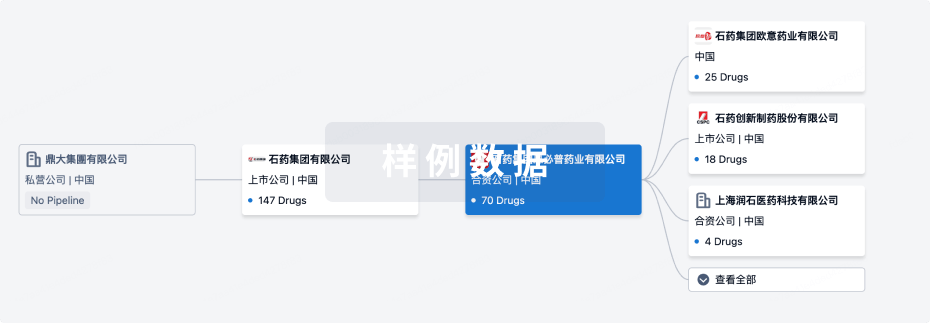
管线布局
2026年10月11日管线快照
管线布局中药物为当前组织机构及其子机构作为药物机构进行统计,早期临床1期并入临床1期,临床1/2期并入临床2期,临床2/3期并入临床3期
药物发现
7
22
临床前
其他
9
登录后查看更多信息
当前项目
| 药物(靶点) | 适应症 | 全球最高研发状态 |
|---|---|---|
YAT2150 | 阿尔茨海默症 更多 | 临床前 |
Peptidomimetic KRAS binder(University of Barcelona) ( KRAS ) | 子宫癌 更多 | 临床前 |
Compound 12d(University of Barcelona) ( I2R ) | 疼痛 更多 | 临床前 |
EAR-20 ( NMDA receptor ) | 神经系统疾病 更多 | 临床前 |
EPB-53 ( EIF2AK4 ) | 2型糖尿病 更多 | 临床前 |
登录后查看更多信息
药物交易
使用我们的药物交易数据加速您的研究。
登录
或
转化医学
使用我们的转化医学数据加速您的研究。
登录
或
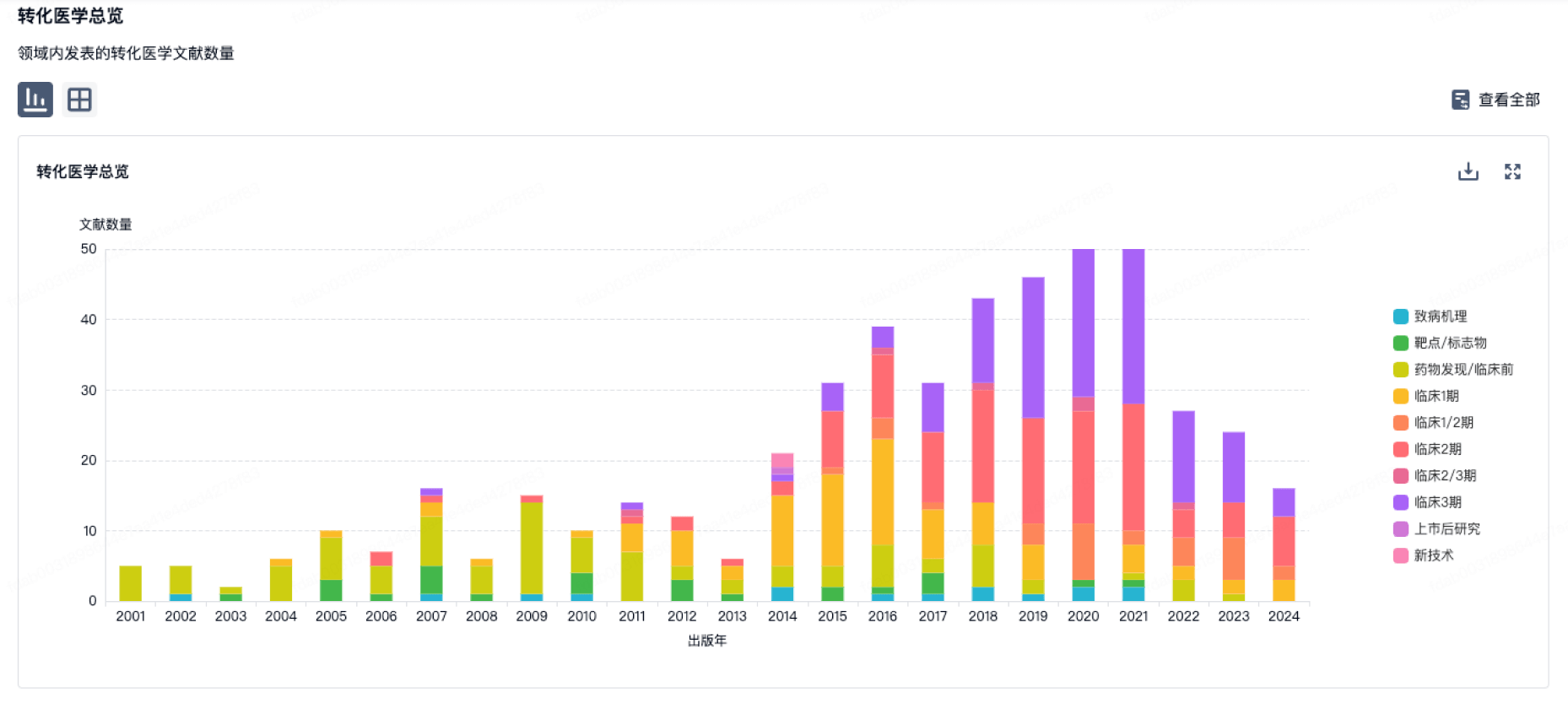
营收
使用 Synapse 探索超过 36 万个组织的财务状况。
登录
或
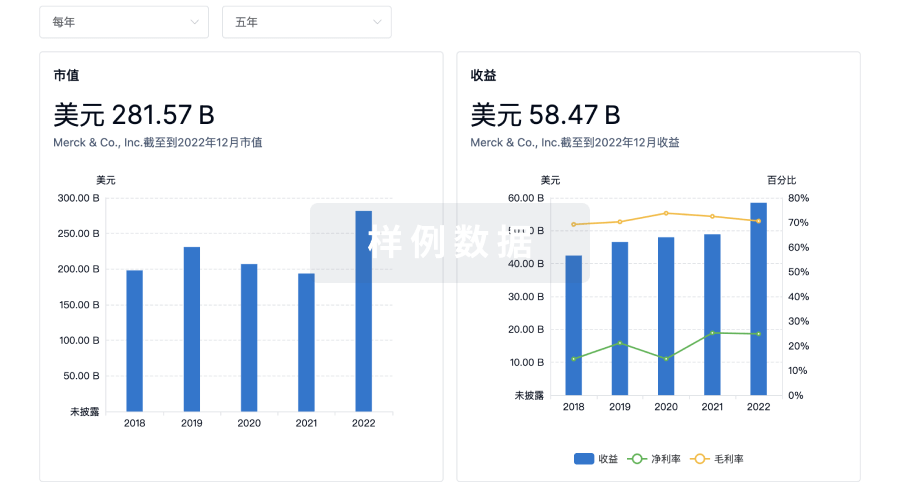
科研基金(NIH)
访问超过 200 万项资助和基金信息,以提升您的研究之旅。
登录
或
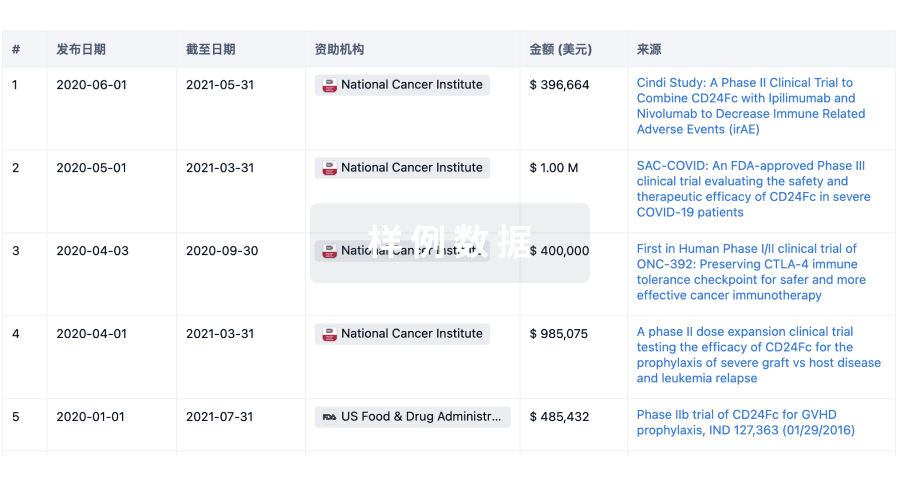
投资
深入了解从初创企业到成熟企业的最新公司投资动态。
登录
或
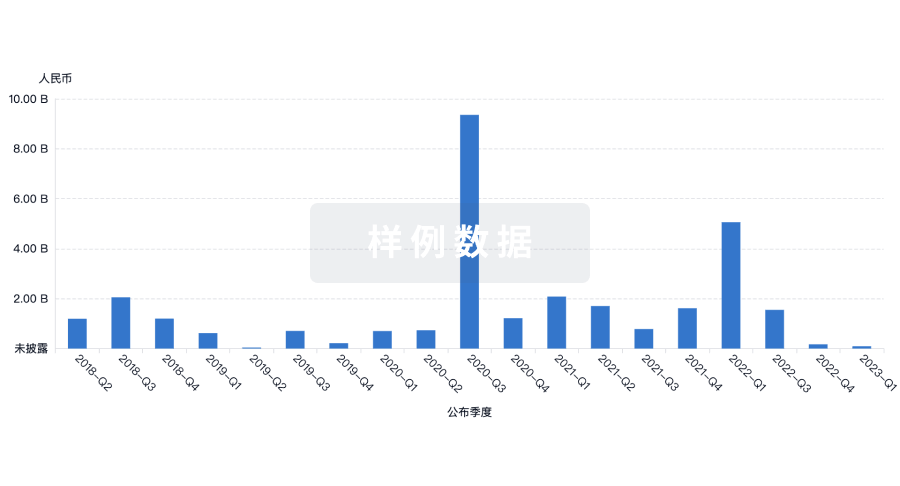
融资
发掘融资趋势以验证和推进您的投资机会。
登录
或
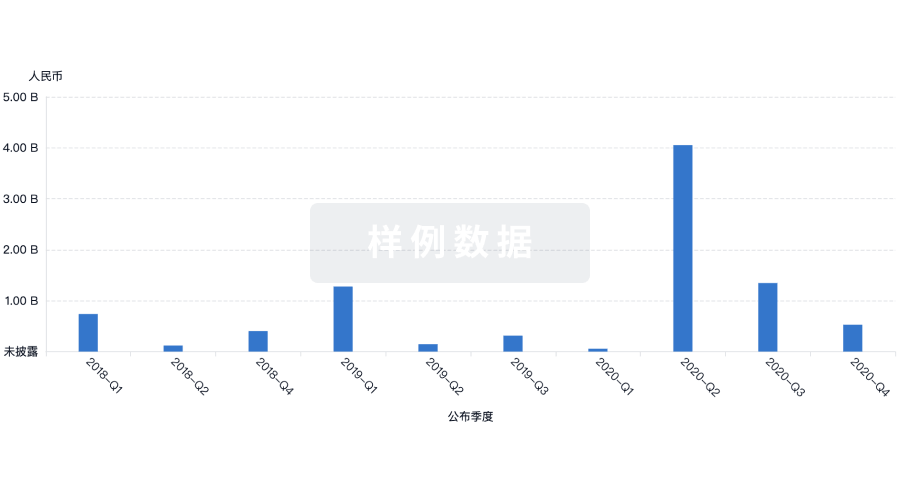
提出任何生物医药研究问题
让每一步生物医药决策都精准制胜
基于十亿级生物数据与全球情报的精准 AI,赋能早期药物发现
立即开始免费试用!
智慧芽新药情报库是智慧芽专为生命科学人士构建的基于AI的创新药情报平台,助您全方位提升您的研发与决策效率。
立即接入生物医药数据包
智慧芽新药库数据也通过智慧芽开放平台,以MCP或API服务形式对外开放。立即使用我们的MCP服务定制您的LLM智能体。
生物序列数据库
生物药研发创新
免费使用
化学结构数据库
小分子化药研发创新
免费使用