预约演示
更新于:2026-05-09

Jiangsu Province Hospital of Traditional Chinese Medicine
更新于:2026-05-09
概览
标签
皮肤和肌肉骨骼疾病
免疫系统疾病
消化系统疾病
中药
小分子化药
疾病领域得分
一眼洞穿机构专注的疾病领域

技术平台
公司药物应用最多的技术
靶点
公司最常开发的靶点
关联
靶点 |
作用机制 |
在研机构 |
原研机构 |
在研适应症 |
非在研适应症 |
最高研发阶段 |
首次获批国家/地区 |
首次获批日期 |
靶点 |
作用机制 |
在研机构 |
原研机构 |
在研适应症 |
非在研适应症 |
最高研发阶段 |
首次获批国家/地区 |
首次获批日期 |

靶点 |
作用机制 |
在研机构 |
原研机构 |
在研适应症 |
非在研适应症 |
最高研发阶段 |
首次获批国家/地区 |
首次获批日期 |
NCT07528196
Clinical Collaboration Project of Integrated Traditional Chinese and Western Medicine for Major and Intractable Diseases - A Multicenter, Randomized Controlled Trial of Xuanbai Shengmai Decoction in the Treatment of Acute Respiratory Distress Syndrome
ChiCTR2600118192
A Family-Centered Support Intervention Integrating Writing Therapy for Post-Stroke Caregivers: A Practical Exploration Based on Meleis's Transition Theory
ChiCTR2600122377
Observational Study on the Treatment of Advanced Solid Tumors with heterogeneous onion periodical extended radiotherapy(HOPE-RT)Combined with PD-1 Monoclonal Antibody
100 项与 江苏省中医院(江苏省中医临床研究院) 相关的临床结果
登录后查看更多信息
登录后查看更多信息
2026-04-01REPRODUCTIVE TOXICOLOGY
Integrative metabolomics and machine learning reveal the toxic mechanisms of elaidic acid in polycystic ovary syndrome
Article
作者: Xu, Yating ; Wang, Ruyue ; Ren, Qingling ; Ma, Hua ; Zhao, Hongting ; Ning, Li ; Li, Xiu ; Si, Yu
BACKGROUND:
Polycystic ovary syndrome (PCOS) is characterized by reproductive dysfunction and metabolic disturbances, including obesity, insulin resistance, and dyslipidemia. Dietary trans fatty acids, particularly elaidic acid (EA), have been implicated in metabolic disorders, but their role in PCOS pathogenesis remains unclear.
METHODS:
A letrozole combined with high-fat diet induced PCOS rat model was established to evaluate EA accumulation using serum metabolomics. We identified common genes linked to EA exposure and PCOS using WGCNA and differential expression analysis. Machine-learning models were applied to screen key genes. GSVA and CIBERSORT were used to assess pathway activity and immune infiltration. In vitro, human granulosa-like KGN cells were exposed to EA (0-50 μM) to assess direct ovarian-cell responses, including cell viability, apoptosis, and inflammatory and key-gene mRNA expression. Molecular docking and molecular dynamics simulations examined EA-protein interactions.
RESULTS:
EA levels were markedly elevated in PCOS rats and accompanied by ovarian lipid deposition and metabolic dysregulation. Integrated analyses identified five key EA and PCOS related genes (KDM5A, CDK5, MTHFD1, NDUFB11, POLR1C). Machine-learning models confirmed their predictive value. GSVA revealed enrichment of inflammatory pathways such as JAK/STAT and Notch, while immune-cell profiling showed altered NK cells and macrophage subsets. In vitro, EA exposure significantly reduced KGN cell viability at higher concentrations and increased apoptotic fractions, accompanied by upregulation of IL6 and TNF-α and a modest increase in IL1B; EA also increased KDM5A expression while decreasing CDK5, MTHFD1, NDUFB11, and POLR1C, consistent with the direction of the integrative predictions.
CONCLUSIONS:
EA accumulates in PCOS under high-fat dietary exposure and may exacerbate ovarian dysfunction by disrupting energy metabolism and promoting inflammatory activation, with concordant changes observed across serum metabolomics, transcriptomic integration, immune-infiltration analyses, and in vitro cell responses. These findings highlight EA as a potentially important dietary-derived toxic metabolic factor contributing to PCOS pathophysiology.
2026-03-01PHYTOMEDICINE
Bushentongluo formula counteracts BMSCs senescence to alleviate postmenopausal osteoporosis by activating mitophagy via the SENP1-SIRT3 pathway
Article
作者: Shao, Liansheng ; Fang, Penghua ; Qin, Miaochao ; Ma, Peng ; Min, Wen ; Sun, Pengfei ; Wang, Junwu ; Yu, Lingling ; Chen, Shuai ; Zhao, Qilong ; Tian, Ningsheng
BACKGROUND:
Senescence and impaired osteogenic capacity of bone marrow mesenchymal stem cells (BMSCs) are pivotal pathogenic drivers in the progression of postmenopausal osteoporosis (PMOP). The Bushentongluo formula (BSTLF) is a traditional Chinese herbal prescription that has shown beneficial clinical outcomes in the treatment of PMOP, yet its underlying mechanisms remain unclear.
PURPOSE:
To elucidate the regulatory function and underlying mechanism of BSTLF in mitigating PMOP.
METHODS:
The active ingredients of BSTLF were identified by LC-MS/MS. The ovariectomized (OVX)-induced osteoporosis in mice was utilized to evaluate the effects of BSTLF on bone mass, trabecular structure, and bone strength through micro-CT, histopathology, and biomechanical testing. For in vitro studies, oxidative stress-induced senescence in BMSCs was modeled using H₂O₂, and the impacts of BSTLF on BMSCs proliferation, differentiation, and senescence were analyzed. Subsequently, proteomic sequencing of BMSCs samples was conducted to elucidate the underlying mechanisms of BSTLF regulating BMSCs osteogenic differentiation and senescence. Additionally, further mechanistic investigations, including molecular docking, flow cytometry, immunofluorescence co-localization, co-immunoprecipitation (CO-IP), and siRNA-mediated gene silencing were performed to confirm the involvement of critical signaling.
RESULTS:
In vivo results verified that BSTLF ameliorates trabecular bone loss, structural failure, and diminishes bone strength in OVX-induced osteoporotic mice. Simultaneously, our findings indicated that BSTLF upregulates the levels of osteogenic-related markers while downregulating those of senescence-associated biomarkers. In vitro, BSTLF alleviated oxidative stress-induced BMSCs senescence, suppressed mitochondrial damage, and enhanced BMSCs osteogenic differentiation. Furthermore, proteomic sequencing and functional gene enrichment analysis revealed that mitophagy might be the key pathway by which BSTLF suppresses BMSCs senescence. Subsequently, both in vitro and in vivo assays confirmed that BSTLF activates the PINK1/Parkin pathway-mediated mitophagy and improves the mitochondrial function. Moreover, immunofluorescence co-localization and CO-IP experiments confirmed that BSTLF prevents SENP1-dependent SUMOylation of SIRT3, leading to enhanced mitophagy and restored mitochondrial homeostasis. Critically, SENP1 knockdown by siRNA promoted SIRT3 SUMOylation and eliminated the beneficial effects of BSTLF on osteogenic differentiation and the suppression of senescence in BMSCs.
CONCLUSION:
These findings elucidated that BSTLF could repair mitophagy deficiency via the SENP1-SIRT3 axis and promote osteogenic differentiation of senescent BMSCs, thereby exerting its anti-osteoporosis effect. Our observation provided experimental validation to support the clinical application of BSTLF in PMOP treatment.
2026-01-01AMERICAN JOURNAL OF CHINESE MEDICINE
Clinical Effectiveness and Safety of Chinese Herbal Enema for Ulcerative Colitis: An Evidence-Based Study
Review
作者: Ma, Jiaze ; Bu, Zhijun ; Ma, Yimeng ; Chong, Jinchen ; Chen, Yugen ; Jiang, Feng
Ulcerative colitis (UC) is a common, chronic, and nonspecific inflammatory bowel disease which significantly impair patients’ quality of life, and is characterized by a prolonged disease course and frequent relapses. Due to their localized therapeutic action and low incidence of adverse effects, Chinese herbal enemas have garnered increasing attention in clinical settings. This study aims to systematically evaluate the therapeutic potential of Chinese herbal enemas in UC management. Randomized controlled trials (RCTs) evaluating Chinese herbal enemas for UC, published up to April 19, 2025, were systematically searched. A network meta-analysis was performed using Stata 17.0, and the combined effect sizes were reported as the mean difference or relative risk with corresponding 95% confidence intervals. A total of 41 RCTs involving 2883 UC patients were ultimately included, and data on the risk of bias assessment were reported. When compared with mesalazine (MES) monotherapy, combination therapies, such as MES combined with Qingbai Guanchang Ye or MES combined with Qingchi San, and monotherapies including Huangkui Lianchang Tang and Baitouweng Tang, demonstrated statistically significant improvements in clinical outcomes. Subgroup analyses were also conducted. The clinical effectiveness of these interventions was also influenced by Traditional Chinese Medicine (TCM) syndrome differentiation and disease severity, which underscores the importance of individualized, stratified treatment approaches. Our study data showed that Chinese herbal enema therapy appears to be both clinically effective and safe in the management of UC, and supported both stratified TCM therapy and the refinement of UC treatment guidelines. Future research is needed to prioritize high-quality, large-scale RCTs to validate these findings.
2026-05-05
·百度百家
2026-04-29
100 项与 江苏省中医院(江苏省中医临床研究院) 相关的药物交易
登录后查看更多信息
100 项与 江苏省中医院(江苏省中医临床研究院) 相关的转化医学
登录后查看更多信息
组织架构
使用我们的机构树数据加速您的研究。
登录
或
管线布局
2026年10月04日管线快照
管线布局中药物为当前组织机构及其子机构作为药物机构进行统计,早期临床1期并入临床1期,临床1/2期并入临床2期,临床2/3期并入临床3期
临床前
5
3
临床2期
临床3期
2
1
其他
登录后查看更多信息
当前项目
登录后查看更多信息
药物交易
使用我们的药物交易数据加速您的研究。
登录
或
转化医学
使用我们的转化医学数据加速您的研究。
登录
或
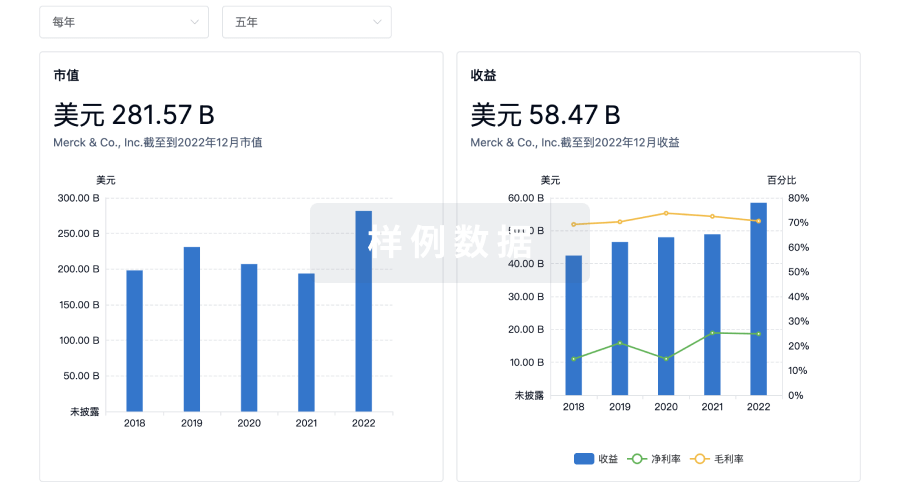
营收
使用 Synapse 探索超过 36 万个组织的财务状况。
登录
或
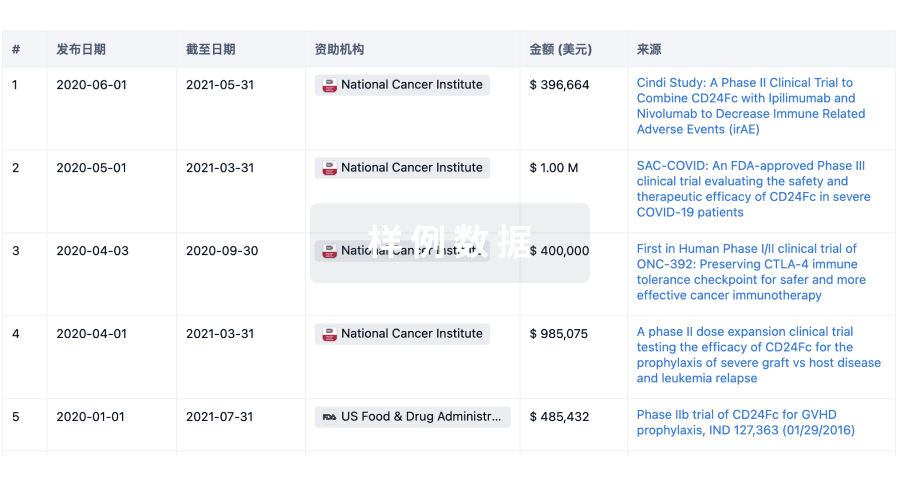
科研基金(NIH)
访问超过 200 万项资助和基金信息,以提升您的研究之旅。
登录
或
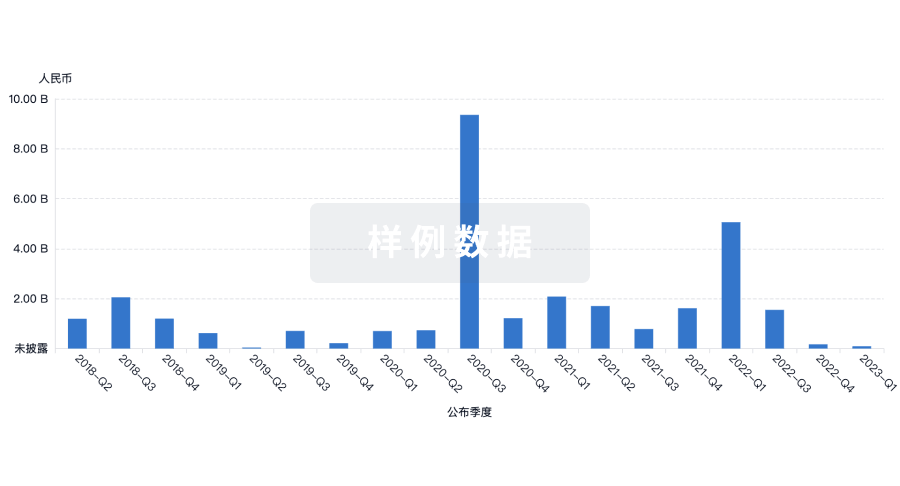
投资
深入了解从初创企业到成熟企业的最新公司投资动态。
登录
或
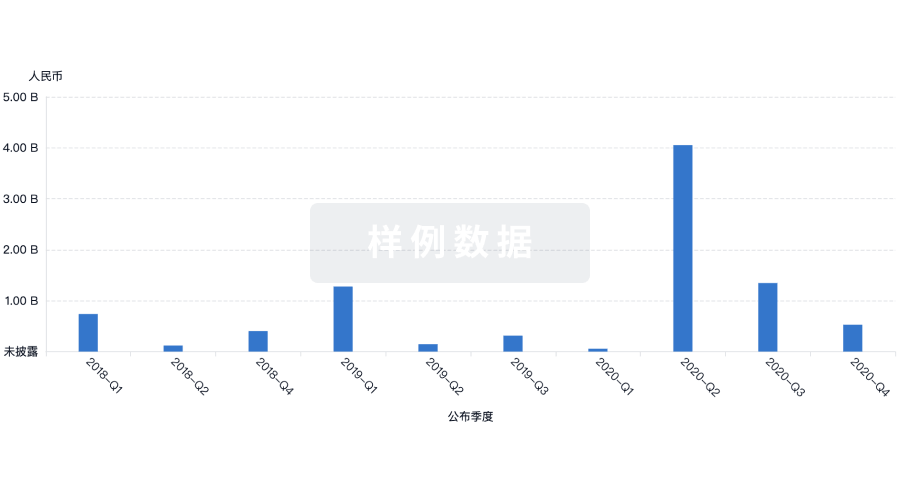
融资
发掘融资趋势以验证和推进您的投资机会。
登录
或
提出任何生物医药研究问题
让每一步生物医药决策都精准制胜
基于十亿级生物数据与全球情报的精准 AI,赋能早期药物发现
立即开始免费试用!
智慧芽新药情报库是智慧芽专为生命科学人士构建的基于AI的创新药情报平台,助您全方位提升您的研发与决策效率。
立即接入生物医药数据包
智慧芽新药库数据也通过智慧芽开放平台,以MCP或API服务形式对外开放。立即使用我们的MCP服务定制您的LLM智能体。
生物序列数据库
生物药研发创新
免费使用
化学结构数据库
小分子化药研发创新
免费使用