预约演示
更新于:2026-10-28

Zunyi Medical University
更新于:2026-10-28
概览
标签
肿瘤
消化系统疾病
其他疾病
小分子化药
多糖药物
化学药
疾病领域得分
一眼洞穿机构专注的疾病领域

技术平台
公司药物应用最多的技术
靶点
公司最常开发的靶点
关联
靶点 |
作用机制 |
在研机构 |
原研机构 |
在研适应症 |
非在研适应症 |
最高研发阶段 |
首次获批国家/地区 |
首次获批日期 |


靶点 |
作用机制 |
在研机构 |
原研机构 |
在研适应症 |
非在研适应症 |
最高研发阶段 |
首次获批国家/地区 |
首次获批日期 |
靶点 |
作用机制 |
在研机构 |
原研机构 |
在研适应症 |
非在研适应症 |
最高研发阶段 |
首次获批国家/地区 |
首次获批日期 |

NCT07353749
Efficacy and Safety of Methylprednisolone in Preventing Adverse Cerebrovascular Events After Flow-Diverter Stent Implantation in Patients With Unruptured Intracranial Aneurysms: A Multicenter, Prospective, Randomized, Double-Blind, Placebo-Controlled Clinical Trial
ChiCTR2600133792
A Large-Scale Observational Study on the Safety of Influenza Virus Split Vaccine Administration in Children Aged 6 Months to 8 Years
NCT07698418
Effect of Inspiratory Muscle Training on Pain in Patients With Knee Osteoarthritis: A Randomized Controlled Trial

100 项与 遵义医科大学 相关的临床结果
登录后查看更多信息
登录后查看更多信息
2027-12-31Dialogues in Clinical Neuroscience
Sleep EEG oscillations and synaptic plasticity in memory consolidation across NREM and REM sleep
Review
作者: Cao, Xue ; Chen, Yuxuan ; Zhou, Gao ; Zhang, Yu ; Zhao, Meimei
Based on a synthesis of recent advances, this review elucidates the distinct yet synergistic roles of non-rapid eye movement (NREM) and rapid eye movement (REM) sleep in memory consolidation. During NREM sleep, cortical slow oscillations (SOs) establish a temporal framework by alternating between UP and DOWN states, facilitating cross-regional communication. SOs phase-couple with thalamic spindles to coordinate hippocampal sharp-wave ripples (SWRs), thereby driving the reactivation and transfer of labile hippocampal memories to neocortical networks for long-term storage. Concurrent synaptic homeostasis optimises network efficiency through global downscaling while selectively strengthening memory-relevant connections. In REM sleep, theta oscillations synchronise limbic-prefrontal-hippocampal circuits, and ponto-geniculo-occipital (PGO) waves further integrate emotional and procedural memories. The cholinergically dominant, monoamine-depleted neurochemical milieu of REM sleep promotes dendritic spine remodelling and sparse neuronal reactivation, enabling affective decoupling and synaptic refinement. Despite progress, key challenges remain in understanding cross-frequency oscillatory coupling among slow oscillations, spindles, ripples and REM-specific rhythms, glial contributions and clinical translation. Future integration of high-density electrophysiology with computational approaches may yield mechanistic models and clinically relevant biomarkers for sleep-based cognitive monitoring and intervention.
2027-04-01TALANTA
Distinct proteomic responses of Zygosaccharomyces rouxii to functional protein and palmitoleic acid supplementation under salt stress
Article
作者: Yu, Hongfei ; Zhang, Shunming ; Wang, Dingkang ; Jiao, Xue ; Dong, Rui ; Gou, Wanglong ; Wu, Hao ; Kang, Yiting ; Huang, Jing
Zygosaccharomyces rouxii is a salt-tolerant yeast found in high-salt fermented foods; nevertheless, the proteome changes caused by dietary treatments are poorly characterized. This study investigated the proteome responses of Z. rouxii supplemented with functional protein or palmitoleic acid (FA C16:1) to 120 g/L NaCl stress. Proteomic analysis revealed 155 differently expressed proteins in the functional protein versus FA C16:1 comparison, including 30 proteins with increased abundance and 125 with decreased abundance. Functional enrichment analysis indicated variations in oxidative phosphorylation, ribosome-related processes, lipid metabolism, proteasome activity, peroxisomal functions, and cellular maintenance pathways. Protein-protein interaction and gene set enrichment analyses revealed distinct patterns of pathway representation in the two treatments. Overall, functional protein supplementation showed a greater representation of proteolytic and peroxisomal pathways, whereas FA C16:1 supplementation was more strongly associated with mitochondrial, translational, and lipid-related activities. These results provide a comparative proteomic view of the distinct cellular processes associated with the two supplementation conditions under high-salt stress.
2027-03-01JOURNAL OF COLLOID AND INTERFACE SCIENCE
Engineering single-atom Co on defective bismuth oxychloride to construct asymmetric Bi–O–Co–Vo interfacial sites with strong spin polarization for boosted CO2 photoreduction
Article
作者: Liu, Yutian ; Zhou, Hong ; Hu, Xin ; Li, Mei-Xin ; Feng, Mingpeng ; Chen, Siyuan
Engineering spin-polarized interfacial sites is central to gas-solid photocatalytic CO2 reduction, yet how such sites govern interfacial charge transfer and CO2 activation remains poorly understood. Herein, atomically dispersed Co atoms were incorporated into ultrathin bismuth oxychloride (BiOCl) nanosheets with adjacent oxygen vacancies (Vo), thereby constructing well-defined asymmetric Bi-O-Co-Vo interfacial catalytic units with robust spin polarization. Structural characterizations verify that Co atoms substitutionally occupy lattice Bi sites, and neighboring Vo reconstruct the local coordination environment of Co centers. Comprehensive in situ/operando characterizations unravel that the built-in polarization field originating from these asymmetric interfacial sites drives directional charge transfer and effectively suppresses photogenerated carrier recombination. Density functional theory (DFT) calculations reveal that synergistic hybridization between Co d states and Vo states breaks spin degeneracy and optimizes the electronic structure for enhanced CO2 activation. Benefiting from the synergistic effects of optimized charge separation and spin-polarized surface reaction kinetics, the optimized 3Co-BOC-Vo achieves a CO evolution rate of 152.31 ± 6.28 μmol g-1 h-1 with 96.0% CO selectivity under visible light, which is 7.06 times higher than pristine BiOCl. Notably, external magnetic field further enhances CO production by 58.4%, providing strong evidence for the spin-polarized catalytic mechanism. In-situ diffuse reflectance infrared Fourier transform spectroscopy (DRIFTS) together with climbing image nudged elastic band (CI-NEB) calculations demonstrate that spin polarization lowers the energy barrier of the rate-determining *COOH formation step. This work demonstrates that engineering spin-asymmetric interfacial microenvironments via single-atom substitution and defect engineering is a general and effective strategy for boosting photocatalytic CO2 reduction performance, providing guidance for the rational design of high-efficiency layered bismuth oxyhalide photocatalysts toward practical solar-driven CO2 conversion.
100 项与 遵义医科大学 相关的药物交易
登录后查看更多信息
100 项与 遵义医科大学 相关的转化医学
登录后查看更多信息
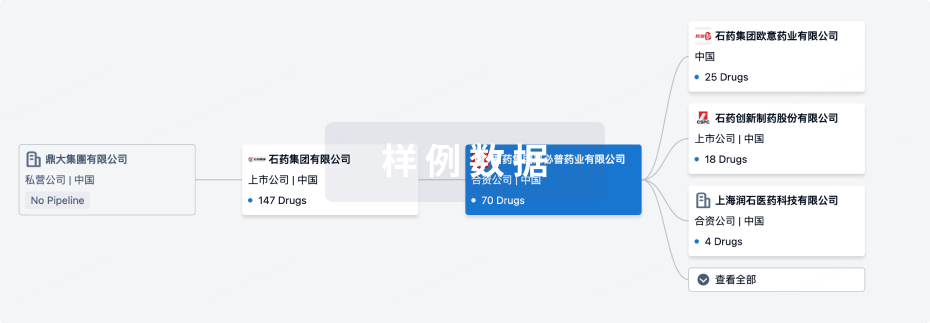
组织架构
使用我们的机构树数据加速您的研究。
登录
或
管线布局
2026年10月30日管线快照
管线布局中药物为当前组织机构及其子机构作为药物机构进行统计,早期临床1期并入临床1期,临床1/2期并入临床2期,临床2/3期并入临床3期
药物发现
7
20
临床前
登录后查看更多信息
当前项目
登录后查看更多信息
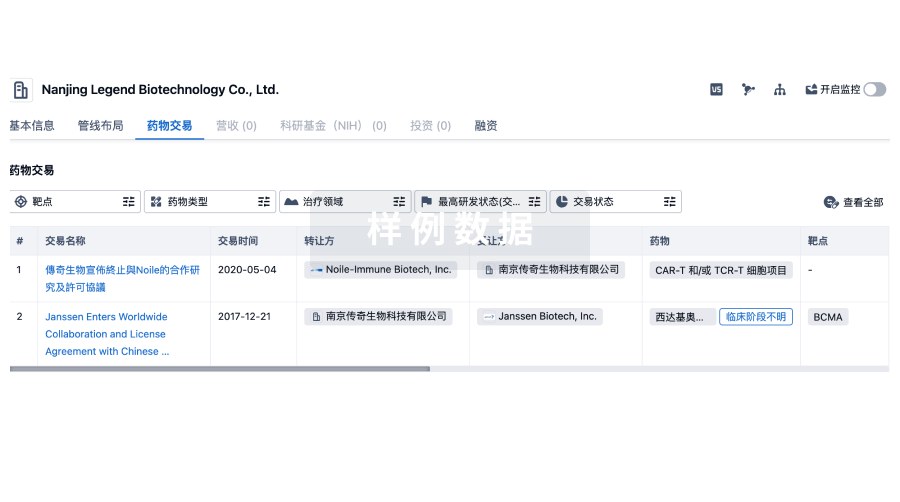
药物交易
使用我们的药物交易数据加速您的研究。
登录
或
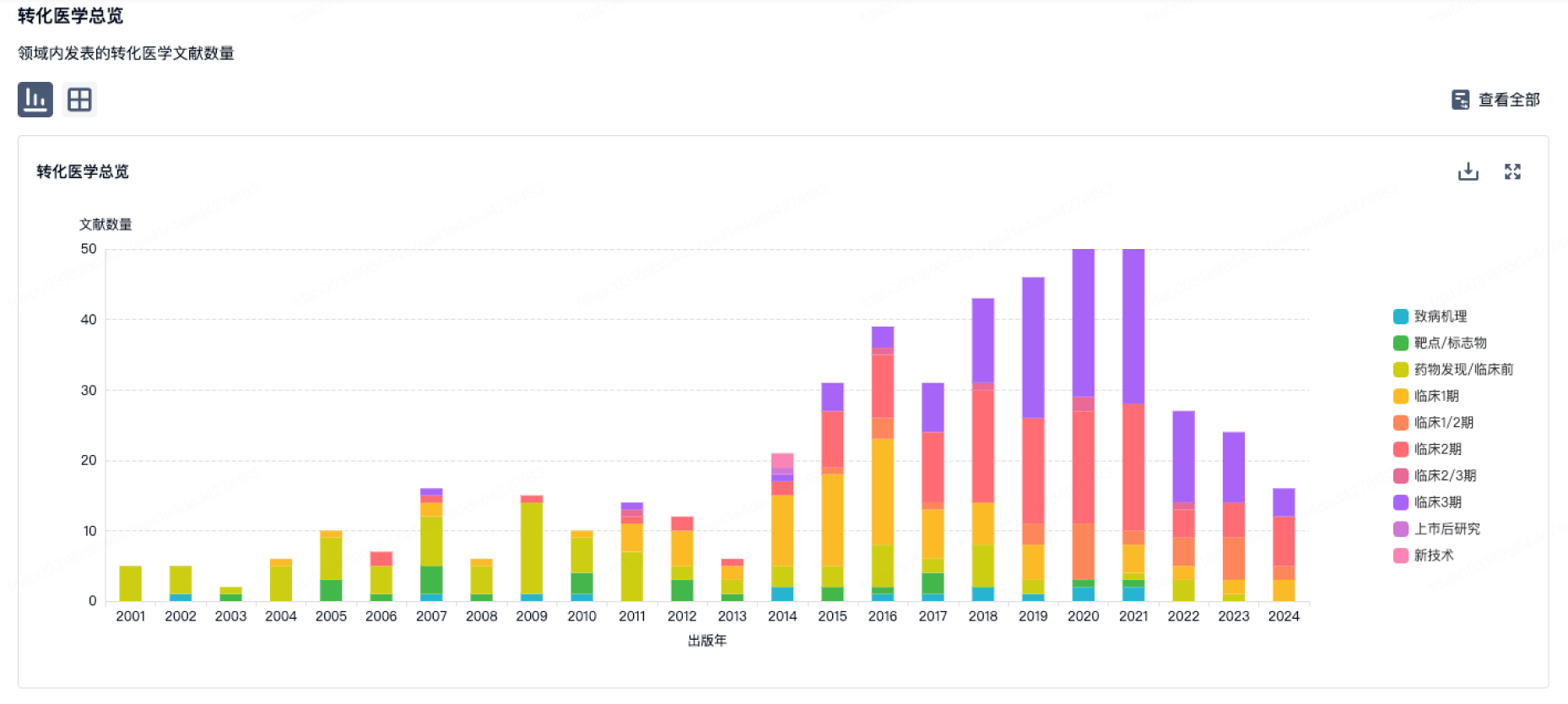
转化医学
使用我们的转化医学数据加速您的研究。
登录
或
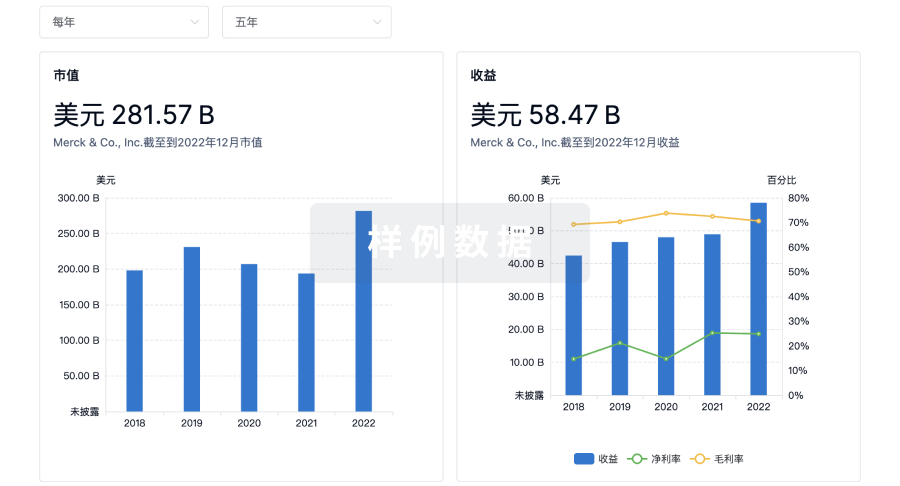
营收
使用 Synapse 探索超过 36 万个组织的财务状况。
登录
或
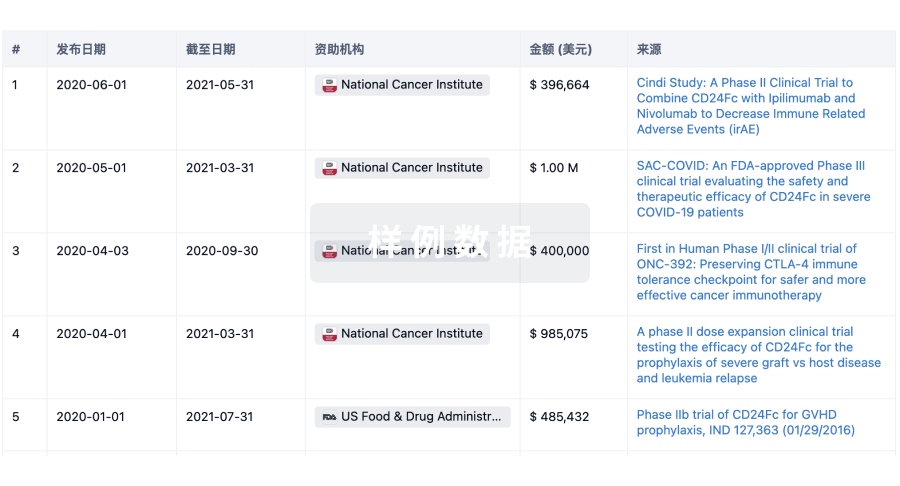
科研基金(NIH)
访问超过 200 万项资助和基金信息,以提升您的研究之旅。
登录
或
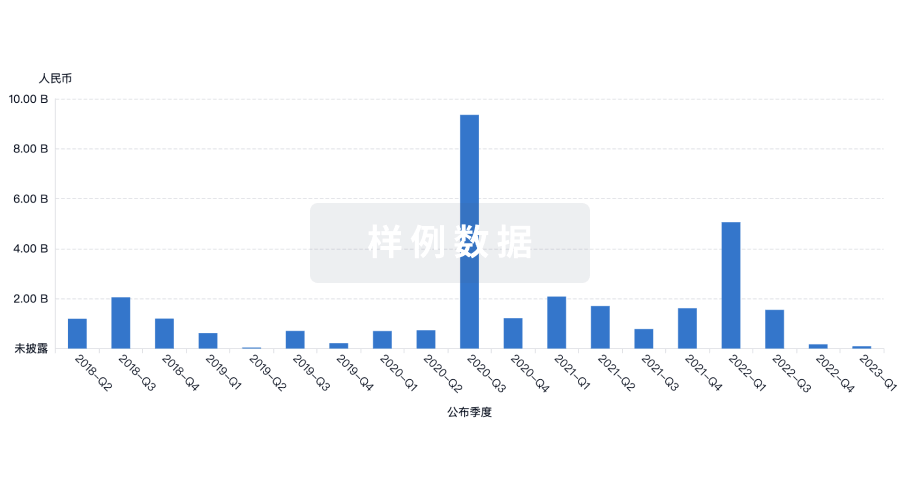
投资
深入了解从初创企业到成熟企业的最新公司投资动态。
登录
或
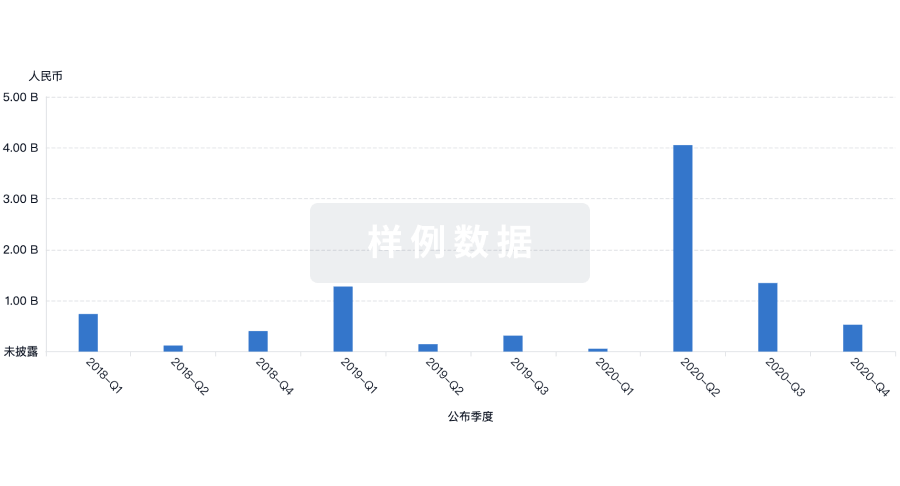
融资
发掘融资趋势以验证和推进您的投资机会。
登录
或
提出任何生物医药研究问题
让每一步生物医药决策都精准制胜
基于十亿级生物数据与全球情报的精准 AI,赋能早期药物发现
立即开始免费试用!
智慧芽新药情报库是智慧芽专为生命科学人士构建的基于AI的创新药情报平台,助您全方位提升您的研发与决策效率。
立即接入生物医药数据包
智慧芽新药库数据也通过智慧芽开放平台,以MCP或API服务形式对外开放。立即使用我们的MCP服务定制您的LLM智能体。
生物序列数据库
生物药研发创新
免费使用
化学结构数据库
小分子化药研发创新
免费使用