预约演示
更新于:2026-06-24

JYAMS PET Research & Development Ltd.
更新于:2026-06-24
概览
标签
神经系统疾病
其他疾病
小分子化药
诊断用放射药物
疾病领域得分
一眼洞穿机构专注的疾病领域

技术平台
公司药物应用最多的技术
靶点
公司最常开发的靶点
关联
靶点 |
作用机制 |
在研机构 |
原研机构 |
在研适应症 |
非在研适应症 |
最高研发阶段 |
首次获批国家/地区 |
首次获批日期 |


靶点 |
作用机制 |
在研机构 |
原研机构 |
在研适应症 |
非在研适应症 |
最高研发阶段 |
首次获批国家/地区 |
首次获批日期 |

NCT07422857
Phase III Multicenter Clinical Trial Evaluating the Use of [18F]-APN-1607 Injection in Positron Emission Tomography in Subjects With AD-related Cognitive Impairment and Subjects With Normal Cognitive Function
CTR20241774
评价SY101 注射液在中国成年男性受试者中的药代动力学、生物分布和安全性以及在患者中的成像特征的 I 期临床试验

CTR20221832
一项评价氟[18F]洛贝平注射液(Florbetapir(18F))在中国健康志愿者、轻度认知障碍(MCI)患者、阿尔茨海默病(AD)性痴呆患者中的安全性和成像特征的开放、平行、多中心研究
100 项与 南京江原安迪科正电子研究发展有限公司 相关的临床结果
登录后查看更多信息
登录后查看更多信息
2025-12-01APPLIED RADIATION AND ISOTOPES
Evaluation of cyclotron production parameters for 44Sc using Monte Carlo simulation
Article
作者: Ma, Fuqiu ; Dong, Chunhui ; Cheng, Wanting ; Xu, Enhua ; Wang, Guixiang ; Yang, Dacan
As a positron-emitting nuclide that can be co-labeled with therapeutic nuclides such as 47Sc and 177Lu, 44Sc holds significant promise for applications in theranostics in clinical nuclear medicine. To optimize its production, it is essential to simulate the nuclear reaction processes using Monte Carlo methods in order to obtain optimal experimental parameters. In this study, we employed the TALYS-2.0 program package to calculate the reaction cross sections of several nuclear reactions that may occur in the actual process. The stopping power of CaCO3 targets for protons was evaluated using the SRIM program. Additionally, FLUKA was utilized to simulate nuclide production in a cyclotron, allowing us to investigate the influence of various experimental parameters, including target thickness, incident proton energy, irradiation time, and cooling time, on the yields of 44Sc and co-produced radionuclide impurities. The results show that choosing thinner or thicker rather than medium thickness is more favorable for obtaining higher radionuclide purity of 44Sc. Incident proton energies in the range of 13-14 MeV can produce higher activity of 44Sc. Longer irradiation time, preferably 8-12 h, results in higher activity and higher radionuclide purity of 44Sc. A relatively longer cooling time, e.g., 1-2 h, can effectively reduce the activity of radioactive impurity nuclides, such as 13N and 18F, and significantly increase the radionuclide purity of 44Sc in the final product. This study also verified the accuracy and reliability of the calculations by comparing the results of different programs, as well as comparing the results of the calculations in this study with the experimental results of previous researchers.
2025-10-06MOLECULAR PHARMACEUTICS
Synergistic Methylene Blue-Driven FAPI Uptake Mechanism Advancing the Detection of Myocardial Fibrosis in Hypertensive Heart Disease
Article
作者: Zhang, Xingmei ; Wang, Mingfang ; Zhang, Guoxia ; Zhao, Xingyang ; Zhang, Zhenxi ; Chen, Na ; Zhang, Dimei ; Zhai, Chuangyan ; Li, Yuxuan ; Jiang, Bingfeng ; Li, Guiting
Myocardial fibrosis, a key pathological feature of hypertensive heart disease (HHD), remains diagnostically challenging due to limited clinical tools. In this study, a FAPI-targeted uptake mechanism previously reported by our group, originally developed for tumor imaging, is extended to the detection of myocardial fibrosis in HHD using [18F]F-NOTA-FAPI-MB. The diagnostic performance of this tracer is compared with those of [18F]F-FDG, [18F]F-FAPI-42, and [18F]F-NOTA-FAP2286, and its potential for fluorescence imaging is also evaluated. Myocardial fibrosis associated with HHD was induced in Sprague-Dawley rats using isoproterenol. Evaluation of cardiac structure and function was conducted through echocardiography. Following each administration of a radioactive tracer via tail vein injection, static PET/CT imaging was performed at 1 and 2 h after injection. Additionally, cardiac excision allowed for ex vivo fluorescence imaging using NOTA-FAPI-MB. All three FAP-targeting probes enabled the precise localization and quantification of fibrotic activity within affected myocardial regions. Among them, [18F]F-NOTA-FAPI-MB demonstrated the most pronounced increase in TBR from 1 to 2 h in the ISO group and exhibited the highest 2 h/1 h ratio. Blocking experiments revealed limited competitive inhibition of the [18F]F-NOTA-FAPI-MB uptake by unlabeled FAPI-42. Ex Vivo cardiac fluorescence imaging further confirmed the significant accumulation of NOTA-FAPI-MB. [18F]F-FAPI-42 exhibited an inferior retention ability at the target site compared to [18F]F-NOTA-FAPI-MB. In contrast, [18F]F-NOTA-FAP2286 showed a lower uptake and the weakest retention in fibrotic regions among the three tracers. However, [18F]F-FDG imaging showed no significant changes in myocardial metabolic activity in HHD, suggesting that [18F]F-FDG imaging is not effective in detecting cardiac abnormalities associated with HHD. The successful translation of the MB-driven uptake mechanism from tumors to HHD is evidenced by the enhanced myocardial accumulation of [18F]F-NOTA-FAPI-MB via MB synergy, confirming its mechanism-based targeting. Although further clinical validation is required, this radiopharmaceutical holds strong potential as a dual-modality imaging agent for HHD with a reduced radiation burden.
2025-06-01APPLIED RADIATION AND ISOTOPES
Monte Carlo simulation of 133La/135La cyclotron production
Article
作者: Ma, Fuqiu ; Wang, Guixiang ; Cheng, Wanting ; Liu, Xiaolong ; Xu, Zhiyu ; Yang, Dacan ; Tang, Xuze
The pair 133La/135La presents considerable potential for theranostic applications in nuclear medicine. Consequently, the implementation of a simulated production process for 133La/135La is crucial to identify a cost-efficient approach. This study utilized the Monte Carlo method to simulate and assess the bombardment parameters and production conditions for generating 133La/135La via a proton cyclotron. Three barium target materials, natBaCO3, natBa metal, and 135BaCO3, were examined for 133La/135La yields. The impact of proton energy, cooling time, and target thickness on the 133La/135La yields were assessed utilizing TALYS, FLUKA, and SRIM software. The results indicate that the proton energy range necessary for attaining elevated yields of 133La and 135La in natBaCO3 and natBa metal targets is 23-24 MeV, with the optimal energy being 23.9 MeV. For the 135BaCO3 target, the proton energies required for 133La and 135La are approximately 30.2 MeV and 12.8 MeV, respectively. A cooling time of 2-3 h is advised for the natural barium target, whereas 1-2 h is appropriate for the 135BaCO3 target. The highest yield is attained when the target thickness approaches the proton range. The practical and accurate application of this simulation for designing and optimizing radionuclide production is corroborated by the alignment of experimental and simulation results.
100 项与 南京江原安迪科正电子研究发展有限公司 相关的药物交易
登录后查看更多信息
100 项与 南京江原安迪科正电子研究发展有限公司 相关的转化医学
登录后查看更多信息
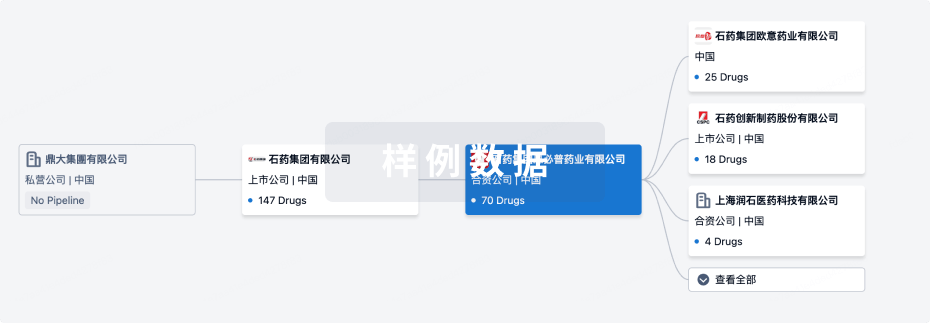
组织架构
使用我们的机构树数据加速您的研究。
登录
或
管线布局
2026年10月25日管线快照
管线布局中药物为当前组织机构及其子机构作为药物机构进行统计,早期临床1期并入临床1期,临床1/2期并入临床2期,临床2/3期并入临床3期
临床申请批准
1
1
临床1期
临床3期
1
2
其他
登录后查看更多信息
当前项目
登录后查看更多信息
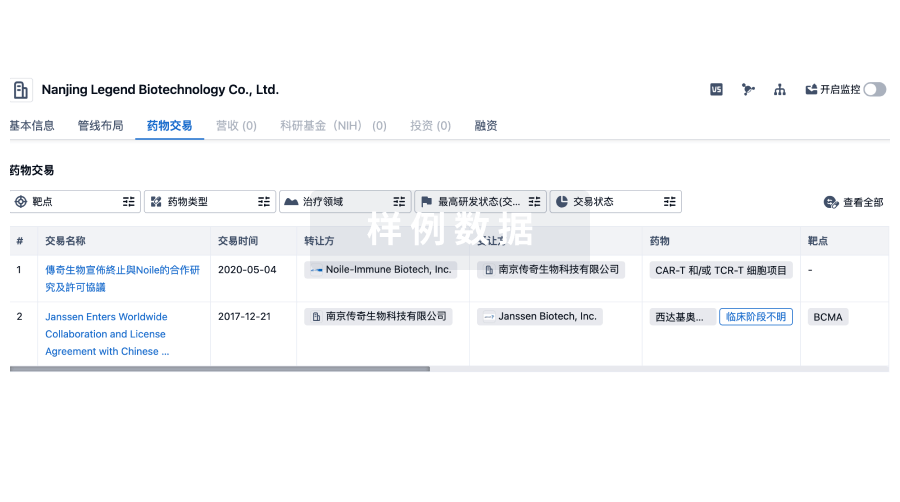
药物交易
使用我们的药物交易数据加速您的研究。
登录
或
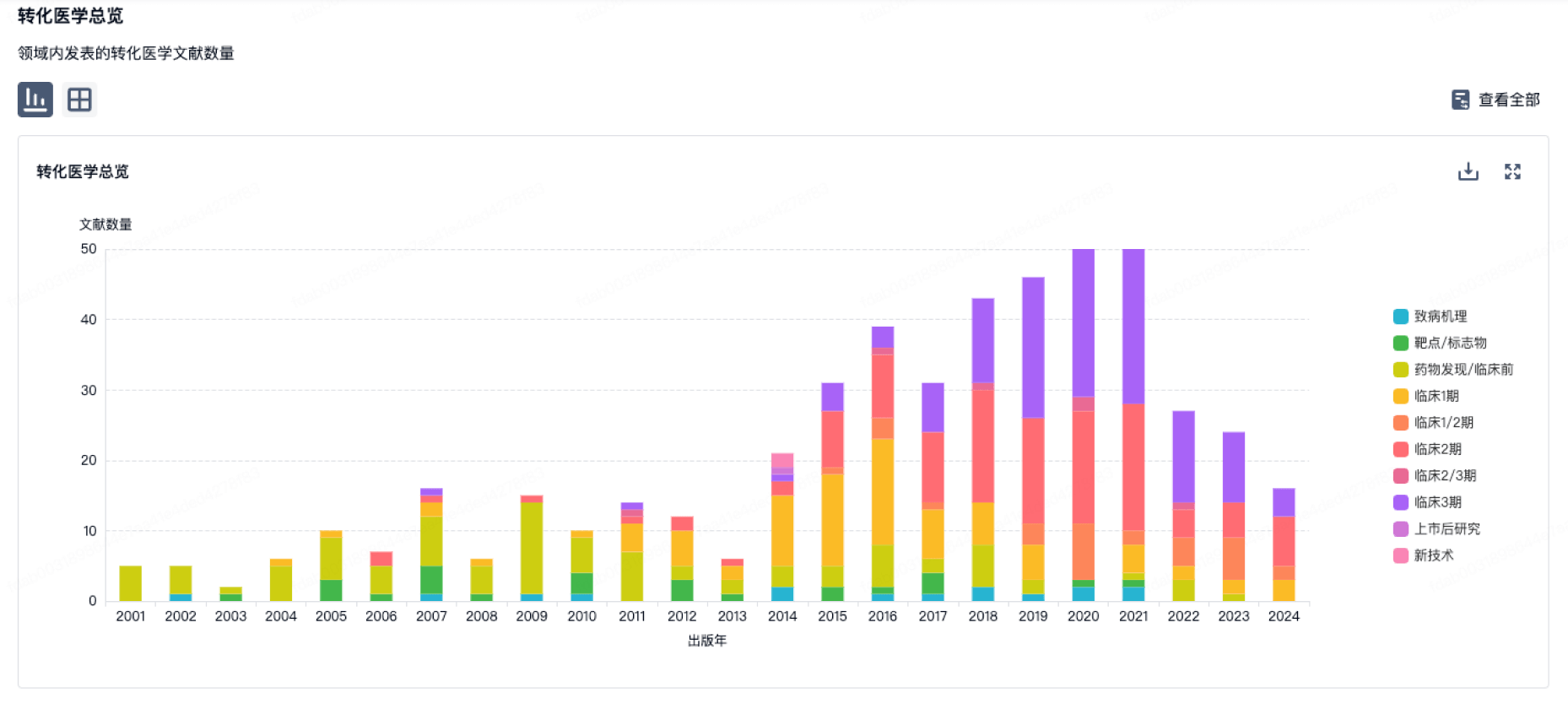
转化医学
使用我们的转化医学数据加速您的研究。
登录
或
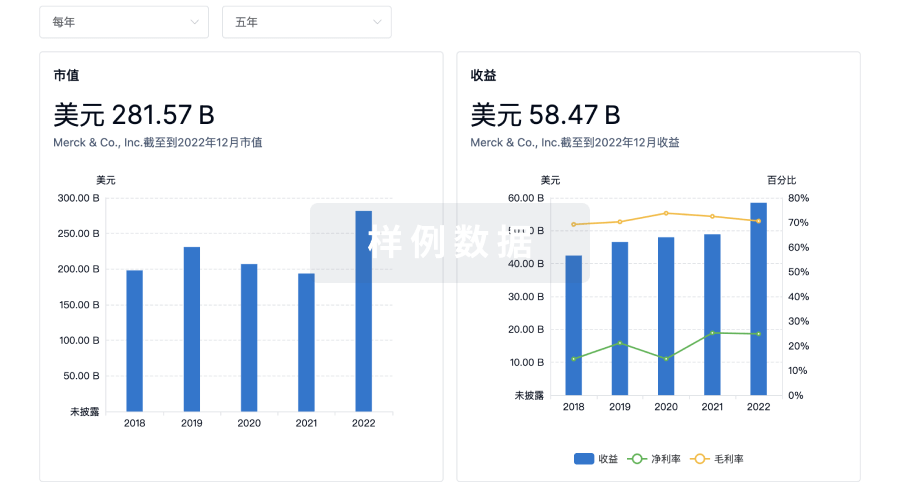
营收
使用 Synapse 探索超过 36 万个组织的财务状况。
登录
或
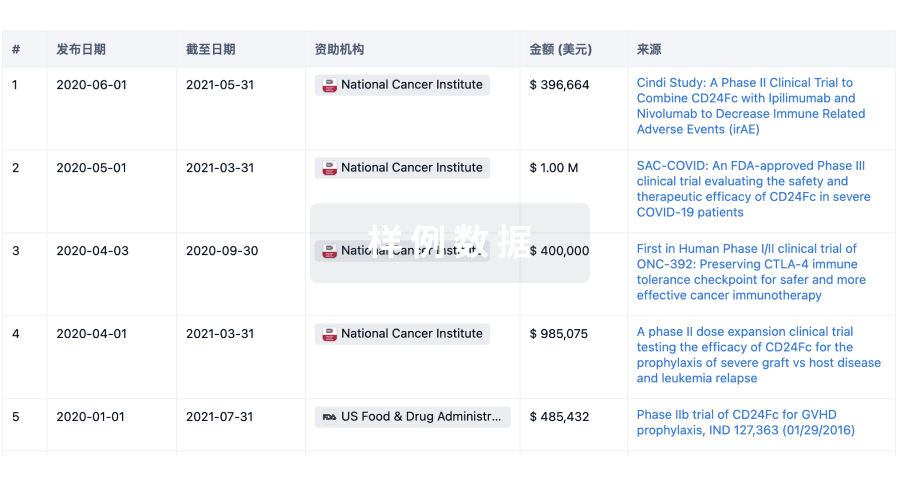
科研基金(NIH)
访问超过 200 万项资助和基金信息,以提升您的研究之旅。
登录
或
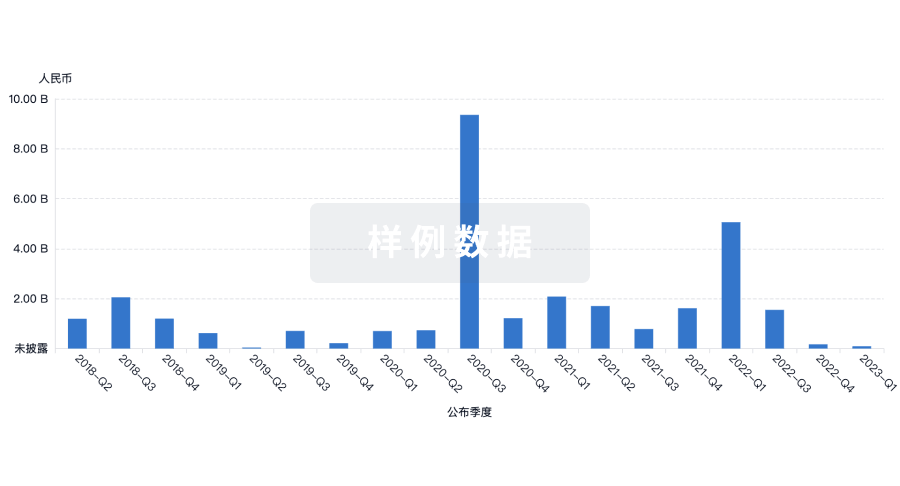
投资
深入了解从初创企业到成熟企业的最新公司投资动态。
登录
或
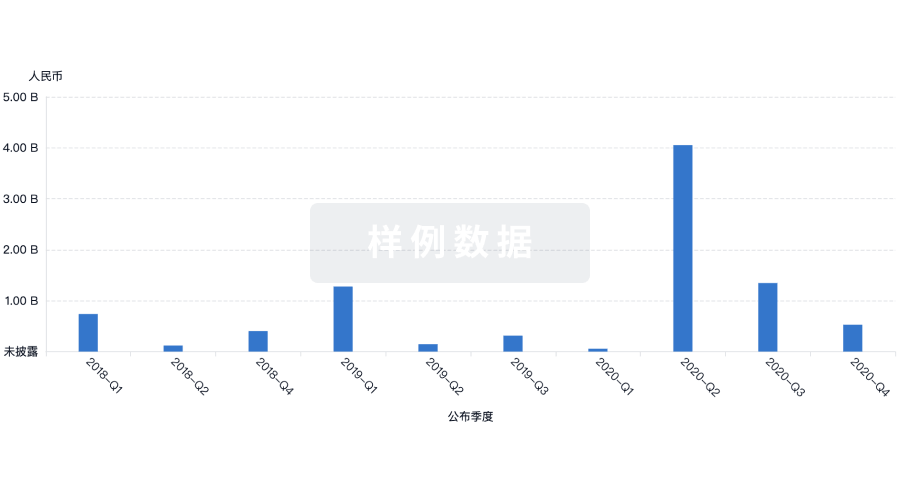
融资
发掘融资趋势以验证和推进您的投资机会。
登录
或
提出任何生物医药研究问题
让每一步生物医药决策都精准制胜
基于十亿级生物数据与全球情报的精准 AI,赋能早期药物发现
立即开始免费试用!
智慧芽新药情报库是智慧芽专为生命科学人士构建的基于AI的创新药情报平台,助您全方位提升您的研发与决策效率。
立即接入生物医药数据包
智慧芽新药库数据也通过智慧芽开放平台,以MCP或API服务形式对外开放。立即使用我们的MCP服务定制您的LLM智能体。
生物序列数据库
生物药研发创新
免费使用
化学结构数据库
小分子化药研发创新
免费使用