预约演示
更新于:2026-06-14

Prometheus Biosciences, Inc.
更新于:2026-06-14
概览
标签
免疫系统疾病
皮肤和肌肉骨骼疾病
其他疾病
单克隆抗体
小分子化药
白细胞介素
疾病领域得分
一眼洞穿机构专注的疾病领域

技术平台
公司药物应用最多的技术
靶点
公司最常开发的靶点
关联
靶点 |
作用机制 |
在研机构 |
原研机构 |
在研适应症 |
非在研适应症 |
最高研发阶段 |
首次获批国家/地区 |
首次获批日期 |

靶点 |
作用机制 |
在研机构 |
原研机构 |
在研适应症 |
非在研适应症 |
最高研发阶段 |
首次获批国家/地区 |
首次获批日期 |

靶点 |
作用机制 |
在研机构 |
原研机构 |
在研适应症 |
非在研适应症 |
最高研发阶段 |
首次获批国家/地区 |
首次获批日期 |
NCT05603182
A Phase 1, Double-Blind, Placebo-Controlled, Safety, Tolerability and Pharmacokinetics Study of PRA052 in Healthy Volunteers
NCT05354349
A Phase 1, Double-Blind, Placebo-Controlled, Single-Dose Study to Evaluate the Safety, Tolerability, and Pharmacokinetics of PRA023 in Healthy Caucasian and Japanese Adult Volunteers
NCT05270668
A Double Blind, Randomized, Placebo-Controlled Study to Evaluate the Efficacy and Safety of MK-7240/PRA023 in Subjects With Systemic Sclerosis Associated With Interstitial Lung Disease (SSc-ILD)
100 项与 Prometheus Biosciences, Inc. 相关的临床结果
登录后查看更多信息
登录后查看更多信息
2025-07-09Crohns & Colitis 360
Impact of Precision-Guided Dosing on Clinical Decision-Making and Health Care Utilization in Inflammatory Bowel Disease: A Retrospective Pretest/Posttest Real-World Study
Article
作者: Hanauer, Stephen B ; Ziring, David ; Bray, Harry ; Condino, Adria ; Hassan, Syed A ; Navaneethan, Udayakumar ; Abraham, Bincy P ; Arai, Ronen ; Torres, Esther A ; Aragon Han, Patricia ; Dervieux, Thierry ; Ritter, Timothy ; Lum, Donald ; Barrett, Terrence A
Abstract:
Background:
Precision-guided dosing (PGD) is a personalized tool that optimizes clinical decision-making in the treatment of inflammatory bowel disease (IBD) with infliximab (IFX) and its biosimilars. PGD employs nonlinear mixed-effect models using patient-specific pharmacokinetic parameters to predict infliximab trough concentrations without the need to wait until the actual trough measurement. This approach calculates patient-specific clearance (CL) and provides tailored IFX dosing and administration intervals aimed at achieving target trough levels. Implementing PGD can enhance treatment outcomes in IBD patients and may potentially reduce healthcare expenditures.
Methods:
We conducted a multicenter, retrospective study as a follow up to our previous clinical experience program (CEP). We aimed to evaluate the impact of PGD on clinical decision-making, patient outcomes, healthcare utilization, and expenditures. Treatment decisions included: IFX dose intensification, reduction, discontinuation, or continuation. Disease activity and healthcare resource utilization and costs in the 12 months pre- and post-test were compared. Disease activity was measured using the physician global assessment (PGA) as follows: remission (0), mild (1), moderate (2), and severe (3). Costs were calculated based on modeling pre-established literature data.
Results:
Analysis of data from 82 patients across 7 states and Puerto Rico showed that PGD-driven therapeutic decision making led to IFX treatment intensification (27%) or discontinuation (7%) in patients with low forecasted trough IFX concentrations, high clearance, and presence of antidrug antibody. Conversely, IFX dosage was reduced (18%) or unchanged (48%) for patients with high IFX concentrations and low clearance. There was a significant association between forecasted trough IFX levels and treatment modifications (P < .001). High clearance (> 0.294 L/day) was significantly associated with therapy intensification (OR 6.22, 95% CI: 2.19-19.8; P < .001). Following PGD, disease activity improved significantly (observed mean difference in physician global assessment: 0.378, P = 0.008) and healthcare resource utilization decreased. Across the entire patient population, hospitalizations decreased from 30 events pretest to 5 events posttest (P < .001), leading to overall cost saving.
Conclusions:
HCPs used the PGD test to guide treatment decisions. PGD-driven optimization of IFX therapy led to improved patient outcomes, lower healthcare utilization, and cost savings.
2024-12-05Inflammatory bowel diseases
Older Adults With Inflammatory Bowel Disease Are at Higher Risk of Developing Antibodies to Infliximab
Article
作者: Dervieux, Thierry ; Lee, Kate E ; Faye, Adam S ; Hudesman, David
Lay Summary:
Although older age is thought to confer immunosenescence, we found that older adults with inflammatory bowel disease are independently at higher risk to develop antibodies to infliximab. Additionally, older adults are less likely to receive escalated doses of infliximab.
2024-06-01Clinics and Research in Hepatology and Gastroenterology
Forecasted infliximab concentrations during induction predict time to remission and sustained disease control of inflammatory bowel disease
Article
作者: Dreesen, Erwin ; Spencer, Elisabeth A ; Rabizadeh, Shervin ; D'Haens, Geert ; Dervieux, Thierry ; Laharie, David ; Vermeire, Severine ; Dubinsky, Marla C ; Panetta, John C
BACKGROUND:
Infliximab (IFX) exposure is established as a predictive factor of pharmacokinetic (PK) origin in inflammatory bowel disease (IBD), and expert consensus is to achieve adequate exposure during induction to achieve and sustain remission.
METHODS:
We retrospectively evaluated the performance of a Bayesian PK tool in IBD patients starting IFX. Trough IFX serum levels collected immediately before the third (at week 6) and fourth (at week 14) infusions were evaluated from 307 IBD patients (median age=17 years, 50 % females, 83 % with Crohn's disease). Forecasted IFX concentration at the fourth infusion were estimated using serum IFX, antibodies to IFX, albumin and weight determined immediately before the third infusion using population PK calculator with Bayesian prior. The outcome variable was a clinical & biochemical remission status achieved (CRP levels below 3 mg/L in presence of clinical remission). Statistics consisted of Kaplan Meier analysis with calculation of Hazard ratio (HR), and logistic regression.
RESULTS:
IFX concentration above 15 µg/mL immediately before the third infusion associated with shorter time to clinical & biochemical remission than concentration below 15 µg/mL without reaching significance (163±14 days vs 200±16 days, respectively; p=0.052). However, using PK parameters at the third infusion, forecasted IFX concentrations above 10 µg/mL immediately before the fourth infusion were significantly associated with a higher rate (HR=1.6 95 %CI: 1.1 to 2.1 p<0.01) and shorter time to remission (148±18 days vs 200±13 days p<0.01). In the presence of IFX concentration above 15 µg/mL at the third infusion, there was a significant 2.5-fold higher likelihood of sustained clinical & biochemical remission status during maintenance as compared to IFX concentrations below 15 µg/mL (p<0.01). Forecasted IFX level above 10 µg/mL at fourth infusion associated with significantly 3.9-fold higher likelihood of clinical & biochemical remission as compared to forecasted IFX concentrations below 10 µg/mL (p<0.01).
CONCLUSIONS:
These data further support that optimized IFX concentrations during induction are associated with enhanced disease control in IBD.
100 项与 Prometheus Biosciences, Inc. 相关的药物交易
登录后查看更多信息
100 项与 Prometheus Biosciences, Inc. 相关的转化医学
登录后查看更多信息
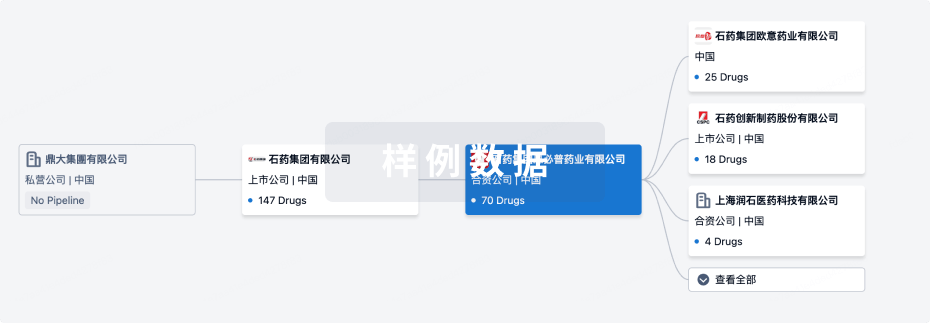
组织架构
使用我们的机构树数据加速您的研究。
登录
或
管线布局
2026年10月10日管线快照
管线布局中药物为当前组织机构及其子机构作为药物机构进行统计,早期临床1期并入临床1期,临床1/2期并入临床2期,临床2/3期并入临床3期
药物发现
1
3
临床前
临床2期
4
1
批准上市
其他
3
登录后查看更多信息
当前项目
登录后查看更多信息
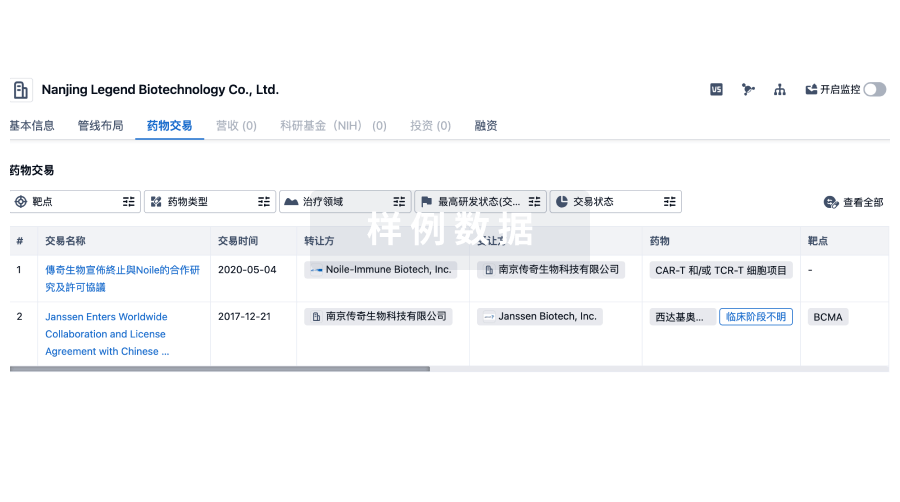
药物交易
使用我们的药物交易数据加速您的研究。
登录
或
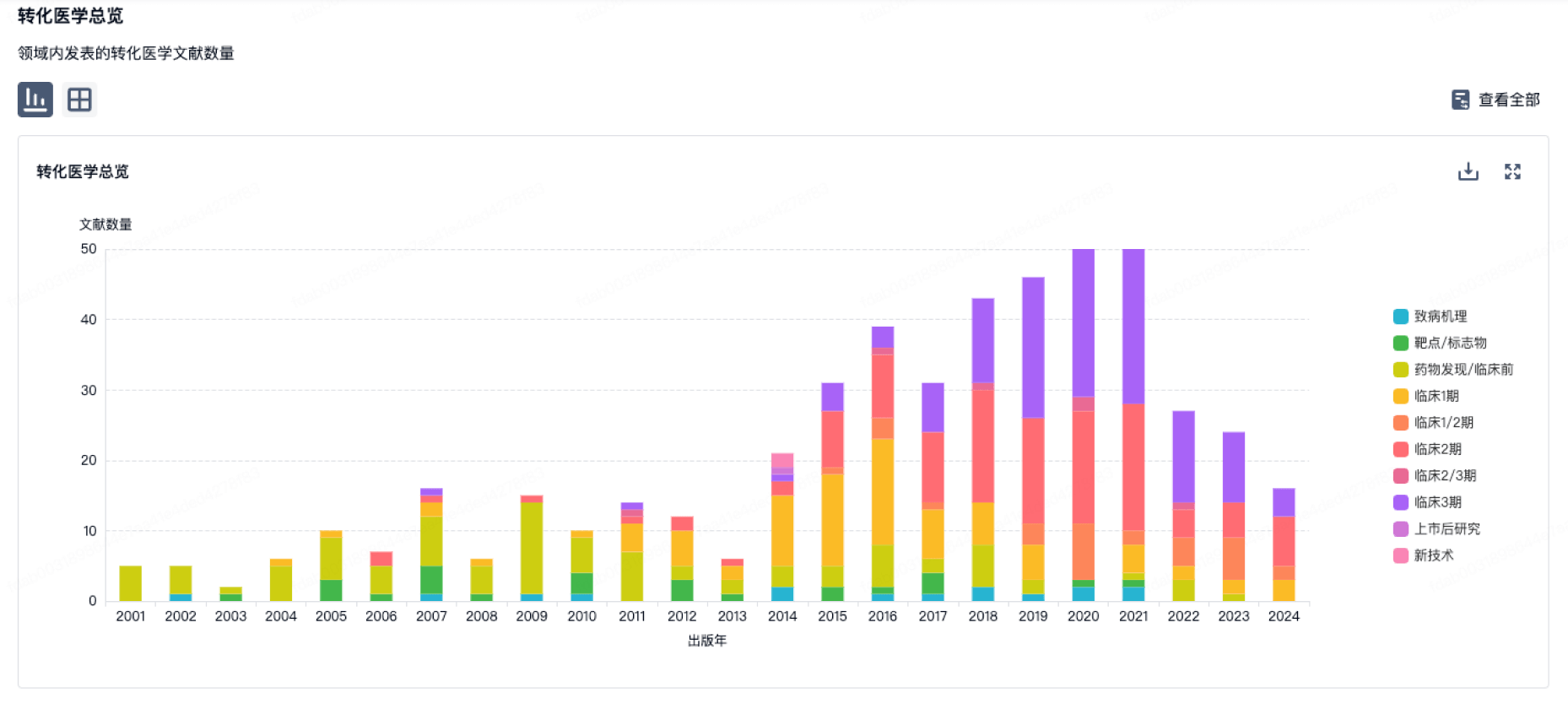
转化医学
使用我们的转化医学数据加速您的研究。
登录
或
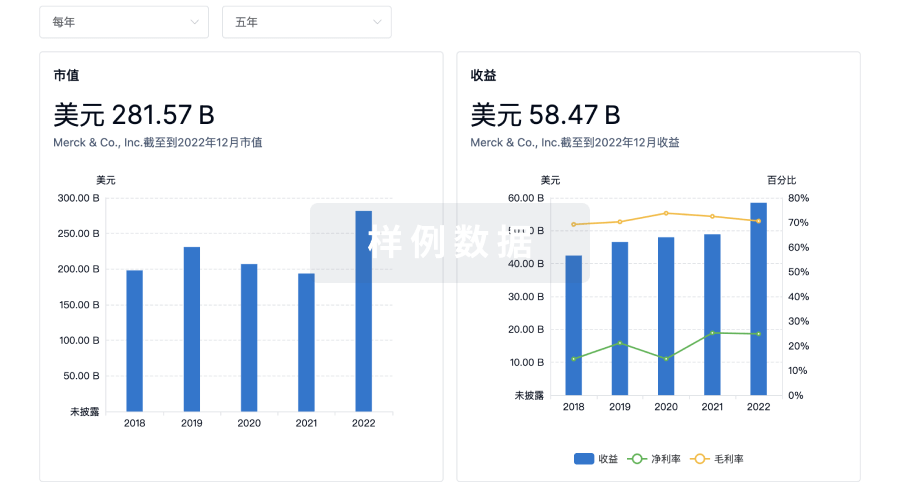
营收
使用 Synapse 探索超过 36 万个组织的财务状况。
登录
或
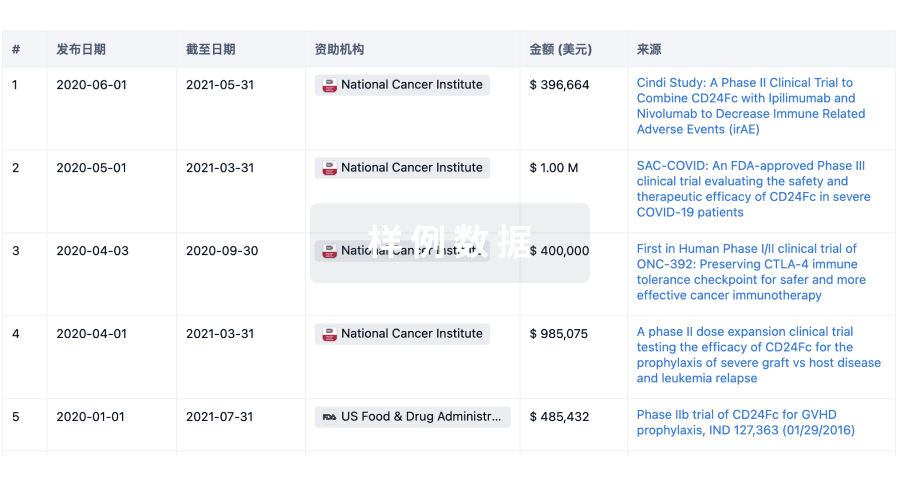
科研基金(NIH)
访问超过 200 万项资助和基金信息,以提升您的研究之旅。
登录
或
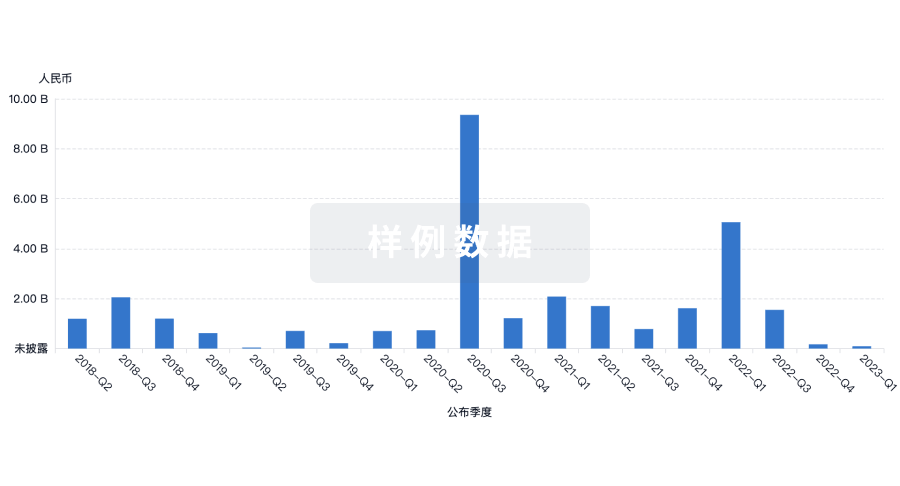
投资
深入了解从初创企业到成熟企业的最新公司投资动态。
登录
或
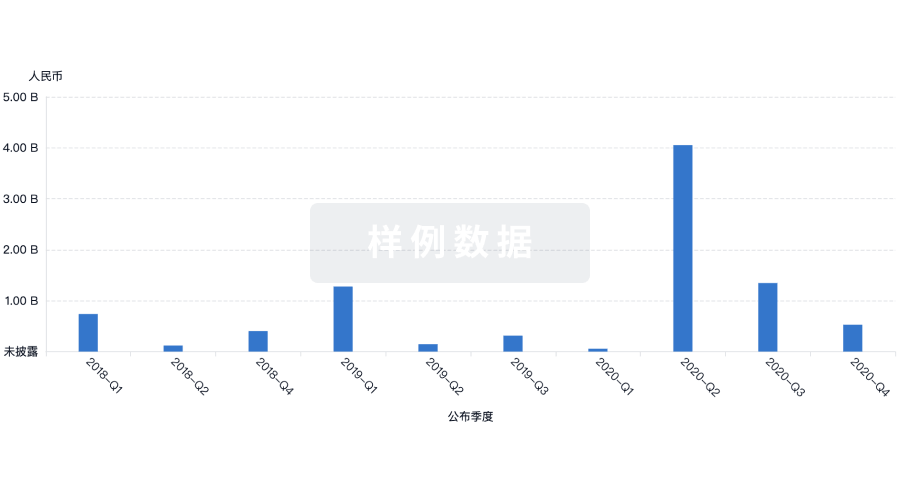
融资
发掘融资趋势以验证和推进您的投资机会。
登录
或
提出任何生物医药研究问题
让每一步生物医药决策都精准制胜
基于十亿级生物数据与全球情报的精准 AI,赋能早期药物发现
立即开始免费试用!
智慧芽新药情报库是智慧芽专为生命科学人士构建的基于AI的创新药情报平台,助您全方位提升您的研发与决策效率。
立即接入生物医药数据包
智慧芽新药库数据也通过智慧芽开放平台,以MCP或API服务形式对外开放。立即使用我们的MCP服务定制您的LLM智能体。
生物序列数据库
生物药研发创新
免费使用
化学结构数据库
小分子化药研发创新
免费使用