预约演示
更新于:2026-03-04

SparX Therapeutics, Inc.
更新于:2026-03-04
概览
标签
肿瘤
消化系统疾病
泌尿生殖系统疾病
双特异性抗体
单克隆抗体
恒定NKT疗法
疾病领域得分
一眼洞穿机构专注的疾病领域

技术平台
公司药物应用最多的技术
靶点
公司最常开发的靶点
关联
靶点 |
作用机制 |
在研机构 |
原研机构 |
在研适应症 |
非在研适应症 |
最高研发阶段 |
首次获批国家/地区 |
首次获批日期 |
靶点 |
作用机制 |
在研机构 |
原研机构 |
在研适应症 |
非在研适应症 |
最高研发阶段 |
首次获批国家/地区 |
首次获批日期 |
靶点 |
作用机制 |
在研机构 |
原研机构 |
在研适应症 |
非在研适应症 |
最高研发阶段 |
首次获批国家/地区 |
首次获批日期 |
NCT06259552
A Phase 1, Open-label Study to Evaluate Safety, Tolerability, and Pharmacokinetics of an Anti-LILRB2 / PD-L1 Bispecific Antibody SPX- 303 in Patients With Solid Tumors
NCT05231733
A Phase 1, Open-label Study to Evaluate Safety, Tolerability, Pharmacokinetics and Efficacy of an Anti-Claudin 18.2 Antibody SPX-101 in Patients With Advanced or Refractory Solid Tumors
100 项与 SparX Therapeutics, Inc. 相关的临床结果
登录后查看更多信息
登录后查看更多信息
Nature Communications
A citrullinated histone H3 monoclonal antibody for immune modulation in sepsis
Article
作者: Song, Yujing ; Zeng, Xindi ; Ma, Jichun ; Ma, Jianjie ; Tetz, Zoe ; Yu, Xin ; Zhao, Ting ; Li, Yongqing ; Alam, Hasan B ; Tian, Yuzi ; Tan, Tao ; Quan, Chao ; Dong, Tao ; Qin, Jingdong ; Go, Sophia ; Jin, Hua ; Zhu, Gui-Dong ; Li, Qingtian ; Shao, Liujiazi ; Lee, Kyung Eun ; Kurabayashi, Katsuo ; Stringer, Kathleen A ; Chen, Yuchen ; Zhou, Xinyu ; Williams, Brandon ; Ouyang, Wenlu
Citrullinated histone H3 (CitH3), released from immune cells during early sepsis, drives a vicious cycle of inflammation through excessive NETosis and pyroptosis, causing immune dysfunction and tissue damage. To regulate this process, we develop a humanized CitH3 monoclonal antibody (hCitH3-mAb) with high affinity and specificity to target this process. In murine models, hCitH3-mAb reduces cytokine production, mortality and acute lung injury (ALI) caused by LPS and Pseudomonas aeruginosa while enhancing bacteria phagocytosis in the lungs, spleen, and liver. Using pre-equilibrium digital ELISA (PEdELISA), we identify an optimal therapeutic window for hCitH3-mAb in sepsis-induced ALI. In parallel, we explore the molecular mechanism underlying CitH3-driven inflammation. We find that in macrophages, CitH3 activates Toll-like receptor 2 (TLR2), triggering Ca2+-dependent PAD2 auto-citrullination and nuclear translocation, amplifying CitH3 production via a harmful feedback loop. The hCitH3-mAb treatment effectively disrupts this cycle and restores macrophage function under septic conditions. Together, these findings highlight both the therapeutic potential of hCitH3-mAb and provide a deep mechanistic insight into the CitH3-PAD2 axis in sepsis, supporting its further development for treating immune-mediated diseases.
2026-01-23
2025-12-25
一致性评价引进/卖出上市批准
100 项与 SparX Therapeutics, Inc. 相关的药物交易
登录后查看更多信息
100 项与 SparX Therapeutics, Inc. 相关的转化医学
登录后查看更多信息
组织架构
使用我们的机构树数据加速您的研究。
登录
或
管线布局
2026年10月14日管线快照
管线布局中药物为当前组织机构及其子机构作为药物机构进行统计,早期临床1期并入临床1期,临床1/2期并入临床2期,临床2/3期并入临床3期
药物发现
1
7
临床前
临床1期
3
2
其他
登录后查看更多信息
当前项目
登录后查看更多信息
药物交易
使用我们的药物交易数据加速您的研究。
登录
或
转化医学
使用我们的转化医学数据加速您的研究。
登录
或
营收
使用 Synapse 探索超过 36 万个组织的财务状况。
登录
或
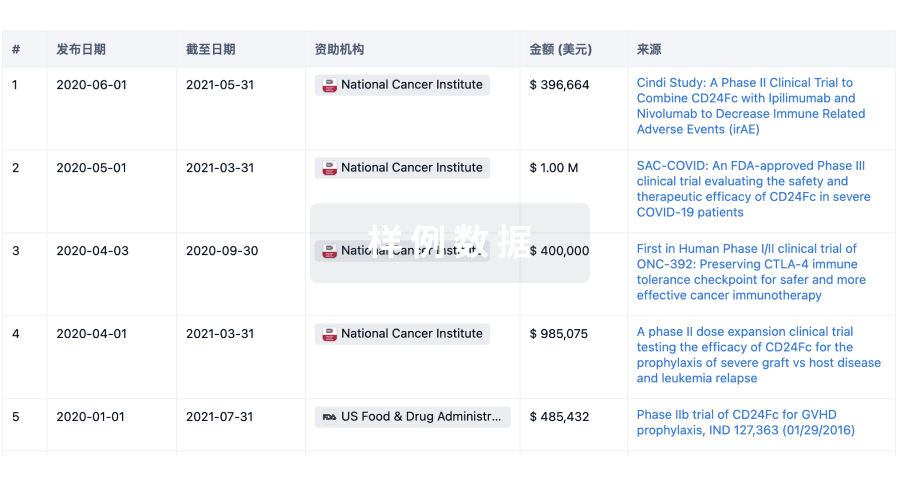
科研基金(NIH)
访问超过 200 万项资助和基金信息,以提升您的研究之旅。
登录
或
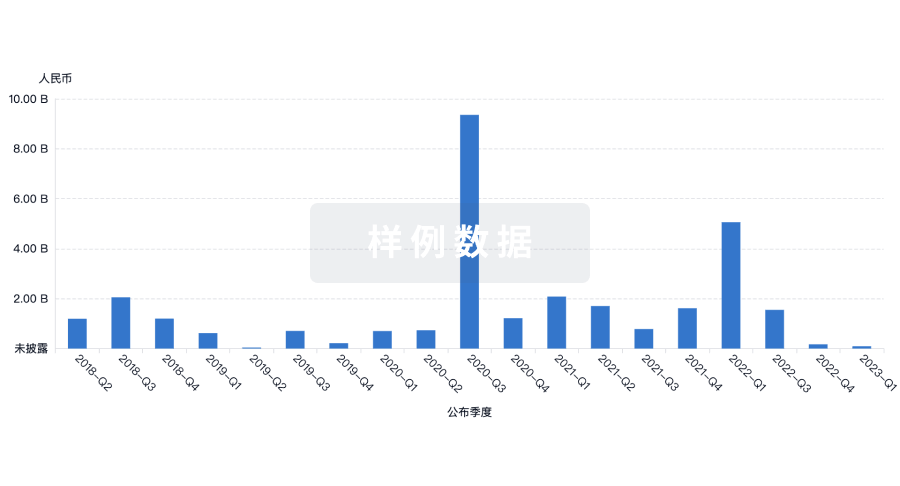
投资
深入了解从初创企业到成熟企业的最新公司投资动态。
登录
或
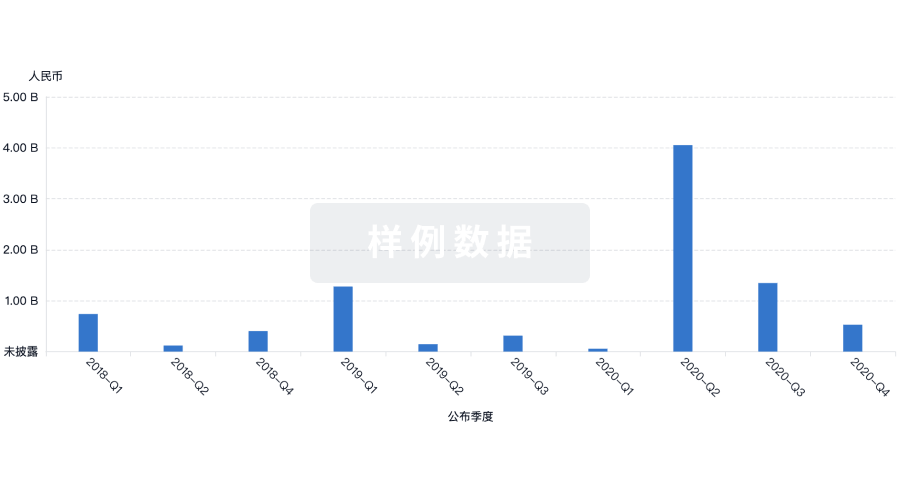
融资
发掘融资趋势以验证和推进您的投资机会。
登录
或
提出任何生物医药研究问题
让每一步生物医药决策都精准制胜
基于十亿级生物数据与全球情报的精准 AI,赋能早期药物发现
立即开始免费试用!
智慧芽新药情报库是智慧芽专为生命科学人士构建的基于AI的创新药情报平台,助您全方位提升您的研发与决策效率。
立即接入生物医药数据包
智慧芽新药库数据也通过智慧芽开放平台,以MCP或API服务形式对外开放。立即使用我们的MCP服务定制您的LLM智能体。
生物序列数据库
生物药研发创新
免费使用
化学结构数据库
小分子化药研发创新
免费使用