预约演示
更新于:2026-03-05

Baker Heart & Diabetes Institute
更新于:2026-03-05
概览
标签
其他疾病
心血管疾病
神经系统疾病
小分子化药
Fc融合蛋白
基因疗法
疾病领域得分
一眼洞穿机构专注的疾病领域

技术平台
公司药物应用最多的技术
靶点
公司最常开发的靶点
关联
靶点 |
作用机制 |
在研机构 |
原研机构 |
在研适应症 |
非在研适应症 |
最高研发阶段 |
首次获批国家/地区 |
首次获批日期 |
靶点 |
作用机制 |
在研机构 |
原研机构 |
在研适应症 |
非在研适应症 |
最高研发阶段 |
首次获批国家/地区 |
首次获批日期 |
靶点 |
作用机制 |
在研机构 |
原研机构 |
在研适应症 |
非在研适应症 |
最高研发阶段 |
首次获批国家/地区 |
首次获批日期 |
NCT07225465
The Evaluation of Two Response Thresholds to Continuous Ketone Monitoring Information Minimising Ketosis in People With Type 1 Diabetes Treated With Dapagliflozin

NCT06925529
Protecting Neurovascular Function In lOng-term Breast caNcer Survivors With ExercisE tRaining - The PIONEER Study
NCT06894875
Examining the Safety and Tolerability of Lentil Protein Hydrolysate in Healthy Males and Females Whilst Exploring the Effects of a Dose Range on Blood Pressure Control and Vascular Function and Exercise Performance

100 项与 Baker Heart & Diabetes Institute 相关的临床结果
登录后查看更多信息
登录后查看更多信息
2026-12-31Gut Microbes
Gut bacteria presence in the brain is increased after ischemic stroke in mice
Article
作者: Jama, Hamdi A. ; Kemp-Harper, Barbara K. ; Muralitharan, Rikeish R. ; Peh, Alex ; Wong, Connie H.Y. ; Nakai, Michael ; Barker, Charlotte M.O. ; Zheng, Tenghao ; Wilson, Jenny L. ; Rupasinghe, Samoda ; Marques, Francine Z. ; Dinakis, Evany ; Broughton, Brad R.S. ; Modarresi, Mahnaz
Systemic infections are a common cause of complications and death after stroke. These infections can occur due to the breakdown of the gut epithelial barrier and the translocation of bacteria from the gut to peripheral systemic tissues. However, it remains unclear whether gut bacteria also translocate to the brain and contribute to stroke-induced neuronal damage. In this study, we observed a significant number of peptidoglycan- and lipopolysaccharide-positive bacteria in the ischemic hemisphere of mice subjected to either photothrombotic (PT) stroke or middle cerebral artery occlusion (MCAO). In contrast, no bacteria were observed in the ischemic brains of germ-free mice following MCAO. Absolute quantification via PCR also revealed increased bacteria in the ischemic hemisphere and blood of PT mice. Bacterial translocation to the brain is associated with the breakdown of the gut-epithelial and blood-brain barriers. Although inhibition of sympathetic tone reduces gut-epithelial barrier permeability, the bacterial load in the brain and functional deficits poststroke, it does not affect cerebral apoptosis, neuroinflammation or infarct volume. Collectively, these findings indicate that activation of the sympathetic nervous system after stroke promotes the migration of gut-derived bacteria into the ischemic brain, and this process worsens motor function in mice.
2026-12-01Journal of Sport and Health Science
Influence of diet-induced obesity and voluntary exercise training on cardiac lipids and mitochondrial function in mice
Article
作者: Egan, Casey L ; Ritchie, Rebecca H ; Velagic, Anida ; Meikle, Peter J ; Terry, Lauren V ; Tham, Yow Keat ; Tegegne, Surafel ; De Blasio, Miles J ; Mellett, Natalie A ; Parker, Alex M ; Febbraio, Mark A ; Fuller, Oliver K ; Deo, Minh ; Perera, Nimna
BACKGROUND:
Obesity is a risk factor for developing cardiometabolic disease. Exercise training is pivotal in the treatment of obesity and is associated with reduced cardiovascular mortality. This study examined the effect of high-fat feeding on cardiac morphology and mitochondrial function, alongside the mitigating effects of voluntary exercise training.
METHODS:
Six-week-old male C57Bl/6 J mice commenced a high fat diet (HFD) or chow diet and were randomized to receive locked (sedentary) or unlocked (voluntary exercise training (VET)) running wheels at 10 weeks of age. Mice were monitored until 30 weeks of age and euthanized for collection of tissues. Magnetic resonance imaging was performed to assess body composition, and echocardiography was performed to assess cardiac function.
RESULTS:
Compared with chow-fed animals, the HFD increased body weight and adiposity and decreased cardiolipins (CL) in the heart, which are required for maintaining adequate mitochondrial respiration. Importantly, VET reversed these effects and induced physiological cardiac hypertrophy. Cardiac mitochondrial respiratory chain analysis revealed decreased complexes II and IV activity following high fat feeding, while VET enhanced complex I activity, emphasizing the cardioprotective effect of exercise training in obesity.
CONCLUSION:
This study uncovers mechanisms by which obesity and exercise impact cardiac mitochondrial health and suggests the mitochondria is a therapeutic target in obesity-related cardiovascular diseases.
2026-06-01JOURNAL OF CRITICAL CARE
Sex differences in venoarterial extracorporeal membrane oxygenation utilisation and clinical outcomes in Australia
Article
作者: Taylor, Andrew J ; Lankaputhra, Malanka ; Kaye, David M ; Burrell, Aidan ; Orosz, Judit ; Stub, Dion ; Pellegrino, Vincent ; Batchelor, Riley J ; Hodgson, Carol L ; Coull, Julia ; Lefkovits, Jeffrey ; Antsey, James
BACKGROUND:
Venoarterial extracorporeal membrane oxygenation (VA-ECMO) is increasingly utilised in critically ill patients with severe cardiac failure and cardiac arrest, yet sex-specific differences in presentation, utilisation, and clinical outcomes are not well understood.
METHODS:
The EXCEL registry is a binational registry capturing data on patients requiring ECMO in Australia and New Zealand. Data were collected on adult patients supported with VA-ECMO in Australia from February 2019 to December 2024. Patients were stratified by sex to assess differences in demographics, clinical characteristics, ECMO indications, complications, and outcomes. Multivariable logistic regression analyses conditional on several baseline covariates assessed associations between sex, in-hospital mortality, and major bleeding.
RESULTS:
Among 1443 patients undergoing VA-ECMO, 32.7% female and 67.3% were male. Females were younger, had lower APACHE IV scores, and more commonly required ECMO for myocarditis, pulmonary embolism, and advanced pulmonary hypertension. Conversely, males predominantly presented with acute myocardial infarction and more frequently had cardiac arrest with a shockable rhythm. Unadjusted in-hospital mortality was comparable between sexes; however, following adjustment, female sex independently predicted higher in-hospital mortality (OR 1.41, 95% CI 1.07-1.87; p = 0.015) and major bleeding (OR 1.40, 95% CI 1.03-1.91; p = 0.033).
CONCLUSION:
Female patients represent one third of the VA-ECMO population and are a distinct cohort to male patients. Despite younger age and fewer traditional risk factors, female sex is associated with increased adjusted risk of in-hospital mortality and bleeding in VA-ECMO patients. These findings should be interpreted as an adjusted association that is contingent on the completeness of covariate adjustment.
100 项与 Baker Heart & Diabetes Institute 相关的药物交易
登录后查看更多信息
100 项与 Baker Heart & Diabetes Institute 相关的转化医学
登录后查看更多信息
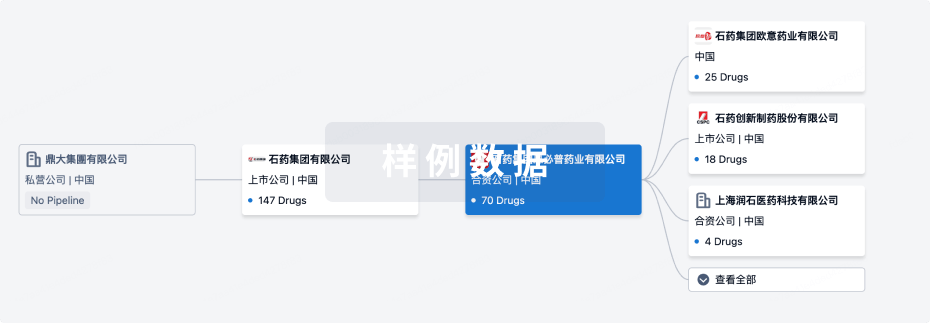
组织架构
使用我们的机构树数据加速您的研究。
登录
或
管线布局
2026年10月11日管线快照
管线布局中药物为当前组织机构及其子机构作为药物机构进行统计,早期临床1期并入临床1期,临床1/2期并入临床2期,临床2/3期并入临床3期
药物发现
1
3
临床前
其他
5
登录后查看更多信息
当前项目
登录后查看更多信息
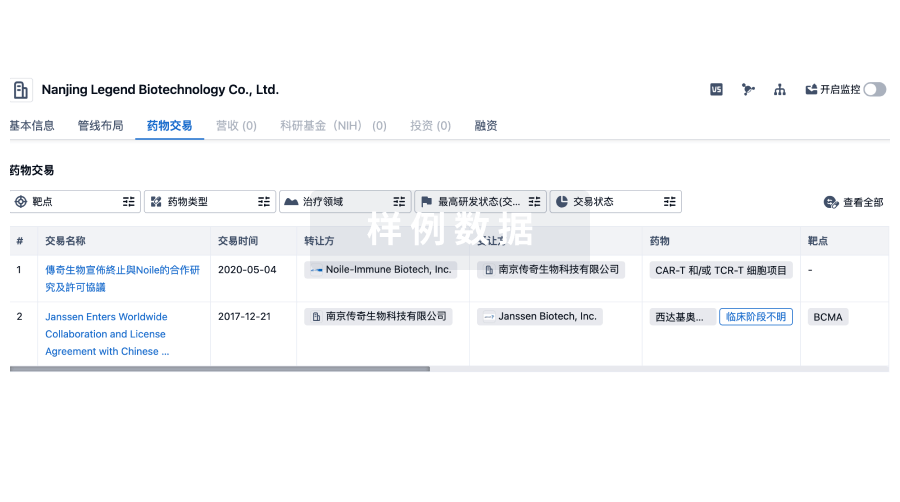
药物交易
使用我们的药物交易数据加速您的研究。
登录
或
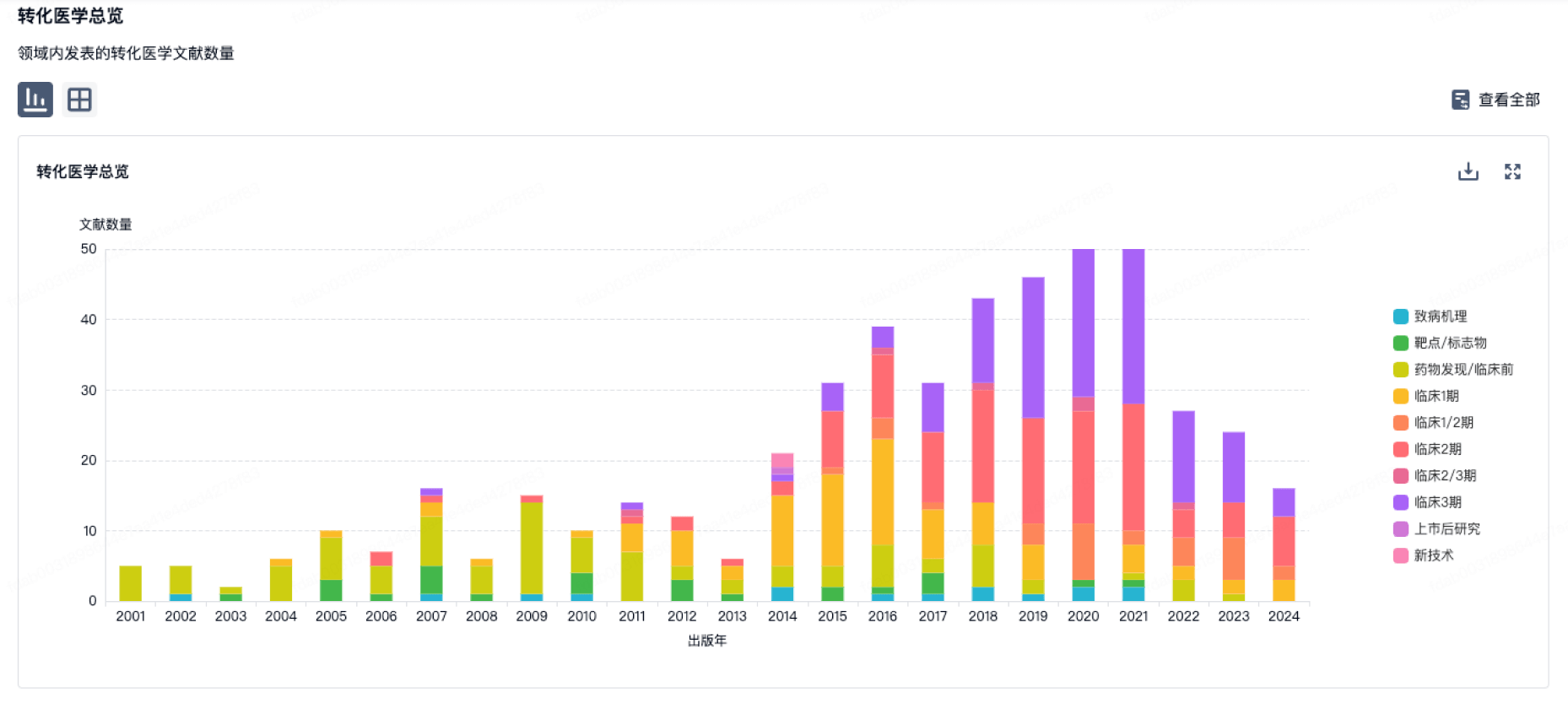
转化医学
使用我们的转化医学数据加速您的研究。
登录
或
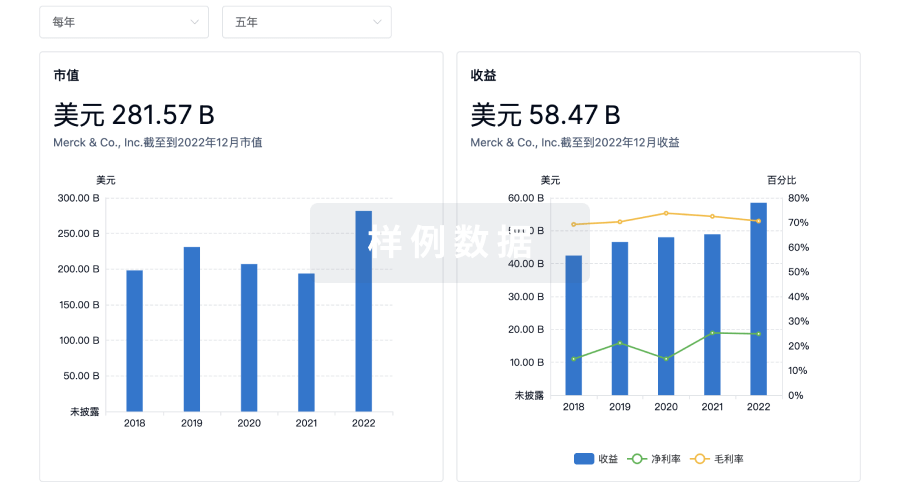
营收
使用 Synapse 探索超过 36 万个组织的财务状况。
登录
或
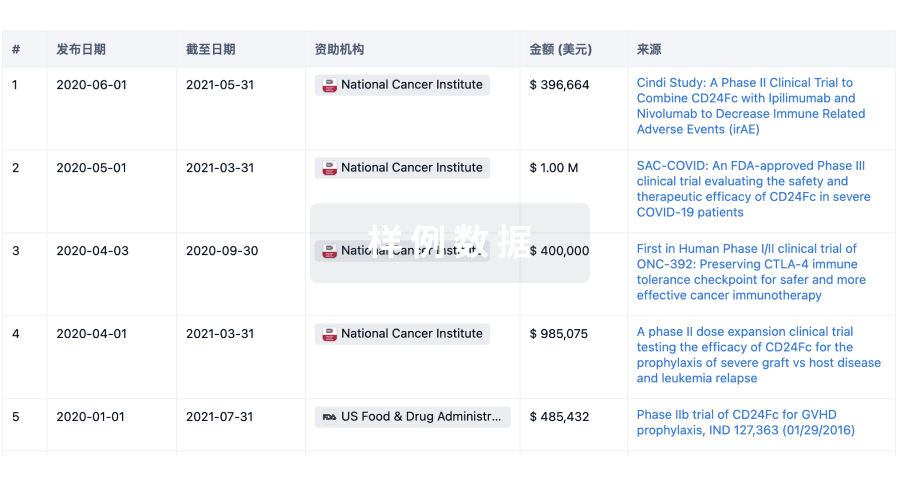
科研基金(NIH)
访问超过 200 万项资助和基金信息,以提升您的研究之旅。
登录
或
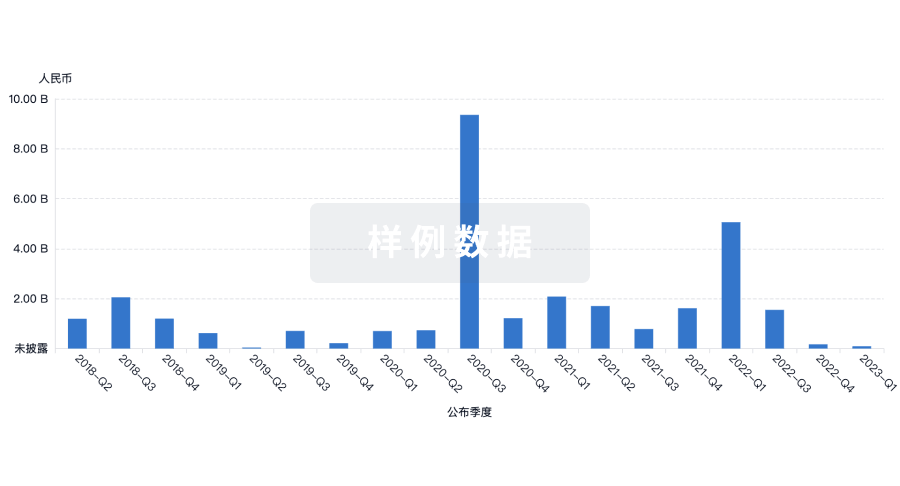
投资
深入了解从初创企业到成熟企业的最新公司投资动态。
登录
或
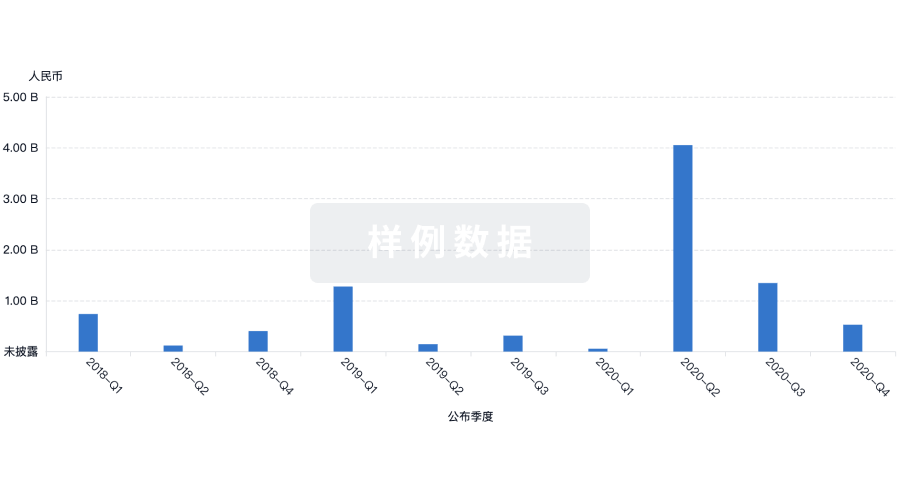
融资
发掘融资趋势以验证和推进您的投资机会。
登录
或
提出任何生物医药研究问题
让每一步生物医药决策都精准制胜
基于十亿级生物数据与全球情报的精准 AI,赋能早期药物发现
立即开始免费试用!
智慧芽新药情报库是智慧芽专为生命科学人士构建的基于AI的创新药情报平台,助您全方位提升您的研发与决策效率。
立即接入生物医药数据包
智慧芽新药库数据也通过智慧芽开放平台,以MCP或API服务形式对外开放。立即使用我们的MCP服务定制您的LLM智能体。
生物序列数据库
生物药研发创新
免费使用
化学结构数据库
小分子化药研发创新
免费使用