预约演示
更新于:2026-05-12

Vical, Inc.
更新于:2026-05-12
概览
标签
神经系统疾病
肿瘤
其他疾病
DNA疫苗
治疗性疫苗
疾病领域得分
一眼洞穿机构专注的疾病领域
技术平台
公司药物应用最多的技术
靶点
公司最常开发的靶点

暂无数据
关联
靶点 |
作用机制 |
在研机构 |
原研机构 |
在研适应症 |
非在研适应症 |
最高研发阶段 |
首次获批国家/地区 |
首次获批日期 |
靶点 |
作用机制 |
在研机构 |
原研机构 |
在研适应症 |
非在研适应症 |
最高研发阶段 |
首次获批国家/地区 |
首次获批日期 |

NCT03327727
A Phase 2 Study of VL-2397 Compared to Standard First-Line Treatment for Invasive Aspergillosis in Adults With Acute Myelogenous Leukemia, Acute Lymphocytic Leukemia, or Allogeneic Hematopoietic Cell Transplant Recipients
NCT02837575
A Randomized, Double-Blind, Placebo-Controlled, Phase 2 Trial to Evaluate the Safety and Efficacy of Herpes Simplex Virus, Type 2 (HSV-2) Therapeutic DNA Vaccine in Adults With Symptomatic Genital HSV-2 Infection
NCT02594566
A Phase 1 Study to Evaluate the Safety, Tolerability, and Immunogenicity of a Prophylactic Cytomegalovirus Plasmid DNA Vaccine in Healthy Adults

100 项与 Vical, Inc. 相关的临床结果
登录后查看更多信息
登录后查看更多信息
2026-04-02Nature
Author Correction: Autoimmune response to C9orf72 protein in amyotrophic lateral sclerosis
作者: Kwan, Justin Y ; Sette, Alessandro ; Goyal, Namita A ; Cudkowicz, Merit ; Crook, Jody ; Frazier, April ; Sidney, John ; Phillips, Elizabeth J ; Mallal, Simon A ; Marder, Karen S ; Sulzer, David ; Williams, Gregory P ; Johansson, Emil ; Snyder, Allison ; Ravits, John ; Lindestam Arlehamn, Cecilia S ; Berry, James D ; Fournier, Christina ; Michaelis, Tanner
2026-04-01NATURE REVIEWS IMMUNOLOGY
Guidelines for T cell nomenclature
Review
作者: Jameson, Stephen C ; Hayday, Adrian ; Oxenius, Annette ; Ndung'u, Thumbi ; Pantaleo, Giuseppe ; Ohashi, Pamela S ; Kamphorst, Alice O ; Thommen, Daniela S ; Greenberg, Philip D ; Chamoto, Kenji ; Quarnstrom, Clare F ; Brooks, David G ; Youngblood, Ben ; Goldrath, Ananda ; Lauer, Georg M ; McElrath, M Juliana ; Jenkins, Marc K ; Luster, Andrew D ; Klenerman, Paul ; Schumacher, Ton N ; Hale, J Scott ; Kallies, Axel ; Künzli, Marco ; Xue, Hai-Hui ; Gebhardt, Thomas ; Pepper, Marion ; Awasthi, Amit ; Mueller, Scott N ; Cui, Weiguo ; Lugli, Enrico ; Homann, Dirk ; Masopust, David ; Farber, Donna L ; Ndhlovu, Zaza ; Buggert, Marcus ; Gerlach, Carmen ; Kaplan, Mark H ; Joshi, Nikhil S ; Ahmed, Rafi ; Shin, Eui-Cheol ; Weaver, Casey T ; Dong, Chen ; de Oca, Gonzalo Salgado-Montes ; Lanzavecchia, Antonio ; Rosato, Pamela C ; Wherry, E John ; Picker, Louis J ; Walker, Bruce D ; Kaech, Susan M ; Watts, Tania H ; Schwartz, Daniella M ; Reyes-Terán, Gustavo ; Roederer, Mario ; Soerens, Andrew G ; Bosselut, Rémy ; Sallusto, Federica ; Viola, João P B ; Iannacone, Matteo ; Vezys, Vaiva ; Mackay, Laura K
Advances in T cell biology have revealed heterogeneity among T cell populations that is not captured by existing general nomenclature. This issue has caused an ad hoc broadening of core T cell subset definitions and the invention of new subset designations that have not been uniformly delineated. To address this issue, in this Consensus Statement, we propose guidelines that serve three goals. First, they advocate that primary research reports define the experimental basis by which relevant subsets are designated in the methods section of each study. Second, they provide standardized definitions for existing subset designations in popular use, and common experimental criteria for defining each subset are noted. Last, they present an alternative 'modular nomenclature' paradigm. The newly proposed modular nomenclature eschews conceptualization of antigen-experienced T cells as belonging to a few idealized subsets, and the nomenclature instead simply indicates individual biological properties present in a T cell population with brief descriptors. Collectively, these guidelines intend to enhance transparency in the literature while facilitating clearer communication of findings and concepts to researchers, students and clinicians.
2026-03-23JCI Insight
Rare variable M. tuberculosis antigens induce predominant Th17 responses in human infection
Article
作者: Ouma, Gregory ; Tran, Anthony ; Fukutani, Eduardo ; Queiroz, Artur ; Huffaker, Julia ; Ouma, Samuel Gurrion ; Ernst, Joel D ; Gandhi, Neel R ; Auld, Sara C ; Andrade, Bruno B ; Wassie, Liya ; Lindestam Arlehamn, Cecilia S ; Bobosha, Kidist ; Araújo-Pereira, Mariana ; Ogongo, Paul ; Altman, John D ; Day, Cheryl L ; Columbus, Devin ; Blumberg, Henry M ; Sharling, Lisa ; Rengarajan, Jyothi
CD4 T cells are essential for immunity to M tuberculosis (Mtb), and emerging evidence indicates that IL-17-producing Th17 cells contribute to immunity to Mtb. While identifying protective T cell effector functions is important for TB vaccine design, T cell antigen specificity is also likely to be important. To identify antigens that induce protective immunity, we reasoned that, as in other pathogens, effective immune recognition drives sequence diversity in individual Mtb antigens. We previously identified Mtb genes under evolutionary diversifying selection pressure whose products we term Rare Variable Mtb Antigens (RVMA). Here, in 2 distinct human cohorts with recent exposure to TB, we found that RVMA preferentially induce CD4 T cells that express RoRγt and produce IL-17, in contrast to "classical" Mtb antigens that induce T cells that produce IFN-γ. Together with emerging evidence showing human Th17 responses are associated with prevention of progression to TB disease, our results suggest that RVMA can be valuable antigens in vaccines for those already infected with Mtb to amplify existing antigen-specific Th17 responses to prevent TB disease.
2026-03-29
·小药说药

100 项与 Vical, Inc. 相关的药物交易
登录后查看更多信息
100 项与 Vical, Inc. 相关的转化医学
登录后查看更多信息
组织架构
使用我们的机构树数据加速您的研究。
登录
或
管线布局
2026年10月24日管线快照
管线布局中药物为当前组织机构及其子机构作为药物机构进行统计,早期临床1期并入临床1期,临床1/2期并入临床2期,临床2/3期并入临床3期
临床前
1
1
临床2期
其他
27
登录后查看更多信息
当前项目
登录后查看更多信息
药物交易
使用我们的药物交易数据加速您的研究。
登录
或
转化医学
使用我们的转化医学数据加速您的研究。
登录
或
营收
使用 Synapse 探索超过 36 万个组织的财务状况。
登录
或
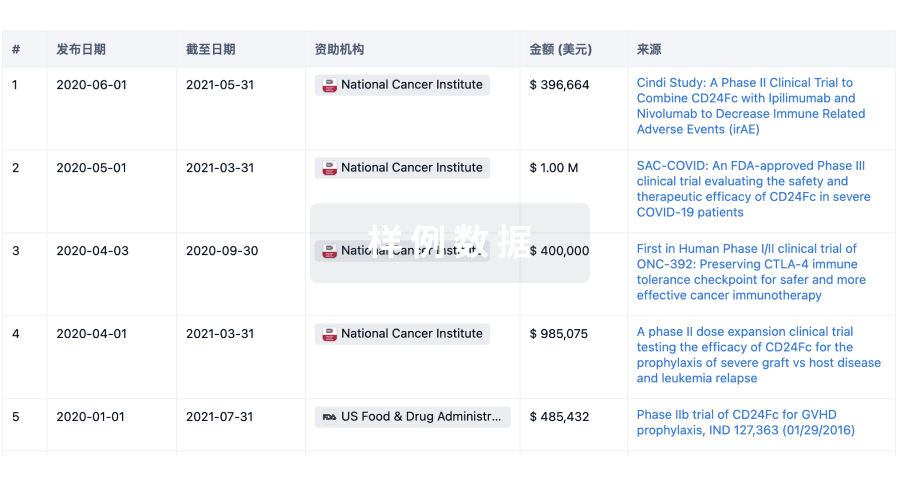
科研基金(NIH)
访问超过 200 万项资助和基金信息,以提升您的研究之旅。
登录
或
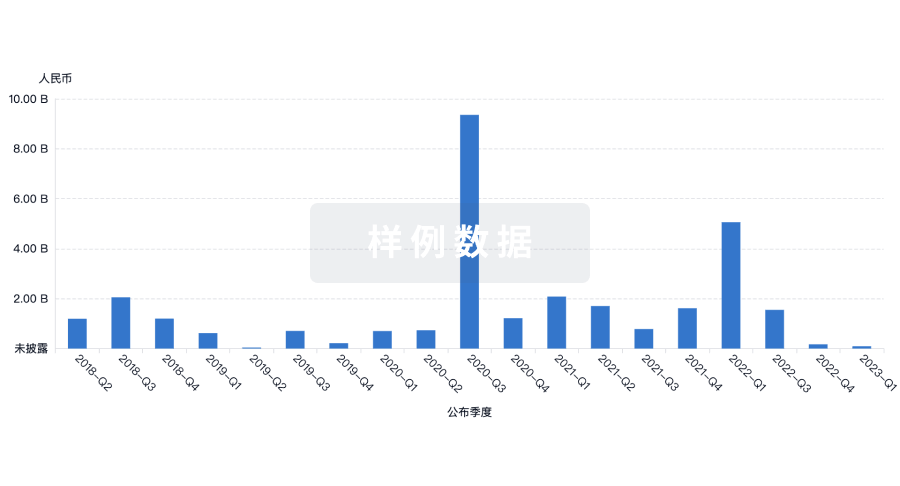
投资
深入了解从初创企业到成熟企业的最新公司投资动态。
登录
或
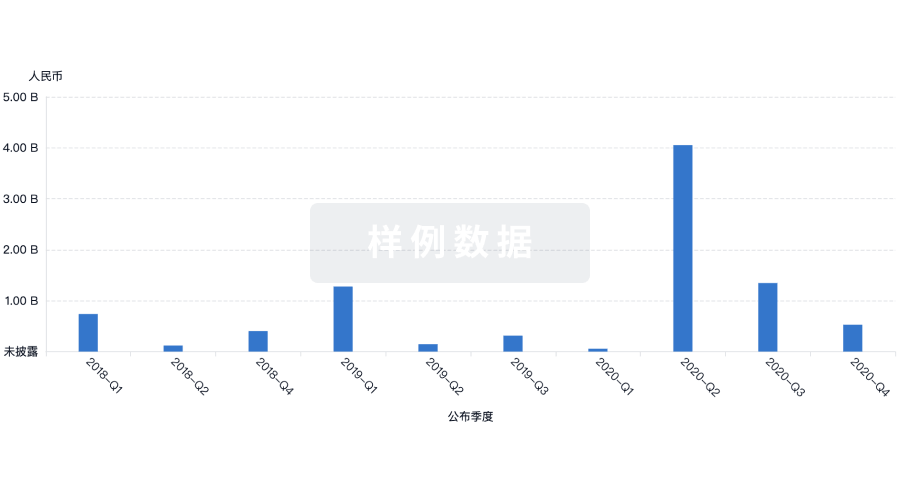
融资
发掘融资趋势以验证和推进您的投资机会。
登录
或
提出任何生物医药研究问题
让每一步生物医药决策都精准制胜
基于十亿级生物数据与全球情报的精准 AI,赋能早期药物发现
立即开始免费试用!
智慧芽新药情报库是智慧芽专为生命科学人士构建的基于AI的创新药情报平台,助您全方位提升您的研发与决策效率。
立即接入生物医药数据包
智慧芽新药库数据也通过智慧芽开放平台,以MCP或API服务形式对外开放。立即使用我们的MCP服务定制您的LLM智能体。
生物序列数据库
生物药研发创新
免费使用
化学结构数据库
小分子化药研发创新
免费使用