预约演示
更新于:2026-09-24

Henan University of Science & Technology
更新于:2026-09-24
概览
标签
肿瘤
消化系统疾病
其他疾病
小分子化药
合成多肽
生物药
疾病领域得分
一眼洞穿机构专注的疾病领域

技术平台
公司药物应用最多的技术
靶点
公司最常开发的靶点
关联
靶点 |
作用机制 |
在研机构 |
原研机构 |
在研适应症 |
非在研适应症 |
最高研发阶段 |
首次获批国家/地区 |
首次获批日期 |
靶点 |
作用机制 |
在研机构 |
原研机构 |
在研适应症 |
非在研适应症 |
最高研发阶段 |
首次获批国家/地区 |
首次获批日期 |
靶点 |
作用机制 |
在研机构 |
原研机构 |
在研适应症 |
非在研适应症 |
最高研发阶段 |
首次获批国家/地区 |
首次获批日期 |

NCT07824895
A Single-Arm, Open-Label, Pre-Post Controlled Clinical Study to Evaluate the Effect of Mazdutide on Annualized Flare Rate in Adults With Obesity and Gout
NCT07802899
An Exploratory Study of the Safety, Tolerability, Pharmacokinetics, and Pharmacodynamics of Single-Dose IBI3042 in Healthy or Overweight Participants and Multiple-Dose IBI3042 in Overweight or Obese Participants
NCT07139808
Safety and Effectiveness of A Novel Continuous Glucose and Ketone Monitoring System
100 项与 河南科技大学 相关的临床结果
登录后查看更多信息
登录后查看更多信息
2026-12-31ANNALS OF MEDICINE
Response to letter regarding variants in the interferon regulatory factor 5 gene confer genetic risk for systemic lupus erythematosus in a Han Chinese population
Article
作者: Xu, Wenqi ; Liu, Rongzeng ; Shi, Xiaofei
2026-12-31Virulence
Functional regulation and cross-talk of type III and type VI secretion systems in
Salmonella
Review
作者: Feng, Wanli ; Ding, Ying ; Chen, Huimin ; Gu, Yiting ; Jia, Yanyan ; Li, Xingyi ; Sun, Yu ; Chen, Songbiao
In Salmonella, the type III and type VI secretion systems (T3SS and T6SS) play critical roles in pathogenicity. The bacterium harbors two distinct T3SSs: T3SS-1, encoded by SPI-1, promotes host cell invasion, whereas T3SS-2 (located within SPI-2) facilitates systemic infection. Both systems translocate effector proteins that disrupt normal host cell functions. Meanwhile, the T6SS enhances competitive fitness in the gut by targeting rival bacteria and supports evasion of the host immune response. Recent evidence indicates that these secretion systems share common regulatory components, including the PhoP-PhoQ and PmrA-PmrB two-component systems, as well as signaling molecules such as cyclic di-GMP (c-di-GMP), allowing coordinated activation and functional adaptation during infection. However, the precise mechanisms governing their crosstalk remain poorly understood. This review summarizes the current knowledge of the composition, function, and regulation of T3SS and T6SS in Salmonella, examines their interplay, and provides perspectives for future research into pathogenesis.
2026-12-31Journal of Biological Dynamics
Dynamics of virus infection under the influence of antibody and cytokine
Article
作者: Jiang, Cuicui ; Wang, Kaifa ; Yao, Miaoran ; Tian, Yanni
To study the macroscopic dynamics of susceptible host cells, infected host cells, free virus particles and antibodies after viral infection within-host, this study develops a novel dynamic model that integrates three key mechanisms: a general incidence function capturing the complexity of antibody production, the inhibitory effect of antibodies on viral infectivity and the cytokine-mediated self-cure of infected cells. The basic reproduction numbers for both the virus and immune response are derived, along with sufficient conditions for the stability of equilibria. Bifurcation analysis revealed that a Hopf bifurcation may occur when the basic reproduction number of the immune response exceeds one. Numerical simulations highlight the critical role of saturation effects in viral replication and the immune response for infection control. Antibody immunity, once depleted, may not be replenished and neglecting saturation effects could overestimate both the oscillatory parameter range and the severity of infection.
2026-09-04
临床1期临床3期临床2期多肽偶联药物
100 项与 河南科技大学 相关的药物交易
登录后查看更多信息
100 项与 河南科技大学 相关的转化医学
登录后查看更多信息
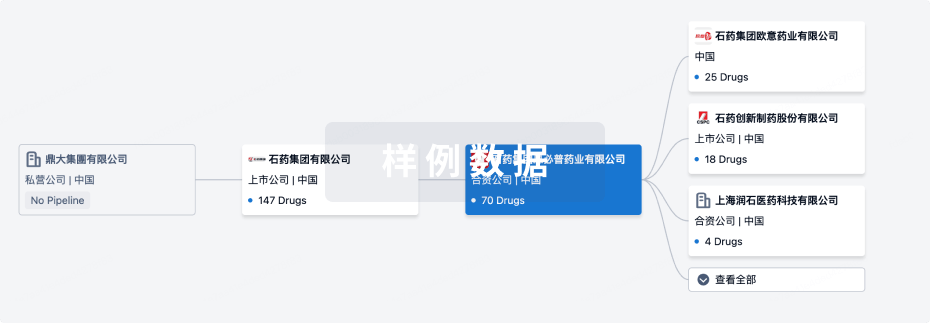
组织架构
使用我们的机构树数据加速您的研究。
登录
或
管线布局
2026年09月27日管线快照
管线布局中药物为当前组织机构及其子机构作为药物机构进行统计,早期临床1期并入临床1期,临床1/2期并入临床2期,临床2/3期并入临床3期
药物发现
2
11
临床前
登录后查看更多信息
当前项目
登录后查看更多信息
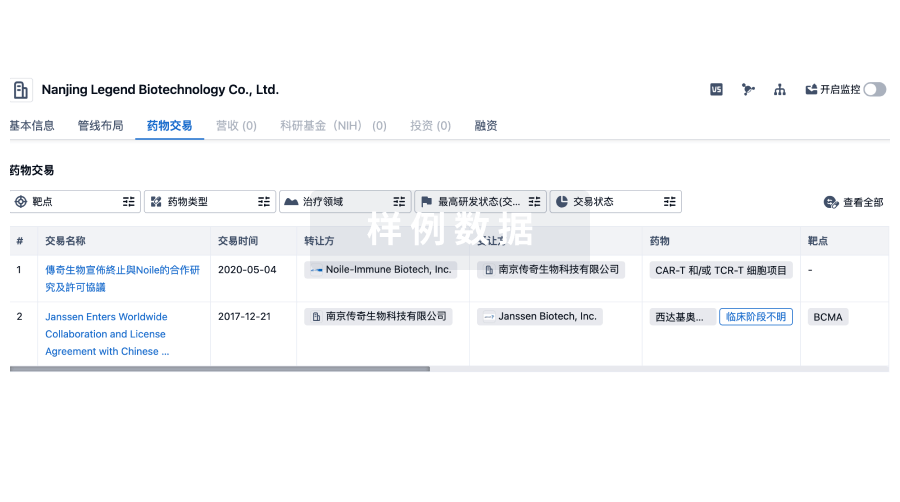
药物交易
使用我们的药物交易数据加速您的研究。
登录
或
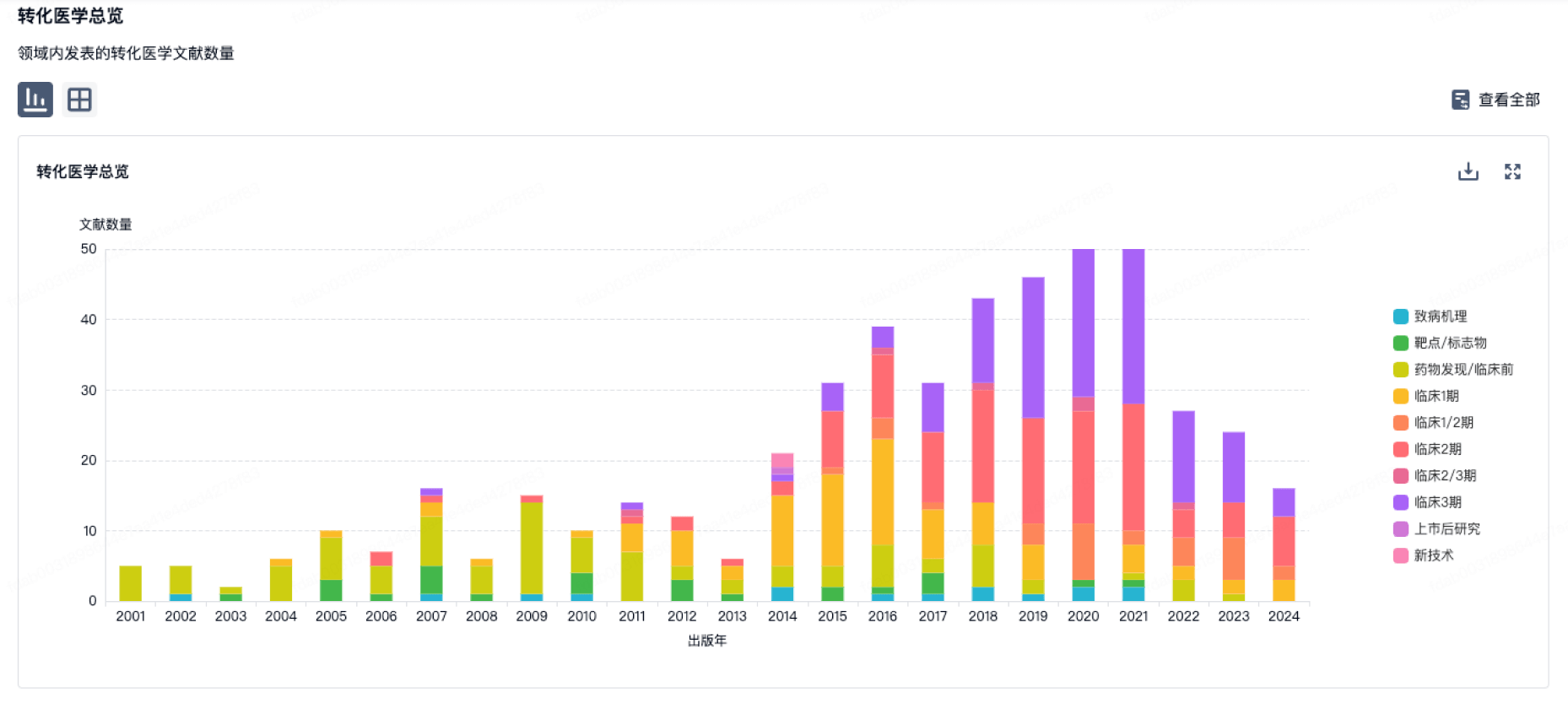
转化医学
使用我们的转化医学数据加速您的研究。
登录
或
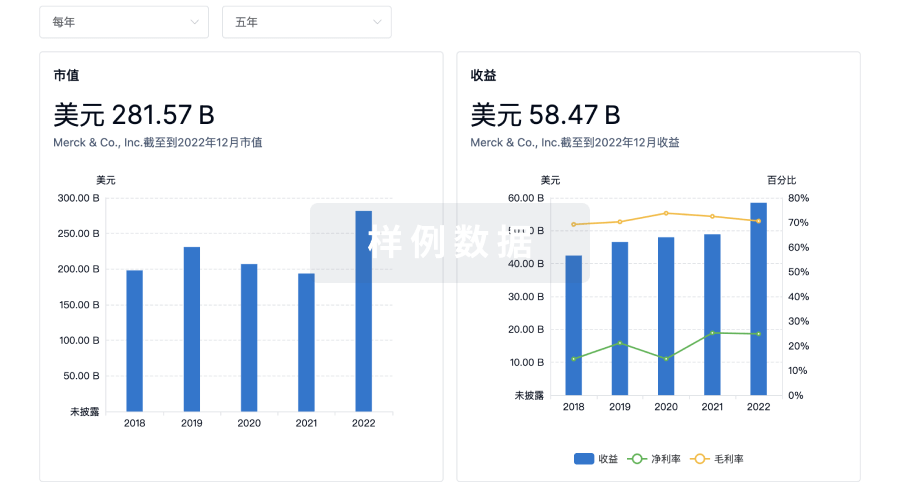
营收
使用 Synapse 探索超过 36 万个组织的财务状况。
登录
或
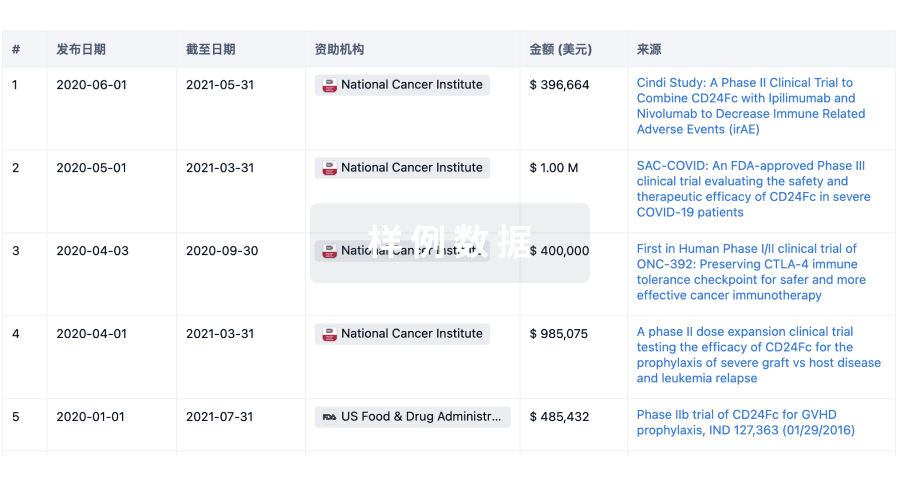
科研基金(NIH)
访问超过 200 万项资助和基金信息,以提升您的研究之旅。
登录
或
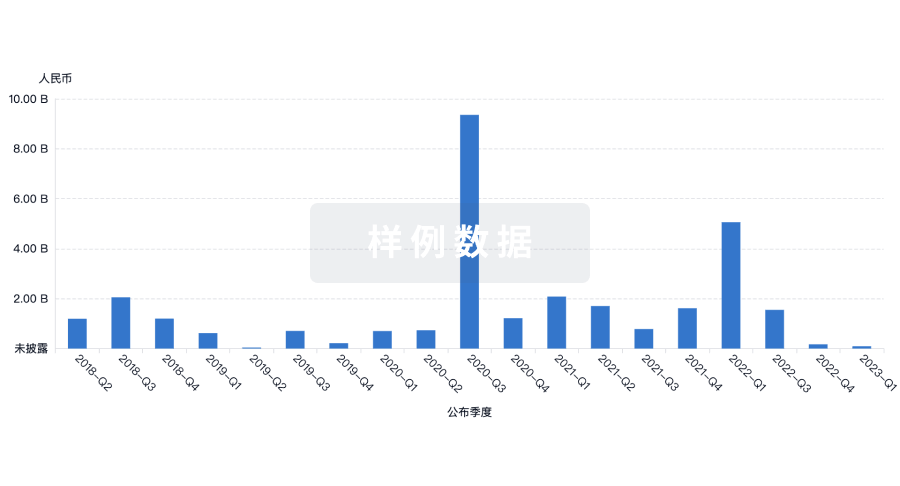
投资
深入了解从初创企业到成熟企业的最新公司投资动态。
登录
或
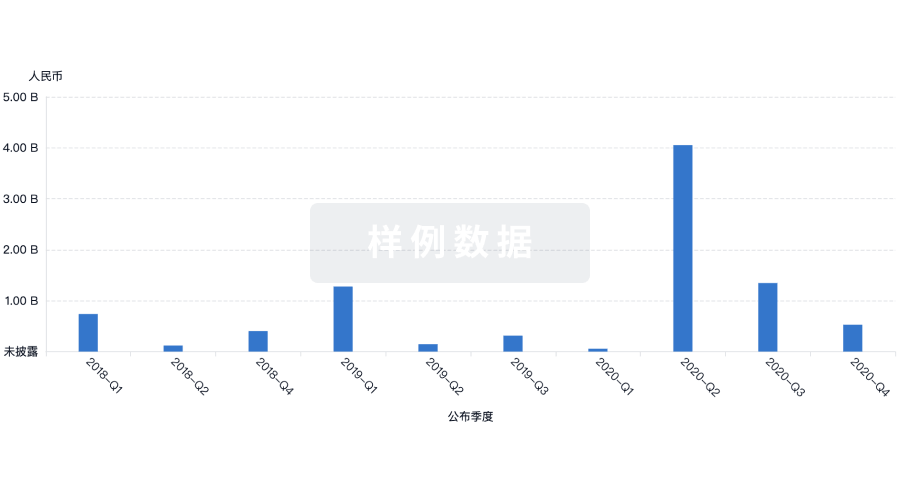
融资
发掘融资趋势以验证和推进您的投资机会。
登录
或
提出任何生物医药研究问题
让每一步生物医药决策都精准制胜
基于十亿级生物数据与全球情报的精准 AI,赋能早期药物发现
立即开始免费试用!
智慧芽新药情报库是智慧芽专为生命科学人士构建的基于AI的创新药情报平台,助您全方位提升您的研发与决策效率。
立即接入生物医药数据包
智慧芽新药库数据也通过智慧芽开放平台,以MCP或API服务形式对外开放。立即使用我们的MCP服务定制您的LLM智能体。
生物序列数据库
生物药研发创新
免费使用
化学结构数据库
小分子化药研发创新
免费使用