预约演示
更新于:2025-12-10

Seoul National University of Science & Technology
更新于:2025-12-10
概览
标签
感染
合成多肽
多肽抗生素
疾病领域得分
一眼洞穿机构专注的疾病领域
技术平台
公司药物应用最多的技术
靶点
公司最常开发的靶点

暂无数据
关联
靶点 |
作用机制 |
在研机构 |
原研机构 |
在研适应症 |
非在研适应症 |
最高研发阶段 |
首次获批国家/地区 |
首次获批日期 |

靶点 |
作用机制 |
在研机构 |
原研机构 |
在研适应症 |
非在研适应症 |
最高研发阶段 |
首次获批国家/地区 |
首次获批日期 |
KCT0009408
Evaluating antioxidant and anti-inflammatory effects and safety of rosemary/ginger extracts at different doses in healthy or high-risk subjects
KCT0009442
A human study to evaluate safety and effectiveness of Perilla oil on blood flow
KCT0009166
A study on the effects of barley dietary fiber on postprandial hyperglycemia and safety in healthy participants
100 项与 Seoul National University of Science & Technology 相关的临床结果
登录后查看更多信息
登录后查看更多信息
2026-01-01MARINE POLLUTION BULLETIN
A novel red-emissive fluorescent dye for the selective detection of polyurethane in environmental matrices; river, sea, and soil
Article
作者: Lee, Sooseong ; Kim, Cheal ; Lee, Jae Jun ; Kim, Soyeon ; Han, Eunha
A novel red-emissive fluorescent dye, DBD was developed to detect selectively polyurethane (PU) microplastics (MPs). The solvatochromic properties and aggregation-induced emission (AIE) behavior of DBD were illustrated using spectroscopic studies and density functional theory (DFT) calculations. The optimized staining conditions for selective PU staining were determined by evaluating three parameters: staining time, solvent composition, and dye concentration. Under the optimized conditions (75 μM for 60 min in a 1:1 (v/v) mixture of deionized water/ethanol (DIW/EtOH)), DBD selectively stained PU MPs among eleven types of MPs (PU, low-density polyethylene (LDPE), polyacrylonitrile (PAN), medium-density polyethylene (MDPE), polycarbonate (PC), polypropylene (PP), polystyrene (PS), polyamide (PA), polyvinyl chloride (PVC), polyethylene terephthalate (PET), and high-density polyethylene (HDPE)) and five types of natural particles (sand, chitin, shell, cellulose, and wood). In addition, DBD successfully stained PU MPs of various sizes as well as aged PU MPs, and maintained staining performance in pH conditions ranging from 5 to 9. Moreover, DBD selectively stained PU MPs in complex environmental matrices like river water, seawater, and soil without requiring special pretreatment, allowing clear discrimination from other particles through red fluorescence. The interaction of DBD and PU was suggested to be adsorption via hydrogen bonding and van der Waals interaction, which was analyzed using differential scanning calorimetry (DSC), scanning electron microscopy (SEM), thermogravimetric analysis (TGA), non-covalent interaction (NCI), and X-ray photoelectron spectroscopy (XPS).
2025-12-31SCIENCE AND TECHNOLOGY OF ADVANCED MATERIALS
Effect of P-doped bimetallic FeCo catalysts on a carbon matrix for oxygen reduction in alkaline media
Article
作者: Ahn, Hyo-Jin ; Ma, Yuqi
Catalysts' redox reactions are crucial for storage and energy conversion. Therefore, the fabrication of cost-effective, structurally rational, and multifunctional advanced catalytic materials continues to be a crucial task. In this study, we obtained P, Fe, and Co co-doped, nitrogen-rich carbon nanofibers by directly forming carbon nanotubes from metal-organic frameworks through electrospinning and pyrolysis. The P0.025-FeCo/C catalyst demonstrated outstanding ORR activity, including an ECSA of 1954.3 cm2, a limited current density of -3.98 mA/cm2, an E1/2 of ~0.84 V, and an Eonset of ~0.94 V. After 5000 cycles, the P0.025-FeCo/C catalyst demonstrated remarkable enduring stability. These function enhancements occurred because of the electronic coupling between the metal and phosphorus, which altered the electron distribution at the metal center and optimized its electronic structure, thereby improving catalytic activity and stability. It exhibits good chemical stability in alkaline media and can maintain its catalytic performance for a long time, demonstrating good durability. Its tubular structure provides many active sites and superior electron transport paths owing to its unique channels and cavities, which help improve its activity and stability. Therefore, P0.025-FeCo/C is expected to become a non-precious metal catalyst for facilitating oxygen reduction reactions.
2025-12-02ACS Omega
A Fully Si-Compatible Ni/Si
3
N
4
/Al
2
O
3
/
p
+
Poly-Si RRAM Device for Analog Synapse and Its System-Level Assessment toward Processing-in-Memory Applications
Article
作者: Lee, Yeji ; Kim, Seongmin ; Kim, Soomin ; Cho, Seongjae ; Kim, Sungjun ; Shim, Wonbo
We propose a fully Si-compatible resistive-switching random-access memory (RRAM) device consisting of a Ni/Si3N4/Al2O3/p + poly-Si structure for processing-in-memory (PIM) applications fabricated through a process integration with Si CMOS compatibility. By introduction of an ultrathin Al2O3 tunneling layer between the Si3N4 switching layer and p + poly-Si bottom electrode, the leakage current in the high-resistance state (HRS) is suppressed, resulting in stable bipolar switching characteristics with a high on/off current ratio of approximately 104, maintained for more than 107 switching operations, as evidenced through durability measurements. The retention characteristics were also maintained without degradation for a considerable time (>105 s). When potentiation (6.5 V, 3 μs) and depression (-3.7 V, 3 μs) pulses with the same voltage and time conditions were applied, the device exhibited stable conductance change characteristics with high linearity and symmetry, demonstrating its potential for use as an analog synaptic device through repeatable signal modulation. The average conductance changes were 1.72 and 1.60 μS for potentiation and depression, respectively, confirming balanced weighting characteristics. Furthermore, based on experimentally obtained device characteristics, we implemented a VGG-8 convolutional neural network using the NeuroSim 1.4 framework and achieved high inference accuracy (90.25%), along with low latency and high energy efficiency on the CIFAR-10 data set. Thus, the proposed device holds promise for next-generation nonvolatile memory and analog neural network computing, particularly for energy-efficient processing-in-memory architectures.
100 项与 Seoul National University of Science & Technology 相关的药物交易
登录后查看更多信息
100 项与 Seoul National University of Science & Technology 相关的转化医学
登录后查看更多信息
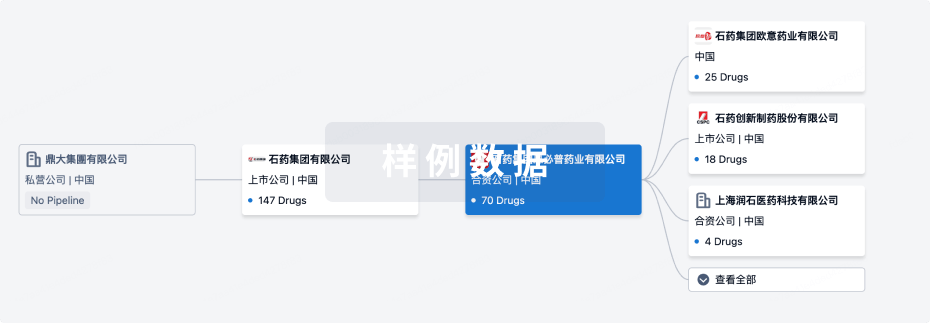
组织架构
使用我们的机构树数据加速您的研究。
登录
或
管线布局
2026年10月13日管线快照
管线布局中药物为当前组织机构及其子机构作为药物机构进行统计,早期临床1期并入临床1期,临床1/2期并入临床2期,临床2/3期并入临床3期
临床前
2
2
其他
登录后查看更多信息
当前项目
登录后查看更多信息
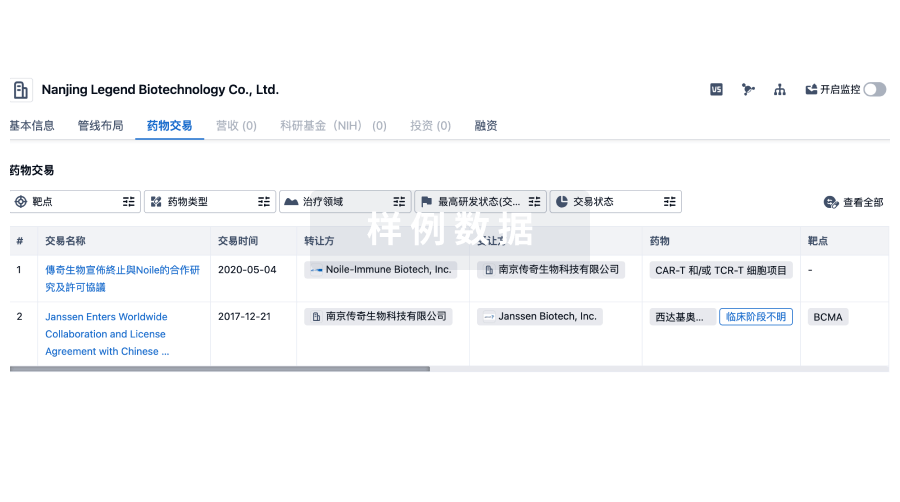
药物交易
使用我们的药物交易数据加速您的研究。
登录
或
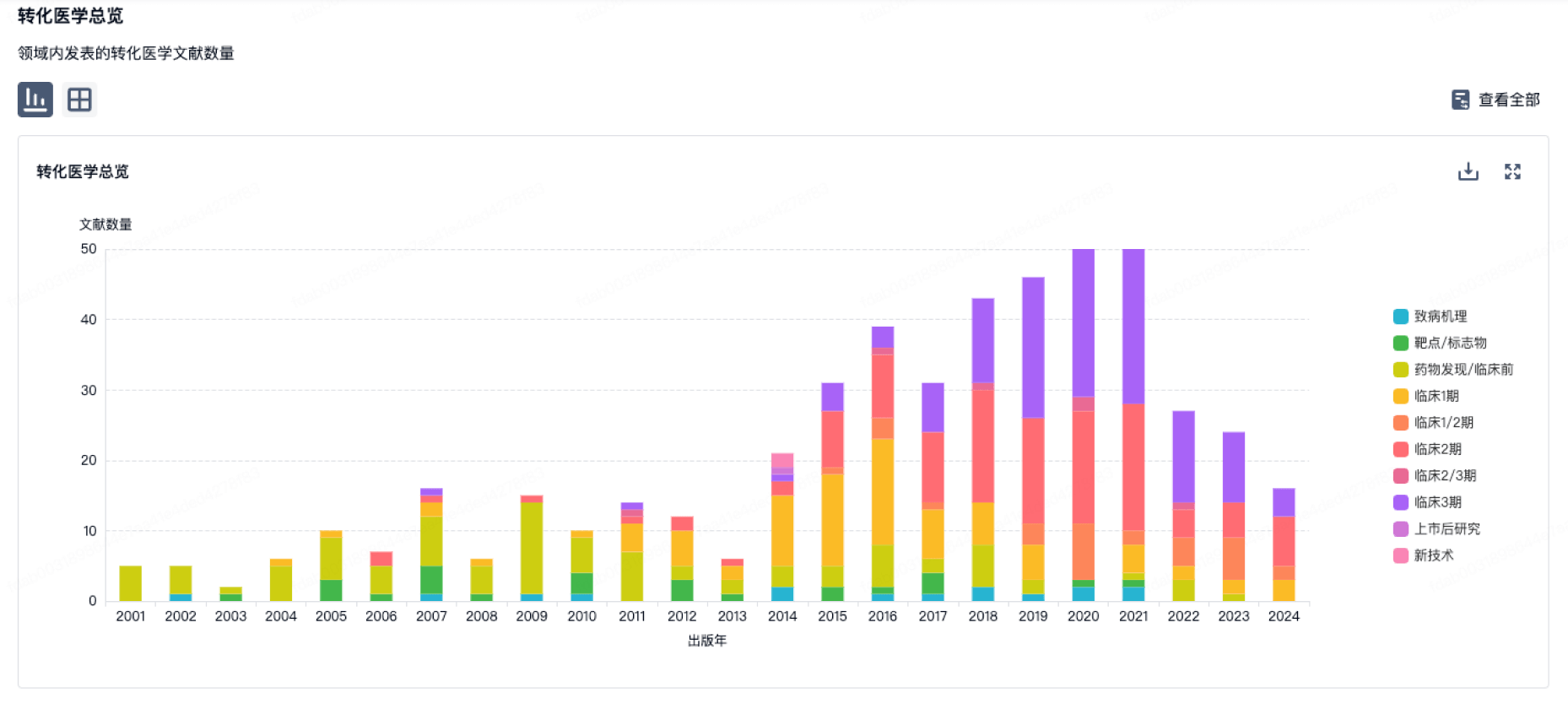
转化医学
使用我们的转化医学数据加速您的研究。
登录
或
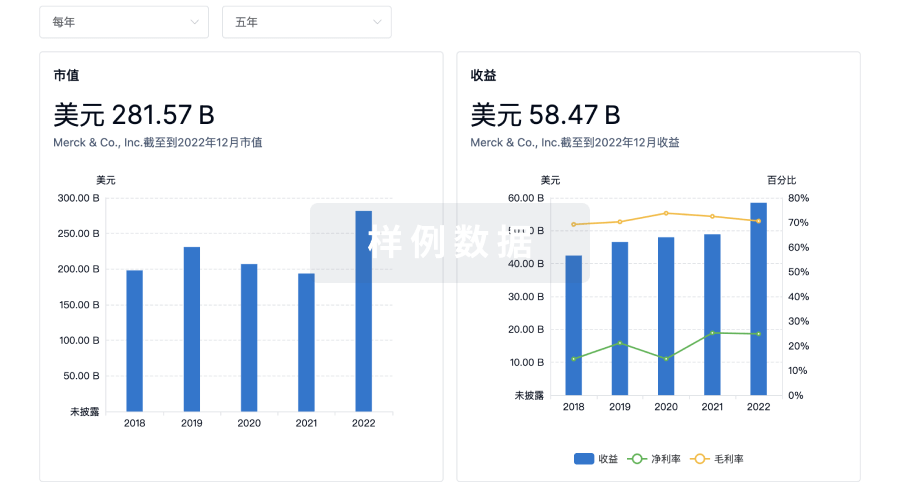
营收
使用 Synapse 探索超过 36 万个组织的财务状况。
登录
或
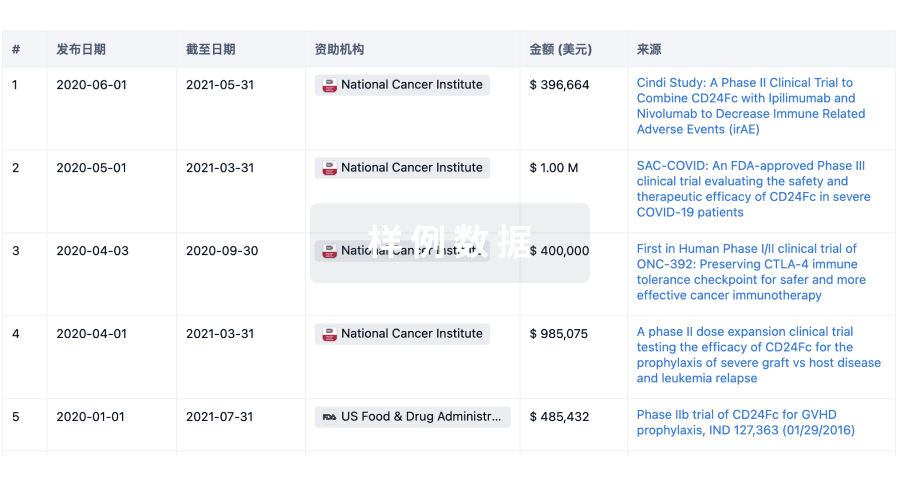
科研基金(NIH)
访问超过 200 万项资助和基金信息,以提升您的研究之旅。
登录
或
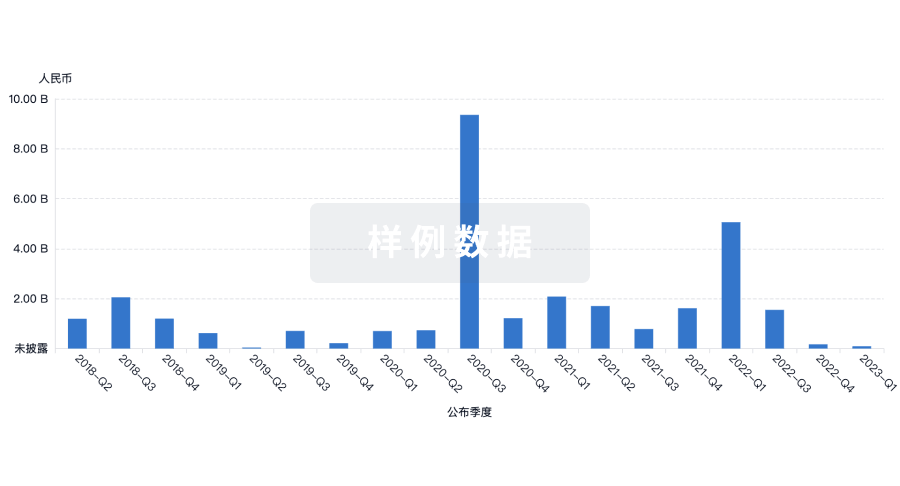
投资
深入了解从初创企业到成熟企业的最新公司投资动态。
登录
或
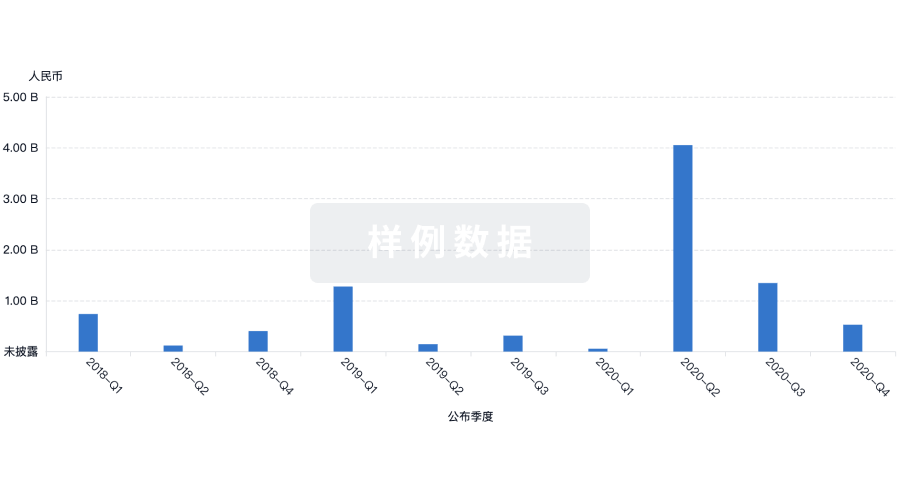
融资
发掘融资趋势以验证和推进您的投资机会。
登录
或
提出任何生物医药研究问题
让每一步生物医药决策都精准制胜
基于十亿级生物数据与全球情报的精准 AI,赋能早期药物发现
立即开始免费试用!
智慧芽新药情报库是智慧芽专为生命科学人士构建的基于AI的创新药情报平台,助您全方位提升您的研发与决策效率。
立即接入生物医药数据包
智慧芽新药库数据也通过智慧芽开放平台,以MCP或API服务形式对外开放。立即使用我们的MCP服务定制您的LLM智能体。
生物序列数据库
生物药研发创新
免费使用
化学结构数据库
小分子化药研发创新
免费使用