预约演示
更新于:2026-10-11
Chongqing Emergency Medical Center
更新于:2026-10-11
概览
标签
呼吸系统疾病
小分子化药
疾病领域得分
一眼洞穿机构专注的疾病领域

技术平台
公司药物应用最多的技术
靶点
公司最常开发的靶点
关联
靶点 |
作用机制 |
在研机构 |
原研机构 |
在研适应症 |
非在研适应症 |
最高研发阶段 |
首次获批国家/地区 |
首次获批日期 |


ChiCTR2500114932
Establishment and validation of a clinical prediction model for pulmonary complications in patients with acute type A aortic dissection after cardiopulmonary bypass surgery
ChiCTR2500109844
Efficacy of Thrombomodulin Combined with ILR Dynamic Changes in Risk Stratification and Prognostic Evaluation of Sepsis.
ChiCTR2500107241
Establish and validate a prognostic model for overall survival of bladder neuroendocrine carcinoma based on clinical treatment data
100 项与 重庆市急救医疗中心(重庆市第四人民医院、重庆市急救医学研究所) 相关的临床结果
登录后查看更多信息
登录后查看更多信息
2026-12-31ANNALS OF MEDICINE
Response to letter regarding clinical significance of the systemic immune inflammation index in relation to pathology treatment and outcomes in acute appendicitis a retrospective study
Letter
作者: Zong, Beige
2026-12-01MAMMALIAN GENOME
Integrated multi-omics and machine learning prioritize key immune genes for multiple sclerosis risk prediction
Article
作者: Zeng, Xiaojun ; Zhao, Duran ; Zhang, Wei ; Li, Wei ; Fan, Haiping ; Chen, Ming ; Li, Lijuan
Multiple sclerosis (MS) is a complex autoimmune disease with strong genetic components, but its genetic mechanisms remain largely underexplored. We aimed to pinpoint causal genes and evaluate their utility for MS risk prediction. We integrated MS genome-wide association study summaries with brain-derived splicing quantitative trait loci (sQTLs) and expression quantitative trait loci (eQTLs) via summary-data-based Mendelian randomization (SMR) and colocalization analyses to identify potential causal genes. Weighted gene coexpression network analysis (WGCNA) of the E-MTAB-5151 dataset identified MS-associated gene modules. LASSO regression determined the core gene signature. GO and KEGG enrichment analyses, immune infiltration, and gene set enrichment analysis (GSEA) explored the biological relevance. Using an independent protein quantitative trait loci (pQTL) dataset, key genes were further validated for pQTL-MS associations. SMR identified 28 sQTL genes and 66 eQTL genes for MS, 23 and 51 of which passed the colocalization tests, respectively. WGCNA identified three MS-associated modules, and their intersection with SMR genes prioritized 23 key genes. Functional enrichment analysis of the module genes and SMR genes highlighted the consistent involvement of immune-related pathways in MS, including lymphocyte activation and NF-κB signalling. LASSO regression established a 10–gene signature (ACP2, IL7, MYNN, RGS1, SAE1, SP140, TRAF3, TSPAN31, TYMP, and ZC2HC1A) with high predictive accuracy (AUC = 0.983 in internal validation; AUC > 0.70 across three external datasets). Immune infiltration analysis revealed a consistent immune cell expression pattern, in which the expression of MS risk genes was positively associated with naive CD4+ T cells and resting mast cells, but negatively associated with activated mast cells. In contrast, MS protective genes exhibited the opposite pattern. Furthermore, the integration of the MS genome-wide association study statistics validated ZC2HC1A and TRAF3 at the protein level. GSEA further linked both genes to the Hedgehog signalling pathway. Integrating genomic, transcriptomic, and proteomic data, we identified candidate causal genes for MS with robust evidence. ZC2HC1A and TRAF3 have emerged as promising biomarkers and mechanistic candidates for MS. Future follow-up functional studies are warranted to elucidate their molecular roles in MS pathogenesis.
2026-11-01Neural Regeneration Research
Identification of novel biomarkers for Alzheimer’s disease: A deep learning omics-based approach to drug pair discovery and exploration of potential therapeutic targets
Article
作者: Lei, Jun ; Wang, Zixuan ; Zhao, Zhengduo ; Zang, Guangchao ; Ran, Jianhua ; Yang, Siyuan ; Xie, Yajun ; Zhao, Yuying
Abstract:
The understanding of Alzheimer’s disease is shifting from a traditional focus on Aβ/tau pathology to an emerging consensus that positions immune dysregulation as a central synergistic driver in the early stages of the disease. However, the causal relationships between peripheral immune cells, plasma proteins, and Alzheimer’s disease, as well as the mediating effects of plasma proteins on the disease, remain poorly understood. Moreover, there are no effective drug combination therapies targeting plasma proteins for Alzheimer’s disease. This study investigated the causal associations between immune cells, plasma proteins, and Alzheimer’s disease, with a focus on the role of Fc gamma receptor 3A in disease progression. Using a two-sample Mendelian randomization approach, we identified 59 plasma proteins and 65 immune cell types significantly associated with Alzheimer’s disease. We performed data mining of a large Alzheimer’s disease cohort and drug databases and established a biofactor-regulated neural network for rapidly screening and optimizing compound drug pairs. Among the immune cells, CD8
+
T cells, particularly CD8
+
CD28
+
CD45RA. T cells, were found to have a protective effect against Alzheimer’s disease. Furthermore, increased expression of Fc gamma receptor 3A (also known as CD16a, an activating receptors of NK cells) in plasma and the hippocampus correlated with enhanced CD8
+
T-cell infiltration and accelerated Alzheimer’s disease progression in 5×FAD mice. Mediation analysis revealed that Fc gamma receptor 3A mediates the effects of CD8
+
T cells on Alzheimer’s disease risk. Additionally, Fc gamma receptor 3A gene expression levels were significantly higher in patients with Alzheimer’s disease compared with individuals with mild cognitive impairment and cognitively normal participants, as revealed by an analysis of the Alzheimer’s Disease Neuroimaging Initiative database. These findings suggest that CD8
+
T-cell infiltration and Fcγ receptor 3A expression play critical roles in the pathophysiology of Alzheimer’s disease and may serve as therapeutic targets. Molecular docking analysis further identified 19 candidate drugs targeting Fcγ receptor 3A. This study proposes novel immune-based therapeutic strategies and introduces an omics-based intelligent drug discovery framework for repurposing existing drugs for the treatment of complex diseases. The key contributions of this study include the identification of potential immune-based therapeutic targets for Alzheimer’s disease and demonstration of the utility of bioinformatics and drug repurposing approaches in addressing complex neurodegenerative diseases.
2026-06-18
2025-12-12
100 项与 重庆市急救医疗中心(重庆市第四人民医院、重庆市急救医学研究所) 相关的药物交易
登录后查看更多信息
100 项与 重庆市急救医疗中心(重庆市第四人民医院、重庆市急救医学研究所) 相关的转化医学
登录后查看更多信息
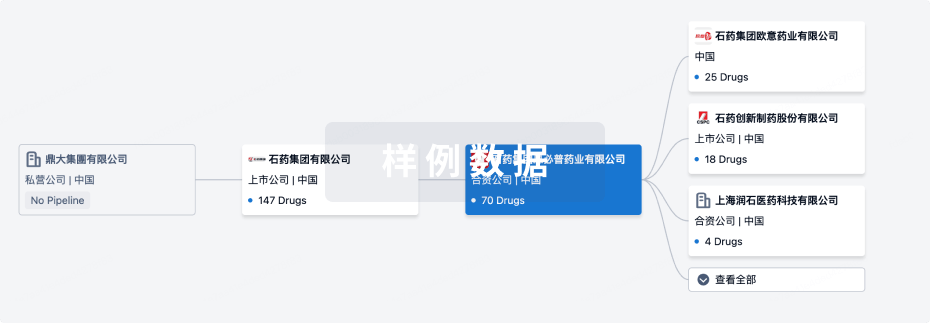
组织架构
使用我们的机构树数据加速您的研究。
登录
或
管线布局
2026年10月12日管线快照
管线布局中药物为当前组织机构及其子机构作为药物机构进行统计,早期临床1期并入临床1期,临床1/2期并入临床2期,临床2/3期并入临床3期
临床前
1
登录后查看更多信息
当前项目
登录后查看更多信息
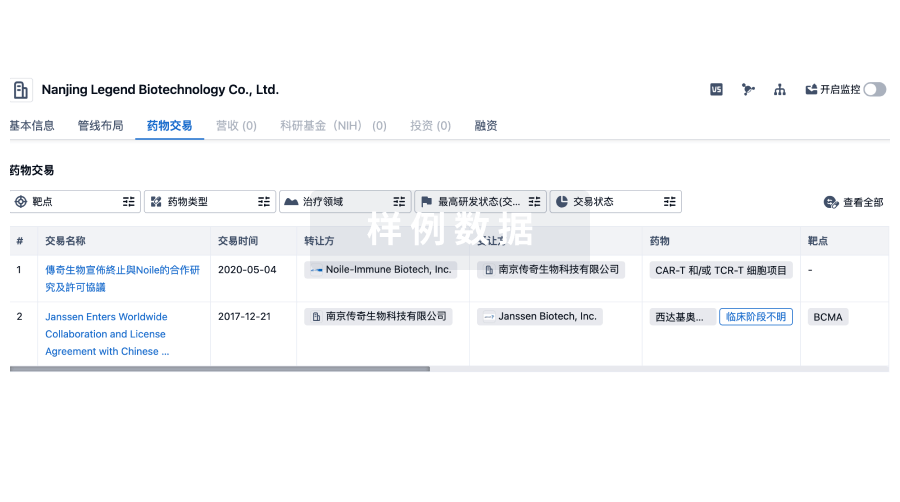
药物交易
使用我们的药物交易数据加速您的研究。
登录
或
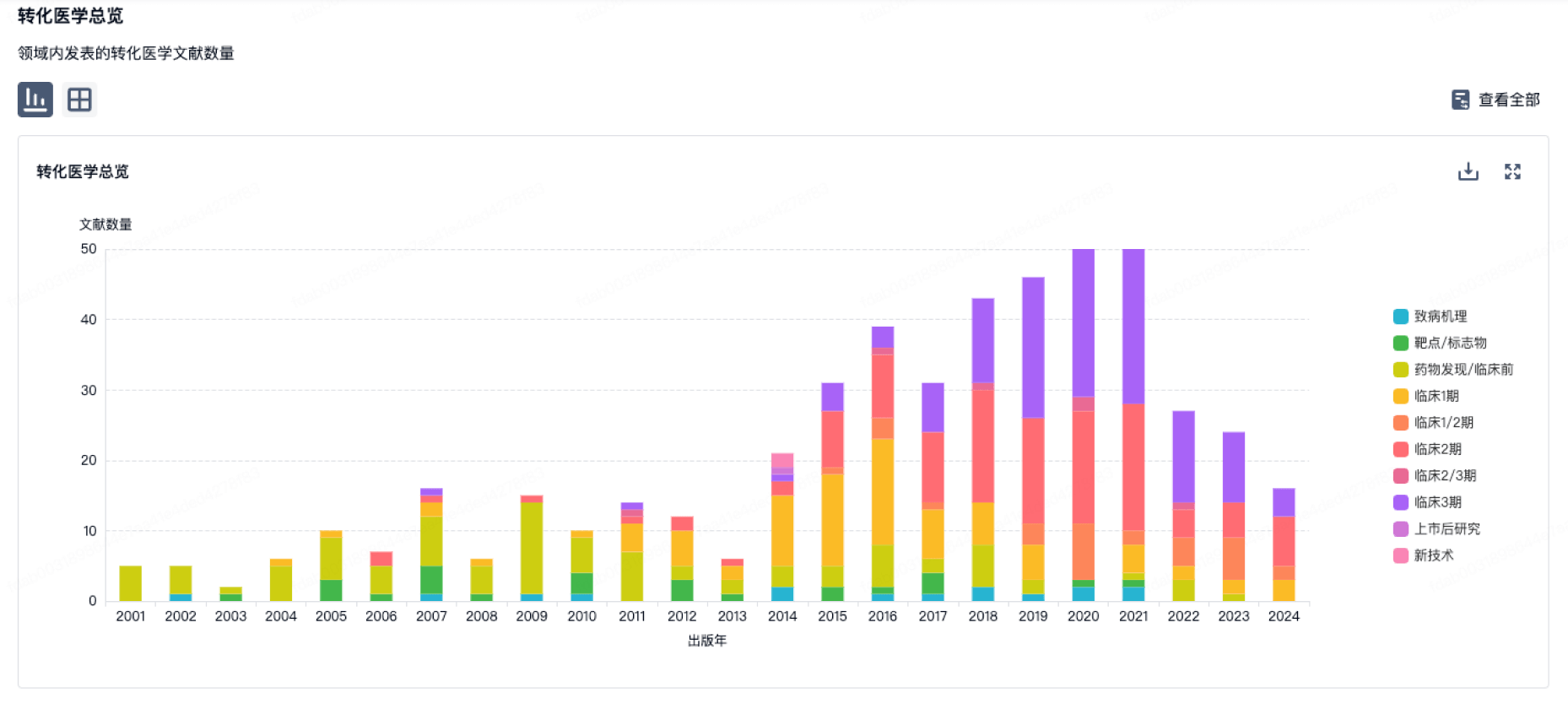
转化医学
使用我们的转化医学数据加速您的研究。
登录
或
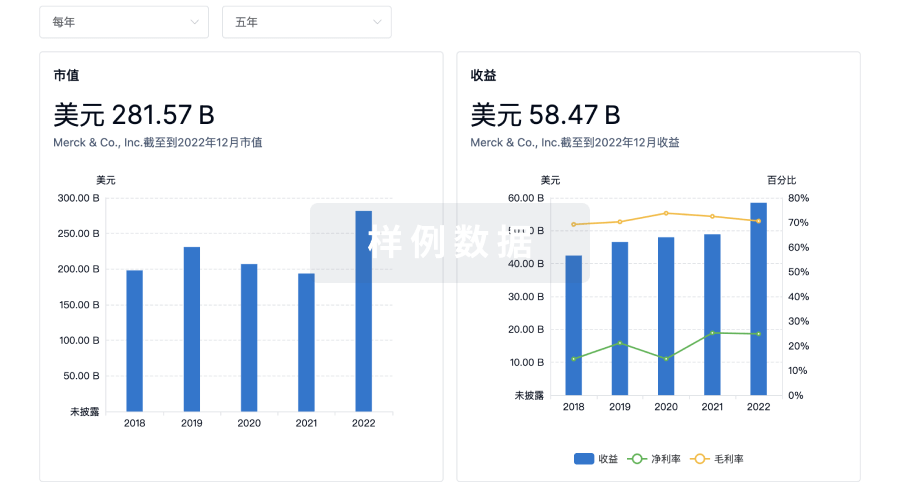
营收
使用 Synapse 探索超过 36 万个组织的财务状况。
登录
或
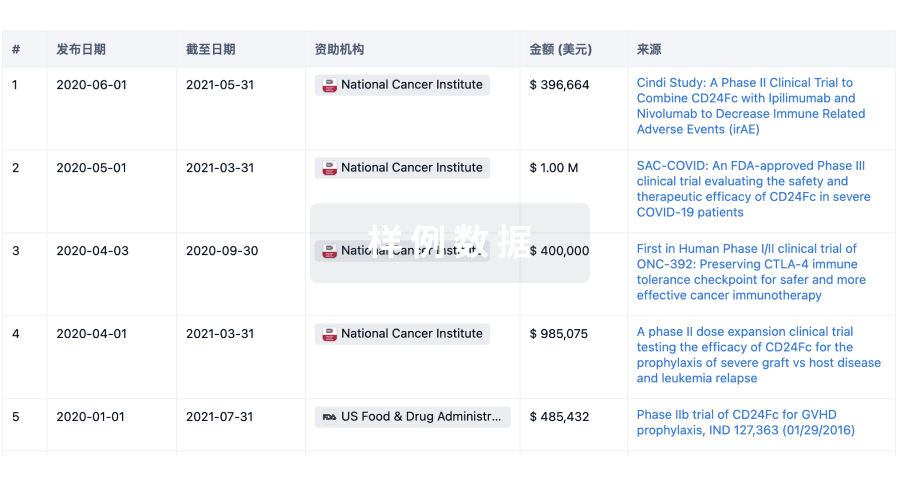
科研基金(NIH)
访问超过 200 万项资助和基金信息,以提升您的研究之旅。
登录
或
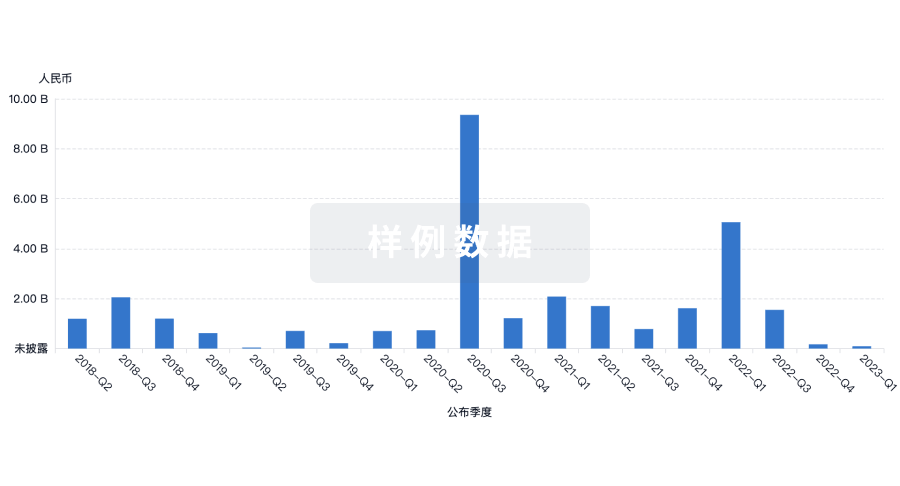
投资
深入了解从初创企业到成熟企业的最新公司投资动态。
登录
或
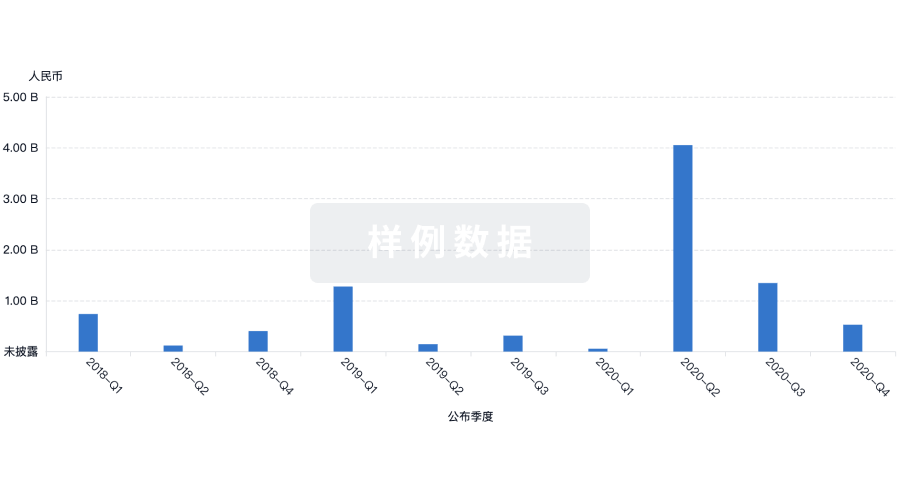
融资
发掘融资趋势以验证和推进您的投资机会。
登录
或
提出任何生物医药研究问题
让每一步生物医药决策都精准制胜
基于十亿级生物数据与全球情报的精准 AI,赋能早期药物发现
立即开始免费试用!
智慧芽新药情报库是智慧芽专为生命科学人士构建的基于AI的创新药情报平台,助您全方位提升您的研发与决策效率。
立即接入生物医药数据包
智慧芽新药库数据也通过智慧芽开放平台,以MCP或API服务形式对外开放。立即使用我们的MCP服务定制您的LLM智能体。
生物序列数据库
生物药研发创新
免费使用
化学结构数据库
小分子化药研发创新
免费使用