预约演示
更新于:2026-03-03

更新于:2026-03-03
概览
标签
免疫系统疾病
皮肤和肌肉骨骼疾病
其他疾病
粪菌移植
小分子化药
诊断用放射药物
疾病领域得分
一眼洞穿机构专注的疾病领域

技术平台
公司药物应用最多的技术
靶点
公司最常开发的靶点
关联
靶点 |
作用机制 |
在研机构 |
原研机构 |
在研适应症 |
非在研适应症 |
最高研发阶段 |
首次获批国家/地区 |
首次获批日期 |
靶点 |
作用机制 |
在研机构 |
原研机构 |
在研适应症 |
非在研适应症 |
最高研发阶段 |
首次获批国家/地区 |
首次获批日期 |

靶点 |
作用机制 |
在研机构 |
原研机构 |
在研适应症 |
非在研适应症 |
最高研发阶段 |
首次获批国家/地区 |
首次获批日期 |
NCT07191366
EXPRESSMOM2 in Pregnant Women at High Risk of Preterm Birth. Aspects of Antenatal Breastmilk Expression and Safety From Gestational Week 28-34 and Potential Nutritional Benefits for the Newborn Infant.
NCT07432802
Sublobar Wedge Resection or Stereotactic Radiotherapy Treatment of High-risk Patients With Early-stage Lung Cancer - a Randomized, Controlled Trial The STRADOS Trial

NCT06903728
National forsøgsordning Med Glukosesensorer Til Type 2-diabetes: Glukosesensorer Til Gravide Med Type 2-diabetes
100 项与 Odense University Hospital 相关的临床结果
登录后查看更多信息
登录后查看更多信息
2026-12-31European Clinical Respiratory Journal
Treatment management of patients with lung abscess: a retrospective cohort study
Article
作者: Noerregaard Gissel, Tina ; Sperling, Søren ; Naestholt Dahl, Victor ; Gjoerup, Pia Holland ; Kirkegaard Vaarst, Jakob ; Laursen, Christian Borbjerg ; Bendstrup, Elisabeth ; Fløe, Andreas
Background:
Lung abscesses (LAs) are severe respiratory infections characterised by necrosis of pulmonary tissue. Despite the need for long-term antibiotic treatment, evidence on optimal treatment is limited, and no international guidelines exist. We aimed to evaluate different treatment strategies for treating LAs.
Methods:
Patients hospitalised from 2016 to 2021 with LA were included in a retrospective multicentre cohort study. Descriptive statistics were presented for the current treatment strategies of LA regarding the choice and duration of antibiotic treatment, as well as the use of interventional treatments and associated treatment outcomes.
Results:
In 222 patients diagnosed with LA, 89.2% were treated with intravenous antibiotics for a median duration of 14 days, followed by oral antibiotics for a median of 26 days; 10.8% received oral antibiotics as first-line therapy. Duration of intravenous treatment, total length of antibiotic treatment, and occurrence of treatment failure did not differ across the four most used antibiotic regimens: Benzylpenicillin and metronidazole, piperacillin/tazobactam with or without metronidazole, cefuroxime and metronidazole, or clindamycin monotherapy. Duration of hospitalisation varied slightly between treatment groups, with a trend of the shortest length of stay for patients treated with clindamycin. Fifteen patients underwent interventional treatment. These patients were characterised by larger abscesses, longer duration of antibiotic treatment, and higher mortality.
Conclusions:
Within the limitations of a descriptive design, no significant differences in clinical outcomes of LA were observed across the four most common antibiotic regimens. The selection of regimens varied considerably between the four study sites. Randomised studies are urgently needed to guide the best treatment choice.
2026-12-31European Clinical Respiratory Journal
Mapping heterogeneity in the management of malignant pleural effusions with indwelling pleural catheters in Denmark - a national survey
Article
作者: Fjaellegaard, Katrine ; Ali, Aras K M ; Laursen, Christian B ; Bødtger, Uffe ; Skaarup, Søren Helbo ; Armbruster, Karin
Background:
Malignant pleural effusion (MPE) affects up to 20% of cancer patients, causing dyspnea and frequent hospitalizations. Treatment includes thoracentesis, pleurodesis, and indwelling pleural catheters (IPC). While UK pleural clinics enhance outpatient care, Denmark lacks a national strategy. This study aims to map the use of IPCs in a Nordic country, focusing on referral, placement, follow-up, and reimbursement of expenses to drainage supplies.
Methods:
A national questionnaire survey was conducted from January to July 2022. The questionnaire, developed by the Danish Respiratory Society's pleural diseases group, covered IPC placement, management, follow-up, and financial aspects. It was distributed to all departments placing IPCs, identified via suppliers and expert input. Data on the number of IPCs delivered to each department in 2022 were obtained from Danish IPC retailers.
Results:
Of the 23 identified departments, 20 completed the survey. IPCs were available in all five Danish healthcare regions, but heterogeneity was observed in prevalence, reimbursement methods, procedural organization, and follow-up strategies. IPC use was more prevalent in respiratory medical departments and in the North and Central Regions. No standardized national reimbursement policy was identified.
Conclusion:
This survey reveals regional disparities in IPC use and reimbursement in Denmark within the same public healthcare system. The lack of national guidelines and centralized funding mechanisms may contribute to these variations. The introduction of dedicated pleural clinics and standardized reimbursement policies could help ensure equitable and guideline-based MPE management across regions.
2026-12-01Clinical Proteomics
Proteomics analysis of aqueous and vitreous humor in uveitis: a systematic literature review
Review
作者: Vorum, Henrik ; Cehofski, Lasse Jørgensen ; Reeg, Susanne ; Subhi, Yousif ; Klefter, Oliver Niels ; Honoré, Bent
Abstract:
Purpose:
Uveitis is an inflammatory ocular disease with diverse etiologies and pathogeneses. It potentially leads to significant visual impairment and socioeconomic burden. Proteomic analysis can provide insights into protein-driven mechanisms that may improve diagnosis, monitor disease progression, and identify therapeutic targets. Here, we summarize the proteomic results from studies investigating the aqueous and vitreous humor in eyes with uveitis versus non-inflammatory controls.
Methods:
A comprehensive search of 15 databases was conducted on January 26, 2024. Studies were included if they performed proteomic analyses using mass spectrometry on aqueous or vitreous humor from uveitis patients. The selection, data extraction, and risk of bias assessment were performed independently by multiple reviewers, with a third reviewer consulted in case of disagreement. Six studies met the eligibility criteria, comprising 176 eyes of uveitis patients and 105 control eyes.
Results:
Two proteins, complement C1q subcomponent subunit B and C1q subcomponent subunit C, were consistently upregulated in five studies, underscoring the role of complement activation in uveitis pathogenesis. Three additional proteins − alpha-2-HS-glycoprotein, apolipoprotein A-I, and alpha-1-antichymotrypsin − were upregulated in four studies, highlighting the significance of inflammatory modulation. Ceruloplasmin, an acute-phase reactant, was upregulated in four studies. Gelsolin kininogen-1, and alpha-1-antitrypsin were upregulated in three studies, indicating a pro-inflammatory shift towards increased vascular permeability and recruitment of inflammatory cells.
Conclusion:
The identified proteome changes highlight central biological processes in uveitis, notably complement activation, acute-phase response, pro-inflammatory shift, and increased vascular permeability. The identified proteins can potentially support future diagnostic and therapeutic advances in uveitis.

100 项与 Odense University Hospital 相关的药物交易
登录后查看更多信息
100 项与 Odense University Hospital 相关的转化医学
登录后查看更多信息
组织架构
使用我们的机构树数据加速您的研究。
登录
或
管线布局
2026年10月26日管线快照
管线布局中药物为当前组织机构及其子机构作为药物机构进行统计,早期临床1期并入临床1期,临床1/2期并入临床2期,临床2/3期并入临床3期
临床前
2
2
临床2期
其他
4
登录后查看更多信息
当前项目
登录后查看更多信息
药物交易
使用我们的药物交易数据加速您的研究。
登录
或
转化医学
使用我们的转化医学数据加速您的研究。
登录
或
营收
使用 Synapse 探索超过 36 万个组织的财务状况。
登录
或
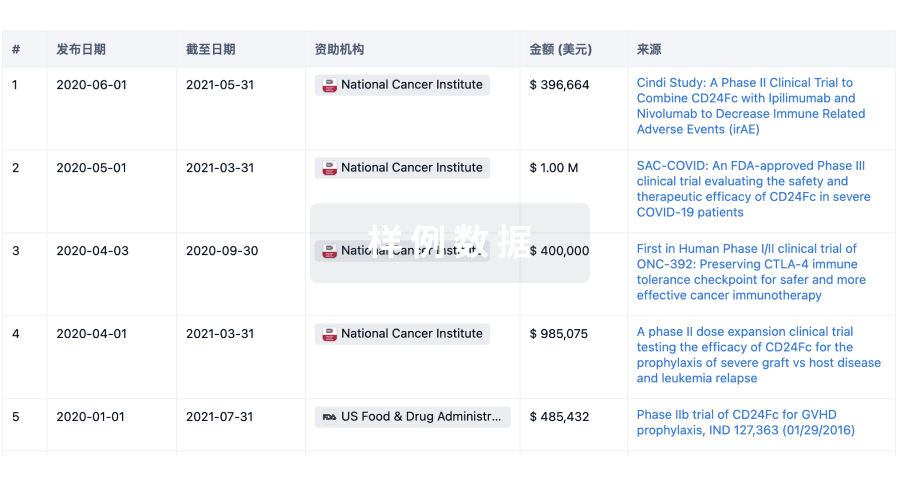
科研基金(NIH)
访问超过 200 万项资助和基金信息,以提升您的研究之旅。
登录
或
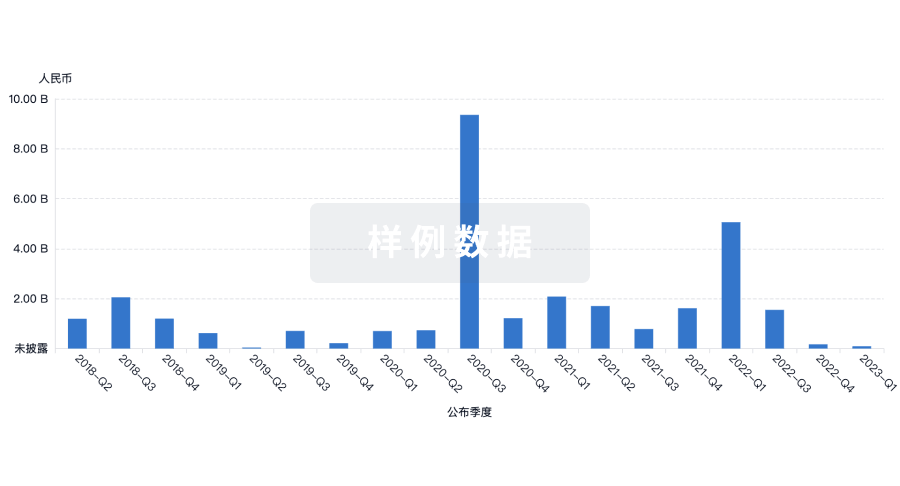
投资
深入了解从初创企业到成熟企业的最新公司投资动态。
登录
或
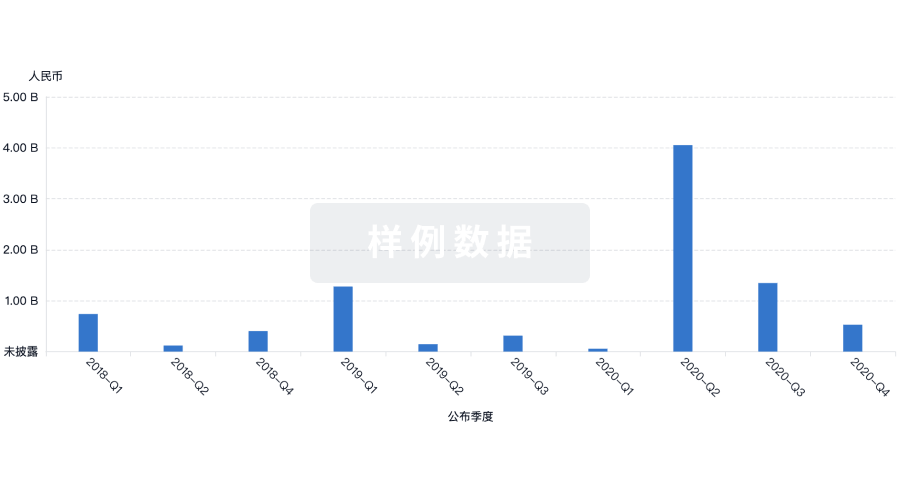
融资
发掘融资趋势以验证和推进您的投资机会。
登录
或
提出任何生物医药研究问题
让每一步生物医药决策都精准制胜
基于十亿级生物数据与全球情报的精准 AI,赋能早期药物发现
立即开始免费试用!
智慧芽新药情报库是智慧芽专为生命科学人士构建的基于AI的创新药情报平台,助您全方位提升您的研发与决策效率。
立即接入生物医药数据包
智慧芽新药库数据也通过智慧芽开放平台,以MCP或API服务形式对外开放。立即使用我们的MCP服务定制您的LLM智能体。
生物序列数据库
生物药研发创新
免费使用
化学结构数据库
小分子化药研发创新
免费使用