预约演示
更新于:2026-06-25

Beijing Yuekang Kechuang Pharmaceutical Technology Co., Ltd.
更新于:2026-06-25
概览
标签
心血管疾病
感染
消化系统疾病
siRNA
ASO
mRNA
疾病领域得分
一眼洞穿机构专注的疾病领域

技术平台
公司药物应用最多的技术
靶点
公司最常开发的靶点
关联
靶点 |
作用机制 |
在研机构 |
原研机构 |
在研适应症 |
非在研适应症 |
最高研发阶段 |
首次获批国家/地区 |
首次获批日期 |


靶点 |
作用机制 |
在研机构 |
原研机构 |
在研适应症 |
非在研适应症 |
最高研发阶段 |
首次获批国家/地区 |
首次获批日期 |
靶点 |
作用机制 |
在研机构 |
原研机构 |
在研适应症 |
非在研适应症 |
最高研发阶段 |
首次获批国家/地区 |
首次获批日期 |
CTR20261322
在轻中度高血压患者中评价YKYY029注射液有效性和安全性的多中心、随机、双盲、安慰剂对照的Ⅱ期临床研究
CTR20261142
一项评价YKYY018雾化吸入剂在健康成人参与者中单次给药后药代动力学特征的随机、开放、单中心I期临床研究
ChiCTR2600122200
A multicenter, randomized, double‑blind, placebo‑controlled, Phase II clinical study to evaluate the efficacy and safety of YKYY029 Injection in patients with mild to moderate hypertension

100 项与 北京悦康科创医药科技股份有限公司 相关的临床结果
登录后查看更多信息
登录后查看更多信息
2026-05-01Drug Delivery and Translational Research
Muscle-targeting LNP vaccines enable potent immune responses against varicella zoster virus
Article
作者: Li, Jing ; Song, Gengshen ; Ma, Jingxuan ; Zhang, Honglei ; Yu, Fei ; Dong, Kai ; Jin, Lijie ; Ma, Yuqing
Messenger RNA (mRNA) therapeutics have shown considerable promise across a wide range of medical applications with lipid nanoparticles (LNPs) emerging as the most clinically advanced mRNA delivery vehicles. However, the risk of off-target tissue delivery remains a concern, underscoring the need for diverse ionizable lipids to optimize LNP-based delivery systems. In this study, we designed and synthesized a library of 21 novel ionizable lipids and evaluated their potential for mRNA delivery. The resulting LNPs displayed favorable physicochemical properties and low cytotoxicity. In vitro transfection assay identified 3 high efficiency LNPs: YK-305, YK-310 and YK-319. In a mouse model, intramuscular injection of firefly luciferase (Fluc) mRNA-LNPs resulted in high transfection efficiency in muscle tissue, with significantly reduced gene expression in the liver. After encapsulating varicella zoster virus (VZV) glycoprotein E (gE)-encoding mRNA, the three LNP formulations induced robust humoral and cellular immune responses specific to the gE antigen, demonstrated improved selectivity and immunogenicity compared to SM-102, the ionizable lipid used in Moderna's Spikevax. The safety of the gE-mRNA LNP formulations were subsequently demonstrated in a mouse model. Collectively, these findings provide a foundation for the optimization of tissue-targeting ionizable lipids and highlight their potential to advance mRNA-based vaccines in clinical applications.
2026-01-01Drug Delivery and Translational Research
Micro-needle jet injection technology for tunable drug dispersion at delivery
Article
作者: Mao, Shanhong ; Mao, Lindsey F ; Long, Luoxin ; Song, Gengshen ; Hu, Hong ; Wang, Yuji ; Zhou, Xinjin ; Li, Shiyou ; Zhang, Chen
Extravascular injection represents the predominant modality for contemporary drug administration. Needle injection (NI), a 180-year-old technology, provides a low-cost and effective method for delivering small-molecule drugs. However, it often results in low bioavailability for biomacromolecular drugs. Recently, needle-free jet injection (NFJI) technology has shown promise in enhancing bioavailability by promoting greater drug dispersion at delivery. However, application of the technology in clinical settings impeded by its limitations in tunability and controllability of the initial dispersion. To better understand drug dispersion at delivery, Initial Dispersion Rate (IDR) as a quantitative metric was introduced in this work. Computational Fluid Dynamics (CFD), alongside an in vitro nanosponge-gel model, were employed to investigate the correlation between IDR and various fluid properties and injection parameters. The impact of IDR on pharmacokinetics of biomacromolecular drugs was revealed in the study. Guided by a comprehensive study of IDR, a novel micro-needle jet injection (MNJI) technology was developed. In vivo animal studies demonstrated that MNJI could achieve superior injection efficiency and controllable dispersion compared to NFJI and NI. Furthermore, modifying MNJI configurations enabled tunable IDR, thereby achieving desired bioavailability for biomacromolecular drugs. To the best of our knowledge, IDR was introduced for the first time as a quantitative metric to evaluate extravascular injection efficiency, while MNJI was the first extravascular drug delivery technology that could achieve controllable and tunable dispersion at delivery.
2025-06-01Molecular Therapy-Nucleic Acids
Design, pharmacology, and toxicology of a novel chemically modified siRNA targeting hepatic angiotensinogen
Article
作者: Tian, Zhi-Kang ; Song, Geng-Shen ; Wu, Yu-Cheng ; Yang, Yang ; Yang, Shuo ; Ji, Guang-Shen ; Huang, Ze-Ao
Angiotensinogen (AGT) is the precursor of angiotensin II, a potent vasopressor in the renin-angiotensin-aldosterone system. Small interfering RNAs (siRNAs) targeting hepatic AGT can lower blood pressure in hypertension patients by reducing AGT levels, with effects lasting over 6 months. Existing siRNA molecules are effective, but novel ones with better inhibitory activity and longer duration periods may be developed. In this study, we demonstrated an entire development process for a novel siRNA targeting hepatic AGT. Through the proper combination of bioinformatic on-target/off-target screening on sequences, chemical modification patterns optimization, and liver-targeting delivery ligands conjugation, we have successfully developed several promising siRNAs with equivalent or better inhibitory activity, duration of effect, and safety profile compared with previously reported siRNA. Moreover, our comprehensive analysis has elucidated the correlation between the efficacy and free energy of siRNAs. Currently, there exists no reliable model capable of precisely predicting the activity and off-target risk associated with fully modified siRNAs. Therefore, the implementation of efficient screening procedures is of utmost importance during the development of siRNA candidates. This study presents a meticulous and valuable reference for the development of potent and safe siRNAs on other targets.
100 项与 北京悦康科创医药科技股份有限公司 相关的药物交易
登录后查看更多信息
100 项与 北京悦康科创医药科技股份有限公司 相关的转化医学
登录后查看更多信息
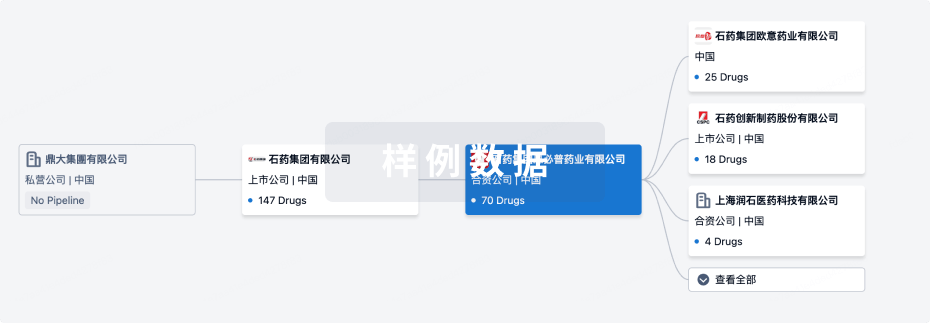
组织架构
使用我们的机构树数据加速您的研究。
登录
或
管线布局
2026年09月25日管线快照
管线布局中药物为当前组织机构及其子机构作为药物机构进行统计,早期临床1期并入临床1期,临床1/2期并入临床2期,临床2/3期并入临床3期
药物发现
2
1
临床申请
临床申请批准
2
4
临床1期
临床2期
1
登录后查看更多信息
当前项目
登录后查看更多信息
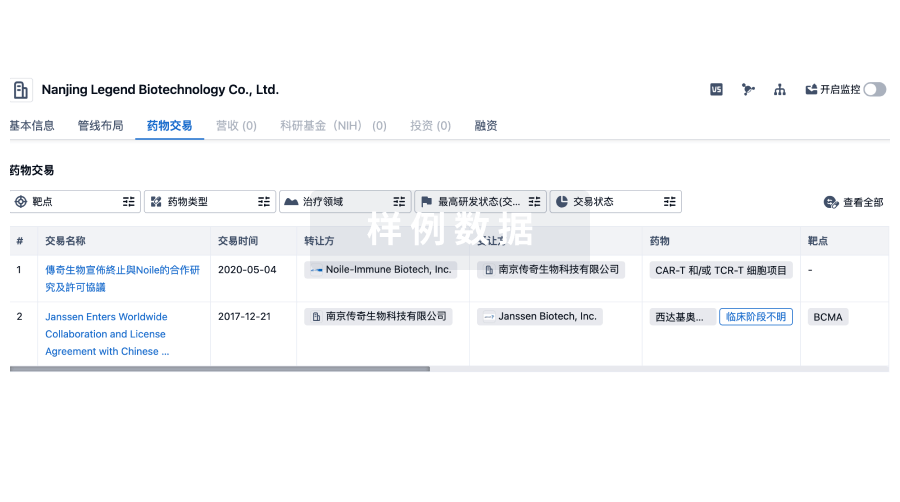
药物交易
使用我们的药物交易数据加速您的研究。
登录
或
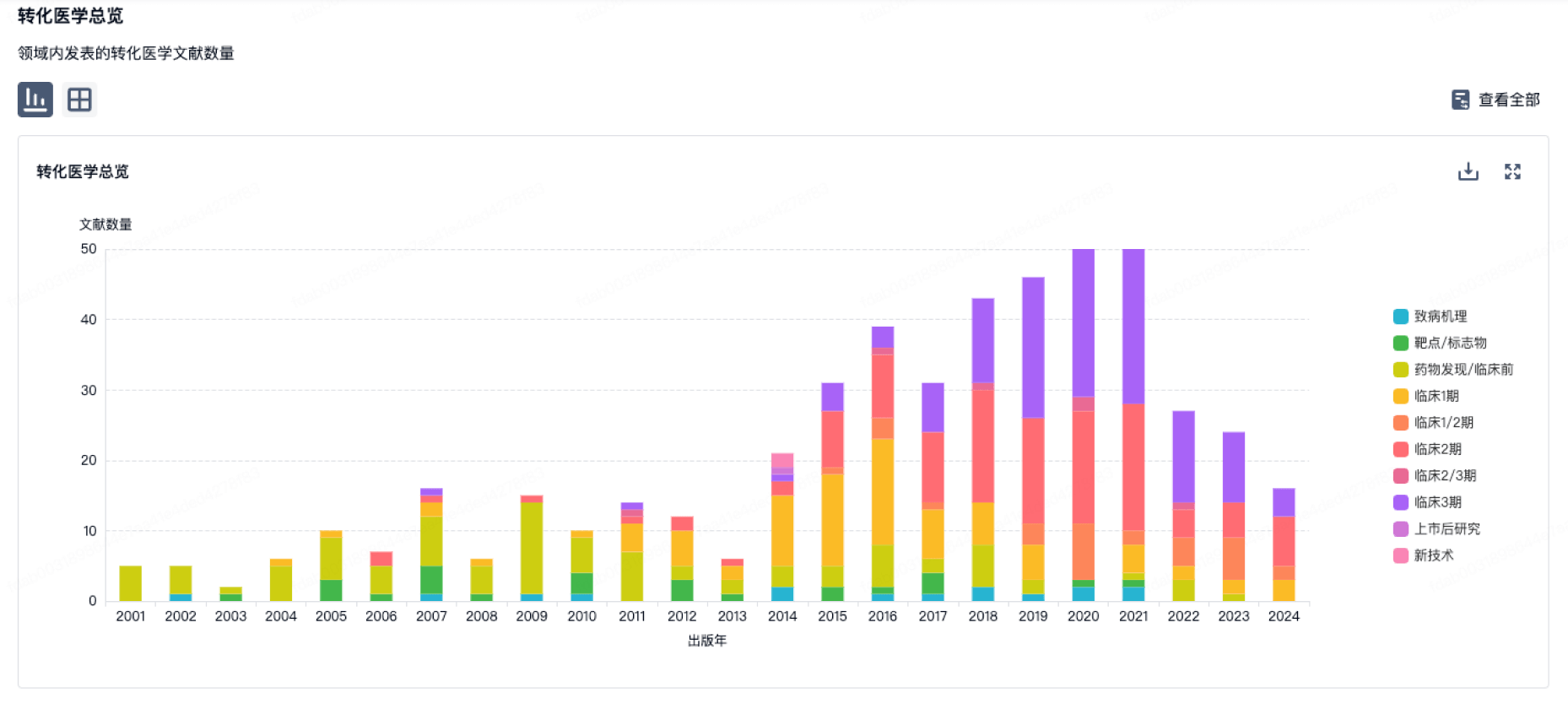
转化医学
使用我们的转化医学数据加速您的研究。
登录
或
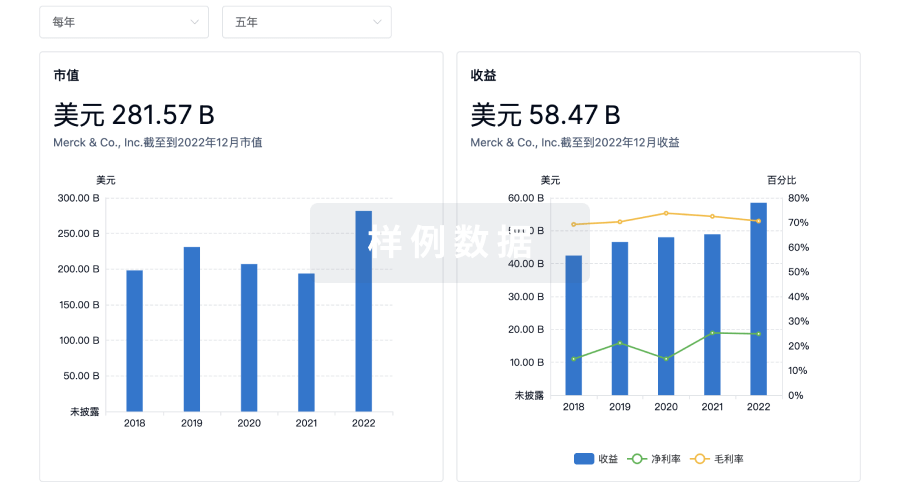
营收
使用 Synapse 探索超过 36 万个组织的财务状况。
登录
或
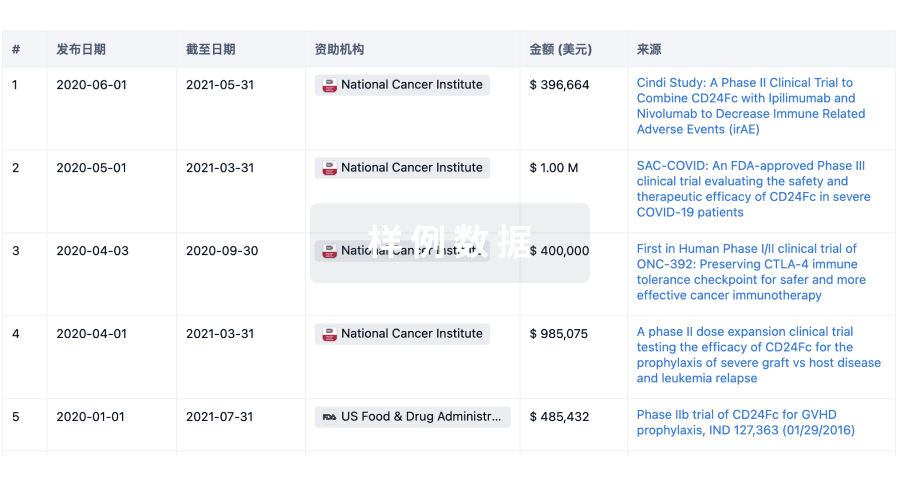
科研基金(NIH)
访问超过 200 万项资助和基金信息,以提升您的研究之旅。
登录
或
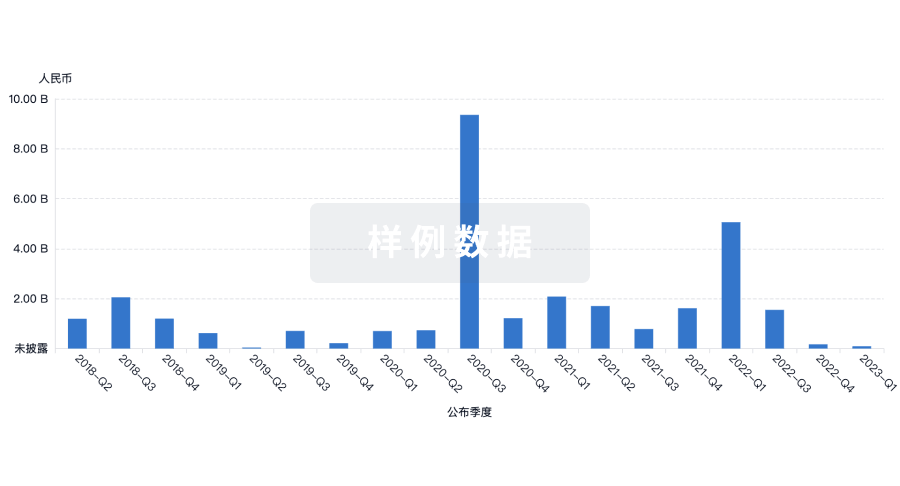
投资
深入了解从初创企业到成熟企业的最新公司投资动态。
登录
或
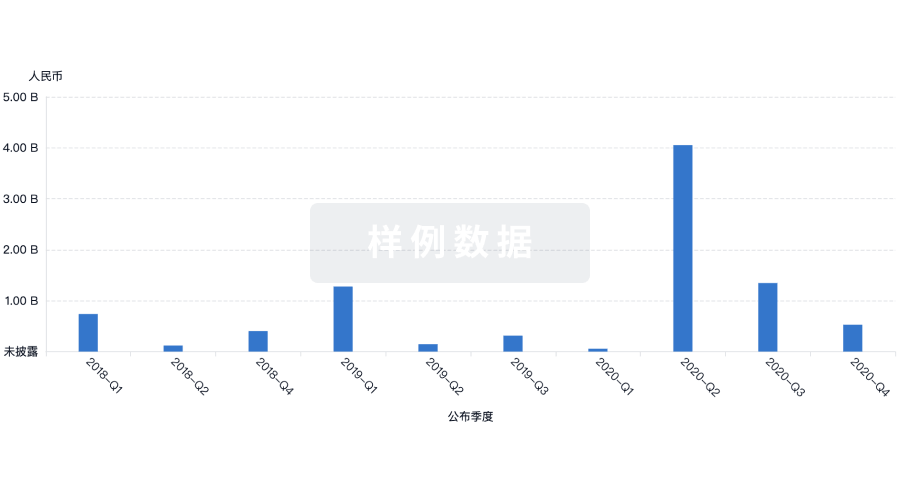
融资
发掘融资趋势以验证和推进您的投资机会。
登录
或
提出任何生物医药研究问题
让每一步生物医药决策都精准制胜
基于十亿级生物数据与全球情报的精准 AI,赋能早期药物发现
立即开始免费试用!
智慧芽新药情报库是智慧芽专为生命科学人士构建的基于AI的创新药情报平台,助您全方位提升您的研发与决策效率。
立即接入生物医药数据包
智慧芽新药库数据也通过智慧芽开放平台,以MCP或API服务形式对外开放。立即使用我们的MCP服务定制您的LLM智能体。
生物序列数据库
生物药研发创新
免费使用
化学结构数据库
小分子化药研发创新
免费使用