预约演示
更新于:2026-02-24
Kailera Therapeutics, Inc.
更新于:2026-02-24
概览
标签
内分泌与代谢疾病
合成多肽
小分子化药
疾病领域得分
一眼洞穿机构专注的疾病领域

暂无数据
技术平台
公司药物应用最多的技术
暂无数据
靶点
公司最常开发的靶点
暂无数据
| 排名前五的药物类型 | 数量 |
|---|---|
| 合成多肽 | 2 |
| 小分子化药 | 1 |
| 排名前五的靶点 | 数量 |
|---|---|
| GLP-1R(胰高血糖素样肽-1受体) | 1 |
| GCGR x GIPR x GLP-1R | 1 |
| GIPR x GLP-1R | 1 |
关联
3
项与 Kailera Therapeutics, Inc. 相关的药物作用机制 GIPR激动剂 [+1] |
在研机构 |
原研机构 |
非在研适应症- |
最高研发阶段申请上市 |
首次获批国家/地区- |
首次获批日期- |
靶点 |
作用机制 GLP-1R激动剂 |
在研机构 |
原研机构 |
非在研适应症- |
最高研发阶段临床3期 |
首次获批国家/地区- |
首次获批日期- |
作用机制 GCGR激动剂 [+2] |
原研机构 |
非在研适应症- |
最高研发阶段临床1期 |
首次获批国家/地区- |
首次获批日期- |

6
项与 Kailera Therapeutics, Inc. 相关的临床试验NCT07284901
A Phase 3, Randomized, Double-Blind, Placebo-Controlled Study to Evaluate the Efficacy and Safety of KAI-9531 Administered Once Weekly in Participants Living With Obesity or Overweight and Diabetes
The primary objective of this study is to demonstrate that KAI-9531 subcutaneous (SC) injection once weekly is superior to placebo on:
* Percent change in body weight
* Change in hemoglobin A1c (HbA1c)
* Percent change in body weight
* Change in hemoglobin A1c (HbA1c)
开始日期2026-01-12 |
申办/合作机构 |
NCT07284979
A Phase 3, Randomized, Active- and Placebo-Controlled, Partially-Blinded Study to Compare the Efficacy and Safety of KAI-9531 Administered Once Weekly Versus Semaglutide and Placebo in Participants Living With Obesity Who Do Not Have Diabetes
The primary objective of this study is to demonstrate that KAI-9531 subcutaneous (SC) injection once weekly is superior to semaglutide SC once weekly and to placebo SC once weekly on percent change in body weight.
开始日期2025-12-30 |
申办/合作机构 |
NCT07284875
A Phase 3, Randomized, Double-Blind, Placebo-Controlled Study to Evaluate the Efficacy and Safety of KAI-9531 Administered Once Weekly in Participants Living With Obesity or Overweight With Weight-Related Comorbidities Who Do Not Have Diabetes
The primary objective of the study is to determine the effects of KAI-9531 subcutaneous (SC) injection once weekly compared to placebo on percent change in body weight.
开始日期2025-12-18 |
申办/合作机构 |
100 项与 Kailera Therapeutics, Inc. 相关的临床结果
登录后查看更多信息
0 项与 Kailera Therapeutics, Inc. 相关的专利(医药)
登录后查看更多信息
308
项与 Kailera Therapeutics, Inc. 相关的新闻(医药)2026-02-23
None
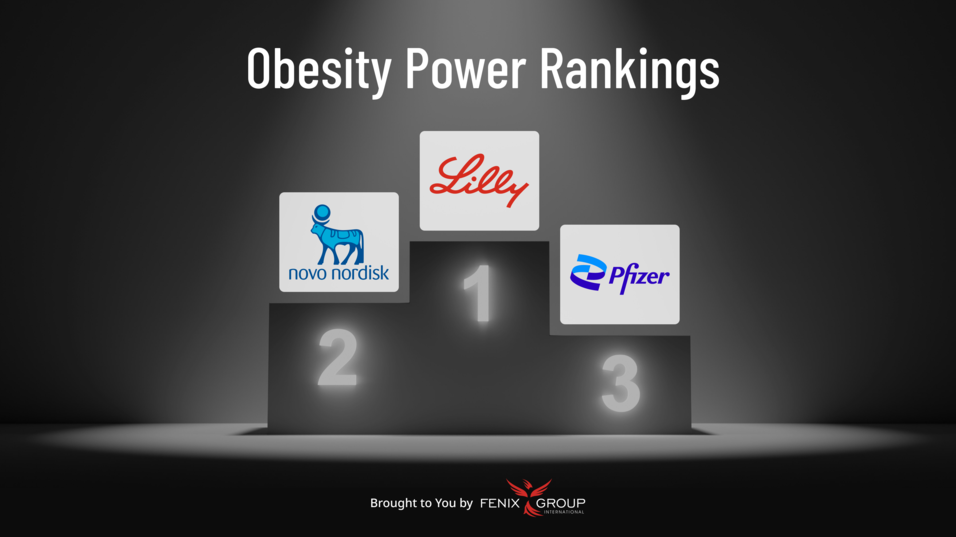
With the obesity market projected to exceed $130 billion by 2034, many major pharmaceutical players are rapidly advancing pipelines to capitalize on what is arguably the most dynamic space in the industry. To identify the companies positioned to outperform, FENIX has created the Obesity Power Rankings of the Top 10 players. For context, >20 companies were assessed across more than 15 weighted criteria, including pipeline depth, clinical differentiation, and commercial infrastructure, to derive a composite score out of five. If you’re interested in a deeper look at the full assessment framework, please contact the FENIX team. Below, FENIX outlines the rationale for all rankings and highlights key headwinds and tailwinds that shape each company’s position: Lilly (4.9/5): Lilly remains the undisputed market leader in obesity, as evidenced by its tirzepatide franchise becoming the world’s top-selling drug in 2025, surpassing Merck’s Keytruda to generate >$36 billion in annual revenue. While Lilly possesses a robust late-stage pipeline which is anticipated to help defend its leadership position, near-term momentum is expected to center on the orforglipron launch in Q2 2026. Considering Novo’s Wegovy Pill appears to hold a marginal edge in terms of efficacy, Lilly’s commercial team may need, for once, to come from behind. Novo Nordisk (4.8/5): Having effectively pioneered the modern obesity market with semaglutide, Novo entered 2026 confronting a convergence of executional challenges and a visible decline in innovation, factors that culminated in the company issuing its first negative annual sales outlook since semaglutide’s ascent. Novo now relies on strong launches of injectable 7.2mg Wegovy, Wegovy Pill, and CagriSema to stabilize its US market share and rebuild investor confidence. While these launches may alleviate near-term pressures, it remains uncertain whether Novo has truly identified a long-term successor to semaglutide. Pfizer (4.1/5): Following its $10 billion Metsera acquisition and licensing agreement with YaoPharma in 2025, Pfizer has significantly vaulted up the competitive rankings. While the company previously faced multiple setbacks in obesity (e.g., danuglipron and lotiglipron discontinuations), Pfizer finally appears to have assembled a differentiated pipeline that can fully leverage its established commercial and manufacturing infrastructure. Roche (4.0/5): Despite its historically limited presence in the cardiometabolic space, Roche has publicly emphasized its ambition to become a Top 3 player in the obesity market. Following the recent encouraging topline CT‑388 Phase 2 results, attention now turns to the upcoming Phase 2 petrelintide readout in H1 2026, a pivotal catalyst that will likely shape the trajectory of its partnership with Zealand and, ultimately, Roche’s broader obesity aspirations. AstraZeneca (3.6/5): A compelling case can be made that AZ has the pipeline depth to emerge as a dark horse contender for the third-place position in the power rankings. The company quietly advanced a broad mid-stage pipeline throughout 2025; and with multiple Phase 2 readouts expected in 2026, it's licensing agreement with CSPC Pharmaceuticals, which added a monthly dual agonist to its arsenal, further strengthens it as a serious contender. Amgen (3.3/5): Amgen is effectively placing a concentrated bet that MariTide’s extended dosing will be its key differentiator in the future obesity market. While quarterly maintenance dosing is differentiated, it remains to be seen whether the company can overcome the Phase 2 tolerability issues that unsettled investors at ADA 2025. Boehringer Ingelheim (3.0/5): With data from the Phase 3 survodutide program anticipated to begin reading out in H1 2026, BI is set to become the first challenger to the current Lilly+Novo duopoly. Even with positive Phase 3 survodutide data, BI likely needs to expand its pipeline beyond its Phase 2 triple agonist to become a long-term competitive player in the space. Regeneron (2.9/5): While it was previously believed Regeneron was taking a tangential approach in the obesity market, looking to develop lean mass-sparing assets, its in-licensing deal for olatorepatide in June 2025 revealed the company’s broader obesity ambitions. However, similar to both BI and Amgen, it is believed Regeneron also needs to further diversify its portfolio to be considered a future leader in obesity. Zealand Pharma (2.4/5): Zealand, guided by CEO Adam Steenburg’s ambition to end what he describes as the “Weight Loss Olympics,” is making a strategic bet that amylin will become the next foundational anti-obesity class. Following Zealand’s partnership with Roche for petrelintide, the upcoming Phase 2 ZUPREME-1 readout will offer the first meaningful look into whether petrelintide lives up to the TPP promise. Kailera Therapeutics (2.2/5): Having licensed China-based Hengrui’s GLP-1/GIP dual agonist (ribupatide), which has already demonstrated strong late-stage weight loss efficacy in a Chinese population, Kailera initiated its own Phase 3 program evaluating higher doses (>6 mg) over longer treatment durations. It will be interesting to see if Kailera follows the traditional path of partnering with Big Pharma or if it goes alone with a new US commercial model (i.e., solely direct-to-patient).
临床3期临床2期引进/卖出
2026-02-22
中国生物药License-out交易已成为行业"出海"的核心路径,在带来巨额资金与国际认可的同时,也暗藏合作终止、定价权缺失等风险,企业需通过技术壁垒构建与交易结构创新实现可持续发展。中国生物药License-out交易是指中国生物医药企业将其研发的创新药(包括生物药)的专利、技术或产品权益,授权给其他公司(通常是跨国制药企业)进行后续的临床开发、生产和商业化,并从中获得经济回报的交易模式。这种模式的核心是“首付款+里程碑付款+销售提成”的财务结构。协议签署后,引进方一次性支付给中国药企的费用为首付款 ;当项目达成特定研发、注册或销售目标(如进入III期临床、获得FDA批准、销售额达标等)时,支付的阶段性款项也称为里程碑付款; 产品上市后,按其净销售额的一定比例支付给原授权方的持续性收益。 中国生物药License-out交易近年来发展迅猛,标志着中国从全球创新药的“引进方”(License-in)转变为重要的“输出方”(License-out)。2006年,微芯生物将西达本胺的海外权益授权给美国HUYA公司,成为中国创新药License-out的先例。
2023年,中国创新药License-out交易近70笔,已披露总金额超350亿美元。 2024年,全球大型药企引进的新药中,有30%来源于中国生物医药企业。 2025年上半年,交易总金额已近660亿美元,超过2024年全年总额。 2026年1月,石药集团与阿斯利康就创新长效多肽药物达成的授权协议,总潜在价值高达185亿美元,创下中国药企BD交易最高纪录。
图1:蓝晓科技rProtein A亲和填料在800*550mm层析柱中进行工作
蓝晓科技自主开发拥有专利的rProtein A系列蛋白A亲和填料于2022年7月14日通过美国FDA DMF备案(MF#:037326),成为国内为数不多的通过FDA DMF备案的国产填料供应商。这意味着使用蓝晓科技相关产品的客户,在向FDA提交进行新药注册的监管备案文件中可直接引用DMF备案资料,而无需再提供有关原料和辅料的具体信息。
具有以下特点
✔自主研发,品质保证,专利保证
✔高载量:5min保留时间载量80mg/ml
✔耐碱性好:耐受0.5M NaOH
✔完整的支持文件:RSF、DMF、MSDS、TSE/BSE
✔低配基脱落:小于 25ppm
✔货期短,1-2周可以交付
微信扫描二维码免费申请抗体纯化填料试用装
一、License-out的核心优势
1. 资金获取与创汇价值
直接创汇效应显著:License-out交易通常包含高额首付款、里程碑付款及销售分成,2023年中国创新药License-out交易总额达455.7亿美元,2025年仅1-5月已超455亿美元。这些资金以美元等外汇形式支付,直接增加国家外汇储备。2025年中国创新药License-out交易总额达1357亿美元,其中首付款超过70亿美元,这些资金直接进入国内企业账户,转化为国家外汇储备。如三生制药与辉瑞就PD-1/VEGF双抗达成合作,获得12.5亿美元首付款及超60亿美元潜在交易总额,创下中国创新药出海首付款纪录。
创汇结构优化:相比传统原料药低附加值出口,创新药授权单笔交易可达数十亿美元,2023年该细分领域交易额已超传统药品货物出口。例如恒瑞医药2024年将GLP-1减肥药管线授权给美国Hercules公司,首付款1.1亿美元+股权,潜在总金额超60亿美元。
License-out的繁荣带动了中国CRDMO企业的国际化发展,形成“技术授权+服务输出”双轮驱动。随着百济神州、信达生物等企业在全球推进授权产品开发,其合作的药明康德、凯莱英等CRDMO企业也承接大量海外订单,实现服务贸易创汇。医药魔方数据显示,2025年上半年中国相关交易总金额已超越2024年全年,License-out首付款和总金额分别达26亿美元和600亿美元,相关产业链同步受益。
2. 国际化与技术认可
全球市场准入
通过与跨国药企合作,中国创新药可快速进入欧美等高价值市场。百济神州PD-1抑制剂替雷利珠单抗美国定价与国内价差超过20倍,2023年全球销售额首次突破十亿美元大关。
打通欧美主流市场注册通道,实现监管互认突破 License-out合作中,跨国药企(MNC)通常负责目标市场的临床开发与注册申报,其成熟的法规事务团队和丰富的FDA/EMA申报经验,显著提升了中国原研药的获批成功率。 如恒瑞医药将Lp(a)口服小分子抑制剂HRS-5346许可给默沙东后,借助后者在心血管领域的注册专长,快速推进美国IND申请。 百济神州泽布替尼通过与诺华合作,在美国完成补充临床研究并最终获批,成为首个在欧美实现10亿美元年销售额的国产创新药。 这种“借船出海”模式有效规避了中国药企独立申报时面临的数据标准不被认可、监管沟通不畅等障碍。
为满足License-out交易要求,中国药企在授权前往往主动开展国际多中心临床试验(MRCT),使临床数据更具全球代表性。 信达生物在PD-1出海过程中,尽管初期受挫,但后续通过与礼来合作设计符合FDA要求的MRCT,提升了数据质量与国际接受度。 百济神州替雷利珠单抗在III期试验中即纳入欧美患者群体,为其全球注册奠定基础。 此类实践倒逼国内研发体系与国际接轨,形成“以全球标准驱动研发”的正向循环。
License-out后,合作方利用其成熟的销售网络和市场准入资源,帮助中国药物迅速进入主流医疗体系。 石药集团GLP-1受体激动剂授权Madrigal后,借助其在美国的糖尿病专科渠道,实现快速进院与医保覆盖。 荣昌生物RC148(维迪西妥单抗)授权艾伯维后,依托其全球肿瘤销售团队,加速在欧洲医院系统的推广。 相较于自建海外团队的高成本与长周期,License-out实现了“轻资产、高效率”的市场准入。
随着License-out交易金额不断刷新纪录,国际市场对中国原研药的价值认可度显著提升,逐步改变“低价仿制药输出国”的刻板印象。 2025年前三季度,中国创新药License-out首付款达57亿美元,超过2024年全年,全球占比提升至23.4%。 恒瑞医药与Hercules的60亿美元GLP-1授权交易,包含双位数销售分成条款,标志着中国药企开始参与全球利润分配。 高额交易本身即是对药物临床价值与市场潜力的背书,增强了后续产品在全球定价谈判中的议价能力。
License-out带来的不仅是单个产品的出海,更通过经验积累和技术反哺,培育了中国药企的自主国际化能力。 恒瑞医药在完成8项BD交易后,已组建专职海外临床团队,具备独立推进国际注册的能力。 信达生物通过License-out获取的资金,反哺管线迭代,实现从Biotech向BioPharma的转型。 这种“以授权换能力”的路径,为中国创新药长期可持续出海提供了战略支撑。
技术价值认可
2024年全球大型药企License-in的新药中,有30%来源于中国的生物医药企业,而在2019年这一数字为0,标志着中国已成为全球License-out的主要发源地之一。
License-out的成功实践,使全球制药巨头开始将中国视为重要的创新源头,而非仅仅是低成本生产基地。 过去,中国药企多以原料药或仿制药出口为主,技术附加值低;而如今,恒瑞、百济神州、信达等企业凭借PD-1、ADC、双抗等前沿技术平台,频繁与默沙东、诺华、罗氏等顶级MNC达成合作。 例如,金斯瑞旗下蓬勃生物将其抗PD-1单域抗体授权礼新医药,后者再与默沙东达成33亿美元合作,标志着中国底层技术平台已获国际认可。 这种“源头技术出海”模式,表明中国正从产业链末端走向全球创新价值链的核心节点。
License-out交易金额的持续攀升,直接体现了国际市场对中国创新药技术价值的重估。 2025年前三季度,中国创新药License-out总金额逼近千亿美元大关,远超2024年全年水平。 石药集团与阿斯利康就GLP-1多肽分子SYH2082达成最高185亿美元合作,首付款达数亿美元,创下国产代谢类新药授权纪录。 高额交易本身即是对技术先进性、临床潜力和商业化前景的背书,推动中国创新药在全球范围内实现“同价同权”。
越来越多的License-out不再局限于单一药物授权,而是扩展至技术平台、抗体发现系统、CDMO服务等高附加值领域。 金斯瑞通过“技术授权+再许可分成”模式,使其基因合成与抗体开发平台成为全球创新药研发的基础设施之一。 宜联生物将其c-MET ADC技术平台授权罗氏,百利天恒将其双抗平台授权海外企业,均体现中国在ADC、双抗等前沿赛道具备平台级创新能力。 这种转变意味着中国药企已从“项目驱动”迈向“能力输出”,技术价值不再依附于单一产品成败。
为支撑License-out交易,中国药企加速全球知识产权布局,提升技术壁垒与谈判筹码。 据统计,2025年中国创新药企业在ADC、双抗等领域的国际专利占比已达35%,部分靶点甚至实现全球领先。 君实生物特瑞普利单抗在鼻咽癌领域的差异化布局,使其成为首个在美国获批的国产PD-1药物,背后正是其在全球范围内的专利保护策略支撑。 强大的专利组合不仅保障了授权收益,也为中国后续产品出海扫清法律障碍。
License-out带来的高回报,吸引了跨国药企投资中国Biotech,并促使海外高端人才加速回流。 多家中国创新药企在完成License-out后获得红杉、淡马锡、OrbiMed等国际基金追加投资。 前阿斯利康、辉瑞高管纷纷加入本土企业担任研发或BD负责人,带来国际视野与资源网络。 这种“技术被认可—资本涌入—人才回归”的良性循环,进一步巩固了中国在全球医药创新体系中的地位。
3. 降低研发风险与成本
风险分担机制:MNC承担后续研发与商业化费用,减少国内企业外汇支出。宜联生物将ADC药物YL211授权给罗氏后,由罗氏支付全球临床试验费用。
资本寒冬中的"及时雨":2022年后全球生物医药投融资寒冬中,中国Biotech企业IPO数量骤减,License-out成为企业获取现金流的重要途径。
二、License-out的主要风险与挑战
1. 合作终止与"退货"风险
管线终止案例频发
2023年,诺和诺德斥资13亿美元收购亨利医药慢性肾病药物Ocedurenone,但2024年6月该药物在三期临床中期分析中未能达到主要终点,导致诺和诺德计提8.16亿美元减值损失并终止临床。
奥布替尼(Orelabrutinib)是一款BTK抑制剂,曾是诺诚健华商业化的核心产品,也是其首款License-out产品。2023年初,渤健(Biogen)宣布终止该药物的全球开发协议,退还商业化权益。终止原因主要与安全性问题有关:FDA因在临床研究中观察到肝损伤病例,对奥布替尼治疗多发性硬化症(MS)等自身免疫性疾病的部分临床发出警告并暂停。考虑到自身免疫性疾病患者需长期服药,对安全性的要求远高于肿瘤患者,而BTK抑制剂在该领域此前已有多个巨头项目折戟,最终导致合作终止,奥布替尼的“退货”,意味着潜在的8.125亿美元“打水漂”。
百济神州与诺华(Novartis)在2021年2月就PD-1抗体替雷利珠单抗(Tislelizumab)达成授权合作。2023年9月,双方宣布终止该合作。值得注意的是,这已是双方在年内第二次终止合作,此前在7月,他们已就一款TIGIT抑制剂终止合作。此次终止的具体原因未在资料中详述,但发生在全球创新药合作遇冷的大背景下。
天境生物与艾伯维(AbbVie)于2020年达成合作,授权艾伯维其CD47抗体(Lemzoparlimab)的全球开发和商业化权益,天境生物曾获得2亿美元预付款。2023年9月,双方宣布终止合作。此前,艾伯维已在2022年连续终止了两项与该药物相关的早期临床研究,显示出对项目前景的担忧,最终导致合作终止。
信迪利单抗(Sintilimab)是信达生物与礼来(Eli Lilly)合作开发的PD-1抑制剂。尽管资料未明确终止时间,但明确指出礼来已终止该合作,导致信达生物遭受重大打击。这是中国Biotech“License out”遭遇挫折的典型案例之一。除信迪利单抗外,信达生物授权给Coherus的贝伐珠单抗生物类似药也遭遇了合作终止。这使得信达生物在短时间内连续失去两项重要授权收入来源。
战略调整导致解约
和铂医药2024年8月收到Cullinan因管线优先级调整终止HBM7008许可合同的通知,尽管无需退还已收款项,但失去合作方严重阻碍了产品全球开发。
加科思的SHP2抑制剂JAB-3068是全球第二款进入临床的同类药物,2018年授权给艾伯维,聚焦肿瘤免疫联合疗法。2023年7月,艾伯维单方面终止合作,艾伯维明确表示,终止源于“内部资产组合与战略决策调整”,非药物研发失败。
2023年,和铂医药将双特异性抗体HBM7028授权给Cullinan,交易潜在价值超6亿美元。2024年8月,Cullinan通知终止协议,2024年11月正式生效。虽未明说,但业内分析认为与Cullinan整体战略布局变化有关,属于“引进方战略调整”范畴。
君实生物将TIGIT抗体JS006授权给美国Coherus,原有望成为其继PD-1之后的又一出海主力。2024年1月,Coherus宣布“退货”。导火索是Coherus在2023年收购Surface Oncology后,重新评估管线优先级,为集中资源支持最具竞争力的候选药,决定终止合作。中国创新药License-out被退回案例清单(战略调整型)
序号
中国药企
合作方
药物名称(代号)
终止时间
官方原因
后续策略
已收款项是否退还
1
百济神州
诺华(Novartis)
替雷利珠单抗(Tislelizumab)
2023年9月
全球肿瘤管线战略优化与资源重新配置
保留全球权益,自主推进美国上市申请,2024年已获批
否(已收6.5亿美元首付款)
2
百济神州
诺华(Novartis)
欧司珀利单抗(Ociperlimab, TIGIT)
2023年7月
同上,管线战略聚焦核心资产
继续推进全球临床试验,患者入组不受影响
否(已收3亿美元首付款)
3
天境生物
艾伯维(AbbVie)
来佐利单抗(Lemzoparlimab, CD47)
2023年9月
内部资产组合与战略调整
重获全球权益,探索新合作路径,已获2亿美元预付款
否
4
加科思
艾伯维(AbbVie)
SHP2抑制剂(JAB-3068)
2023年7月
资产组合与战略决策调整,PD-1联合疗法研发终止
以更灵活联合用药策略推进全球研发,重获全部权益
否
5
和铂医药
Cullinan Oncology
HBM7008(B7H4×4-1BB双抗)
2024年11月
Cullinan战略转型,从肿瘤转向自身免疫疾病领域
重获全球权益,资金用于推进HBM7008研发,未退还2500万美元首付款
否
6
君实生物
Coherus BioSciences
JS006(TIGIT单抗)
2024年1月
Coherus收购Surface Oncology后管线重组,聚焦核心资产
重获全球权益,正寻求新国际合作方,3500万美元执行费保留
否
7
基石药业
EQRx
舒格利单抗(PDL1)、nofazinlimab(PD1)
2023年5月
EQRx整体战略收缩,裁员超三分之二,仅保留CDK4/6抑制剂管线
重获大中华区外权益,重新评估商业化路径
否
注:以上7例均为明确由合作方战略调整导致的终止,非临床失败或数据问题所致。所有案例中,中国企业均保留已收款,并重获全球开发与商业化权利。
这些案例表明,License-out交易中的“战略调整”解约已成为常态,尤其在全球融资寒冬下,跨国药企更倾向于精简管线、聚焦核心领域。但这并不意味着国产药企失败——多数企业仍保有已收款和全球权益,反而获得了重新主导开发的机会。
2. 定价权缺失与价值低估
缺乏科技成果定价能力:美元风投基金撤离中国市场后,国内基金无法为科技成果准确定价,导致融资困难。专利银行上海服务中心首席执行官顾晓军指出:"医药创新成果大量授权给海外,让我们担心:中国医药创新的价值是否被低估?"中国生物药企业在License-out(对外授权)过程中,因缺乏成熟的科技成果定价能力,往往在交易谈判中处于被动地位,导致资产价值被低估、收益结构失衡、风险收益不匹配等问题。这种定价能力的缺失,不仅体现在首付款和总金额的设定上,更深层次地反映在里程碑条款设计、地域权益划分、后续开发主导权等关键环节。
过度依赖首付款,忽视长期价值兑现 许多Biotech为缓解“现金流焦虑”,倾向于接受高额首付款但较低的里程碑付款,导致后续药物价值爆发时无法充分分享收益。 若药物后期临床成功并上市,跨国药企独享大部分商业化红利,而原始创新方仅获“小头”。
总交易额看似高达数亿甚至数十亿美元,但实际可实现的里程碑款项比例极低。 常见问题包括:关键里程碑(如FDA批准、年销售额达标)金额过低,或设置多重前置条件,增加兑现难度。
部分交易将最具潜力的欧美市场授权给合作方,仅保留东南亚等次要市场,导致全球定价权旁落。 一旦药物在欧美成功,国内企业难以反向影响定价策略或获取合理分成。
对于可与其他靶点(如PD-1、KRAS G12C)联用的药物,未在授权时体现“组合潜力”的溢价,错失谈判筹码。 如SHP2、TIGIT等靶点后期展现出良好联合疗效,但早期授权时未体现该价值。
中国创新药License-out定价风险对照表
高风险条款
典型陷阱
应对建议
里程碑付款结构失衡(如FDA批准、年销售额达标等关键节点金额过低或条件严苛)
“天价总金额,低实收”陷阱如BioNTech以10亿美元收购普米斯,后续潜在回报超10倍;恒瑞SHR-1905被Aiolos Bio收购后,GSK以14亿美元全资接盘,原授权方仅获2500万美元首付款
设置阶梯式里程碑:将总金额按临床阶段(I/II/III期)、监管审批(FDA/EMA)、销售里程碑(5亿/5亿/10亿销售额)分层设定,每级金额不低于总交易额的5%;绑定联合疗法潜力:在合同中明确“组合用药”可触发额外里程碑,如与PD-1、KRAS G12C联用时自动增加$1–2亿付款
地域授权范围模糊或核心市场被稀释(如仅保留中国、东南亚,将北美/欧洲独家授权)
“青苗贱卖”陷阱信迪利单抗授权礼来时总值33亿美元,但因FDA拒绝中国数据,上市失败,企业丧失全球定价权;荣昌RC148虽获6.5亿美元首付款,但若未保留中国权益,未来商业化收益将被完全让渡
保留核心市场权益:坚持保留中国、日本、韩国等高潜力市场自主开发权;采用“分区域授权+回授”机制:如百济神州模式,授权欧美但保留亚洲权益,形成“双轨开发”
数据所有权与监管互认条款缺失
“数据不被认可”陷阱信达生物信迪利单抗因FDA质疑中国临床试验入组非美籍比例过高,导致上市申请被拒;后续需重复投入数亿美元开展MRCT
强制约定数据共享与互认条款:要求合作方承诺接受中国临床数据用于全球申报;提前开展国际多中心试验(MRCT):如百济神州替雷利珠单抗在美、欧、亚同步入组,提升数据国际认可度
终止后权益归属不清或无再谈判机制
“战略调整即甩锅”陷阱诺华、艾伯维等因内部管线调整单方面终止合作,但合同未约定“若合作方放弃,原权益自动回归+估值重估”条款
嵌入“再谈判触发机制”:当合作方连续18个月未推进临床或未达最低开发投入时,自动启动重新估值谈判;明确“终止后权益自动回归”条款:如加科思、天境生物案例,终止后原权益无条件返还,且已收款不退还
不竞争条款过度限制
“技术封锁”陷阱某企业授权双抗药物后,被许可方以“相似靶点”为由禁止其开发其他管线,实则利用授权技术反向研发竞品
限定不竞争范围:仅禁止“相同靶点+相同适应症+相同分子结构”的直接竞品;允许“差异化开发”:明确允许开发“不同靶点组合”或“新适应症”管线,避免被滥用为技术垄断工具
首付款占比过高,忽视长期价值
“现金流焦虑”导致短视交易多数Biotech为缓解融资压力,接受高额首付款(如3–5亿)但放弃后续3–5亿)但放弃后续10亿+里程碑,导致药物上市后收益被合作方独占
采用“首付款+里程碑+销售提成”均衡结构:首付款占比控制在总交易额20%以内,销售提成不低于10–15%;绑定研发里程碑:如“完成III期入组”即触发$1亿付款,而非仅依赖最终上市
未约定当临床数据显著优于预期时的重新议价权,也未要求合作方定期披露海外开发进展与真实数据,导致信息不对称加剧定价劣势。
典型案例:2015年,信达生物与礼来达成战略合作,将PD-1抑制剂信迪利单抗(Tyvyt)在中国以外市场的开发权授权给礼来,交易总额达33亿美元,一度被誉为中国创新药出海的里程碑。礼来支付的首付款和近期里程碑仅约1.5亿美元,占总金额不足5%,绝大部分收益依赖远期销售提成。关键里程碑(如FDA批准)金额偏低,且需满足多项临床和注册条件,实际兑现难度极大。授权时未充分评估信迪利单抗与VEGF、CTLA-4等药物联用的潜力,未在合同中设定组合用药的额外收益条款。FDA对中国开展的临床试验数据持保留态度,导致后续申报需重复投入大量资金进行国际多中心试验(MRCT),增加成本与失败风险。2022年,信迪利单抗在美国的上市申请因“临床试验入组患者中非美籍比例过高”被FDA拒绝。尽管礼来继续支持补充研究,但该事件暴露出早期授权时未预判监管差异,也未在合同中争取更灵活的数据使用条款。这起案例反映出,即便达成“天价交易”,若缺乏对药物长期价值、监管路径和联合潜力的系统性预判,仍可能陷入“高总价、低实收”的困局。
内外价差反映定价权缺失
百济神州PD-1抑制剂替雷利珠单抗美国定价与国内价差超过20倍,凸显中国企业在国际市场的定价弱势。
3. 监管与数据透明度挑战
FDA与CDE监管差异:美国食品药品监督管理局(FDA)与中国国家药品监督管理局药品审评中心(CDE)的监管数据要求差异,导致国外企业对中国临床数据披露的信任度不足。
数据透明度争议:2025年2月,诺和诺德指控亨利医药在交易前隐瞒关键信息,包括2022年3月内部分析显示的药物可能无效及某测试站点数据异常。
三、破局趋势与应对策略
1. 交易结构创新与风险规避
精细化交易设计:石药集团与阿斯利康的合作采用"预付款+研发里程碑+销售里程碑"三级架构,潜在收益达53.2亿美元,既保障短期现金流,又锁定了长期价值分享。
NewCo模式兴起
NewCo模式,全称Newly Created Company(新设立公司),是一种在生物医药领域,特别是中国创新药企中兴起的国际化合作与资本运作模式。其核心是将特定药物资产(通常是早期研发管线)的海外权益,授权给一个在海外新成立的独立公司,并引入海外资本和管理团队,共同推进该资产的研发与商业化。
NewCo 1.0(传统模式):中国药企将自主研发的早期创新管线海外权益,授权给海外新公司。新公司由海外基金主导,药企通常保留部分股权,从而实现风险切割、引入海外资本并分享长期收益。例如,恒瑞医药、康诺亚、嘉和生物等企业均采用此模式,将其抗体药物的海外开发权授予新成立的海外实体,换取首付款、里程碑付款及股权回报。
NewCo 2.0(LIDNewCo模式):这是对传统模式的升级,指中国药企先引进(License In)海外或第三方的早期研发项目,完成本土化开发后,再通过成立NewCo的方式将该资产的海外权益进行授权。这种模式将“引进-开发-出海”串联起来,形成更复杂的生态闭环,能更高效地整合全球资源,实现价值最大化。
恒瑞医药通过NewCo模式将GLP-1管线注入Kailera Therapeutics并保留19.9%股权,实现"风险隔离+收益共享"的双重目标,避免研发失败对母公司的直接冲击。
岸迈生物将授予Vignette Bio在大中华区(包括中国大陆,香港,澳门和台湾地区)以外开发和商业化EMB-06的独家权利,Vignette Bio则以现金加公司自身股权的形式支付该合作交易的对价,包括总计6000万美元的首付款对价,和最多5.75亿美元的开发、上市、和商业化的里程碑付款,以及基于净销售额的收入分成。岸迈生物并非全权出售产品海外权益,而是对外授权许可的同时,获得合作方的股权,在未来共同推动产品的研发和商业化进程中拥有话语权。
2. 技术壁垒构建与差异化竞争
从"单一产品"向"平台输出"升级:舶望制药将两款心血管siRNA药物授权诺华,获得1.85亿美元首付和41.65亿美元总交易额;映恩生物的ADC药物DB-1324与GSK达成9.75亿美元合作。
聚焦新兴靶点突破:企业将目光投向CD47、CLDN18.2等新兴或难成药靶点,开发具有全球竞争力的差异化产品,而非仅仅在国内市场"内卷"。
3. 监管协同与数据互信机制
ICH框架下监管接轨:2015年中国加入国际人用药品注册技术协调会(ICH)后,监管体系与标准逐步与国际接轨,为License-out交易奠定基础。
建立数据互信机制:企业需加强临床数据质量管理,建立与国际接轨的数据标准,提高海外监管机构对中国临床数据的信任度。
四、行业发展趋势展望
1. 从"技术输出"到"规则制定"
技术话语权提升:在ADC、双抗、RNAi等新兴领域,中国企业已实现从"快速跟进"到"平行引领"的跨越,这种技术话语权的提升直接反映在交易溢价能力上。
行业标准参与:中国药企正从单纯的技术输出者蜕变为全球医药价值链核心玩家,参与制定行业规则与标准。
2. 从"单点交易"到"生态共建"
深度绑定合作模式:三生制药开创"License-out+股权合作"新模式,通过股权绑定降低合作方"毁约"风险,形成"全球分权+本土主导"的创新合作模式。
国际化团队建设:企业正着力于团队国际化升级,具备国际经验的团队可有效弥合文化差异,提升合作成功率。
3. 从"短期变现"到"长期价值"
可持续出海模式:License-out已从"本土创新换现金流"升级为"出海反向赋能药物创新",形成正向循环:优质创新成果吸引海外买方,助力企业快速获取现金流;现金流反哺研发,进一步推动药品创新。
构建全球竞争力:中国药企的目标不仅是通过BD交易实现单个项目的"出海"或短期财务回报,而是将BD带来的阶段性胜利,转化为构建具有全球竞争力与可持续创新能力的生态系统的基石。
License-out交易是中国生物药企业走向全球的关键路径,短期内可解决资金困境,长期则需通过技术壁垒构建与交易结构创新实现可持续发展。企业应避免"为出海而出海"的短视行为,而是将License-out作为提升全球竞争力的战略工具,最终实现从"中国新"到"全球新"的跨越。
参考:行业新闻、各个公司官网、华创证券、东方证券、FiercePharma等
免责声明:本微信文章中的信息仅供一般参考之用,部分内容摘自网络及AI生成,如有侵权联系删除。此公众号任何时候都不保证文中描述内容的可靠性,不可直接作为决策内容,生物制药合伙人不对任何主体因使用本文内容而导致的任何结果承担责任。
公众号已建立“生物药工艺开发技术交流”微信群,添加小编微信514099167 加入,加微信时备注姓名-单位-岗位,非生物制药行业人员勿扰。
生物制药合伙人
扫码关注我们
ID:zpt_Partner
W:514099167
分享,点赞,在看!为生物制药人三连击!
引进/卖出临床3期
2026-02-19
·今日头条
> 2025年中国创新药对外授权(BD)交易总金额突破1300亿美元,交易数量超150笔,双双创下历史新高。进入2026年,这股热潮毫无减退迹象——仅第一季度过半,交易金额已突破332.8亿美元,首付款规模甚至超过了2025年单季度最高水平。
这波由数据和交易驱动的繁荣,不仅标志着中国创新药价值的全球认可,也预示着其在肿瘤、代谢等多个领域持续释放潜力的开始。
## 数据井喷:交易额与数量双创新高
2025年成为中国创新药BD出海的标志性年份。根据行业数据,全年对外授权项目达**165项**,较2024年增加53项;首付款总额激增至**70.3亿美元**,同比暴涨226.8%;潜在总金额高达**1366.8亿美元**,同比增长192.2%。
这种增长并非昙花一现——2026年开年仅一个多月,年初License-out交易首付款总额已超2025年全年的**39%**,交易总额已达2025年的**22%**。
> 诺华CEO Vas Narasimhan在行业会议上曾表示“中国生物医药创新能力已足以与美国抗衡”,并将中国视为其未来管线最重要的来源地之一。
跨国药企(MNC)仍是交易主力,其支付的首付款占2025年总额的**67%**(47.1亿美元)。但交易目的地已呈现多元化趋势,除传统的美国、欧洲市场外,中东、东南亚、拉美等新兴市场成为中国药企布局的新方向。
## 热点赛道:四大领域引领BD潜力
从交易聚焦的领域看,肿瘤、免疫呼吸疾病、心血管与代谢疾病以及中枢神经系统(CNS)构成了当前BD潜力的核心板块。
- **肿瘤领域**:始终是交易最集中的领域。最具代表性的是三生制药与辉瑞就PD-1/VEGF双抗达成的交易,首付款达到**12.5亿美元**,刷新了当时中国创新药BD的首付款纪录。紧随其后,荣昌生物与艾伯维就PD-1/VEGF双抗RC148签署协议,首付款**6.5亿美元**,潜在总金额**56亿美元**。
随着PD-1单抗专利陆续到期,以**PD-1双抗/三抗**为代表的二代免疫治疗(IO)及抗体偶联药物(ADC)正成为基石疗法,备受MNC青睐。
- **心血管与代谢疾病**:GLP-1类药物革命后,市场寻求差异化突破。**口服化、长效化、多靶点激动**(如GIPR/GLP1R/GCGR三靶点)成为研发和BD新方向。石药集团与阿斯利康在代谢管线领域高达**185亿美元**的合作,正是这一趋势的体现。
此外,针对代谢功能障碍相关脂肪性肝炎(MASH)的小核酸(siRNA)疗法也崭露头角,如瑞博生物与Madrigal的合作,涉及**44亿美元**潜在总金额。
- **免疫呼吸疾病**:随着阿达木单抗、司库奇尤单抗等“药王”级产品专利到期,自免领域创新需求不减。**双抗、T细胞衔接器(TCE)、体内CAR-T**等新技术成为热门赛道。在慢性阻塞性肺病(COPD)等呼吸疾病领域,国产创新药正通过**双重机制、新靶点抑制剂**寻求突破,并开始获得海外授权。
- **中枢神经系统(CNS)**:阿尔茨海默病、抑郁症等神经精神领域药物研发难度大,但市场空间广阔。中国药企在相关靶点(如Aβ)上的早期创新资产,已开始获得国际巨头的高额认购,例如赛神医药与诺华就新型Aβ靶向抗体达成的**16.65亿美元**合作。
## 模式演变:从授权到共研的深度绑定
交易模式的升级是此次BD热潮的显著特征。传统的“首付款+里程碑+销售分成”的License-out模式仍是主流,但更深入的合作形式正在兴起。
- **联合开发与共同商业化(Co-Co)**:信达生物与武田制药的合作是典型代表。双方就IBI363等三款核心抗癌疗法达成协议,约定**按比例(如40:60)共同承担全球开发成本,并在美国共同商业化,分享利润**。
这种模式使中国药企从单纯的技术授权方,转变为深度参与全球研发与商业化的“战略合伙人”。
- **NewCo模式**:药企将特定管线的海外权益注入一家新成立的海外公司(NewCo),引入境外资本与管理团队推进全球开发。2025年,通过该模式达成的交易潜在总金额已达**47.6亿美元**。
例如,恒瑞医药曾将代谢领域管线权益注入海外新公司Kailera,通过B轮融资累计获**10亿美元**,同时保持对核心项目的战略把控。
- **平台型输出**:合作不再局限于单一管线。石药集团向阿斯利康授权**AI驱动的多肽药物发现平台**;恒瑞医药将HRS-9821项目及至多11个临床前项目的“选择权”授权给GSK,开创了“平台价值+未来收益分成”新模式。
## 驱动力与隐忧:专利悬崖下的机遇与风险
BD热潮的持续,源于供需两端的结构性变化。
**核心驱动力**包括:
- **全球药企的“专利悬崖”压力**:从2025到2030年,全球超**3000亿美元**销售额的药物将失去专利保护,MNC急需引入外部创新管线填补收入缺口。
- **中国研发实力获认可**:中国临床研究质量已与国际接轨,研发效率高、成本优势明显(研发与生产成本仅为海外的**30%-50%**)。在ADC、双抗等前沿领域,中国已形成可观的在研管线体量,部分靶点(如CLDN18.2)的全球占比高达**81%**。

- **交易结构理性化**:2025年数据显示,首付款趋稳,但里程碑金额大幅放大,MNC将临床确定性与长期价值定价相匹配。
**潜在挑战与风险**同样不容忽视:
- **高“退货率”隐忧**:据动脉网不完全统计,2020年完成的License-out交易中,至少**25起**已明确终止合作,“退货率”高达**40%**。部分早期授权管线因研发策略调整或数据不及预期而被合作方终止,提示企业需加强管线差异化和临床价值验证。
- **合作深度把控难题**:在新型合作模式中,中国药企如何在让渡部分权益的同时,保持对核心资产和研发方向的影响力,是对其战略与谈判能力的考验。
- **国际开发不确定性**:如普方生物被收购后,其核心ADC管线接连被终止或暂停,凸显了中国创新药在海外开发中面临的实际困境。
## 未来展望:中国创新药的全球角色重塑
2026年开年的BD盛宴表明,中国创新药的价值正在全球范围内被系统性重估。从“卖青苗”式的早期授权,到“平台输出”和“共研共享”的深度绑定,中国药企正凭借扎实的研发效率和灵活的商业模式,加速融入全球医药创新链条。
对于行业而言,真正的胜负手已不仅是签下一纸合约,更在于后续临床数据的成功验证和商业化能力的兑现。随着中国在**多抗/ADC平台、小核酸等新模态**领域持续积累,其作为全球创新策源地的角色将进一步巩固。中国创新药的“黄金十年”,正步入从研发叙事到价值释放的关键阶段。
100 项与 Kailera Therapeutics, Inc. 相关的药物交易
登录后查看更多信息
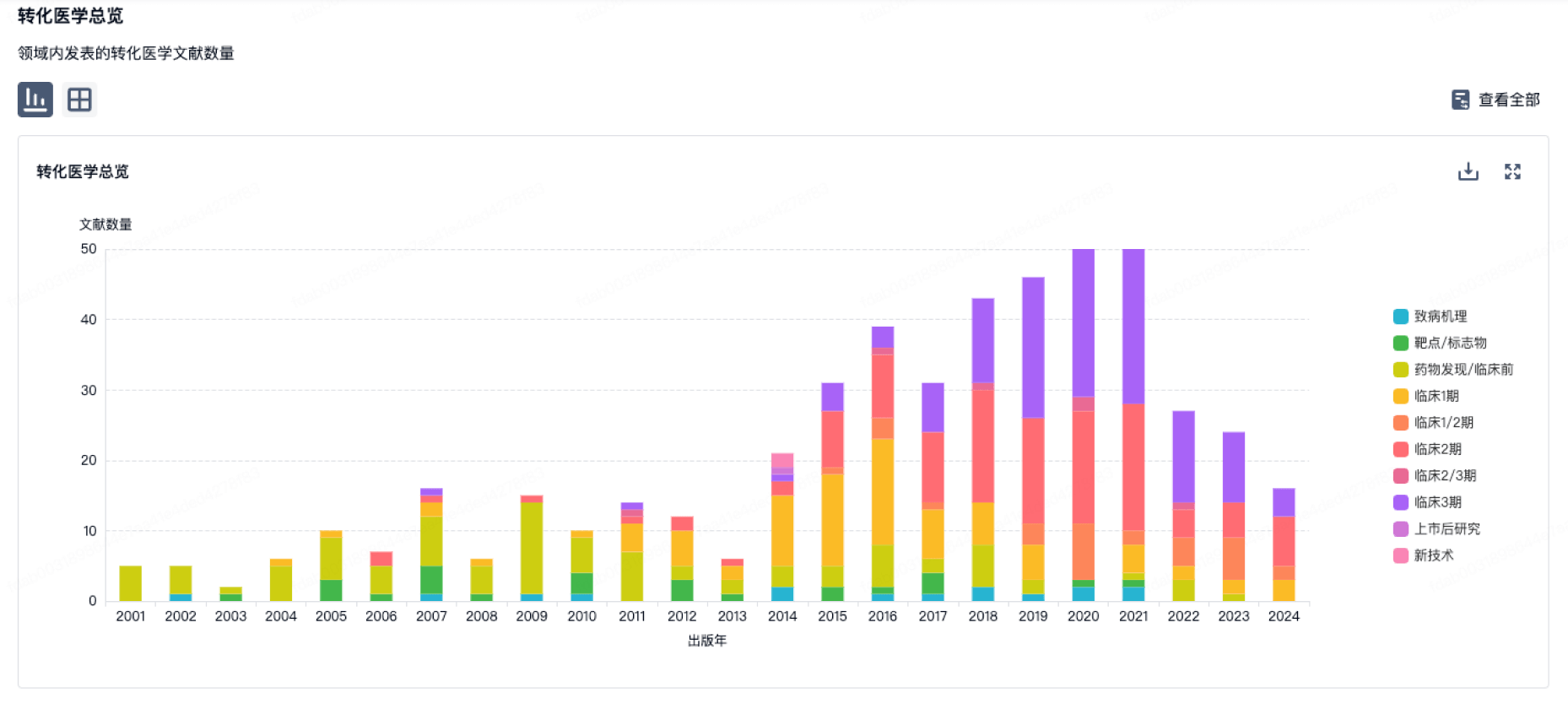
100 项与 Kailera Therapeutics, Inc. 相关的转化医学
登录后查看更多信息
组织架构
使用我们的机构树数据加速您的研究。
登录
或
管线布局
2026年10月15日管线快照
管线布局中药物为当前组织机构及其子机构作为药物机构进行统计,早期临床1期并入临床1期,临床1/2期并入临床2期,临床2/3期并入临床3期
临床前
1
1
临床1期
临床3期
1
登录后查看更多信息
当前项目
| 药物(靶点) | 适应症 | 全球最高研发状态 |
|---|---|---|
瑞普泊肽 ( GIPR x GLP-1R ) | 肥胖 更多 | 临床3期 |
HRS-7535 ( GLP-1R ) | 肥胖 更多 | 临床1期 |
HRS-4729 ( GCGR x GIPR x GLP-1R ) | 肥胖 更多 | 临床前 |
登录后查看更多信息
药物交易
使用我们的药物交易数据加速您的研究。
登录
或
转化医学
使用我们的转化医学数据加速您的研究。
登录
或
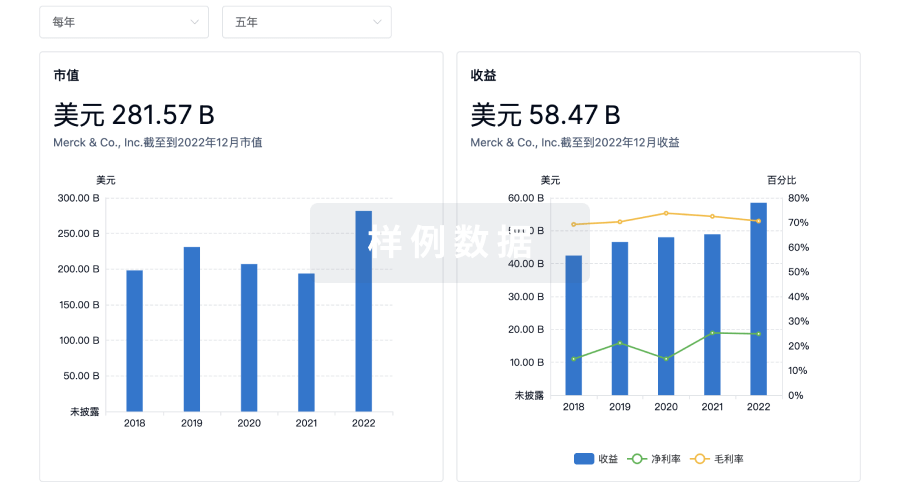
营收
使用 Synapse 探索超过 36 万个组织的财务状况。
登录
或
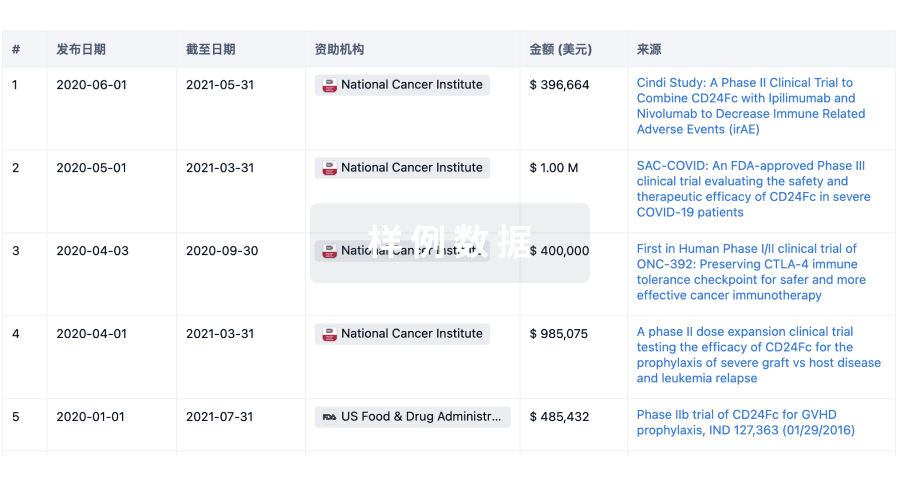
科研基金(NIH)
访问超过 200 万项资助和基金信息,以提升您的研究之旅。
登录
或
投资
深入了解从初创企业到成熟企业的最新公司投资动态。
登录
或
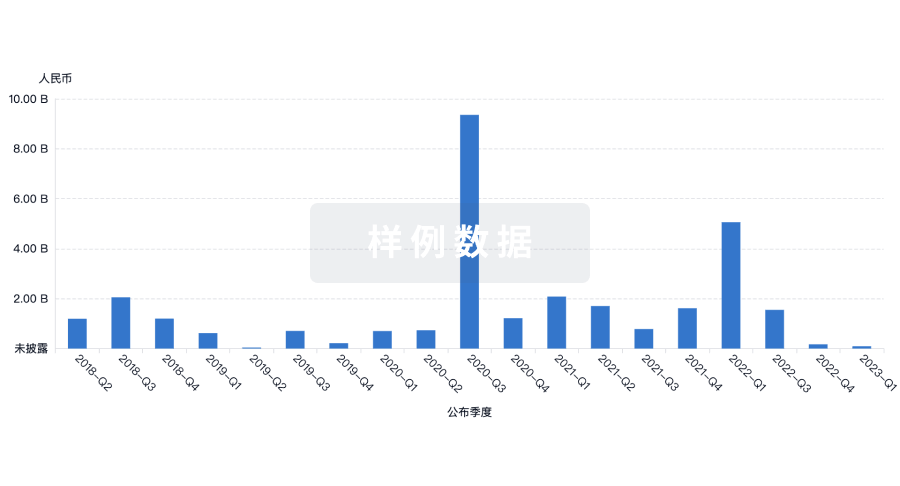
融资
发掘融资趋势以验证和推进您的投资机会。
登录
或
提出任何生物医药研究问题
让每一步生物医药决策都精准制胜
基于十亿级生物数据与全球情报的精准 AI,赋能早期药物发现
立即开始免费试用!
智慧芽新药情报库是智慧芽专为生命科学人士构建的基于AI的创新药情报平台,助您全方位提升您的研发与决策效率。
立即接入生物医药数据包
智慧芽新药库数据也通过智慧芽开放平台,以MCP或API服务形式对外开放。立即使用我们的MCP服务定制您的LLM智能体。
生物序列数据库
生物药研发创新
免费使用
化学结构数据库
小分子化药研发创新
免费使用