预约演示
更新于:2026-09-18

Guangxi University
更新于:2026-09-18
概览
标签
肿瘤
其他疾病
感染
小分子化药
合成多肽
毒素
疾病领域得分
一眼洞穿机构专注的疾病领域

技术平台
公司药物应用最多的技术
靶点
公司最常开发的靶点
关联
靶点 |
作用机制 |
在研机构 |
原研机构 |
在研适应症 |
非在研适应症 |
最高研发阶段 |
首次获批国家/地区 |
首次获批日期 |
靶点 |
作用机制 |
在研机构 |
原研机构 |
在研适应症 |
非在研适应症 |
最高研发阶段 |
首次获批国家/地区 |
首次获批日期 |
靶点 |
作用机制 |
在研机构 |
原研机构 |
在研适应症 |
非在研适应症 |
最高研发阶段 |
首次获批国家/地区 |
首次获批日期 |

ChiCTR2500106178
An empirical study on the fitness effect of 12 weeks table tennis exercise on middle-aged and elderly people aged 55-65
ChiCTR2400091915
Characterization of diet, intestinal flora and metabolites in Guangxi's longevity population and initial construction of a data platform
ChiCTR2200058216
Effects of a dietary pattern on health metrics and fecal metabolites in volunteers with risk of cardiovascular disease
100 项与 广西大学 相关的临床结果
登录后查看更多信息
登录后查看更多信息
2026-12-01Nano-Micro Letters
High-Entropy Amorphous Catalysts for Water Electrolysis: A New Frontier
Review
作者: Yan, Yi-Ming ; Xie, Jiangzhou ; Zhu, Jinliang ; Ni, Bing-Jie ; Wang, Gaihong ; Chen, Zhijie ; Wei, Wei
Abstract:
High‐entropy amorphous catalysts (HEACs) integrate multielement synergy with structural disorder, making them promising candidates for water splitting. Their distinctive features—including flexible coordination environments, tunable electronic structures, abundant unsaturated active sites, and dynamic structural reassembly—collectively enhance electrochemical activity and durability under operating conditions. This review summarizes recent advances in HEACs for hydrogen evolution, oxygen evolution, and overall water splitting, highlighting their disorder-driven advantages over crystalline counterparts. Catalytic performance benchmarks are presented, and mechanistic insights are discussed, focusing on how multimetallic synergy, amorphization effect, and in‐situ reconstruction cooperatively regulate reaction pathways. These insights provide guidance for the rational design of next‐generation amorphous high‐entropy electrocatalysts with improved efficiency and durability.
2026-12-01TALANTA
W-doped ZnO nanofibers for enhanced triethylamine sensing via electronic structure modulation
Review
作者: Li, Guo-Dong ; Chen, Yining ; Feng, Qingge ; Bei, Chen ; Shi, Lei ; Liang, Qihua ; Huang, Bangqia
Sensitive and reliable detection of triethylamine (TEA) is essential due to its toxicity and widespread presence in industrial processes and food spoilage. However, traditional metal oxide semiconductor sensors suffer from low response, poor selectivity, and limited understanding of the electronic mechanism underlying gas-sensing performance. In this work, W-doped ZnO nanofibers with different W contents were successfully fabricated by electrospinning followed by calcination, and their TEA sensing performances were systematically investigated. Among all samples, the 3.0 at% W-ZnO sensor exhibited the best performance at 235 °C, delivering a response of 35.8 toward 20 ppm TEA, which was 3.3 times that of pure ZnO, together with a fast response time of 7 s, good selectivity, and excellent sensing stability. Moreover, the optimized sensor was successfully applied to monitor TEA released during shrimp storage, indicating its potential for freshness evaluation. Experimental characterization revealed that W incorporation promotes oxygen vacancy formation and increases the concentration of surface chemisorbed oxygen species. Density functional theory calculations further indicated that W doping alters the local charge distribution and electronic structure of ZnO, thereby facilitating oxygen adsorption, oxygen activation, and charge transfer during the sensing process. Such electronic modulation effectively accelerates the surface oxidation reaction toward TEA and enhances the sensing response. This work provides new insight into how electronic structure modulation influences gas-sensing behavior and offers an effective strategy for designing high-performance TEA sensors.
2026-12-01JOURNAL OF COLLOID AND INTERFACE SCIENCE
Ti3C2-induced interface reconstruction of CeO2 and in-situ derived TiO2 boosting electron transfer and oxygen vacancies generation for efficient low-temperature soot oxidation over CeO2/Ti3C2
Article
作者: Sheng, Xiaolong ; Fu, Changcheng ; Zhou, Meibing ; Li, Yanying ; Zhang, Peng ; Zhang, Hanbing ; Yang, Lefu ; Pan, Mingzhang ; Zhang, Tian ; Huang, Pingping ; Yang, Yupei ; Guan, Wei
CeO2-based catalysts have been employed in soot oxidation in diesel engine exhaust owing to their excellent oxygen storage and release capacity derived from Ce3+/Ce4+ redox cycle. However, CeO2 still suffers from high reaction temperature limitation for soot oxidation, which seriously degrades its catalytic activity and reusability. Since soot oxidation degree strongly depends on active oxygen species and contact area, this study introduced Ti3C2 into CeO2 to construct CeO2-Ti3C2 with multiple heterojunctions, thereby enhancing CeO2 electron migration to form appropriate quantity of oxygen vacancies on the surface. The results indicated that CeO2/Ti3C2 construction induced TiO2 derivation and formed Schottky heterojunctions including TiO2/Ti3C2 and CeO2/Ti3C2, which increased interfacial electron transfer paths for effective active oxygen species generation. Among synthesized catalysts, CeO2/Ti3C2-12 exhibited a light-off temperature (T10, 242 °C) and half-conversion temperature (T50, 410 °C). Compared with the T10 and T50 values of CeO2 in this study and other Ce-based catalysts documented in the literature, those of CeO2/Ti3C2-12 were respectively reduced by 83 °C and 38 °C, demonstrating a remarkable low-temperature activity advantage. Such a result is attributed to Ti3C2-induced CeO2 interface restructuring and lowered oxygen vacancies formation energy, which enhanced interfacial electron transfer thereby accelerated soot oxidation. This study proposes a facile and efficient CeO2 interface reconstruction strategy to develop superior catalysts for soot oxidation and contribute to meeting China National Emission Standard VI for diesel engines.
100 项与 广西大学 相关的药物交易
登录后查看更多信息
100 项与 广西大学 相关的转化医学
登录后查看更多信息
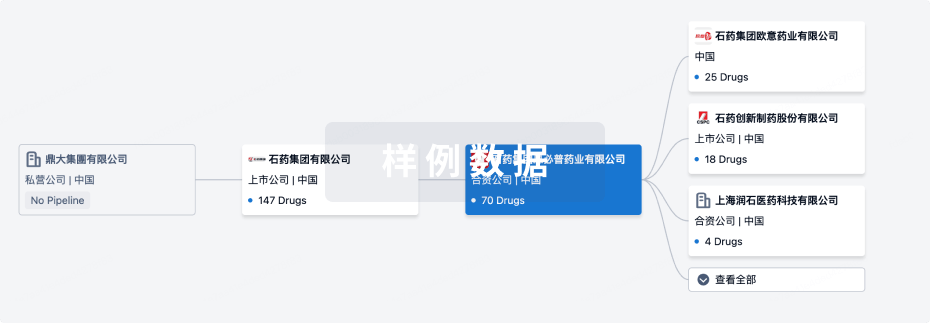
组织架构
使用我们的机构树数据加速您的研究。
登录
或
管线布局
2026年10月10日管线快照
管线布局中药物为当前组织机构及其子机构作为药物机构进行统计,早期临床1期并入临床1期,临床1/2期并入临床2期,临床2/3期并入临床3期
药物发现
9
20
临床前
登录后查看更多信息
当前项目
登录后查看更多信息
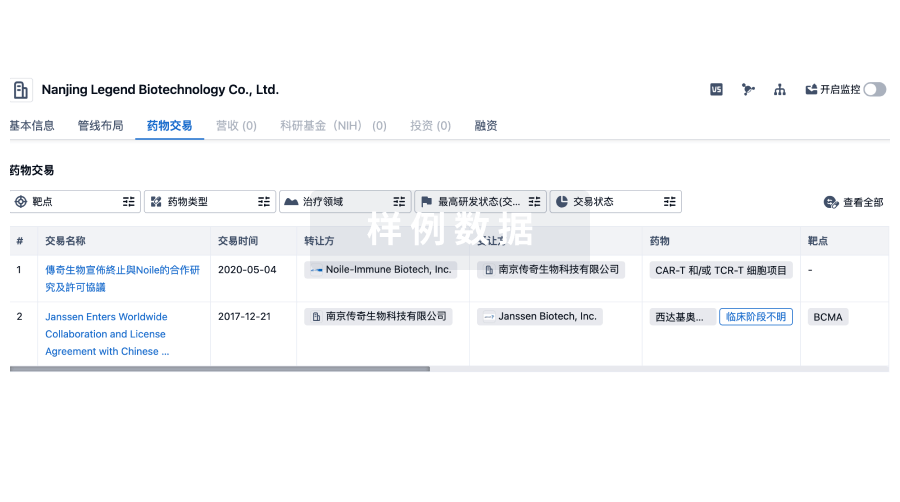
药物交易
使用我们的药物交易数据加速您的研究。
登录
或
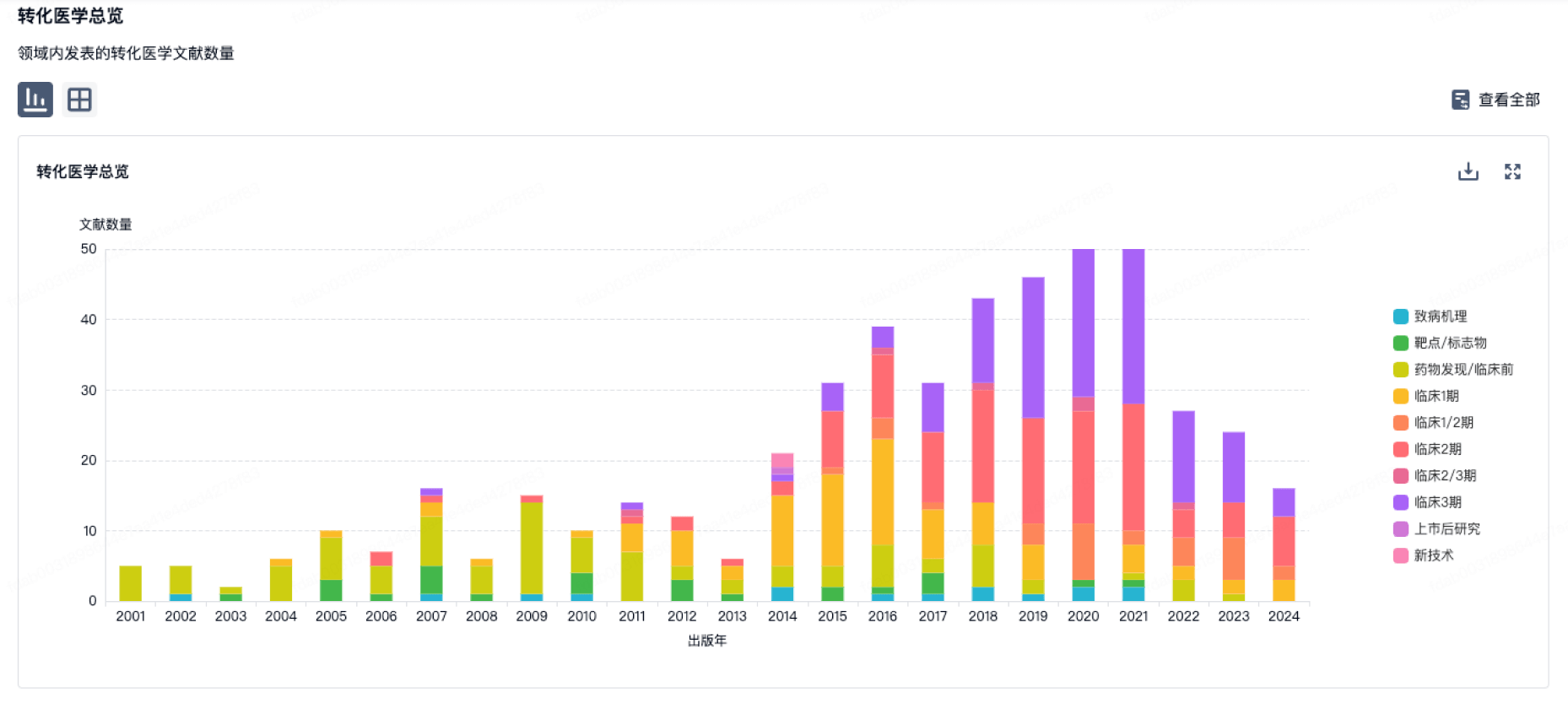
转化医学
使用我们的转化医学数据加速您的研究。
登录
或
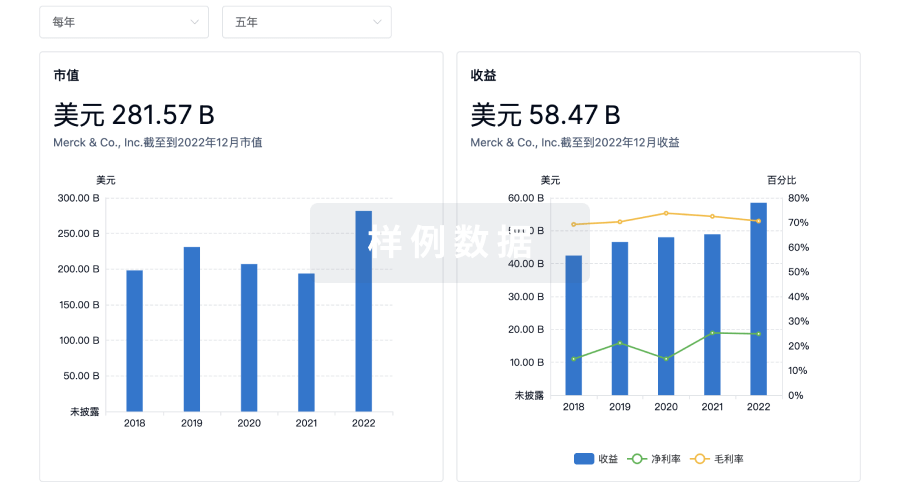
营收
使用 Synapse 探索超过 36 万个组织的财务状况。
登录
或
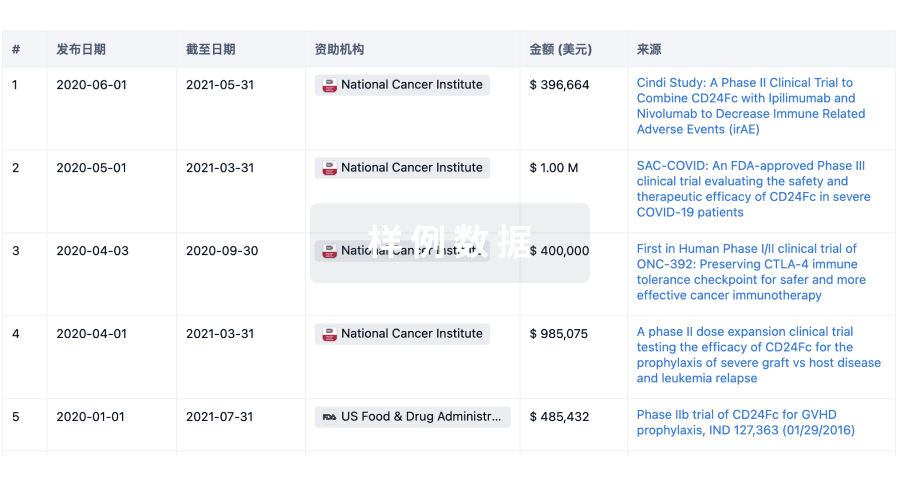
科研基金(NIH)
访问超过 200 万项资助和基金信息,以提升您的研究之旅。
登录
或
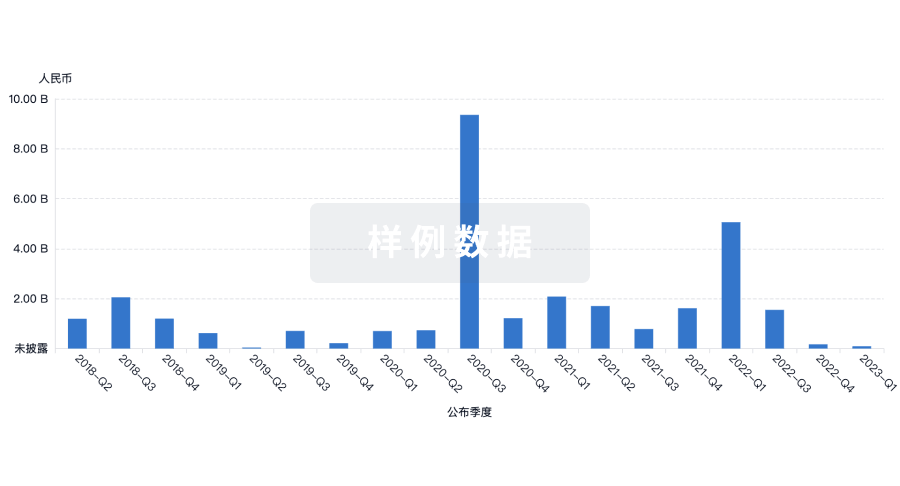
投资
深入了解从初创企业到成熟企业的最新公司投资动态。
登录
或
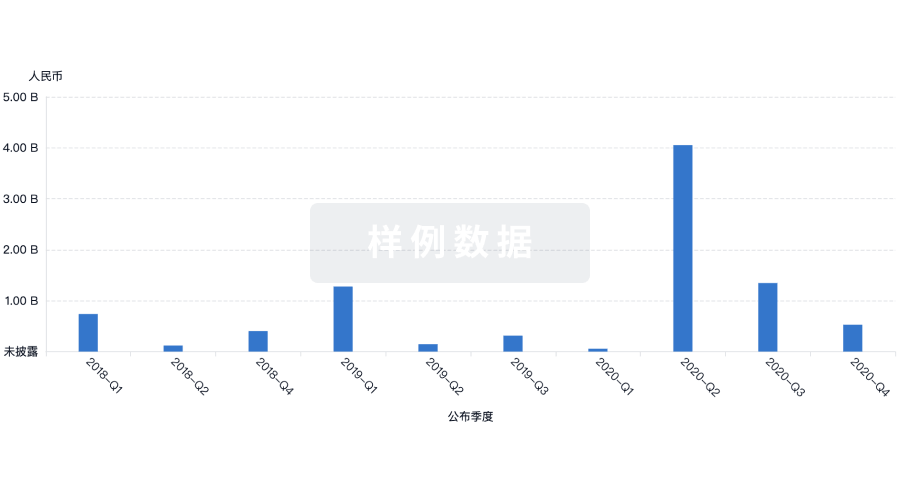
融资
发掘融资趋势以验证和推进您的投资机会。
登录
或
提出任何生物医药研究问题
让每一步生物医药决策都精准制胜
基于十亿级生物数据与全球情报的精准 AI,赋能早期药物发现
立即开始免费试用!
智慧芽新药情报库是智慧芽专为生命科学人士构建的基于AI的创新药情报平台,助您全方位提升您的研发与决策效率。
立即接入生物医药数据包
智慧芽新药库数据也通过智慧芽开放平台,以MCP或API服务形式对外开放。立即使用我们的MCP服务定制您的LLM智能体。
生物序列数据库
生物药研发创新
免费使用
化学结构数据库
小分子化药研发创新
免费使用