预约演示
更新于:2026-01-31

Nitto Denko Corp.
更新于:2026-01-31
概览
标签
呼吸系统疾病
消化系统疾病
感染
小分子化药
siRNA
疾病领域得分
一眼洞穿机构专注的疾病领域

暂无数据
技术平台
公司药物应用最多的技术
暂无数据
靶点
公司最常开发的靶点
暂无数据
| 排名前五的药物类型 | 数量 |
|---|---|
| 小分子化药 | 4 |
| siRNA | 4 |
| mRNA | 1 |
| 环状RNA | 1 |
| DNAi疗法 | 1 |
关联
13
项与 Nitto Denko Corp. 相关的药物作用机制 β1-adrenergic receptor拮抗剂 |
在研机构 |
原研机构 |
非在研适应症- |
最高研发阶段批准上市 |
首次获批国家/地区 日本 |
首次获批日期2013-06-28 |

作用机制 β2-adrenergic receptor激动剂 |
原研机构- |
非在研适应症- |
最高研发阶段批准上市 |
首次获批国家/地区 日本 |
首次获批日期1998-09-30 |
靶点 |
作用机制 GR激动剂 |
在研机构 |
原研机构 |
最高研发阶段批准上市 |
首次获批国家/地区 美国 |
首次获批日期1960-01-04 |
17
项与 Nitto Denko Corp. 相关的临床试验CTRI/2024/04/065617
A prospective, open label, pilot study to compare ECG electrical signals ofEG Holter PX3.0 with Bittium Faros 360 (3 channel lead-set with 5 electrodes) ECG Holter to evaluate equivalence via analysis using FDA approved Bittium software without intended use in arrythmia(s) treatment - NIL
开始日期2024-04-29 |
CTR20232650
TY-0201R的药代动力学试验
-以中国健康成年人为研究对象的4mg、8 mg单次给药试验及8mg多次给药试验-
以中国健康成年人为研究对象,探讨TY-0201R 4mg、8mg单次给药时及8mg 7天多次给药时的药代动力学以及安全性。
开始日期2023-10-16 |
申办/合作机构 Nitto Denko Corp. [+2] |
CTR20221981
评价TY-0201R在中国原发性高血压患者中有效性和安全性的III期临床试验
-以富马酸比索洛尔口服制剂为对照的双盲平行对照试验-
以原发性高血压(1级或2级)患者为对象,给予TY-0201R 8mg或富马酸比索洛尔口服制剂(以下简称口服制剂)5mg,每日1次,给药8周。通过双盲双模拟、平行对照试验验证TY-0201R的有效性非劣于口服制剂,同时进行安全性评价。
开始日期2023-01-17 |
申办/合作机构 Nitto Denko Corp. [+2] |
100 项与 Nitto Denko Corp. 相关的临床结果
登录后查看更多信息
0 项与 Nitto Denko Corp. 相关的专利(医药)
登录后查看更多信息
76
项与 Nitto Denko Corp. 相关的文献(医药)2025-08-01·WATER RESEARCH
Concentration of high boiling point organic solvents by osmotically assisted reverse osmosis
Article
作者: Mino, Yasushi ; Hu, Mengyang ; Kumagai, Kazuo ; Guan, Kecheng ; Matsuyama, Hideto ; Kawashima, Toshiyuki
High boiling point organic solvents (HBOS) are integral to various industrial applications due to their versatile properties. However, the disposal of these solvents raises significant environmental concerns and incurs substantial costs. In this research, an osmotically assisted reverse osmosis (OARO) strategy was utilized to effectively concentrate and treat HBOS (N,N-dimethylformamide (DMF), dimethyl sulfoxide (DMSO), N,N-dimethylacetamide (DMAc), and N-methyl-2-pyrrolidone (NMP)) wastewater for recycling of the solvents. The influence of several operational parameters, comprising flow rate, applied pressure, number of membrane modules, and their connection mode, was systematically investigated. Specifically, enhancing the operating pressure and reducing flow rates will both lead to higher concentrations of DMF. Furthermore, we developed a simulation model that can reproduce and predict the OARO process well. Investigating long-term operational stability revealed that the OARO process can sustain stable operations for approximately 18 months. Finally, real DMF wastewater containing 1.0 wt.% DMF from an RO membrane company was treated using the OARO technique, resulting in a successful concentration of approximately 42 times. The findings of this research underscore the significant practical applicability of the OARO strategy for HBOS wastewater recovery, recycling, and reuse.
2025-01-02·MOLECULAR CANCER THERAPEUTICS
A Novel Lipid Nanoparticle NBF-006 Encapsulating Glutathione S-Transferase P siRNA for the Treatment of KRAS-Driven Non–small Cell Lung Cancer
Article
作者: Wang, Li ; Adami, Roger ; Ying, Wenbin ; Harborth, Jens ; Zabludoff, Sonya ; Majeti, Bharat ; Cina, Cima ; Clamme, Jean Pierre ; O’Brien, Zhihong ; Tsang, Kwok Yin
Abstract:
Non–small cell lung cancer (NSCLC) accounts for approximately 85% of lung cancers, and KRAS mutations occur in 25% to 30% of NSCLC. Our approach to developing a therapeutic with the potential to target KRAS-mutant NSCLC was to identify a new target involved in modulating signaling proteins in the RAS pathway. Glutathione S-transferase P (GSTP), known as a phase II detoxification enzyme, has more recently been identified as a modulator of MAPK-related cell signaling pathways. Therefore, developing a GSTP siRNA may be an effective therapeutic approach to treat KRAS-mutant NSCLC. The lead drug product candidate (NBF-006) is a proprietary siRNA-based lipid nanoparticle comprising GSTP siRNA (NDT-05-1040). Here, studies using a panel of KRAS-mutant NSCLC cell lines demonstrated that NDT-05-1040 is a very potent and selective GSTP siRNA inhibitor. Our Western blot analysis showed that NDT-05-1040 effectively decreased the phosphorylation of MAPK and PI3K pathway components while upregulating apoptotic signaling cascade. Our in vivo studies revealed statistically significant higher distribution of NBF-006 to the lungs and tumor as compared with the liver. In the subcutaneous and orthotopic tumor models, NBF-006 led to a statistically significant and dose-dependent antitumor growth inhibition. Furthermore, quantitative image analysis of proliferating cell nuclear antigen and PARP staining showed that NBF-006 decreased proliferation and induced apoptosis, respectively, in tumors. Additionally, in a surgically implanted orthotopic lung tumor model, the survival rate of the NBF-006 treatment group was significantly prolonged (P < 0.005) as compared with the vehicle control group. Together, these preclinical studies supported advancement of NBF-006 into clinical studies.
2025-01-01·MICROPOROUS AND MESOPOROUS MATERIALS
Development of a binarization analysis technique and characteristic for mixed-matrix pervaporation membranes
作者: Kimura, Naomichi ; Hirai, Tomoya ; Yoshioka, Tomohisa ; Nishiyama, Shinya ; Nakagawa, Keizo ; Ito, Yuri
Pervaporation (PV) is considered a promising energy-efficient process for recovering ethanol from fermentation liquidsIn this study, ethanol separation characteristics were elucidated using mixed-matrix pervaporation membranes composed of hydrophobic polymers (PDMS) and high-silica ZSM-5 (HSZ).The selectivity and flux of ethanol/water were both improved when HSZ content in PDMS matrixes was increased - at 50 wt% HSZ content the selectivity reached 15 and the flux of ethanol was improved to 0.05 kg/m2/h.A new method was demonstrated to quantify the local thickness of the PDMS matrixes by cross-sectional SEM binarization and inscribed circle anal.PDMS matrixes became more uniform with an increase in the HSZ content.The uniform presence of the PDMS matrixes can be interpreted as more uniform dispersion of HSZ particles.An increase in total length of PDMS-HSZ interface resulted in improved ethanol permeability.NMR anal. showed that the mol. mobility of PDMS was restricted.Those results suggest an increase in the phys. interaction between PDMS and HSZ.This study demonstrated a new anal. method for understanding the local thickness of the PDMS matrixes and the interfacial state of mixed-matrix pervaporation membranes.
44
项与 Nitto Denko Corp. 相关的新闻(医药)2026-01-26
摘要嵌合抗原受体(CAR)-T细胞疗法已改变了血液系统恶性肿瘤患者的治疗结局,但该疗法受限于繁琐的制备流程、有限的生产能力和不稳定的临床疗效。体内CAR-T细胞工程技术通过在患者体内直接生成CAR-T细胞,无需体外细胞处理和复杂物流,有望克服这些挑战并提升临床疗效。病毒学、RNA药物和纳米技术的近期进展推动了该技术的彻底革新——利用慢病毒载体、脂质纳米颗粒等靶向递送系统,将编码CAR的遗传物质导入内源性T细胞。早期临床研究已证实该技术具有高效转导、持续CAR表达及初步抗肿瘤活性,确立了概念验证。本综述探讨了相关基础技术(包括脂质纳米颗粒递送的RNA和工程化病毒载体),并阐述了这些技术如何被改造以开发更具广泛适用性、可扩展性、安全性和有效性的CAR-T细胞疗法。通过省去体外操作和化疗预处理步骤,该策略不仅能扩大CAR-T细胞疗法在血液肿瘤中的应用,还能拓展至自身免疫性疾病领域——体外CAR-T细胞疗法已在此类疾病(如系统性红斑狼疮)中显示出巨大潜力。引言过去三十年间,在单克隆抗体、抗体药物偶联物、细胞因子、免疫细胞衔接器、DNA疫苗等技术进步的推动下,免疫疗法发生了重大变革,近年来RNA疫苗和工程化T细胞疗法的出现更是加速了这一进程。在这些治疗方式中,自体嵌合抗原受体(CAR)-T细胞疗法脱颖而出,其通过采集患者自身T细胞、进行基因修饰以表达CAR后回输体内,在B细胞恶性肿瘤中展现出治愈潜力。然而,与预期不符的是,自体或异基因CAR-T细胞疗法向更广泛适应症和患者群体的拓展速度慢于预期。目前已明确的障碍包括制备和物流的复杂性、生产能力有限以及对化疗预处理的依赖,这些因素均限制了疗法的可及性和适用范围。因此,该领域正处于又一个转折点,需要在递送和工程技术方面进行创新,以克服这些局限性,充分释放CAR-T细胞疗法乃至整个免疫疗法的潜力。本综述首先探讨体外工程化CAR-T细胞产品开发带来的关键经验,这些经验促使研究者将体内CAR技术作为替代方案推进。这一创新策略省去了细胞制备及相关限制可及性的物流环节,避免了化疗预处理,为CAR技术的全面应用(包括对安全性要求更高的广泛适应症)创造了机会。随后,本综述将介绍主流的体内CAR平台及其临床前或临床概念验证证据。最后,将讨论该技术的潜在局限性、推进其临床应用的策略,以及这一进展如何推动体内免疫细胞工程向更多机制和载荷的多元化方向发展。体外工程化CAR-T细胞的经验借鉴迄今为止,多款通过慢病毒或逆转录病毒载体工程化、靶向CD19或B细胞成熟抗原(BCMA)的自体CAR-T细胞产品已获批,用于治疗多种B细胞恶性肿瘤,包括B细胞急性淋巴细胞白血病、非霍奇金淋巴瘤和多发性骨髓瘤。此外,数百项CAR-T细胞相关项目正处于不同开发阶段,全球范围内有超过1000项临床试验正在进行。其中包括“现成可用”的异基因CAR-T细胞(allo-CAR-T细胞)产品,这类产品在肿瘤领域的临床疗效尚未达到自体CAR-T细胞水平,但在自身免疫性疾病中可能具有应用前景。对获批CAR-T细胞产品的详细评估(包括通过反向转化分析明确毒性和治疗耐药机制)提供了关键经验,为下一代细胞疗法和体内CAR疗法的设计提供了指导(专栏1)。CAR-T细胞疗法:一种变革性治疗方式尽管自体CAR-T细胞最初主要为癌症治疗而开发,但越来越多的证据表明其具有治疗更广泛疾病的潜力,包括自身免疫性疾病。在纤维化和自身免疫性疾病的临床前研究中,以及在涵盖狼疮性肾炎、肌炎、系统性硬化症等自身免疫性疾病的多项临床病例研究中,CAR-T细胞疗法均显示出持久的无药应答、自身反应性记忆B细胞清除以及疾病相关生物标志物降低的效果。这一机制被称为“免疫重置”,其模拟了大剂量化疗后自体干细胞移植治疗严重自身免疫性疾病的效果。本质上,这种重置通过用功能正常的免疫系统替代含有致病性自身反应性免疫细胞的免疫谱系,实现疾病的完全且持久缓解。体外工程化CAR-T细胞产品积累了大量临床数据,包括超过35000名接受商业产品治疗的癌症患者,这些数据推动了治疗相关不良事件(如细胞因子释放综合征(CRS)、免疫效应细胞相关噬血细胞性淋巴组织细胞增生症样综合征(IEC-HS)、免疫效应细胞相关神经毒性综合征(ICANS)、中性粒细胞减少症以及与低丙种球蛋白血症相关的B细胞发育不全)的特征描述和管理标准化。这些知识可为下一代CAR-T细胞产品的临床开发提供支持,助力扩大该治疗方式的应用范围。可及性与临床疗效的局限性尽管取得了这些成功,但成本、可扩展性和可行性问题严重限制了商业体外工程化CAR-T细胞产品的可及性,也可能阻碍其在非肿瘤适应症和癌症早期治疗中的广泛应用。事实上,在美国,约五分之四的合格淋巴瘤患者目前无法获得商业CAR-T细胞产品治疗。除可扩展性外,临床应用或开发中的CAR-T细胞产品还存在其他问题。例如,其风险特征要求使用化疗预处理,通常包括DNA烷化剂(如环磷酰胺)联合嘌呤类似物(如氟达拉滨,肿瘤治疗中常用)。这些药物会带来明确的毒性,且CAR-T细胞过度激活还会引发一系列其他不良事件,部分患者需要 intensive住院管理,这使得该疗法仅能在认证治疗中心开展。这些因素共同导致了可及性挑战,并可能限制其在自身免疫性疾病和再生医学等适应症中的广泛应用。此外,肿瘤治疗中的疗效局限性源于影响部分患者的复杂治疗耐药机制,包括免疫细胞功能状态不佳、肿瘤内在因素(如免疫抑制性微环境)以及靶抗原低表达或异质性表达驱动的免疫逃逸。系统性解决这些因素对于将CAR-T细胞的获益扩展至更广泛的血液系统恶性肿瘤患者群体,并在实体瘤中实现相当疗效至关重要——这一宏伟目标可能需要新的方法,如免疫系统的多模式体内工程化。体内细胞疗法:历史视角体内CAR-T细胞疗法正逐渐成为一种可扩展的替代方案,无需体外细胞操作和化疗预处理。该方法的核心机制特征是利用“现成可用”的载体或制剂,在体内对免疫细胞进行直接原位CAR工程化(专栏2)。这些体内工程化的免疫细胞可以是已分化为效应细胞的T细胞、巨噬细胞、自然杀伤细胞和/或其他免疫细胞,也可以是具有强大免疫效应细胞分化能力的造血干细胞(HSCs)。该方法有望将CAR分子的变革性效力与“现成可用”的无细胞策略的可扩展性相结合,从而可能同时解决传统疗法的可及性和部分临床疗效局限性问题。该领域诞生于纳米技术、RNA药物、病毒学和CAR疗法等多个领域的交叉点,引发了生物制药行业的浓厚兴趣,已有多家公司进入临床阶段。首次成功实现CAR-T细胞原位编程的临床前报告来自2017年8月弗雷德·哈钦森癌症中心的Matthias Stephan团队和2018年9月保罗·埃尔利希研究所的Christian Buchholz团队。弗雷德·哈钦森癌症中心的团队开发了可生物降解的DNA载药聚合物纳米颗粒,该颗粒靶向小鼠T细胞上的CD3,递送编码CD19特异性CAR的睡美人转座子系统。在急性淋巴细胞白血病小鼠模型中,静脉输注的抗CD19 CAR纳米颗粒与过继性T细胞疗法疗效相当,且无需体外细胞操作。保罗·埃尔利希研究所的团队早在2012年就已描述了一种靶向人CD8的慢病毒载体,并提出该特征对向细胞毒性T细胞体内递送抗原受体基因至关重要。在包装CD19特异性CAR后,其临床前概念验证包括在人源化小鼠模型(通过输注人外周血单个核细胞或造血干细胞构建)中进行T细胞工程化,同时观察到B细胞清除和细胞因子产生。图1 体内CAR技术临床转化的重大发现与里程碑时间线体外工程化嵌合抗原受体(CAR)-T细胞产品的开发是医学领域的重大里程碑,但也凸显了该平台在可及性和临床疗效方面的局限性(左上)。旨在克服这些局限性的体内CAR技术的出现,得益于多个不同领域的进展:病毒学、RNA治疗学和纳米医学(左下)。两个主要的体内CAR平台在这些领域的交叉点应运而生,目前正处于临床转化阶段:工程化病毒(慢病毒或γ-逆转录病毒)载体(可实现载荷基因组整合,右上);装载RNA的脂质纳米颗粒(LNPs,可实现载荷瞬时表达,右下)。NHP:非人灵长类动物。然而,由于三个主要原因,当时临床转化似乎还很遥远。首先,这些体内编程的突破并未立即被风险投资家和生物制药行业知晓。其次,诺华和凯特制药刚刚获得美国食品药品监督管理局(FDA)批准,推出了首款CAR-T细胞疗法(Kymriah和Yescarta),随后凯特制药被吉利德以119亿美元收购,这增强了投资者对体外工程化CAR-T细胞产品的信心。最后,当时人们对“现成可用”的异基因细胞技术能迅速转化为第二代商业产品并具有更广泛适用性抱有很高期望。与开发注射用多组分纳米药物(当时大多数生物制药公司对此领域并不熟悉)的挑战相比,在临床概念验证和产品获批的背景下,体外T细胞工程技术似乎风险更低,是一条更易推向市场并获得财务回报的路径。此外,围绕CAR-T细胞技术的知识产权纠纷以及纳米颗粒药物递送系统的知识产权争议,进一步复杂化了体内CAR-T细胞技术的转化。尽管如此,2018年7月,首家专注于体内CAR-T细胞疗法的生物技术公司Tidal Therapeutics成立。随后,2019年Umoja Biopharma、Orna Therapeutics和Sana Biotechnology,2020年Abintus Bio,2021年Capstan Therapeutics等公司相继成立,为该领域的快速发展、创新和投资奠定了基础——目前已有超过30家公司在该领域布局。2021年,赛诺菲收购了Tidal Therapeutics,目前正在开发三款针对肿瘤和炎症性疾病的体内CAR-T细胞项目。最近,阿斯利康收购了专注于多发性骨髓瘤体内病毒CAR疗法开发的EsoBiotec,艾伯维收购了基于RNA-脂质纳米颗粒(RNA-LNPs)开发自身免疫性疾病及其他适应症体内CAR产品的Capstan。体内免疫工程化:机制背景体内CAR工程化能够快速生成CAR修饰的免疫细胞,并使其在修饰发生的微环境中或经CAR-T细胞迁移后在远端组织中与靶细胞结合。因此,化疗预处理(对细胞产品输注后CAR-T细胞扩增至关重要)不仅没有必要,还与体内CAR-T细胞治疗不兼容。相反,除了提高可及性和扩大适用性外,避免化疗预处理还能更有效地借助更广泛的免疫机制,从而增强临床疗效。然而,化疗预处理对肿瘤CAR-T细胞疗法的部分有益作用(如对肿瘤微环境(TME)或先天免疫的免疫调节作用)可能需要通过其他方式解决,例如共递送γ链受体细胞因子等生物反应调节剂。无论如何,为了成功重编程目标免疫细胞,同时最大限度减少致病性细胞或体内其他细胞的摄取,体内CAR-T细胞疗法所用的载体或制剂需要具备卓越的组织和细胞选择性。目前进入临床开发的两个主要平台在载荷和递送策略上存在差异:含整合型载荷的工程化病毒载体;携带瞬时表达RNA的脂质纳米颗粒(LNPs)。使用整合型载荷的体内CAR技术可使免疫细胞群体根据抗原的存在和负荷自行调节扩增和持续存在,这在对临床疗效要求高 potency的适应症中可能是一项优势。相比之下,依赖瞬时表达、非整合型载荷的技术可通过调节给药方案,相对独立于抗原负荷来控制暴露量(上调或下调CAR工程化免疫细胞的数量和持续存在时间),这在对安全性要求更高的适应症中可能更具优势。下文将根据载荷是否整合,分类介绍主要的体内CAR疗法平台及进入临床阶段的领先候选产品。此外,还将概述体内CAR技术从临床前转化至临床应用的具体挑战,并与传统体外CAR-T细胞疗法面临的挑战进行比较。图2 主要体内CAR平台(聚焦工程化载体和载荷)a、b:病毒工程化载体(慢病毒或γ-逆转录病毒)。一种靶向重定向策略:对病毒包膜进行修饰,加入T细胞特异性结合剂(实现T细胞选择性摄取)和融合元件(促进载荷(嵌合抗原受体(CAR)表达载体)的细胞质递送)(a图)。病毒载荷的结构:通常包含CAR表达开放阅读框(ORF),其调控元件与传统体外工程化CAR-T细胞产品相似(b图)。开发基于病毒的体内CAR-T细胞平台的公司包括Interius BioTherapeutics、Umoja Biopharma、Genocury、EsoBiotec、Sana Biotechnology和Kelonia Therapeutics。c、d:脂质纳米颗粒(LNP)-RNA工程化载体。LNPs由脂质组成,包括可促进RNA载荷从内溶酶体释放到细胞质中的可电离脂质。可通过亲嗜性脂质(Myeloid Therapeutics、Carisma Therapeutics、Orna Therapeutics)或抗体衍生结合剂(Capstan Therapeutics、赛诺菲)实现靶向。目前正在研究的RNA形式分为两类:通过优化非翻译区(UTRs)、密码子优化和使用N1-甲基假尿苷等修饰实现高水平CAR表达的线性mRNA(c图);通过防止早期翻译终止实现载荷延长表达的环状RNA(d图)。开发该技术的公司包括Myeloid Therapeutics、Carisma Therapeutics、Orna Therapeutics、Capstan Therapeutics、深圳MagicRNA和赛诺菲。图3 处于开发阶段的主要体内CAR平台及其作用机制a:使用整合型病毒载体(通常为慢病毒或γ-逆转录病毒载体)的体内平台需靶向递送至T细胞,随后发生膜融合、病毒颗粒转移至细胞质或内溶酶体区室,最终实现嵌合抗原受体(CAR)转基因的基因组整合。机制上,该方法的主要特征包括靶标驱动的扩增:CAR表达T细胞在肿瘤细胞上遇到特异性抗原后增殖。这可能导致CAR表达细胞的持续存在,但也面临挑战——如何防止活性放大、非预期持续存在或再扩增,从而避免治疗后数周或数月出现延迟性或持续性靶向毒性。专注于该技术的公司包括Interius BioTherapeutics、Umoja Biopharma、Sana Biotechnology、Genocury、EsoBiotec和Kelonia Therapeutics。b:髓系细胞亲嗜性脂质纳米颗粒(LNPs)用于向巨噬细胞递送CAR mRNA,生成的CAR表达巨噬细胞目前正在实体瘤中进行测试,初步数据令人鼓舞。通过载荷优化和髓系细胞的缓慢增殖,可在迁移的髓系细胞中实现CAR的延长表达。圆圈阴影深浅代表CAR表达水平(阴影越深,表达水平越高)。开发该技术的公司包括Myeloid Therapeutics和Moderna Inc.(与Carisma Therapeutics合作)。c:靶向LNPs(tLNPs)——表达抗体结合剂或包含免疫亲嗜性脂质——可用于以线性或环状RNA形式,对T细胞或T细胞亚群进行CAR工程化。CAR表达驱动工程化细胞的快速抗原诱导激活和增殖。然而,由于RNA载荷不整合,CAR表达会随着T细胞的快速分裂而衰减。基于其免疫原性特征,LNPs可重复给药,以提高暴露量并增强药理效应。开发该技术的公司包括深圳MagicRNA、Orna Therapeutics、Capstan Therapeutics和赛诺菲。实心圆圈表示CAR表达功能细胞;半实心圆圈表示耗竭的CAR转导细胞。病毒载体体内CAR-T细胞疗法病毒载体的早期开发该平台依赖细胞选择性载体递送和通过工程化慢病毒或γ-逆转录病毒载体实现的CAR载荷基因组整合。这些病毒载体的关键要求是实现向患者T细胞的高效选择性基因转移。载体颗粒需避免被非目标细胞摄取,以确保安全性,并通过最大限度减少“Sink效应”(非目标细胞对载体的消耗)提高效率。这一目标通过对慢病毒载体假型化所用的病毒包膜蛋白进行工程化改造实现。其核心思路是同时消除与天然细胞表面受体的相互作用,并展示能识别T细胞特异性细胞表面标志物的高亲和力结合剂。麻疹病毒糖蛋白为慢病毒载体提供了概念验证——其膜融合和受体结合功能分离在两种蛋白上,便于工程化改造。工程化尼帕病毒(NiV)糖蛋白提高了载体颗粒的基因递送活性,而CD4和CD8特异性结合剂的展示实现了T细胞特异性转导,在CD8阳性T细胞中特异性可达99%以上。慢病毒糖蛋白工程化的一项重要进展是将受体靶向递送策略应用于弹状病毒水疱性口炎病毒(VSV)的G糖蛋白。VSV慢病毒具有产量高、纯化工艺成熟和符合良好生产规范(GMP)等优势。与在细胞表面介导高效pH非依赖性融合的副粘病毒糖蛋白不同,VSV-G蛋白将受体结合和膜融合功能整合在单个分子中,需要晚期内体的低pH环境才能启动融合。临床测试最终将明确不同进入方式是否会影响基因递送效率以及脱靶递送和毒性。基于消除天然受体结合并展示高亲和力结合剂(或融合至VSV-G蛋白,或作为单独的跨膜蛋白)的原理,已对包括T细胞标志物在内的多种靶受体进行了评估。首个用于体内CAR-T细胞生成的T细胞特异性慢病毒(CD8-慢病毒)基于尼帕病毒(NiV)糖蛋白,其展示了对CD8α链具有高亲和力的设计型锚蛋白重复蛋白(DARPin)。该CD8-慢病毒实现了体内生成人CD19 CAR-T细胞的概念验证。在人源化小鼠模型中单次全身给药,即可转导足够数量的人T细胞成为CAR-T细胞,有效清除循环系统和骨髓中的原代B细胞或淋巴瘤细胞。在使用靶向其他T细胞标志物的慢病毒的类似人源化小鼠模型中,后续研究获得了与体内CAR疗法相关的重要发现。值得注意的是,通过抗CD4慢病毒载体将CAR仅递送至CD4阳性T细胞,在临床前模型中实现了高效的靶细胞清除,疗效相当或优于CD8-慢病毒载体。使用激动性单链抗体靶向CD3,可实现对T细胞的选择性结合,同时诱导其激活。由于CD3特异性表达于T细胞且在T细胞受体(TCR)信号传导中起核心作用,其结合通常会触发内化和受体下调(激活过程的一部分)。为防止CD3表面表达丢失(这会限制载体结合和转导效率),转导过程中使用酪氨酸激酶抑制剂达沙替尼 transient抑制TCR信号传导,从而保留CD3表达并增强基因转移。通过靶向分化程度较低的T细胞上的标志物(如CD62L),可将CAR载荷优先递送至初始T细胞、干细胞样记忆T细胞或中心记忆T细胞,这可能有助于提高疗效或防止早期耗竭。该技术的一个障碍是巨噬细胞可能充当“Sink”(消耗载体颗粒)。通过在慢病毒包膜中整合“别吃我信号”CD47,可显著降低巨噬细胞对载体颗粒的非特异性吞噬活性。上述所有体内CAR-T细胞工程化的临床前模型均使用B细胞靶向CAR。然而,近期一项临床前研究表明,由CD4阳性肿瘤细胞组成的血管母细胞性T细胞淋巴瘤,可通过使用CD8靶向慢病毒进行体内CD4 CAR-T细胞递送有效治疗。此外,将CAR载荷选择性递送至CD8+ T细胞可防止CAR递送至恶性细胞,从而避免潜在的治疗耐药性。尽管小鼠模型是生成体内CAR递送概念验证的理想选择,但大型动物模型(如非人灵长类动物(NHPs))被证实对临床转化至关重要。非人灵长类动物模型在指导平台、产品和给药方案优化方面发挥了重要作用,为使用尼帕病毒(NiV)糖蛋白或弹状病毒包膜糖蛋白的T细胞靶向慢病毒的临床测试奠定了基础,后者刚刚进入I期开发阶段。下文将介绍由Interius BioTherapeutics、Umoja Biopharma、深圳Genocury、EsoBiotec、Kelonia Therapeutics和Sana Biotechnology开发的、已转化至临床或处于晚期临床前开发阶段的领先工程化病毒载体。处于临床开发阶段的工程化病毒平台Interius BioTherapeutics开发的递送平台是一种工程化自失活、复制缺陷型慢病毒载体,单次静脉给药后可在体内靶向转导特定细胞类型。Interius载体包含实现精准体内基因递送的专有组件:提供细胞特异性靶向的高亲和力结合剂,以及实现整合型慢病毒基因组向靶细胞转移的脱靶导向融合蛋白。Interius BioTherapeutics的首个临床候选产品INT2104是一种靶向CD7的慢病毒载体,旨在递送CAR20转基因(编码抗CD20 CAR构建体),用于治疗B细胞恶性肿瘤。为提高细胞靶向性和载体稳定性,INT2104采用Gen 2.1融合蛋白假型化——该蛋白是VSV-G蛋白的修饰版本,通过氨基酸替换降低脱靶结合并增强血液中的持久性。单个氨基酸替换可将融合蛋白从其天然受体(低密度脂蛋白受体(LDL-R))重新定向,且不破坏其融合潜力。INT2104的精准体内靶向通过载体上的高亲和力CD7特异性结合剂实现,该结合剂使载体对T细胞(包括CD4+和CD8+亚群)和自然杀伤细胞具有亲嗜性,单次静脉治疗后可产生多样化的效应性抗CD20 CAR细胞群体。INT2104的体内研究在非人灵长类动物和人源化小鼠模型中进行,以评估安全性、靶细胞转导特异性和生物学效应,为首次人体研究做准备。这些体内研究结果证实,INT2104静脉给药后可实现T细胞和自然杀伤细胞的特异性转导;可生成并持续存在功能性抗CD20 CAR细胞;可特异性清除CD20+ B细胞。在食蟹猴中进行的符合良好实验室规范(GLP)的毒理学研究表明,INT2104耐受性良好,静脉给药后未观察到毒性、CRS或神经毒性,为首次人体临床研究的剂量范围和给药途径选择提供了支持。2024年10月,首个研究参与者在INVISE研究(NCT06539338)中接受给药——该研究是一项首次人体I期临床试验,评估INT2104静脉输注在复发/难治性B细胞恶性肿瘤成人患者中的安全性。INVISE研究的数据预计将于2025年下半年公布。基于INT2104开发过程中产生的体外和体内数据,Interius预计INVISE研究的临床数据将支持其他产品的开发,包括INT2106(一种包含抗CD19 CAR载荷的CAR19载体,用于治疗自身免疫性疾病)。最近,吉利德旗下的凯特制药宣布有意收购Interius。Umoja Biopharma开发的体内递送和CAR-T细胞生成平台VivoVec,是一种表面工程化、第三代、自失活、复制缺陷型慢病毒载体颗粒系统,其工程化表达多结构域融合蛋白,可将遗传载荷直接递送至体内T细胞。该平台的一个关键差异化特征是VivoVec颗粒采用Cocal融合病毒糖蛋白假型化——该蛋白对人类血清灭活具有抗性,可提高体内持久性,并允许直接输注给患者。此外,VivoVec产品将CD80和CD58 T细胞共刺激配体与抗CD3单链抗体(scFv)整合到单个多结构域融合蛋白中,既提供了对T细胞的高特异性亲嗜性,又赋予颗粒在体内结合、激活和转导T细胞的能力。实际上,VivoVec颗粒模拟了启动T细胞免疫应答的抗原呈递细胞。Umoja的首个领先项目是UB-VV111,一种基于VivoVec的药物产品,编码靶向CD19的CAR以及雷帕霉素激活的细胞因子受体(RACR)。UB-VV111可在体内直接生成共表达RACR系统的CD19 CAR-T细胞,使这些细胞具备雷帕霉素诱导的扩增能力和增强的体内存活能力。Umoja于2024年7月获得FDA的研究性新药(IND)批准,并已在美国和国际上启动I期临床试验,用于治疗B细胞恶性肿瘤。艾伯维于2024年1月宣布获得UB-VV111的开发和商业化选择权。非人灵长类动物模型评估表明,单次输注VivoVec药物颗粒后,CAR-T细胞峰值水平可达循环T细胞的65%(经结内或静脉给药)。同时还观察到快速且持久的B细胞发育不全,效果优于体外非人灵长类动物CAR模型的基准数据。有趣的是,其中一只治疗动物出现了继发性CAR-T细胞扩增,发生在治疗数月后,伴随B细胞减少,这归因于病毒转导的CAR-T细胞的持续存在。治疗动物的炎症相关不良事件通过标准免疫抑制治疗(包括抗IL-6抗体托珠单抗)成功控制。Umoja的第二个领先项目是UB-VV400,一种基于VivoVec的药物产品,编码靶向CD22的CAR,同样与RACR系统结合。该候选产品在人源化小鼠模型中显示出临床前概念验证。Umoja与中国合作伙伴IASO Biotherapeutics合作开展的研究者发起试验将于2025年启动,重点关注B细胞恶性肿瘤,并进一步探索在自身免疫性疾病中的应用。其他项目正在研究VivoVec-based疗法在多发性骨髓瘤、实体瘤和自身免疫性疾病中的应用。随着这一新兴领域的拓展,近期启动的试验通过病例研究提供了临床活性证据。郑州大学第一附属医院和深圳Genocury有限公司报告了首例接受T细胞靶向逆转录病毒形式抗CD19 CAR治疗的复发/难治性弥漫性大B细胞淋巴瘤患者。水痘-带状疱疹病毒(VZV)-G蛋白逆转录病毒载体经工程化改造,展示抗CD3结合剂和未公开的X激活结构域,其CAR载荷包含鼠源FMC63 CD19单链抗体片段(scFv),与CD8铰链区/跨膜结构域以及41BB和CD3ζ刺激结构域相连。有趣且不同寻常的是,治疗方案包括采集T细胞的单采术、随后的化疗预处理,以及自体T细胞与病毒载体的共输注——这可能是为了同时利用预处理的潜在益处。主要副作用为骨髓毒性和1级CRS,未观察到神经毒性或感染。治疗后3周内观察到CAR-T细胞扩增,第35天经临床影像学证实部分缓解,恶性细胞计数减少也证实了这一点。随后的最新更新显示,治疗3个月后达到完全缓解,但目前尚不清楚是否为同一患者。采用类似方法,EsoBiotec/深圳普瑞金基于第三代自失活、VSV-G蛋白靶向缺陷型慢病毒载体,开发了一种抗BCMA CAR产品,该产品具有一些额外特征。包括经工程化改造的包膜(ENaBL-T)——通过针对TCRαβ的结合剂(羊驼源重链可变区(VHH)纳米抗体)实现T细胞靶向重定向,但通过主要组织相容性复合体(MHC)I类分子耗竭和CD47表达实现免疫隐蔽性;载荷配备T细胞特异性启动子。该技术可有效工程化静止和激活的T细胞,在多发性骨髓瘤模型中显示出临床前概念验证。此外,该公司已启动临床活动,最近报告了首例接受其体内抗BCMA产品治疗的多发性骨髓瘤患者——该患者实现客观应答,骨髓中播散性疾病被清除。值得注意的是,应答评估在第28天进行——凸显了临床应答的快速性,从而支持“无需长期CAR暴露即可通过CAR疗法快速实现完全应答”的范式。随后的最新更新描述了四名恶性骨髓瘤患者的客观应答,包括上述首例患者。结合温和的不良事件特征,这一结果促成了阿斯利康近期对EsoBiotec的收购,彰显了大型生物制药公司对这一快速发展的体内CAR疗法领域的兴趣。处于晚期临床前研究的工程化病毒载体Kelonia Therapeutics开发的体内基因定位系统(iGPS)是一种“现成可用”的基因药物平台技术,可在体内生成CAR-T细胞。iGPS颗粒设计为单次静脉给药后,生成强效、持久的CAR-T细胞。该平台旨在实现对T细胞的高特异性靶向,基于旨在识别抗原反应性TCR的研究开发而成。他们最初通过将VSV-G包膜蛋白从其天然进入受体LDL-R脱靶导向,并共表达肽-MHC复合物,工程化改造出能够特异性转导抗原特异性T细胞的慢病毒载体。Kelonia将该技术改造为以CD3作为病毒进入受体,从而靶向所有T细胞。将抗CD3单链抗体片段与脱靶导向的VSV-G(从众多突变VSV-G变体中筛选出最能抑制LDL-R结合且保持强效T细胞转导活性的变体)结合。iGPS平台的潜力在一系列非人灵长类动物研究中得到凸显——该研究使用靶向正常和恶性B细胞的抗CD20 CAR,在体内转导T细胞。单次静脉输注剂量低至每千克体重10^8个病毒颗粒,即可生成足够的抗CD20 CAR-T细胞,实现持续超过2个月的完全B细胞清除,且无需其他额外治疗。值得注意的是,强效CAR-T细胞活性的发挥未伴随明显毒性,包括肝毒性、CRS或神经毒性。Kelonia的领先药物KLN-1010,在iGPS病毒颗粒中编码专有全人源抗BCMA CAR,用于治疗多发性骨髓瘤。临床前研究中,接受单次静脉输注抗BCMA iGPS颗粒的多发性骨髓瘤人源化小鼠模型实现了完全肿瘤清除,疗效优于模拟商业抗BCMA体外工程化CAR-T细胞产品idecabtagene vicleucel(ide-cel)或ciltacabtagene autoleucel(cilta-cel)的体外CAR-T细胞。可能由于记忆T细胞和干细胞样记忆CD4及CD8 T细胞比例更高,KLN-1010生成的CAR-T细胞比体外工程化T细胞持续存在时间更长。大多数脱靶、非T细胞CAR表达仅限于具有吞噬能力的细胞(如巨噬细胞)。KLN-1010计划于2025年进入多发性骨髓瘤的临床开发,随后将推进肿瘤和自身免疫性疾病领域的其他内部和合作项目。Sana Biotechnology开发的靶向融合蛋白平台技术,旨在实现慢病毒载体全身给药后对T细胞的强效且高特异性转导。该方法使用第三代自失活慢病毒载体,配备源自副粘病毒的可重定向融合蛋白。融合蛋白的天然受体结合功能被灭活(“盲化”),替换为能结合选定T细胞表面受体的工程化结构域。与该受体结合后,融合蛋白被激活以介导膜融合,实现载体进入和基因递送。这种直接质膜进入机制不仅提高了靶向特异性,还规避了内体进入途径中观察到的非特异性摄取——这是已知影响体内VSV-G基载体的问题。受体偶联机制确保转导仅发生在T细胞中,最大限度减少由与其他细胞类型非预期相互作用引起的脱靶效应。这种靶向精准性尤为重要,因为慢病毒生产过程中,CAR蛋白可能会整合到载体颗粒中——这一已知假象与VSV-G融合蛋白结合时,已被证明会驱动脱靶转导。尽管融合蛋白具有模块性,可靶向CD3和CD4等不同TCR,但该拟议治疗方法使用靶向CD8的融合蛋白。Sana在小鼠和非人灵长类动物中使用CD8靶向慢病毒载体的早期研究表明,外周血、脾脏和其他淋巴器官中的CD8+ T细胞可被特异性递送。Sana基于悬浮液的生产工艺的进步,使CD8靶向慢病毒载体(LV)的滴度比早期工艺提高了约50倍,同时保留了融合蛋白系统的特异性。这种增强效力的载体降低了在小鼠模型和非人灵长类动物中实现强效CAR-T细胞生成和B细胞清除所需的体内剂量。在使用增强效力载体的非人灵长类动物研究中,外周血、脾脏和其他淋巴器官中的靶标CD8+ T细胞被高效特异性转导,而肝脏等关键脱靶器官中未检测到信号。Sana已利用模块化可重定向系统向不同T细胞亚群以及肝细胞和造血干细胞(HSCs)递送载荷。在每种情况下,靶向融合体递送均被证实对体内递送具有高度特异性。还可在载体表面添加其他蛋白,以在不改变特异性的情况下实现细胞激活,例如添加CD3配体以激活T细胞。此外,慢病毒载体可被改造用于递送基因编辑载荷(如病毒样颗粒所示),提供一种具有模块化细胞特异性靶向和多样化载荷整合能力的递送载体。目前正在制定将领先产品(靶向CD8+ T细胞的工程化慢病毒载体形式的体内抗CD19 CAR)推进至临床的计划。其他机构也在开发用于CAR疗法的工程化靶向慢病毒,例如Ensoma(通过重编程造血干细胞进行多细胞谱系工程化)、Vyriad(最近宣布与诺华达成合作协议)和Exuma Biotec(T细胞和自然杀伤细胞的共工程化)——这些机构已有临床前数据,但尚未披露临床计划。Alaya Bio也在探索基于pH敏感聚合物包裹慢病毒的体内CAR疗法新技术。RNA基平台体内CAR-T细胞疗法RNA递送系统的起源与演变RNA基工程化平台使用线性mRNA或环状RNA进行瞬时免疫细胞工程化,通过组织亲嗜性脂质制剂或细胞靶向抗体功能化纳米颗粒递送。该平台的兴起得益于mRNA疫苗(以脂质纳米颗粒(LNPs)为制剂)的开发——作为应对COVID-19疫情的快速响应措施。尽管早期研究通过CD3和CD8功能化聚合物纳米颗粒(装载mRNA形式的抗CD19 CAR)实现了临床前概念验证,但由于大规模疫苗接种经验和可电离脂质的创新,LNPs已成为首选制剂方法。与mRNA-LNP疫苗中通常使用的可电离脂质相比,具有高生物降解性和低反应原性的可电离脂质,使目标产品特征得以实现,且在很大程度上支持重复给药。抗体功能化LNPs可实现有效的T细胞工程化和细胞类型选择性,而通过高通量筛选鉴定的免疫亲嗜性LNPs支持细胞或组织特异性递送。这些技术可用于在体内有效工程化T细胞亚群或整个淋巴细胞群体,而该LNP-RNA平台的另一个版本旨在利用颗粒对髓系细胞的亲嗜性,对巨噬细胞进行工程化。这一过程通过颗粒冠中尚未明确的成分与清道夫受体的相互作用实现,可能与肝细胞中传统的ApoE/LDL-R介导的摄取不同。巨噬细胞是先天免疫系统中公认的哨兵细胞,能够浸润肿瘤、吞噬作用、释放炎症细胞因子、招募T细胞和呈递抗原。与T细胞不同,巨噬细胞缺乏内源性抗原特异性;然而,它们可以有效调动多个免疫分支。下文将更详细地介绍新兴的LNP-mRNA体内CAR平台及领先产品,并根据RNA基工程化方法的不同(依赖脂质的组织和细胞亲嗜性(Myeloid Therapeutics、Carisma Therapeutics、Orna Therapeutics)或细胞选择性靶向抗体(Capstan Therapeutics、深圳MagicRNA、赛诺菲、Immorna))进行分类。处于临床开发阶段的非病毒RNA基系统Myeloid Therapeutics等公司致力于体内髓系细胞编程。该体内工程化平台特异性靶向并激活髓系细胞,使其重新定向对抗肿瘤细胞。该团队证实,递送包裹mRNA形式CAR的LNPs,可在体内被髓系细胞摄取并选择性表达,进而在多种肿瘤模型中实现肿瘤清除。该方法利用了LNPs对髓系细胞谱系的天然亲嗜性。CAR设计包含截短的FcαR(CD89)融合构建体,与内源性FcRγ链形成多链复合物——这是其稳定细胞表面表达所必需的,从而实现细胞谱系特异性表达和功能。通过在mRNA编码序列和3'非翻译区(UTR)中引入修饰,对mRNA载荷进行优化,以增强和延长CAR表达。2022年,Myeloid与LNPs领域的创新者Acuitas达成协议,以开发用于癌症患者的新型体内CAR疗法。小鼠中的初步临床前概念验证研究使用LNP-mRNA形式递送靶向磷脂酰肌醇蛋白聚糖3(GPC3)、肿瘤相关钙信号转导子2(TACSTD2;也称为TROP2)和糖蛋白75(GP75)的CAR。在小鼠肺异种移植模型中,静脉给药TROP2 CAR mRNA-LNP可抑制肿瘤生长。与荷瘤小鼠类似,在食蟹猴中,TROP2 CAR mRNA-LNPs主要被髓系细胞内化。针对GPC3 CAR mRNA-LNP候选产品,已生成类似的临床前数据集。人及食蟹猴全血细胞的体外转染表明,髓系细胞可有效摄取LNPs,GPC3 CAR在高达30%的单核细胞中选择性表达。此外,食蟹猴输注后观察到GPC3 CAR的剂量依赖性表达。最后,小鼠模型中的抗肿瘤活性与细胞因子增加相关——这是CAR与肿瘤细胞上GPC3结合的指标。总体而言,这些发现表明,髓系细胞可在体内通过CAR mRNA-LNPs直接工程化,以清除肿瘤细胞并协调适应性免疫应答。已有两款候选产品进入I期试验:MT-302(一种靶向TROP2+上皮恶性肿瘤的体内CAR),正在评估安全性和初步疗效(NCT05969041),患者给药于2023年9月12日启动;MT-303(一种靶向过表达GPC3的原发性或转移性肝细胞癌的体内CAR),于2024年7月31日在I期研究(NCT06478693)中启动给药。在TROP2+癌症中,MT-302在 peripheral blood和肿瘤微环境(TME)中均实现了CAR表达。在GPC3+肝细胞癌中,MT-303显示出抗肿瘤活性,包括在重度预处理患者中观察到病灶缩小。在这两个项目中,当前剂量水平下耐受性仍然良好,未观察到剂量限制性毒性,且CRS可控。这些发现证实了其作用机制,并支持进一步的剂量递增和扩展至联合研究。最近,Myeloid Therapeutics将临床前概念验证扩展至抗HER2 CAR,该CAR也适用于实体瘤。为了有效借助T细胞,Capstan Therapeutics开发了配体修饰的LNP颗粒(CellSeeker技术),以支持其体内CAR产品组合。该体内CAR平台包含以优化线性mRNA形式存在的载荷,通过靶向LNPs(tLNPs)递送,抗体基结合剂旨在选择性工程化免疫细胞亚群。与mRNA疫苗中使用的LNPs相比,这些tLNPs含有高度生物降解、反应原性较低的可电离脂质,适合重复静脉输注。该平台设计得益于mRNA药物领域的重大进展(通过使用N1-甲基假尿苷等修饰核苷酸)、纳米药物(通过可电离脂质的出现)和CAR设计(实现强效免疫细胞功能)。基础科学包括在临床前心脏纤维化模型中,使用抗CD5抗体修饰的tLNP-mRNA形式,原位生成抗成纤维细胞活化蛋白(FAP)CAR-T细胞、减少FAP+成纤维细胞并改善器官功能。随后进行平台和载荷优化,得到适合开发的制剂,以及抗CD8抗体-LNP-mRNA形式的抗CD19 CAR——该候选产品最近被指定为领先临床开发候选物。与其他不依赖整合型载体的体内CAR技术类似,由于其瞬时、自限性的CAR表达,这种mRNA工程化方法可能避免增强或延长的靶向毒性、病毒成分相关的免疫原性和遗传毒性——这些因素均会影响患者可及性。此外,由于使用靶向抗体结合剂,这类技术可优先工程化免疫细胞亚群,而不会借助B细胞或CAR靶细胞等其他细胞类型(这些细胞可能对结局产生不利影响)。降低tLNP的免疫原性和反应原性至关重要,尤其是在需要长期重复输注、对疗效要求较高的疾病适应症中。最后,mRNA序列优化是增强CAR活性的关键,凸显了线性mRNA作为载荷类型的潜在价值(尚未被充分挖掘)。Capstan抗CD19 CAR领先候选产品的非临床证据包括,从健康或疾病个体中高效体外工程化人T细胞。人源化小鼠模型中的概念验证表明,人CD8+ T细胞可被快速体内工程化,并对原代或恶性B细胞发挥强效活性。抗CD8-LNP-mRNA形式的抗CD20 CAR(一种适用于非人灵长类动物的替代产品)显示出深度B细胞清除,包括淋巴组织和骨髓中的记忆B细胞,随后主要以初始B细胞重新群体化——这与传统CAR-T细胞实现的免疫重置类似。仅需两次输注(间隔3天)的紧凑治疗周期,即可实现淋巴器官中的B细胞清除。这支持该领先产品在自身免疫性疾病中的临床开发,以及其他体内CAR产品和针对更广泛适应症(包括遗传性疾病)的新型治疗概念的开发——前提是在早期临床试验中证实其安全性和活性。今年已启动首次人体试验(NCT06917742)。Capstan计划开发更广泛的体内CAR产品组合,适用于自身免疫性疾病以及其他类别适应症(基于针对浆细胞疾病的BCMA等靶点,以及针对再生医学、自身免疫性疾病和肿瘤学应用的活化成纤维细胞等靶点)。最近,艾伯维宣布收购Capstan Therapeutics,凸显了对这一快速发展领域的广泛兴趣。另外两家机构也刚刚启动了其体内CAR疗法的临床测试,同样采用tLNP-RNA形式。Immorna Biotherapeutics开始在I期试验中评估其装载抗CD19 CAR的tLNP制剂,用于治疗非霍奇金淋巴瘤。该候选产品(JCXH-213)旨在共重编程T细胞、自然杀伤细胞和巨噬细胞,以增强药理效应。深圳MagicRNA也已将装载抗CD19 CAR的CD8-tLNP(HN2301)推进至临床。其Enc-LNP平台包含专有抗体片段和可电离脂质,用于在体内选择性工程化免疫细胞。临床前证据表明,在人CD8转基因狼疮性肾炎模型中,替代抗CD19 CAR具有活性;在接受替代抗CD20 CAR给药的非人灵长类动物中,观察到免疫重置相关数据。这项由研究者发起、企业参与的试验,正在评估HN2301在复发和难治性系统性红斑狼疮患者中的安全性和有效性,以及更广泛的平台可行性。在本综述发表时,该方法显示出首个体内工程化抗CD19 CD8+ CAR-T细胞的证据,同时观察到B细胞清除、与靶向活性相关的细胞因子产生,以及系统性红斑狼疮患者中自身抗体滴度降低所体现的临床相关生物标志物活性。处于晚期临床前研究的RNA基平台Orna Therapeutics开发的非病毒平台具有独特性——其使用配备免疫亲嗜性脂质的LNPs,无需肽配体或任何其他靶向部分即可优先靶向免疫细胞,这在化学、制造和控制(CMC)、监管和成本方面可能具有相当大的优势。在免疫细胞中,下一代环状RNA用于瞬时表达CARs(panCAR)。这通过LNP设计和环状RNA工程化,实现对患者免疫细胞中CAR表达的精准、瞬时调控。Orna平台使用跨物种反应性CAR设计,能够在临床前毒理学研究之前,在啮齿动物和非人灵长类动物研究中验证疗效。2019年成立时,基于其基础MIT技术,Orna专注于利用环状RNA平台中的组织特异性内部核糖体进入位点进行免疫细胞工程化。随后,在ReNAgade证实可在非人灵长类动物中实现免疫细胞递送(包括>50%的T细胞工程化)后,Orna于2024年收购了其领先的非病毒递送平台。使用环状RNA形式的抗CD20和抗CD19 CAR,该团队已在体外、啮齿动物和非人灵长类动物模型中证实,单次给药后可实现强效B细胞清除。抗CD20 CAR制剂在人源化小鼠模型中,24小时内即可使外周血、脾脏和骨髓中的B细胞减少75%-80%。这种效应在peripheral blood和骨髓中可持续7天。最后,该制剂在非人灵长类动物中单次给药后,可使血液中的B细胞减少95%,持续清除(82%)可持续7天。首个临床项目将使用环状RNA形式的抗CD19 CAR,用于多种适应症的自身免疫性疾病。在抗CD19 CAR首次给药患者后不久,将启动多发性骨髓瘤的BCMA项目。其他目前处于临床前开发阶段的公司也在探索环状RNA的概念——例如Orbital Therapeutics(最初专注于疫苗),计划推出装载针对B细胞谱系抗原的CAR载荷的tLNP制剂。此外,Sail Biomedicines、Strand Therapeutics和RiboX Therapeutics在体外或小鼠模型中的临床前证据,凸显了环状RNA平台作为进一步优化CAR载荷表达增强或延长所带来的潜在疗效优势的手段的巨大兴趣,而颗粒功能化可进一步提高该方法的选择性和性能。赛诺菲也在开发tLNP基平台,与Capstan Therapeutics、MagicRNA和Immorna采用的概念相似。与疫苗中使用的典型mRNA-LNP制剂不同,该平台旨在实现选择性T细胞工程化和CAR-T细胞暴露控制。通过在LNP内部包裹修饰mRNA,并在表面添加抗体基结合剂以靶向CD8+细胞,实现细胞特异性CAR表达。该制剂中使用的专有可电离脂质是广泛筛选的结果,旨在提高T细胞中的耐受性、稳定性和活性。这通过改变脂质分子的脂质头部和尾部基团实现。LNP性能在很大程度上取决于可电离脂质结构,包括疏水链长度、分支、结构异构性和饱和度。对这些特征的系统性修饰,使T细胞转染效率比使用未优化脂质的LNPs提高了3-4倍。临床前活性凸显了tLNP系统的模块性和灵活性,支持其针对多个靶点和疾病的潜在应用。T细胞的转染通过LNP表面的抗体片段实现,这些片段促进靶向纳米颗粒的相互作用和摄取。使用模型LNP制剂筛选了多种Fab和纳米抗体结合剂。针对CD3的抗体片段可实现快速摄取和载荷表达,但会导致非特异性激活,降低耐受性。针对CD8的片段靶向LNPs,可实现快速载荷表达(CAR或荧光蛋白),且无非特异性激活和细胞因子表达。结合功能筛选脂质和T细胞结合剂的LNPs,可在人T细胞中实现强效CAR表达。CAR表达仅限于CD8+细胞(包括T细胞和自然杀伤细胞亚群),且CAR表达细胞对靶细胞系具有活性。已在体外和人源化小鼠模型中证实细胞转染——该平台在人源化小鼠模型中还展示了全身和脾脏中肿瘤细胞生长的控制能力。最近,在输注单次或多次剂量含CD19 CAR mRNA的CD8-tLNPs的恒河猴中,证实了抗CD19 CAR工程化和药理效应。血液(相对于基线>95%)和骨髓(相对于对照动物90%)中的B细胞快速清除,骨髓中B细胞在第29天、血液中B细胞在第50天恢复至输注前水平。启动临床开发的计划尚未披露。尽管Myeloid Therapeutics已如上述进入临床开发,但其他机构也在探索体外或体内重编程髓系细胞的前景。Carisma Therapeutics开发了人CAR巨噬细胞和单核细胞(CAR-M),证实CAR可重新定向巨噬细胞效应功能以对抗肿瘤相关抗原。Pierini等人证实,CAR-M可重塑实体瘤肿瘤微环境(TME)、招募T细胞、驱动表位扩散并使实体瘤对检查点抑制敏感。随后,通过直接向CD14+经典单核细胞导入CAR,扩展了CAR-M的概念——这些单核细胞在原位分化为CAR-M,同时实现增强的迁移和持续存在。首个CAR-M(CT-0508,自体、抗HER2)在14例晚期/转移性HER2过表达实体瘤患者中进行了评估(无化疗预处理),证实了可行性、安全性、肿瘤微环境(TME)重塑和适应性免疫诱导。基于循环肿瘤DNA的深度但短暂降低,证实了HER2+实体瘤患者中的抗肿瘤活性。体外CAR-M方法的一个关键局限性是最大潜在剂量;单核细胞和巨噬细胞是终末分化细胞,不会扩增,这通过单采术产量直接限制了剂量。此外,异基因CAR-M方法在肿瘤领域的应用有限,因为MHC错配会限制抗原呈递。因此,直接体内递送CAR至髓系细胞是一种有吸引力的替代方案,与前文讨论的潜在优势一致。2022年,Carisma Therapeutics和Moderna启动合作,利用mRNA-LNP技术开发体内CAR-M。该平台使用具有强大体内髓系细胞转染能力的LNPs,以及包含针对髓系细胞抗肿瘤活性的优化结构和信号结构域的新型CAR。体外数据证实,CAR表达可持续>7天,并在抗原刺激后诱导抗原依赖性细胞死亡、细胞因子释放、连续杀伤(依次杀伤多个靶细胞的能力)和巨噬细胞向炎症表型极化。在体内,mRNA-LNP的全身给药在人源化小鼠模型中(移植了HER2和GPC3阳性转移性实体瘤)展示了强效抗肿瘤活性。静脉给药mRNA-LNP后,髓系细胞是主要的CAR表达免疫细胞。Carisma和Moderna宣布,2024年已指定抗GPC3体内CAR-M开发候选物,用于肝细胞癌的进一步临床开发。同时,两家公司继续开发针对其他未披露肿瘤靶点的体内CAR-M,并于2024年扩大合作,纳入自身免疫性疾病的两个靶点。Carisma和Moderna此后已终止抗HER2项目,但继续推进靶向GPC3的CAR-M开发。其他公司正在探索适用于体内CAR产品的tLNP设计和制造工艺改进,例如Acuitas Therapeutics、Mote Therapeutics、日东电工株式会社、Aera Therapeutics和Grit Biotechnology。一个特别受关注的方向是基于非病毒、全RNA载荷的方法,在体内特定基因座将CAR构建体基因永久插入T细胞。Tessera Therapeutics开创的此类替代敲入技术,无需使用病毒载体,可能通过RNA写入技术(与LNP平台高度兼容)得到极大推动。临床前小鼠建模(得到非人灵长类动物证据支持)已为CD19、CD20和BCMA导向的CAR提供了概念验证,采用这种CAR敲入方法。其他机构(如Stylus Medicine和Integra Therapeutics)也在追求类似路径,作为基于慢病毒(LV)的体内CAR平台的替代方案,旨在实现CAR载荷的永久且更可控的整合和表达特征。最后,为实现这一目标,NanoCell正在开发一种混合载荷方法,包含DNA形式的CAR和以mRNA形式递送的转座酶。处于临床开发阶段的体内CAR-T细胞随着该领域进入临床阶段(首先是在恶性疾病中探索的工程化慢病毒载体和髓系细胞亲嗜性LNP-mRNA制剂),临床病例研究显示出良好的安全性、耐受性和生物学应答或临床疗效。这些首次人体试验要么是研究者发起、企业参与的研究,要么是企业赞助的试验,在全球范围内开展(包括中国、美国、澳大利亚和欧盟),体现了这一新兴生态系统的全球性。已报道,在多发性骨髓瘤和非霍奇金淋巴瘤中,T细胞靶向慢病毒形式的抗BCMA和抗CD19 CAR分别实现了客观应答。最近,有报告称四名多发性骨髓瘤患者接受体内慢病毒抗BCMA CAR疗法后,获得了深度客观应答。其中一名患者在第28天达到严格完全缓解(sCR),另一名患者在第28天实现骨髓中微小残留病(MRD)清除,凸显了在CAR暴露足够高的情况下,癌症中快速且深度应答的可能性。CRS特征呈现双相性,第一个峰值在数小时内,可能由T细胞激活病毒颗粒的急性输注反应和CAR+效应细胞介导的活性共同促成;第二个峰值是病毒CAR的典型特征,可能由治疗后约7-14天新生分化的效应细胞介导。尽管该领域仍处于起步阶段,但CAR-T细胞扩增的幅度和速度,以及随后在治疗后数周内即可测量的临床应答,表明在较短的CAR暴露期间即可获得具有临床意义的结局。这对于设计为瞬时表达的CAR产品也可能是个好兆头——此时可通过重复输注或调整剂量来校准CAR暴露。尽管髓系细胞亲嗜性LNP-RNA制剂(包含针对实体瘤靶点TROP2和GPC3的CAR构建体)的初步数据支持这一观察结果,但仍需要更多证据。尽管所有这些试验都旨在仔细监测安全性特征,但由于这些平台技术的新颖性以及整合具有不同且潜在协同毒性的组件所带来的风险,迄今为止尚未报告严重不良事件或剂量限制性毒性。除了低起始剂量下的缓慢剂量递增外,这些研究可能包括哨兵患者、住院治疗和输注后随访、队列间延长观察间隔、严格的停止规则和剂量限制性毒性定义,以及针对输注反应、可能的靶向毒性和产品免疫原性的广泛安全性生物标志物评估。这些努力还旨在支持后续试验的给药方案选择。基于临床前阶段的公司数量和该领域日益增长的兴趣,我们预计进入临床开发的公司数量将继续快速增加,超过30家——过去两年实现了两位数的巨大增长。体内免疫工程化:关键挑战随着首批体内CAR疗法进入临床评估,仍存在若干关键风险和未解答的问题。为解决这些问题,早期试验纳入了广泛的安全性和药理应答生物标志物,以指导进一步开发。最值得注意的是,在安全性方面,这种方法代表了未知领域,整合了多种具有各自风险特征的不同技术。图4 体内CAR疗法开发的总体视角目前,大多数努力集中在利用经验证靶点进行平台和产品设计与优化,以其他治疗方式的临床经验数据为指导。这些靶点包括具有肿瘤学和自身免疫性疾病双重适用性的B细胞谱系抗原(CD19、B细胞成熟抗原(BCMA)、CD20、CD22),以及实体瘤靶点(TROP2、磷脂酰肌醇蛋白聚糖3(GPC3))。目前已有多个候选产品正在向临床转化,包括工程化病毒和脂质纳米颗粒(LNP)-RNA。随着首批候选产品证实安全性、耐受性和临床相关生物学活性,我们预计将快速推进至概念验证和注册试验,并在不同临床适应症(肿瘤学和自身免疫性疾病)中扩大临床活动。由于这些平台的新颖性以及尚未明确的治疗指数,大多数候选产品可能首先在肿瘤学适应症中进行临床测试,随后扩展至自身免疫性疾病或再生医学;但被认为安全性特征更适合非肿瘤适应症的候选产品(如基于RNA的产品)除外。随着技术的持续发展,我们预计产品概念、载荷结构和靶向递送载体将多样化,从而产生针对传统技术难以治疗的疾病的、更具创新性和颠覆性的体内疗法。CAR:嵌合抗原受体。技术风险与当前局限性非人灵长类动物建模对于预测体内CAR疗法相关风险可能具有重要参考价值。此外,医生对商业CAR-T细胞产品的经验日益丰富;然而,关于慢病毒载体和LNP-RNA产品直接体内CAR-T细胞疗法的临床经验仍然非常有限。因此,在早期临床开发中部署风险导向监测方法至关重要,需考虑平台技术的具体特征(病毒或LNP-RNA基)以及迄今为止传统CAR-T细胞产品的临床经验。由于载荷的整合特性,慢病毒基CAR产品存在固有挑战,主要源于对CAR激活、扩增和持续存在的可控性有限。CAR-T细胞扩增根据靶细胞负荷自行调节,可增强治疗疗效。然而,不受控制的药理应答(经易感因素放大)可能引发严重的炎症相关不良事件(如CRS、ICANS和IEC-HS),这些事件需要积极管理和住院治疗。一个关键挑战是,这类不良事件可能在治疗后延迟发生,因此难以预测,需要对患者进行长期监测。传统体外工程化CAR-T细胞在自身免疫性疾病中的应用相关研究应继续提供重要参考:尽管炎症相关不良事件的发生率和严重程度似乎低于肿瘤领域(原因正在阐明),但最近有报告称,CAR-T细胞输注数月后,出现持续存在甚至再扩增,并伴随严重毒性(如高级别IEC-HS)。最近,在接受抗CD19 CAR-T细胞治疗的自身免疫性疾病患者中,描述了一种新型毒性:局部免疫效应细胞相关毒性综合征(LICATS)。然而,这似乎是疾病复发,或旁观者CAR介导的活性短暂影响自身免疫过程涉及的器官;30%的治疗患者接受低剂量糖皮质激素治疗,8%需要住院。一半的治疗患者在治疗后至少2周出现LICATS,再次凸显了对接受病毒工程化CAR-T细胞治疗的自身免疫性疾病患者进行长期监测的重要性。最后,CAR-T细胞的长期持续存在可能导致持续性靶向毒性,表现为B细胞发育不全和低丙种球蛋白血症(针对B细胞谱系靶向时需要预防感染)或帕金森病——后者已在体外抗BCMA CAR-T细胞产品中报告。除长期监测外,为增强依赖基因组载荷整合的体内CAR的安全性特征和可控性,可能需要整合确保CAR表达时空控制的特征,例如细胞谱系特异性启动子和自杀开关。与逆转录病毒载体相关的一个特别值得注意的方面是,由于基因组整合的相对随机性,可能导致插入性致癌。最近有报告称,接受传统病毒工程化CAR-T细胞疗法的患者出现了CAR+继发性T细胞恶性肿瘤。尽管如此,由于病例数量少、该患者群体固有的癌症易感性以及分化T细胞转化的内在难度,建立CAR插入与肿瘤发生之间的直接因果关系具有挑战性。显然,需要对此问题进行进一步研究——具体而言,阐明CAR载体插入的相对作用以及基因座整合和与癌基因相互作用等协同因素的特征。已有针对人类基因产品给药后长期监测的行业监管指南,尽管可能需要进一步调整以支持体内逆转录病毒基CAR疗法的开发。反过来,依赖LNP制剂的RNA基CAR可能存在安全性风险,源于该技术三个主要组件的相互作用:可能介导输注反应或急性期反应的纳米制剂;具有内在先天免疫激活作用的RNA载荷;以及可能导致炎症相关不良事件或不受控制的靶向药理效应的CAR构建体(如前文讨论)。由于CAR表达依赖RNA模板的瞬时性,尤其是在T细胞快速分裂的情况下,可能需要重复给药或其他优化,以在关键时期实现足够的CAR暴露,确保临床有效性。这带来了若干关键挑战,包括脱靶导向肝脏,以预防此类制剂固有的肝脏亲嗜性相关的器官特异性毒性。其次,重复给药抗体-tLNPs或非靶向LNPs可能诱导针对LNP组件、靶向部分和/或表达载荷的抗体和T细胞应答。原则上,这些可能限制这些疗法的有效性,但也可能引发免疫介导的不良事件,包括I型、III型和IV型超敏反应。总而言之,这些潜在局限性,加之LNP-RNA形式体内CAR的临床经验缺乏,凸显了在包括非人灵长类动物在内的多种临床前模型中,通过多种方式降低这类技术风险的重要性。此前获批的RNA-纳米药物可能为体内LNP-RNA CAR产品的开发路线图提供关键构建块,但未来指南中需要整合CAR治疗相关考量。同时,早期临床开发期间对所有潜在毒性的全面风险导向监测,仍然是该治疗方式成功临床转化的关键。这需要包括产品免疫原性、急性期反应、器官(肝脏)毒性以及靶向炎症或其他类别的不良事件。目前尚不清楚包含瞬时表达载荷的体内CAR技术是否能避免病毒CAR相关的相对延迟或慢性靶向或脱靶毒性,例如LICATS、与继发性CAR-T细胞扩增相关的IEC-HS、运动障碍、延迟性血细胞减少或长期B细胞发育不全。下文将根据主要体内CAR疗法类别的目标产品特征,提出产品开发路线图和潜在初始适用性。最后,将对体内免疫系统编程的概念提供长期展望,其潜力可能超越传统治疗方式。图5 体内工程化平台特征对目标产品特征和治疗适用性的影响包含非整合型载荷(用于脂质纳米颗粒(LNP)-RNA瞬时工程化)的体内嵌合抗原受体(CAR)候选产品,原则上具有可重复给药性和可调节性,因此能够根据治疗疗效和安全性要求,调节CAR暴露。此外,考虑到载荷不进行基因组整合,这些产品对于适合“一击即中”机制的高安全性要求适应症(如自身免疫性疾病中的“免疫重置”或癌症中的残留病清除)具有吸引力。尽管如此,递送CAR mRNA的巨噬细胞亲嗜性LNP制剂(支持重复给药并借助内源性免疫机制)目前正在实体瘤中进行测试,初步结果令人鼓舞。基于整合型载荷(用于病毒(慢病毒或γ-逆转录病毒)载体稳定T细胞工程化)的体内CAR产品,具有CAR-T细胞扩增和持续存在根据靶抗原负荷自行校准的机制优势。这对于需要高水平和持续CAR细胞活性的疾病适应症具有吸引力。尽管如此,基因组整合方面可能带来特定挑战,涉及CAR+细胞可能的再扩增、靶向药理效应放大以及遗传毒性监测要求。因此,原则上,这类产品可能更易于首先转化至疗效要求高、安全性要求低的疾病适应症,例如晚期血液癌症或实体瘤。AUC:曲线下面积;MRD:微小残留病。产品开发策略大多数申办者优先考虑经验证靶点(CD19、CD20、BCMA、CD22、TROP2、GPC3),以指导其平台技术的优化,从而实现临床转化和商业产品开发。总体目标是通过取代或超越可扩展性较低的体外工程化细胞产品或疗效不佳的生物制剂,扩大CAR疗法的临床适用性。首批体内CAR人体试验,除评估安全性和临床活性证据外,还将为后续概念验证和注册试验的给药方案选择提供支持。这些在B细胞恶性肿瘤和涉及B细胞的自身免疫性疾病中的初始试验,将探究包括输注反应、产品免疫原性、急性、亚急性和慢性靶向毒性以及遗传毒性在内的风险。因此,全面的转化分析至关重要,以构建充分的安全性监测和管理计划、为II期试验前的优化提供信息,并为注册试验选择合适的给药方案。图6:快速发展的体内CAR疗法生态系统该图根据载荷技术(病毒型或非病毒型)以及是否依赖嵌合抗原受体(CAR)构建体整合到基因组中,对进入临床测试或临床前优化阶段的主要技术进行分类。领先的、已初步形成概念验证的技术包括整合型工程化慢病毒载体和髓系细胞亲嗜性脂质纳米颗粒(LNP)制剂的mRNA,分别用于B细胞恶性肿瘤和实体瘤的评估。紧随其后的是其他进入临床阶段或晚期临床前开发的工程化慢病毒载体和靶向LNP(tLNP)-RNA技术(表1)。如正文所述,包括杂交或非病毒基因编辑系统在内的其他技术处于早期研究或临床前开发阶段。内圈代表处于临床测试阶段的公司,外圈代表处于临床前阶段的公司。开发工程化慢病毒载体形式的公司显示在橙色区域,开发RNA基方法的公司显示在蓝色区域。最后,红色区域显示基于基因编辑系统靶向递送开展体内工程化研究的公司。 *基于已报道病例研究初步形成概念验证的公司:EsoBiotec(针对多发性骨髓瘤)、Genocury(针对非霍奇金淋巴瘤)和Myeloid Therapeutics(针对实体瘤)。在血液肿瘤领域,由于将免疫疗法推进至早期治疗的强烈合理性以及微小残留病检测技术的出现,一个主要机遇是在一线治疗中治疗高危患者,以实现治愈目的。在自身免疫性疾病领域,关键目标是开发可扩展的疗法,实现“免疫重置”——即深度免疫细胞谱系清除和正常免疫细胞谱系的快速重建,两者共同带来持久、无药应答,且无任何组织或基因组后遗症。在再生医学领域,针对纤维化和衰老,一个主要机遇是通过体内CAR工程化免疫细胞,清除组织中的致病性细胞,从而消除致病性细胞并恢复正常功能组织架构。基于病毒和mRNA基体内CAR-T细胞治疗方式的预测目标产品特征,我们设想不同的商业切入点,尽管使用CAR mRNA工程化巨噬细胞首先靶向实体瘤可能是个例外。基于深度反向转化的迭代产品和平台优化,可能会改善产品性能和目标产品特征,进而扩大所有这些平台的临床适用性。朝着体内免疫系统重编程迈进由首批体内CAR-T细胞产品支持的这些治疗平台的临床验证,可能为未来重新思考免疫疗法铺平道路。体内免疫工程化与其他治疗方式的差异化特征众多,治疗潜力巨大(专栏4)。例如,在肿瘤领域,可通过体内工程化实现多受体CAR或多种免疫细胞的TCR工程化(这些细胞协同作用)、免疫微环境的直接重编程、内源性免疫的有效借助、免疫细胞转录组和信号通路的调节以及免疫检查点的抑制——所有这些均通过体内工程化实现,详情如下。在自身免疫性疾病、移植排斥反应管理、过敏及其他免疫相关疾病中,体内CAR-T细胞产品可通过联合部署反调节机制或诱导操作性耐受,以多种方式重置或调节免疫系统,从而实现非常持久的无药应答。其他有前景的方向包括扩展CAR载荷设计以靶向更广泛的分子、将CAR选择性导向抗原特异性致病性细胞,或在特定情况下使用双靶向CAR构建体以扩大活性并增强临床安全性和疗效。在抗体引导的LNP介导体内T细胞工程化首次得到证实十年后,当前的研究继续聚焦于改善向特定免疫细胞亚群的精准递送,使用高选择性抗体片段和新兴结合剂类别(如纳米抗体)。包括可植入装置在内的新型平台可能极大地推动这种整体免疫系统工程化方法。与注射剂类似,可植入装置是用于在体内对患者T细胞进行基因操作的有前景的新技术。例如,生物材料植入物可在原位招募宿主T细胞,对其进行基因改造以表达肿瘤特异性受体,并快速扩增这些细胞并将其分散到肿瘤微环境中。该装置是一种功能化多孔胶原蛋白支架,含有强效T细胞趋化因子、编码CAR的慢病毒载体和刺激性抗CD3/CD28抗体。在乳腺癌小鼠模型中,该植入物可快速聚集并编程癌症特异性宿主淋巴细胞,驱动长期肿瘤消退。这种局部植入技术的一个潜在优势是可显著降低所需的载体剂量,节省成本并最大限度减少全身毒性风险。可在原发性肿瘤减瘤手术期间或之后,将装置放置在实体瘤附近,或战略性地放置在淋巴结附近,以促进原位编程的CAR-T细胞快速扩散至全身。此外,这些“现成可用”的支架可与目前任何FDA批准的CAR-T细胞疗法所用的慢病毒载体配合使用。目前已有六种体内基因治疗药物上市,腺相关病毒(AAV)载体可能成为体内递送的通用载体选择。由于AAV固有的局限性(如免疫原性、附加体定位导致的增殖细胞中瞬时活性),迄今为止,AAV载体在CAR-T细胞生成中的应用非常有限。然而,将基于AAV的CAR递送与核酸内切酶介导的基因组靶向相结合,已实现稳定的CAR整合。另一种潜在组合是与最近描述的基于衣壳设计策略(如慢病毒包膜工程化)的T细胞靶向AAV相结合,这可能很快会产生用于体内CAR-T细胞瞬时或永久精准工程化的替代载体系统。优化可能包括识别目标受体组合(具有逻辑“与”门控)的双特异性AAV。直接重编程T细胞的另一种方法是造血干细胞(HSC)工程化,通过使用基于辅助依赖型腺病毒的病毒样颗粒(带有睡美人整合载荷和CAR构建体),生成CAR-T细胞、CAR自然杀伤细胞和CAR-巨噬细胞。无需使用病毒载体的替代敲入技术也可能实现下一代体内CAR-T细胞疗法。RNA基因写入技术的出现为开发具有增强CAR基因插入控制的整合型载荷技术提供了巨大机遇;来自体外和小鼠模型的最新临床前数据,已为CD19、CD20和BCMA导向的CAR提供了概念验证,这些CAR以全RNA载荷形式通过tLNPs递送。进一步优化安全性和疗效特征的新型技术,对于实现此类体内工程化平台的临床转化至关重要,尤其是在对安全性和疗效要求较高的疾病适应症中。学术研究继续推动该领域的发展,最近描述的若干额外概念可能极大地推动下一代产品设计。在避免毒性和增强靶向选择性方面,主要方向包括载荷表达的时空控制和组合抗原识别。其他途径包括为基因组整合技术利用组织和细胞谱系特异性启动子,以及对于基于RNA的CAR和其他载荷,利用限制肝脏或其他器官中非预期翻译的组织特异性微小RNA结合位点。具有增强生物活性的载荷,需要性能更优且具有组织或细胞选择性的纳米药物——这通过条形码增强的高通量筛选和人工智能指导的设计实现。增强LNPs作为体内CAR疗法载体安全性的另一种方法是共制剂免疫调节因子,如短发夹RNA(用于敲低IL-6或其他促炎分子的产生)。随着载荷多样化以包括基因编辑系统,具有高度特异性的组织和细胞递送载体变得更加关键。同时,研究人员持续关注探索多样化的制剂和载荷化学、功能化及制造优化。为了满足实体瘤等疾病适应症提出的更高疗效要求,正在考虑载荷多样化,包括用于免疫细胞强化的生物反应调节剂、借助额外效应机制的免疫细胞衔接器和免疫检查点调节剂。未来展望三十五年前,首次开展了基于质粒DNA中简单抗原的体内基因免疫评估;二十五年前,首次在临床中静脉输注逆转录病毒载体用于治疗应用;八年前,首批CAR-T细胞产品获批——如今,我们展望一个能够对免疫系统进行精准、复杂体内编程的未来。这些目前正进入临床阶段的技术,最终将实现载荷表达的时空控制和可调节性,并容纳多种协同作用的机制。因此,它们将超越当前治疗方式的能力,在更广泛的疾病中实现增强的临床疗效。更具体地说,从体外到体内CAR-T细胞疗法的概念转变,重新定义了免疫疗法的可扩展性和可及性——通过大幅降低生产成本,产生深远的社会经济影响,实现救命疗法的普及。专栏1 体外病毒工程化CAR-T细胞产品开发的关键经验优势CAR-T细胞疗法是一种具有治愈潜力的强效干预手段:自体CAR-T细胞产品能在部分B细胞恶性肿瘤患者中实现持久应答,且在涉及B细胞的自身免疫性疾病中可能诱导“免疫重置”。无需长期靶向毒性和持续存在的CAR-T细胞即可实现持久应答。治疗相关不良事件的分级和管理已形成明确标准并得到广泛认可。局限性许多癌症患者因产品T细胞功能状态不佳、肿瘤特性恶劣和/或肿瘤克隆逃逸,无法获得持久临床获益。部分患者会出现严重毒性反应,包括免疫炎症相关不良事件(细胞因子释放综合征(CRS)、免疫效应细胞相关神经毒性综合征(ICANS)、免疫效应细胞相关噬血细胞性淋巴组织细胞增生症样综合征(IEC-HS))以及预处理相关的骨髓毒性。从可及性来看,仅约20%的合格患者能获得商业产品治疗,原因包括细胞制备的可扩展性和物流限制,且疗法仅能在认证中心开展。整合型病毒载体的使用和对化疗预处理的依赖也可能影响其适用性。未来机遇未来,该领域将聚焦于简化制备和物流流程以提高患者可及性,尤其注重“现成可用”产品形式的开发。短期内,CAR-T细胞疗法在血液系统恶性肿瘤中的应用有望突破复发/难治性疾病的局限,拓展至一线治疗、新诊断的高危患者(以实现治愈目的)以及非B细胞血液肿瘤。在实体瘤领域,研究方向是开发疗效更强、缓解更持久的产品。除肿瘤外,CAR技术在非肿瘤适应症中的应用受到越来越多的关注,包括自身免疫性疾病、再生医学和感染性疾病。专栏2 体外工程化CAR-T细胞产品与体内CAR疗法的机制差异体外病毒工程化CAR-T细胞需要化疗预处理以促进输注的嵌合抗原受体(CAR)-T细胞激活、扩增和分化为效应细胞。这一过程主要由分化程度较低的T细胞(如干细胞样记忆T细胞)驱动,这类细胞具有最强的扩增和分化能力。治疗后7-14天内,分化中的效应细胞通过直接作用和借助其他免疫机制,参与并清除靶细胞。在部分患者中,永久工程化的CAR-T细胞可能出现过度扩增或持续存在,同时借助巨噬细胞,引发细胞因子释放综合征(CRS)、免疫效应细胞相关神经毒性综合征(ICANS)和免疫效应细胞相关噬血细胞性淋巴组织细胞增生症样综合征(IEC-HS)。此外,部分患者可能出现长期的B细胞发育不全和低丙种球蛋白血症,需要静脉注射免疫球蛋白以预防感染。该平台的一个版本以mRNA而非整合型载体作为载荷,可实现CAR的瞬时表达。体内CAR疗法输注含有CAR表达载荷的病毒载体或脂质纳米颗粒(LNP)制剂后,免疫细胞(包括已分化的效应细胞)会被快速工程化,进而在微环境中参与并清除靶细胞。化疗预处理与该治疗方式不兼容,因为需要预先存在的免疫细胞。部分载体经过工程化改造,可实现细胞选择性摄取或调节工程化免疫细胞的活性。与慢病毒载体不同,CAR mRNA形式设计为瞬时发挥作用,从而在设计上限制靶向活性的持续时间。尽管如此,可能需要大量优化或重复给药才能达到足够高的药理活性。相比之下,基于病毒的平台可使T细胞携带永久整合的CAR载荷,这些细胞可能会在体内持续扩增和/或存在(取决于抗原情况)。专栏3 体内CAR疗法:需应对的风险和问题基于病毒载体的体内CAR疗法由于嵌合抗原受体(CAR)序列的永久基因组整合,部分患者可能出现CAR-T细胞激活、扩增、再扩增和/或持续存在增强,进而导致细胞因子释放综合征(CRS)、免疫效应细胞相关神经毒性综合征(ICANS)、免疫效应细胞相关噬血细胞性淋巴组织细胞增生症样综合征(IEC-HS),以及B细胞导向产品相关的长期B细胞发育不全和低丙种球蛋白血症。这些可能需要监测或强化管理,包括使用托珠单抗、糖皮质激素、阿那白滞素、静脉注射免疫球蛋白和其他支持性疗法。存在潜在遗传毒性和低概率的克隆事件风险,需要长期监测,这会影响该技术在安全性要求高的适应症中的应用。针对某些病毒成分的免疫原性也可能影响其应用和重复给药。最后,可能导致克隆事件的插入突变,需要对接受逆转录病毒基体内CAR产品治疗的患者进行长期监测。基于脂质纳米颗粒(LNP)-RNA的体内CAR疗法由于其瞬时工程化特征,该方法可能需要重复给药以实现足够暴露,因此产品反应原性或免疫原性可能成为限制因素,或者该方式可能更适合疗效要求较低的适应症。根据制剂特征,由于对肝脏和髓系细胞的亲嗜性,可能出现急性输注反应、肝毒性和产品免疫原性相关的超敏反应。如果细胞选择性欠佳,非目标细胞的共工程化可能限制疗效或促进器官免疫病理。尽管该技术在给药方面具有可调节性,但不能排除出现加重的药理学效应(CRS、ICANS、IEC-HS)的可能性,这可能需要适当管理。最后,由于这类产品的临床经验缺乏(其结合了纳米药物、RNA分子和CAR产品的安全性特征),早期临床开发期间需要进行全面的风险导向监测。关键问题- 体内CAR能否实现治愈效果,与目前可用的体外CAR产品相当?- 这一概念是否具有可扩展性,能否广泛应用于非肿瘤和肿瘤适应症、门诊环境和早期治疗?- 哪些新型剂量限制性毒性需要适当的预防和管理?- 需要哪些未来优化以最大限度扩大体内CAR疗法的应用范围?专栏4 体内免疫工程化相对于传统免疫疗法的主要差异化特征和潜在优势相对于抗体和免疫细胞衔接器- 增强的活性:得益于免疫细胞迁移和包含多个共刺激结构域的嵌合抗原受体(CAR)设计- 更高的模块性:可工程化特定免疫细胞亚群- 协同作用能力:可同时借助多种免疫细胞类型,使其协同发挥作用- 多样化的细胞工程化方式:包括通过重编程基因组、转录组、细胞信号网络、受体或免疫细胞生物学其他方面,从内部修饰细胞功能- 载荷共递送:通过在微环境中局部表达生物反应调节剂、检查点调节剂或其他生物分子,实现更广泛的机制,同时提高安全性特征相对于体外工程化细胞产品- 无需细胞操作:支持更广泛的可扩展性和可及性,尤其是与自体产品相比- 避免化疗预处理:化疗预处理可能限制可及性并缩小其在安全性要求低的适应症中的适用性- 多细胞类型共工程化:可在体内共工程化多种免疫细胞类型,使其协同发挥作用- 借助预存免疫:通过激活而非耗竭性预处理方法,借助预存免疫- 更高的可调节性:根据载荷性质,通过剂量调整和重复给药实现更高可调节性——这是实现适合更广泛适应症(具有特定性能指标)的所需暴露的关键
细胞疗法免疫疗法信使RNA疫苗核酸药物
2025-11-19
关注并星标CPHI制药在线
在各类微针中,可溶微针(Dissolving Microneedles, DMNs)以“递送载体与药物一体化”的设计理念脱颖而出。近年来,随着材料科学、制剂工艺与生物技术的融合,可溶微针已从实验室研究逐步走向临床应用,在疫苗递送、糖尿病管理、皮肤病治疗等领域展现出巨大潜力。然而,可溶微针的产业化仍面临多重挑战:如何平衡针体机械强度与溶解速率?如何实现大分子药物(如蛋白质、核酸)的高效载药与活性保持?如何优化生产工艺以实现规模化与成本控制?本文将从制剂学核心策略出发,结合典型案例分析,系统探讨可溶微针的技术突破与发展方向,为经皮给药领域的创新研究提供参考。
图1. 可溶微针示意图(图源:参考文献[1])
经皮给药系统(Transdermal Drug Delivery Systems, TDDS)因其可避免肝脏首过效应、减少胃肠道刺激、实现长效控释等优势,已成为药物递送领域的研究热点。然而,传统经皮给药技术(如贴剂、乳膏)受限于皮肤角质层的屏障作用,仅能递送分子量小于500 Da、脂溶性适中的小分子药物,生物利用度普遍较低。为突破这一瓶颈,微针技术(Microneedle Technology)应运而生——通过微创穿刺角质层形成微通道,既能显著增强药物渗透性,又能避免传统注射带来的疼痛与感染风险。
1
材料选择:构建“强而韧”的递送载体
材料是可溶微针的“骨架”,直接决定针体的机械性能、溶解行为、生物相容性及药物释放特性。理想的可溶微针材料需满足以下条件:①良好的生物相容性与降解性,无毒无刺激;②足够的机械强度(≥0.5 N/针)以穿透角质层(通常需0.1-1 MPa的穿刺力);③可控的溶解速率(数分钟至数小时)以匹配药物释放需求;④与药物具有良好的相容性,避免活性损失。
1.1 天然高分子材料:安全性与功能性的平衡
天然高分子因来源广泛、生物相容性高,成为可溶微针的首选材料。其中,透明质酸(Hyaluronic Acid, HA)是应用最广泛的基质之一。HA是皮肤细胞外基质的核心成分,具有优异的保湿性与生物降解性,其分子量(低分子量:10-100 kDa;高分子量:>1000 kDa)直接影响针体性能:低分子量HA溶解快但机械强度较弱,高分子量HA则相反。例如,韩国生物公司Corium的Microneedle Patch(用于递送胰岛素)采用交联HA与线性HA复合基质,通过调节交联度使针体在保持0.8 N/针穿刺强度的同时,实现30分钟内完全溶解。
壳聚糖(Chitosan, CS)是另一种常用天然材料,其带正电的氨基可与带负电的药物(如DNA、siRNA)通过静电吸附形成复合物,提升载药量与稳定性。2023年,中国科学院上海药物研究所团队开发了一种CS/海藻酸钠(Alginate)复合微针,用于递送PD-1 siRNA治疗黑色素瘤。CS的正电荷与siRNA负电荷结合形成纳米粒,再嵌入海藻酸钠基质中,针体机械强度达1.2 N/针,刺入皮肤后CS在酸性微环境中缓慢溶解,实现siRNA的持续释放(72小时释放率85%),肿瘤抑制率较对照组提升3倍。
1.2 合成高分子材料:机械强度与工艺可控性的优势
合成高分子(如聚乙烯吡咯烷酮PVP、聚乳酸-羟基乙酸共聚物PLGA、聚乙烯醇PVA)可通过调节分子量与聚合度精准控制性能。PVP因其优异的水溶性与成膜性,成为快速释药微针的理想材料。美国Vaxess公司的MIMIX平台采用PVP K30制备流感疫苗微针,针体在皮肤中5分钟内溶解,疫苗抗原的免疫原性较肌肉注射提高2.5倍(抗体滴度提升)。
PLGA则适用于长效缓释微针,其降解速率可通过乳酸与羟基乙酸的比例调节(如50:50 PLGA降解时间约1-2个月,75:25 PLGA约4-6个月)。2022年,麻省理工学院团队利用PLGA制备了生长激素(GH)缓释微针,针体在皮肤中逐渐降解,实现GH持续释放30天,血清GH浓度维持在治疗窗内,解决了传统注射需频繁给药的问题。
1.3 复合材料:协同增效的创新方向
单一材料往往难以兼顾机械强度、溶解速率与药物稳定性,复合材料成为突破路径。例如,HA与PVP复合可同时提升HA的机械强度与PVP的溶解均匀性;CS与明胶复合可增强针体的韧性,避免脆性断裂。2024年,浙江大学团队报道了一种HA/羧甲基纤维素钠(CMC)复合微针,用于递送抗痤疮药物阿达帕林,HA提供保湿性,CMC增强黏附性,针体穿刺强度达0.9 N/针,溶解时间15分钟,药物皮内沉积量较传统凝胶提高4.2倍。
2
载药策略:从“小分子”到“大分子”的递送突破
可溶微针的载药策略需根据药物性质(分子量、稳定性、溶解性)与治疗需求(速释/缓释、局部/全身)定制设计,核心目标是实现高载药量、高包封率与药物活性保持。
2.1 小分子药物:均匀分散与结晶控制
小分子药物(如非甾体抗炎药、激素)通常具有较好的水溶性或脂溶性,载药策略以“均匀分散”为主。对于水溶性药物(如利多卡因),可直接溶解于材料溶液中,通过模具浇筑成型;对于脂溶性药物(如酮洛芬),需先增溶(如环糊精包合、纳米乳化)再与材料混合。
案例:英国TheraJect公司的酮洛芬可溶微针采用β-环糊精包合酮洛芬,提升其水溶性10倍,再与PVP混合制备微针,针体载药量达0.5 mg/针,穿刺后10分钟溶解,皮内药物浓度达峰值,镇痛效果持续6小时,较口服制剂起效时间缩短50%。
2.2 大分子药物:活性保护与靶向递送
蛋白质、多肽、核酸等大分子药物易受温度、pH、剪切力等影响失活,载药时需重点保护其空间结构与生物活性。常用策略包括:①低温成型(如冷冻干燥)避免高温变性;②添加稳定剂(如海藻糖、甘露醇)减少冻干应力;③纳米载体包封(如脂质体、聚合物纳米粒)增强稳定性。
案例:2023年,辉瑞公司开发的COVID-19 mRNA疫苗可溶微针采用“脂质纳米粒(LNP)-海藻糖-PVP”复合体系:mRNA先包封于LNP中,再与海藻糖混合冷冻干燥,最后分散于PVP溶液制备微针。海藻糖作为冻干保护剂,使LNP在储存过程中保持稳定性(4℃下6个月mRNA完整性>90%);PVP确保针体快速溶解,LNP释放后被真皮层抗原呈递细胞摄取,免疫原性与传统注射相当,且无需冷链运输。
2.3 多载药系统:协同治疗与序贯释放
针对复杂疾病(如糖尿病、肿瘤),多载药微针可实现“一针多效”。通过分层设计(针尖载速释药物,针基载缓释药物)或复合载药(不同药物包封于不同载体),实现药物的序贯释放或协同作用。
案例:2024年,复旦大学团队开发了胰岛素-GLP-1类似物双载药微针,针尖载速释胰岛素(降低餐后血糖),针基载缓释GLP-1类似物(抑制食欲、长效降糖)。采用HA/PVP双层材料:针尖为PVP(5分钟溶解释放胰岛素),针基为HA(24小时缓慢释放GLP-1),临床研究显示,该微针可使2型糖尿病患者空腹血糖降低40%,餐后血糖波动减少60%,每日仅需使用1次。
3
成型工艺:从“实验室”到“产业化”的关键跨越
可溶微针的成型工艺直接影响针体的形貌精度、机械强度与生产效率,目前主流工艺包括模具浇筑法、微注塑成型法、3D打印法等,各有优劣。
3.1 模具浇筑法:成熟但需优化的传统工艺
模具浇筑法是应用最广泛的工艺,步骤包括:①材料-药物溶液制备;②溶液注入微孔模具(通常为硅、PDMS或金属模具);③真空脱气去除气泡;④干燥(常温干燥、真空干燥或冷冻干燥);⑤脱模。该工艺操作简单、成本低,但易出现气泡残留、针体断裂、载药不均等问题。
优化策略:①超声辅助脱气:通过超声振动去除微孔内气泡,提升针体完整性;②梯度干燥:先低温(4℃)干燥避免药物变性,再升温(25℃)加速溶剂蒸发,缩短生产周期;②模具表面改性:在模具表面涂覆抗粘剂(如聚四氟乙烯),减少脱模时针体断裂。
案例:日本Nitto Denko公司采用改良模具浇筑法生产HA载药微针,通过真空-超声联合脱气技术,使针体合格率从70%提升至95%,生产周期从24小时缩短至8小时,年产能达1亿贴。
3.2 微注塑成型法:高精度与规模化的未来方向
微注塑成型法借鉴塑料注塑工艺,将熔融的材料-药物混合物高压注入微孔模具,快速冷却成型。该工艺可精准控制针体尺寸(误差<5%),机械强度高,适合大规模生产,但高温过程可能导致热敏性药物失活。
解决方案:①低温熔融材料:选用低熔点合成高分子(如聚乙二醇PEG 4000,熔点53℃),或在材料中加入增塑剂(如甘油)降低熔点;②药物后负载:先制备空白微针,再通过浸泡、吸附等方式负载药物,避免高温接触。
案例:德国Bosch公司开发的微注塑生产线,采用PEG 4000/甘油复合基质,生产温度控制在60℃以下,负载热敏性疫苗(如减毒流感疫苗),针体精度达±10 μm,机械强度1.5 N/针,生产速度达10万贴/小时,成本较传统工艺降低30%。
3.3 3D打印法:个性化与复杂结构的定制化工具
3D打印技术(如双光子聚合、熔融沉积成型)可实现微针的个性化设计(如根据患者皮肤厚度调节针长)与复杂结构制备(如中空针、多孔针),但生产效率低、成本高,目前主要用于高端定制化产品。
案例:2023年,新加坡南洋理工大学团队利用双光子聚合3D打印技术,制备了载抗癌药物多柔比星的“中空-可溶”复合微针:针体外部为可溶PVP,内部为中空通道,刺入皮肤后PVP溶解,药物通过通道缓慢释放至肿瘤部位,实现了局部高浓度给药(肿瘤内药物浓度较全身给药提高8倍),且全身毒副作用降低70%。
4
质量控制与评价:确保安全有效的“生命线”
可溶微针的质量控制需涵盖理化性质、机械性能、体外释放、生物安全性等多个维度,建立完善的评价体系是产业化的关键。
4.1 理化性质评价
①形貌观察:采用扫描电子显微镜(SEM)或光学显微镜检测针体长度(通常50-1500 μm)、尖端直径(1-50 μm)、排列整齐度;②载药量与包封率:通过溶解微针后HPLC或UV检测药物含量,计算载药量(药物质量/针体质量)与包封率(实际载药量/理论投药量);③残留溶剂:GC检测残留溶剂(如乙醇、水)含量,需符合ICH Q3C标准。
4.2 机械性能评价
①穿刺强度:用 Texture Analyzer 测定单针穿刺力(需≥0.5 N,通常以猪皮或人工皮肤为模型);②抗压强度:模拟皮肤按压过程,检测针体在压力下的形变率(需<10%)。
4.3 体外释放与皮肤渗透评价
①释放度:采用 Franz 扩散池,以模拟体液(PBS pH 7.4)为接收介质,检测药物释放曲线;②皮肤渗透:用离体皮肤(猪皮、人皮)或皮肤模型,通过 HPLC 或荧光标记法测定药物在表皮、真皮及接收液中的分布。
案例:美国FDA发布的《微针产品指导原则》明确要求,可溶微针需通过“皮肤穿刺-溶解-释放”一体化评价:以猪皮为模型,穿刺后5分钟内针体溶解率需>90%,药物真皮沉积量需>总载药量的80%。
5
结语
可溶微针作为经皮给药领域的颠覆性技术,已从“概念验证”走向“临床应用”,在疫苗、糖尿病、皮肤病等领域展现出独特优势。然而,其产业化仍需突破以下瓶颈:①材料创新:开发兼具高强度、快速溶解与智能响应(如pH、温度响应)的新型材料;②工艺优化:提升大规模生产的稳定性与成本控制,如连续化模具浇筑、微注塑技术的普及;③临床转化:加强人体药代动力学与长期安全性研究,推动监管标准完善;④个性化定制:结合3D打印与人工智能,实现“一人一针”的精准给药。随着材料科学、纳米技术与生物工程的深度融合,可溶微针有望成为连接“药物治疗”与“患者依从性”的桥梁,不仅为慢性病管理、疫苗普及提供新方案,更将推动经皮给药领域向“无痛化、智能化、个性化”迈进。未来,可溶微针或将成为家庭医疗的“标配”,让药物递送真正实现“高效、安全、无创”的终极目标。
参考文献:
1. Pervez S, Nasir F, Hidayatullah T, Khattak MA, Alasmari F, Zainab SR, Gohar S, Tahir A, Maryam GE. Transdermal Delivery of Glimepiride: A Novel Approach Using Nanomicelle-Embedded Microneedles. Pharmaceutics. 2023 Jul 26;15(8):2019. doi: 10.3390/pharmaceutics15082019.
2. Modepalli N, Shivakumar HN, McCrudden MT, Donnelly RF, Banga A, Murthy SN. Transdermal Delivery of Iron Using Soluble Microneedles: Dermal Kinetics and Safety. J Pharm Sci. 2016 Mar;105(3):1196-200. doi: 10.1016/j.xphs.2015.12.008.
3. Dalvi M, Kharat P, Thakor P, Bhavana V, Singh SB, Mehra NK. Panorama of dissolving microneedles for transdermal drug delivery. Life Sci. 2021 Nov 1;284:119877. doi: 10.1016/j.lfs.2021.119877.
4. Xiang M, Yang C, Zhang L, Wang S, Ren Y, Gou M. Dissolving microneedles for transdermal drug delivery in cancer immunotherapy. J Mater Chem B. 2024 Jun 19;12(24):5812-5822. doi: 10.1039/d4tb00659c.
5. Pahal S, Badnikar K, Ghate V, Bhutani U, Nayak MM, Subramanyam DN, Vemula PK. Microneedles for Extended Transdermal Therapeutics: A Route to Advanced Healthcare. Eur J Pharm Biopharm. 2021 Feb;159:151-169. doi: 10.1016/j.ejpb.2020.12.020.
END
扫码加入制药在线读者群
来源:CPHI制药在线
声明:本文仅代表作者观点,并不代表制药在线立场。本网站内容仅出于传递更多信息之目的。如需转载,请务必注明文章来源和作者。
投稿邮箱:Kelly.Xiao@imsinoexpo.com
▼更多制药资讯,请关注CPHI制药在线▼
点击阅读原文,进入智药研习社~
2025-11-03
·科企新球
嵌合抗原受体(CAR)-T细胞疗法已经改变了血液恶性肿瘤患者的治疗结局,但其应用受到劳动密集型的制备过程、有限的生产能力和参差不齐的临床疗效的限制。体内CAR-T细胞工程,即在患者体内直接生成CAR-T细胞,旨在通过消除对体外细胞处理和复杂物流的需求,并改善临床疗效,来克服这些挑战。病毒学、RNA药物和纳米技术领域的最新进展推动了对这种方法的彻底改革,该方法使用靶向递送系统(如慢病毒载体和脂质纳米颗粒)将编码CAR的遗传物质导入内源性T细胞。早期临床研究已显示出高效的转导、持续的CAR表达以及抗肿瘤活性的初步迹象,确立了概念验证。
《Nature Reviews Drug Discovery》(IF=101.8)近日发表综述,探讨了相关的基础技术并讨论了如何调整这些技术以开发更广泛适用、可扩展、安全有效的CAR-T细胞疗法。通过消除体外操作和化疗预处理的需要,该策略可以使CAR-T细胞疗法得到更广泛的应用,不仅用于血液肿瘤,也可用于自身免疫性疾病(例如系统性红斑狼疮)。
引言
在过去的三十年里,免疫疗法经历了重大变革,这得益于单克隆抗体、抗体-药物偶联物、细胞因子、免疫细胞衔接器 、DNA疫苗以及最近的基于RNA的疫苗和工程化T细胞疗法的进展。在这些治疗方式中,自体CAR-T细胞疗法因其效力而脱颖而出,在B细胞恶性肿瘤中显示出治愈潜力。尽管期望很高,但自体或异基因CAR-T细胞疗法向更广泛适应症和患者群体的扩展速度比预期要慢,存在多重障碍,包括制备和物流的复杂性、有限的生产能力以及对基于化疗的清淋预处理的要求,所有这些都限制了可及性和适用性。因此,该领域正处于另一个转折点,需要在递送和工程技术方面进行创新,以克服这些限制,充分实现CAR-T细胞疗法乃至整个免疫疗法的潜力。
本综述首先讨论从传统体外工程化CAR-T细胞产品开发中获得的关键见解,这些见解推动了将体内CAR技术作为替代方法的研究。这种新颖的体内CAR-T策略可消除细胞制备及相关限制可及性的物流环节,并避免基于化疗的清淋预处理,从而为释放CAR技术的全部潜力提供了机会,包括应用于安全性要求更高的更大适应症。然后回顾了领先的体内CAR平台,以及支持其开发的临床前或临床概念验证。最后讨论了潜在的局限性、将这些疗法推向临床应用的策略,以及这一进展如何推动利用多样化机制和有效载荷向更广泛的体内免疫细胞工程转变。
从体外工程化CAR-T细胞中获得的经验教训
迄今为止,已有多种使用逆转录病毒或慢病毒载体靶向CD19或B细胞成熟抗原(BCMA)工程化的自体CAR-T细胞产品获批用于治疗多种B细胞恶性肿瘤,包括B细胞急性淋巴细胞白血病、非霍奇金淋巴瘤和多发性骨髓瘤。此外,数百个CAR-T细胞项目处于不同的开发阶段,全球有超过1000项临床试验正在进行中。也包括现货型异基因CAR-T细胞(allo-CAR-T细胞)产品,这些产品在肿瘤学中尚未显示出与自体CAR-T细胞相当的临床疗效,但可能在自身免疫性疾病中找到其地位。对已获批CAR-T细胞的详细评估(包括旨在理解毒性和治疗耐药机制的反向转化分析)为指导下一代基于细胞和体内CAR疗法的设计提供了关键经验(BOX 1)。
CAR-T细胞疗法作为一种变革性治疗方式
尽管自体CAR-T细胞主要针对癌症开发,但新出现的证据支持其在治疗更广泛疾病方面的潜力,包括自身免疫性疾病。在纤维化和自身免疫方面的临床前研究,以及涵盖自身免疫性疾病适应症(包括狼疮性肾炎、肌炎和系统性硬化症)的多个临床病例研究,已显示出持久的、无需药物的缓解、自身反应性记忆B细胞的清除和疾病相关生物标志物的减少。这种机制称为“免疫重置”(immune reset),类似大剂量化疗后进行自体干细胞移植挽救以治疗严重自身免疫性疾病的效果。实质上,这种重置导致含有致病性自身反应性免疫细胞的免疫库被功能正常的免疫系统所取代,从而实现完全和持续的缓解。
体外工程化 CAR-T 细胞产品的大量临床数据,包括超过35000名接受市售产品治疗的癌症患者,使得对治疗相关不良事件,如细胞因子释放综合征 (CRS) 的分级和管理进行了表征和标准化,免疫效应细胞相关嗜血细胞性淋巴组织细胞增生症样综合征 (IEC-HS)、免疫效应细胞相关神经毒性综合征 (ICANS)、中性粒细胞减少症和低丙种球蛋白血症相关 B 细胞再生障碍性贫血。总而言之,这些知识可以用来促进新一代 CAR-T 细胞产品的临床开发,旨在大规模扩大这种治疗方式的足迹。
可及性和临床疗效的局限性
尽管取得了这些成功,成本、可扩展性和可行性问题严重限制了商业化体外工程化CAR-T细胞产品的可及性,并且也可能阻碍此类产品在非肿瘤和更早期癌症适应症中的更广泛应用。事实上,在美国,大约五分之四符合条件的淋巴瘤患者目前无法获得商业CAR-T细胞产品。除了可扩展性之外,CAR-T细胞产品在临床实践或开发中还有其他几个注意事项,包括需要采用基于化疗的清淋预处理(在肿瘤学实践中通常包括DNA烷化剂[如环磷酰胺]加上嘌呤类似物氟达拉滨)。这些药物增加了一些毒性,可能需要在部分患者中进行密集的院内管理,从而将CAR-T限制在认证的治疗中心。总的来说,所有这些因素都导致了可及性挑战,并可能限制其在自身免疫和再生医学等适应症中的更广泛应用。
此外,肿瘤学中的疗效限制源于影响部分患者的复杂治疗耐药机制。这些机制包括免疫细胞健康度(fitness)差、肿瘤内在因素(如免疫抑制性微环境)以及由靶抗原低表达或异质性表达驱动的免疫逃逸。系统地解决这些因素对于将CAR-T细胞的获益扩展到更广泛的血液恶性肿瘤患者群体以及在实体瘤中实现相当的疗效至关重要,这是一个雄心勃勃的目标,可能需要新的方法,例如免疫系统的多模式体内工程化。
体内细胞疗法:历史视角
体内CAR-T细胞疗法正在成为一种可扩展的替代方案,它同时避免了体外细胞操作和清淋预处理,其主要机制特征是利用现成的载体或制剂直接对免疫细胞进行原位(in situ)CAR 工程化(BOX 2)。
这些体内工程化的免疫细胞可以是T细胞、巨噬细胞、NK细胞和/或其他免疫细胞,它们已经分化为效应细胞,甚至是具有分化为免疫效应细胞强大能力的造血干细胞(HSCs)。这种方法有望将CAR分子的变革性效力与这些现成的无细胞方法的可扩展性结合起来,从而可能解决传统疗法在可及性甚至部分临床疗效方面的限制。
该领域出现在纳米技术、RNA药物、病毒学和CAR疗法等多个领域的交叉点(图1),引起了生物制药界的极大兴趣,多家公司已进入临床阶段(表1和表2)。
首批成功原位编程CAR-T细胞的临床前报告来自Fred Hutchinson癌症中心的Matthias Stephan团队(2017年8月)和Paul-Ehrlich研究所的Christian Buchholz团队(2018年9月)。Fred Hutchinson癌症中心的团队开发了可生物降解的携带DNA的聚合物纳米颗粒,该颗粒靶向小鼠T细胞上的CD3以递送治疗性有效载荷——一个编码CD19特异性CAR的piggyBac转座子系统。在急性淋巴细胞白血病小鼠模型中,静脉输注的抗CD19 CAR纳米颗粒的表现与过继性T细胞疗法一样良好,同时避免了体外细胞操作。Paul-Ehrlich研究所的团队早在2012年就描述了一种人CD8靶向的慢病毒载体,并表明这一特性对于向细胞毒性T细胞进行体内基因递送抗原受体至关重要。在包载CD19特异性CAR后,临床前概念验证包括在通过输注人外周血单核细胞或HSCs生成的移植人源化小鼠模型中的T细胞工程化,伴随着B细胞的清除和细胞因子的产生。
然而,临床转化似乎还很遥远,主要有三个原因。首先,这些体内编程的突破并未立即在风险投资家和生物制药界中广为人知。其次,诺华和凯特刚刚获得美国FDA对首批CAR-T细胞疗法的批准,凯特制药公司被吉利德以119亿美元收购,增强了投资者对体外工程化CAR-T细胞产品的信心。最后,人们对现货型异基因细胞技术能够迅速转化为具有更广泛应用性的第二波商业产品寄予厚望。与开发可注射的多组分纳米药物(当时大多数生物制药公司不熟悉的领域)的挑战相比,在临床概念验证和产品获批之后,体外T细胞工程技术似乎风险较小,且是通往市场和财务回报的更容易途径。此外,围绕CAR-T细胞技术的知识产权法律纠纷以及关于纳米颗粒药物递送系统的学术争议进一步复杂化体内CAR-T细胞技术的转化。尽管如此,2018年7月,首家专注于体内CAR-T细胞疗法的生物技术公司Tidal Therapeutics成立,其他公司也迅速跟进——Umoja Biopharma、Orna Therapeutics和Sana Biotechnology于2019年成立,Abintus Bio于2020年成立,Capstan Therapeutics于2021年成立,为该领域的快速成长、创新和投资奠定了基础,目前有超过30家公司在此领域运营。2021年,赛诺菲收购了Tidal Therapeutics,目前正在开发三个用于肿瘤和炎症性疾病的体内CAR-T细胞项目。最近,阿斯利康收购了开发用于多发性骨髓瘤的体内病毒CAR疗法的EsoBiotec,而艾伯维收购了开发基于RNA-脂质纳米颗粒(RNA-LNPs)的体内CAR产品用于自身免疫和其他适应症的Capstan。
体内免疫工程:机制背景
体内CAR工程能够快速生成CAR修饰的免疫细胞,并使它们与靶细胞接触,无论是在修饰发生的同一微环境内,还是在CAR-T细胞迁移后的远处组织中。因此,清淋预处理不仅不必要,而且与体内CAR-T细胞治疗不兼容。相反,除了增加可及性和扩大适用性外,避免化疗预处理为更有效地协同利用更广泛的免疫机制(这是提高临床疗效所必需的)开辟了途径。然而,清淋预处理在肿瘤学CAR-T细胞疗法中的一些有益效果,例如对肿瘤微环境(TME)或先天免疫的免疫调节作用,仍可能需要加以解决,例如通过共同递送生物反应调节剂如γ链受体细胞因子。无论如何,为了成功重编程所需的免疫细胞并最大限度地减少病原性细胞或体内其他细胞的摄取,用于体内CAR-T细胞治疗的载体或制剂需要具有显著的组织和细胞选择性。进入临床开发的两个主要平台在其有效载荷和递送策略上有所不同:具有整合有效载荷的工程化病毒载体;携带瞬时表达RNA的LNPs。使用整合有效载荷的体内CAR技术产生的免疫细胞群体可以根据抗原的存在和负荷自我调整其扩增和持久性,在需要更高效力以实现临床疗效的适应症中可能是一个优势。相比之下,依赖于瞬时表达的非整合有效载荷的技术可提供通过调节给药方案相对独立于抗原负荷来控制暴露(调高或调低CAR工程化免疫细胞的数量和持久性)的机会,这在安全性要求更高的适应症中可能是一个优势。
下文将描述主要的体内 CAR 治疗平台和进入临床阶段的领先候选产品(表1和表2以及图2和3),并根据它们是否具有集成有效载荷进行分类。此外还概述将体内 CAR 技术从临床前转化为临床应用的具体挑战,并讨论这些挑战如何与传统体外 CAR-T 细胞疗法所面临的挑战进行比较。
病毒载体
用于体内CAR-T细胞治疗的病毒载体的早期发展
该平台依赖于细胞选择性载体递送和通过工程化慢病毒或γ-逆转录病毒载体实现CAR有效载荷的基因组整合,这些病毒载体的一个关键要求在于实现显著的选择性基因转移到患者的T细胞中。载体颗粒需要避免被不需要的细胞摄取,通过最大限度地减少“沉陷效应(sink effect)”来确保安全性和提高效率,可通过对用于假型化慢病毒载体的病毒包膜蛋白进行工程化改造来实现。这个概念基于同时消除与天然细胞表面受体的相互作用,并展示识别T细胞特异性细胞表面标志物的高亲和力结合物。使用麻疹病毒糖蛋白提供了慢病毒载体的概念验证,其中膜融合和受体附着功能被分离到两个蛋白质上,从而促进了工程化过程。工程化的尼帕病毒(NIV)糖蛋白使载体颗粒的基因递送活性更强,而展示CD4和CD8特异性结合物则实现T细胞特异性转导,后者对CD8阳性T细胞的特异性超过99%。
慢病毒糖蛋白工程的一个重要进展是将受体靶向递送策略应用于弹状病毒水疱性口炎病毒(VSV)的G糖蛋白,VSV慢病毒具有高产率、成熟的纯化和良好生产规范(GMP)工艺的优势。与在细胞表面介导高效pH非依赖性融合的副粘病毒糖蛋白相反,将受体结合和膜融合结合在单个分子中的VSV-G蛋白需要晚期内体的低pH来启动融合。临床评估最终将告知不同的进入模式是否对基因递送率以及脱靶递送和毒性产生影响。基于消除天然受体使用并展示高亲和力结合物(无论是与VSV-G蛋白融合还是作为单独的跨膜蛋白)的原理,已经评估了各种靶向受体,包括T细胞标志物。
用于体内 CAR-T 细胞生成的首个 T 细胞特异性慢病毒(CD8-慢病毒)是基于 NiV 糖蛋白显示高亲和力设计的锚蛋白重复蛋白 (DARPin),该蛋白对CD8α链具有特异性,这种CD8-慢病毒使得在体内生成人CD19 CAR-T细胞的概念验证得以展示。在人源化小鼠模型中单次全身给药足以将足够多的人T细胞转导成CAR-T细胞,从而有效清除循环和骨髓中的原发性B细胞或淋巴瘤细胞。依赖类似人源化小鼠模型、使用靶向其他T细胞标志物的慢病毒的后续研究得出了与体内CAR治疗相关的发现。值得注意的是,通过抗CD4-慢病毒载体将CARs专门递送到CD4阳性T细胞中,在临床前模型中实现高效的靶细胞清除,其活性与CD8-慢病毒载体相当或更高。用激动性单链抗体靶向CD3可选择性结合T细胞,同时诱导其活化。由于CD3在T细胞上特异性表达并在T细胞受体(TCR)信号传导中起核心作用,其结合通常会触发内化和受体下调(作为活化过程的一部分)。为了防止这种表面CD3的丢失(可能限制载体结合和转导效率),在转导过程中可使用酪氨酸激酶抑制剂达沙替尼来瞬时抑制TCR信号,从而保留CD3表达并增强基因转移。通过靶向分化程度较低的T细胞上的标志物(如CD62L),CAR有效载荷可以优先递送到初始、干细胞样记忆或中央记忆T细胞中,可能有利于提高疗效或防止早期耗竭。该技术的一个障碍在于巨噬细胞,它们可能充当“降低”的角色。通过在慢病毒包膜膜内掺入“不要吃我”信号CD47,可以显著降低它们清除载体颗粒的活性。
上述所有用于体内CAR-T细胞工程的临床前模型都使用B细胞靶向的CARs。然而最近的一项临床前出版物表明,血管免疫母细胞性T细胞淋巴瘤(包含CD4阳性肿瘤细胞)可以通过使用CD8靶向慢病毒进行体内CD4 CAR-T细胞递送来有效解决。此外,将CAR有效载荷选择性递送到CD8+ T细胞可阻止CAR递送到恶性细胞中,从而避免潜在的治疗耐药性。
尽管小鼠模型对于生成体内CAR递送的概念验证是理想的,但大型动物模型(如非人灵长类动物[NHPs])对于向临床转化也至关重要。NHPs在指导平台、产品和剂量方案优化方面发挥了重要作用,为使用带有NIV糖蛋白或弹状病毒包膜糖蛋白的T细胞靶向慢病毒进行临床测试奠定了基础,后者刚刚进入I期开发(表1)。
下文讨论由Interius Bio Therapeutics、Umoja Biopharma、Shenzen Genocury、EsoBiotec、Kelonia Therapeutics和Sana Biotechnology转化到临床或处于临床前开发阶段后期的领先工程化病毒载体(用于体内CAR治疗)。
临床开发中的工程化病毒平台
Interius Bio Therapeutics开发的递送平台是一种工程化的自我失活、复制无能的慢病毒载体,在单次静脉内给药后能够在体内靶向和转导特定细胞类型。Interius载体包括能够实现精确体内基因递送的专有组件:一个提供载体细胞特异性靶向的高亲和力结合物,以及一个去靶向的融合蛋白,用于将整合的慢病毒基因组转移到靶细胞中。
Interius Bio Therapeutics的第一个临床候选药物INT2104是一种CD7靶向的慢病毒载体,旨在递送CAR20转基因,编码一种抗CD20 CAR构建体,用于治疗B细胞恶性肿瘤。为了改善细胞靶向和载体稳定性,INT2104采用Gen 2.1 Fusogen进行假型化,这是VSV-G蛋白的修饰版本,经过工程改造具有氨基酸替换,以减少脱靶结合并增强在血流中的持久性。单个氨基酸替换将其融合蛋白从其天然受体(低密度脂蛋白受体(LDL-R))重新靶向,而不破坏其融合潜力。INT2104的精确体内靶向是通过载体上的高亲和力CD7特异性结合物实现的,该结合物对T细胞(包括CD4+和CD8+亚群)和自然杀伤细胞具有嗜性,从而在单次静脉治疗后产生多样化的效应性抗CD20 CAR细胞群体。
在NHPs和人源化小鼠模型中进行了INT2104的体内研究,以评估安全性、靶细胞转导的特异性以及生物学效应,为首次人体研究做准备。这些体内研究的结果证实了INT2104在静脉递送后能够特异性转导T细胞和自然杀伤细胞;生成和持久存在功能性抗CD20 CAR细胞;以及特异性清除CD20+ B细胞。在食蟹猴中进行的符合良好实验室规范(GLP)的毒理学研究表明,INT2104耐受性良好,静脉内给药后未见毒性证据、无CRS且无神经毒性,为首次人体临床研究选择的剂量范围和给药途径提供了支持。
2024年10月,首位研究参与者在INVISE研究(NCT0639338)中接受了给药,这是一项首次人体I期临床试验,评估INT2104静脉输注在成人难治性/复发性B细胞恶性肿瘤中的安全性。INVISE研究的数据预计将在2025年下半年公布。基于INT2104开发过程中产生的体外和体内数据,Interius预计INVISE研究的临床数据将支持其他产品的开发,包括INT2106,一种包含抗CD19 CAR有效载荷的CAR19载体,开发用于治疗自身免疫性疾病。最近,吉利德旗下的凯特公司宣布其有意收购Interius。
Umoja Biopharma开发的VivoVec是一种体内递送和CAR-T细胞生成平台,是一种表面工程化的、第三代、自我失活、复制无能的慢病毒载体颗粒系统,经过工程化可表达一种多结构域融合蛋白,能够在体内直接将遗传有效载荷递送到T细胞。该平台的一个关键差异化特征在于VivoVec颗粒采用Cocal融合病毒糖蛋白进行假型化,这种糖蛋白在人体内具有抗血清失活能力,从而改善了体内持久性,并允许直接向患者输注。此外,VivoVec产品将CD80和CD58 T细胞共刺激配体与抗CD3 scFv结合到一个单一的多结构域融合蛋白中,提供了对T细胞的高特异性嗜性,并赋予颗粒结合、激活和转导体内的T细胞的能力。实际上,VivoVec颗粒模拟了启动T细胞免疫反应的抗原呈递细胞。
Umoja的第一个主导项目是UB-VV111,这是一种基于VivoVec的药物产品,编码一个CD19靶向的CAR以及一个雷帕霉素激活的细胞因子受体(RACR)。UB-VV111能够在体内直接生成共表达RACR系统的CD19 CAR-T细胞,使这些细胞具备雷帕霉素诱导的扩增能力和增强的体内存活能力。Umoja于2024年7月获得FDA的研究性新药(IND)许可,并已在美国和国际上启动其I期临床试验,治疗B细胞恶性肿瘤。艾伯维(AbbVie)获得了UB-VV111的开发和商业化选择权,并于2024年1月宣布。在NHP模型中的评估表明,单次输注VivoVec药物颗粒可在淋巴结内或静脉内递送后,产生高达循环T细胞65%的CAR-T细胞峰值水平。同时证明了快速且持久的B细胞再生障碍,超过了基准的体外NHP CAR模型中观察到的水平。有趣的是,在一只接受治疗的动物中,在治疗后数月发生了继发性CAR-T细胞扩增,并伴有B细胞下降,归因于病毒转导的CAR-T细胞的持久性。接受治疗动物中的炎症性不良事件通过标准免疫抑制疗法(包括抗IL-6抗体托珠单抗)成功解决。
Umoja的第二个主导项目是UB-VV400,一种基于VivoVec的药物产品,编码一个CD22靶向的CAR,同样与RACR系统结合。该候选产品在人源化小鼠模型中显示了临床前概念验证。Umoja 与中国合作伙伴 IASO Biotherapeutics 的研究者发起的研究将于2025年开始,重点关注 B 细胞恶性肿瘤和在自身免疫性疾病中的进一步研究。其他项目正在研究基于 VivoVec 的治疗在多发性骨髓瘤、实体瘤治疗和自身免疫疾病的应用。
随着这一新兴领域的扩大,最近启动的试验通过病例研究获得临床活性的证据。郑州大学第一附属医院和深圳市济因生物科技有限公司报告了他们的首例复发性/难治性弥漫性大 B 细胞淋巴瘤患者,接受了 T 细胞靶向、逆转录病毒形式的抗 CD19 CAR 治疗。设计水痘带状疱疹病毒 (VZV)-G 蛋白逆转录病毒载体,使其显示抗 CD3 结合剂和未披露的 X 活化结构域,CAR有效负载包括分别与 CD8 铰链/跨膜结构域连接的鼠 FMC63 CD19 scFv 以及 41BB 和CD3ζ刺激结构域。有趣且不同寻常的是,治疗方案包括单采采集 T 细胞,随后进行清淋预处理以及自体 T 细胞和病毒载体的共同输注,可能还会利用预处理的潜在获益。主要副作用为骨髓毒性和1级CRS,无神经毒性或感染证据。该治疗在输注后3周内导致 CAR-T 细胞扩增,并在第35天通过临床影像学记录部分缓解,并通过恶性细胞计数减少证实。最近的更新显示治疗后3个月完全缓解,但尚不清楚这是否是不同的患者。
使用类似的方法,基于第三代自我失活、VSV-G蛋白靶向缺陷的慢病毒载体,Esobiotec/Shenzen Pregene开发了一种抗BCMA CAR产品,该产品具有一些额外特征。这些包括一个工程化的包膜(ENaBL-T),通过一个对TCRαβ特异的结合物(一种骆驼源的单域重链抗体(VHH)纳米抗体)进行T细胞重新靶向,但通过主要组织相容性复合体(MHC)I类耗竭和CD47表达实现免疫隐形,并包含一个配备T细胞特异性启动子的有效载荷。该技术实现了对静息和活化T细胞的有效工程化,在多发性骨髓瘤模型中显示了临床前概念验证。此外,该公司已启动临床活动,最近报告了首例接受其体内抗BCMA产品治疗的多发性骨髓瘤患者,该患者获得了客观缓解,并消除骨髓中的播散性疾病。值得注意的是,反应评估在第28天进行(强调了临床反应的速度)从而支持了无需长期CAR暴露即可通过CAR疗法快速实现完全缓解的模式。最近的一次更新对此进行了补充,描述了四名恶性骨髓瘤患者的客观反应,包括早先报道的那位患者。连同无害的不良事件特征,催化了阿斯利康最近对EsoBiotec的收购,预示着大型生物制药公司对这个快速发展的体内CAR治疗领域的兴趣。
临床前研究中的工程化病毒载体
Kelonia Therapeutics开发的体内基因安置系统(IGPS)是一种现成的基因药物平台技术,能够在体内生成CAR-T细胞。IGPS颗粒设计为仅需单次静脉剂量即可产生强效、持久的CAR-T细胞。该平台旨在实现靶向T细胞时的高特异性,是基于旨在识别抗原反应性TCR的研究开发的。他们最初工程化能够特异性转导抗原特异性T细胞的慢病毒载体,方法是将VSV-G包膜蛋白从其天然进入受体LDL-R去靶向,转而共表达一个肽-MHC复合物。Kelonia通过使用CD3作为病毒进入受体,使该技术适应于靶向所有T细胞。将抗CD3 scFv与一个去靶向的VSV-G相结合,该VSV-G是从众多突变的VSV-G变体中选出的,这些变体在保持强效T细胞转导的同时,最好地抑制LDL-R结合。IGPS平台的潜力在一系列NHP研究中得到了凸显,其中使用抗CD20 CAR(靶向正常和恶性B细胞)在体内转导T细胞。单次静脉输注,剂量水平低至每公斤体重108个病毒颗粒即可产生足够的抗CD20 CAR-T细胞,以实现持续超过2个月的完全B细胞清除,且无需任何额外治疗。引人注目的是,强效的CAR-T细胞活性发生的同时,没有出现明显的毒性,包括肝毒性、CRS或神经毒性。
Kelonia的主导药物KLN-1010,在IGPS病毒颗粒中编码专有的、完全人源的抗BCMA CAR,用于治疗多发性骨髓瘤。在临床前研究中,用人源化多发性骨髓瘤小鼠模型治疗,单次静脉剂量的抗BCMA IGPS颗粒导致肿瘤完全清除,并且与模拟商业抗BCMA体外工程化CAR-T细胞产品(idecabtagene vicleucel [ide-cel]或 ciltacabtagene autoleucel [cilia-cel])的体外CAR-T细胞相比表现更优。或许与记忆和干细胞样记忆CD4和CD8 T细胞比例较高有关,用KLN-1010生成的CAR-T细胞比体外工程化的T细胞持续更长时间。大多数off-target、非T细胞的CAR表达仅限于能够进行吞噬作用的细胞,如巨噬细胞。KLN-1010计划于2025年进入多发性骨髓瘤的临床开发,随后是肿瘤学和自身免疫领域的其他内部和合作项目。
Sana Biotechnology开发的靶向融合蛋白平台技术旨在通过全身给药慢病毒载体后实现强效和高度特异性的T细胞转导。该方法使用配备来自副粘病毒的可重新靶向融合蛋白的第三代自我失活慢病毒载体。该融合蛋白的天然受体结合被禁用(“致盲”),并被一个工程化的结构域取代,该结构域结合选定的T细胞表面受体。在与该受体结合后,融合蛋白被激活以介导膜融合,从而实现载体进入和基因递送。这种直接的质膜进入机制不仅提高了靶向特异性,还可规避通过内体进入途径观察到的非特异性摄取——这是一个已知会影响基于VSV-G的载体在体内应用的问题。受体耦合机制确保转导仅发生在T细胞中,最大限度地减少由与其他细胞类型的意外相互作用引起的off-target效应。这种靶向精度尤其重要,因为CAR蛋白在慢病毒生产过程中可以被整合到载体颗粒中,这是一个已知的人工假象,当与VSV-G融合蛋白结合时会驱动off-target转导。尽管融合蛋白是模块化的,可以靶向不同的TCR,如CD3和CD4,但这种拟议的治疗方法使用CD8靶向的融合蛋白。Sana早期在小鼠中使用CD8靶向慢病毒载体的工作显示,在外周血、脾脏和其他淋巴器官中特异性递送到CD8+ T细胞。Sana基于悬浮的制造工艺的进展将CD8靶向慢病毒载体(LV)滴度提高了约50倍,同时保留融合蛋白系统的特异性,这种增强效力的载体降低了在小鼠和 NHP
模型中实现稳健CAR-T细胞生产和B细胞清除所需的体内剂量。在使用增强效力载体的NHP研究中,在外周血、脾脏和其他淋巴器官中观察到靶向CD8+ T细胞的高度特异性转导,而在关键off-target器官(如肝脏)中缺乏信号。
Sana使用模块化可重新靶向系统递送到不同的T细胞亚群,以及肝细胞和HSCs,靶向融合体递送对体内递送均具有高度特异性。还可以向载体表面添加其他蛋白质以允许细胞活化而不改变特异性,例如通过添加CD3配体用于T细胞活化。此外,慢病毒载体可以修饰用于递送基因编辑货物,正如病毒样颗粒所展示的那样,提供了一个具有模块化细胞特异性靶向和多样化有效载荷整合的递送载体。将其主导产品(体内抗CD19 CAR,采用工程化慢病毒载体格式,靶向CD8+ T细胞)推进到临床的计划正在制定中。
工程化、靶向的慢病毒用于CAR治疗也正在由其他组织开发,例如Ensoma(通过重编程HSCs进行多细胞谱系工程)、Vyriad——最近宣布与诺华(Novartis)达成合作协定——以及Exuma Biotec(T细胞和NK细胞的共同工程化),已有临床前数据可用,临床计划尚未披露(表1)。包含用于体内CAR治疗的pH敏感性聚合物屏蔽慢病毒的新技术也正在由Alaya Bio探索。
基于RNA的平台
用于体内CAR-T细胞治疗的RNA递送系统的起源与演变
基于RNA的工程平台使用线性mRNA或环状RNA进行瞬时免疫细胞工程,通过组织嗜性脂质制剂或通过细胞靶向、抗体功能化的纳米颗粒递送。该平台的兴起得益于LNPs中mRNA疫苗的发展,作为对COVID-19大流行的快速响应。尽管早期研究使用装载抗CD19 CAR mRNA的CD3和CD8功能化聚合物纳米颗粒实现了临床前概念验证,但由于大规模疫苗接种经验以及在可离子化脂质方面的创新,LNPs成为首选的制剂方法。与通常用于mRNA-LNP疫苗接种的脂质相比,具有高生物降解性和低反应原性的可离子化脂质使得能够实现期望的目标产品特征,并在很大程度上允许重复给药。抗体功能化的LNPs能够实现有效的T细胞工程化和细胞类型选择性,而通过高通量筛选鉴定的免疫嗜性LNPs支持细胞或组织特异性递送。这些可用于有效工程化体内的T细胞亚群或整个淋巴细胞群体,而该LNP-RNA平台的另一个版本旨在工程化巨噬细胞,利用颗粒对髓系细胞的嗜性。这是通过颗粒电晕中尚未识别的组分与清道夫受体的相互作用发生的,可能不同于常规的ApoE/LDL-R介导的肝细胞摄取。巨噬细胞是先天免疫系统中众所周知的哨兵细胞,能够浸润肿瘤、进行吞噬作用、释放炎性细胞因子、招募T细胞和呈递抗原。与T细胞不同,巨噬细胞缺乏内源性抗原特异性;然而它们可以有效地调动免疫的多个分支。
下文更详细地描述新兴的LNP-mRNA体内CAR平台和领先产品(表2和图2),并进一步将基于 RNA 的工程方法分别归类为依赖于组织和细胞对脂质的趋向性 (Myeloid Therapeutics,Carisma Therapeutics,Orna Therapeutics) 或细胞选择性靶向抗体 (Capstan Therapeutics,Shenzen MagicRNA,赛诺菲,Immorna) 的技术。
临床开发中的非病毒RNA系统
Myeloid Therapeutics等公司正在追求体内髓系细胞编程。这种体内工程平台特异性靶向并激活髓系细胞,将它们重新定向以对抗肿瘤细胞。递送封装在mRNA格式中的CAR的LNPs会导致体内髓系细胞的摄取和选择性表达,从而在多种肿瘤模型中导致肿瘤消除。该方法利用LNPs对髓系细胞谱系的天然嗜性。CAR设计包含一个截短的FcαR(CD89)融合构建体,与内源性FcRγ链形成多链复合物,这是其稳定细胞表面表达所必需的,从而实现细胞谱系特异性表达和功能。mRNA有效载荷也通过引入mRNA编码序列和3'非翻译区(UTR)的修饰进行了优化,以增强和延长CAR表达。2022年,Myeloid与LNPs领域的创新者Acuitas达成协议,以开发用于癌症患者的新型体内CAR疗法。在小鼠中最初的临床前概念验证研究使用LNP-mRNA格式递送靶向磷脂酰肌醇蛋白聚糖3(GPC3)、肿瘤相关钙信号转导子2(TACSTD2;也称为TROP2)和糖蛋白75(GP75)的CARs。在小鼠肺异种移植模型中,静脉内给予TROP2 CAR mRNA-LNP导致肿瘤生长抑制。与荷瘤小鼠类似,在食蟹猴中,TROP2 CAR mRNA-LNPs主要被髓系细胞内化。
针对GPC3 CAR mRNA-LNP候选产品产生了类似的临床前数据集。体外转染人和食蟹猴全血细胞导致LNPs被髓系细胞有效摄取,GPC3 CAR在高达30%的单核细胞中选择性表达。此外,在食蟹猴中输注后观察到GPC3 CAR的剂量依赖性表达。最后,在小鼠模型中的抗肿瘤活性与细胞因子增加相关,这是CAR与肿瘤细胞上GPC3结合的指标。总的来说,这些发现表明,髓系细胞可以在体内被CAR mRNA-LNPs直接工程化,以消除肿瘤细胞并协调适应性免疫反应。
已有两个候选产品进入I期试验:MT-302,一种靶向TROP2+上皮恶性肿瘤的体内CAR,正在评估其安全性和初步疗效(NCT05969041),患者给药于2023年9月12日启动;以及MT-303,一种靶向过表达GPC3的原发性或转移性肝细胞癌的体内CAR,于2024年7月31日在I期研究(NCT06478693)中开始给药。在TROP2+肿瘤中,T-302导致在外周血和TME中均有CAR表达。在GPC3+肝细胞癌中,MT-303已显示出抗肿瘤活性,包括在经多线治疗的患者中病灶减少。在两个项目中,在当前剂量水平下耐受性仍然可接受,未观察到剂量限制性毒性,且CRS可控。这些发现证明了作用机制,并支持进一步的剂量递增和扩展到联合研究。最近,Myeloid Therapeutics将临床前概念验证扩展到针对HER2的CARs,也适用于实体瘤。
为了有效协同T细胞,Capstan Therapeutics开发了配体修饰的LNP颗粒(CellSeeker技术)以支持其体内CAR产品线。这种体内CAR平台包含以优化的线性mRNA格式的有效载荷,由靶向LNPs(tLNPs)递送,具有基于抗体的结合物,旨在选择性工程化免疫细胞亚群。与用于mRNA疫苗的LNPs相比,这些tLNPs含有高度可生物降解、反应原性较低的可离子化脂质,适合重复静脉输注。该平台设计得益于mRNA药物领域的重大进展,通过使用修饰核苷酸(如N1-甲基假尿苷)、纳米药物(通过可离子化脂质的出现)以及能够实现强效免疫细胞功能的CAR设计。基础科学包括在心脏纤维化模型中,使用抗CD5抗体修饰的tLNP-mRNA格式,原位生成抗成纤维细胞活化蛋白(FAP)CAR-T细胞,减少FAP+成纤维细胞和改善器官功能。随后是平台和有效载荷的优化,产生了适合开发的制剂,以及一种抗CD19 CAR的抗CD8抗体-LNP-mRNA格式,最近被指定为领先的临床开发候选药物。
与其他不依赖整合载体的体内CAR技术类似,由于其瞬时的、自我限制的CAR表达,mRNA工程方法可能避免加剧或延长靶向毒性、由病毒组分引起的免疫原性以及遗传毒性,这些都可能影响患者可及性。此外,由于靶向抗体结合剂的使用,这种类型的技术能够优先工程免疫细胞亚群,而不选择其他细胞类型,如 B 细胞或 CAR 靶细胞,其可能对结果有不利贡献。去风险的 tLNP 免疫原性和反应原性至关重要,尤其是在与更高疗效条相关的疾病适应症中,需要长期重复输注。最后,mRNA序列优化是增强 CAR 活性的关键,强调了线性 mRNA 作为有效载荷类型的尚未开发的潜力。
Capstan的抗CD19 CAR领先候选产品的非临床证据包括对来自健康或患病个体的人T细胞进行相对高效的体外工程化。在人源化小鼠模型中的概念验证显示了快速的体内工程化以及人CD8+ T细胞对抗原发性或恶性B细胞的深刻活性。一种抗CD20 CAR的抗CD8-LNP-mRNA格式(一种适用于NHPs的替代产品)在淋巴组织和骨髓中显示出深刻的B细胞清除,包括记忆B细胞,随后主要是幼稚B细胞的重新填充,类似于传统CAR T细胞实现的免疫重置。仅需相隔3天的两次输注的紧凑治疗周期就足以实现淋巴器官中的B细胞清除。这一结果支持了该领先产品在自身免疫中的临床开发,以及其他体内CAR产品和针对更广泛适应症(包括遗传性疾病)的新治疗概念,前提是在早期临床试验中证明安全性和活性。一项首次人体试验(NCT06917742)于今年启动。Capstan打算开发更广泛的体内CAR产品组合,适用于自身免疫性疾病,以及其他类别的适应症(基于诸如用于浆细胞疾病的BCMA和用于再生医学、自身免疫和肿瘤学应用的活化成纤维细胞等靶点)。最近,艾伯维宣布收购Capstan therapeutics,强调了这一快速发展的领域的广泛兴趣。
另外两个组织也刚刚启动了其体内CAR疗法的临床测试,同样使用tLNP-RNA格式。Immorna Biotherapeutics开始评估其装载抗CD19 CAR的tLNP制剂在非霍奇金淋巴瘤患者中的I期试验。该候选产品(JCXH-213)旨在共同重编程T细胞、NK细胞和巨噬细胞,以增强药理效应。深圳MagicRNA也将其装载抗CD19 CAR(HM2301)的CD8-tLNP推进到临床。他们的Enc-LNP平台包括专有的抗体片段和可离子化脂质,以选择性工程化体内的免疫细胞。临床前证据显示,替代抗CD19 CAR在人CD8转基因狼疮性肾炎模型中的活性,以及在用替代抗CD20 CAR给药的NHPs中指示免疫重置的数据。这项由企业参与的研究者发起的研究正在评估HM2301在复发性和难治性系统性红斑狼疮患者中的安全性和有效性以及更广泛的平台可行性,显示了体内工程化抗CD19 CD8+ T细胞的首次证据,并伴有B细胞清除的证据、与靶向活性相关的细胞因子产生以及通过患者自身抗体滴度降低表现的临床相关生物标志物活性。
临床前研究中的基于RNA的平台
Orna Therapeutics开发的非病毒平台的独特之处在于其使用配制有免疫嗜性脂质的LNPs,这些脂质优先靶向免疫细胞,而不需要肽配体或任何其他类型的靶向部分,从化学、制造和控制(CMC)、监管和成本角度来看,可能具有相当大的优势。在免疫细胞中,使用下一代环状RNA瞬时表达CARs(panCAR)可利用LNP设计和环状RNA工程在患者免疫细胞中实现精确、瞬时的CAR表达。Orna平台使用跨物种反应的CAR设计,能够在临床前毒理学研究之前在啮齿动物和NHP研究中验证疗效。在2019年成立时,基于其基础的MIT技术,Orna专注于使用环状RNA平台内的组织特异性内部核糖体进入位点进行免疫细胞工程。随后,在ReNAgade证明了对NHP免疫细胞(包括>50%的T细胞工程化)的递送后,于2024年从ReNAgade收购了一个领先的非病毒递送平台。
使用环状RNA格式的抗CD20和抗CD19 CARs,该小组已在单次剂量给药后,在体外、啮齿动物和NHP模型中证明了强大的B细胞清除。抗CD20 CAR制剂在人源化小鼠模型中显示出显著的B细胞清除,表现为24小时内外周血、脾脏和骨髓中B细胞减少75-80%。这种效应在外周血和骨髓中持续到给药后7天。最后,该制剂在NHP中单次给药后显示血液中B细胞减少95%,并持续清除(82%)7天。第一个临床项目将在多种适应症的自身免疫性疾病中使用环状RNA格式的抗CD19 CAR。一个用于多发性骨髓瘤的BCMA项目将在首例抗CD19 CAR患者给药后不久启动。
环状RNA的概念也正在由其他目前处于临床前开发阶段的公司追求——例如最初专注于疫苗的Orbital Therapeutics——计划推出一种装载针对B细胞谱系抗原的CAR有效载荷的tLNP制剂。此外,Sall Biomedicines 、Strand Therapeutics和RiboX Therapeutics在体外或小鼠模型中的临床前证据都强调了人们对环状RNA平台的巨大兴趣,将其作为进一步优化由增强或延长的CAR有效载荷表达所带来的潜在疗效优势的手段,并通过颗粒功能化从而增强该方法的选择性和性能。
赛诺菲也在开发一个基于tLNP的平台,与Capstan Therapeutics、MagicRNA和Immorna追求的概念类似。其与用于疫苗的典型mRNA-LNP制剂不同,因为它旨在实现选择性T细胞工程化和控制CAR T细胞暴露。通过将修饰的mRNA封装在LNP内部,并在表面添加基于抗体的结合物以靶向CD8+细胞来实现细胞特异性CAR表达。该制剂中使用的专有可离子化脂质是广泛筛选的结果,旨在提高在T细胞中的耐受性、稳定性和活性。这是通过改变脂质分子的头部和尾部基团来实现的。LNP性能在很大程度上取决于可离子化脂质的结构,包括疏水链长度、支化、结构异构化和不饱和度,对这些特征的系统性修改导致T细胞转染效率比使用未优化脂质配制的LNPs提高了3到4倍。
临床前活性突出了tLNP系统的模块性和灵活性,支持其针对多种靶点和疾病的潜在效用。T细胞的转染是通过LNP表面的抗体片段实现的,这些片段促进了靶向纳米颗粒的相互作用和摄取。使用模型LNP制剂已经筛选了多种Fab和纳米抗体结合物。抗 CD3 的抗体片段能够快速摄取和有效负载表达,但导致非特异性活化,从而降低耐受性。用针对CD8的片段靶向LNPs导致快速的有效载荷表达(CAR或荧光蛋白),而没有非特异性激活和细胞因子表达,结合了经过功能筛选的脂质和T细胞结合物的LNPs能够在人T细胞中实现稳健的CAR表达。CAR表达仅限于CD8+细胞,包括T细胞和NK细胞亚群,且CAR表达细胞对靶细胞系具有活性。在体外和人源化小鼠模型中都证明了细胞转染,在该模型中,该平台还展示了控制肿瘤细胞生长的能力,无论是在全身还是在脾脏中。最近,在用单次或多次剂量含有CD19 CAR mRNA的CD8-tLNPs输注的恒河猴中产生了抗CD19 CAR工程化和药理效应的证据。在血液(相对于基线>95%)和骨髓(相对于对照动物90%)中记录了快速的B细胞清除,B细胞在骨髓中第29天和血液中第50天恢复到输注前水平。启动临床开发的计划尚未披露。
尽管如上所述,Myeloid Therapeutics进入了临床开发,但其他公司也认可体外或体内重编程髓系细胞的前景。Carisma Therapeutics开发了人CAR巨噬细胞和单核细胞(CAR-M),证明CARs可以将巨噬细胞效应功能重新定向以对抗肿瘤相关抗原。Pierini等人证明,CAR-M重塑实体瘤TME,招募T细胞,驱动表位扩散,并使实体瘤对检查点抑制敏感。随后,CAR-M的概念通过直接将CARs引入CD14+经典单核细胞而得到扩展,这些单核细胞在原位分化为CAR-M,同时实现增强的迁移和持久性。第一个CAR-M是CT-0508(自体,抗HER2),在14名晚期/转移性HER2过表达实体瘤患者中进行了评估,未使用清淋化疗,并证明了可行性、安全性、TME重塑和可诱导适应性免疫。基于循环肿瘤DNA的深度但短暂的减少,在HER2+实体瘤患者中证明了抗肿瘤活性。体外CAR-M方法的一个关键限制在于最大潜在剂量;单核细胞和巨噬细胞是终末分化的,不扩增,从而直接限制了单采输出的剂量。此外,异基因CAR-M方法在肿瘤学背景下的效用有限,因为MHC不匹配限制了抗原呈递。因此,直接向髓系细胞体内递送CARs是一个有吸引力的替代方案,符合前面讨论的潜在优势。2022年,Carisma Therapeutics和Moderna启动合作,开发使用mRNA-LNP技术的体内CAR-M。该平台是使用一种在体内具有强大转染髓系细胞能力的LNP和一种包含针对髓系细胞抗肿瘤活性优化的结构和信号结构域的新型CAR开发的。体外数据表明,CAR表达持续>7天,并诱导抗原依赖性细胞死亡、细胞因子释放、连续杀伤(依次杀死多个靶细胞的能力)以及在抗原刺激后将巨噬细胞极化为炎症表型。在体内,在人源化小鼠中植入了转移性实体瘤的HER2和GPC3阳性肿瘤模型中,全身给予mRNA-LNP均导致强大的抗肿瘤活性。在静脉内mRNA-LNP给药后,髓系细胞是主要的CAR表达免疫细胞。Carisma和Moderna宣布,在2024年提名了一个抗GPC3体内CAR-M开发候选药物,用于在肝细胞癌中进行进一步的临床开发。同时,这些公司继续开发针对其他未披露肿瘤靶点的体内CAR-M,并在2024年扩大了合作,包括两个自身免疫性疾病靶点。Carisma和Moderna此后终止了抗HER2项目,但继续开发靶向GPC3的CAR-M。
其他公司也在探索适用于体内CAR产品的tLNP设计和制造工艺的改进,例如由Acuitas Therapeutics、Mote Therapeutics、Nitto Denko Corporation、Aera Therapeutics和Grit Biotechnology。一个特别的兴趣是非病毒、全RNA有效载荷方法,用于在体内将CAR构建体基因永久插入T细胞的特定基因座。由Tessera Therapeutics开创的这种替代性敲入技术,避免了病毒载体的使用,可能因RNA写入(RNA writing)的出现而大大促进,与LNP平台高度兼容。得到NHP证据支持的临床前小鼠建模,为CD19、CD20和BCMA导向的CARs使用这种CAR敲入方法产生了概念验证。其他组织(如Stylus Medicine 和Integra Therapeutics)也在探索类似的路径,作为基于LV的体内CAR平台的替代方案,以寻求实现永久但更可控的CAR有效载荷整合和表达谱。最后,为了达到这个目的,NanoCell正在开发一种混合有效载荷方法,包括DNA格式的CAR和作为mRNA递送的转座酶。
临床开发中的体内CAR-T细胞
随着该领域进入临床阶段,首先是工程化慢病毒载体和髓系细胞嗜性LNP-mRNA制剂在恶性疾病中进行探索,临床病例研究显示出良好的安全性、耐受性以及生物学反应或临床疗效。这些首次人体试验要么是研究者发起并有企业参与的研究,要么是公司赞助的试验,并在全球范围内进行,包括中国、美国、澳大利亚和欧盟,说明了这个新兴生态系统的全球性。在T细胞靶向慢病毒格式中,抗BCMA和抗CD19 CARs分别在于多发性骨髓瘤和非霍奇金淋巴瘤获得客观缓解。最近,有报道四名多发性骨髓瘤患者接受体内慢病毒抗BCMA CAR治疗后出现深度客观缓解;一名患者在第28天显示严格意义的完全缓解(sCR),另一名在第28天显示骨髓中微小残留病变(MRD)清除,强调了在癌症中实现快速和深刻缓解的可能性,前提是CAR暴露足够高。CRS特征呈现双相性,第一个峰值在数小时内出现,可能由对T细胞活化病毒粒子的急性输注反应加上CAR+效应细胞介导的活性共同介导,第二个峰值是病毒CAR的典型特征,可能由治疗后约7-14天新分化的效应细胞介导。尽管该领域仍处于起步阶段,但CAR-T细胞扩增的幅度和速度以及随后在治疗后数周内可测量的临床反应表明,在短暂的CAR暴露期间即可获得具有临床意义的结果。这对于设计上具有瞬时CAR表达的产品也可能适用,此时CAR暴露可以通过重复输注或调整剂量来校准。尽管包含针对实体瘤靶点(TROP2和GPC3)的CAR构建体的髓系细胞嗜性LNP-RNA制剂的新兴数据支持这一观察结果,但仍需要额外的证据。
尽管所有这些试验都仔细监测了安全性特征,但由于这些平台技术的新颖性以及来自具有独特且可能协同毒性的整合组分的风险,目前尚未报告严重不良事件或剂量限制性毒性。除了低起始剂量的缓慢剂量递增外,这些研究可能包括监测(sentinel)患者、院内治疗和输注后随访、队列间延长的观察间隔、严格的停止规则和剂量限制性毒性的定义,以及与输注反应、可能的靶向毒性和产品免疫原性相关的广泛安全性生物标志物评估。这些努力也旨在支持后续试验的剂量方案选择。基于处于临床前阶段的公司数量以及该领域不断扩大的兴趣,预计进入临床开发的公司数量将继续迅速增加,超过30家,在过去两年中实现了惊人的两位数扩张(表1和表2)。
体内免疫工程:关键挑战
随着首批体内CAR疗法进入临床评估(表1和表2以及图4),几个关键风险和未解答的问题仍然存在(BOX 3)。为了解决这些问题,早期试验正在纳入广泛的安全性和药理学反应生物标志物以指导进一步开发。最值得注意的是,在安全性方面,这种方法代表了未知领域,结合了各自具有其自身风险特征的不同技术。
技术风险和当前局限性
为了预测与体内CAR治疗相关的风险,NHP建模可能具有高度信息量。此外,医生们对商业CAR-T细胞产品的经验越来越丰富;然而对于使用慢病毒载体和LNP-RNA产品进行直接体内CAR-T细胞治疗的临床经验非常有限。因此,在早期临床开发中部署基于风险的监测方法至关重要,要考虑平台技术(基于病毒或LNP-RNA)的具体情况以及已经在临床上使用传统CAR-T细胞产品的经验。
由于有效载荷的整合性质,基于慢病毒的CAR产品存在固有的挑战,主要源于在CAR激活、扩增和持久性方面可实现的有限控制。CAR-T细胞扩增的自我调节与靶细胞负荷成比例,可以增强治疗效果。然而,不受控制的药理反应(由倾向性因素放大)可能引发严重的炎症性不良事件,如CRS、ICANS和IEC-HS,需要积极的管理和住院治疗。一个关键的挑战在于,这类不良事件可能在治疗后延迟一段时间发生,因此难以预测,从而需要对患者进行长期监测。目前使用传统体外工程化CAR-T细胞在自身免疫性疾病中的努力应继续提供丰富信息:尽管由于正在阐明的原因,炎症性不良事件的患病率和严重程度似乎低于肿瘤学环境,但最近报道了在CAR-T细胞输注后数月出现的持久的CAR-T细胞持久性甚至再扩增,并伴有严重毒性,如高级别IEC-HS。最近,在接受抗CD19 CAR-T细胞治疗的自身免疫性疾病患者中描述了一种新的毒性:局部免疫效应细胞相关毒性综合征(LICATS)。然而这似乎是疾病突然发作,或者是旁观者CAR介导的活性短暂影响参与自身免疫过程的器官;30%的治疗患者使用低剂量皮质类固醇管理,8%需要住院治疗。一半的治疗患者在治疗后至少2周出现LICATS,再次强调了长期监测接受病毒工程化CAR-T细胞治疗的自身免疫性疾病患者的重要性。最后,CAR-T细胞的长期持久性可能导致延长的靶向毒性,表现为B细胞再生障碍和低丙种球蛋白血症(在靶向B细胞谱系的情况下需要预防感染)或帕金森综合征,这在体外抗BCMA CAR-T细胞产品中已有报道。除了长期监测外,为了增强依赖于基因组有效载荷整合的体内CARs的安全性特征和可控性,可能还需要整合确保CAR表达时空控制的特征,例如细胞谱系特异性启动子和杀伤开关。
与逆转录病毒载体相关的一个特别值得注意的方面是由于基因组整合相对随机性而导致的插入性肿瘤。最近的一些报告显示,接受传统病毒工程化CAR-T细胞疗法治疗的患者出现了CAR+继发性T细胞恶性肿瘤。然而,在CAR插入与肿瘤发展之间建立直接的因果关系具有挑战性,原因在于病例数量少、该患者群体的潜在癌症易感性以及转化分化T细胞的固有困难。显然,还需要对此事进行额外调查——特别是阐明CAR载体插入的相对贡献以及诸如基因座整合和与癌基因相互作用等辅助因子的身份。有行业监管指南可用于指导产品开发者关于人类基因产品给药后的长期监测,尽管这些指南可能需要进一步调整以促进基于逆转录病毒的体内CAR疗法的发展。
反过来说,依赖于LNP制剂的基于RNA的CARs可能存在由该技术三个主要组分相互作用而引起的安全风险:纳米制剂可能介导输注反应或急性期反应;具有固有先天免疫激活效应的RNA有效载荷;可能导致炎症性不良事件或不受控制的靶向药理学的具有深刻免疫药理活性的CAR构建体。由于基于RNA模板的CAR表达的瞬时性,特别是在T细胞快速分裂的情况下,可能需要重复给药或其他优化,以在关键时间间隔内实现足够的CAR暴露,这是临床有效性所必需的。这也提出了几个关键挑战,包括对肝脏去靶向以预防由于此类制剂固有的肝脏嗜性而导致的器官特异性毒性。其次,重复给予抗体-tLNPs或非靶向LNPs可能导致针对LNP组分、靶向部分和/或表达的有效载荷的抗体和T细胞反应的诱导。这些原则上可能限制这些疗法的有效性,但也可能引发免疫介导的不良事件,包括I型、III型和IV型超敏反应。
总之,这些潜在的局限性,加上缺乏体内LNP-RNA格式CARs的临床经验,强调了在包括NHPs在内的多样化临床前环境中以多种方式降低此类技术风险的重要性。先前批准的RNA纳米药物(如ONPATTRO)可能为开发体内LNP-RNA CAR产品提供关键的路线图构建模块,但它们需要与CAR治疗相关的考虑因素整合到未来的指南中。同时,在早期临床开发期间对所有潜在毒性进行全面、基于风险的监测,对于成功将这种治疗模式转化到临床仍然至关重要。这需要包括产品免疫原性、急性期反应、器官(肝脏)毒性和靶向炎症或其他类别的不良事件。尚待观察的是,包含瞬时表达有效载荷的体内CAR技术是否可能避免在病毒CARs中看到的相对延迟或慢性的靶向或off-target毒性,例如LICATS、与继发性CAR-T细胞扩增相关的IEC-HS、运动障碍、延迟性血细胞减少或长期B细胞再生障碍。
基于其主要目标产品特征,下文为主要类别的体内CAR疗法提出了一个产品开发路线图和潜在的初始适用性(图4和图5)。还提供了关于体内编程免疫系统概念的长期视角,其潜力可能超越传统治疗模式的能力。
产品开发策略
大多数申办者优先考虑经过充分验证的靶点(CD19、CD20、BCMA、CD22、TROP2、GPC3)来指导其平台技术的优化,从而实现临床转化和商业产品的开发。总体目标是扩大CAR疗法的临床适用性,通过取代或超越可扩展性较差的体外工程化细胞基产品或性能不足的生物制剂。第一波人体体内CAR试验,除了安全性和临床活性证据外,还将为后续的概念验证和注册试验提供剂量方案选择(图6)。这些在B细胞恶性肿瘤和涉及B细胞的自身免疫性疾病中的初始试验将调查风险,包括输注反应、产品免疫原性、急性、亚急性和慢性靶向毒性以及遗传毒性。因此,全面的转化分析对于建立充分的安全性监测和管理计划、为II期试验前的优化提供信息以及为注册试验选择适当的剂量方案至关重要。
在血液肿瘤中,由于将免疫疗法推进到更早期治疗线的强烈理由以及MRD检测的出现,一个主要机会将是在一线环境中治疗旨在治愈的高危患者。在自身免疫中,一个关键目标将是推进可扩展的疗法,以提供“免疫重置”,包括深度免疫细胞谱系清除和正常免疫细胞库的快速重新填充,两者都能导致持久的、无需药物的缓解,且没有任何组织或基因组后遗症。在再生医学、纤维化和衰老中,一个主要机会是通过体内CAR工程化免疫细胞导致组织中致病性细胞的清除,从而消除致病性细胞并恢复正常功能组织结构。基于预测的病毒和mRNA基体内CAR-T细胞治疗模式的目标产品特征,设想了不同的商业切入点,但用CAR mRNA工程化巨噬细胞靶向实体瘤可能代表一个例外(图5)。基于深度反向平移的迭代产品和平台优化可能会改善产品性能和目标产品特征,从而使所有这些平台具有更广泛的临床适用性。
迈向体内重编程免疫系统
由第一波体内CAR-T细胞产品实现的这些治疗平台的临床验证,可能为未来重新思考免疫疗法铺平道路。体内免疫工程与其他治疗模式的差异化特征众多,治疗潜力巨大(BOX 4)。例如,在肿瘤学中,可以设想多受体CARs或TCR工程化多种类别的免疫细胞,这些细胞相互协同工作,直接重编程免疫微环境,有效协同利用内源性免疫,调节免疫细胞的转录组和信号通路,以及对抗免疫检查点——所有这些都通过体内工程化实现,如下所述。
在自身免疫、移植排斥管理、过敏和其他免疫性疾病中,体内CAR-T细胞产品可以通过共同部署反调节机制或通过诱导操作耐受性,以各种方式重置或调节免疫系统,从而实现非常持久的无需药物的缓解。其他有前景的方向包括扩展CAR有效载荷设计以靶向更广泛的分子阵列,选择性将CARs导向抗原特异性致病细胞,或使用双靶向CAR构建体以在某些情况下扩大活性并增强临床安全性和疗效。在抗体引导的LNP介导的体内T细胞工程化首次演示十年后,目前的努力继续专注于改进向定义的免疫细胞亚群的精确递送,使用高选择性抗体片段和新兴类别的结合物,如纳米抗体。
包括可植入设备在内的新型平台可能极大地促进这种整体免疫系统工程方法。类似于可注射剂,可植入设备是体内遗传操纵患者T细胞的有前景的新技术。例如,生物材料植入物可以在原位招募宿主T细胞,用肿瘤特异性受体对其进行基因装备,并迅速扩增和分散这些细胞到肿瘤环境中。该设备是一个功能化的多孔胶原支架,带有强效的T细胞趋化因子、一个编码CAR的慢病毒载体和刺激性的抗CD3/CD28抗体。在乳腺癌小鼠模型中,植入物迅速聚集并编程癌症特异性宿主淋巴细胞,并驱动长期的肿瘤消退。这种局部植入技术的一个潜在优势是它大大减少了所需的载体剂量,节省了成本并最小化了全身毒性风险。这些设备可以在原发性减瘤手术期间或之后放置在实体瘤附近,或者战略性地放置在淋巴结附近,以促进原位编程的CAR-T细胞在整个体内的快速传播。此外,这些“现成的”支架可以与任何当前FDA批准的CAR-T细胞疗法使用的相同慢病毒载体一起工作。
市场上有六种用于体内基因治疗的药物产品,腺相关病毒(AAV)载体可能成为体内递送的多功能首选载体。由于AAVs的固有局限性,如免疫原性、附加体位置以及因此在增殖细胞中的瞬时活性,目前使用AAV载体生成CAR-T细胞非常有限。然而,将基于AAV的CAR递送与核酸酶介导的基因组靶向相结合,实现了稳定的CAR整合。另一个潜在的组合是与最近描述的基于衣壳设计策略(如慢病毒包膜的工程化)的T细胞靶向AAVs相结合,可能很快产生一种用于体内瞬时或永久精确工程化CAR-T细胞的替代载体系统。优化可能包括识别靶受体组合的具有逻辑“AND”门控的双特异性AAVs。直接重编程T细胞的另一种方法是HSC工程化,通过使用基于辅助依赖性腺病毒的病毒样颗粒,携带Sleeping Beauty(睡美人)整合有效载荷以及CAR构建体,来生成CAR-T细胞、CAR-NK细胞和CAR-M。
避免使用病毒载体的替代敲入技术也可能促成下一代体内CAR-T细胞疗法。RNA基因写入(RNA gene writing)的出现为开发具有增加CAR基因插入控制的整合有效载荷技术提供了巨大机会;并且来自体外和小鼠模型的晚期突破性临床前数据为这种格式的CD19、CD20和BCMA导向的CARs产生了概念验证,其通过tLNPs作为全RNA有效载荷递送。
进一步优化安全性和有效性特征的新技术对于实现此类体内工程平台的临床转化至关重要,尤其是在具有高安全性和疗效标准的疾病适应症中。学术研究继续推动这一领域,有几个额外的概念可能极大地促成下一代产品设计。关于避免毒性和增强靶向选择性,主要方向包括有效载荷表达的时空控制和组合抗原识别。其他途径包括利用组织和细胞系特异性启动子进行基因组整合技术,在基于 RNA 的 CAR 和其他有效载荷的情况下,利用组织特异性 microRNA 结合位点限制肝脏或其他器官的非预期翻译。具有增强生物活性的有效载荷保证了更好的性能和组织或细胞选择性纳米药物,通过条形码增强的高通量筛选和人工智能指导的设计促进。另一种增强 LNPs 作为体内 CAR 治疗载体的安全性的方法是共同配制免疫调节因子,如短发夹RNA,以敲低 IL-6 或其他促炎分子的产生。随着有效载荷多样化以包括基因编辑系统,高度特异性的组织和细胞递送载体变得更加关键。同时,人们不断关注探索不同的配方和有效载荷化学、功能化和制造优化。为了满足疾病适应症(如实体瘤)提供的更高疗效标准,正在考虑有效载荷的多样化,包括用于免疫细胞装甲的生物反应调节剂、选择额外效应机制的免疫细胞衔接器和免疫检查点调节剂。
展望
使用质粒 DNA 形式的简单抗原进行的基于基因的体内免疫的首次评估后35年、首次静脉输注用于临床治疗的逆转录病毒载体后25年和首个 CAR-T 细胞产品获批后8年,可以期待未来包括免疫系统精确和复杂的体内编程。这些技术 (图6) 目前已经进入临床阶段,最终将提供有效载荷表达的时空控制和可调谐性,并容纳相互协作的不同机制。因此,它们将超越当前治疗方式的能力,导致在更广泛的疾病中增强临床性能。更具体地说,从体外到体内 CAR-T 细胞治疗的概念转变重新定义了免疫疗法的可扩展性和可及性,并通过大幅降低商品成本来促进,具有深刻的社会经济影响,导致挽救生命的疗法实现大众化。
参考文献:Bot, A., Scharenberg, A., Friedman, K. et al. In vivo chimeric antigen receptor (CAR)-T cell therapy. Nat Rev Drug Discov (2025). https://doi.org/10.1038/s41573-025-01291-5
本文素材来源与官方媒体、网络新闻、引自细胞治疗前沿公众号。
【科企新球】私域活动(部分)
免责声明:本微信文章中的信息仅供一般参考之用,不可直接作为决策内容,本号不对任何主体因使用本文内容而导致的任何损失承担责任。
细胞疗法免疫疗法疫苗信使RNA
100 项与 Nitto Denko Corp. 相关的药物交易
登录后查看更多信息
100 项与 Nitto Denko Corp. 相关的转化医学
登录后查看更多信息
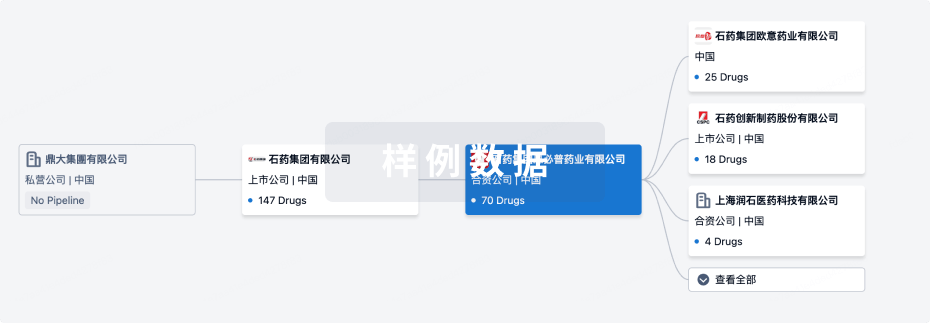
组织架构
使用我们的机构树数据加速您的研究。
登录
或
管线布局
2026年10月12日管线快照
管线布局中药物为当前组织机构及其子机构作为药物机构进行统计,早期临床1期并入临床1期,临床1/2期并入临床2期,临床2/3期并入临床3期
药物发现
4
3
临床前
临床1期
1
1
临床2期
临床3期
2
2
批准上市
其他
7
登录后查看更多信息
当前项目
| 药物(靶点) | 适应症 | 全球最高研发状态 |
|---|---|---|
妥洛特罗 ( β2-adrenergic receptor ) | 哮喘 更多 | 批准上市 |
利多卡因 ( SCNA ) | 疼痛 更多 | 批准上市 |
比索洛尔 ( β1-adrenergic receptor ) | 原发性高血压 更多 | 临床3期 |
曲安奈德 ( GR ) | 葡萄膜炎黄斑水肿 更多 | 临床3期 |
oplunofusp ( 唾液酸 ) | 流感病毒感染 更多 | 临床2期 |
登录后查看更多信息
药物交易
使用我们的药物交易数据加速您的研究。
登录
或
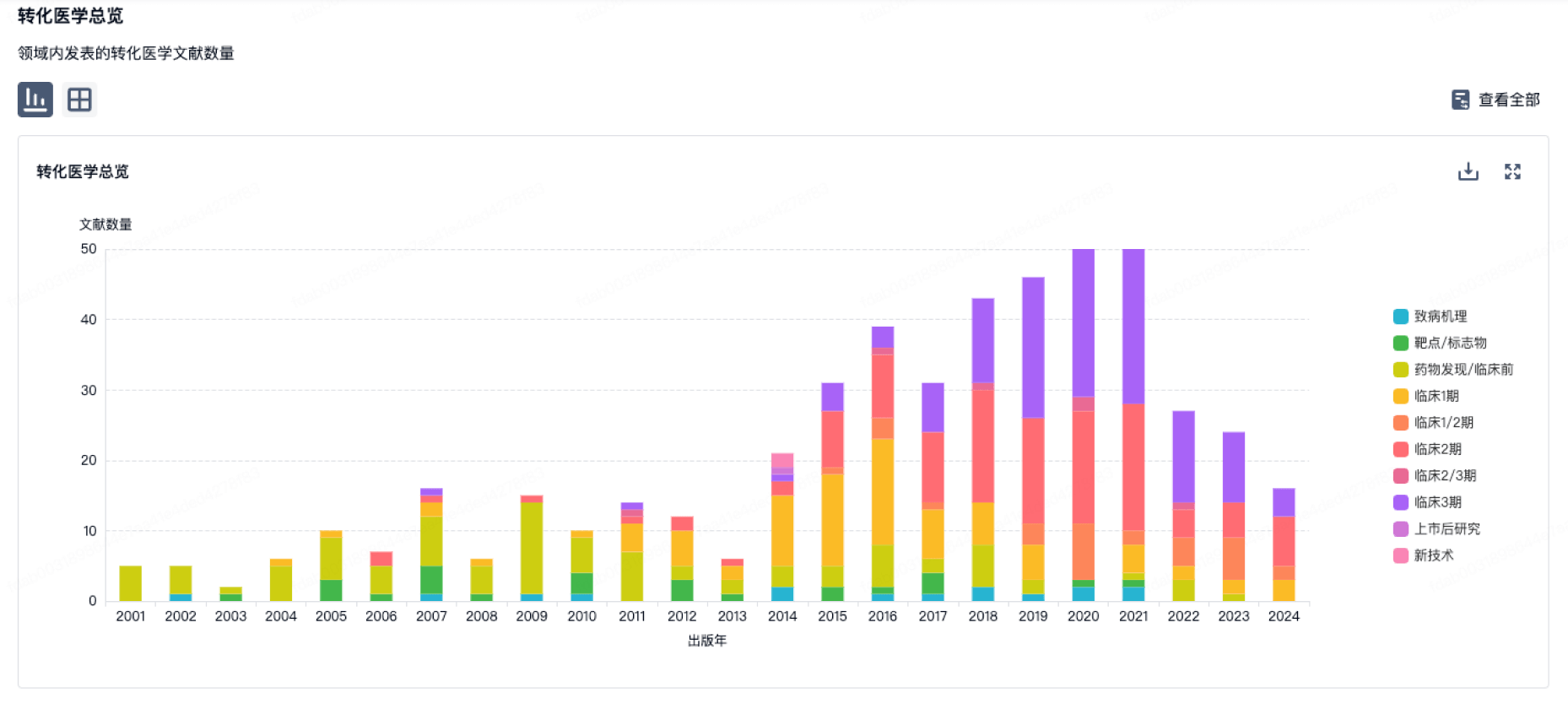
转化医学
使用我们的转化医学数据加速您的研究。
登录
或
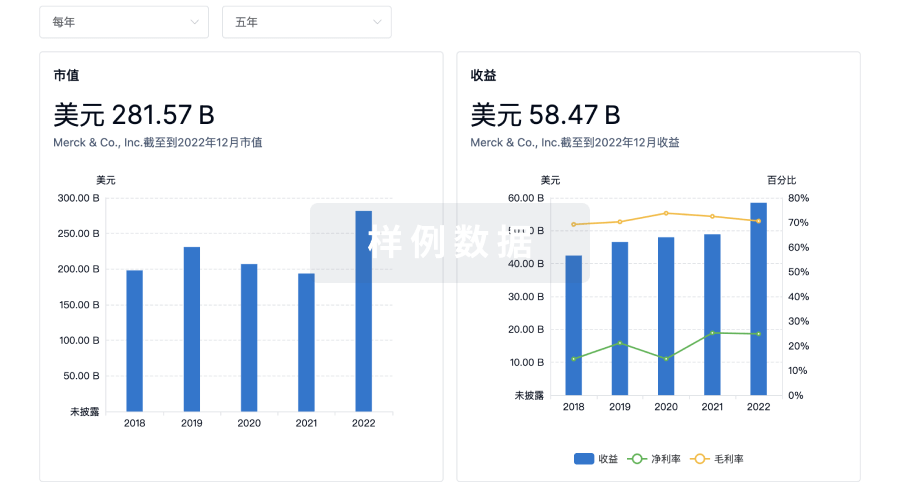
营收
使用 Synapse 探索超过 36 万个组织的财务状况。
登录
或
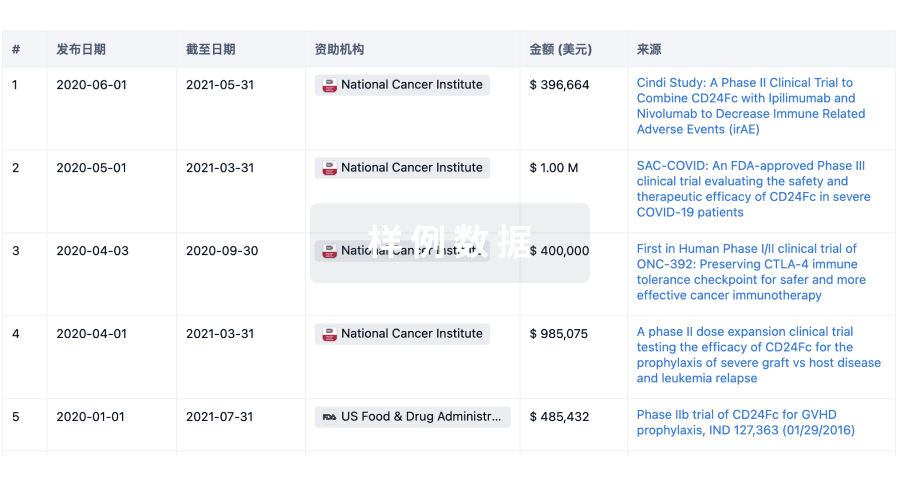
科研基金(NIH)
访问超过 200 万项资助和基金信息,以提升您的研究之旅。
登录
或
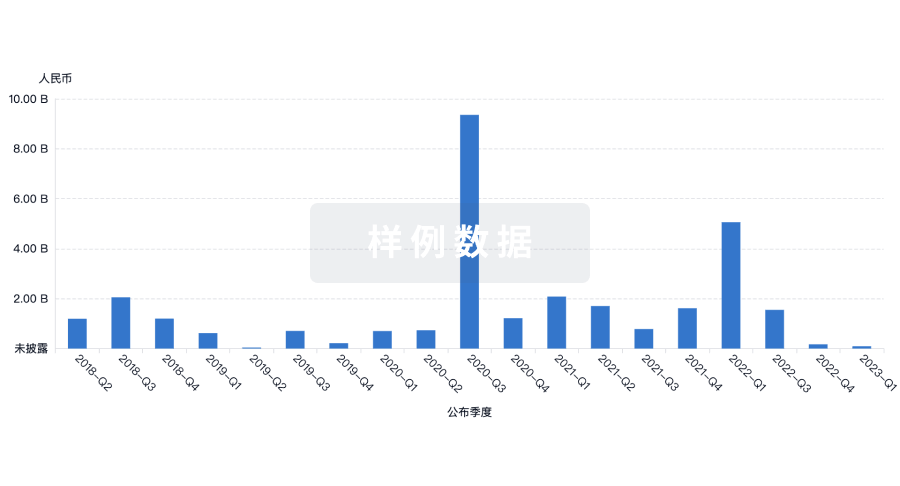
投资
深入了解从初创企业到成熟企业的最新公司投资动态。
登录
或
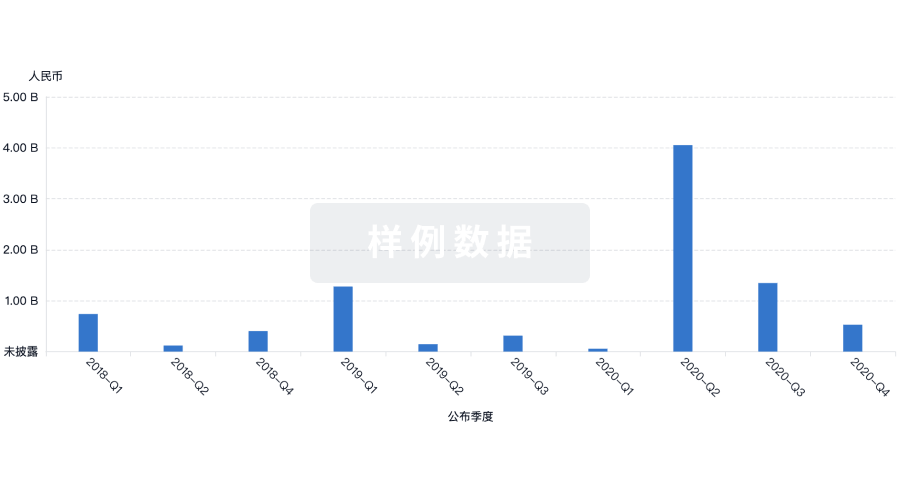
融资
发掘融资趋势以验证和推进您的投资机会。
登录
或
提出任何生物医药研究问题
让每一步生物医药决策都精准制胜
基于十亿级生物数据与全球情报的精准 AI,赋能早期药物发现
立即开始免费试用!
智慧芽新药情报库是智慧芽专为生命科学人士构建的基于AI的创新药情报平台,助您全方位提升您的研发与决策效率。
立即接入生物医药数据包
智慧芽新药库数据也通过智慧芽开放平台,以MCP或API服务形式对外开放。立即使用我们的MCP服务定制您的LLM智能体。
生物序列数据库
生物药研发创新
免费使用
化学结构数据库
小分子化药研发创新
免费使用