预约演示
更新于:2026-08-19

Gachon University Gil Medical Center
更新于:2026-08-19
概览
标签
其他疾病
呼吸系统疾病
肿瘤
小分子化药
化学药
疾病领域得分
一眼洞穿机构专注的疾病领域

技术平台
公司药物应用最多的技术
靶点
公司最常开发的靶点
关联
靶点 |
作用机制 |
在研机构 |
原研机构 |
在研适应症 |
非在研适应症 |
最高研发阶段 |
首次获批国家/地区 |
首次获批日期 |

靶点 |
作用机制 |
在研机构 |
原研机构 |
在研适应症 |
非在研适应症 |
最高研发阶段 |
首次获批国家/地区 |
首次获批日期 |
US20250313528
专利挖掘靶点 |
作用机制 |
在研机构 |
原研机构 |
在研适应症 |
非在研适应症 |
最高研发阶段 |
首次获批国家/地区 |
首次获批日期 |
KCT0012286
Two-Month vs Twelve-Month Proton Pump Inhibitor Therapy in Acute Coronary Syndrome Patients Receiving Dual Antiplatelet Therapy
KCT0011166
Development of Glymphatic System Evaluation Methods in Neurodegeneration
NCT07329699
Artificial Intelligence-Driven Angiography-Based Fractional Flow Reserve Versus Invasive Fractional Flow Reserve-Guided PCI

100 项与 Gachon University Gil Medical Center 相关的临床结果
登录后查看更多信息
登录后查看更多信息
2026-12-31European Journal of Psychotraumatology
Long-term physical and mental health effects of unresolved disaster-related bereavement: evidence from an 8-year propensity score–matched cohort study
Article
作者: Na, Kyoung-Sae ; Jung, Hae Sun ; Han, Ji-Won ; Park, Eun-Joo ; Lee, Weon-Young ; Park, Bomi ; Choi, Yoonjoo ; Kim, Hyun Soo ; Noh, Maenseok ; Jeon, Soyoung
Background: Evidence on the long-term mental and physical health effects of disaster-related bereavement remains limited.Objective: To compare long-term healthcare utilisation and disease incidence among individuals bereaved in the Sewol ferry disaster with matched controls.Method: This retrospective cohort study used Korean National Health Insurance data to match 388 bereaved individuals with 1,552 controls. Healthcare utilisation and disease incidence were examined over three years pre-disaster and eight years post-disaster using difference-in-differences and Cox proportional hazards models.Results: Psychiatric outpatient utilisation among the bereaved increased from 10% pre-disaster to 38% in year 1, stabilised around 20%, and rose again to 38% in year 8, whereas controls showed a gradual increase to 22%. Difference-in-differences analyses demonstrated significantly higher psychiatric outpatient visits in the bereaved group, with excess visits of 2.87 (95% CI 1.52-4.22) in years 1-3, 1.86 (0.51-3.21) in years 4-6, and 1.56 (0.21-2.91) in years 7-8. Psychiatric admissions also increased significantly across post-disaster periods. Physical outpatient visits showed delayed excess increases in years 4-6 and 7-8. Cox models indicated elevated risks for infectious, benign neoplastic, endocrine, mental, neurological, digestive, dermatological, and musculoskeletal disorders, as well as abnormal findings and injury.Conclusions: Eight years after the disaster, bereaved individuals continued to exhibit persistent mental health problems and greater physical healthcare utilisation. These findings highlight the need for long-term, integrated support addressing both mental and physical health beyond the immediate aftermath of disasters.
2026-09-01JOURNAL OF AFFECTIVE DISORDERS
Associations between addictive behaviors (smoking, alcohol use, and smartphone overdependence) and suicidal behaviors among adolescents in South Korea
Article
作者: Lee, Heesoo ; Na, Hana ; Lee, Yu Min ; Lee, Wanhyung ; Kim, Honam
BACKGROUND:
Suicide is the leading cause of death among adolescents in South Korea. Although substance use has been widely investigated, the roles of smoking, alcohol use, and smartphone overdependence in relation to suicidal thoughts and behaviors among adolescents are less clearly characterized. This study examined the associations between these addictive behaviors and suicidal ideation, planning, and attempts among South Korean adolescents.
METHODS:
We analyzed data derived from the 2023 Korea Youth Risk Behavior Survey, a nationally representative cross-sectional survey of 52,873 adolescents aged 12-18. We assessed suicidal thoughts and behaviors based on self-reported experiences in the past 12 months. We utilized standardized scales to categorize smoking,alcohol use, and smartphone overdependence by severity. We employed multivariable logistic regression to estimate adjusted odds ratios (ORs), controlling for gender, academic achievement, household income, co-residence with parents, and perceived stress.
RESULTS:
Suicidal ideation, planning, and attempts were reported by 13.5%, 5.3%, and 3.2% of participants, respectively. All three addictive behaviors were significantly associated with suicidal behaviors. A dose-response pattern was observed as follows: adolescents smoking ≥20 cigarettes/day exhibited ORs of 2.69 (ideation), 4.51 (planning), and 4.54 (attempts); those consuming ≥114.4 g alcohol/occasion exhibited ORs of 1.71 (ideation), 2.59 (planning), and 3.34 (attempts). Moreover, smartphone overdependence was associated with increased ORs of 1.50 (ideation), 1.31 (planning), and 1.32 (attempts).
CONCLUSIONS:
Smoking, alcohol use, and smartphone overdependence are significantly associated with an increased risk of suicidal thoughts and behaviors among adolescents. These findings highlight the importance of addressing addictive health risk behaviors in youth suicide prevention and underscore the need for additional longitudinal and clinical research.
2026-07-01ESMO Open
Phase II study of trastuzumab-pkrb plus gedatolisib in patients with HER2-positive metastatic breast cancer who progressed after two or more HER2-directed therapies
Article
作者: Bae, J ; Kim, J H ; Kim, H J ; Ko, S ; Lee, G W ; Jung, J Y ; Kim, J E ; Lee, E M ; Kwon, J H ; Oh, S Y ; Kim, J W ; Park, S ; Kang, M J ; Choi, J Y ; Ahn, H K ; Lee, K-H ; Park, K U ; Park, J H ; Kim, T H ; Chae, Y S ; Chae, H ; Park, Y H ; Lee, K E ; Park, I H ; Byun, J H ; Lee, S ; Ha, J Y ; Park, K H ; Kim, M H
BACKGROUND:
To evaluate the activity and safety of trastuzumab-pkrb plus gedatolisib in patients with treatment-refractory human epidermal growth factor receptor 2 (HER2)-positive metastatic breast cancer (MBC) harboring phosphatidylinositol 3-kinase (PI3K) pathway alterations.
PATIENTS AND METHODS:
In this multicenter, single-arm phase II study, eligible patients had HER2-positive MBC with PI3K pathway aberrations identified by tumor or circulating cell-free DNA and had progressed after at least two prior HER2-directed therapies. Patients received trastuzumab-pkrb (8 mg/kg loading dose, then 6 mg/kg IV every 3 weeks) plus gedatolisib (180 mg IV on days 1, 8 and 15 of each 21-day cycle). The primary endpoint was objective response rate (ORR), 90% power with one-sided 5% type I error, assuming a 25% target for the combination therapy. The trial closed early after 44 patients due to changes in regulatory sponsorship.
RESULTS:
PI3K pathway alterations included PIK3CA kinase domain mutations (59%), helical domain mutations (25%), and PTEN deletions (5%). The ORR was 43.2% [95% confidence interval (CI) 28.3%-59.0%], with two complete and 17 partial responses. Disease control rate was 86.4%. Median progression-free survival (PFS) was 6.01 months (95% CI 5.03-7.69), and median overall survival (OS) was 24.74 months (95% CI 17.28-NA) after 32.05 months of follow-up. Oral mucositis (90.9%; 15.9% grade ≥3) and hyperglycemia (25.0%; 2.3% grade 3) were most frequent, and no treatment-related deaths occurred. Early circulating tumor DNA dynamics predicted PFS and OS.
CONCLUSION:
Trastuzumab-pkrb plus gedatolisib demonstrated a 43.2% response rate and manageable toxicity, supporting dual HER2/PI3K pathway targeting in heavily pretreated HER2-positive MBC.
100 项与 Gachon University Gil Medical Center 相关的药物交易
登录后查看更多信息
100 项与 Gachon University Gil Medical Center 相关的转化医学
登录后查看更多信息
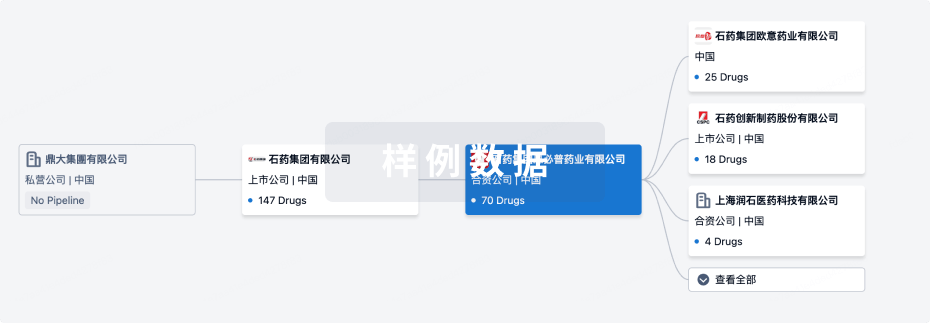
组织架构
使用我们的机构树数据加速您的研究。
登录
或
管线布局
2026年10月11日管线快照
管线布局中药物为当前组织机构及其子机构作为药物机构进行统计,早期临床1期并入临床1期,临床1/2期并入临床2期,临床2/3期并入临床3期
药物发现
1
2
临床前
其他
1
登录后查看更多信息
当前项目
登录后查看更多信息
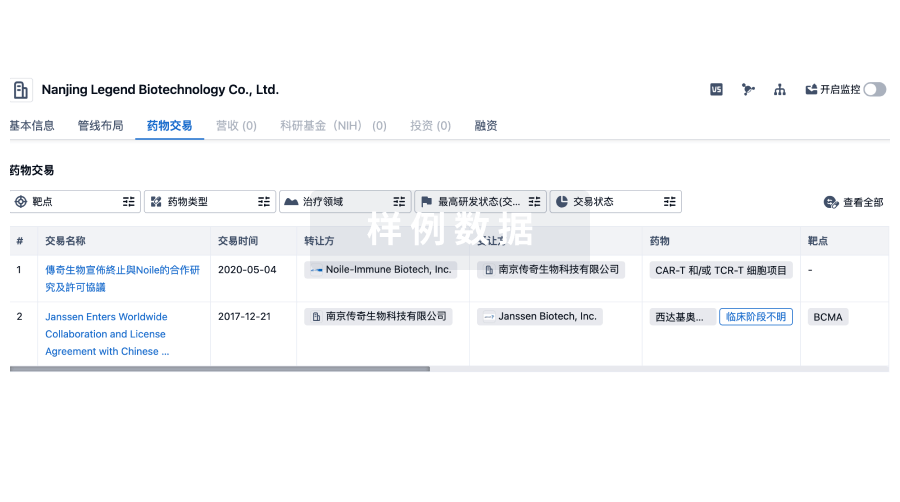
药物交易
使用我们的药物交易数据加速您的研究。
登录
或
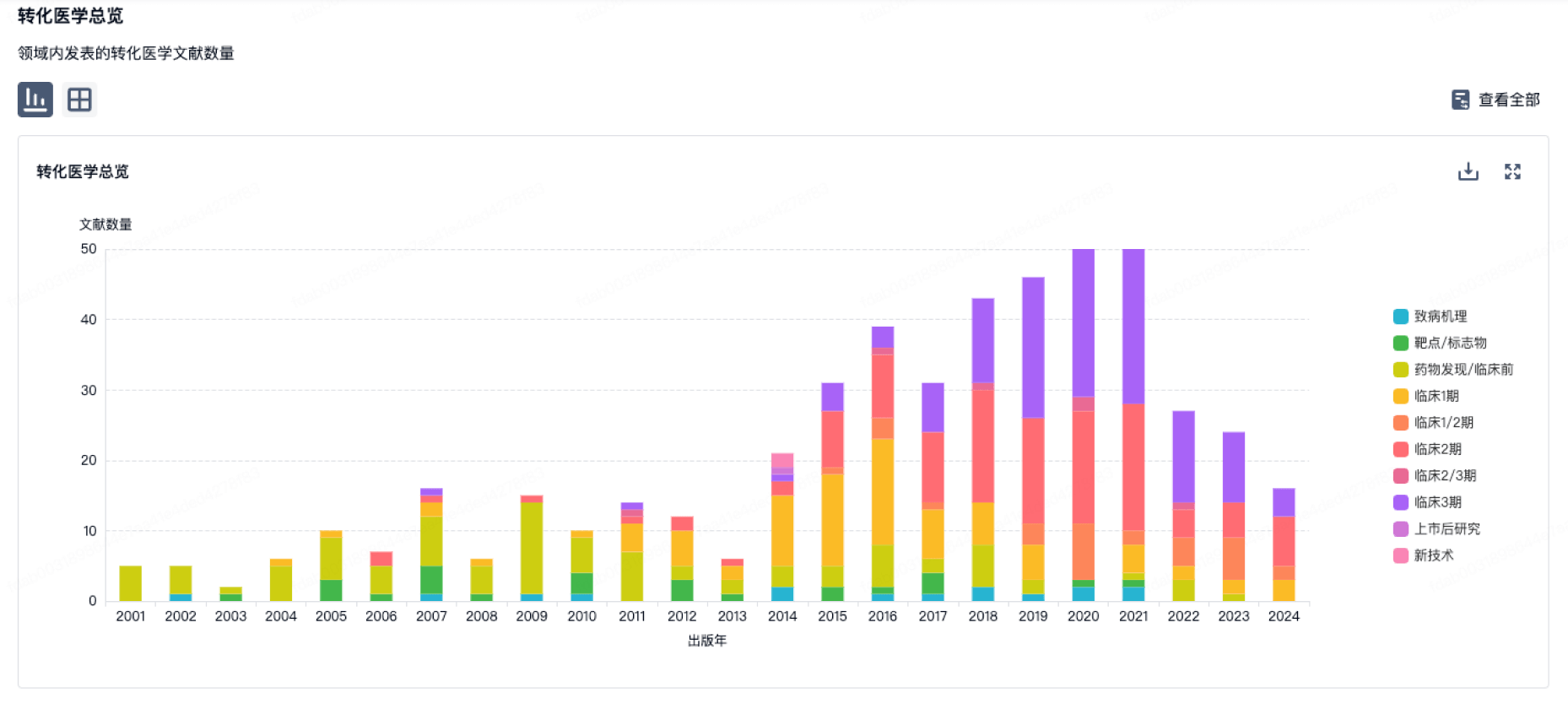
转化医学
使用我们的转化医学数据加速您的研究。
登录
或
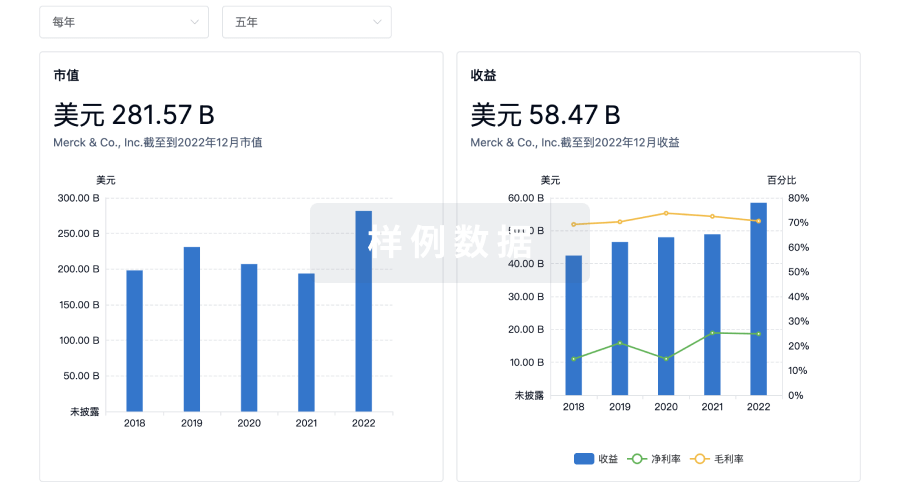
营收
使用 Synapse 探索超过 36 万个组织的财务状况。
登录
或
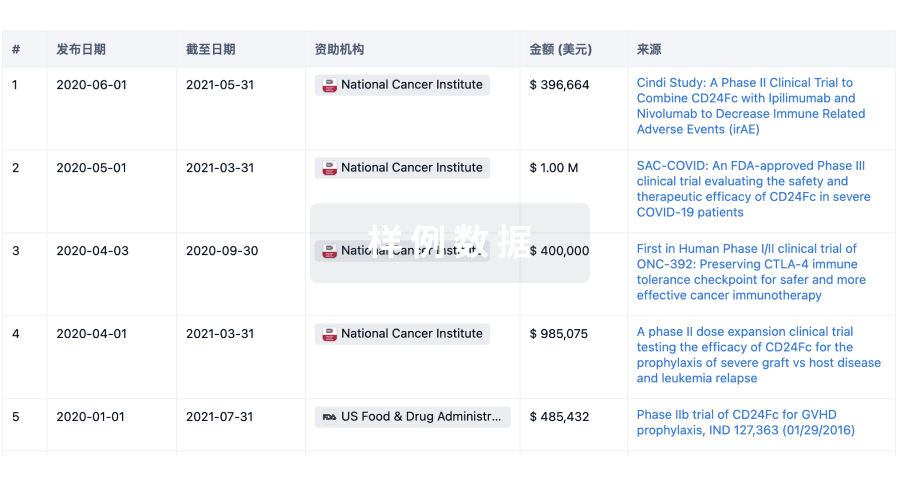
科研基金(NIH)
访问超过 200 万项资助和基金信息,以提升您的研究之旅。
登录
或
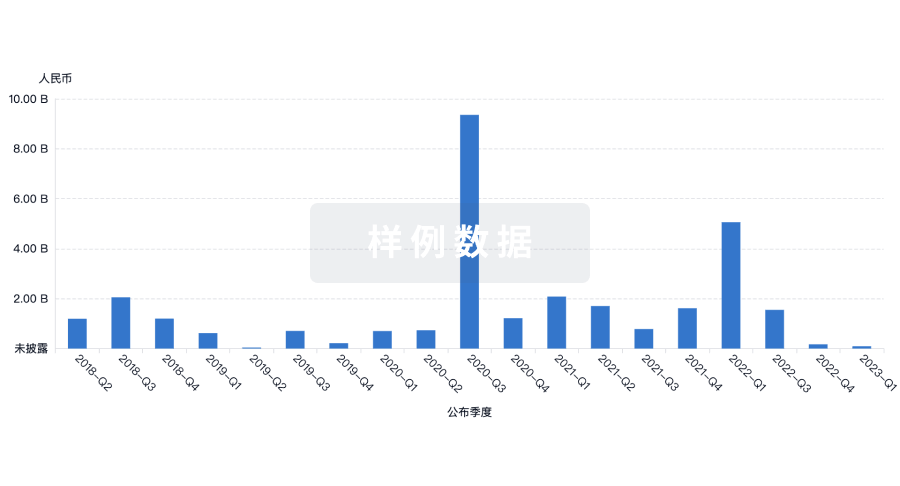
投资
深入了解从初创企业到成熟企业的最新公司投资动态。
登录
或
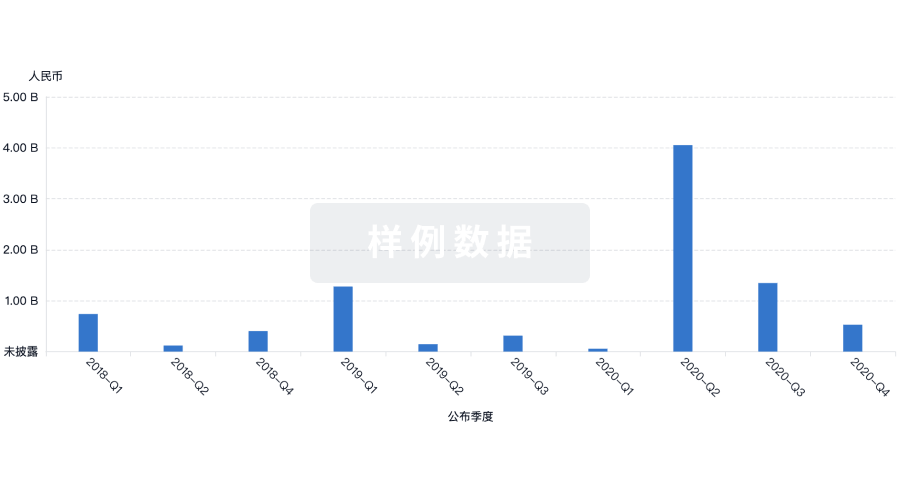
融资
发掘融资趋势以验证和推进您的投资机会。
登录
或
提出任何生物医药研究问题
让每一步生物医药决策都精准制胜
基于十亿级生物数据与全球情报的精准 AI,赋能早期药物发现
立即开始免费试用!
智慧芽新药情报库是智慧芽专为生命科学人士构建的基于AI的创新药情报平台,助您全方位提升您的研发与决策效率。
立即接入生物医药数据包
智慧芽新药库数据也通过智慧芽开放平台,以MCP或API服务形式对外开放。立即使用我们的MCP服务定制您的LLM智能体。
生物序列数据库
生物药研发创新
免费使用
化学结构数据库
小分子化药研发创新
免费使用