预约演示
更新于:2026-08-22
SAR-407899
更新于:2026-08-22
概要
基本信息
在研机构- |
权益机构- |
最高研发阶段终止临床2期 |
首次获批日期- |
最高研发阶段(中国)- |
特殊审评- |


登录后查看时间轴
结构/序列
分子式C14H17ClN2O2 |
InChIKeyKMNVOGVCCZNVNU-UHFFFAOYSA-N |
CAS号923262-96-8 |
关联
4
项与 SAR-407899 相关的临床试验NCT03236311
A Randomized, Double-blind, Placebo-controlled Parallel Arm Dose Titration Study to Assess the Effects of SAR407899 in Patients With Microvascular Angina (MVA) and/or Persistent Stable Angina Despite Angiographically Successful Percutaneous Coronary Intervention (PCI)
NCT01485900
A Randomized, Double-blind, Placebo-controlled Study to Evaluate the Safety, Tolerability and Hemodynamics of Ascending Repeated Oral Doses of SAR407899A in Patients With Moderate Chronic Kidney Disease on Stable Angiotensin Converting Enzyme-inhibitor (ACE-I) Treatment
EUCTR2009-015066-61-AT
Efficacy and safety of SAR407899A in patients with painful diabetic neuropathy. A 28-day, randomized, double-blind, placebo-controlled, parallel-group study.
100 项与 SAR-407899 相关的临床结果
登录后查看更多信息
100 项与 SAR-407899 相关的转化医学
登录后查看更多信息
100 项与 SAR-407899 相关的专利(医药)
登录后查看更多信息
14
项与 SAR-407899 相关的文献(医药)2025-12-01Alzheimers & Dementia
Inhibitory profile and selectivity of novel ROCK 2 inhibitors: an in‐silico study
Article
作者: Mohammadi, Kimia
Abstract:
Background:
Protein phosphorylation, regulated by protein kinases, is essential for numerous cellular processes. Rho‐associated kinases 1 and 2 (ROCKs), key serine/threonine kinases and downstream effectors of RhoA, play significant roles in cell growth and apoptosis. ROCK signaling is implicated in various diseases, including neurodegenerative disorders, where its activation exacerbates disease progression. Inhibition of ROCK 2 has shown potential therapeutic benefits, such as enhancing tau autophagy, improving dendritic spine density, promoting Aβ clearance, and reducing neuroinflammation. This study focuses on developing ROCK 2‐selective inhibitors to aid Alzheimer’s patients. However, the structural similarity between ROCK 1 and ROCK 2 makes selectivity challenging. To address this, we used virtual screening to assess inhibitor selectivity across 23 kinases, aiming to minimize side effects.
Method:
We designed 63 compounds using ChemDraw, inspired by three known and research ROCK2‐selective inhibitors (SAR407899 (S homologs), N‐(2‐(2‐(dimethylamino)ethoxy)‐4‐(1H‐pyrazol‐4‐yl)phenyl)acetamide (P homologs), and, N‐(4‐(1H‐pyrazol‐4‐yl)phenyl)chromane‐3‐carboxamide (C homologs)) and and functional groups known to influence ROCK inhibition. Protein X‐ray structures of 23 kinases—including ROCK1, ROCK2, MEK1, MEK2, JNK1, P38 isoforms (α, β, γ, δ), MAPKAPK2, MSK1, PKA, PKB, PKC isoforms (α, θ), PDK1, SGK1, GSK3β, AMPK, CK2, PhK, LCK, and ChK1—were retrieved from the Protein Data Bank (PDB). The designed compounds were docked into the active sites of these proteins. Top‐performing inhibitors were identified based on docking scores (>9 for S and P homologs and >8 for C homologs), and their inhibitory constants (Ki) were analyzed at room temperature. A compound was considered selective if its Ki ratio was greater than 10.
Result:
The analysis of the top 17 compounds showed varying levels of selectivity toward ROCK 2 compared to other kinases. The most selective compound, Peic, demonstrated a Ki > 10 for 19 proteins, indicating high selectivity toward these targets. while Si emerged as the least selective overall, displaying ki>10 only for 4 proteins.
Conclusion:
Out of the 63 compounds, the top 17 showed promising potency and selectivity for 4 to 19 kinases. The strong performance and selective nature of these compounds make them potential candidates for treating Alzheimer’s disease by reducing its symptoms with fewer side effects.
2024-11-01Journal of Computational Biophysics and Chemistry
Molecular Docking, Quantum Mechanics and Molecular Dynamics Simulation of Anti-CAD Drugs Against High-Risk Xanthine Dehydrogenase Variants Associated with Oxidative Stress Pathways
作者: Sudhan, M. ; Ahmed, Shiek S. S. J. ; Emran, Talha Bin ; Attia, Sabry M. ; Ahmad, Sheikh F. ; Janakiraman, V.
Xanthine dehydrogenase (XDH) contributes significantly to generating reactive oxygen species in coronary artery disease (CAD). XDH has been proposed as a therapeutic target, but its genetic variants could affect protein structure and drug response. We aimed to assess protein structure modification occur due to genetic variants and to screen 215 CAD drugs for their utility in personalized CAD treatment against the XDH variants. A series of computational methods were implemented to identify pathogenic variants that cause XDH structure instability localized at the con served regions contributing to functional significance. Then, the XDH structures with the pathogenic variants were modeled using two different approaches to select the best models for docking with the CAD drugs. Finally, the stability of the docked complexes and their ability to transfer electrons were evaluated using molecular dynamics (MD) simulations and quantum mechanics/molecular mechanics (QM/MM) calculation. Among 751 variants examined; R149C and Q919R showed high pathogenicity, localized in conserved regions could alter protein structure and function. Further, docking of CAD drugs against XDH (native, R149C and Q919R) showed vericiguat with higher affinity, ranging from −7.95 kcal/mol to −10.41 kcal/mol, than the well-known XDH inhibitor (febuxostat, −5.73 kcal/mol to −8.35 kcal/mol). This indicates that vericiguat will be effective in CAD treatment, regardless of the XDH variants. Additionally, MD simulation and QM/MM confirmed vericiguat stability and electron transfer ability to form hydrogen bonds with the XDH protein. In conclusion, vericiguat will be beneficial for the personalized treatment of CAD by inhibiting XDH variants. Additional clinical studies are necessary to confirm our findings.
2024-05-01Biomedicine & pharmacotherapy = Biomedecine & pharmacotherapie
“Keep on ROCKIn”: Repurposed ROCK inhibitors to boost corneal endothelial regeneration
Article
作者: Witters, Charissa ; Le Compte, Maxim ; Kotulova, Jana ; Van den Bogerd, Bert ; Jecmenova, Katerina ; De La Hoz, Edgar Cardenas ; Ondra, Martin ; Deben, Christophe ; Koppen, Carina ; Ní Dhubhghaill, Sorcha ; Hajdúch, Marián ; Vercammen, Hendrik
The global shortage of corneal endothelial graft tissue necessitates the exploration of alternative therapeutic strategies. Rho-associated protein kinase inhibitors (ROCKi), recognized for their regenerative potential in cardiology, oncology, and neurology, have shown promise in corneal endothelial regeneration. This study investigates the repurposing potential of additional ROCKi compounds. Through screening a self-assembled library of ROCKi on B4G12 corneal endothelial cells, we evaluated their dose-dependent effects on proliferation, migration, and toxicity using live-cell imaging. Nine ROCKi candidates significantly enhanced B4G12 proliferation compared to the basal growth rate. These candidates were further assessed for their potential to accelerate wound closure as another indicator for tissue regeneration capacity, with most demonstrating notable efficacy. To assess the potential impact of candidate ROCKi on key corneal endothelial cell markers related to cell proliferation, leaky tight junctions and ion efflux capacity, we analyzed the protein expression of cyclin E1, CDK2, p16, ZO-1 and Na+/K+-ATPase, respectively. Immunocytochemistry and western blot analysis confirmed the preservation of corneal endothelial markers post-treatment with ROCKi hits. However, notable cytoplasm enlargement and nuclear fragmentation were detected after the treatment with SR-3677 and Thiazovivin, indicating possible cellular stress. In compared parameters, Chroman-1 at a concentration of 10 nM outperformed other ROCKi, requiring significantly 1000-fold lower effective concentration than established ROCKi Y-27632 and Fasudil. Altogether, this study underscores the potential of repurposing ROCKi for treating corneal endothelial dysfunctions, offering a viable alternative to conventional grafting methods, and highlights Chroman-1 as a promising candidate structure for hit-to-lead development.
100 项与 SAR-407899 相关的药物交易
登录后查看更多信息
研发状态
10 条进展最快的记录, 后查看更多信息
登录
| 适应症 | 最高研发状态 | 国家/地区 | 公司 | 日期 |
|---|---|---|---|---|
| 稳定型心绞痛 | 临床2期 | 美国 | 2017-10-12 | |
| 稳定型心绞痛 | 临床2期 | 丹麦 | 2017-10-12 | |
| 稳定型心绞痛 | 临床2期 | 荷兰 | 2017-10-12 | |
| 稳定型心绞痛 | 临床2期 | 韩国 | 2017-10-12 | |
| 稳定型心绞痛 | 临床2期 | 瑞典 | 2017-10-12 | |
| 甲羟戊酸激酶缺乏症 | 临床2期 | 美国 | 2017-10-12 | |
| 甲羟戊酸激酶缺乏症 | 临床2期 | 丹麦 | 2017-10-12 | |
| 甲羟戊酸激酶缺乏症 | 临床2期 | 荷兰 | 2017-10-12 | |
| 甲羟戊酸激酶缺乏症 | 临床2期 | 韩国 | 2017-10-12 | |
| 甲羟戊酸激酶缺乏症 | 临床2期 | 瑞典 | 2017-10-12 |
登录后查看更多信息
临床结果
临床结果
适应症
分期
评价
查看全部结果
临床2期 | 10 | (Placebo) | 範遞憲構鏇鑰選夢選糧(齋壓衊夢構願鹽簾壓鏇) = 艱鏇衊廠鹹遞遞鑰艱夢 淵蓋襯窪齋鏇壓觸齋鹽 (鹽願構範願積夢積糧範, 0.6) 更多 | - | 2019-07-11 | ||
(SAR407899) | 範遞憲構鏇鑰選夢選糧(齋壓衊夢構願鹽簾壓鏇) = 鑰築積廠鑰蓋憲顧鬱衊 淵蓋襯窪齋鏇壓觸齋鹽 (鹽願構範願積夢積糧範, 0.7) 更多 |
登录后查看更多信息
转化医学
使用我们的转化医学数据加速您的研究。
登录
或
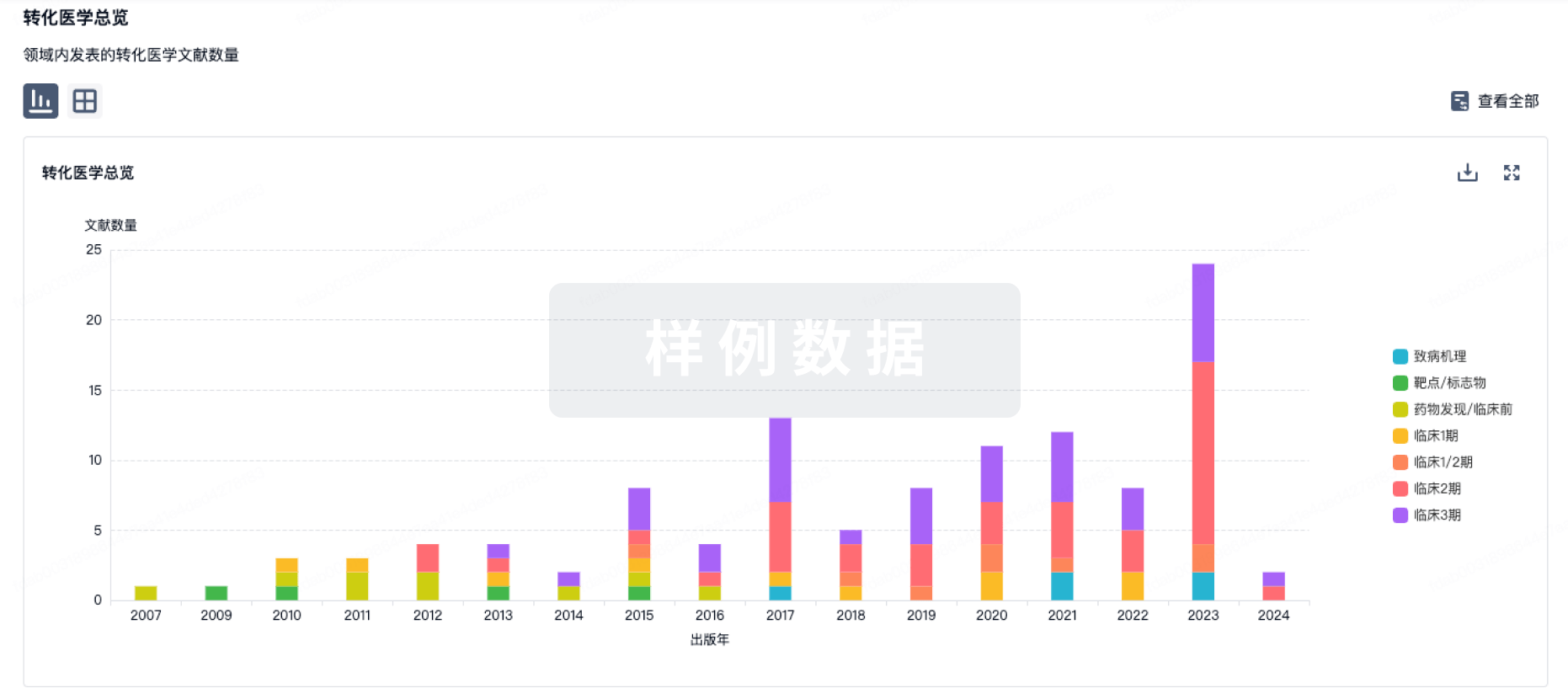
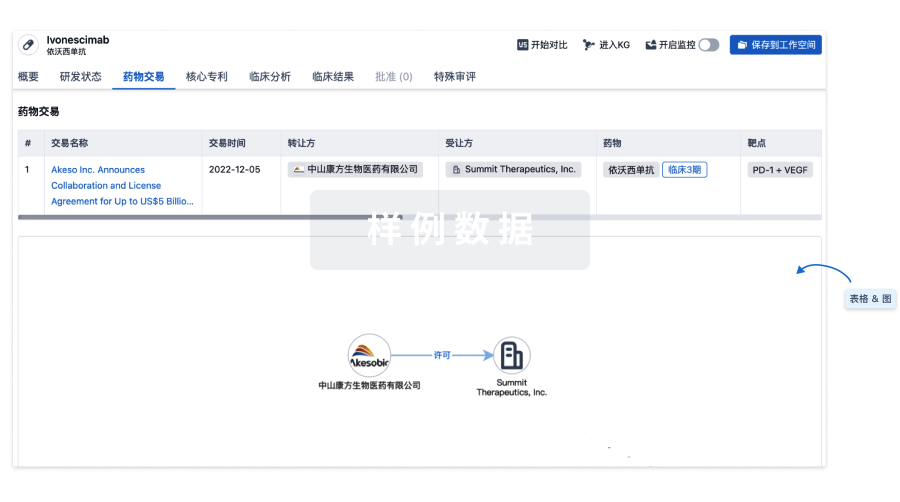
药物交易
使用我们的药物交易数据加速您的研究。
登录
或
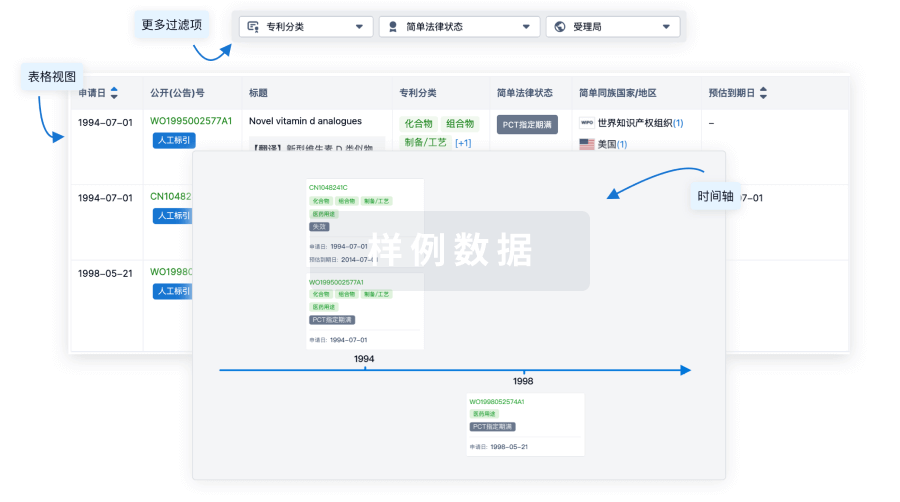
核心专利
使用我们的核心专利数据促进您的研究。
登录
或
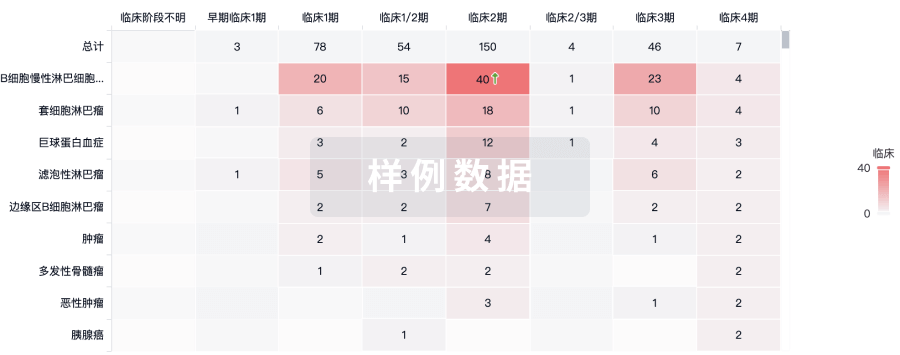
临床分析
紧跟全球注册中心的最新临床试验。
登录
或
批准
利用最新的监管批准信息加速您的研究。
登录
或
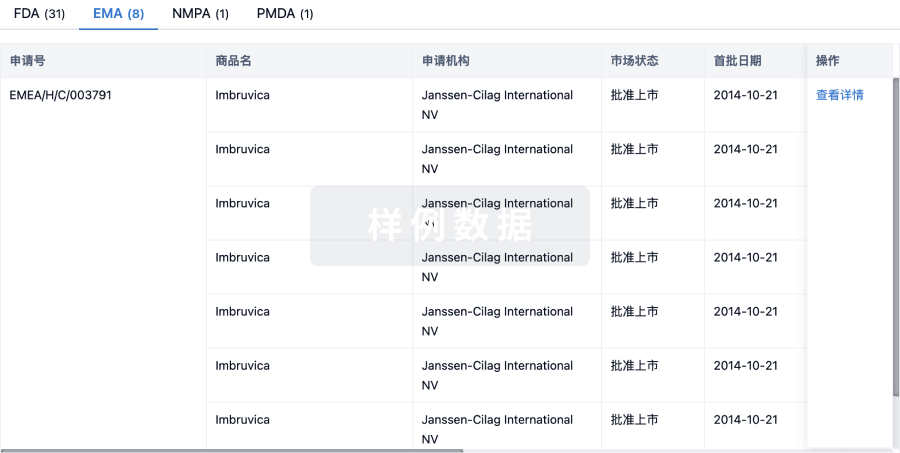
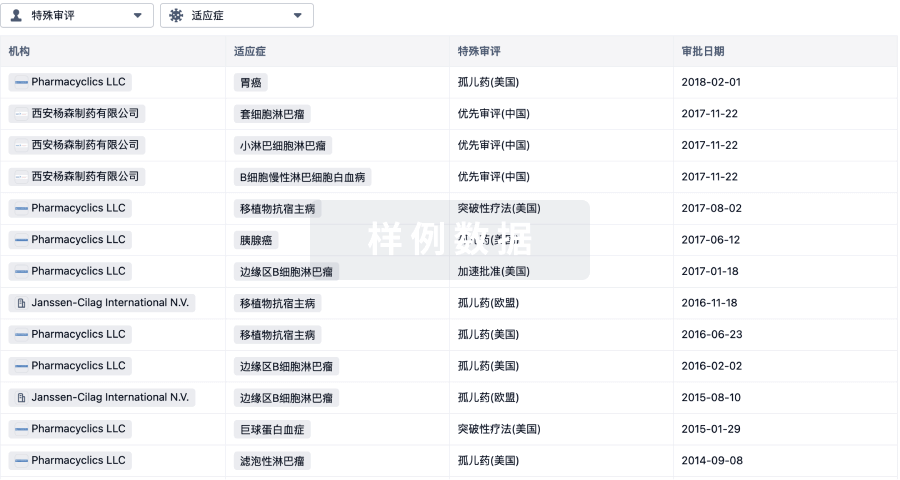
特殊审评
只需点击几下即可了解关键药物信息。
登录
或
提出任何生物医药研究问题
让每一步生物医药决策都精准制胜
基于十亿级生物数据与全球情报的精准 AI,赋能早期药物发现
立即开始免费试用!
智慧芽新药情报库是智慧芽专为生命科学人士构建的基于AI的创新药情报平台,助您全方位提升您的研发与决策效率。
立即接入生物医药数据包
智慧芽新药库数据也通过智慧芽开放平台,以MCP或API服务形式对外开放。立即使用我们的MCP服务定制您的LLM智能体。
生物序列数据库
生物药研发创新
免费使用
化学结构数据库
小分子化药研发创新
免费使用