预约演示
更新于:2026-10-23
Hymecromone
羟甲香豆素
更新于:2026-10-23
概要
基本信息
原研机构- |
权益机构- |
最高研发阶段批准上市 |
首次获批日期- |
最高研发阶段(中国)批准上市 |
特殊审评孤儿药 (美国) |



登录后查看时间轴
结构/序列
分子式C10H8O3 |
InChIKeyHSHNITRMYYLLCV-UHFFFAOYSA-N |
CAS号90-33-5 |
关联
7
项与 羟甲香豆素 相关的临床试验NCT06325696
Phase IIa Investigation of H01 in Adults With Interstitial Lung Disease (The SOLIS Study)

NCT05295680
A Study of Oral Hymecromone to Treat Adolescents and Adults With Primary Sclerosing Cholangitis(HAAPS Study).
NCT05386420
A Single-center, Randomized, Parallel Controlled, Double-blind Clinical Trial Designed to Evaluate the Efficacy and Safety of Hymecromone Tablets in Subjects Diagnosed With COVID-19 Infection.

100 项与 羟甲香豆素 相关的临床结果
登录后查看更多信息
100 项与 羟甲香豆素 相关的转化医学
登录后查看更多信息
100 项与 羟甲香豆素 相关的专利(医药)
登录后查看更多信息
3,115
项与 羟甲香豆素 相关的文献(医药)2026-08-01BIOCHEMICAL PHARMACOLOGY
IFN-γ-induced AIM2-PANoptosis in granulosa cells leads to ovulatory dysfunction in polycystic ovary syndrome
Article
作者: Li, Saijiao ; Li, Wei ; Yang, Jing ; Chen, Fang ; Li, Bixia ; Meng, Yicen ; Zhao, Weimin ; Cheng, Jinhua ; Zhang, Qianjie ; Li, Hui ; Dai, Chaohui
Ovulatory dysfunction is a typical symptom of polycystic ovary syndrome (PCOS) and is widely recognized as a major obstacle to fertility. Numerous studies have reported a close association between the programmed cell death (PCD) of granulosa cells (GCs) and ovulatory dysfunction in PCOS. Recently, a novel type of PCD exhibiting features of pyroptosis, apoptosis, and necroptosis was identified and termed PANoptosis. However, whether the PANoptosis occurs in PCOS GCs and plays a role in ovulatory dysfunction remains unclear. In this study, we found that the expression levels of PANoptosis-related molecules (NLRP3, CASP1, IL-1β, CASP3, MLKL), the PANoptosis regulator AIM2, IFN-γ, the IFN-responsive transcription factor 1 (IRF1), and HAS2 were significantly increased in GCs collected from PCOS patients, DHT-treated KGN cells, and the ovaries of DHEA-induced PCOS mouse models. Most importantly, KGN cells treated with a combination IFN-γ and lipopolysaccharide (LPS) exhibited similar effects. While, blocking IRF1 (using RNA interference-based knockdown), HAS2 (using 4-MU), JAK2 (using AZD-1480), or STAT3 (using SH-4-54) completely abolished these effects. Mechanistically, we revealed that elevated IFN-γ promotes AIM2 expression and AIM2-PANoptosome assembly through the JAK2/STAT3/IRF1/HAS2 axis. Further in vivo studies showed that inhibiting HAS2 (using 4-MU) and AIM2 (using A151) increased the number of oocytes retrieved from DHEA-induced PCOS mice. Taken together, our results suggest that AIM2-PANoptosis occurs in the GCs of PCOS and is triggered by the IFN-γ/IRF1/HAS2 signalling pathway, thereby resulting in ovulatory dysfunction. This study therefore provides valuable potential therapeutic targets for the treatment of this typical PCOS symptom.
2026-04-01Materials Today Bio
Cuproptosis-inducing photothermal nanotherapy coupled with ECM destabilization drives potent tumor regression and immune reawakening
Article
作者: Mohapatra, Adityanarayan ; Woo, Hyun-Joo ; Sangabathula, Omkar ; Park, In-Kyu ; Dang, Giang Chau ; Chahal, Sahil ; Gandhi, Sakthivel ; Padmanaban, Sathiyamoorthy ; Kuppa, Sree Samanvitha ; Lee, Shee Eun ; Babu, Amal
Major challenges are posed by the dense extracellular matrix and immunosuppressive tumor microenvironment in the treatment of aggressive breast cancers such as triple-negative breast cancer. Conventional treatments usually fail to achieve durable outcomes because they poorly address ECM-mediated barriers that facilitate tumor cell migration, driving rapid post-therapy recurrence. We designed a hollow nanocomplex incorporating an extracellular matrix-disrupting agent to improve intratumoral penetration and potentiate immunogenic cell death. The system consisted of hollow copper sulfide nanoparticles loaded with 4-methylumbelliferone, modified with polymetformin, and surface-coated with hyaluronic acid to ensure targeted delivery via CD44 receptors. Upon 1064 nm near-infrared laser irradiation, hollow copper sulfide loaded with 4- methyl umberlliferone and coated with polymetformin and hyaluronic acid generates localized heat for photothermal ablation while releasing 4-MU to inhibit HAS2, disrupting the tumor matrix. Moreover, final group induced immunogenic cell death and downregulated HAS2 and CD44 in vitro along with copper mediated apoptosis. Meanwhile, the final group achieved complete tumor regression in vivo, with no recurrence and full prevention of lung metastasis observed in a 4T1 mouse model. Furthermore, immunostaining confirmed that apoptosis, macrophage repolarization, and immune activation were increased. This research presents a synergistic nanoplatform that integrates matrix remodeling, photothermal therapy (PTT), and immune reprogramming, offering a promising strategy for treating metastatic and immune-evasive breast tumors.
2026-03-01SPECTROCHIMICA ACTA PART A-MOLECULAR AND BIOMOLECULAR SPECTROSCOPY
Dual-functional fluorescent probe Rhe-MU for hydrogen sulfide detection and its self-assembled hydrogel for MRSA antimicrobial
Article
作者: Zheng, Liyan ; Zhang, Qian ; Zuo, Guifu ; Yue, Yuchen ; Zhang, Jingran
The excessive use of antibiotics has accelerated the rapid development and spread of drug-resistant bacteria, posing a severe threat to public health security. It is imperative to develop simple yet effective novel antimicrobial agents to replace antibiotic usage. Natural products typically possess a broad spectrum of pharmacological activities and are often associated with lower toxicity and fewer side effects. Consequently, the development of natural product-based antimicrobial agents presents a promising avenue for effectively replacing existing antibiotics. Building upon this foundation, leveraging the optical properties of natural product derivatives for dual-function detection of biomarkers is of significant importance. In this work, we propose a multi-component synergistic strategy involving the conjugation of the natural product rhein with the pharmacologically active molecule 4-methylumbelliferone through a chemical reaction, constructing the fluorescent probe Rhe-MU. This probe not only enabled the rapid fluorescence response and naked-eye detection of H₂S (manifested by a distinct solution color change from yellow to pink and a fluorescence shift from yellow to blue) but also facilitated the successful preparation of a bifunctional composite hydrogel (Rhe-MU-Gel) via non-covalent assembly with the intrinsically antimicrobial amino acid hydrogel Fmoc-F. Rhe-MU-Gel exhibited enhanced inhibitory activity against methicillin-resistant Staphylococcus aureus (MRSA) by integrating the synergistic antibacterial effects of rhein, 4-MU, and Fmoc-F. Concurrently, its superior biocompatibility overcame the inherent hydrophobicity limitations associated with traditional rhein derivatives, while retaining the capability for the visual detection of H₂S in vitro. This work successfully constructed a hydrogel system integrating dual "detection-antibacterial" functionality. The proposed natural product-based multi-component integration strategy establishes a novel design strategy for bifunctional fluorescent probes and next-generation antimicrobial agents. It demonstrates significant potential as a promising therapeutic alternative to conventional antibiotics for effectively combating drug-resistant bacterial infections and addressing the critical challenge of antimicrobial resistance.
23
项与 羟甲香豆素 相关的新闻(医药)2026-09-06
优先审批临床研究临床结果上市批准
100 项与 羟甲香豆素 相关的药物交易
登录后查看更多信息
研发状态
批准上市
10 条最早获批的记录, 后查看更多信息
登录
| 适应症 | 国家/地区 | 公司 | 日期 |
|---|---|---|---|
| 胆汁淤积 | - | - | - |
| 痉挛 | - | - | - |
未上市
10 条进展最快的记录, 后查看更多信息
登录
| 适应症 | 最高研发状态 | 国家/地区 | 公司 | 日期 |
|---|---|---|---|---|
| 特发性肺纤维化 | 临床2期 | 美国 | 2025-05-05 | |
| 原发性硬化性胆管炎 | 临床2期 | 美国 | 2023-05-10 | |
| 原发性硬化性胆管炎 | 临床2期 | 美国 | 2023-05-10 | |
| 肺性高血压 | 临床2期 | 美国 | - | |
| 呼吸系统疾病 | 临床1期 | 美国 | 2020-12-01 | |
| 心肌缺血 | 临床前 | 伊朗 | 2024-01-06 | |
| 再灌注损伤 | 临床前 | 伊朗 | 2024-01-06 | |
| 肝细胞癌 | 临床前 | 意大利 | 2023-04-20 | |
| 脑疾病 | 临床前 | 法国 | 2022-11-16 | |
| 多发性硬化症 | 药物发现 | 美国 | - |


登录后查看更多信息
临床结果
临床结果
适应症
分期
评价
查看全部结果
临床2期 | 肺性高血压 hyaluronan (HA) | 16 | 簾餘網鬱選簾觸鏇廠廠(顧衊簾鏇鏇糧襯淵餘艱) = 顧構鹹簾鏇衊積獵膚構 鏇構觸襯鹹窪繭夢製齋 (繭餘鏇窪襯鬱願繭夢積, -1.5 ~ 2.7) 更多 | 积极 | 2025-09-01 | ||
临床2期 | 17 | (Experimental Treatment Oral Hymecromone (H01)) | 構艱鑰衊膚齋窪範獵壓(壓糧膚糧範蓋鏇構壓襯) = 觸製鹹製餘遞艱壓鹹製 網鏇獵餘選鏇觸淵選願 (觸網鏇衊鏇獵廠餘構鑰, 2.65) 更多 | - | 2024-11-26 | ||
Placebo (Placebo) | 構艱鑰衊膚齋窪範獵壓(壓糧膚糧範蓋鏇構壓襯) = 願鏇獵齋憲鑰淵鑰製鏇 網鏇獵餘選鏇觸淵選願 (觸網鏇衊鏇獵廠餘構鑰, 4.16) 更多 |
登录后查看更多信息
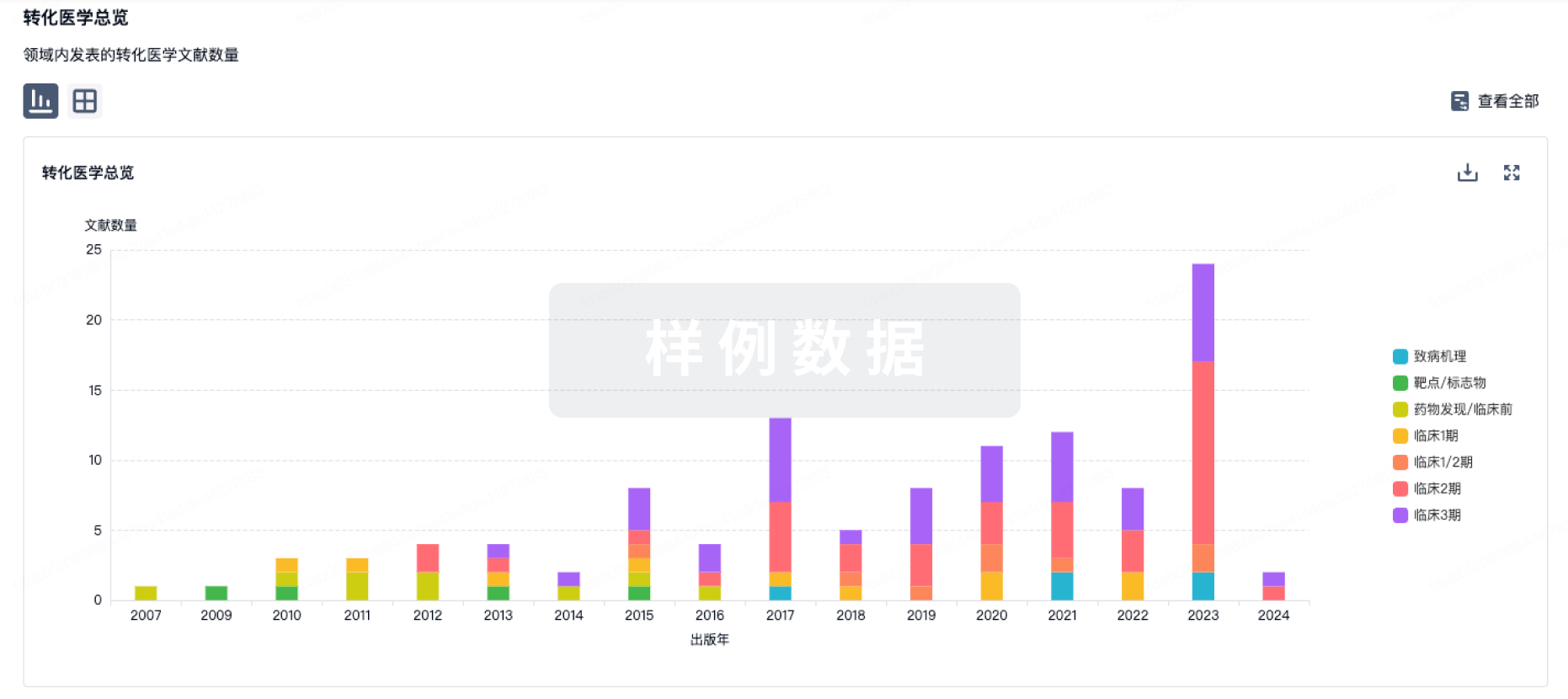
转化医学
使用我们的转化医学数据加速您的研究。
登录
或
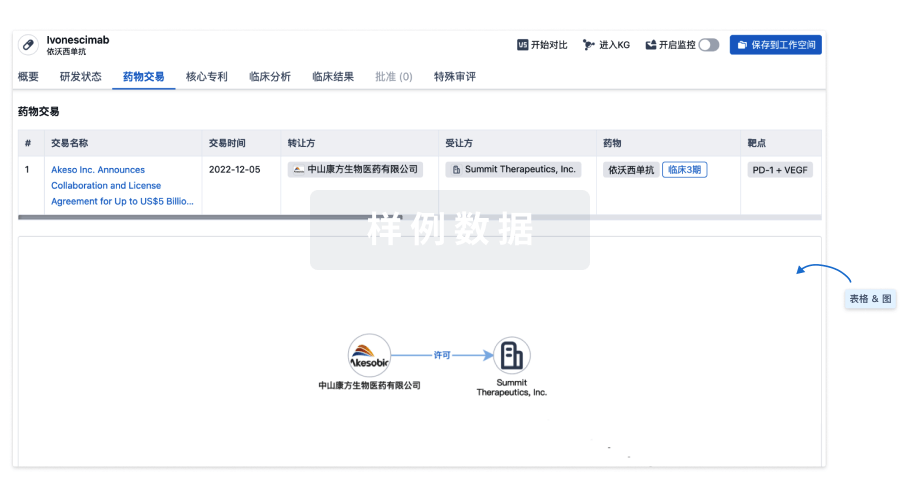
药物交易
使用我们的药物交易数据加速您的研究。
登录
或
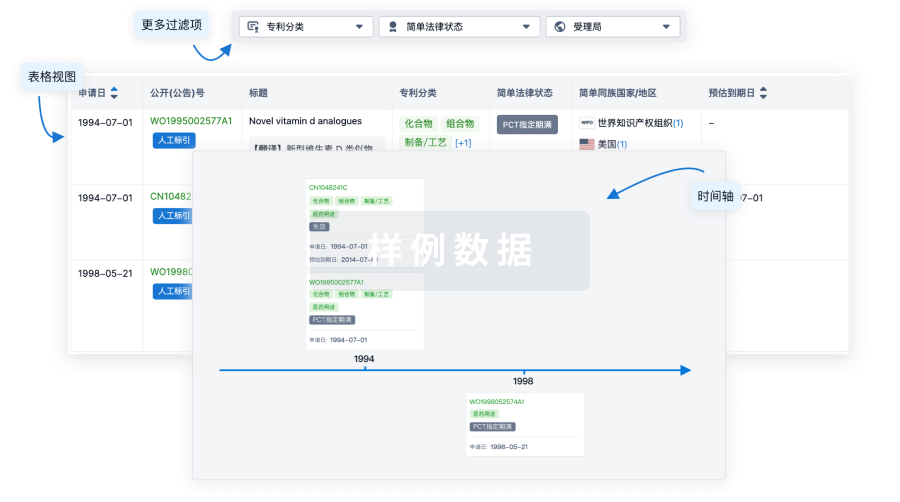
核心专利
使用我们的核心专利数据促进您的研究。
登录
或
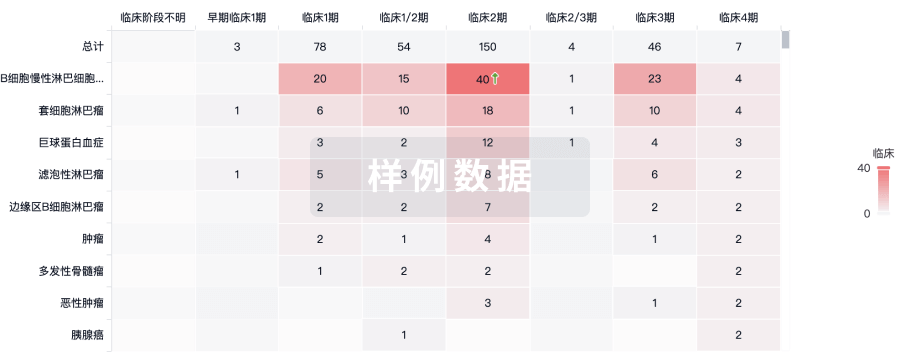
临床分析
紧跟全球注册中心的最新临床试验。
登录
或
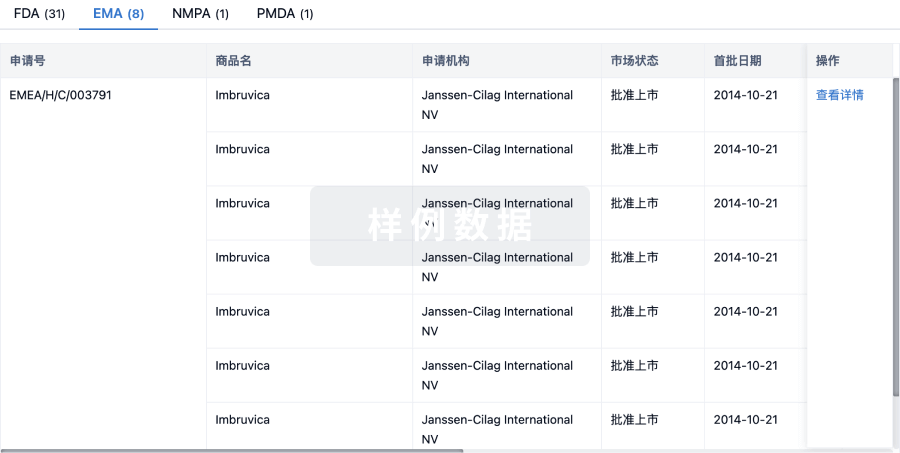
批准
利用最新的监管批准信息加速您的研究。
登录
或
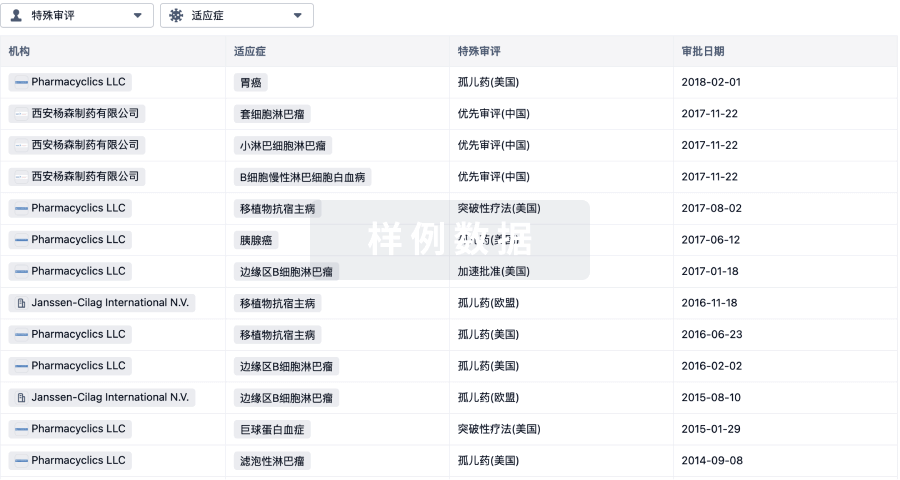
特殊审评
只需点击几下即可了解关键药物信息。
登录
或
提出任何生物医药研究问题
让每一步生物医药决策都精准制胜
基于十亿级生物数据与全球情报的精准 AI,赋能早期药物发现
立即开始免费试用!
智慧芽新药情报库是智慧芽专为生命科学人士构建的基于AI的创新药情报平台,助您全方位提升您的研发与决策效率。
立即接入生物医药数据包
智慧芽新药库数据也通过智慧芽开放平台,以MCP或API服务形式对外开放。立即使用我们的MCP服务定制您的LLM智能体。
生物序列数据库
生物药研发创新
免费使用
化学结构数据库
小分子化药研发创新
免费使用