预约演示
更新于:2026-10-23
Elcatonin
依降钙素
更新于:2026-10-23
概要
基本信息
非在研机构- |
权益机构- |
最高研发阶段批准上市 |
首次获批日期 日本 (1982-06-15), |
最高研发阶段(中国)批准上市 |
特殊审评孤儿药 (美国) |


登录后查看时间轴
结构/序列
分子式C148H244N42O47 |
InChIKeyDDPFHDCZUJFNAT-PZPWKVFESA-N |
CAS号60731-46-6 |
Sequence Code 1000323

来源: *****
关联
8
项与 依降钙素 相关的临床试验ChiCTR2500106599
A prospective, randomized controlled study of elcatonin treatment for acute bone loss in perioperative period of fracture surgery

ChiCTR2400083358
Efficacy of Calcitonin in Patients with Lumbar Spinal Stenosis and Concomitant Osteoporosis: A Prospective Randomized Controlled Study Protocol

ChiCTR-IPR-14005501
Evaluate the effectiveness and safety of elcatonin in the treatment of osteoporosis with lumbar canal stenosis: a multicenter, double-minded, randomized, placebo cnotrolled clinical study
100 项与 依降钙素 相关的临床结果
登录后查看更多信息
100 项与 依降钙素 相关的转化医学
登录后查看更多信息
100 项与 依降钙素 相关的专利(医药)
登录后查看更多信息
243
项与 依降钙素 相关的文献(医药)2026-10-16JCEM case reports
Early parathyroid hormone elevation after denosumab therapy following parathyroidectomy: a diagnostic pitfall
Article
作者: Sato, Shinya ; Katsuyama, Kento ; Mori, Yusuke ; Yamashita, Hiroyuki ; Shindo, Hisakazu ; Tatsushima, Daisuke
Abstract:
Persistently elevated parathyroid hormone (PTH) after parathyroidectomy is often attributed to residual disease but may reflect altered calcium (Ca) homeostasis. The impact of denosumab on perioperative PTH interpretation remains unclear. A 77-year-old woman presented with a hypercalcemic crisis and was initially managed at another hospital. During treatment with hydration and elcatonin (40 units twice daily), denosumab (60 mg) was administered, resulting in a rapid decline in corrected Ca (c-Ca). Eleven days later, at presentation to our institution, her c-Ca was 9.9 mg/dL (SI: 2.48 mmol/L; reference range, 8.8-10.1 mg/dL [SI: 2.20-2.53 mmol/L]), and intact PTH was 195 pg/mL (SI: 20.7 pmol/L; reference range, 10-65 pg/mL [SI: 1.1-6.9 pmol/L]). At admission, c-Ca decreased further while PTH increased. The patient had chronic kidney disease and vitamin D deficiency. A focused parathyroidectomy was performed for a single adenoma. Thirty minutes after excision, PTH remained above the surgical success threshold and increased further the morning after surgery, while c-Ca levels decreased. Calcium and vitamin D supplementation subsequently normalized both parameters. Denosumab exposure, together with vitamin D deficiency and renal impairment, may cause transient postoperative PTH elevation despite successful parathyroidectomy. Persistent disease should not be assumed when Ca declines despite elevated PTH.
2026-10-01JOURNAL OF PHARMACEUTICAL AND BIOMEDICAL ANALYSIS
Sensitive and selective quantification of elcatonin in equine plasma and urine using LC–FAIMS–MS/MS
Article
作者: Hirano-Kodaira, Misato ; Yamada, Masayuki ; Kato, Tomohiro ; Sugai-Bannai, Michiko ; Fukazawa, Minori ; Shibuya, Mariko ; Ohnuma, Kohei ; Uchida, Taiga
The use of drugs for enhancing bone strength is prohibited under international regulations governing horse racing and equestrian sports. Elcatonin, a synthetic peptide with analgesic and bone-strengthening properties, is routinely monitored for compliance. However, its cyclic structure and high molecular weight hinder reliable detection. In this study, we developed and validated a sensitive liquid chromatography-high-field asymmetric waveform ion mobility spectrometry-tandem mass spectrometry method for quantifying elcatonin in equine plasma and urine. Sample preparation was optimised via weak cation exchange solid-phase extraction. A pilot pharmacokinetic and pharmacodynamic study was conducted to confirm the practical applicability of our method by validating linearity, reproducibility, sensitivity, selectivity, recovery, and analyte stability, including enzymatic/proteolytic stability. The method achieved a detection limit of 10 pg/mL for urine and plasma (R2 > 0.9995 in both cases), meeting the validation criteria for quantitative analysis. Following administration, elcatonin was detected in plasma (for up to 6 h) but not in urine. Pharmacodynamic analysis revealed that elcatonin administration caused a transient small decrease in the plasma calcium levels without any other observable clinical effects, such as hypocalcaemia. The established method overcomes the challenges of detecting and quantifying cyclic peptides and has the potential to improve the detectability of elcatonin and related molecules relevant to doping control and animal healthcare.
2026-01-01Surgical Case Reports
Humoral Hypercalcemia of Malignancy Caused by Parathyroid Hormone-Related Protein-Secreting Medullary Thyroid Carcinoma: A Case Report
Article
作者: Tani, Kazuyuki ; Suganuma, Nobuyasu ; Uchida, Satoru ; Matsubara, Osamu ; Hirose, Takuya ; Saito, Aya ; Nakayama, Hirotaka
INTRODUCTION:
Medullary thyroid carcinoma (MTC) is a rare neuroendocrine tumor arising from the parafollicular C cells, accounting for approximately 1.5% of all thyroid cancers. Although calcitonin secreted by the MTC typically lowers calcium levels, serum calcium concentrations usually remain within the normal range due to compensatory parathyroid hormone (PTH) secretion. Hypercalcemia of malignancy is broadly categorized as humoral hypercalcemia of malignancy (HHM), mediated by parathyroid hormone-related protein (PTHrP), or local osteolytic hypercalcemia. We report a rare case of HHM caused by a PTHrP-secreting MTC.
CASE PRESENTATION:
A 60-year-old woman visited our hospital with weight loss, fatigue, and a large right-sided neck mass. Laboratory tests revealed marked hypercalcemia (16.5 mg/dL), hypophosphatemia, and renal dysfunction. The intact PTH level was within the normal range, whereas the PTHrP level was elevated to 5.7 pmol/L, consistent with HHM. Tumor marker analysis revealed marked increases in carcinoembryonic antigen and calcitonin levels. Imaging studies revealed a large mass in the right thyroid lobe without evidence of regional or distant metastasis. Fine-needle aspiration confirmed the diagnosis of MTC. Genetic testing was negative for rearranged during transfection mutations and multiple endocrine neoplasia 2A, supporting a sporadic form. Hypercalcemia was managed with intravenous hydration (saline solution, 2 L/day for 10 days), elcatonin (80 units/day for 9 days), and a single dose of zoledronic acid. The patient underwent a right thyroid lobectomy. Histopathological analysis confirmed MTC without extra-thyroidal extension or lymph node metastasis (Union for International Cancer Control pT3aN0M0 stageII). Postoperatively, the serum PTHrP levels decreased to normal, and the patient recovered without complications. At the 8-month follow-up, no evidence of recurrence was observed.
CONCLUSIONS:
Herein, we present a rare case of MTC that caused hypercalcemia via PTHrP production. Although HHM is uncommon in thyroid cancer, the condition can cause severe hypercalcemia requiring prompt diagnosis and treatment. HHM should be considered in patients with thyroid cancer with hypercalcemia, and PTHrP measurement may aid in the diagnosis.
100 项与 依降钙素 相关的药物交易
登录后查看更多信息
研发状态
批准上市
10 条最早获批的记录, 后查看更多信息
登录
| 适应症 | 国家/地区 | 公司 | 日期 |
|---|---|---|---|
| 家族性佩吉特氏病 | 日本 | 2006-02-07 | |
| 高钙血症 | 中国 | 1999-06-22 | |
| 骨质疏松症 | 日本 | 1982-06-15 |
未上市
10 条进展最快的记录, 后查看更多信息
登录
| 适应症 | 最高研发状态 | 国家/地区 | 公司 | 日期 |
|---|---|---|---|---|
| 偏瘫 | 临床2期 | 日本 | 2012-07-01 | |
| 脑卒中 | 临床2期 | 日本 | 2012-07-01 |
登录后查看更多信息
临床结果
临床结果
适应症
分期
评价
查看全部结果
登录后查看更多信息
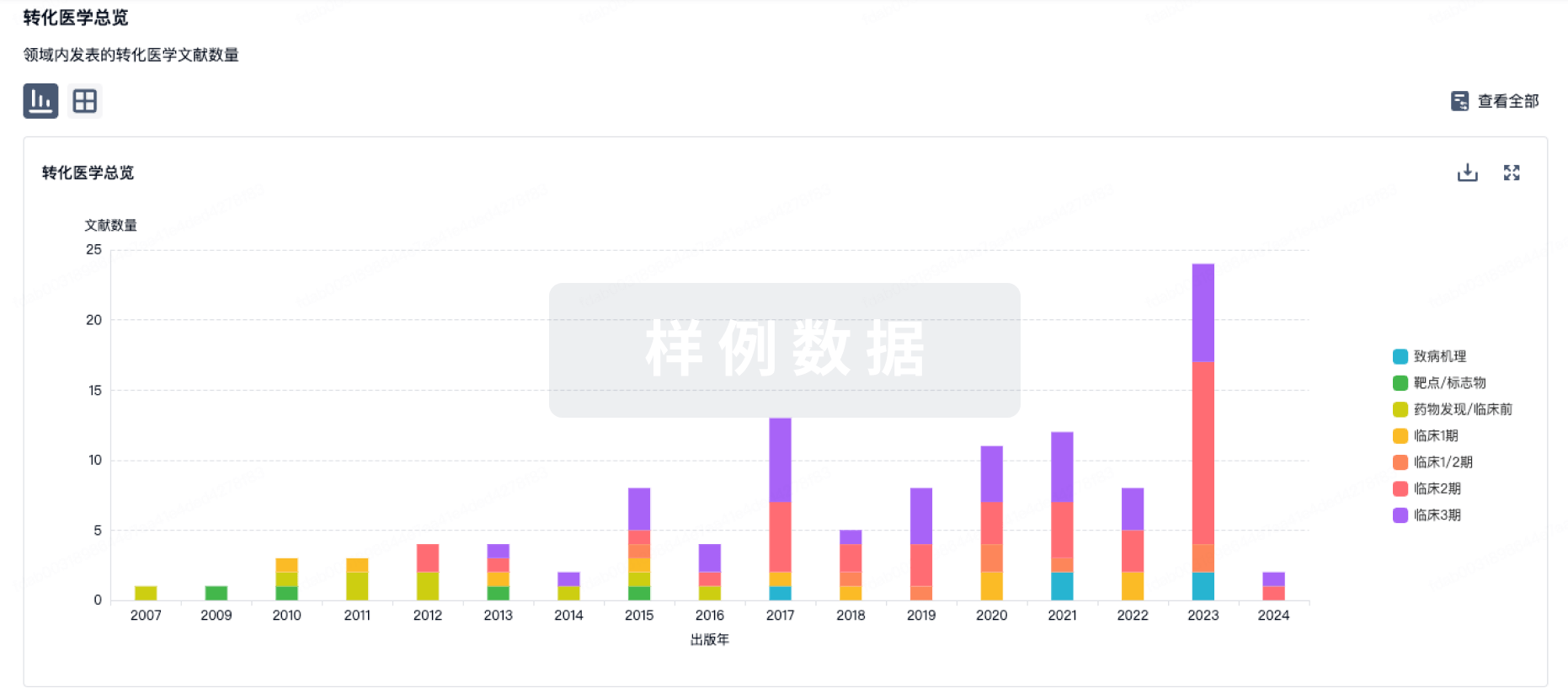
转化医学
使用我们的转化医学数据加速您的研究。
登录
或
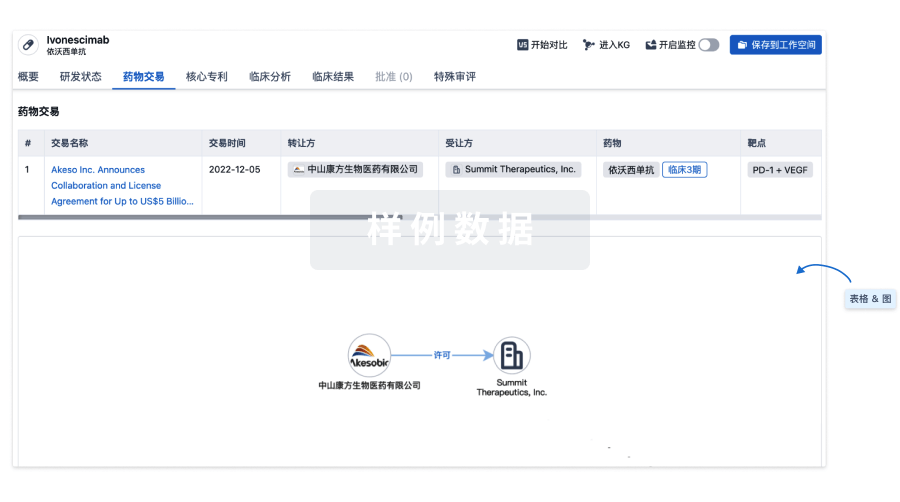
药物交易
使用我们的药物交易数据加速您的研究。
登录
或
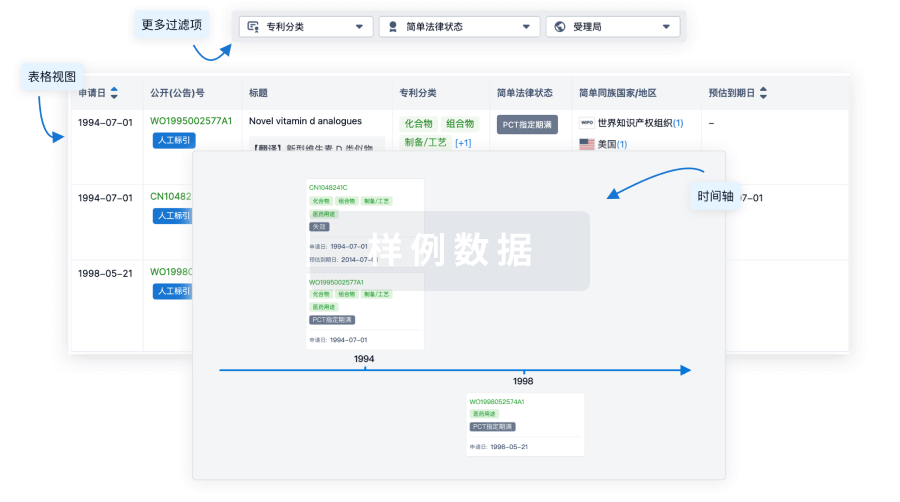
核心专利
使用我们的核心专利数据促进您的研究。
登录
或
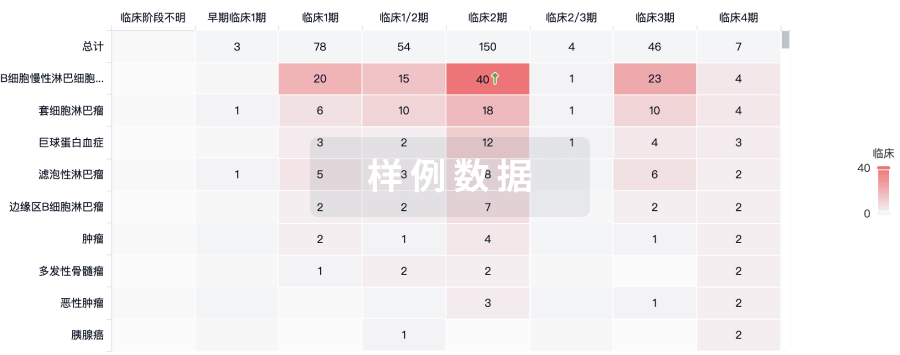
临床分析
紧跟全球注册中心的最新临床试验。
登录
或
批准
利用最新的监管批准信息加速您的研究。
登录
或
生物类似药
生物类似药在不同国家/地区的竞争态势。请注意临床1/2期并入临床2期,临床2/3期并入临床3期
登录
或
特殊审评
只需点击几下即可了解关键药物信息。
登录
或
提出任何生物医药研究问题
让每一步生物医药决策都精准制胜
基于十亿级生物数据与全球情报的精准 AI,赋能早期药物发现
立即开始免费试用!
智慧芽新药情报库是智慧芽专为生命科学人士构建的基于AI的创新药情报平台,助您全方位提升您的研发与决策效率。
立即接入生物医药数据包
智慧芽新药库数据也通过智慧芽开放平台,以MCP或API服务形式对外开放。立即使用我们的MCP服务定制您的LLM智能体。
生物序列数据库
生物药研发创新
免费使用
化学结构数据库
小分子化药研发创新
免费使用