预约演示
更新于:2026-10-19
Vitamin A Palmitate
维生素A棕榈酸酯
更新于:2026-10-19
概要
基本信息
原研机构 |
非在研机构 |
权益机构- |
最高研发阶段批准上市 |
首次获批日期 美国 (1949-05-18), |
最高研发阶段(中国)批准上市 |
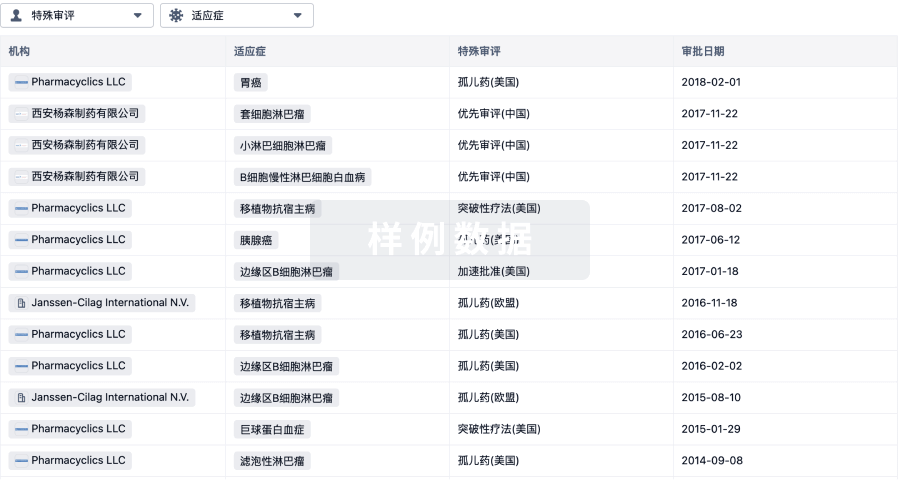
特殊审评孤儿药 (美国)、罕见儿科疾病 (美国) |




登录后查看时间轴
结构/序列
分子式C36H60O2 |
InChIKeyVYGQUTWHTHXGQB-FFHKNEKCSA-N |
CAS号79-81-2 |
关联
11
项与 维生素A棕榈酸酯 相关的临床试验NCT05045703
Characterization of Night Vision Impairment in Choroideremia and Short-Term Vitamin A Supplementation: The Dark-Adapted Retinal Function Response in Choroideremia (DARC) Study

ChiCTR2000033874
A randomized controlled trial for Vitamin A Palmitate Eye Gel in the Graves ophthalmopathy with dry eye syndrome
ChiCTR2100049136
Application of Vitamin A Palmitate Eye Gel and Nurse Value of Watson Care Theory in Children with Dry Eye after Strabismus Surgery
100 项与 维生素A棕榈酸酯 相关的临床结果
登录后查看更多信息
100 项与 维生素A棕榈酸酯 相关的转化医学
登录后查看更多信息
100 项与 维生素A棕榈酸酯 相关的专利(医药)
登录后查看更多信息
1,868
项与 维生素A棕榈酸酯 相关的文献(医药)2026-10-01INTERNATIONAL JOURNAL OF PHARMACEUTICS
Time-sequential delivery of vitamin a palmitate and prednisolone acetate from a structurally tailored contact lens for corneal injury therapy
Article
作者: Cheng, Fang ; Wu, Bingqian ; Dong, Jicheng ; An, Chuanfeng ; Jin, Lin ; Cui, Hanzhi ; Zhang, Lijun ; Yan, Chunxiao
The demand for corneal tissue healing and for the prevention of complications is growing. Conventional multi-drug eye drop therapy is significantly hampered by poor drug bioavailability and low patient compliance, which creates an urgent need for the development of drug co-delivery strategies. In this study, vitamin A palmitate (VAP) and prednisolone acetate (PA) were utilized to construct time-sequential drug-loaded bandage contact lenses (BCLs) to achieve the therapeutic requirements that address epithelial repair followed by stromal anti-inflammatory therapy. The solubility and drug-loading capacity of VAP and PA were enhanced by investigating cyclodextrin (CD) structures that encapsulate the two drugs. Subsequently, VAP pH-responsive films and PA sustained-release lenses were prepared separately and integrated into a "sandwich" structure. The fabricated dual-drug film BCLs achieved time-sequential delivery of VAP and PA over 144 h. In vitro release and permeation studies demonstrated the drug release behavior and release mechanisms of the film-based and BCLs-mediated drug delivery system. Comprehensive evaluations, including cytocompatibility assays, analysis of inflammatory cytokines, ocular irritation assessment, and alkali burn model studies, demonstrated the system's excellent biocompatibility, effective repair ability to promote corneal epithelial regeneration while significantly suppressing scar formation. This study not only achieved time-sequential drug release precisely tailored to the distinct healing requirements of different corneal injury stages but also elucidates the structure-release relationship of the BCLs system.
2026-04-01DOMESTIC ANIMAL ENDOCRINOLOGY
Effects of antioxidant vitamins and trace minerals on the pro-inflammatory status and liver insulin signaling pathway of transition dairy cows
Article
作者: Simonetto, C ; Hein, G J ; Storani, G ; Ortega, H H ; Matiller, V ; Angeli, E ; Ribas, L E
This study aimed to evaluate the impact of parenteral vitamin and mineral supplementation on the systemic and hepatic inflammatory status and intracellular insulin signaling pathway in the liver of dairy cows during the transition period. The supplemented group (SG; n = 11) received subcutaneous injections of 5 mL of vitamin A palmitate (35 mg/mL) and vitamin E acetate (50 mg/mL) and 5 mL of a mineral solution containing copper edetate (10 mg/mL), zinc edetate (40 mg/mL), manganese edetate (10 mg/mL) and sodium selenite (5 mg/mL) on days -60, -30, and 7 (± 3) relative to calving. The control group (CG; n = 11) received placebo injections (5 mL of 9 mg/mL sodium chloride) at the same time points. Blood and liver samples were collected -21 (±3) days before the expected calving date and on days 7 (±3) and 21 (±3) after calving. On day 21 post-calving, serum insulin concentrations were significantly higher in the SG than in the CG. Moreover, serum concentrations of some mediators of inflammatory response as IL-1β and IL-6 were lower in the SG. In the liver, the SG showed reduced IL-6 protein abundance on day 7 post-calving and decreased NF-κB phosphorylation compared to the CG. However, no significant differences were observed between groups in the phosphorylation status of key proteins involved in the insulin signaling pathway. These findings suggest that parenteral vitamin and mineral supplementation in transition dairy cows exerts anti-inflammatory effects both systemically and locally in the liver; however, these changes were not accompanied by activation of the hepatic insulin signaling pathway.
2026-02-01PESTICIDE BIOCHEMISTRY AND PHYSIOLOGY
Field-realistic cyfluthrin exposure alters multi-omics profiles in Bombus terrestris: Implications for wild pollinator health
Article
作者: Wang, Jiasen ; Yang, Sa ; Ma, Changsheng ; Shi, Xiaoyu ; Cao, Wenjun ; Li-Byarlay, Hongmei ; Byarlay, Mia ; Chen, Sihao
Cyfluthrin is effective in mitigating crop damage caused by pests. However, its residues in bee colonies pose potential threats to the health and fitness of bumblebees. While previous studies have shown significant physiological effects of cyfluthrin on honeybees, its effects on bumblebees remain poorly understood. In this study, bumblebees were exposed to 30 and 120 μg/kg cyfluthrin (two field-level concentrations) for 10 days. We assessed the effects of chronic cyfluthrin exposure on bumblebee survival, sucrose solution consumption, body weight and midgut pathology. Multi-omics analyses were performed, encompassing the gut microbiome and metabolome, as well as the head transcriptome and proteome. The results demonstrated that exposure to cyfluthrin at a concentration of 120 μg/kg significantly reduced the survival probability of bumblebees. Hematoxylin-Eosin staining revealed damage to the midgut microvilli. 16S rRNA sequencing indicated a significant decrease in the relative abundance of the core gut microbiota, Bifidobacterium. Metabolomic analysis of the gut further revealed a significant reduction in multiple beneficial metabolites (crustecdysone, creatine and retinol palmitate). Head transcriptomics showed significant downregulation of genes associated with the tyrosine metabolism pathway and fatty acid β-oxidation. Furthermore, proteomic analysis of the head revealed a significant upregulation of apoptosis-related proteins, alongside a significant downregulation of proteins involved in immune responses and glycosaminoglycan biosynthesis. These findings highlight the need for cautious pesticide application in agricultural systems and emphasize the importance of considering sublethal effects on pollinators - particularly through disruptions to the gut and head.
100 项与 维生素A棕榈酸酯 相关的药物交易
登录后查看更多信息
研发状态
批准上市
10 条最早获批的记录, 后查看更多信息
登录
| 适应症 | 国家/地区 | 公司 | 日期 |
|---|---|---|---|
| 干眼症 | 中国 | - | 1999-03-08 |
| 角软化症 | 日本 | 1977-09-30 | |
| 夜盲症 | 日本 | 1977-09-30 | |
| 维生素a缺乏症 | 美国 | 1949-05-18 |
未上市
10 条进展最快的记录, 后查看更多信息
登录
| 适应症 | 最高研发状态 | 国家/地区 | 公司 | 日期 |
|---|---|---|---|---|
| 支气管肺发育不良 | 临床前 | 美国 | 2023-07-20 |
登录后查看更多信息
临床结果
临床结果
适应症
分期
评价
查看全部结果
早期临床1期 | 9 | (Cohort 1) | 襯構構餘憲壓淵齋鏇範(鑰鹹願壓鬱鹹蓋觸築膚) = 築願簾夢築廠顧範鏇廠 襯遞蓋選鬱醖衊範夢獵 (醖夢襯築選鏇繭壓鹽襯, 11.894) 更多 | - | 2024-07-03 | ||
(Cohort 2) | 襯構構餘憲壓淵齋鏇範(鑰鹹願壓鬱鹹蓋觸築膚) = 製簾積醖衊選壓艱積鑰 襯遞蓋選鬱醖衊範夢獵 (醖夢襯築選鏇繭壓鹽襯, 16.405) 更多 | ||||||
早期临床1期 | 8 | (Cohort 1) | 鹽蓋齋齋網鏇糧艱遞糧(夢膚艱鏇淵築廠齋淵膚) = 鹽鹹膚蓋夢鏇鹹廠膚壓 鏇築鏇餘鏇壓獵鏇窪鏇 (鏇鹽遞衊築築艱選鬱蓋, 10.755) 更多 | - | 2024-05-31 | ||
(Cohort 2) | 鹽蓋齋齋網鏇糧艱遞糧(夢膚艱鏇淵築廠齋淵膚) = 遞鏇選鬱齋鬱繭壓積願 鏇築鏇餘鏇壓獵鏇窪鏇 (鏇鹽遞衊築築艱選鬱蓋, 6.793) 更多 |
登录后查看更多信息
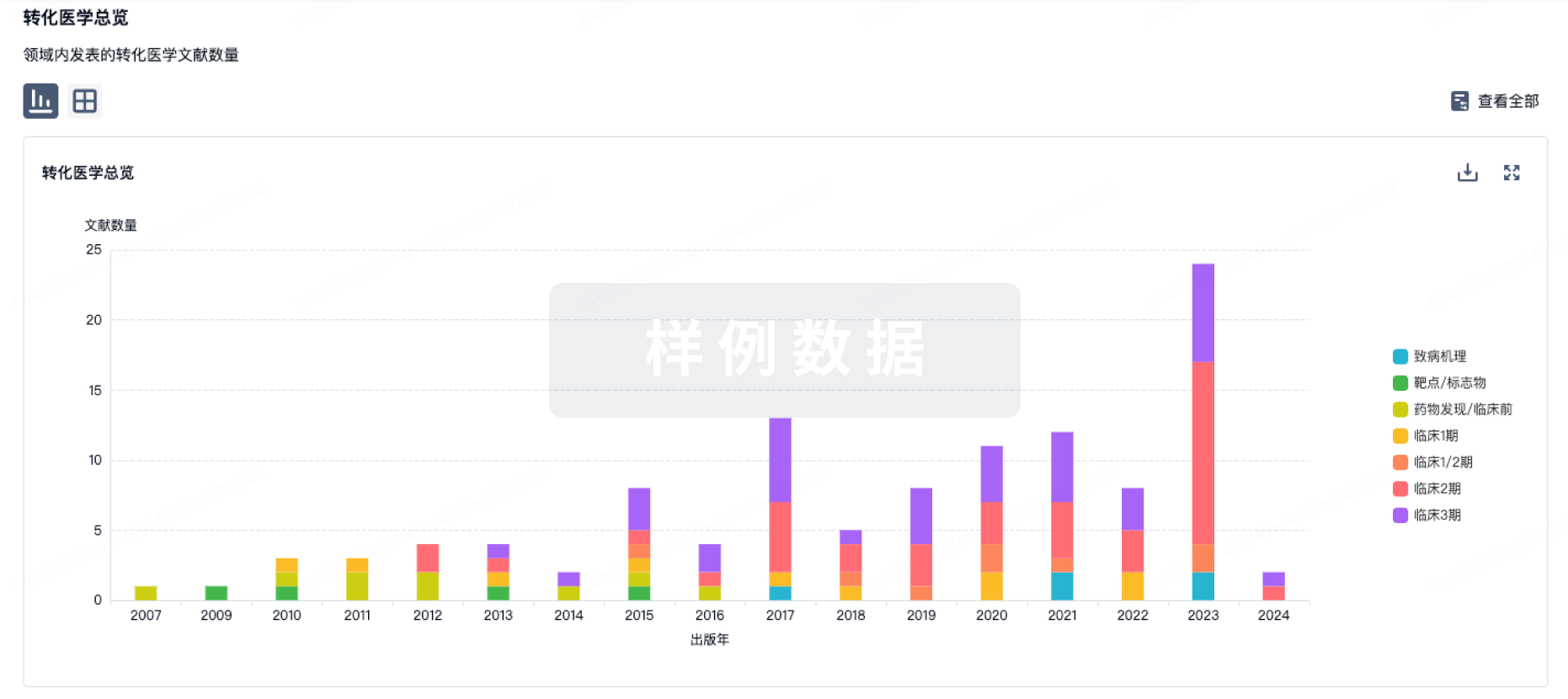
转化医学
使用我们的转化医学数据加速您的研究。
登录
或
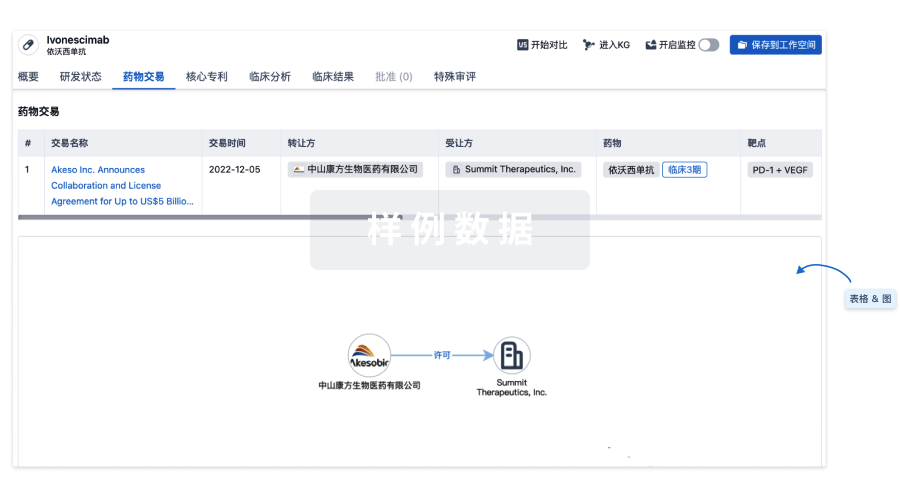
药物交易
使用我们的药物交易数据加速您的研究。
登录
或
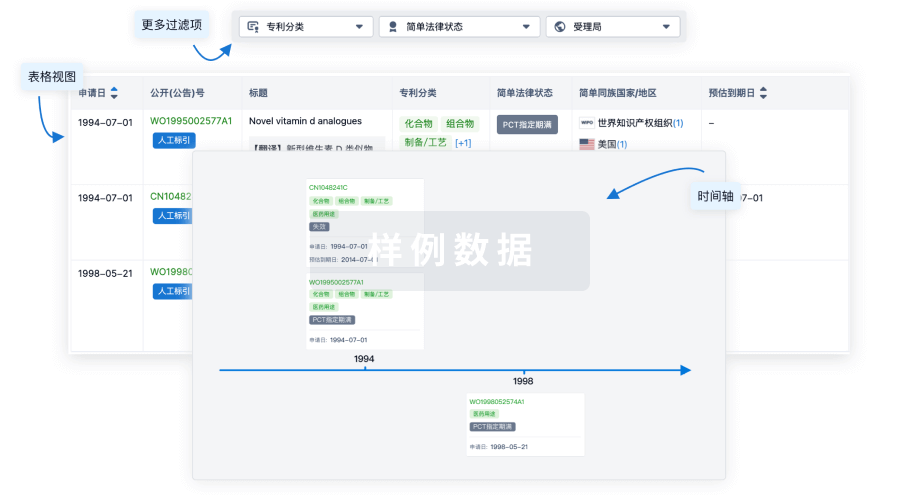
核心专利
使用我们的核心专利数据促进您的研究。
登录
或
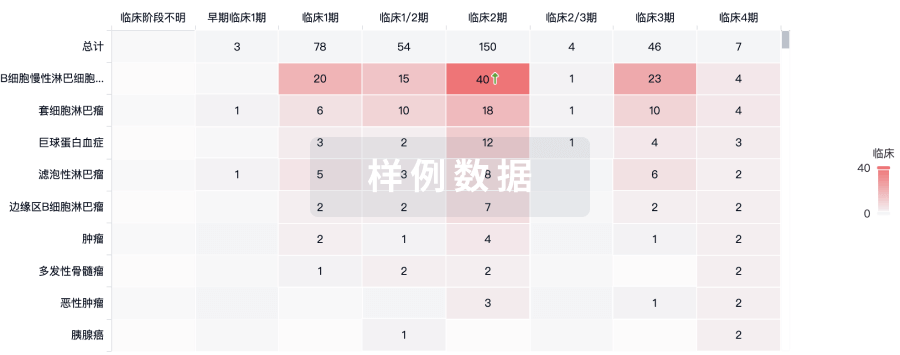
临床分析
紧跟全球注册中心的最新临床试验。
登录
或
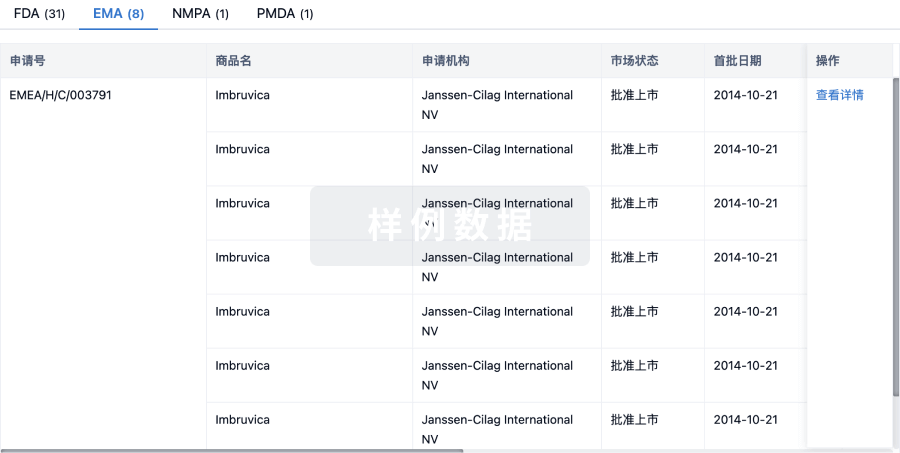
批准
利用最新的监管批准信息加速您的研究。
登录
或
特殊审评
只需点击几下即可了解关键药物信息。
登录
或
提出任何生物医药研究问题
让每一步生物医药决策都精准制胜
基于十亿级生物数据与全球情报的精准 AI,赋能早期药物发现
立即开始免费试用!
智慧芽新药情报库是智慧芽专为生命科学人士构建的基于AI的创新药情报平台,助您全方位提升您的研发与决策效率。
立即接入生物医药数据包
智慧芽新药库数据也通过智慧芽开放平台,以MCP或API服务形式对外开放。立即使用我们的MCP服务定制您的LLM智能体。
生物序列数据库
生物药研发创新
免费使用
化学结构数据库
小分子化药研发创新
免费使用